
One of the oldest, most popular and most timeless video game genres is the racing game. I have spent many hours of my childhood on these ones, and playing them has provided me with some of the most happy, suspenseful and memorable moments of my gaming life (not to mention plenty of instances of road rage). Just like other game genres such as shooters, puzzles and RPGs, its origin goes back long before the virtual age.
Arcade racing simulators have existed since the earliest parts of the 20th century, with the earliest known game Yacht Racer literally hailing from the year 1900. But car-driving simulators are the most popular racing games and those first hit the scene at British amusement arcades in the 1930s, with America first adapting the idea in 1941 with the game Drive Mobile and Japan adapting it in 1958 with Mini Drive. A decade later in 1968, the Japanese arcade racing game Indy 500 came out, and that one may have been the first Japanese racing game to be localized in America when it was released in the West a year later. That wide international market is probably also the reason why Indy 500 became one of the most popular arcade games of the 1960s.
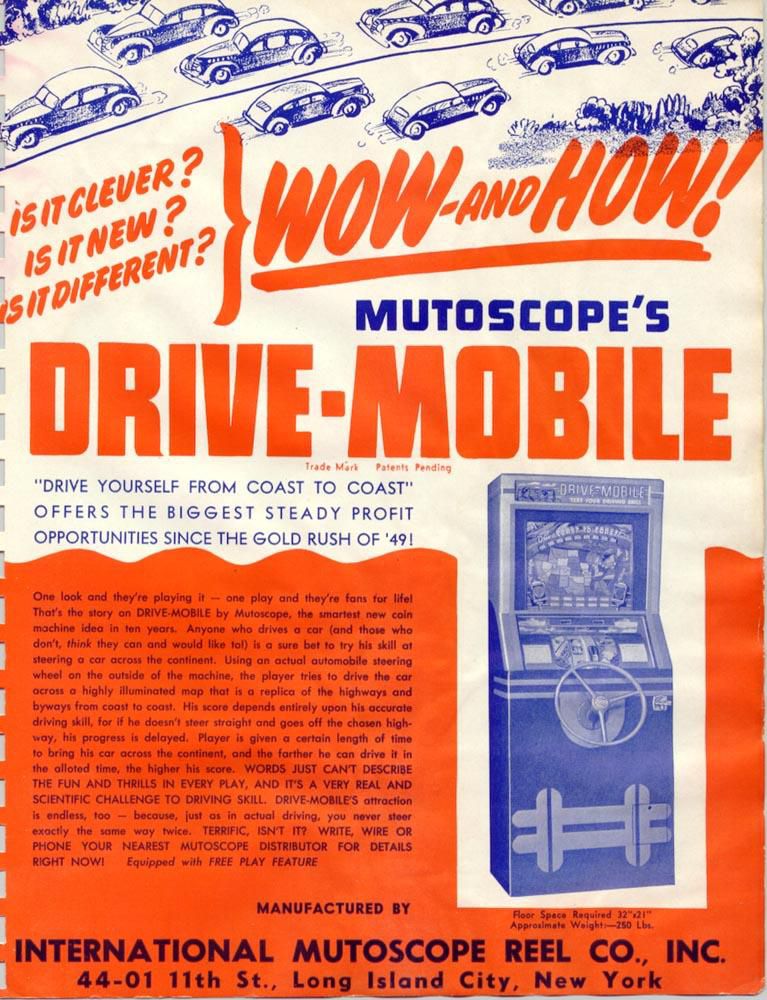
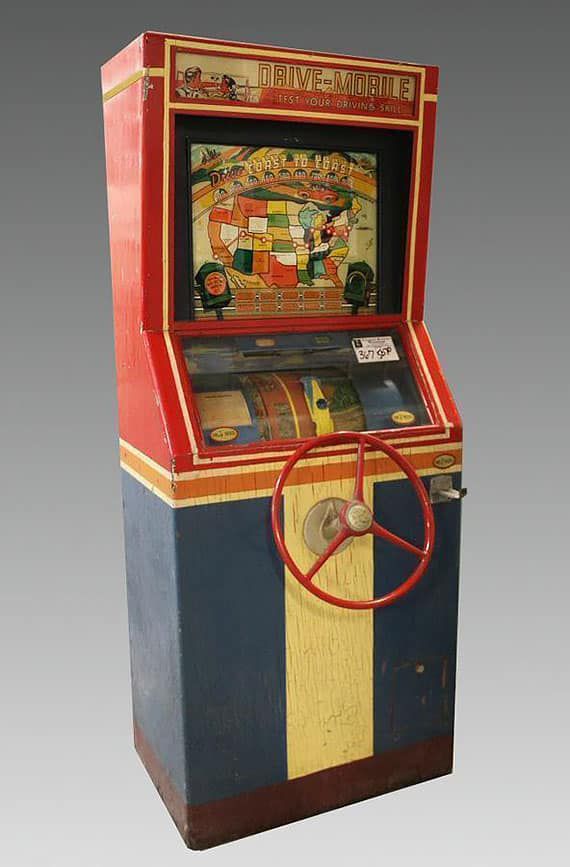
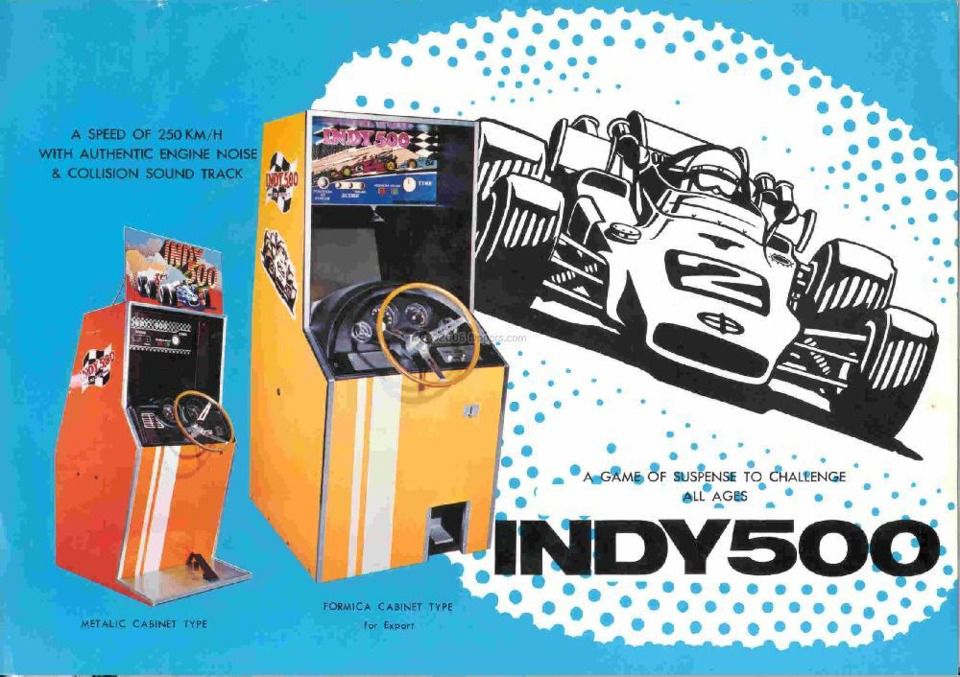
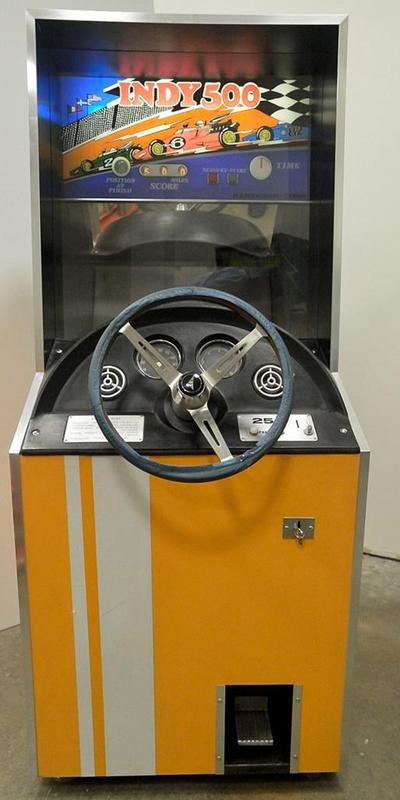
This success led to a trend in arcades that was capitalized on by the Japanese company Taito (future developer of Space Invaders) with their game Super Road 7 (1970), an arcade game that, just like Drive Mobile and Indy 500, featured a steering wheel on the control deck along with vertically scrolling gameplay. This inspired Taito’s other racing game Speed Race (1974), known as Wheels in North America where it was distributed by Midway Games. Future Pac-Man developer Namco also jumped on this trend with their arcade game F-1 (1976), a game distributed in America by Atari. Speaking of Atari, that company’s founder Nolan Bushnell was said to have been inspired to enter the video game industry specifically because of how inspired he was by the racing games he saw while he was an arcade employee, and he even planned on making his own racing game. Until his company developed Pong instead. But Atari has made plenty of noteworthy additions to the racing genre since then.
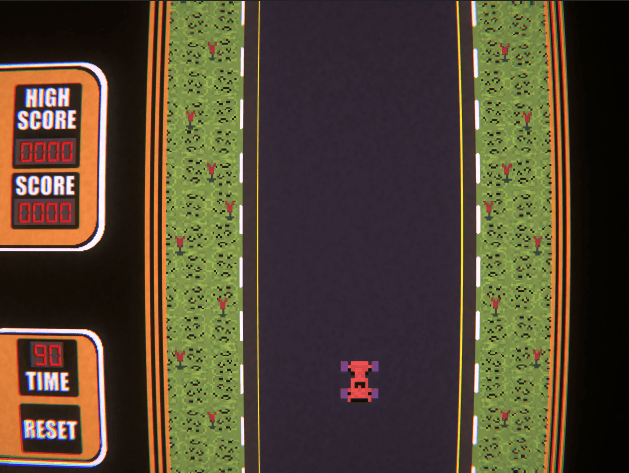
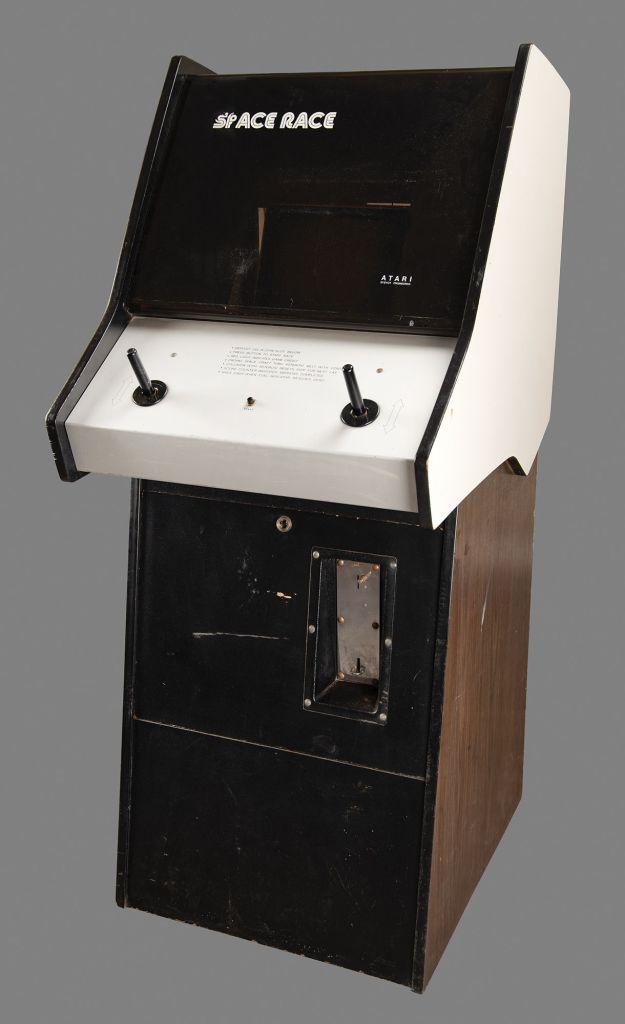
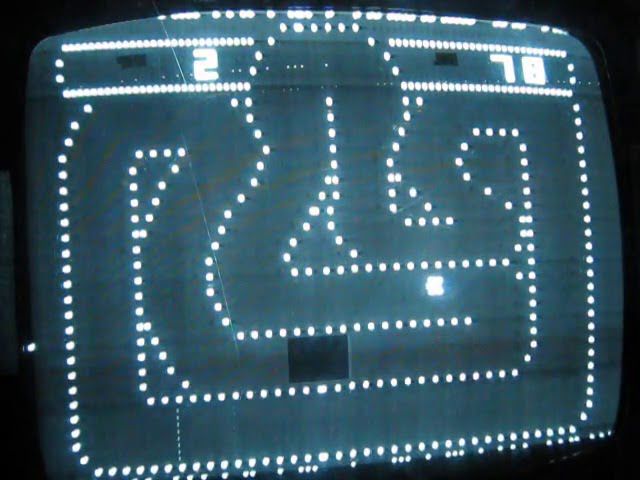
After Pong‘s popularity took off and suddenly virtual games took over the arcade market, many racing games put gamers in control of the car in the third person from a top-down view, including the 1972 game Wipeout for the Magnavox Odyssey and the futuristic arcade game Space Race (1973), which was more famous for being the second game Atari developed after Pong than for anything else, but Atari also developed Gran Trak 10 (1974) a year later and that game was much more fun and a much bigger commercial hit.
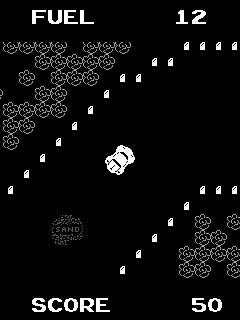
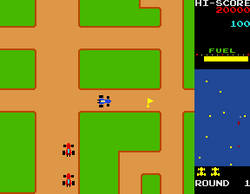
The vertical scrolling that Taito pioneered with Super Road 7 continued to inspire other arcade games, including Atari’s Hi-Way (1975), which was Atari’s first arcade game to use a sit-down cabinet, similar to old school arcade driving games. Atari continued innovating the genre with Super Bug (1977), the first racing game with a scrolling playfield that went in multiple directions besides vertical. This would later inspire the creation of Namco’s Rally-X (1980), which in addition to having a multi-directional scrolling field was also the first racing game, and one of the earliest video games in general, to feature background music during gameplay. That music was composed by Toshio Kai, the same musician behind all the famous tunes heard in Pac-Man (sharp-eared gamers have also noticed how similar the music in those two maze-based games are).
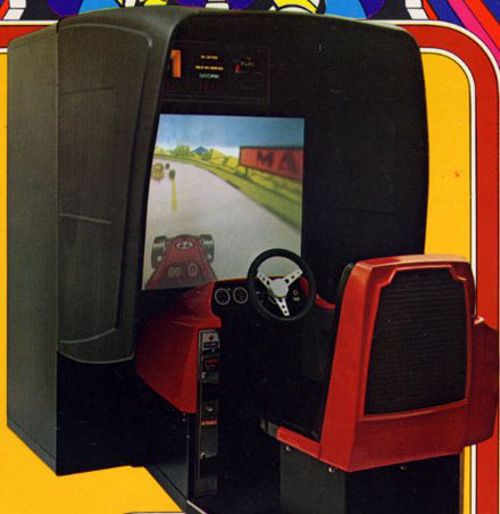
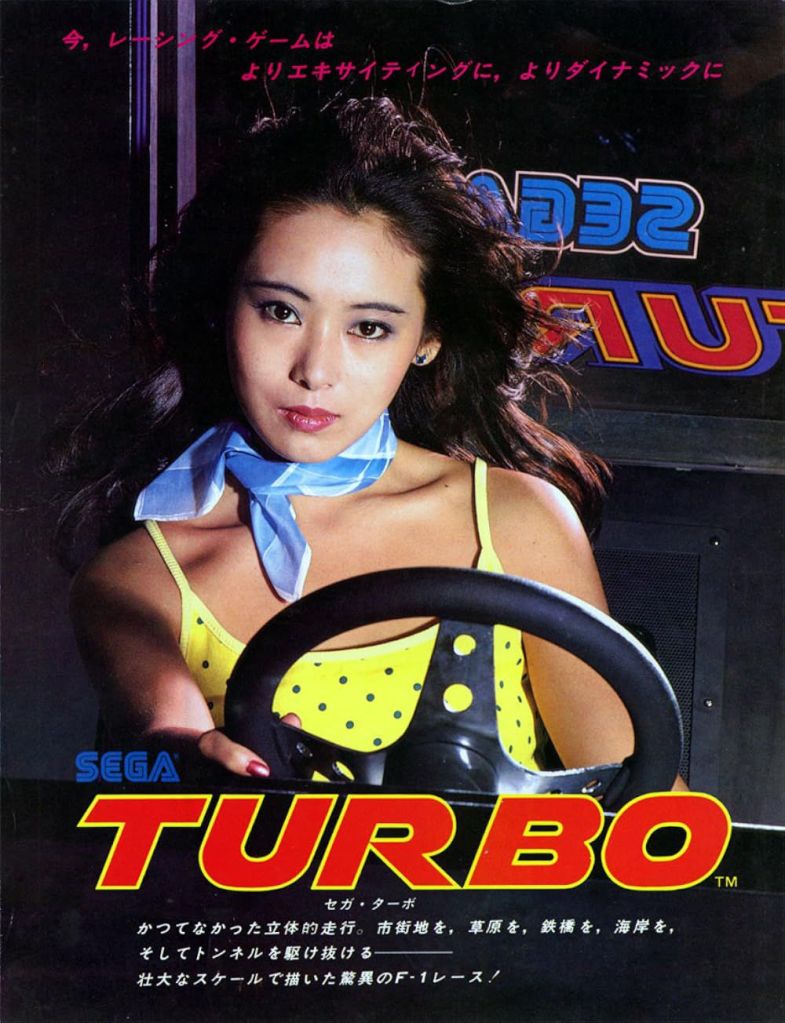
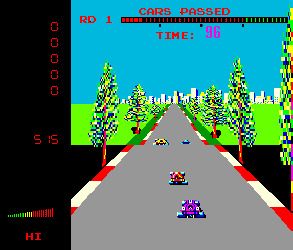
Meanwhile Sega was dominating the market with their technically superior arcade racing games. After speeding onto the scene with the popular pseudo-3D racing game Road Race (1976), they came out with the super challenging and highly competitive Monaco GP (1979), an adrenaline rush of a game that may have been the first racing game that was actually “cool” in the modern sense, and it became one of Sega’s earliest major video game hits. Two years later Sega released Turbo (1981), an arcade game with a steering wheel, a gearshift and an accelerating pedal. Turbo similarly catered to the “cool” market, partly by using beautiful female models in the marketing to lure in male gamers (a strategy that was borrowed from Monaco GP) but also by wowing gamers with its convincing simulation of a real-life third-person perspective thanks to the illusion of depth created by its sprite scaling technology, which helped make Turbo another critical and commercial hit for Sega.
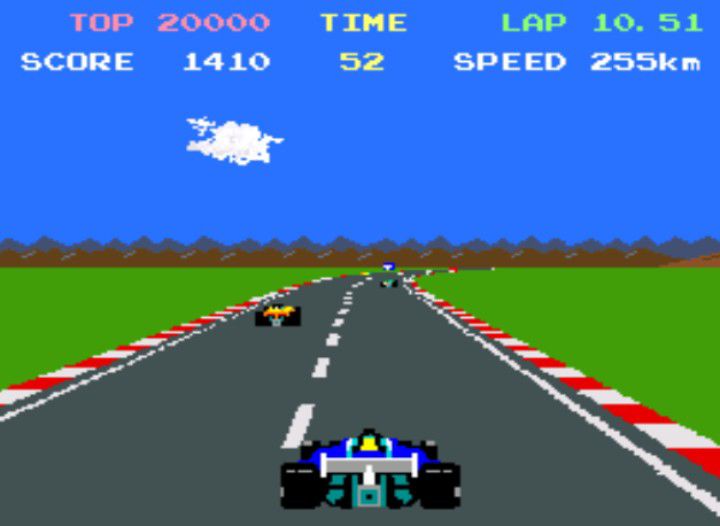
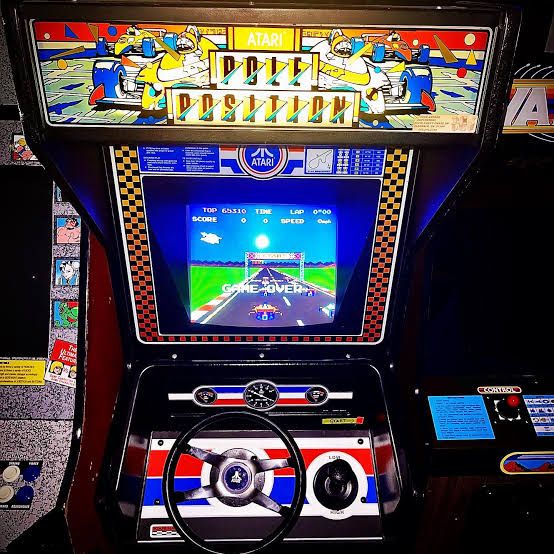
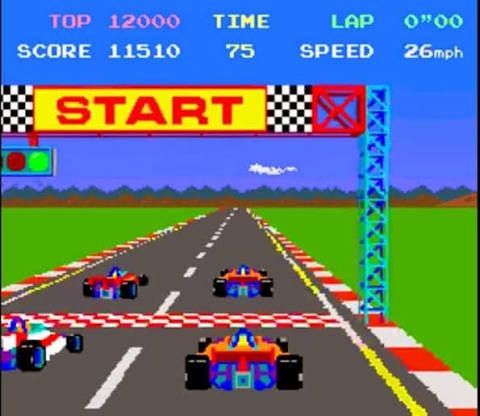
Racing games that used sprite scaling really became the norm after the release of Namco’s Pole Position (1982), which is one of the most popular and influential racing games and the first to be based on a real racing circuit and introduce the concept of qualifying laps (which meant completing a trial before reaching the Grand Prix) to video games, while also incentivizing gamers to come in first place for a higher reward. This practically paved the way for the modern racing game genre as we know it today. Meanwhile Pole Position became the highest-grossing American arcade game two years in a row in 1983 and 1984.
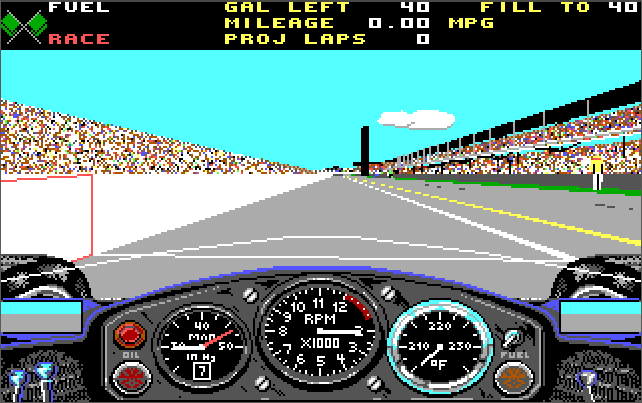
Further innovations followed with laserdisc-based racing games like Taito’s Laser Grand Prix (1983) and Sega’s GP World (1984) which implemented filmed footage into the game, vehicle combat racing games like Irem’s The Battle-Road (1984) and Atari’s RoadBlasters (1987) which allowed you to attack your opponents on the road, and racing simulators with groundbreaking levels of realism like Geoff Crammond’s Revs (1985) for the BBC Micro home computer, Mike Richardson’s Turbo Esprit (1986) for the ZX Spectrum, Commodore 64 and Amstrad CPC, and Papyrus Design Group’s Indianapolis 500: The Simulation (1989) for the MS-DOS.
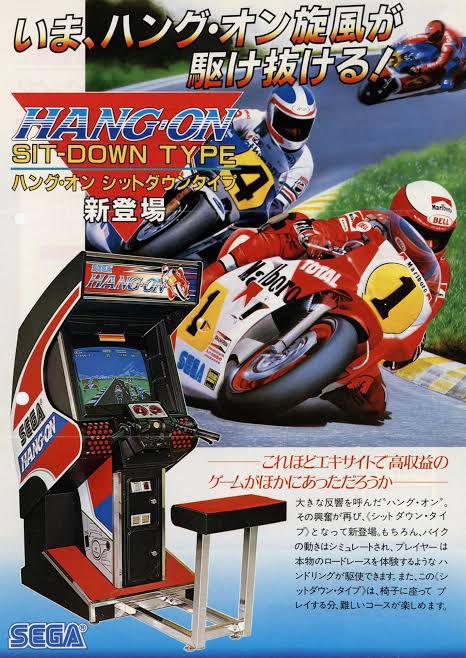
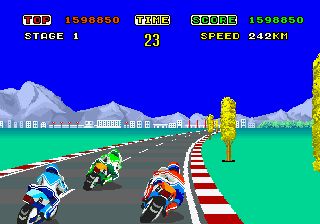
Sega’s motorcycle racing game Hang-On (1985) directed by Sega legend Yu Suzuki was one of the first 16-bit arcade games, and it technologically surpassed Pole Position in both sprite scaling and frame rate with its incredible-looking graphics. The control scheme was also sophisticated with your literal movements on a motion-controlled seat matching the movement of the motorcycle on screen. Hang-On was so popular that it became the highest-grossing arcade game of 1986 in both Japan and the United States. And the motion-controlled seating trend led to other arcade classics from Sega that were also guided by Yu Suzuki, like Space Harrier (1985), Out Run (1986) and After Burner (1987).
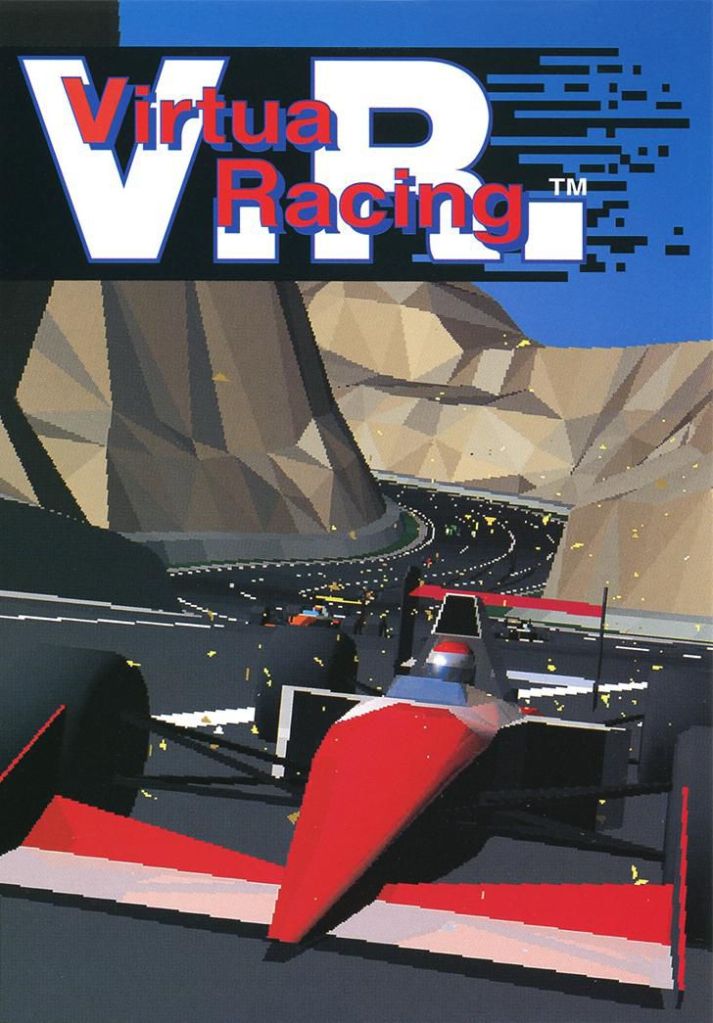
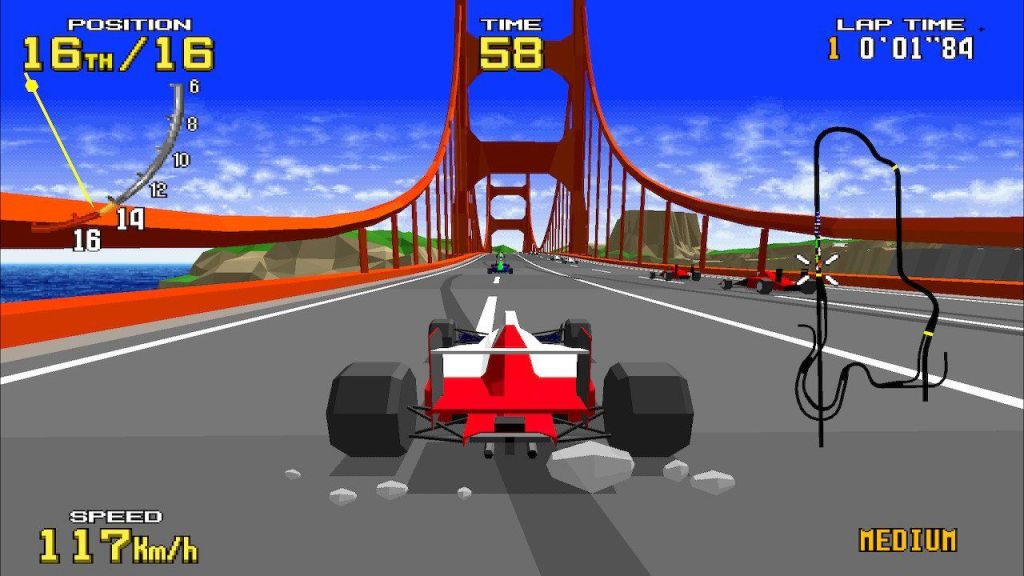
The racing game genre continued its popularity from the late eighties to the early nineties with more innovations. Square’s Rad Racer (1987) for the NES was among the first stereoscopic 3D racing games. Namco’s arcade game Winning Run (1988) used 3D polygon graphics. Atari’s Hard Drivin’ (1989) featured realistic physical feedback during aggressive turns. While Sega’s Virtua Racing (1992), once again directed by Yu Suzuki, refined 3D racing games with its detailed graphics, higher-than-average frame rate and gameplay mechanics that set the standard for the genre. Released a decade after Pole Position had similarly set the standard, Virtua Racing is among the most popular and influential games of the modern era (and it kicked off a series of other popular and visually groundbreaking Sega games with “Virtua” in the title like Virtua Fighter and Virtua Cop).
By the nineties there were multiple racing game subgenres that were all gaining popularity. Although arcade racers never really went out of style, as evidenced by the commercial success of Namco’s Ridge Racer (1993), Sega’s Daytona USA (1994), Electronic Arts’ The Need for Speed (1994), Midway’s Cruis’n USA (1994) and Atari’s San Francisco Rush (1996). As usual, Sega was technologically pushing the genre forward, because in addition to the huge success they were having with Daytona USA, their game Sega Rally Championship (1995) helped popularize several racing game mainstays, including the idea of varying friction that changed depending on the surface you drove on (one point for Sega in the realism race), as well as introducing rally racing and offering both competitive and cooperative gameplay.
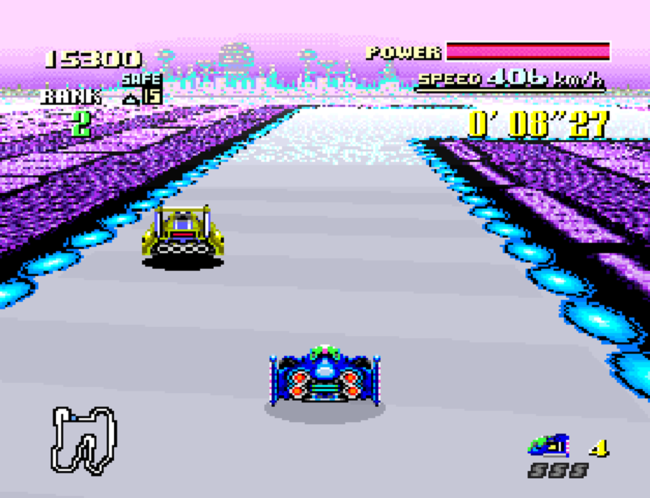
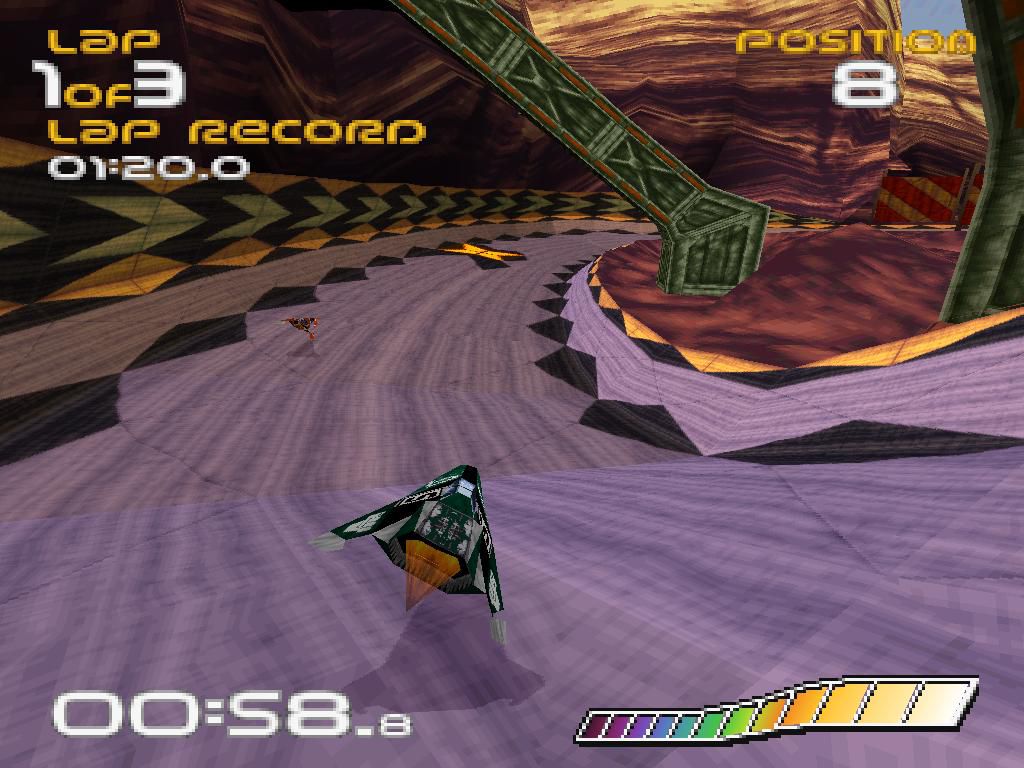
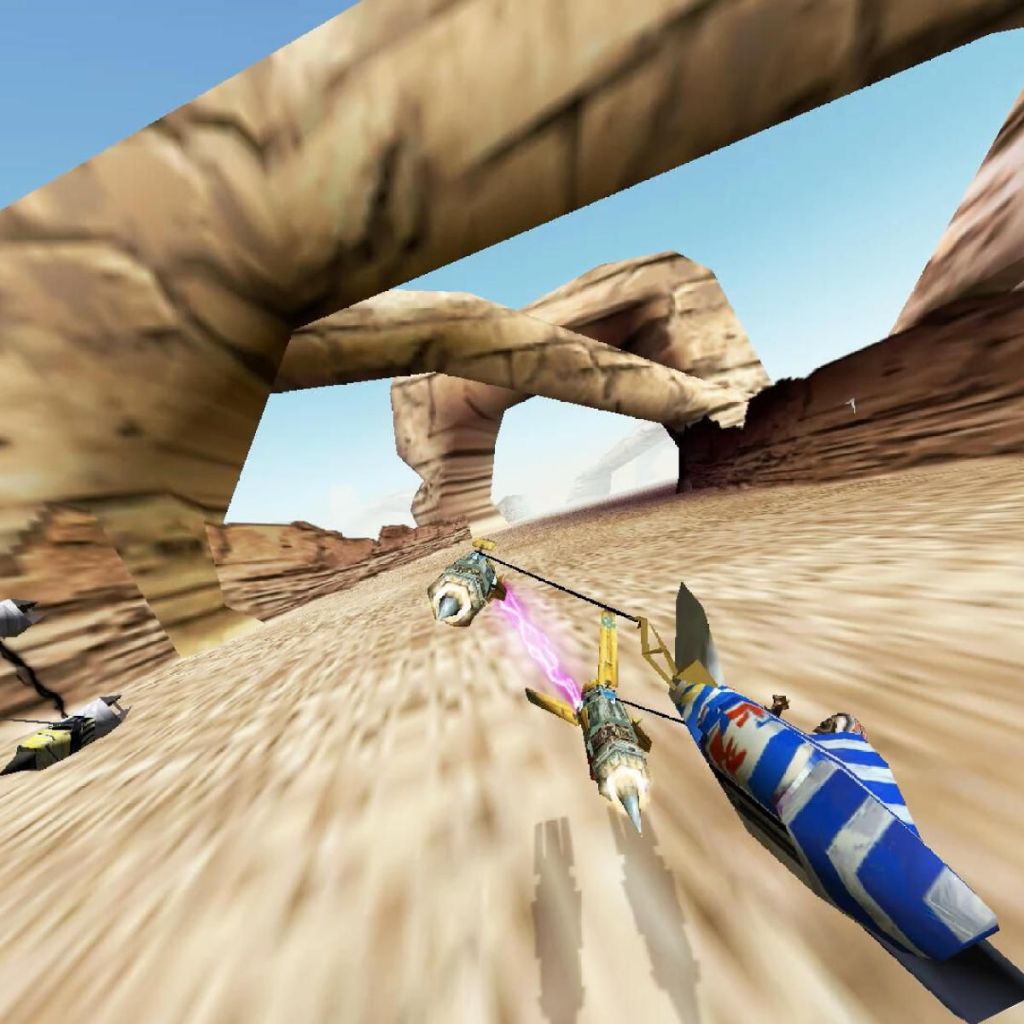
Sci-fi racers (often synonymous with anti-gravity racers) were also gaining popularity as the genre evolved. They have existed as early as William Electronics’ laserdisc-based Star Rider in 1983 and Atari’s S.T.U.N. Runner in 1989, the latter of which was also a vehicular combat game that allowed you to fire laser cannons at your opponents. But Nintendo’s F-Zero (1990), a launch title for the Super NES and one of Nintendo’s earliest 16-bit games, really served as the gold standard for sci-fi racing games, with the Super NES’s faux-3D Mode 7 graphics (which granted a sophisticated illusion of sprite depth) being one of the game’s major selling points. F-Zero came to define the anti-gravity racing subgenre on the console game market (although Nintendo would bring the F-Zero series to the arcade in later years) and the developers would both elevate the visuals and the challenge in subsequent entries. But not before the 1995 racing game Wipeout, developed by Psygnosis for the PlayStation, took anti-gravity racing to the 3D polygon world, while Lucasarts took the subgenre to a whole other level with the high-speed podracing game Star Wars: Episode I – Racer (1999), which became the best-selling sci-fi racing game of all time.
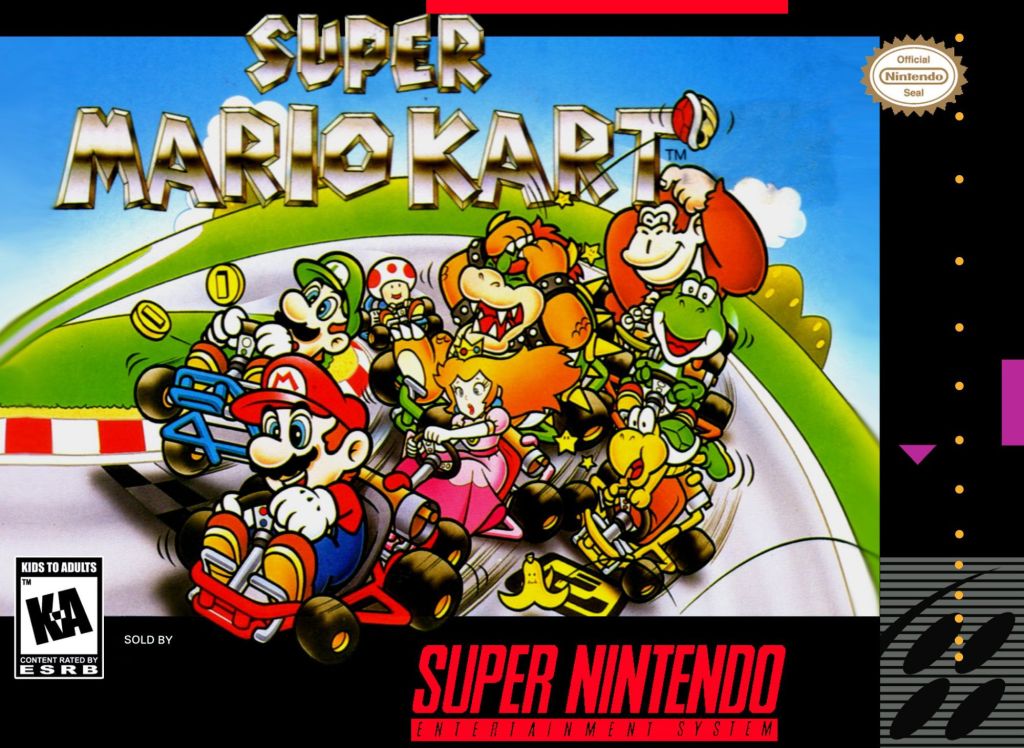
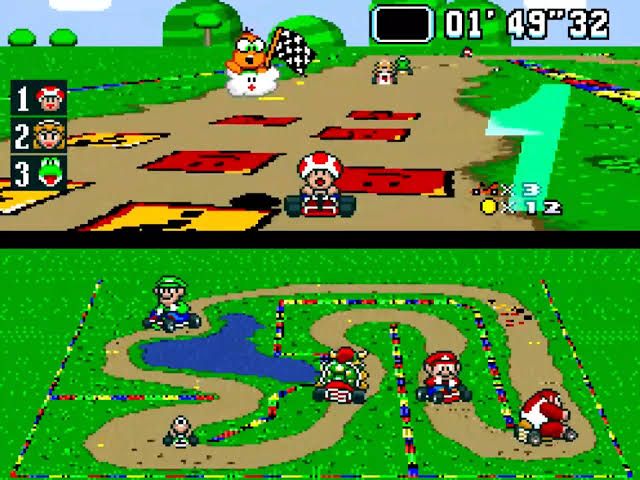
Even Mario couldn’t resist the racetrack when Nintendo developed Super Mario Kart (1992) for the Super NES. There had been kart racing video games in the past, such as Sega’s Power Drift (1988), which was a critical and commercial success at the arcade. But Mario really popularized that subgenre on home consoles. Mario creator Shigeru Miyamoto was the producer of Super Mario Kart (and almost every Mario Kart game since) with the intention of Miyamoto and his team being to contrast F-Zero‘s single-player experience and see if it was possible to display two players on screen at the same time in a multiplayer racing game. This emphasis on a two-player experience is also what led to the addition of a battle mode (the Mario Kart series is technically a vehicular combat game series). Once Nintendo made the decision to set the game in the Mario universe, and once you and your friends began racing across the Mushroom Kingdom, you could jump on the track, power slide to maintain speed while turning, and gain helpful power-ups by driving across the question mark panels paved on the road, which could let you throw turtle shells at your opponents, throw banana peels on the road and even gain invincibility when you touch a star. It was so successful that the Mario Kart series has been going strong ever since, and it is still one of Nintendo’s most successful series.
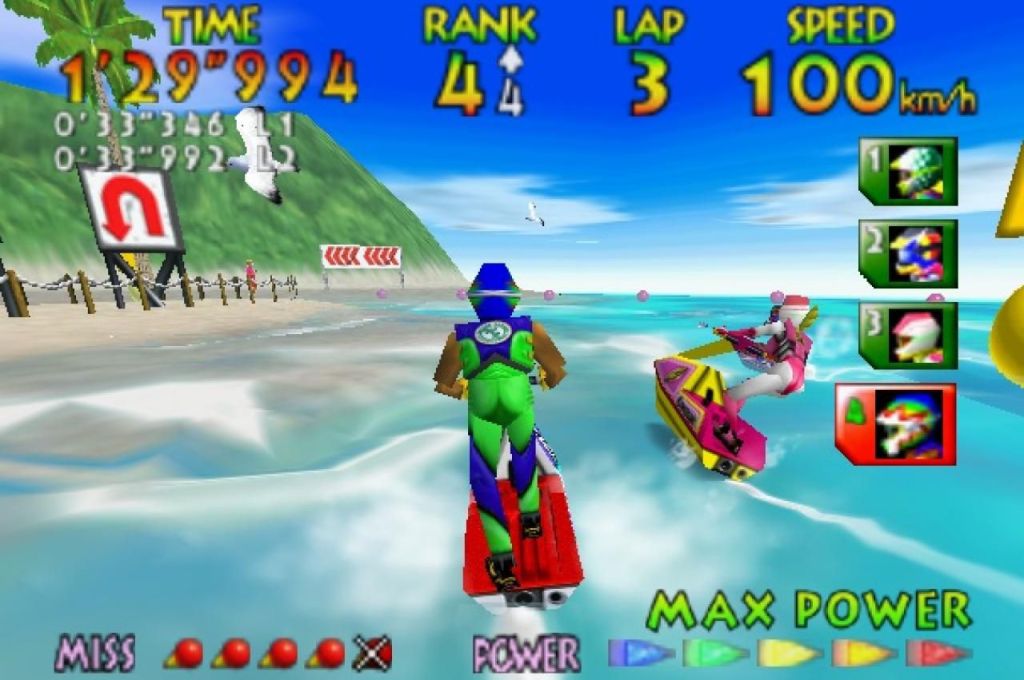
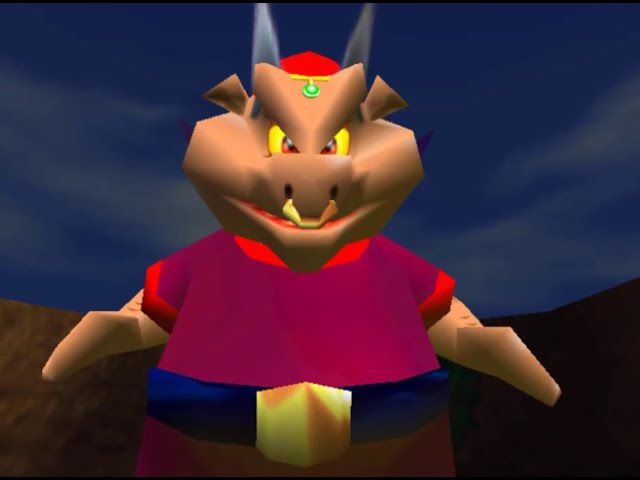
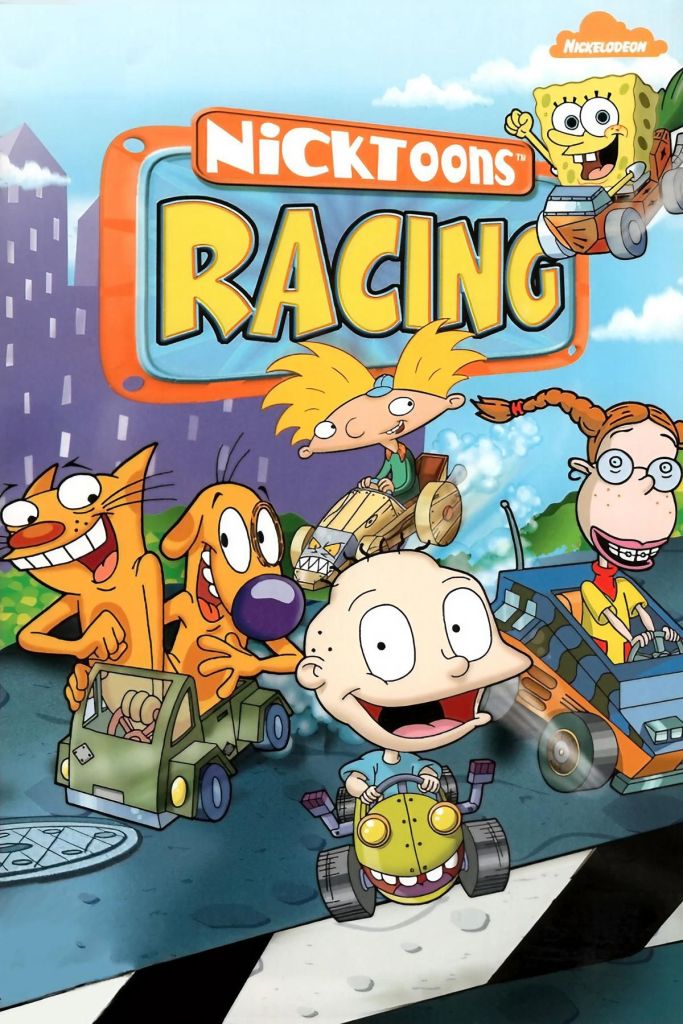
Nintendo continued to innovate the formula in their own way with the 1996 jet ski racing game Wave Race 64 (the critically acclaimed sequel to Nintendo’s less popular 1992 Game Boy game Wave Race) while Mario Kart 64 (1996) expanded on Super Mario Kart with a game that was a lot more fun while helping popularize the wacky side of the genre in 3D. This inspired other cartoony kart racers like Rare’s Diddy Kong Racing (1997) and Naughty Dog’s Crash Team Racing (1999) as well as licensed racing games featuring Disney characters, Nickelodeon characters and South Park characters.
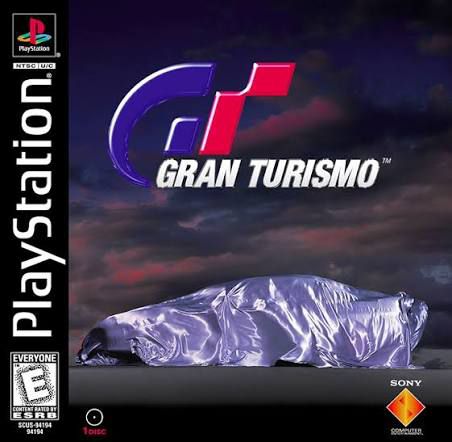
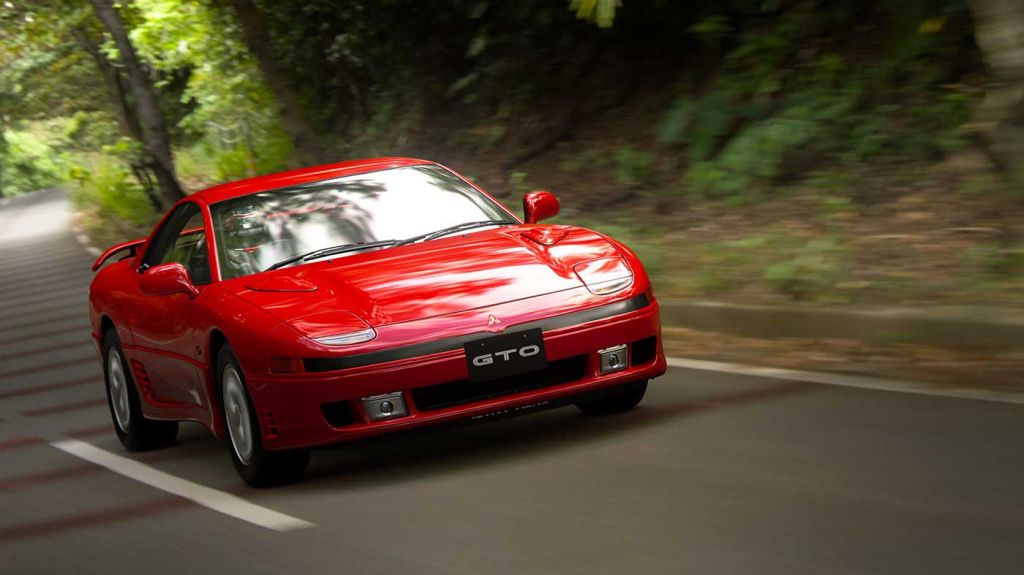
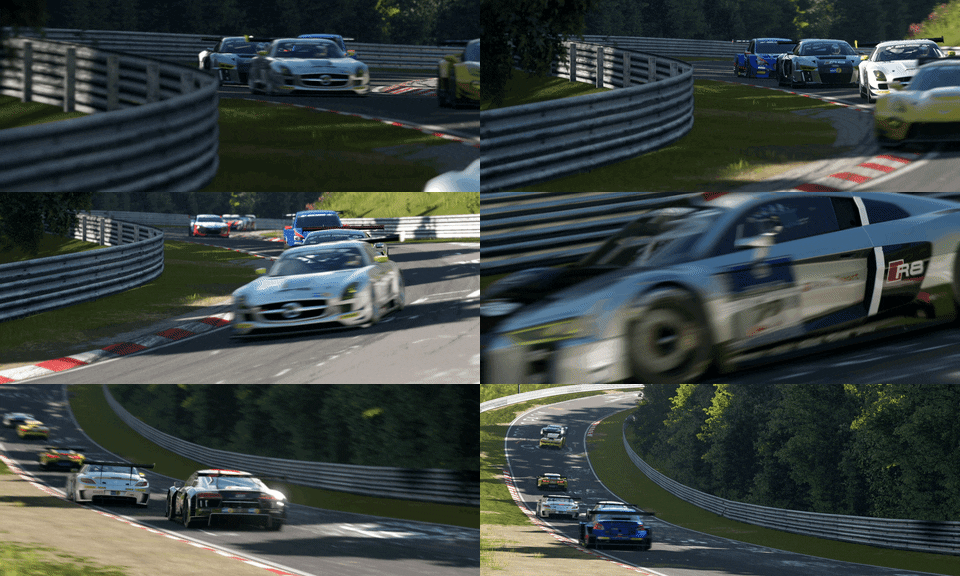
But fans of realistic racing games still had plenty to enjoy thanks to Gran Turismo, a series introduced on the PlayStation by Polys Entertainment that has been called the most realistic driving simulator in the video game industry. Sony developer Kazunori Yamauchi is the one who created this series, with the intention being to contrast the exaggerated style of arcade racers with the complex control schemes of real-world cars. Gran Turismo had the largest roster of licensed vehicles in a video game at the time and you could also upgrade your cars with the prize money you won in racing competitions. The groundbreakingly realistic racing game was first released in Japan in the winter of 1997 and by 1998 it would become the third best-selling game of the year behind Pokémon and Resident Evil 2, while in the United States it became the third best-selling game of 1998 behind Goldeneye 007 and The Legend of Zelda: Ocarina of Time. The Gran Turismo series continues to be popular, as well as dazzle on a visual level, to this day.
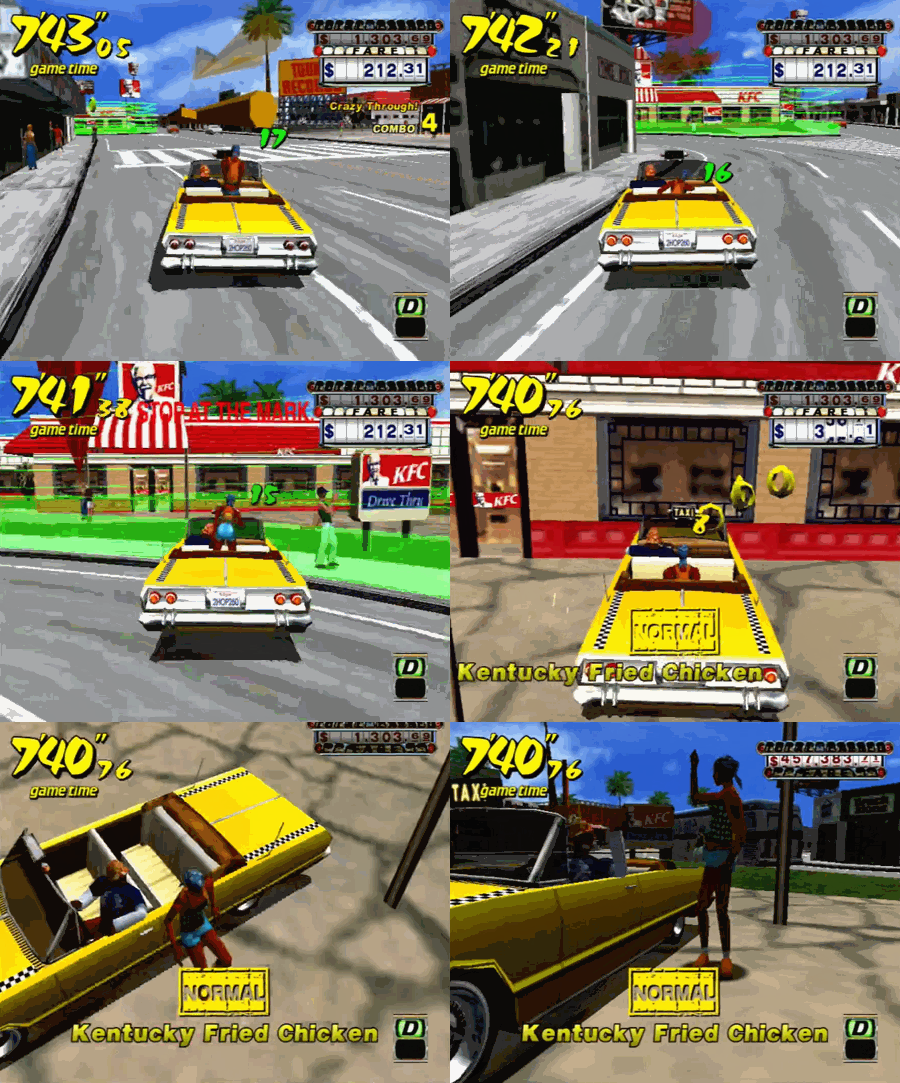
Sega was of course always innovating from a technological standpoint but their arcade game Crazy Taxi (1999) went even further by changing the definition of a racing game. The object of Crazy Taxi was to pick up passengers off the street and drive them to their destination as quickly as possible, often with hilarious results. Crazy Taxi was a nice reminder that Gran Turismo did not need to be the end goal of the racing game genre, as well as being a nice reminder that the kart racers were not the only racing games allowed to go in unrealistic directions and embrace their wacky side.
The 21st century continued introducing successful new racing game series like Criterion Games’ Burnout (2001), Bizarre Creations’ Project Gotham Racing (2001), Nadeo’s TrackMania (2003) and Playground Games’ Forza Horizon (2012) to name a popular few. Further proof that this genre is truly timeless. Which shouldn’t be surprising given that it’s literally been popular across two entire centuries, which is almost as long as electronic entertainment has been around.

