Shigeru Miyamoto is a true maverick in the video game industry and you can see it in the way that Donkey Kong and Super Mario Bros. reinvented the platformer genre, The Legend of Zelda perfected open-world exploration and Star Fox influenced 3D shooters. But Pikmin may be the best example of his innovation because it’s a concept that feels less like a refinement of what came before and more like a completely original idea. The game about a tiny astronaut who commands an army of insect-like alien creatures originated from Miyamoto’s mind while he was out gardening, witnessed some ants carrying a leaf, and imagined that army of ants as an army of people. Soon came a fun new concept for a video game that felt unlike any other interactive experience.
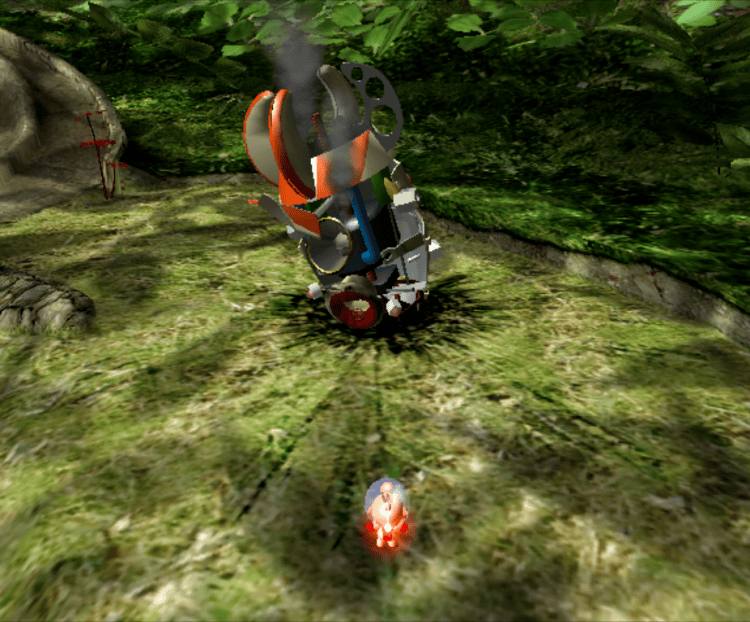
The real-time strategy game Pikmin was first introduced on the GameCube in 2001 and it centered on a one-inch tall humanoid named Captain Olimar, a delivery astronaut who hails from the planet Hocotate and whose rocket ship the S.S. Dolphin gets hit by a comet while he is cruising through space. This sends him tumbling down onto a strange planet where his rocket crashes into pieces (the strange planet Olimar lands on bears a strong resemblance to Earth, but the place appears to be populated only by fictional creatures, which leaves a lot of room for theories about the game’s lore). While exploring the planet looking for his missing ship parts, Olimar discovers creatures with plants sprouting from their heads. The plant creatures reside in the soil until Olimar picks them from the ground by their stems. They seem friendly and they appear to follow Olimar’s orders like soldiers, so Olimar enlists their aid and decides to name them Pikmin.
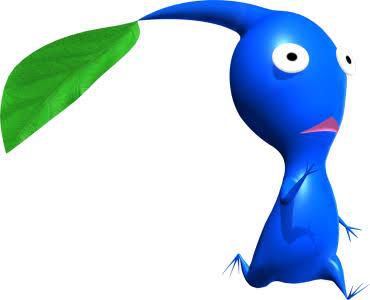
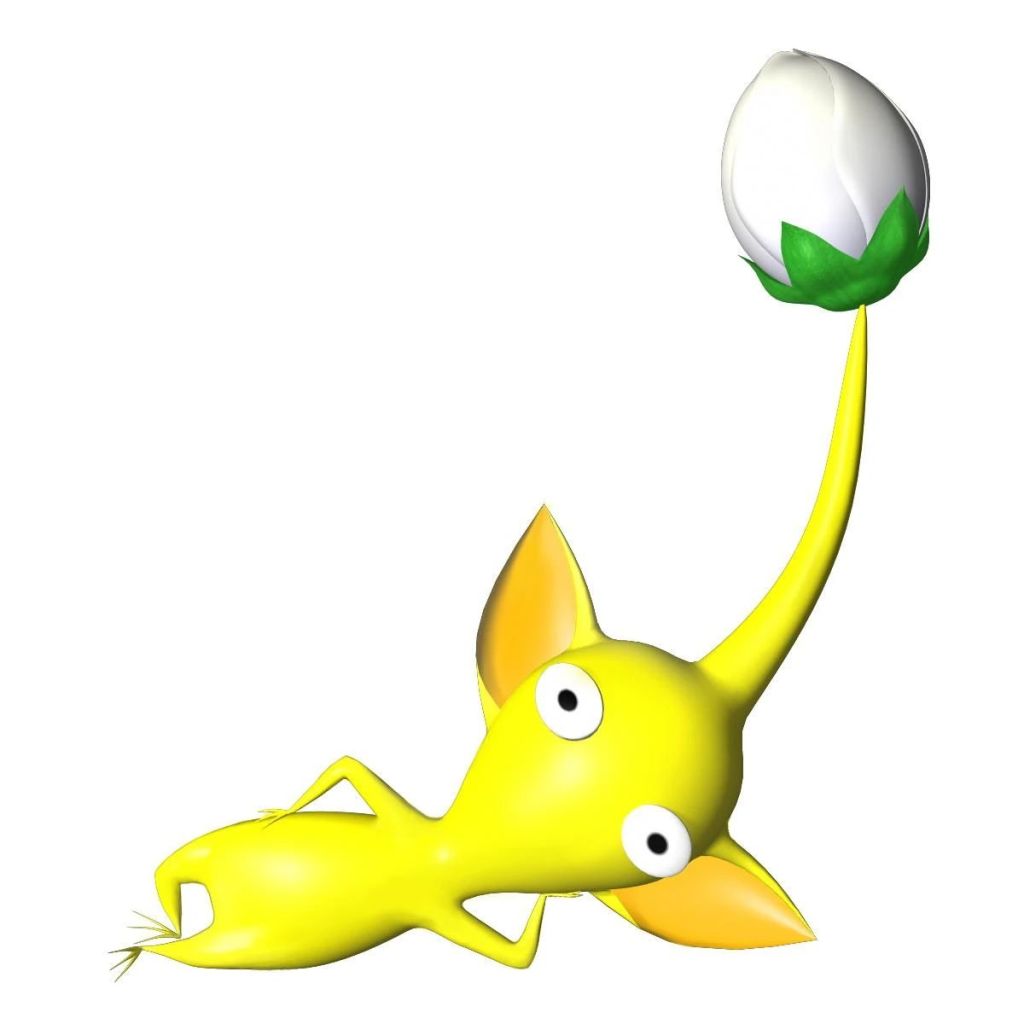
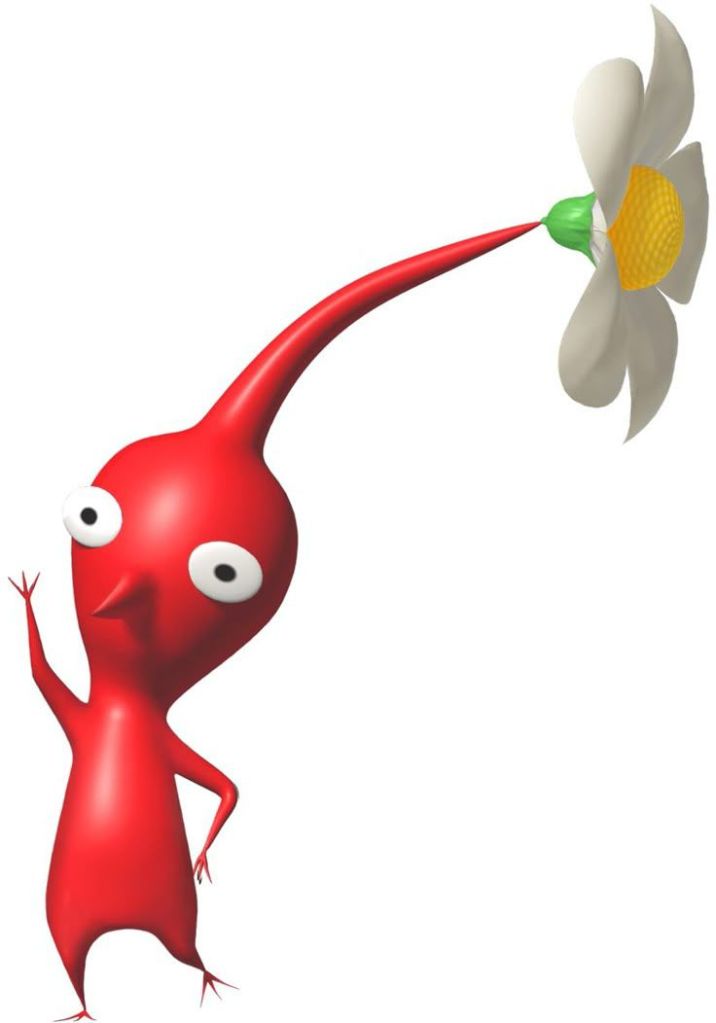
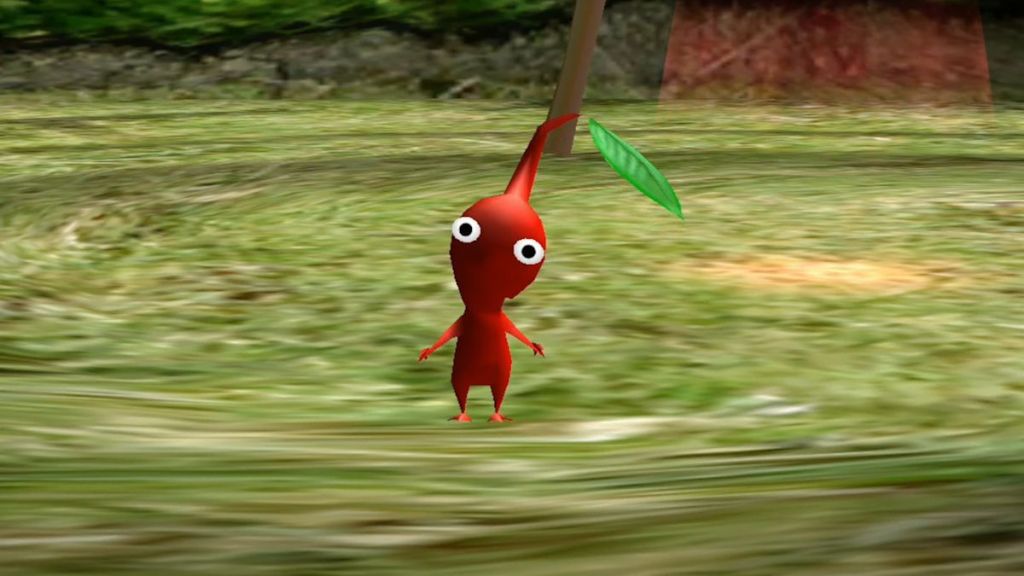
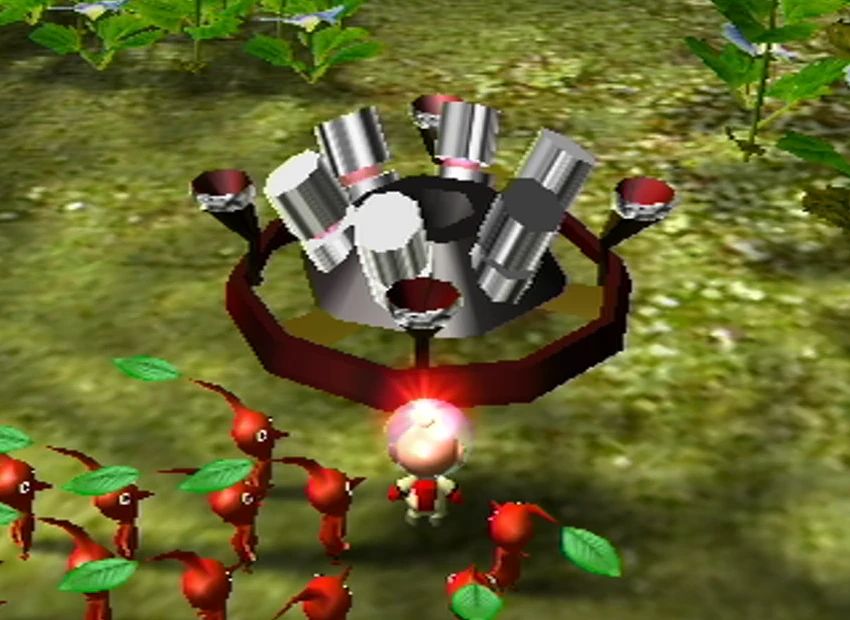
The red Pikmin are immune to fire and are the toughest fighters, the blue Pikmin are aquatic and able to survive in water, and the yellow Pikmin are lighter and therefore able to fly higher than the other Pikmin when thrown, plus they have the ability to carry and detonate explosive bomb rocks. Each of these three Pikmin types have their own ships, which Olimar has dubbed the Onions. The game takes place over the course of several days, and at the end of each day the Pikmin must seek shelter in their Onions, otherwise they will be eaten by wild predators. Of which you will encounter a wide variety throughout the game.
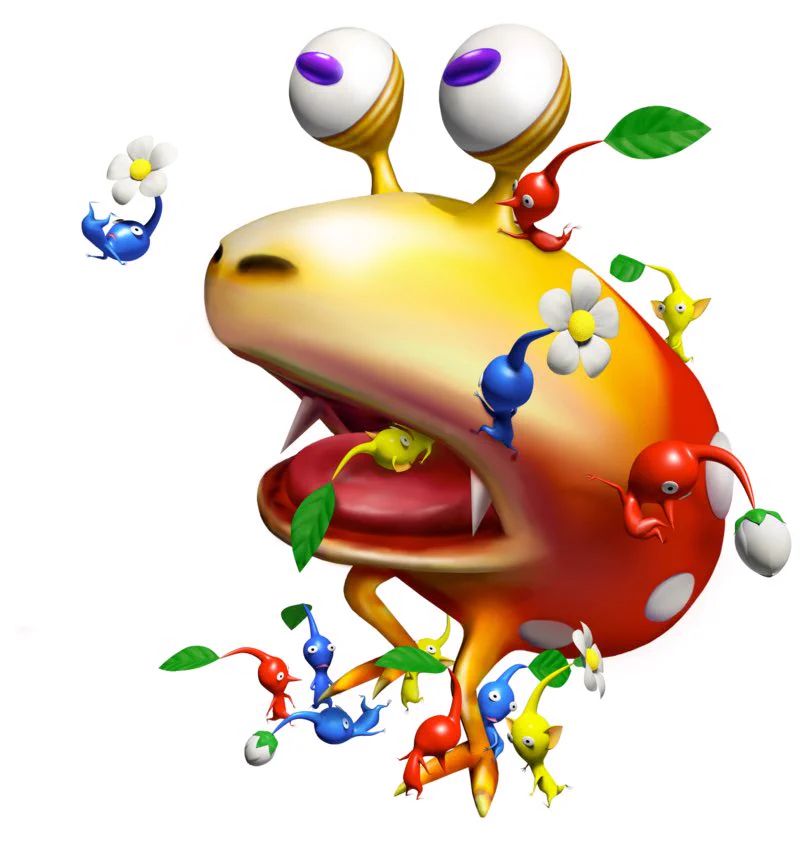
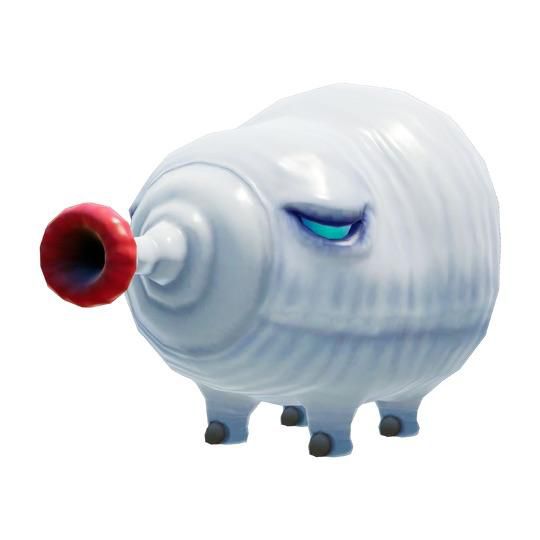
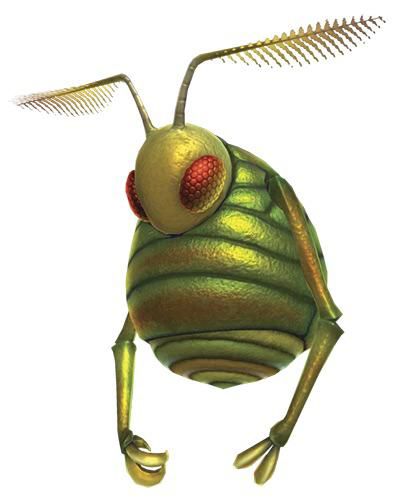
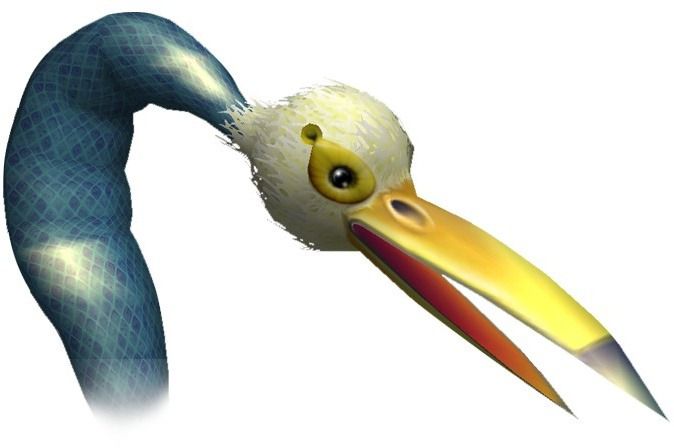
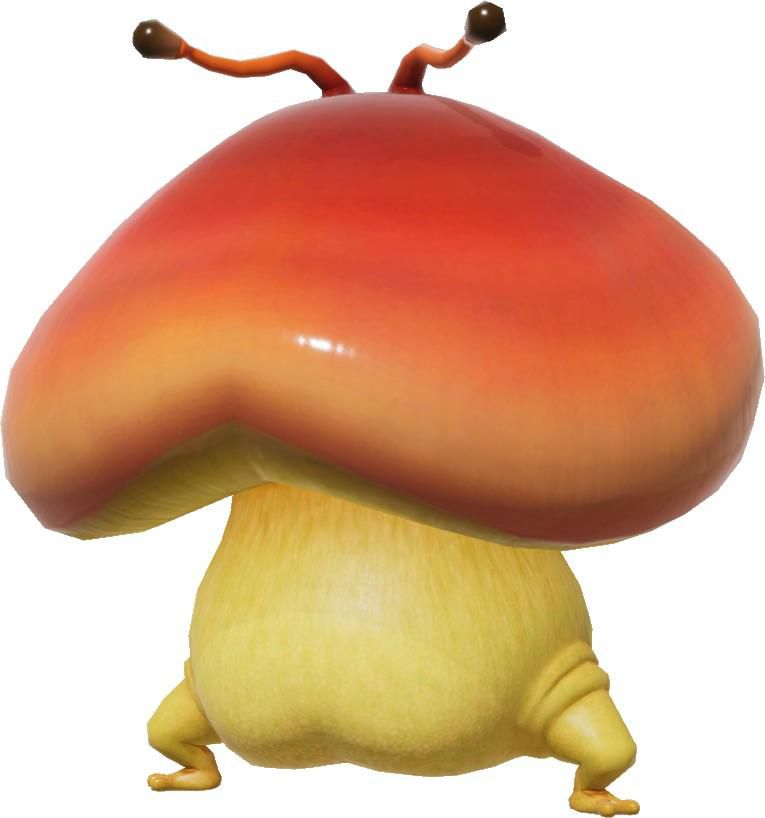
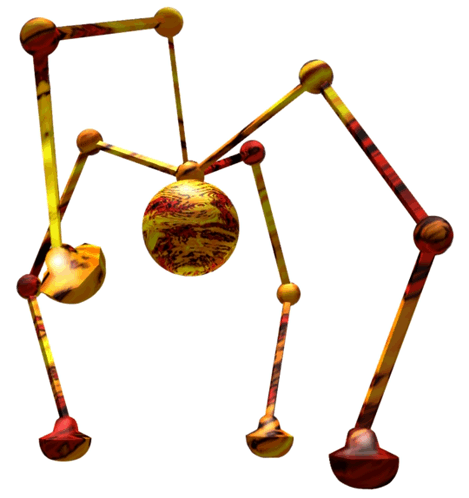
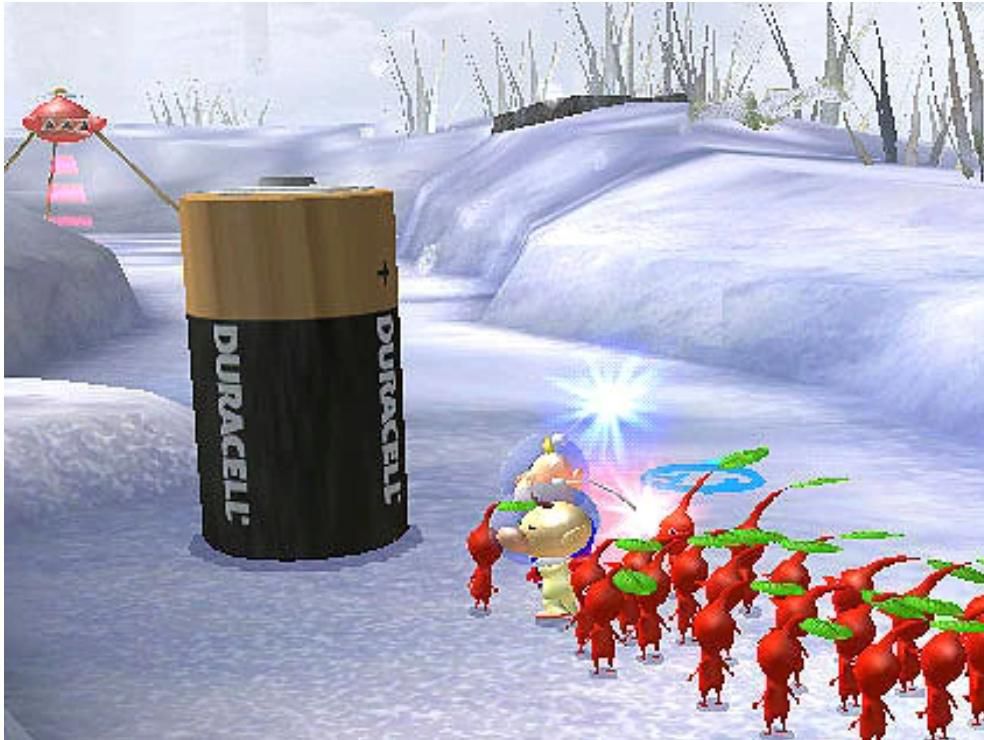
Olimar can grab and toss Pikmin and he can also order them to carry items, dig in the ground, destroy walls, build bridges and send them off to attack hostile wildlife. When Pikmin die, drown or get eaten, you can rebuild your army either by carrying killed predators or red, yellow and blue pellets over to one of the Onions. After abducting the pellets, as well as the carcasses of fallen creatures, the Onion will instantly sprout Pikmin seeds, which burrow into the ground and can then be yanked from the ground by Olimar. You can only command up to 100 Pikmin on the field at a time, so any other Pikmin you cultivate will remain inside the Onions until they are needed.
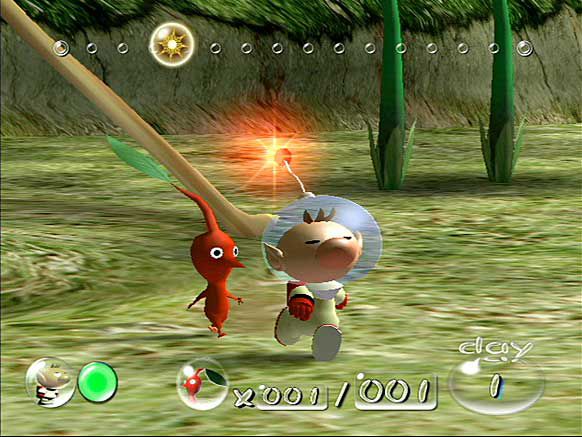
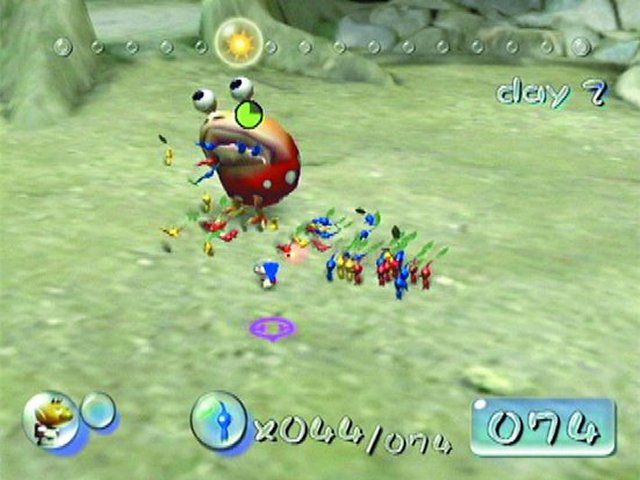
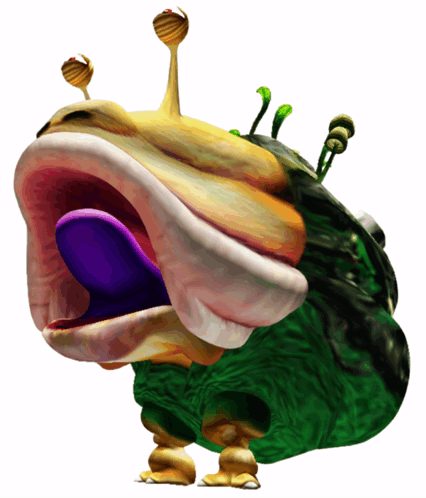
Olimar has 30 days to find his missing rocket ship parts (with one day in the game being equivalent to 13 minutes in real time). If Olimar doesn’t find enough ship parts by the end of 30 days, his ship’s life support system will run out. As you explore the planet solving puzzles and battling creatures, you must use your Pikmin to find and carry each ship part you find back to the S.S. Dolphin, and there are five main areas of the planet to explore: the Impact Site, the Forest of Hope, the cavernous Forest Navel, the Distant Spring and the Final Trial (where the toughest creature Emperor Bulblax resides).
Pikmin was one of the first Nintendo games developed for the GameCube. It was produced by Shigeru Miyamoto and directed by Yoshi creator and Yoshi’s Island co-director Shigefumi Hino alongside 1080° Snowboarding co-director Masamichi Abe. The otherworldly but balletic soundtrack was composed by Hajime Wakai (Star Fox 64, F-Zero X, the Pokémon Stadium series) and the game was designed by Mario Kart 64 and Pokémon Stadium graphic designer Hiroaki Takenaka with character designs handled by Pokémon Stadium 3D Pokémon modeler Junjii Morii, who got his visual inspiration for Pikmin from the French animated sci-fi film Fantastic Planet and the films of Tim Burton.
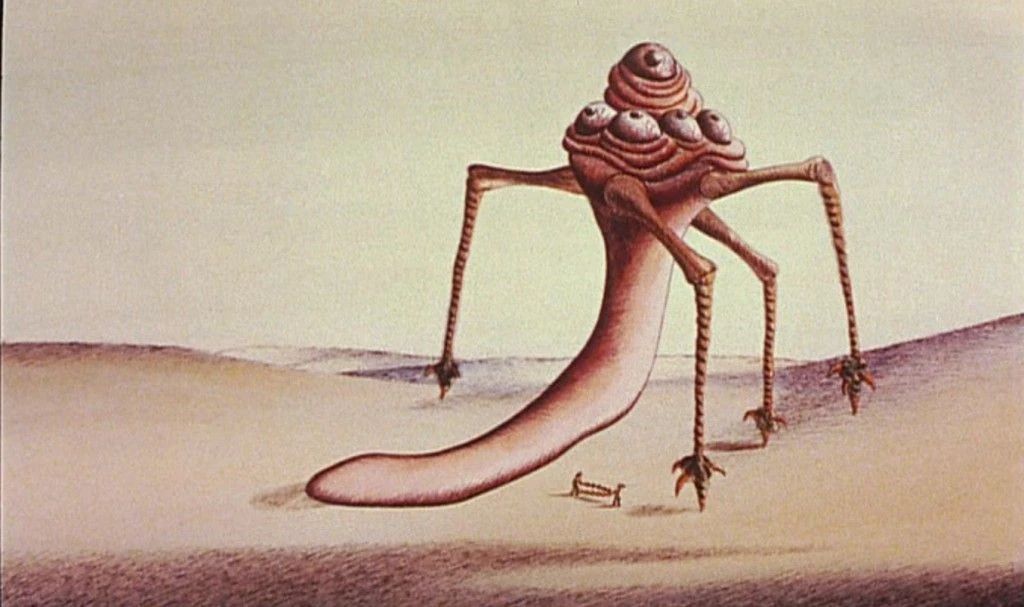
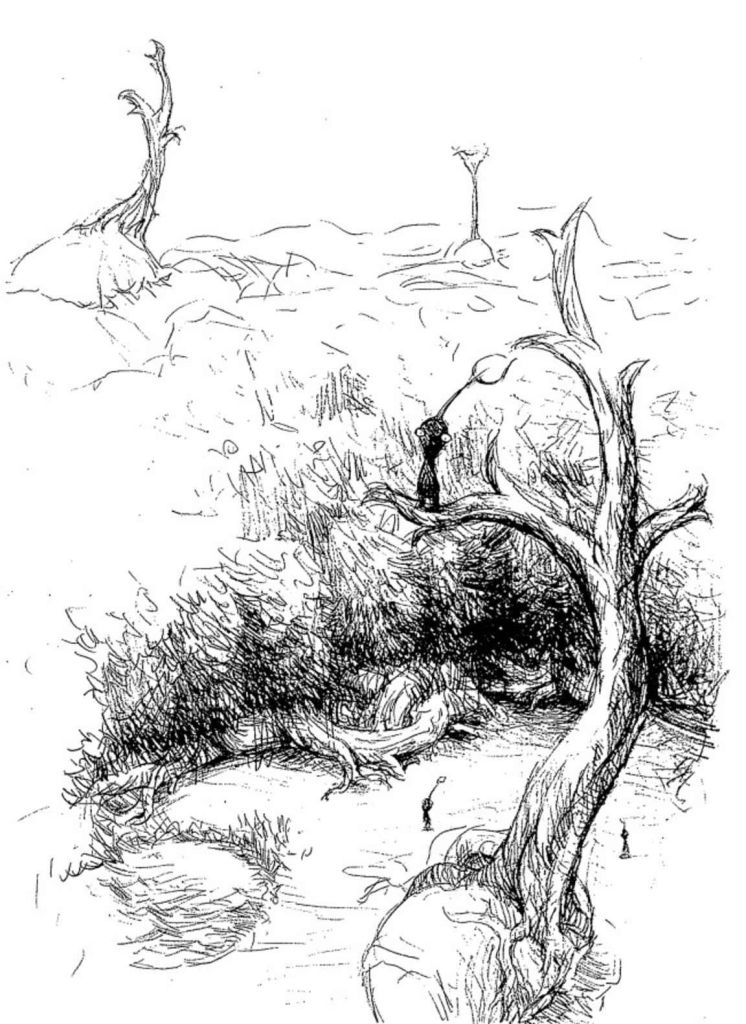
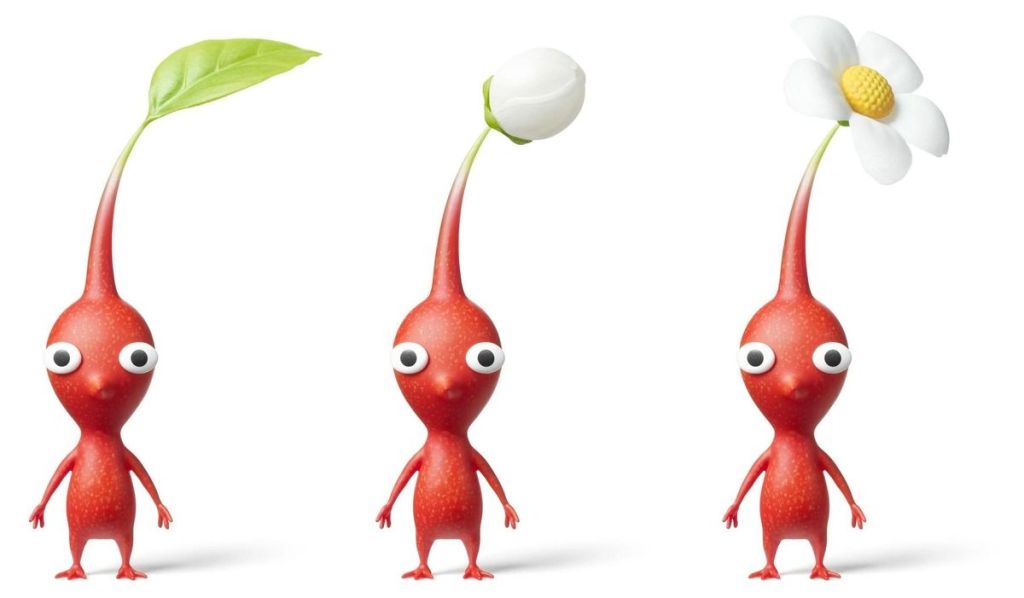
The idea of commanding a huge army of artificially intelligent characters in a video game was an experiment that directors Shigefumi Hino and Masamichi Abe were trying to perfect on the Nintendo 64 back in the nineties, but it wouldn’t come together for the game that ended up being Pikmin until Shigeru Miyamoto introduced Super Mario 128 as a GameCube tech demo at Nintendo’s annual Space World trade show in 2000. Super Mario 128 showcased multiple 3D Mario clones spawning from a large 2D image of an 8-bit Mario on a floating circular platform, until the number of individual Marios walking around the platform eventually reached 128.
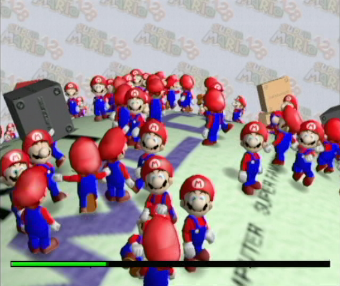
This demonstration of 128 individuals sharing a screen at once sparked inspiration for how the Pikmin creatures could operate similarly, and it was possibly one of the reasons why Pikmin switched from being a Nintendo 64 game to a GameCube game. Shigeru Miyamoto was the one who brought all these ideas developed by Hino, Abe and himself together and came up with the basic concept of the game, and that was when he decided to go against the grain of typical competition-based strategy games and make something that celebrated teamwork and cooperation. The result was a game that felt unlike any other, and most essentially, many gamers loved it. Upon its release, Pikmin was a commercial hit that was met with praise for its originality, charm, gameplay innovation and beautiful graphics, soon earning a dedicated following among strategy game fans.
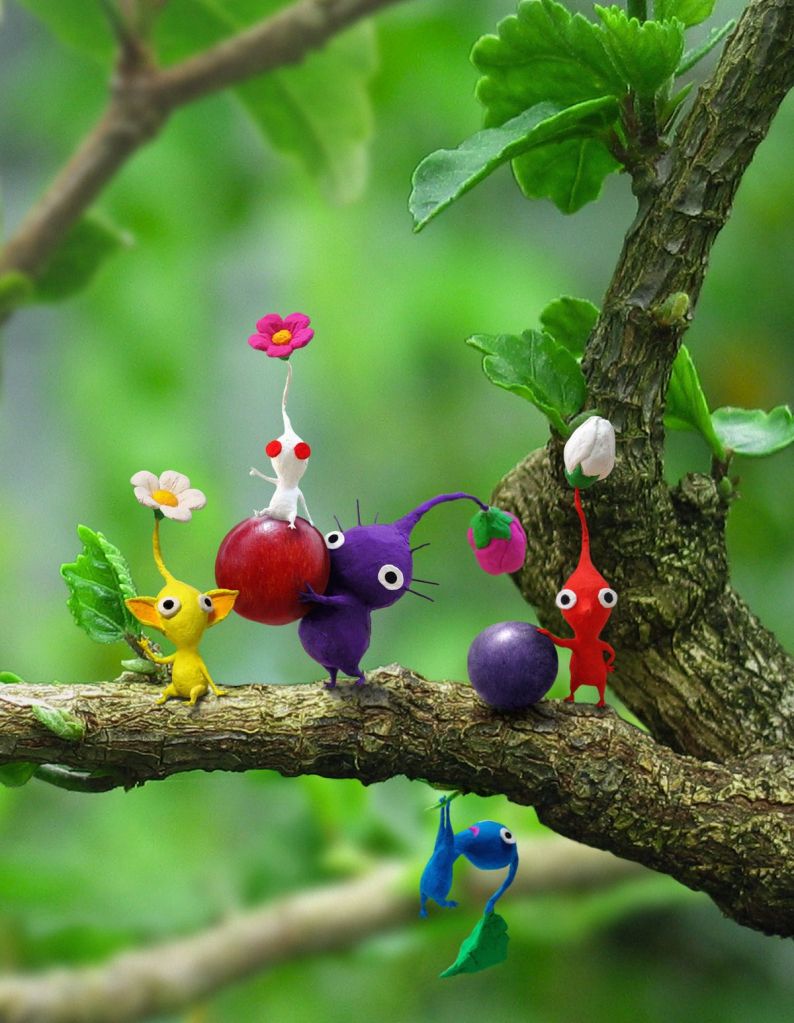
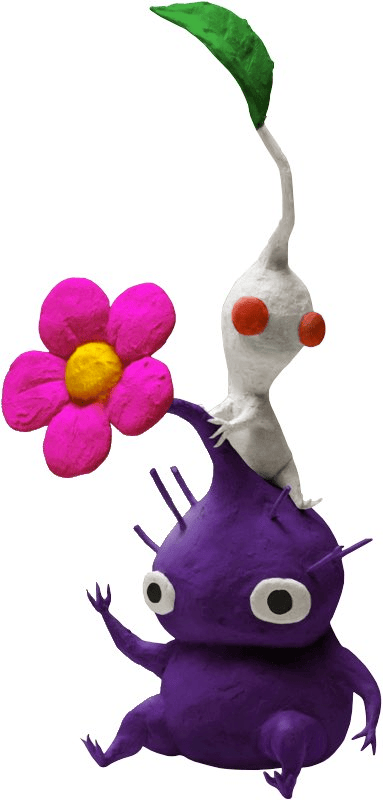
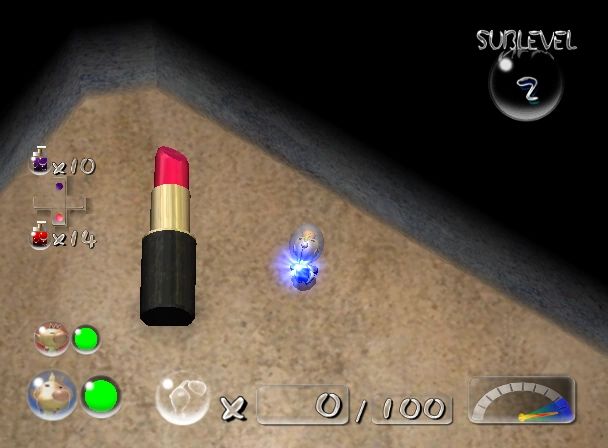
In fact the game was so popular that it received a sequel called Pikmin 2 which was developed for the GameCube in 2004 and introduced Captain Olimar’s co-worker Louie and followed the two on a journey back to the Pikmin Planet, this time on a mission to hunt for treasure to bring back to their home planet in an attempt to save their business Hocotate Freight from going bankrupt. Pikmin 2 brought back the fire-resistant red Pikmin, the aquatic blue Pikmin and the electrically conductive yellow Pikmin and introduced two new Pikmin types: the spiny-headed purple Pikmin, which are bigger and ten times stronger than the average Pikmin, and the ghoulish-looking white Pikmin, which are smaller and swifter and can withstand poisonous gas.
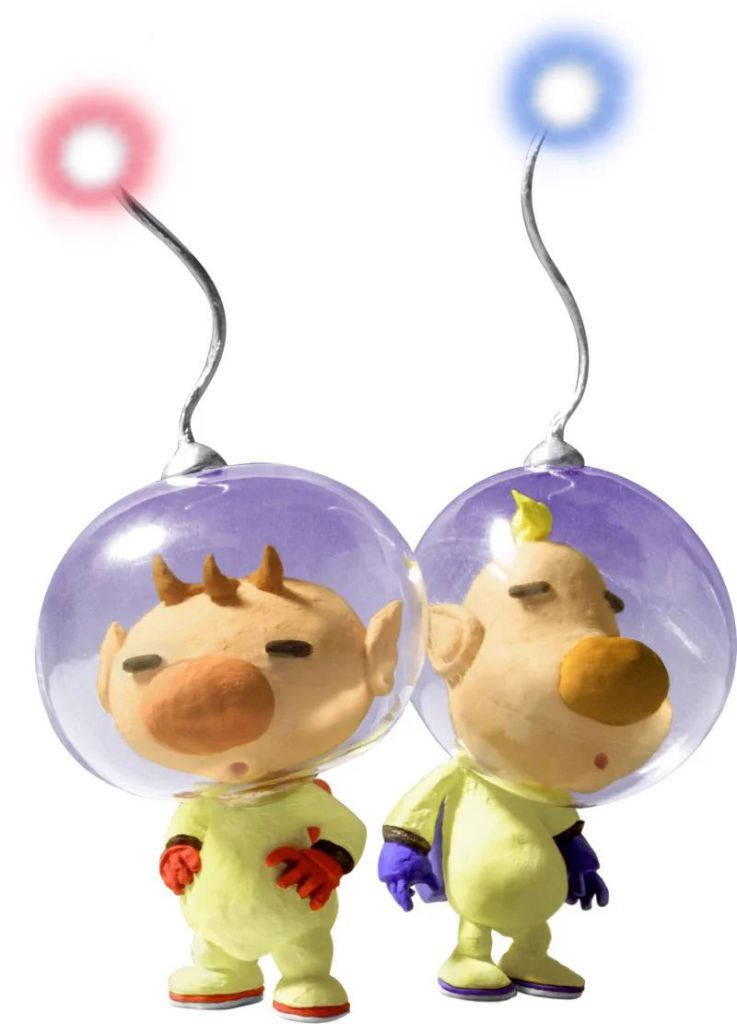
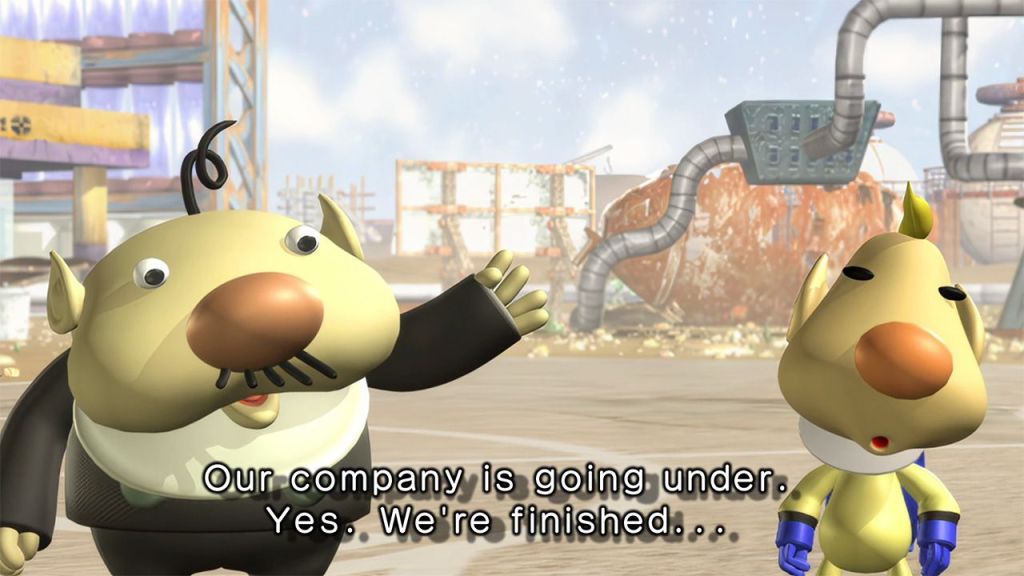
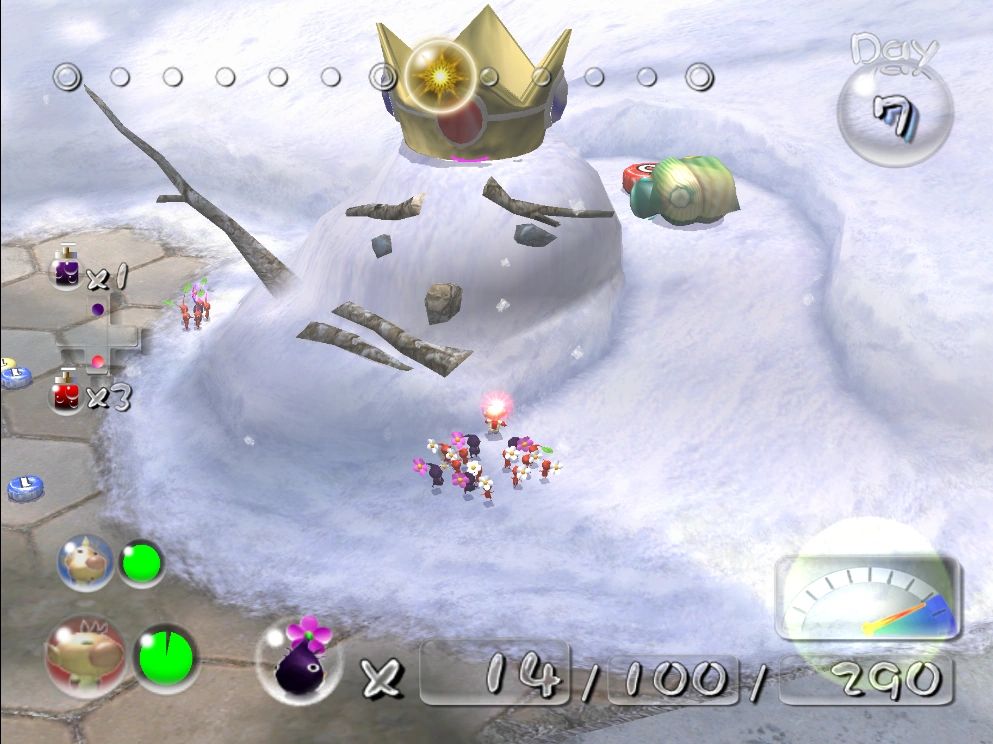
Pikmin 2 also allows you to toggle between playing as Olimar and playing as Louie so that you can command two different Pikmin armies from two different locations, which led to some clever puzzles. This sequel received critical acclaim and was praised for its longer length, a fun multiplayer mode and the elimination of the 30-day cycle, which made the game a lot more easygoing and less stressful. When I played this game I actually found it more fun than the first one. And hunting for treasure was way more intriguing for me than hunting for rocket ship parts, especially when finding out which Earth-based object you were going to discover next was an endless source of amusement.
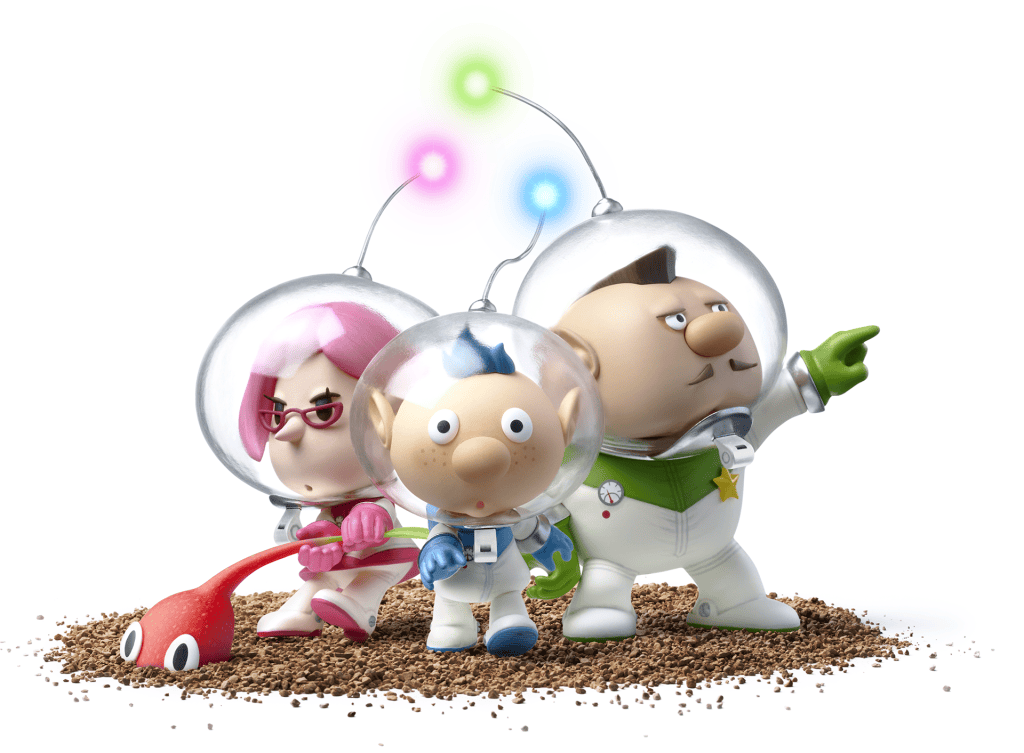
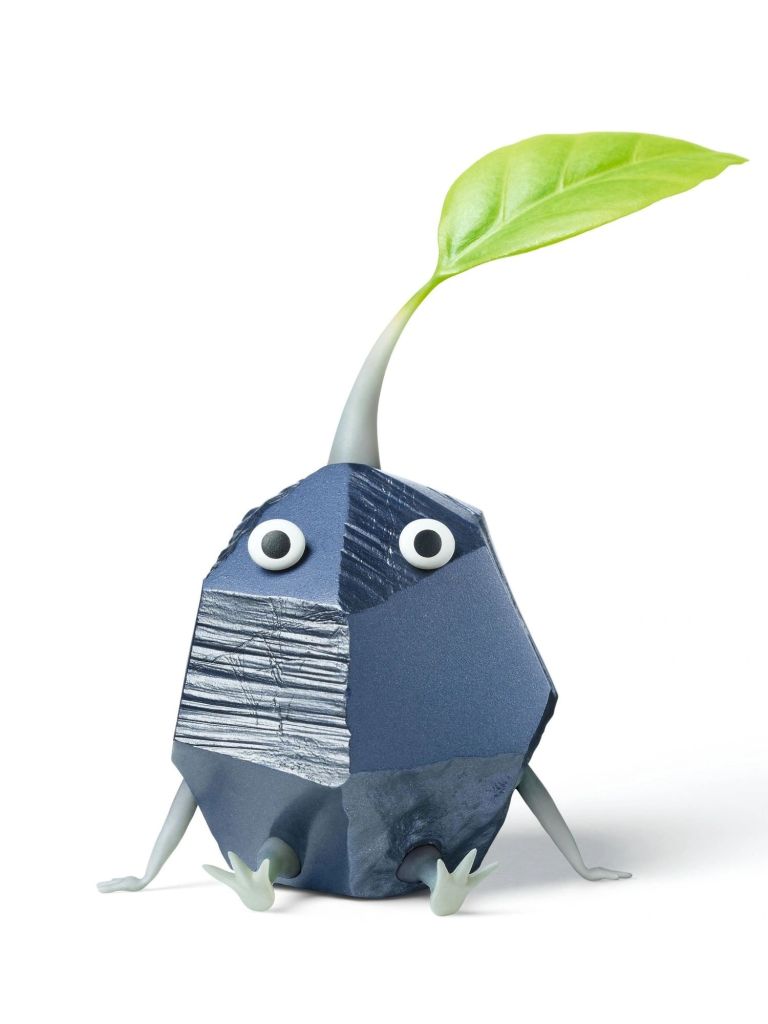
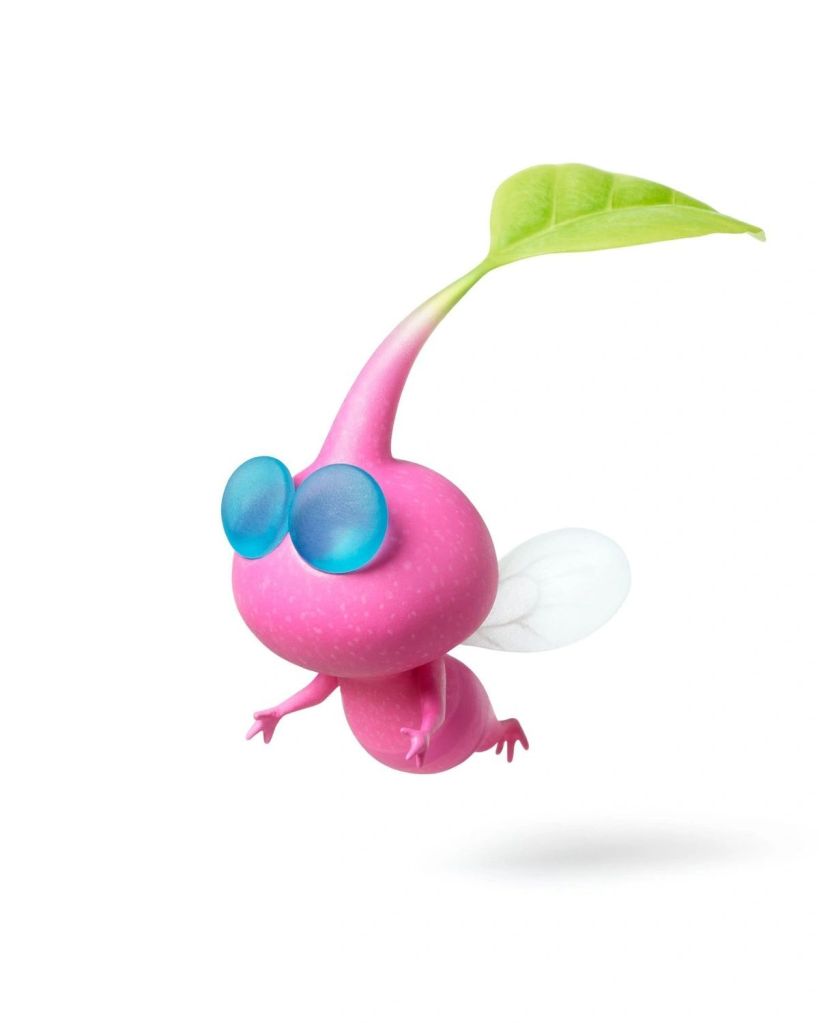
The third game, Pikmin 3 (2013) for the Wii U, followed three captains named Alph, Brittany and Charlie who search the Pikmin Planet for fruit seeds to save their home planet Koppai from famine. This game introduced the gray-colored Rock Pikmin, which are able to break through hard walls and are immune to being crushed, and the pink-colored Winged Pikmin which are airborne. Expanding off the concept of Pikmin 2, this game lets you toggle between controlling Alph, Brittany and Charlie and allows you to command your Pikmin army from up to three separate locations. The gameplay was once again extremely fun and clever, the levels were well-designed and the reaction from critics and gamers was positive.
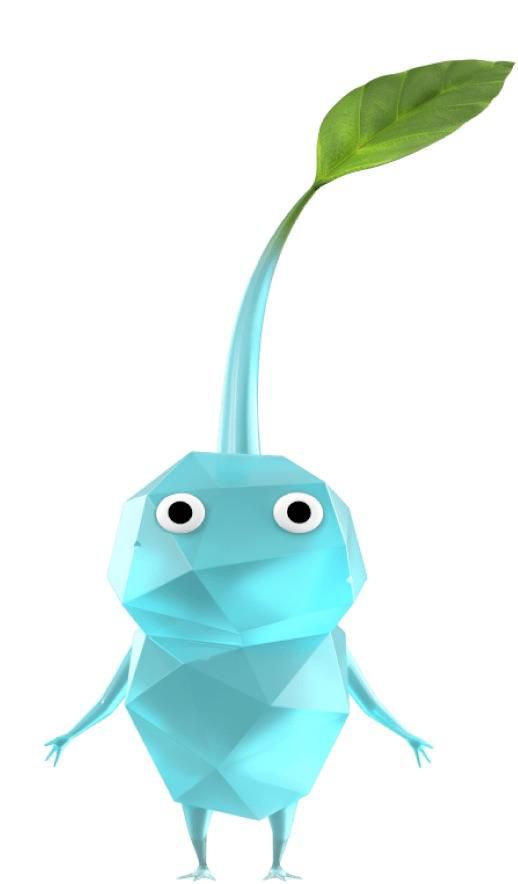
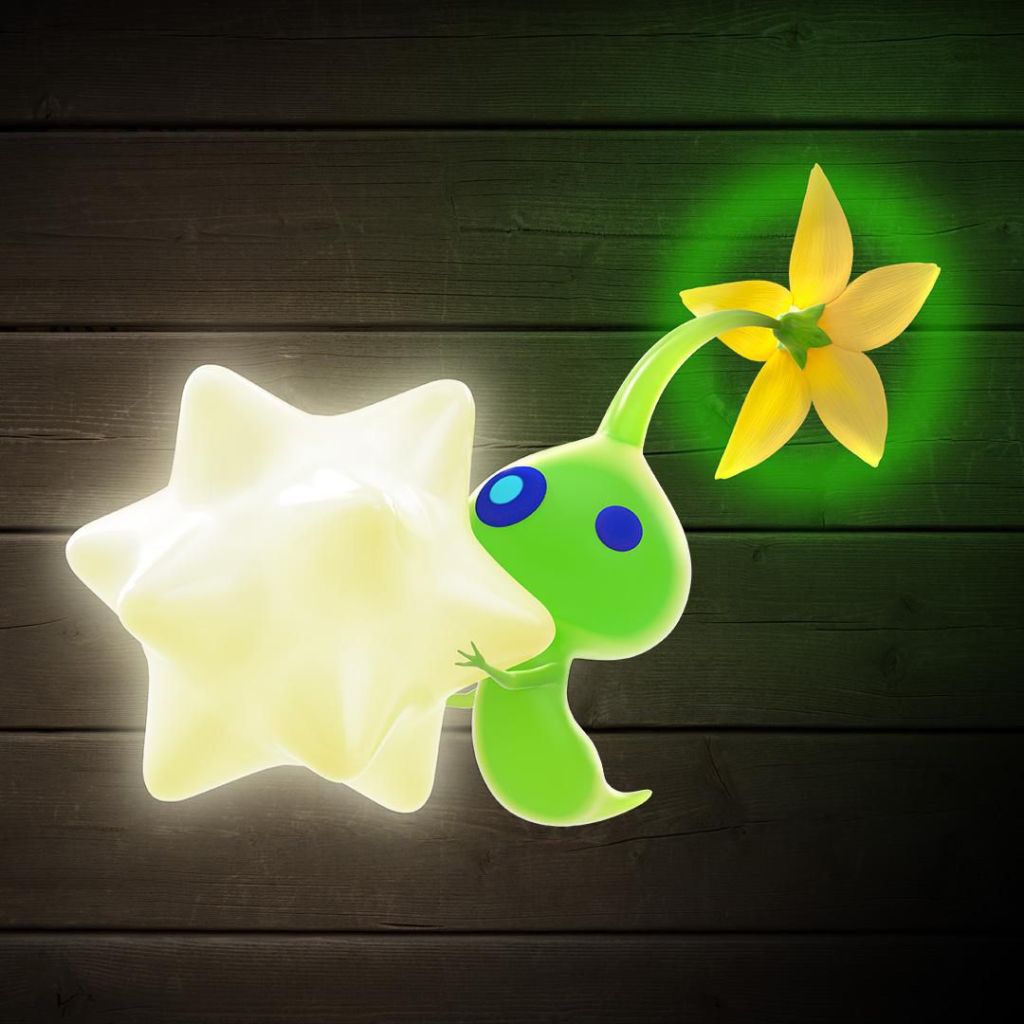
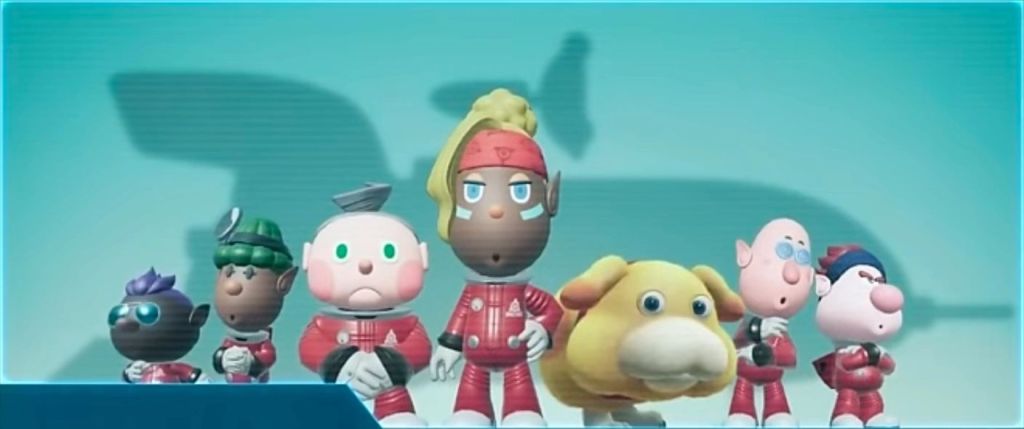
Pikmin 4 (2023) for the Nintendo Switch allowed you to customize your character for the first time as you join the Rescue Corps in search of Captain Olimar. This game introduced the water freezing Ice Pikmin and the nocturnal Glow Pikmin, as well as a canine-like companion called Oatchi who, in addition to your army of Pikmin, comes in handy during interactions with certain objects, enemy battles and treasure hunts. Pikmin 4 once again received praise for its level design, clever puzzles and Unreal Engine-based visuals, in addition to having the best launch week financially of all the Pikmin games. Proof that the game’s popularity is not slowing down.
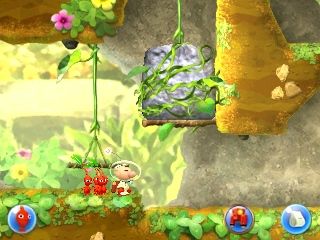
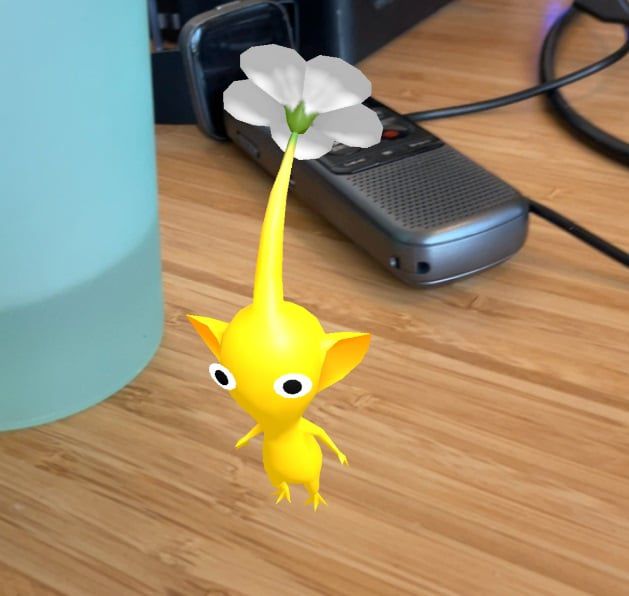
In addition to the four mainline games, Nintendo released the spin-off Hey! Pikmin (2017) which was a side-scrolling platformer developed by Arzest for the 3DS, the 2021 augmented reality mobile game Pikmin Bloom, developed by Niantic for iOS and Android as a Pokémon Go-style outdoors game, and another augmented reality game for web browsers called Pikmin Finder, co-developed by Nintendo and Niantic and released in 2023 (before being shut down in 2024).
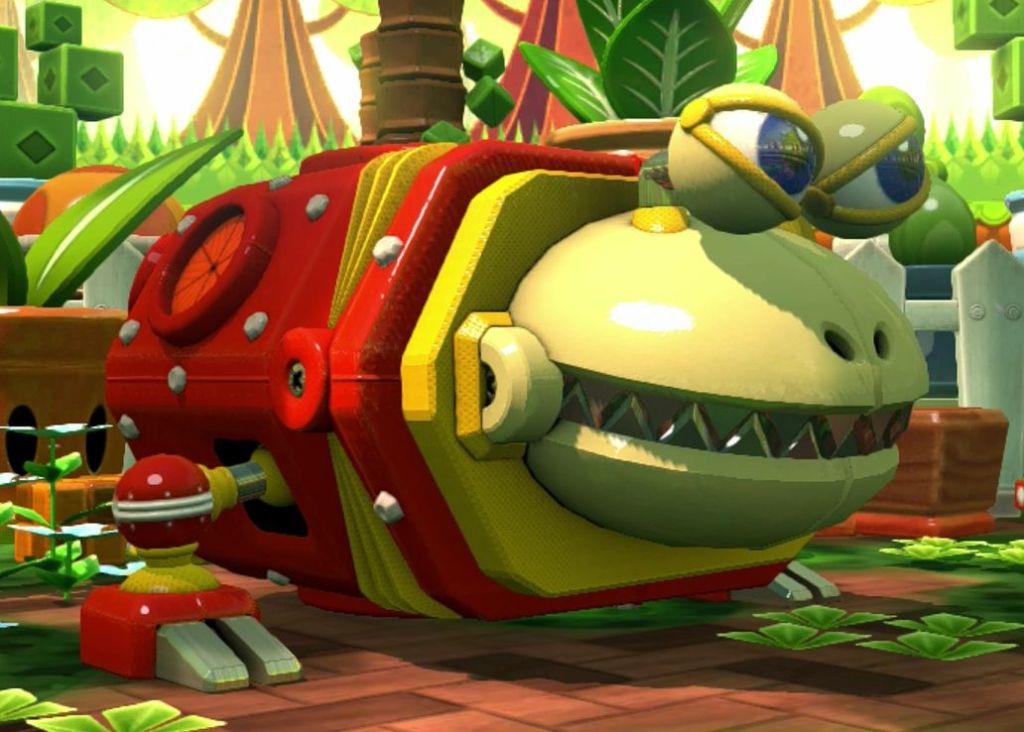
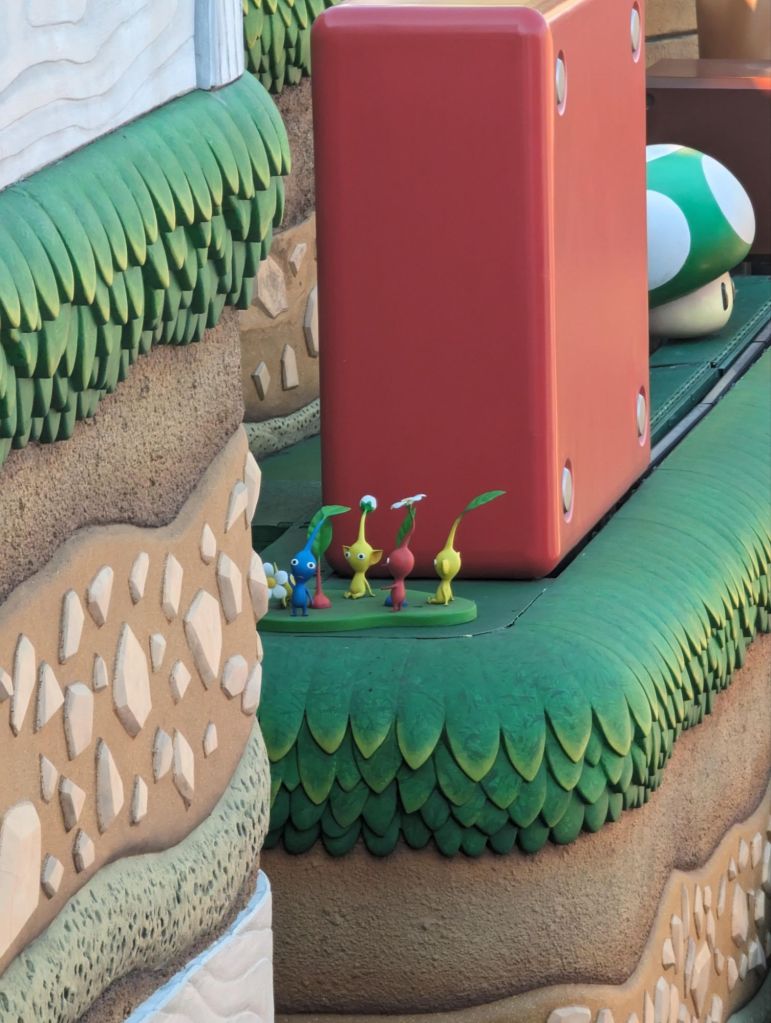
Characters from the Pikmin series have made appearances and cameos in other Nintendo games, including the Mario series, the Super Smash Bros. series and the Wii U game Nintendo Land, as well as making appearances in the theme park Super Nintendo World and in the film The Super Mario Galaxy Movie, although they made film appearances earlier than that in three animated shorts that became available to watch in the Wii U and 3DS eShop after they premiered at the Tokyo International Film Festival in 2014, as well as a year before The Super Mario Galaxy Movie came out in the 2025 animated short film Close to You, first released on the Nintendo Today! app as the first film produced by Nintendo’s animation studio Nintendo Pictures.
No word yet on if Nintendo intends to make Pikmin 5 or if they will have their own feature film like Mario and Zelda, but Shigeru Miyamoto has recently implied that he intends to help grow Pikmin‘s popularity in the coming years and based on the way he talks about the series, it’s safe to say they will show up again at some point in the future. It’s possible they are marching around somewhere in your house right now taking your key and your sock.