

When most people hear the name “Nintendo,” they think about Mario, Donkey Kong and Zelda. But Nintendo is a company that has been developing video games ever since 1977 and on average they have published between ten to thirty video games every single year. Which means there are a lot of Nintendo games out there that have become lost to time, were commercial failures or are just underrated gems that no one has ever heard of. And I have played many of them. So in this article I would like to shine a spotlight on my favorite obscure Nintendo games that I think deserve more attention. Most of the games on this list were not even popular enough to have warranted a follow-up or sequel, but many of them are brilliant.
The Mysterious Murasame Castle (1986, Famicom)
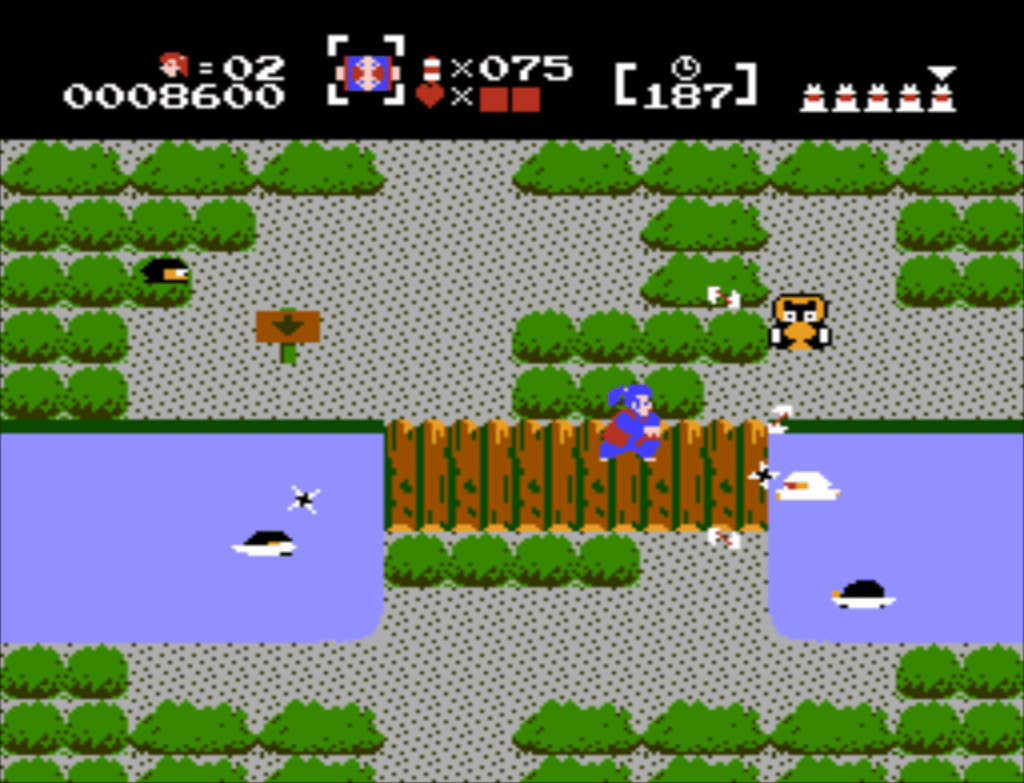
This was originally a Japan-exclusive Nintendo game released on the Famicom Disk System, and American gamers definitely missed out. It came out only a few months after The Legend of Zelda and was literally made by the same software division, and you can tell, because it shares some similarities. Only this game takes place in Edo-period Japan and puts you in control of a samurai apprentice named Takamaru who is sent on a secret mission to infiltrate four different castles that have been taken over by a mysterious alien being. And while Zelda definitely had action, this game takes it to another level by surrounding you with an onslaught of enemies right out of the gate. Avoiding all of their attacks really tests your reflexes and it made for a fun action-packed game. Plus Super Mario Bros. and The Legend of Zelda composer Koji Kondo put just as much effort into composing this game’s catchy soundtrack.
Kid Icarus: Of Myths and Monsters (1991, Game Boy)
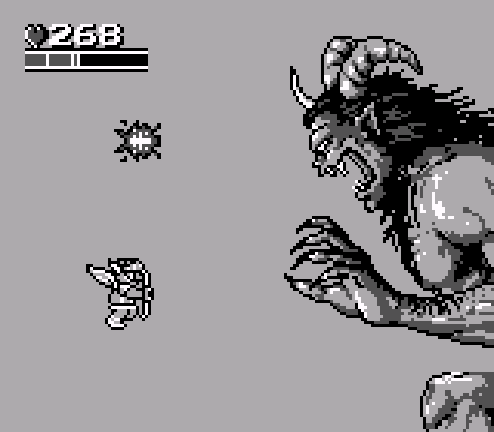
The original Kid Icarus, a 1986 Greek mythology-inspired platformer for the Famicom Disk System developed by the same team behind Nintendo’s Metroid, is seen as a classic of the 8-bit era today. But it was also a notoriously difficult game to beat, and that has soured the game’s reception among some critics and gamers, in addition to how dated the gameplay feels when compared to other Nintendo games. A game that often gets less attention, and one that I found a lot more fun to play, is the handheld Game Boy sequel Kid Icarus: Of Myths and Monsters, co-developed by the Kyoto-based Tose (the studio that would later become known for the popular Game & Watch Gallery series as well as their work with Square Enix on the Final Fantasy and Dragon Quest series). Like the first Kid Icarus, this game also provides a decent challenge, but it’s way less frustrating and comes much closer to actually feeling fun.
The Frog for Whom the Bell Tolls (1992, Game Boy)
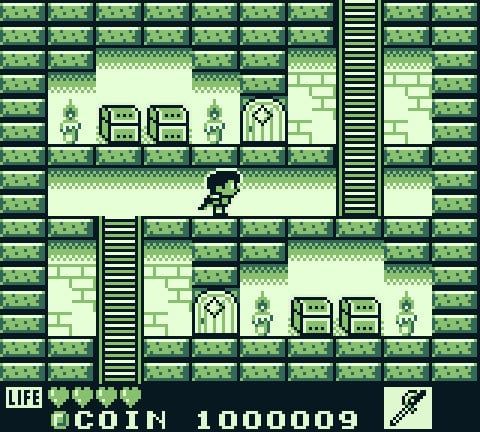
I’ve written before about Nintendo’s handheld masterpiece The Legend of Zelda: Link’s Awakening, and if you are familiar with that game, you are in for a similar vibe with Nintendo’s Japan-exclusive Game Boy game Kaeru no Tame ni Kane wa Naru (translated in English as “The Frog for Whom the Bell Tolls”). It introduced the game engine on which Link’s Awakening would be built a year later, and the plot puts you on a similarly fun quest featuring, just like Link’s island quest, various items to collect, various creatures to defeat and a lot of humorous dialogue. Combining bird’s-eye view gameplay with side-scrolling platforming, you play as the Prince of Sablé Kingdom as you and your rival, Prince Richard of Custard Kingdom, both hear of the evil Lord Delarin who invades the Mille-Feuille Kingdom and captures Princess Tiramisu, and both of you set out to rescue her. It borrows a lot from the RPG genre but the action-based gameplay is unique, and over the course of the story you also gain the ability to transform into both a frog and a snake, which leads to a lot of fun puzzles to solve and some cleverly designed platforming sequences.
Joy Mech Fight (1993, Famicom)
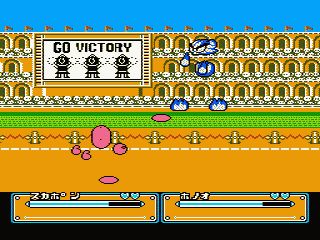
During the fighting game craze of the nineties kicked off by the success of Capcom’s Street Fighter II, Nintendo came out with this oddball Famicom entry that felt like a combination of Street Fighter and Mega Man, featuring a roster of mechanical limbless robots. The game was originally exclusive to Japan but I got to play this one when it was released in North America on the Nintendo Switch via Nintendo Classics in 2023. The combat is surprisingly smooth and it offers a nice challenge. Although it doesn’t really bring much in the ways of innovation, which may explain why it became forgotten. Especially when you take into account that it was an 8-bit game released three years after the 16-bit Super Famicom was introduced during the era of Mega Man X and Mortal Kombat II. But hardcore fighting game fans might not want to overlook it, and don’t be deceived by its simplistic art style because these hunks of metal really tested my mettle.
Marvelous: Another Treasure Island (1996, Super Famicom)
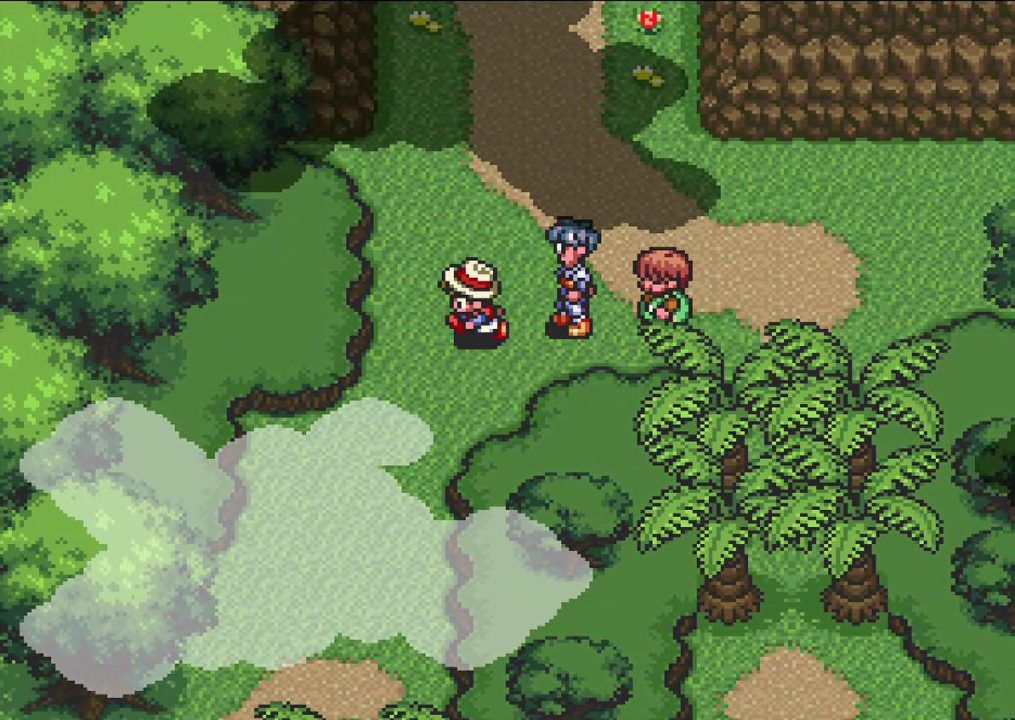
This Japan-exclusive adventure RPG produced by Nintendo hardware developer Masayuki Uemura (designer of the Super Famicom and the same producer behind the similarly forgotten gems Clu Clu Land and Ice Climber) built this game on the same engine as The Legend of Zelda: A Link to the Past but combined bird’s-eye view exploration with point-and-click mechanics as players utilized the teamwork of Dion, Max and Jack, three young campers on a field trip who each have different abilities and who get involved in a treasure hunt involving pirates, all of whom seek the legendary treasure haul known as “Marvelous” (in a precursor to Pikmin, you even used a whistle to corral your teammates during gameplay). Eiji Aonuma, the producer behind the Legend of Zelda series, actually got his start at Nintendo directing this game, and as a fan of A Link to the Past, this was kind of a dream assignment for him. Aonuma credits Marvelous for being the reason why Shigeru Miyamoto hired him to work on Ocarina of Time, so it’s not only fun but it’s also one of Nintendo’s most historically significant games.
Blast Corps (1997, Nintendo 64)
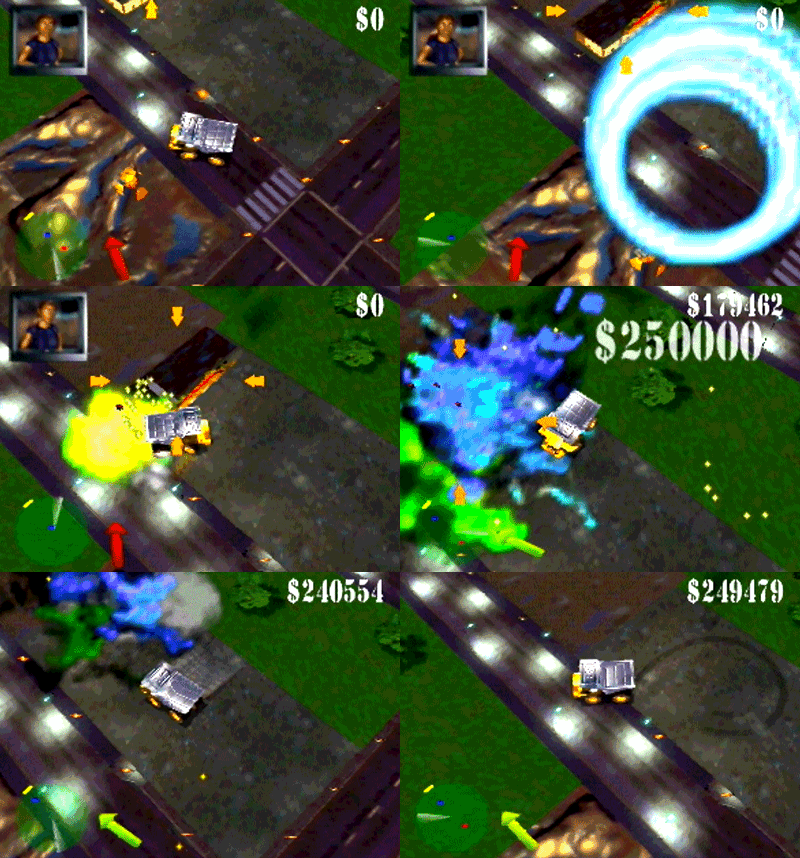
One of the most underrated N64 games was actually one of the N64 games I had the most fun playing. Rare co-founder Chris Stamper had been wanting to make a building destruction game for years and his team finally came up with an idea for a game in which you pilot a variety of vehicles and giant robots to clear the path for a runaway nuclear carrier that will explode if it crashes. It was a heart-pumping action puzzle game that required you to think quickly and strategically as you traversed the globe trying to prevent armageddon. But despite the seriousness of the game’s plot, it also had a sense of humor (in true Rare fashion) and a lighthearted and almost wacky tone, which was the perfect direction for the game to go, not only for the purposes of providing comic relief but because that made the game even more memorable.
Tetrisphere (1997, Nintendo 64)
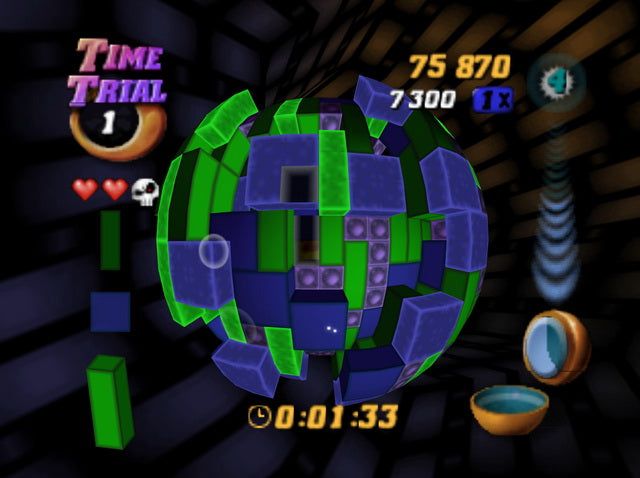
The 3D puzzle game Tetrisphere began its development at the Canadian company H2O Entertainment under the title Phear as an Atari Jaguar release, but after Nintendo acquired the rights and shifted development to the N64, they licensed the Tetris name and re-titled it Tetrisphere. But whatever you call it, it’s addictive fun. It’s basically a spherical version of Tetris, only the object of this game is not to clear an entire layer of blocks but rather to dig through each layer of blocks until you reach the core of the floating planet-like sphere. You do this by repeatedly dropping and matching blocks that are the same exact shape, and the game involves a lot of strategy and quick thinking, with big combos often leading to big rewards, including weapons that you can use to clear blocks more quickly, such as dynamite and ray guns. And the memorable techno soundtrack composed by Neil Voss added a whole other level of enjoyment to the experience. Tetrisphere received a lot of praise for being an innovative new take on the Tetris formula, with IGN complimenting its gameplay as “permanently addictive” and hailing its soundtrack as one of the best N64 soundtracks of all time.
James Bond 007 (1998, Game Boy)

Every gamer knows Nintendo’s Goldeneye 007 is a great game, but what rarely gets any attention is Nintendo’s Game Boy game James Bond 007, despite the fact that it does a surprisingly impressive job capturing the spirit of the James Bond films in 8-bit sprites, from the globetrotting espionage to the high-tech gadgets to the witty dialogue to the Monty Norman-inspired soundtrack. You can even gamble at a casino! And beating the game required a decent level of thinking skills and puzzle solving, because no MI6 mission is ever as straightforward as “locate the secret plans” or “stop Oddjob.” This handheld spy adventure isn’t the most technically sophisticated or visually striking, but Utah-based game developer Saffire didn’t phone it in at all. It felt like they put actual care into making this a game that both James Bond fans and average gamers could enjoy.
Eternal Darkness: Sanity’s Requiem (2002, GameCube)
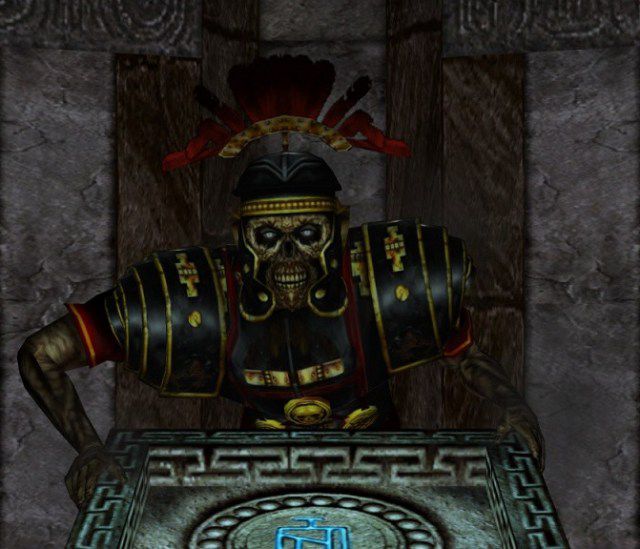
Nintendo’s most criminally ignored game of all time was this GameCube horror masterpiece from the minds of Ontario-based Silicon Knights and its co-founder Denis Dyack, who teamed up with Nintendo on what would be the Japanese company’s first M-rated game after Nintendo was impressed with Silicon Knights’ work on their 1996 PlayStation game Blood Omen: Legacy of Kain. This H.P. Lovecraft-inspired mind trip was not a survival horror game like Resident Evil but rather something much more unique in which you explore a variety of different historical eras while trying to stop a mysterious force trying to enslave humanity, all while maintaining your sanity in the process. And I mean that literally. Eternal Darkness has a sanity meter that causes you to hallucinate the more it depletes, and it makes for a truly original gaming experience that many critics have lauded as a highlight of the GameCube catalog, despite its low sales and obscure status in the industry.
Kururin Squash! (2004, GameCube)
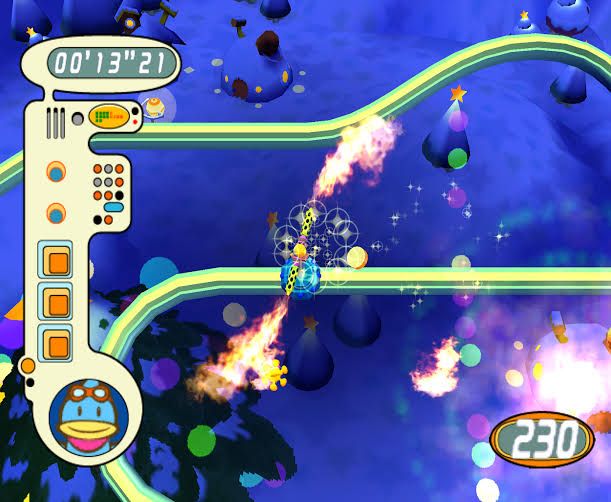
Nintendo’s Japan-exclusive Game Boy Advance launch title Kuru Kuru Kururin (2001) was a unique game conjured up by Tokyo-based developer Eighting that put you in control of a spinning helicopter-like air machine called the Helirin as you simultaneously spun around and navigated twisty paths while trying to avoid touching walls and bumping into obstacles. It was praised as an addictive puzzle game and its sequel Kururin Paradise (2002) received even more praise for its increased difficulty level, visual upgrade, and a large amount of inventive minigames. Paradise is considered by most people to be the highlight of the Kururin series, but I feel like the GameCube follow-up Kururin Squash! got a bad rap. It is among Nintendo’s lowest-selling GameCube games but the normally 2D series was translated into 3D flawlessly and it is the most refined version of the Kururin formula. I would also argue that Squash! has the best visual style, as I’m a sucker for its presentation as a cardboard cutout marionette show during cutscenes. As a feat of both programming and artistry, this is a hugely underrated game.
Drill Dozer (2005, Game Boy Advance)

This handheld platformer from Pokémon developer Game Freak was one of Nintendo’s most innovative takes on the genre, putting you in control of a drilling mech operated by a treasure-hunting bandit named Jill and digging your way through some cleverly designed worlds in an adventure that combined the concept of Dig Dug with the ambition of Mega Man. And the game’s built-in rumble feature made it even better. Despite how well-received it was by critics, the game was largely overlooked. Possibly because it was released so late in the Game Boy Advance’s lifespan after the Nintendo DS had already been introduced. But it was a lot of fun, and power-drilling your way through a giant metal block reached Tetris levels of satisfaction.
Elite Beat Agents (2006, Nintendo DS)

One of my favorite video games of all time is this manga-inspired touch screen-based rhythm game for the Nintendo DS in which a government agency of singing and dancing Blues Brothers-style spies trek the globe in search of citizens facing some kind of personal turmoil and motivate them to persevere through their struggles with the power of music, much of that music being made up of covers of actual licensed songs from the likes of such musicians as Queen, Madonna, David Bowie, Cher and the Rolling Stones. Yes it is a weird game. One of the most bizarre and funny games Nintendo ever published. And yes it was largely ignored by gamers when it came out, but it has an interesting release history, because it was developed by the Tokyo-based studio iNiS and was actually the localized American version of the Japan-exclusive rhythm game Osu! Tatakae! Ouendan (2005) which featured a cheer squad instead of an agency and a more Japan-centric soundtrack of licensed songs. Both versions were designed and directed by Keiichi Yano, co-founder of iNiS and creator of the cult-favorite Gitaroo Man (2001) for the PlayStation 2, which was another critically praised but commercially moderate rhythm game. Despite the relative obscurity of Elite Beat Agents, I spent countless hours with it as a teenager and it remains one of the most fun, most addictive and most ridiculous games I’ve ever played.

