
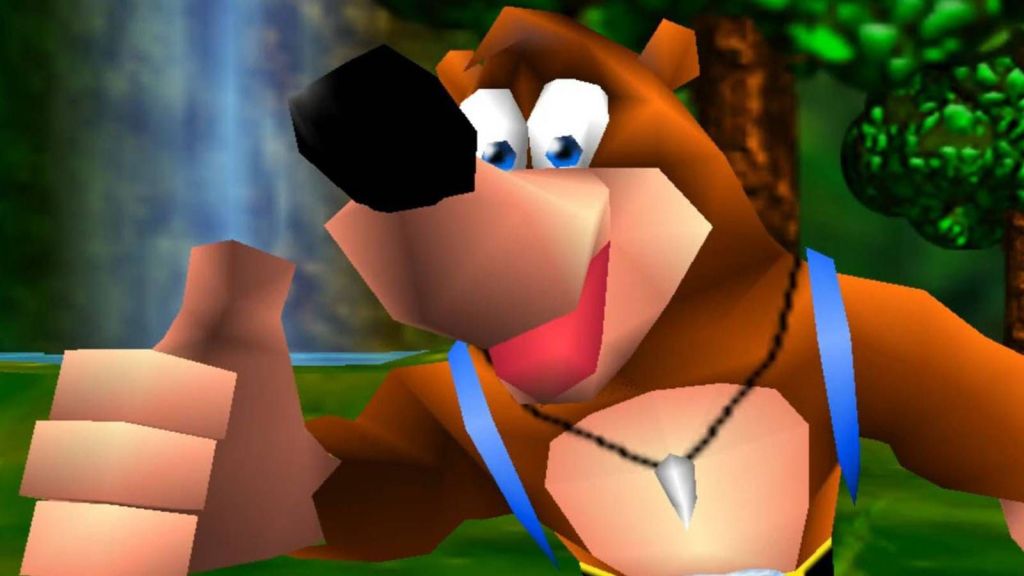
I find myself thinking of the British video game company Rare lately. Rare is a team of developers that I’ve been a fan of since I was young and they’re still around and making games today, but it is currently owned by Microsoft, and that company’s Xbox division has been seeing a lot of layoffs lately, which led to the recent cancellation of Rare’s upcoming game Everwild and a restructuring of the studio. At the same time, their beloved 1998 N64 game Banjo-Kazooie recently got a re-release on a British handheld gaming console called the Evercade, so lately I’ve been reading modern reviews for a game that I used to play as a child. I don’t think the juxtaposition of nostalgia for the past and anxiety for the future has ever been more stark. And I’m sure I’m not the only one who feels this way given how popular and important Rare was to many gamers in the past century, back when the developer was on top of the world as a pioneer in interactive spectacle. Many people say Nintendo is the Disney of video game companies but Rare was like the Pixar of video game companies because its graphics were the envy of every other software company and they put their name on the map with a steady streak of masterpieces that are now considered classics.
Rare technically began as a game developer in 1985 when it was officially founded in Twycross, England. But first let’s go back a few years earlier and talk about who the Stamper Brothers are.
Uxbridge-born Chris Stamper was interested in electronics from a young age. A self-taught programmer who even built a working computer with an 8-bit processor while he was still a university student. In fact he dropped out of Loughborough University to pursue computer programming full-time, later finding work debugging and tweaking arcade machines. After convincing his brother Tim Stamper to join him, Chris and Tim both designed software for the arcade company Associated Leisure alongside their college friend John Lathbury, which led to a lot of work converting arcade games for companies like Konami and Sega.
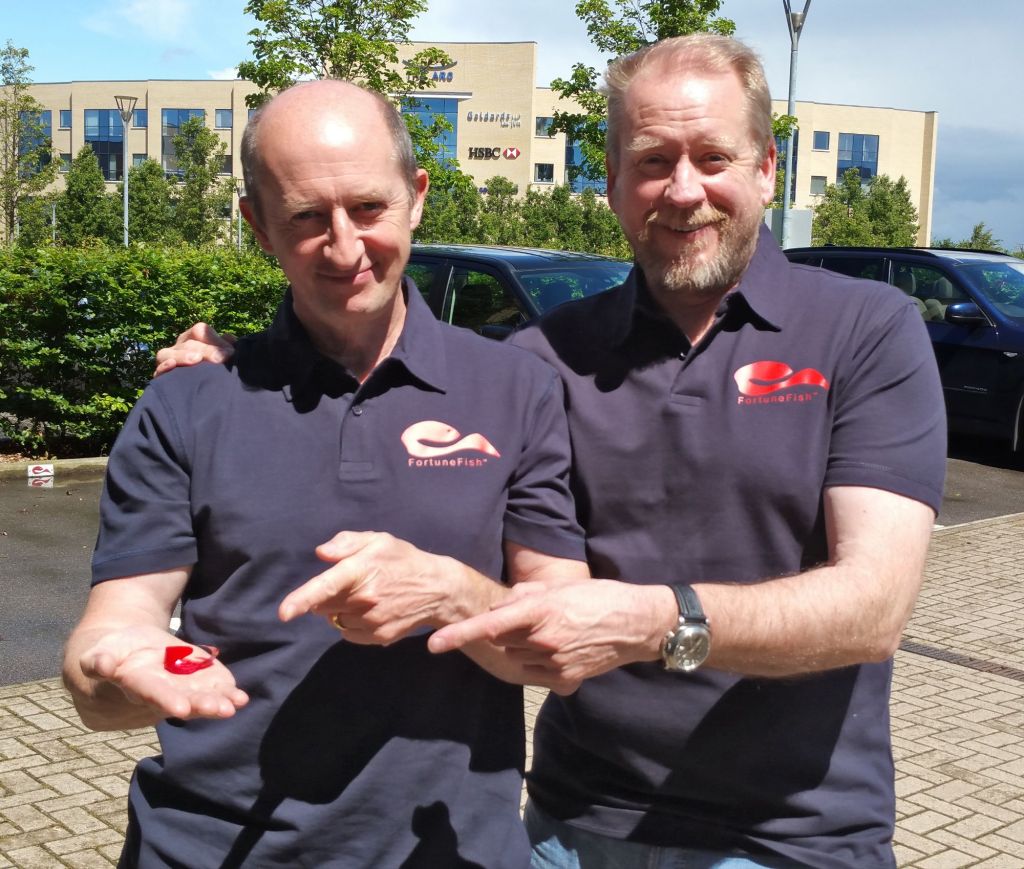
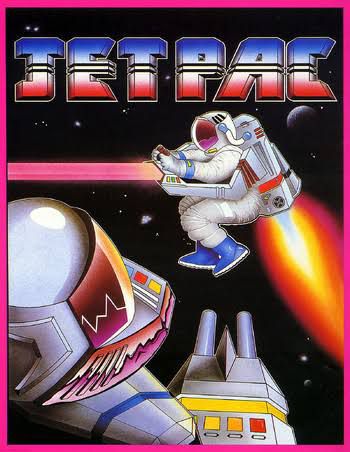
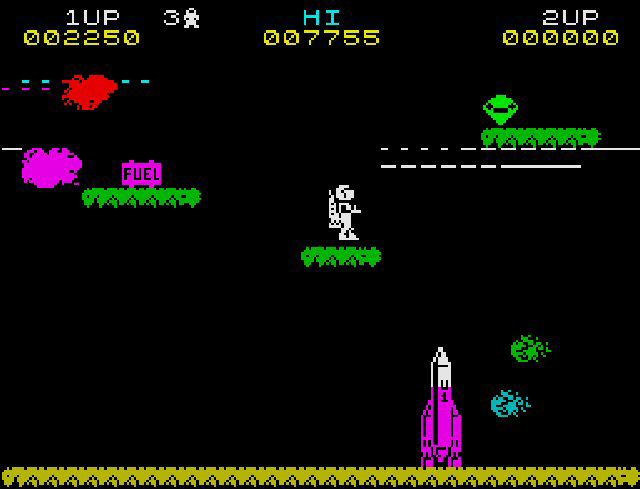
By 1982, the Stamper Brothers co-founded their first electronics company with John Lathbury and Tim’s girlfriend Carole Ward. The company was called Ultimate Play the Game and it started out licensing arcade cabinet conversion kits to game companies before moving into the home computer market and developing games primarily for the ZX Spectrum, with Tim and Carole handling the graphic design and Chris and John handling the programming. This is when the Stamper Brothers began working on their own original games for the first time, with their debut being Jetpac (1983), a side-scrolling platformer released for the ZX Spectrum, VIC-20 and BBC Micro in which you control a jet pack-powered astronaut who must defend himself from hostile alien lifeforms while rebuilding and refueling his rocket and traveling from planet to planet. The game received a lot of praise for its impressive presentation and challenging but fun gameplay and it was popular enough with European gamers to receive two sequels, Lunar Jetman (1983) for the ZX Spectrum and later Solar Jetman (1990) for the Nintendo Entertainment System (NES).
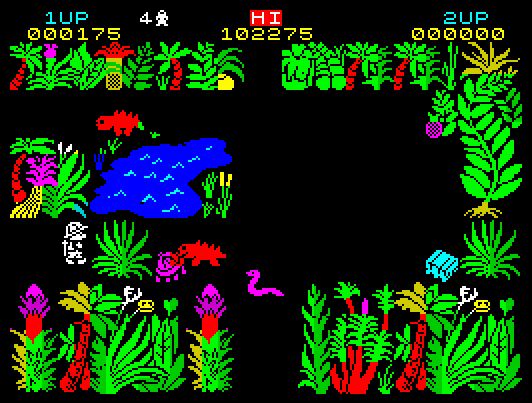
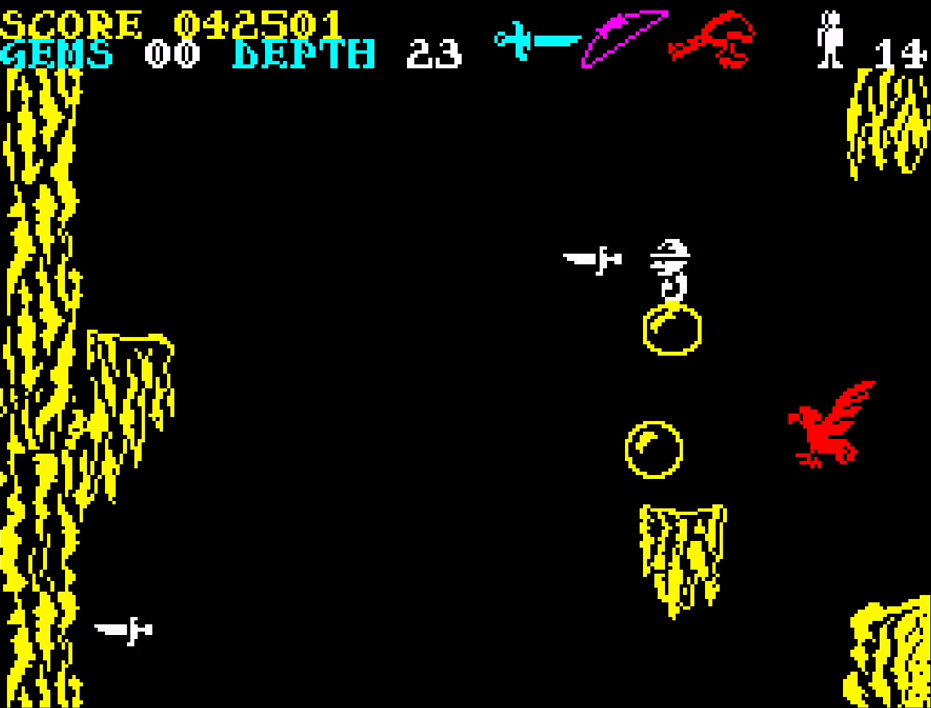
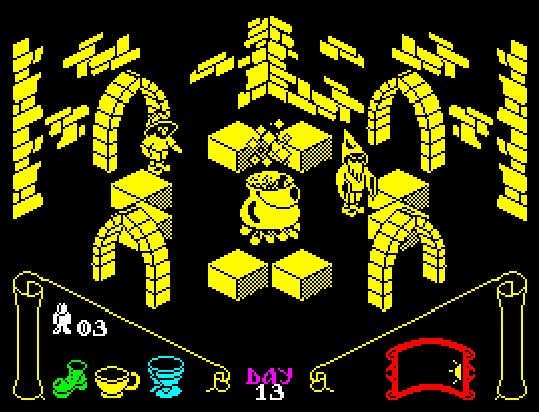
Other positively received Ultimate games include the robot action game Pssst (1983), car action game Tranz Ram (1983), castle explorer Atic Atac (1983) and jungle explorer Sabre Wulf (1984), which was the first in what came to be known as the Sabreman series. A series that also includes Underwurlde (1984) and Knight Lore (1984). Knight Lore was not only hailed as a commercial hit but also as an important milestone in British gaming history for its isometric 3D design and graphical sophistication.
After a string of commercial hits that made Ultimate one of the biggest video game developers in the UK, the Stamper Brothers sold their stake in Ultimate (which quickly languished away with subpar games without the creative direction of the Stampers) and decided to start fresh by venturing away from developing games for the ZX Spectrum due to its limited global reach. The highly popular NES was their golden goose, and so the Stampers founded a new software company called Rare in 1985 (the same year Super Mario Bros. came out and made Nintendo the hottest console game company out there) and sought to reverse-engineer the Japanese console’s code, which is something Nintendo had previously said was impossible to do. Impressed with the Rare team’s technological capabilities, Nintendo granted the British software company an unlimited budget in exchange for a development contract creating Nintendo games.
Rare’s first Nintendo game was the downhill skiing game Slalom (1986), initially released for the arcade and later the NES. In addition to being Nintendo’s first collaboration with Rare, it is also historically significant for being the first video game to feature music composed by David Wise, who would go on to compose many of Rare’s games and become one of Rare’s MVPs in the sound department.
The late eighties and early nineties saw Rare prioritize quantity over quality as a way to take advantage of Nintendo’s unlimited funding and dominate the market by developing as many games as they could in that period, most of which were for the NES and Game Boy. Few of them were huge hits nor very noteworthy, and rather than create original games, a lot of Rare’s work consisted of ports of games that were made by other companies as well as licensed games from Jeopardy! to Sesame Street: 123 to The Amazing Spider-Man to Beetlejuice. Although they did have a few standouts, like R.C. Pro-Am (1988), an isometric overhead remote-controlled toy car racing game that was very fun and well-regarded among the NES library.
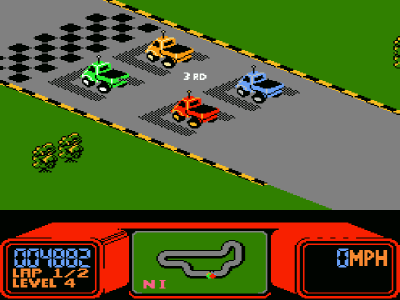
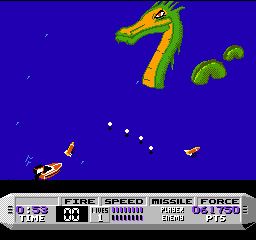
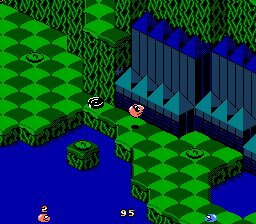
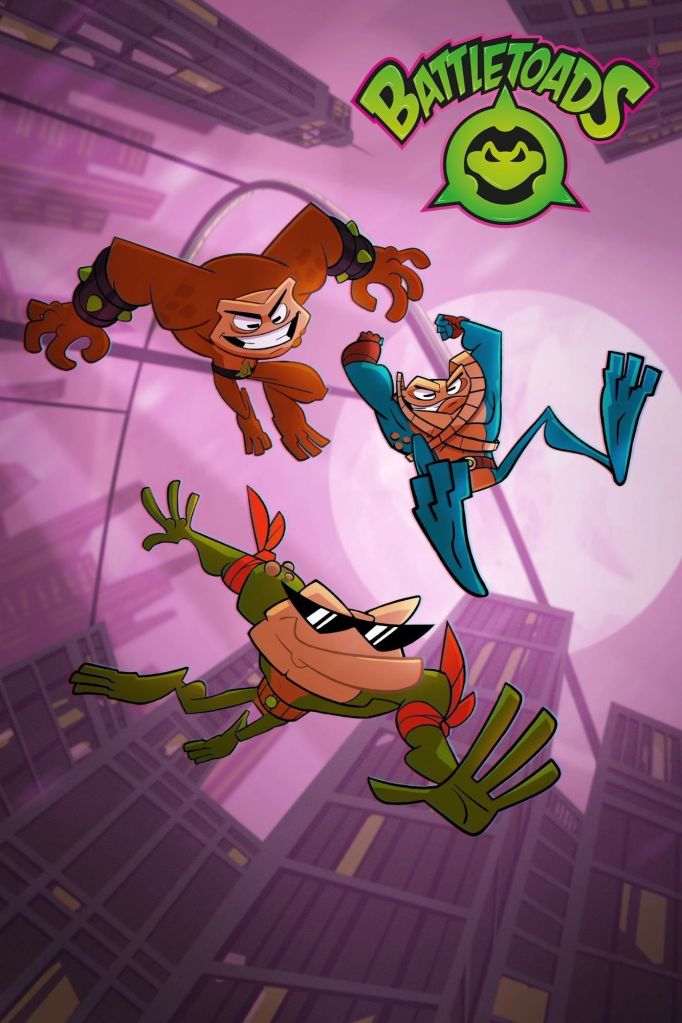
Other standouts from Rare at the time include the speedboat racing game Cobra Triangle (1989), the pinball simulator Pin Bot (1990), the scrolling shooter game Captain Skyhawk (1990), the isometric platformer Snake Rattle ‘n Roll (1990) and most famously the beat-’em-up game Battletoads (1991), which was inspired by the success of Teenage Mutant Ninja Turtles but was fun in its own right and became Rare’s biggest hit on the NES. Critics thought it was fun, innovative and challenging with an appealingly cartoony presentation and a decent amount of gameplay variety. Battletoads was also notable and notorious for its high difficulty level, which was either a good thing or a bad thing depending on what kind of gamer you were, but based on its high sales, gamers apparently embraced the challenge and Rare would take this into account for the difficulty level of their future games as well.
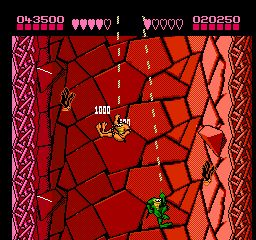
Battletoads was so popular that it was ported to the Game Boy, Amiga, Game Gear and Sega Genesis (some versions of which featured slight variations and a toned down difficulty level), and the game also received follow-ups like the crossover Battletoads/Double Dragon (1993), Battletoads in Battlemaniacs (1993) which was Rare’s first Super NES game, and many years later a Battletoads reboot in 2020 released for the Xbox One and Microsoft Windows.
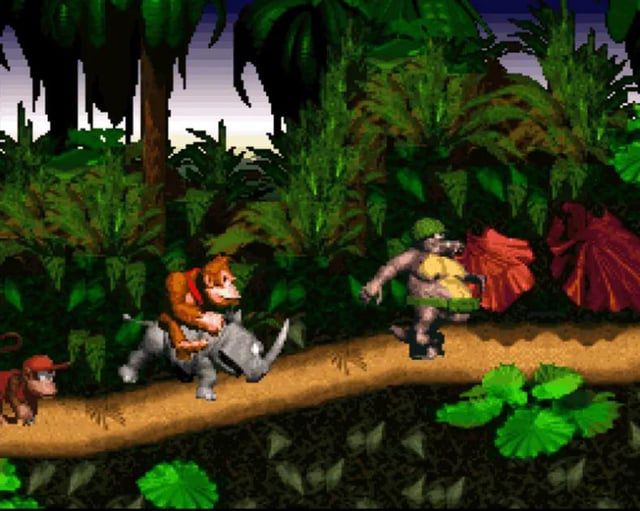
While most of these games left no huge mark in their reputation, Rare made enough from the profits of Battletoads to purchase Silicon Graphics workstations that allowed them to program three-dimensional computer models. Always chasing the north star of state-of-the-art technology, the team at Rare decided to use this graphical upgrade to create great interactive entertainment and make a shift to prioritizing quality. Because of this advanced technological leap, Nintendo decided to invest more in Rare by buying a stake in their company. By then Nintendo also trusted the company enough to grant them access to their catalog of intellectual properties, which led to the development of Donkey Kong Country (1994). A game that kicked off a whole spin-off series of Donkey Kong games featuring a family of Kongs (Diddy, Cranky, Funky, Candy, Dixie, etc.) that Nintendo continues to produce to this day and featured groundbreaking pre-rendered graphics that converted 3D models to 16-bit sprites, making it one of the most visually advanced video games at the time of its release, not to mention a top seller for the SNES and one of the most commercially successful games of the nineties. That success led to the sequels Donkey Kong Country 2: Diddy’s Kong Quest (1995) and Donkey Kong Country 3: Dixie Kong’s Double Trouble! (1996), both of which also received positive reviews.
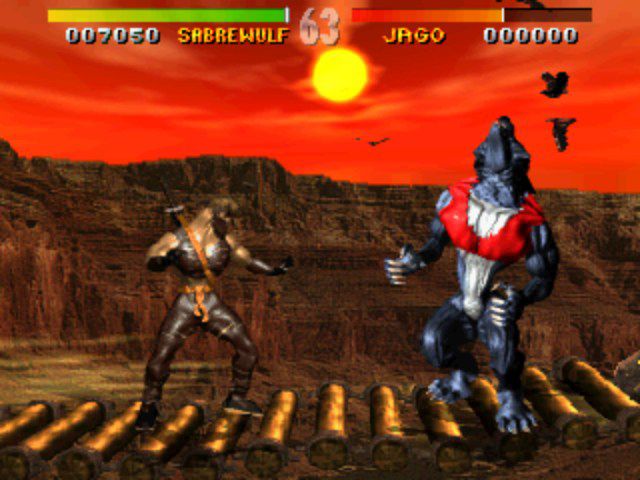
The same year Donkey Kong Country was released, Rare developed a fighting game for the arcade called Killer Instinct, which was published by Midway (the same publisher behind Mortal Kombat) and differed from other fighting games because of its graphical details and wide character roster as well as the ability to perform auto combos and combo breakers against your opponent. The game was both critically and commercially successful and was ported to the SNES and Game Boy by Nintendo a year later. It was followed by the sequel Killer Instinct 2 (1996) which Midway also released for the arcade and which was also ported by Nintendo the same year, this time for the Nintendo 64 under the name Killer Instinct Gold. Although that port was neither as critically successful nor as commercially successful as the first game, and the series had been lying dormant for years until 2013 when Rare resurrected it for a reboot on the Xbox One.
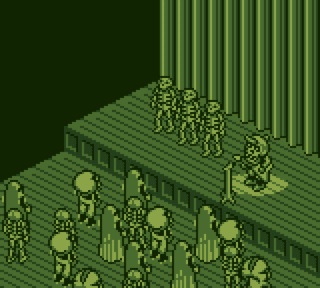
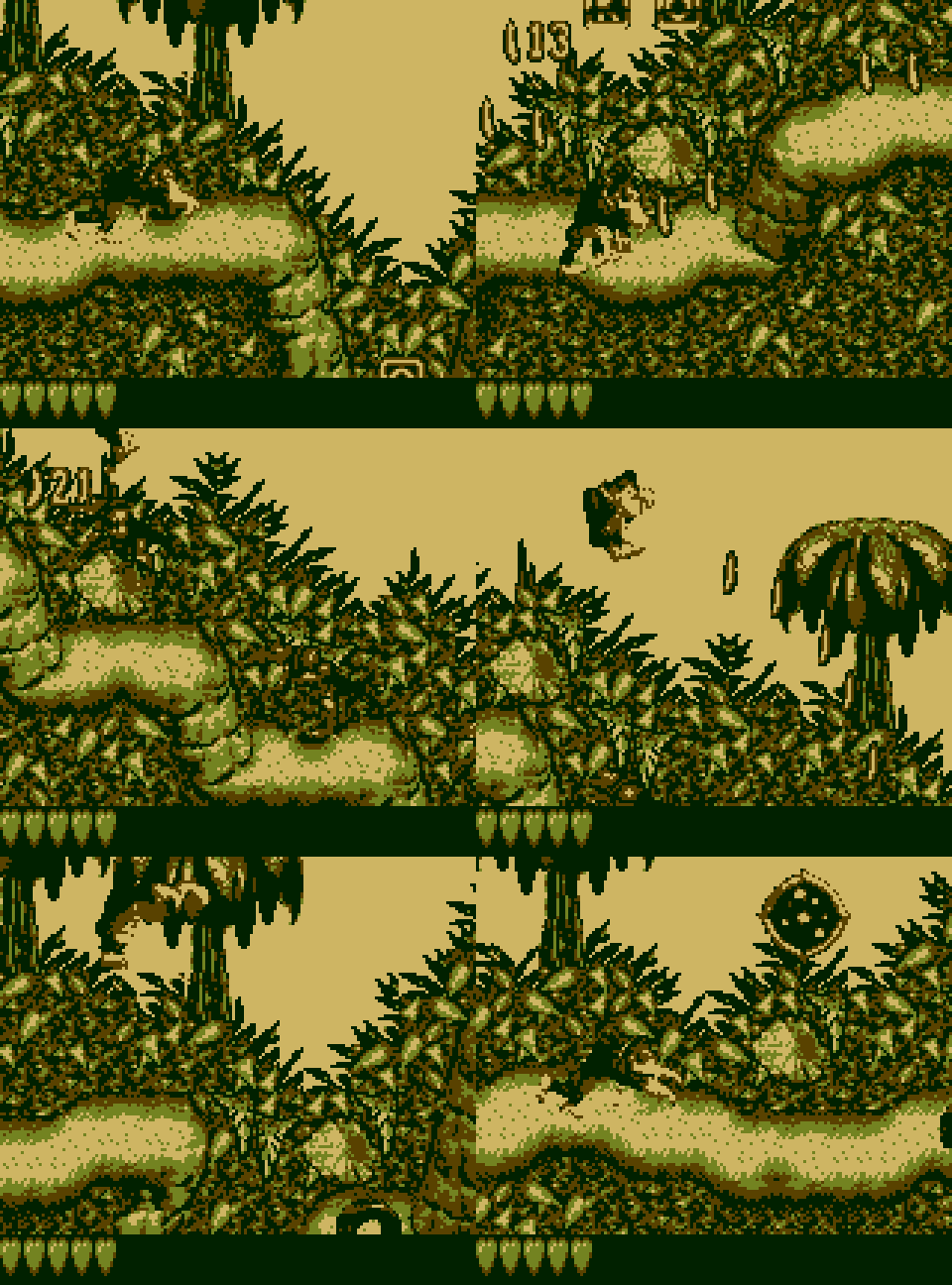
While Rare is most commonly associated with its work on the SNES and N64, they had a few masterpieces on the Game Boy too, including the isometric adventure puzzle game Monster Max (1994) about an aspiring rock star who climbs the nine floors of the Mega Hero Academy to defeat the music-hating King Krond. It had little commercial success in Europe but received critical acclaim, especially for its detailed graphics. A year later the Game Boy game Donkey Kong Land (1995) also received positive reviews and did an impressive job retaining Donkey Kong Country‘s pre-rendered 3D model style on an 8-bit handheld screen, with composers David Wise and Graeme Norgate doing an equally impressive job converting Wise’s SNES tracks and writing their own original songs for the game. It was followed by Donkey Kong Land 2 (1996) and Donkey Kong Land III (1997) which were both Game Boy ports of Diddy’s Kong Quest and Dixie Kong’s Double Trouble! and just as visually impressive.
The launch of the Nintendo 64 kicked off Rare’s golden age. Beginning in 1997, the company would release at least one N64 game every year that was either a critical hit or a commercial hit until 2001 when the N64 was discontinued, and these were the games that first made me a Rare fan.
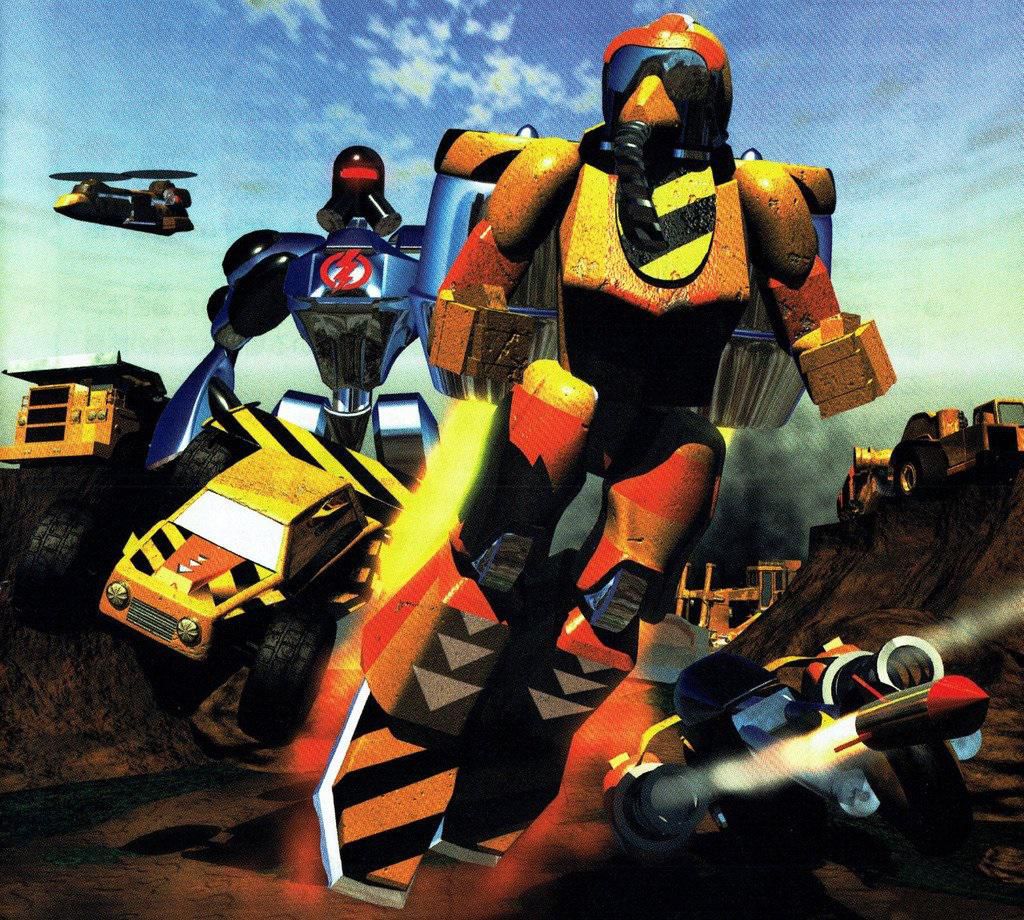
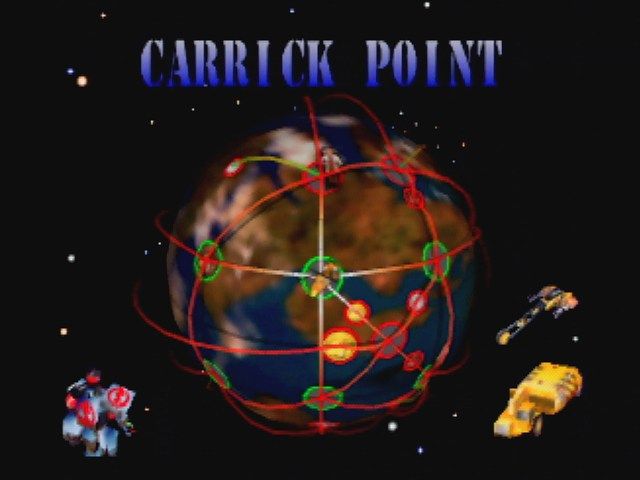
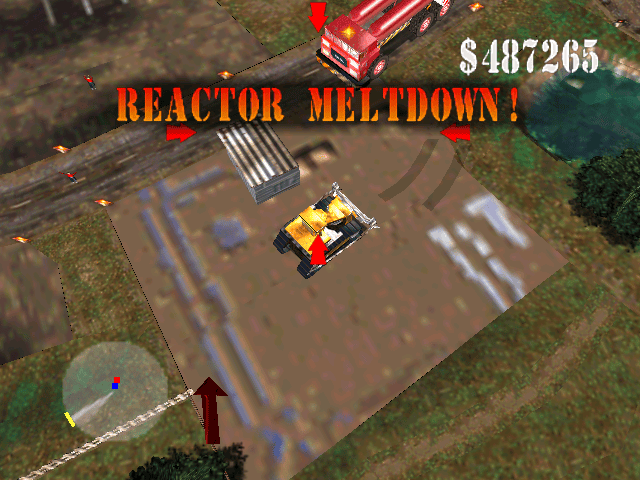
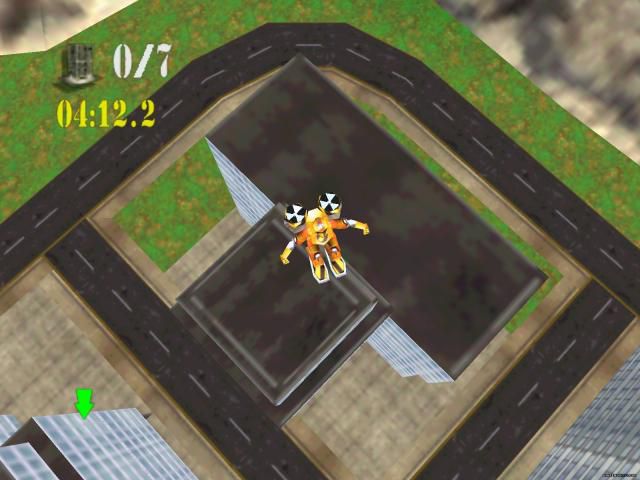
The vehicle-based action game Blast Corps (1997) puts you in control of a wide variety of cars, trucks and giant robots to destroy all the buildings and structures in the path of a runaway nuclear missile carrier to prevent it from exploding. This was Rare’s first original N64 game and it might be their most underrated game because while it wasn’t a huge commercial hit, it is a highly original, very fun, brilliantly designed and intensely suspenseful experience that requires a lot of strategy and puzzle solving and an equal amount of staying calm under pressure. Plus you get to pilot giant flying robots and pound buildings into rubble so what more do you even want from a video game?
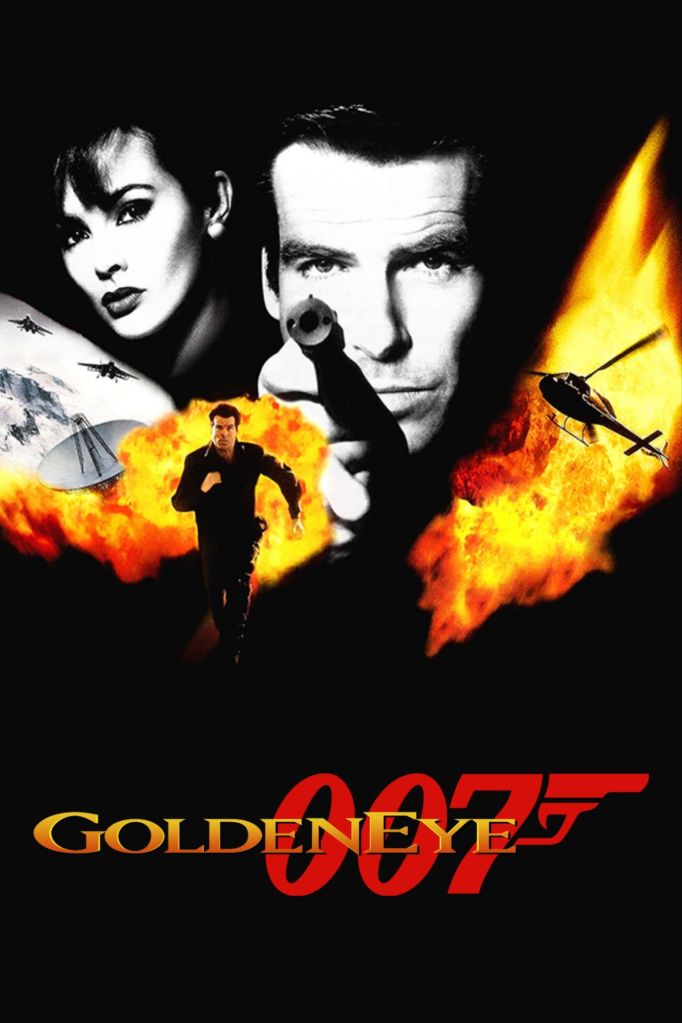
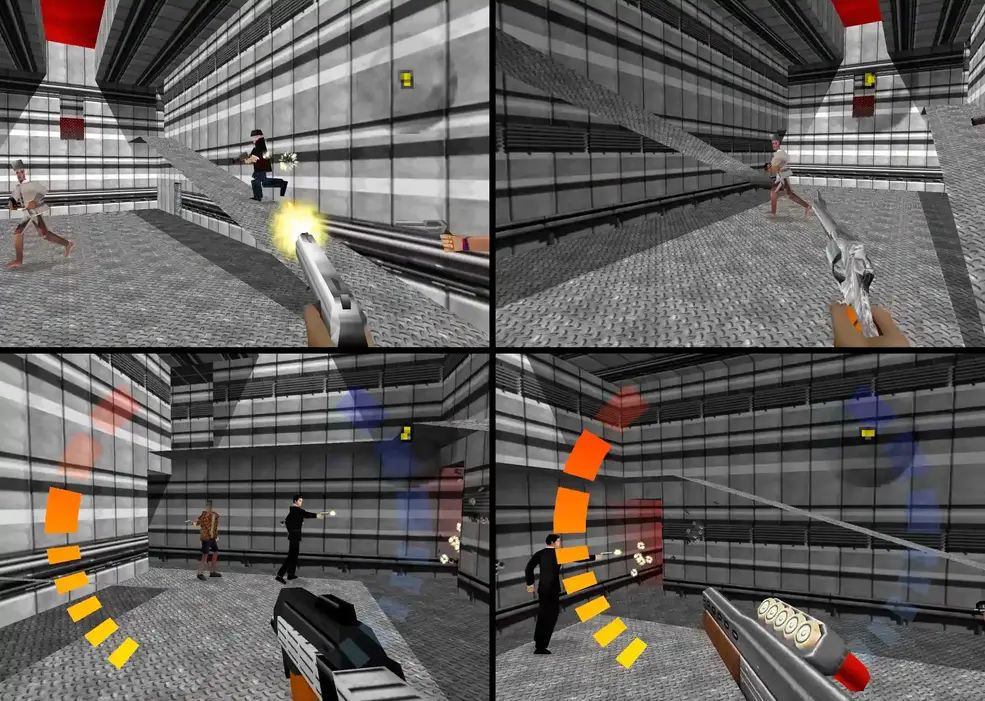
That same year Rare developed the first-person shooter Goldeneye 007, based on the James Bond film Goldeneye starring Pierce Brosnan. No one was expecting a licensed game to take the world by storm, but thanks to its incredibly fun multiplayer mode it became a milestone for its genre that took a format popularized by the PC game Doom and legitimized it for the console market. To this day Goldeneye 007 is one of the most influential multiplayer shooter games of all time and one of Nintendo and Rare’s most popular games, becoming the third best-selling N64 game after Super Mario 64 and Mario Kart 64 which literally makes it Rare’s most commercially successful N64 game.
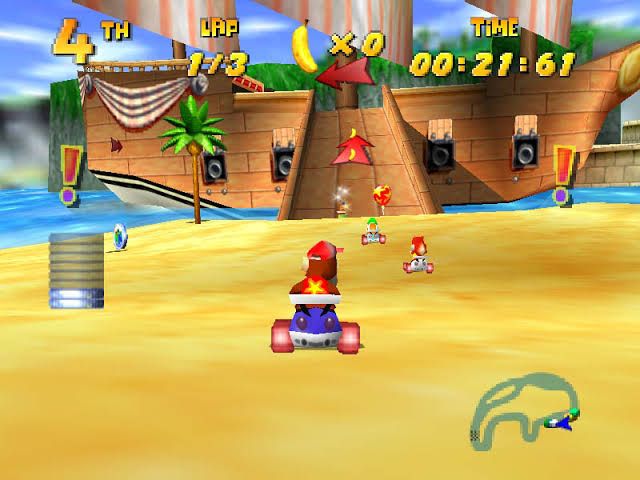
In addition to Blast Corps and Goldeneye 007, 1997 was also the year Rare came out with Diddy Kong Racing, a spin-off of Donkey Kong Country starring Donkey Kong’s nephew Diddy in a Mario Kart-style racing game, only here Diddy and his animal friends could pilot hovercrafts and aeroplanes in addition to cars. The game offered a decent challenge and some creatively-designed racetracks and it was both critically acclaimed and commercially successful.
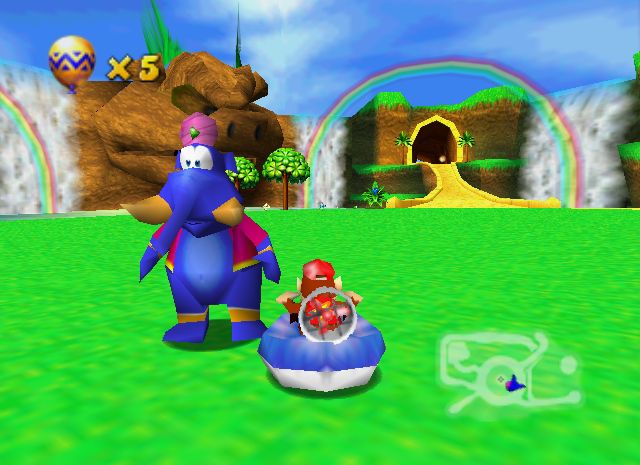
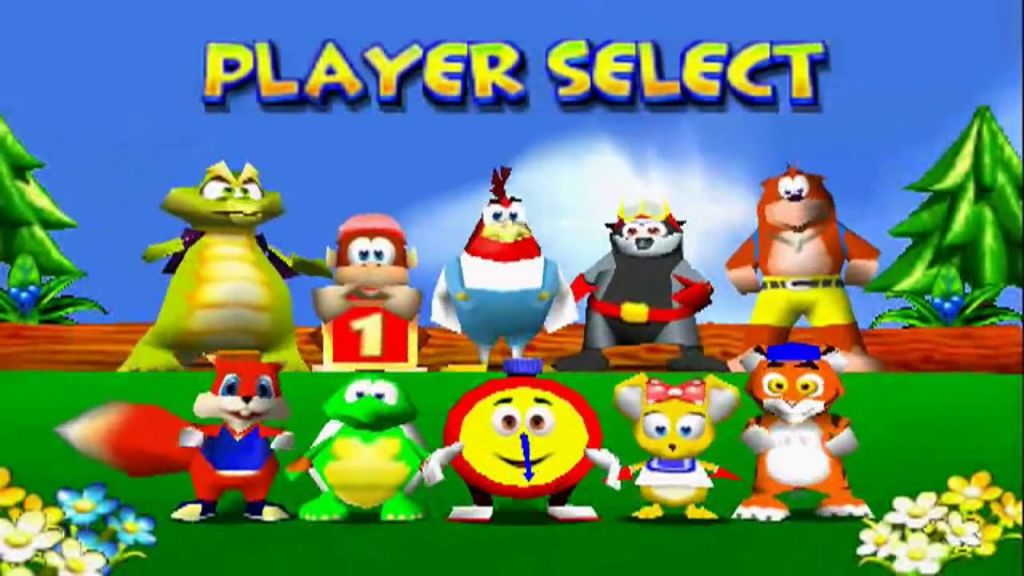
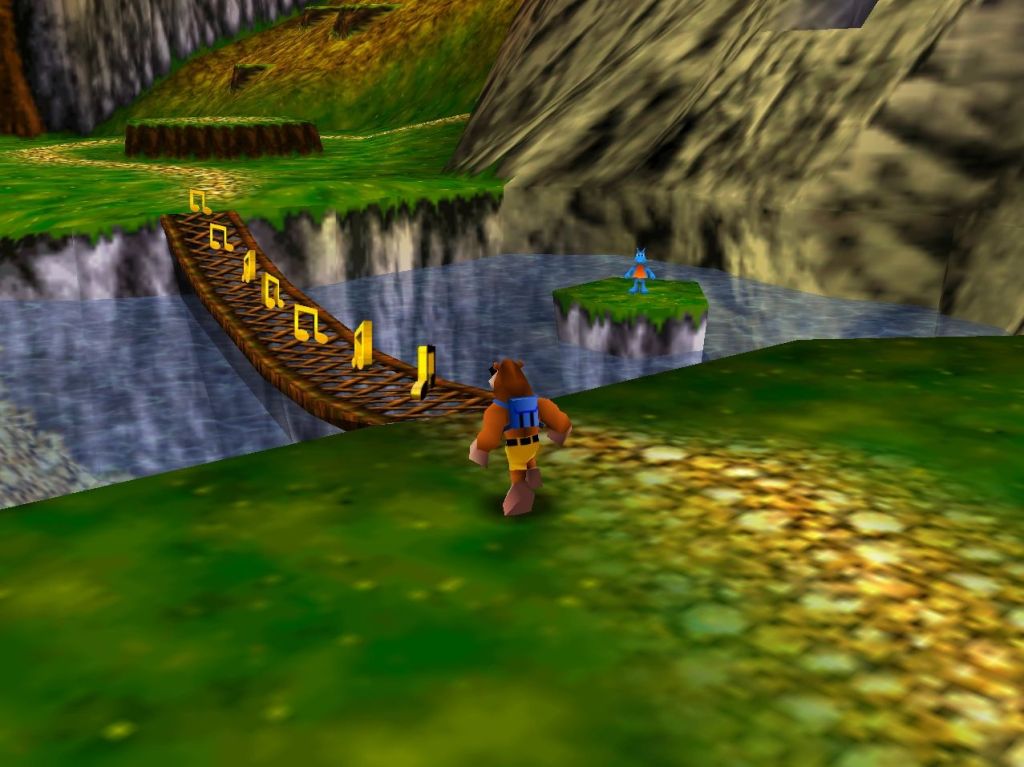
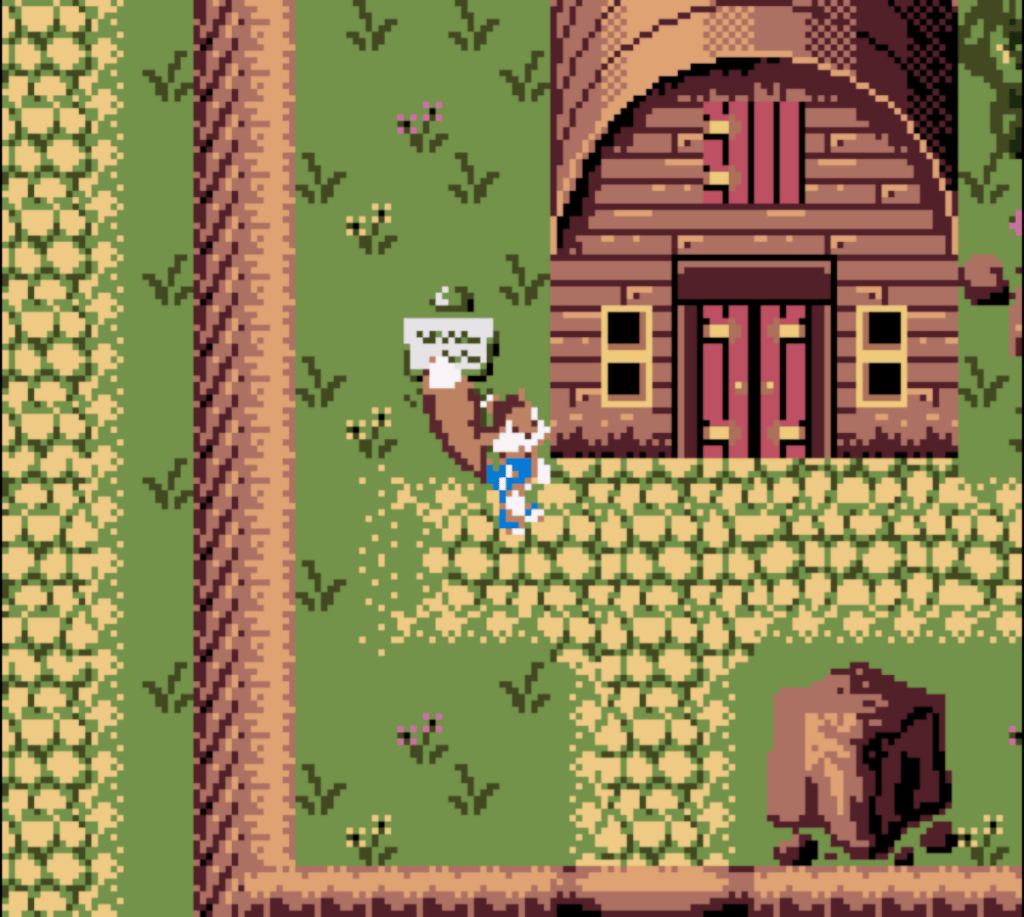
And as it turned out Diddy was not the only racer in that game who does adventuring on the side because Diddy Kong Racing introduced two new characters who would go on to have their own adventure-based spin-off games: Banjo the bear and Conker the squirrel. Banjo’s first game was the Super Mario 64-inspired 3D platformer Banjo-Kazooie (1998) which introduced his bird sidekick Kazooie, who resides in Banjo’s backpack and allows him to fly and perform other special moves. This game was a major hit that some people at the time said surpassed Super Mario 64 as the N64’s best platformer. Meanwhile Conker’s first starring role was in the Game Boy Color game Conker’s Pocket Tales (1999), a top-down adventure game in which Conker must rescue his girlfriend Berri from the Evil Acorn. It was a lot less memorable and a lot less successful than Banjo’s spin-off and it would receive mixed reviews.
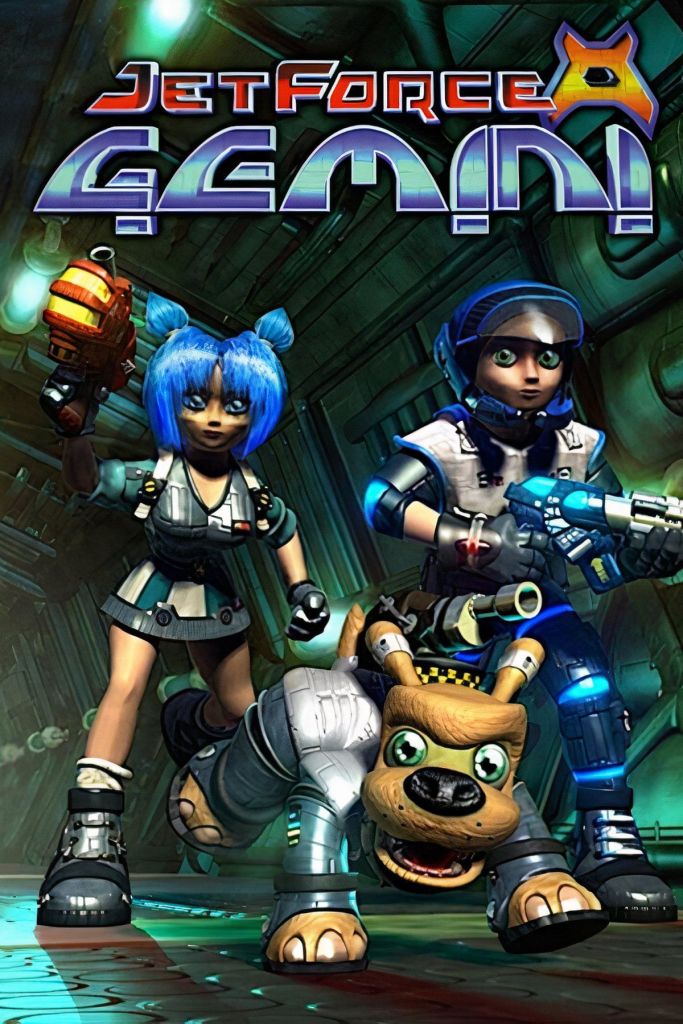
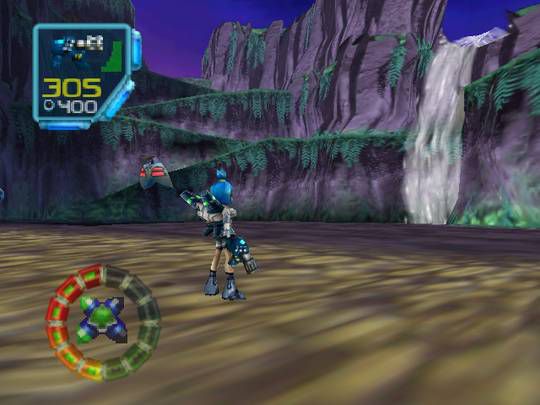
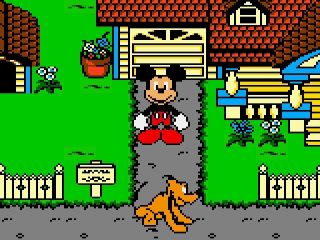
Despite Conker’s fumble, 1999 was still a memorable year for Rare. During that period they released the third-person sci-fi shooter Jet Force Gemini, an N64 game centered on the two galactic law enforcers and twin siblings Juno and Vela (and their dog Lupus) whose mission is to traverse the galaxy freeing the slaves of an evil insectoid empire. That year Rare also developed the highly ambitious and technically elaborate Donkey Kong 64, which was Donkey Kong’s first 3D platformer, and the Disney racing game Mickey’s Racing Adventure for the Game Boy Color, which critics praised as an outstanding handheld racer and also better than average for a Disney game.
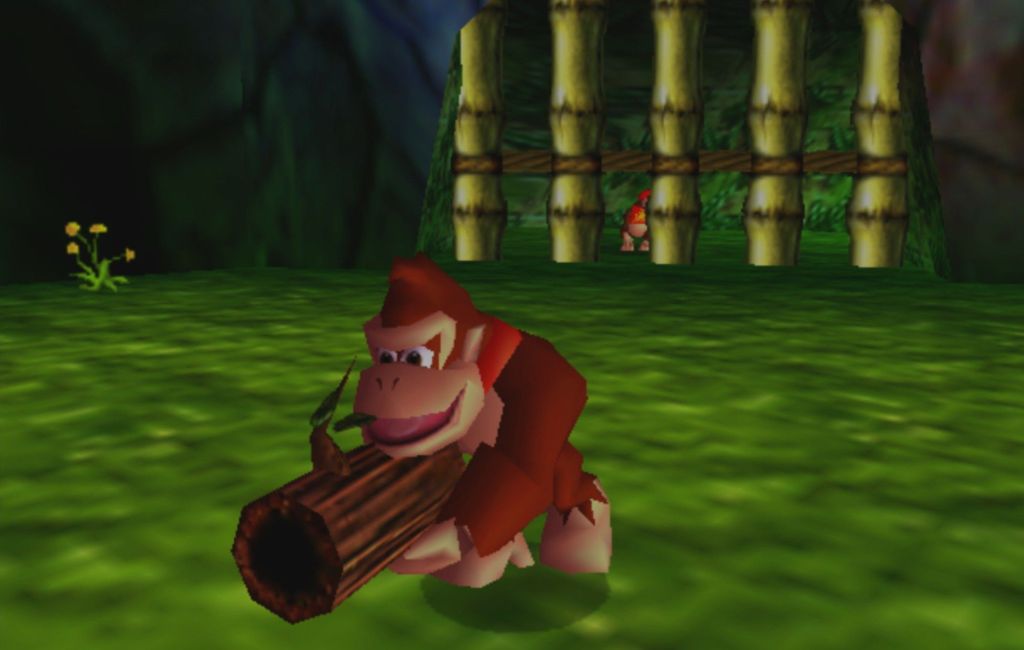
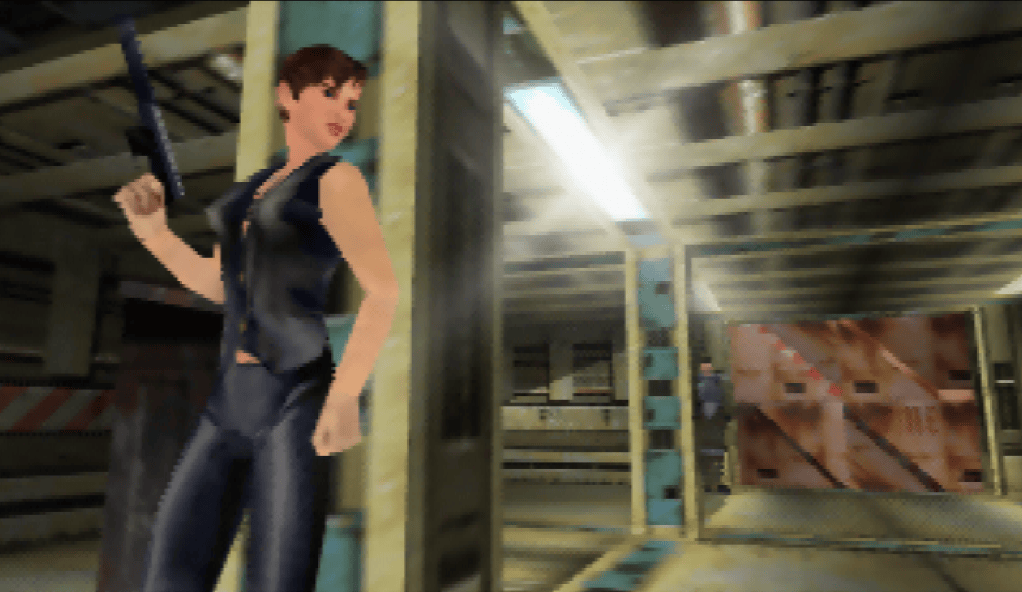
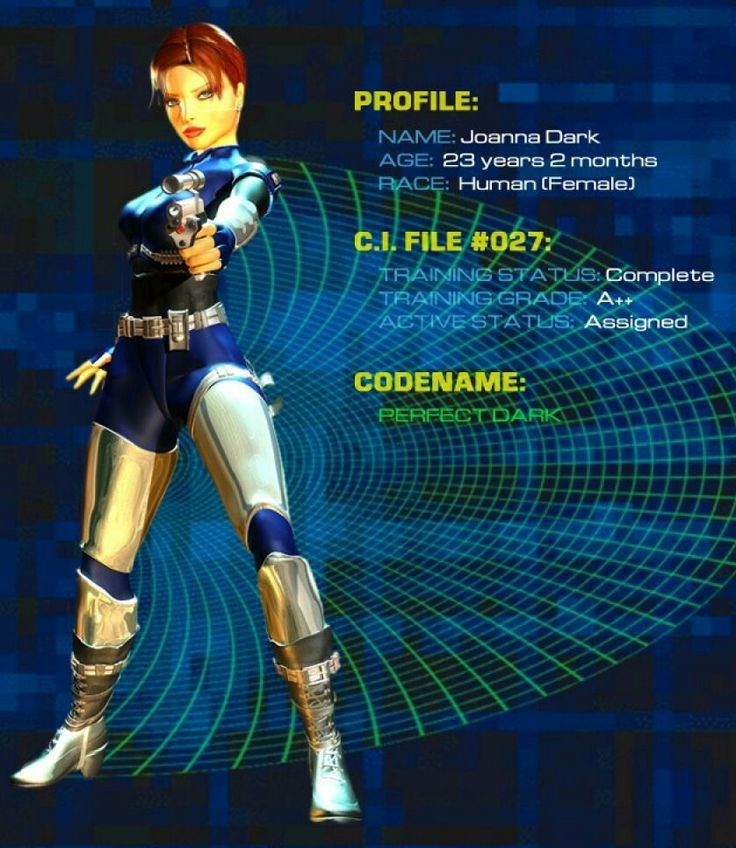
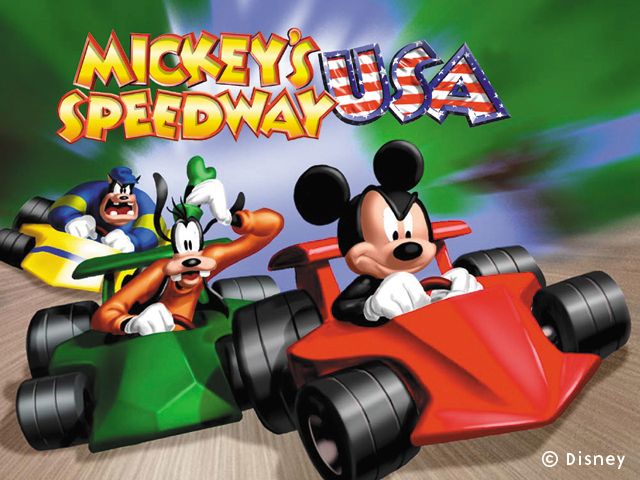
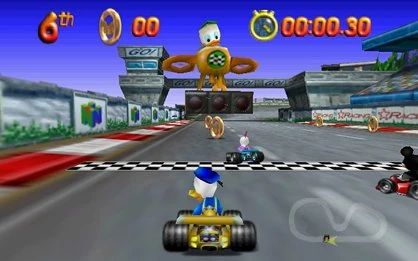
In the next millennium Rare developed the N64 first-person shooter Perfect Dark (2000) which follows an agent named Joanna Dark who gets involved in an extraterrestrial conspiracy and was made by the same development team behind Goldeneye 007, the N64 racing game Mickey’s Speedway USA (2000) which saw Mickey, Minnie, Donald, Daisy, Goofy and Pete racing across America, the sequel Banjo-Tooie (2000) which saw the return of Banjo and Kazooie in another adventure, receiving positive reviews by both critics and Banjo-Kazooie fans who deemed it a worthy successor, and Conker’s Bad Fur Day (2001), the M-rated follow-up to Conker’s Pocket Tales which put Conker the squirrel in a variety of non-kid friendly situations after Rare decided mid-development of Conker 64 to take a sharp turn from Disney-style adventure to a Simpsons and South Park-style adult comedy. The game received positive reviews and has a big cult following today, but Nintendo practically refused to market it and it failed commercially.
Rare was planning to make another N64 game called Dinosaur Planet, but two things drastically altered the development of that one. One was Nintendo’s suggestion to Rare that they rework the game with Star Fox characters instead, and the other was its transition from an N64 game to a GameCube game. It was released as Star Fox Adventures on the GameCube in 2002 and it ended up being the last game Rare developed for Nintendo before being acquired by Microsoft. I’ll go more into how Rare went from making Nintendo games to making Microsoft games in my next article.

