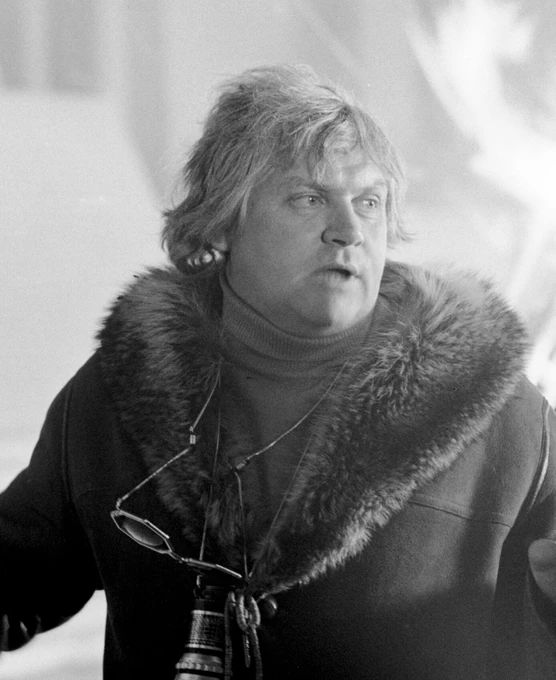
The best film directors are often the ones who tell stories with a specific voice and a particular style, but the all-time greats are the ones who go even further by broadening the horizons of cinema as an artform. Ken Russell, a filmmaker who adapts text to film with a lot of style, originality and sometimes controversy, is one of those directors.
Born in Hampshire, England in 1927, Ken Russell often went to the movies to escape his bleak childhood, and he had a lot of artistic ambitions himself, at one point wanting to be a dancer and later a photographer, which led to freelance work as a documentary photographer during the 1950s. That decade was also when he started making his own independent short films. One of which was called Amelia and the Angel (1959), which received a decent amount of acclaim as well as the attention of the BBC, who soon hired Russell as a TV director.
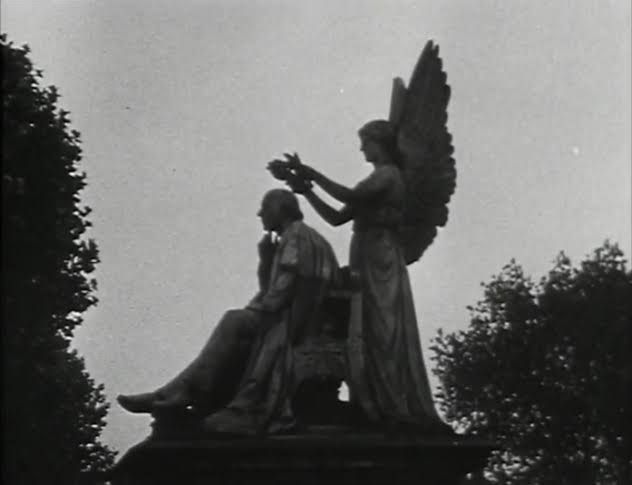
This led to a successful career in documentary filmmaking, most commonly for the BBC’s televised arts showcase Monitor (1958-65) for which he tackled subjects like poetry, music and pop art. One particular documentary called Elgar (1962), about English composer Sir Edward Elgar, marked a turning point for these productions where Russell would use actors to dramatize historical moments and portray the subjects of his documentaries rather than use photo stills. That was a decision Russell insisted on and had to convince the BBC to approve, and it was a smart choice because that doc ended up being highly acclaimed.
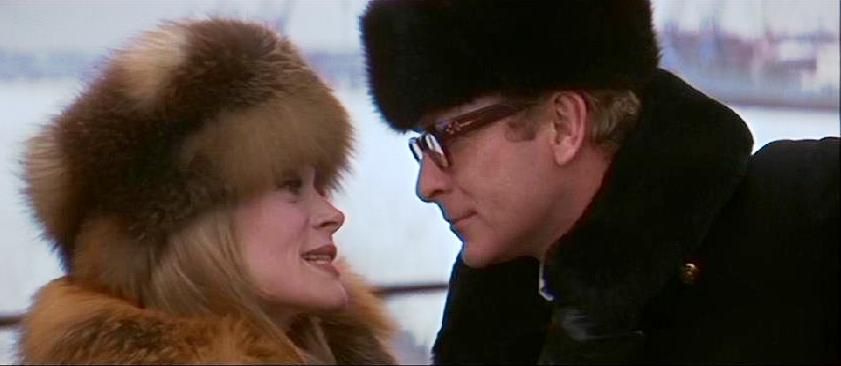
Russell’s first theatrical feature film was the 1964 comedy French Dressing, based loosely on Roger Vadim’s 1956 French romantic drama And God Created Woman, but it was neither a success with critics nor audiences. Although a year later BBC’s The Debussy Film (1965) received a much more positive reception, as did Don’t Shoot the Composer (1966), a documentary about French film composer Georges Delerue, and Isadora Duncan, the Biggest Dancer in the World (1966). But Russell took another shot at the big screen when James Bond film producer Harry Saltzman hired him on the strength of his BBC films to direct Billion Dollar Brain (1967), the third in Michael Caine’s Harry Palmer film series. But that was also not popular with audiences and Russell once again went back to making TV films, which continued receiving much more praise than his theatrical films, with even Russell himself counting the films he made for BBC during the 1960s among his best work.
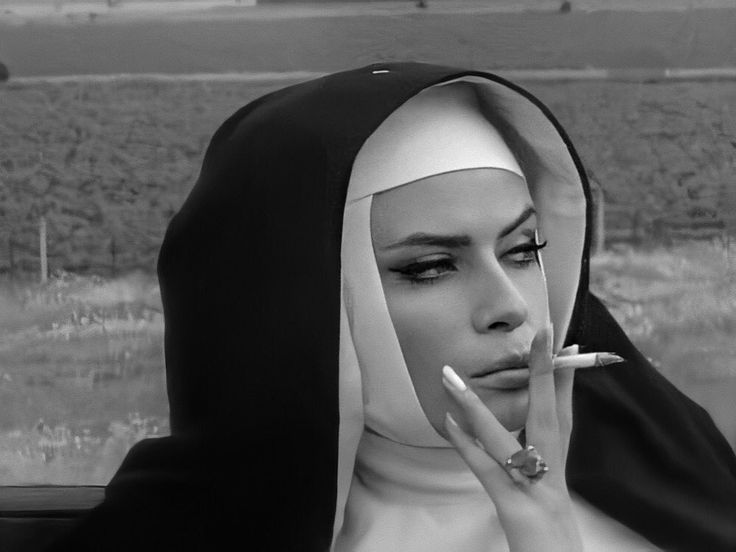
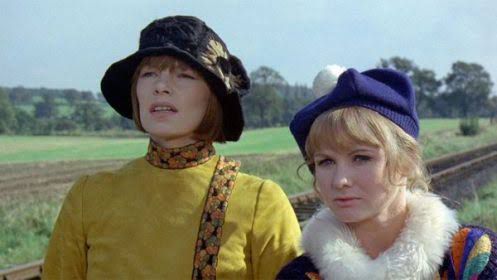
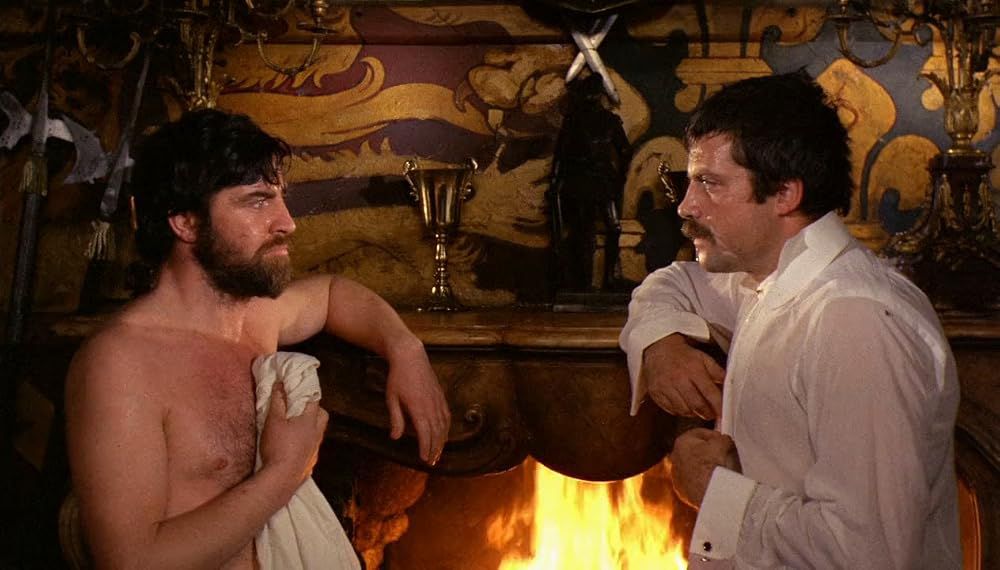
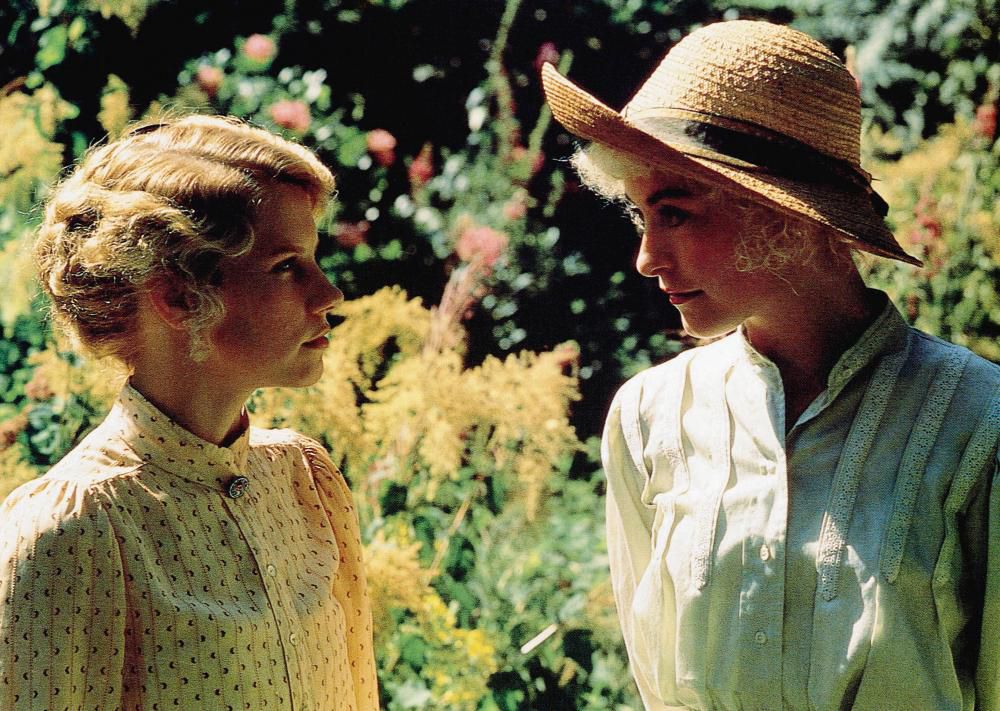
Russell’s third big screen film Women in Love (1969) was an adaptation of the 1920 novel by D.H. Lawrence and his first critical and commercial hit in the theater. That film came about when American screenwriter Larry Kramer moved to London to become a film producer, his first project being the 1967 comedy Here We Go Round the Mulberry Bush. Kramer later bought the screen rights to D.H. Lawrence’s Women in Love, a story of two sisters who get romantically involved with two men in post-World War I England, and Kramer sold the project to United Artists with consideration for multiple directors to tackle the story before landing on Ken Russell, whose work on Billion Dollar Brain was admired by United Artists CEO David Picker. Women in Love put Ken Russell on the map and it is considered by many to be Russell’s signature film as well as one that pushed the envelope on what mainstream cinema was allowed to do and resonated with the late ’60s sexual revolution. Glenda Jackson won the Oscar for Best Actress for her role and the film itself was nominated for Larry Kramer’s screenplay, Billy Williams’ cinematography and Ken Russell’s direction.
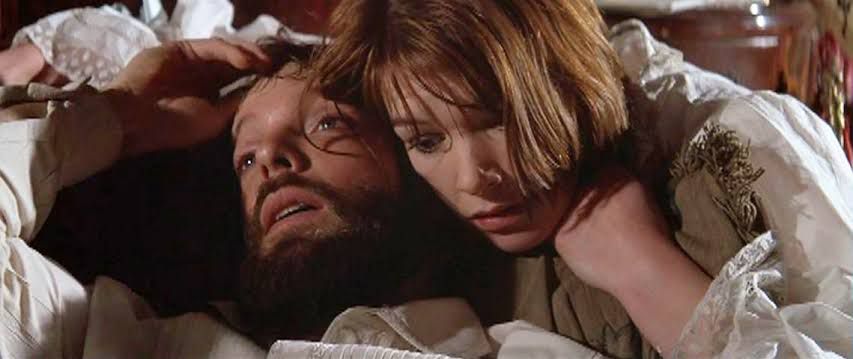
Russell continued receiving acclaim and continued pushing the envelope with his work in the 1970s, which included 1971 biodrama The Music Lovers starring Richard Chamberlain as Russian composer Pyotr Ilyich Tchaikovsky and Glenda Jackson as his wife Nina in a tragic love story about the couple’s fracturing marriage, although the film was more exaggerated fantasy than accurate biography.
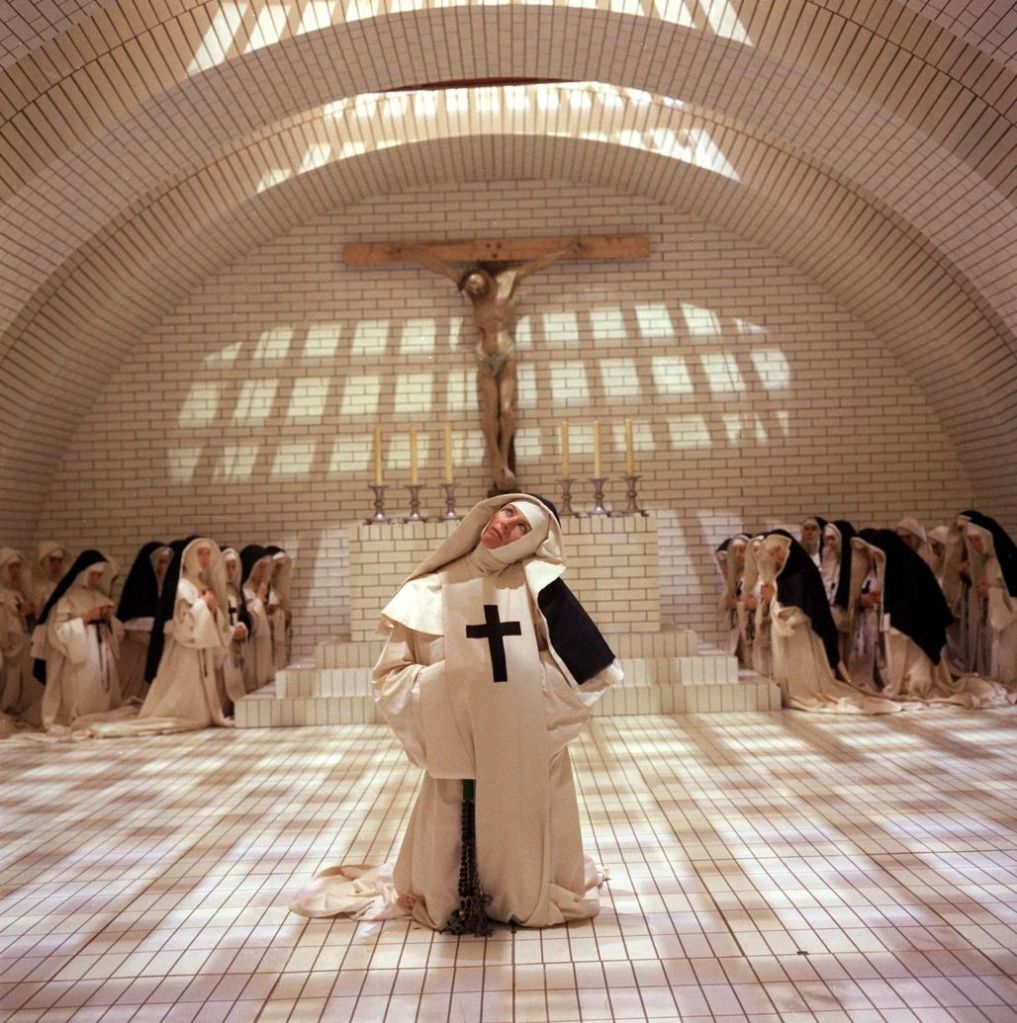
His most notorious film is The Devils (1971) based on Aldous Huxley’s 1952 non-fiction book The Devils of Loudon and a film that was such a lightning rod for controversy due to its combo of religious and sexual subject matter that the original cut was never widely released, and where it was released it was heavily edited by Warner Bros. Although Ken Russell’s director’s cut did eventually see the light of in 2002 and it got to be enjoyed by audiences at film festivals and art houses as well as streamed on Shudder in 2017. Plus WB recently teamed up with the British Film Institute to restore and release the uncut and now NC-17-rated version of The Devils in 2026 via WB’s independent label Warner Bros. Clockwork, first premiering at the Cannes Film Festival and later released in theaters for a limited one-week run in the fall (later this week as I type this, and it’s playing at a theater near me so I might go see it!)
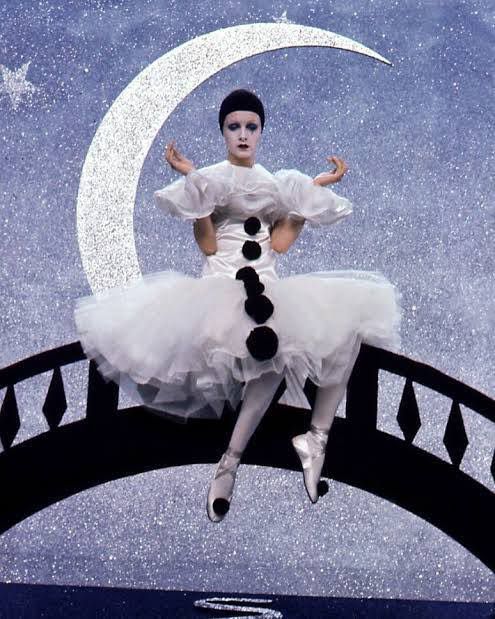
After The Devils Ken Russell directed his musical comedy and Busby Berkeley homage The Boy Friend (1971) starring Twiggy, the consensus on which seems to be “flawed but entertaining modern take on the Hollywood musical.”
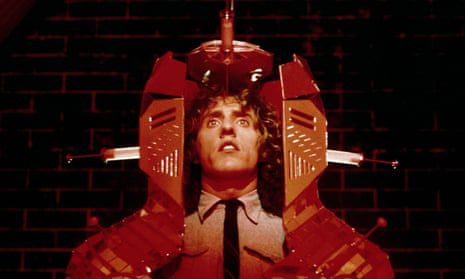
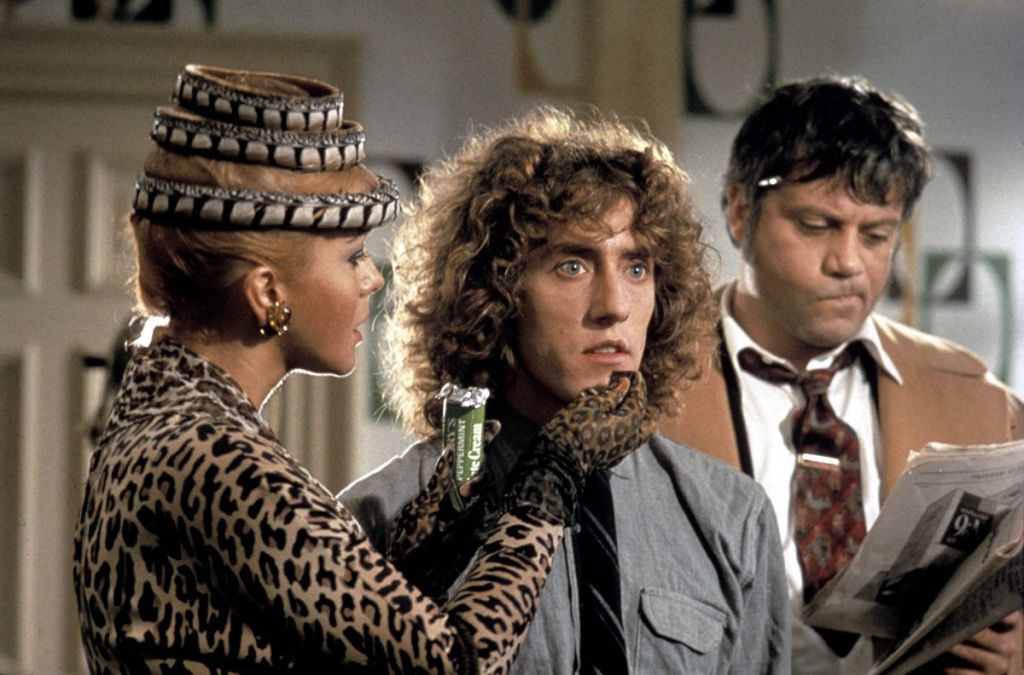
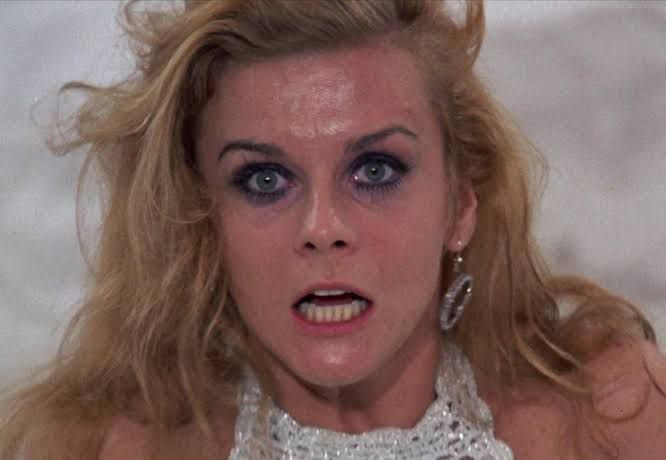
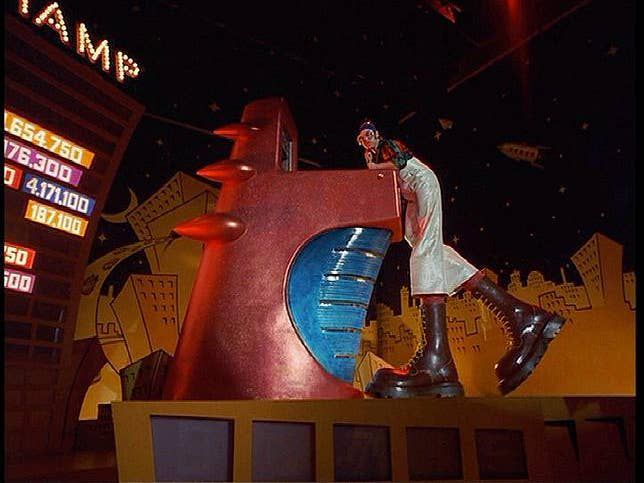
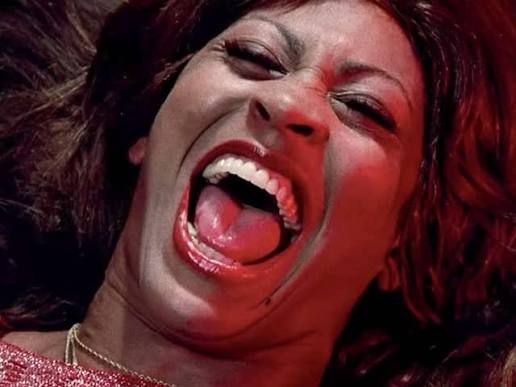
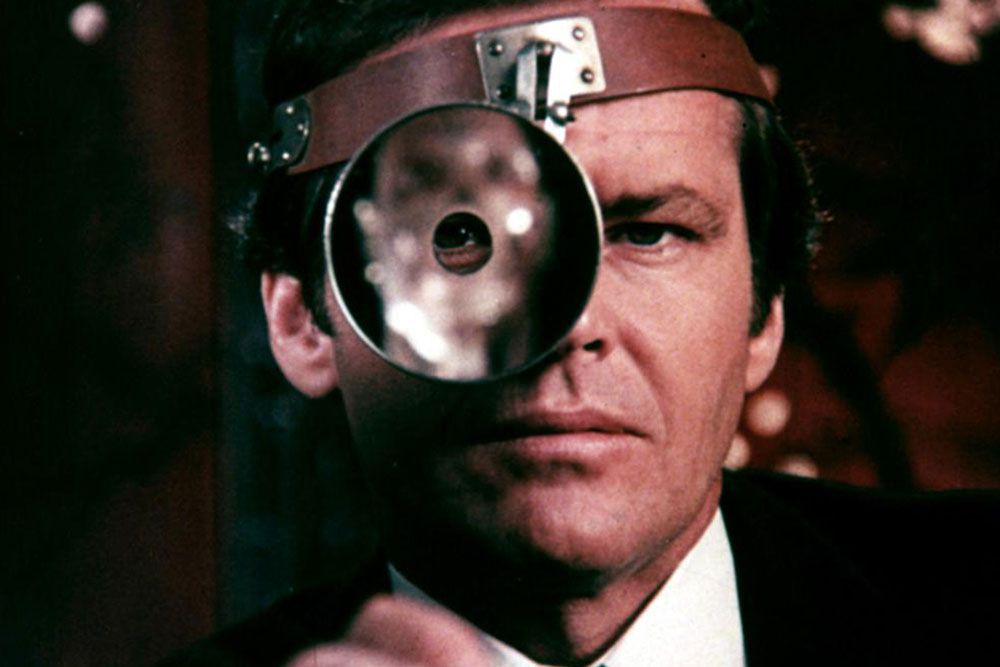
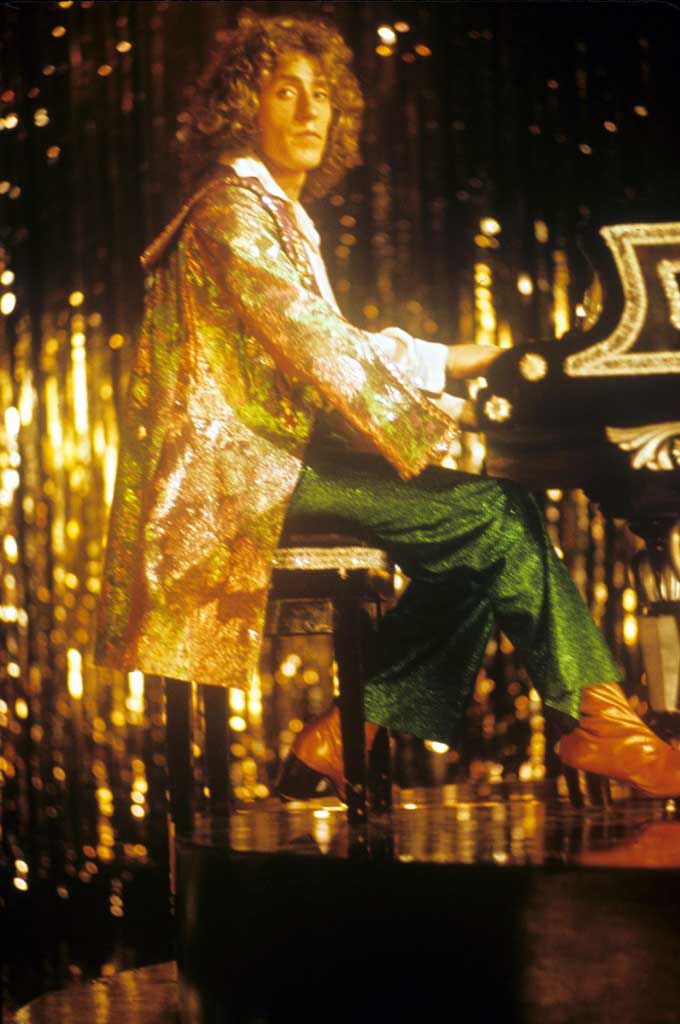
That was followed by Savage Messiah (1972) which is a biodrama about French sculptor Henri Gaudier-Brzeska, and Mahler (1974), another biopic, this one about Austro-Bohemian composer Gustav Mahler and a Cannes Film Festival selection. But his surrealist musical fantasy Tommy (1975) based on the Who’s 1969 album of the same name (and starring lead singer Roger Daltrey in the title role) was one of Russell’s crowning achievements. The rock spectacle was called imaginative and irreverent by critics and was a box office hit that not only starred the Who but also Elton John, Tina Turner, Eric Clapton and Jack Nicholson among its cast. Ann-Margret received an Oscar nomination for her role as Tommy’s mother and Pete Townsend was nominated for his work scoring and adapting the album to screen and it is now seen as a classic of British cinema.
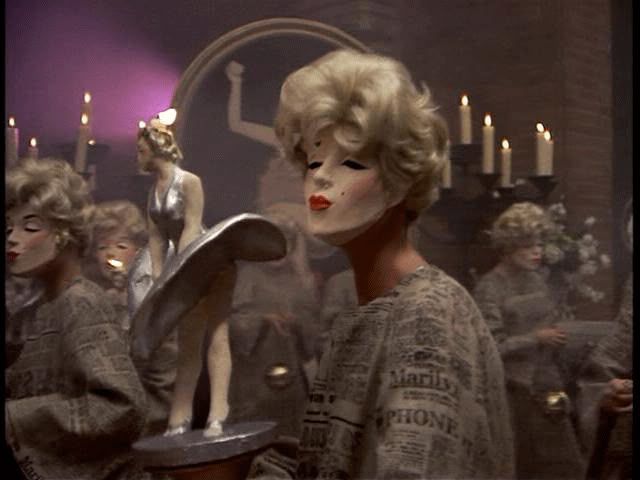
That same year Russell directed a surreal musical biopic called Lisztomania (1975) which also starred Roger Daltrey, this time as Hungarian classical music composer Franz Liszt. That one was a flop and it wasn’t as beloved as Tommy but Roger Ebert still called it a level of “demented genius” and the New York Times hailed it as “manic and extremely funny,” even as less enthused viewers thought Russell was overestimating his filmmaking skills (Russell himself said Lisztomania didn’t work as well as he wanted it to). That was followed by Valentino (1977), a biopic about Hollywood leading man Rudolph Valentino that received low marks for its writing but high marks for its performances, visuals and production design, and Altered States (1980), based on the 1978 novel by Paddy Chayefsky and Ken Russell’s first foray into science fiction that delved into the surreal experiences of neuroscientist John C. Lilly and his sensory deprivation research in an isolation tank under the influence of drugs. Most critics complimented Altered States as a daring and effective experimental sci-fi mind trip with elements of horror, and the project became one of Russell’s most acclaimed films.
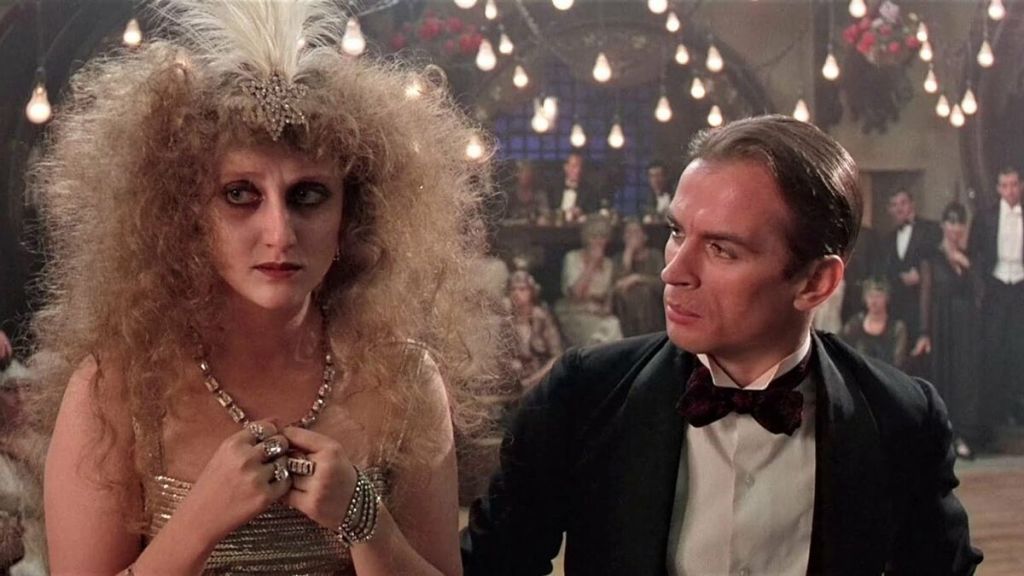
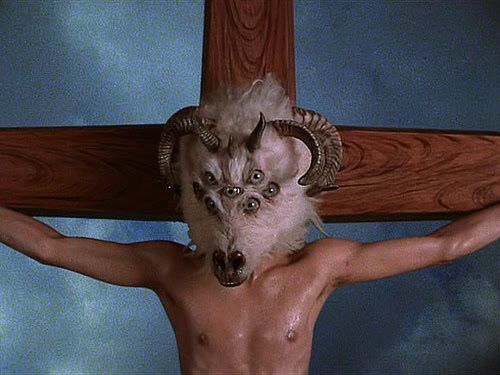
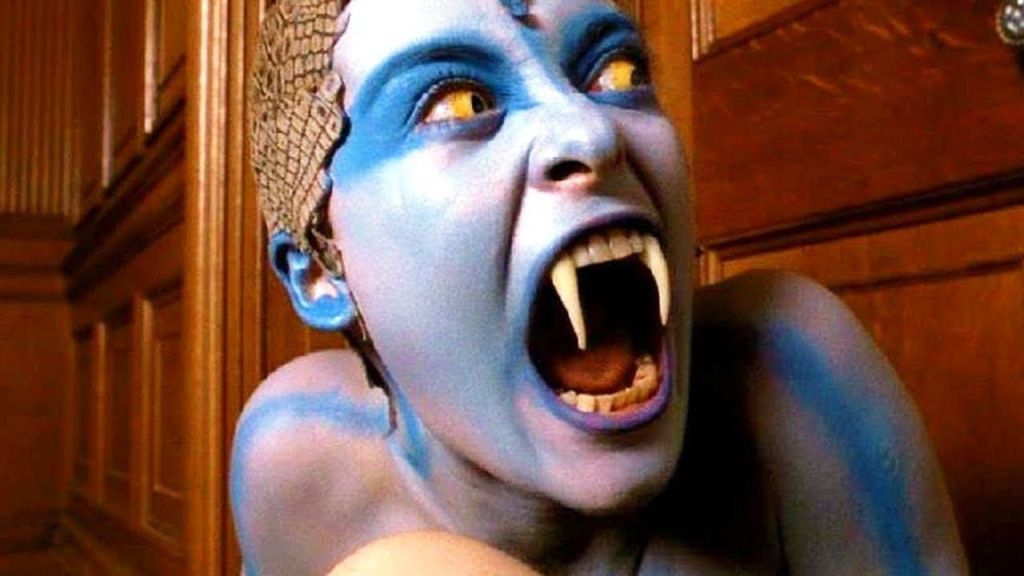
The rest of Russell’s ’80s filmography consists of the erotic thriller Crimes of Passion (1984), the psychological horror film Gothic (1986) which told a fictionalized account of Frankenstein author Mary Shelley and The Vampyre author John Polidori, the segment “Nessun Dorma” from the anthology film Aria (1987), Salome’s Last Dance (1988) which is an adaptation of Oscar Wilde’s Salome, The Lair of the White Worm (1988) which is a horror comedy that loosely adapts Bram Stoker’s 1911 novel of the same name (and today has a cult following despite an initially negative reception), and The Rainbow (1989) which adapts D.H. Lawrence’s 1915 novel and serves as a companion film to Women in Love.
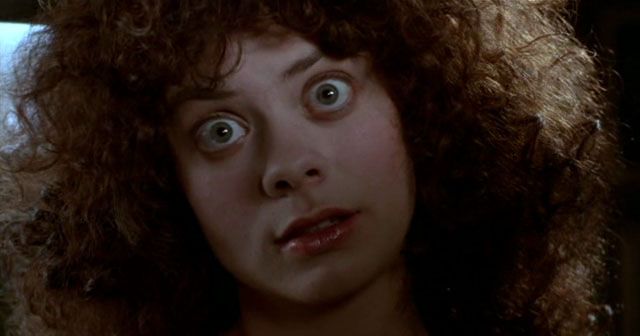
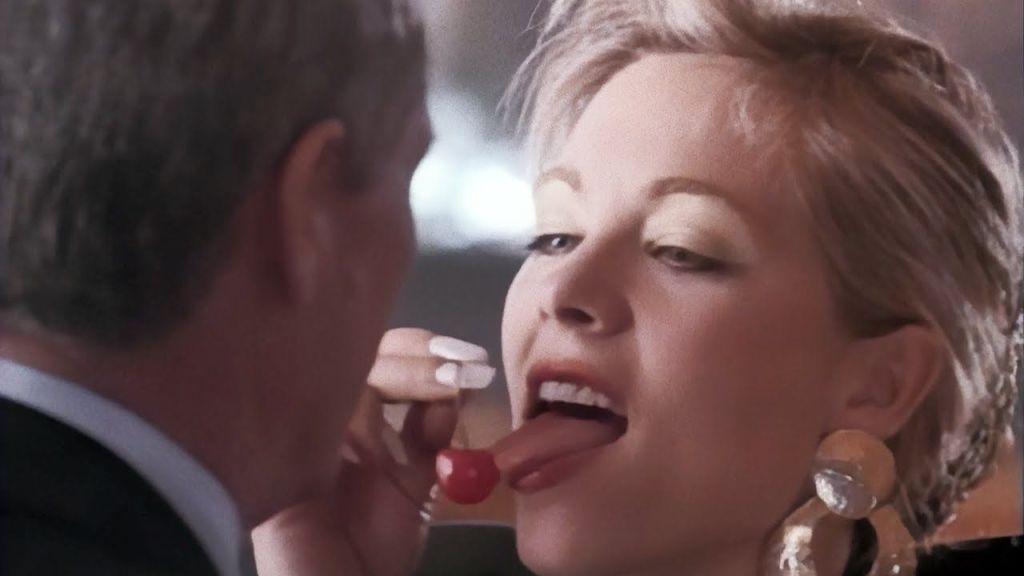
In the 1990s Russell courted controversy again with the 1991 satirical erotic thriller Whore starring Theresa Russell as a jaded L.A. prostitute who breaks the fourth wall in documentary-style narration during the film. Her performance received praise and so did the film itself after it premiered at Sundance, but its NC-17 rating prevented it from reaching most theaters and kept it out of view from most audiences.
Finally there was HBO TV movie Prisoner of Honor (1991) starring Richard Dreyfuss, Showtime TV movie Dogboys (1998), the Edgar Allen Poe-inspired horror comedy The Fall of the Louse of Usher (2002) and the provocative short film A Kitten for Hitler (2007). Ken Russell died in 2011 before he could finish any more projects but he made a lasting impact by helping bring forth a “new wave”-like energy to British cinema in the post-war era that went beyond the bounds of realism and the conventions of taste and into a new plane of existence where filmmakers were allowed to let their imaginations run loose.