
At a time in history when it feels like the entertainment industry is becoming smaller because of studios buying each other and merging together, I think it’s worth remembering and celebrating all the times throughout history when monopolized forces have had their power challenged. Such as when the U.S. Supreme Court forced Hollywood studios in the 1940s to divest their ownership of theater chains to make competition at the box office more fair, or when late night talk show host Arsenio Hall challenged Johnny Carson’s ratings dominance by appealing to a younger demographic in syndication, or when Sega became Nintendo’s first true competitor since Super Mario Bros. came out when they introduced Sonic the Hedgehog. All three of these cases opened the door for an industry that was more equal and fair, but one of the best and most impactful of these David and Goliath stories was the formation of the broadcast television network FOX. Yes it helped that FOX’s owner Rupert Murdoch had an endless well of money to fund it, but it was still a giant hill to climb to try and compete with NBC, CBS and ABC in primetime and become a fourth major network. Luckily thanks to a lot of savvy business moves, FOX ended up becoming one of the best things to happen to TV.
20th Century Fox had long been involved in television production before FOX came along, and attempts at challenging the big three broadcast networks had been made multiple times as well, including the TV network DuMont, which had success with Captain Video, Cavalcade of Stars, The Plainclothesmen and other early TV hits, and that network even helped put Jackie Gleason on the map before he created The Honeymooners for CBS. Another attempt was the NTA Film Network, which 20th Century Fox had a financial investment in. But that only lasted from 1956 to 1961 (that network’s station was later converted to PBS’s flagship New Jersey station WNET).
Even Barry Diller attempted to create a TV network in the 1970s while he was running Paramount Pictures, but the network that was to be called Paramount Television Service didn’t even make it off the ground. The reason why Diller made this play for broadcast television was because he wanted something that everyone in the entertainment industry wants: creative freedom. Specifically creative freedom beyond what NBC, CBS and ABC were allowing Paramount Television to produce for their networks. Perhaps it made sense that a movie CEO would be the one to recognize that television wasn’t living up to its full potential, because back in these days film and television were still like night and day when it came to the kinds of content they were allowed to portray (movie ratings were introduced in the sixties but television ratings weren’t introduced until the nineties).
Enter News Corporation, the media giant owned by Australian business mogul Rupert Murdoch that bought 20th Century Fox Pictures in 1985. Following that acquisition, News Corp bought a number of television stations across the United States, with the intention being to self-distribute their own television programming without the help of NBC, CBS or ABC (News Corp even acquired DuMont’s former base of operations, which kind of makes FOX a descendant of DuMont). Due to Barry Diller’s experience on the entertainment side of the entertainment business, Rupert Murdoch chose Diller to help launch and create the new TV network.
The Fox Broadcasting Company (FBC) soft launched on October 9th, 1986 with the late night talk show The Late Show hosted by comedian Joan Rivers, and it officially launched and expanded into primetime during the spring of 1987 under network president Garth Ancier, who decided to rebrand FBC by embracing the 20th Century Fox connection and instead calling it “FOX,” later leading to the iconic Fox searchlights being added to the logo.

The Late Show never managed to overtake NBC’s The Tonight Show in the ratings and the network never really mastered the talk show format (Spike Feresten, a comedy writer who wrote for David Letterman, SNL, The Simpsons and Seinfeld, was the closest FOX ever came to having a successful late night talk show host when Talk Show with Spike Feresten came out, although that only lasted from 2006 to 2009). Primetime, on the other hand, was where FOX’s best ammunition against the other three networks was. FOX’s early primetime lineup included the hit sitcom Married… with Children (1987-97) and the Emmy-winning sketch comedy series The Tracey Ullman Show (1987-90), followed by the procedural drama 21 Jump Street (1987-90) and the sitcoms Duet (1987-89) and Mr. President (1987-88), the latter actually co-created by Johnny Carson. These shows all aired on Sunday night during the 1987-88 season before FOX gradually expanded its weekly schedule, introducing programming to Saturday in the summer.
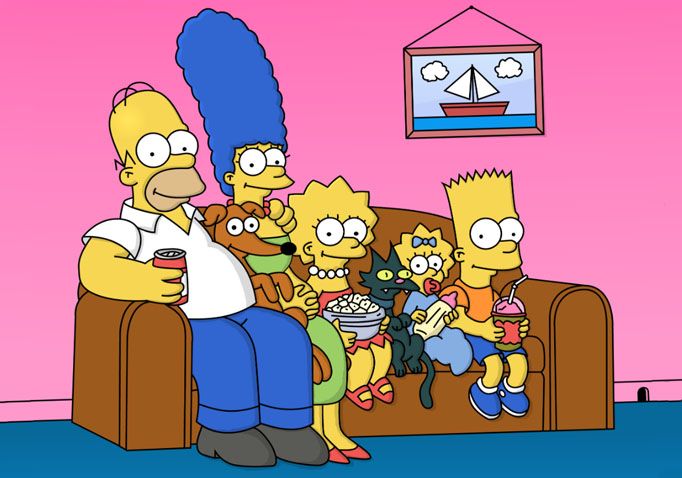
FOX only had a handful of hits in the late eighties but in 1988 and 1989 they lucked out huge by landing some of the most successful ratings hits in television history with the premieres of three shows that are all still airing to this day: the docudrama America’s Most Wanted (1988-present), the docuseries Cops (1989-present) and the animated sitcom The Simpsons (1989-present) which was a spin-off of The Tracey Ullman Show. Meanwhile Married… with Children was gaining notoriety for its risqué humor which brought about many protests from more conservative TV viewers, although that only helped the show gain more popularity, and by the end it ran for 11 seasons total and lasted a decade on the air.

It took a while for FOX to truly compete on the same level as the major three, but it slowly became their biggest threat because FOX’s programming executives, seemingly learning from Arsenio Hall’s strategy for competing with Johnny Carson, cleverly counterprogrammed against the major three by greenlighting TV shows that were more edgy than usual, appealed to a younger demographic and targeted Black audiences (and I ain’t talking about The Cosby Show viewers).
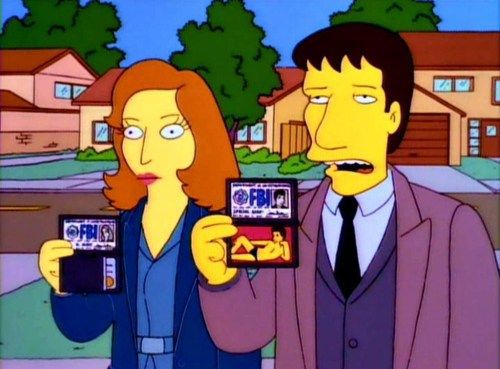
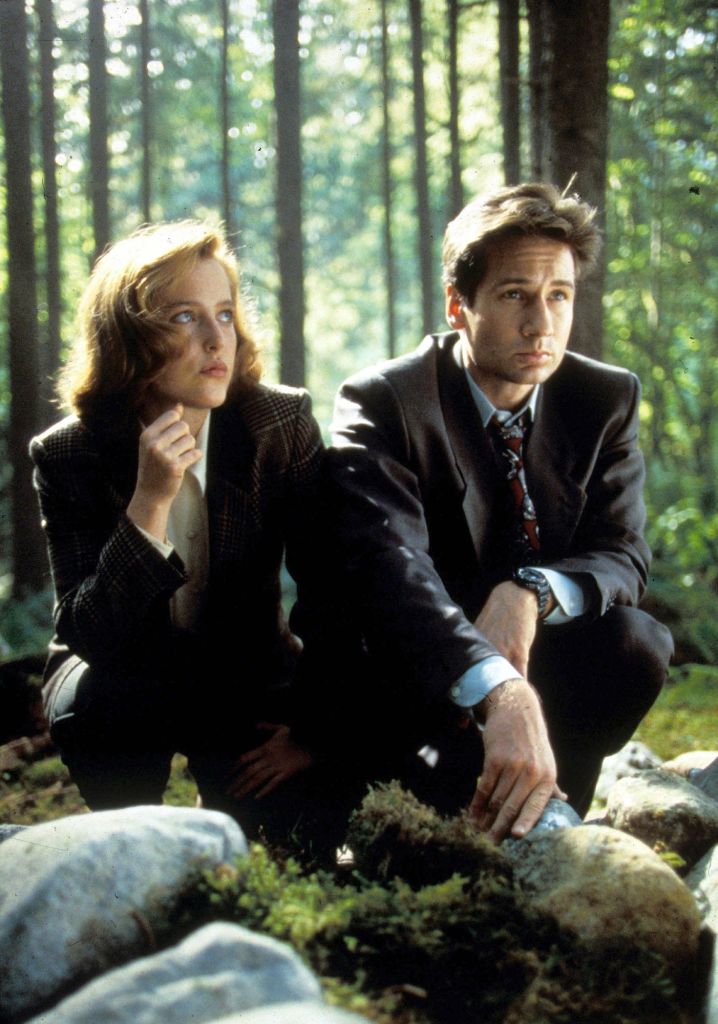
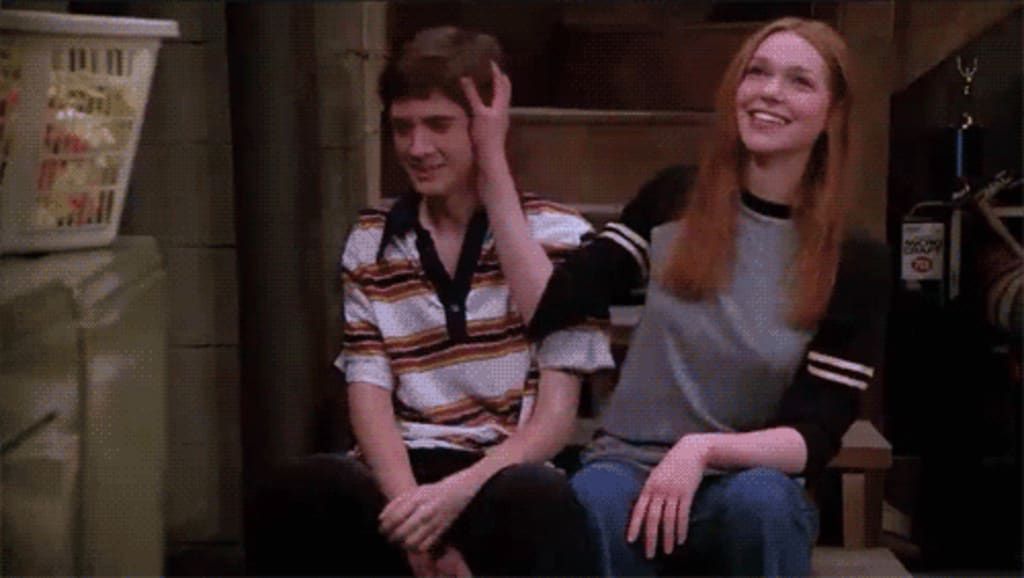
By the 1990s, FOX started airing shows on primetime every day of the week, and while the network had plenty of mediocre shows during this decade, they also had a surprising amount of hit shows with both viewers and critics. Some of the most notable include the sketch comedy series In Living Color (1990-94) and the teen drama Beverly Hills, 90210 (1990-2000) as well as Herman’s Head (1991-94), Martin (1992-97), Melrose Place (1992-99), Living Single (1993-98), The X-Files (1993-2002, 2016-18), Party of Five (1994-2000), Mad TV (1995-2009), King of the Hill (1997-2009), Ally McBeal (1997-2002), That ’70s Show (1998-2006), Family Guy (1999-present) and Futurama (1999-2003). The fact that many of those shows felt nothing like the kinds of things that would air on NBC, CBS or ABC was the secret to their success.

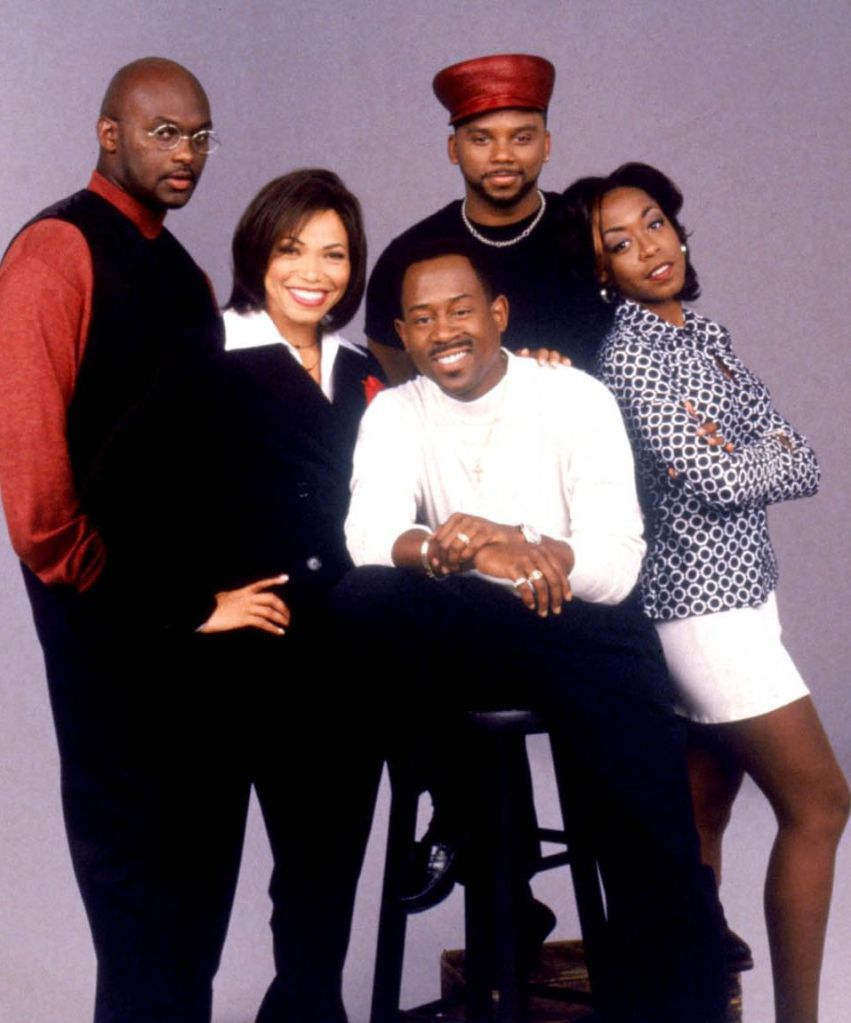
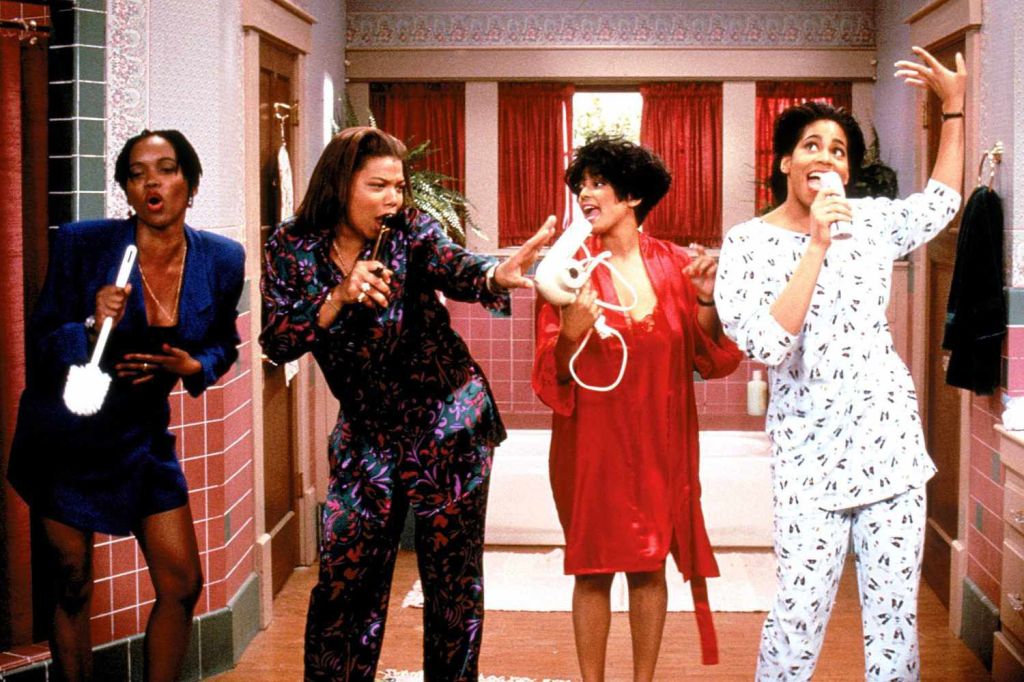
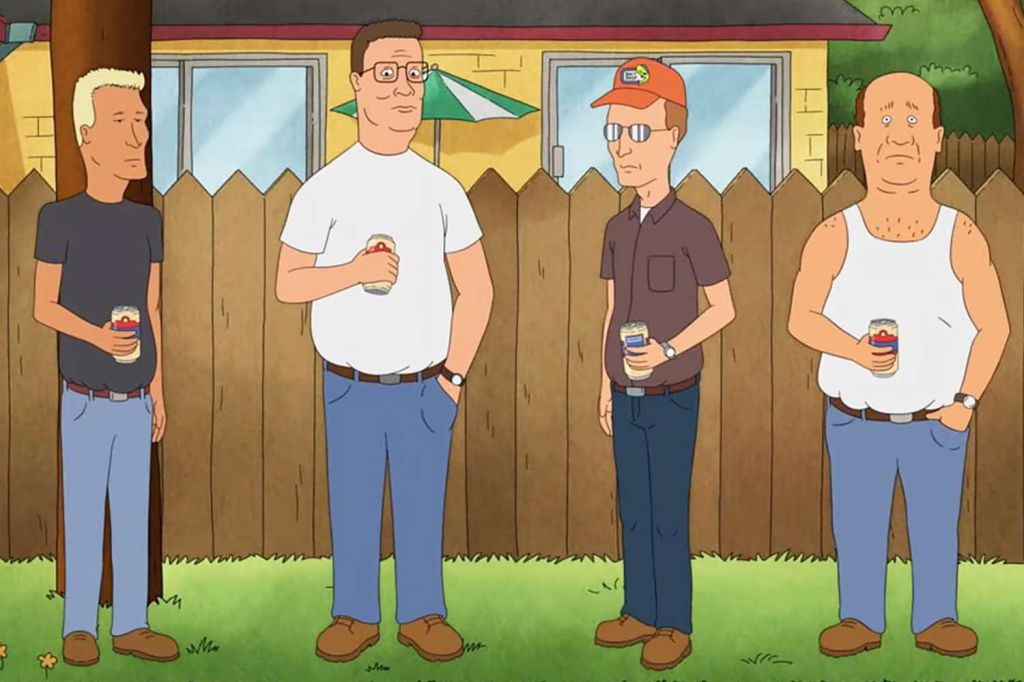


When FOX expanded its programming to seven nights a week in 1993, it became only the fifth broadcast network in U.S. history to air nightly original programming after the big three and DuMont. By 1994, FOX’s popularity was great enough that Rupert Murdoch decided to launch the cable network FX, which put out more mature content that was closer to the programming on HBO and is still operating and putting out great shows to this day under the ownership of Disney. This was followed the same year by the movie network FXM, both the news network Fox News and the sports network Fox Sports Net in 1996, and other spin-off networks like FXX, the video on demand service Fox Nation and the streaming service Fox One.
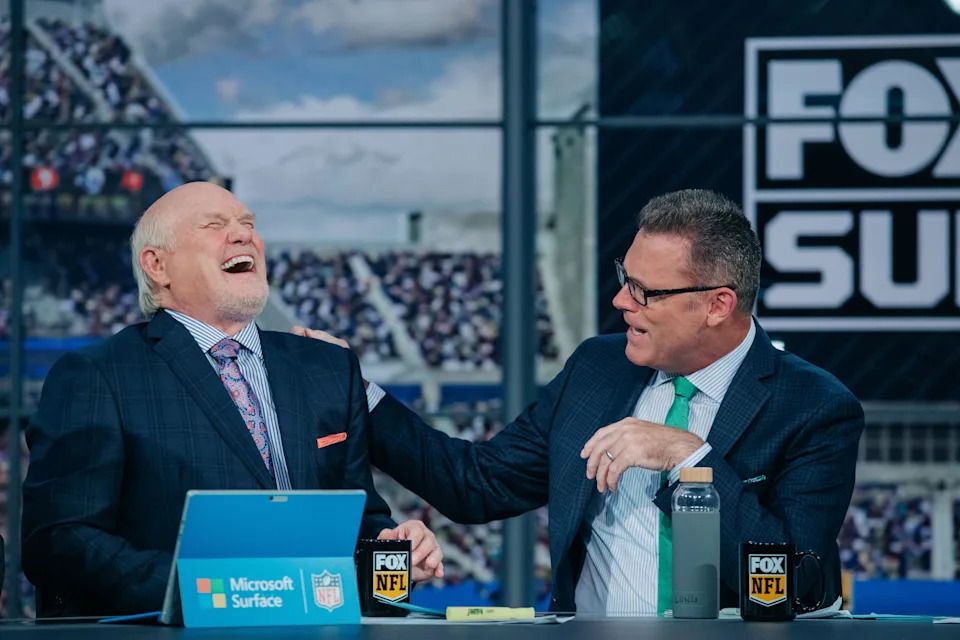
Another significant move FOX made this decade was their surprising play to negotiate the ownership of the broadcast rights for the National Football Conference away from CBS in 1994, which not only brought a significant amount of sports fans to the network but also led to FOX airing the Super Bowl for the first time in 1997. This was kind of a power move for FOX when you consider how they made a bold and surprisingly effective counterprogramming strategy back in 1992 pitting In Living Color against the Super Bowl halftime show on CBS. That same year Fox Sports was founded and they have been producing NFL on Fox and Fox NFL Sunday ever since, with American football games airing regularly on FOX and also streaming on Fox One since 2025. The deal to move NFL coverage from CBS to FOX even brought with it such former CBS sportscasters as Pat Summerall, John Madden, James Brown and Dick Stockton while also serving as a longtime home for sportscasters like Kenny Albert (who NBA, MLB and NHL fans will also recognize as a play-by-play commentator) and serving as the sportscasting debut for other people like Steelers quarterback Terry Bradshaw and Raiders defensive end Howie Long, with Long often serving as the straight man to Bradshaw’s comical antics on the air.

In the following decade, FOX started becoming known for its sensationalistic and controversial reality shows like Who Wants to Marry a Multi-Millionaire? and Temptation Island. But even some of those became pop culture phenomena, such as the hugely popular singing competition show American Idol which premiered in 2002 and launched the careers of singers like Kelly Clarkson, Clay Aiken, Jennifer Hudson, Carrie Underwood, Chris Daughtry, Katharine McPhee and Adam Lambert, as well as the reality show A Simple Life which premiered in 2003 and turned Paris Hilton and Nicole Richie into celebrities. This is the decade FOX surpassed both ABC and NBC in the ratings for the first time, luring in the 18-49 demographic by 2005, in large part due to American Idol. It probably wasn’t a coincidence that 2005 was also the year reality television surpassed sitcoms in popularity for the first time. Something FOX capitalized on further with shows like Hell’s Kitchen, So You Think You Can Dance, Kitchen Nightmares, MasterChef and The X Factor among many others.

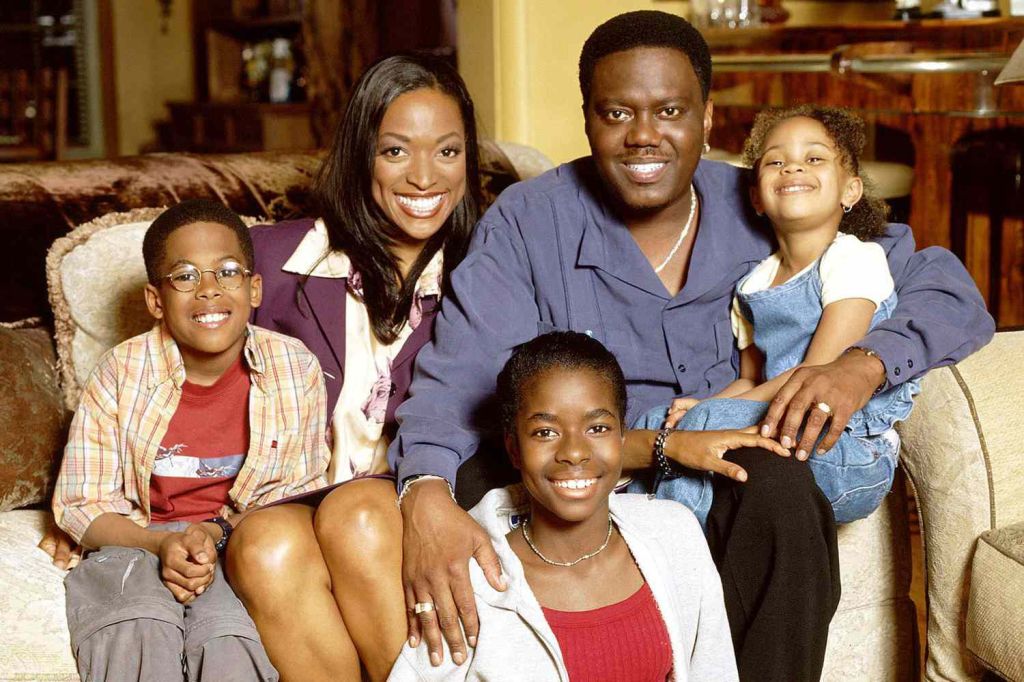
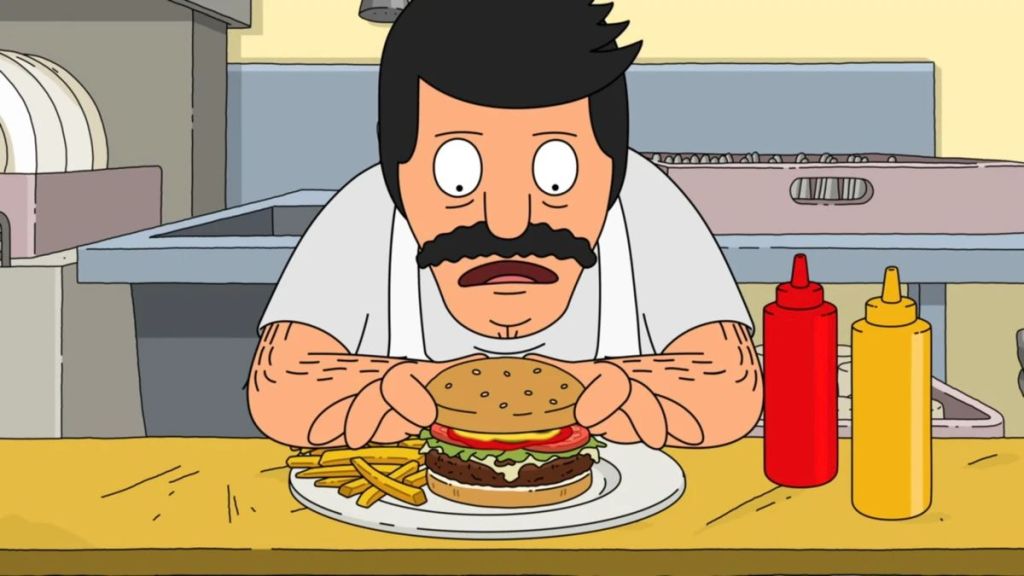
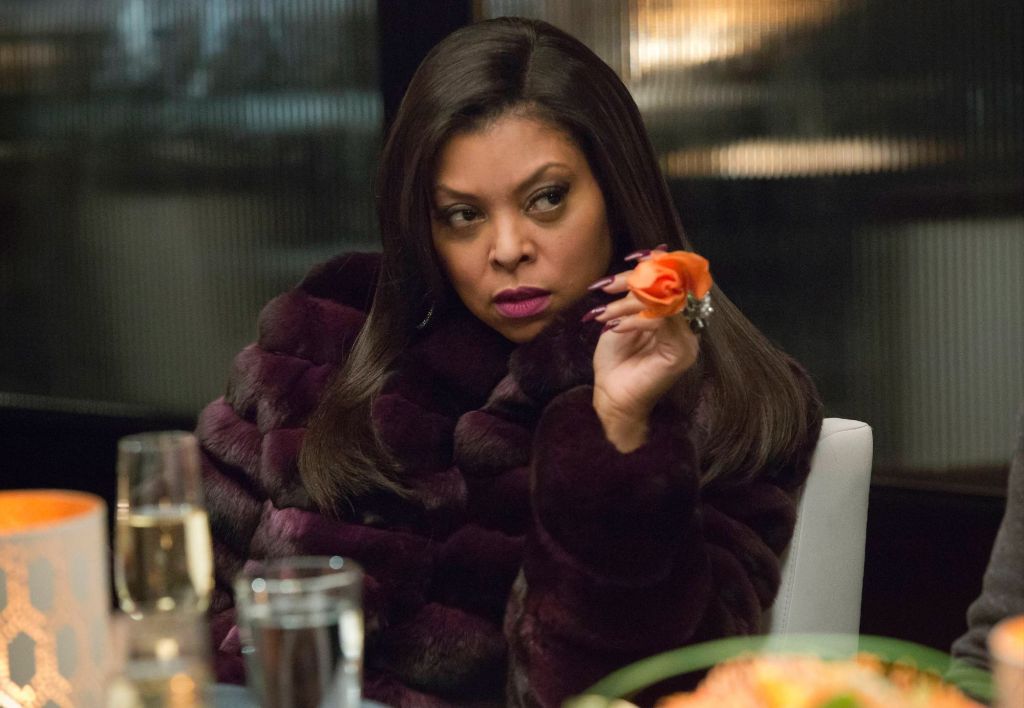
FOX continued to air popular and acclaimed scripted shows around this time as well, such as the comedies Malcolm in the Middle (2000-06), The Bernie Mac Show (2001-06), Arrested Development (2003-06), American Dad! (2005-present), Raising Hope (2010-14), Bob’s Burgers (2011-present), New Girl (2011-18), The Mindy Project (2012-15), Brooklyn Nine-Nine (2013-18) and The Last Man on Earth (2015-18) and hit dramas like Boston Public (2000-04), 24 (2001-10, 2014), The O.C. (2003-07), House (2004-12), Prison Break (2005-09, 2017), Bones (2005-17), Fringe (2008-13), Lie to Me (2009-11), Glee (2009-15), Sleepy Hollow (2013-17), Gotham (2014-19), Empire (2015-20), Lucifer (2016-18), Lethal Weapon (2016-19), 9-1-1 (2018-23) and The Resident (2018-23).





Beginning with The X-Files, FOX tended to invest more in the sci-fi genre than the other three networks as well, which may have also contributed to its high viewership among the Star Trek-loving 18-49 demographic that UPN tried to court. But FOX also tended to get cold feet when it came to investing in further seasons of sci-fi shows because those fandoms were a lot more niche in the broadcast television world. Which is why fantasy and sci-fi programs like Dark Angel, Firefly, Wonderfalls, Terminator: The Sarah Connor Chronicles and The Orville tend to have short seasons despite positive reviews and passionate fan bases. Although some lived on after cancellation, such as The Orville which returned for another season on Hulu and Firefly which wrapped up its story in a feature film released by Universal (and may be getting an animated sequel series in the future).

Just like many broadcast television networks today, FOX doesn’t have the same water cooler cultural impact that it did in the pre-streaming era and I rarely find myself watching much of its programming anymore, especially since reality TV and game shows have overtaken the primetime schedules and scripted shows have been less common over there. But at the time of its evolution through the eighties and nineties it was the innovative and bold step that broadcast television needed, pushing it out of its Cosby and TGIF-filled comfort zone and into something that felt more relevant in the age of MTV and HBO, whether it had to do so by portraying sitcom families that were not always perfect, pioneering adult-oriented animation, diversifying audience demographics or making teenage viewers feel seen.
When I say FOX was a big deal in the world of entertainment, I’m not kidding. Here are some programs that had the biggest and most lasting impact on the television industry and beyond.
Married… with Children
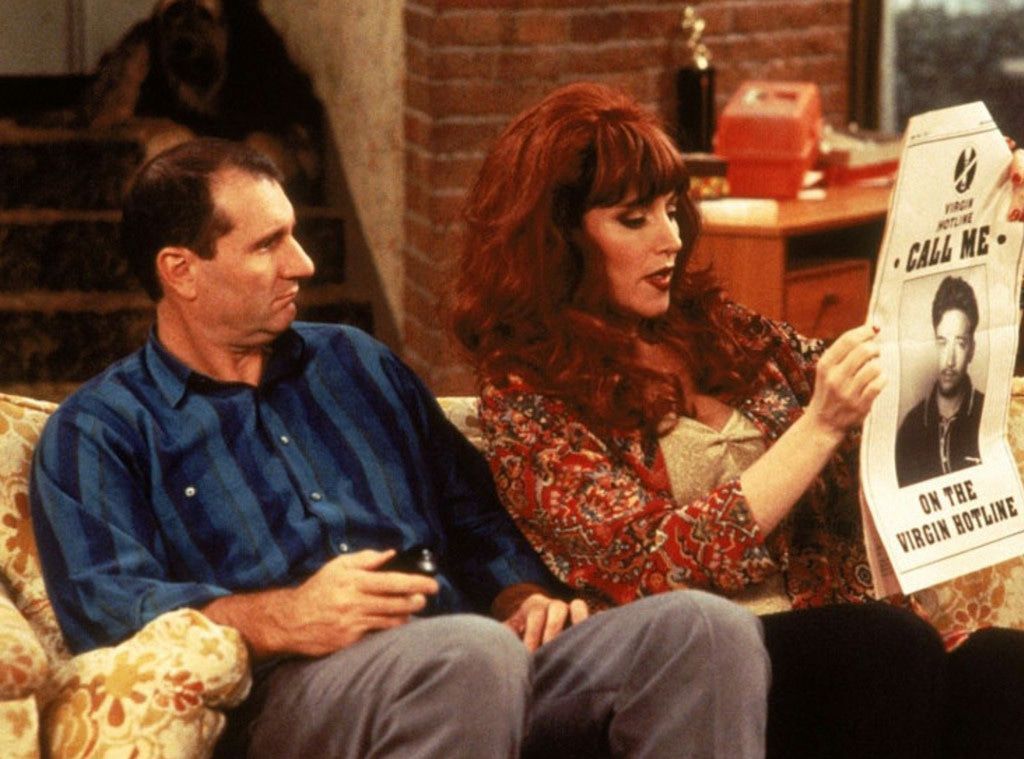
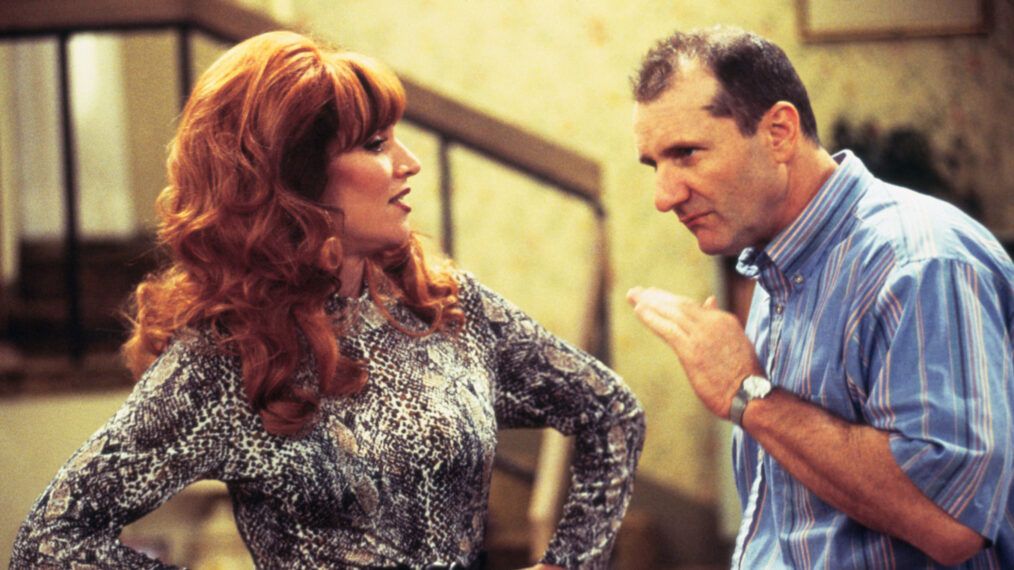
Married… with Children is one of the most important shows FOX ever greenlit because it was one of the network’s biggest draws during its early years. Network executives encouraged the showrunners to make the series as outrageous as possible by doing things that the other three networks would never do, with The Cosby Show being the specific model for what kind of show it should NOT be. Because of the show’s tasteless nature and the controversy it drew from watchdog groups, sometimes it gets overlooked that this show was actually really funny. It was definitely tasteless, but it was so over-the-top in its dark comedy and its cartoony characterizations that it came off more satirical than genuinely offensive, and that was the key to its success. It paved the way for other unconventional sitcoms about dysfunctional families that surpassed it in popularity like Roseanne, The Simpsons and Malcolm in the Middle, but I will always have a soft spot for Married… with Children for being the most shamelessly vulgar of them all.
The Tracey Ullman Show
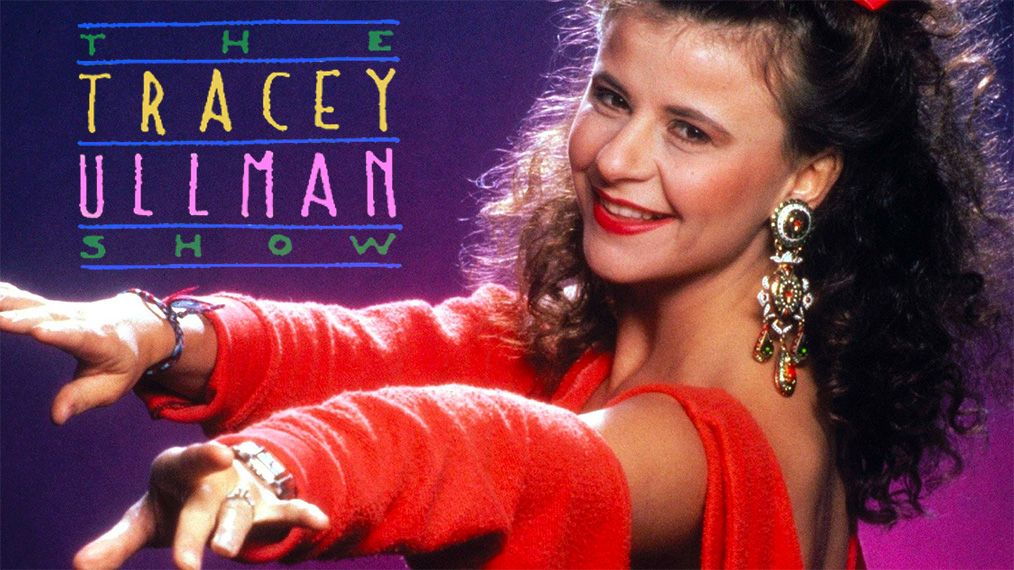
This sketch comedy series was groundbreaking for a number of reasons. The first (and only?) American sketch comedy series to be headlined by a British woman, the first critical darling of the FOX network and the first FOX series to win an Emmy Award are among the badges it wears, but it was also a surprisingly big cornerstone in the world of television animation. Klasky Csupo (the animation studio behind the shows Rugrats, Duckman, Aaahh!!! Real Monsters, The Wild Thornberrys, Rocket Power, As Told by Ginger and All Grown Up!) got its first big break on this series when it was asked to design the show’s title sequence (something they would do for In Living Color as well) and animate Matt Groening’s Simpsons segments, and when the Simpsons got their own spin-off, that series became the model for the untapped adult animation market, which is still thriving to this day on FOX and beyond in places like Comedy Central, Adult Swim and Netflix.
America’s Most Wanted
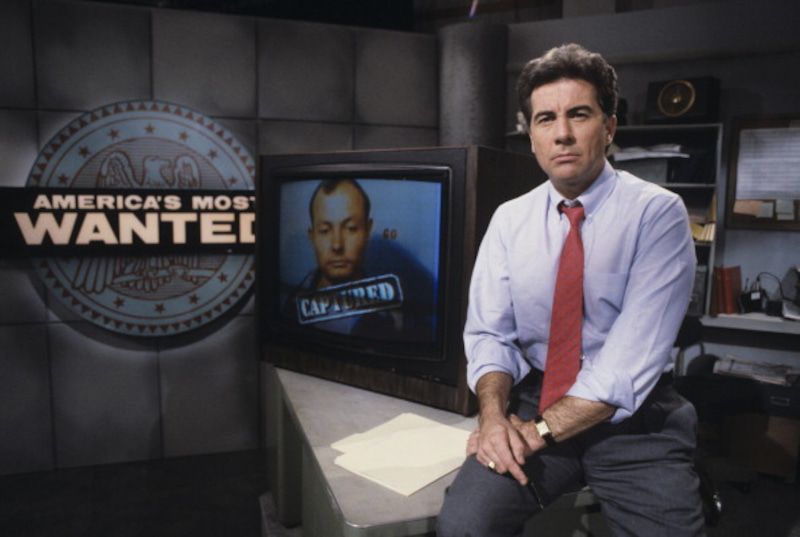
This series featuring on-camera interviews, dramatic reenactments and the narration of anti-crime activist John Walsh is not only one of the most popular and one of the longest-running TV shows ever made, but it also showed photographs of actual fugitives and allowed viewers to call a toll-free hotline to report any information about them. This format led to the capture of over 1,000 criminals.
In Living Color
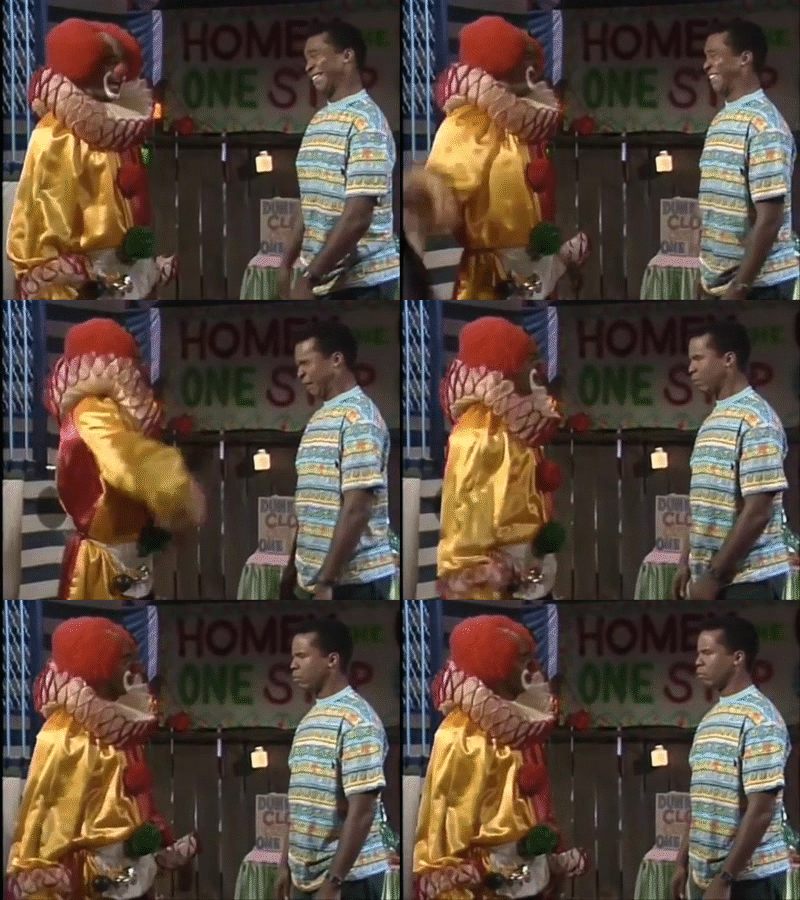
I’ve written in this blog before about how groundbreaking this show was for featuring a majority-Black cast of comedians, but aside from that it also served as a launchpad for many performers who went on to become huge stars, including the Wayans Bros., Jim Carrey, David Alan Grier, Jamie Foxx and Jennifer Lopez. You see how the entertainment industry would have been completely different if FOX didn’t exist?
Fox Kids
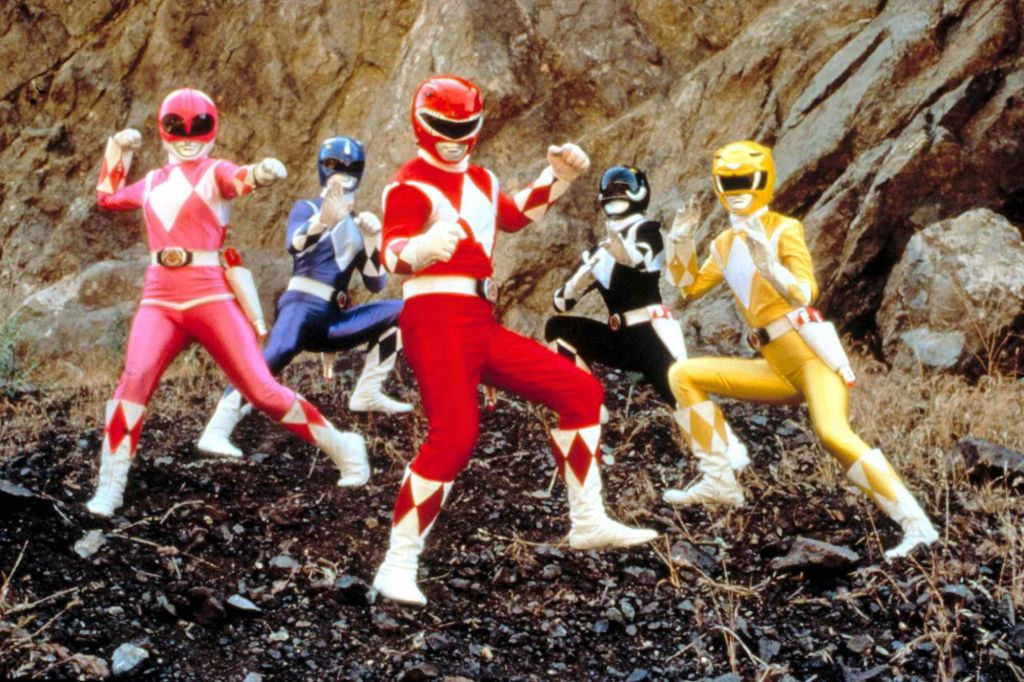
The children’s programming block Fox Kids made its daytime debut in the fall of 1990 with Attack of the Killer Tomatoes, Bobby’s World, Peter Pan and the Pirates and Zazoo U and in the following years would go on to air TV shows that were even more popular like Taz-Mania (1991-96), Batman: The Animated Series (1992-95), Tiny Toon Adventures (1992), X-Men: The Animated Series (1992-97), Mighty Morphin Power Rangers (1993-2002), Animaniacs (1993-94), The Tick (1994-97), Spider-Man: The Animated Series (1994-98) and Digimon (1999-2002), all of which are now television classics and many of which helped establish Warner Bros. Television as a force in children’s entertainment before migrating over to Kids’ WB and Cartoon Network. Fox Kids would eventually get spun off into the cable network Fox Family after News Corporation acquired and renamed The Family Channel.
Beverly Hills, 90210

If it weren’t for the popularity of Darren Star’s teen soap opera Beverly Hills, 90210, it’s possible that things like Dawson’s Creek and One Tree Hill may not have been greenlit and that The WB might have been a more adult-oriented network. Another example of FOX’s major influence. They were simply searching for the audiences that networks like NBC and CBS were ignoring, and they struck gold when they realized teens were just as hungry for sexy romance and soapy drama as everyone else.
The X-Files
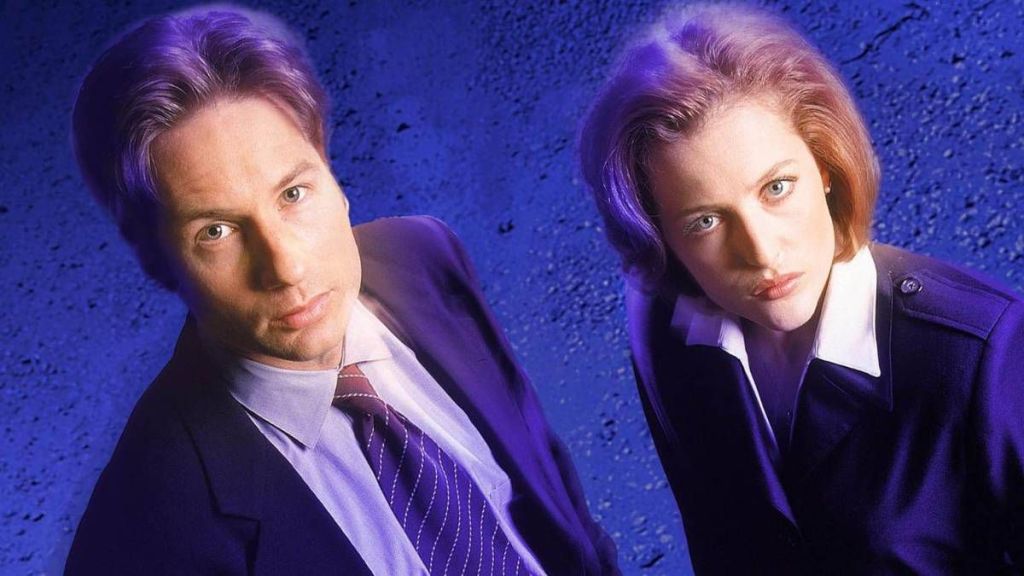
Chris Carter was a television writer who started out writing Disney comedies but had way bigger ambitions when he decided to create a show about two FBI agents who investigate the “unexplainable” and wind up getting caught up in government conspiracies and paranormal circumstances. As subversive as FOX was compared to the other networks, even they were skeptical that a show like this would catch on, but it would end up becoming one of their most popular series as well as the longest-running sci-fi television series. ABC’s Twin Peaks set the stage earlier for this kind of atmospheric mystery show, but this was the more digestible mainstream version and it breathed new life into primetime sci-fi. Things like Buffy the Vampire Slayer, Charmed, Ghost Whisperer, Lost and Fringe would possibly not have been greenlit if not for the existence of The X-Files, and X-Files writer Vince Gillian may have never been given the chance to create Breaking Bad, which is a show that has been hailed by many as the greatest TV show of the 21st century.
Malcolm in the Middle
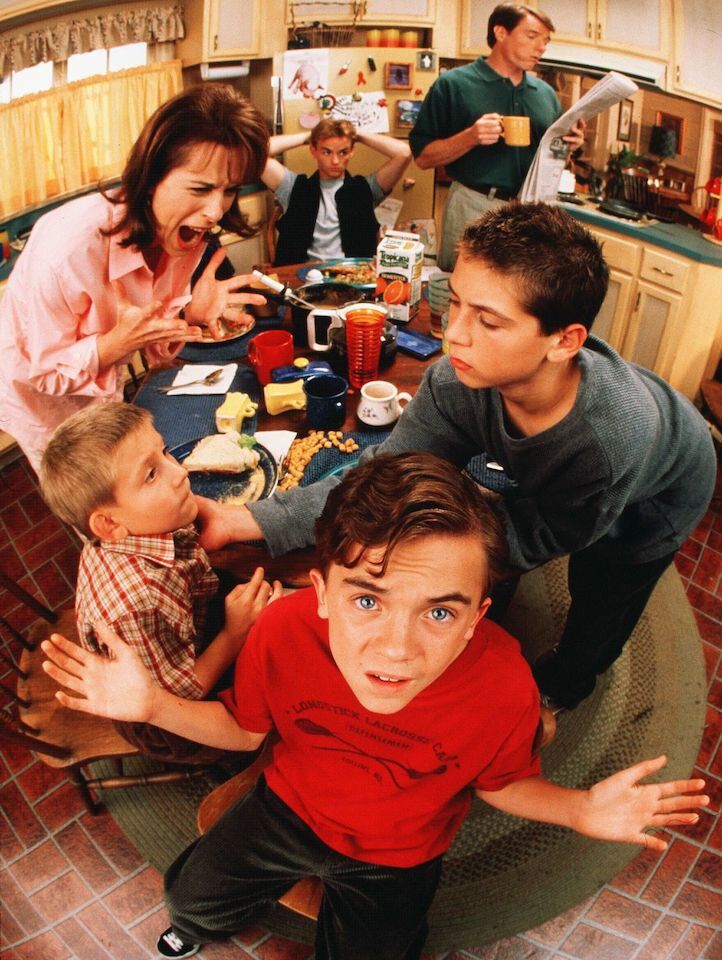
Speaking of shows that star Bryan Cranston, Linwood Boomer’s dysfunctional family comedy Malcolm in the Middle was one of FOX’s greatest contributions to the TV comedy format because before this show came along, single-camera comedies that didn’t feature a laugh track were practically non-existent. And it was followed that decade by a parade of similarly imaginative and smartly written single-camera TV comedies like Scrubs, The Bernie Mac Show, Arrested Development, The Office, My Name Is Earl and 30 Rock, all of which led to a sea change that instantly made multi-camera sitcoms seem old-fashioned by comparison in the eyes of many TV viewers.
American Idol

American Idol was the first reality singing competition series to top the seasonal ratings, which helped popularize the reality TV genre in general. The popularity of that show, which has since left FOX and now airs on ABC, was one of the driving factors behind FOX’s ratings dominance in the 2000s, bringing in most 18-49 viewers, and even CBS, which had the oldest demographic of all the networks, was being rivalled by FOX in overall viewership. The result was reality shows becoming the most popular form of entertainment on broadcast television, and the cheapness of that genre’s production when compared to scripted shows led to many more reality shows across all networks, with NBC’s Last Comic Standing, America’s Got Talent and The Voice and ABC’s Dancing with the Stars being some of the most popular ones as well as clear and direct results of American Idol‘s influence.
Glee

The success of American Idol is possibly also the reason why FOX greenlit Glee. The jukebox musical series (that you either love or hate) featured a ton of covers of popular songs, and based on the show’s popularity, those song covers were popular in their own right, with digital single sales and album sales by the multi-million and live concert tours and a concert film soon following. The show itself was also a well-received drama that dealt with serious social issues involving such subjects as race and gender, which were offset by the show’s quirky charm and likable cast of characters. Rolling Stone compared the show’s mainstream influence in the music industry to that of MTV in its heyday, which is a pretty major compliment, but one supported by the show’s enormous commercial success, even as the show’s quality became less even in later seasons (and as some musicians refused to allow Ryan Murphy to let their songs be covered by a fictional glee chorus). I think the fact that Michelle Obama invited the cast of Glee to sing at the White House is the clearest example of the FOX show’s status in the pop cultural zeitgeist.

