By the end of the nineties with the introduction of more powerful game consoles like the Dreamcast and the Xbox, video game development costs were on the rise and Rare sought a buyer to get help funding their projects. Nintendo was seemingly the obvious choice but they lost interest due to Rare’s high asking price and most likely the fact that Rare’s most valuable property, the Donkey Kong series, was already owned by Nintendo. Although both Activision and Microsoft showed interest and they entered into a bidding war, with the Xbox manufacturer ultimately winning out because they had the most money (of course Activision later became acquired by Microsoft in 2023).
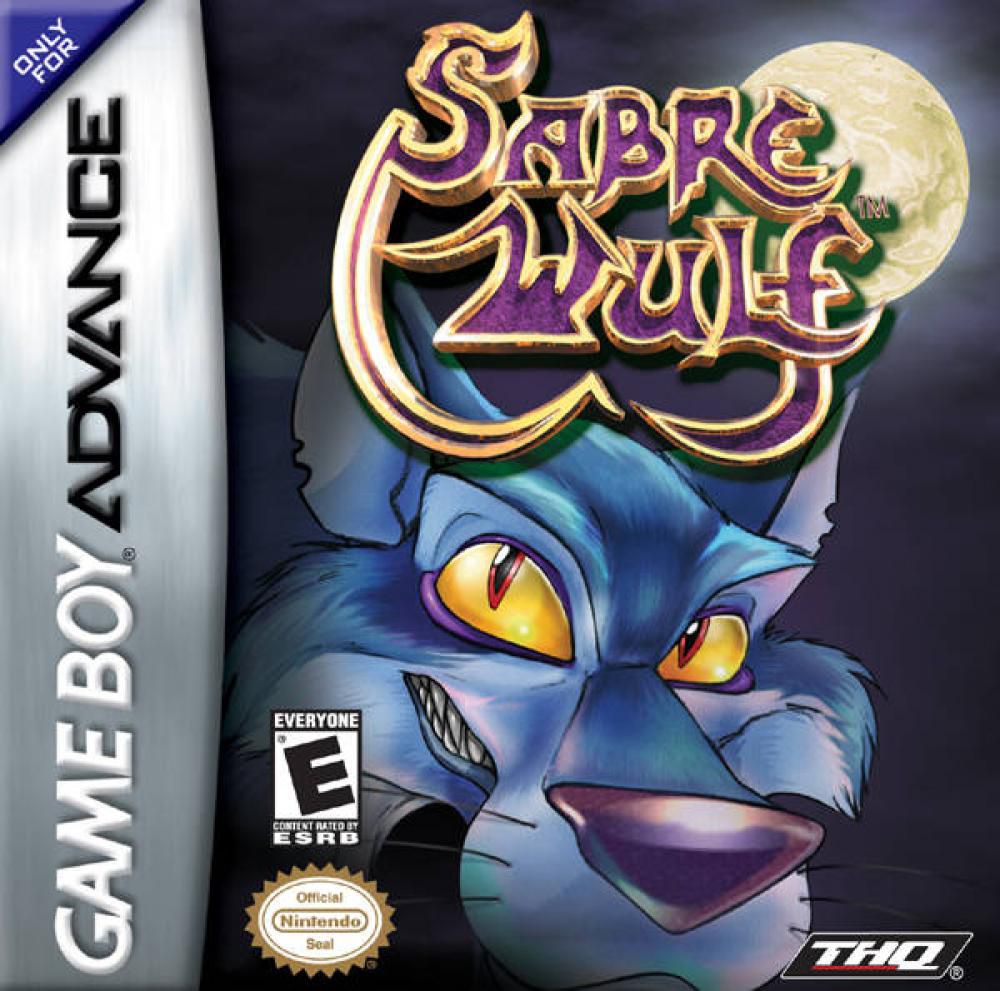
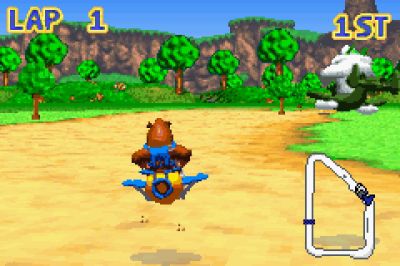
As a result of this, Nintendo maintained ownership of all the Donkey Kong and Star Fox characters Rare created and Microsoft gained ownership of all of Rare’s original characters like Banjo and Conker (which was kind of an odd arrangement given how Banjo and Conker were both established as characters who exist in the Donkey Kong universe). This also meant that the GameCube and Game Boy Advance games Rare was in the middle of developing for Nintendo during Microsoft’s acquisition got either cancelled or re-worked. Donkey Kong Racing for the GameCube was one that got cancelled (despite that one receiving a trailer) while the Game Boy Advance games Banjo-Kazooie: Grunty’s Revenge (2003) and Sabre Wulf (2004) were both published by THQ rather than Nintendo. Meanwhile the Game Boy Advance racing game Diddy Kong Pilot was changed mid-development into Banjo-Pilot (2005) and the puzzle game Donkey Kong Coconut Crackers was changed to It’s Mr. Pants (2004), which starred an original Rare character named Mr. Pants who is a stick figure formerly featured as a mascot on Rare’s website (and who had made earlier cameo appearances in both Jet Force Gemini and Banjo-Tooie). It’s Mr. Pants and Banjo-Pilot were both also licensed from Microsoft by THQ.

Following Microsoft’s acquisition of Rare, the company went on to make a number of Xbox exclusives, but most of Rare’s Xbox games struggled to reach both the critical and commercial heights of the Nintendo 64 era.
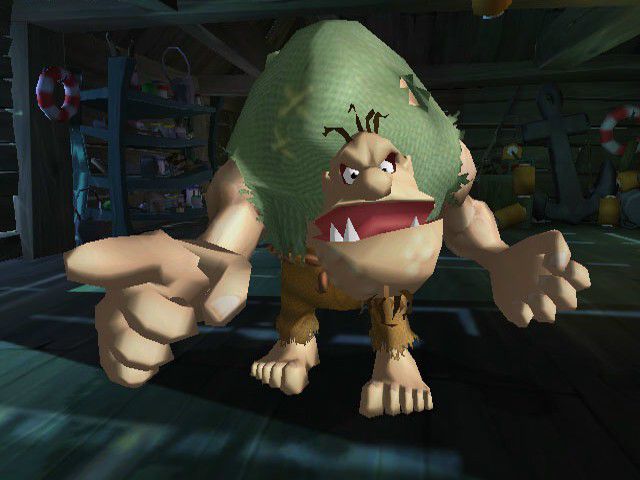
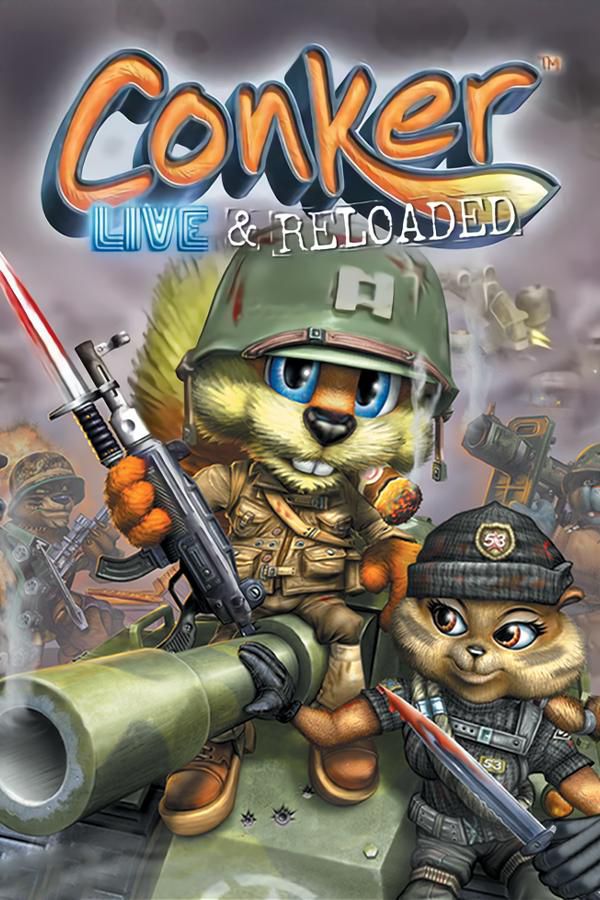
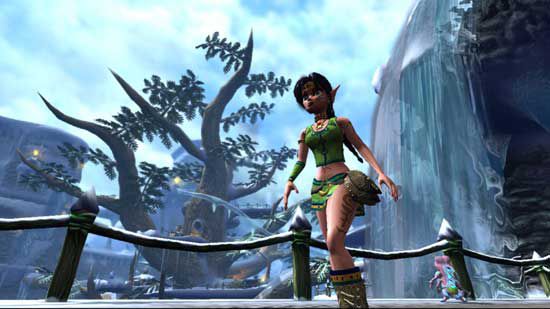
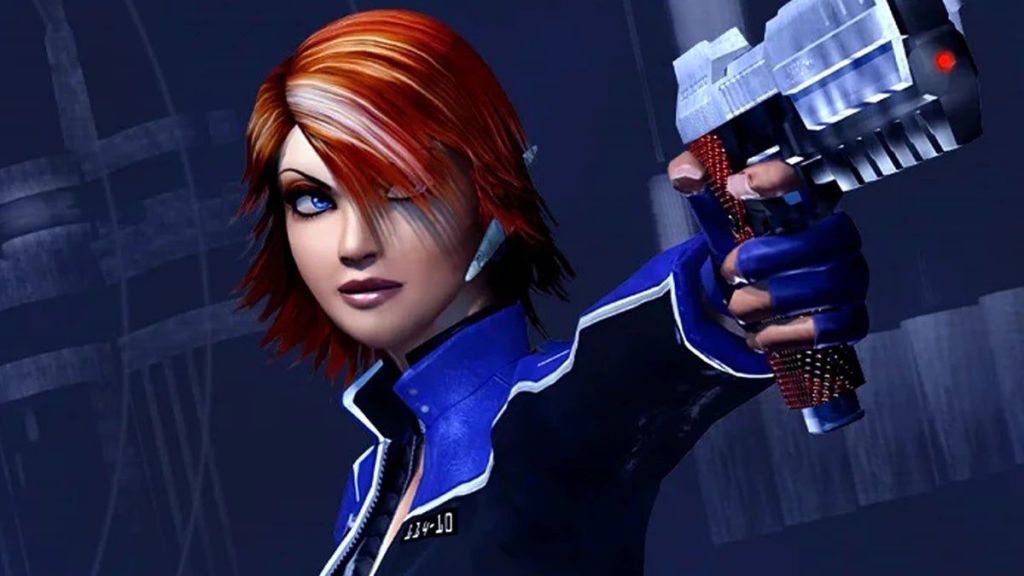
The first was the Xbox adventure game Grabbed by the Ghoulies (2003) about a boy who tries to save his girlfriend from a haunted mansion. Two years later came the games Conker: Live & Reloaded (2005) which was an Xbox remake of the N64 game Conker’s Bad Fur Day, the Xbox 360 fantasy adventure Kameo: Elements of Power (2005) about a teenage elf princess who must save her family from a troll king, and the Xbox 360 game Perfect Dark Zero (2005), a sequel to the N64 game Perfect Dark. These games were all fairly well-reviewed but they were compared unfavorably to Rare’s past work and none were big hits.
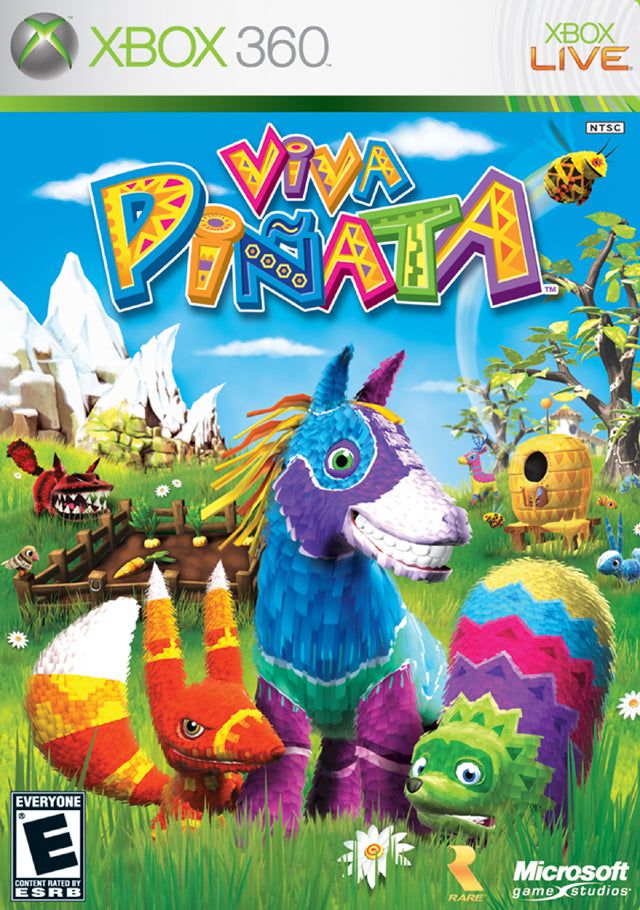
Rare’s first critical and commercial success under Microsoft was the Xbox 360 life simulator Viva Piñata (2006), which was helmed by the same team behind Banjo-Kazooie and takes place on Piñata Island, where your main task was to tend to a garden and gradually attract wild piñatas, who could then have a baby piñata together once you meet the mating requirements. The game was fun, visually gorgeous and highly replayable and it is considered a highlight of the Xbox 360 catalog. Its success led to a 2007 PC port handled by the game company Climax Group as well as the party game Viva Piñata: Party Animals (2007) developed by Krome Studios for the Xbox 360, and an animated TV series that aired from 2006 to 2009 (and which Canadian viewers may remember aired on YTV and American viewers may remember aired on 4Kids TV).
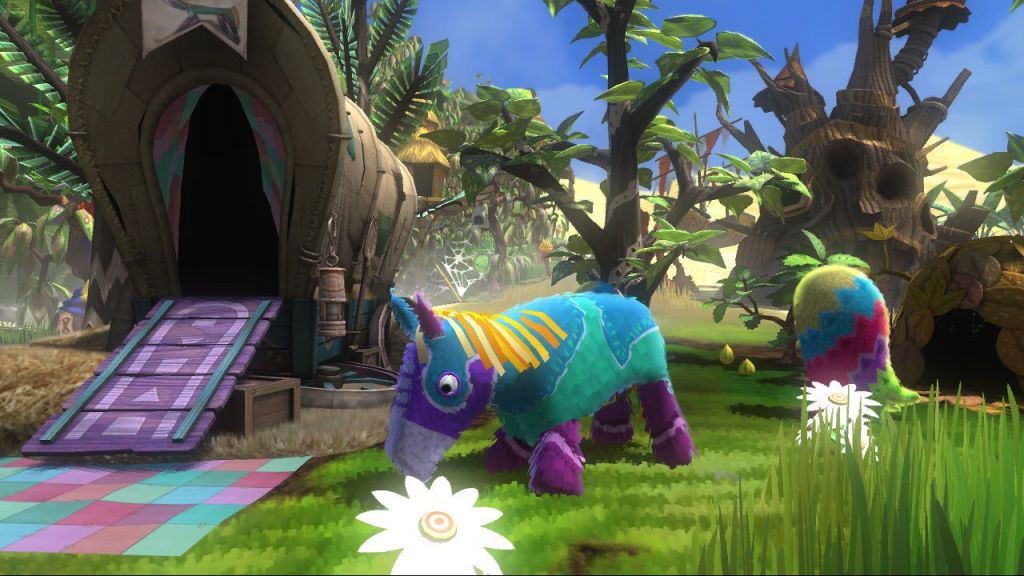
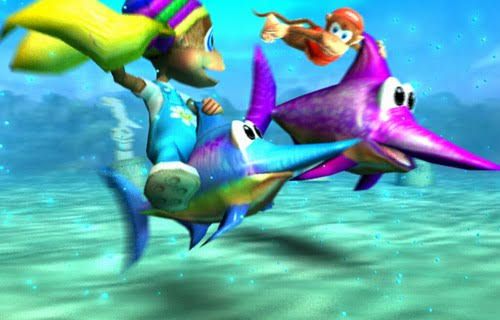
Rare also developed a sequel called Viva Piñata: Trouble in Paradise (2008) which received positive reviews for being more accessible to newcomers and for certain improvements overall, but it was also considered by some critics to be inferior for feeling less like a sequel and more like an expansion pack. Rare also made Viva Piñata: Pocket Paradise for the Nintendo DS (published by THQ) which was a well-received handheld entry in the series and Rare’s second DS game after Diddy Kong Racing DS (a remake of the N64 game that replaced Banjo and Conker with Diddy’s girlfriend Dixie Kong and her sister Tiny Kong).
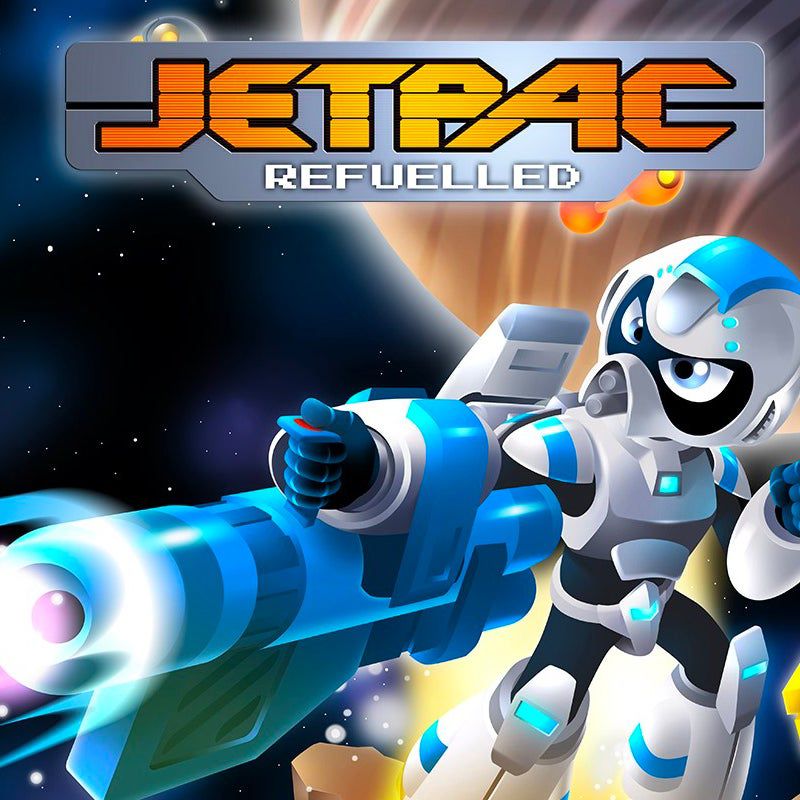
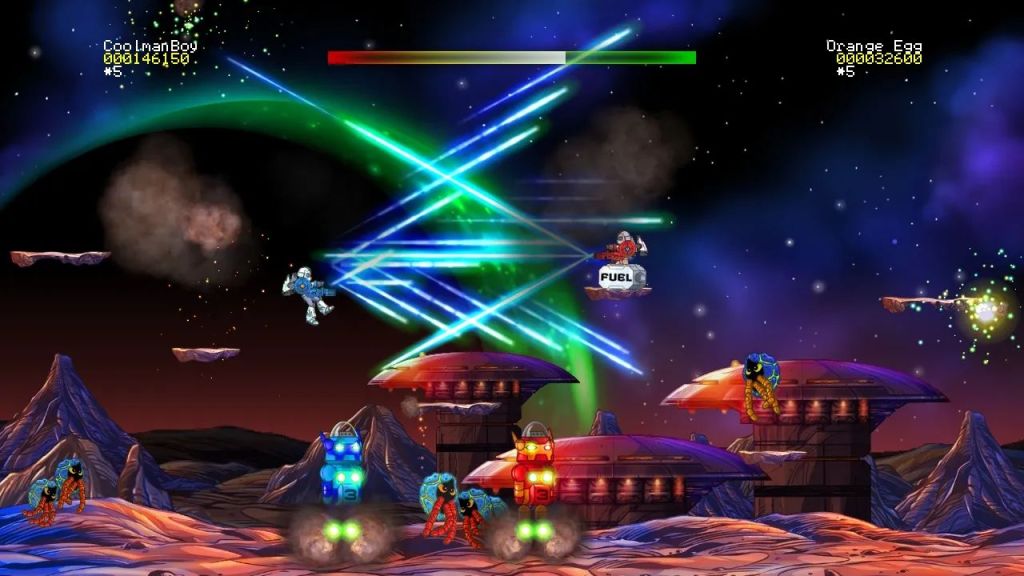
2007, the year Rare’s two founders Chris and Tim Stamper left the company to pursue other interests, was also the year Rare revisited the game the Stamper Brothers created back in 1983 that started the company on its journey: Jetpac. The shooter game Jetpac: Refuelled came out on the Xbox 360 via Xbox Live Arcade to a mostly positive reception, although critics noted that it would likely resonate more with nostalgic old-school gamers.
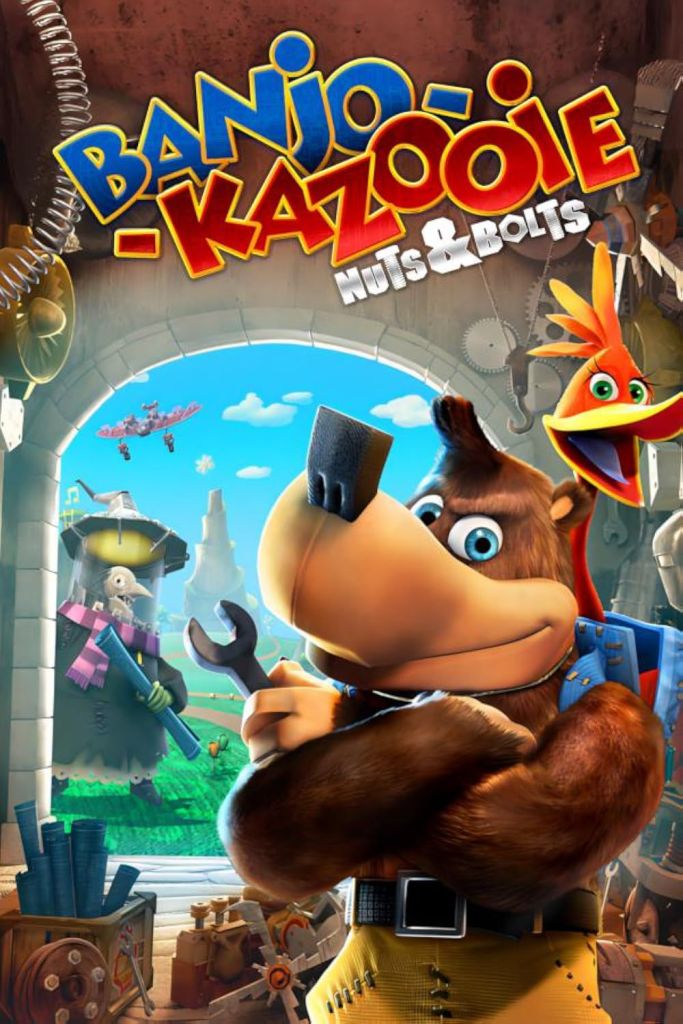
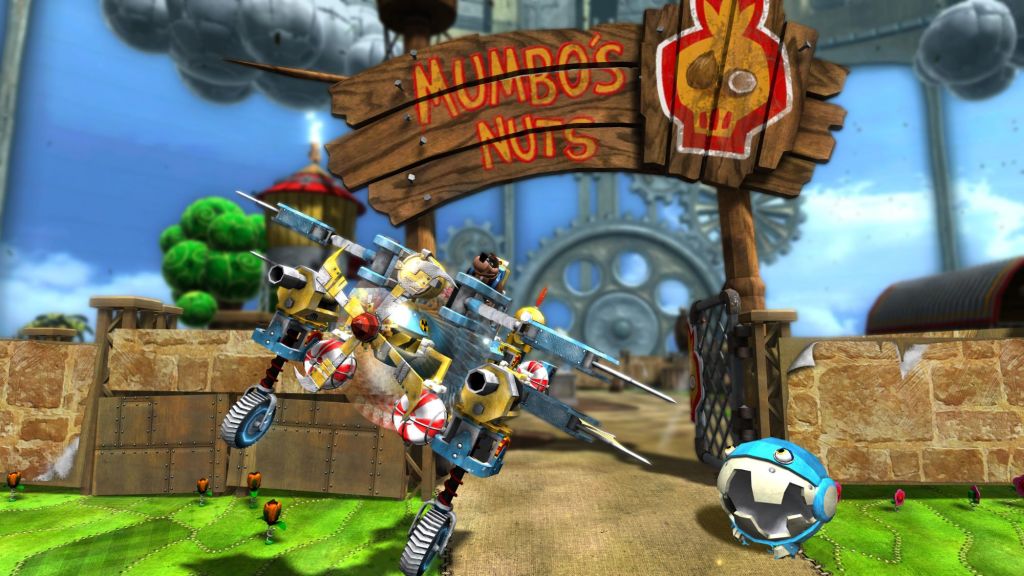
The next year Rare revisited another classic series with the Xbox 360 platform game Banjo-Kazooie: Nuts & Bolts (2008) which takes place eight years after Banjo-Tooie and shifts focus from a traditional platforming adventure to customizable vehicle construction, much to a divisive fan reaction, although critics mostly liked it and it was fun in its own right, and it even pioneered some ideas that Mojang Studios would popularize a few years later with Minecraft.
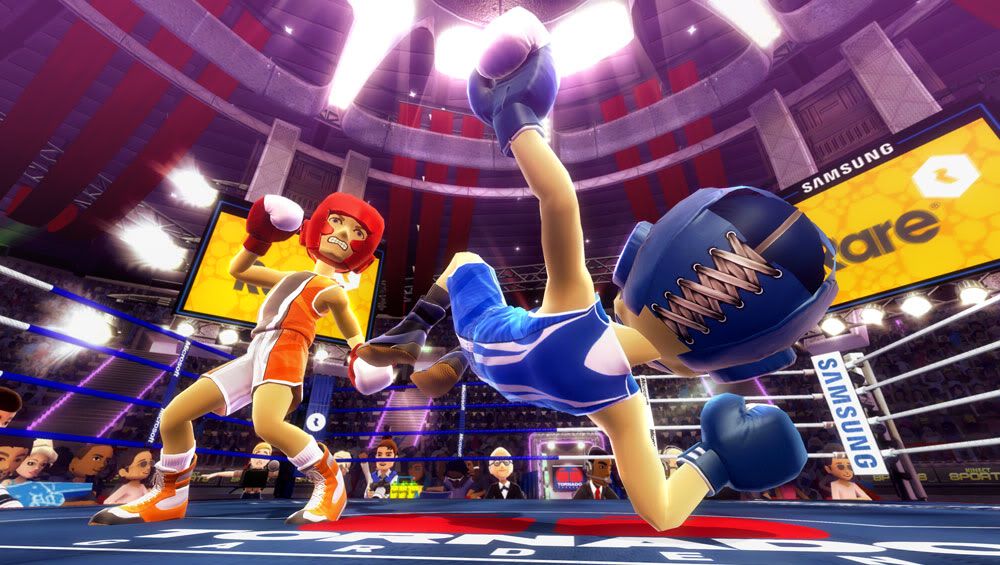
Later when Xbox sought to compete with the Wii with their own motion sensing Xbox 360 peripheral Kinect, the team at Rare was put in charge of developing Kinect Sports (2010), its sequel Kinect Sports: Season Two (2011) and the Xbox One game Kinect Sports Rivals (2014) which all received mixed reviews and a lukewarm reception (as did Kinect itself).
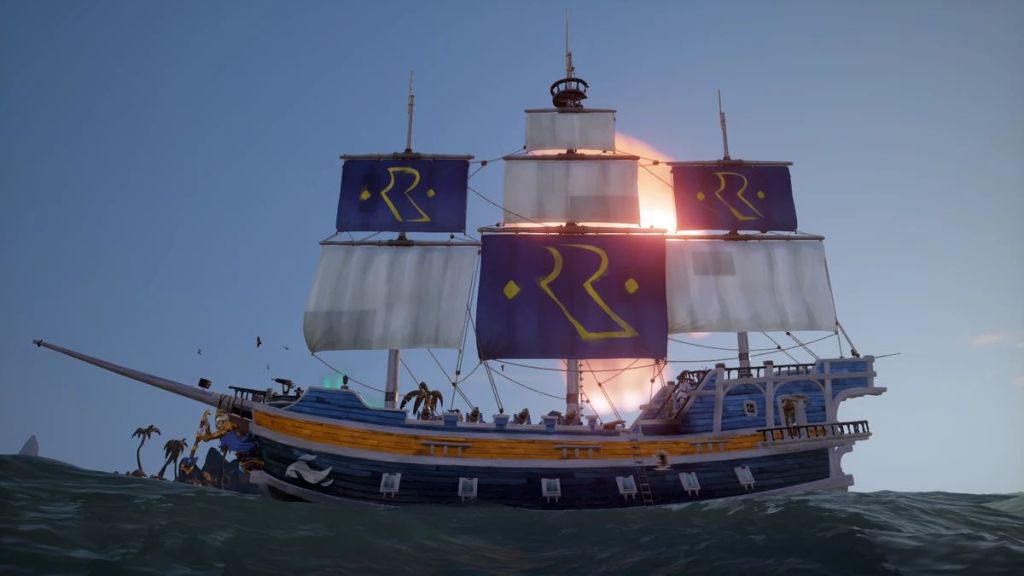
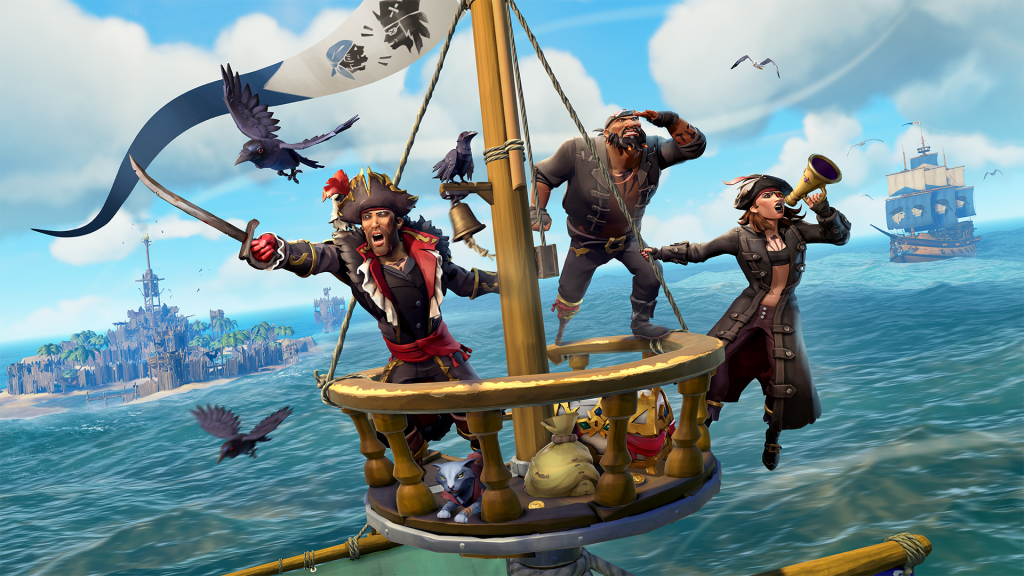
Rare’s most ambitious game in a while came in 2018 with the arrival of the pirate-themed online adventure game Sea of Thieves for the PC and Xbox One. Rare sought to differentiate Sea of Thieves from other online multiplayer games by encouraging friendly cooperation rather than Halo-style competition. The gameplay was inspired by the games DayZ and Rust and the game’s aesthetic and vibe were inspired by Pirates of the Caribbean and The Goonies. Almost every member of Rare’s 200-person staff teamed up to bring Sea of Thieves to life over the course of four years with the idea being to venture away from Rare’s usual story-based gameplay to an experience that gave gamers the freedom to create their own stories. For a company that has been known for its visually impressive graphics since it was founded in the eighties, Sea of Thieves was their most visually impressive game yet running on Unreal Engine 4, which made it the first Rare game not to operate on their own company engine.
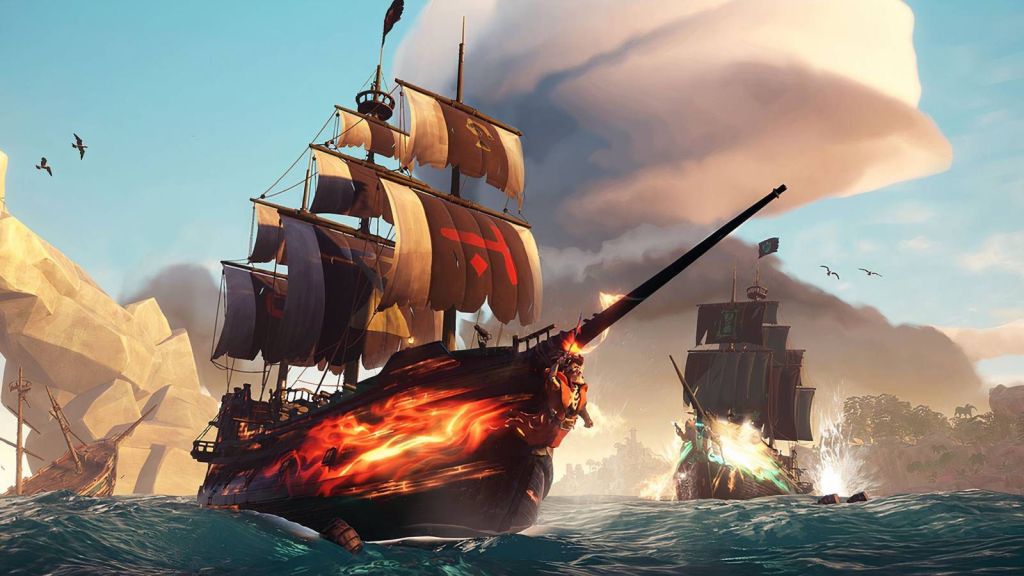
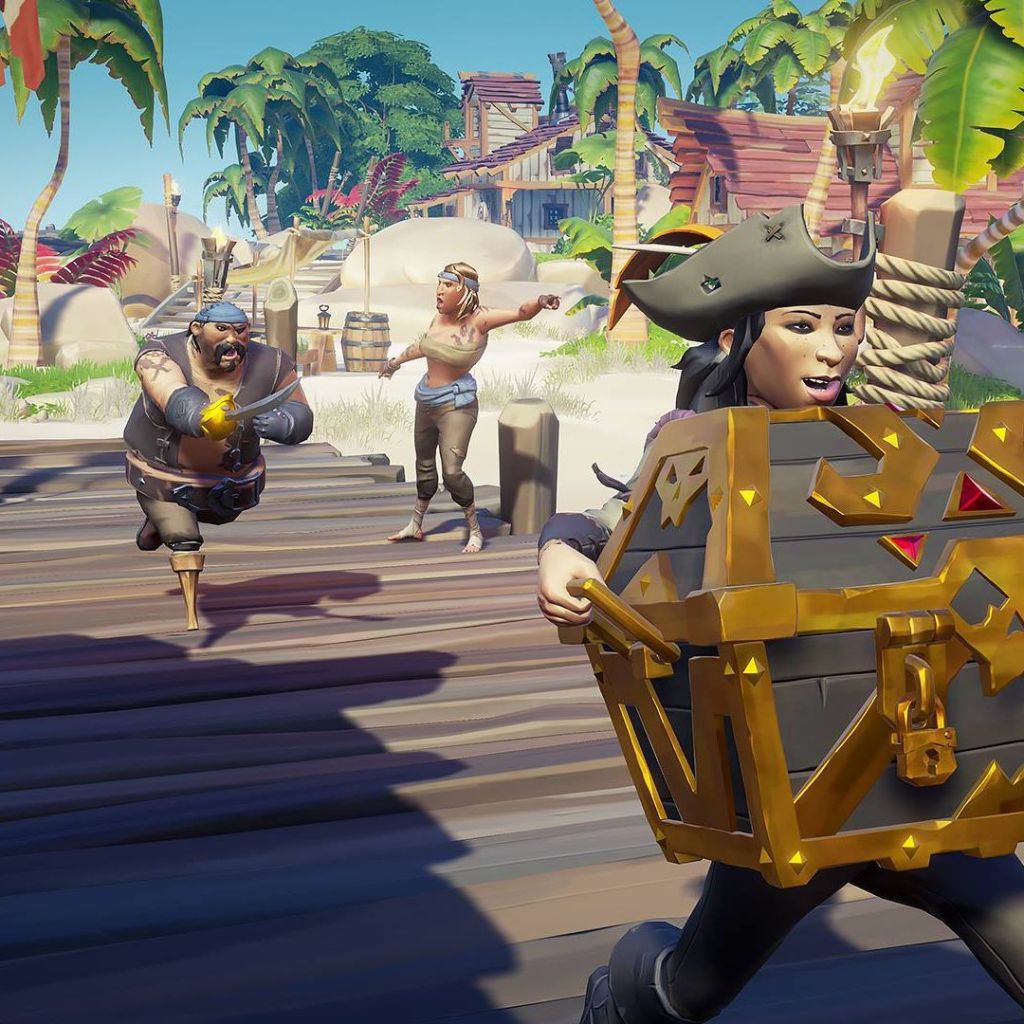
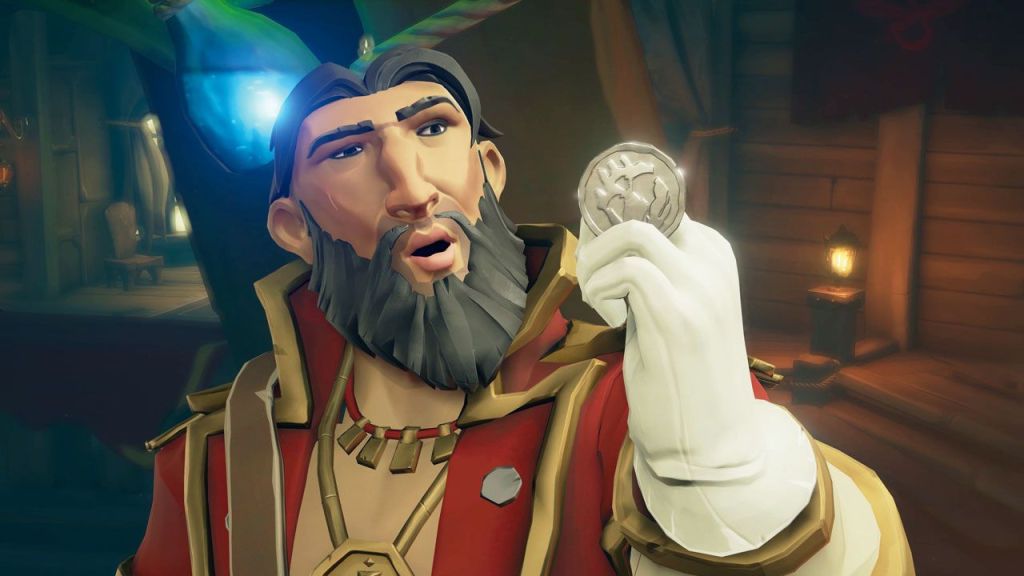
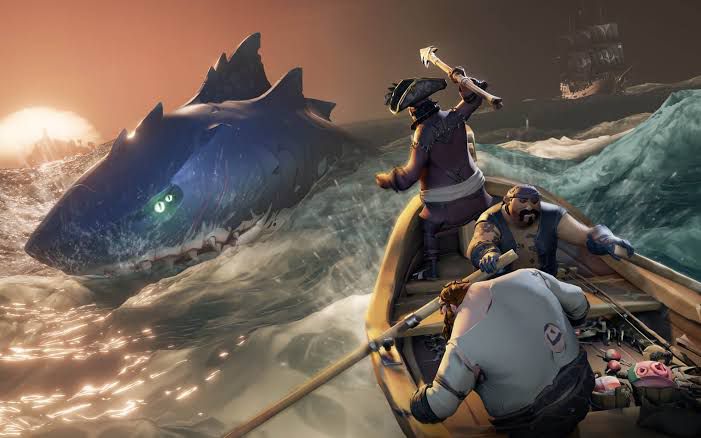
The initial reception to the game was mixed, although critics could see that it had potential, and the multiplayer aspect received praise. Luckily due to the nature of online games, Rare was able to update the game regularly, and with these updates and the addition of new features that made the game feel bigger, the reviews became more positive. In the end, the game has been praised as a fun pirate fantasy sandbox adventure and a nice way to hang out with friends and strangers who have internet access around the world. Plus the game became a huge commercial hit for Rare and is still running to this day, with ports for the Xbox Series X and PlayStation 5 released in 2024 (marking the first time a Rare game has ever been released on a PlayStation console).
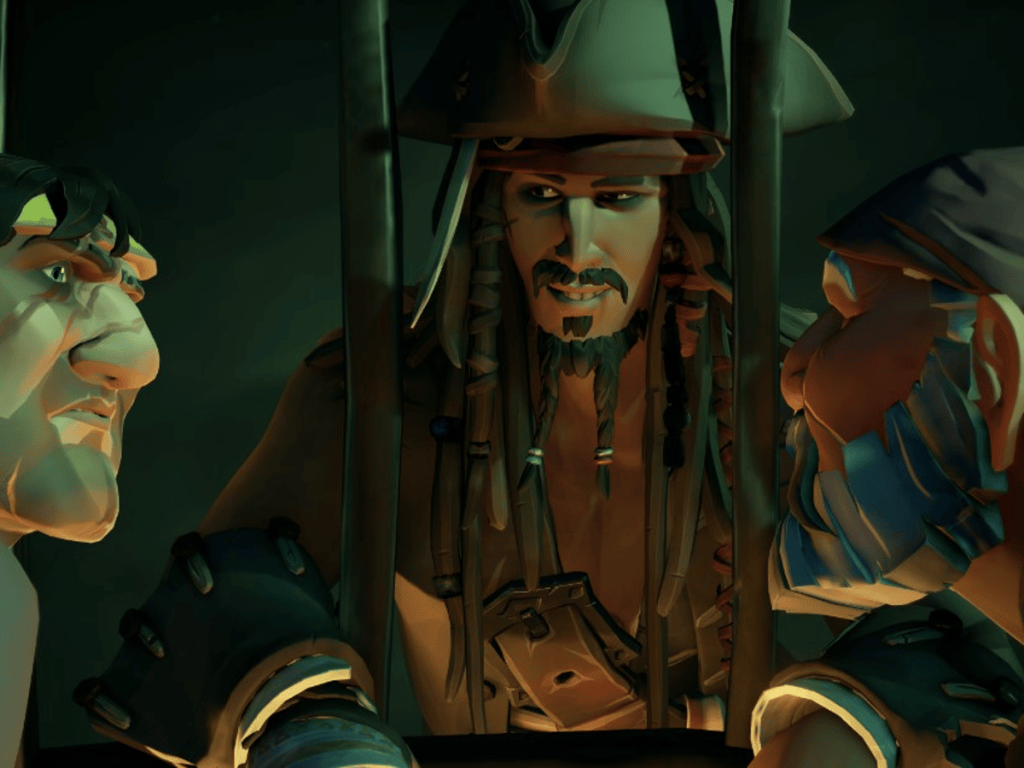
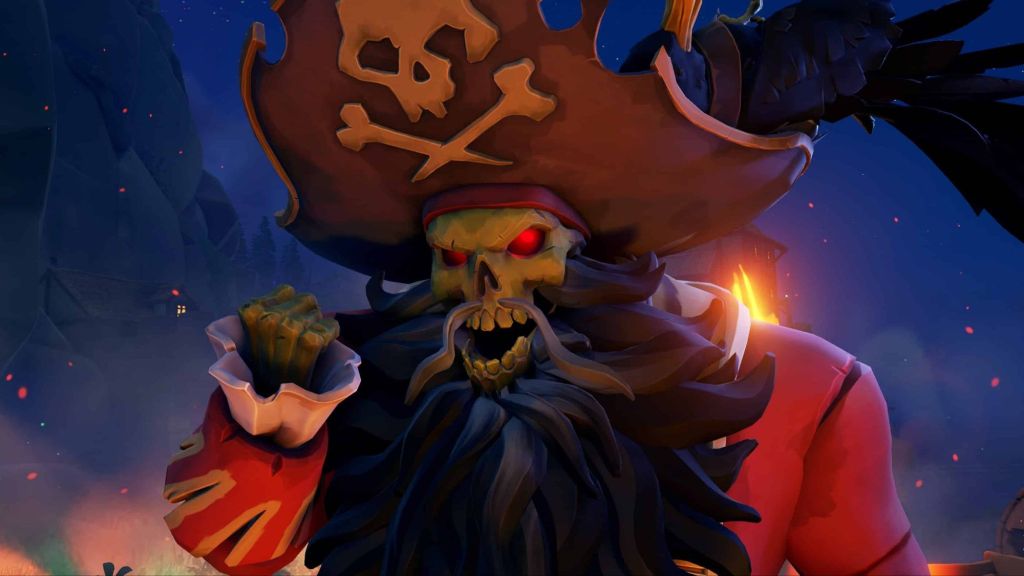
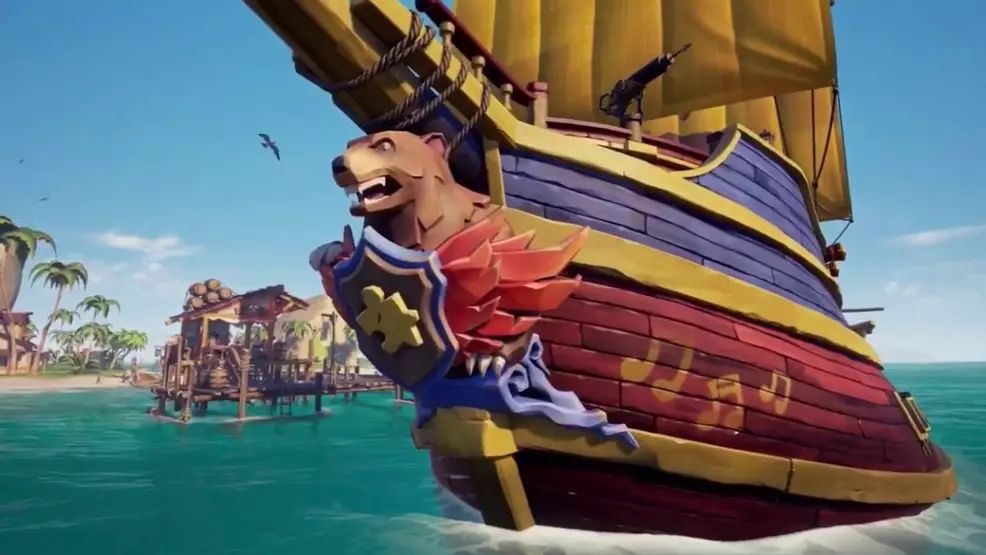
Free expansions Rare added to the game include The Hungering Deep (2018), Cursed Sails (2018) and Smuggler’s Fortune (2019), plus A Pirate’s Life (2021) which was an expansion that served as a crossover with Disney’s Pirates of the Caribbean and featured appearances from Jack Sparrow and Davy Jones, and The Legend of Monkey Island (2023) which was a crossover with the Monkey Island series from Lucasfilm Games and featured characters like protagonist Guybrush Threepwood. Sea of Thieves occasionally crossed over with other Microsoft-owned games as well when certain updates introduced ships based on Banjo-Kazooie, Gears of War and Ori and the Will of the Wisps.
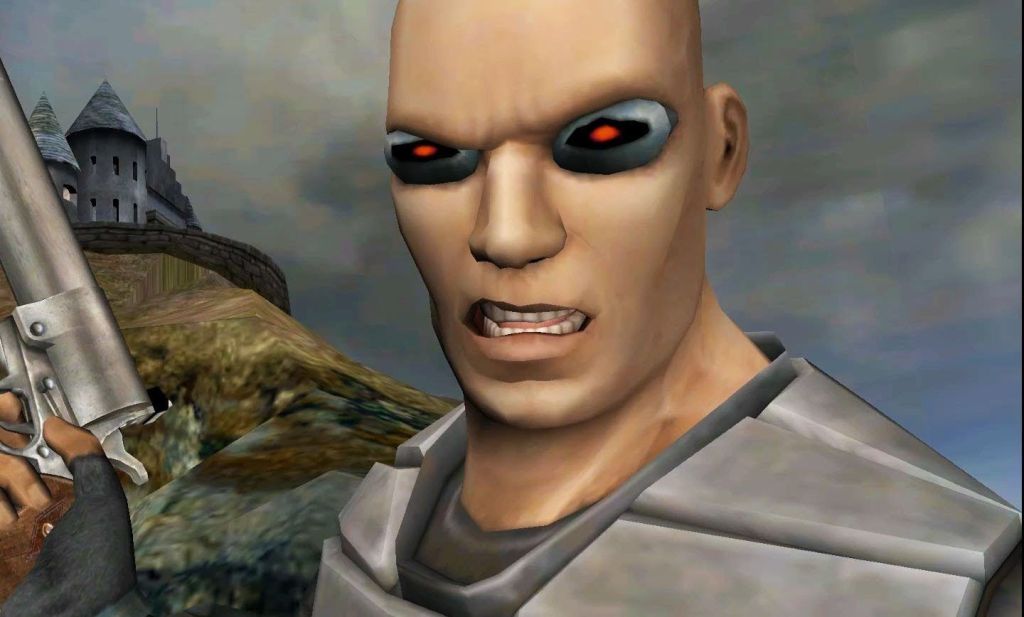
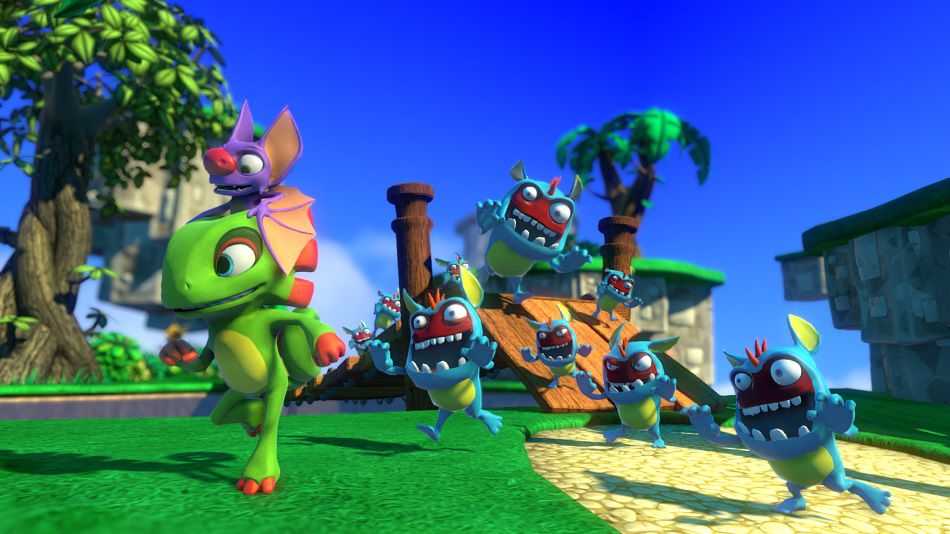
This is the moment when I would have been talking about Everwild, which was to be Rare’s next game after Sea of Thieves, but I already said in my last article that the upcoming PC and Xbox Series X adventure game from Sea of Thieves director Gregg Mayles (who resigned from Rare last year) got cancelled. Given tough cost-related decisions like this, as well as Rare’s rocky track record under Microsoft, I sometimes can’t help but wonder if things would be better for Rare right now if they had stayed with Nintendo. It can be an easy thing to assume given how successful Nintendo and Rare’s partnership had been in the past, but that’s impossible to know. Especially since opinions about Microsoft as a partner differ between Rare’s employees. Many people who have worked at Rare on Nintendo games have continued working at Rare on Microsoft games, while others have left Rare to start their own game companies, including Free Radical Design, which was founded by the developers behind Goldeneye 007 and Perfect Dark and was the company behind the TimeSplitters series, and Playtonic Games, creators of the Yooka-Laylee series which is very similar to Banjo-Kazooie in spirit.
But given how long Microsoft has kept Rare around, they clearly see a lot of value in the company (at least for now). As proven by Xbox’s decision not to abandon the company amidst their many layoffs and to move Rare from their Xbox Game Studios division to their Activision division. Although no one really knows exactly what an Activision-owned Rare means other than the people who work there, so the company’s future is still in question. But I will continue to watch what Rare does next and I will continue to have hope about their future, because when a development team does as good a job as they did providing me with endless hours of gaming joy, it’s impossible for me not to care about what happens to that company. It’s why to this day I still follow many of the employees who used to work at Rare on social media and just see what they’re up to. People like Kevin Bayliss, Steve Mayles, Chris Sutherland, David Wise and Grant Kirkhope who steered the ship at Rare for years and are responsible for making it one of my favorite game developers.