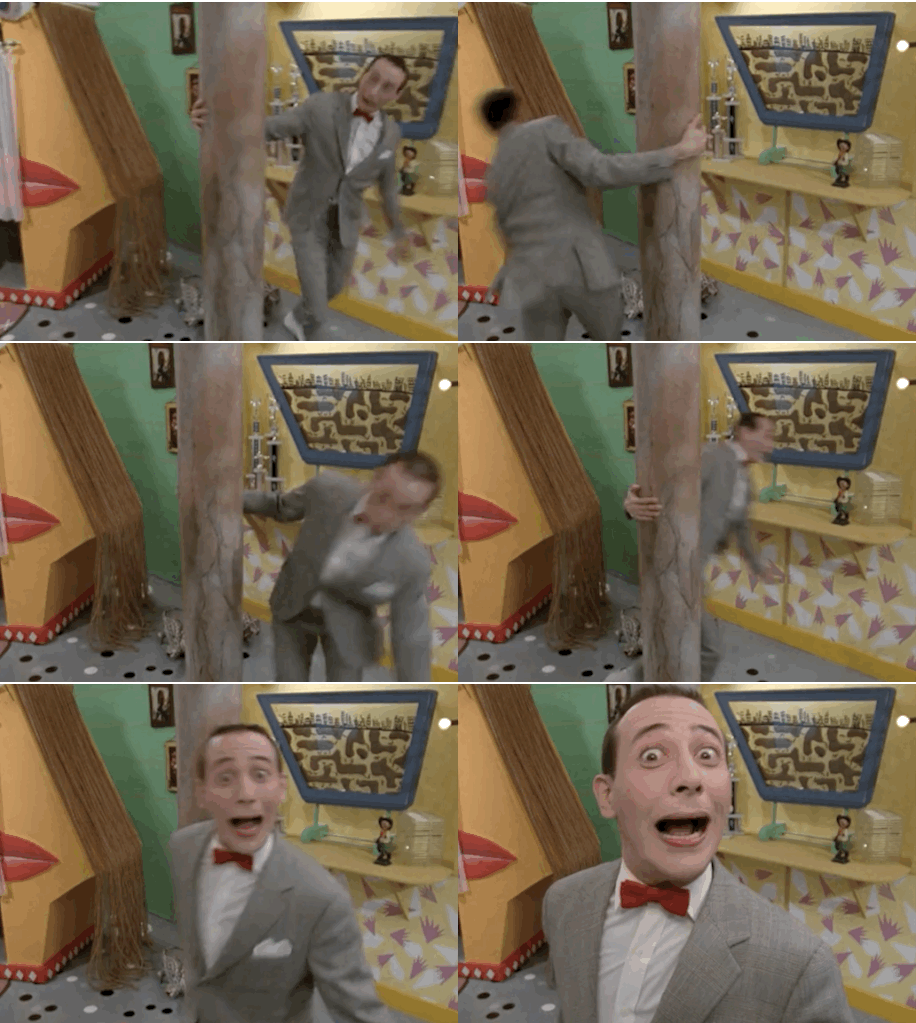
When I think about important shows that shifted the landscape of television comedy, the ones that immediately come to mind are Monty Python’s Flying Circus, All in the Family and Saturday Night Live. But I think there’s also an equivalent of this huge shift in children’s television as well, and I think that shift began with Pee-wee’s Playhouse.
As with most kids who grew up in the eighties and nineties, that show was my introduction to the character of Pee-wee Herman and I also think I speak for a lot of people when I say that this funny-voiced bow tie-wearing man child had a significant impact on my life. Because not only was I a fan of this show. I was obsessed with it. It was absurd and surreal but in a way that was still appealing and inviting. It was like the TV version of my discovery of Dr. Seuss books: everything else seemed boring by comparison. There was something about how imaginative and unapologetically weird that show was that resonated with me on a deep level when I was young. Actress Natasha Lyonne, who appeared on the show as a child, had a similar feeling when she said it felt like a place where she could be herself. Pee-wee Herman was the Mister Rogers of weirdos and oddballs, and it didn’t feel like he was talking down to us. It felt like he was laughing with us about a joke that we were all in on.
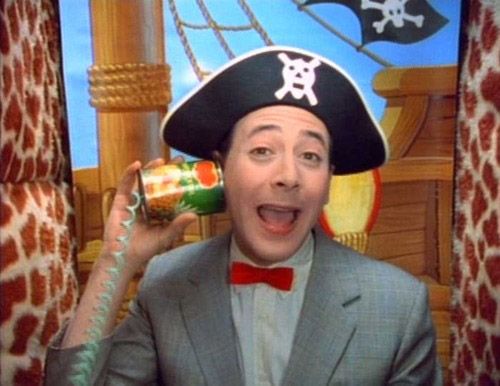
The series also, as I alluded to at the start of this article, had a huge hand in changing the face of children’s television, because had a weird show like this not been such a big hit with viewers, CBS may not have had the courage to greenlight the similarly wacky and offbeat Mighty Mouse: The New Adventures. An animated show that many people agree led to the golden age of creator-driven kids’ shows that spread throughout the nineties as well as the rise of the cable TV network Nickelodeon, although even before Nick came along, animated shows for kids in this period had been gradually becoming more imaginative, both in their writing style and animation style, as evidenced by things like A Pup Named Scooby-Doo, Beetlejuice, Bobby’s World and Tiny Toon Adventures. Because many of these shows were what shaped my taste in television as well as my sense of humor, it’s appropriate that from a young age I had always kind of worshipped Pee-wee Herman as a comedy god.
Of course, to appreciate Pee-wee’s Playhouse you have to appreciate Paul Reubens. Born in Peekskill, New York in 1952, from a young age Paul Reubens had a love for entertainment and was inspired to become an entertainer himself while living in Sarasota, Florida after sitting in the audience of Ringling Bros. and Barnum & Bailey. Reubens’ love for performing extended into high school, where he was president of the National Thespian Society, and of course into adulthood. He performed regularly at the local theater in Sarasota and he would continue pursuing the theater after moving to California and studying at the California Institute of the Arts in the seventies. At CalArts Reubens was known for being one of the more wild and outgoing students. Classmates who visited his dorm during this period reportedly saw an early version of a Pee-wee’s Playhouse-style room (yes, he was always like this).
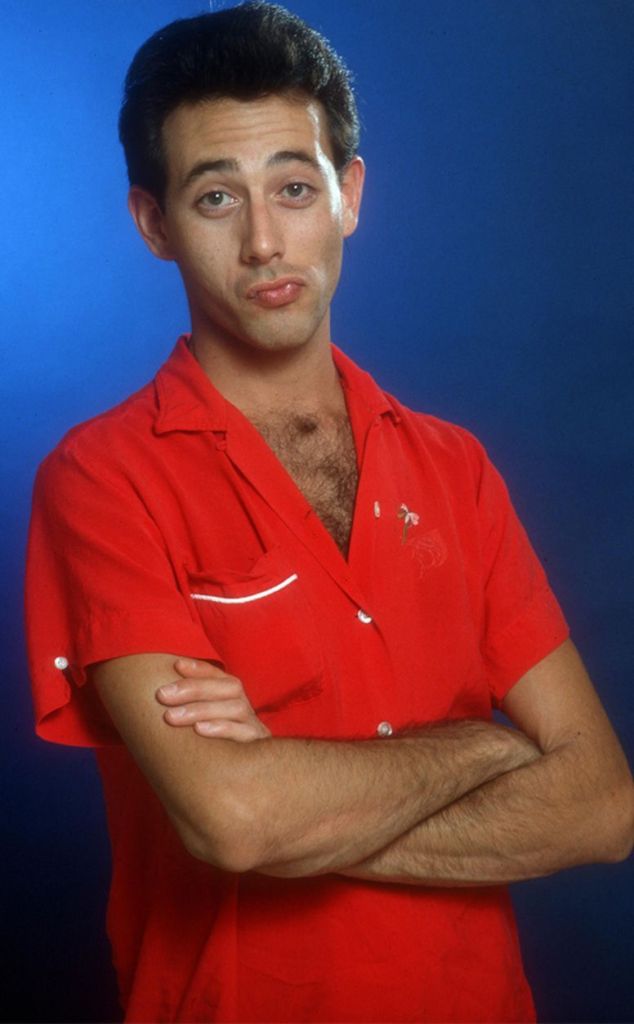
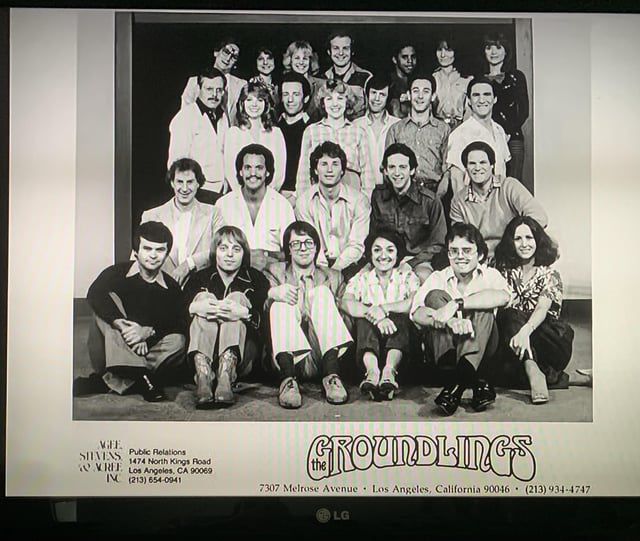
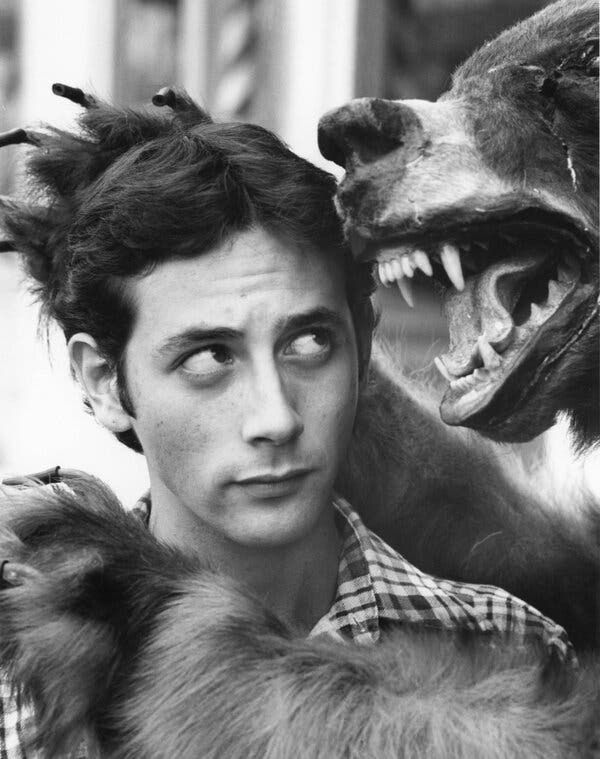
By the late seventies, Reubens performed at comedy clubs around L.A. and his routines got big laughs. Reubens later got accepted into the Groundlings, the L.A.-based improv team where he met and befriended fellow comedian and future writing partner Phil Hartman. The Groundlings was also where Reubens first developed Pee-wee Herman, a character who originated on the stage as a stand-up comedian who was bad at telling jokes (but in a very funny way). Pee-wee’s distinct voice originated years earlier when he was cast as an obnoxious character with a cartoonish voice in one of his early stage roles.
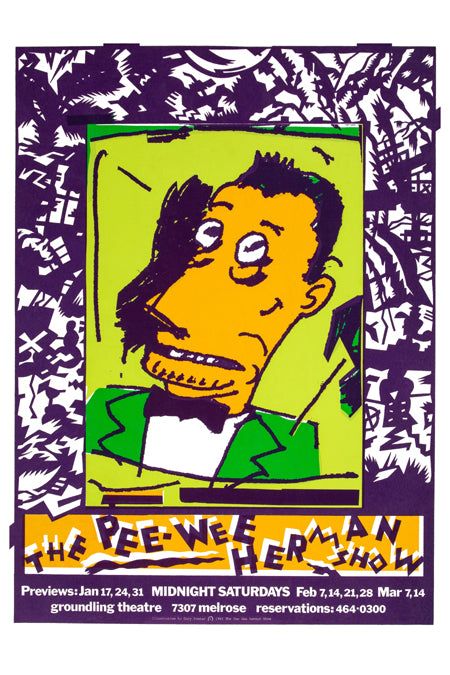
Following his success with the Groundlings, Paul Reubens auditioned for a spot on Saturday Night Live during the 1980-81 season, but the similarly oddball comedian Gilbert Gottfried got chosen over him instead (in what Reubens believed to be an unfair way seeing as how Gottfried was friends with one of SNL‘s producers). This rejection embittered Reubens so much that he decided to start his own show in 1980 called The Pee-wee Herman Show, a satirical take on 1950s kids’ shows about Pee-wee Herman and his interactions with the citizens of Puppetland that formed the basis of what would later become Pee-wee’s Playhouse. What began at the Groundlings soon became a surprise hit when he brought it to the Roxy Theater (and in later years a fully packed Carnegie Hall).
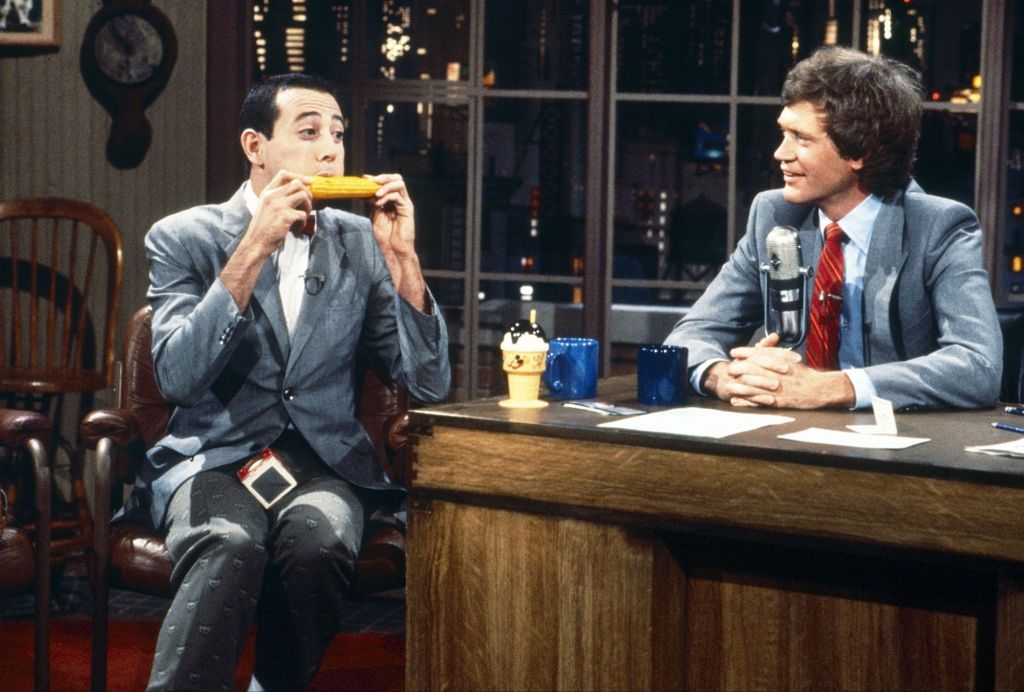
HBO was known for airing a lot of stand-up comedy specials around this time, and when they aired The Pee-wee Herman Show in 1981, his popularity reached a national level (he also appeared in Cheech and Chong’s films during this period). Audiences found Pee-wee Herman bizarre but many fans embraced his shtick and found his weirdness endearing in a subversive way. This popularity gave Reubens the idea to hide his real identity and only appear on shows as Pee-wee Herman. When he did this on popular shows like Late Night with David Letterman, he acquired an even bigger fanbase.
This rising popularity drew the attention of Warner Bros., who asked Paul Reubens if he was interested in making a Pee-wee Herman feature film. That film would end up being Pee-wee’s Big Adventure (1985) which told the story of Pee-wee Herman going across the country in search of his missing bike. Reubens co-wrote the film with Phil Hartman and Michael Varhol and Reubens chose Tim Burton to direct the film based on his work on the bizarro 1984 Disney featurette Frankenweenie (which was just as well because Disney fired Tim Burton for making that film). Reubens could sense in Burton a fellow bold artist with a creative sense of art direction, with Burton’s vision for Frankenweenie totally matching the vision Reubens had in mind for what a Pee-wee Herman film should look like.
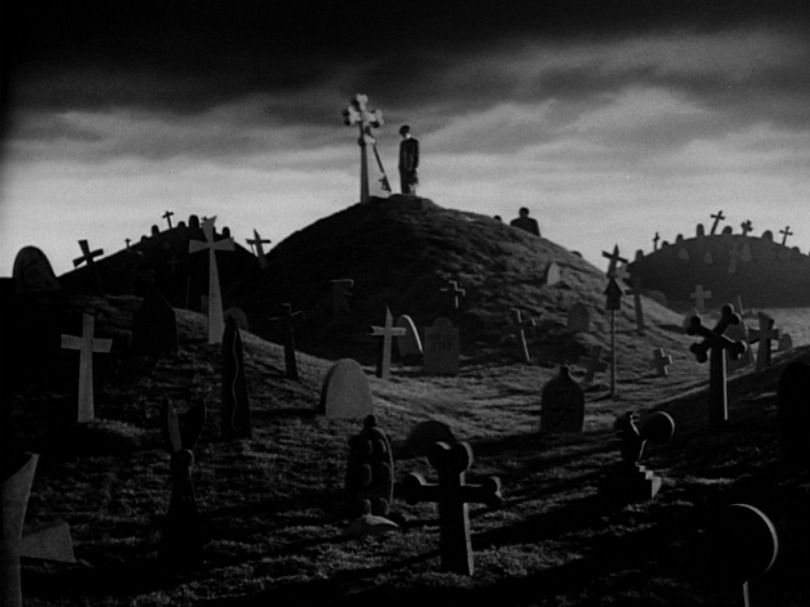
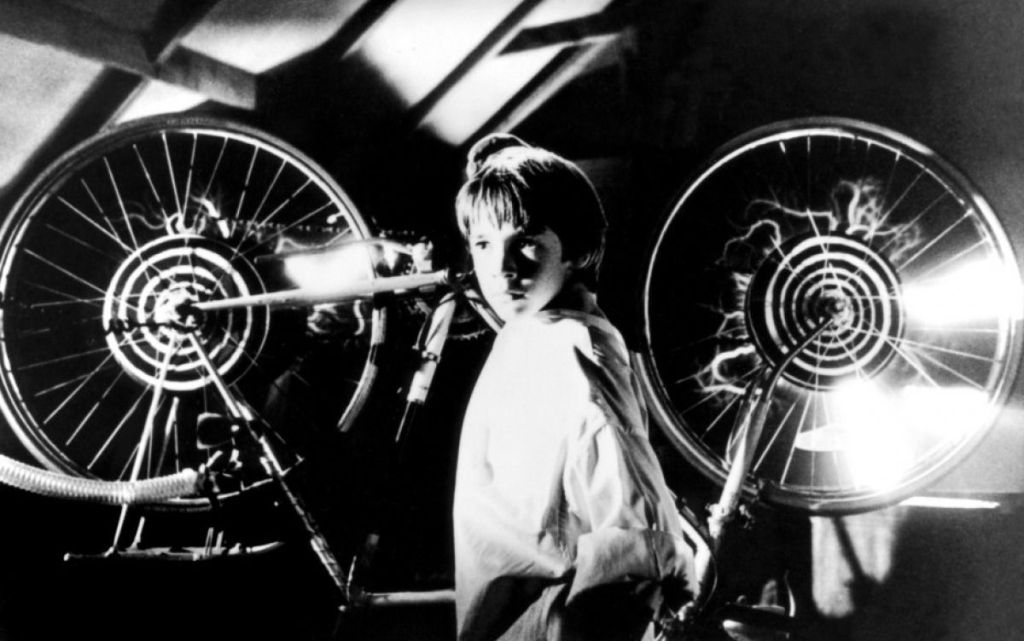
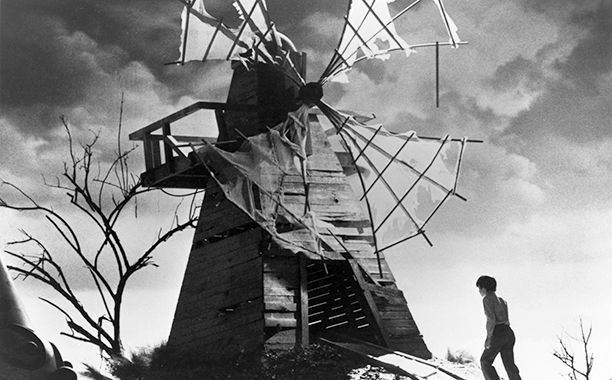
Even though Pee-wee’s Big Adventure was not exactly seen as high cinema and it received mixed reviews, more people embraced its weirdness than not, and the film turned Pee-wee Herman into a celebrity, drawing an audience and later a cult following while simultaneously launching Tim Burton’s film career (who followed Pee-wee’s Big Adventure up with a winning streak of similarly bizarre and stylized hits like Beetlejuice, Batman and Edward Scissorhands) as well as the film scoring career of Oingo Boingo lead singer Danny Elfman, who would team up with Tim Burton again in the future to score many more of his films. Paul Reubens would also work with Burton again playing the Penguin’s father in Batman Returns and voicing Lock in The Nightmare Before Christmas.
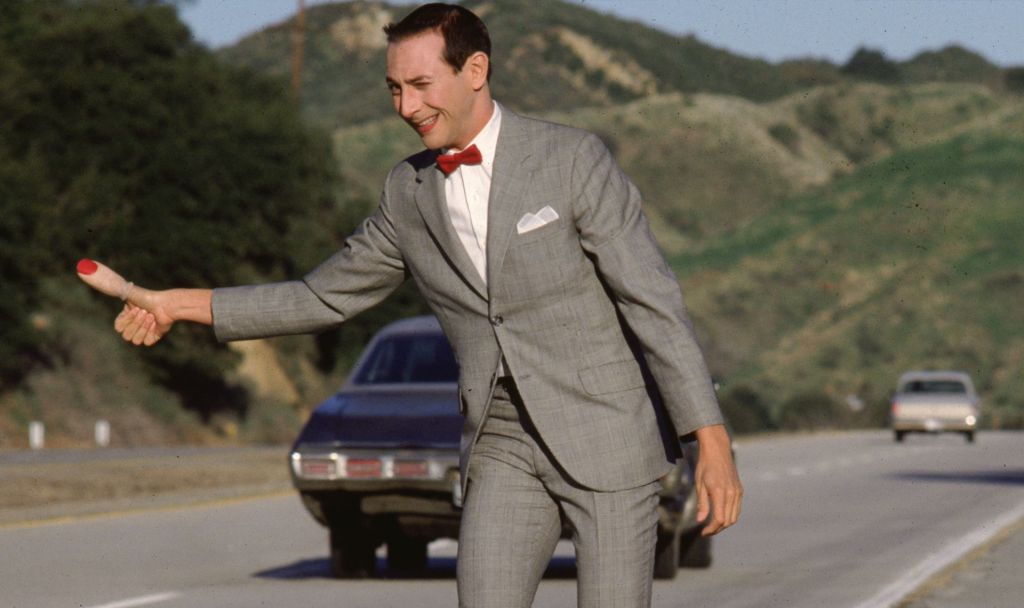
After seeing the success Warner Bros. had with a Pee-wee Herman movie, television executives at CBS knocked on Reubens’ door for a potential Pee-wee Herman series. CBS initially envisioned an animated series for kids as a natural fit for a character like Pee-wee, but Reubens had something way better in mind. His idea would be Pee-wee’s Playhouse, a primarily live-action series that would often utilize animation as well as puppetry, which was typical for educational children’s programs at the time, and indeed Reubens was inspired by shows he grew up on like Howdy Doody, Captain Kangaroo and The Mickey Mouse Club while conceiving it, but the final series was anything but typical.
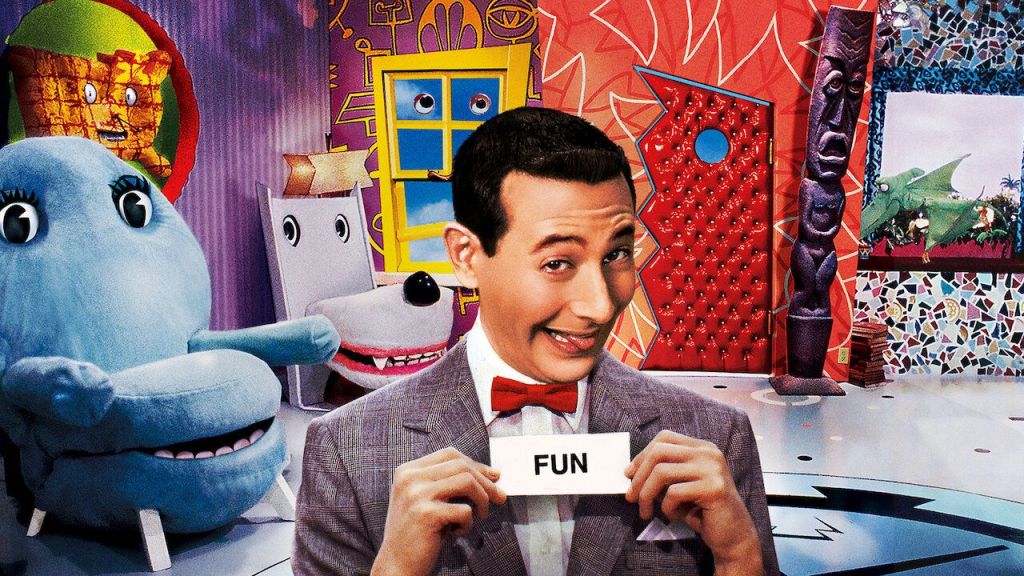
Pee-wee’s Playhouse took place in Puppetland and followed Pee-wee on some strange adventures that made the Muppets seem tame by comparison. Pee-wee was often visited by human friends like Miss Yvonne (played by Lynne Marie Stewart), Cowboy Curtis (Laurence Fishburne), Captain Carl (Phil Hartman), Reba the Mail Lady (S. Epatha Merkerson) and the King of Cartoons (Gilbert Lewis in the first season and William H. Marshall in the rest) but he also had a ton of housemates such as Jambi the genie, Chairry the chair, Clockey the clock, Pterri the pteranodon, Globey the globe, Magic Screen, Mr. Window, Mr. Kite, the Dinosaur Family, Randy the troublemaking marionette, the Puppet Band (Dirty Dog, Cool Cat and Chicky Baby) and Conky 2000 the playhouse robot who always gives Pee-wee the secret word at the start of every episode (if someone says the secret word you of course have to scream).
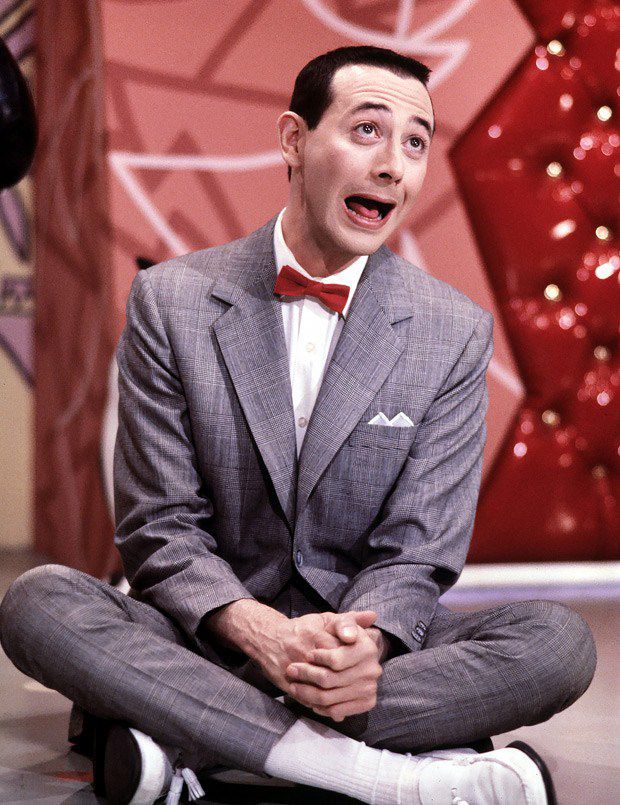
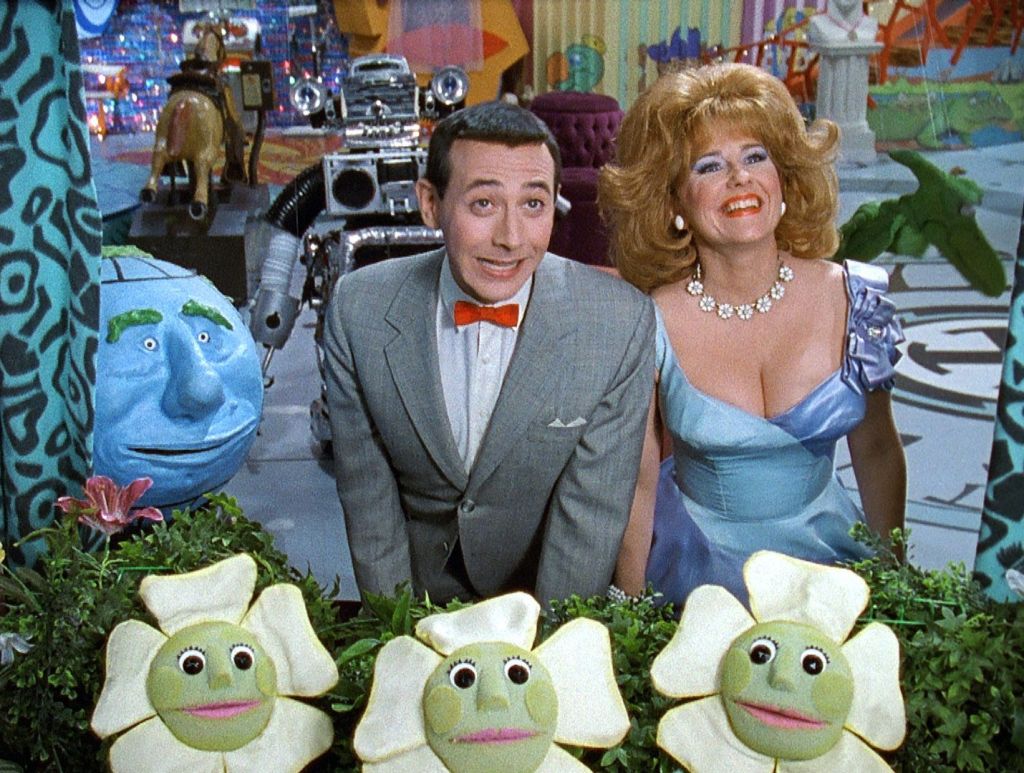
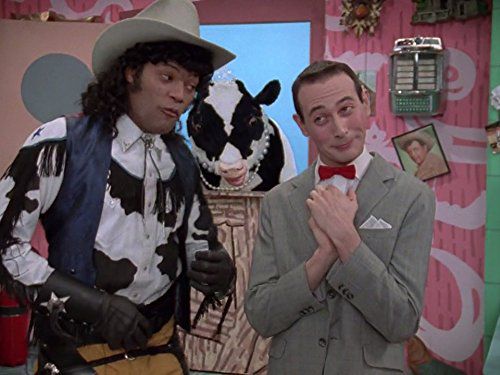
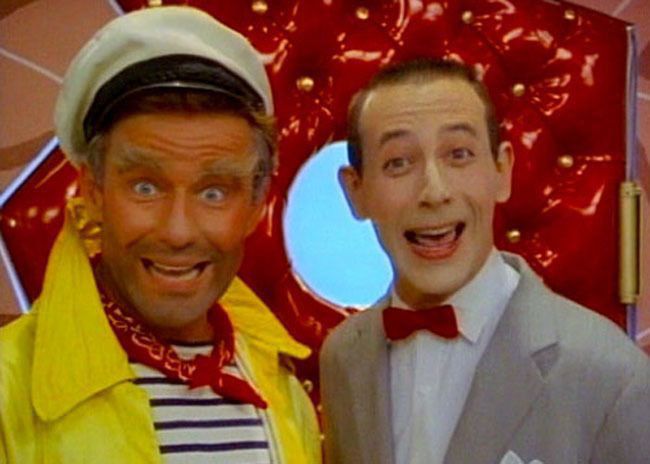
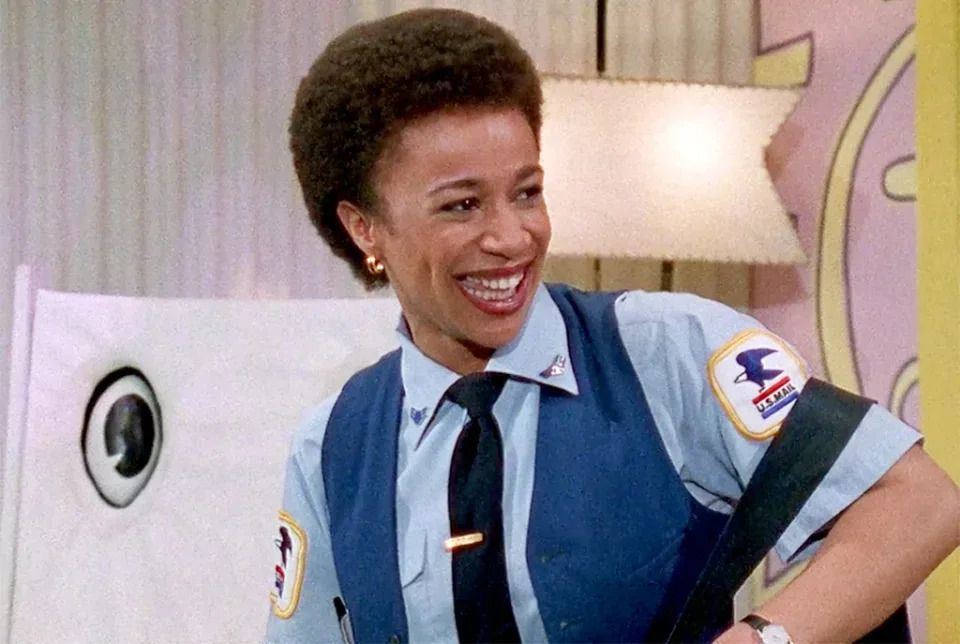
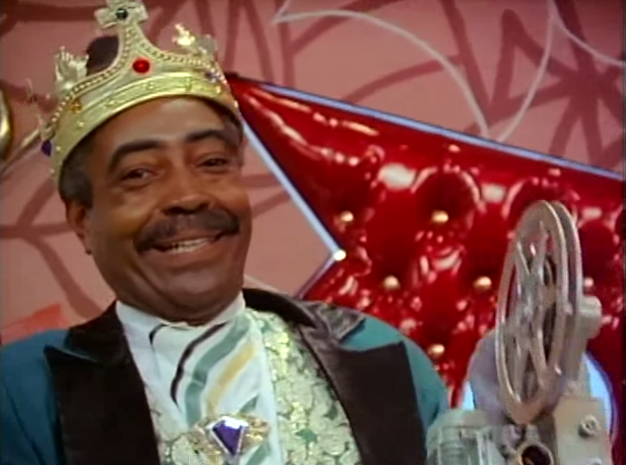
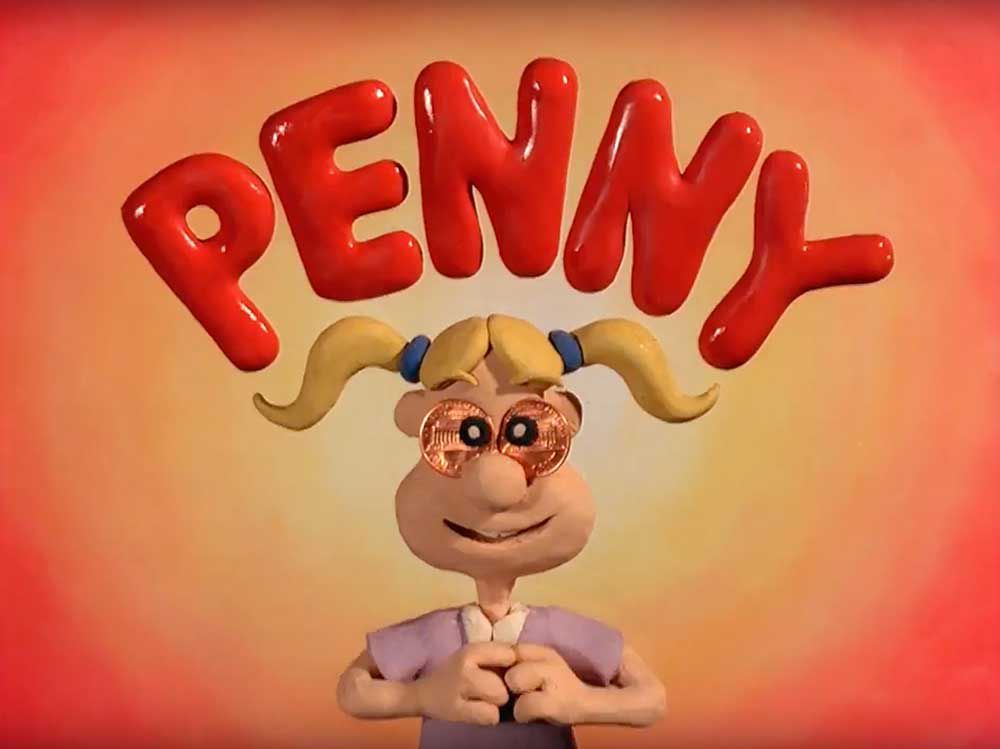
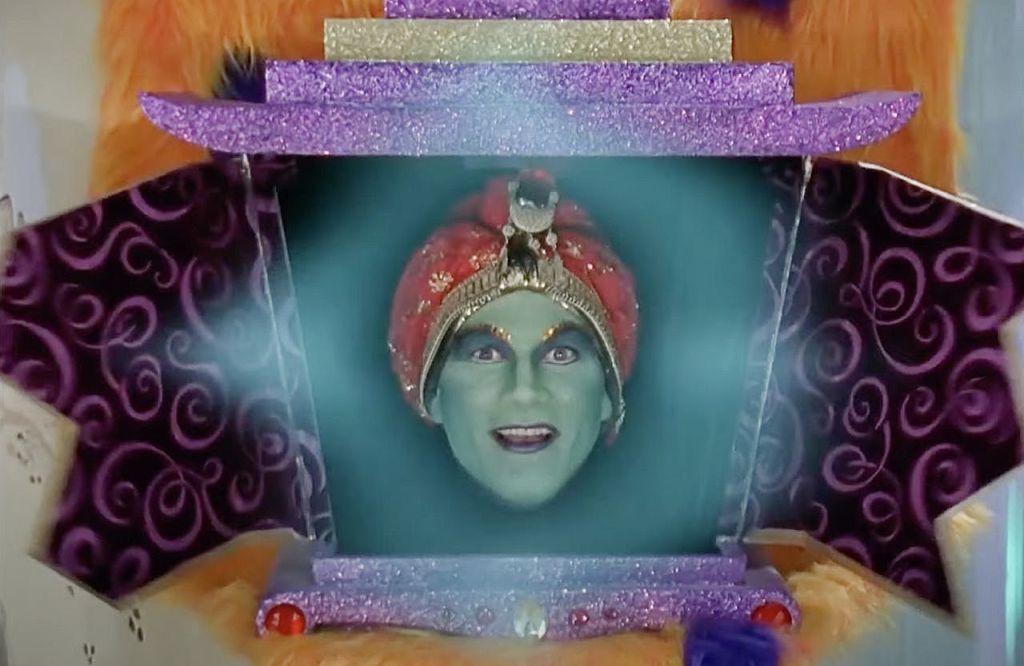
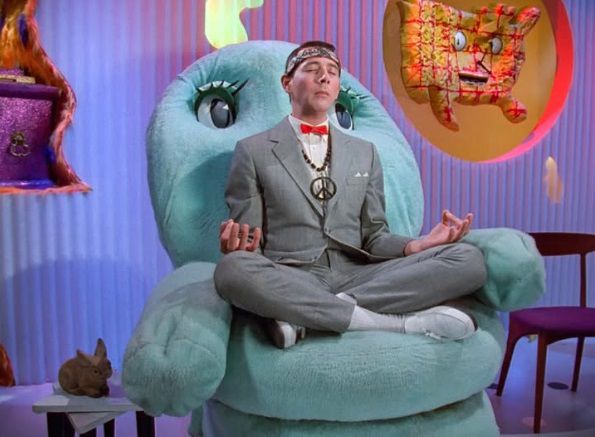
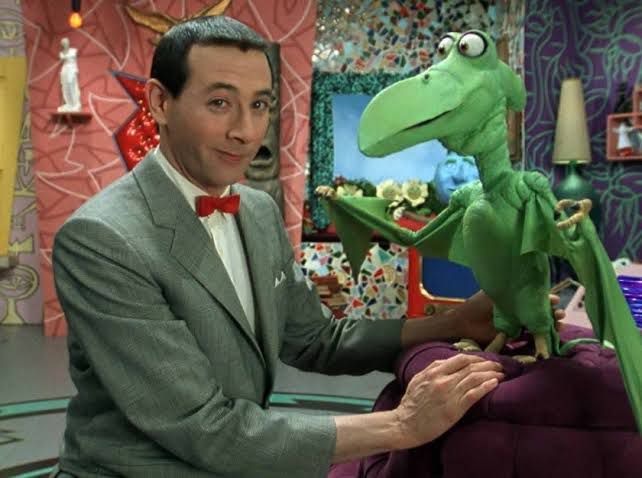
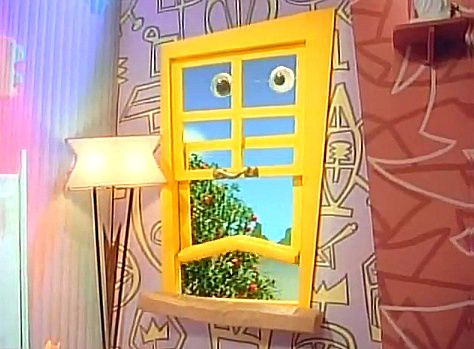
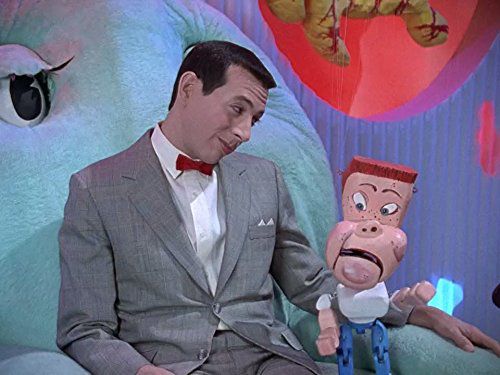
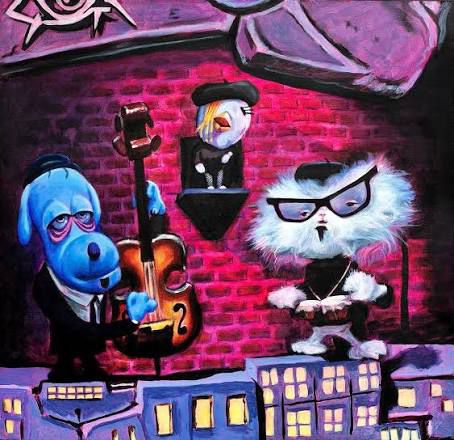
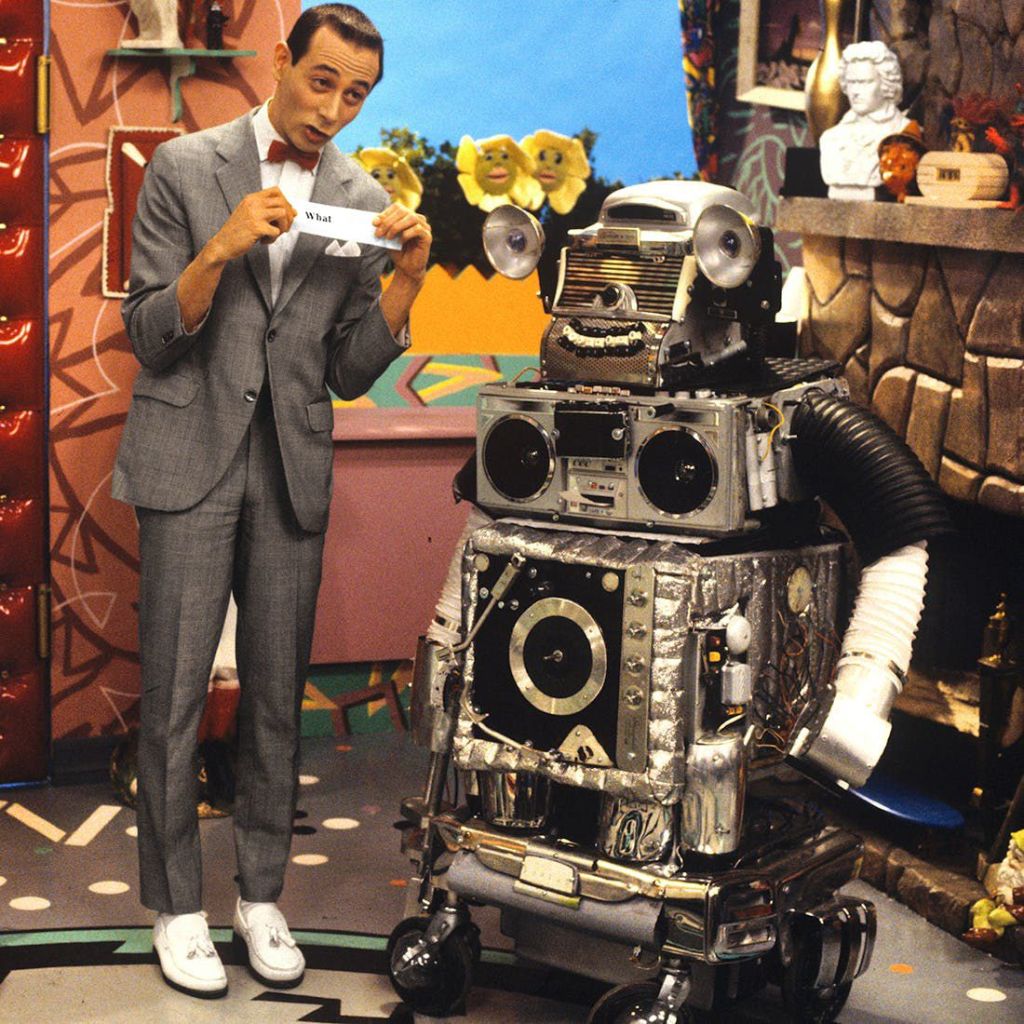
Yes it had the structure of a children’s show and there were lessons and songs and cartoons, but it was also strange in a way that differentiated itself from every other show for kids because Paul Reubens was not so much playing a teacher, a role model or an “adult” as much as an overgrown child. Pee-wee Herman was like the kid who got kicked out of the Mickey Mouse Club for being too annoying, and Pee-wee’s Playhouse was like Nickelodeon before Nickelodeon was a thing. Kids of course loved the show but adults could also easily enjoy it because even for them it was fascinatingly bizarre and many of them were in on the joke that this was a parody of a kid’s show. But most viewers, especially younger viewers, didn’t question any of it. The fast-paced, colorful and proudly childish vibe was universally appealing. Critics agreed and it won multiple Emmys over the course of its five seasons on CBS airing from 1986 to 1990. The New York Times called it an antidote to the boring children’s programs of the day and even predicted that Saturday mornings would never be the same after its premiere. Even Captain Kangaroo himself Bob Keeshan praised the show as the most creative thing in children’s entertainment next to the Muppets.
Alt comic artist and Pee-wee’s Playhouse lead production designer Gary Panter, who had been working with Reubens ever since The Pee-wee Herman Show, has stated in interviews that the imaginative set design and unrestrained creativity on Playhouse were all reflections of Reubens’ personality. Panter and fellow artists Wayne White and Ric Heitzman were basically trying to bring Reubens’ vision of a surreal satire of a 1950s sitcom to life. Which was a perfect design choice for a show that was basically a distorted funhouse mirror image of television shows of the past. It’s no exaggeration when I say that Pee-wee’s Playhouse was a cornerstone in the creative expression of televised entertainment.