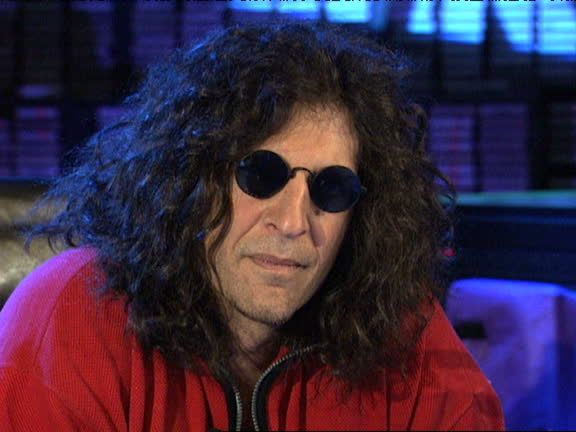
Radio broadcaster, comedian and self-proclaimed “King of All Media” Howard Stern is a figure in pop culture who I was always aware of but never paid much attention to until the 2000s after he switched from traditional radio to satellite radio. That was when I began to realize how smart he is and how great his celebrity interviews are. It was only after becoming a fan of his that I learned about his notorious past and often antagonistic relationship with broadcast censors throughout the 1980s and 1990s due to his subversive sense of humor and often extremely taboo subject matter. I came across Stern at a point in his career when censorship was no longer an issue for him because satellite radio is outside the jurisdiction of the FCC, but before he found a home at SiriusXM, the FCC may as well have officially declared war on Howard Stern.
As someone who values creative freedom in arts and entertainment and who doesn’t get easily offended by TV MA-rated content, I have always disliked the FCC because they feel like an organization whose sole purpose is making sure all broadcast media in the United States is filtered through the lens of conservative watchdogs. And if you’ve been paying attention to U.S. politics for the past couple of years, you know that it is very easy for the federal government and organizations like the FCC to abuse their power in selective and unfair ways. Not that any of this is Howard Stern’s problem anymore. But I thought it would be interesting to take a look back at the hostility between Howard Stern and the FCC, because their battle is a great example of what a fight between creative freedom and government censorship looks like when both are taken to their farthest extremes, to the point where Stern’s radio show became the most sanctioned radio show in American history, significantly altering the parameters of what the media was allowed to do on terrestrial airwaves for years to come.
First a brief backstory on Howard Stern. The Queens-born New Yorker has always been interested in radio since the age of five, borrowing his father’s turntable, microphone and tape machine to record mock radio shows complete with commercials, wacky characters and pranks (he’s still doing all of these things as an adult). This continued during his time as a college student at Boston University where he worked at the campus radio station before eventually landing his first professional radio job at WNTN at Newton, Massachusetts in 1975. Ever since then he has answered want ads and jumped from station to station across the country from New York to Connecticut to Michigan to Washington bringing his show to whichever stations will allow it to air and being his authentic, funny and often outrageous self.
Stern began his radio career in the late seventies, but another thing that happened in the late seventies was the Supreme Court case of FCC v. Pacifica Foundation. In 1973, when Pacifica Foundation-owned New York City radio station WBAI played an afternoon broadcast of stand-up comedian George Carlin’s “seven words you can never say on television” monologue from his recently released comedy album Class Clown, a listener sent a complaint to the FCC claiming that he was listening to Carlin’s profane routine on the radio while his young son was in the car with him. When the FCC brought this complaint to the attention of Pacifica Foundation, Pacifica challenged it by evoking the First Amendment, while the FCC challenged Pacifica by evoking the Communications Act of 1934’s rule against deliberately broadcasting offensive material at a time in the day when children could hear it. To settle this, the case was taken to the U.S. Supreme Court, who ruled in 1978 that while the Constitution forbade the FCC from banning indecent material, the FCC was still allowed to restrict indecent material. Howard Stern, on the other hand, gave George Carlin a run for his money when it came to crossing the boundaries of decency.
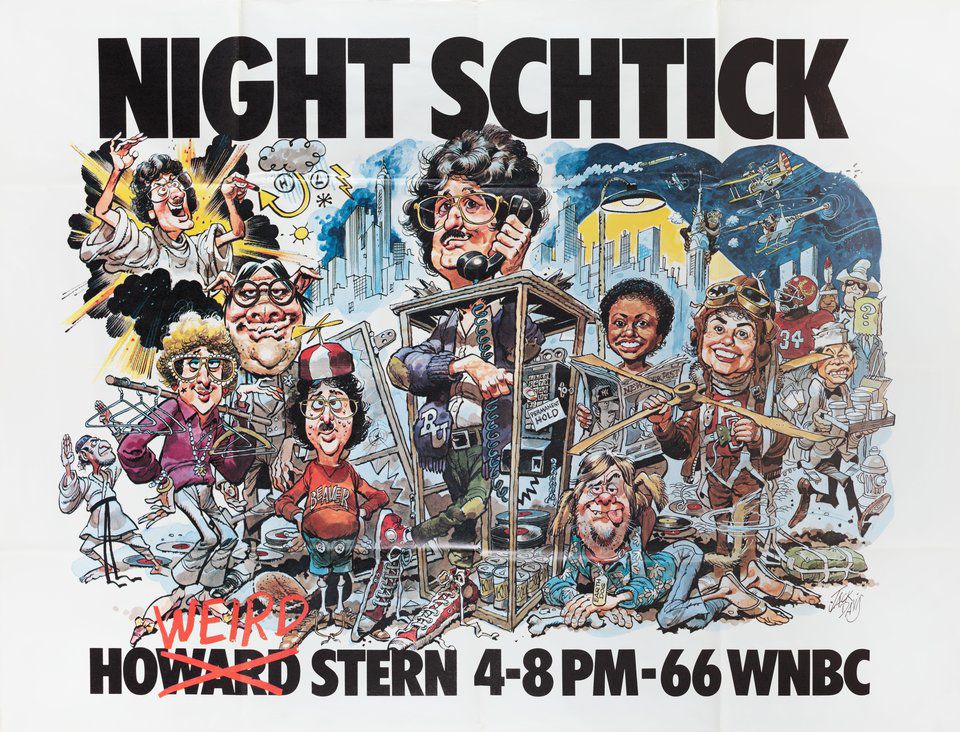
Listeners have complained about Stern’s radio show ever since 1981, and while the Communications Act of 1934 and the First Amendment meant that the FCC couldn’t do much, Stern was still a controversial enough figure that he would often butt heads with radio station managers and get fired for the kind of things he would discuss on his show. Although that didn’t stop the onslaught of complaints from listeners. In 1986 when Stern took his radio show to WYSP in Philadelphia, he received more complaints in his first three months on the job than he ever got from New Yorkers in his last three years. This was during a period in history when older Americans were still getting used to how openly sex and drugs were being discussed, but Stern was the kind of person who would specifically discuss and make jokes about orgasms, masturbation, sex toys, sex fantasies, incest, pedophilia, bestiality and tons of other taboo subjects live on the air, all while performing lots of raunchy comedy bits with names like “Tribute to Vagina.”
There was more to Stern’s radio show than just taboo subject matter but it was what got most of the attention from conservative groups like the National Federation for Decency and Morality in Media who were constantly targeting Stern and trying to get him off the air. The FCC received so much pressure from offended listeners that they decided to broaden the definition of what “indecency” meant in an effort to censor Howard Stern, which prompted Stern to call out the FCC publicly by saying “The FCC wants to clean up the show … Let them try … I’m going to continue to do what I do.” Stern amassed a huge fanbase by this point and he received a ton of public support in this fight against federal regulation. But while Stern’s massive popularity meant that the radio stations that carried his show were usually on his side, the FCC still fined those stations a ton of times, and the battle kept going all throughout the nineties.
Stern and the FCC were constantly at each other’s throats for years due to Stern’s taboo content and Stern and his colleagues would usually just ignore it and endure it, but things really got bad in 2004 after the famous incident at that year’s Super Bowl with Janet Jackson. Her wardrobe malfunction triggered an even tighter crackdown on broadcast indecency, which Stern complained left him feeling creatively “dead.” This is what eventually led to Stern’s decision to leave AM and FM radio and sign a contract with Sirius Satellite Radio where he would finally be allowed to do whatever he wanted on the air after years of navigating FCC roadblocks. By the time Stern joined Sirius in 2006, the FCC’s fines against Stern totalled over $2 million.
Of course in an ironic twist, the older Howard Stern has gotten, the less reliant he is on his shock jock routine and the more mature, intelligent and funny his show has gotten. When I listen to his conversations with A-list celebrities, they are often the most authentic I have ever seen them, and the way you can tell is because their conversations with Stern are usually probing, fascinating and deep, often showcasing more than a typical red carpet or talk show interview how smart and how human these Hollywood stars really are when they are allowed to be. It’s why some celebrities are afraid to go on the show and it’s also why many love being on the show, with some being surprised at how open the discussions are and some like Drew Barrymore praising Stern for providing one of the few public forums where she can relax and talk openly. I used to think Dick Cavett had the best celebrity interviews but Howard Stern’s are better, with the added bonus of no commercial interruptions and no federal regulation.