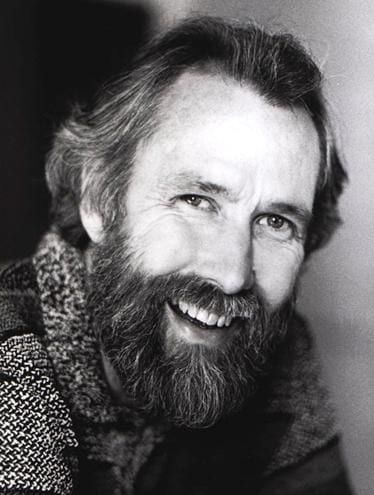
Before Jim Henson died, Disney had been in negotiations with him to acquire The Jim Henson Company so that Henson could focus more on the creative side while Disney handled running the business side. But his death stalled and eventually ended those negotiations and the company remained independent with Jim’s son Brian Henson as president and CEO. Of course that did not mean that the company would not still collaborate with Disney in the future. For example both The Muppet Christmas Carol and Muppet Treasure Island were distributed by Walt Disney Pictures, plus the company teamed up with Disney for the distribution of their Muppet videos and Brian Henson made deals with both Disney and Nickelodeon for the television broadcast rights for Henson’s shows and specials in the nineties, which is how many kids (like me) first became aware of Henson’s work.
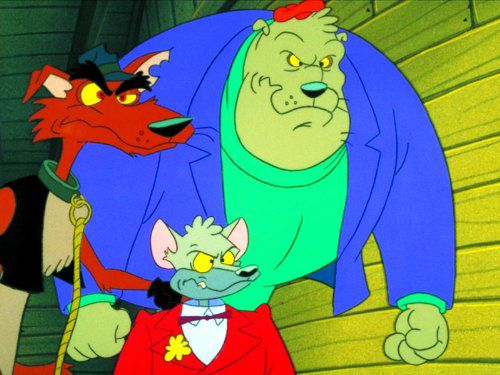
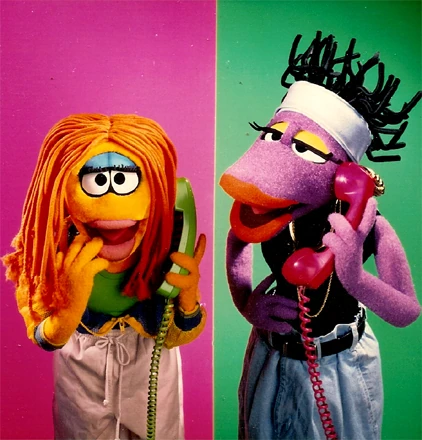
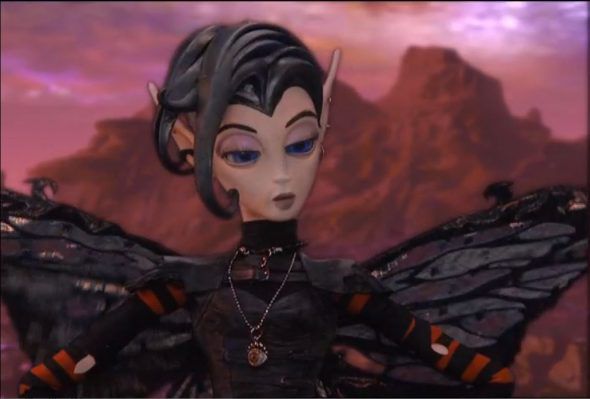
Even after Jim Henson was gone the company didn’t slow down on the production of new movies, TV series and specials. The animated/puppet series Dog City (1992-95) which was produced by Nelvana and aired on Fox Kids in the U.S., was based on the detective puppet comedy Dog City, which originally aired as a segment on The Jim Henson Hour in 1989 and was later released as a standalone movie on DVD. Other series produced by The Jim Henson Company that decade include CityKids (1993-94), a 13-episode series that aired on ABC (the same network that aired the sitcom Dinosaurs at the time) and centered on human actors but featured puppet characters commenting on the action Greek chorus-style. It was actually a clever series despite its lack of popularity and it has a cult fan base. In addition to Dinosaurs and CityKids, Henson also produced Muppets Tonight (1996-98) and Aliens in the Family (1996) for ABC, plus Brats of the Last Nebula (1998-99), a sci-fi series that used puppetry and computer animation to tell the story of five orphans from war-torn planets searching for their families, airing on YTV in Canada and on The WB in the United States.
Meanwhile 1995 saw the release of Mr. Willowby’s Christmas Tree, a CBS holiday special starring Robert Downey Jr. as a man searching for the perfect Christmas tree, although when he finds it, he accidentally brings home a family of talking mice. The following year Henson teamed up with Hallmark Entertainment to produce Gulliver’s Travels (1996), a miniseries adaptation of the Jonathan Swift book that aired on NBC in the U.S. and Channel 4 in the UK and was well-received enough to win the Emmy for Outstanding Miniseries that year. Five years later Henson and Hallmark teamed up again for the CBS miniseries Jack and the Beanstalk: The Real Story (2001).
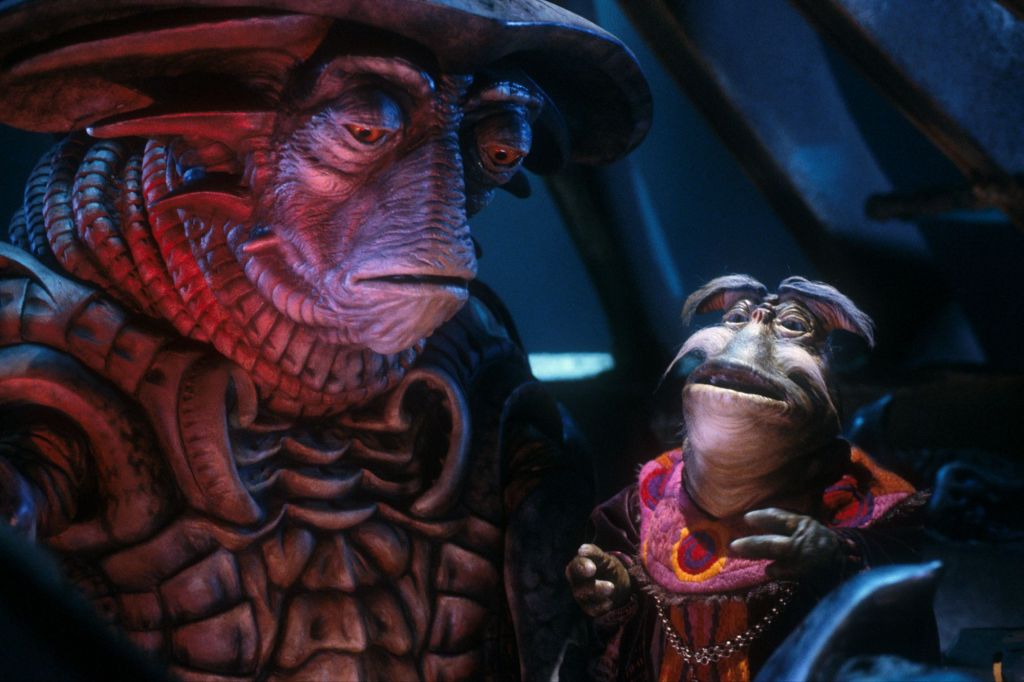
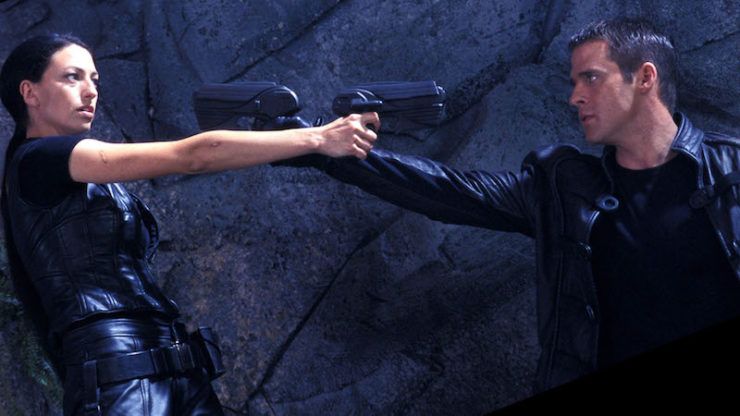
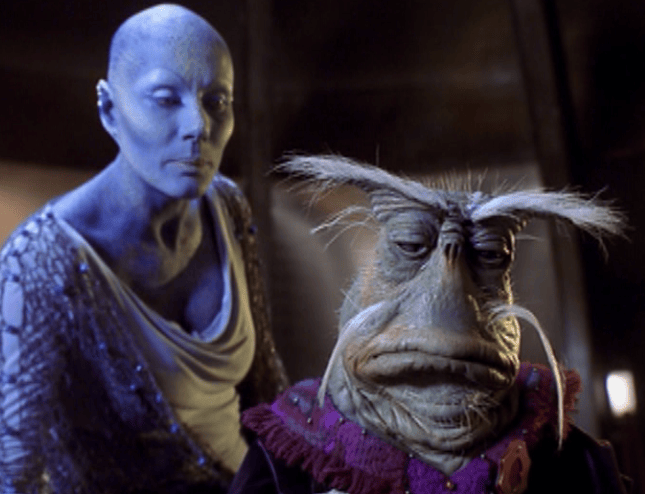
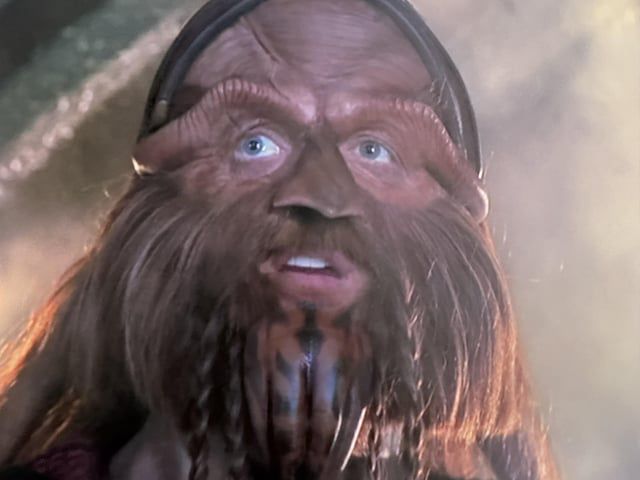
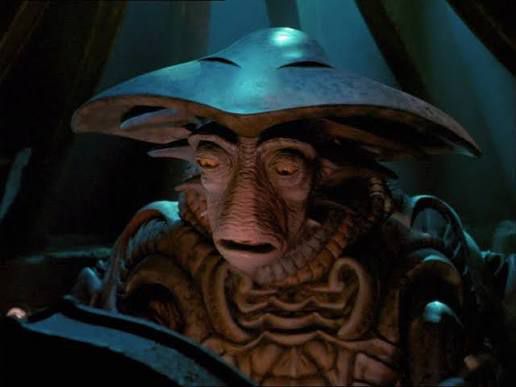
Henson and Hallmark’s partnership resulted in a lot more than just two miniseries though. In 1999, the two companies teamed up to form the cable channel Odyssey, the network that was later renamed Hallmark Channel in 2001 (a year after Hallmark acquired full ownership of the network) and is now known primarily for its identity as a place for romantic comedies and family-friendly holiday-themed films. But 1999 was also impactful because that was the year Henson and Hallmark teamed up to produce the Australian sci-fi series and cult hit Farscape (1999-2002) which was created by Rockne S. O’Bannon (Alien Nation, seaQuest DSV) and aired on Nine Network in Australia and Sci-fi Channel in the U.S. Farscape followed the story of an astronaut named John Crichton who gets pulled into a wormhole while in space and ends up in another galaxy. The series gave Jim Henson’s Creature Shop a lot of mileage with the alien creatures John encountered, and it was popular enough to last four seasons and lead to a follow-up two-episode miniseries subtitled The Peacekeeper Wars (2004).
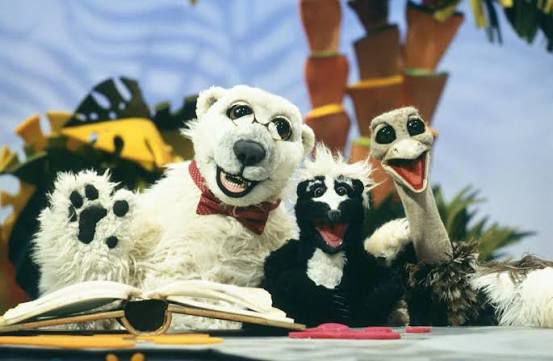
The Jim Henson Company obviously continued to work on Sesame Street during this period but they also never stopped making original educational children’s shows, such as Jim Henson’s Animal Show (1994-98), a puppet talk show hosted by Stinky the skunk and Jake the polar bear that usually featured interviews with two different animals per episode and also featured real animal footage. That show aired on Fox Kids for its first two seasons before moving to Animal Planet for its third and final season.
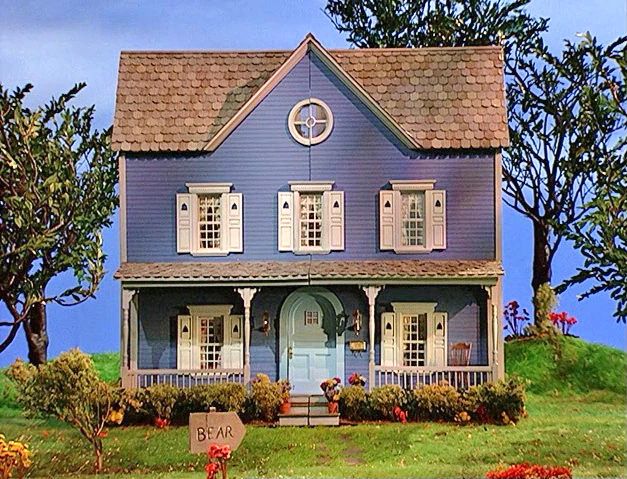
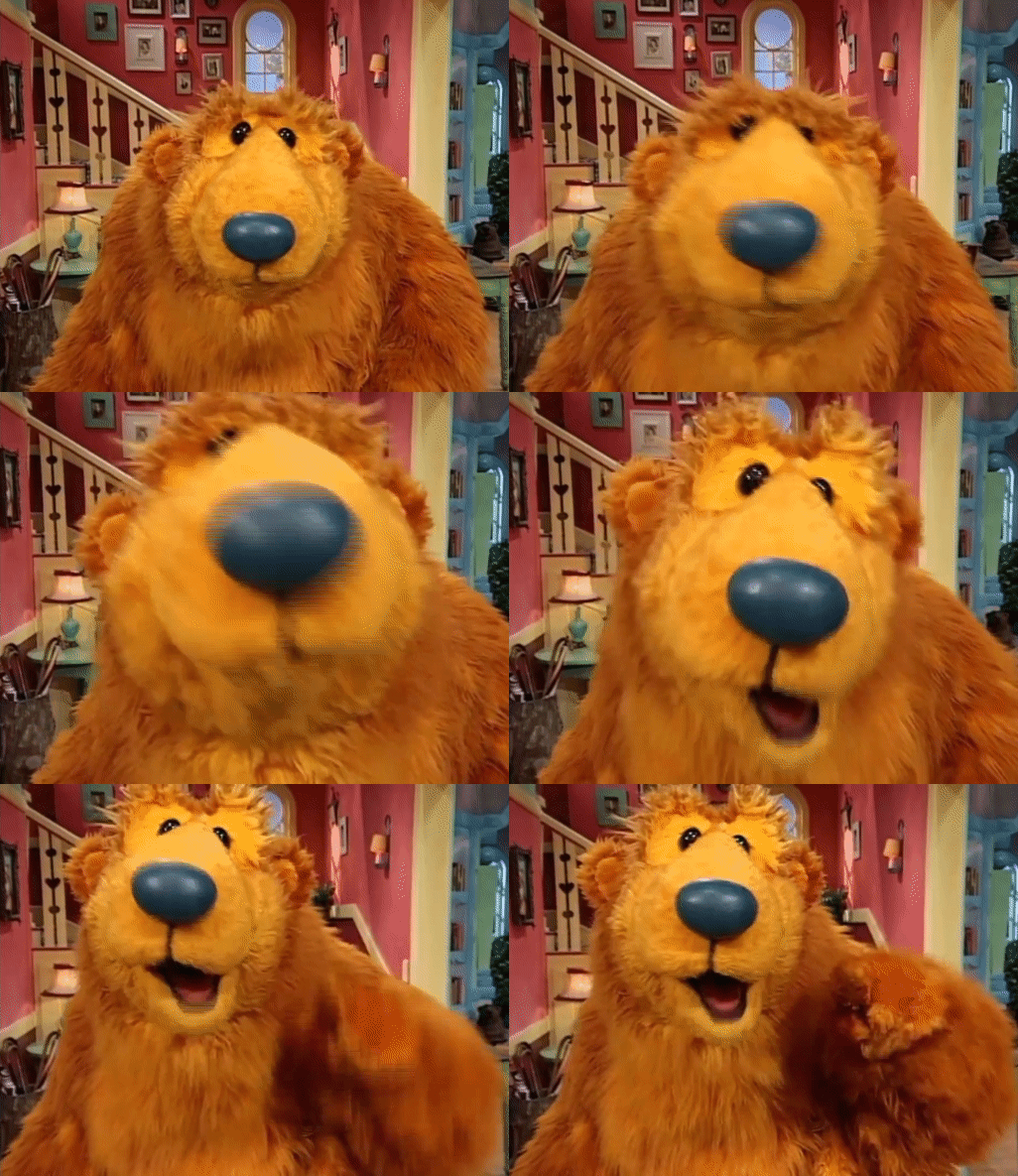
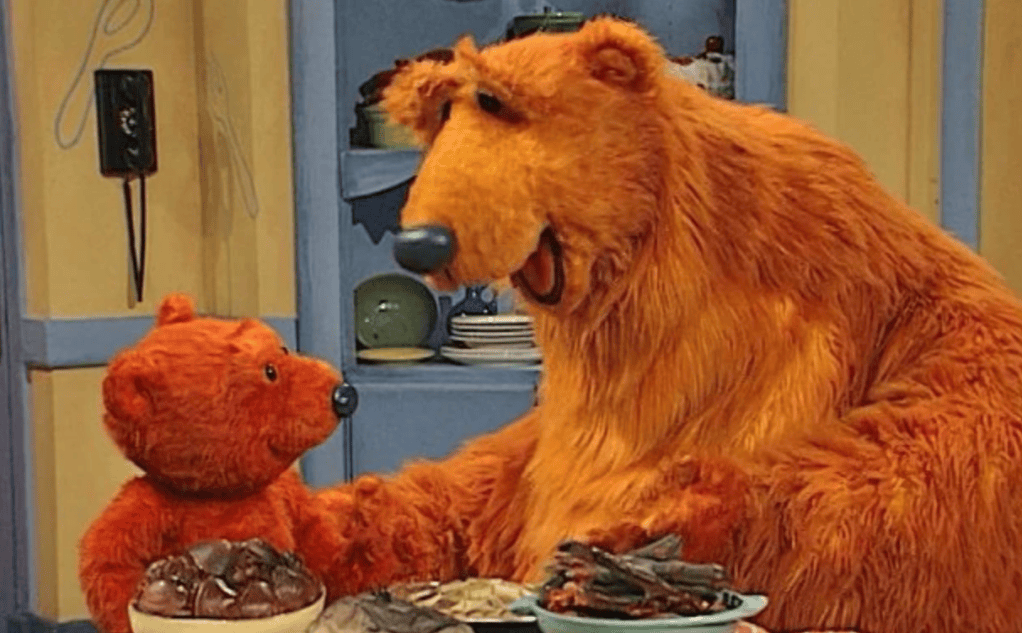
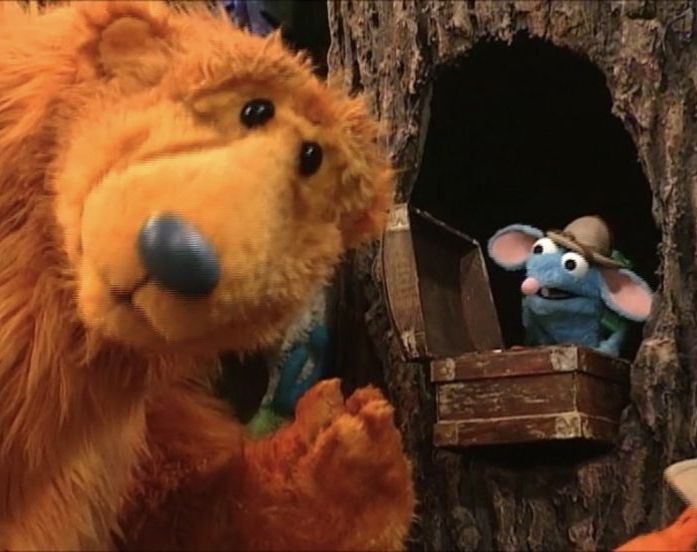
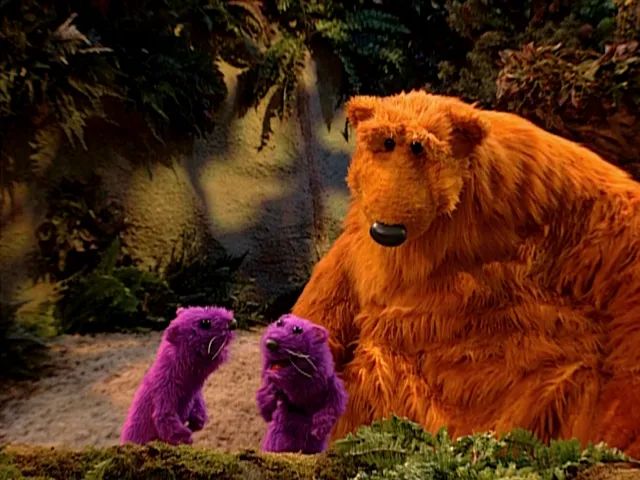
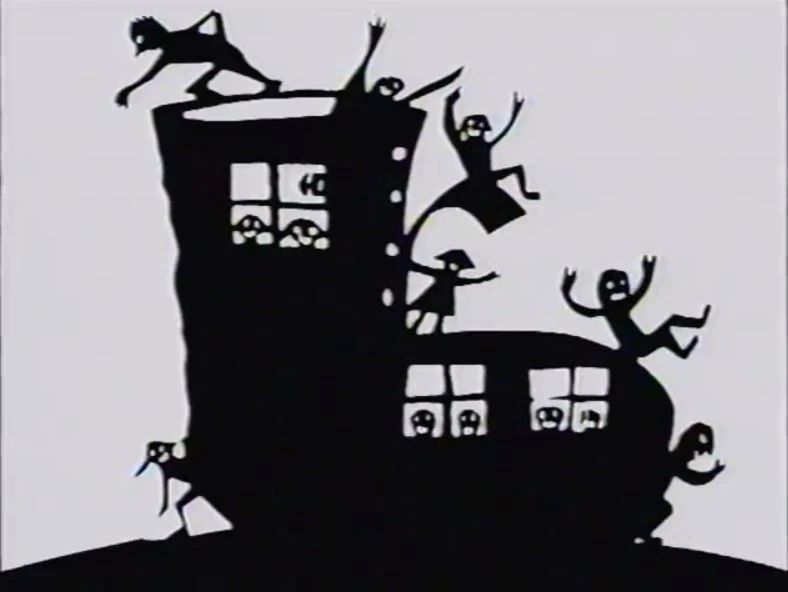
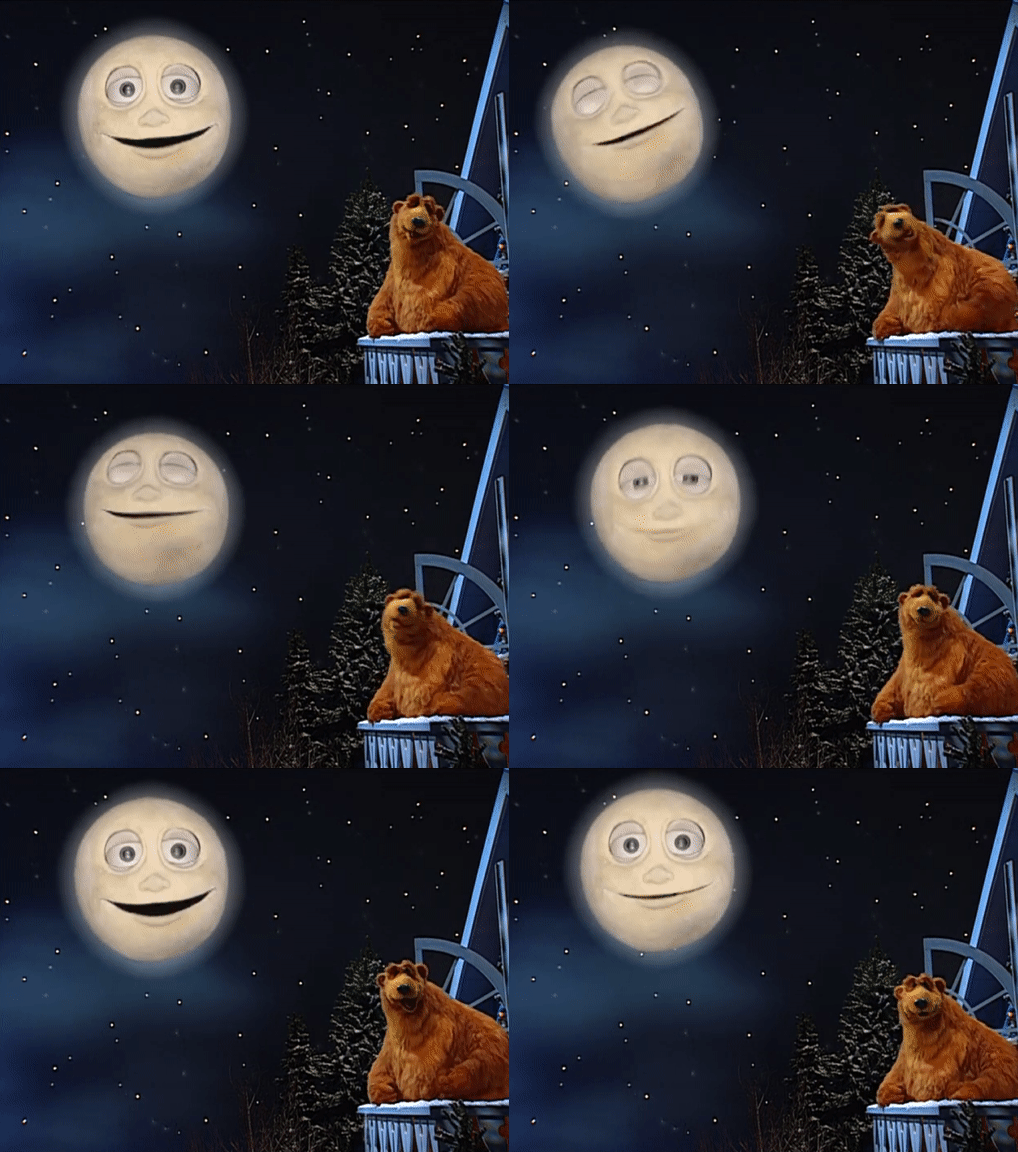
Henson also produced The Wubbulous World of Dr. Seuss, which aired on Nick Jr. for two seasons from 1996 to 1998, and Bear in the Big Blue House which became a popular hit on Playhouse Disney and ran there for four seasons from 1997 to 2006. That series centered on the character of Bear and his housemates Ojo the bear cub, Tutter the mouse, Treelo the lemur and the otters Pip and Pop, while most of the episodes featured lessons, catchy songs, a shadow puppet story told by Bear’s friend Shadow, and in true Jim Henson fashion, plenty of character-based humor. Henson co-produced the show with Shadow Projects, which would go on to produce that other bear-themed Playhouse Disney series The Book of Pooh.
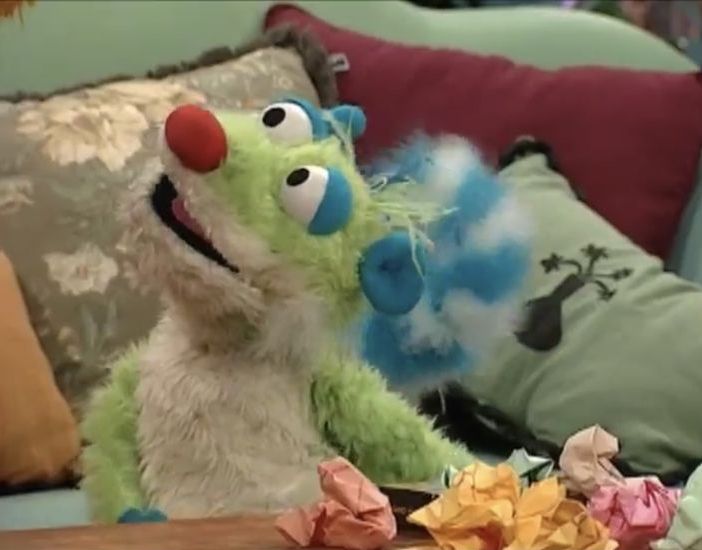
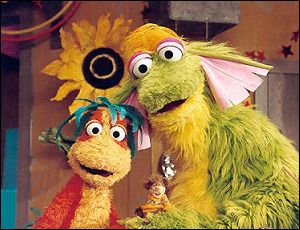
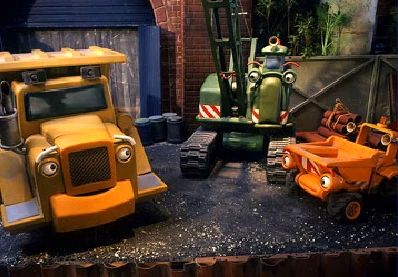
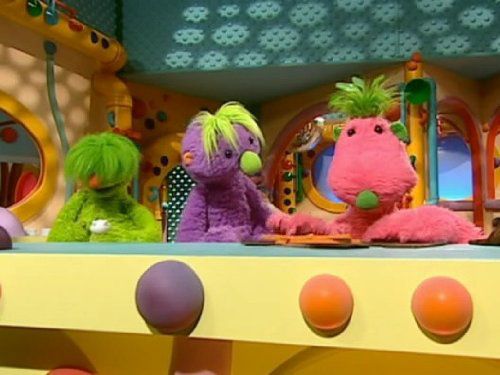
Outside the U.S., the Henson Company also had success in children’s programming with Mopatop’s Shop (1999-2003), a popular British children’s series developed by Fraggle Rock writer Jocelyn Stevenson that aired on CITV and stars a fuzzy dragon-like creature named Mopatop who runs a shop where customers can buy anything they can dream of. That same year Henson also produced the CITV children’s series Construction Site (1999-2002) which centered on a group of anthropomorphic construction vehicles, and Jocelyn Stevenson would re-team with Brian Henson two years after that show premiered to create The Hoobs (2001-03), a live-action/animated children’s series about five alien creatures who study and interact with human beings on Earth.
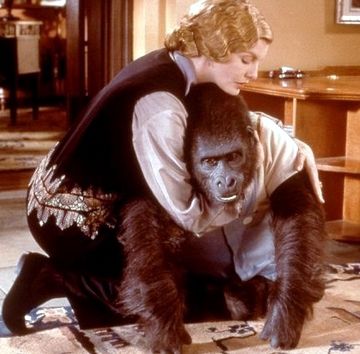
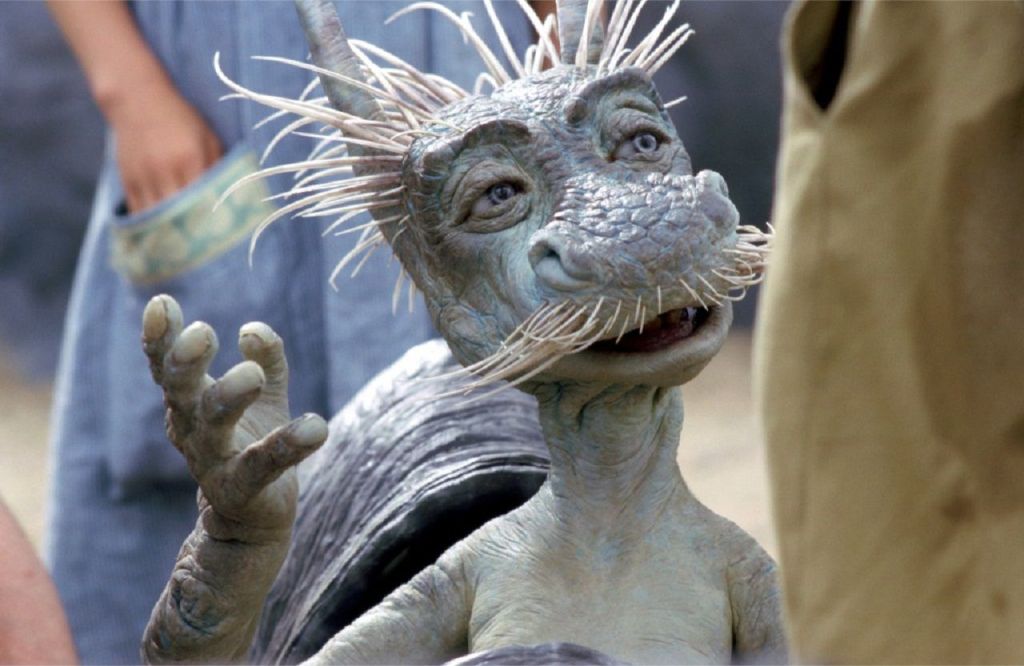
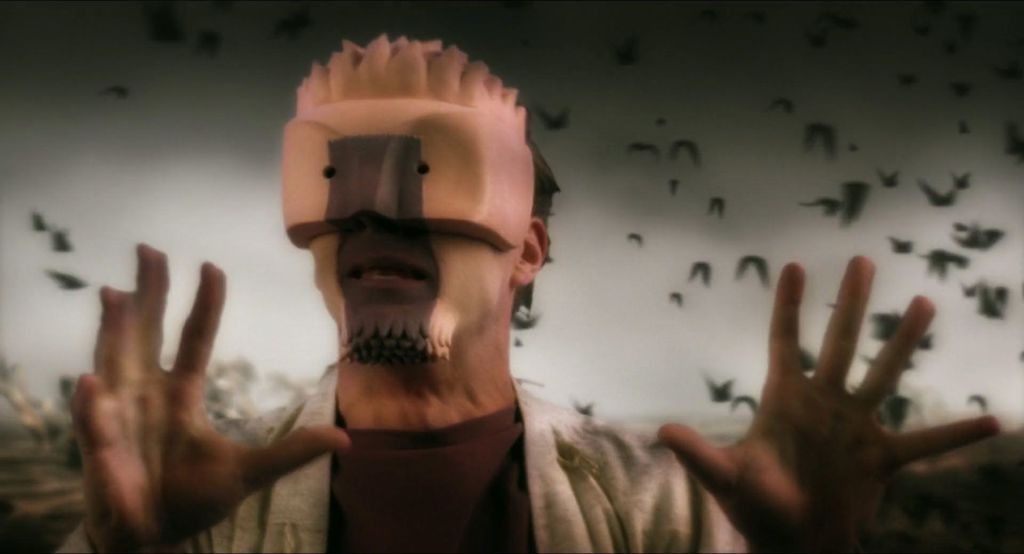
Henson had less success with movies. Brian Henson founded Jim Henson Pictures in 1995 and partnered with Sony for distribution. Their first collaboration, the 1997 film Buddy loosely based on the true story about a gorilla who was raised in the city, was a negatively reviewed flop, and after Sony distributed Muppets from Space (1999) and The Adventures of Elmo in Grouchland (1999), the Henson partnership ended. Jim Henson Pictures’ next film was the comedy Rat (2000) about a man who transforms into a rat, followed by the 2003 sci-fi comedy Good Boy! based on Zeke Richardson’s book Dogs from Outer Space which was largely dismissed by critics for being entertainment aimed strictly at kids. Not even Rainmaker Studios’ talking dog visual effects could save that film due to bad comparisons to the superior work done on Babe. The 2004 family fantasy film Five Children and It, based on the 1902 novel by E. Nesbit, was decently received by those who saw it and it shook the process up by featuring digital puppetry from Jim Henson’s Creature Shop, with most of that budget going towards the creature voiced by Eddie Izzard (aka the “It” in the film’s title). But the dark fantasy MirrorMask (2005) would be Jim Henson Pictures’ last film. Based on a story that screenwriter Neil Gaiman developed alongside director Dave McKean, many critics dismissed the film as visually dazzling but narratively lackluster and despite a small $4 million budget it still managed to bomb. Jim Henson Pictures closed down and went defunct before the film was even released.
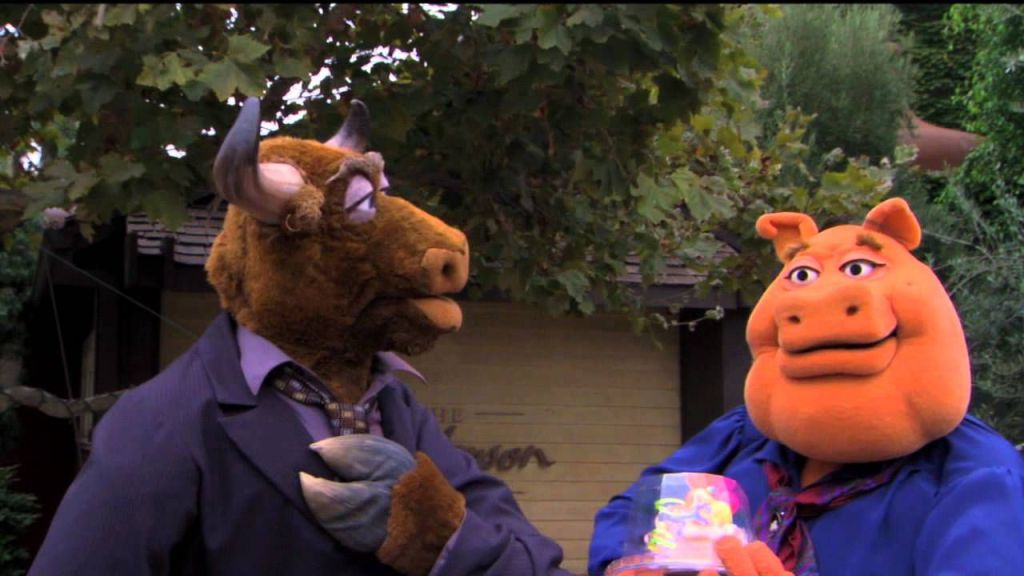
Henson did however find some success on the stage, albeit in an unlikely way. Henson Alternative was an adult-oriented label of The Jim Henson Company founded by Brian Henson that was inspired by his improvisational uncensored shows that he put on for friends. The stage show that originated from that idea was initially titled Jim Henson’s Puppet Improv, and it made its public debut in 2006 at HBO’s U.S. Comedy Arts Festival. This eventually led to a stage show called Puppet Up! which Henson’s puppeteers performed live at famed comedy club the Improv in Hollywood, and it had adult versions and family-friendly versions for audiences. It was renamed Stuffed and Unstrung when it came to New York City with new music, staging and effects, and to distinguish the characters from the Muppets, the characters in these shows were labeled the Miskreant Puppets.
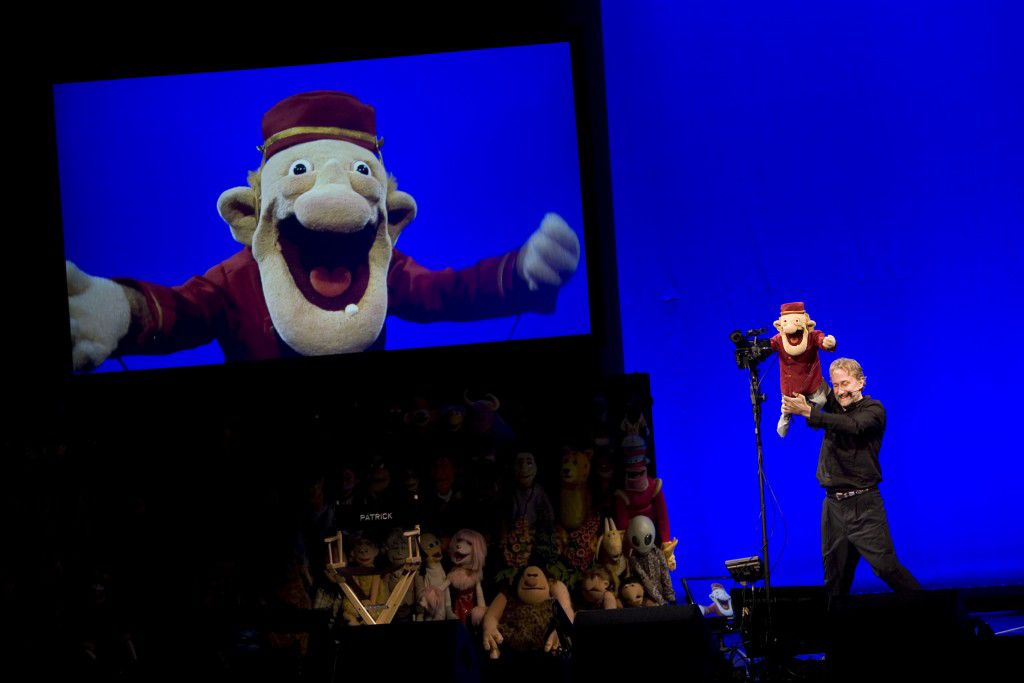
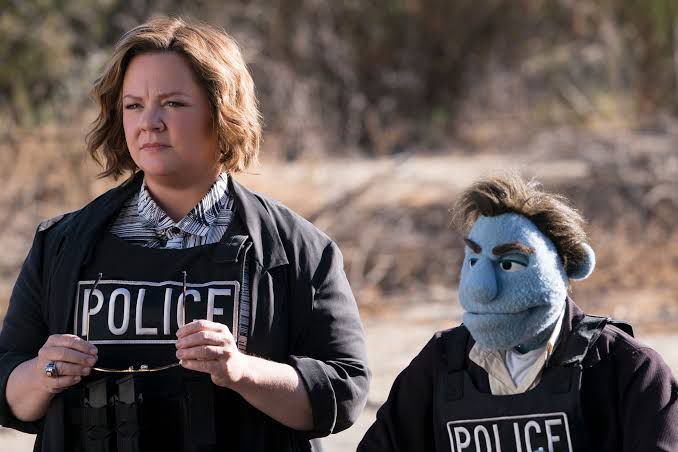
Henson Alternative later co-produced Brian Henson’s R-rated puppet buddy cop comedy The Happytime Murders (2018) starring Melissa McCarthy, although that film received negative reviews and it bombed at the box office. It is seemingly difficult to translate the stage appeal of the Miskreants to screen appeal, including on BBC One’s short-lived That Puppet Game Show (2013-14). Given the Miskreants haven’t appeared much since then, the Henson Company may have gotten the message that most audiences do not like them.
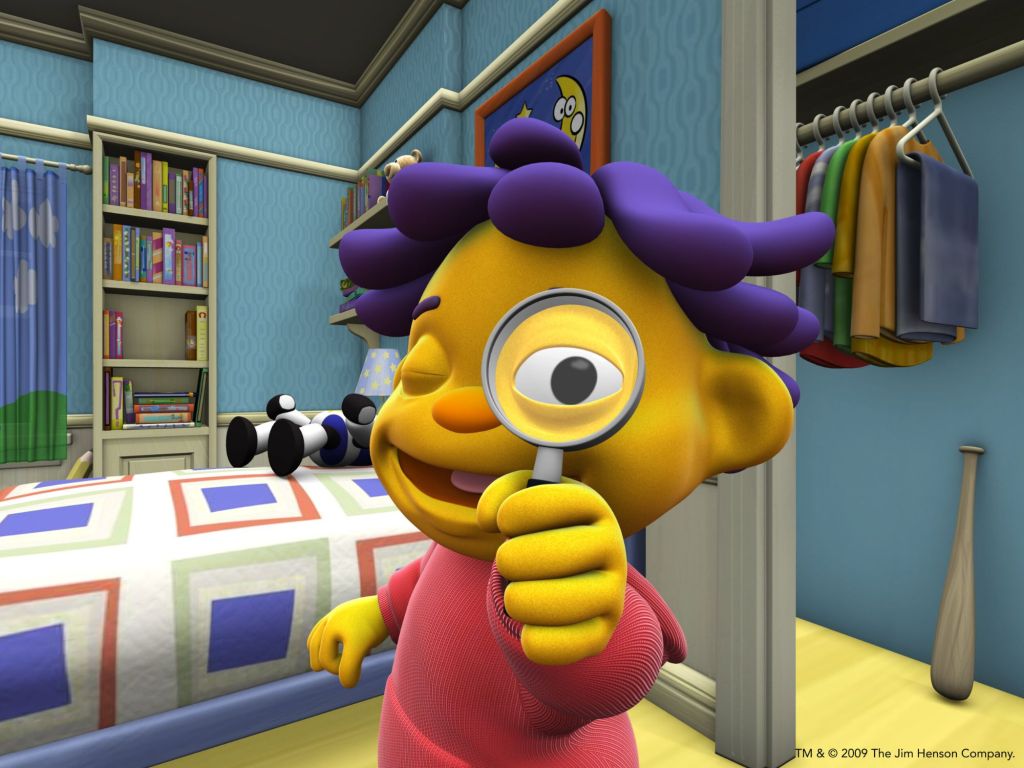
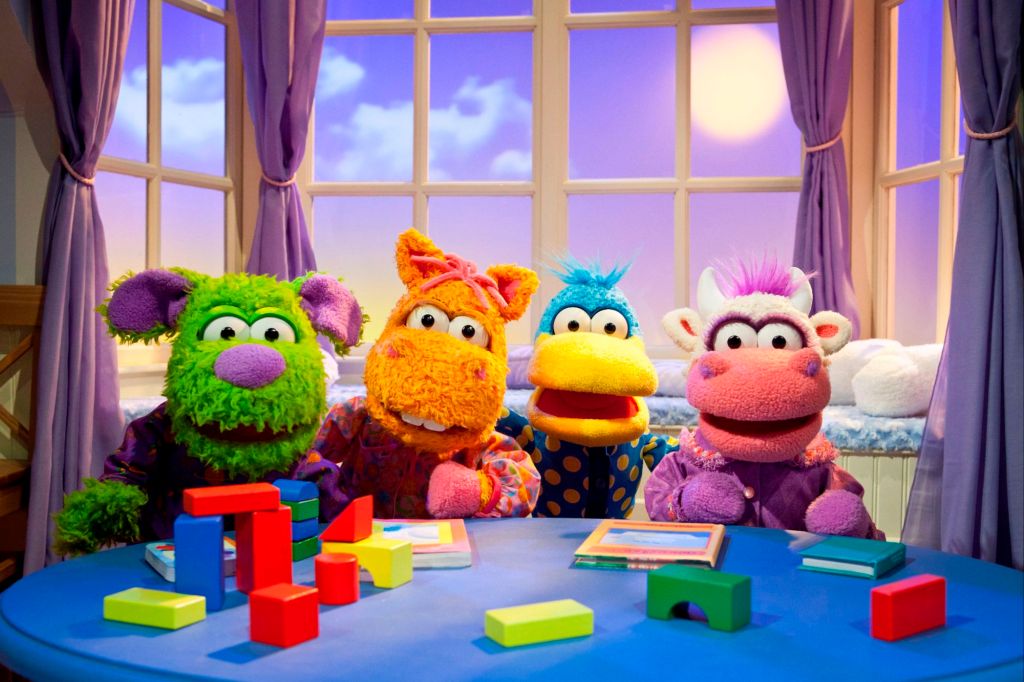
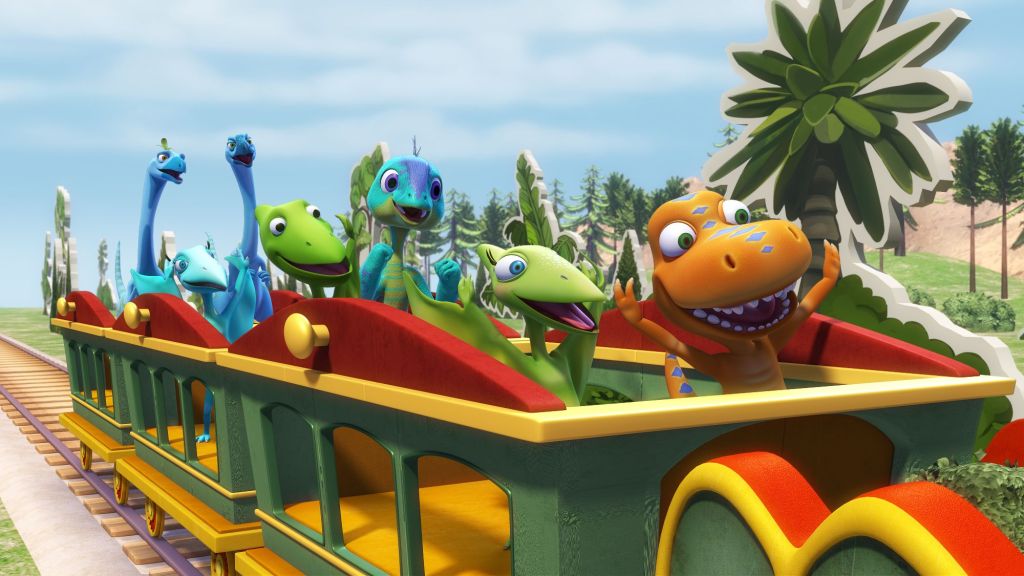
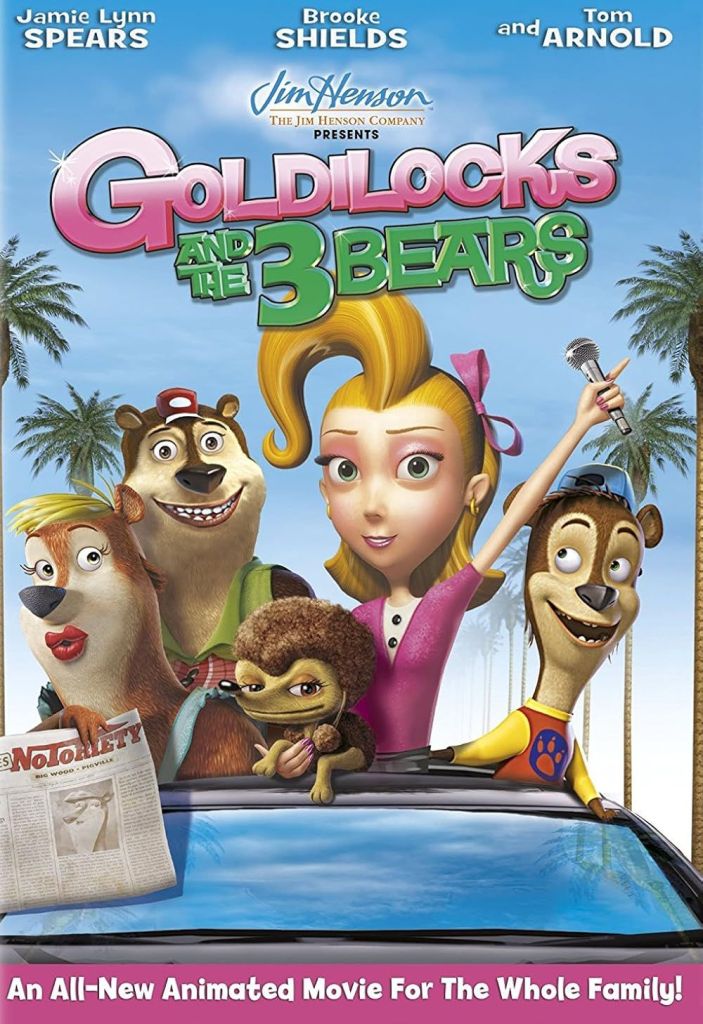
Thankfully children’s entertainment is always there to keep The Jim Henson Company afloat during their rocky periods, because that is by far their most lucrative business avenue. Kids’ shows they produced in the 2000s following The Hoobs include the Australian preschool series Bambaloo (2003-04), the Daytime Emmy-nominated PBS Kids series Sid the Science Kid (2008-13) which utilized digital puppetry through remote-controlled movement and motion capture, the PBS Kids Sprout series Jim Henson’s Pajanimals (2008-13) about four friendly animals named Apollo, Squacky, Sweetpea Sue and Cowbella who spend each episode singing, learning and/or playing right before they go to bed, and Dinosaur Train (2009-20), the hugely popular PBS Kids series from Hey Arnold! creator Craig Bartlett about a young T-rex named Buddy who rides the Dinosaur Train across the planet while passing through magic time tunnels between the Mesozoic, Triassic, Jurassic and Cretaceous periods. This decade also saw the release of a series of straight-to-video animated fairy tales produced by Henson called Unstable Fables, which made their debut in 2008 with 3 Pigs and a Baby, Tortoise vs. Hare and The Goldilocks and the 3 Bears Show.
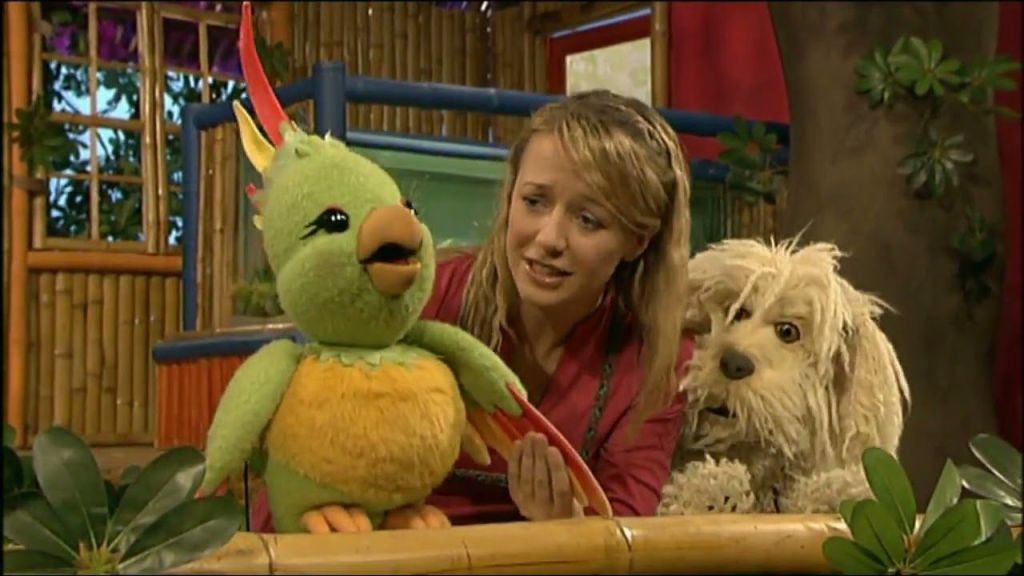
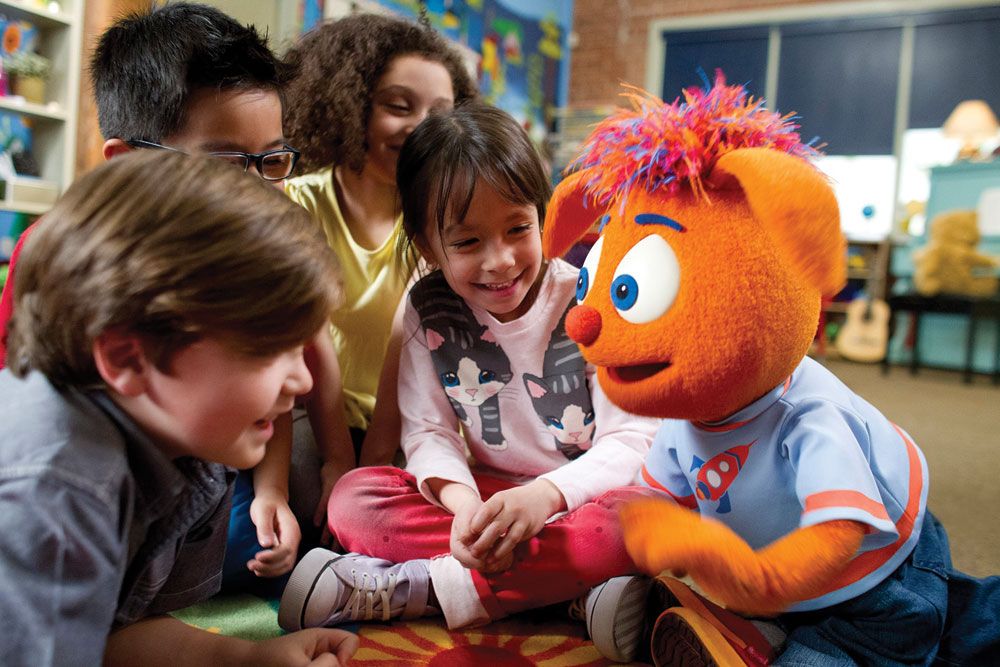
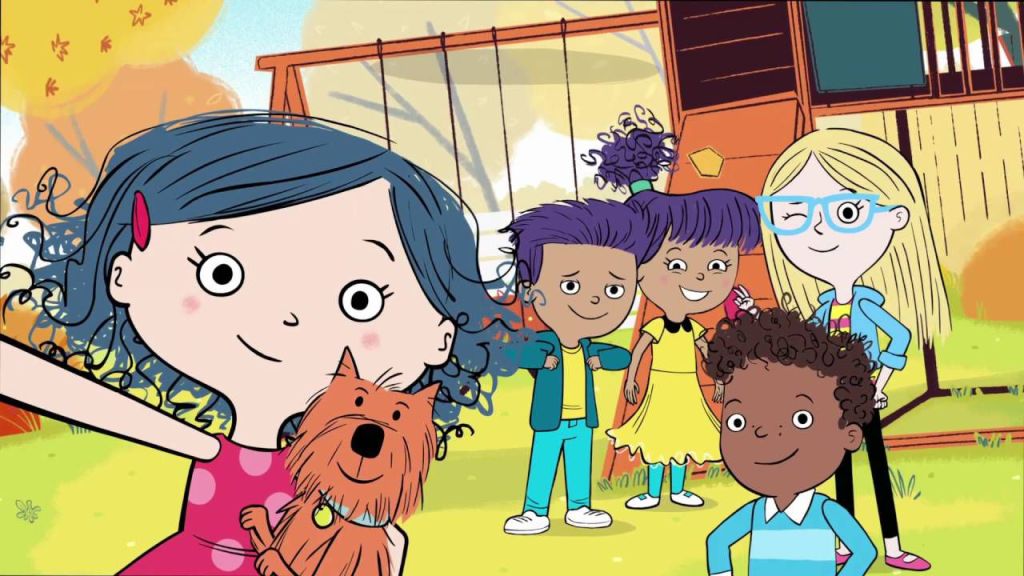
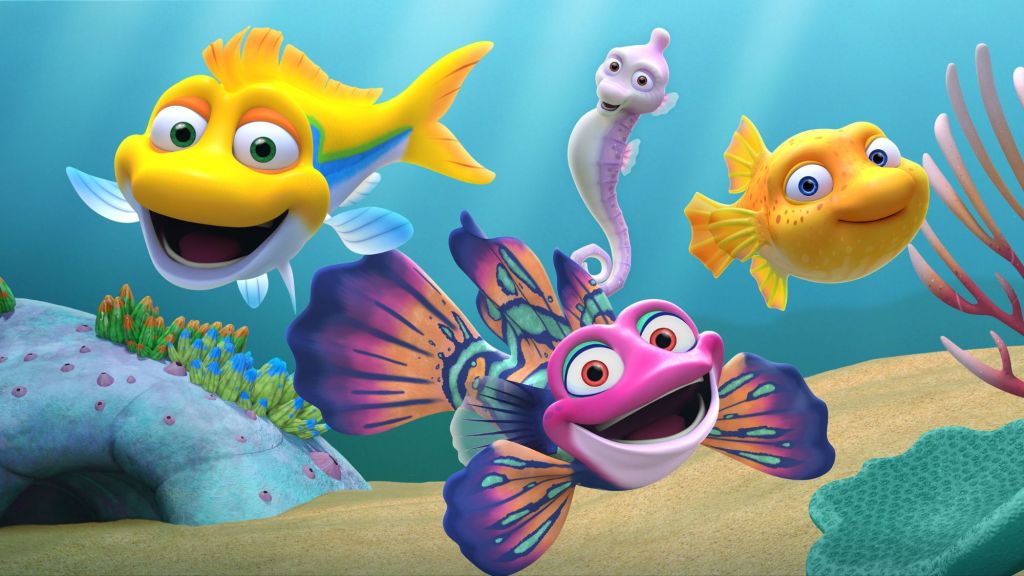
In the 2010s Henson produced the children’s series Me and My Monsters (2010-11), another international collaboration between Australia (Network Ten), Britain (CBBC) and the United States (Nickelodeon) that combined live action and puppetry and centered on an Australian family who moves to the UK and befriends three monsters who are living in their basement. That decade also saw the release of Hi Opie! (2014-15) about a puppet named Opie who becomes the new kid in kindergarten, the Canadian animated series Dot. (2016-18) based on Randi Zuckerberg’s book about a rambunctious 8-year-old named Dot Comet who likes to explore and use technology (her name is a play on “.com”), the educational and musical PBS Kids series Splash and Bubbles (2016-18) about two fish who explore their reef and make new friends, and the Netflix series Word Party (2016-21) about four young animals who help young viewers build their vocabulary and which, just like Sid the Science Kid, is brought to life with digital puppetry.
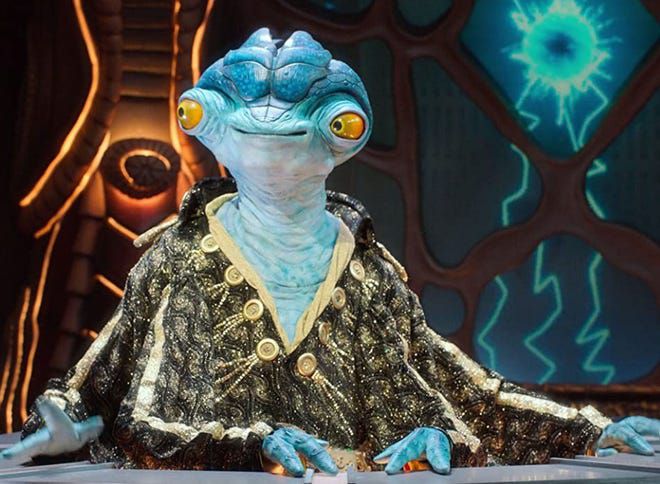
One of Henson’s few attempts at a TV series that aimed above the child demographic was the Disney+ series Earth to Ned (2020-21), an improvisational puppet talk show about an alien TV host named Ned who comes to Planet Earth to interview earthling celebrities (all of whom come onto the show as themselves). It was funny and well-received, but not popular enough for the executives at Disney, who not only cancelled the show but also unceremoniously removed it from Disney+ in 2023 and has now made it impossible to watch. Although Henson did have some success in the streaming space that decade with the Fraggle Rock reboot on Apple TV+, a streaming service where Henson continued to work on the animated series Harriet the Spy (2021-23) and the puppet series Slumberkins (2022).
It’s a safe bet that Henson will continue to work on shows aimed at kids since they seem to have the most luck in that arena, and interestingly enough, Jim Henson also had a more indirect impact on children’s entertainment before he died that had nothing to do with Sesame Street. Back in 1982, British TV producer Peter Orton helped co-found Jim Henson’s international distribution arm Henson International Television alongside Henson and Sophie Turner Laing. Right before Disney was set to acquire The Jim Henson Company in the late eighties, Orton convinced Jim to spin off this distributor as an independent entity, and so in 1989, Orton bought out Henson International Television and re-incorporated it as HIT Communications PLC, better known as the company HIT Entertainment. Afterward HIT became an international distributor for such popular children’s properties as Thomas & Friends, Pingu, Barney, Bob the Builder and Angelina Ballerina until that company ultimately closed down in 2016. But you may have seen their logo before.

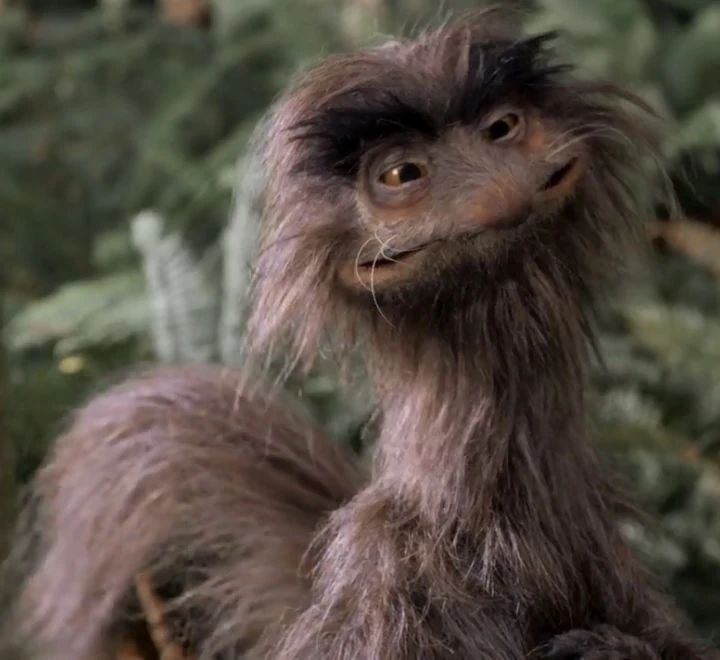
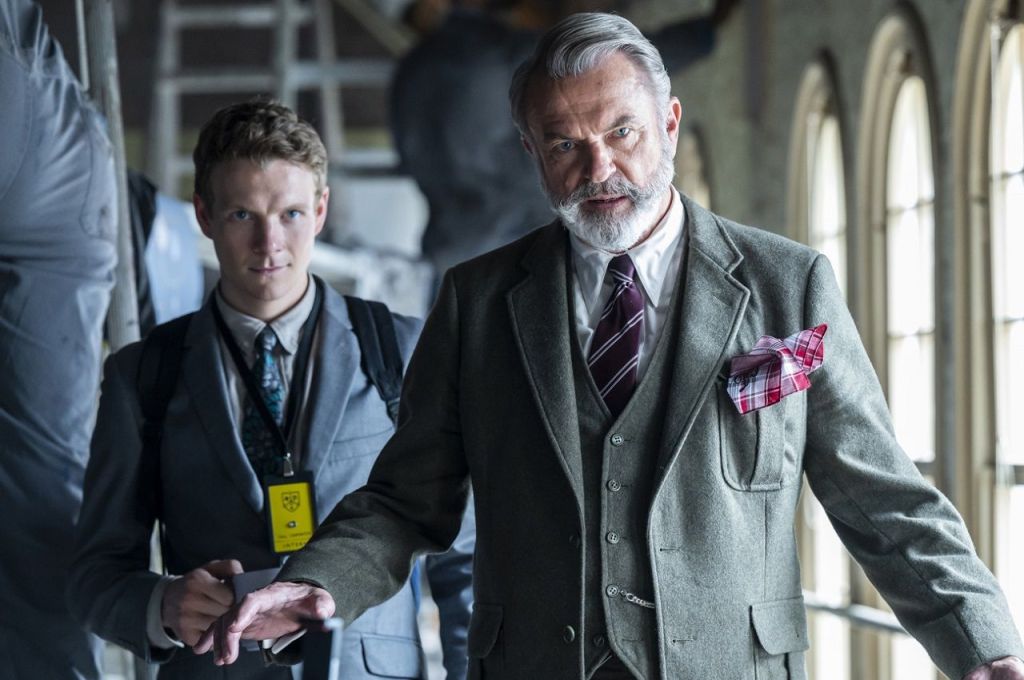
The failure of Jim Henson Pictures did not deter the Hensons from trying their luck at other film projects. Disney’s Alexander and the Terrible, Horrible, No Good, Very Bad Day (2014) based on the 1972 book by Judith Viorst and starring Steve Carell and Jennifer Garner was a co-production between Lisa Henson and Shawn Levy that became a huge hit with family audiences. The following year Henson produced a Lifetime TV movie called Jim Henson’s Turkey Hollow (2015) which is based on a story Jim Henson and Jerry Juhl wrote as a proposed TV special called The Musical Monsters of Turkey Hollow, and some of the company’s old puppet designs for that unmade project were used for this film. Although the reception for the movie itself was decent if not remarkable. Plus Henson still produces live-action fantasy, including The Portable Door (2023), an Australian film based on the 2003 novel by Tom Holt about a family firm of sorcerers in London.

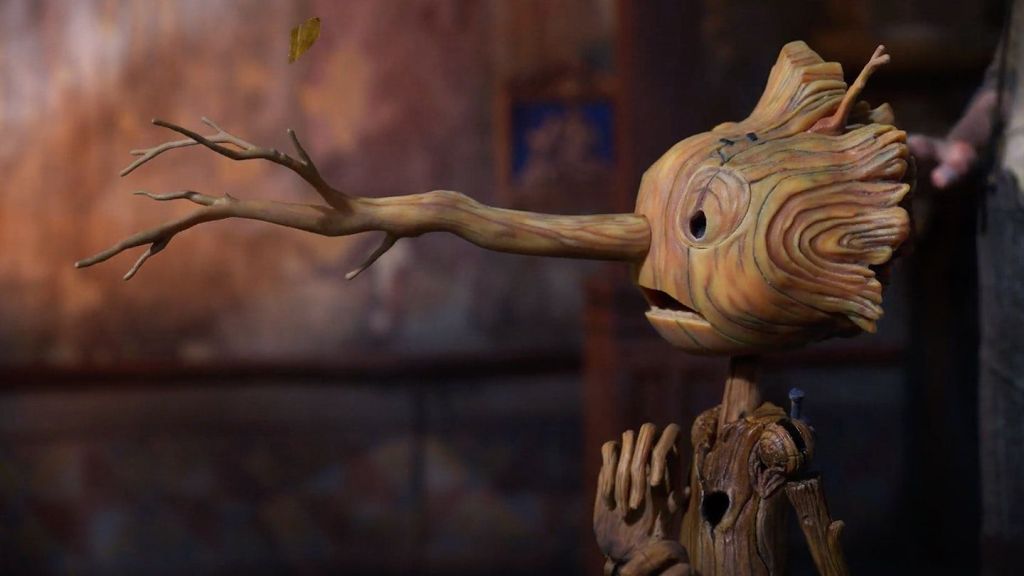
Henson also continues to work in animation, with their two most recent theatrical collaborations being with Sony Pictures Animation on the 2017 biblical film The Star and with Guillermo del Toro and ShadowMachine on Guillermo del Toro’s Pinocchio (2022), the widely acclaimed Oscar-winning stop-motion animated adaptation of the 1883 children’s novel by Carlo Collodi which, appropriately enough, tells a story about a puppet coming to life. Del Toro even plans to work with The Jim Henson Company again on a stop-motion-animated adaptation of Kazuo Ishiguro’s novel The Buried Giant as well, so maybe Guillermo del Toro/Jim Henson collaborations will become a regular thing in the near future.
Perhaps the thing about Jim Henson the company that is most similar to Jim Henson the person is the versatility and passion for innovation. If you look at this studio’s filmography, it is filled with things that are not the most critically acclaimed or commercially appealing things on the planet. But they are often risky ideas that feel like they are made by people who enjoy creating art, building worlds, trying new things and who occasionally strike gold. This is why I hope that no one ever buys this company and that they remain independently run and operated by the Henson family, because if a bigger company buys it, we could risk losing one of the few film studios left in the world that actually feels artistically driven rather than financially driven. Especially since they sold the rights to the Muppets and Bear in the Big Blue House to Disney for $75 million in 2004, both of which were two of their biggest properties, almost as if their huge popularity was a detriment to the way that the Hensons wanted to run their company. Right now Disney is in charge of preserving the legacy of Henson’s Muppets and The Jim Henson Company is seemingly in charge of preserving the legacy of Jim Henson’s humanistic and artistically bold side, and I’m interested in seeing if both will be able to deliver with Henson’s spirit intact.