
One of the many great things Jim Henson did during his lifetime happened in 1982 when he established an organization called the Henson Foundation (known today as the Jim Henson Foundation) as a way to support puppetry in the United States by funding puppet theaters and offering grants to puppeteers, something the organization has done over a thousand times to date, with innovative Broadway puppeteer Basil Twist and The Lion King director Julie Taymor among the recipients. The foundation also compiles a list of puppet shows and puppet-themed festivals and exhibits around the world which it shares with the public via newsletter. Jim’s daughter Cheryl Henson has served as the foundation’s president ever since 1992.
The year after Jim Henson directed The Great Muppet Caper to positive reviews, he went in a completely different direction with his genre and subject matter when he decided to make The Dark Crystal (1982). Henson came up with the idea for the film when he saw a Leonard B. Lubin illustration in a Lewis Carroll poetry book in the seventies and it sparked Henson’s imagination and his desire to create a dark fairy tale that evoked the work of the Brothers Grimm.
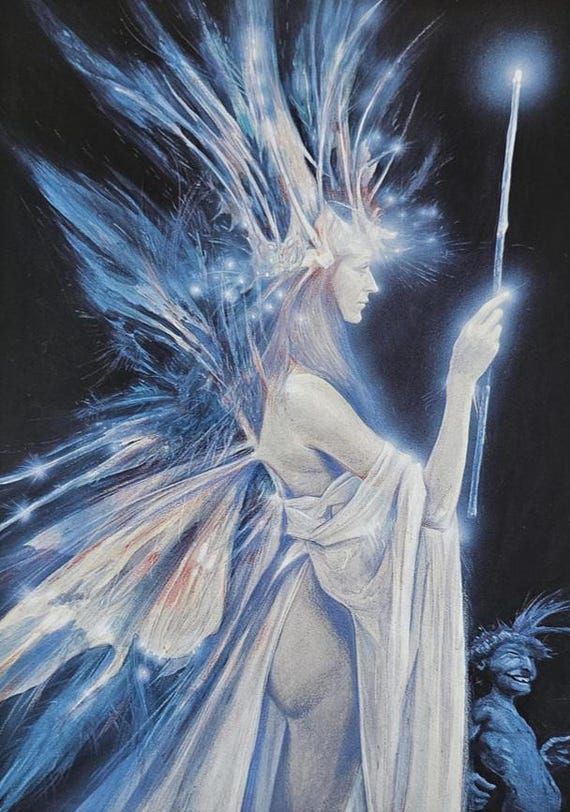
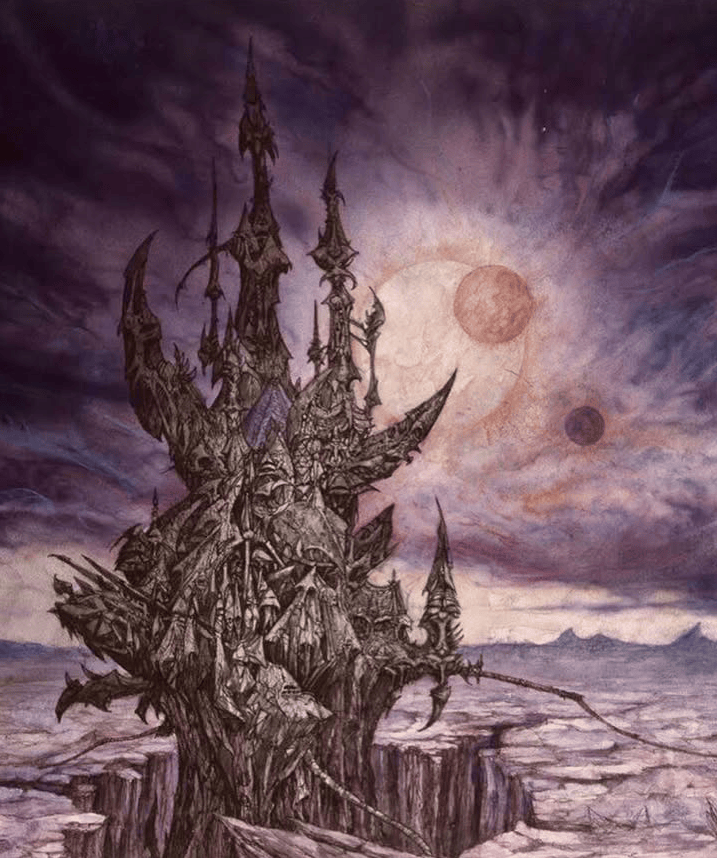
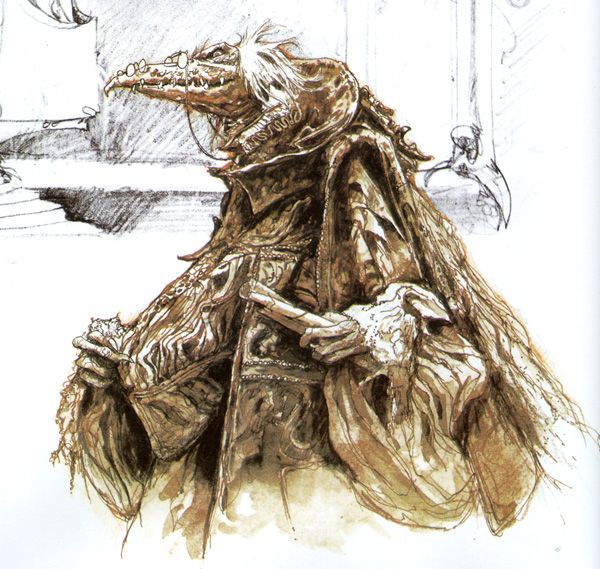
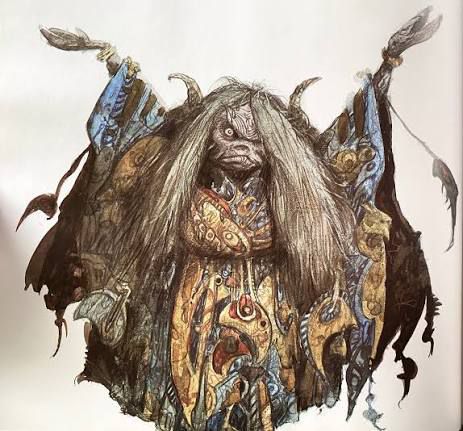
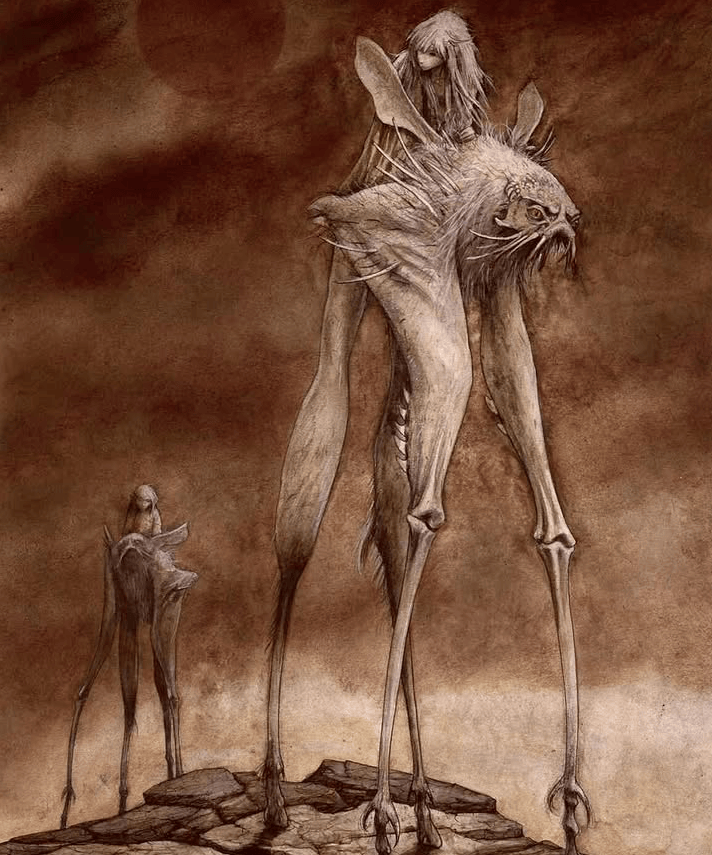
The world of this movie was designed by acclaimed fantasy illustrator Brian Froud who was best known for the 1978 compendium of faerie mythology called Faeries. The tale of the Gelflings and the Skeksis featured some of Henson’s most elaborate puppetry and animatronics of the time and was probably Henson’s most ambitious story, attempting something serious without any Muppet-style humor. Mind you this movie was made two years after The Empire Strikes Back was released, for which George Lucas asked Jim Henson to puppeteer and voice Yoda. Frank Oz ended up being the one who brought Yoda to life and he and Mark Hamill did such a good job selling the believability of that character that it wouldn’t surprise me if that contributed to Henson’s belief that it was possible for a serious story to be sold by puppets.
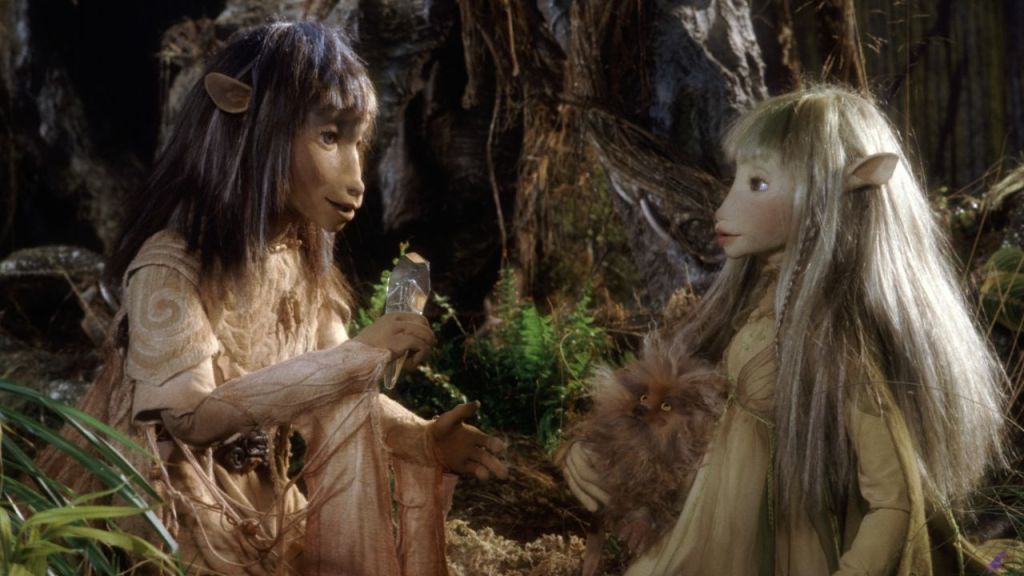
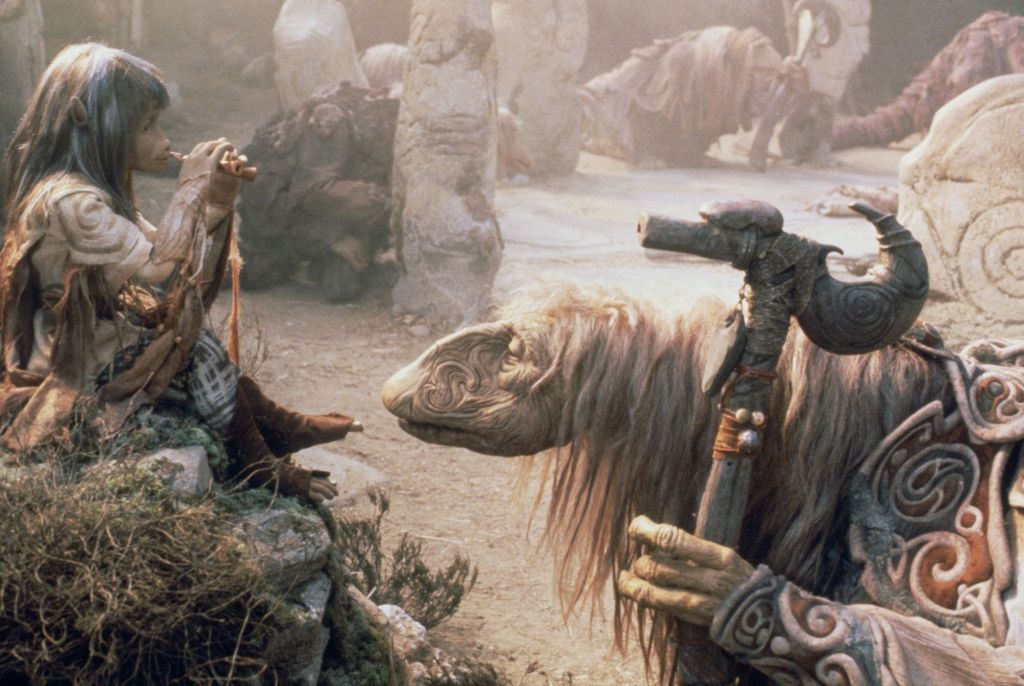
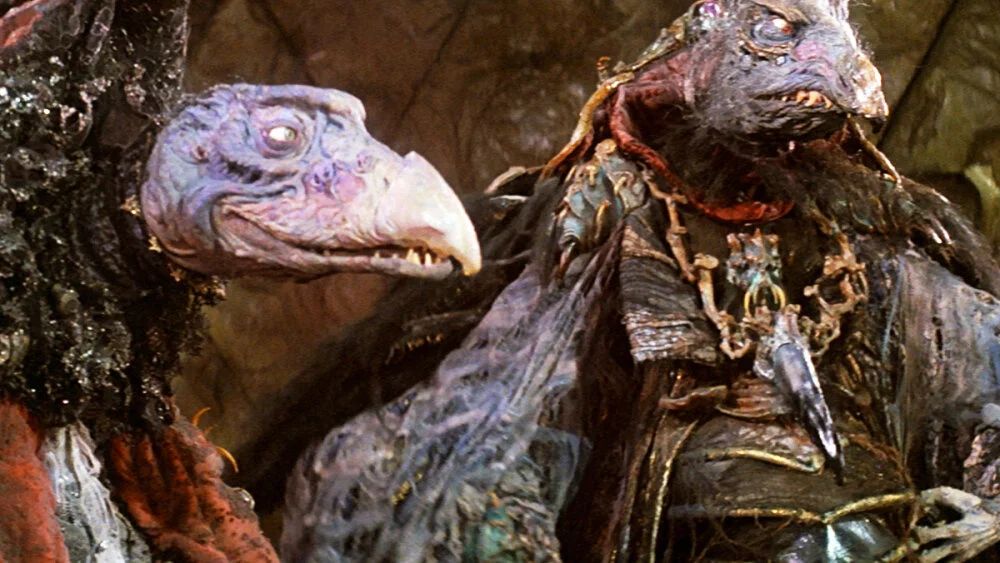
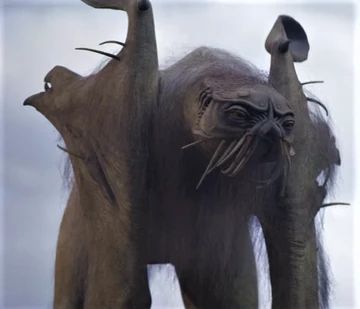
Because of its radical and experimental presentation as a live-action story with no human actors on screen and perhaps also because of how different it was from the Muppets, The Dark Crystal received a mixed reception from the public, although it ultimately appealed to enough people to make a profit and critics have grown to appreciate it more and more overtime, despite many of them initially calling the film charmless and more visually impressive than narratively engaging. It also has a big cult following among fantasy aficionados and many people of the George Lucas generation. In 2019, a prequel series called The Dark Crystal: Age of Resistance came out on Netflix to positive reviews and it’s a surprisingly good show that you can tell was made by fans of the original movie as well as one of the few puppet dramas made by a mainstream studio.
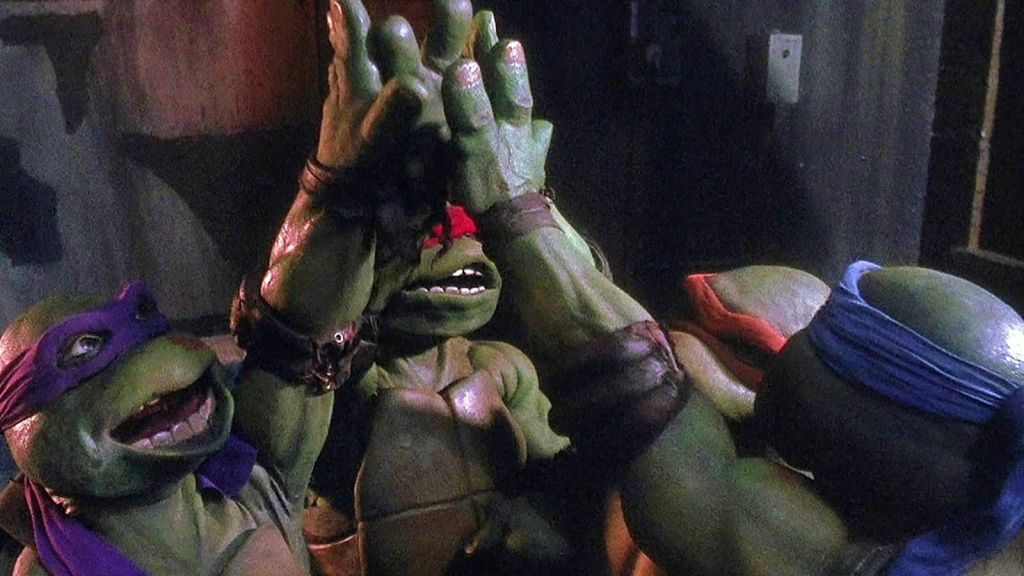
The puppetry, animatronics and effects company Jim Henson’s Creature Shop was actually founded in London in 1979 in partnership with Brian Froud specifically for the purpose of creating The Dark Crystal, and the workshop would later be employed in many other Jim Henson productions in the following decades as well as non-Jim Henson productions like Teenage Mutant Ninja Turtles (1990), The Flintstones (1994), Babe (1995), 101 Dalmatians (1996), The Fifth Element (1997), George of the Jungle (1997), Alice in Wonderland (1999), Stuart Little 2 (2002), The Hitchhiker’s Guide to the Galaxy (2005) and Where the Wild Things Are (2009).
Henson had better luck with audiences on television a year later when he created one of his most popular TV shows Fraggle Rock. An international collaboration between Canada, the UK and the United States. The show took place in a secret society of tiny creatures called Fraggles hidden in a wall inside the home of a human. The musical fantasy series was Henson’s attempt at a silly, high-energy and appealing show that was possible for audiences of all ages to enjoy, and the writers behind the series used the Fraggles to tell stories about serious social, political and personal issues that many viewers could identify with.
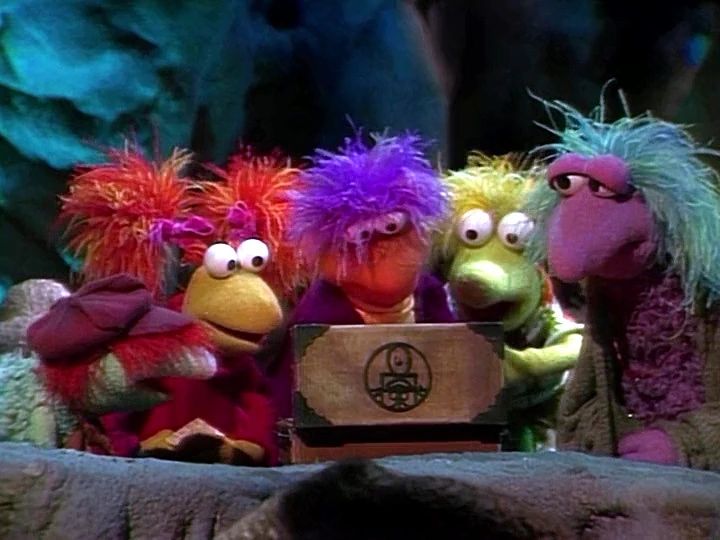
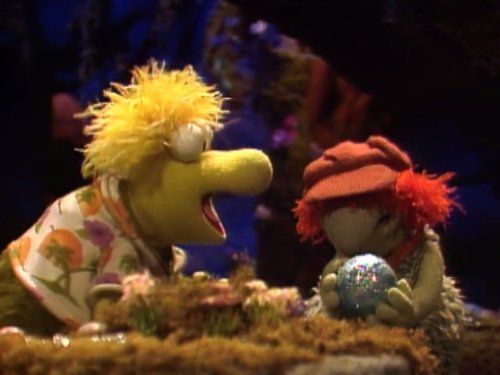
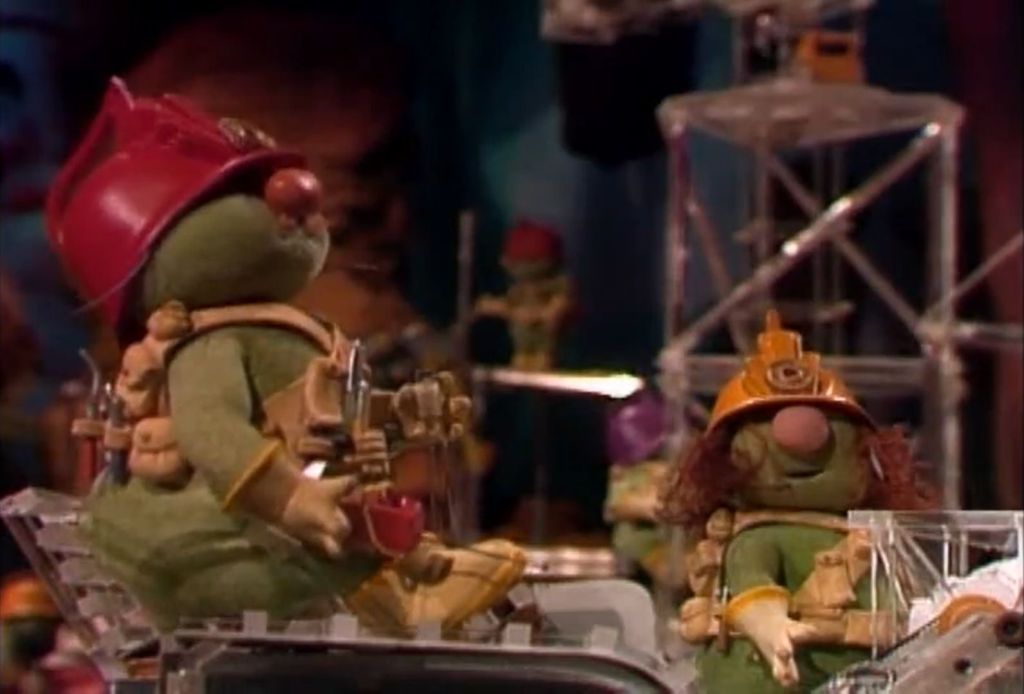
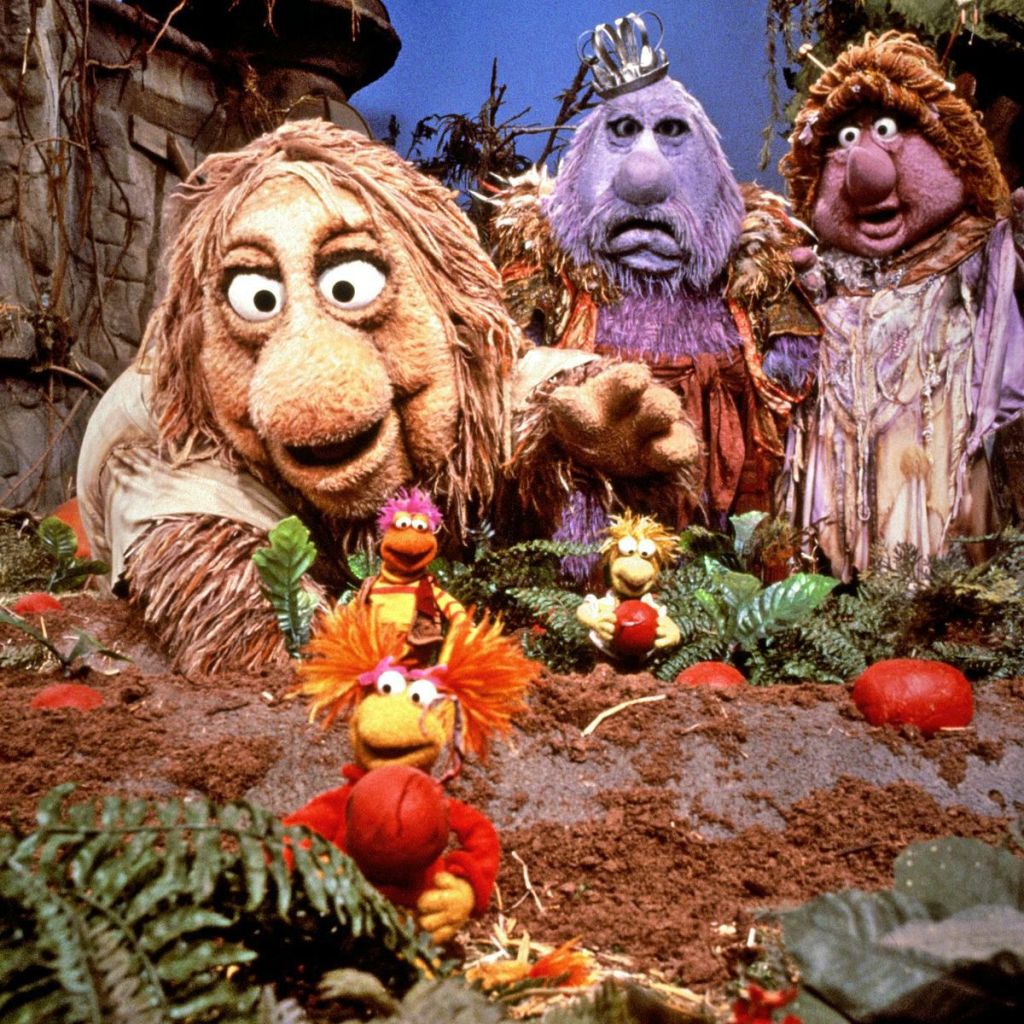
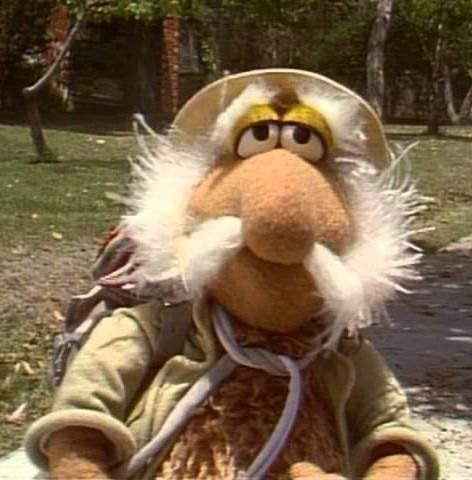
Henson’s biggest hope for the show was that it would create world peace, and for such an impossible-sounding goal, it was not a bad attempt. It ran for five seasons from 1983 to 1987 and was popular enough that it spawned an animated version in 1987 that aired for a single season on NBC as well as a revival on Apple TV+ called Fraggle Rock: Back to the Rock that ran from 2022 to 2025.
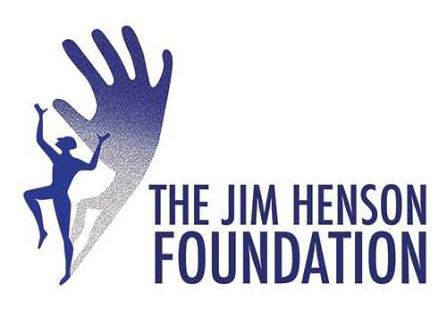
Jim Henson made one more attempt at directing a fantasy film in the eighties. Labyrinth (1986) originated from Henson and Froud’s desire to collaborate for a second time following the fun they had making The Dark Crystal as well as Froud’s knowledge of goblin lore, with goblins’ tendency to steal babies being the seed of the film’s plot, which told the story of a teenage girl named Sarah whose baby brother is kidnapped by a goblin king. In order to reach her brother before he gets turned into a goblin, the goblin king forces Sarah to navigate a labyrinth in the middle of a wasteland. When Jim Henson was casting the actress who would play the lead role of Sarah, everyone from Sarah Jessica Parker to Marisa Tomei to Jane Krakowski auditioned, but Henson chose Jennifer Connelly because he believed she had the versatility to sell both girlhood and womanhood, which made sense for a story about a girl who grows more mature as the film’s plot advances.
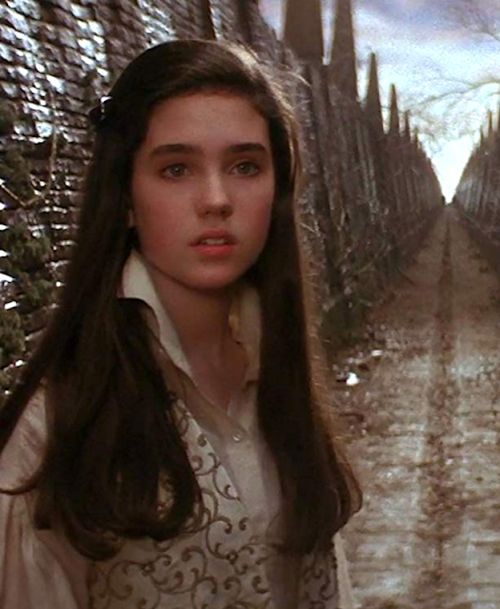
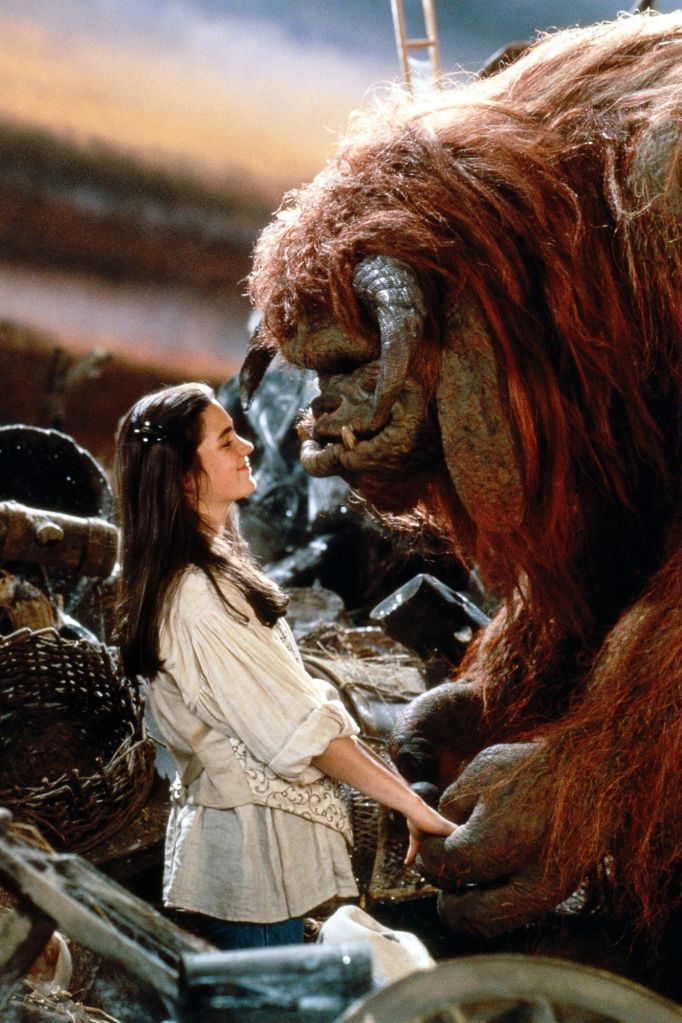
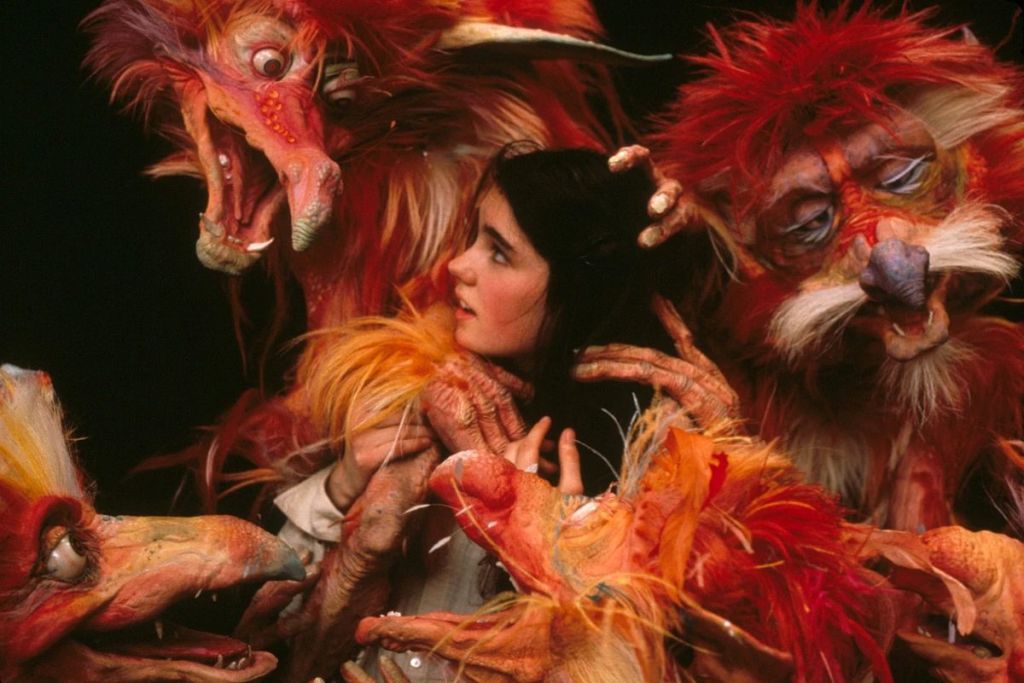
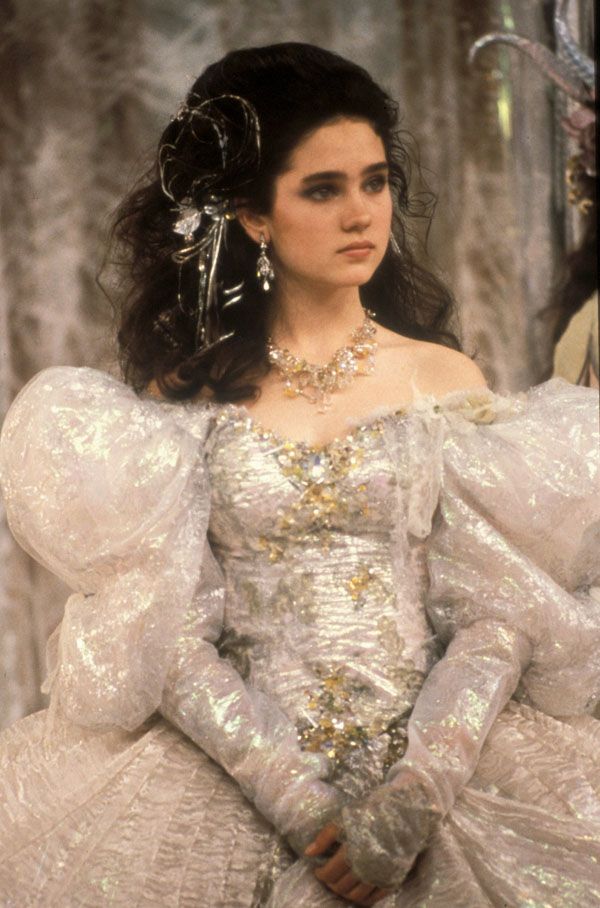
Henson wanted Labyrinth to be less dark and heavy than The Dark Crystal and more accessible to audiences, and he collaborated with multiple people on the final script, including Monty Python alum Terry Jones who added a lot of the script’s humor (as well as some dark elements because this is Terry Jones we’re talking about), Elaine May who added humanity to the characters, and executive producer George Lucas who helped redraft the script following the casting of David Bowie as Jareth the goblin king. A role that Mick Jagger, Michael Jackson, Prince and Sting were among the musicians considered for before David Bowie signed on, agreeing to be in the movie because he found the script more heartfelt than typical special effects movies.
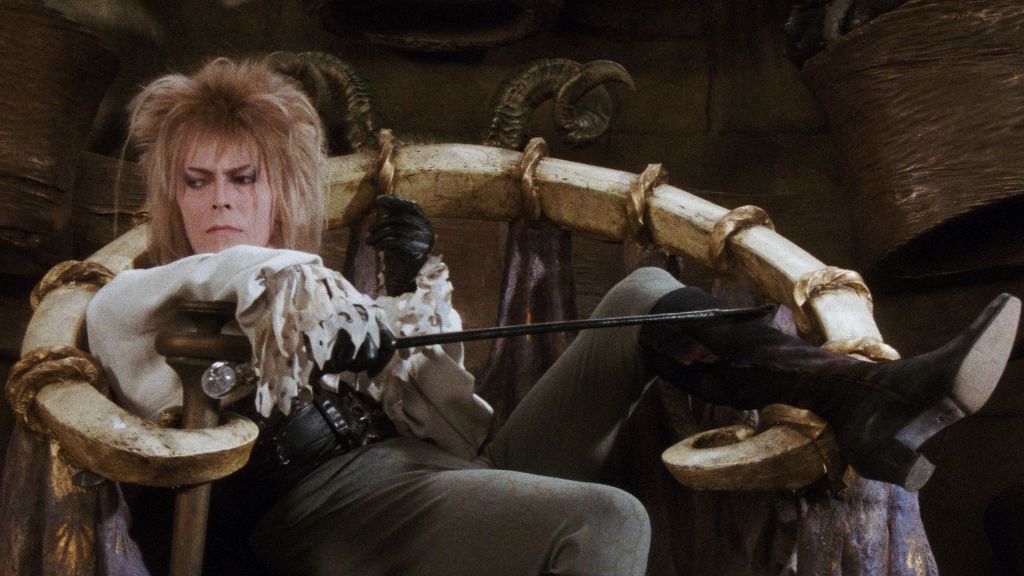
Just like with The Dark Crystal, the reception towards Labyrinth from critics was mixed with many praising its imaginative story and visuals and deriding its lacking depth and characterizations. It was not successful at the box office and it would be Henson’s final film as director, but the film does have a cult following and many people still adore it to this day. The Jim Henson Company is even currently developing a possible sequel.
A year after Labyrinth was released, Henson combined live actors and puppets again in the anthology fantasy series The Storyteller (1987) which adapted a variety of European folk tales to the screen. Henson came up with the idea for the show when the music videos he saw on MTV and VH1 inspired him to tell classic stories with a similarly striking visual flare.
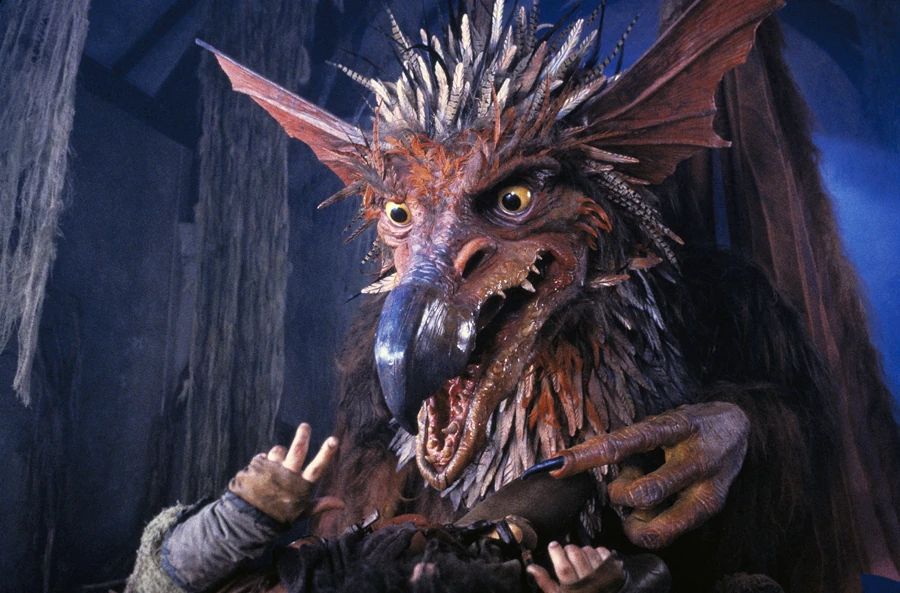
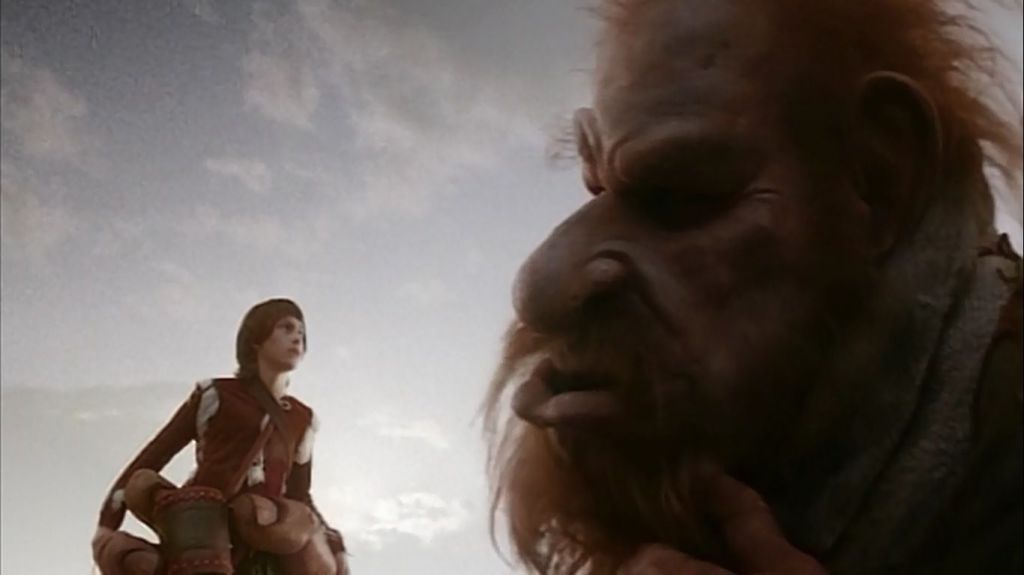
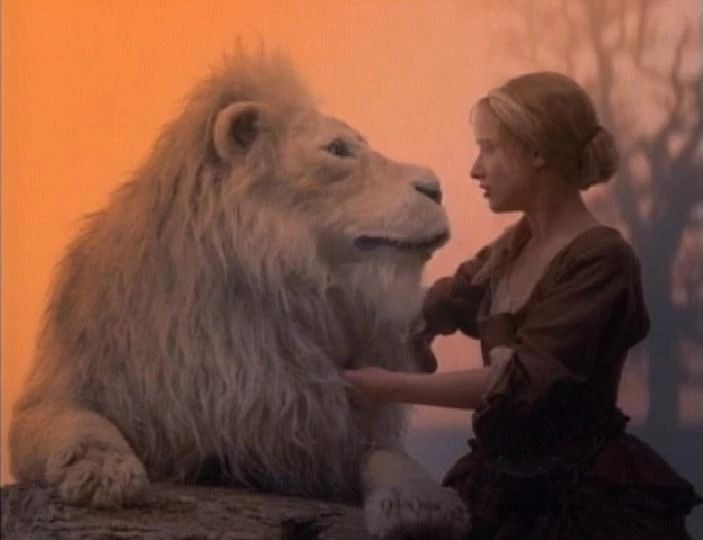
The series won an Emmy in its first year for Outstanding Children’s Program and later a BAFTA in the same category. It also had a four-episode follow-up series in 1991 called The Storyteller: Greek Myths. Although some episodes of the 1987 series didn’t even have a chance to air before it got cancelled. Fortunately some of the unaired segments appeared instead on the 1989 NBC series The Jim Henson Hour, a series produced as a showcase for Henson’s puppetry that was modeled after Walt Disney Presents with Henson even sometimes appearing on camera. The Muppets even had their own segment on the show called MuppeTelevision, in which the Muppets ran a cable network instead of a theater, with celebrity guest stars intact. Although low ratings led to an early cancellation of this series the same year it premiered.
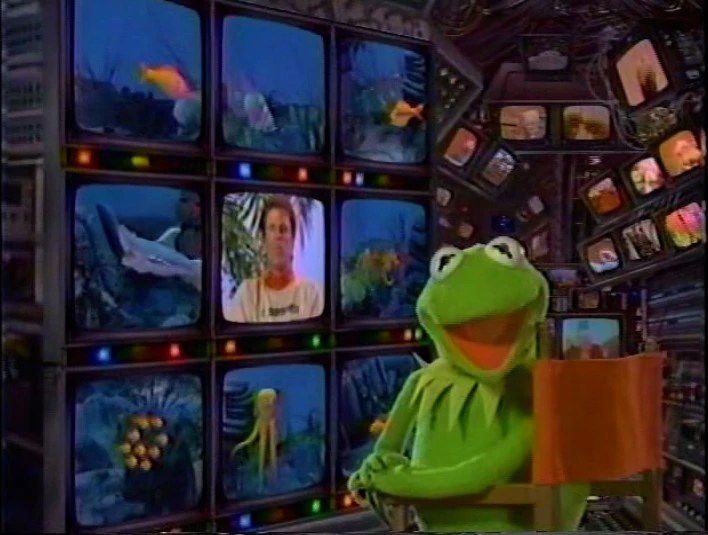
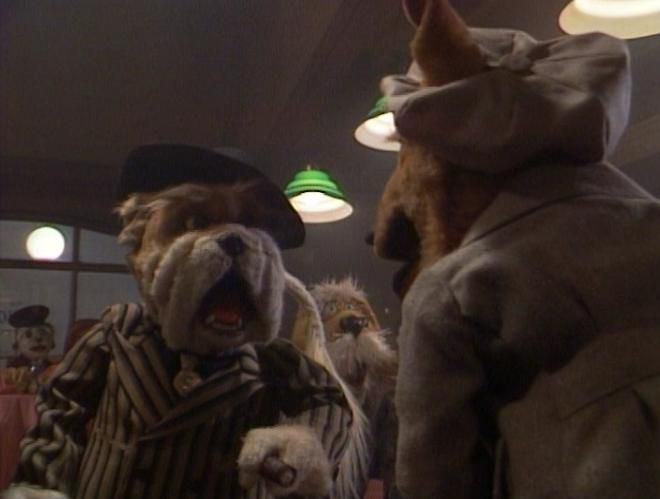
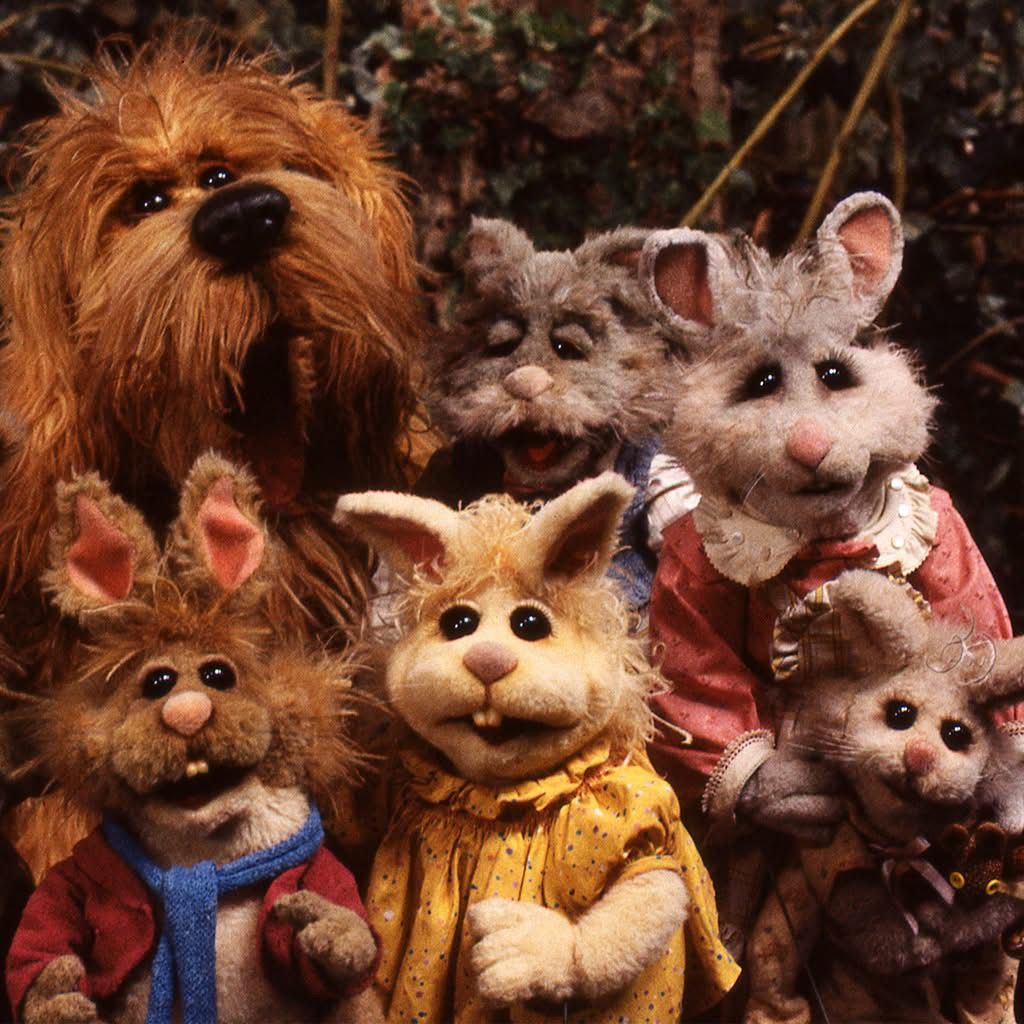
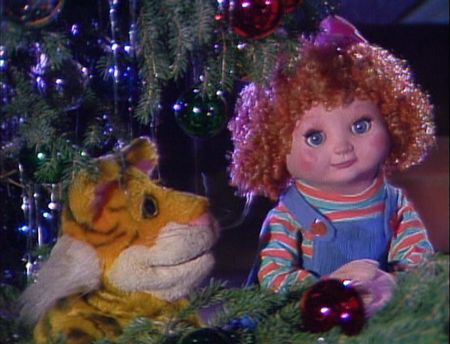
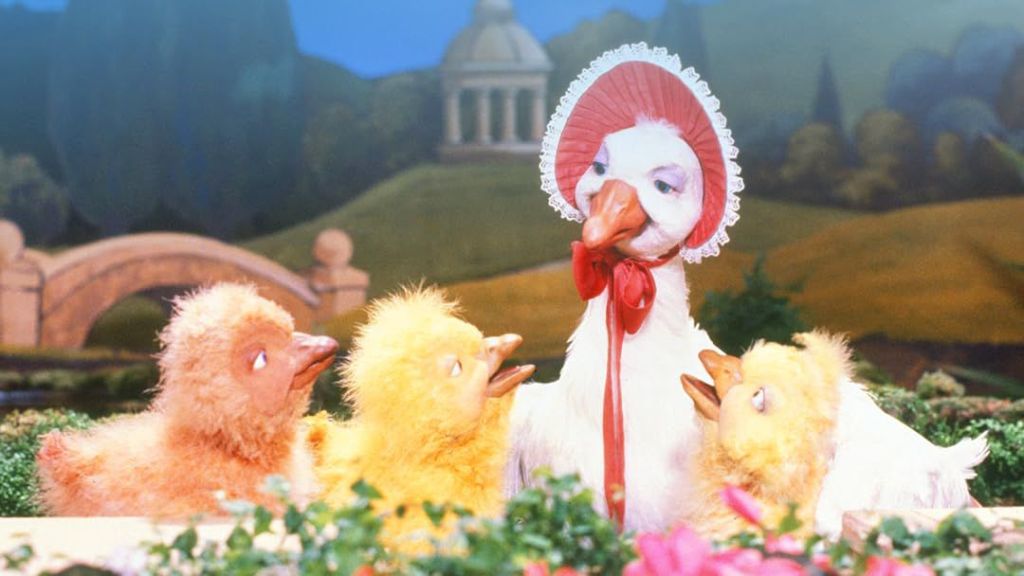
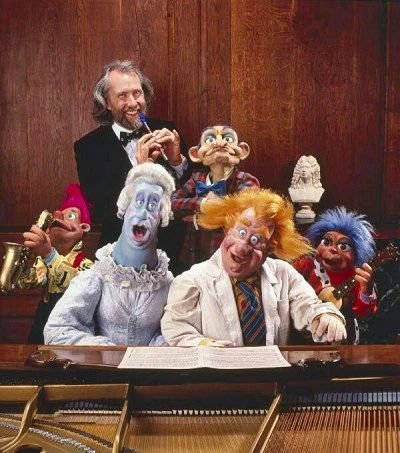
Other things Jim Henson and his company worked on during this period include the theatrical film Sesame Street Presents: Follow That Bird (1985), HBO’s 1986 Easter special The Tale of the Bunny Picnic which Henson produced, co-directed and starred in and which featured the screen debut of Bean Bunny, and ABC’s Christmas special The Christmas Toy (1986), which Henson produced and starred in (as the voice of narrator Kermit the Frog) and which later inspired the 1993 TV series Secret Life of Toys. The Daytime Emmy Award-winning Jim Henson’s Mother Goose Stories (1988-90) had a successful three-season run on ITV in the UK and on The Disney Channel in the U.S. and the following year Henson produced the British musical children’s show The Ghost of Faffner Hall which ran in 1989 for 13 episodes on ITV and revolved around a music conservatory haunted by music-loving ghosts and run by a music-hating proprietor.
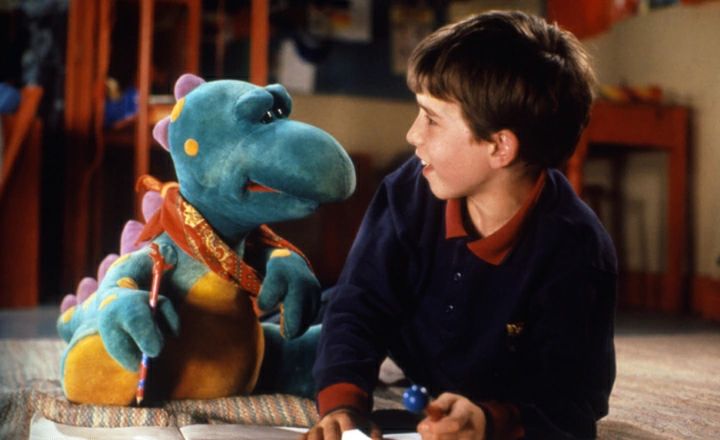
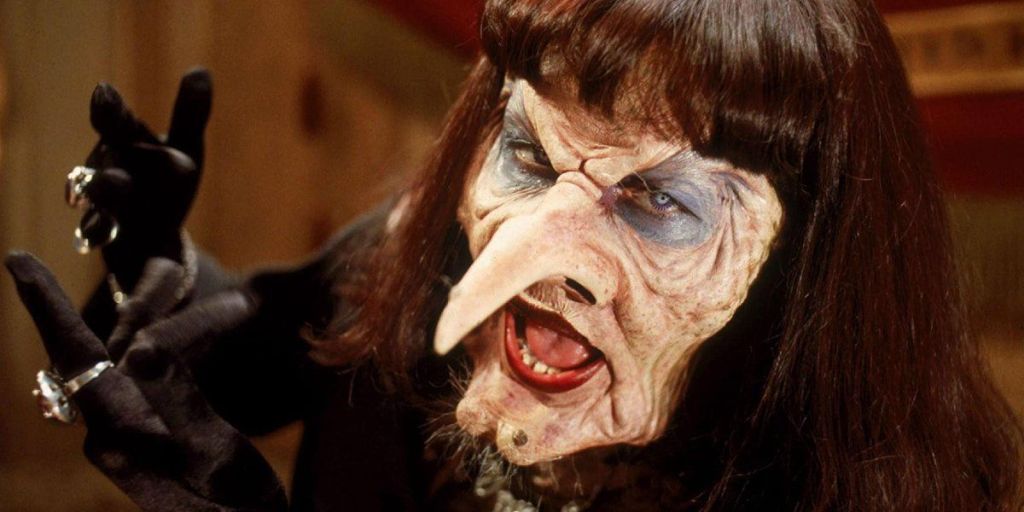
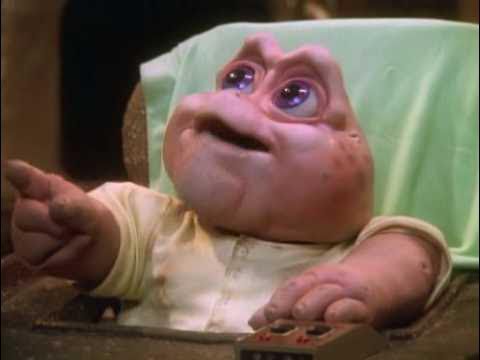
Henson continued working on movies and TV series into the nineties, executive producing The Witches (1990), an adaptation of Roald Dahl’s book that received good reviews but poor box office, and developing the ABC sitcom Dinosaurs, which was conceived by Henson in 1988 back when no network wanted to buy it, until The Simpsons proved to be an unlikely and subversive hit that shook up the sitcom formula on FOX and inspired ABC to take a similar gamble. The puppetry, animatronics and set design for that show took ALF‘s spot as the most technically elaborate sitcom of its day, and thankfully it was also solidly entertaining. Although it was so expensive that ABC was only willing to go four seasons with it, running from 1991 to 1994.
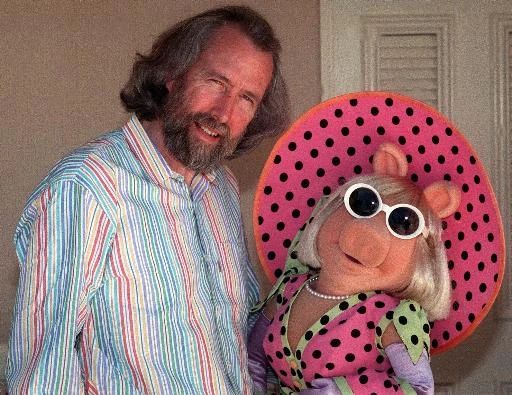
These movies and TV series were some of Henson’s final productions before he died from a streptococcal infection in 1990. The CBS special The Muppets Celebrate Jim Henson (1990) served as a televised memorial for Henson and control of the Jim Henson Company fell into the hands of the Henson family, with Jim’s son Brian Henson and daughter Lisa Henson being the primary ones taking the reins. In my next and final article in this series, I will highlight the history of The Jim Henson Company during this period and how it has evolved under Brian and Lisa’s leadership.

