
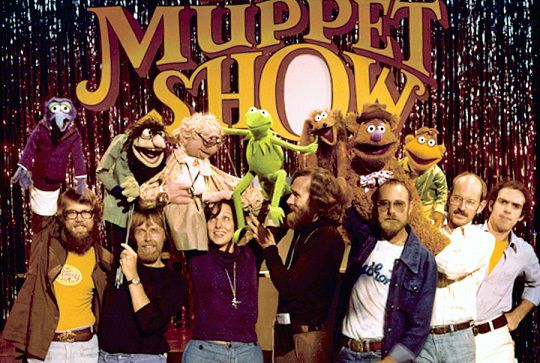
By the 1970s, the close-knit team of puppeteers that formed with Jim Henson, Jerry Juhl and Frank Oz would be joined by Richard Hunt, Carroll Spinney, Fran Brill, Jerry Nelson, Dave Goelz and Steve Whitmire. Richard Hunt (puppeteer for Scooter, Statler, Janice and Sweetums), was a local children’s puppeteer from the Bronx who got hired to work on Sesame Street after cold-calling Henson and auditioning for the job. Carroll Spinney (Big Bird, Oscar the Grouch) is an artist, puppeteer, costumed performer and Bozo the Clown alum from Massachusetts who first met Jim Henson in 1962 but didn’t become a full-time Muppeteer until Sesame Street came along. Fran Brill (Prairie Dawn, Zoe) was a Pennsylvania theater alum whose first puppeteering job was on Sesame Street. Jerry Nelson (Count von Count, Mr. Snuffleupagus, Robin, Floyd, Lew Zealand, Crazy Harry, Emmet Otter, Gobo Fraggle) was an Oklahoma native and puppeteer since childhood first hired for Sesame Street. Dave Goelz (Gonzo, Dr. Bunsen, Zoot, Beauregard, Boober Fraggle) was an L.A. puppet builder turned puppeteer for Henson who was first offered a principal role on The Muppet Show. Steve Whitmire (Rizzo the Rat, Lips, Wembley Fraggle, Bean Bunny) was a theme park puppeteer from Atlanta, Georgia who was hired as a performer on The Muppet Show mid-run. All are talented performers who have not only become some of Henson’s primary Muppeteers ever since joining Sesame Street and The Muppet Show but have also become well-respected titans in the puppeteering world.
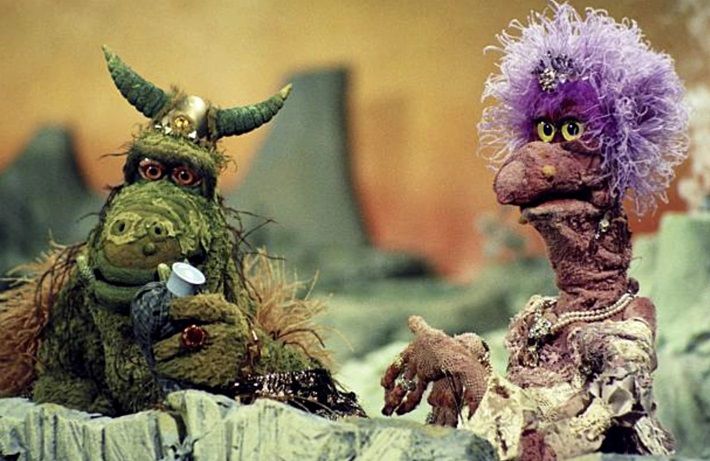
After landing regular gigs on Sesame Street, the Muppeteers would join the first season of Saturday Night Live with the recurring Land of Gorch sketch. But while Jim Henson and SNL creator Lorne Michaels had a mutual respect for the talents of the other, pretty much everyone agreed that the Muppets were a poor fit with SNL‘s comedic sensibility. Every time the Land of Gorch sketch showed up, it stood out from the other sketches, but in a bad way.
Henson departed SNL after the first season and began pitching his own Muppet variety show, but all the broadcast networks turned him down because they didn’t have faith that a weekly puppet show could work in Prime Time. Henson produced and reworked pilots for the show a couple of times but no one would bite, so instead Henson went abroad to see if he could sell the show in the United Kingdom. British impresario Lew Grade bought the idea and agreed to syndicate it worldwide. The series would be called The Muppet Show and it would be hosted by Kermit the Frog, who spends each episode trying to put on a stage show at the Muppet Theater with a celebrity guest, but something always goes wrong whenever the chaotic Muppets get involved.
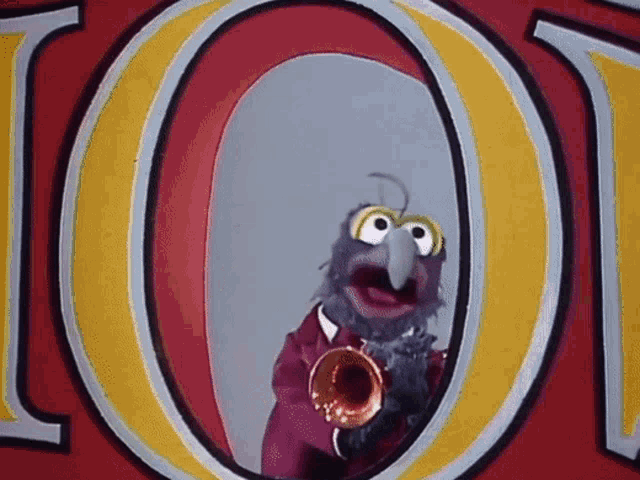
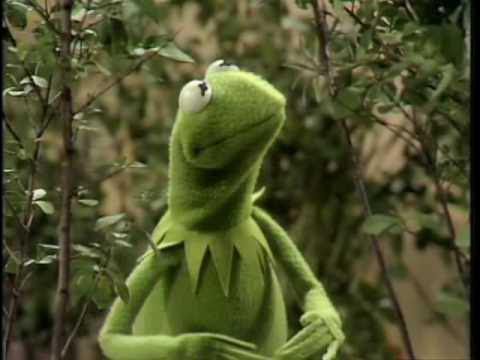
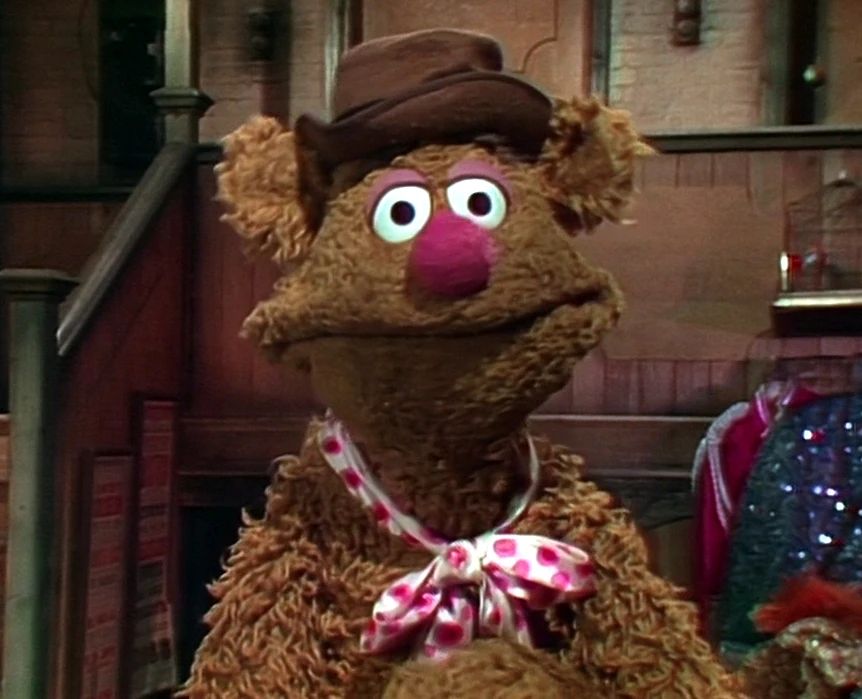
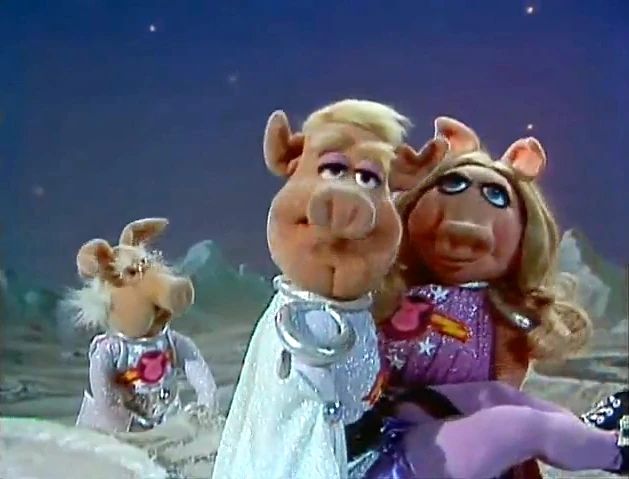
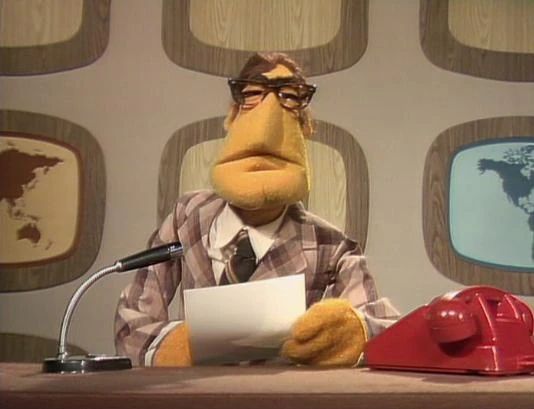
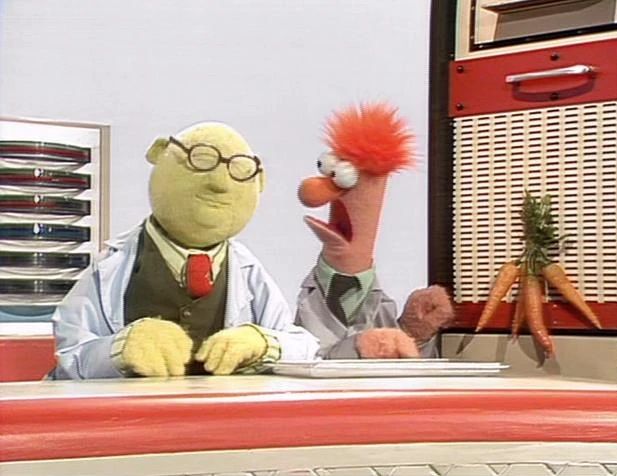
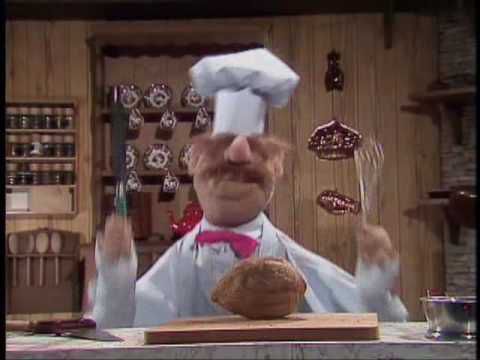
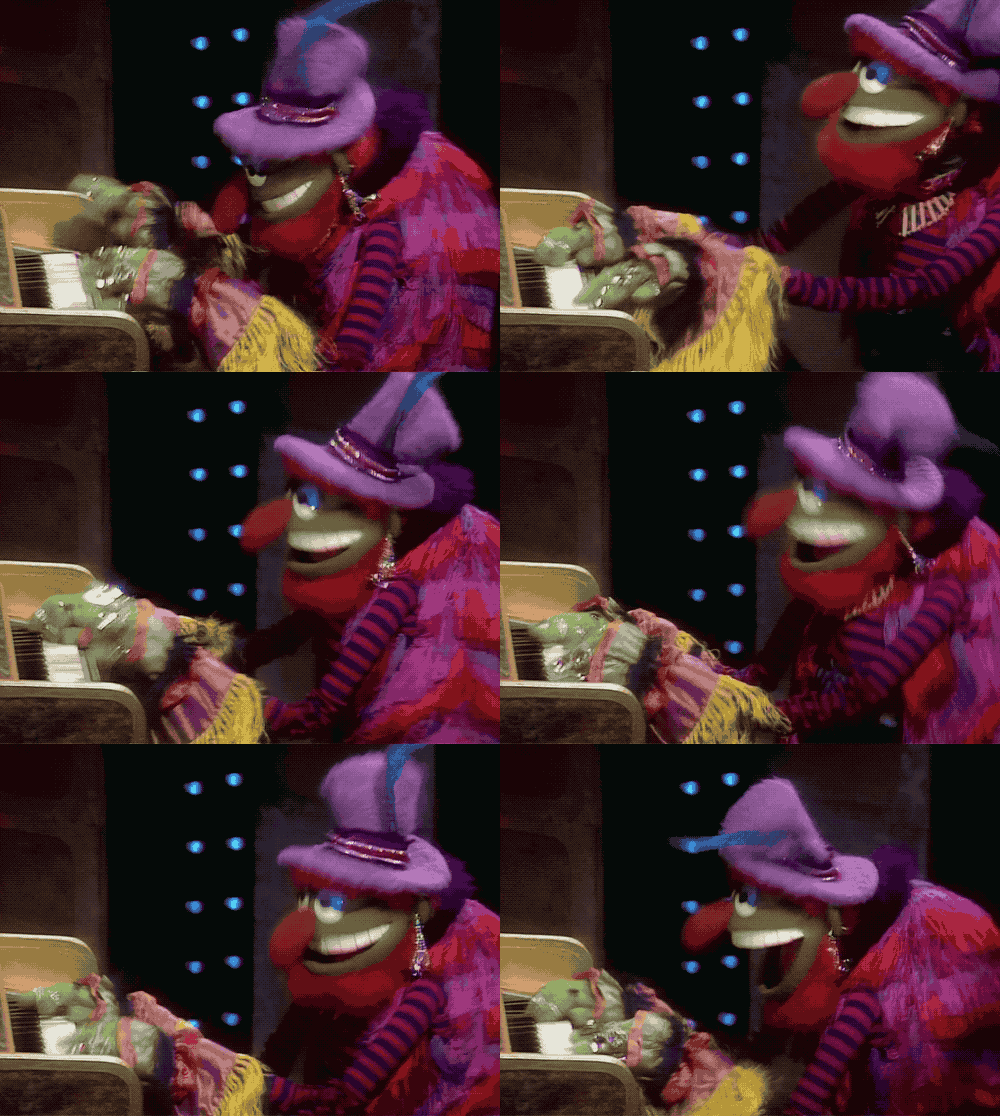
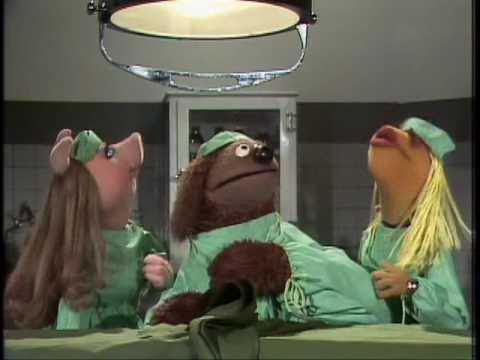
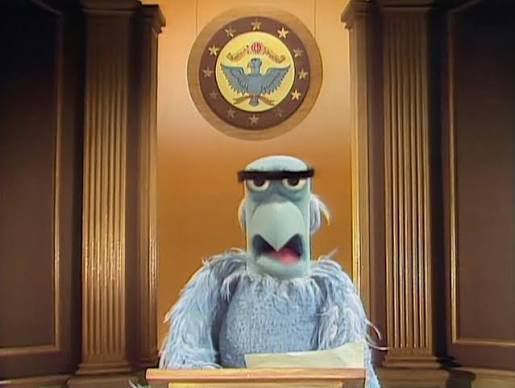
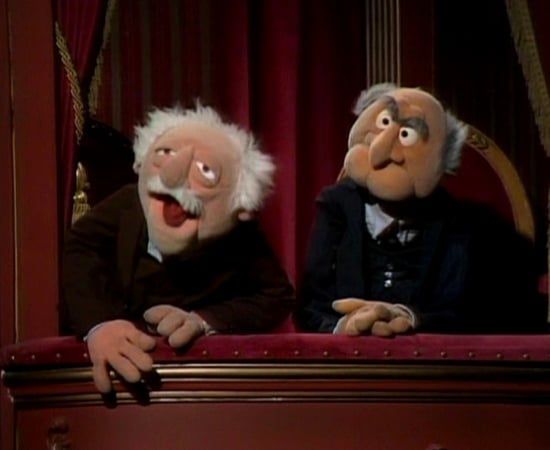
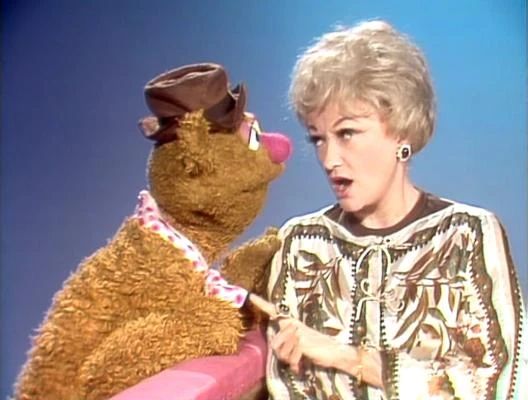
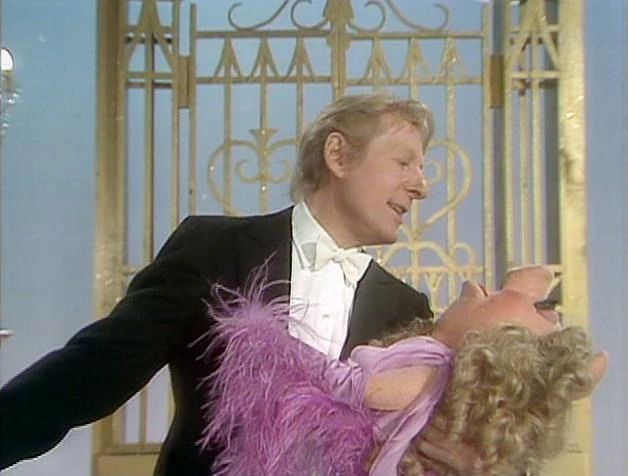
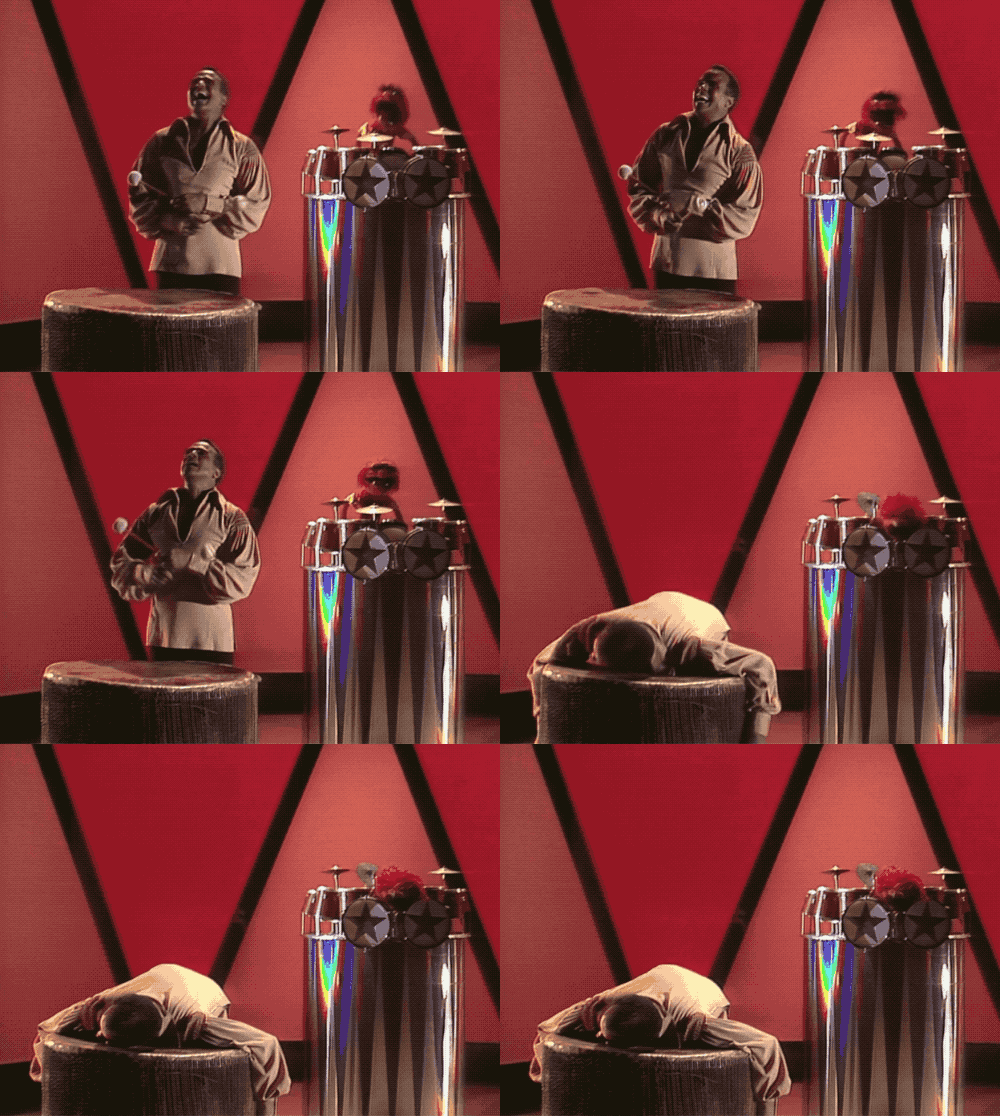
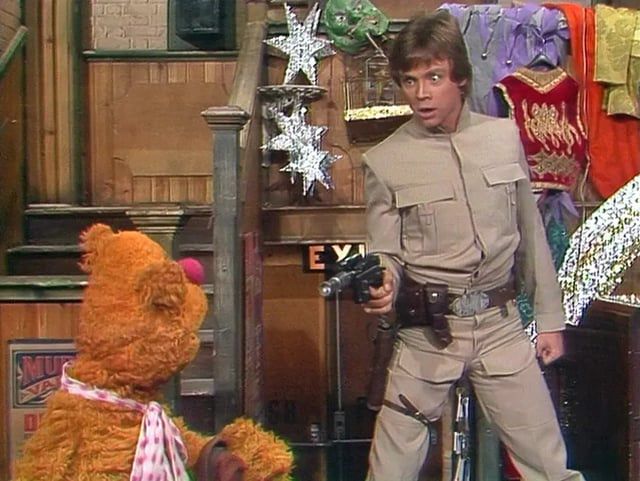
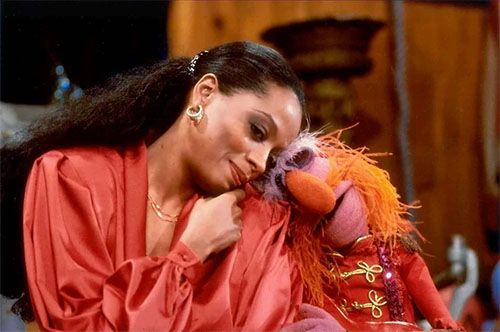
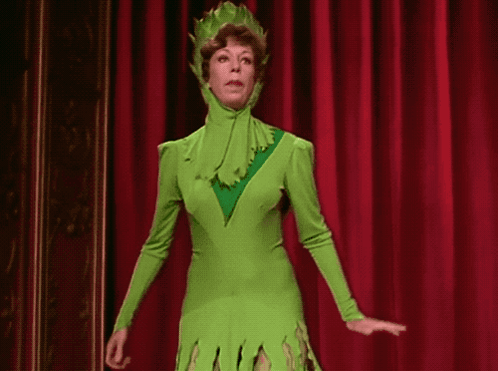
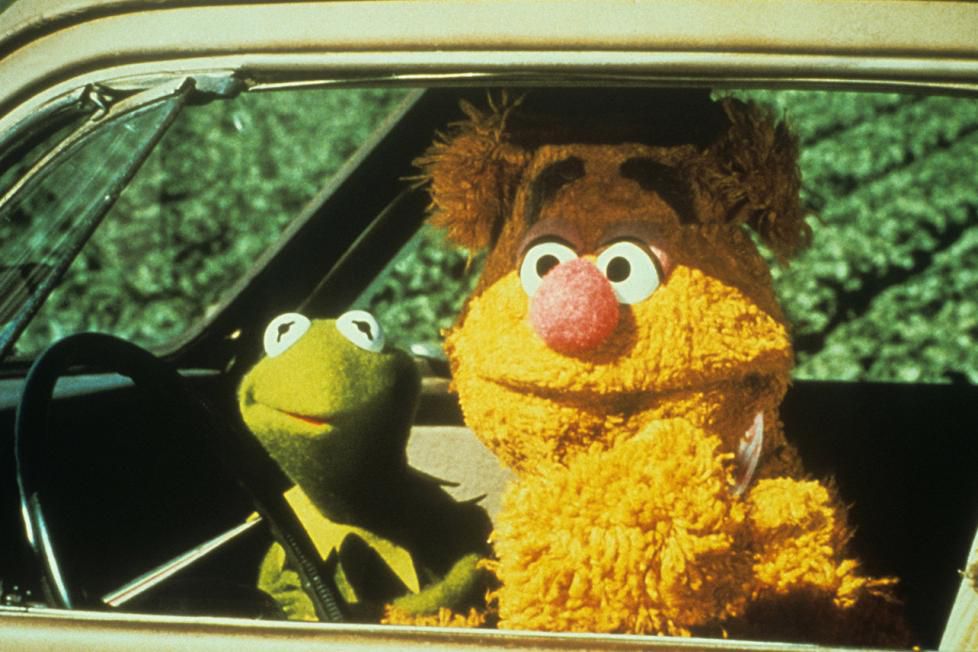
The series introduced TV viewers around the world to characters like comedian Fozzie Bear, self-absorbed diva Miss Piggy, the daredevil Gonzo the Great, stage manager Scooter, the musical group Dr. Teeth and the Electric Mayhem, scientist Dr. Bunsen and his lab assistant Beaker, heckling audience members Statler and Waldorf, the Swedish Chef and many others. The show was often very funny, it showcased some outstanding puppetry and it garnered acclaim from many critics and TV viewers who had never seen a variety show like it before and quickly fell in love with the Muppet cast, who were brought to life so well and were so strongly performed that they did not feel like puppets as much as actual living creatures with all the passion, frustrations, jealousy, insecurity and soul that humans have. The Muppet Show ran for five seasons total from 1976 to 1981 and it even managed to bag a lot of huge guest stars throughout its run (one of the big reasons for that reportedly being how much fun celebrities had doing it). Some of the biggest names that have appeared on the show include Phyllis Diller, Vincent Price, Edgar Bergen, Milton Berle, Steve Martin, Julie Andrews, Elton John, Bob Hope, Alice Cooper, Danny Kaye, Harry Belafonte, Liberace, Sylvester Stallone, Liza Minnelli, Christopher Reeve, Mark Hamill, Carol Channing, Diana Ross, Paul Simon, Carol Burnett, Johnny Cash and Gene Kelly.
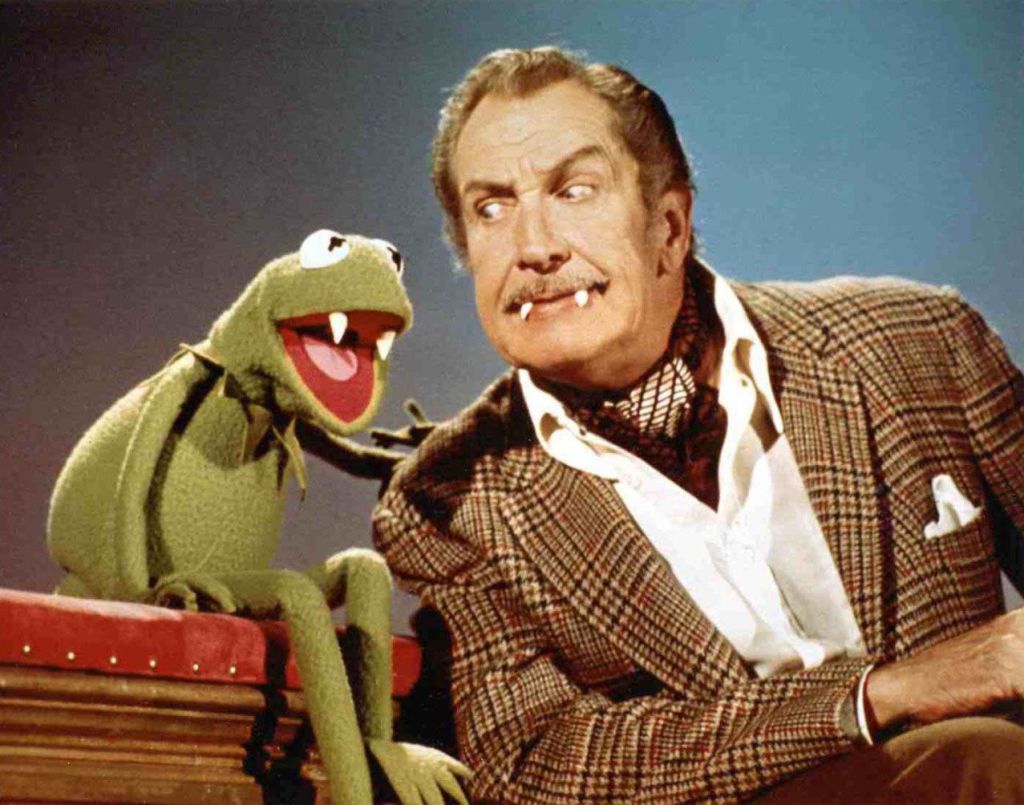
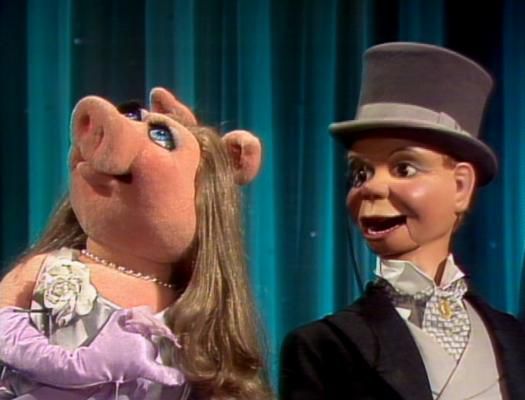
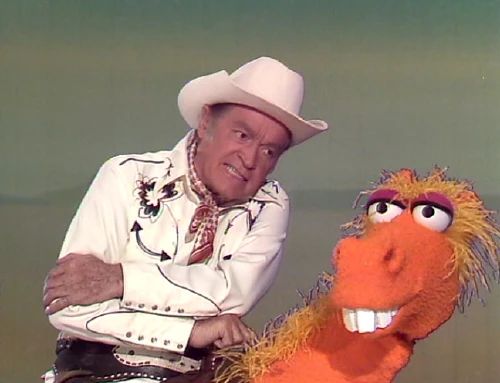
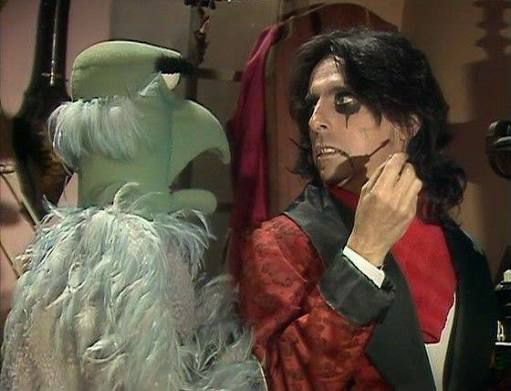
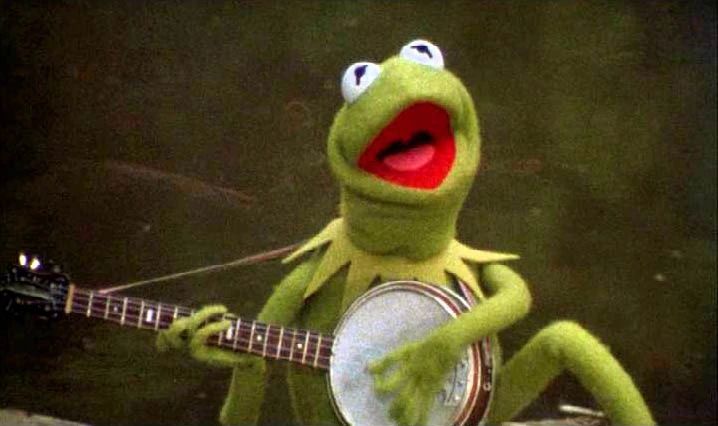
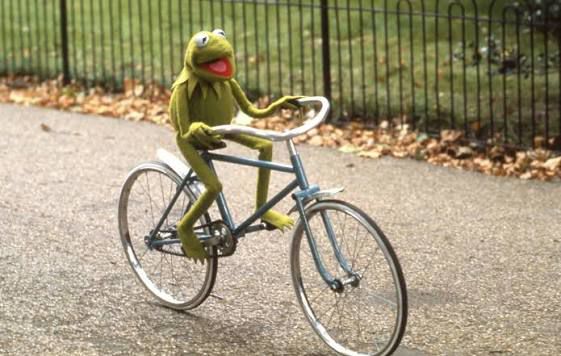
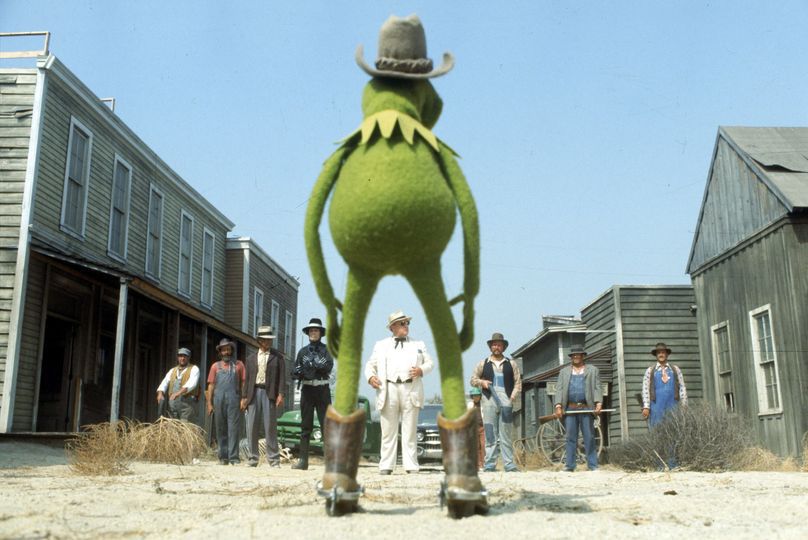
Jim Henson continued working on TV specials during his time on The Muppet Show, including the well-received holiday special Emmet Otter’s Jug-Band Christmas (1977) and John Denver and the Muppets: A Christmas Together (1979), but Henson’s most ambitious production by far at the time was the musical comedy The Muppet Movie (1979) which was directed by James Frawley and, just like The Muppet Show, received acclaim from critics and audiences. The film featured some of the most impressive puppetry ever put to screen, some of it remote-controlled, like when Kermit is riding a bike, but still dazzling nonetheless. Bringing Muppets to life on a film set while shooting outdoors was just as complicated as it sounds and it’s very likely a film like this would not have been greenlit if not for the immense popularity of The Muppet Show, but the likability of the Muppet characters absolutely translated from the small screen to the big screen, it featured many cameos from celebrities like Orson Welles, Mel Brooks, Milton Berle, Bob Hope, Steve Martin, Richard Pryor and Edgar Bergen and the film is seen as a classic today. It was also the first time Kermit was ever heard playing “Rainbow Connection,” a song Paul Williams wrote with inspiration from “When You Wish Upon a Star” that has practically become Kermit’s anthem. Although “Movin’ Right Along,” “Can You Picture That?” and the rest of the songs in that movie were also great in their own right.
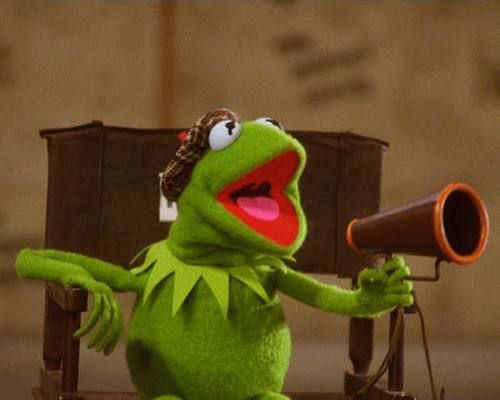
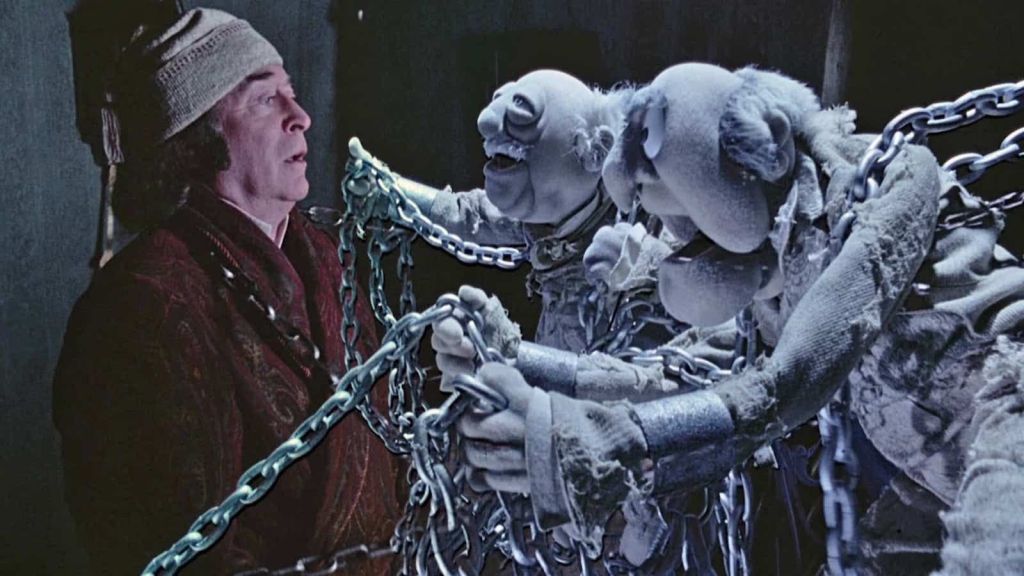
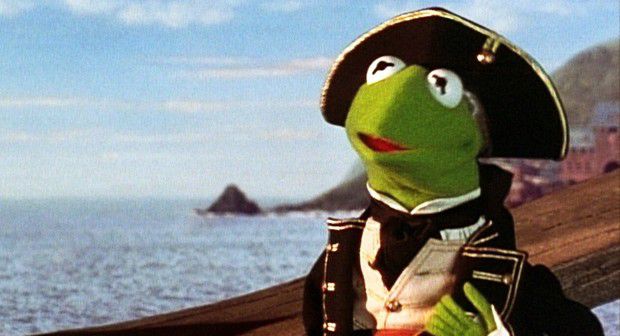
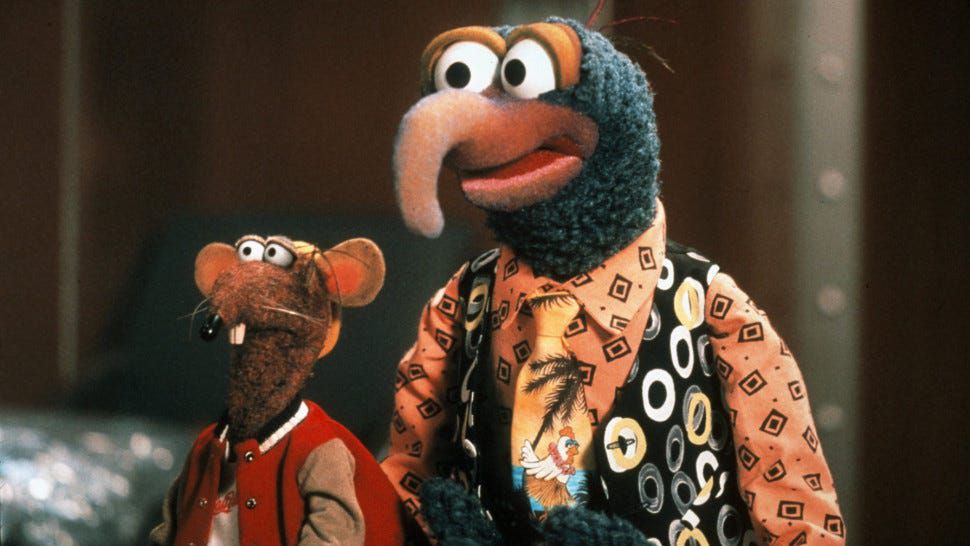
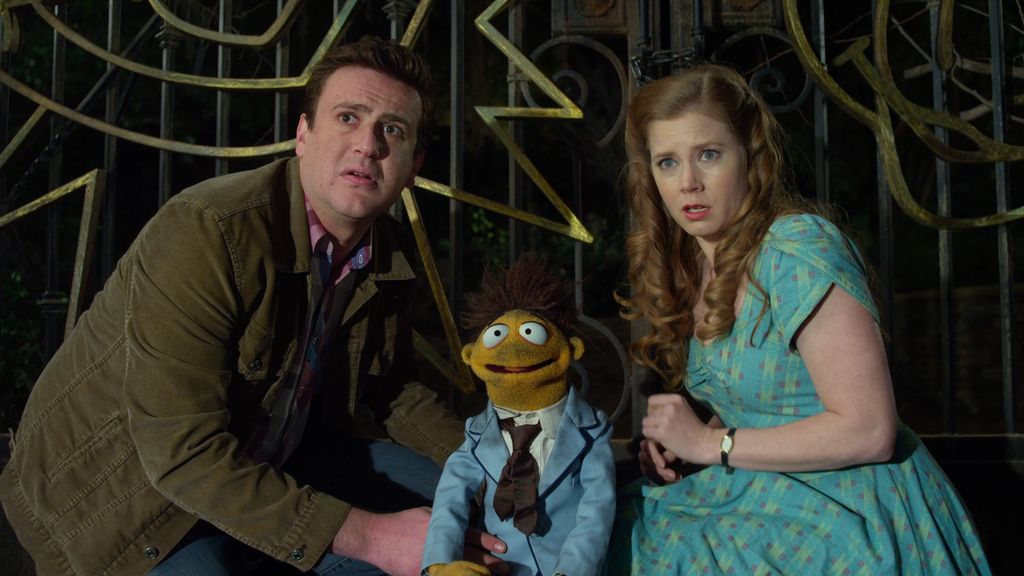
The success of both The Muppet Show and The Muppet Movie led to the heist comedy The Great Muppet Caper (1981) which Jim Henson directed, The Muppets Take Manhattan (1984) which Frank Oz directed, and many more movies through the decades, including The Muppet Christmas Carol (1992) starring Michael Caine as Ebenezer Scrooge, Muppet Treasure Island (1996) starring Tim Curry as Long John Silver and the sci-fi comedy and Gonzo origin story Muppets from Space (1999) as well as the TV films Kermit’s Swamp Years (2002, Starz), It’s a Very Merry Muppet Christmas Movie (2002, NBC) and The Muppets’ Wizard of Oz (2005, ABC) and Disney’s theatrically released The Muppets (2011) and its sequel Muppets Most Wanted (2014).
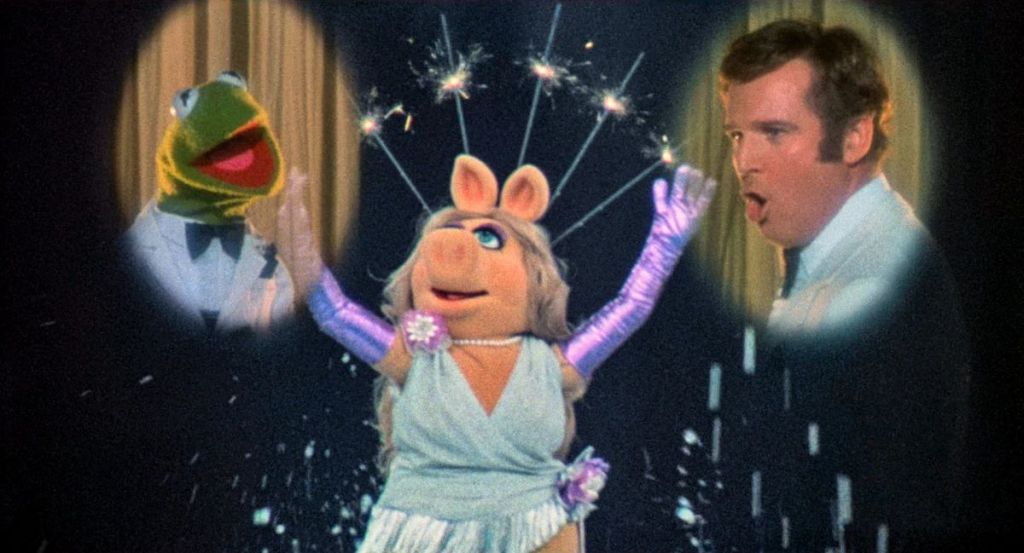
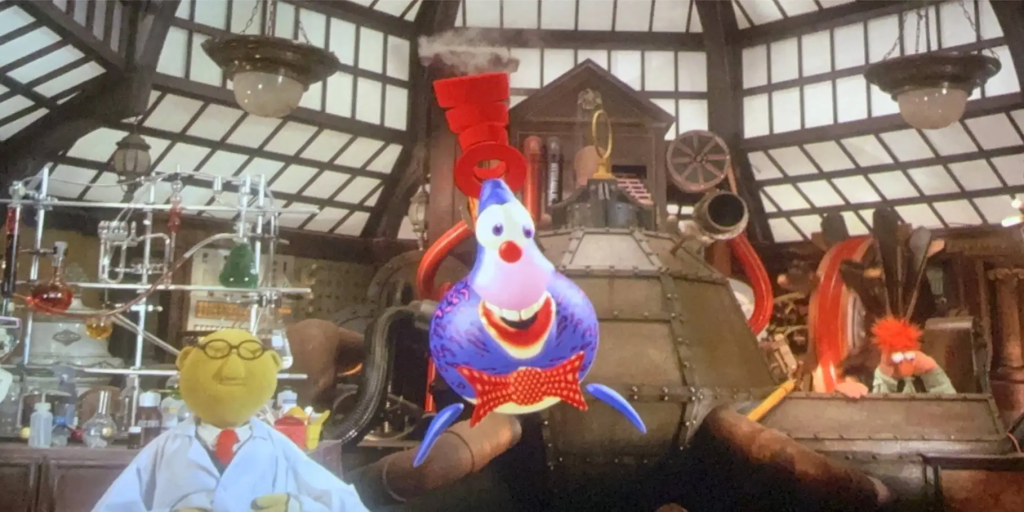
Not to mention there were a ton of Muppet specials like the 1979 CBS special The Muppets Go Hollywood (which was released to promote The Muppet Movie) the 1981 ABC special The Muppets Go to the Movies (which promoted The Great Muppet Caper), Of Muppets and Men (1981, CBS), The Fantastic Miss Piggy Show (1982, ABC), Rocky Mountain Holiday with John Denver and the Muppets (1983, ABC), The Muppets: A Celebration of 30 Years (1986, CBS), A Muppet Family Christmas (1987, ABC), The Muppets at Walt Disney World (1990, NBC) and The Muppets Celebrate Jim Henson (1990, CBS), a tribute to Jim Henson following his death earlier that year. That was followed by the opening of the 1991 Walt Disney World attraction Muppet*Vision 3D, which was Henson’s final Muppet-related project before he died.
The nineties introduced the Muppet Sing Alongs video series, which made their debut in 1993, as well as Muppet Classic Theater (1994), which was the first straight-to-video Muppet feature film. Following Disney’s acquisition of the Muppets in 2004, the list of Muppet specials would grow to include A Muppets Christmas: Letters to Santa (2008, NBC), Lady Gaga and the Muppets Holiday Spectacular (2013, ABC) and Muppets Haunted Mansion (2021, Disney+).
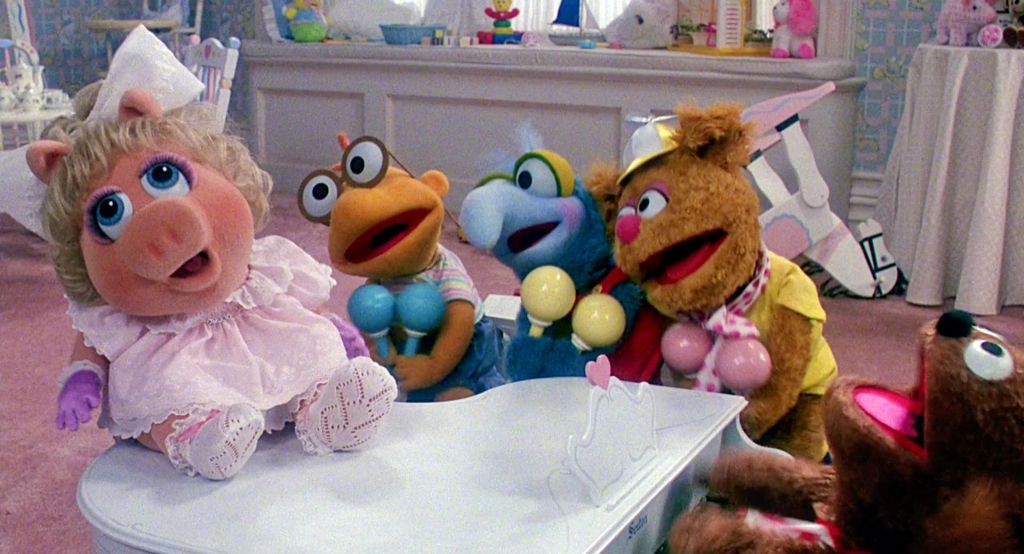
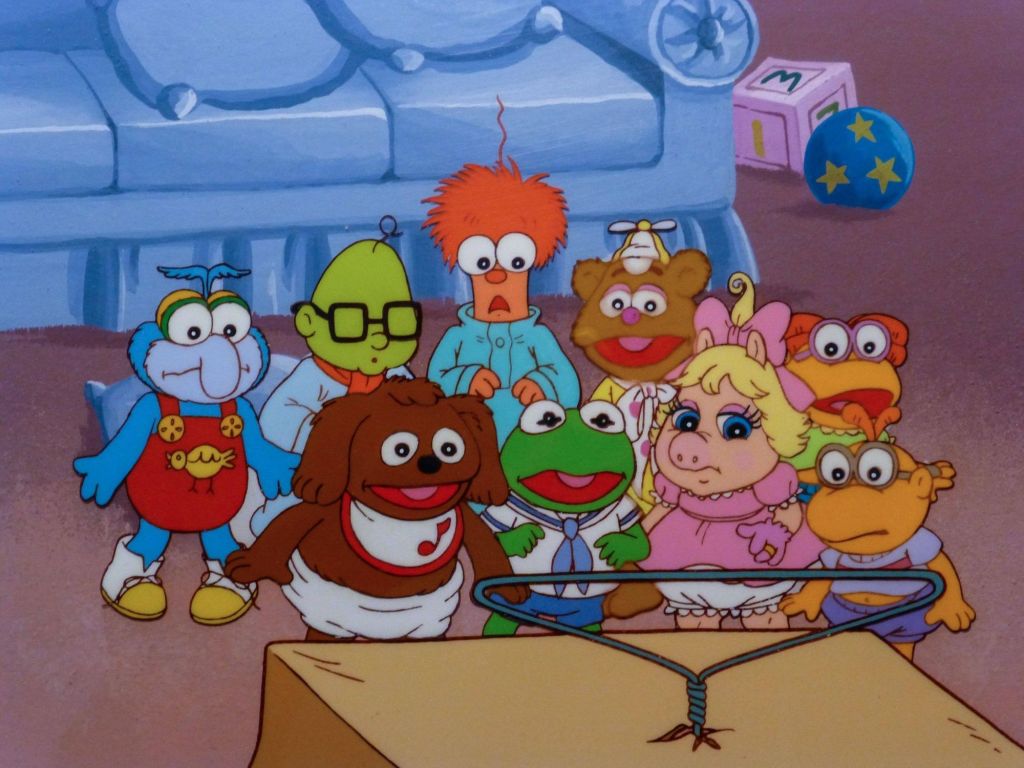
Following the end of The Muppet Show in 1981, many more Muppet TV series were introduced as well, including the animated series Muppet Babies (1984-91, CBS) which was a spin-off of the baby-themed musical number from The Muppets Take Manhattan and a popular show with critics and viewers that started the trend of baby-fied cartoon shows from that period like Flintstone Kids, A Pup Named Scooby-Doo, Tom and Jerry Kids and Tiny Toon Adventures and later led to a computer-animated reboot that ran on Disney Junior from 2018 to 2022. The popularity of Muppet Babies also led to the short-lived Little Muppet Monsters (1985), CBS’s attempt to create an animated Muppet block alongside Muppet Babies.
The Jim Henson Company’s first attempt at a continuation of The Muppet Show came in 1996 with Muppets Tonight, but that only aired for one season on ABC and a second final season on Disney Channel and its reception was overall mixed. There wouldn’t be another attempt at a Muppet series until a decade later with Muppets TV (2006), but every attempt to bring these characters back to TV in the modern era always ends in failure. The Muppets (2015-16, ABC) was a mockumentary-style sitcom that showed the behind-the-scenes life of Miss Piggy as a talk show host, but the slightly more adult subject matter led to a mixed reaction from viewers and it was cancelled after one season. The six-episode Disney+ series Muppets Now (2020) also didn’t click, although The Muppets Mayhem (2023, Disney+), which chronicles Dr. Teeth and the Electric Mayhem’s attempt to create an album, was actually pretty entertaining and it received good reviews.
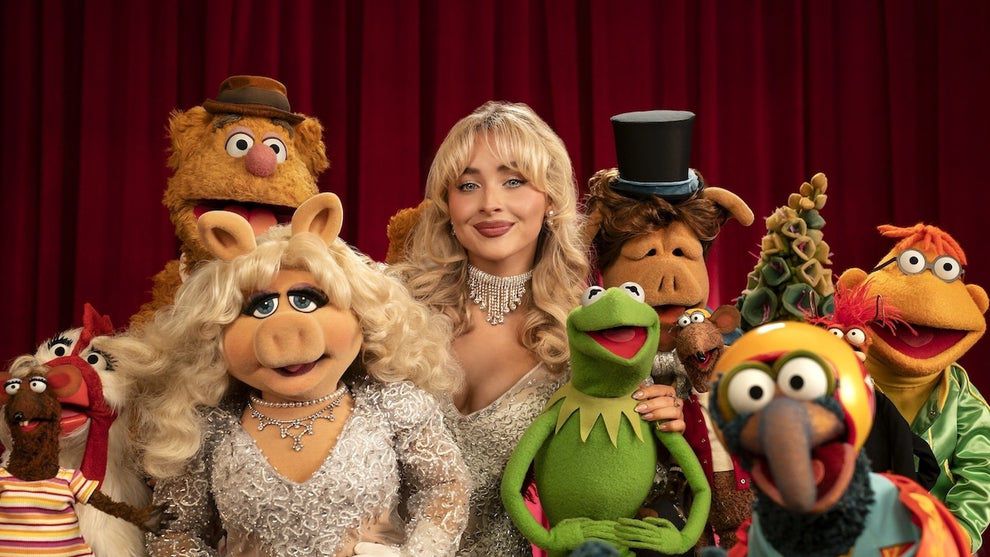
Most recently in 2026, Disney+ released a special Muppet Show revival featuring Sabrina Carpenter as the celebrity guest which won an Emmy for Outstanding Variety Special that year and which many viewers and critics agreed was the best Muppet production in a long time and are additionally hoping that Disney will release more new Muppet Show episodes in the future. But while an actual order for a Muppet Show revival series is still up in the air, it was recently announced that a Miss Piggy feature film is in development by Jennifer Lawrence and Emma Stone, so it appears that Disney hasn’t given up on trying to make the Muppets work for modern audiences, despite how little priority they seem to have gotten ever since they first joined Disney back in 2004.
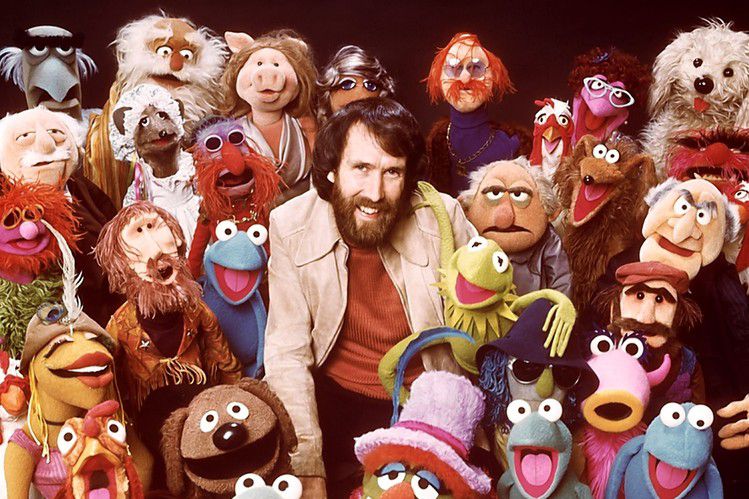
Despite all the huge success Jim Henson had with the Muppets and the timeless appeal of the Muppet cast, those artistic ambitions and that need to experiment that led to films like Time Piece and The Cube were still a part of Jim, and in my next article I will discuss how Henson used the success of the Muppets to tackle more bold work and take puppetry to its artistic zenith.

