
Jim Henson was one of those Wizard of Oz-like figures I heard about as a child like Walt Disney or Dr. Seuss or Chuck Jones who everyone in my family held in high regard. When I found out he was the guy who created the Muppets, I became one of those people. He died the year after I was born so our lives only intersected briefly, but I still remember being surprised and disappointed when my older brother informed me that he had died because that’s how much of a Muppet fan I was. Of course thanks to cable television reruns, I was still able to witness Henson’s work and appreciate his genius, and thanks to Henson himself I was never NOT a fan of puppetry. In fact I gave Henson a shout-out on this blog years ago when I wrote an article about the history of puppetry, but he was a lot more than just a puppeteer and his amazing career deserves its own multi-part deep dive.
Jim Henson was born in Greenville, Mississippi in 1936. From a young age he was mesmerized and inspired by the arrival of television, as well as the talented artists he saw on television, which included such puppeteers as Edgar Bergen, Burr Tilstrom and Bil and Cora Baird (later of “The Lonely Goatherd” fame in the film adaptation of The Sound of Music). This is what led Jim to join the puppetry club during high school. Although he later pursued art when he was a student at the University of Maryland, College Park. Of course that place offered a puppetry class so it turned out that hobby wasn’t done with him yet. It was in that class where Jim met fellow puppeteer, future collaborator and future wife Jane Nebel.
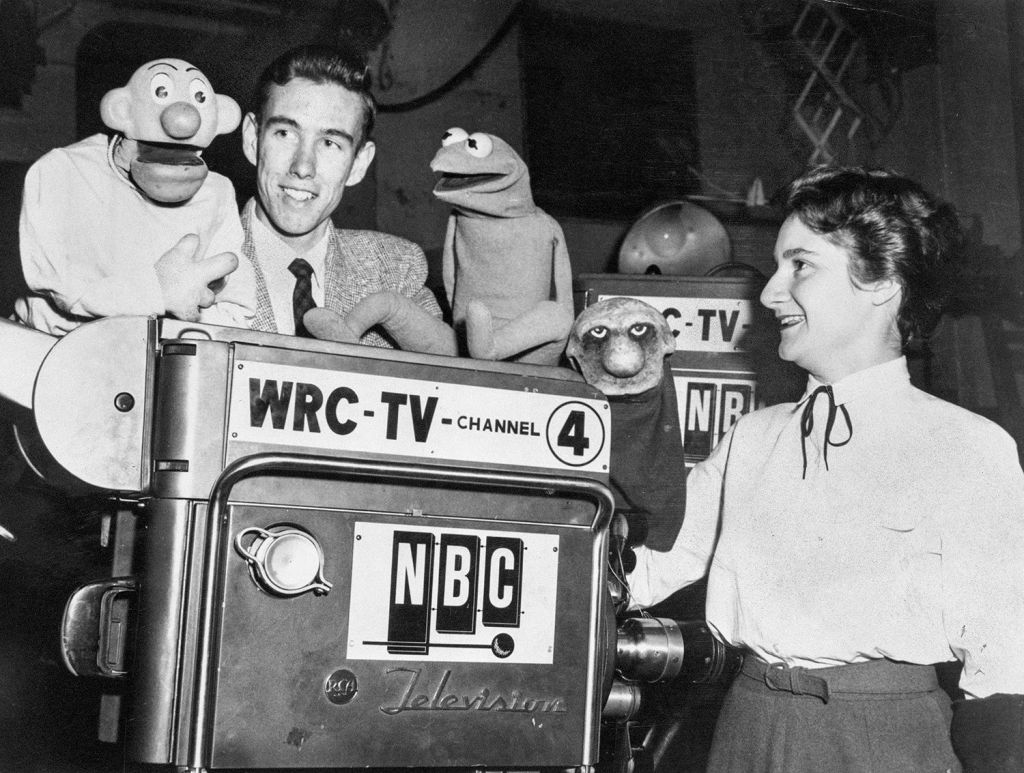
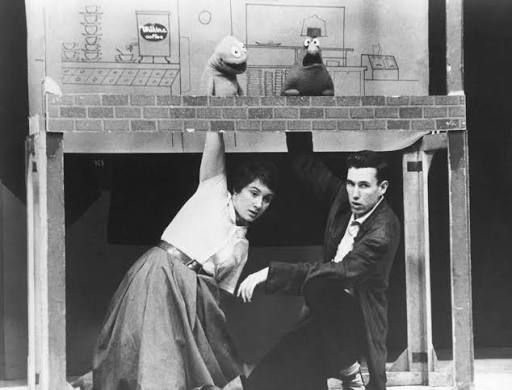
Henson’s professional career got kicked off when a short-lived Saturday morning children’s show called The Junior Morning Show, which aired on WTOP-TV (Known today as WUSA) hired Jim and Jane as puppeteers in 1954, and while that show was cancelled a few weeks later, WTOP kept the two puppeteers employed to utilize their skills elsewhere, including on Roy Meachum’s program Saturday. Meachum took notice of how good Jim and Jane’s puppetry skills were and he ended up referring them to an NBC-affiliate station where they were offered a nightly segment. This was one of the most important moments in Jim Henson’s career because it’s what led to the creation of Sam and Friends.
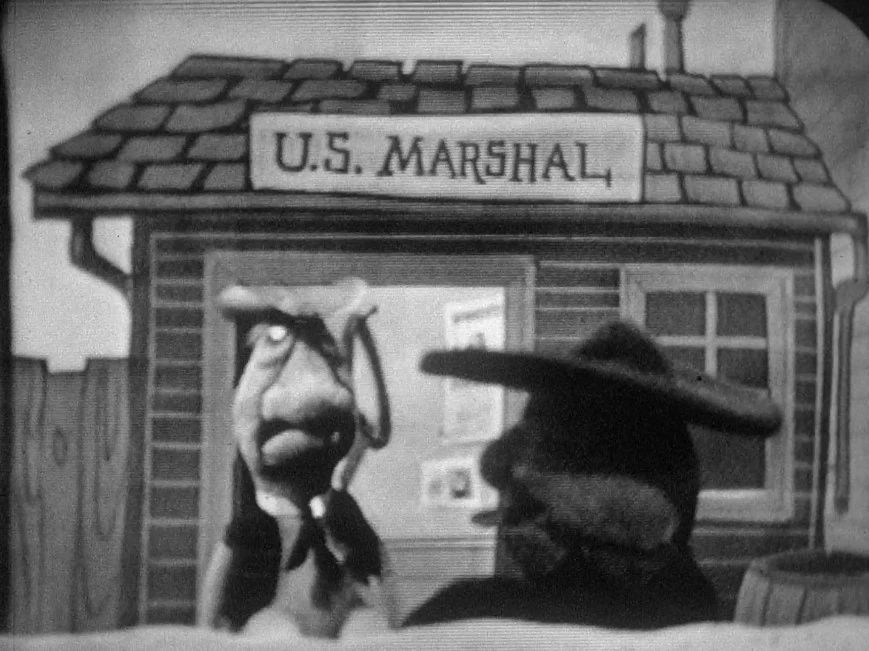
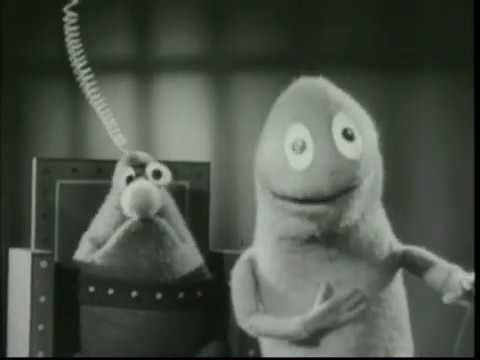
Sam and Friends was a three-to-five minute sketch comedy puppet show that, like many variety shows, often featured popular songs and satirized other TV shows. Jim Henson voiced most of the main characters and in later seasons Jim and Jane would be joined by writer and puppeteer Jerry Juhl, who would end up becoming one of Jim’s longtime collaborators. The series aired locally in Washington, D.C. from 1955 to 1961, and the fact that Jim was given much more creative freedom on this show than he had ever gotten before allowed his talents to shine. The seed of the innovative puppetry work that would later turn him into a household name was really planted here. Puppetry had always been a staple of television but the puppet characters in this show acted like real people with thoughts and emotions, aided in large part by the decision to use foam rubber to build the puppets rather than wood so that they could seem more lifelike as well as allow puppeteers greater control over the characters’ facial expressions. Jim also used the TV camera in innovative ways, going beyond the typical stationary camera in front of a stationary puppet set and taking advantage of the medium’s possibilities.
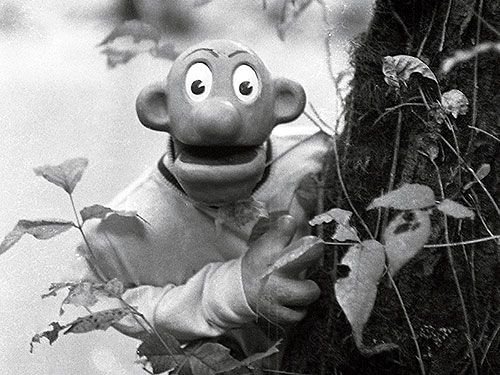
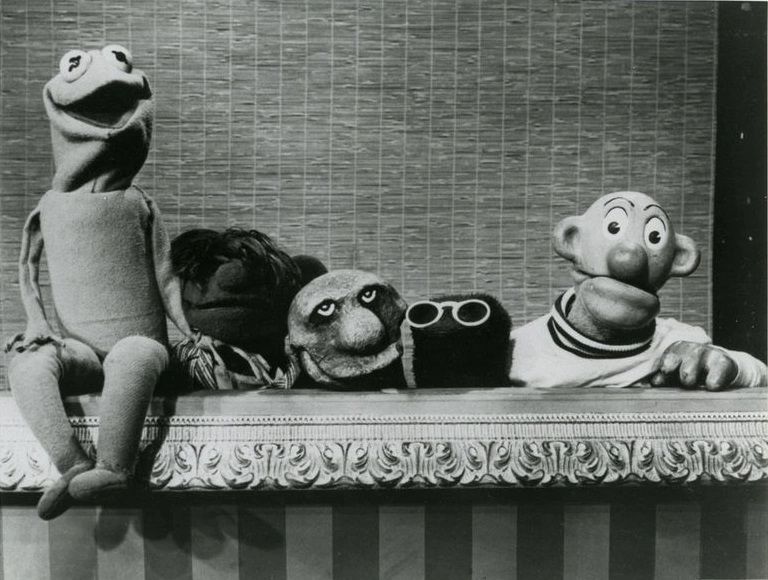
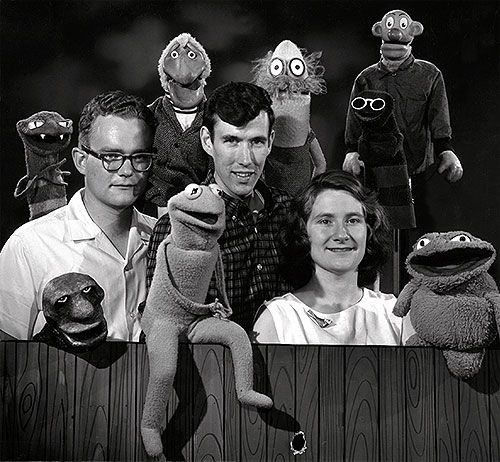
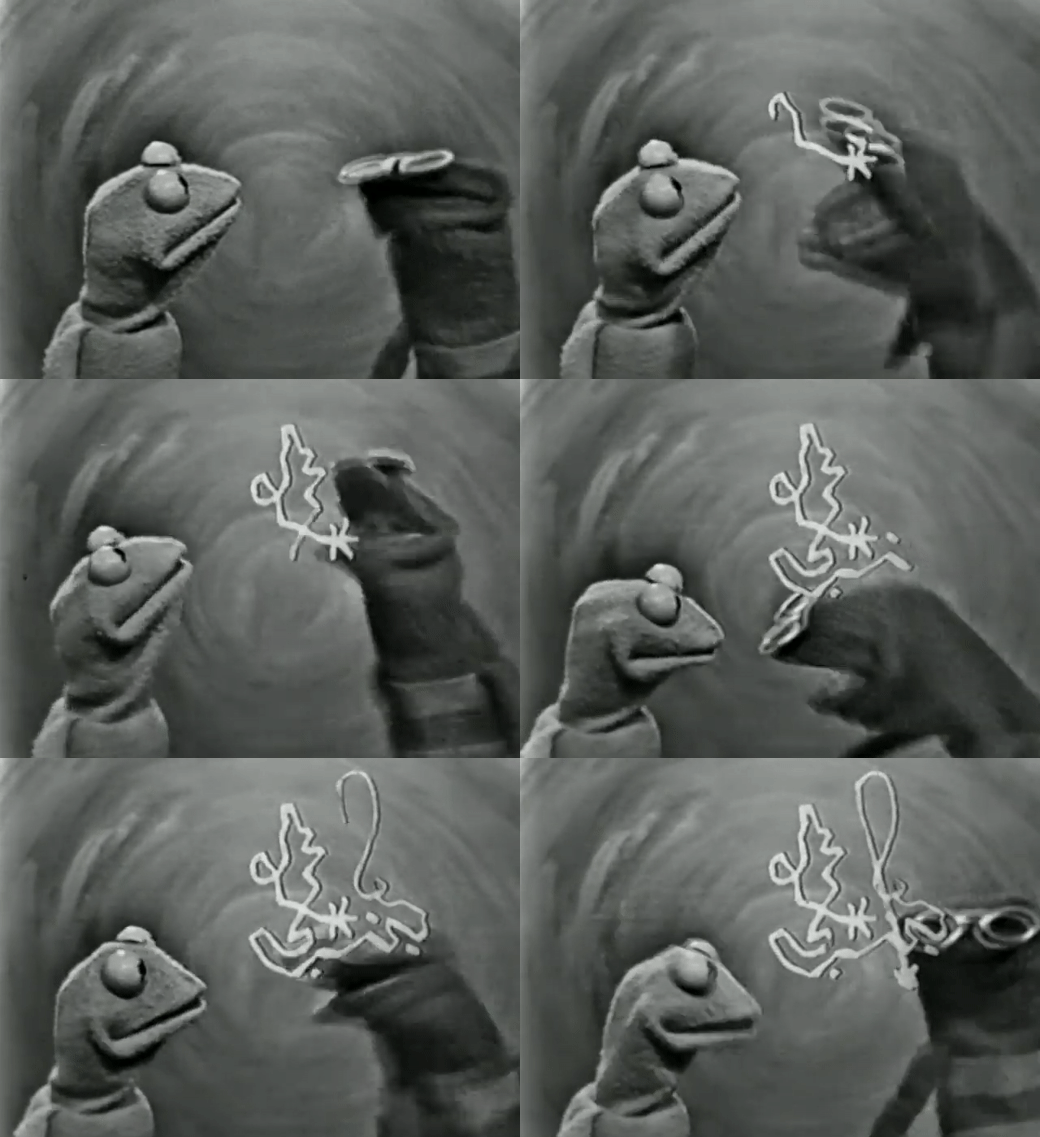
Henson later dubbed these characters “Muppets,” a portmanteau of “marionette” and “puppet,” and for many of the same reasons why The Muppet Show would become a hit two decades later, Sam and Friends was hugely popular with TV viewers in the fifties. It was even the lead-in to The Tonight Show, and that didn’t hurt its popularity either. Many episodes of Sam and Friends are now lost and only a fraction of clips can be found in places like YouTube. But it put Henson on the map and it even introduced the world to the character of Kermit.
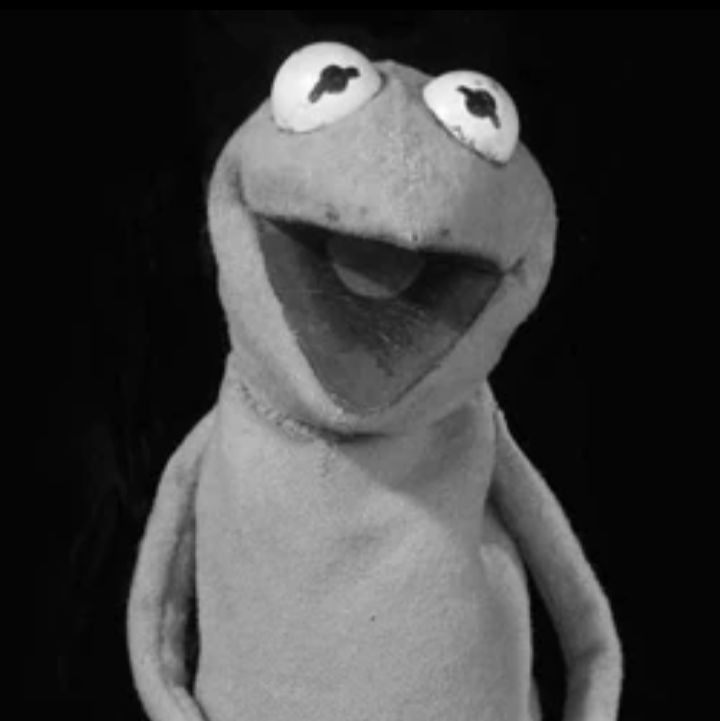
It may be hard for some people to believe this today, but Jim Henson initially treated his role as a puppeteer as a side gig. His imagination and ambition went well beyond puppetry, and he even took a break from Sam and Friends in the summer of 1958 and travelled to Europe to study painting. But it was during that trip that Henson discovered that many Europeans actually took puppetry just as seriously as they took painting. No one treated it like a lesser artform and in fact many puppeteers around the world used the medium to create art that could be just as beautiful, lifelike or abstract as a painting or a sculpture. When Henson returned to America with this newfound respect for puppetry, he officially co-founded Muppets, Inc. (known today as The Jim Henson Company) with Jane Nebel, who married Jim a year later and officially became Jane Henson.
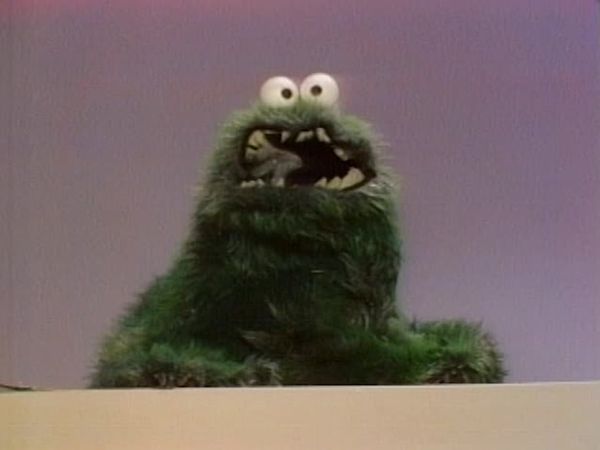
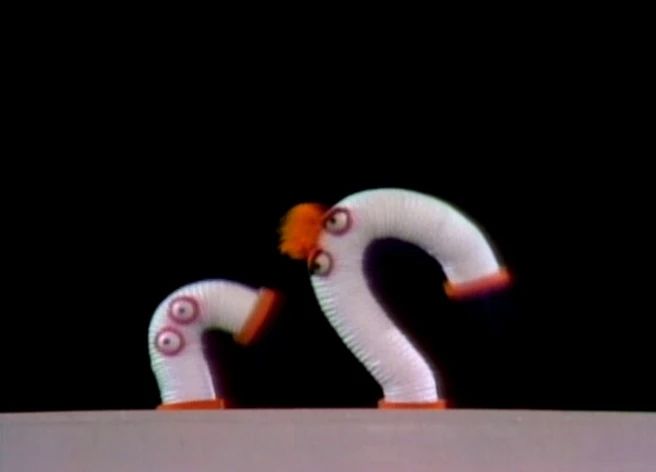
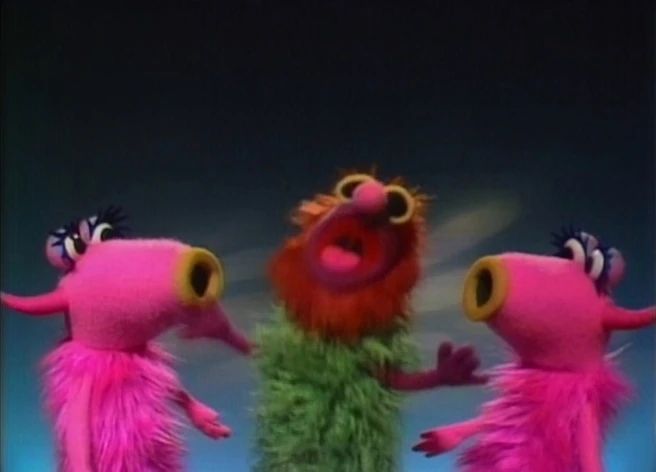
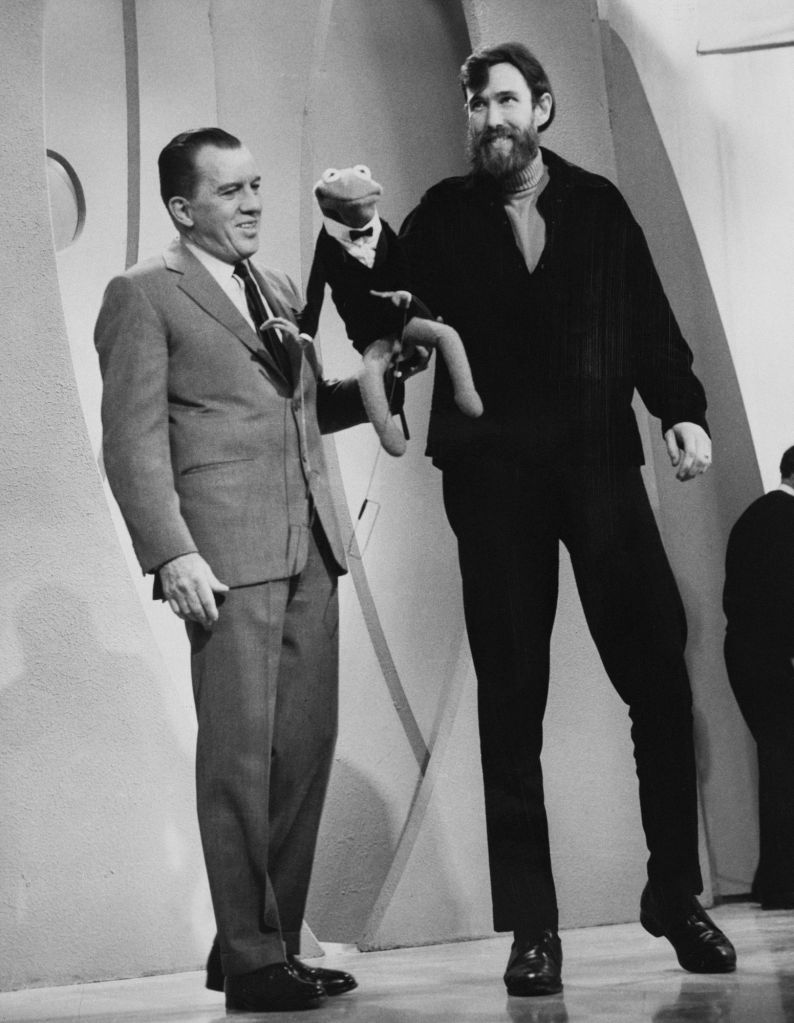
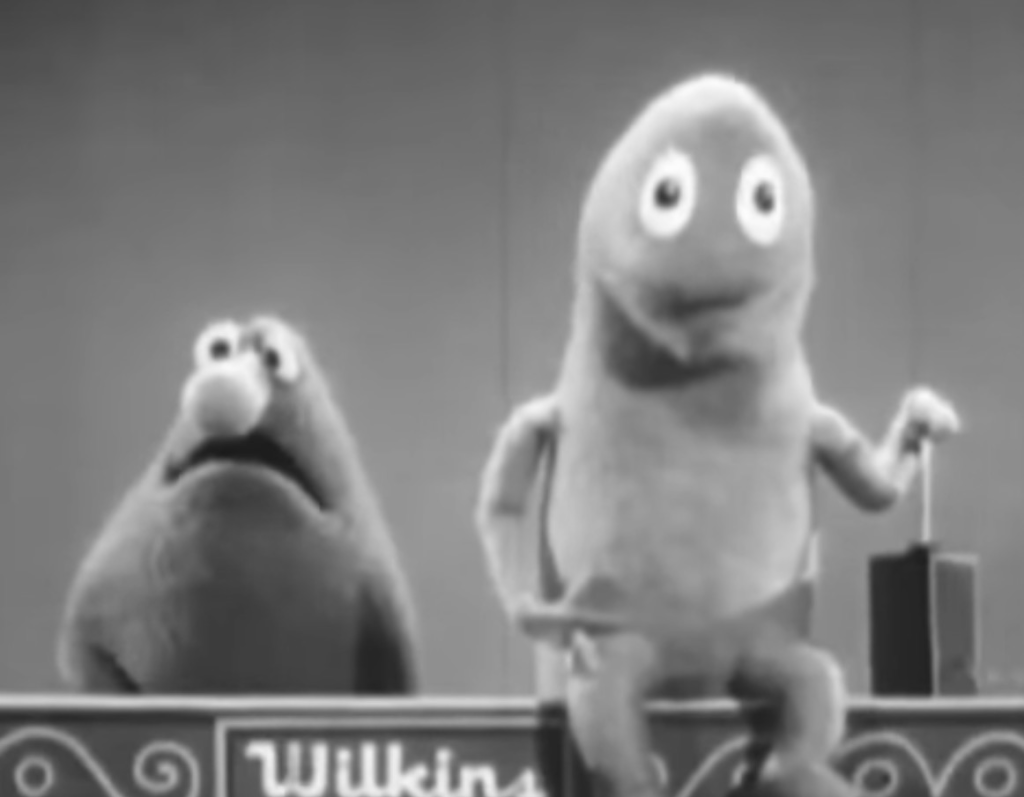
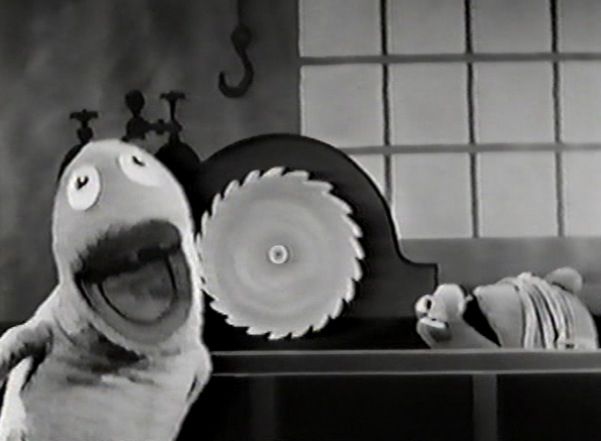
In the 1960s following the cancellation of Sam and Friends, Henson and his puppets began appearing on a lot of variety shows and talk shows which increased his mainstream popularity even more thanks to people like Ed Sullivan, Steve Allen and Jack Paar offering him the spotlight. The Muppets also began appearing in TV commercials, the most popular being the Wilkins coffee ads. The way those commercials used wacky and often violent humor to sell products was a wildly different approach from the traditional Mad Men-style advertising method, but it worked, and the characters of Wilkins and Wontkins (get the play on words?) became so popular from those ads that other companies asked Henson to use the characters to sell their products as well. Eventually those characters would end up appearing in a total of 300 ads.
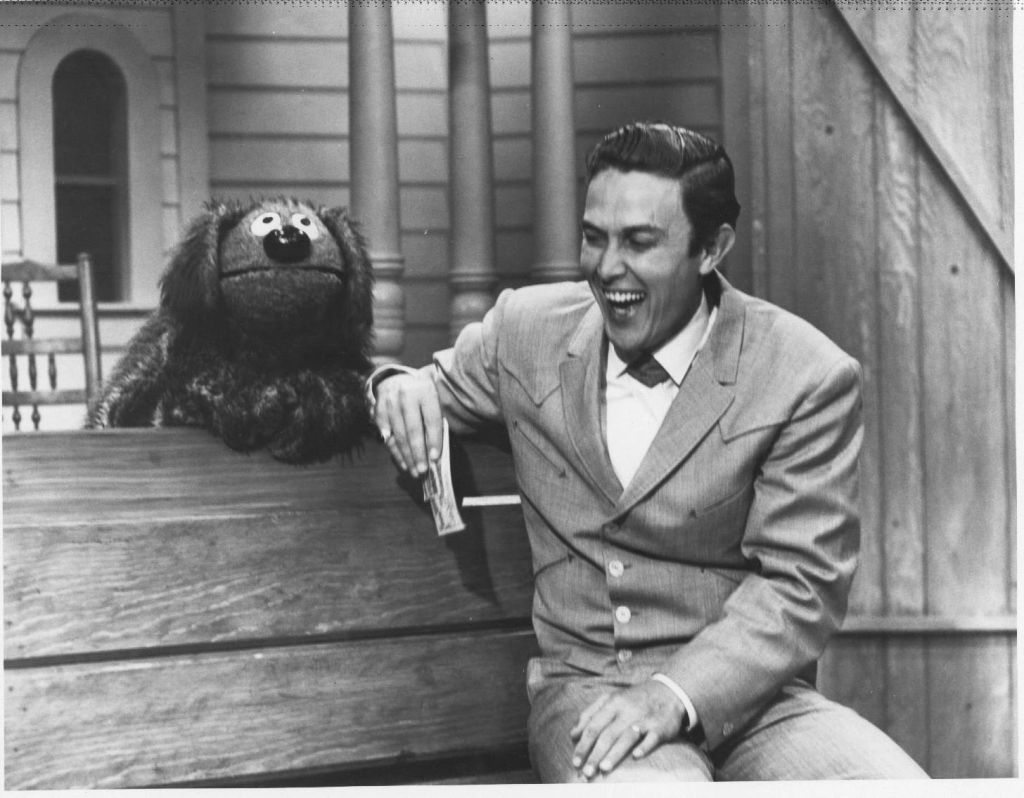
Henson’s next regular TV gig following Sam and Friends was not too far off as he was hired as the puppeteer for a piano-playing dog named Rowlf on the ABC variety show The Jimmy Dean Show starring country music singer Jimmy Dean. This marked the first time a Muppet made regular appearances in a nationally-aired network series. That show lasted three seasons from 1963 to 1966 and Rowlf would of course later go on to become one of the most famous Muppets as a regular on The Muppet Show.
During this period in Jim’s career, Jane Henson quit performing to focus on raising their kids while Jim and Jerry Juhl continued working. Both were joined in 1963 by an apprentice puppeteer from Oakland, California named Frank Oz, who would go on to puppeteer and voice the characters Miss Piggy, Fozzie Bear, Animal and Sam Eagle in The Muppet Show, Cookie Monster, Bert and Grover in Sesame Street and Yoda in The Empire Strikes Back, would become one of Jim’s closest collaborators at the Henson Company and later come into his own as a director of feature films.
As for Jim’s filmmaking career, he never set aside his deeper artistic ambitions even during all his mainstream success, and it was during his time on The Jimmy Dean Show when Henson started exploring experimental film ideas, which led to his nine-minute film Time Piece (1965) a rapidly edited, rhythmically paced abstract film about a man (played by Henson) who is constantly on the move and tries to escape the passage of time. That film got the attention of the Academy and turned Henson into an Oscar-nominated filmmaker. This was followed by the teleplay The Cube (1969) which starred Richard Schaal as a man trapped inside a cube-like room full of hidden doors and which would likely invite comparisons to Black Mirror if viewers watched it today. This aired on NBC as part of the network’s Emmy-nominated anthology series NBC Experiment in Television (1967-71).
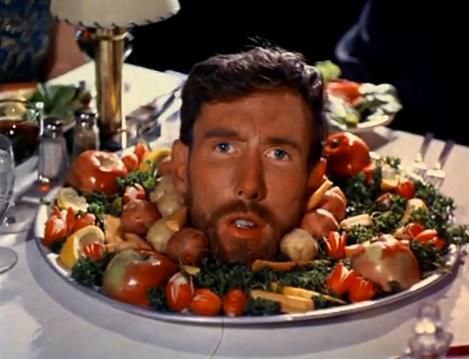
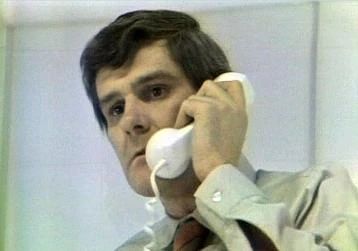
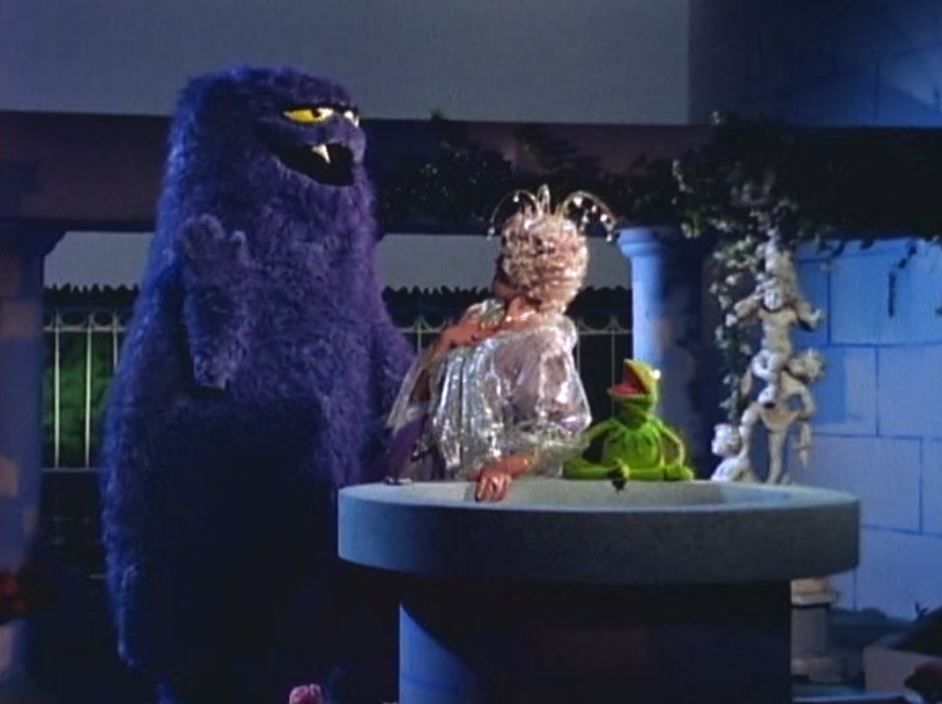
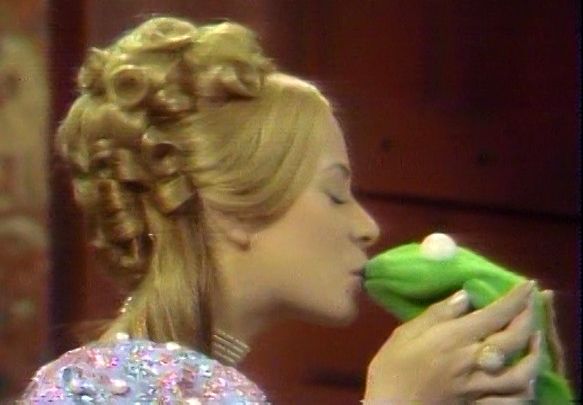
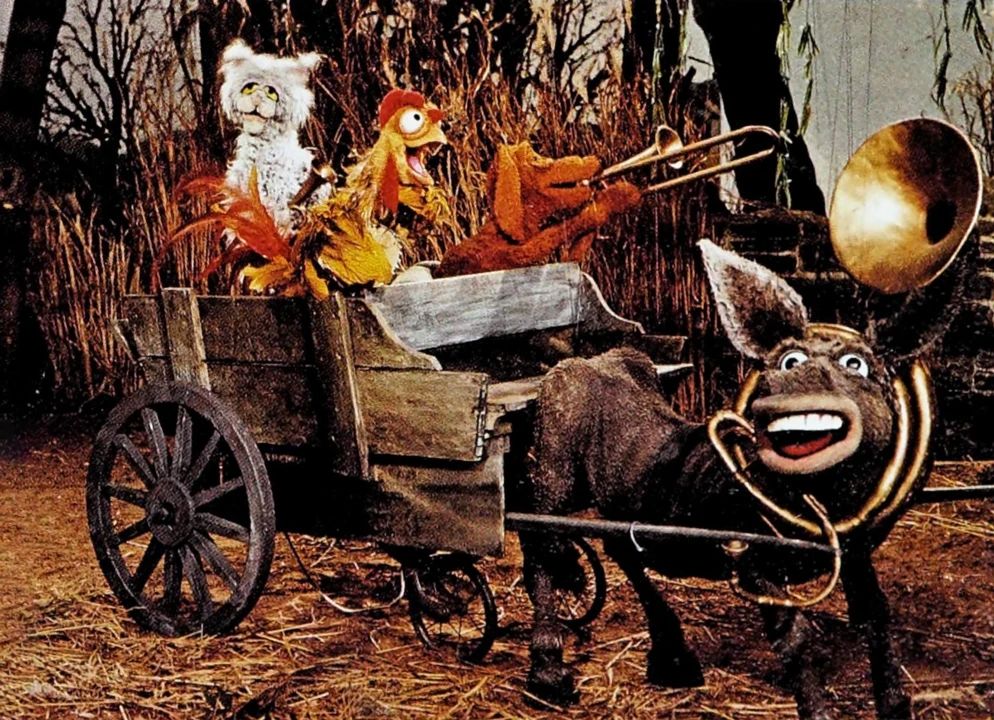
As much as Henson loved to experiment, he wasn’t above making family-friendly TV specials either, and he made many of those over the years, including the fairy tale adaptation Hey, Cinderella! (airing on CBC in Canada in 1969 and ABC in the U.S. in 1970) which featured the first instance of a full-body Muppet and Kermit’s first appearance as a frog. There was also the musical holiday special The Great Santa Claus Switch (1970) which starred Art Carney (and an early version of the Muppet Gonzo) and originally aired on CBS as part of The Ed Sullivan Show with narration by Sullivan, the musical fantasy The Frog Prince (1971) which featured the first appearances of Kermit’s nephew Robin and the Muppet Sweetums, and The Muppet Musicians of Bremen (1972), an adaptation of The Town Musicians of Bremen by the Brothers Grimm.
Henson always wanted to balance his puppetry with his deeper creative ambitions but his puppetry is what turned him into a celebrity. His television appearances were a hit, and this eventually led to a full-time gig in educational children’s programming when the Children’s Television Workshop asked Henson and his team of puppeteers to create characters for a show they were developing for PBS called Sesame Street. While Henson was reluctant to be pigeonholed as a puppeteer for kids, he had a lot of respect for the Workshop’s mission to entertain and educate and he hopped on board, having a lot of creative involvement not just in the puppetry but in the short films and animated segments in between for the first couple of seasons.
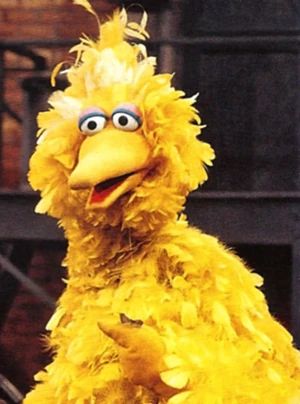
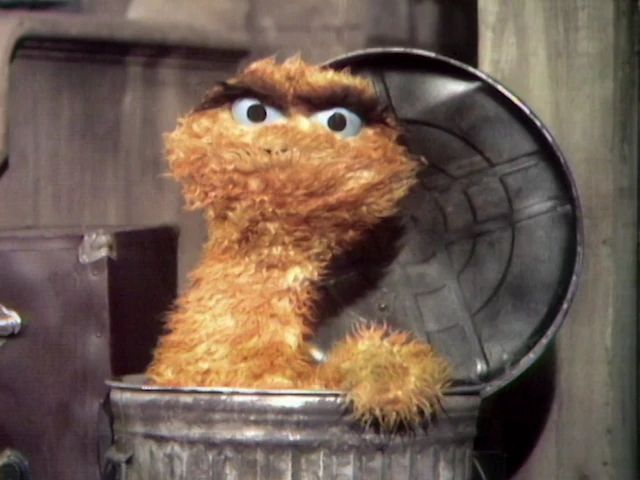
The characters Jim Henson either created or helped co-create for Sesame Street include Big Bird, Oscar the Grouch, Bert and Ernie, Cookie Monster and Grover. All of whom became some of the most popular characters in TV history. And while the Muppets did not receive as much focus in the first few seasons of Sesame Street as they would later, they were always the most popular part of the show and their popularity led to the creation of more Muppet residents and a greater focus on the Muppets as the series went on (and continues to go on to this day).
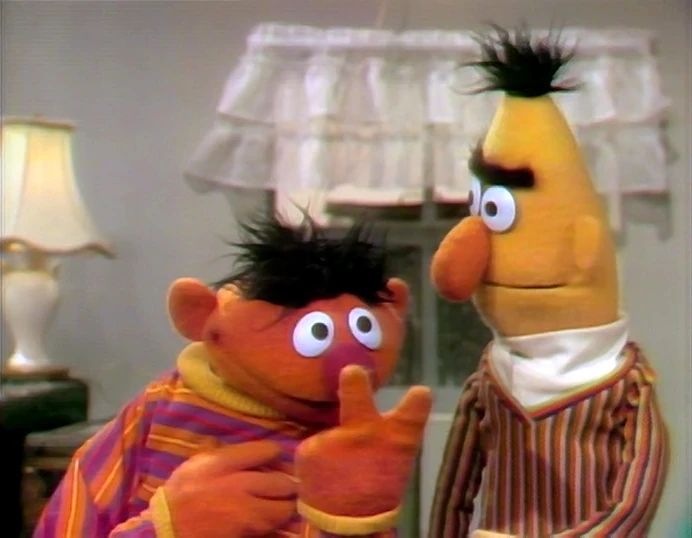
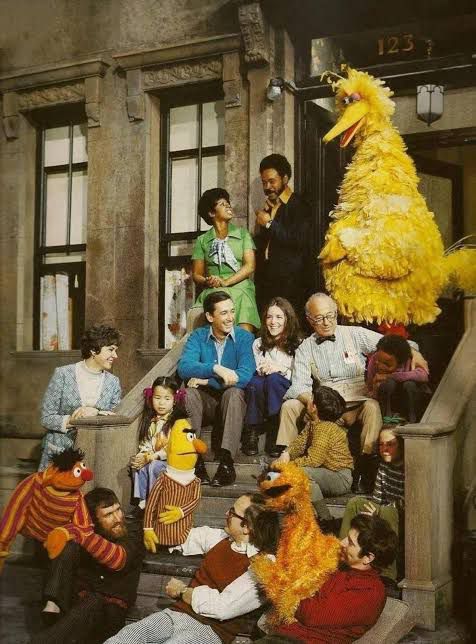
The huge popularity of Sesame Street with both kids and parents helped put PBS on the map alongside Mister Rogers’ Neighborhood and it gave Henson enough financial security that he didn’t have to make commercials anymore, so his decision to team up with the Children’s Television Workshop ultimately ended up being one of the smartest moves of his entire career. Still, Henson couldn’t help but be worried that he was being typecast as a children’s entertainer, and he sought to break that image by going in the complete opposite direction in the 1970s, a period in Henson’s career that I will explore in my next article.

