
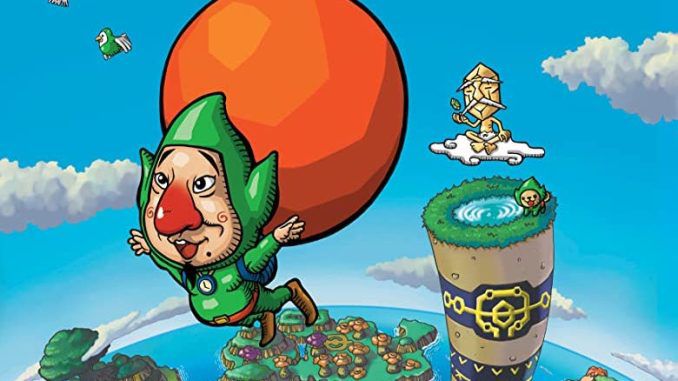
If you’ve been keeping up with my History of Zelda series this year, thank you for reading! I’m almost done, but I just wanted to write one more bonus article to highlight ten more interesting things about the series, none of which I think necessitate their own dedicated articles but all of which I still think are worth highlighting. Here are some of the bigger oddities from this series.
Echoes of Wisdom
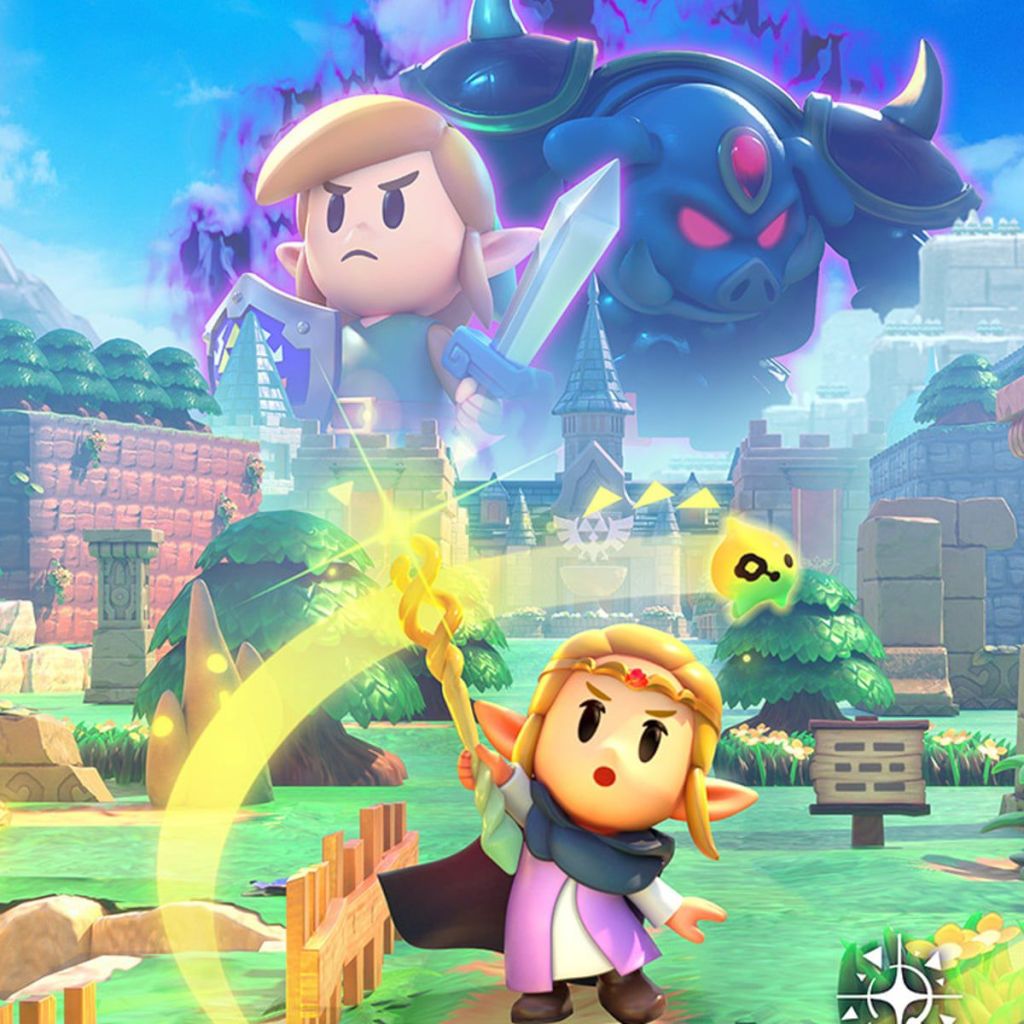
The Japanese developer Grezzo has been involved in remaking some of Nintendo’s best Zelda games, including Ocarina of Time 3D and the Nintendo Switch version of Link’s Awakening, but they also teamed up with Nintendo to create some original Zelda games, including the Nintendo Switch game The Legend of Zelda: Echoes of Wisdom (2024), which is Nintendo’s first mainline Zelda game in which you actually play as Zelda for most of the time. That’s what happens when Link is the one in trouble, which just so happens to be the plot of this game as dimensional rifts start appearing in Hyrule and he gets trapped in the Still World. Zelda may not have a sword but thanks to a fairy named Tri she has a magic wand called the Tri Rod which is arguably even better and definitely gives this Zelda game a novel feel when compared to previous entries.
The Game & Watch Game
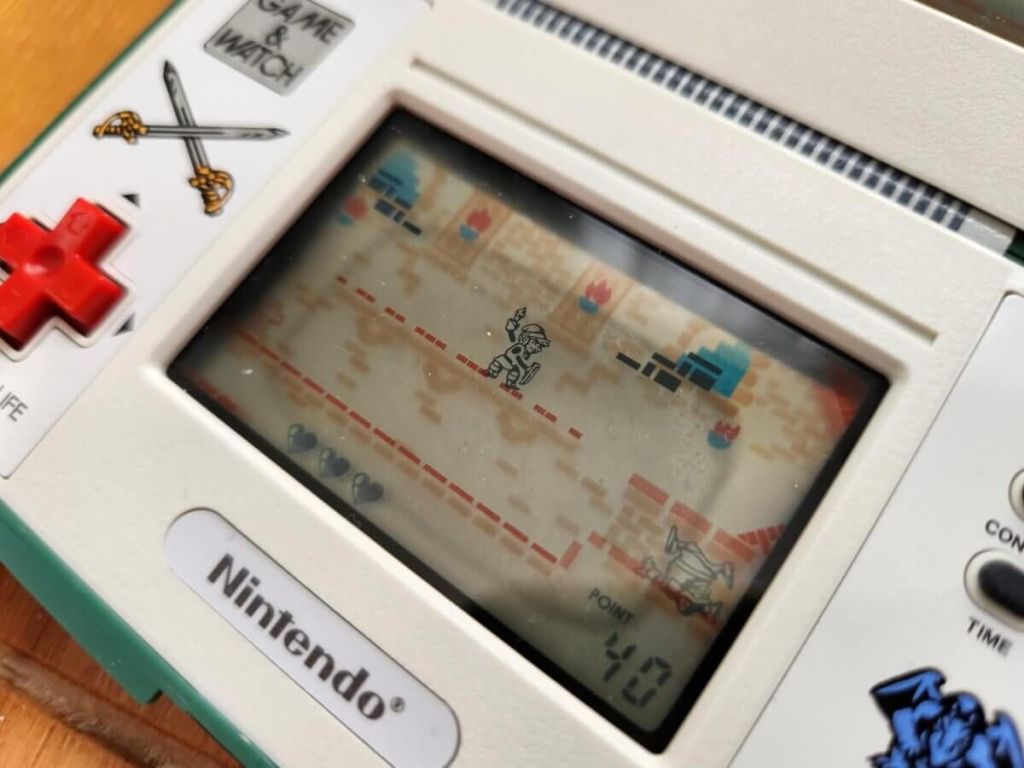
There have been a lot of games made for Nintendo’s handheld LCD series the Game & Watch throughout the eighties and by 1989 that list included Zelda, an unusually elaborate entry for the typically simplistic device in which Link faces a slew of monsters and must gather eight pieces of the Triforce while defeating eight dragons and saving Princess Zelda. There have been other LCD Zelda games made afterward by the companies Nelsonic and Epoch, but Nintendo did release a special limited edition Game & Watch in 2021 in time for Zelda’s 35th anniversary that allowed you to play portable versions of the original Legend of Zelda for the NES, its sequel Zelda II, the Game Boy game Link’s Awakening and a brand new version of the classic Whac-A-Mole-style Game & Watch game Vermin featuring Link.
The Satellaview Games
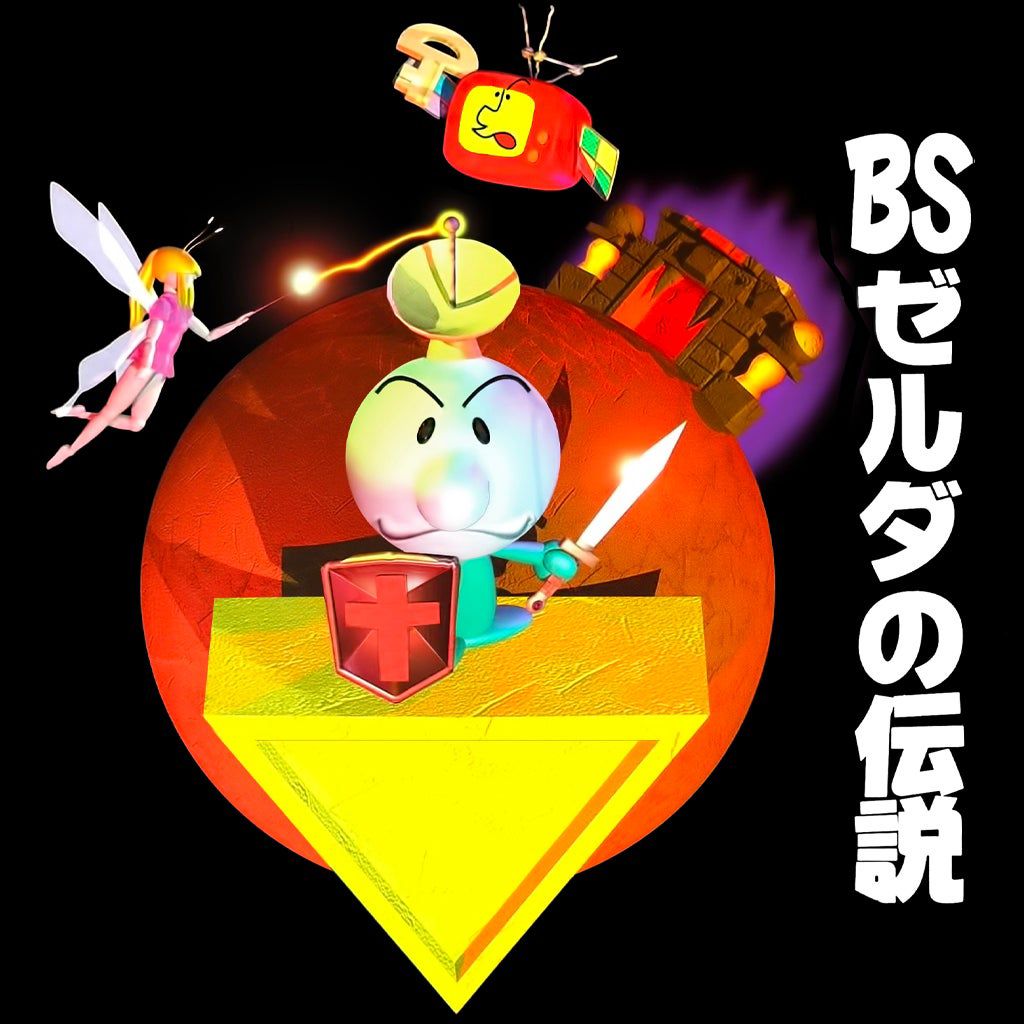
For those who don’t know, the Satellaview was Nintendo’s satellite peripheral co-developed by St. GIGA and released exclusively in Japan in the late 1990s that gamers could connect to their Super Famicom in order to download and play certain games via live broadcast, including a few original Zelda games. Among these are BS The Legend of Zelda (“BS” standing for Broadcast Satellite) which was similar to the original NES Zelda gameplay-wise but was broadcast live and enjoyed by gamers across Japan simultaneously, released episodically like a radio program on a weekly basis and even featured voice acting via SoundLink. This was followed by BS The Legend of Zelda: Ancient Stone Tablets and The Legend of Zelda: Triforce of the Gods. These games, known collectively by Zelda fans as the BS Zelda games, were popular with Japanese gamers at the time. How canonical they are leads to a lot of fan debate and they are honestly fascinating enough that I could write an entire article dedicated to them if I were inclined to, but don’t expect them to ever see the light of day again because the Satellaview is one of those unique communal experiences that could have only existed in the 20th century. Of course the impending and now all-consuming popularity of the World Wide Web has not exactly made gamers long for the days of satellite broadcasts anyway.
The Tingle Spin-offs
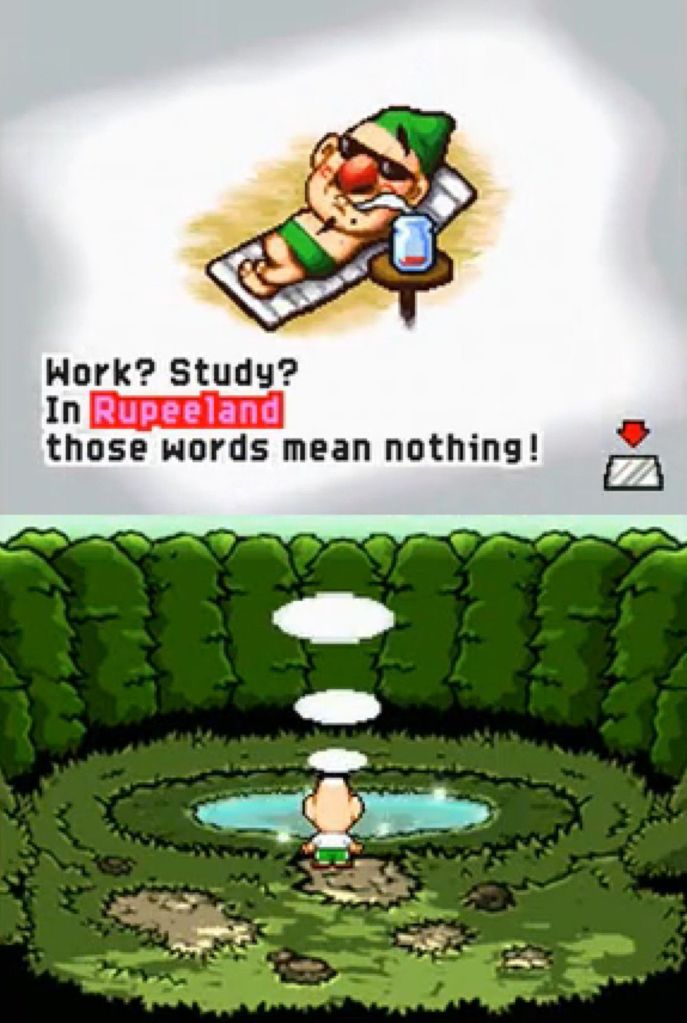
Some people may not be aware that Tingle (a character who first appeared in Majora’s Mask and has made many other appearances since then) has actually received his own handheld spin-off game in Japan developed by Vanpool for the Nintendo DS called Freshly-Picked Tingle’s Rosy Rupeeland (2006) which follows your journey to collect as many Rupees as possible so that you can drop them in a spring, magically increase the size of your tower and eventually be let into a paradise called Rupeeland. It has Zelda-like gameplay elements but is very different from a typical Zelda game, as one might expect from a game with Tingle as a lead character. This was followed by the sequel Ripened Tingle’s Balloon Trip of Love (2009) which was also developed by Vanpool and doubled as a parody of The Wizard of Oz, and even a remake of the NES game Balloon Fight starring Tingle. I don’t dislike Tingle as much as other Zelda fans but let’s just say I think it was probably a smart move not to release these games in America.
Link’s Crossbow Training
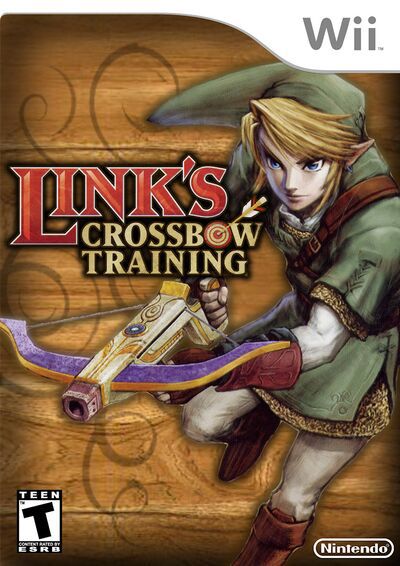
In 2007 a Wii remote peripheral called the Wii Zapper (an homage to the NES Zapper of Duck Hunt fame) was released and bundled with a game called Link’s Crossbow Training, which was a first for the Zelda series: a shooter game. Set in the world of Twilight Princess, it was the intention of Shigeru Miyamoto for his team to make a less ambitious, story-focused adventure game and a more light and gameplay-focused shooter involving Link and his crossbow. Many agreed the game was fun but a lot of Zelda fans were so used to Zelda games going above and beyond that they were also inevitably disappointed by how short and barebones it was. Although that’s kind of on them, because for a game with a title like that, they should have set their expectations lower.
Hyrule Warriors
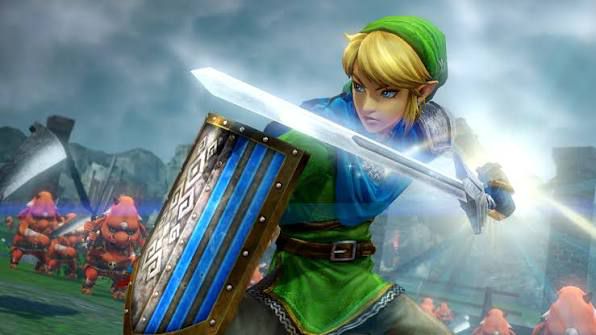
Hyrule Warriors was Nintendo’s answer to Koei Tecmo’s hack and slash action series Dynasty Warriors. Co-developed by Team Ninja and Omega Force (the original developer of Dynasty Warriors) and released in 2014, it features many Zelda characters spanning many games and timelines fighting alongside each other and it became one of the best-selling games on the Wii U. It was followed by an updated version for the 3DS called Hyrule Warriors Legends (2016) and a Nintendo Switch version called Hyrule Warriors: Definitive Edition (2018) and later led to the sequel Hyrule Warriors: Age of Calamity (2020) which is set in the world of Breath of the Wild, and the sequel Hyrule Warriors: Age of Imprisonment (2025) which takes place during the Imprisoning War mentioned in Tears of the Kingdom. All the games received largely positive reviews and many Zelda fans have embraced them as a fun alternative Zelda experience.
Cadence of Hyrule
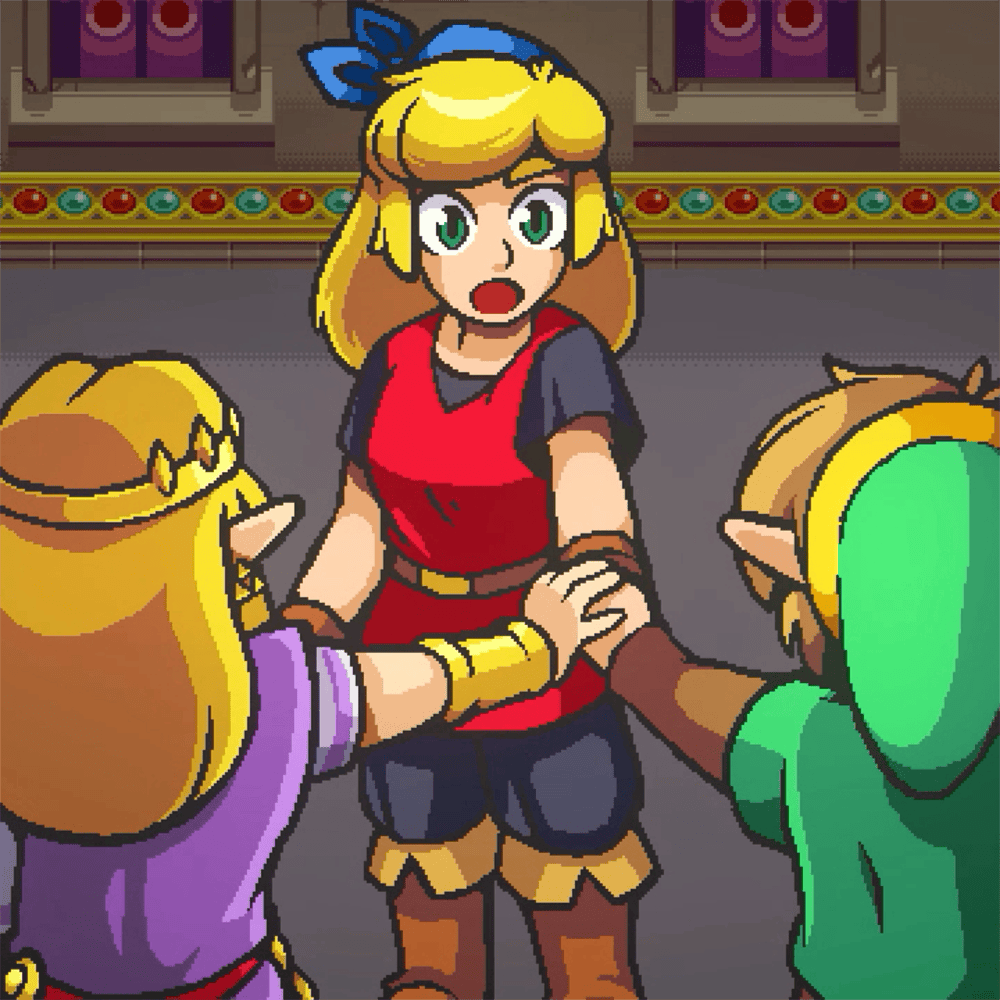
In 2015 the Canadian indie developer Brace Yourself Games created a rhythm roguelike for the PC called Crypt of the NecroDancer which combined dungeon exploration with beat-matching to fun results and positive reviews. When the game was ported to the Nintendo Switch in 2018, designer and director Ryan Clark asked Nintendo for permission to add Zelda-themed DLC to the game, which instead led to Nintendo giving Brace Yourself Games permission to create a whole new crossover game called Cadence of Hyrule (2019), which brought back Crypt of the NecroDancer composer Danny Baranowsky to remix various Zelda songs. The game was a rare instance of Nintendo giving an indie studio control of its IP and it received positive reviews itself while scratching an itch for old school Zelda fans in the process.
The CD-i Games
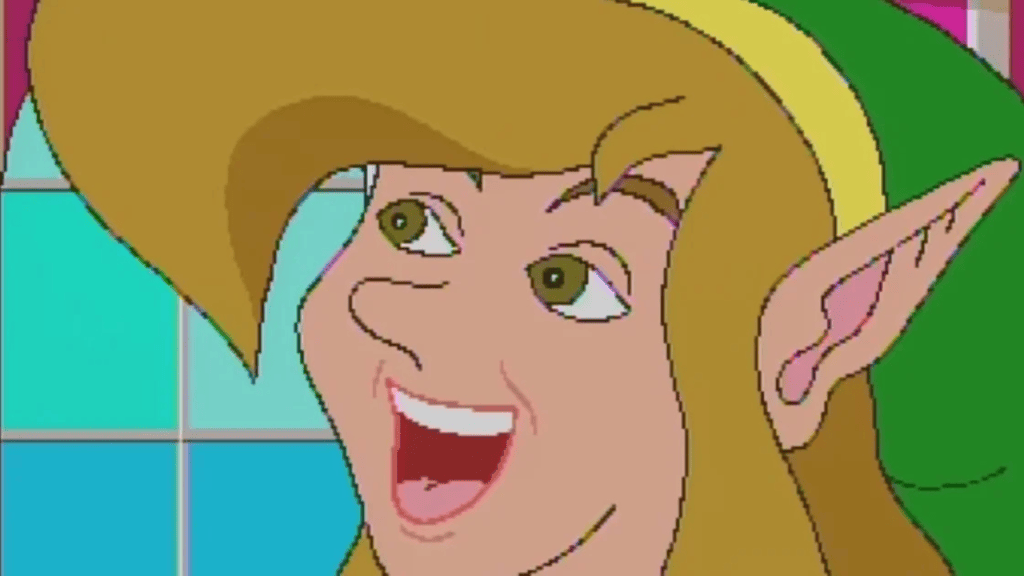
The live-action Super Mario Bros. movie isn’t the only thing released in 1993 that Nintendo wants to pretend never existed. In a rare instance of Nintendo giving creative control over Zelda to another studio, in this case the Dutch company Philips Interactive Media, the games Link: The Faces of Evil and Zelda: The Wand of Gamelon were two side-scrolling adventure games released for the disc-based Philips CD-i that featured full-motion video animated cutscenes and voice acting. Too bad everything about these games was executed in the most mediocre way possible. Zelda producer Eiji Aonuma has publicly stated that the games are not canonical and many acknowledge them as some of the worst games ever made. Although clips from those games get a lot of mileage from the internet meme community to hilarious results and Seedy Eye Software even satirized them in the 2024 game Arzette: The Jewel of Faramore. Another CD-i game called Zelda’s Adventure (1996) took a more realistic approach and featured live-action cutscenes, but that received an even worse reception.
The TV Series
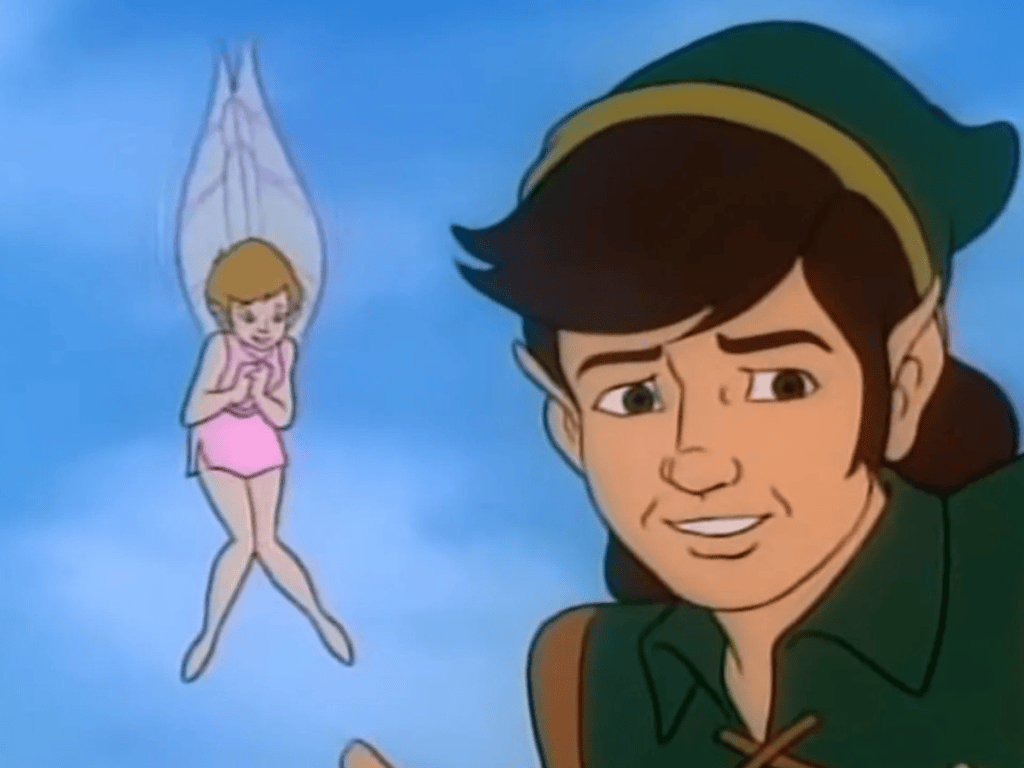
The animated Zelda segments from DIC’s syndicated TV series The Super Mario Bros. Super Show! (1989) were pretty much exactly what you would expect from a swords and sorcery fantasy cartoon from the 1980s aimed at kids. Despite that, they are kind of a guilty pleasure for me, not just because of my nostalgia for that era of television but because they kind of reach so-bad-it’s-good territory and provide me with a lot of unintended laughs. Sometimes that kind of entertainment has just as much value as something that is well-written and well-executed. And to anyone who disagrees, I say “Well, excuuuuuse ME, princess!”
The Movie
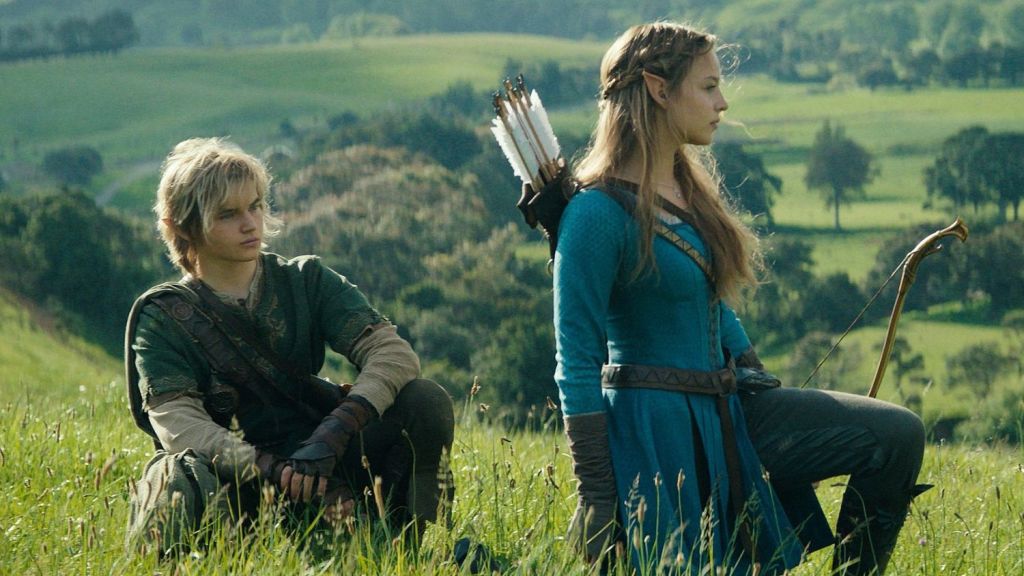
Something that Zelda fans have been waiting a long time for finally happened in 2023 when it was announced that a live-action Legend of Zelda film adaptation was in the works at Nintendo and Columbia Pictures from Kingdom of the Planet of the Apes director Wes Ball and Sony Spider-Verse producer Avi Arad along with Shigeru Miyamoto. The film stars Benjamin Evan Ainsworth as Link and Bo Bragason as Zelda and is currently scheduled to be released in the spring of 2027. Details are practically non-existent as of this writing but I am both hopeful and nervous about it. Nervous because the two Nintendo films that the studio made so far with animation studio Illumination have still not convinced me that Nintendo fully understands what makes a good movie as much as they understand what makes a good game. On the other hand, I’m holding on to the hope that maybe there’s a chance that the story-driven nature of the Zelda series, the lack of big name actors in the lead roles, Wes Ball’s respect for the source material and the Lord of the Rings vibe they are aiming for will lead to a more entertaining movie not only for kids but for intelligent adults, unlike the Mario movies which seemed to narrowly target kids and Nintendo fans. We’ll see what the final result is, but regardless of how it turns out, I’m excited to see these games brought to life on the big screen after being such a huge fan of them ever since I was a child whose very first video game, and in fact the reason why I became such a huge fan of video games, was Zelda.

