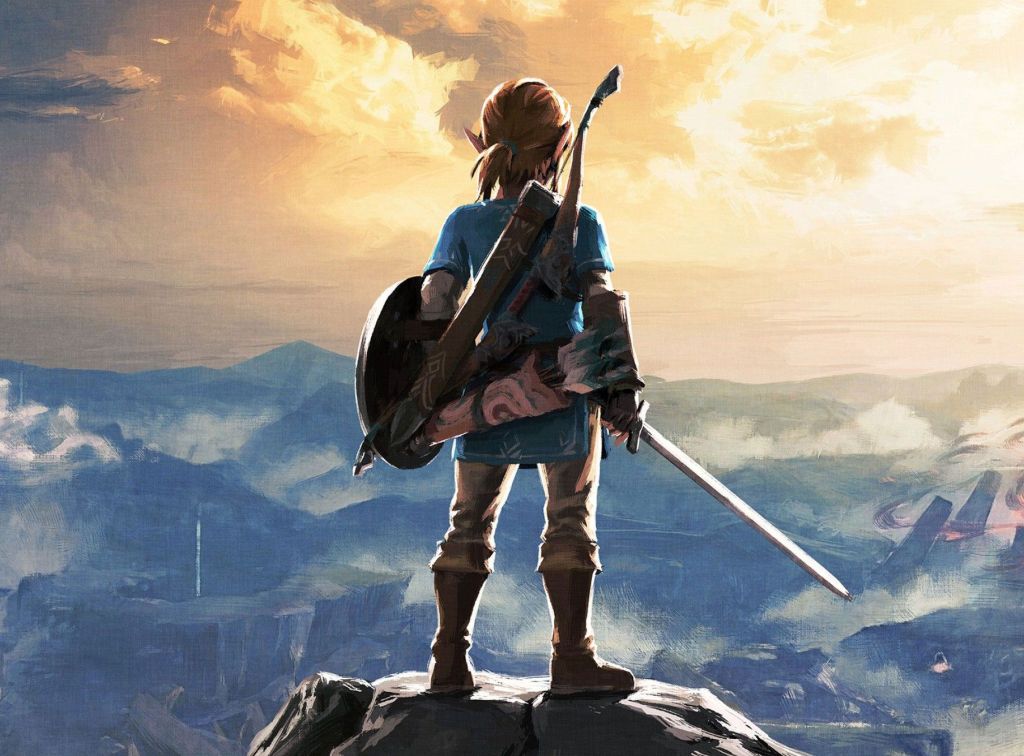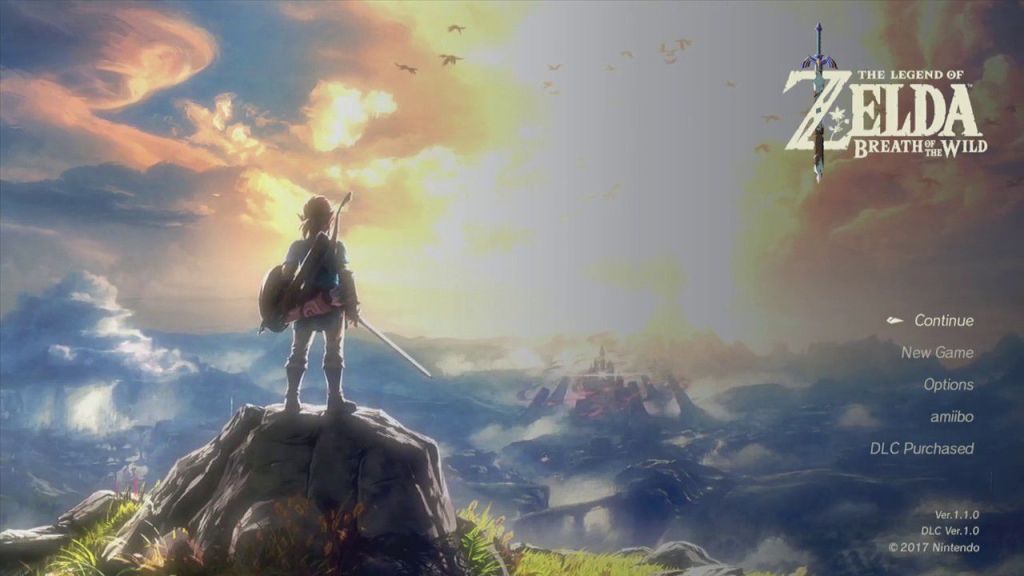
The Legend of Zelda: Breath of the Wild was what many Zelda fans called a breath of fresh air when it came out in 2017. Here finally was a Zelda game that felt less like a slightly tweaked version of an old formula and more like the most ambitious, huge and innovative modern adventure game of its time.
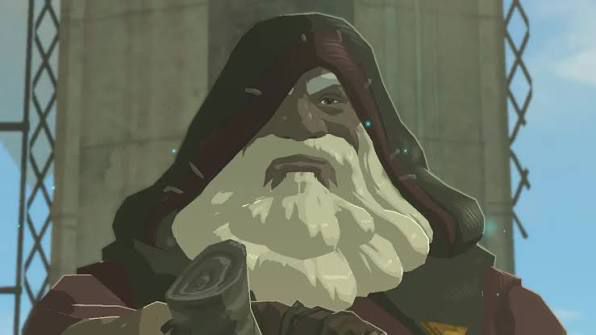
Chronologically Breath of the Wild takes place at the farthest end of the Zelda timeline after every other previous game. The story begins when a warrior named Link awakens with amnesia in a place called the Shrine of Resurrection located on the Great Plateau overlooking the kingdom of Hyrule. The spirit of Hyrule’s last king, Rhoam, makes contact with Link and explains to him that he has been asleep in this shrine for a century.
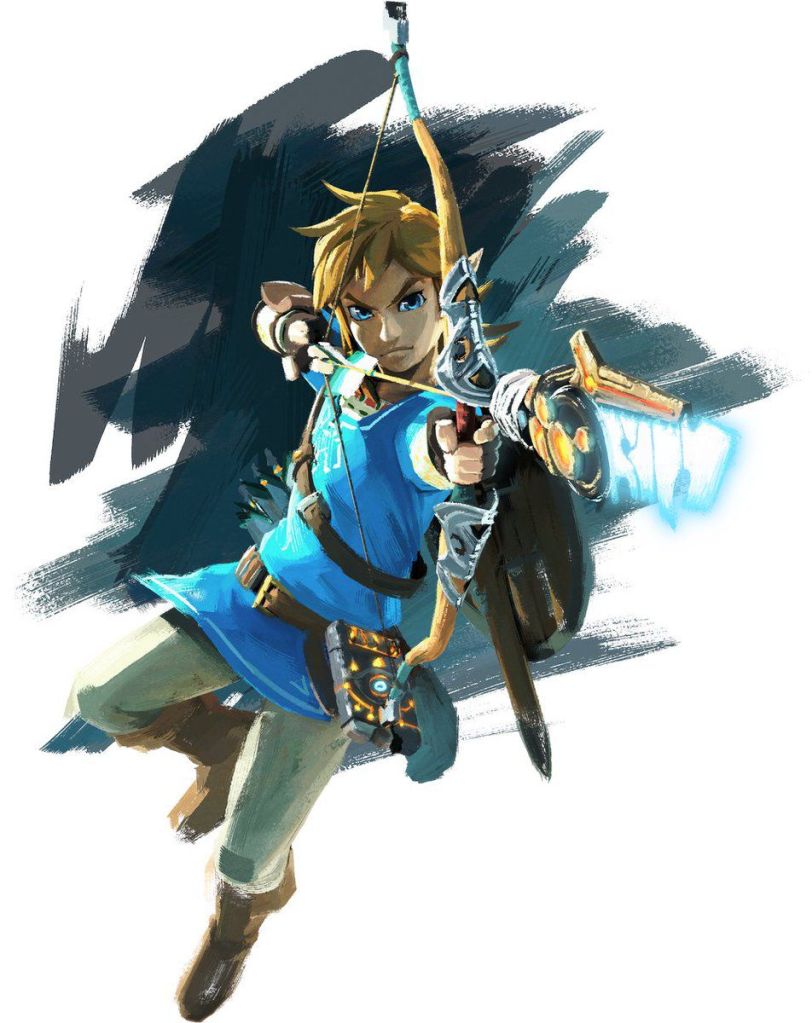
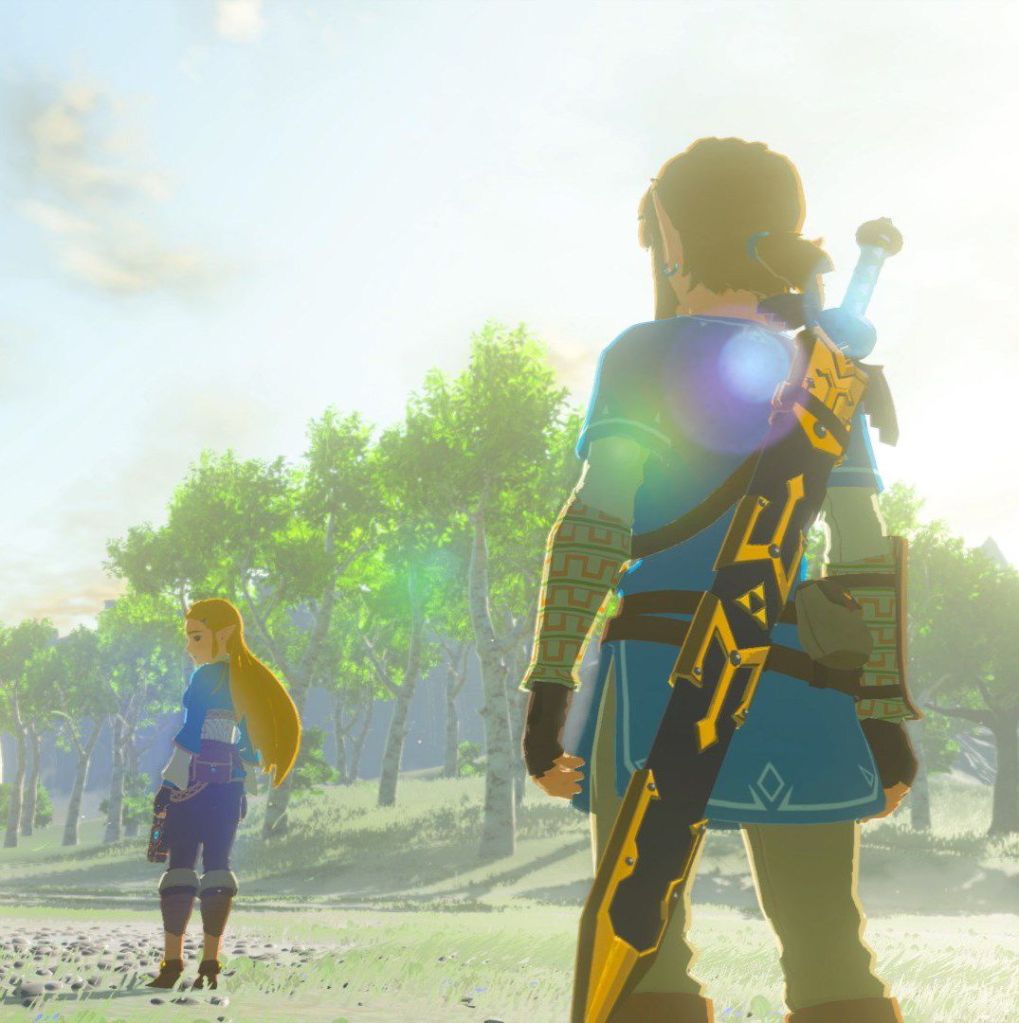
As Rhoam explains, an evil entity known as Calamity Ganon threatened Hyrule in ancient times until four great warriors weakened Ganon while the princess of Hyrule (and descendant of the goddess Hylia) sealed the dark spirit away. Many millennia later, Hylians discovered after reading their ancestors’ prophecies that Ganon was bound to return. Princess Zelda sought to awaken the ancient power that defeated Calamity Ganon millennia ago by forming a new team of warriors, with a knight named Link by her side to protect her, chosen because of his ability to wield the Master Sword. Ganon did in fact reappear, but this time they were no match for him. Ganon destroyed the four warriors, he murdered King Rhoam and he injured Link. Zelda took Link to the Shrine of Resurrection to heal him while she hid the Master Sword away in the Korok Forest for safe keeping, using her magic to seal Ganon along with herself inside Hyrule Castle.
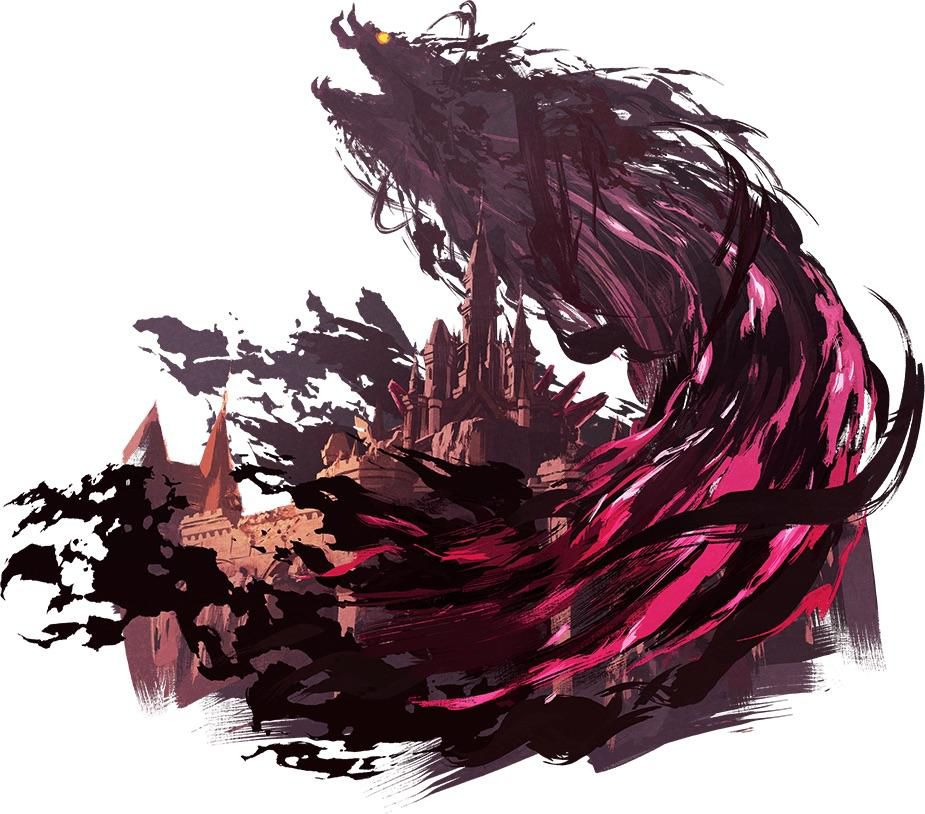
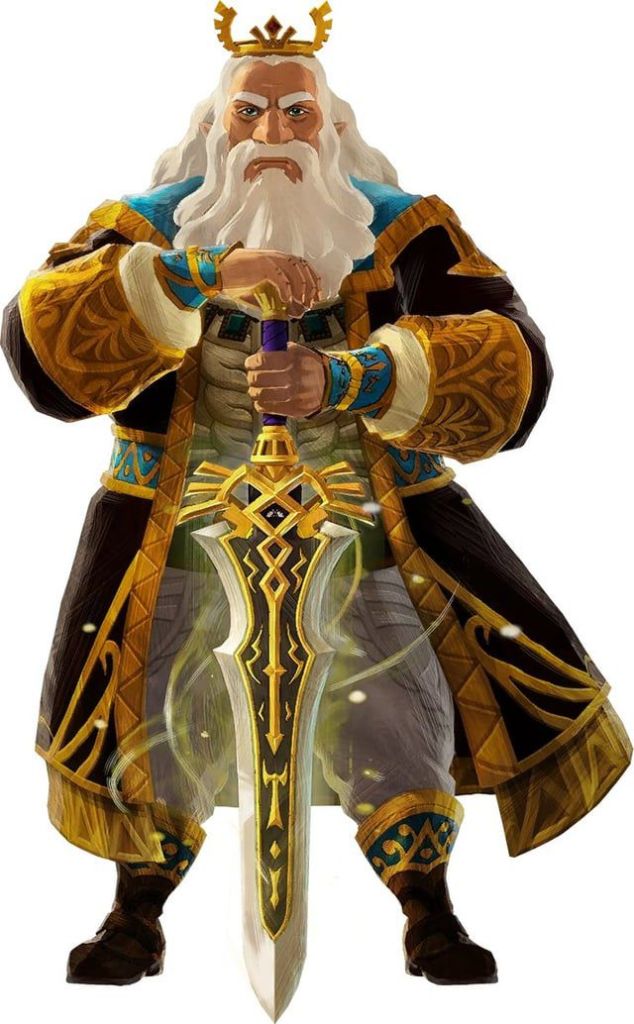
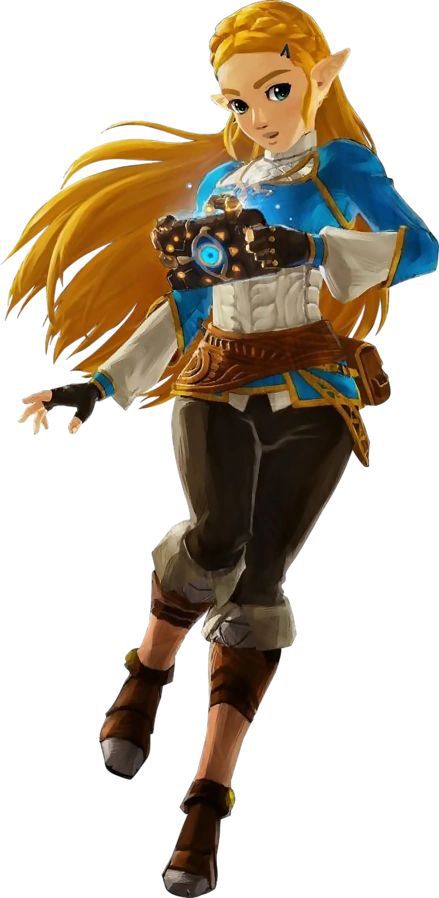
According to Rhoam, Ganon has grown stronger while sealed in the castle, and now that Link has awakened, Rhoam asks Link to defeat Ganon before he destroys the world. As Link travels the Great Plateau and explores locations from his past, he gradually regains his lost memories and eventually frees the spirits of the four fallen warriors, journeys to Korok Forest to obtain the Master Sword and heads for Hyrule Castle to confront Ganon once again.
Skyward Sword director Hidemaro Fujibayashi directed the game while Akihito Toda and Naoki Mori handled the writing. Producer Eiji Aonuma’s goal with the follow-up to Skyward Sword was to rethink the conventions of the Zelda series, with encouragement from the positive reception A Link Between Worlds received for its innovations regarding nonlinear gameplay. The decision was made with Breath of the Wild to turn Hyrule into an open world on the scale of something Nintendo had never done before, in a way harkening back to the very first Zelda on the NES by giving players endless exploration possibilities with few instructions on where to go or what to do, but on a grander scale more close to the size of modern open-world games like Grand Theft Auto and Minecraft. This would eliminate the established series expectation that the game’s dungeons must be completed in a certain order. That level of freedom goes for the puzzles as well, which can be solved in multiple ways as opposed to a single way.
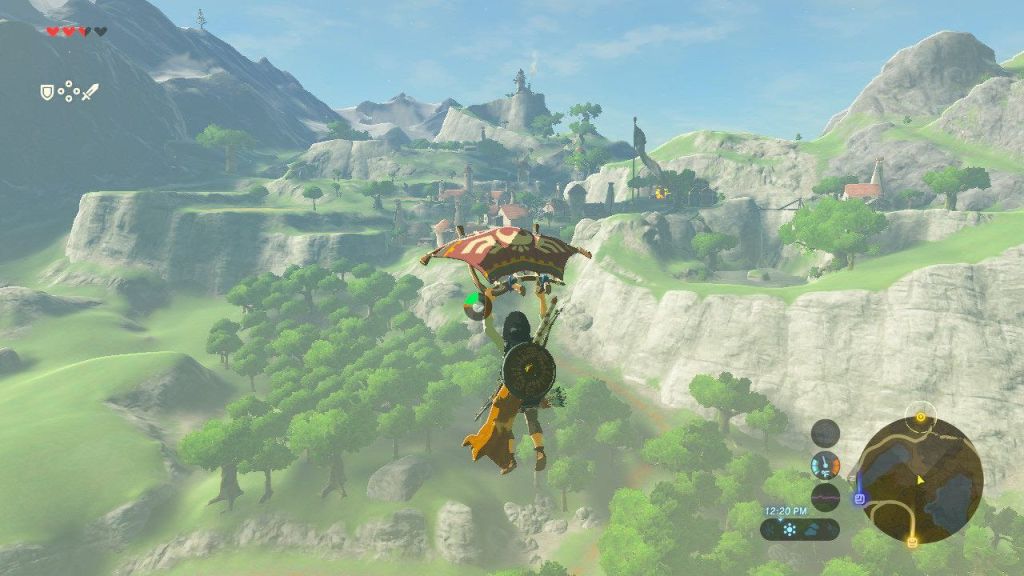
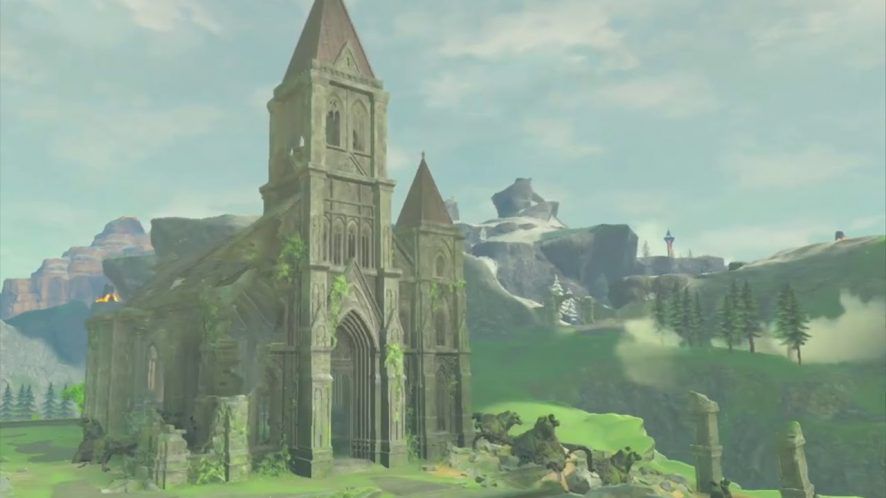
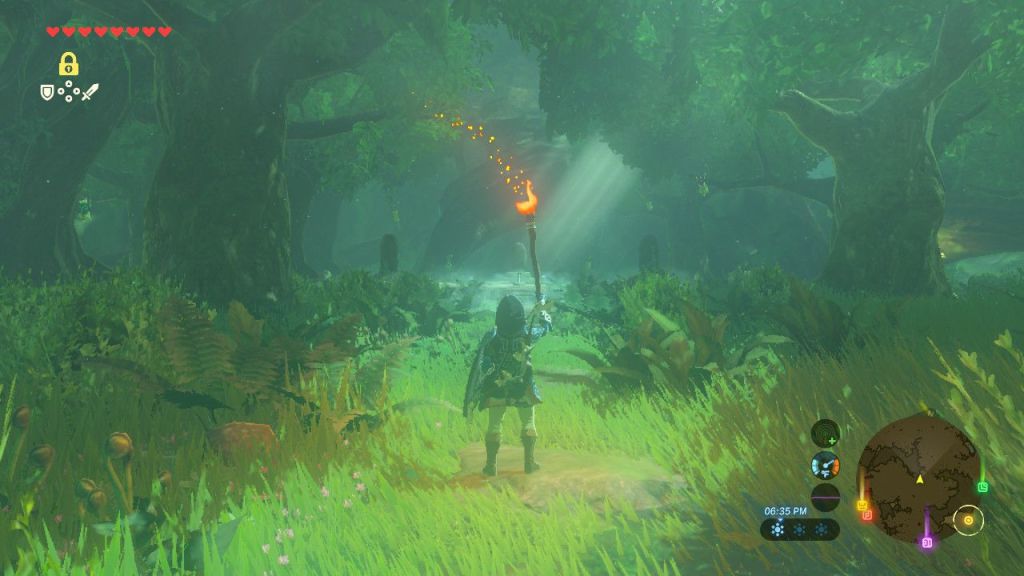
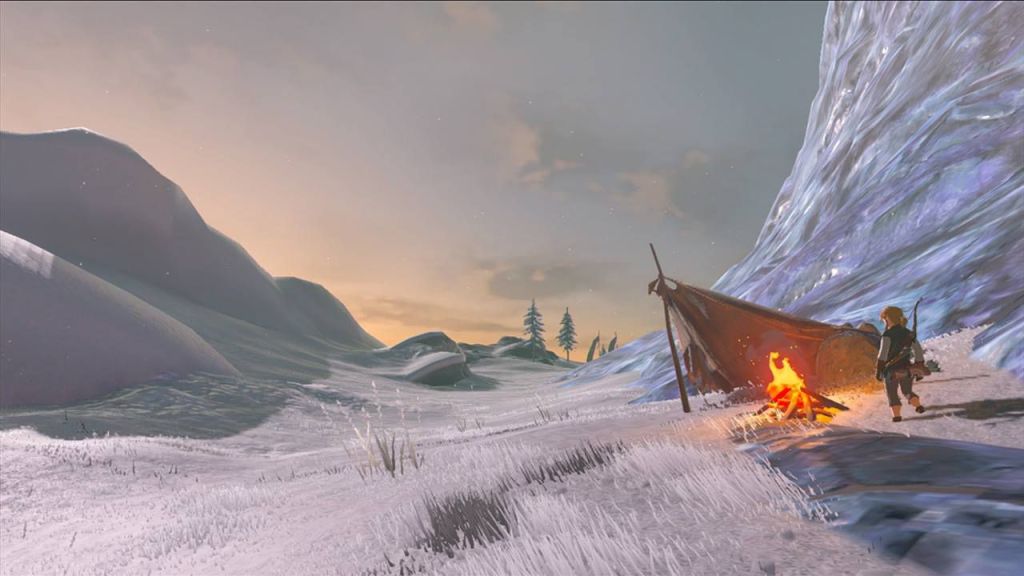
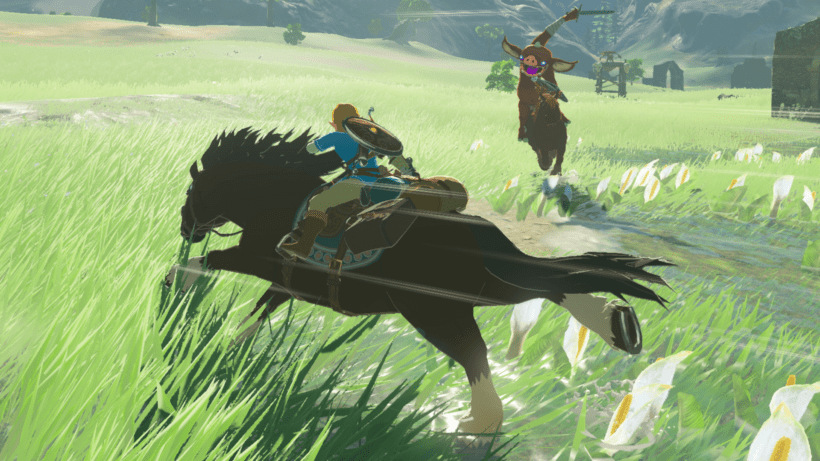
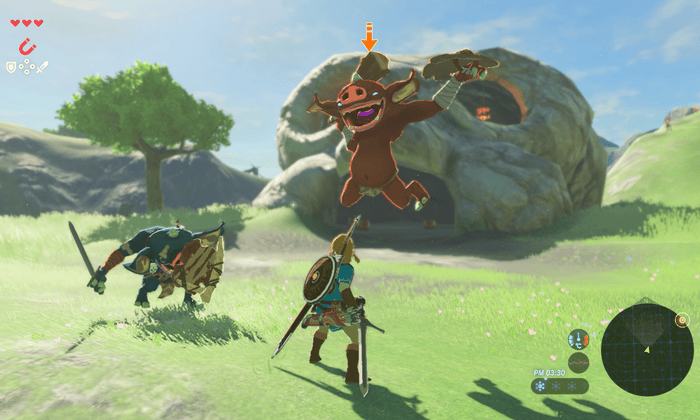
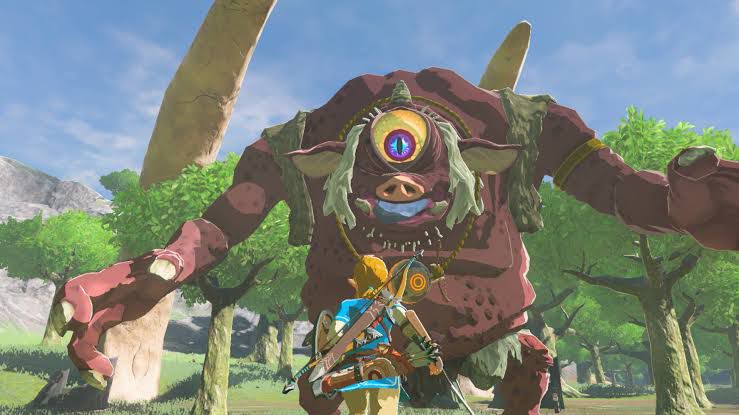
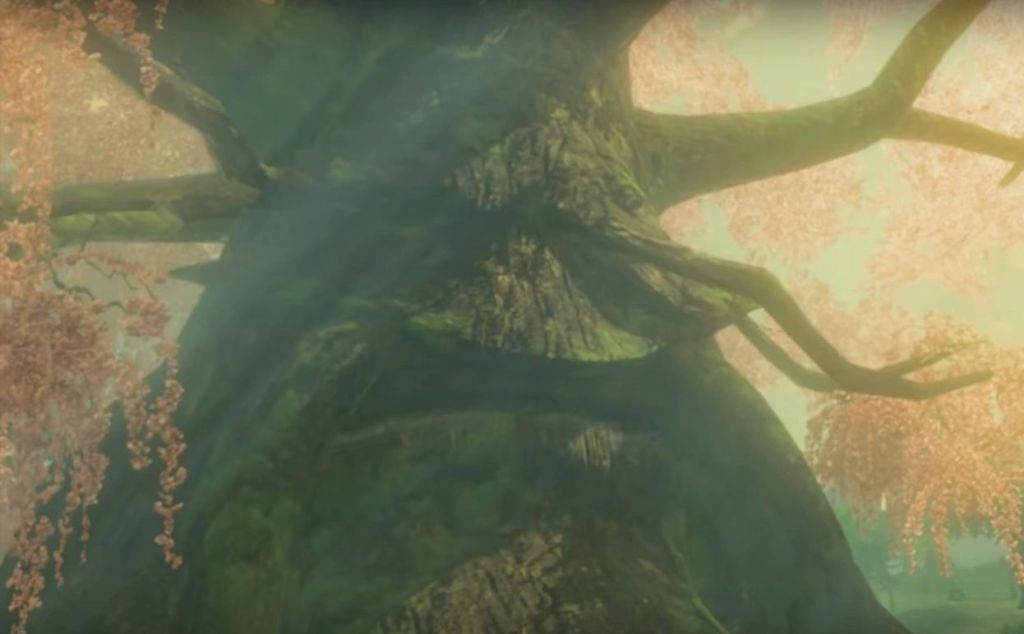
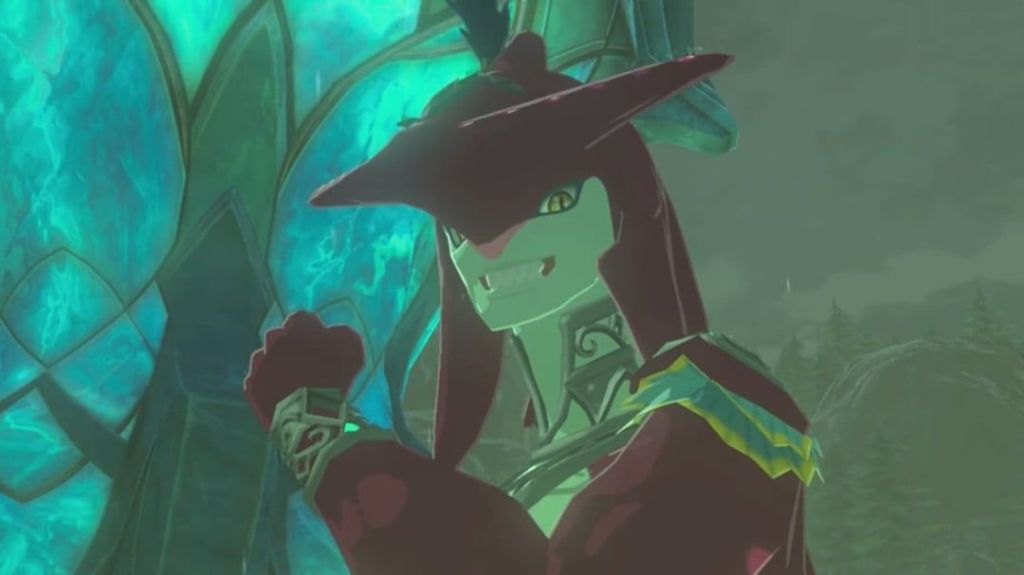
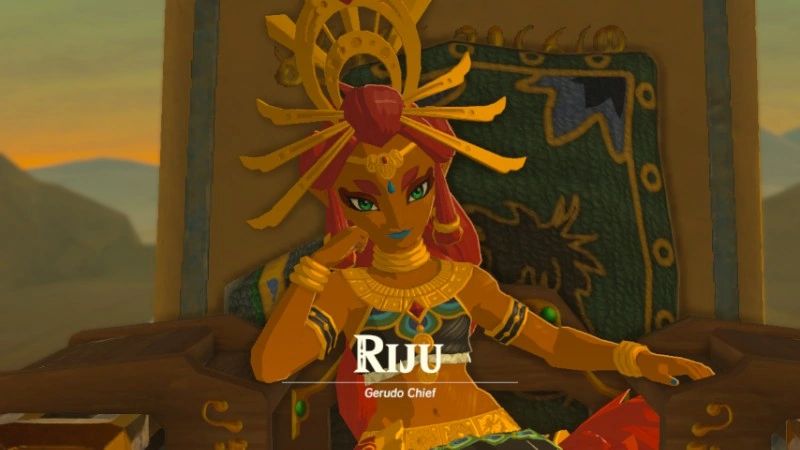
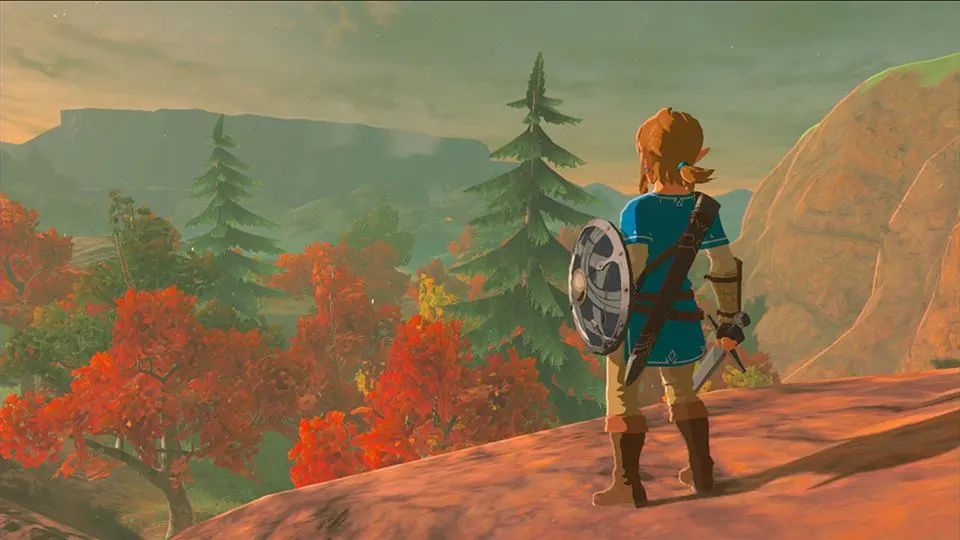
One of the game’s biggest innovations besides the scope is the more reactive physics, such as the slow degradation of your most used weapons, the ability to roll boulders down slopes and crush enemies and how you are more likely to be struck by lightning during a thunder storm if you are carrying metal. Those are just some of the examples of the increased realism of the game’s physics in addition to the stamina meter first introduced in Skyward Sword.
Art director Satoru Takizaka cited ancient Japan as inspiration for some of the Hylian architecture and mysterious ruins found in the Great Plateau while the overall art design was inspired by the style of gouache and still life paintings so as to maintain the clarity of Hyrule’s vast environment from a distant angle. The final cel shaded art direction of the game holds up the tradition started by The Wind Waker and continued by Skyward Sword to add a slight anime aesthetic to the visuals. Meanwhile the music by Manaka Kataoka, Yasuaki Iwata and Hajime Wakai was intentionally more subdued and ambient than the typically more melodic soundtracks of previous Zelda games in order to add to the authentic feeling of exploring the outdoors, with the landscape of the Great Plateau inspired by the natural environment of Fujibayashi’s hometown Kyoto.
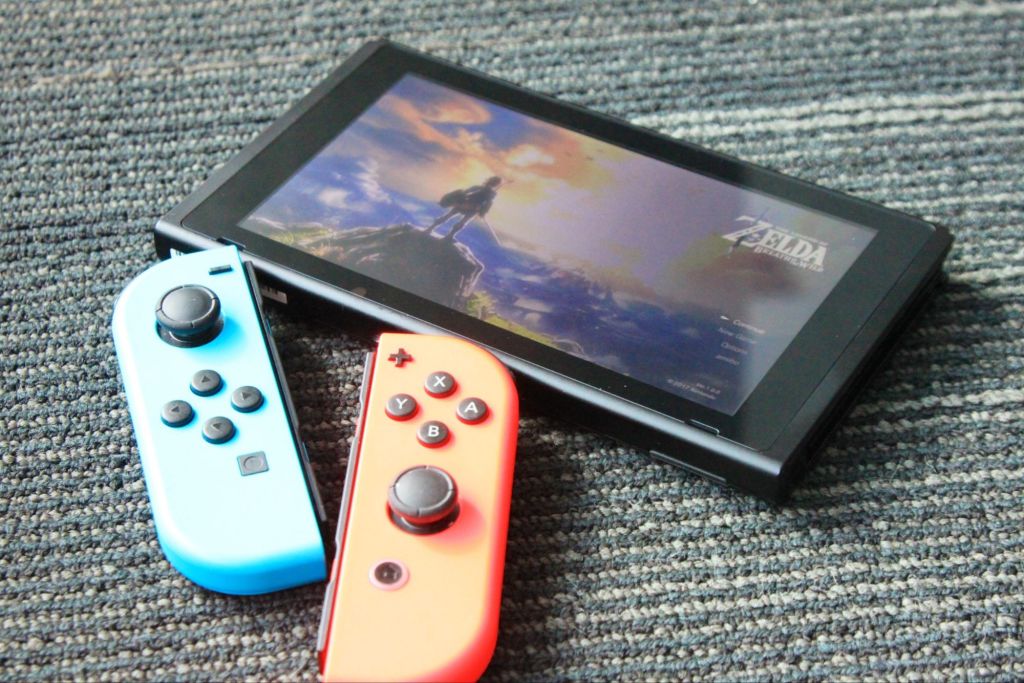
Breath of the Wild was first announced as a Wii U game back in 2013 during a Nintendo Direct, but its development lasted longer than expected and by the time it was 2017, Nintendo decided to cross-release the game on both the Wii U and the Nintendo Switch. In fact, Breath of the Wild was the launch game for the Switch, and the popularity of both Breath of the Wild and the Switch became synonymous. When it came out it became one of the most critically acclaimed and commercially successful video games ever made, holding the most perfect scores per critic of any game that year, which made it one of the most critically acclaimed Wii U games as well, with many calling it a masterpiece and some even calling it the best video game ever made.
Much of the praise was aimed at the freedom of its open world, the infinite experimentation possibilities, the brilliant gameplay design, the brilliant mechanics, the intriguing mystery, the attention to detail and the heavy emphasis on player immersion that made the Zelda series feel fresh again. The game was influenced by other games with big open worlds, mainly The Elder Scrolls V: Skyrim and Shadow of the Colossus, while it went on to influence the developers of future games like Ghost of Tsushima, Elden Ring and Clair Obscur: Expedition 33.
Following this huge success, Aonuma, Fujibayashi and the team at Nintendo reunited to develop a sequel called The Legend of Zelda: Tears of the Kingdom which was released for the Switch in 2023. That game expanded the areas of exploration to the sky and to the underground and it introduced the ability to construct items. The idea for Tears of the Kingdom originated from an idea for some Breath of the Wild downloadable content that became so ambitious that the decision was made to make it a brand new game instead. This time much more emphasis was put on the customization and tool construction options in the game after the Breath of the Wild team realized how popular experimentation was with players. Meanwhile the descent from the sky to the earth and vice-versa was much more seamless than what the technology of the Wii allowed in Skyward Sword.
The plot for Tears of the Kingdom was set several years after Breath of the Wild when Link and Zelda explore an underground cavern beneath Hyrule Castle and discover a poisonous substance called the “Gloom” that has been infecting the citizens of Hyrule and making them sick. More strange phenomena follow and Link soon learns of a mysterious race of people called the Zonai, a secret stone with time-travelling powers and an ancient battle known as the Imprisoning War against the “Demon King.”
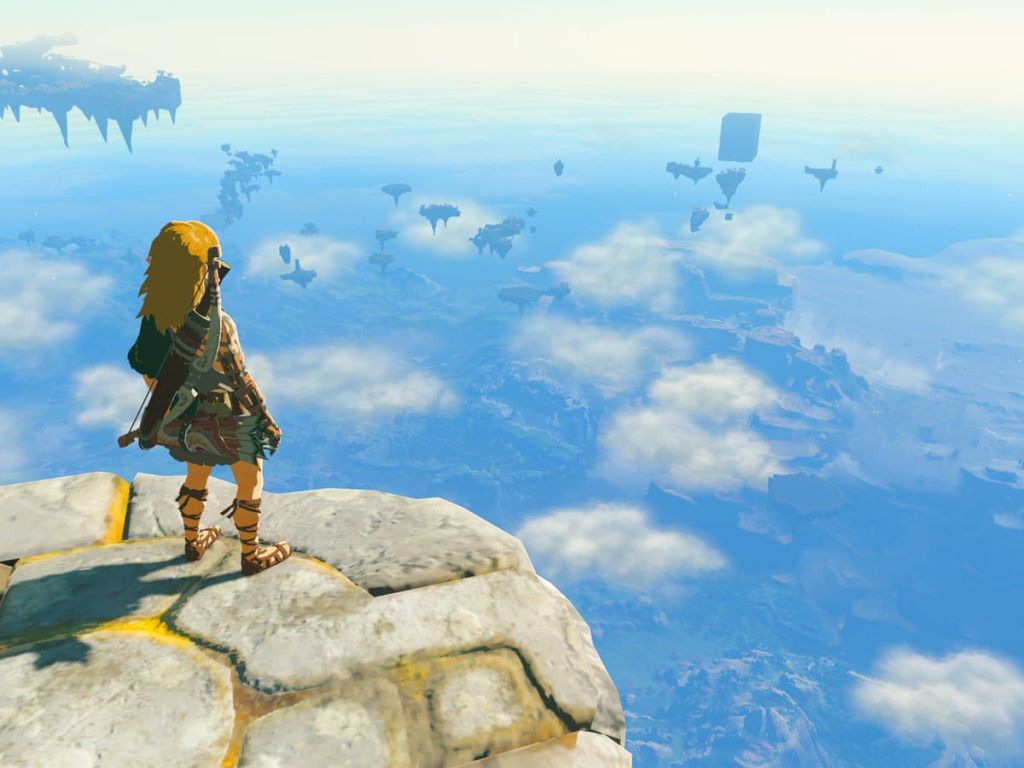
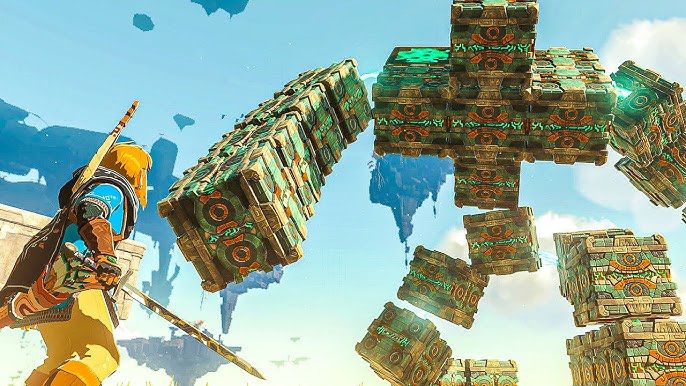
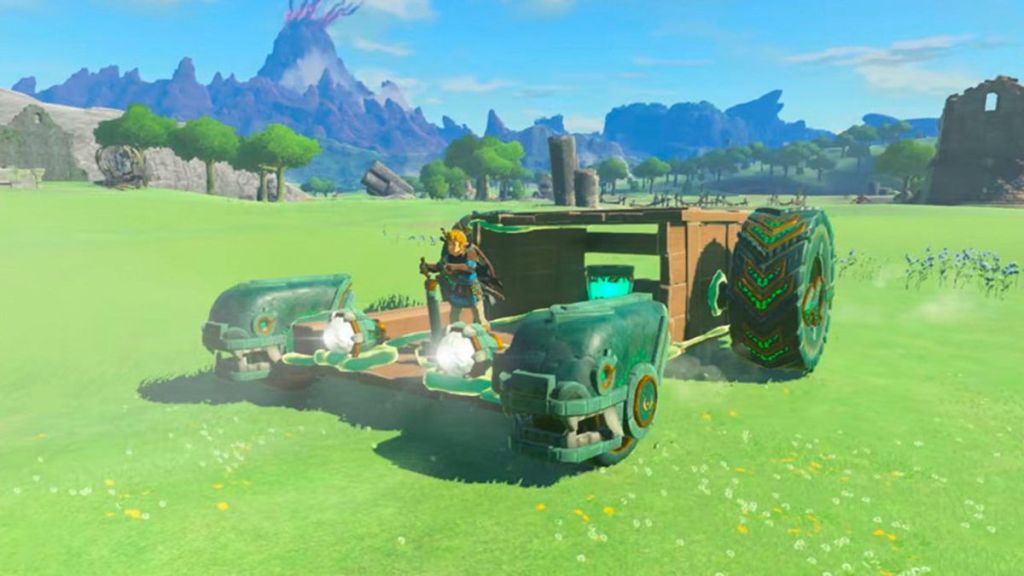
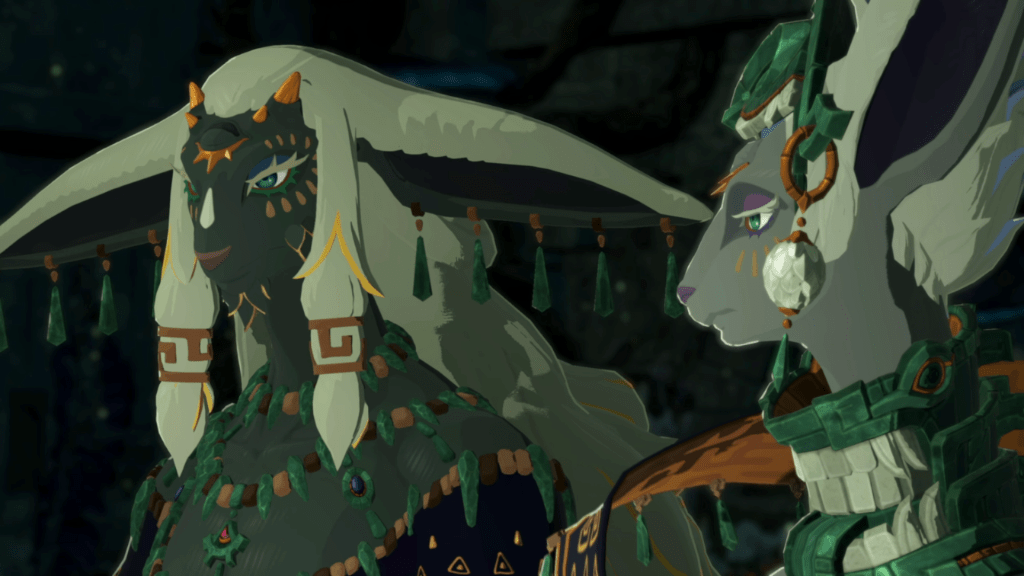
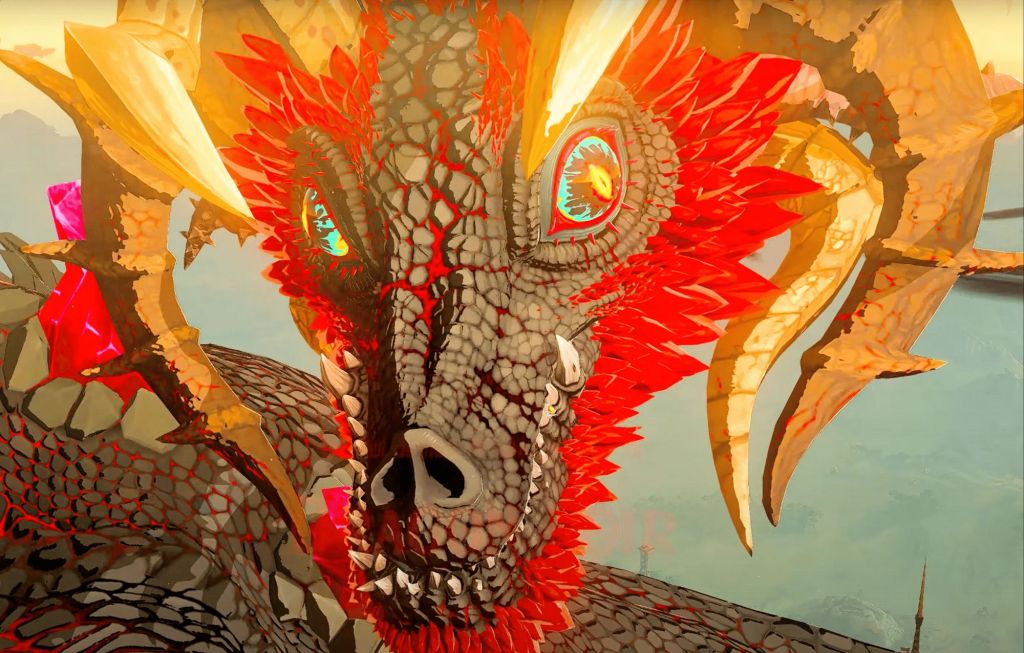
Just like Breath of the Wild, Tears of the Kingdom received universal critical acclaim with many calling it an improvement on Breath of the Wild and an even bigger and better experience with a more compelling story. Both games were re-released on the Nintendo Switch 2 in 2025 in enhanced editions with improved resolution and additional features. Where the Zelda series goes from here is anyone’s guess but inside sources at Nintendo say that whatever Link’s next adventure will be, it won’t be a direct follow-up to Tears of the Kingdom, so we probably won’t be getting a trilogy. Which is a good thing in my eyes because one of my favorite things about the Zelda series is how it always manages to stay fresh as it evolves. And Nintendo has millennia of Hylian lore to explore for video game ideas.
My exploration of the Legend of Zelda series is not quite done yet, so stay tuned.