The PC game developer turned PC game publisher Valve got its start in 1996. It was founded by two former Microsoft employees named Gabe Newell and Mike Harrington. Newell was a Harvard student who dropped out to join Microsoft as a programmer and later a technical executive, while Harrington actually started out as a game developer at Dynamix before meeting Newell when he became a designer on Microsoft Windows. During Newell’s 13 years at Microsoft, he was a witness to the phenomenon of id Software’s first-person shooter game Doom (1993) when it was ported to Windows 95. Impressed with id Software’s success with a significantly smaller team than the Windows team, Newell and Harrington both decided to leave Microsoft and form their own software company in Kirkland, Washington. After going through various possible names for the company, they landed on Valve. A deliberately unique name choice but one with a meaning that’s ripe for theoretical analysis.

The first game developed by Valve was Half-Life (1998), a sci-fi horror-themed first-person shooter published by Sierra Studios for Microsoft Windows. Half-Life puts you in control of a physicist named Gordon Freeman who attempts to escape from a research facility overrun by alien creatures after an accident led to their escape from containment. While the team at Valve would license the engine id Software used for their game Quake to save time on development, they sought to innovate the FPS genre with a story-driven game that would feel less like a shooting gallery and more like a dramatically tense experience.
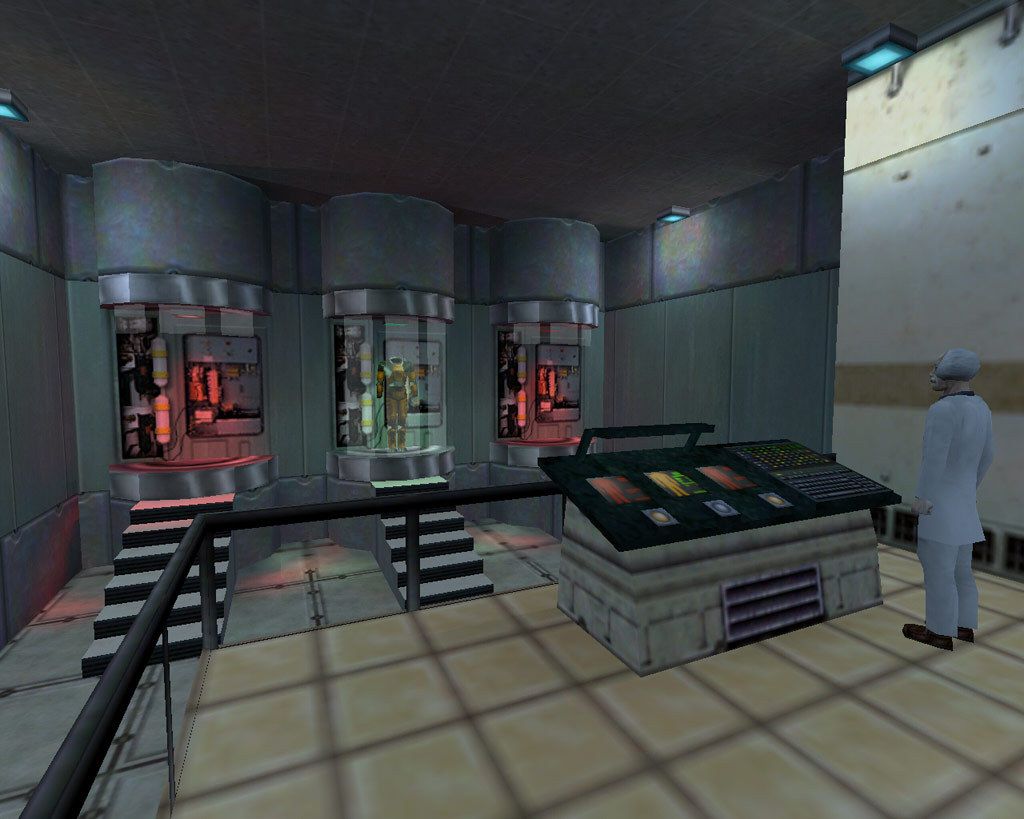
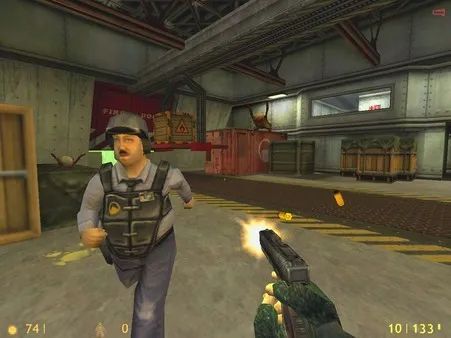
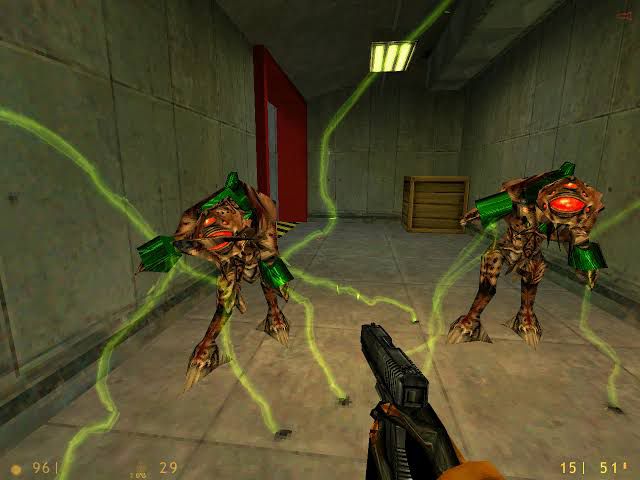
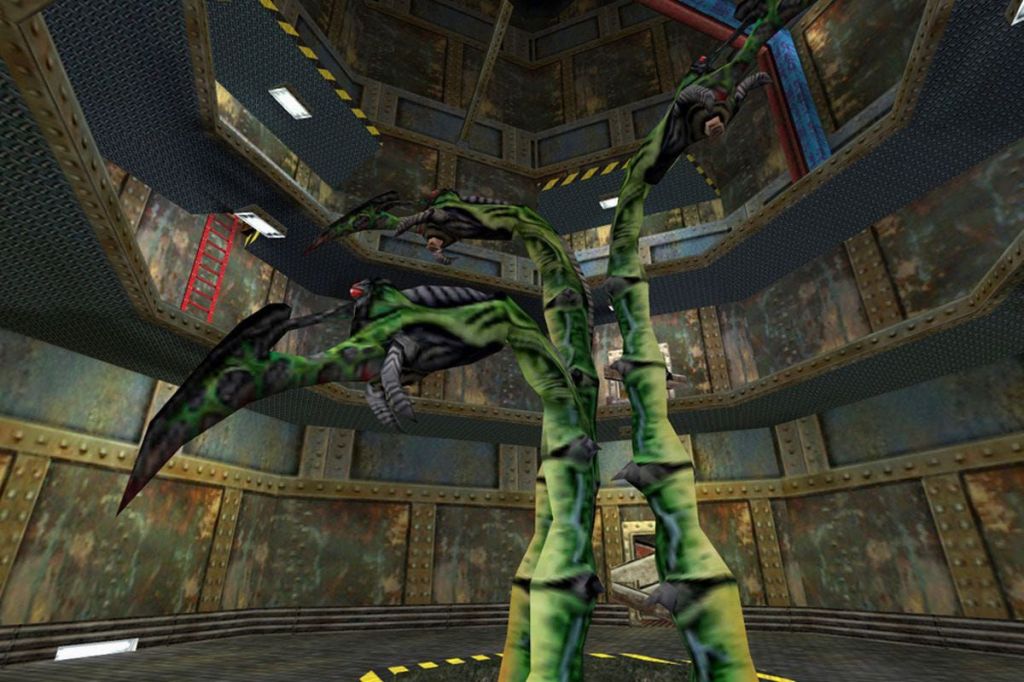
Half-Life featured exploration, combat, puzzle solving, strategy, and perhaps most notably a lack of cutscenes, which meant that the player was fully immersed in the gameplay from start to finish, while in another innovative twist, the game’s progression was divided by chapters rather than levels, with the Black Mesa Research Facility being the majority of the game’s setting. The enemy AI was also sophisticated for the time, often reacting based on the player’s actions rather than following pre-programmed instructions, which forced players to think extra hard about their strategies while dealing with both humans and alien lifeforms. The game’s aesthetic was inspired by Akira while the gameplay itself featured inspiration from Ultima Underworld, Resident Evil 2 and Super Mario 64. The game was also well-written, conceived by sci-fi novelist Marc Laidlaw in collaboration with the Valve team and featuring inspiration from Stephen King, The Outer Limits, Die Hard and Evil Dead in addition to a lot of obvious inspiration from id Software’s library.
Half-Life was a huge success when it came out and it won accolades for its originality, gameplay, amazing graphics and involving narrative, with IGN really driving the point home after declaring that the FPS genre could now be summed up in pre-Half-Life and post-Half-Life eras. Downloadable expansions followed, including Half-Life: Opposing Force (1999), Half-Life: Blue Shift (2001) and the exclusively multiplayer Half-Life: Decay (2001) which were all developed by Gearbox Software, but Valve was focused on bigger things.
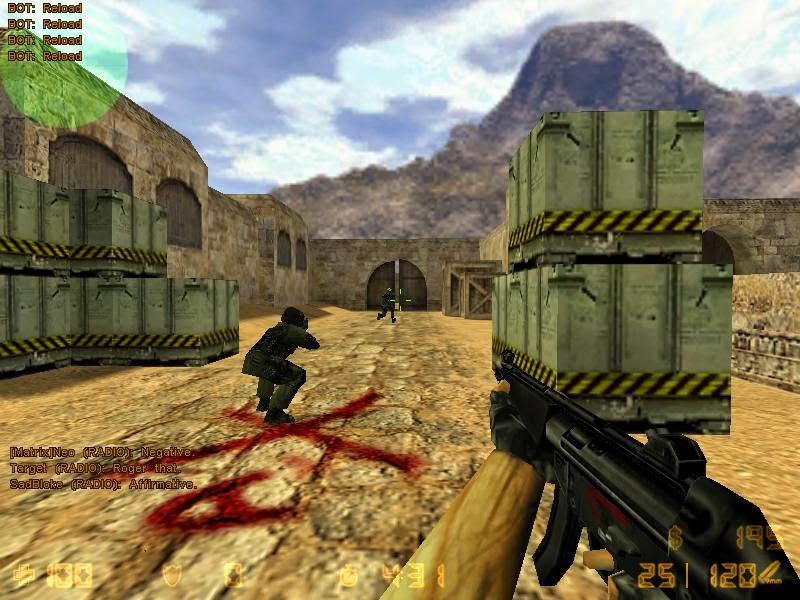
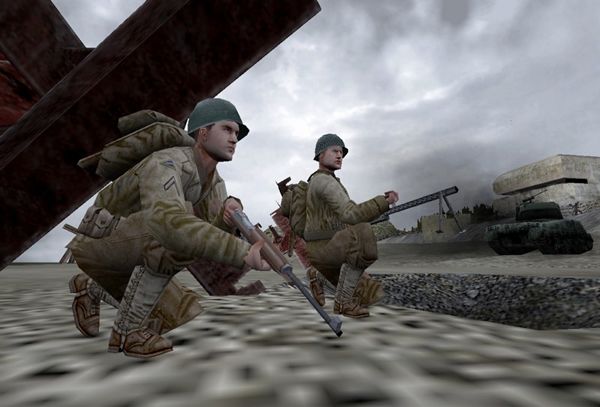
The company’s next big game came when they released Team Fortress Classic (1999). The original Team Fortress was developed by TF Software as a modification (or a “mod”) of id Software’s 1996 game Quake, and Valve hired those same developers to make a Team Fortress-themed mod for Half-Life, which released on Windows 95 a year after the first Half-Life to positive reviews. Other popular mods that Valve helped develop include the tactical multiplayer FPS Counter-Strike (2000) which pits a group of terrorists and counter-terrorists against each other, and Day of Defeat (2003), a World War II-themed multiplayer FPS.

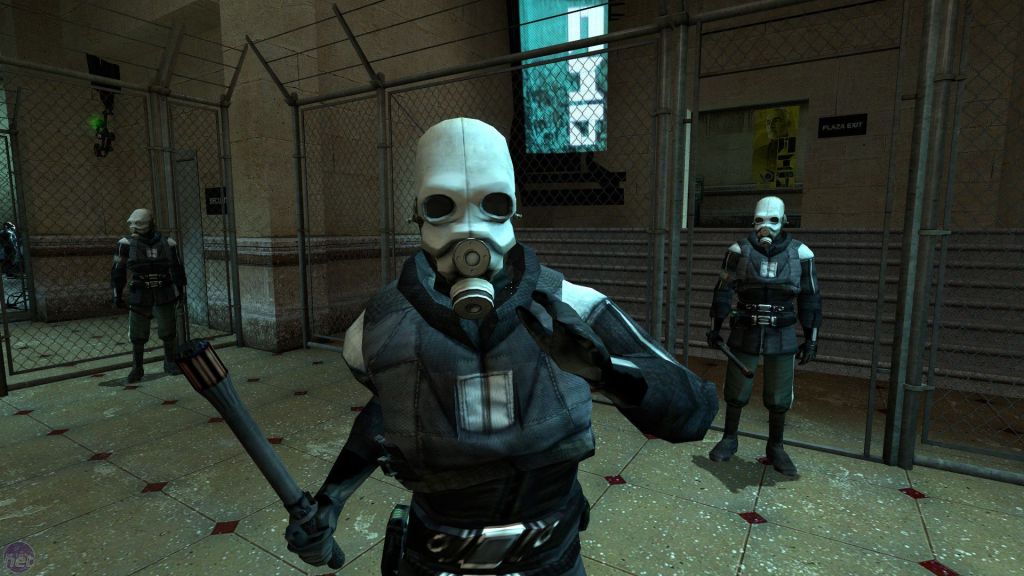
A year later, Valve made Half-Life 2 (2004) which followed Gordon as he joined a resistance effort against an alien empire. Half-Life 2 won even more praise than the first game, earning perfect scores from critics across the board and often cited as one of the greatest games ever made since its introduction on the PC (later the Xbox, Xbox 360 and PS3), with much of the praise aimed once again at its story, gameplay and graphics as well as the way it elevated the FPS genre to new heights. The world of Half-Life would also be revisited in the virtual reality game Half-Life: Alyx (2020), a prequel to Half-Life 2 that revolved around the popular Half-Life 2 character Alyx Vance and received a lot of acclaim as one of the few must-own VR games on the market.

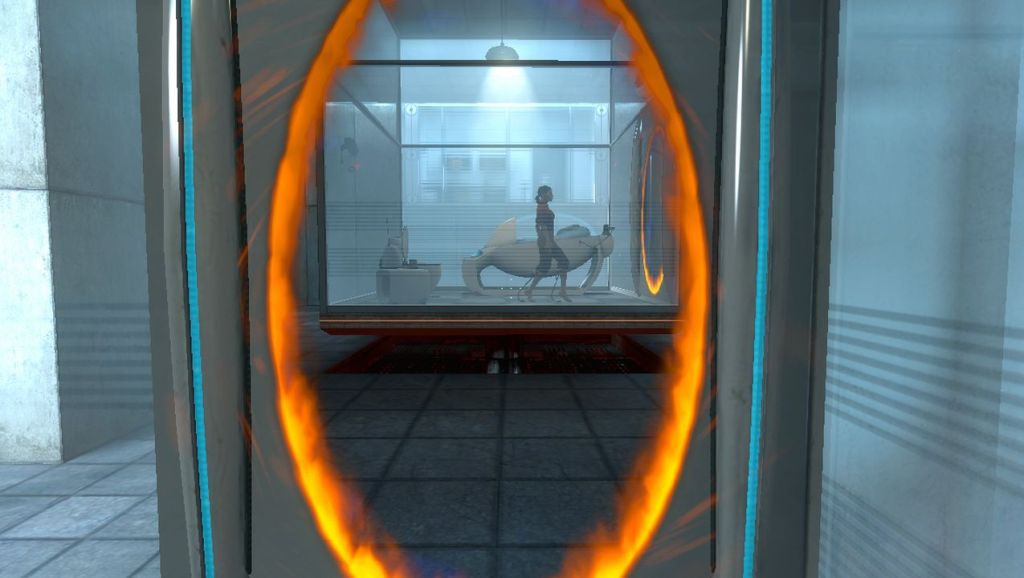
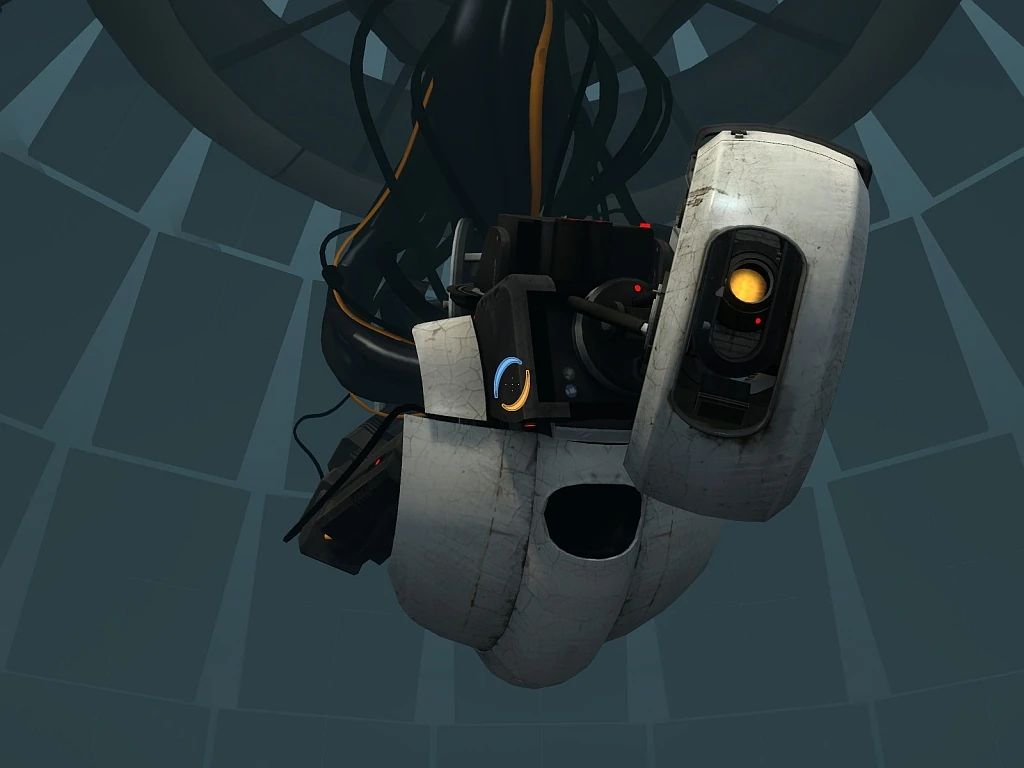
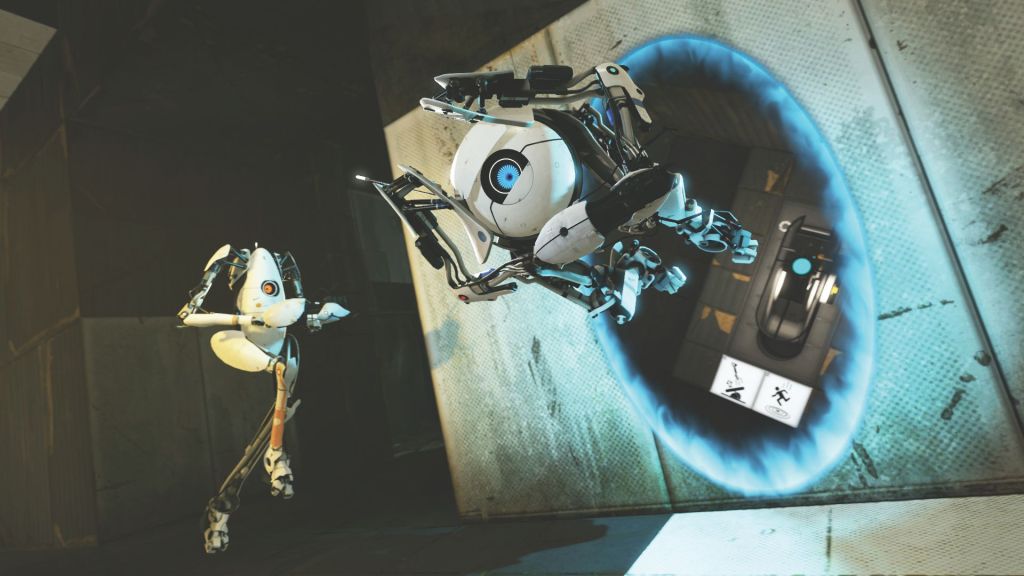
Valve’s most popular and acclaimed game next to Half-Life would have to be Portal (2007), a sci-fi puzzle-platformer in which you controlled a character named Chell who is constantly being challenged and taunted by an artificially intelligent program named GLaDOS (Genetic Lifeform and Disk Operating System) that was memorably voiced by Ellen McLain. Chell uses a portal gun to teleport between locations and solve a variety of mind-bending puzzles within the Aperture Science Computer-Aided Enrichment Center (which is set in the same universe as the Half-Life games). The concept for Portal was inspired by Nuclear Monkey Software’s puzzle-platformer Narbacular Drop (2005), whose team was mostly comprised of art students at the DigiPen Institute of Technology, many of whom were hired by Valve to develop Portal. The game was praised for its unique and clever gameplay, compelling story and dark sense of humor. Just like Half-Life 2, it is often cited on lists of the best video games ever made.
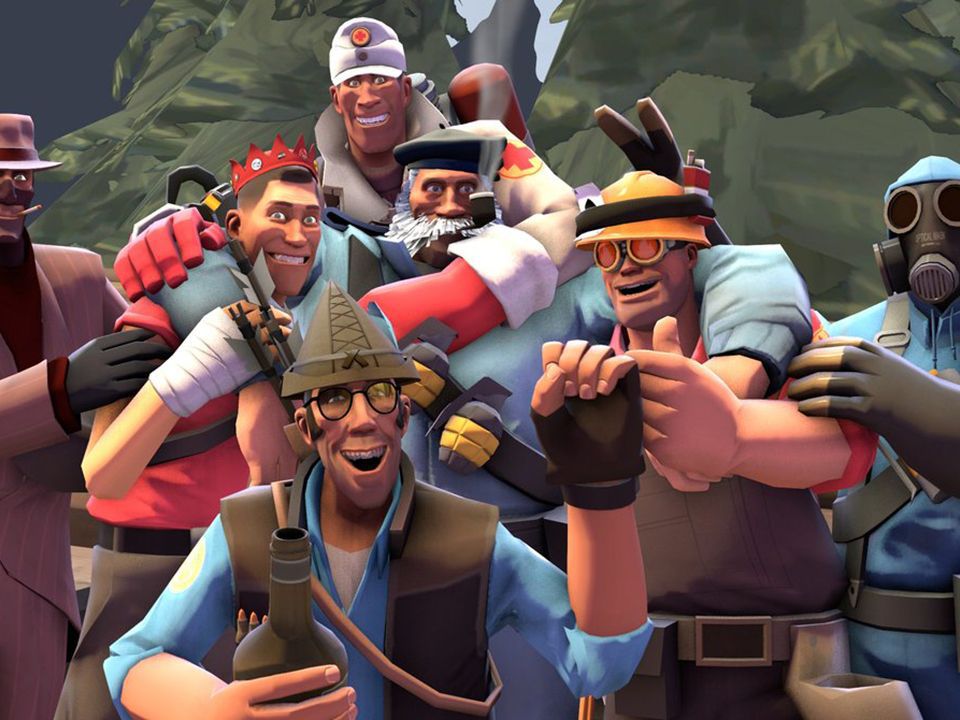
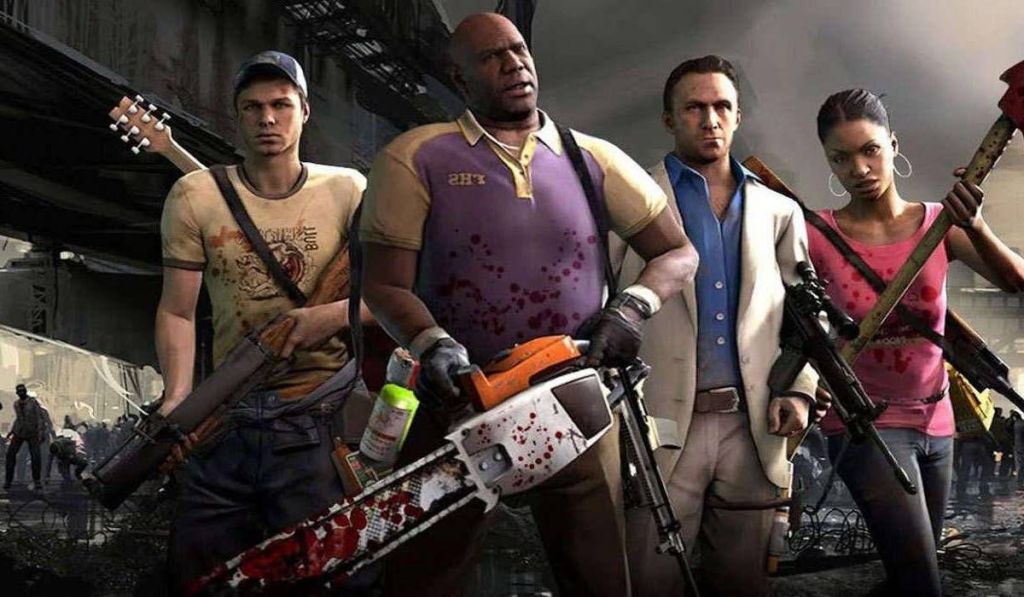
Other critically acclaimed Valve games include Team Fortress 2 (2007), first-person zombie shooter Left 4 Dead (2008), its sequel Left 4 Dead 2 (2009), Portal 2 (2011) which featured Ellen McLain reprising her role as GLaDOS and introduced Stephen Merchant and J.K. Simmons to the cast, and Dota 2 (2013), which is a sequel to a Warcraft III mod called Defense of the Ancients released a decade earlier (the same game that inspired the creation of Riot Games’ League of Legends). Valve would also revisit the Portal series with The Lab (2016), which is a VR compilation of eight minigames, and Aperture Desk Job (2022), set in Aperture Science with J.K. Simmons reprising his role from Portal 2 and introducing Nate Bargatze as the voice of an A.I. program called Grady. Just like the previous Portal games, Aperture Desk Job was praised for its storytelling and its sense of humor.

One of the most unique things about Valve as a company aside from its outstanding software library is how it went from being a PC game developer to being the biggest PC game distributor on the planet when they launched the digital distribution platform Steam in 2003. Prior to this, Valve had a publishing deal with Sierra Studios and they sought similar partnerships to fund the development of Steam. But their offer was rejected by Microsoft, Yahoo! and every other tech company they contacted, so Valve decided to self-publish the service, which turned out to be fortuitous for them because Valve’s first big Steam release ended up being Half-Life 2, which was a huge success.
Steam was originally created specifically for Valve’s own games as a way to automatically update them with patches rather than require players to manually download them, but by late 2005, Steam began distributing games from other companies, and now Steam is seen as the go-to PC game distribution platform, providing access to streaming, social networking and other services. It is basically available everywhere anyone has an internet connection on Windows, MacOS, Linux, iOS and Android, as well as on its own handheld gaming computer the Steam Deck, which was introduced in 2022 and has on the go access to SteamOS, the operating system for the Steam storefront.
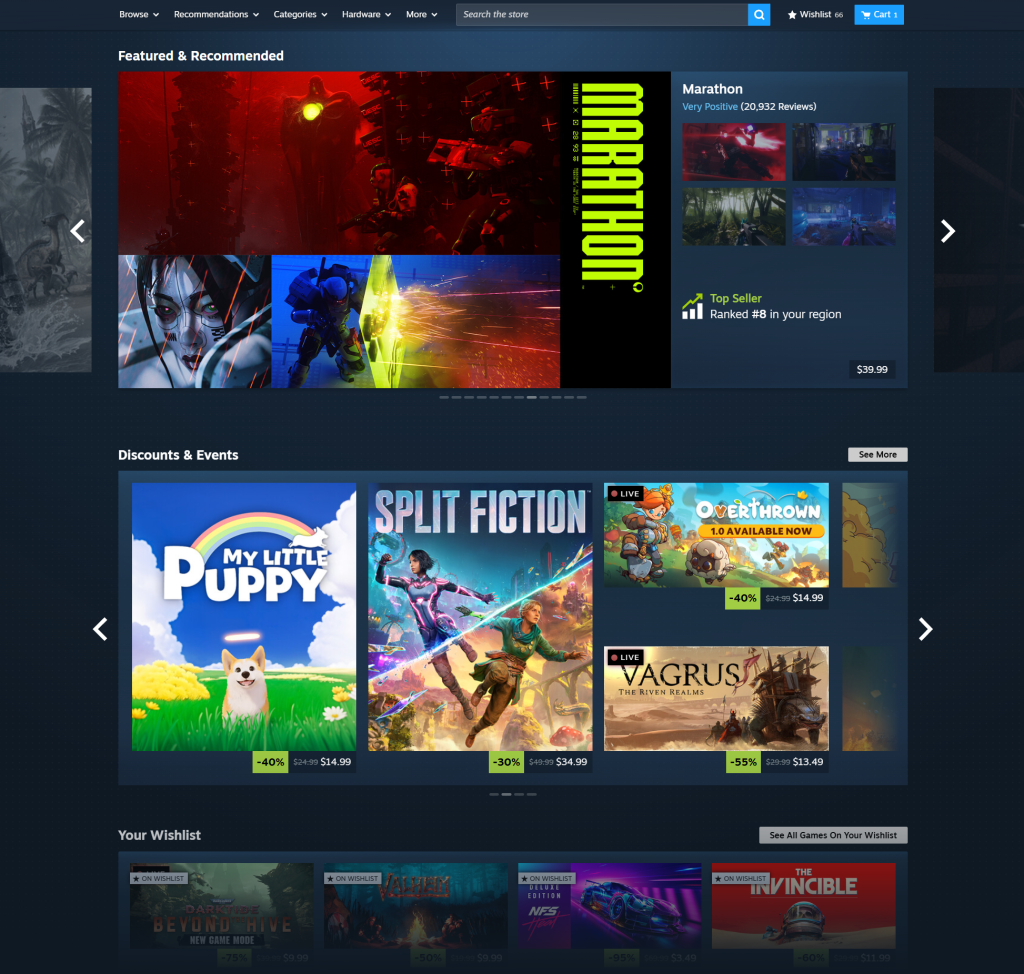
When Steam began distributing games outside of Valve, they took a hands-off approach to the regulation of those third-party games, which was a positive for many independent game developers who took advantage of Steam’s huge popularity to have unprecedented creative control of their art and gain new fans in the process with little interference from Valve, similar to how Netflix functioned for television shows back in the 2010s. Although this approach also led to a quantity-over-quality glut of content (also just like Netflix). And having the biggest market share on the industry also led to a lot of scrutiny towards Valve for its monopolistic grip on PC game distribution, its 30% cut on the sale of games distributed by the service, and other legally and ethically dubious practices that monopolistic companies love to do to ensure they remain in power (Microsoft, Google and Meta are no strangers to this either). In other words, being the biggest PC game distributor in the industry has its pros and cons.

Valve recently released the Steam Machine in the summer of 2026, a cube-shaped console-like gaming computer with access to SteamOS. They are also currently working on a virtual reality headset called the Steam Frame, a successor to the now discontinued Valve Index which came out in 2019 and came bundled with Half-Life: Alyx. While Steam doesn’t distribute physical games, the release of the Steam Machine feels like Valve’s indirect way of competing with Microsoft, Sony and Nintendo on the console market, which is kind of ironic because Sony’s recent decision to stop manufacturing physical games for their PlayStation consoles feels kind of like an indirect reaction to the popularity of services like Steam.
Thankfully the Half-Life and Portal creator is still focusing on their strong suit by developing software as well, including the upcoming third-person shooter and multiplayer online battle arena game Deadlock which will be set in an alternate version of 20th century New York and deal with occult rituals. It’s possible that Deadlock will be their next big hit. I also wouldn’t be surprised if this company peaked with Portal. But no matter what its future holds, one thing that’s certain is that Valve has been an influential force in the world of gaming, helping shape an entire genre of video games as well as how video games are played in general.
And now as a reward for reading this entire article, may I offer you some cake?