
After development ended on The Legend of Zelda: Spirit Tracks for the Nintendo DS, that game’s team split up with one group working on a Wii game, Skyward Sword, and the other group working on a Nintendo 3DS game. The 3DS game was originally going to be a follow-up to the Toon Link series that began with The Wind Waker and continued with Phantom Hourglass and Spirit Tracks, but Zelda creator Shigeru Miyamoto suggested basing this new game on the 1991 Super NES game A Link to the Past instead, which was a smart choice for variety sake and probably a choice that only Miyamoto could have made since other developers at the company may have been too afraid to touch Miyamoto’s 16-bit sacred cow by adding a modern angle to it. And indeed the team did struggle for a while to find an innovative hook that went beyond mere nostalgia, that is until they discovered a fun way to blend the idea of 3D gaming and 2D gaming together in what became The Legend of Zelda: A Link Between Worlds.
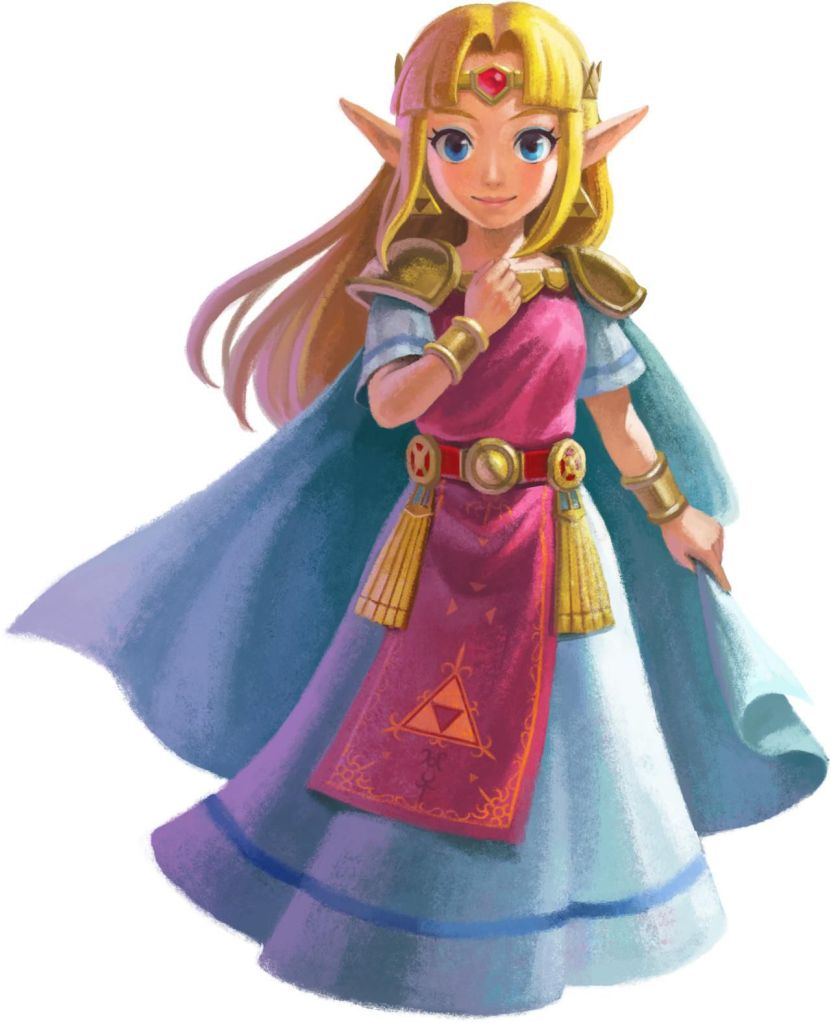
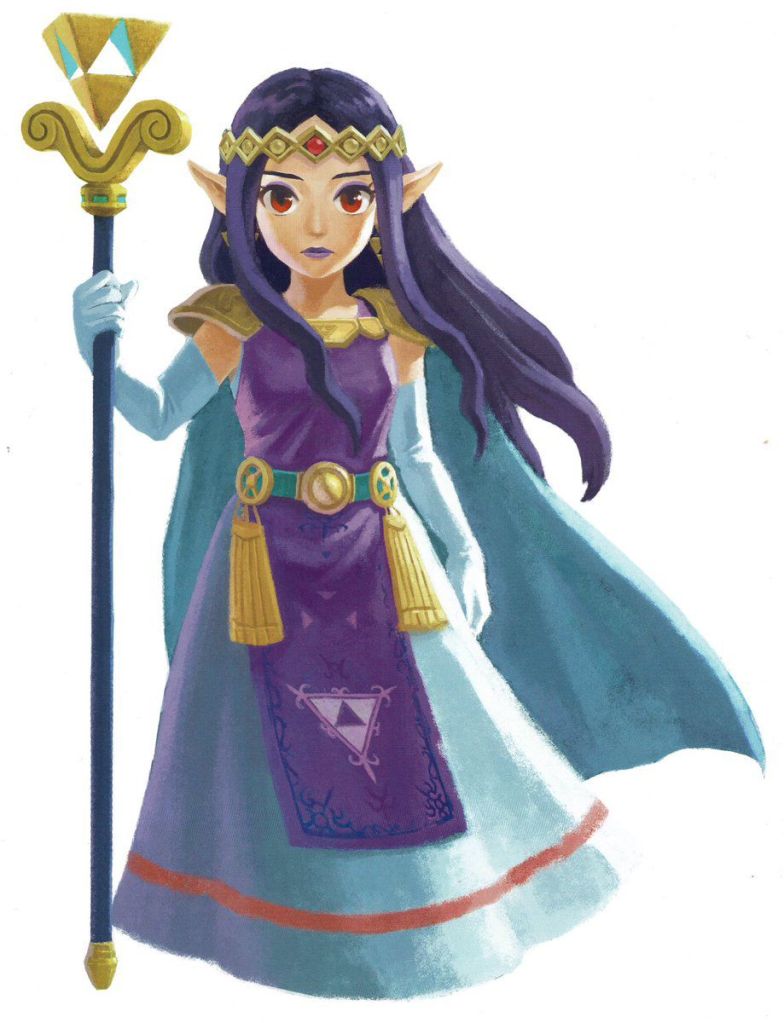
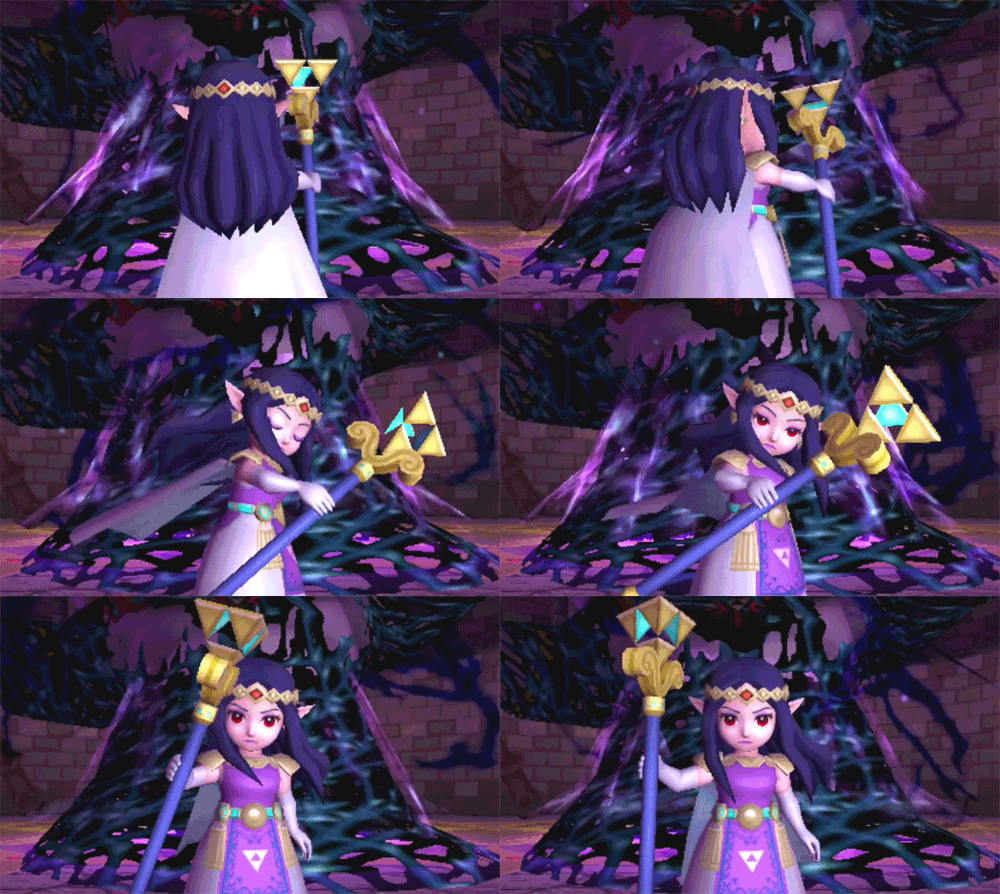
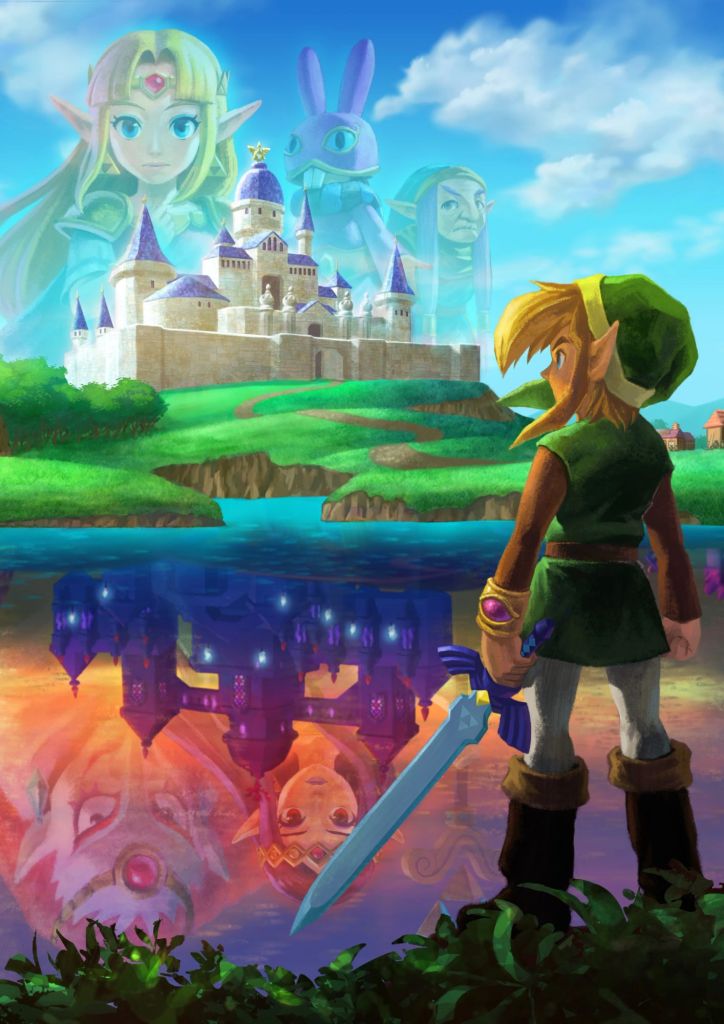
Chronologically the game is set far after the events of A Link to the Past and the Game Boy games Link’s Awakening, Oracle of Seasons and Oracle of Ages, and it takes place, as the game’s title suggests, in two different worlds: the kingdom of Hyrule and the kingdom of Lorule (you get the play on words?), with the former ruled by Princess Zelda and the latter ruled by Princess Hilda as a dark twin version of Hyrule, similar to the way the Dark World functioned in A Link to the Past. Like Hyrule, Lorule once had their own all-powerful wish-granting Triforce, but it was destroyed in an effort to prevent the people of Lorule’s greed from festering as they fought each other for control of the Triforce’s power, which unfortunately led to the eventual ruin and decay of Lorule.
The game’s plot is set off when someone from Lorule named Yuga ventures into Hyrule and starts causing trouble by placing curses on people and transforming them into wall paintings. A blacksmith’s apprentice named Link who is tasked with delivering a sword to Hyrule Castle gets roped into all this when Yuga shows up at the castle at the same time. Zelda helps Link defeat Yuga by giving Link another task: find the Master Sword. As the game progresses, Link eventually follows Yuga to Lorule and meets Princess Hilda, learning of a plot to trap the Seven Sages and resurrect the dark lord Ganon (the main antagonist from A Link to the Past).
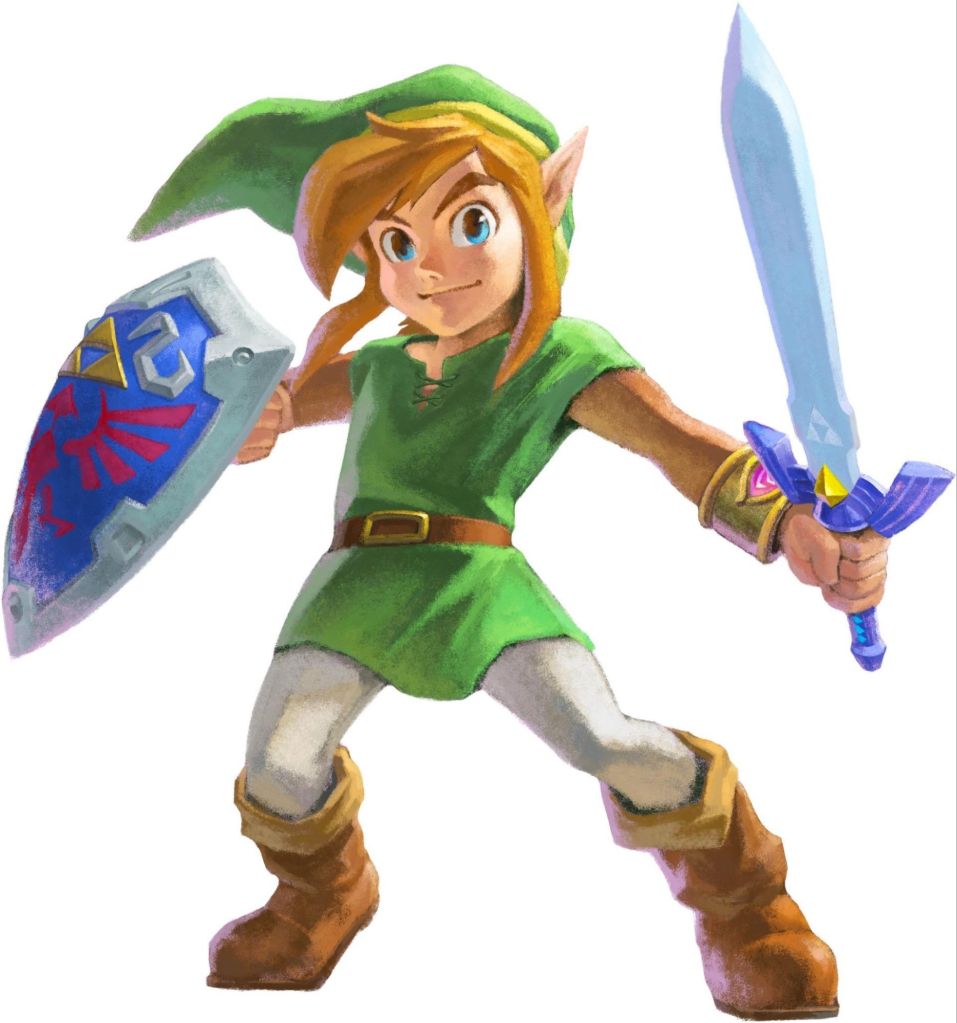
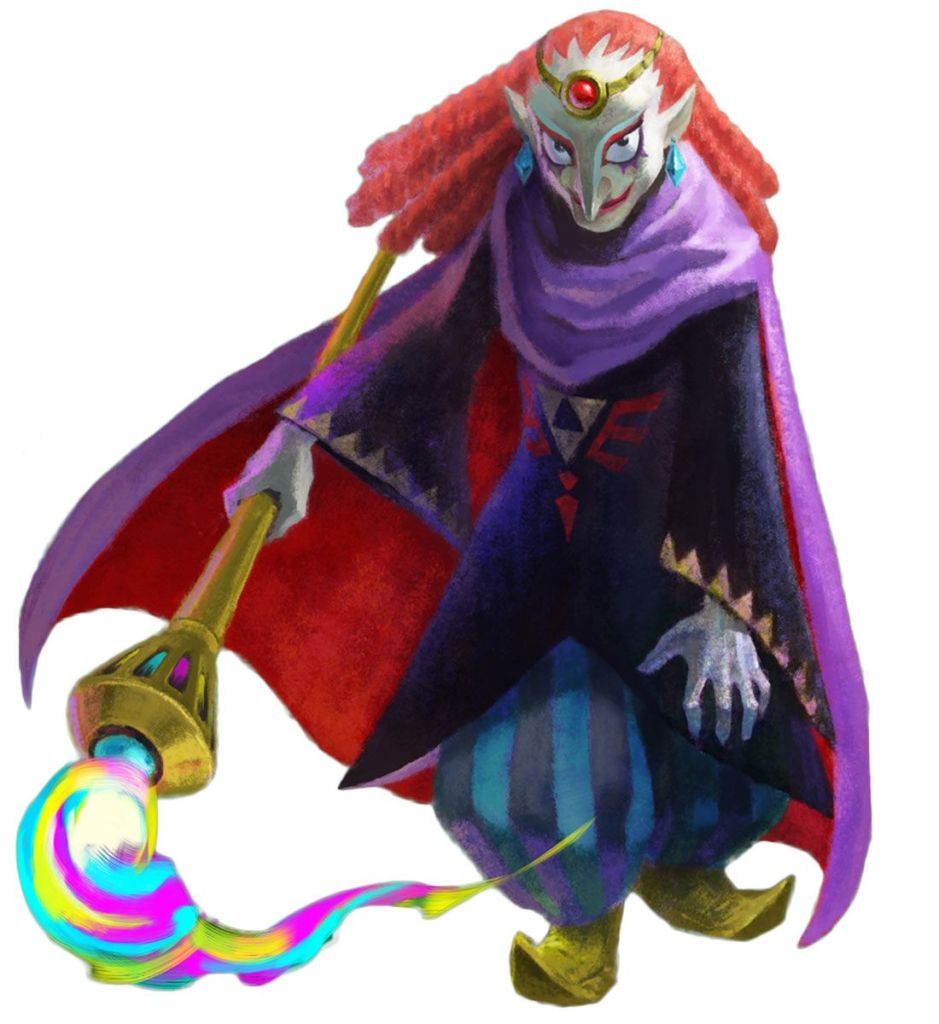
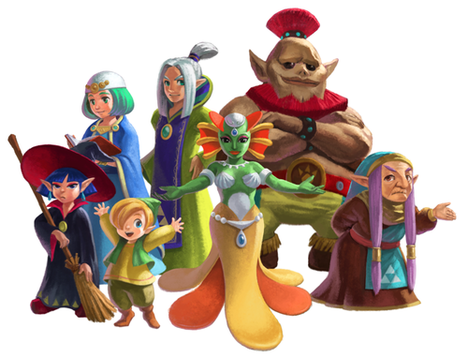
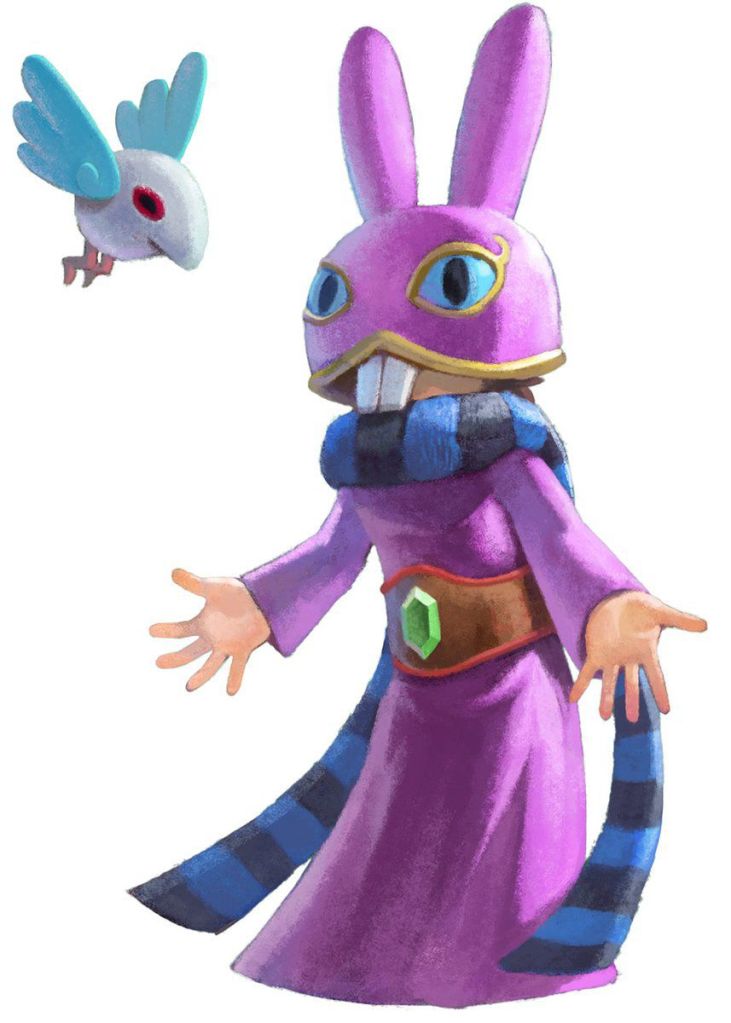
As a sequel to A Link to the Past, A Link Between Worlds shares many similarities with that game, although it still ventures enough away from A Link to the Past to feel fresh, including how it feels a lot less linear and the way it allows you to explore dungeons in any order with a wide variety of items to choose from, rather than make you find those items within the dungeon like in previous Zelda games.

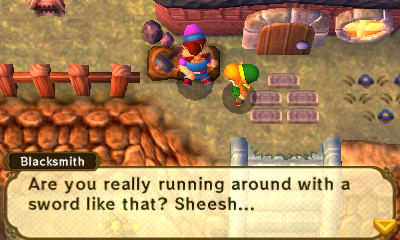
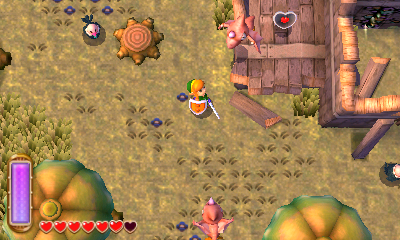
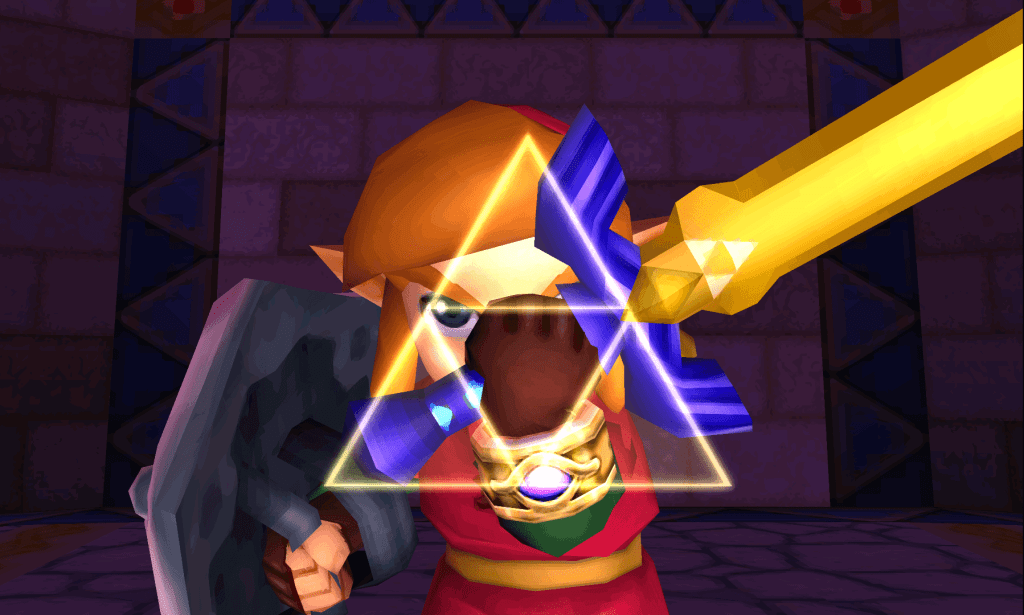
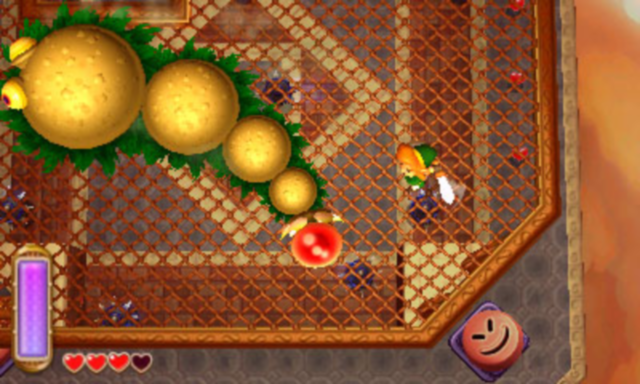
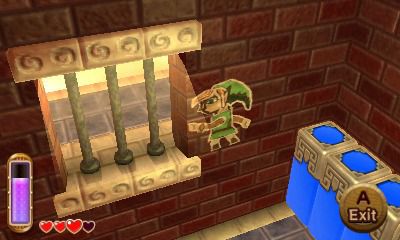
Other added elements, aside from the obvious choice to enhance the top-down gameplay with a three-dimensional environment, include the way it takes advantage of the 3DS’s dual screen by allowing you to check your map and change your gear without interrupting the gameplay, as well as the game’s key gimmick: Link’s ability to merge onto walls and move across them in one-dimensional space, shifting the camera angle from a top-down view to a side view. This ability comes in handy throughout the game in important ways and leads to a lot of creative puzzles and navigation possibilities.
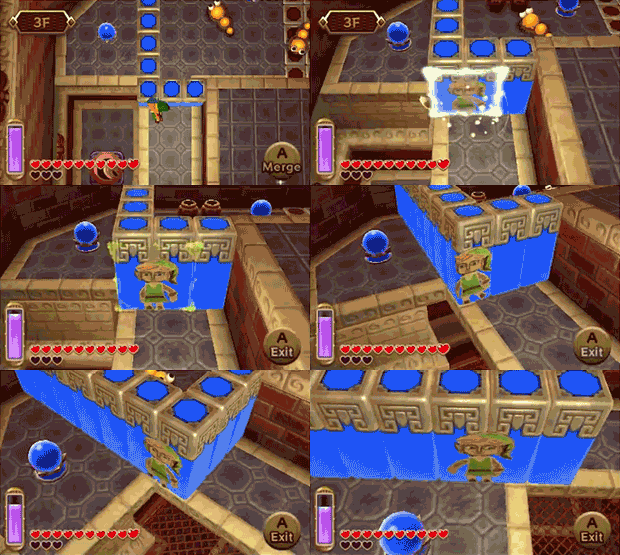
The creation of the wall-merging method is when the game started to click for the development team and after that the story of Link travelling between two worlds fell into place, with the game’s script handled by longtime Nintendo designer and director Tatsuya Hishida and planner and supervisor Mari Shirakawa, and the game’s direction being handled by Hiromasa Shitaka, who was a veteran field and map designer for the Zelda and Pikmin series.
A Link Between Worlds came out in 2013 and was widely praised. It is seen as one of the best games on the 3DS and a worthy sequel to A Link to the Past, with many people welcoming its innovations of the Zelda formula. Not just its gameplay but its unique and dark storyline. People also liked the freedom of the item-renting mechanic, and the freedom to explore dungeons in any order even harkens back to the original Legend of Zelda on the NES.
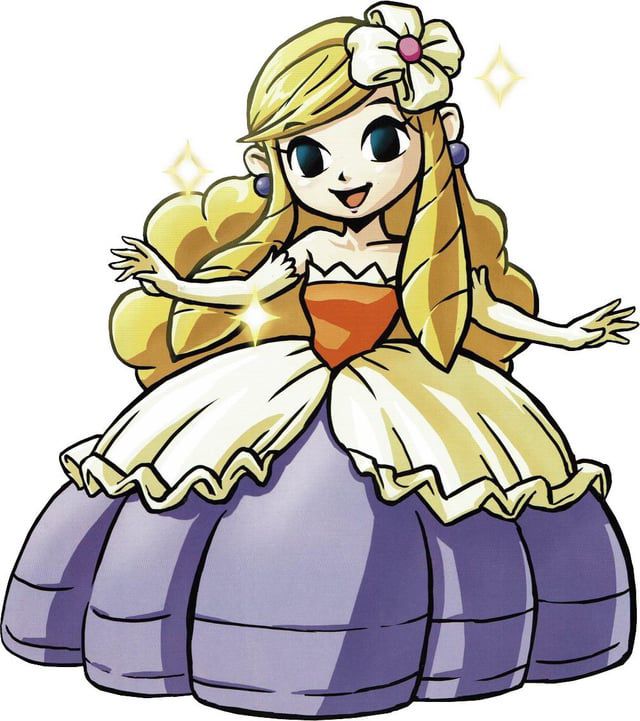
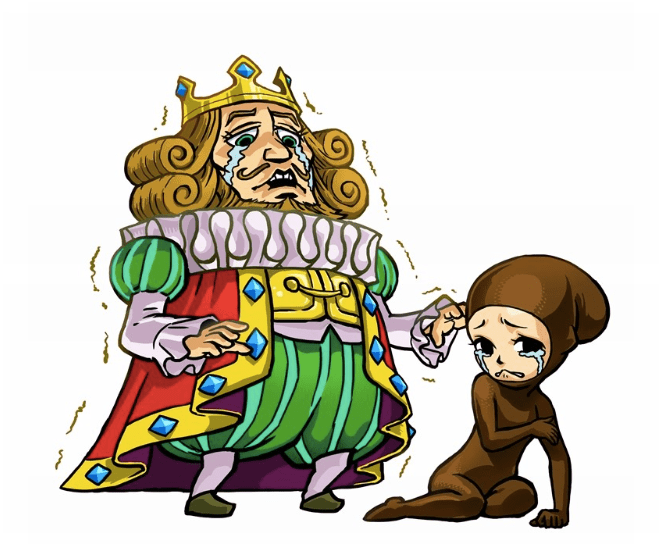
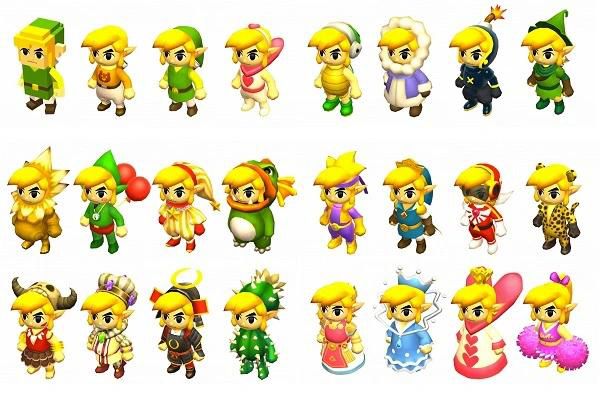
The success of A Link Between Worlds led to a sequel for the 3DS called The Legend of Zelda: Tri Force Heroes, involving three versions of Link teaming up in a cooperative way similar to Four Swords, only with more of an emphasis on the variety of costumes you can wear and customize to gain special abilities. Fitting with that fashion theme, the game takes place in the fashion-obsessed kingdom of Hytopia, where Link must save Princess Styla from being cursed by a mysterious lady to wear drab clothing for the rest of her life. Which sounds more like a My Little Pony plot than a traditional Zelda plot but hey, I’m all for this series returning to some Link’s Awakening-style wackiness.
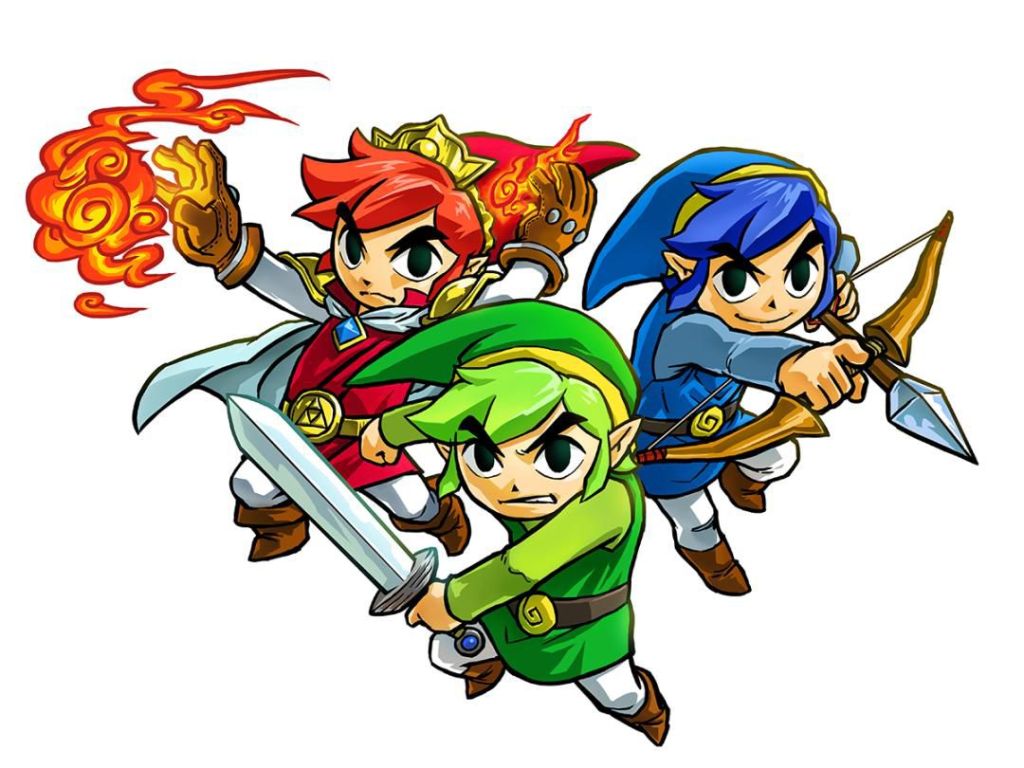
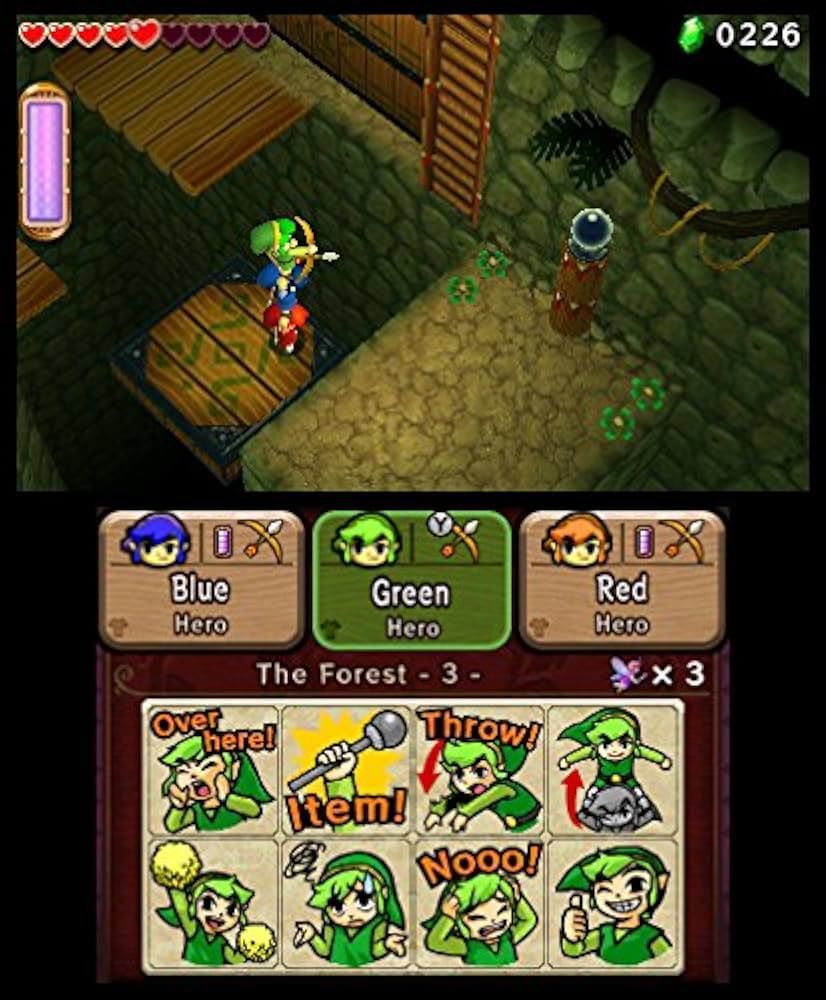
The game is a direct sequel to A Link Between Worlds that follows the same incarnation of Link from that game, although the art style curiously changed back to the Toon Link aesthetic. Its presentation and multiplayer gameplay were well-received but the same can’t be said for its single player mode, and the game overall received mixed reviews when it was released in 2015. This and the lack of a new mainline Zelda game for the Wii U kind of made the eighth console generation end on a whimper for the Zelda series. Thankfully a certain Nintendo Switch game would “breathe” new life into the series a couple of years later.
 Entertainment Junkie Blog