Nintendo would begin development on the Wii game The Legend of Zelda: Skyward Sword the same year that The Legend of Zelda: Twilight Princess was released on that same console. Of course as I said in my article about that game, Twilight Princess was originally developed for the GameCube, so one of the primary goals of the development team behind Skyward Sword was to build the first Zelda game from scratch that was centered specifically around the motion-based control scheme of the Wii, expanding on what they were able to accomplish on a much more limited scale in Twilight Princess following its console conversion.
Skyward Sword is currently the oldest Zelda game in the series’ fictional timeline, taking place chronologically before every game that came before. As for the game’s plot, it is essentially an origin story for the Master Sword, Link’s primary weapon in most Zelda games.
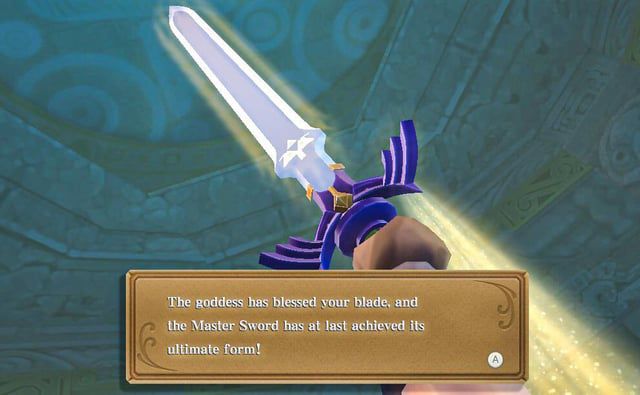
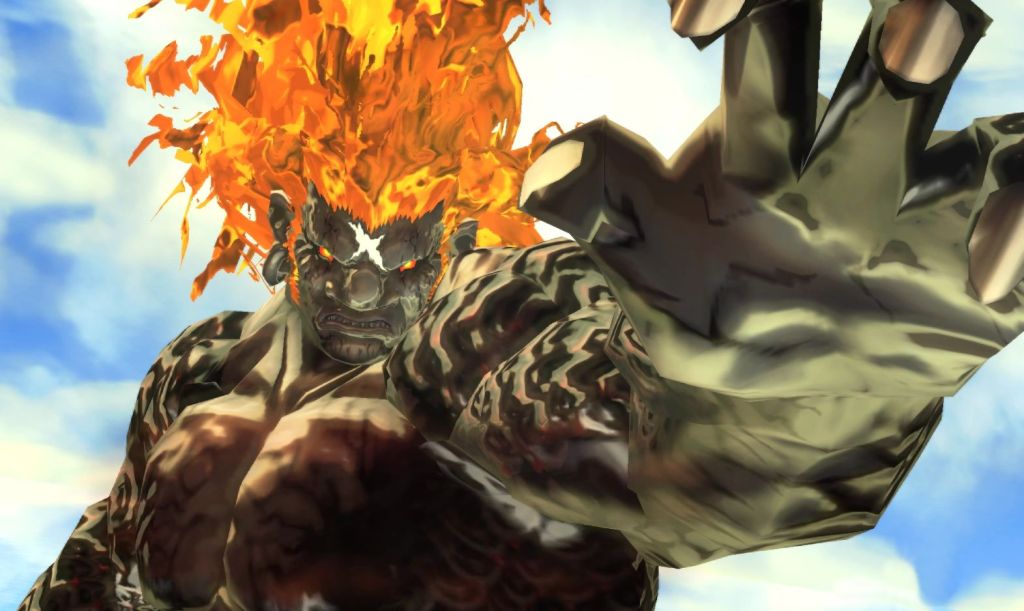
After the three Goddesses created the golden triangular wish-granting artifact known as the Triforce, a demon king called Demise sought to take it by force, laying waste to the land in the process. This led the goddess Hylia to gather the remaining survivors and send them to the sky where they were safe from the devastating attack she launched on Demise. Unfortunately Demise survived the attack and Hylia was greatly weakened, so she created the Goddess Sword in the hope that some worthy mortal would find it one day and use it to finish the job, putting a stop to Demise once and for all.
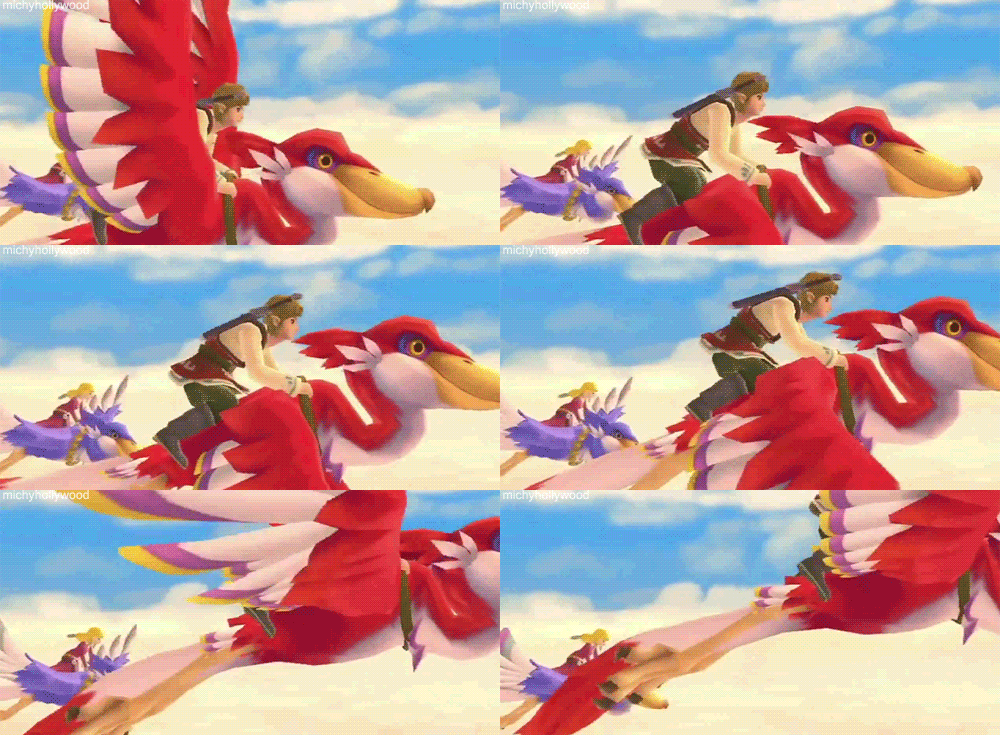
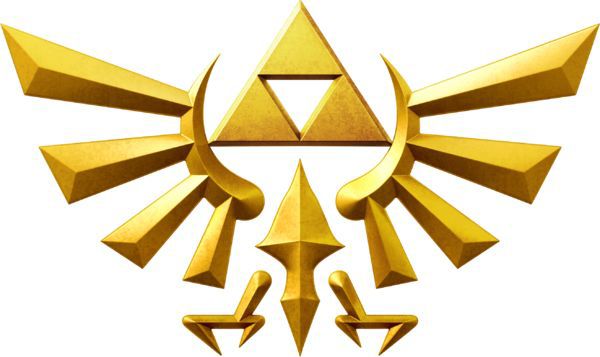
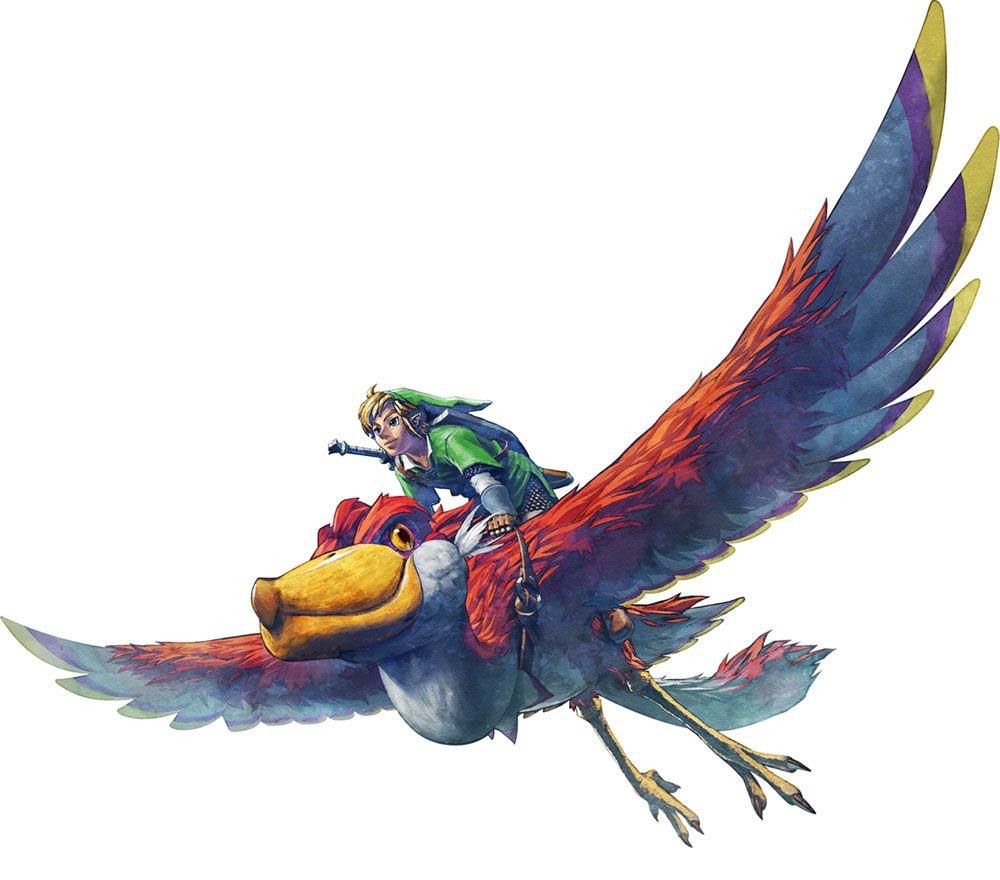
Cut to the present day, the descendants of those mortals Hylia saved still live in the sky in a land above the clouds called Skyloft, and now the existence of the surface world below is seen as nothing but a myth. Among the residents of Skyloft are a knight-in-training named Link and his friend Zelda. The students at the Knight Academy where Link trains participate in Skyloft’s annual Wing Ceremony, which consists of a race in which students ride Loftwings, which are giant birds that the Skyloftians can fly, and the winner of the Wing Ceremony advances to the next level in their training. As this game is set far before the events of other Zelda games, it is implied that the Loftwings are the basis of the Hylian crest that you see in previous Zelda games, including the symbol you see on the Hylian Shield.
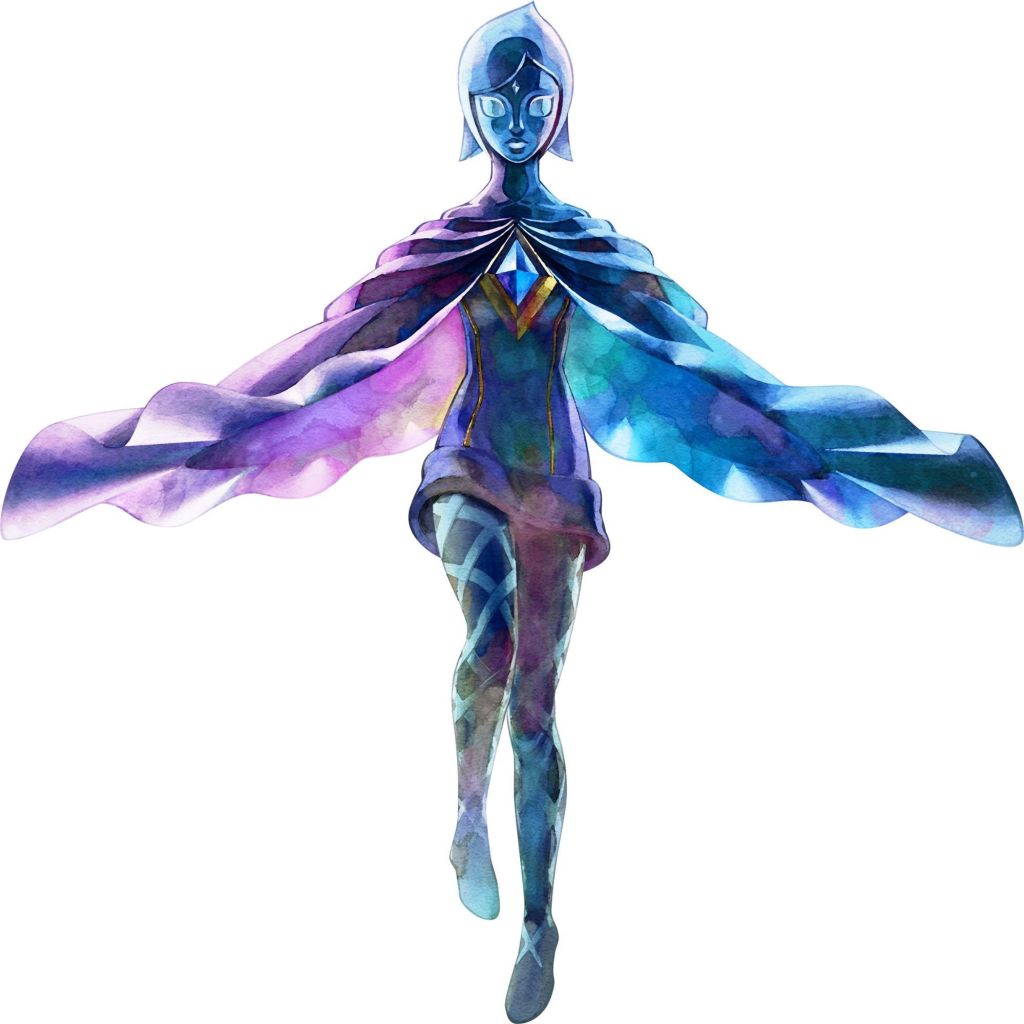
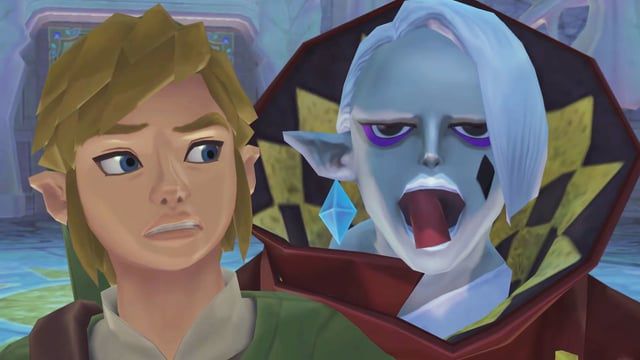
One day Zelda gets whisked away by an unusual tornado and Link tries to rescue her, but he fails and ends up becoming unconscious. This leads to Link’s meeting with Fi, a spirit who resides within the Goddess Sword secretly located inside the statue of Hylia. Link learns from Fi that he is the hero of prophecy destined to destroy Demise, and with Fi’s help Link tracks Zelda by opening a path from Skyloft to the surface world and its three regions: Faron Woods, Eldin Volcano and Lanayru Desert. Along the way Link meets new faces like Impa, a loyal servant of Hylia, and less friendly new faces like Ghirahim, a cocky and vain demon lord from the surface world who hunts down Zelda because of a special connection she has with Hylia, who Ghirahim believes has the power to revive Demise. Like Fi, Ghirahim is also a spirit that resides within a great weapon. In his case, the sword wielded by Demise.
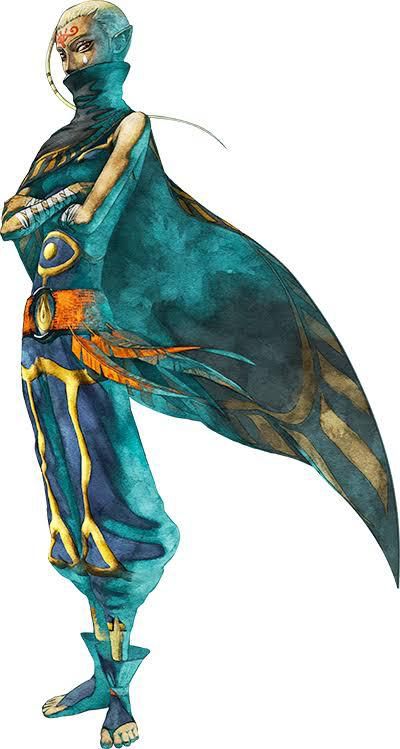
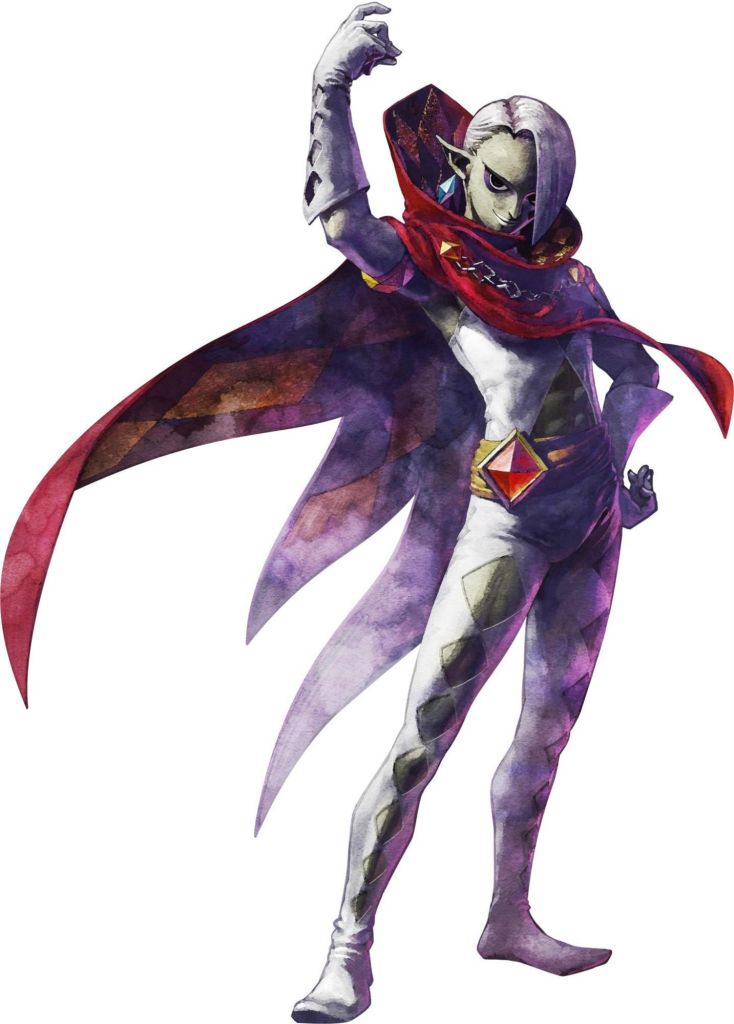
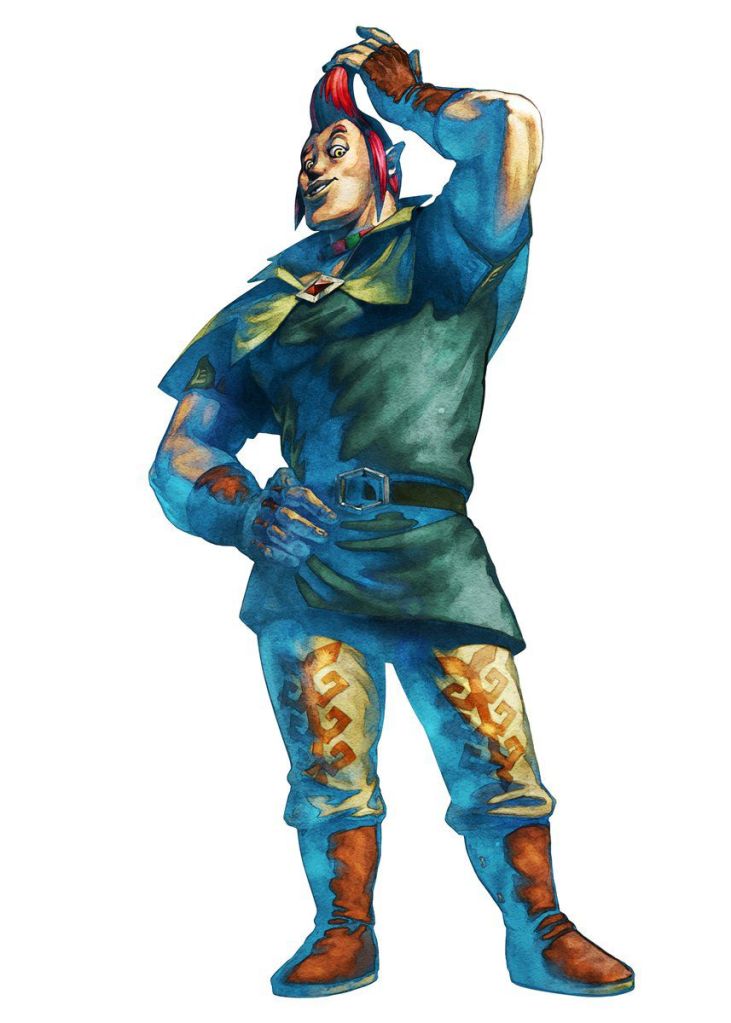
Skyward Sword introduced a number of new features to the series, including a stamina meter which depletes when Link performs physical activities like climbing and carrying heavy objects (the meter refills while Link is standing still), but as I said earlier, Skyward Sword is also the first game in the Zelda series developed specifically for the Wii, and it gets a lot of use out of the console’s motion-based controls, specifically the Wii’s MotionPlus expansion device which gives you access to a more advanced control scheme. Motion-controlled actions include the use of Link’s sword, which is mapped to the way you hold your Wii Remote, allowing you to use your controller to swing Link’s sword, stab certain things and raise his sword in the air to unleash a Skyward Strike. Similarly the Wii Nunchuck is used to control Link’s shield, allowing you to deflect attacks as you raise your Nunchuck, while swinging both the Wii Remote and the Nunchuck at the same time lets you perform spin attacks as well as finish off your opponents in battle. In addition, the Wii controller lets you alter the camera angle through motion control.
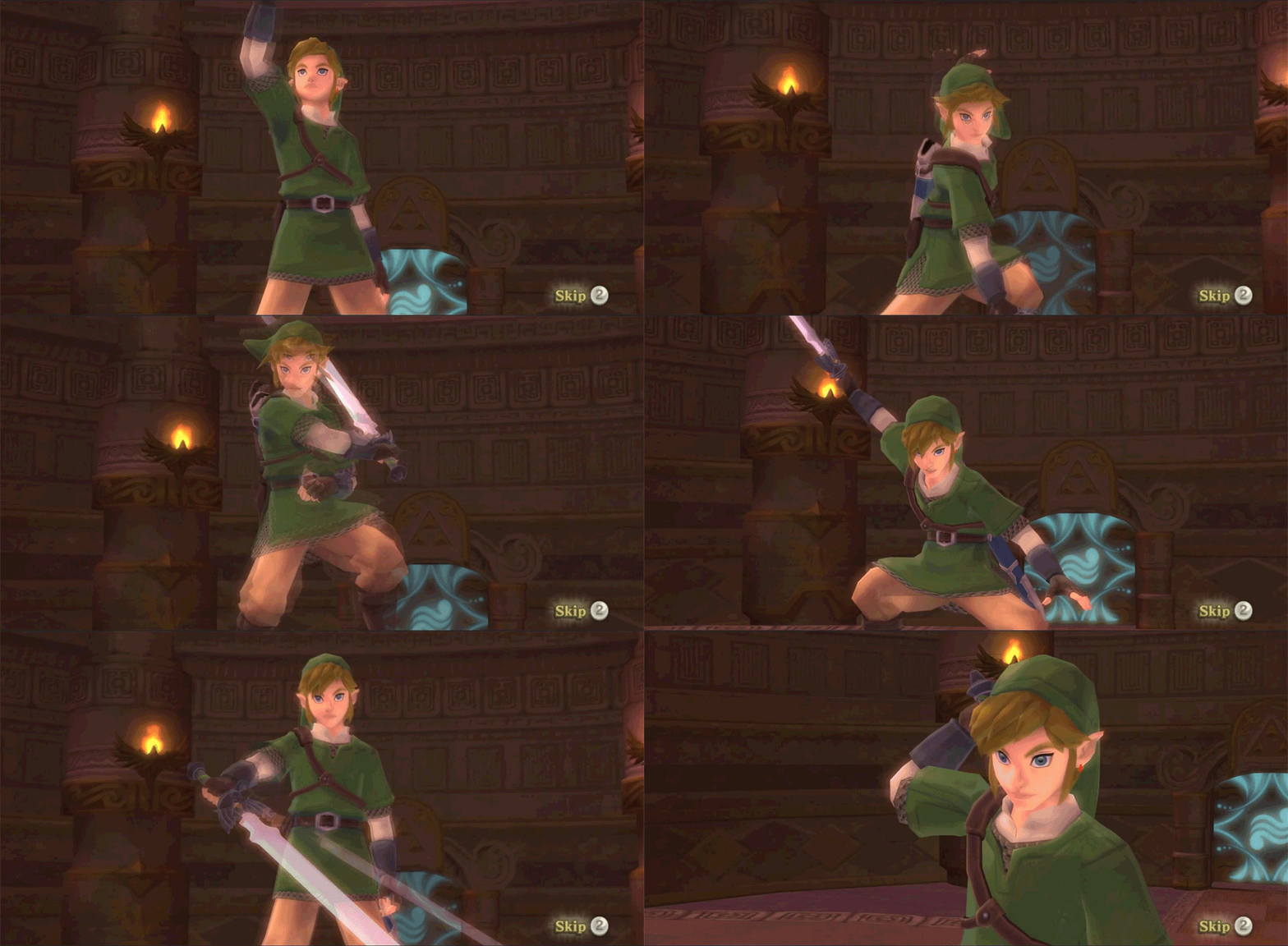
Eiji Aonuma once again produced the game while Four Swords and The Minish Cap director Hidemaro Fujibayashi, hot off his stint as an assistant director on the Nintendo DS game The Legend of Zelda: Phantom Hourglass, directed Skyward Sword and came up with the game’s concept, with veteran Zelda series cutscene director Naoki Mori assisting by writing for the game’s cinematics. Fujibayashi and his team tried to go beyond what they accomplished in Twilight Princess by creating a world to explore that was more sprawling. Meanwhile the high school drama-style dynamic of Link, Zelda and Link’s rival Groose offered an even fresher take on the series.
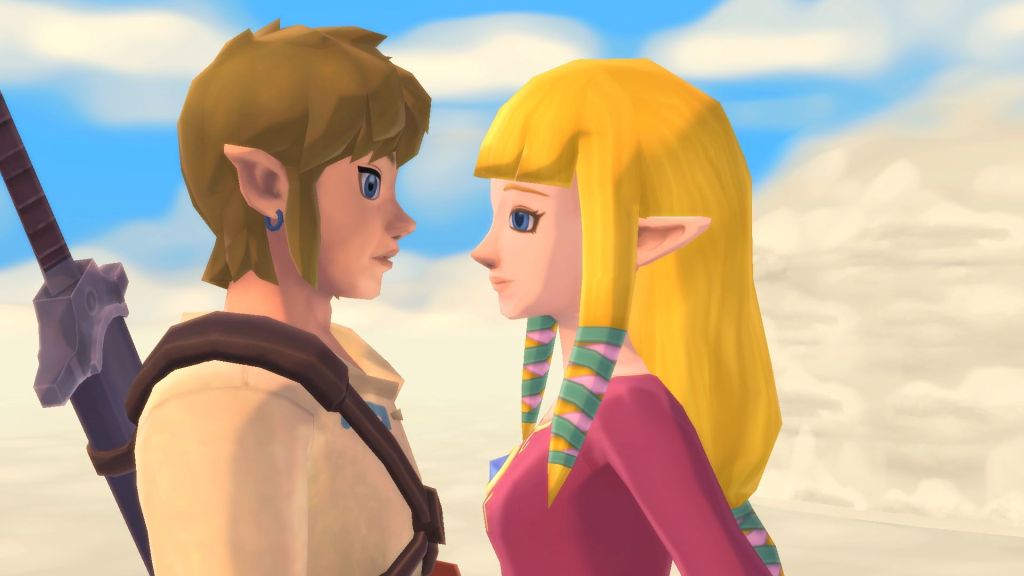
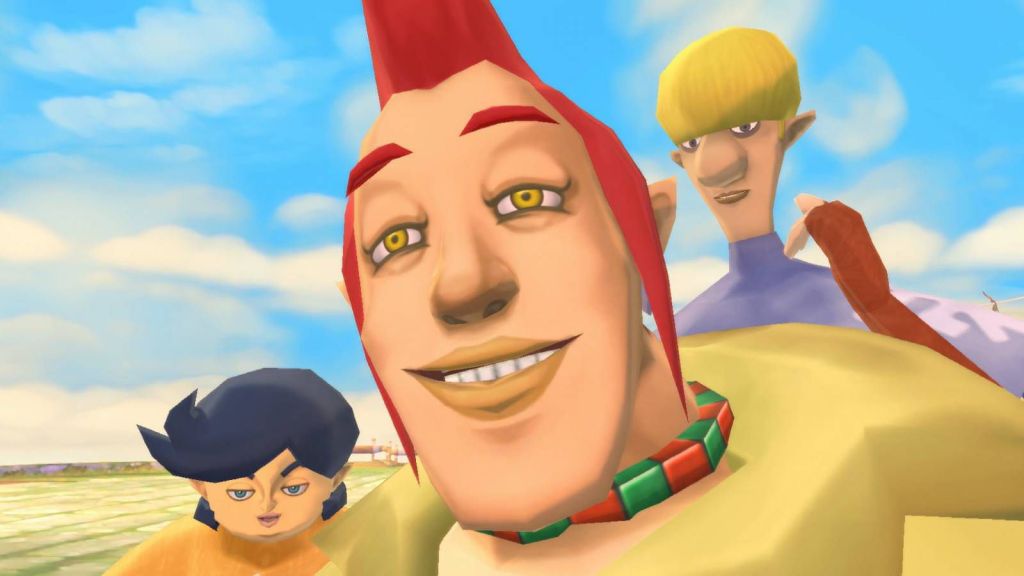
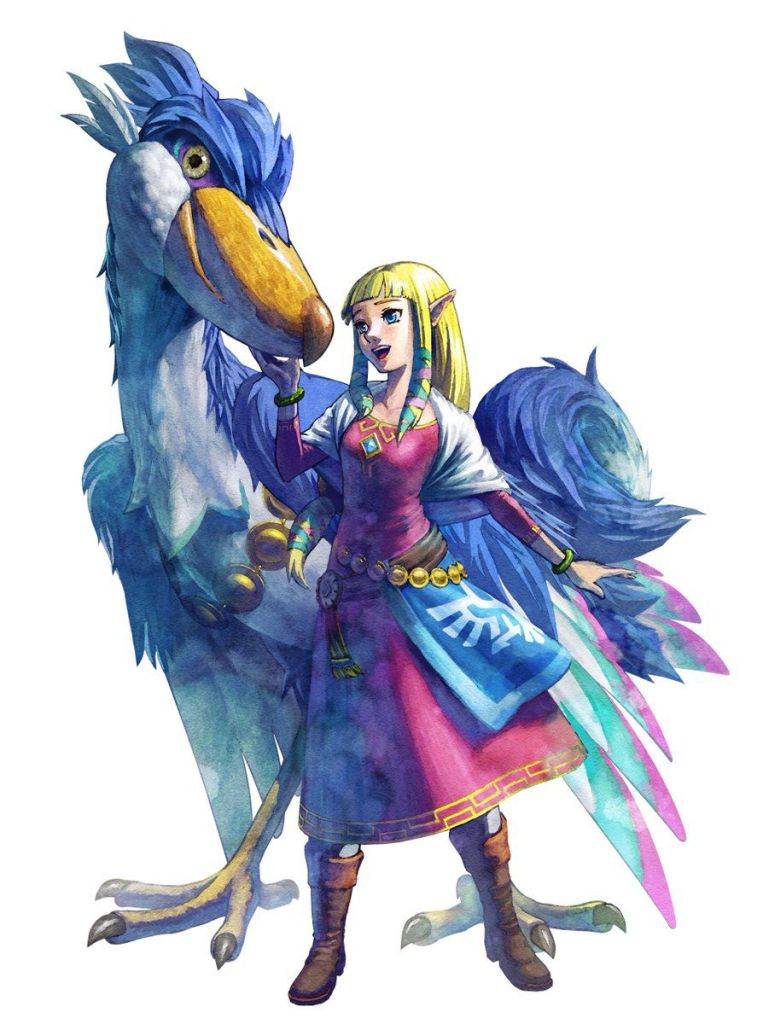
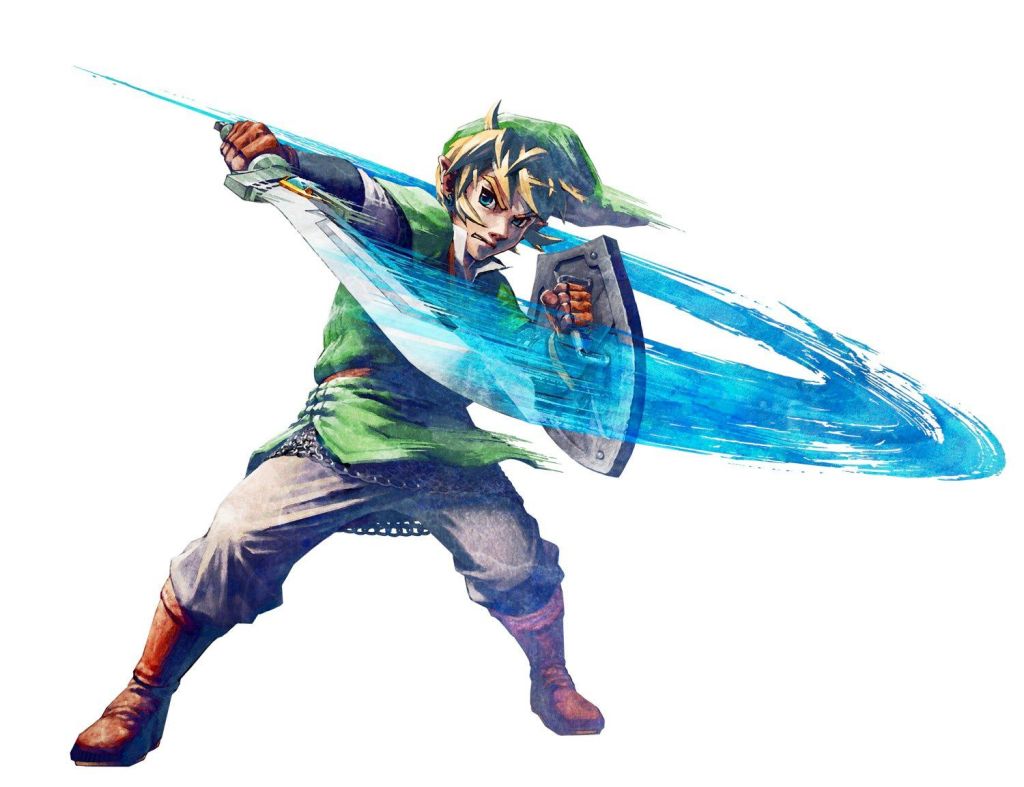
The cel-shaded look of the game and its painterly art style were an intentional blending of the cartoony visuals of The Wind Waker and the realistic visuals of Twilight Princess while impressionist paintings served as the primary inspiration for the game’s colorful aesthetic, which as you can see is well emphasized in the game’s promotional art.
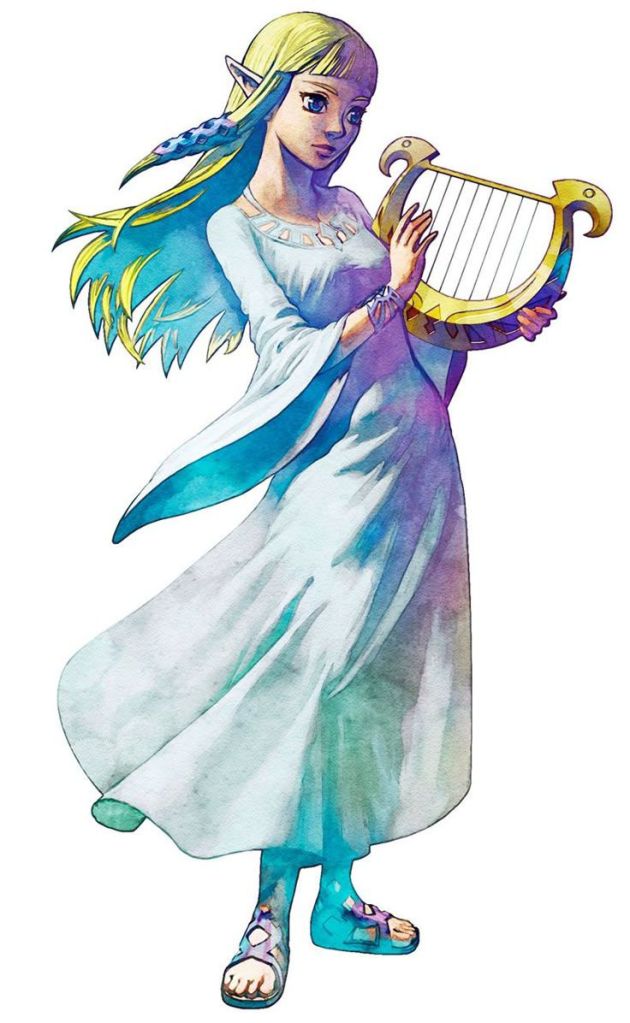
As usual with the soundtracks for these games ever since Majora’s Mask came out in 2000, more than one musician was involved, with Wind Waker composer Hajime Wakai returning to the series as the sound director and lead composer, this time joined by fellow Nintendo composers Shiho Fujii (who had previously composed music for Wii Fit, Animal Crossing: City Folk and New Super Mario Bros. Wii), Mahito Yokota (Donkey Kong Jungle Beat, Super Mario Galaxy, Super Mario Galaxy 2, Super Mario 3D Land) and Takeshi Hama (Super Mario 3D Land). However one thing that was different about the music in this game is that it was fully composed by a live orchestra rather than synthesized. A surprising decision made by Skyward Sword producer and Zelda creator Shigeru Miyamoto that altered the composing process a bit since it meant that Hajime Wakai and his music team could not tweak any of the songs on the fly. But it worked out well in the end because all the orchestrations are great and they help contribute to Skyward Sword‘s ambitious scope.
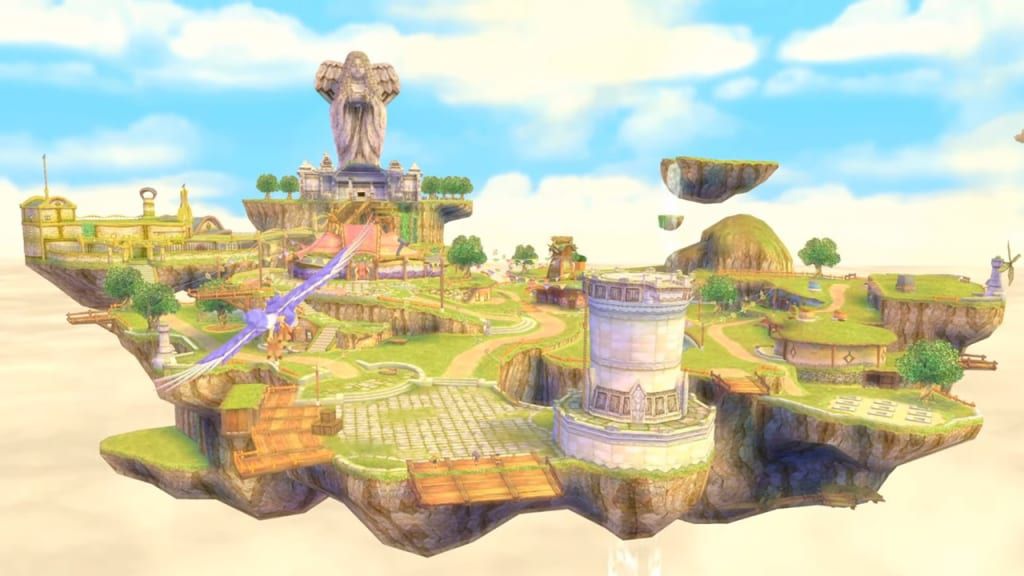
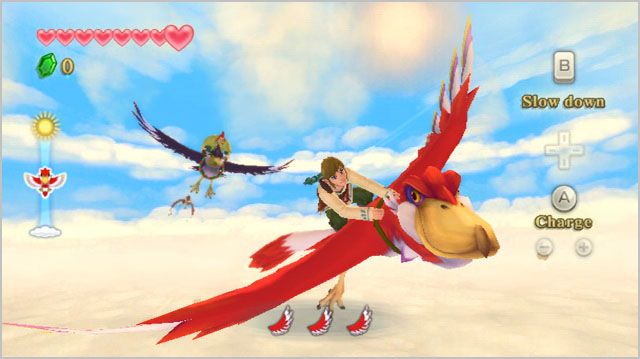
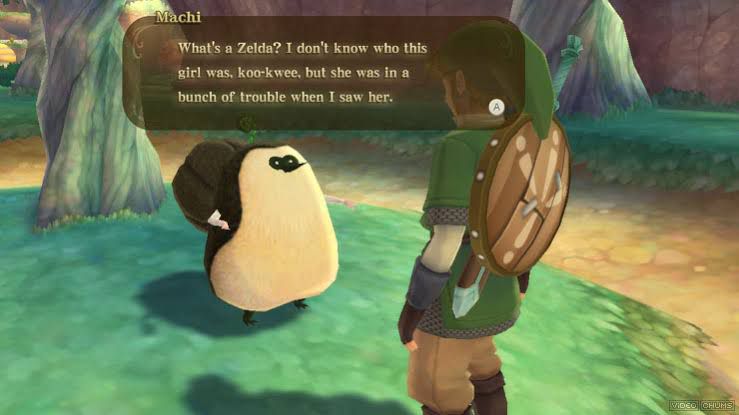
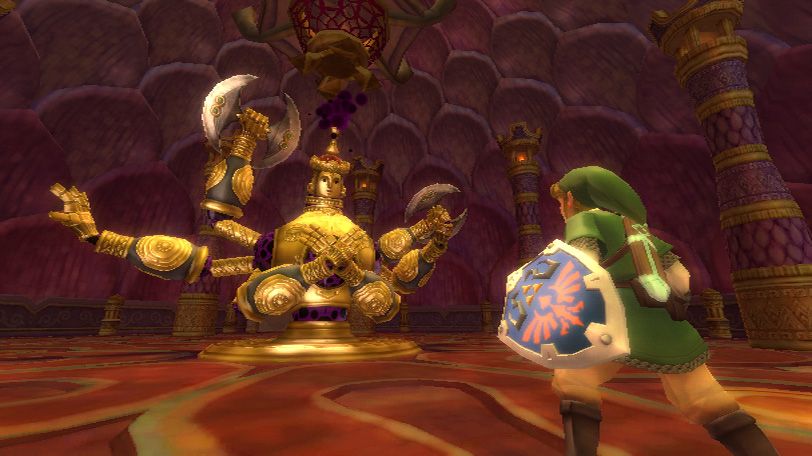
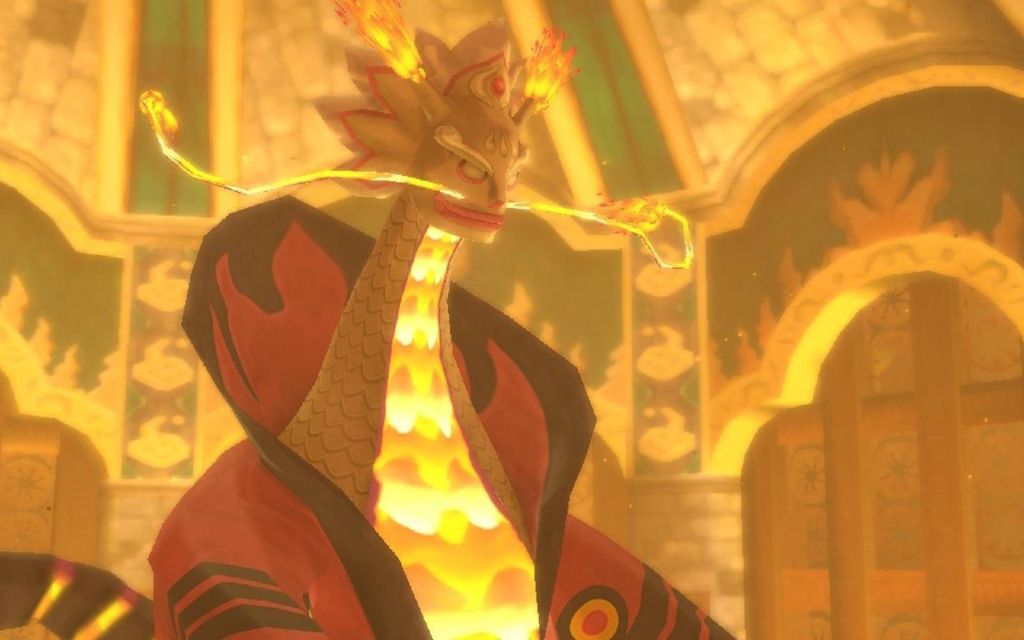
When The Legend of Zelda: Skyward Sword came out on the Wii in 2011 it received critical acclaim for its creative gameplay, its presentation and its visuals, with a lot of praise aimed at the way it successfully blends innovation with the tried-and-true Zelda formula as well as the game’s new take on the portrayal of the characters Link and Zelda. Not to say that there weren’t plenty of gamers out there who thought it didn’t measure up to what came before. Some people didn’t like how the motion-based controls were implemented, some said the Zelda formula was holding the game back from its potential, some thought the game’s linear structure was old-fashioned and some compared the character of Fi to the character of Navi, Link’s fairy companion from the N64 game Ocarina of Time who similarly interrupted the flow of the gameplay to give Link basic guidance and advice to the annoyance of many gamers. Although some of the issues people had with the game were addressed in the HD version that was released on the Nintendo Switch in 2021.
Overall despite those flaws, Skyward Sword is far from a bad game. It’s actually fun, challenging and brilliantly realized with many critics calling it a masterpiece and some even giving it a perfect 10/10 score, but because the Zelda series has reached such great heights in the past, it still tends to get unfairly overshadowed by more beloved entries when people do retrospectives. Although you will often see the game included when you read lists of the best Wii games of all time. IGN even ranked it number one, so I’m not saying it’s underrated. If anything, it just demonstrates that as the years go by, meeting the high expectations of Zelda fans will continue to be one of Nintendo’s biggest obstacles.