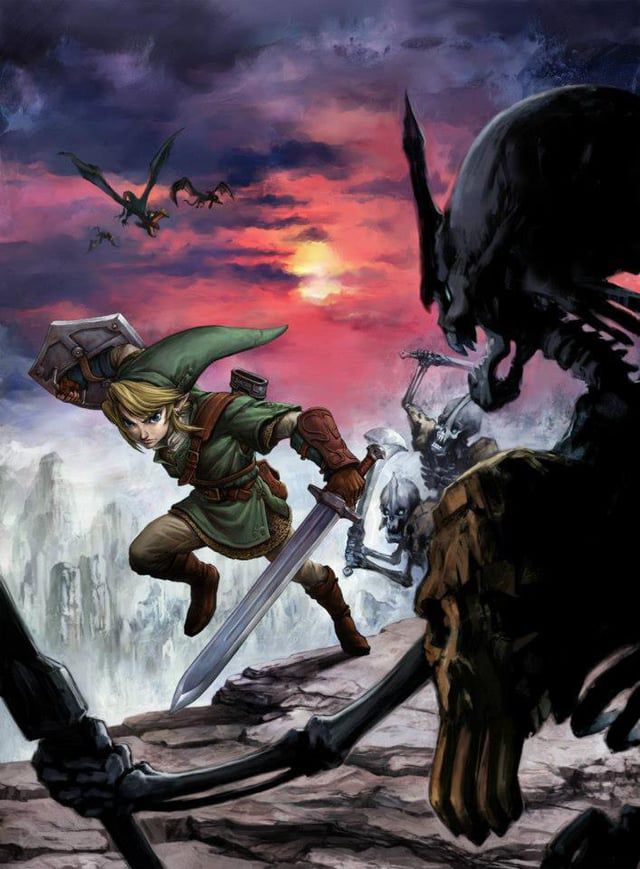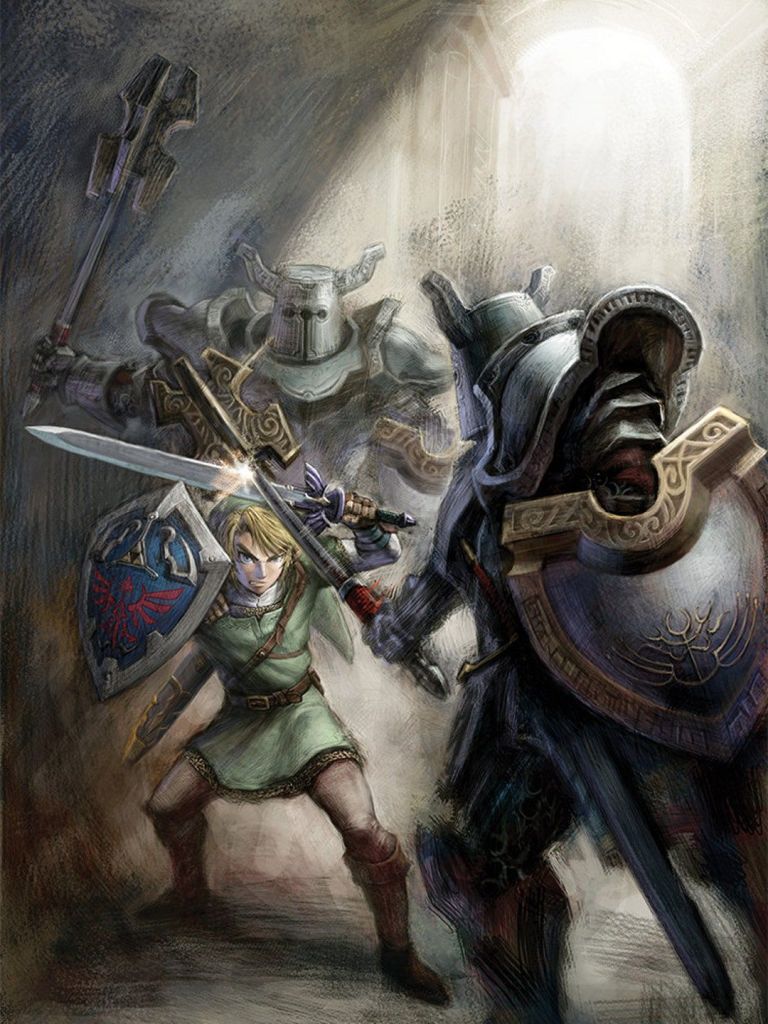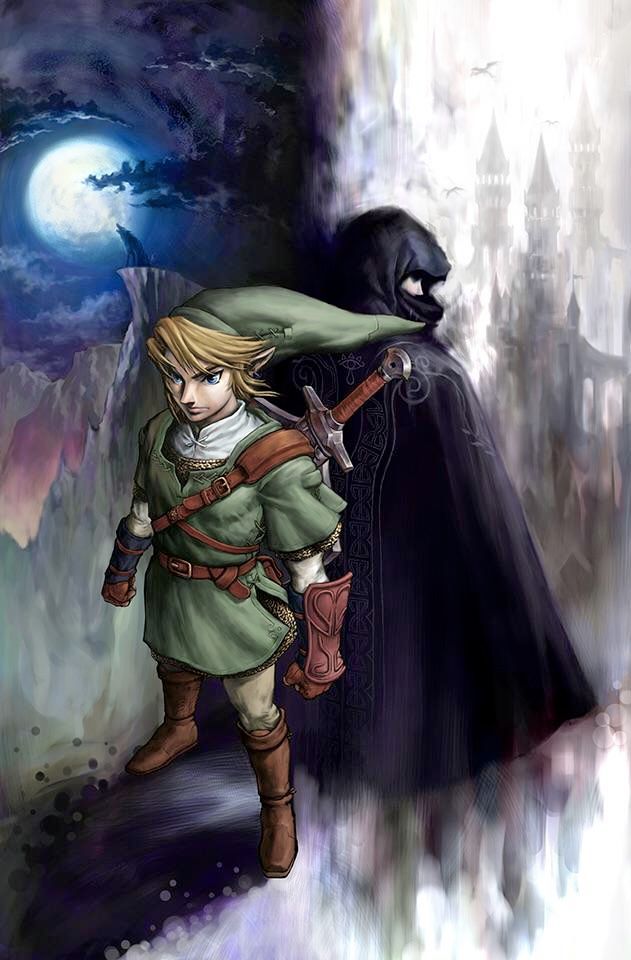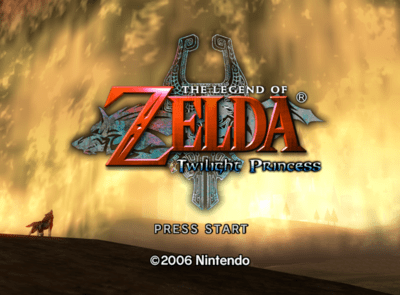
Nintendo’s first mainline console Zelda game since The Legend of Zelda: The Wind Waker was a huge departure from that game’s cartoony visual style and more in line with a dark and realistic, J.R.R. Tolkien-style fantasy. Which made it the kind of game that many Zelda fans had been waiting for.
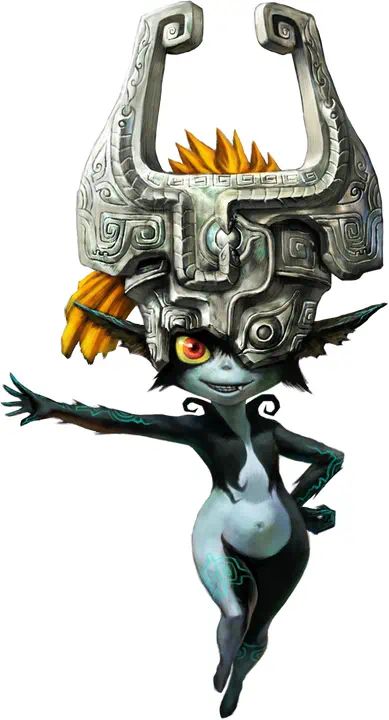
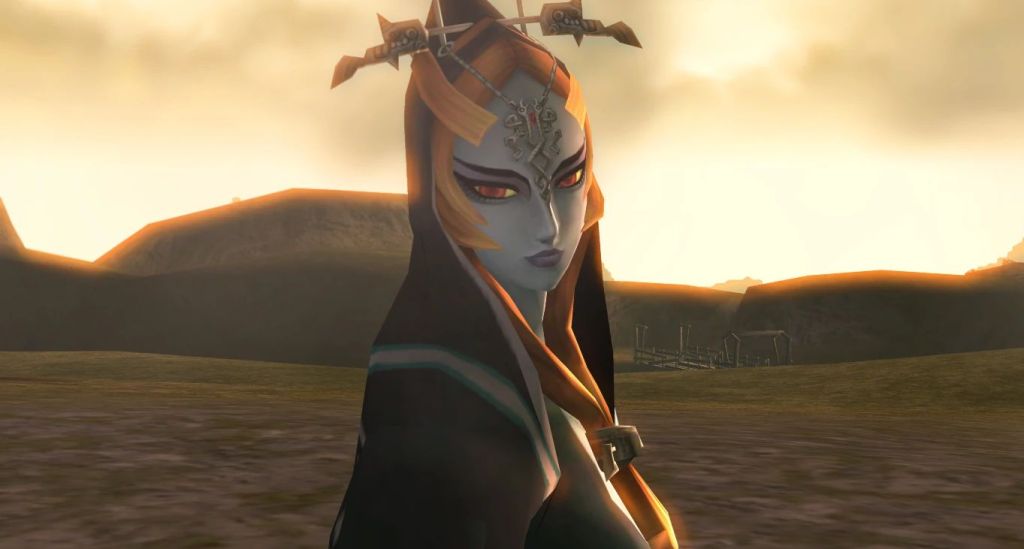
The story of The Legend of Zelda: Twilight Princess is set after the events of Ocarina of Time and Majora’s Mask in the young hero’s timeline. This game centers around a teenage boy named Link who lives in Ordon Village as a ranch hand and whose friends end up getting kidnapped by a group of monsters. When Link pursues the monsters he ends up in a forest shrouded by twilight and finds himself in a parallel universe, where he transforms into a wolf and gets imprisoned by the monstrous inhabitants of the realm. However, an imp-like creature named Midna helps free Link in exchange for Link’s unconditional loyalty to her. Given his desperate situation, Link agrees to her terms.
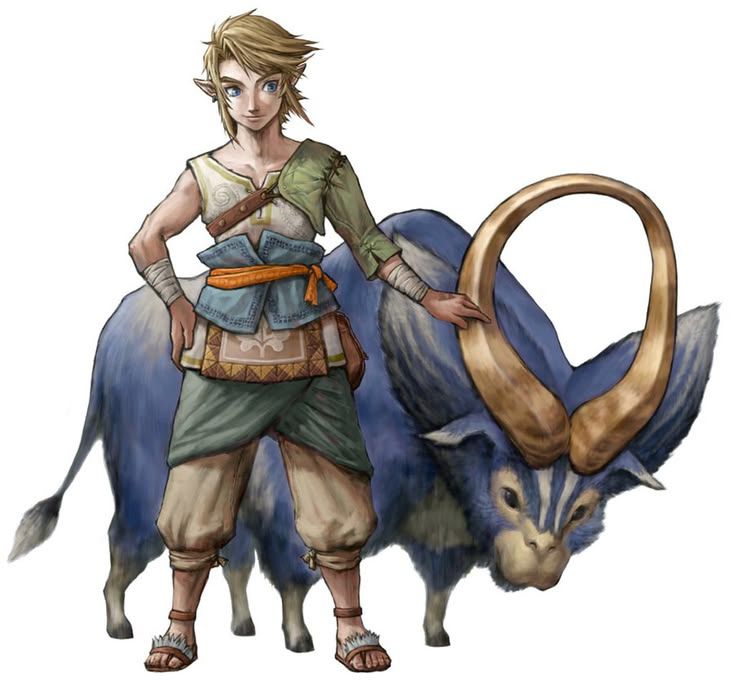
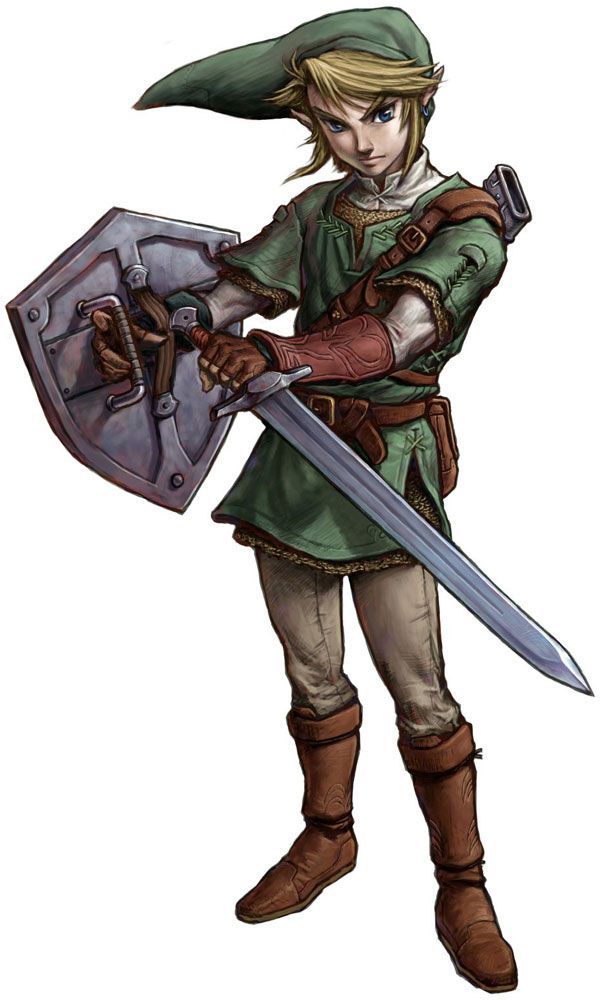
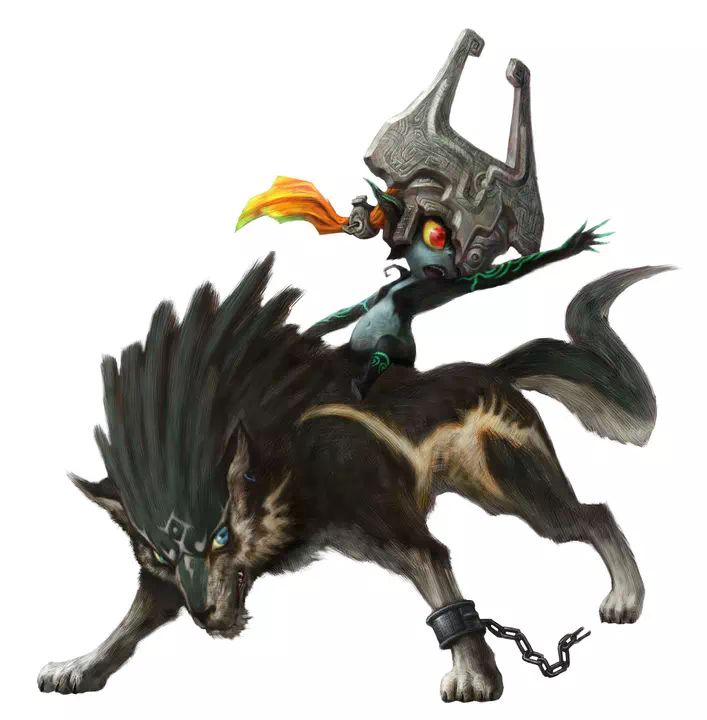
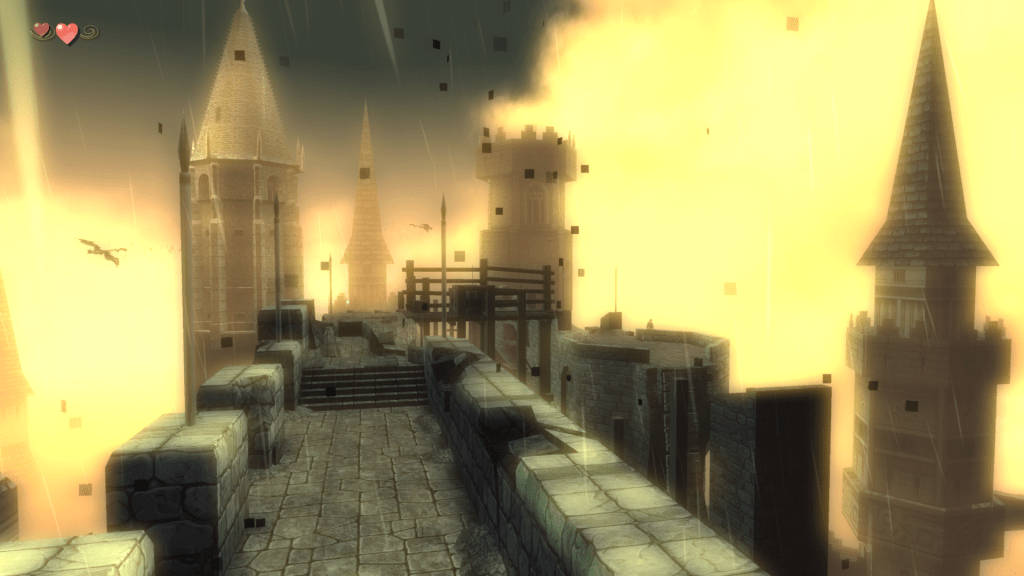
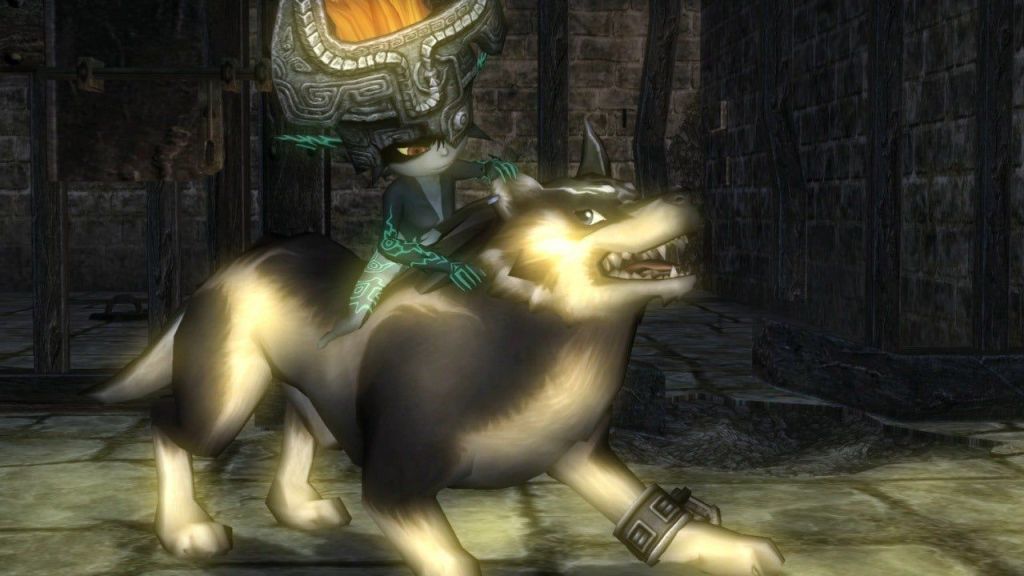
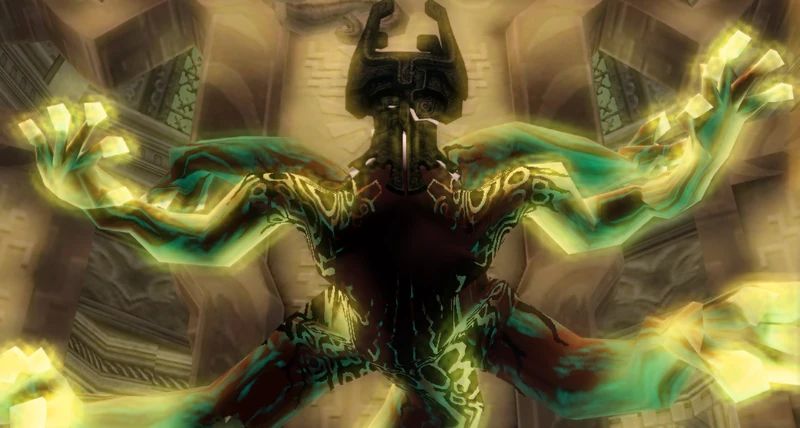
Midna, who rides on Link’s back throughout the game while he is in wolf form, introduces Link to Zelda, the princess of Hyrule who tells Link her kingdom became enveloped in twilight after Zant, the self-proclaimed King of Darkness who usurps the throne of the Twilight Realm, invaded Hyrule Castle and forced Zelda to surrender. The inhabitants of Hyrule became invisible spirits after Zant shrouded the kingdom in twilight (although some people, like Link and Zelda, have retained physical forms). Link agrees to save Hyrule by reviving the Light Spirits in all the twilight-covered areas of the kingdom. Each of the Light Spirits guard four provinces of Hyrule: Ordona, Faron, Eldin and Lanayru, each taken over by the inhabitants of the Twilight Realm, known as the Twili, who are interlopers of dark magic and who long ago attempted to take over the Sacred Realm and gain the power of the Triforce, until the Golden Goddesses intervened, banishing them to the Twilight Realm and sealing their power away within the Fused Shadow, which has been split apart and is spreading chaos across Hyrule and corrupting its citizens. Only the Light Spirits know the secret locations of the Fused Shadows, which combined form a relic that will give Link the strength to face Zant.
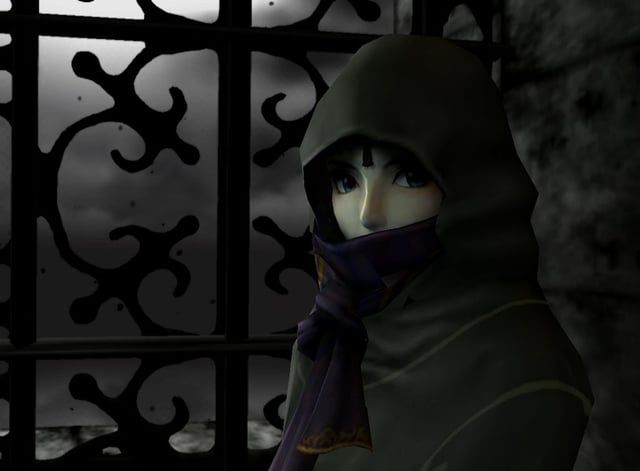
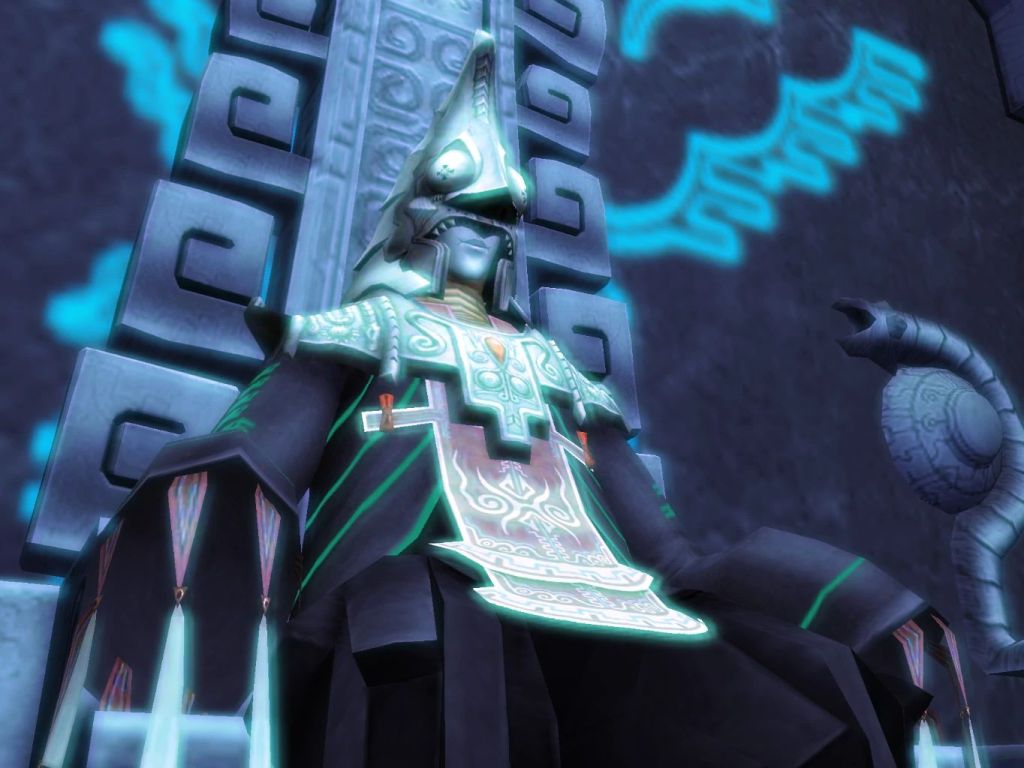
A year after the release of The Wind Waker, Nintendo announced that the game’s team would reunite on a follow-up Zelda game for the GameCube. During the concept phase it was initially going to be a similarly stylized 3D adventure game with the working title The Wind Waker 2, but The Wind Waker‘s poor reception with American gamers prompted director Eiji Aonuma to go for something more realistic instead, while Miyamoto encouraged Aonuma to focus on innovating the formula rather than focus on visuals alone, although the game ran on a modified version of the Wind Waker engine while visually it was aiming for something more universally appealing, leaning more into Peter Jackson’s Lord of the Rings movies.
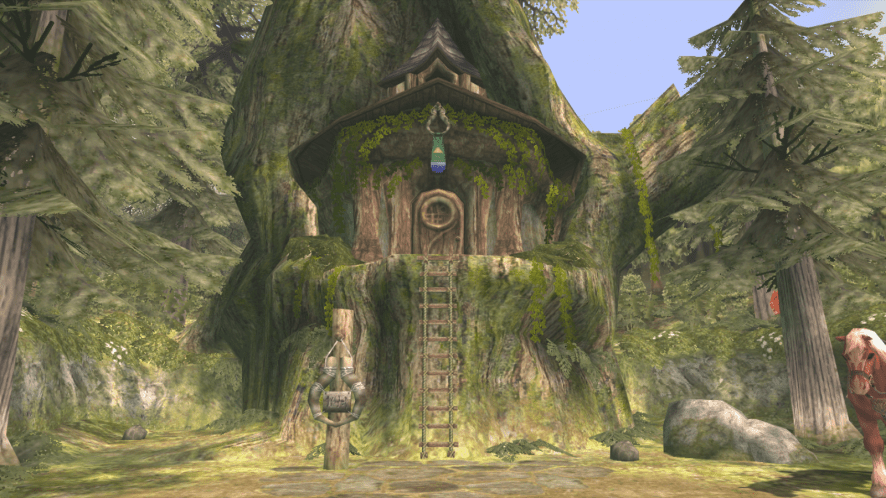
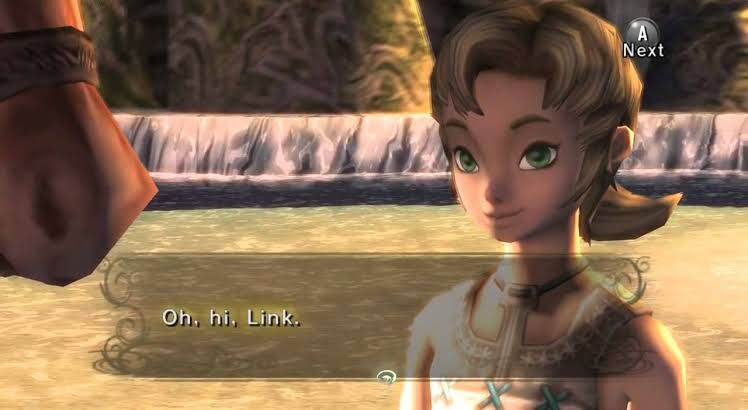
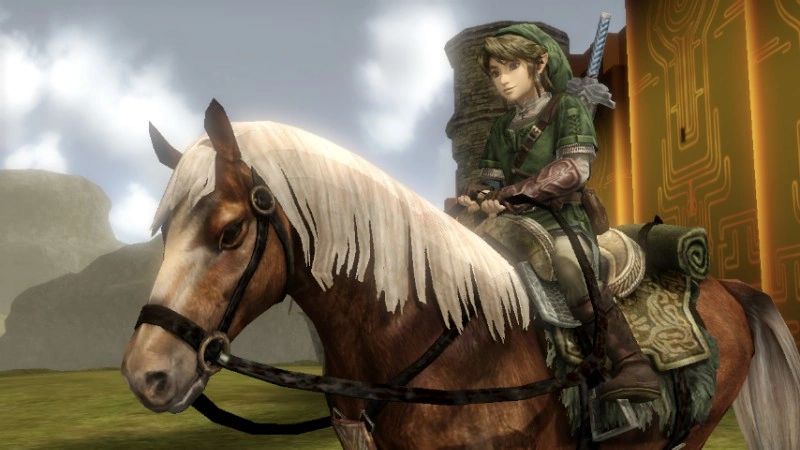
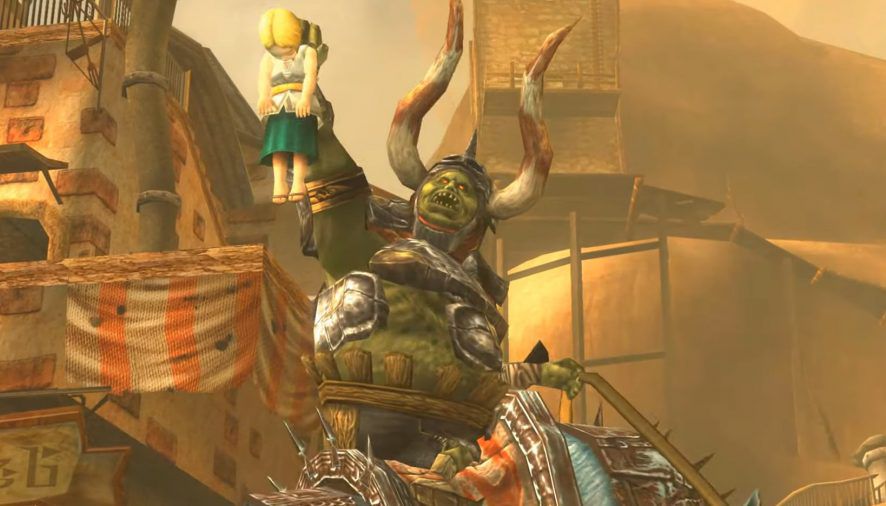
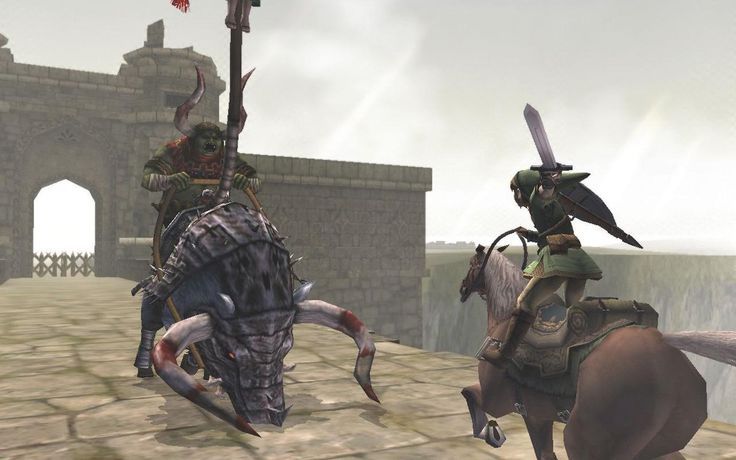
Since Twilight Princess was going to be more similar to Ocarina of Time gameplay-wise than The Wind Waker, emphasis was made on improving the elements that the Nintendo 64’s technological limitations hindered during Ocarina of Time‘s development, such as improving the horseback gameplay, which is one of the earliest elements that received praise.
Eiji Aonuma came up with the game’s story and the concept of Link transforming into a wolf, with what you can tell is a lot of inspiration from A Link to the Past, a game in which Link also travelled to a dark alternate version of Hyrule and transformed into a member of the animal kingdom (in that case a rabbit). Star Fox and Zelda writing veteran Mitsuhiro Takano contributed to the script for Twilight Princess‘s story scenes while Four Swords Adventures writer Aya Kyogoku and Animal Crossing: Wild World writer Takayuki Ikkaku contributed to the in-game dialogue.
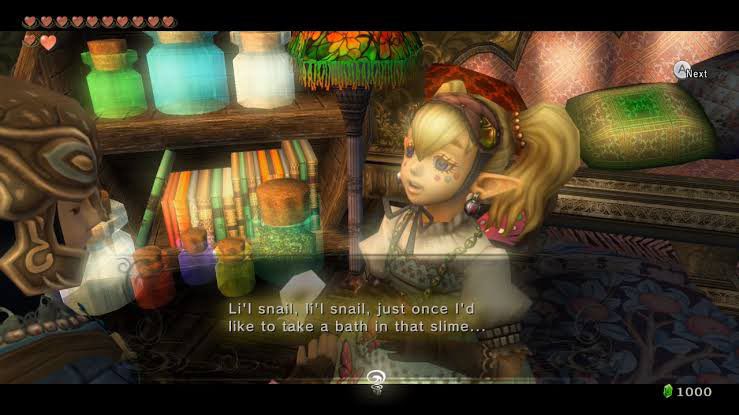
Main character designer Yusuke Nakano, who had previously created the hand-drawn promotional artwork for Ocarina of Time and Majora’s Mask, and art director Satoru Takizawa, who was a 3D animator and model designer on N64 games like Super Mario 64, Star Fox 64 and Ocarina of Time, created the game’s visual aesthetic. Meanwhile Majora’s Mask and The Wind Waker composer Toru Minegishi and Four Swords Adventures and New Super Mario Bros. composer Asuka Hayazaki both worked on the soundtrack, adding well to the game’s atmosphere with often subdued, melancholy and offbeat compositions and arrangements. Both the visuals and the music had a significantly more serious vibe than any other Zelda game before.
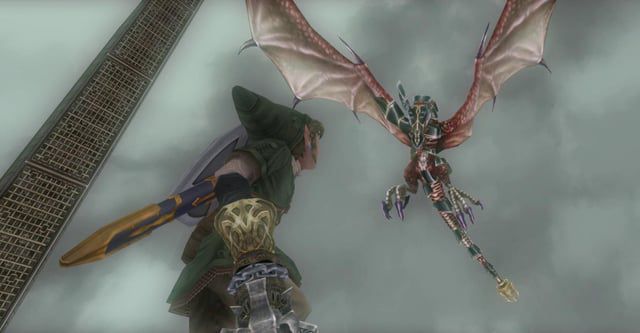
One thing that became clear to Aonuma while working on this game at the same time that he was working on The Legend of Zelda: Phantom Hourglass was that Twilight Princess was lacking in the innovation that producer Shigeru Miyamoto was striving for, which is why Miyamoto suggested porting the game, which was originally to be a GameCube exclusive, to the Wii. While releasing both a GameCube version and a Wii version of Twilight Princess meant a significant delay in its release, Aonuma was convinced it would be worth it after he felt what it was like to use a Wii remote to operate Link’s bow and arrow, and even Nintendo president Satoru Iwata saw giving players more options upon release as a good business move.
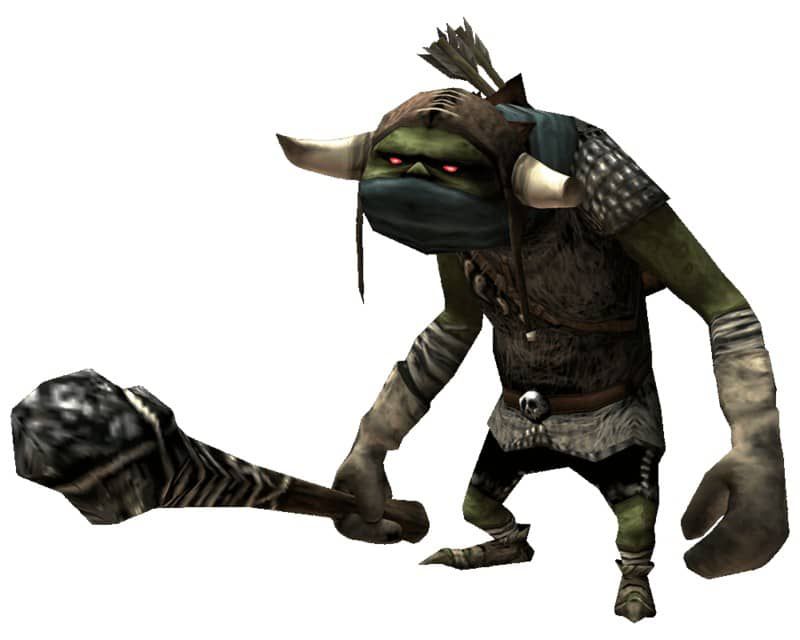
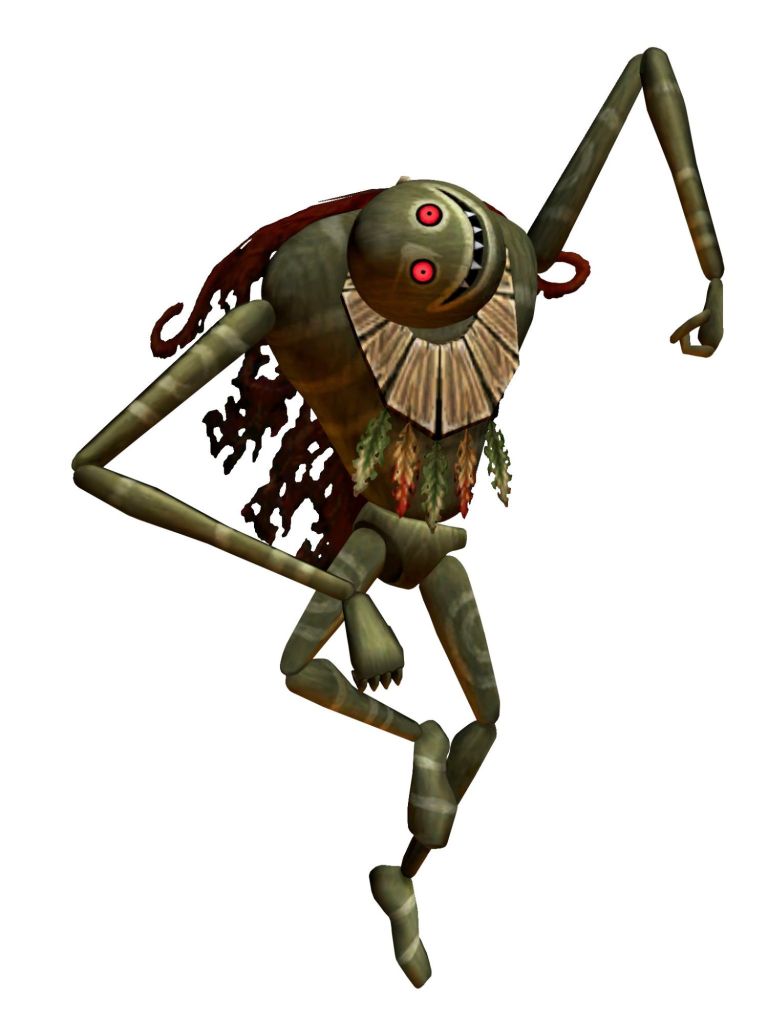
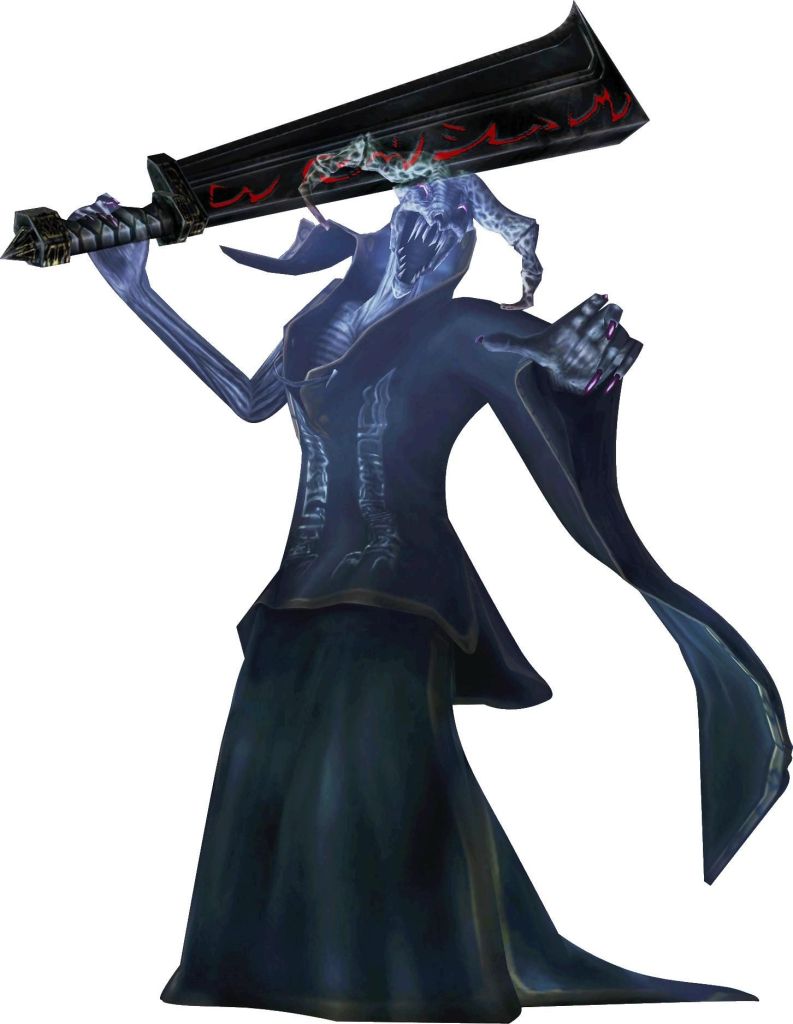
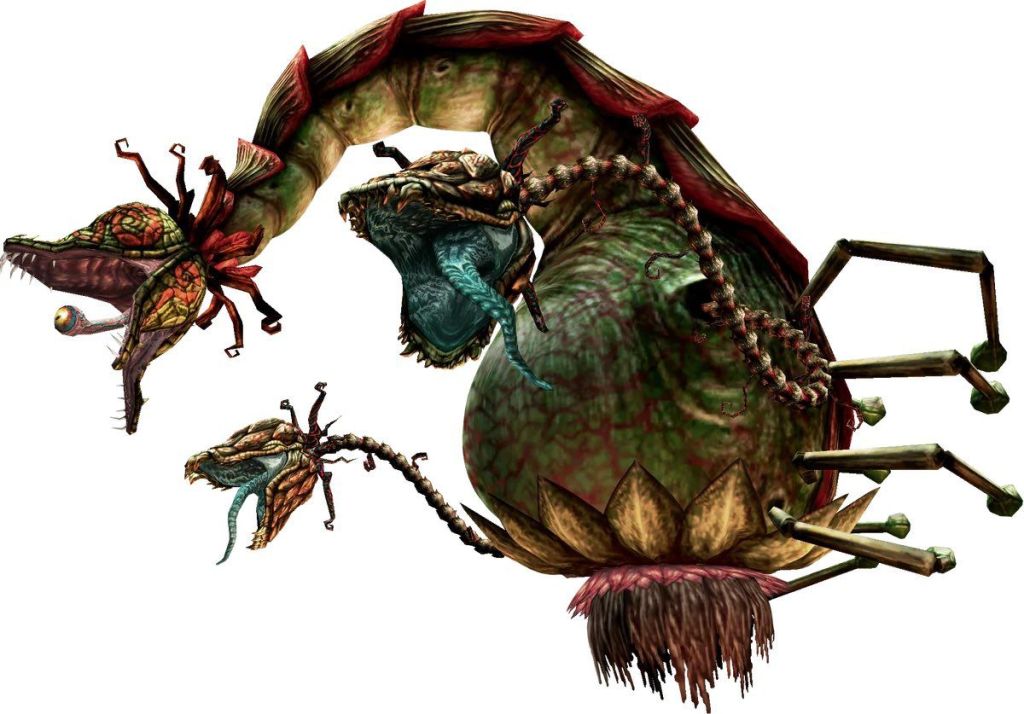
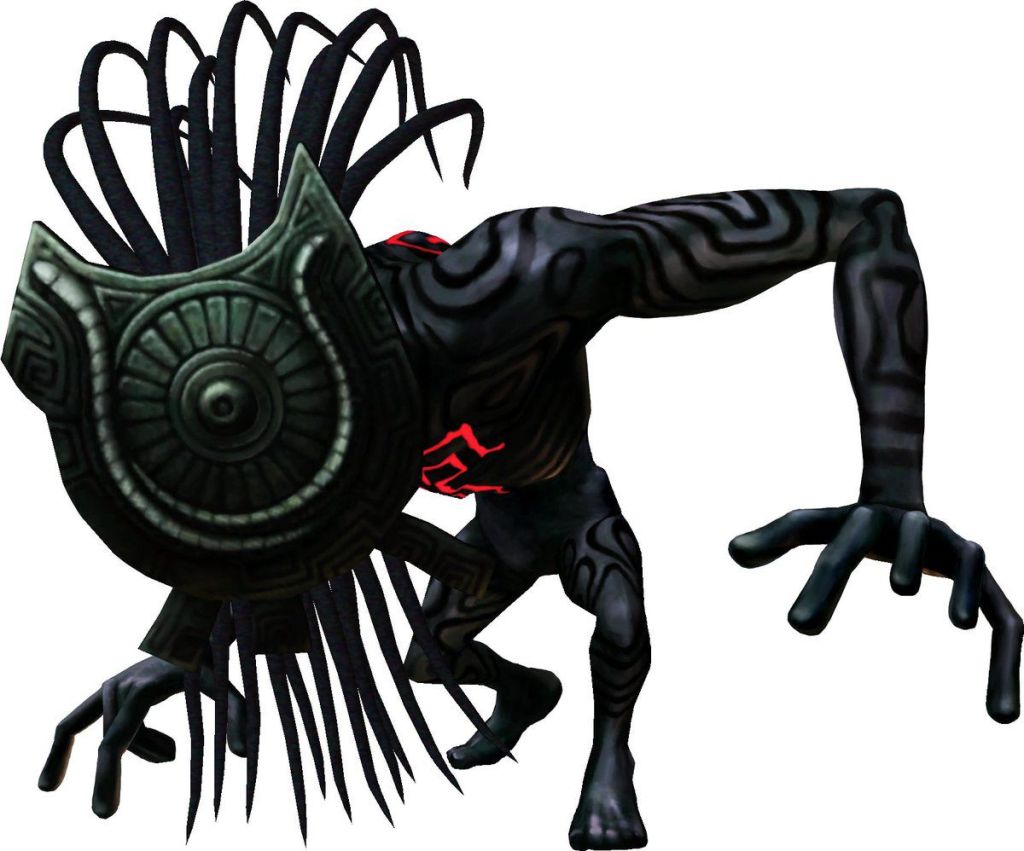
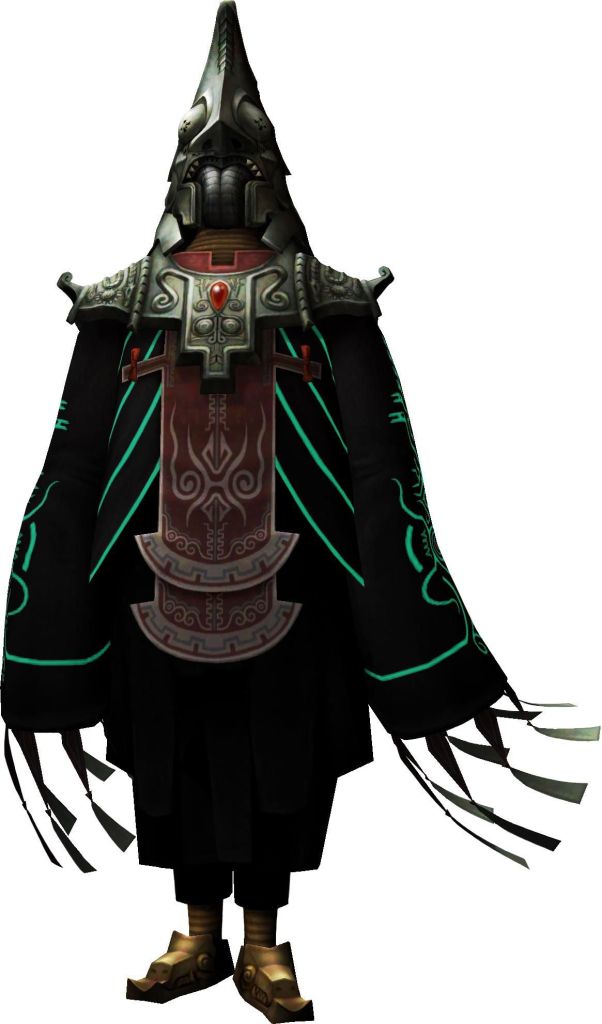
Released on the Wii in 2006 with the GameCube version following a month later, The Legend of Zelda: Twilight Princess received critical acclaim, with high ratings and Game of the Year accolades abound among the game critic community and many gamers claiming it surpassed Ocarina of Time as the best Zelda game ever made (I loved both of those games so much as a kid that I had trouble back then deciding which one was better). And because it was released at the same time as the Wii, it was also the most commercially successful launch game since Super Mario 64. Gamers got to experience it a decade later as well when the game underwent a well-received HD remaster on the Wii U in 2016. To this day people hail the game for its arresting atmosphere, pretty art direction, storytelling, world design and combat mechanics. It is seen as a modern adventure gaming classic and a highlight of the Zelda series.