
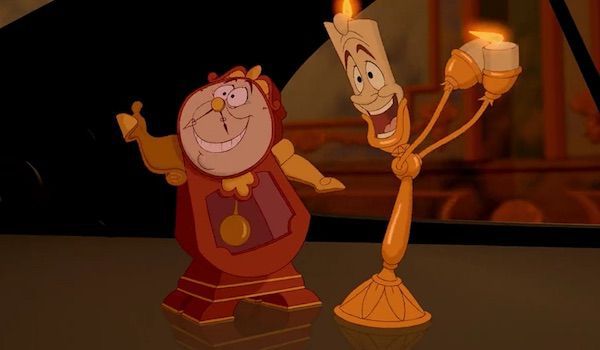
If you asked me which decade was the best decade for animation, I would say EVERY decade since the start of the 20th century has been a great decade for animation because you can find creativity, style and brilliant artistry everywhere in every period, from groundbreaking classics like J. Stuart Blackton’s The Enchanted Drawing to modern-day classics like Adult Swim’s The Elephant. But if I had to choose one, I have to be honest and say that I think the 1990s are a pretty outstanding period in animation history, and that’s not just because of nostalgia. I was lucky enough to be born in 1989 and be raised by a parent who allowed me to watch cartoons, because I lived through every single revolutionary moment in the nineties, and because I was so spoiled by all the brilliance coming from studios like Disney, Pixar, WB, Aardman and Nickelodeon in an era of unprecedented access via cable television and VHS tapes, and because I was too young to recognize how revolutionary that time period was, I never lived a single moment in my life where I didn’t think animation was a medium with endless artistic potential capable of great comedy, thrills, pathos and depth.
In this article I made a list of all the reasons why I would argue that the 1990s are the greatest decade in animation history.
The Disney Renaissance restored the glory of theatrical animation
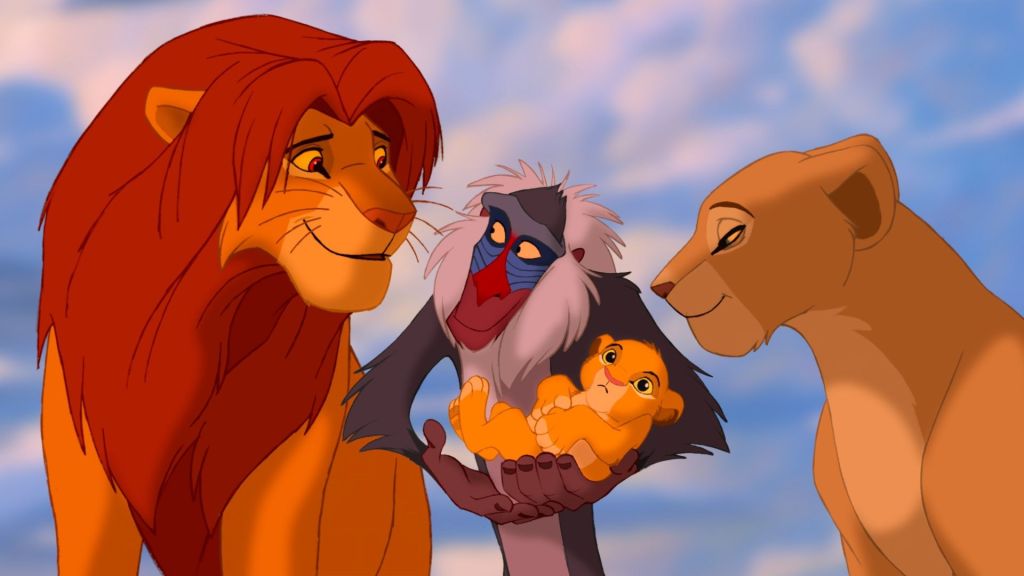
The eighties were kind of a miraculous decade for Disney. During the development of The Black Cauldron they came close to being shut down and having their animation department scrapped. But instead, thanks to a perfect storm of passionate and artistically gifted young animators, the musical genius of Howard Ashman and Alan Menken and the dynamic business acumen of Michael Eisner, Disney revived the animated musical with films like The Little Mermaid, Beauty and the Beast, Aladdin and The Lion King and rewrote the book for what modern animation could be, and because a rising tide lifts all mermaids, other studios began banking on the success of Disney’s winning streak, leading to the rise of other players in the arena of theatrical animation like Warner Bros. Feature Animation, Pixar, DreamWorks, Fox Animation Studios, Blue Sky, Sony Pictures Animation and Illumination. The industry shock waves that Disney caused in the late eighties and early nineties can still be felt today.
The Simpsons proved cartoons weren’t just for kids
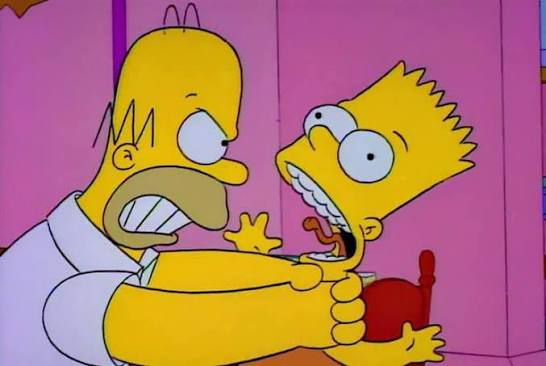
The Simpsons was not the first animated series in Prime Time aimed at adults but it was the first to feature characters who actually talked and behaved like real people, and that meant characters who insulted each other, were violent towards each other, got drunk at bars and went to church. The show also satirized celebrities, religion and politics as well as things like juvenile delinquency, corporate greed, the buffoonery of law enforcement, pop culture and every human stereotype on the planet. Which made it a lightning rod for controversy as well as one of the most popular TV shows ever made, demonstrating the commercial value of animation for adults and kicking off a trend that networks like MTV, Comedy Central and Adult Swim have banked on to huge success, as well as the Simpsons’ home network FOX which went on to continued success with similar programs like King of the Hill, Family Guy and Bob’s Burgers.
Industrial Light & Magic revolutionized visual effects
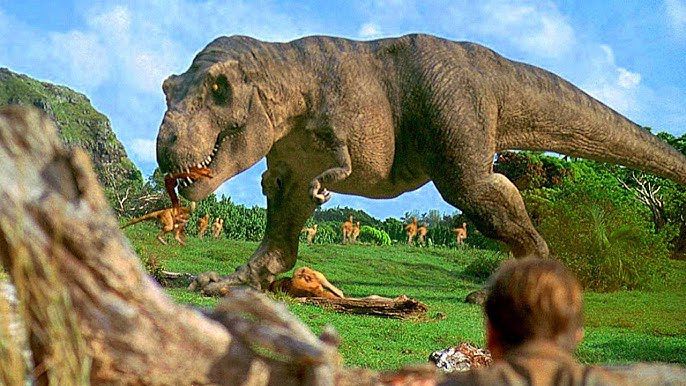
The ripple effects of George Lucas’s success with Star Wars in 1977 were still being felt in the nineties, and one of the key ways was in the work being done by Industrial Light & Magic. It was one thing to see the T-1000 liquify his body in James Cameron’s Terminator 2: Judgement Day but Steven Spielberg’s Jurassic Park even brought living, breathing dinosaurs to life in a believable way with CGI. You saw the technological possibilities expand as the decade went on with the way ghosts interacted with Christina Ricci in Casper and the way Jar Jar Binks interacted with Liam Neeson in The Phantom Menace. This was the most exciting decade for computer animation because you got to see the landscape of Hollywood change in real time, as well as culture in general.
Nickelodeon ushered in a new golden age for children’s cartoons
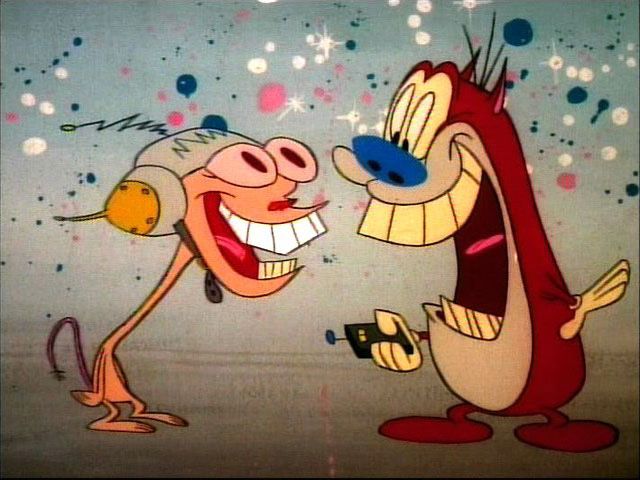
It can’t be overstated how much of an impact Nickelodeon had on children’s television. And this can be most felt in modern animated shows aimed at kids. The Ren & Stimpy Show often gets the most credit for shaking up the old formula of derivative and commercially safe kids’ cartoons that infested the seventies and eighties, as well as establishing the modern formula of creator-driven and artistically bold cartoons that often felt more like indie animated shorts than TV episodes. Same with the equally brilliant Doug and Rugrats as well as later Nicktoons like Rocko’s Modern Life, Hey Arnold!, The Angry Beavers, The Wild Thornberrys and SpongeBob SquarePants plus many animated programs that have aired on rival networks Cartoon Network and Disney Channel. This was the period when art and animation students who studied at prestigious art schools like CalArts, the School of Visual Arts and the Rhode Island School of Design were finally steering the reins of TV animation into more creative directions.
Beauty and the Beast made Hollywood take animation seriously
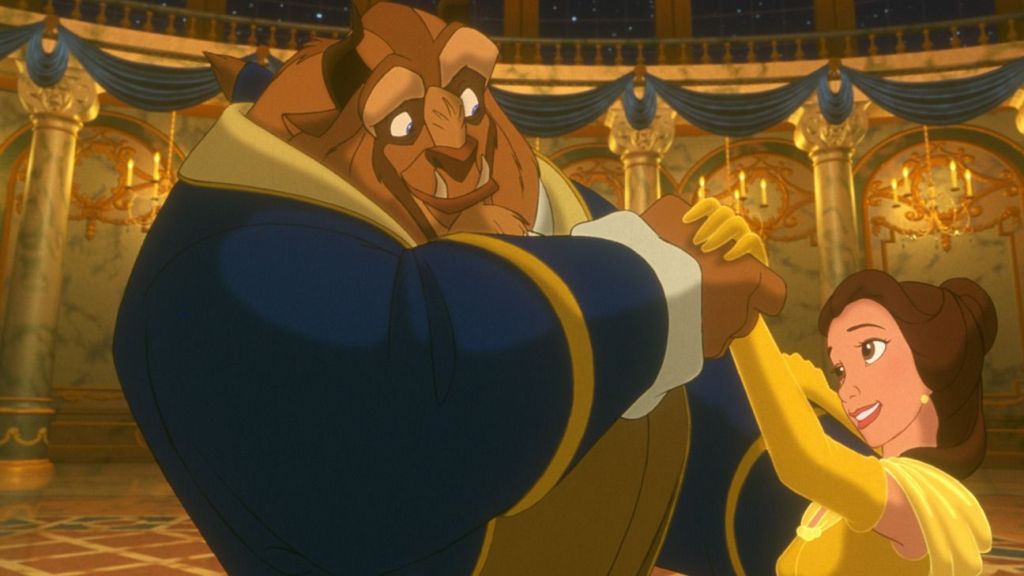
Disney’s Beauty and the Beast is the first fully animated feature film to ever receive a Best Picture nomination from the Academy Awards. And while it hasn’t happened much since then, with Pixar’s Up and Toy Story 3 being the only other two nominees (although I can think of plenty of others that deserved the honor too like The Lion King, Chicken Run and Inside Out), the fact that it happened at all was a huge signal to the Hollywood community that it was possible for animation to be a medium worthy of standing alongside the best live-action cinema. Years later the boom caused by the Disney Renaissance led the Academy to adopt the Best Animated Feature category and after that they honored animated features every year. Of course the stigma towards animation still exists. Even to this day there are adults out there who are either too boring, too brainwashed or too embarrassed to take animated films seriously as “real” movies or even admit that they like animation. But the important thing is that those who do take animation seriously as an art form have plenty of films to choose from and that the Academy serves as a pretty decent annual recommendation list for great animated cinema across the globe.
Wolfenstein 3D took a shot in the dark
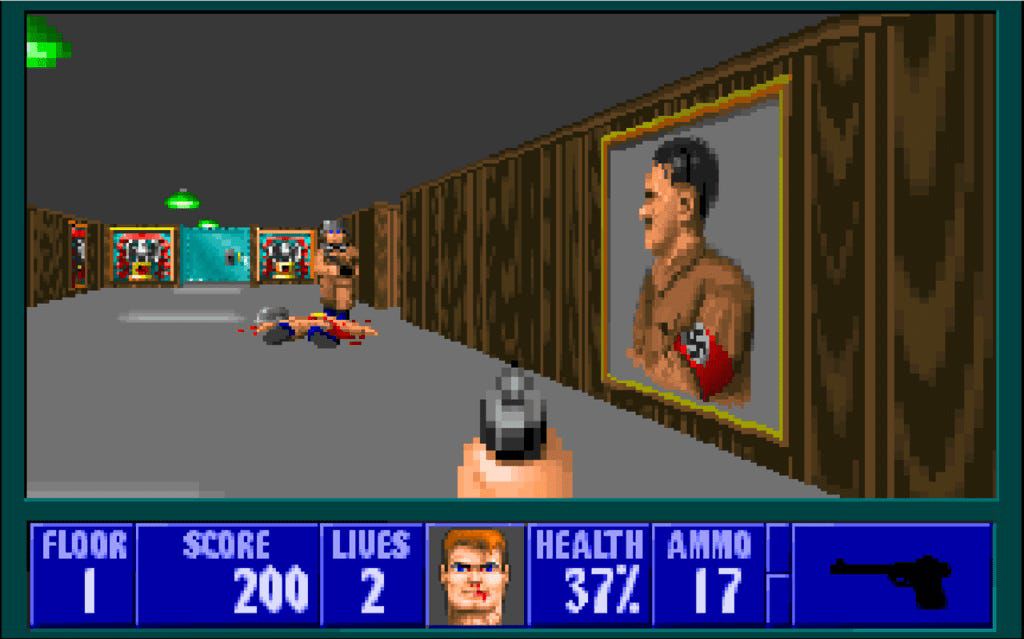
The game that most people think of as the landmark first-person shooter game of the nineties is id Software’s Doom, but that same studio first had to create the Nazi hunter Wolfenstein 3D a year earlier, changing the course of video games in the process, thanks to programmer John Carmack’s experimentation on a faster rendering speed for 3D game engines, which led fellow programmer John Romero to suggest using the engine to revamp Muse Software’s 1981 Apple II stealth action game Castle Wolfenstein for modern PC gamers, and it also led to more believable interactive exploration as you blasted your way out of a German Nazi prison. This game, alongside Doom, Quake and Duke Nukem 3D, basically set the standard for every first-person shooter game that has come out since then, from Goldeneye 007 to Halo to Call of Duty.
Batman and Animaniacs didn’t talk down to kids
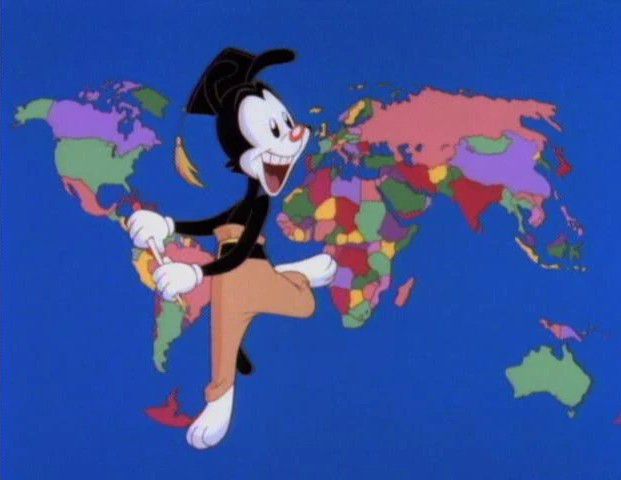
Warner Bros. Television Animation was in a unique category of its own in the nineties separate from both the fairy tale glamour of Disney and the juvenile gross-out humor of Nickelodeon. While Disney had the family audience and Nick had the kid audience, WB just seemed to be targeting … intelligent people! Batman: The Animated Series for example felt like no other show on television when it made its debut in 1992. It was like a dark and serious film noir action serial and Bruce Timm, Eric Radomski, Paul Dini and the rest of the talented team behind the show actually took the writing seriously, with the artistic influence of Max Fleischer’s Superman cartoons and the thematic influence of Tim Burton’s Batman adding to its aesthetic and appeal. Meanwhile Tom Ruegger was an animation writer who you could tell was brimming with creativity in the eighties but was never fully allowed to embrace it until the nineties when WB allowed him to make things like Tiny Toon Adventures, Taz-Mania and Animaniacs. These shows were all comedic in nature but like Batman, they shared the same spirit of targeting kids but not talking down to kids (and sometimes even occasionally ignoring kids and talking directly to the adults), often in the same fashion as WB’s oldest cartoon creations the Looney Tunes, which these cartoons very much felt like the descendants of. This is why some people say the Disney Renaissance was not the only renaissance happening that decade.
Cartoon Network became the first 24-hour animation network
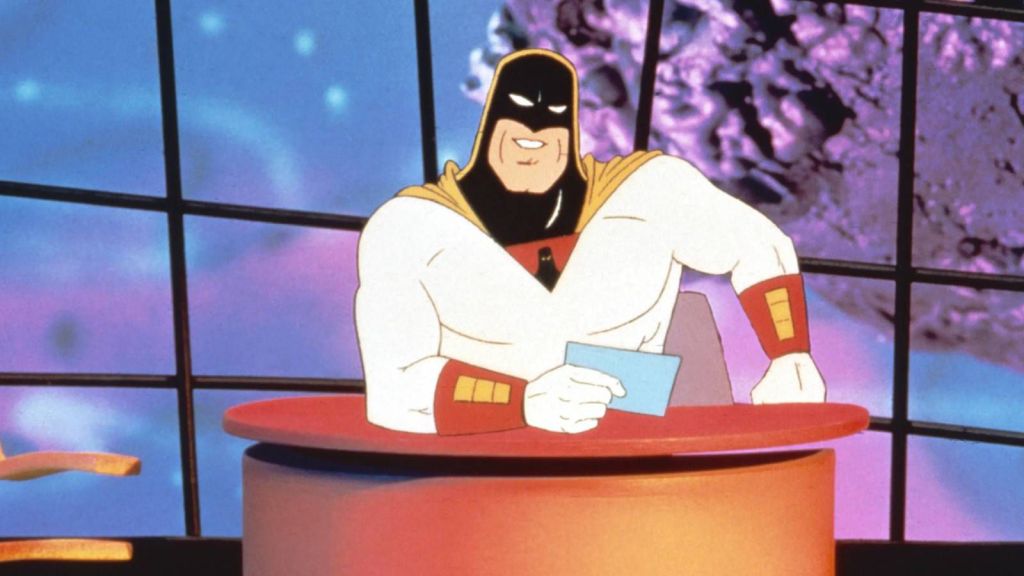
You could say Ted Turner’s greatest legacy is the founding of CNN, but you would be wrong! One of the smartest things he ever did was create a 24-hour animation network called Cartoon Network, because it served as the perfect showcase for Turner’s recently acquired TV rights to the cartoon filmographies of studios like Warner Bros., MGM and Hanna-Barbera, introducing many kids to the works of brilliant filmmakers like Max Fleischer, Tex Avery, Bob Clampett and Chuck Jones and characters like Popeye, Droopy and Jonny Quest in the process (as well as getting that Jabberjaw song by Pain stuck in my head forever). The founding of Cartoon Network also led to the introduction of now classic original shows like Dexter’s Laboratory, Cow and Chicken, Johnny Bravo, The Powerpuff Girls, Ed, Edd n Eddy, Courage the Cowardly Dog and Samurai Jack as well as the popular programming block Adult Swim. The network’s continued success proved that animation’s popularity in the nineties was far from a fad.
The Nightmare Before Christmas romanticized stop motion
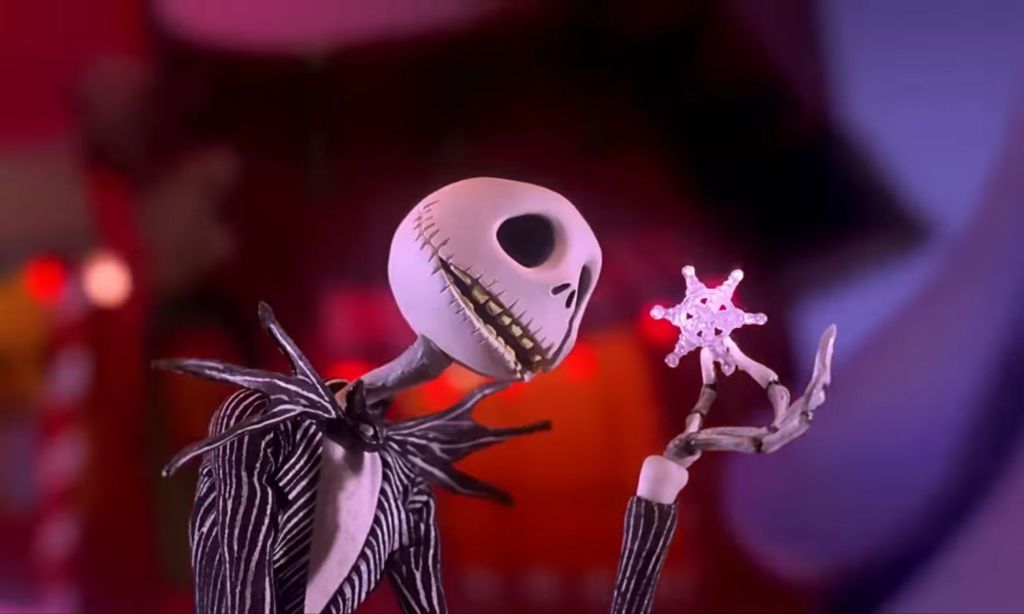
Before Disney and Tim Burton teamed up to produce The Nightmare Before Christmas, stop-motion was associated with things like Gumby, Rudolph the Red-Nosed Reindeer and the California Raisins. Nothing against any of those things, but the medium was barely living up to its full potential with those projects. But thanks to the brilliance of CalArts alum and former Disney animator Henry Selick, a beautiful screenplay by Caroline Thompson, the beautiful production design of the team at Skellington Productions and the hauntingly beautiful soundtrack by Danny Elfman, Nightmare proved more than any other feature film that came before that stop motion was an animation style capable of both artistic and cinematic flare, and the film established a high bar that Laika Studios is still trying to meet to this day. The fact that Nick Park’s brilliant Wallace and Gromit film The Wrong Trousers was released the same year as The Nightmare Before Christmas only proves further how important the nineties were for stop motion’s evolution as an art form.
Toy Story convinced Hollywood to embrace computer animated films
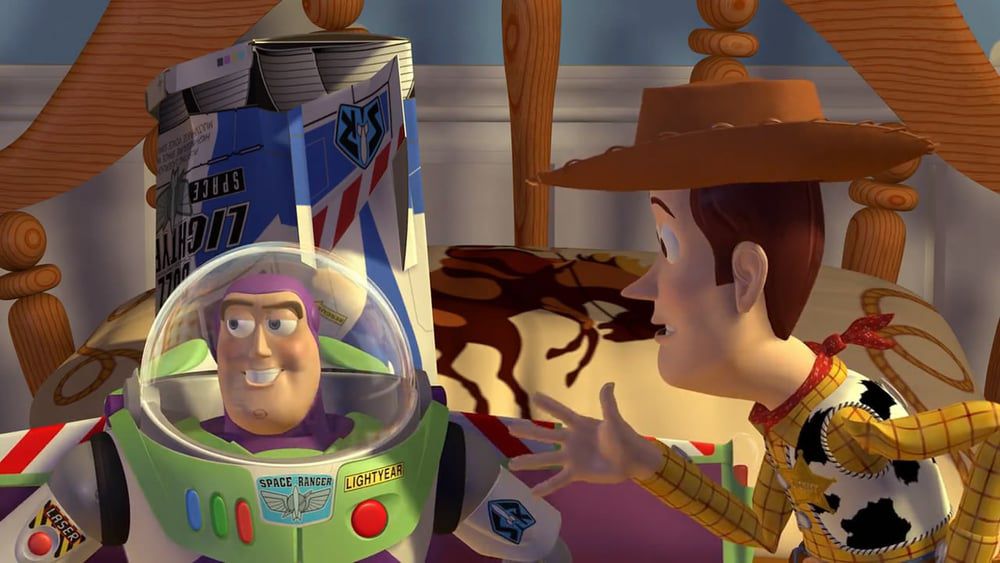
This one doesn’t even need an explanation does it? Anyone who was alive and remembers the moment when Pixar’s Toy Story came out remembers how momentous it was, mostly because no one had ever seen a movie like it before, but also because it was pretty clear that it was an instant classic. This film was released and marketed by Disney but the story concocted by the Bay Area artists and computer programmers at Pixar has a distinctly different vibe than the films of the Disney Renaissance being created in Burbank at the same time, and almost immediately it made the Disney Renaissance films seem like old news, with Pixar even dominating the box office in the 2000s as Disney Animation stumbled and rival studios like DreamWorks, Fox and Sony took more cues from Pixar than Disney Animation as they looked for their next animated hit. Pixar’s Toy Story 2 also kicked off the animated sequel trend that dominated the 21st century, and this was after the box office failure of The Rescuers Down Under scared most studios away from the practice and caused Disney to relegate most of their sequels to home video. This was for the best. Where would we be without films like Shrek 2, Toy Story 3 and Puss in Boots: The Last Wish?
1996 widened the scope of 3D Gaming
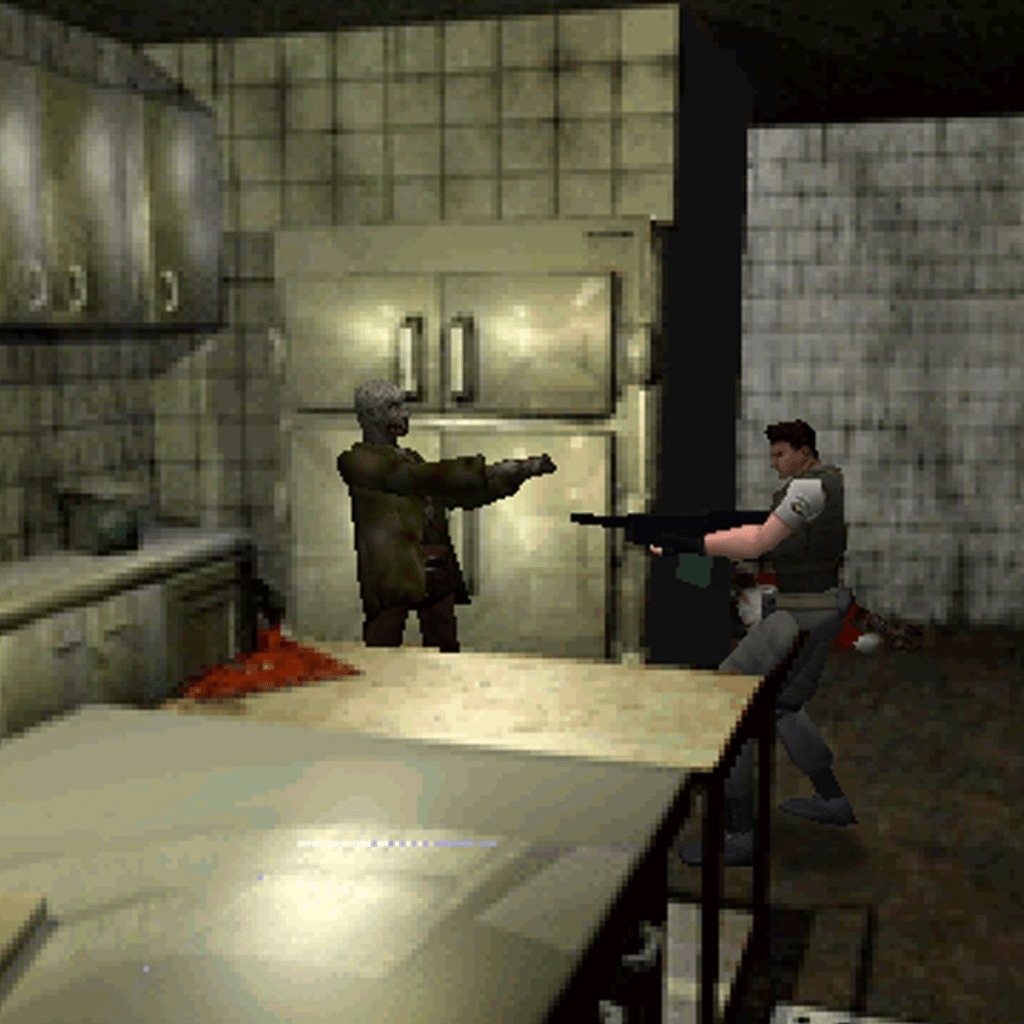
Wolfenstein 3D was an important moment in the evolution of 3D PC games but 1996 was a huge year for 3D console games, and that scope spanned the Sony PlayStation, the Sega Saturn and the Nintendo 64. Capcom’s Resident Evil was a survival horror game that actually did a good job being genuinely terrifying thanks to the effective blend of realistic animation and sound effects as well as a more cinematic approach than usual for a video game. Meanwhile Core Design’s Tomb Raider pushed polygon graphics to its realistic limit to give you the same sense of exploration and danger as Indiana Jones, and playing Nintendo’s Super Mario 64 felt like controlling an animated cartoon, with Sega’s Nights into Dreams and Sony’s Crash Bandicoot providing similar experiences later that year. It would take a lot longer until video game technology would reach the point where their graphics were indistinguishable from a Pixar film, but all these games undoubtedly helped pave the way for that moment to happen.
Americans fell in love with anime
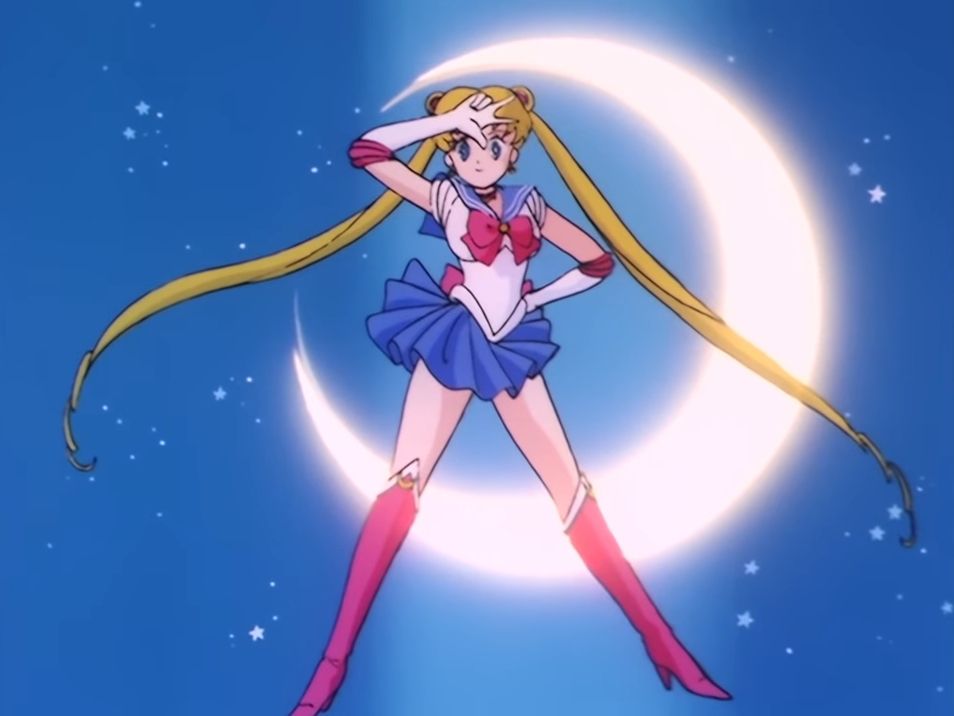
One of the best trends that kind of quietly exploded onto the scene in America and into a full-blown industry in its own right while all this other stuff I mentioned was happening was anime, which invaded the TV sets of many Americans thanks to the cheapness of overseas licensing deals for network syndication via companies like Funimation and 4Kids, as well as TV networks like Fox Kids, Kids’ WB, Cartoon Network and Adult Swim. Japan has had a presence in the animation industry ever since the 1940s but it wasn’t until shows like Dragon Ball, Sailor Moon, Pokémon, Digimon and Yu-Gi-Oh! came to the screen that it moved beyond niche spheres and into the American mainstream, to the point where now it is one of the most popular forms of entertainment on streaming services like Netflix and Hulu, with Sony acquiring Crunchyroll to capitalize on the craze. It was kind of inevitable that this would eventually happen given how much Japanese animation often blows American animation out of the water artistically. Hayao Miyazaki’s Princess Mononoke literally became the highest-grossing film in Japanese box office history in 1997 and Miramax quickly bought the American distribution rights for that one (although Studio Ghibli would not be recognized as a force in the animation industry until Spirited Away came out). Anime’s popularity is actually growing and that popularity is much more fervent among Gen Z than the popularity of things like Star Wars and Star Trek. American shows like Teen Titans and Avatar: The Last Airbender are even influenced by anime, as well as American movies like Spider-Man: Into the Spider-Verse, Turning Red and KPop Demon Hunters and the films of live-action directors like Quentin Tarantino and the Wachowskis. Because many of my favorite video games are also made in Japan and because the cross-promotion of the Pokémon games and the Pokémon anime was so effective on me, I always view the late nineties as the essential point in my life when I realized the Japanese entertainment industry was on a whole other artistic level.

