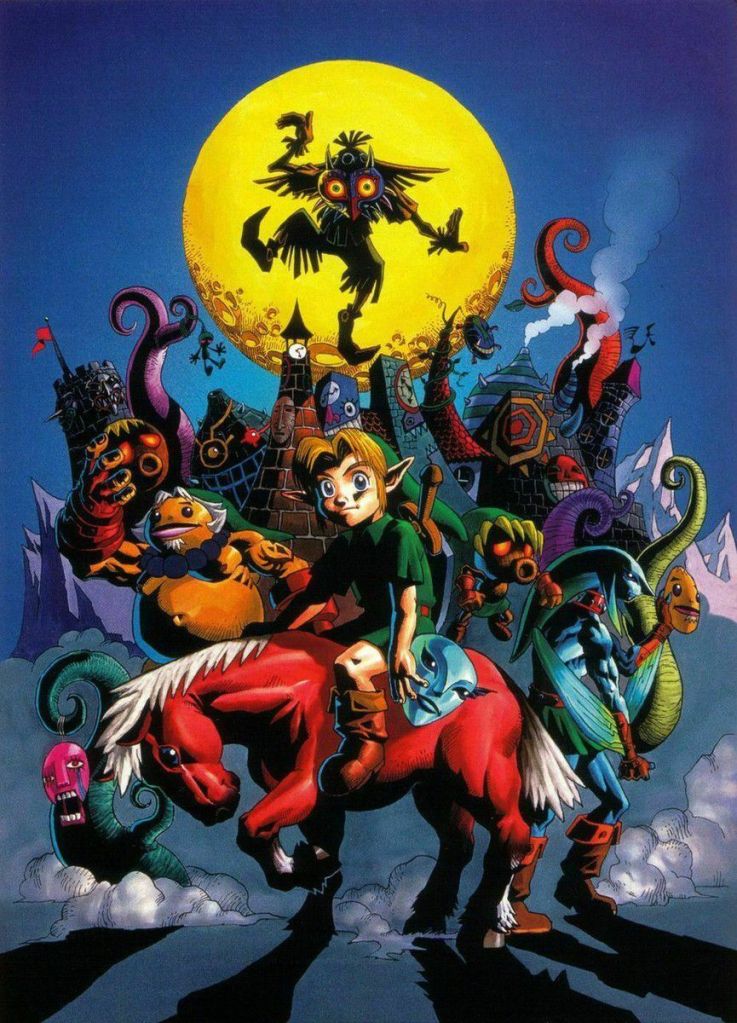
For a while it seemed like a tradition that whenever a Zelda game received a direct sequel, the developers would take that sequel in a wildly different direction from the previous game. It happened when they decided to turn Zelda II: The Adventure of Link into a side-scrolling RPG and it happened when they set Link’s Awakening in a bizarre Wonderland-like dream world instead of Hyrule. Which brings us to the Nintendo 64 game The Legend of Zelda: Majora’s Mask, a sequel to Ocarina of Time that takes place in the dark and twisted land of Termina. The game was released two years after Ocarina of Time and graphically and mechanically they are both very similar, but at the same time they are also completely different in ways that are, as usual for Zelda sequels, bold and creative.
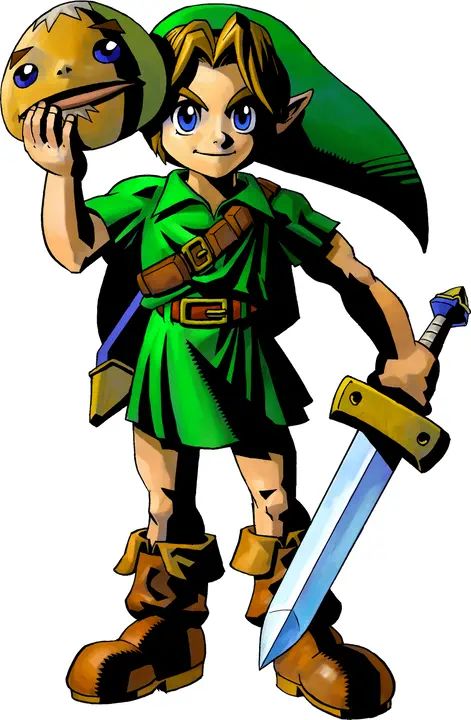
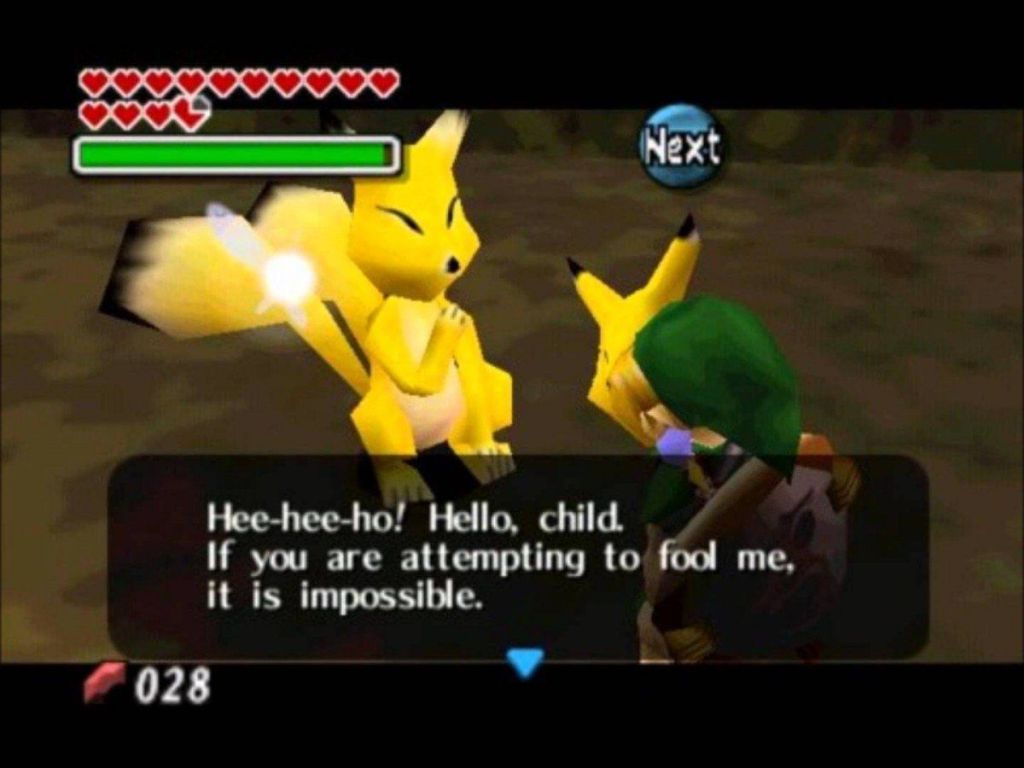
The story of Majora’s Mask takes place months after the ending of Ocarina of Time after Link’s fairy companion Navi flew away. As the young Link searches for Navi, he is ambushed by a Skull Kid (one of the adversaries Link faced in the Lost Woods during the events of Ocarina of Time). The Skull Kid is wearing a mysterious mask and is accompanied by two fairies: a female fairy named Tatl and her brother Tael.
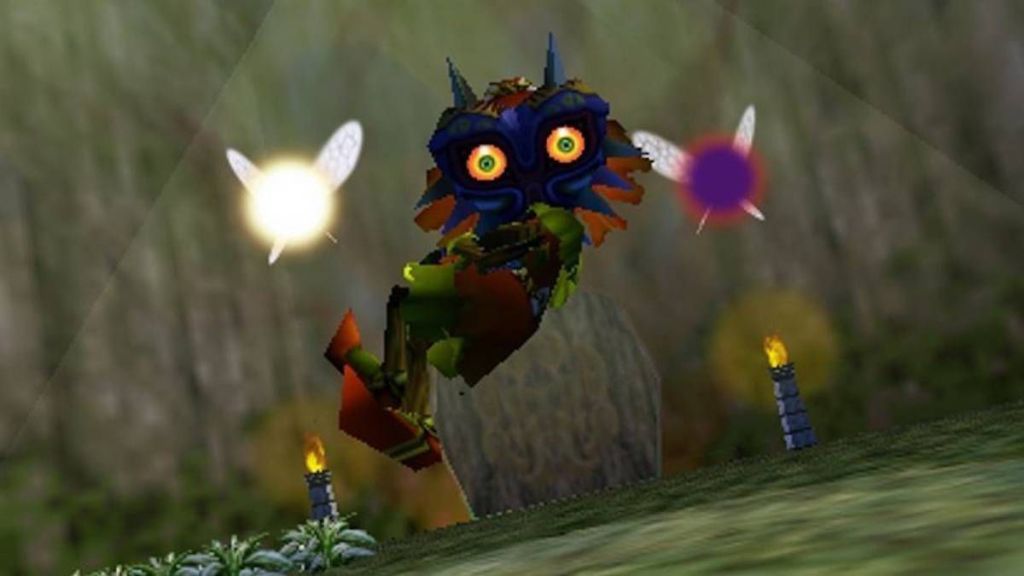
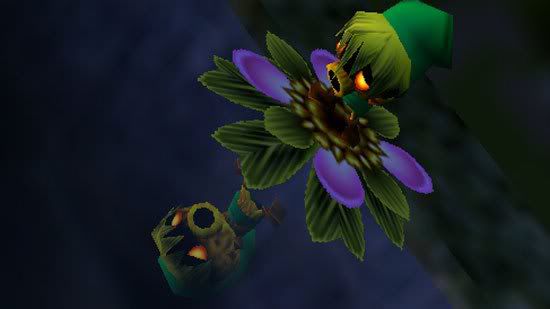
The trio of troublemakers steal Link’s horse Epona as well as his ocarina, but when Link pursues them, the Skull Kid curses Link by transforming him into a Deku Scrub (a tree creature and another frequent adversary of Link during his last adventure). Inadvertently, Tatl gets left behind by the Skull Kid, which causes her to befriend you and serve as your guide (she is basically your substitute Navi).
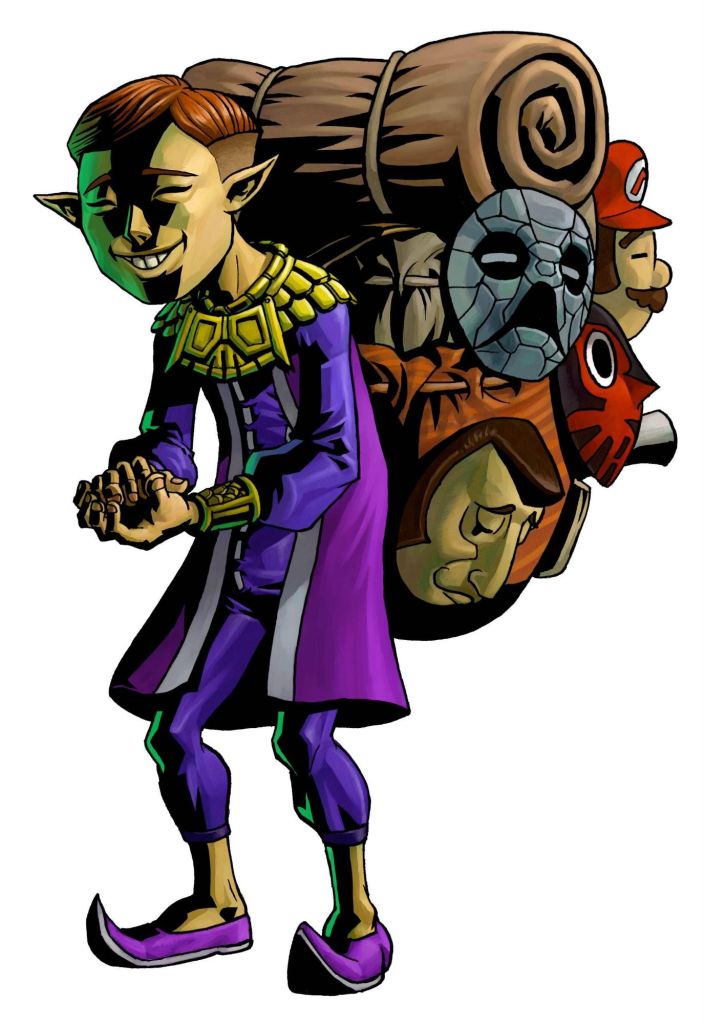
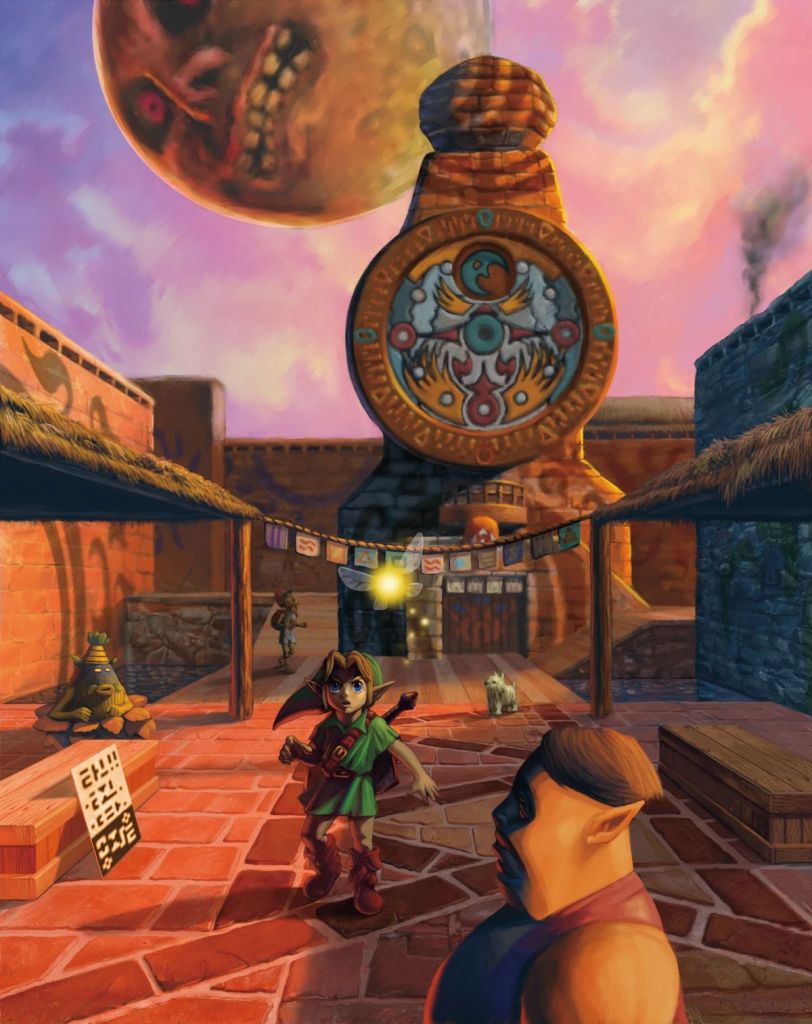
Link soon finds himself in the land of Termina in a place called Clock Town, where he meets a mask seller known as the Happy Mask Salesman. It turns out that the mask the Skull Kid was wearing actually belongs to him, and he asks Link for his help getting it back. If Link brings him back his mask, the mask salesman promises to break the curse that transformed Link into a Deku Scrub and turn him back into a human. Thus begins your quest, and the story gets more complicated and chaotic from there.
The land of Termina is almost a distorted mirror image of Hyrule, with characters who appeared in Ocarina of Time returning in this game under different names. When you explore Clock Town and talk to the townsfolk, you soon learn that the moon is gradually moving towards the earth and will collide with it in three days, ending the lives of everyone on the planet. To complicate matters, the day that the moon is set to crash into the earth falls on the same day as the annual Carnival of Time, prompting a lot of discussion among the citizens of Clock Town over whether they should evacuate the area or stay and celebrate the carnival, preserve their annual tradition and save the town’s economy.
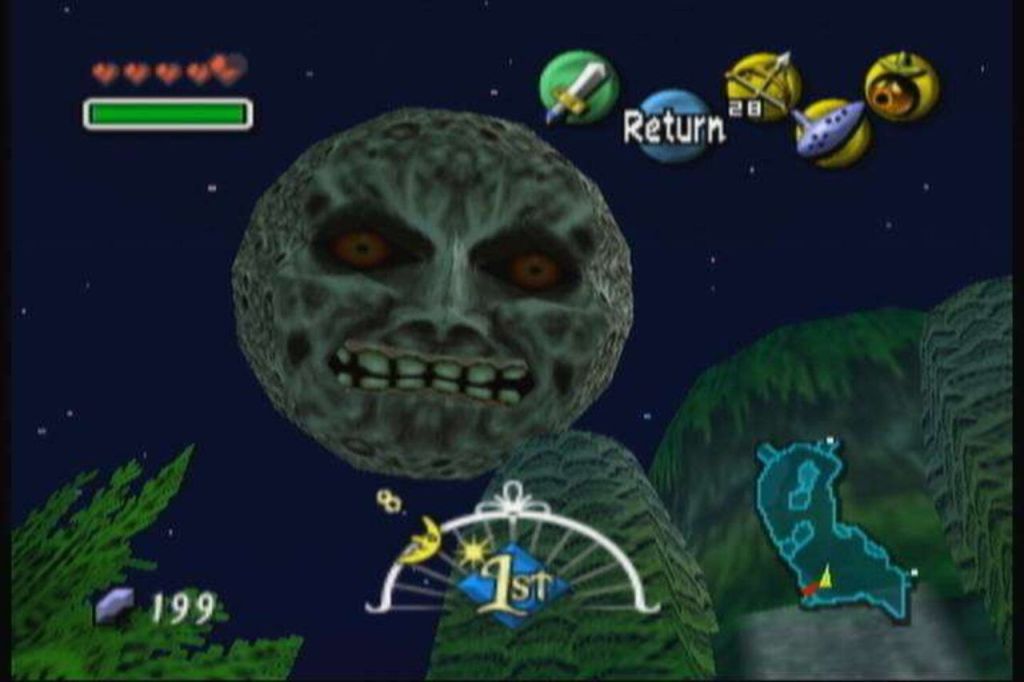
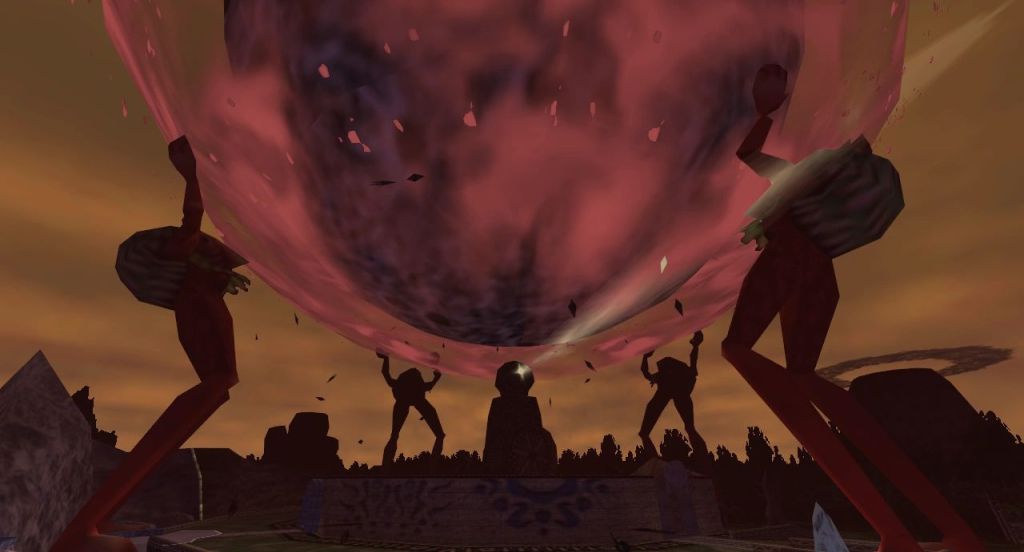
Because the moon will destroy Termina in three days, the entirety of this game takes place in the span of those three days, so there is actually a ticking clock forcing you to use your time playing the game wisely. Fortunately, once you get the Ocarina of Time back from the Skull Kid, you gain the ability to time travel, which means you can go back to Day 1 and start over at any time. You also learn that the cursed mask that the Skull Kid is wearing is the reason why the moon is falling, and that the Skull Kid has been spreading bad luck all over the area. Luckily there are four giants on the four corners of Termina who are big enough to stop the moon from crashing, but first Link has to clean up all the Skull Kid’s messes. Those four corners where the giants dwell are Woodfall, the swamp home to a royal family of Dekus; Snowhead, where winter is lasting forever and driving its Goron population to starvation; Great Bay, home to a population of Zora (and a giant turtle) where the waters have been contaminated; and Ikana Canyon where a plague has raised the dead. Calling the four giants becomes your main objective as you travel across Termina saving people, fighting monsters and meeting many friendly, eccentric and odd denizens along the way.
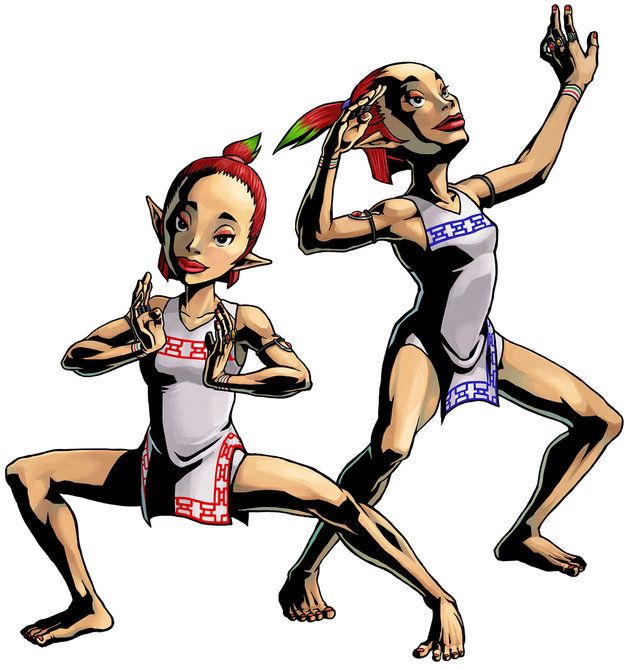
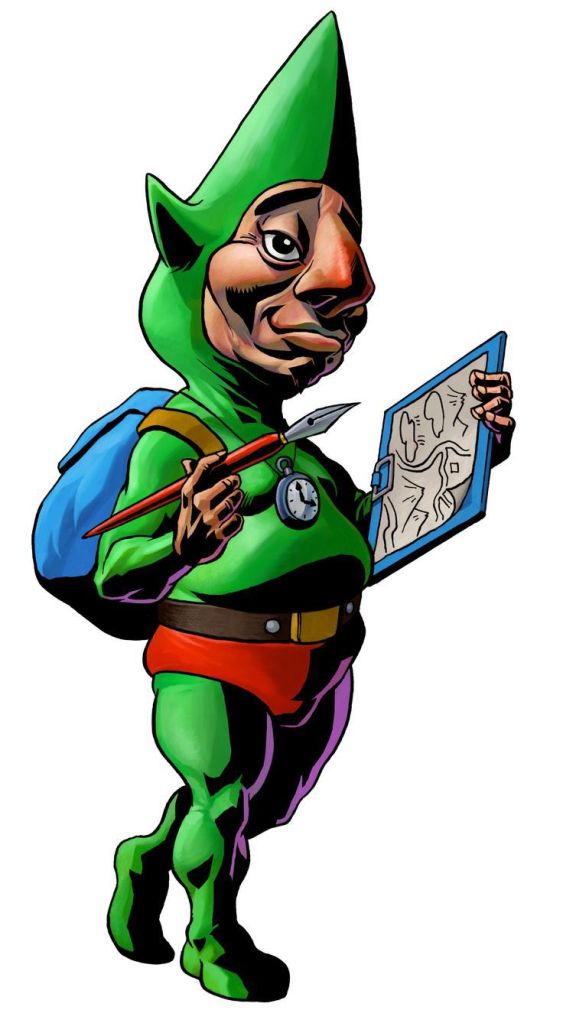
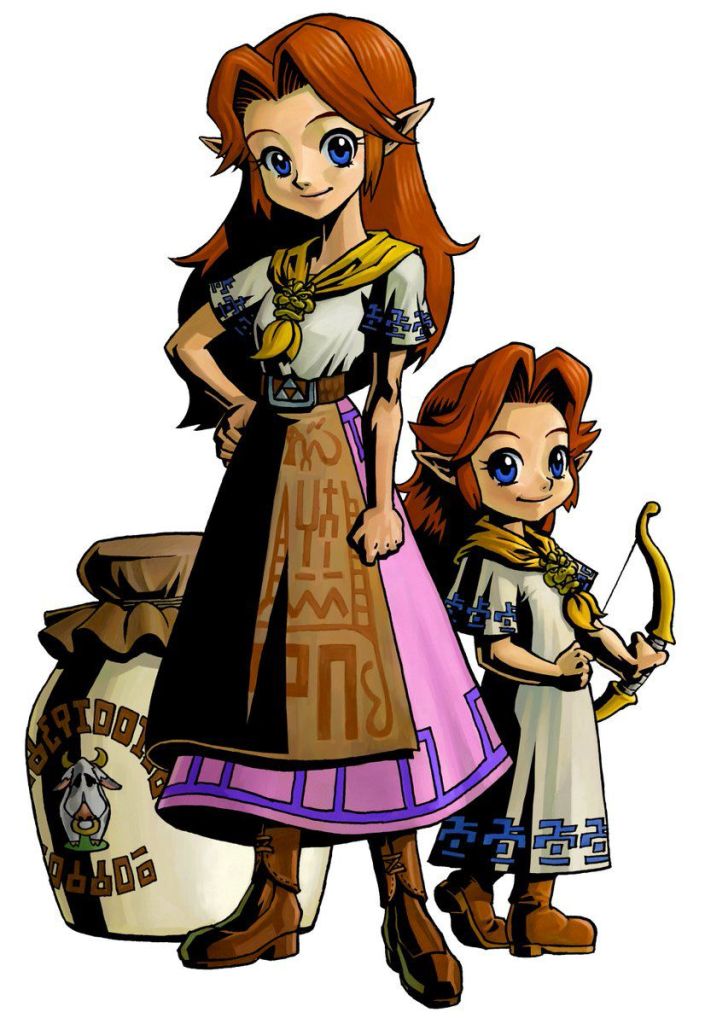
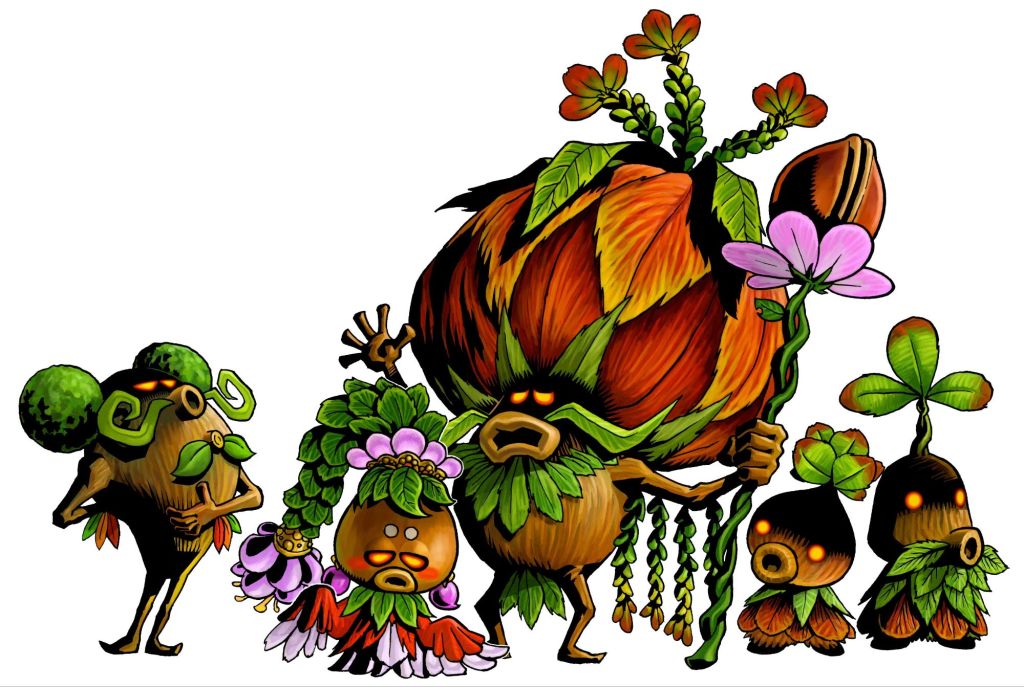
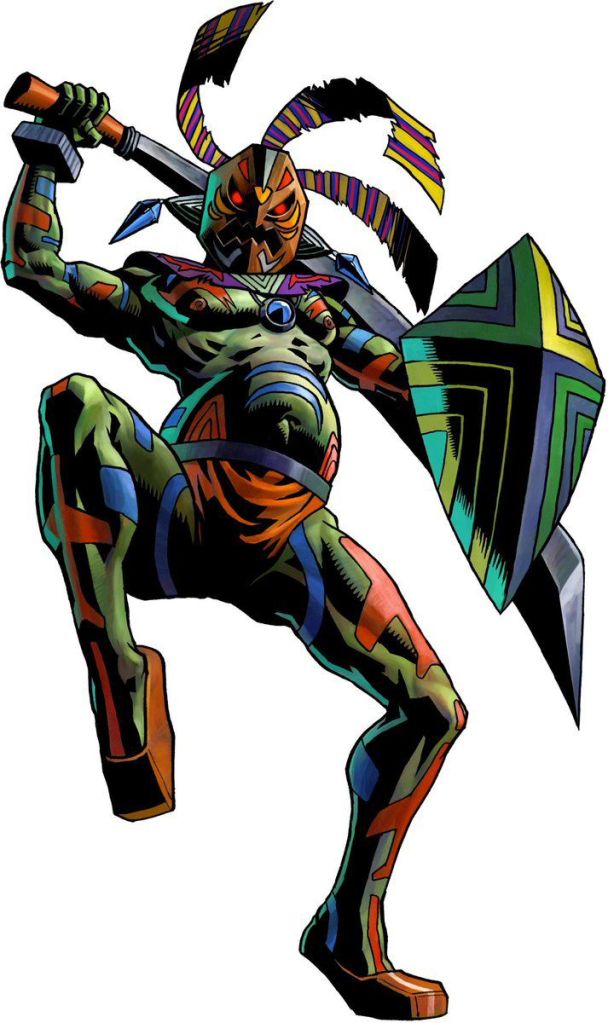
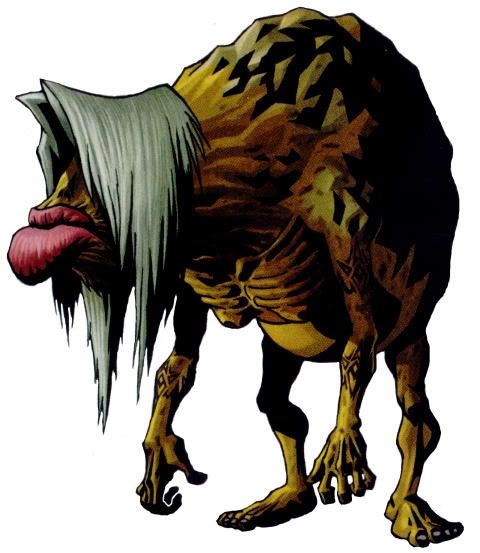
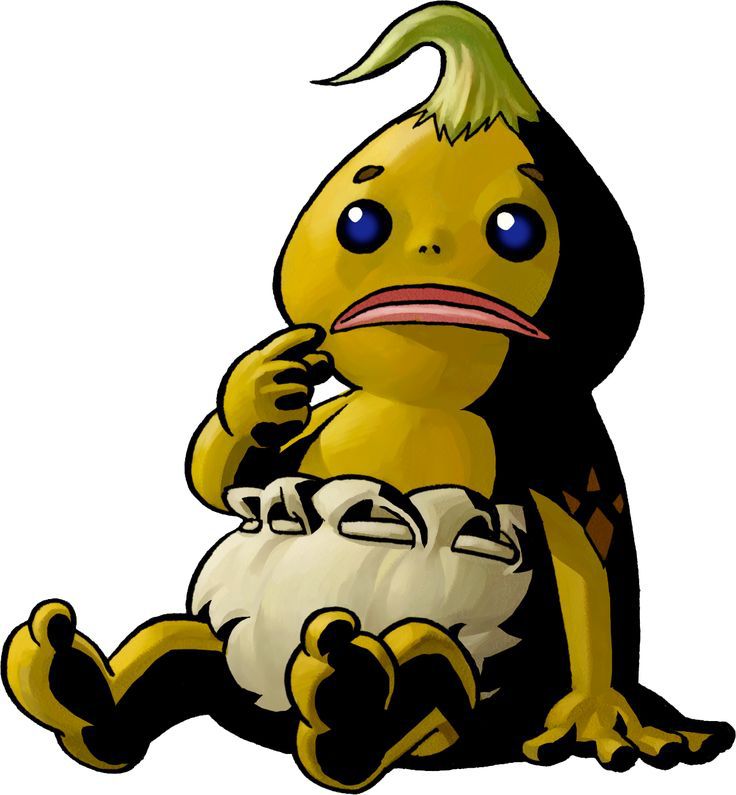
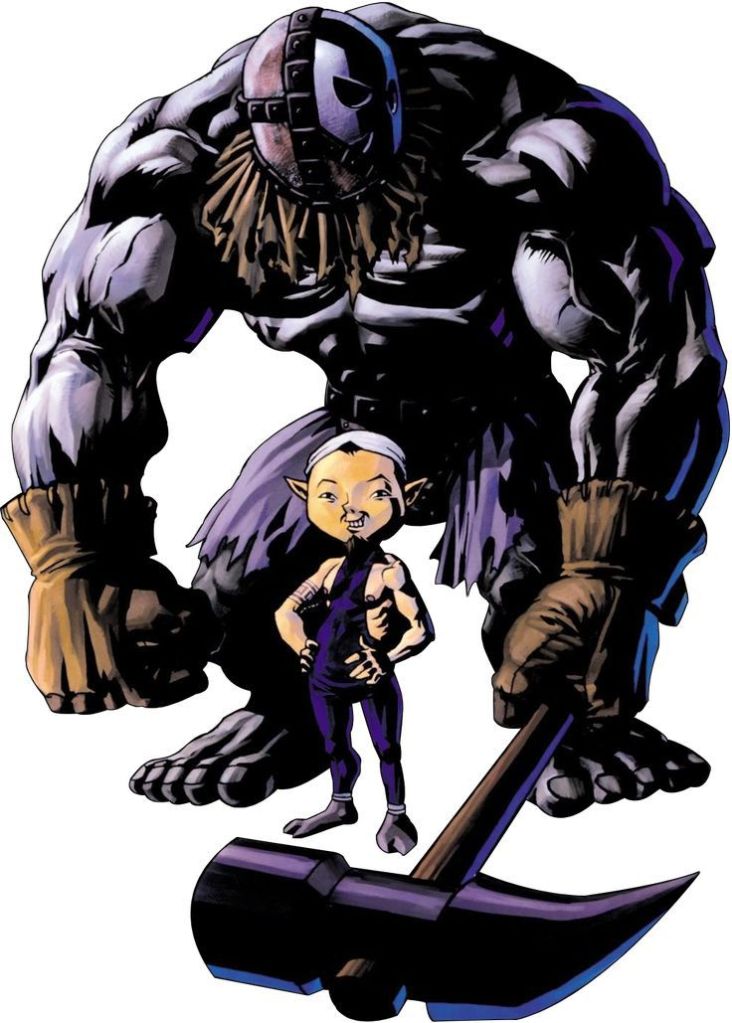
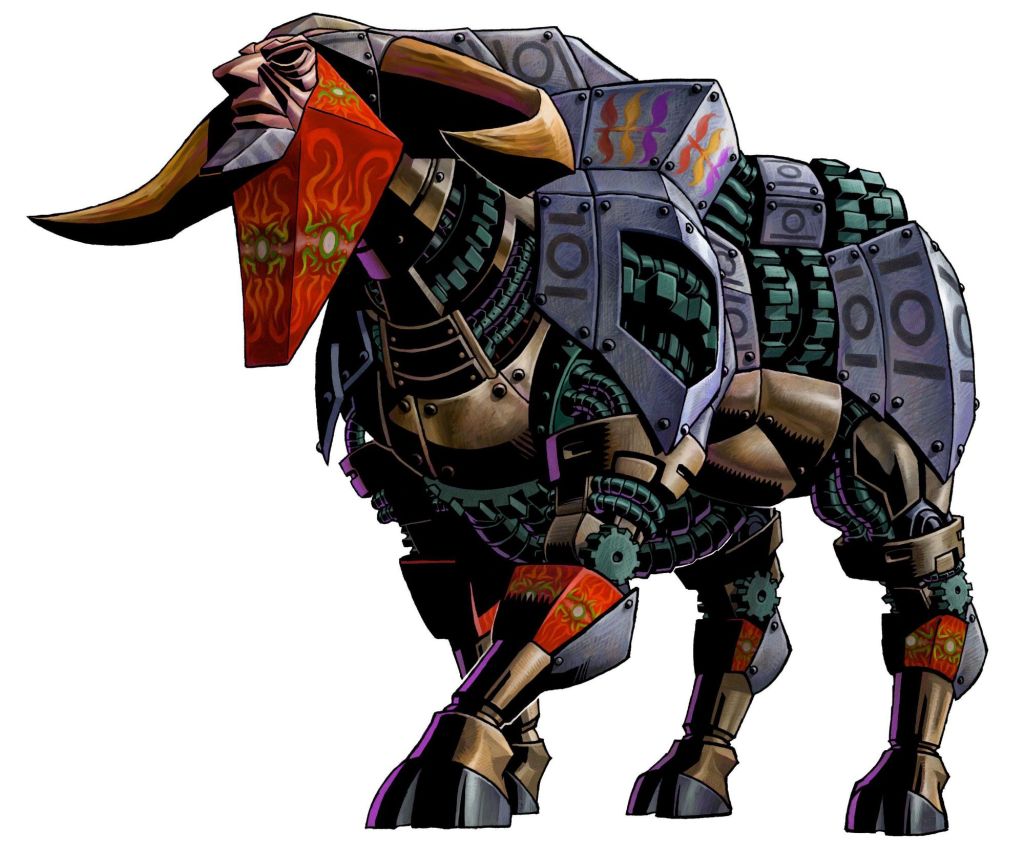
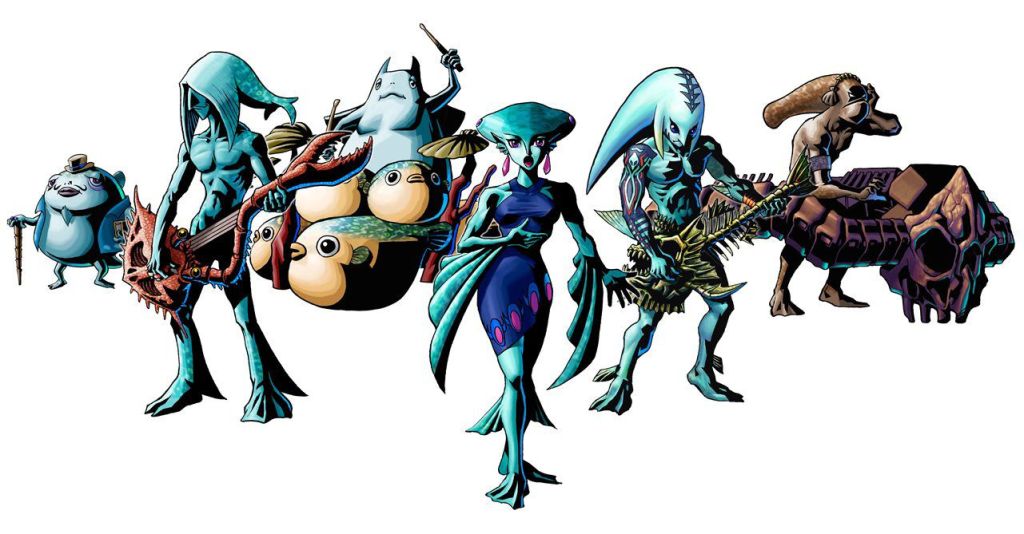
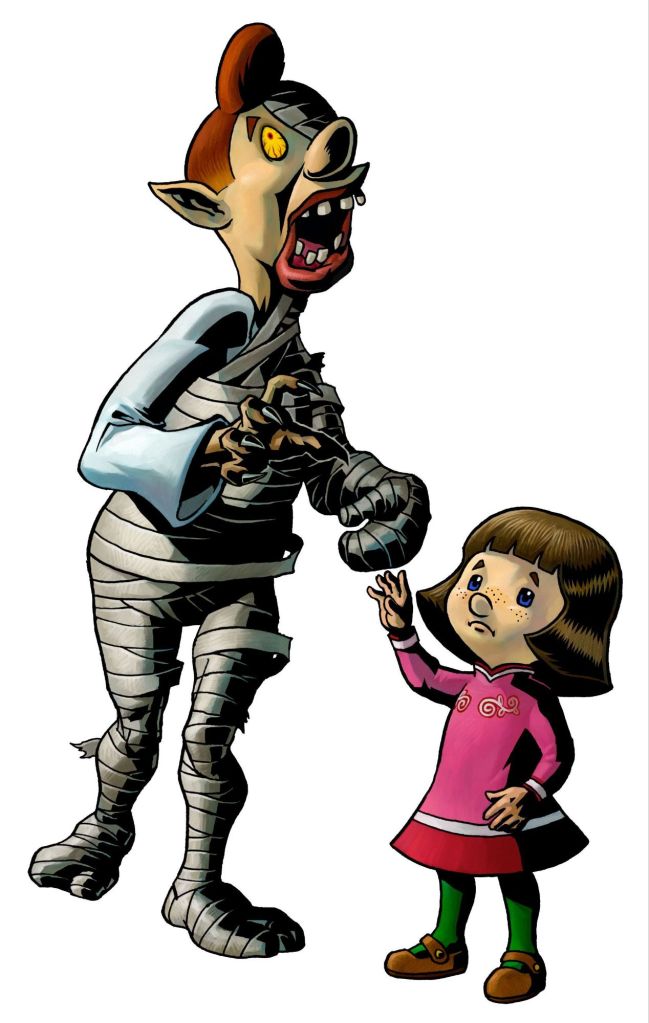
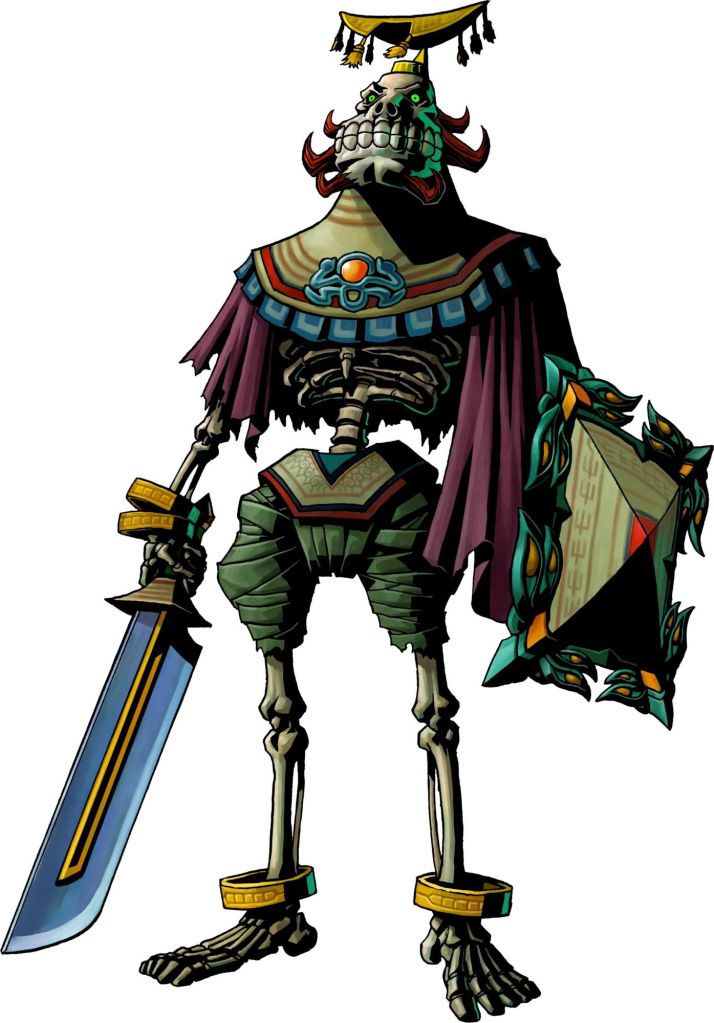
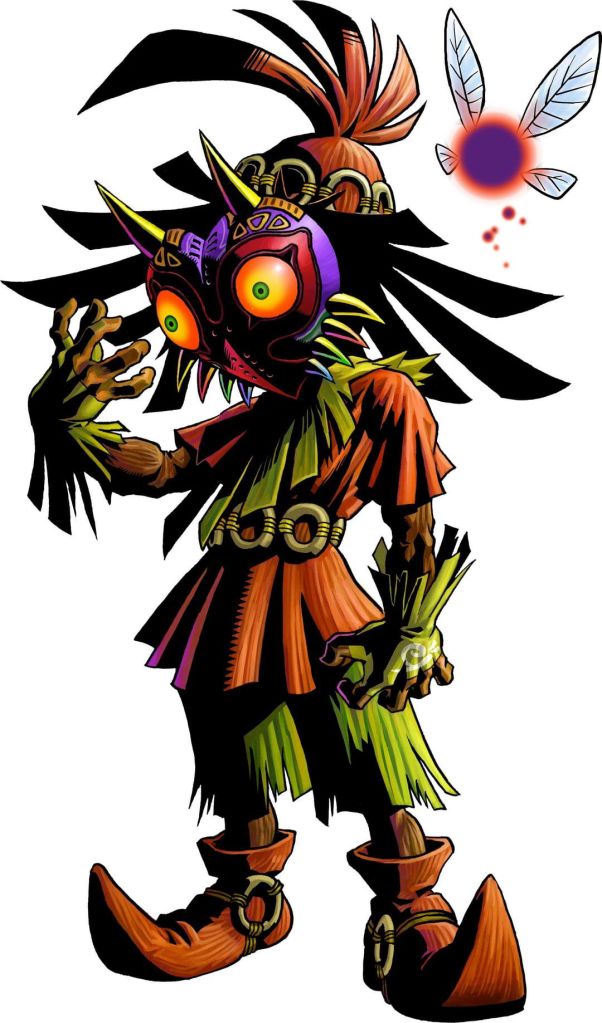
Over the course of the game you learn that the Skull Kids’s mask, known as Majora’s Mask, is corrupting the Skull Kid and causing him to misbehave. You also learn that the Skull Kid has an important connection to the four giants of Termina, all eventually leading to a final battle inside the moon! A battle not against the Skull Kid but against Majora’s Mask itself.
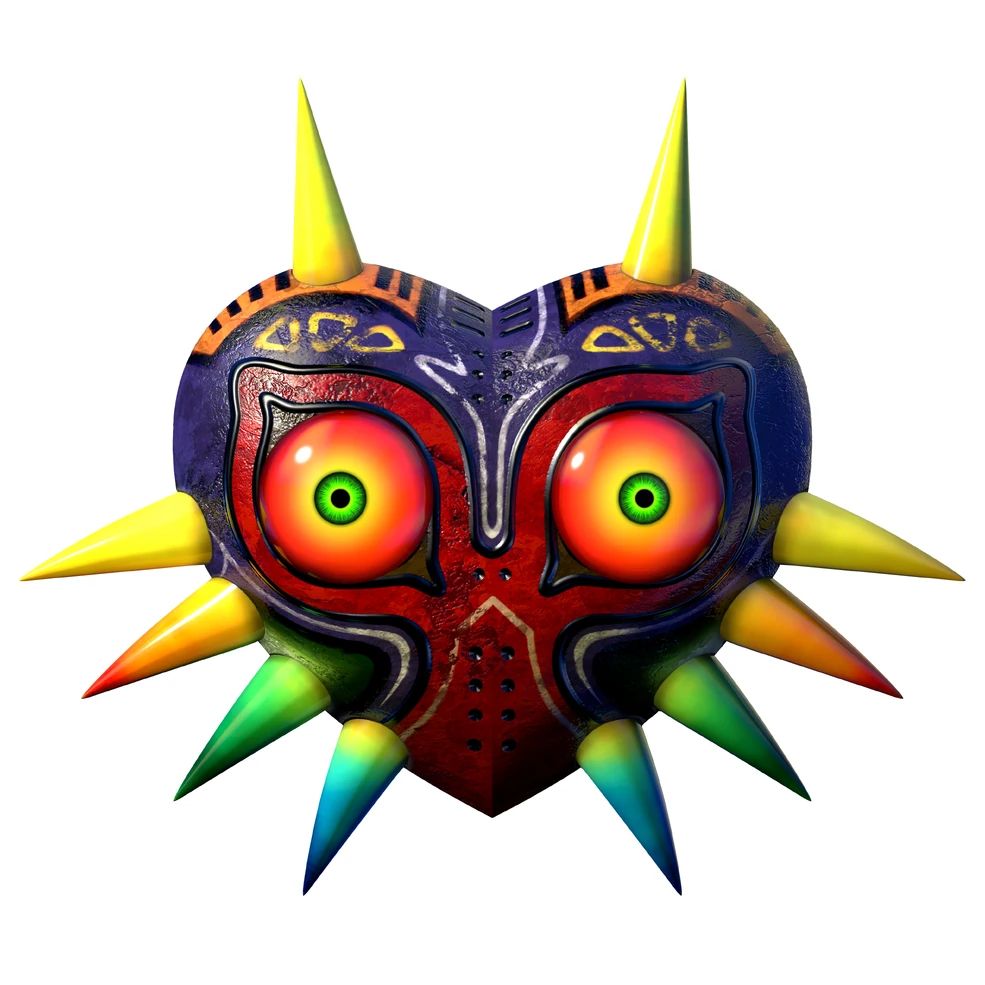
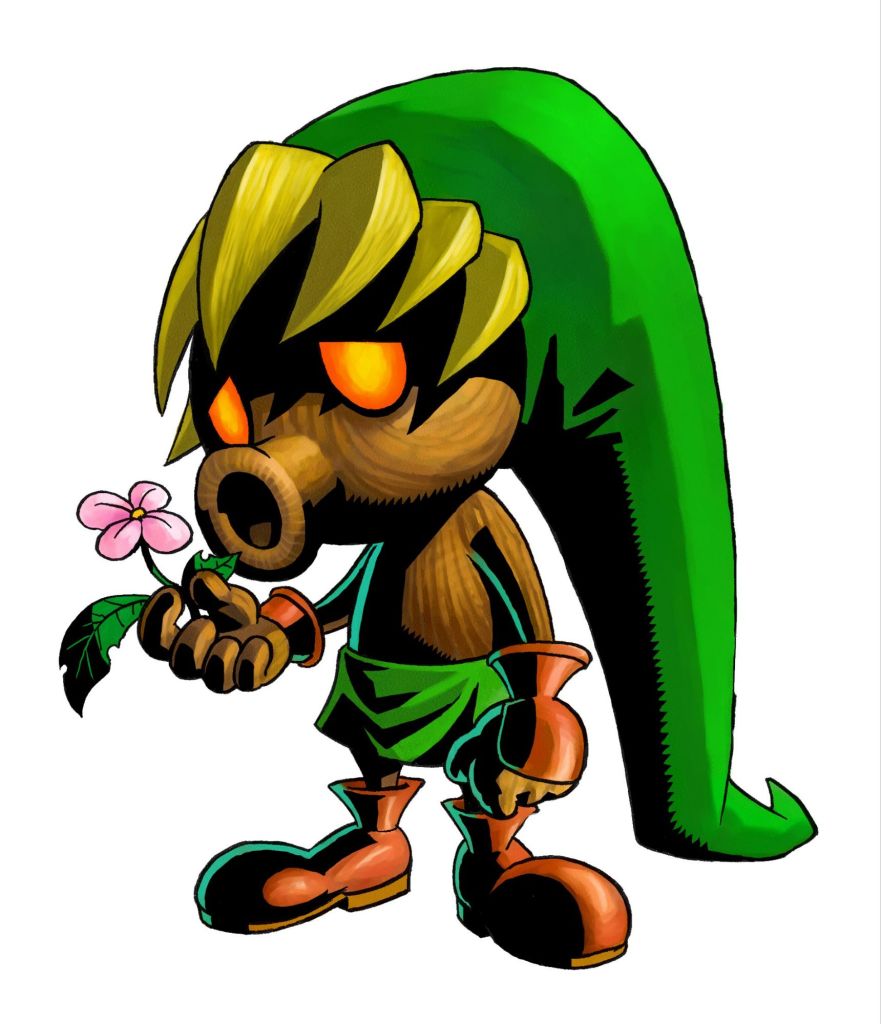
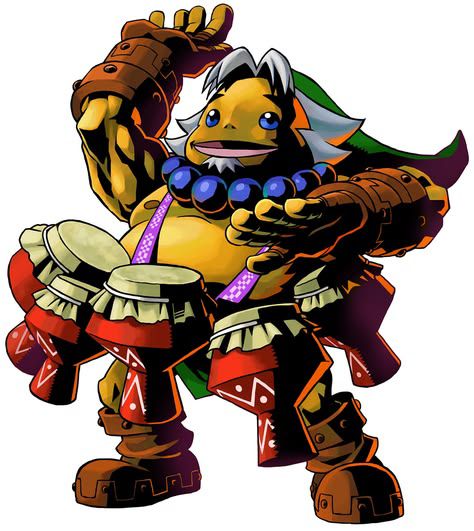
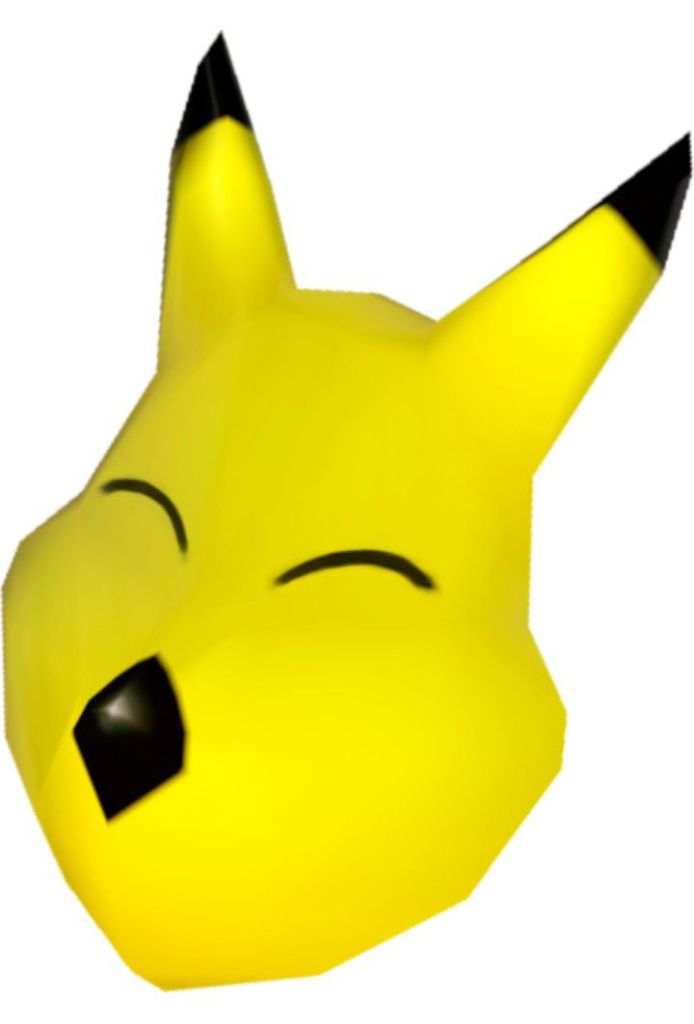
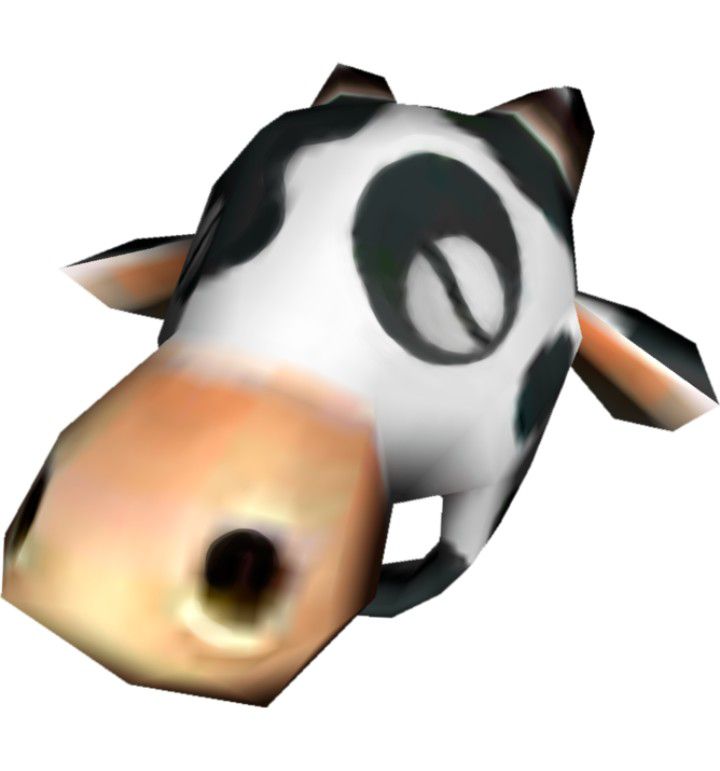
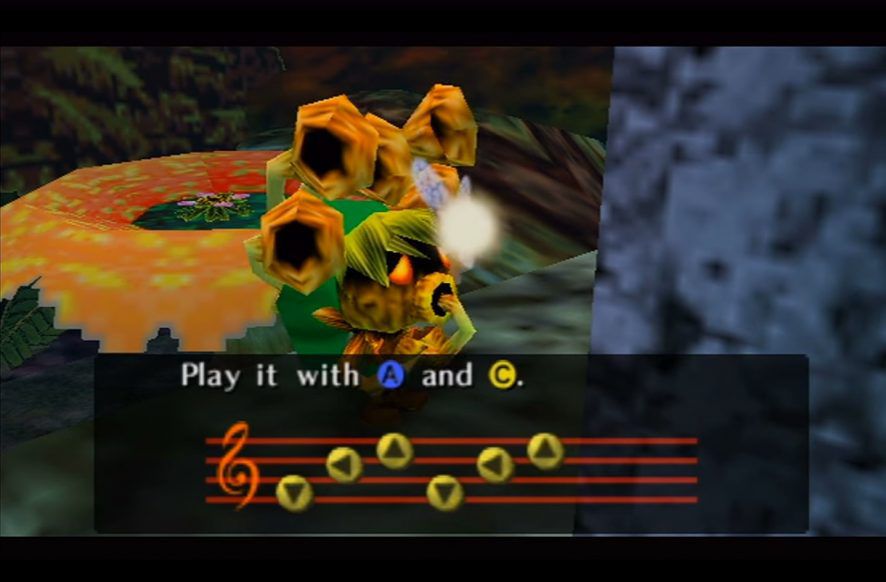
One of the most fun things about this game, and in fact is a key feature of the game, is the wide selection of masks that Link can wear. It was possible to wear masks in Ocarina of Time as well, but they are a much more central feature here. After the Happy Mask Salesman frees you from your Deku Scrub body, it was possible for Link to return to the form of a Deku Scrub by wearing a Deku Mask. And later on you would also obtain a Goron Mask and a Zora Mask, which meant that Link could freely transform into a Deku, a Goron or a Zora, each form granting him new abilities in the process.
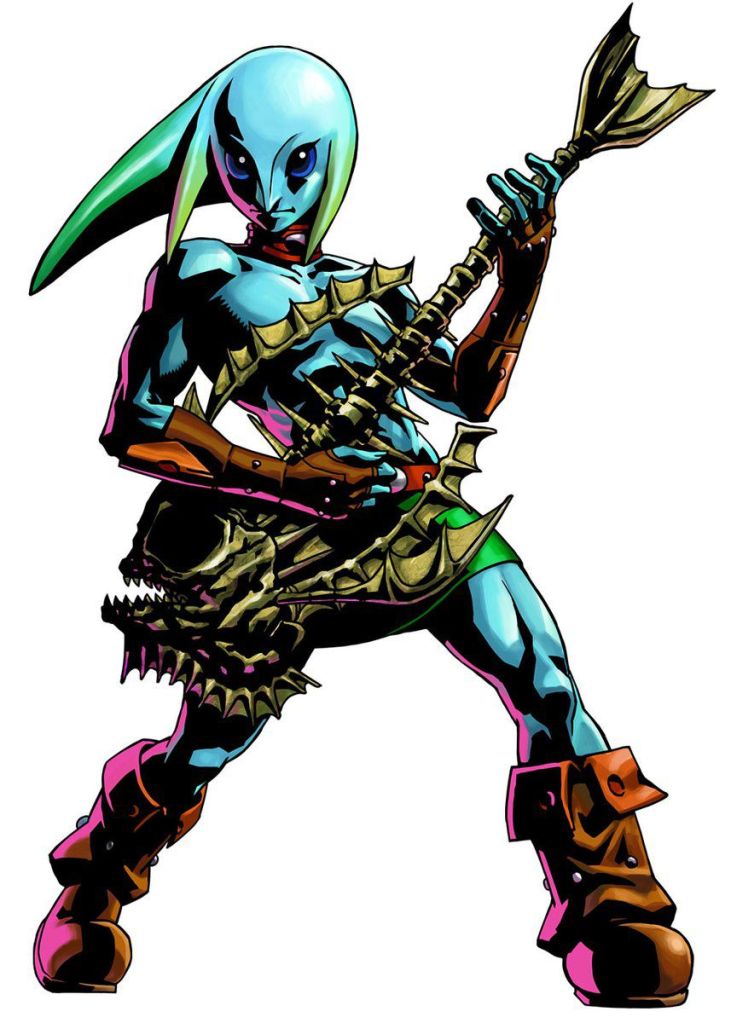
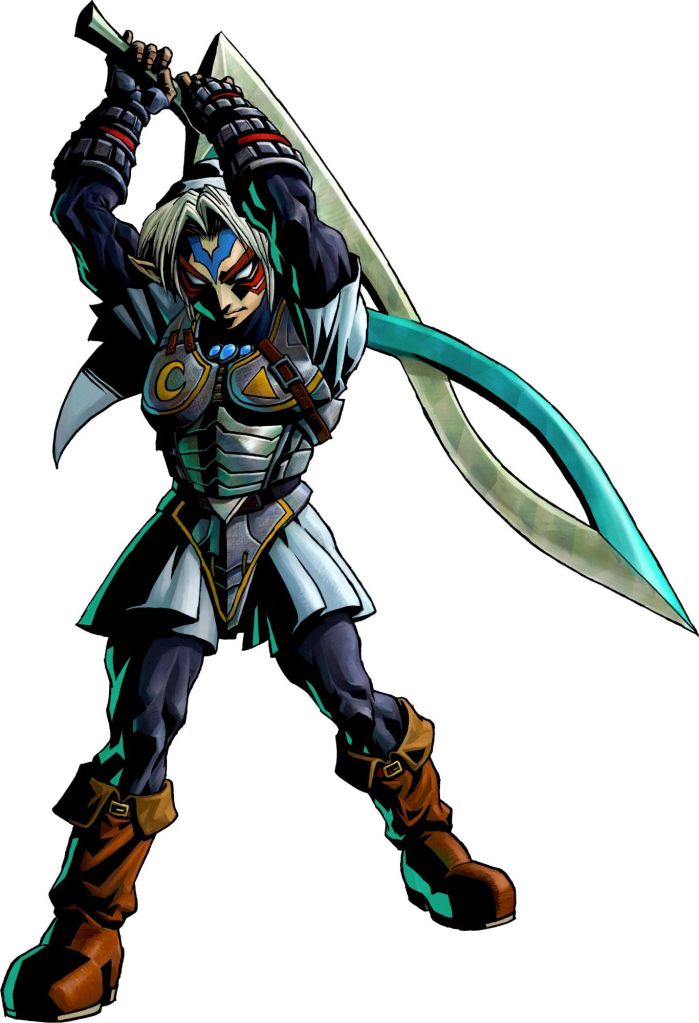
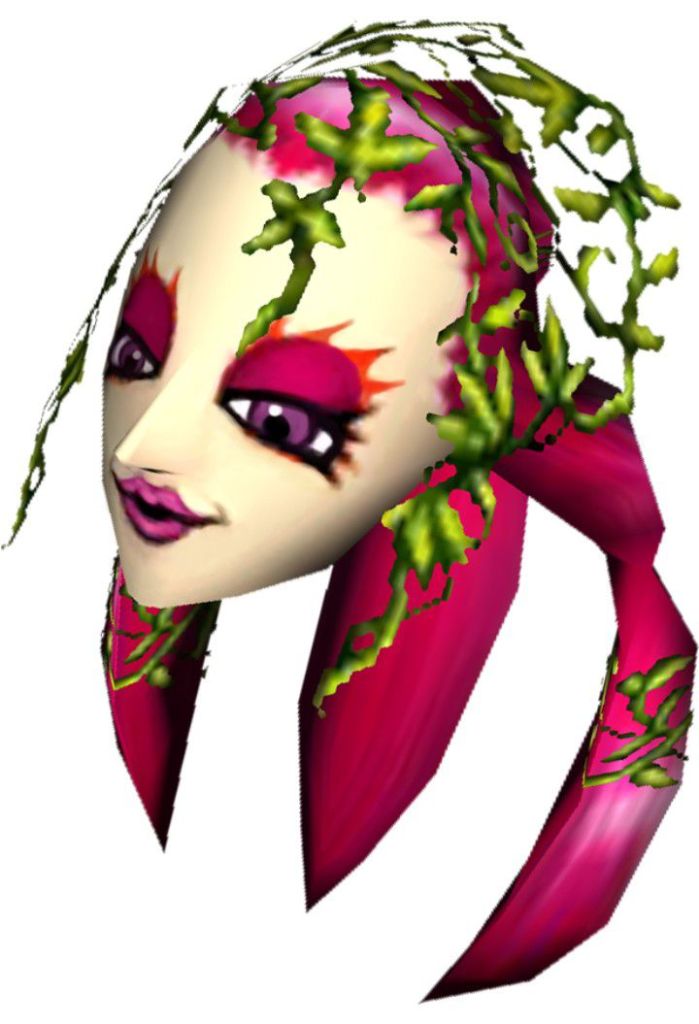
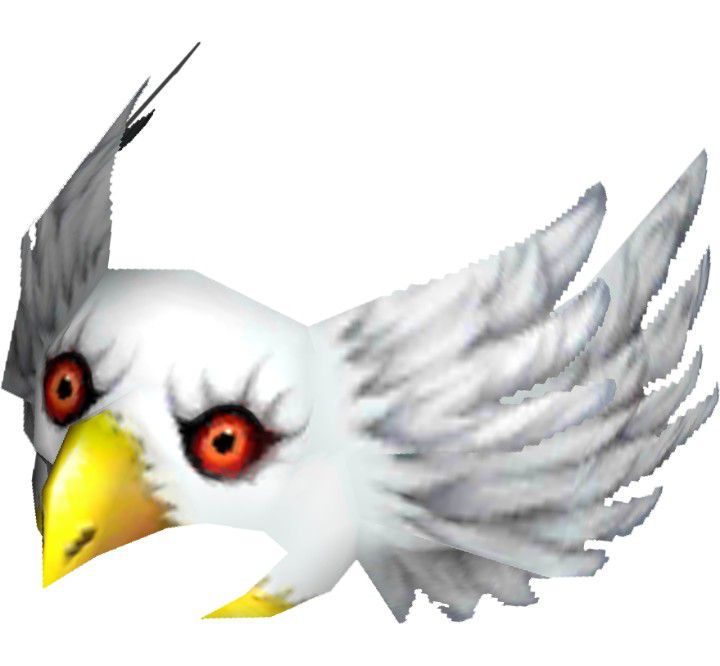
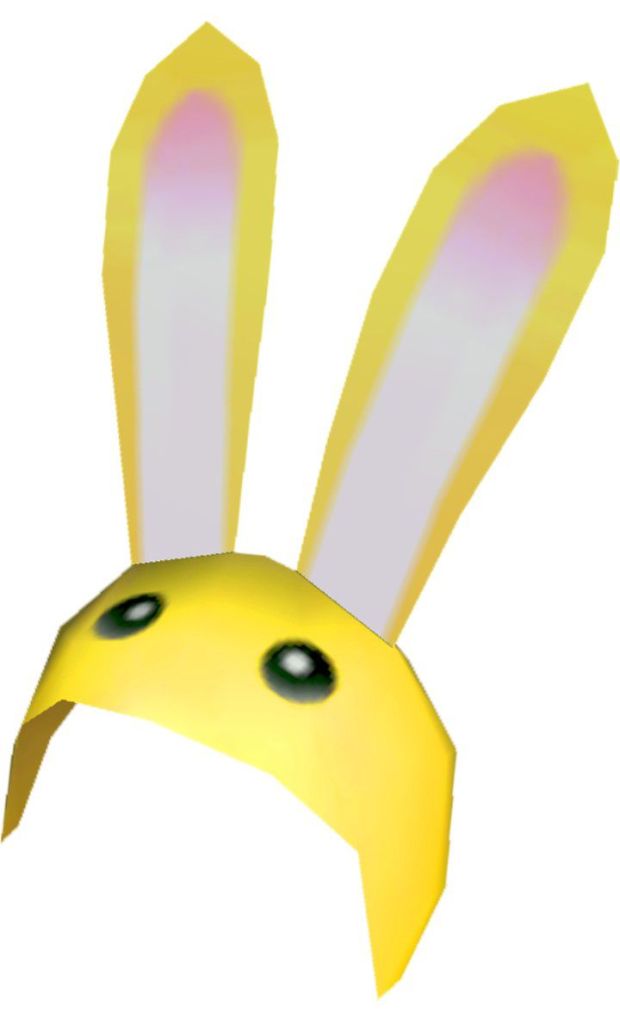
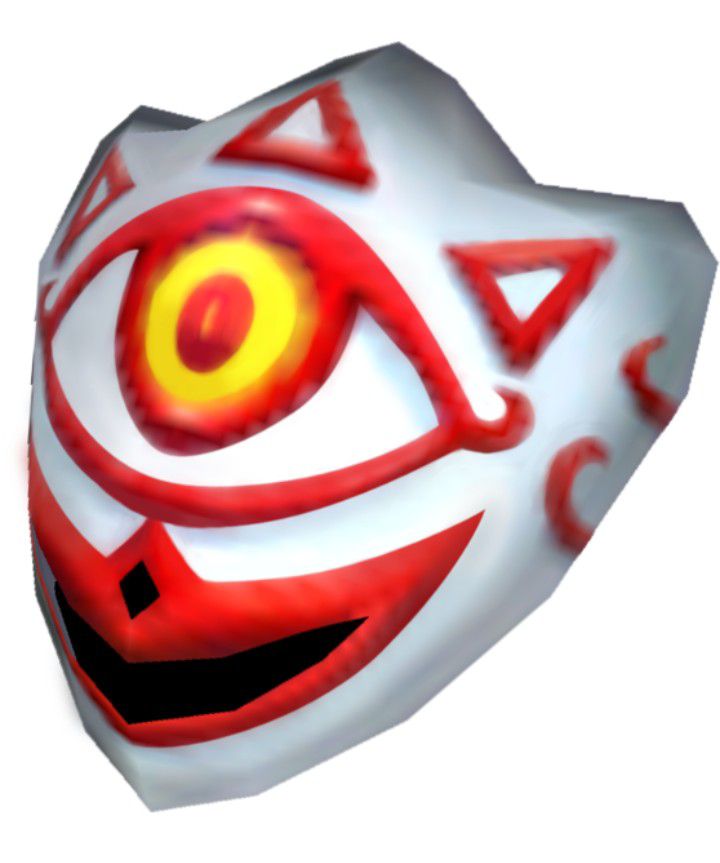
But there are 24 masks total to be found and worn in this game and they all have different effects, such as the Great Fairy’s Mask which shimmers when fairies are nearby, the Bunny Hood which allows Link to run twice as fast, and the Mask of Truth which lets you understand the secret messages of the Gossip Stones as well as read the minds of animals.
Because the game was built on the same engine as Ocarina of Time, Majora’s Mask took much shorter to develop, although it had its own set of production challenges.
With Shigeru Miyamoto, Eiji Aonuma and Yoshiaki Koizumi as the lead team, the N64 game’s development originated when Nintendo planned a remixed 64DD version of Ocarina of Time with newly designed and more challenging dungeons. Aonuma, who was the lead dungeon designer for Ocarina of Time, was unenthusiastic about tackling such a project, prompting Miyamoto to challenge Aonuma to instead create a new game on the same game engine in the same amount of time it would have taken to create a remixed Ocarina of Time, which the development team managed to do in 15 months (that remixed version of Ocarina of Time was actually later released as Ocarina of Time: Master Quest, a bonus disc that was included with a GameCube reissue of Ocarina of Time which was packaged with pre-ordered copies of the GameCube game The Legend of Zelda: The Wind Waker). Possibly because they moved the game’s development from the disk-based 64DD to a cartridge format, Majora’s Mask was also one of the few N64 games that necessitated the use of the Expansion Pak, an accessory included with the game which you plug into your N64 console and adds 4 extra megabytes to the game, allowing for more detailed lighting, animation, texture mapping and motion blur as well as a greater scope of vision for distant areas.
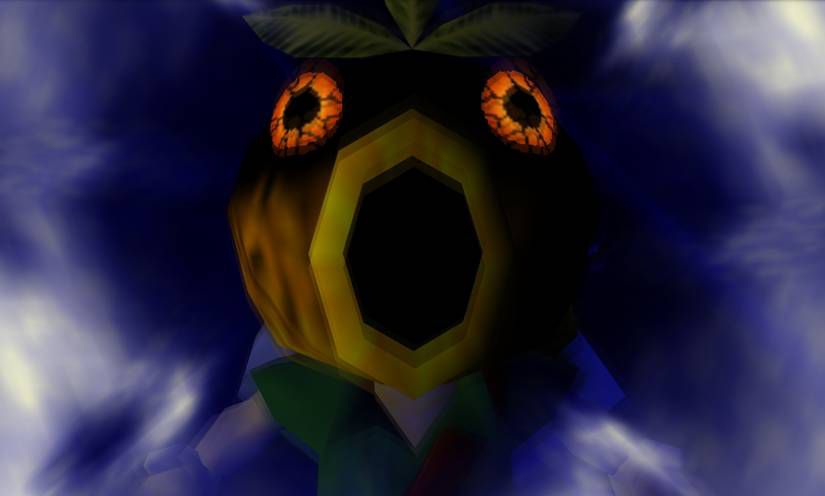
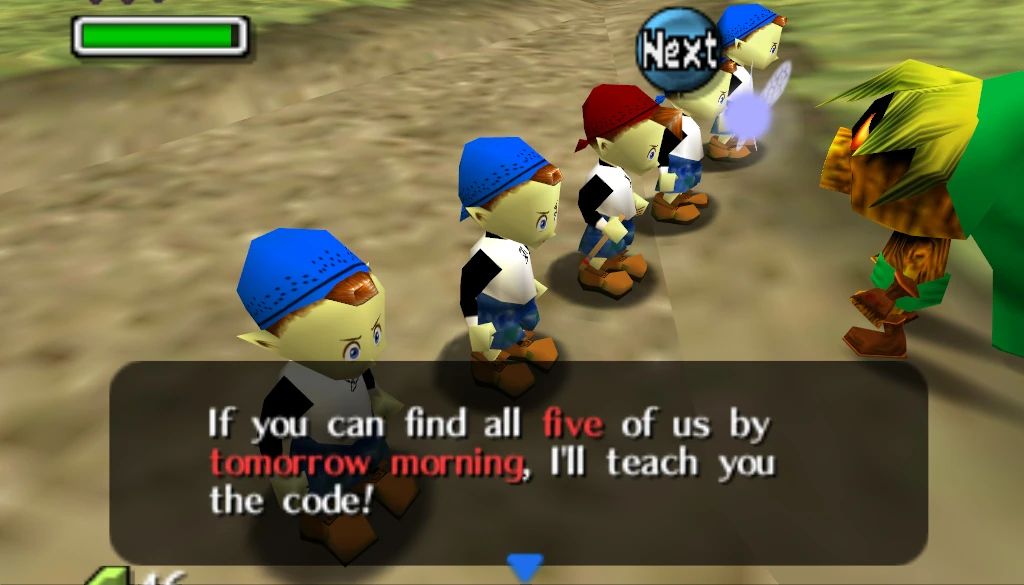
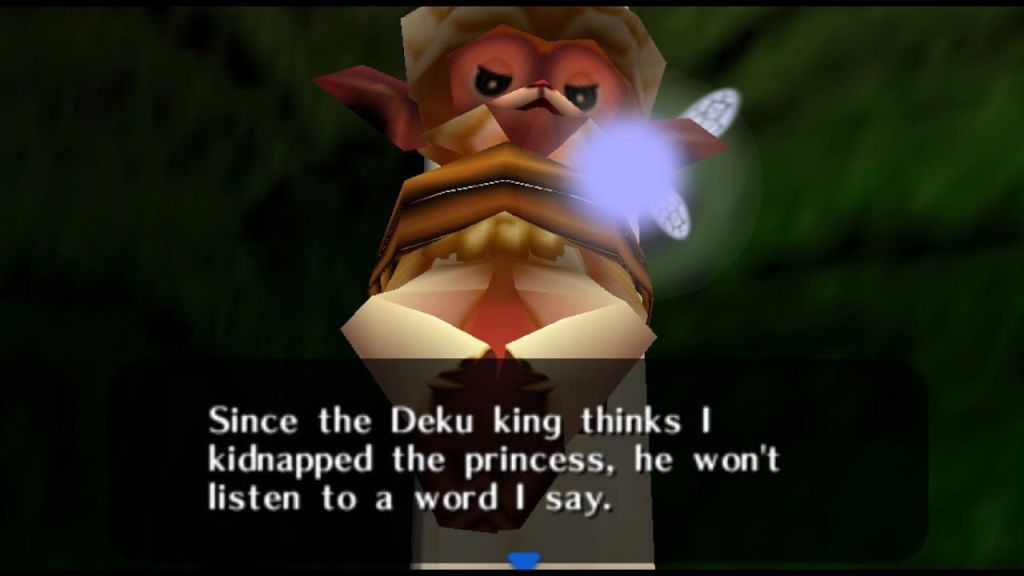
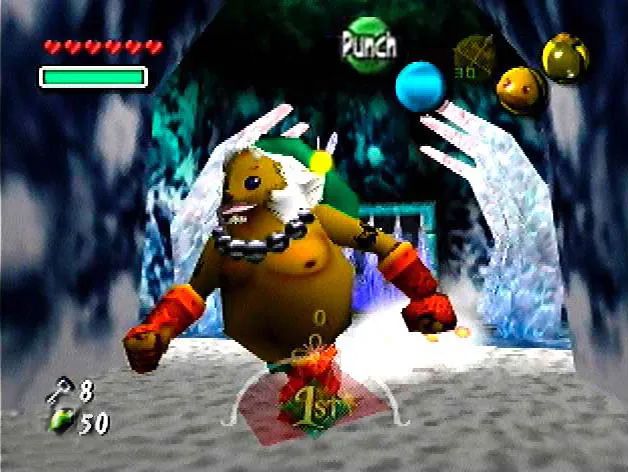
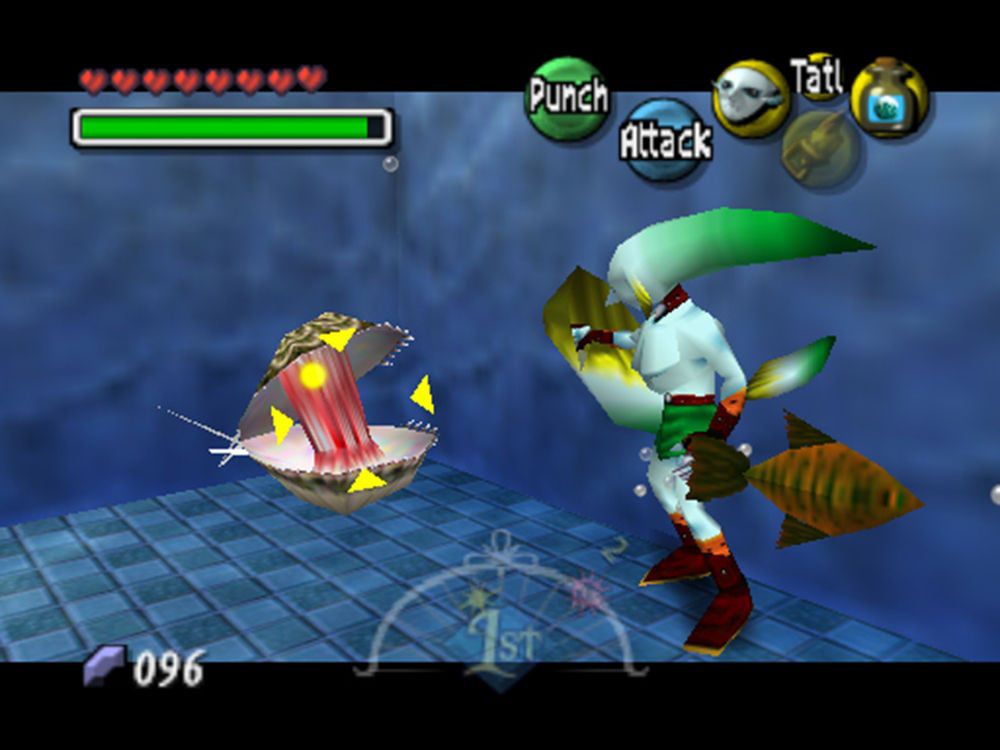
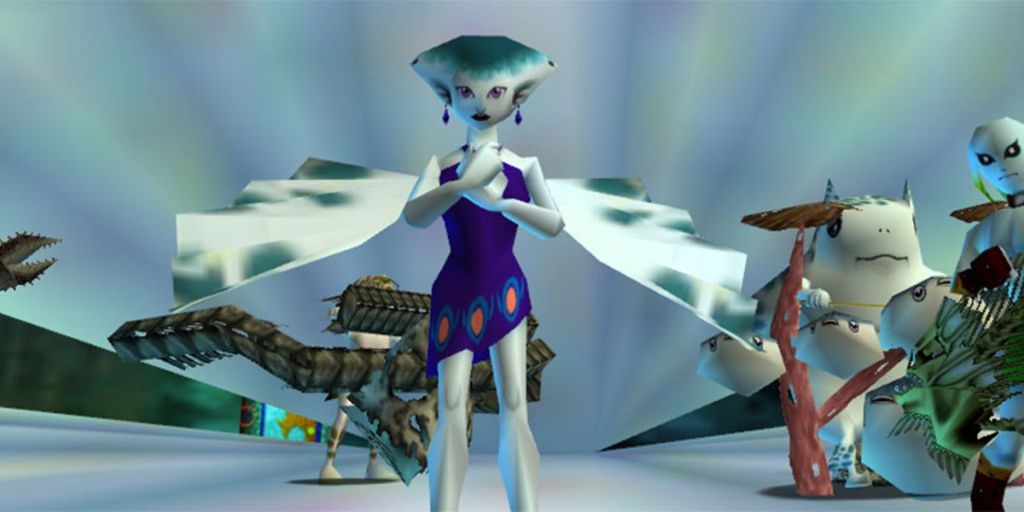
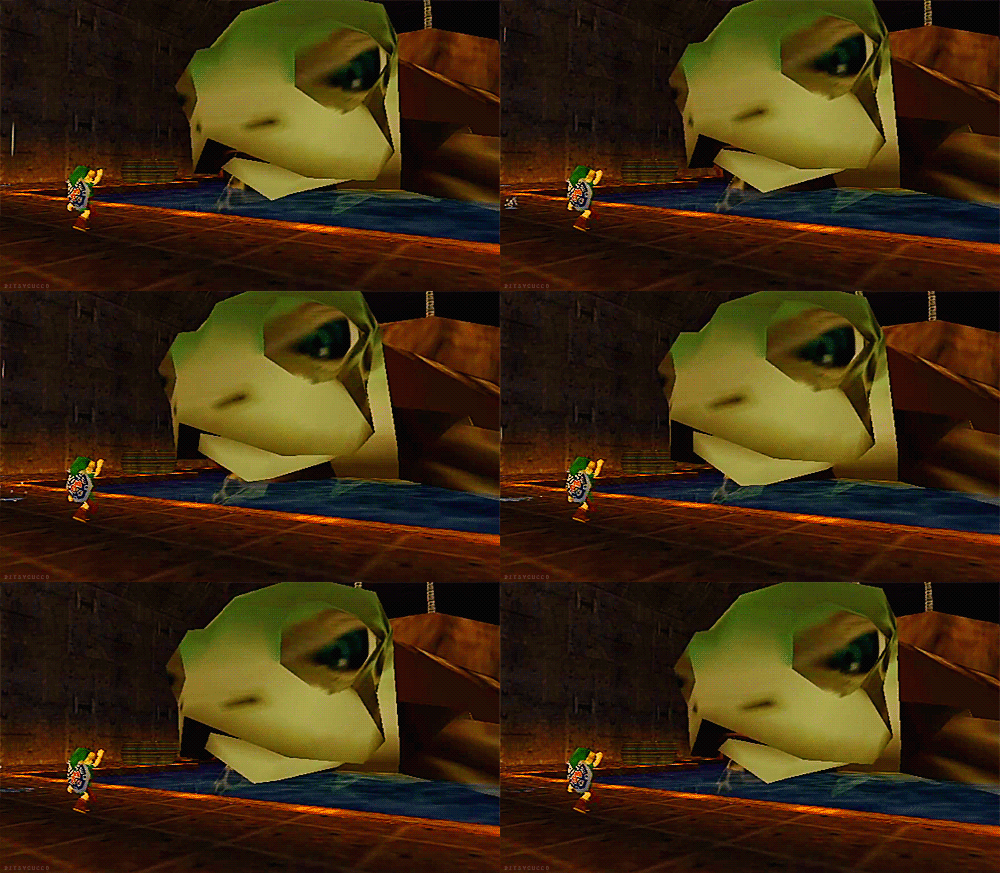
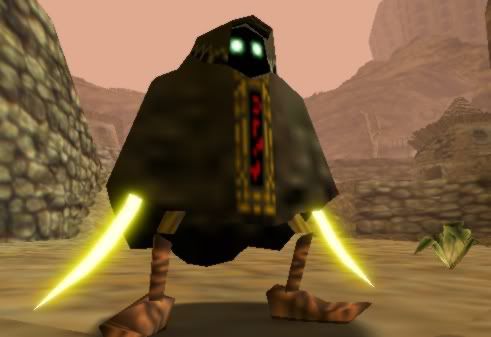
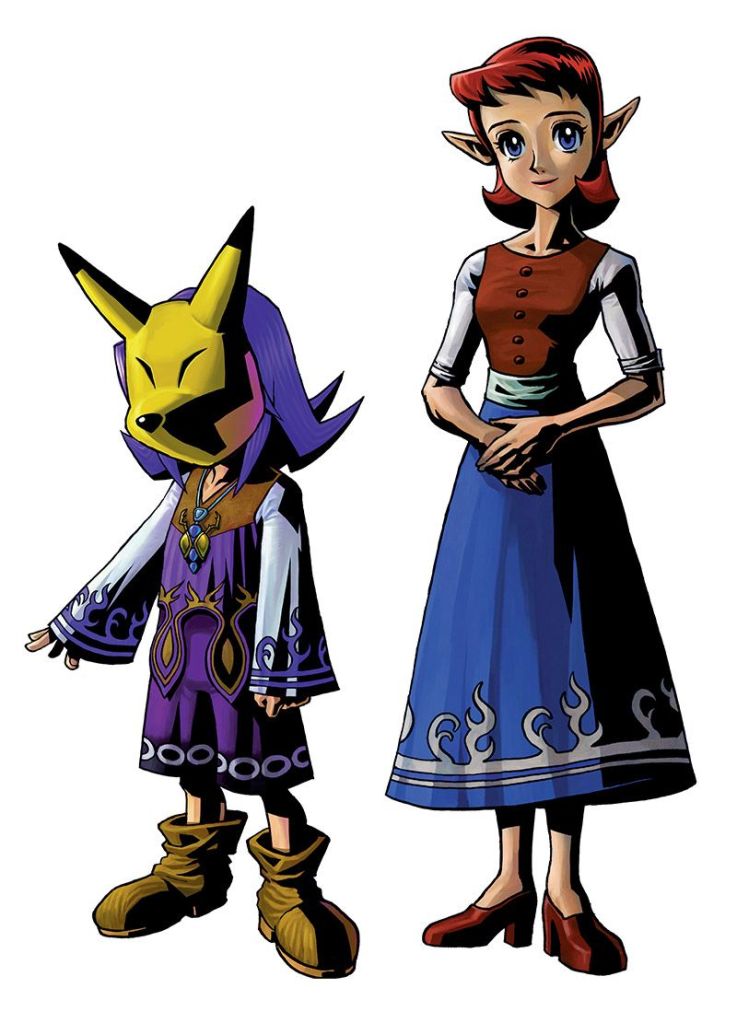
Aonuma and his team set out to make a game that was darker and more somber than Ocarina of Time, which meshed nicely with Termina’s overall eerieness factor, especially since the game literally involved an apocalyptic world-ending event which leads to some very existential dialogue from the citizens of Clock Town. One of the game’s side quests even involves you reuniting two lovers named Anju and Kafei who were planning to get married on the third day during the Carnival of Time, so it is possible to witness a wedding right before the world ends in this game. Aonuma’s decision to include this dark but romantic subplot was inspired by a situation where Aonuma attended a friend’s wedding while at the same time North Korea was threatening Japan with nuclear weapons, which made him contemplate the idea of focusing on the joy of little things during the worst moments. Things like that add a morose layer to the game’s drama but also a poetic one.
Ocarina of Time composer Koji Kondo returned to compose the music for this game as well, with less of the medieval-inspired style he used for Ocarina of Time and more of a traditional Asian style, perhaps to fit more in line with the Southeast Asian influence that the developers channeled while designing the land and architecture of Termina. Kondo was also joined on the Majora’s Mask soundtrack by Pokémon Stadium composer Toru Minegishi, who would go on to become a regular contributor to the music of the Zelda series.
The Legend of Zelda: Majora’s Mask received a lot of acclaim from critics and Zelda fans who approved of all the innovative and bold ways that it expanded on the Ocarina of Time universe, such as Link’s ability to transform into various creatures using masks and the game’s use of the three-day time cycle which added a strong sense of urgency to the plot. The game owes a lot to Link’s Awakening because it feels like a similarly oddball series entry with a similarly dark, emotional and existential vibe that exists in a world outside the more traditional Triforce-centered plots of other Zelda games, which gives games like this and Link’s Awakening more permission to be strange, entertaining and compelling self-contained action-adventure games in their own right.