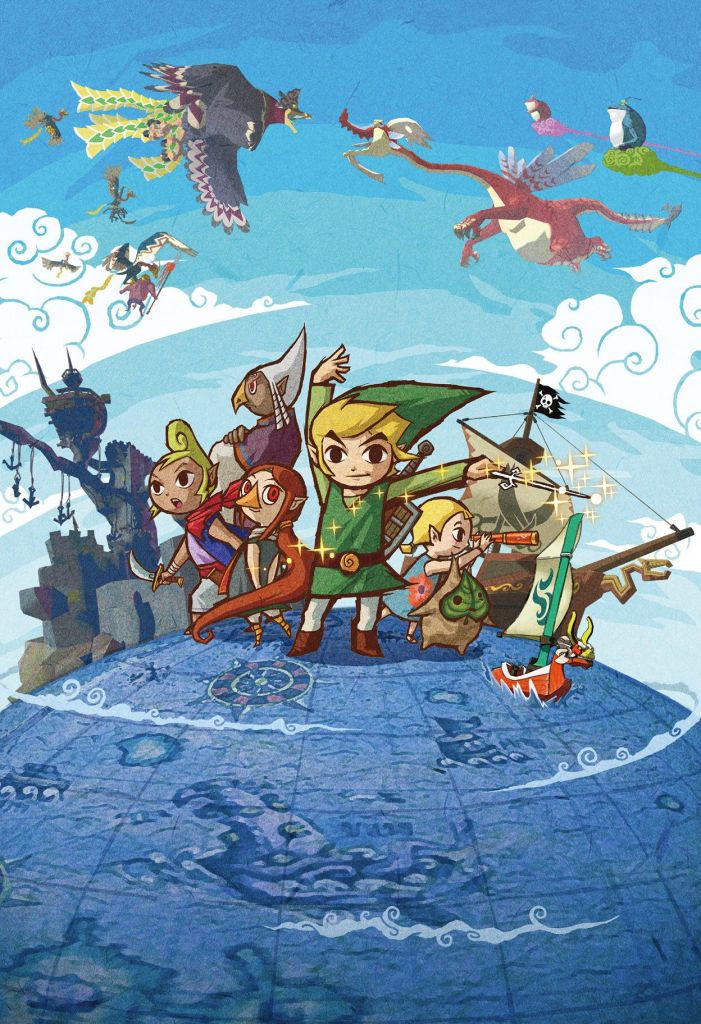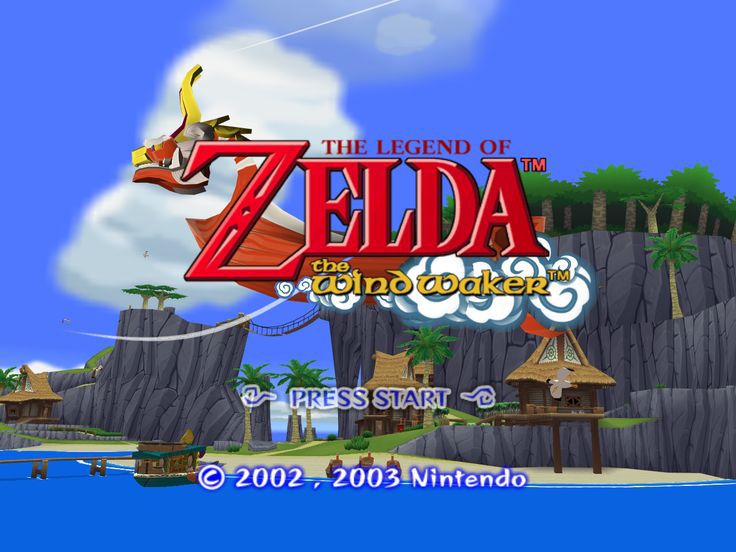
The N64 game The Legend of Zelda: Ocarina of Time wasn’t even a year old yet when Nintendo announced that they were working on the N64’s successor the GameCube. That meant Zelda fans had three years to fantasize about what a Zelda game would be like on a next-gen console. Little did they know that the resulting game, The Legend of Zelda: The Wind Waker, would be kind of a radical departure from what fans have come to expect from the series, but it was no less brilliant.
The story of The Wind Waker takes place after the events of Ocarina of Time following Ganondorf’s conquest of Hyrule after ceasing the Triforce of Power and his eventual defeat by the sword of the Hero of Time. At the end of that game, Princess Zelda used the Ocarina of Time to send the Hero of Time back to his childhood, the Seven Sages imprisoned Ganondorf in the Evil Realm (known as the Dark World in A Link to the Past) and the kingdom of Hyrule celebrated the end of Ganondorf’s reign. But as Ocarina of Time players may recall, as Ganondorf was being sealed away, he vowed to one day escape his imprisonment and get revenge on the Hero of Time, Zelda, the Sages and all their descendants. And thanks to his possession of the Triforce of Power, he eventually did escape in his beast form Ganon, and this time the Hero of Time wasn’t around to save Hyrule.
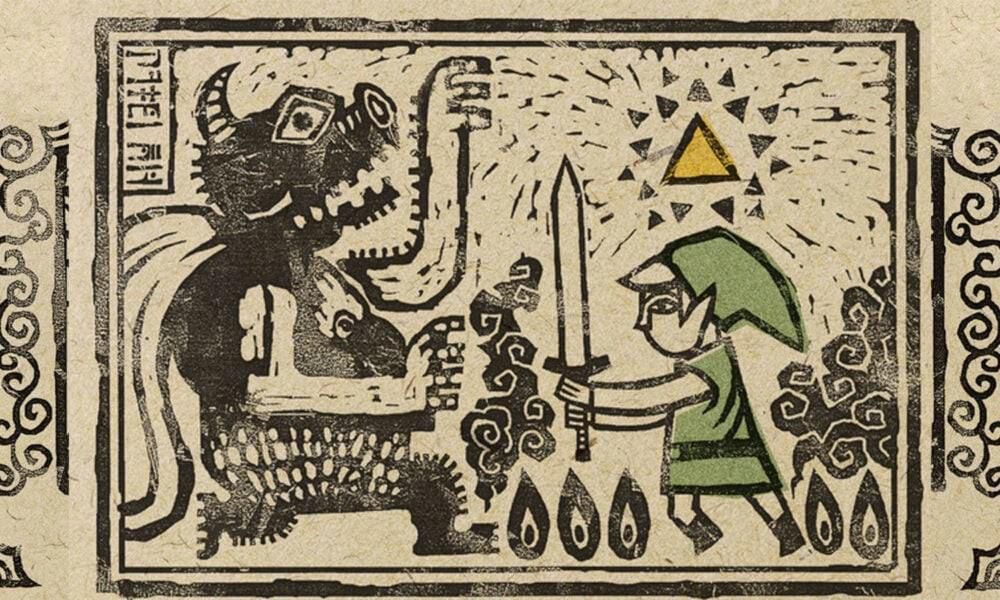
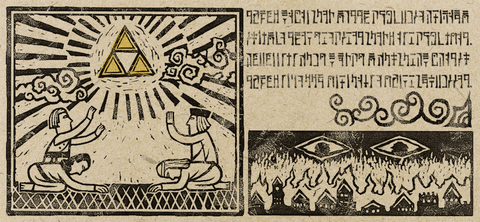
Because no one could stop Ganon, the three Goddesses Din, Farore and Nayru (the ones who created the Triforce) descended from the heavens and submerged Hyrule in water to quell Ganon’s power and the kingdom was flooded, forcing the citizens of Hyrule to relocate to the mountain tops, which have since turned into islands in what became known as the Great Sea. Meanwhile Ganon was sealed in an underwater prison where the remnants of the old kingdom now remain forever, and the descendants of old Hyrule now live in peace above the water.
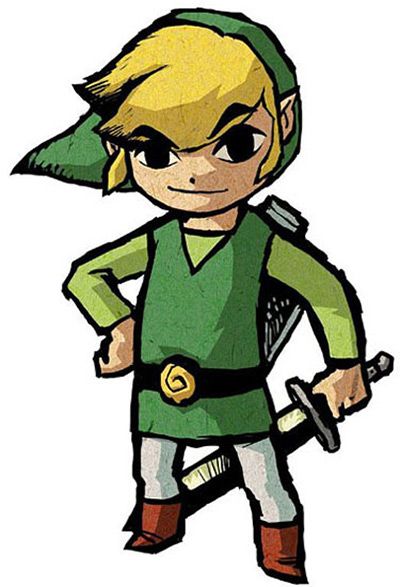
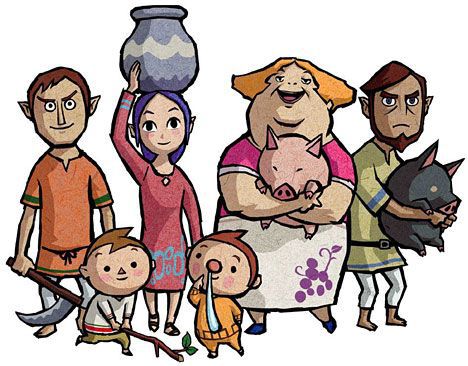
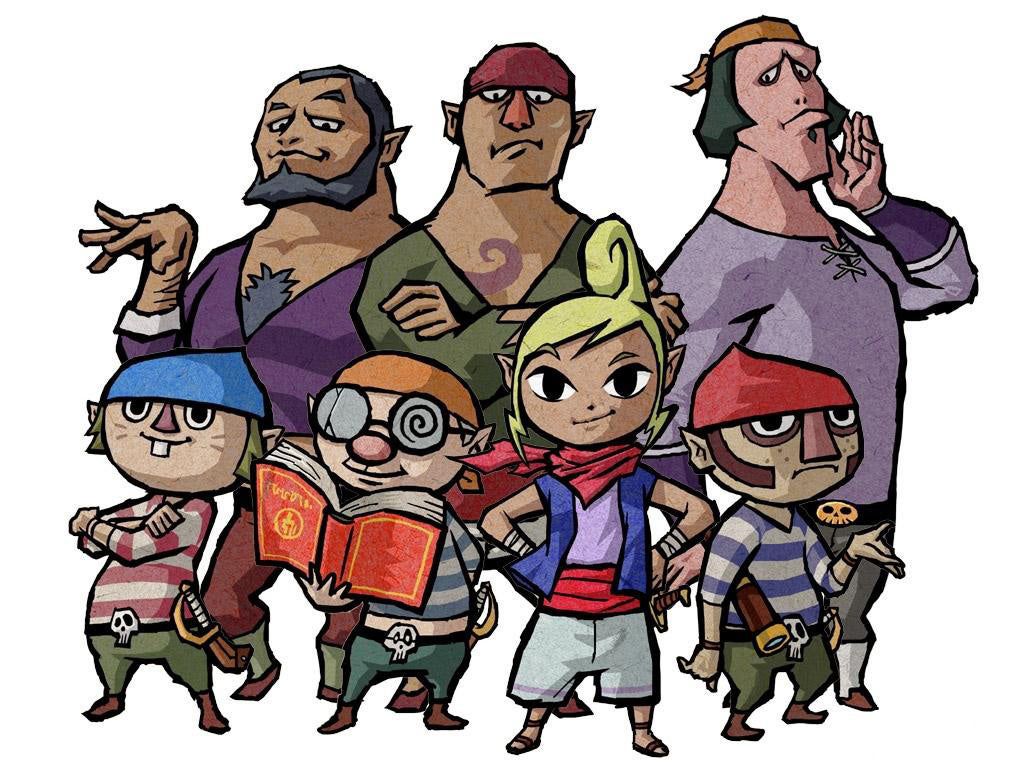
Centuries later, the story of Ganon and the Hero of Time have become a legend, and in a place called Outset Island, the boys who come of age honor the Hero of Time by dressing in a green tunic. One of those boys is named Link and he lives on Outset Island with his grandmother and his little sister Aryll. On the day that Link receives his tunic, a giant bird is spotted flying over Outset Island carrying a girl in its talons. That girl is a pirate named Tetra. Tetra’s crew is pursuing the bird in their pirate ship and Link manages to help them save Tetra, but the giant bird, known as the Helmaroc King, ends up grabbing Link’s sister Aryll instead and flies off. Tetra and her pirate crew help Link find his sister by following the Helmaroc King to the Forsaken Fortress.
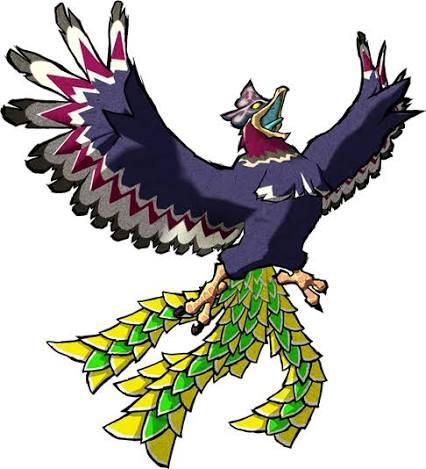
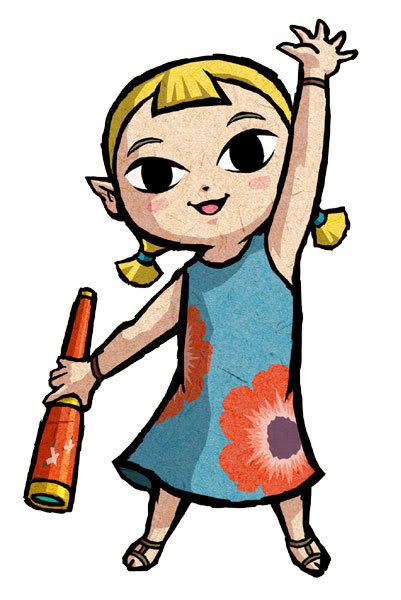
Link learns that the Helmaroc King has been kidnapping multiple girls with pointy ears just like Tetra and Aryll all over the Great Sea, and as he infiltrates the fortress he has a brief reunion with Aryll, but before he can rescue her, the bird grabs Link and under the orders of a bearded man in black, it tosses Link far into the sea. Link eventually wakes up near Windfall Island after being saved by a talking sailboat who calls himself the King of Red Lions. The boat ends up being Link’s companion throughout the entire game, guiding Link and helping him navigate the Great Sea.
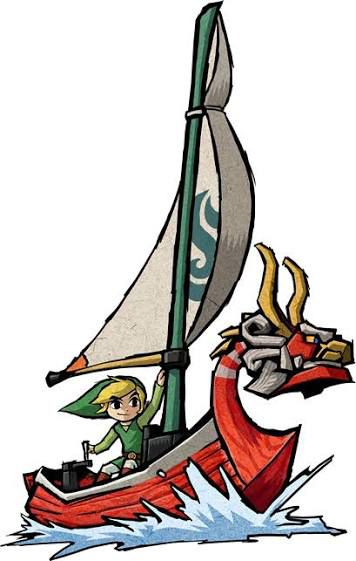
The King of Red Lions tells Link that the bearded man in black is the real Ganon from the legend of the Hero of Time, and it turns out that he is searching for Princess Zelda’s descendant. In order for Link to defeat Ganon he must summon the power of the Hero of Time by locating the three Goddess Pearls (Din’s Pearl on Dragon Roost Island, Farore’s Pearl in Forest Haven and Nayru’s Pearl which is protected by the water spirit who resides at Outset Island). After finding all three Pearls, the King of Red Lions transports Link to the Tower of Gods to face a number of trials before being transported to the sunken Hyrule Castle to retrieve the legendary weapon of the Hero of Time, the Master Sword (Hyrule was suspended in time as it sunk to the bottom of the sea, so the castle and the surrounding greenery still look pristine). The rest of the game consists mainly of Link’s quest to restore the Master Sword’s power, awaken the remaining Sages, locate the Triforce of Courage, find Zelda and stop Ganon as you sail from island to island with the King of Red Lions at your side.
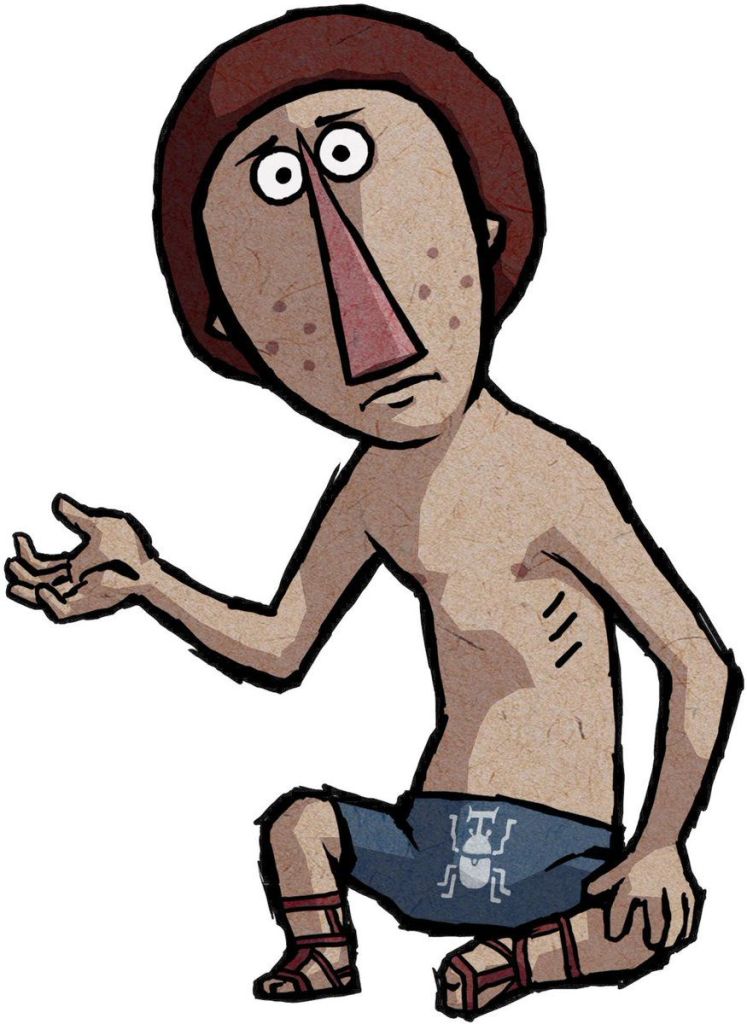
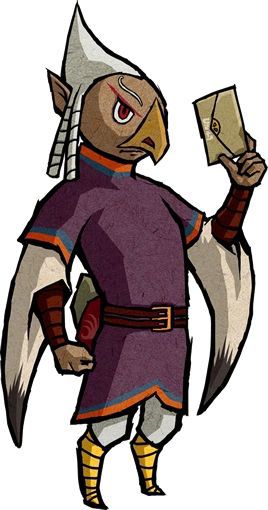
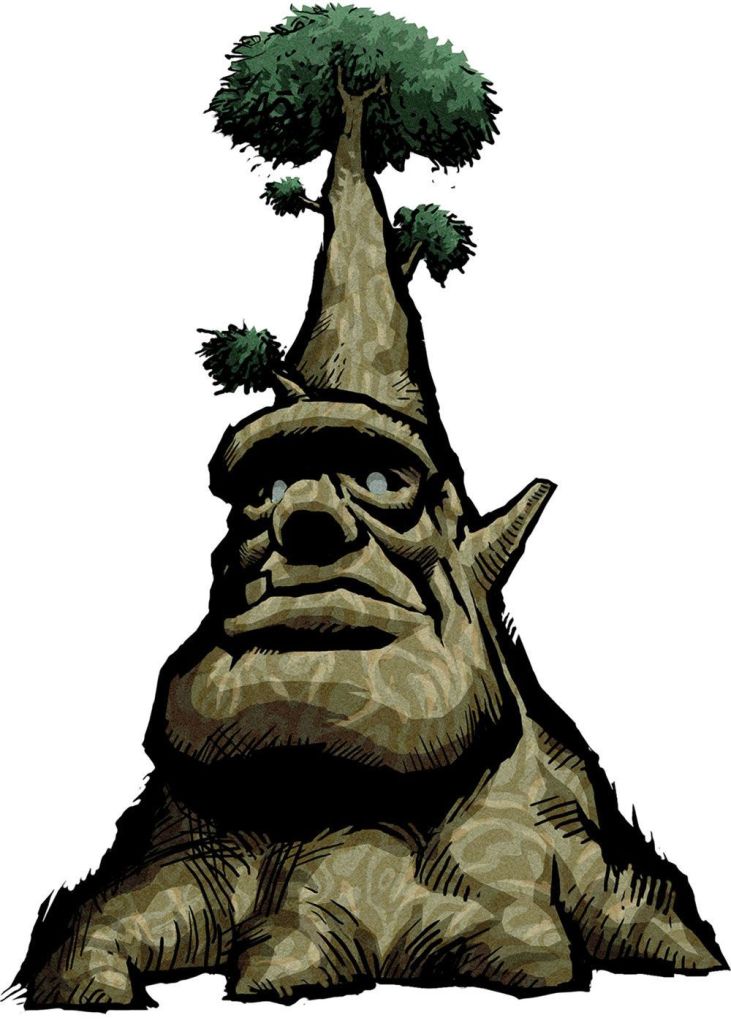
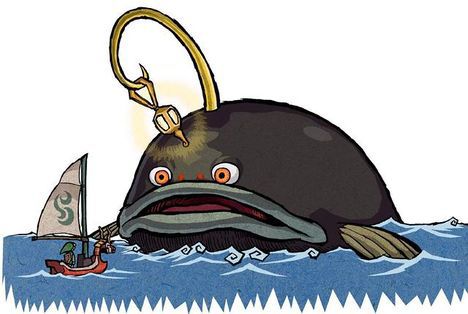
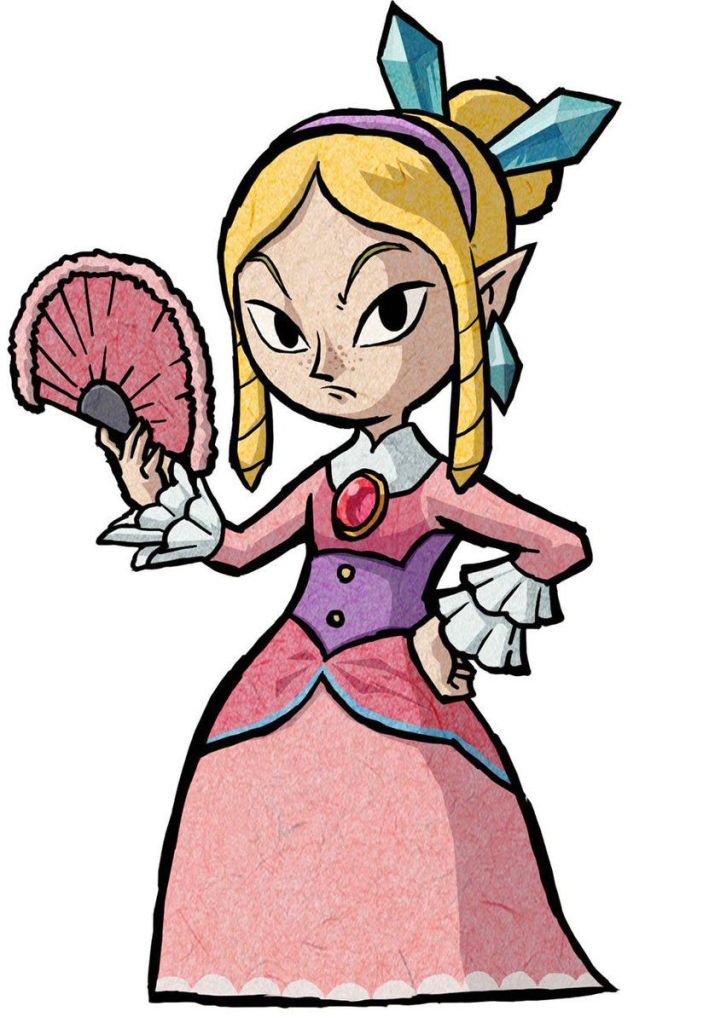
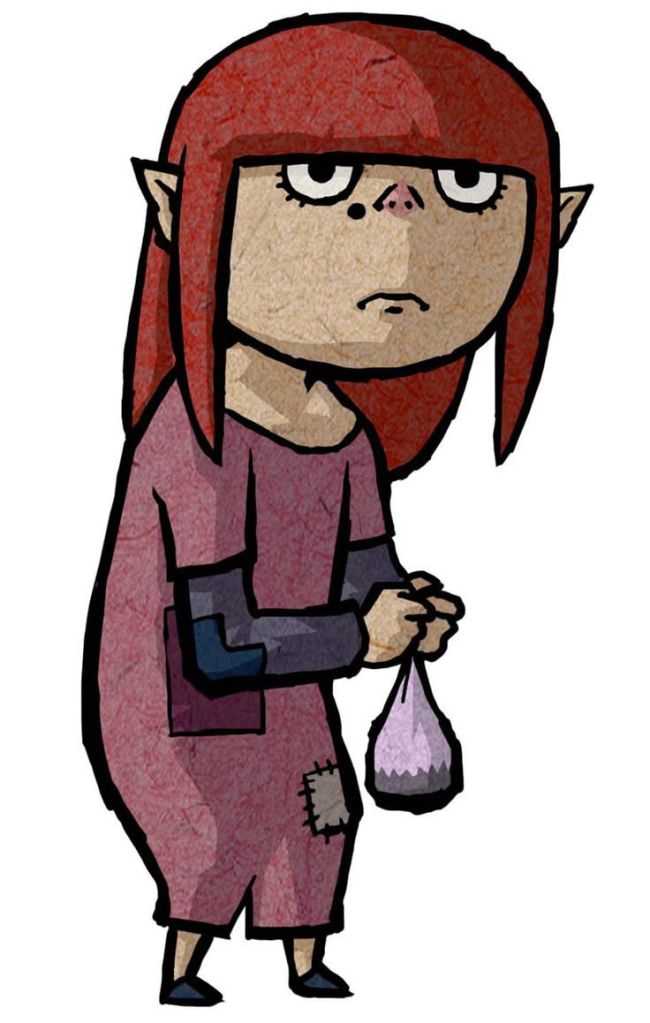
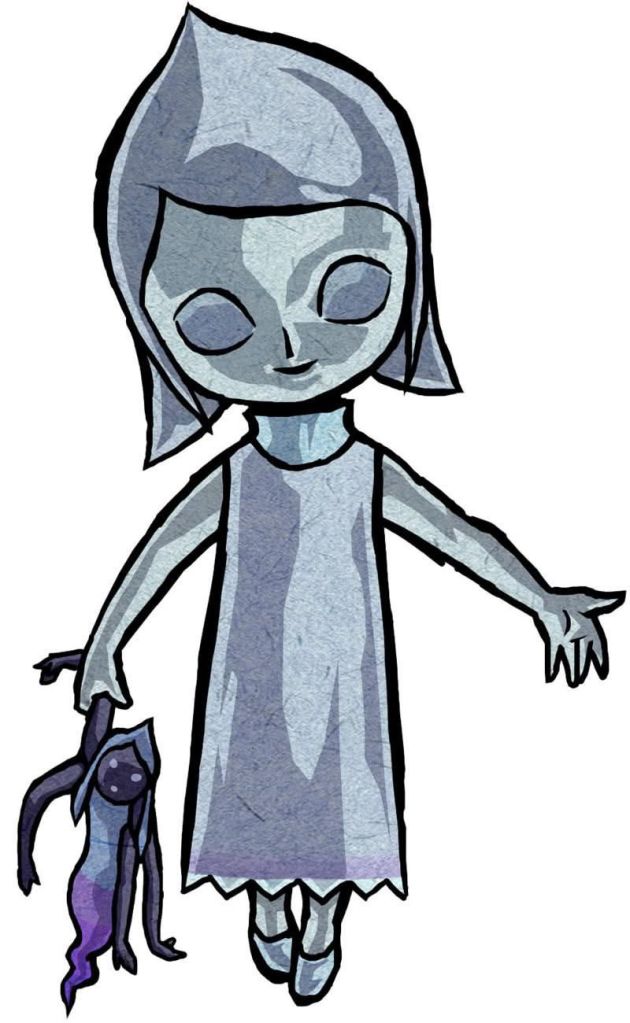
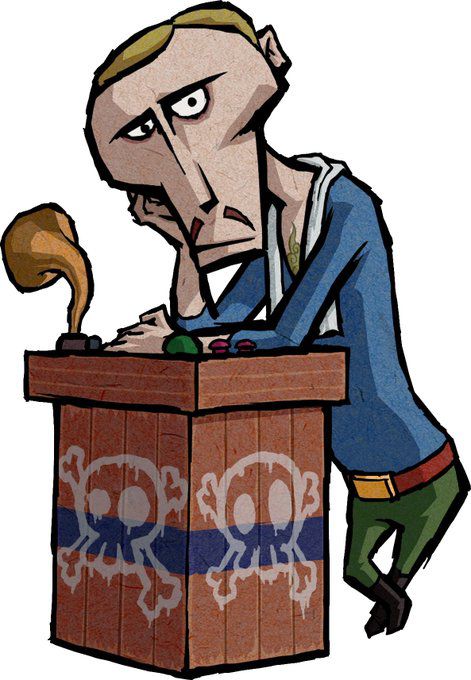
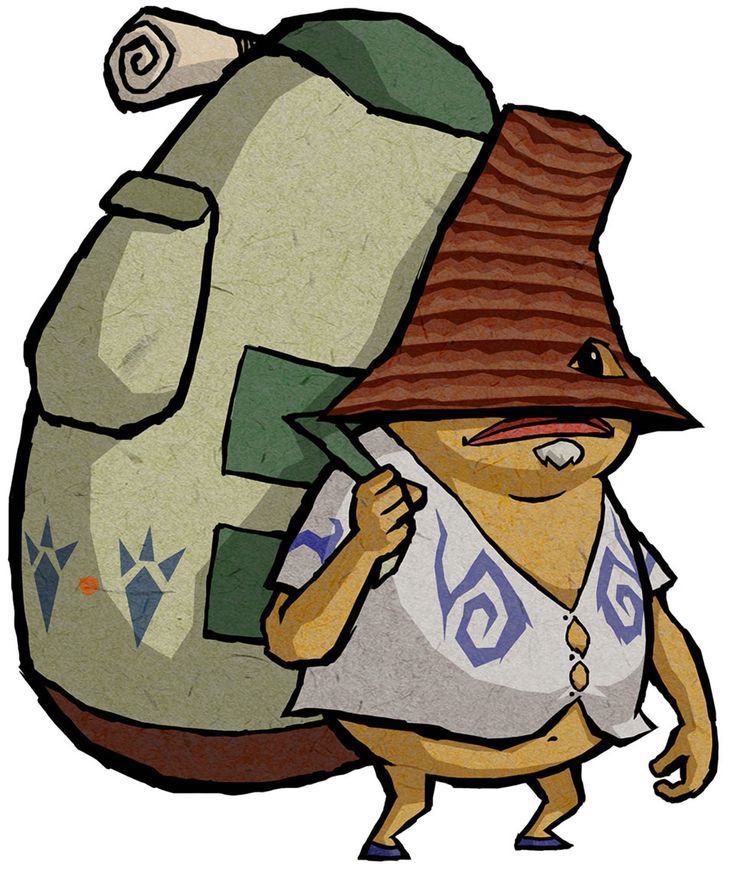
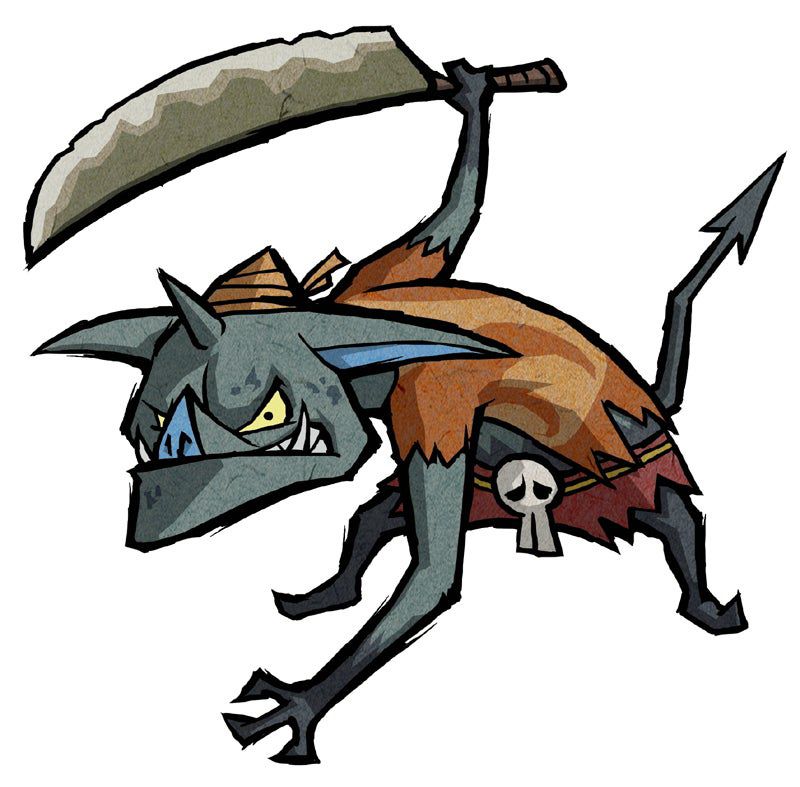
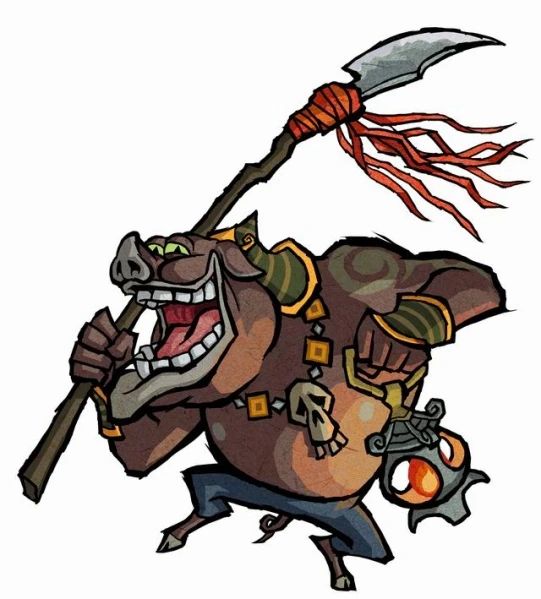
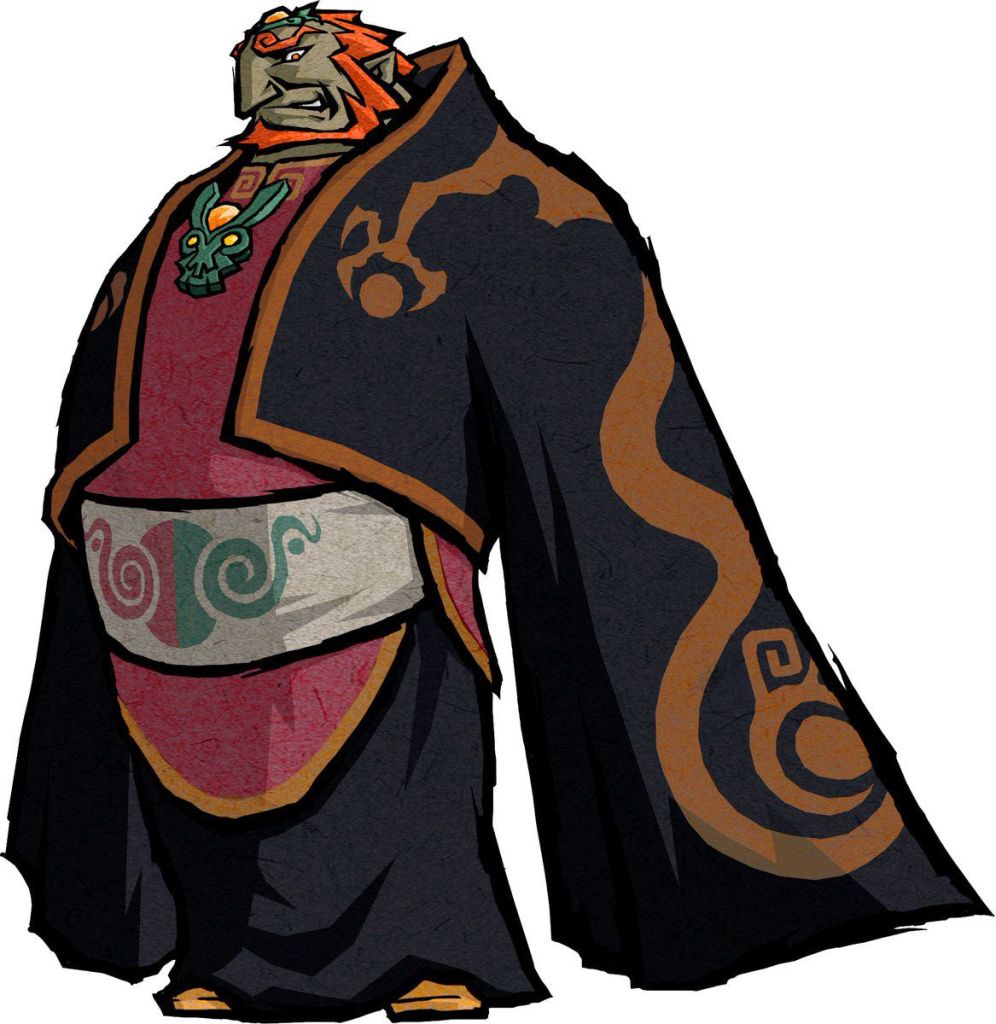
Just like most Zelda games, The Wind Waker is an action-adventure fantasy with RPG elements and, just like all modern 3D Zelda games, some heavy inspiration from Ocarina of Time. Although on the technical side, one big thing that differentiates this game from the N64 Zelda games for the better is that you are given a lot more freedom to move the camera around Link, which is essential for a game in which you will be sailing around in a boat while avoiding cannon fire.
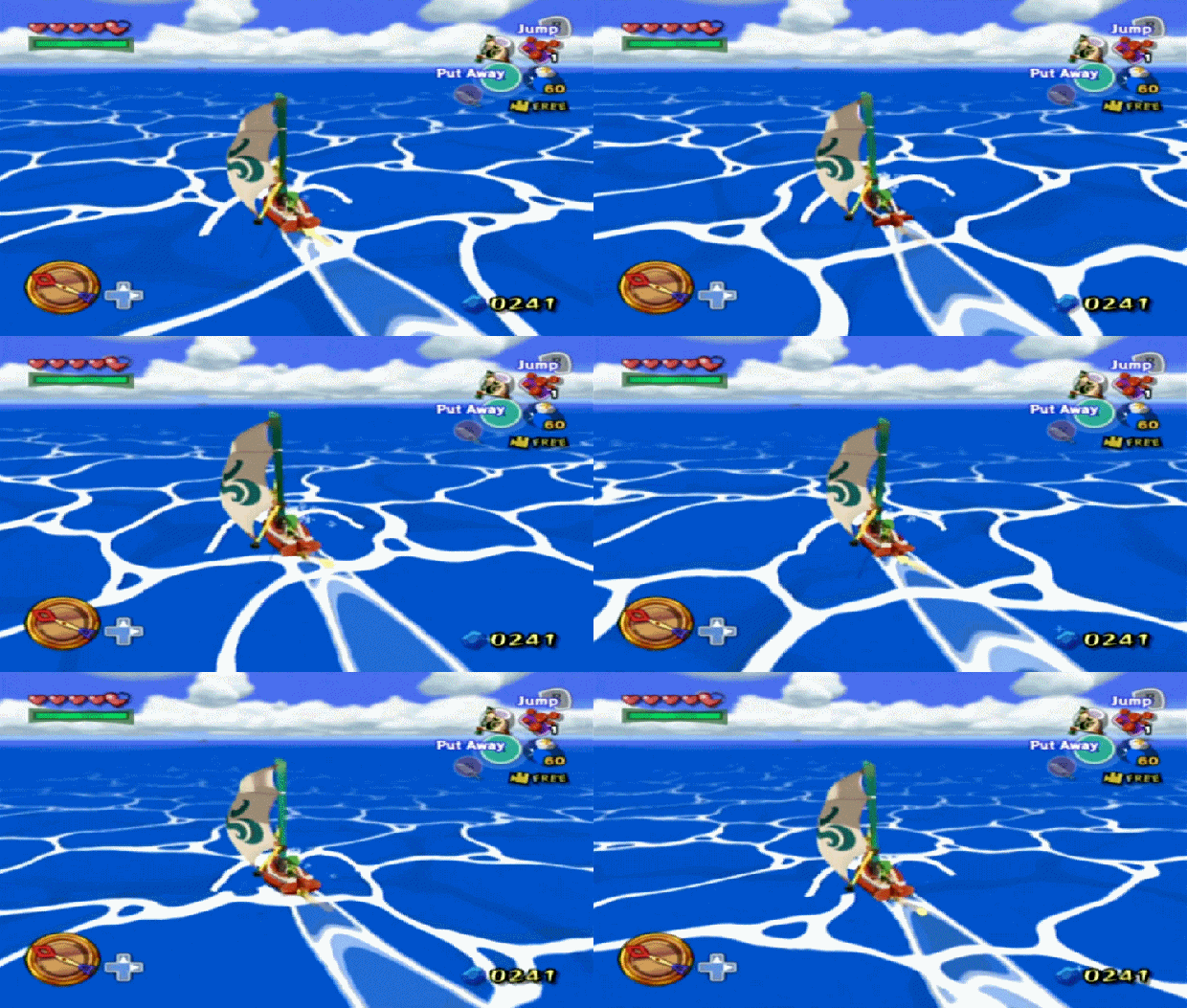
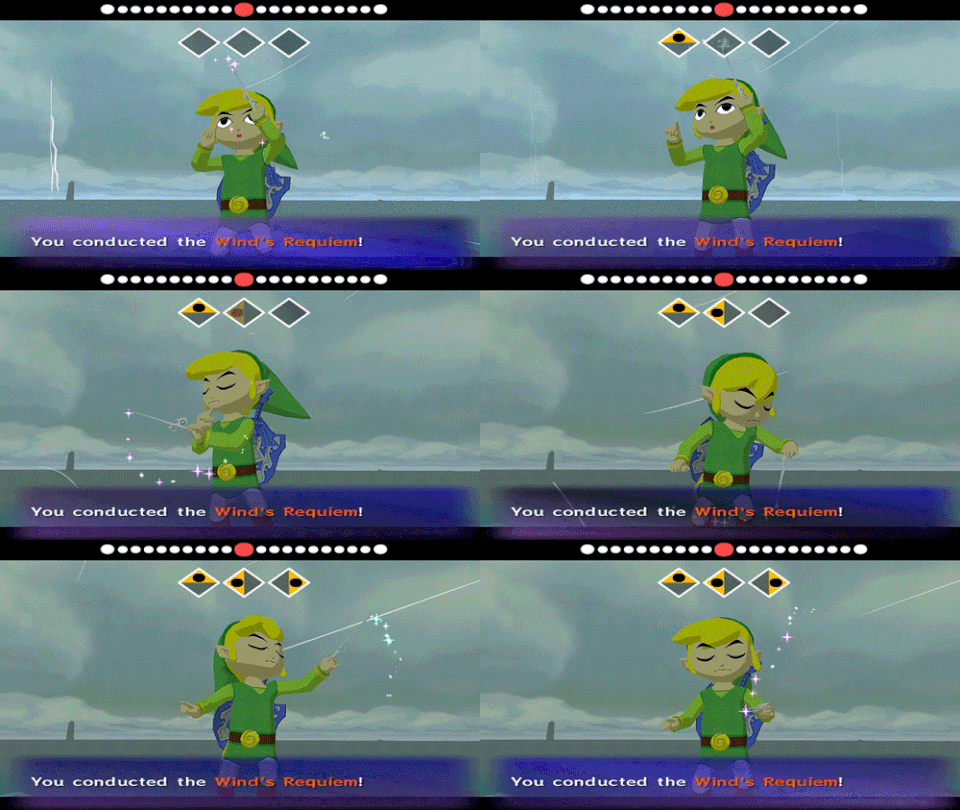
Obviously another big plot-based difference from the N64 games is that you spend a lot more time sailing than walking, which means that in addition to swords, shields, bombs and arrows, you’re going to need things like telescopes, sails, sea charts and grappling hooks to retrieve sunken treasure, as well as the game’s namesake: a magical baton that the King of Hyrule used to communicate with the Sages called the Wind Waker, which has a variety of magical powers that occur when Link conducts certain tunes, such as changing the direction of the wind, teleportation and turning the day to night. Just like when playing instruments in Ocarina of Time and Majora’s Mask, you conducted tunes by inserting certain button patterns on your controller.
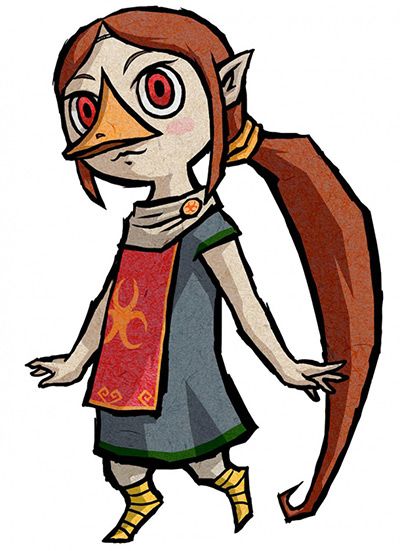
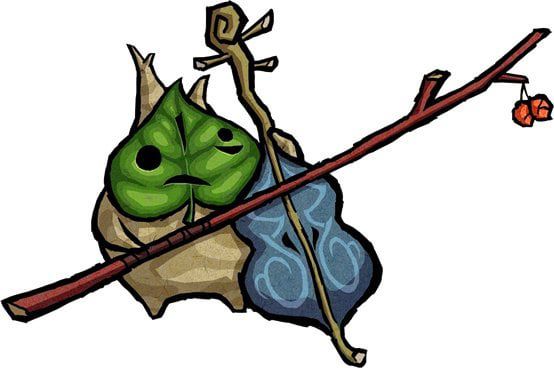
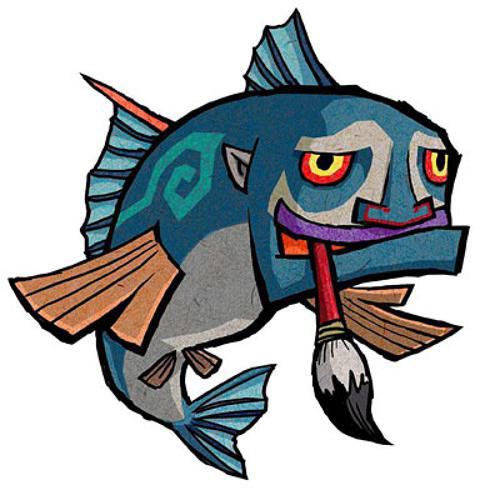
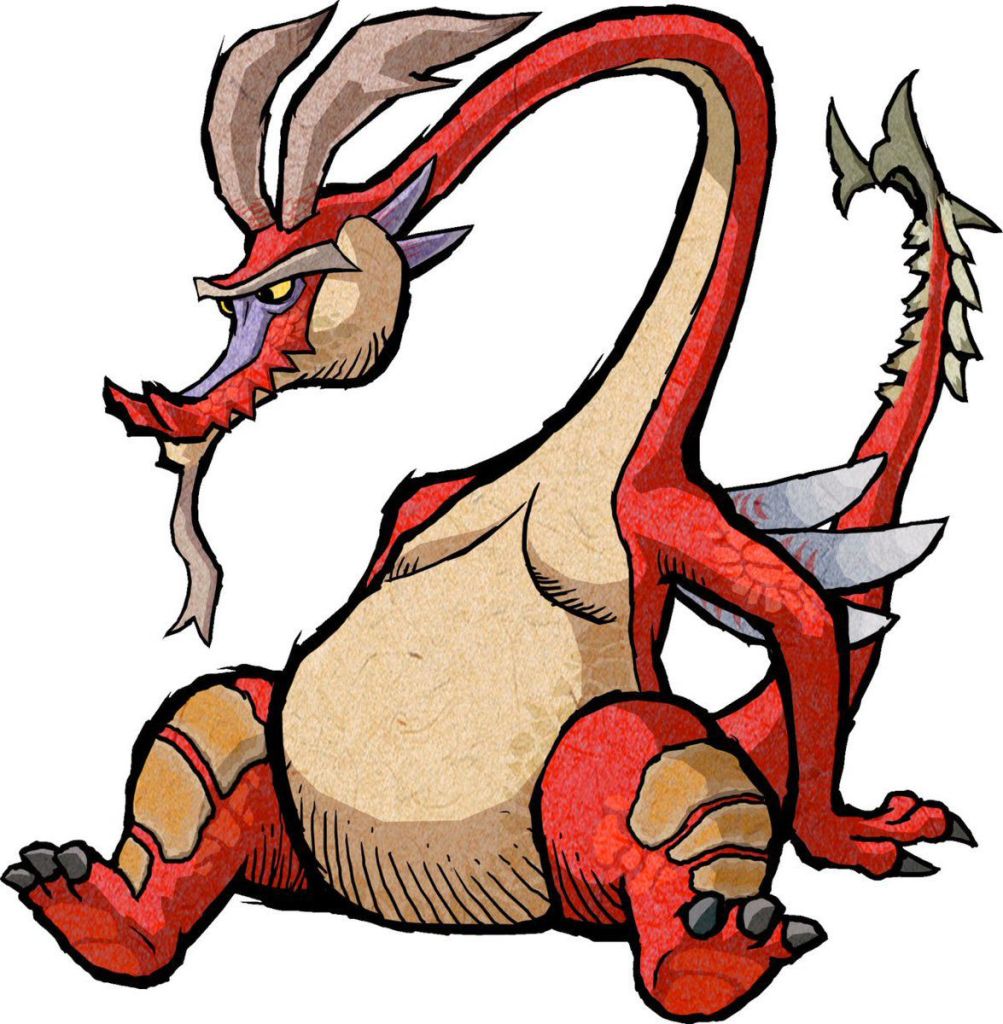
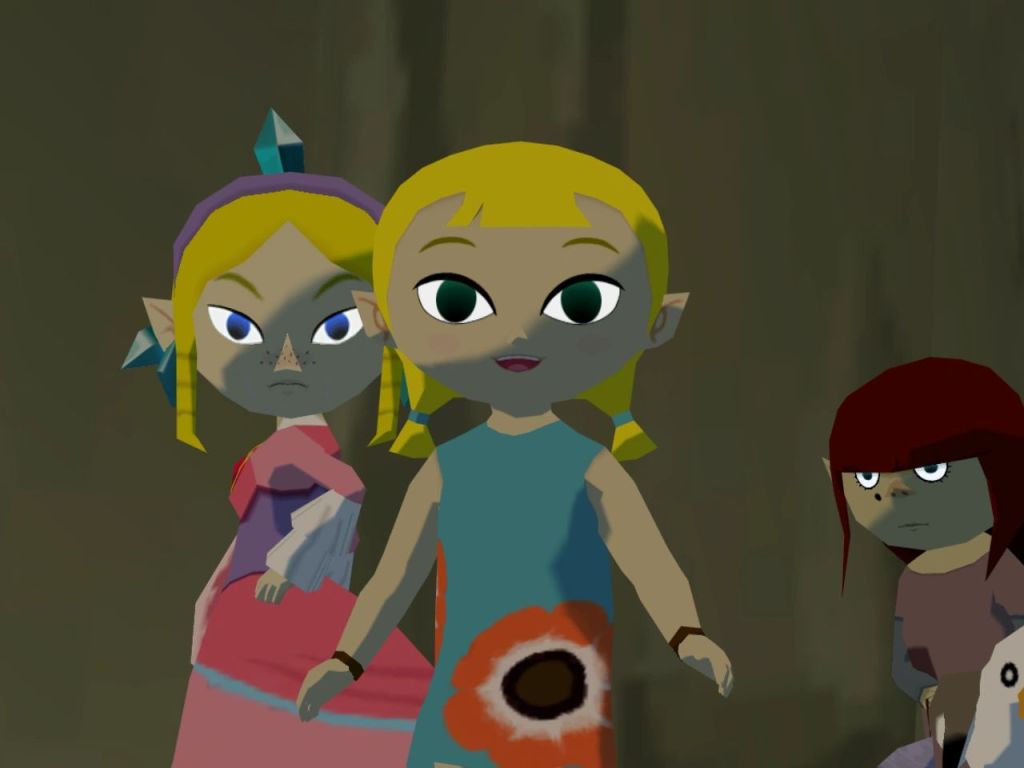
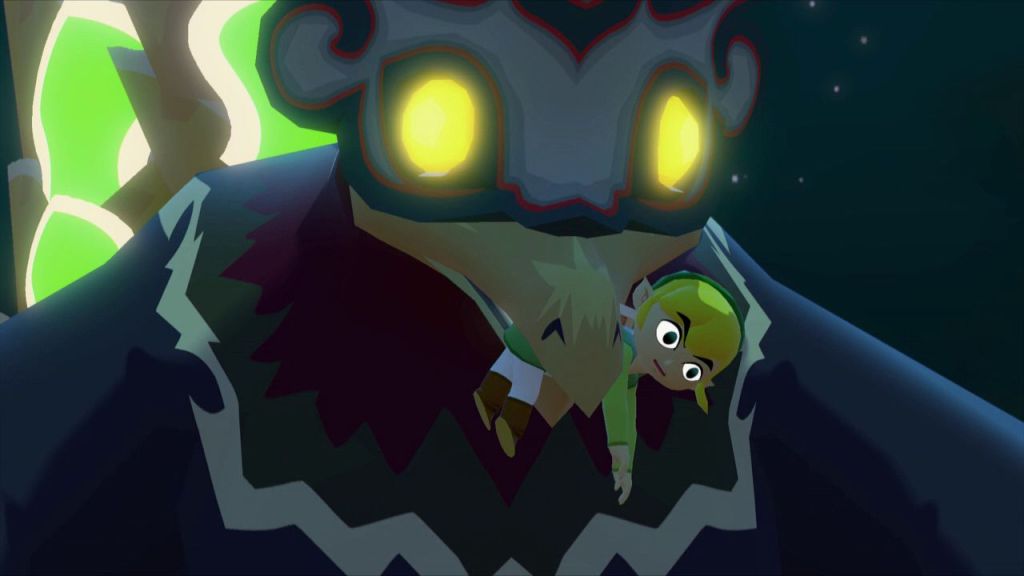
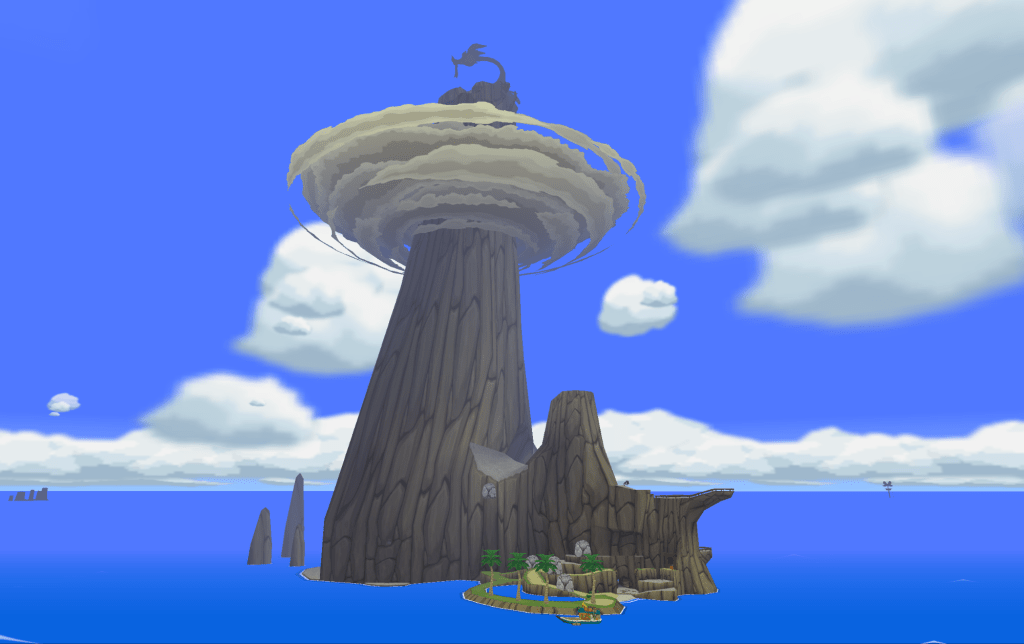
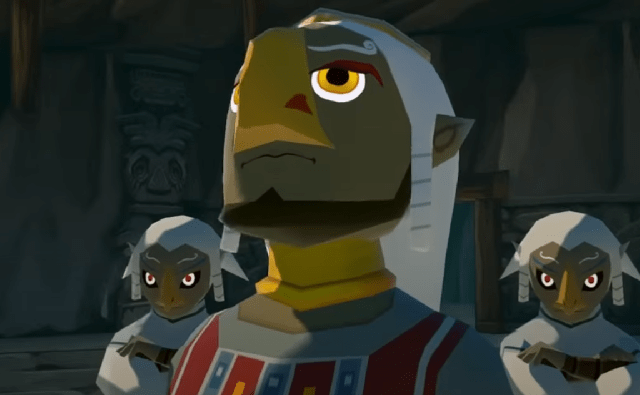
One of the most divisive elements of this game was its cartoon-like cel-shaded graphics, and while I have no problem with it, I’m not surprised about the backlash, especially since Nintendo was practically asking for it. Back when the GameCube was first announced in 2000, Nintendo showed off a realistic-looking battle between Link and Ganondorf to demonstrate the system’s graphical capabilities, and naturally this is what gamers were expecting the GameCube’s first Zelda game to look like.
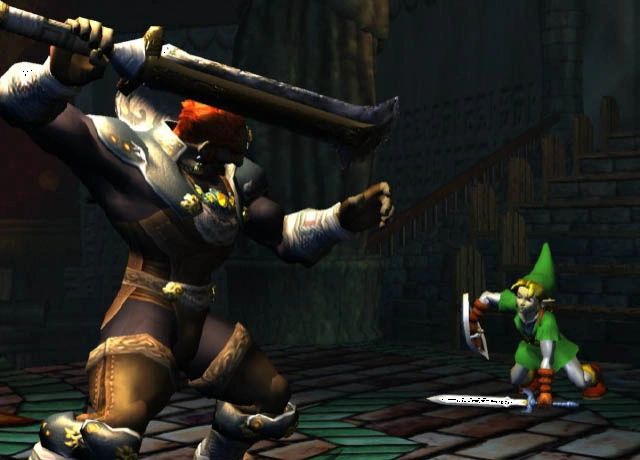
Wind Waker director Eiji Aonuma, however, expressed disappointment in the demo for being too derivative. A cartoony Link drawing done by artist Yoshiki Haruhana inspired the cartoony art style that Aonuma felt would be a better fit for the game. In fact the development team partly gave the game an islandic and oceanic theme because they felt it would make for interesting cel-shaded visuals (they were right). Aonuma was initially worried that producer and Zelda creator Shigeru Miyamoto would disapprove of the art style and at first Miyamoto did need some convincing, likely predicting that the cartoony aesthetic would result in a backlash, but he eventually gave in because of the development team’s enthusiasm for the art style (as well as how much easier it would be to develop than a game with more realistic graphics). Gamers, on the other hand, were very divided on The Wind Waker‘s graphics. Although the game was so good that it was easy for most Zelda fans to get over that, never mind how beautiful the game’s graphics are.
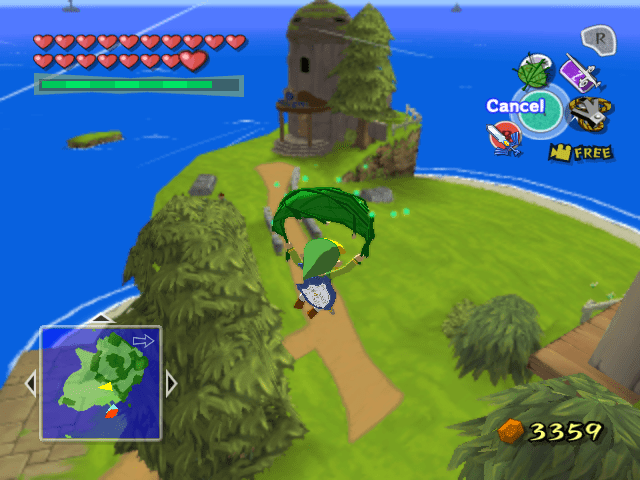
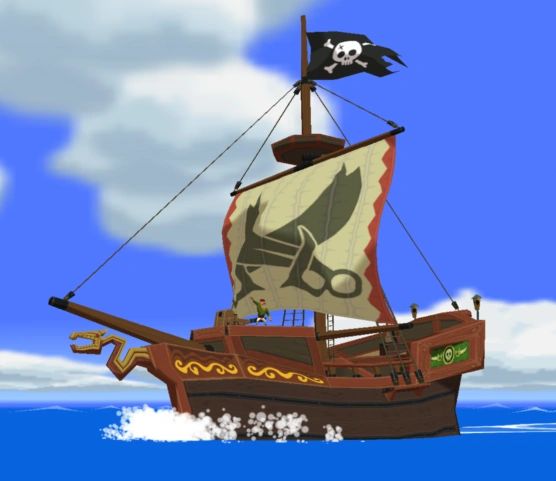
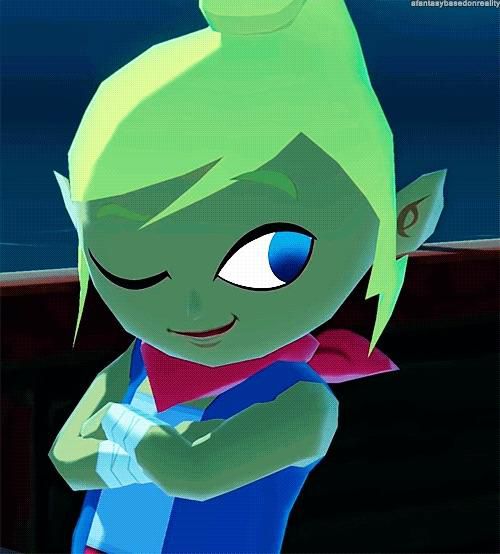
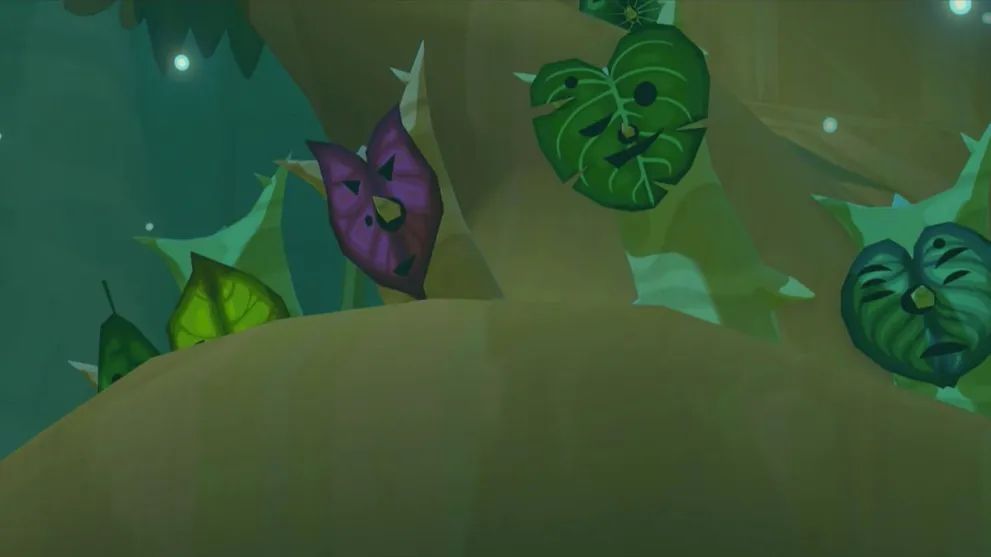
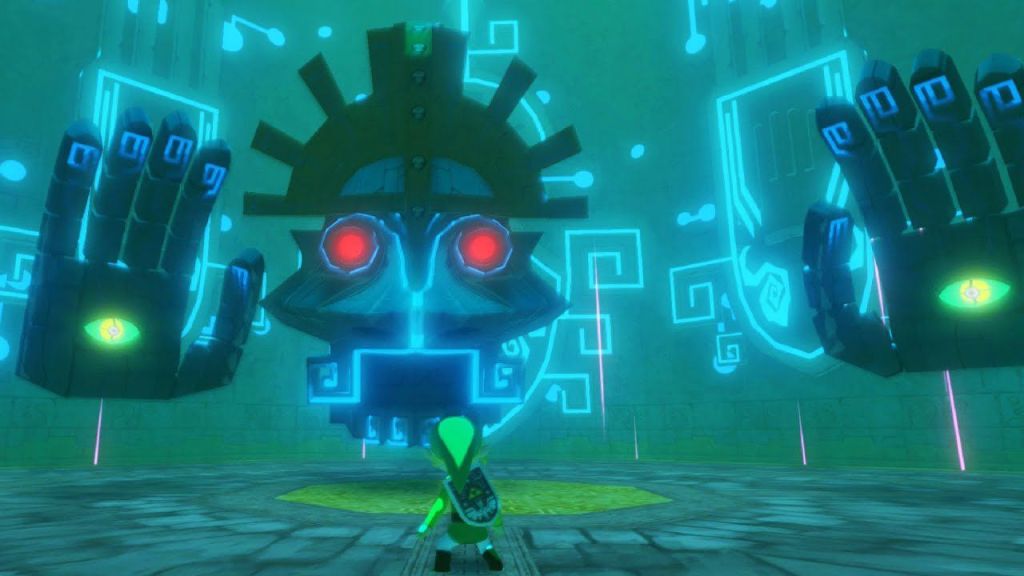
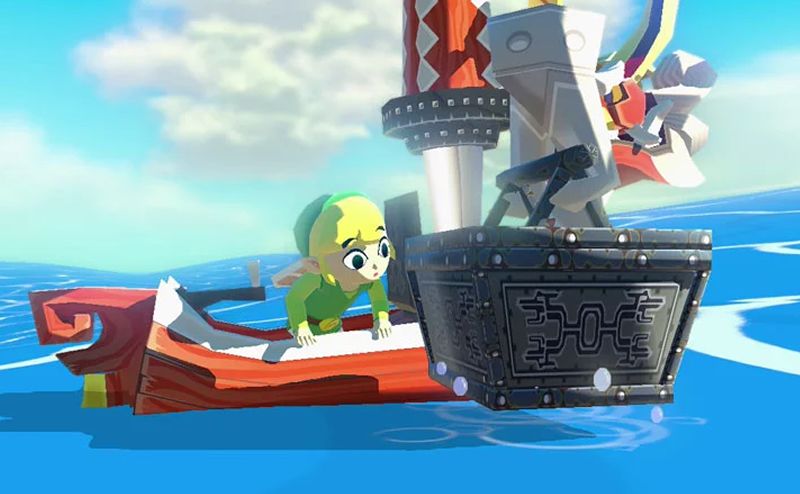
With this graphical art style came a lighter tone, which the game’s four-person team of musicians helped enhance with an energetic flute and violin-filled soundtrack (think traditional Irish music). That music team consisted of Majora’s Mask composers Koji Kondo and Toru Minegishi, who were both joined by Kenta Nagata (Mario Kart 64, Animal Crossing) and Hajime Wakai (Pikmin), starting a trend for Zelda games having multiple composers, which was necessary to speed up the creative process for a series that was increasingly becoming bigger and more elaborate as video game technology was advancing.
The Legend of Zelda: The Wind Waker was first released in Japan in 2002 and despite the radical new art style and divisive new sea-based travel mechanic, it received rave reviews with praise aimed towards its rich visuals and expressive character animation, the fluid combat, the expansive overworld, its clever level designs and its deep story as well as that lively soundtrack I mentioned. Japanese gamers didn’t mind the art style as much as American gamers, many of whom thought the game’s cartoony graphics were a symptom of their overall concern that Nintendo was losing their edge in the face of serious competition from the PlayStation 2 and the Xbox. As a result, The Wind Waker was not a huge seller as far as Zelda games go, but the pro-realistic, anti-cartoony debate that was holding the game back commercially was shallow and had nothing to do with the its actual merits as interactive entertainment, although the game did earn much more of the appreciation that it deserves over time, and I’m convinced that if the Zelda series didn’t exist prior to this and The Wind Waker was an original game, more people would have been willing to call it a masterpiece, because that’s exactly what it is.