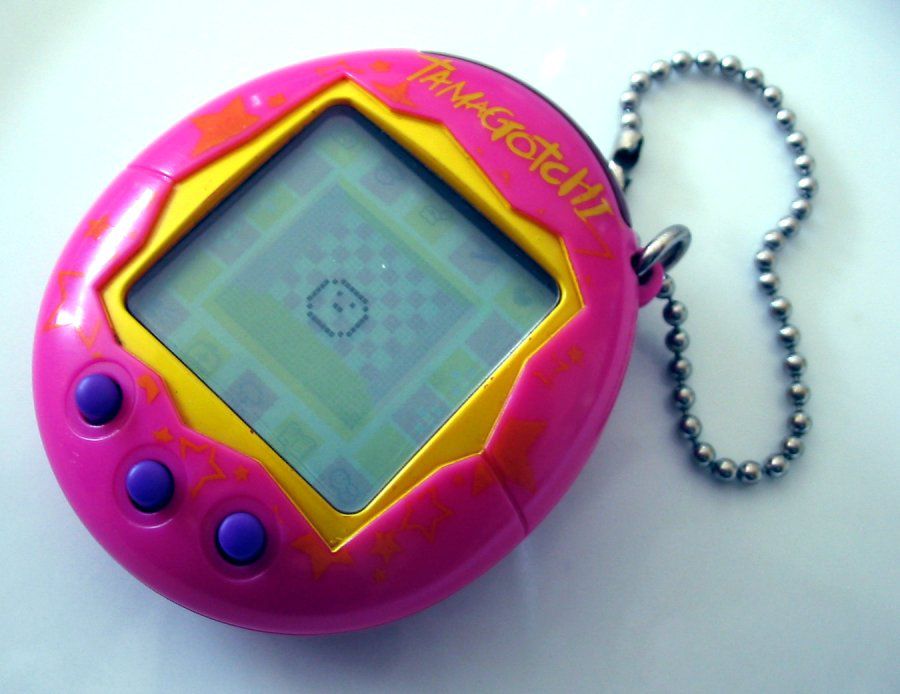
I have no experience raising living things and I’ve never had a pet, but I have raised a Tamagotchi before! Which is a lot easier because if it ever starts crying or needing attention, I can just remove its battery and bam! Problem solved. Although oddly enough, that didn’t make me any less emotionally attached to it. Yes, for a long time asking Santa Claus for a puppy was a popular holiday request among children, but it’s not hard to see why, as things like Mr. Potato Head, Build-a-Bear and the Labubu have proven, why the concept of a cute and customizable companion might be appealing to some people.
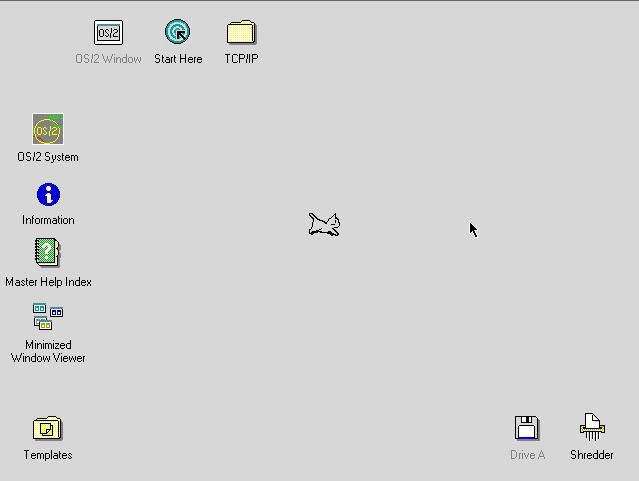
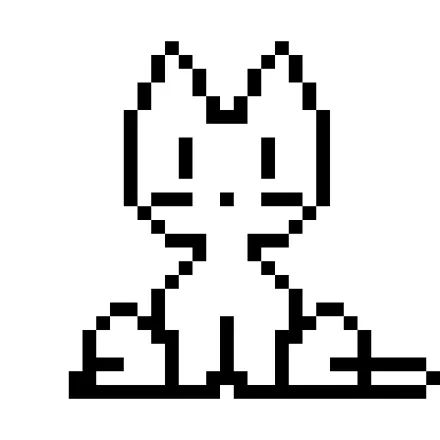
Virtual pets and pet-raising simulators really took off in the mid-nineties on the toy market, but the concept originated in Japan in the world of personal computers back in the eighties. The earliest known virtual pet is a cat named Neko, a digital desktop companion created by Naoshi Watanabe that would chase your cursor as you moved it around the PC screen. Neko would eventually be ported to the Macintosh in 1989 as a downloadable desktop accessory called NekoDA, which added the ability to change your cursor to a bird, a mouse or a fish as Neko chased it. The feline companion later expanded its reach to Windows, Linux and even Android phones.
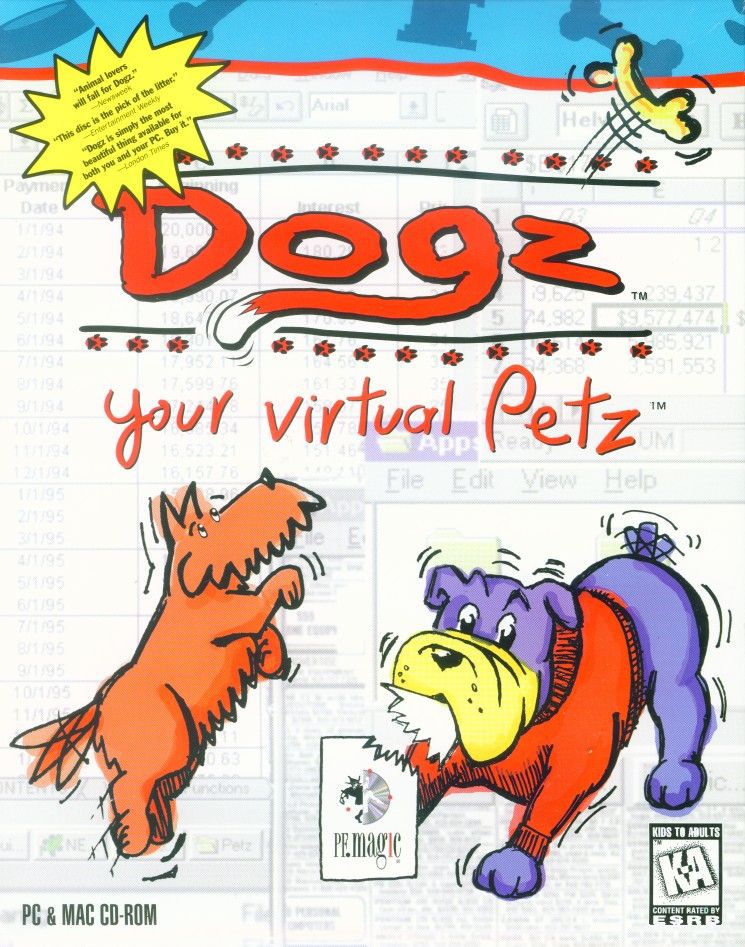
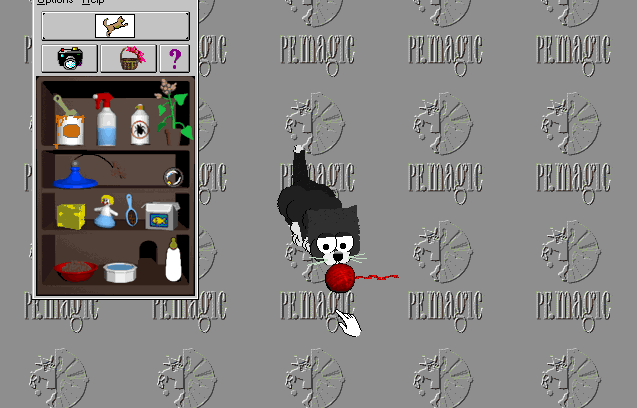
The first widely popular dedicated virtual pet simulators were a couple of CD-ROMs for the PC and the Mac called Dogz (1995) and Catz (1996), both developed by PF.Magic and both of which came to be known collectively as Petz. Created by Rob Fulop, the programmer behind the campy but controversial horror-themed Sega CD game Night Trap, Fulop conceived Petz as a response to the negative press surrounding Night Trap, challenging himself to create something so cute and harmless that no one could possibly find it objectionable. Recycling the graphic engine for PF.Magic’s 1994 fighting game Ballz, the virtual pet games Dogz and Catz allowed you to “adopt” one of five pets. After which you could name them, play with them, feed them, call them and change their mood depending on how you treated them. A third Petz game called Oddballz was also released in 1996 and it allowed you to adopt weirder creatures, such as the Dynaroo (which is seemingly a cross between a T-rex and a kangaroo). Meanwhile Dogz and Catz received many sequels and ports through the years, as well as additional entries like Bunnyz, Hamsterz, Horsez and Monkeyz.


Handheld virtual pets were popularized in Japan with the introduction of Bandai’s Tamagotchi in 1996. A portmanteau of the Japanese words “tamago” (egg) and “uotchi” (watch), these pocket-sized alien pets were simplistic in design, but that offset how complex taking care of these things were compared to previous pet-raising games. After receiving your alien egg, the Tamagotchi that hatched from it would start out as a baby and its life cycle would eventually evolve to child, teenager, adult and sometimes even older. They had a hunger meter, a happy meter and a health meter, all of which you could affect by feeding them, playing with them and scolding them when they misbehaved. Unfortunately it was also possible for your Tamagotchi to become sick if you overfed them or neglected them, and a Tamagotchi could also die if it is not being taken care of properly or if it reaches old age.
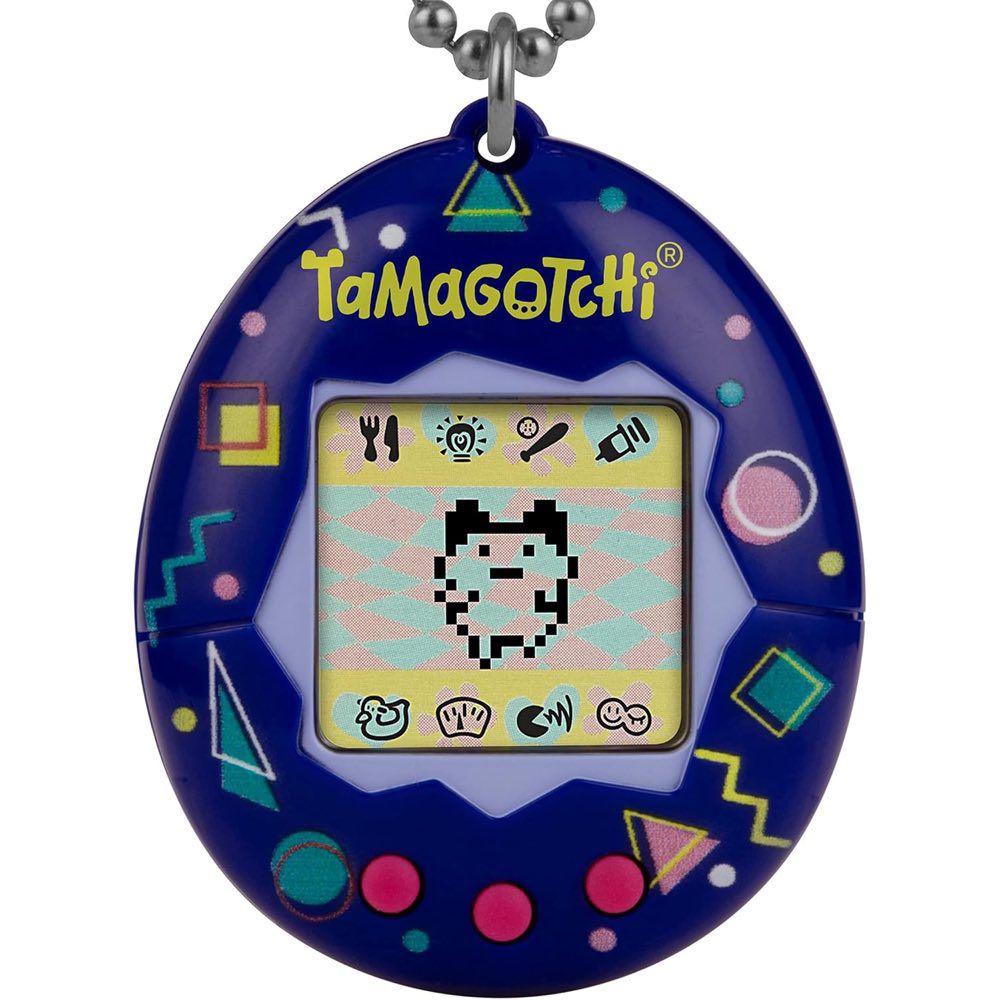
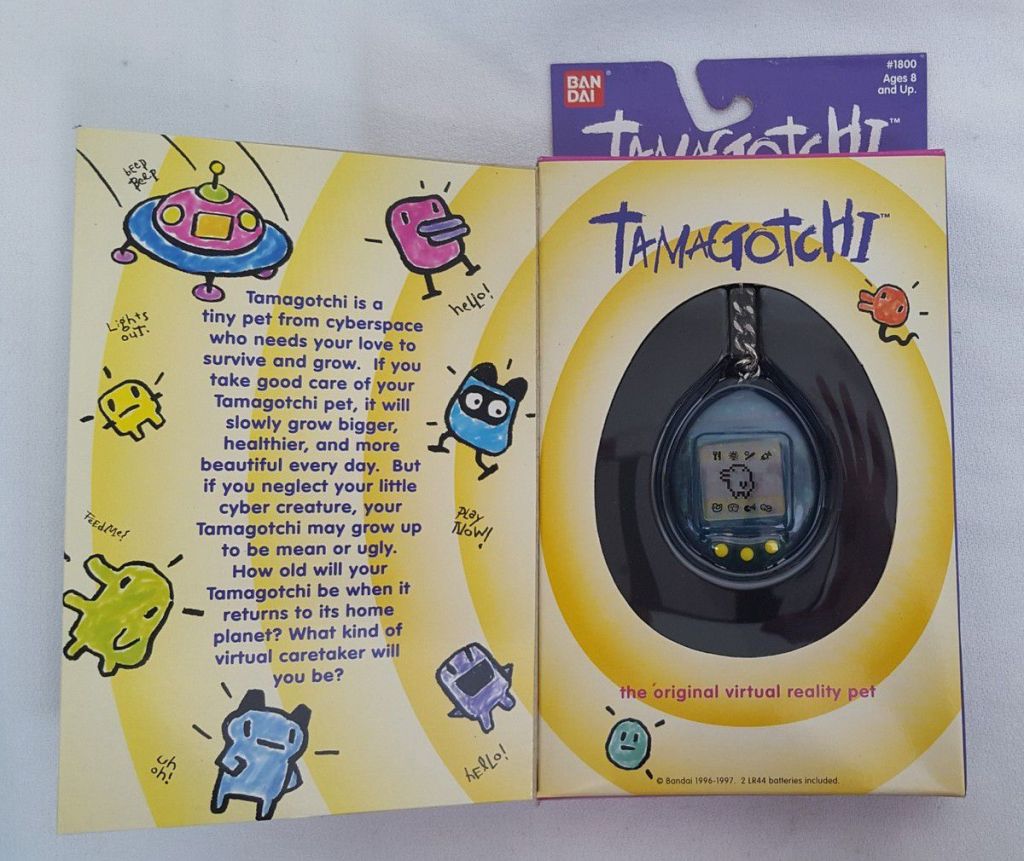
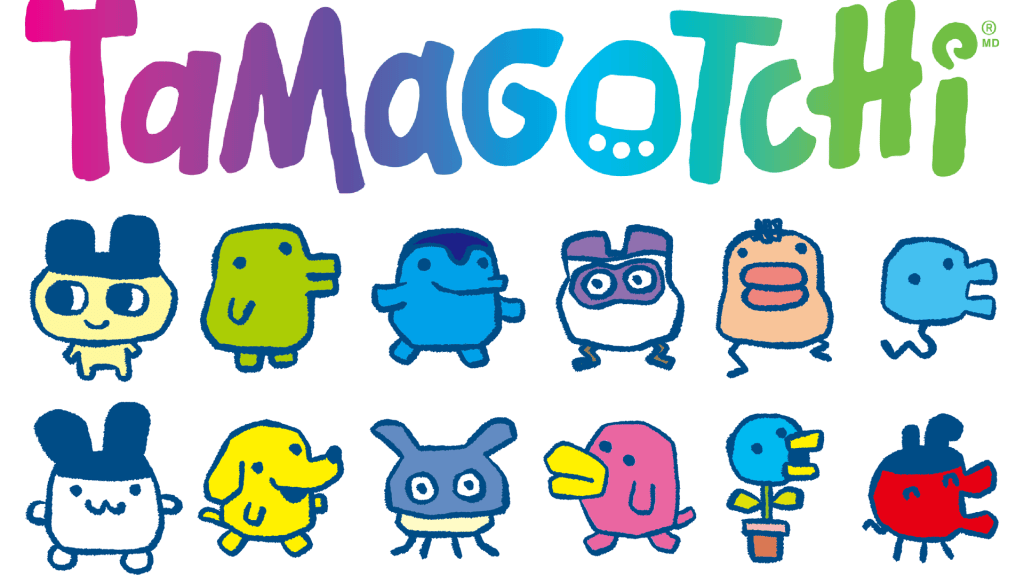
No virtual pet like Tamagotchi had ever existed before, and following a worldwide release in 1997, they became a major fad in the late nineties, with other versions soon to follow, such as Tamagotchi Plus (known in America as Tamagotchi Connection) which was introduced in 2004 and could connect with other Tamagotchi Plus devices wirelessly, Color Tamagotchi (2008), Tamagotchi Pix (2021) which used augmented reality technology, Tamagotchi Smart (2021) which used smartwatch technology, Tamagotchi Uni (2023) which had built-in Wi-Fi, and Tamagotchi Paradise (2025) which had a zoom dial. Bandai even released versions on mobile devices and spin-off games for the Game Boy (which is how I first got introduced to the series) as well as the Nintendo 64, PlayStation, Sega Saturn, Nintendo DS, Wii and Nintendo Switch.
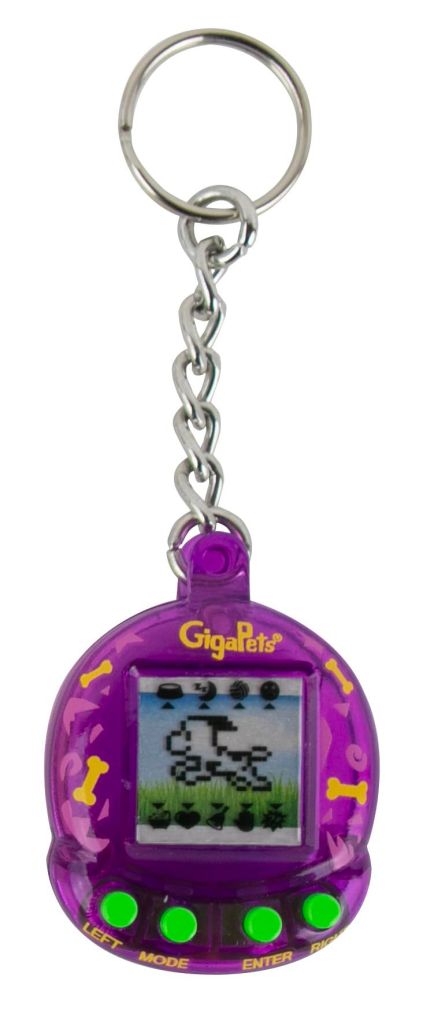
In 1997 the American company Tiger Electronics released their own virtual pets that were inspired by Tamagotchi called Giga Pets. Those pocket-sized devices let you raise dogs, cats, frogs, dinosaurs, aliens and other creatures. The series would expand with Giga Pets Plus, which allowed you to raise multiple pets on one device, and Giga Fighters, which was Tiger’s attempt to make something that would appeal more to boys. There were also licensed versions of the Giga Pets based on properties like Disney, Looney Tunes, Rugrats and Jurassic Park.
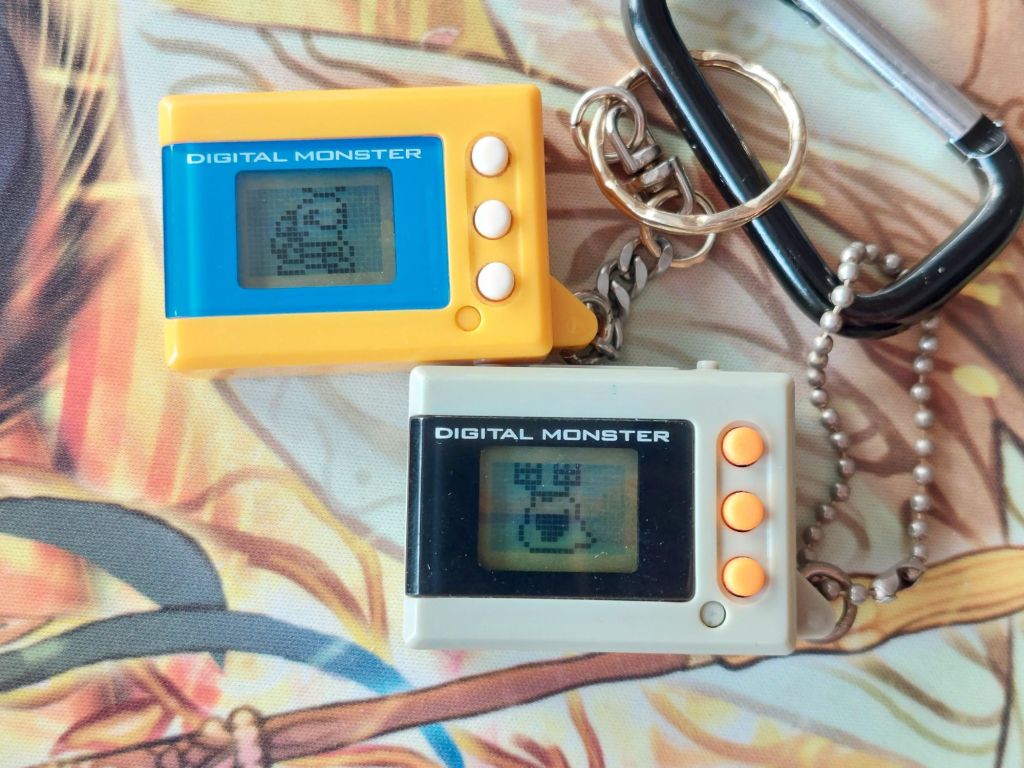
Back in Japan, while Tamagotchi were most popular with young girls, Bandai would hit another gold mine in their attempt to create a virtual pet that would appeal more to young boys with the introduction of Digital Monsters in 1997. Like Tamagotchi, Digital Monsters could be fed and trained, but unlike Tamagotchi, they could fight each other in battle when linking to another player’s device. The names of these creatures would be shortened to Digimon, and they became so popular that they spawned several spin-off games.
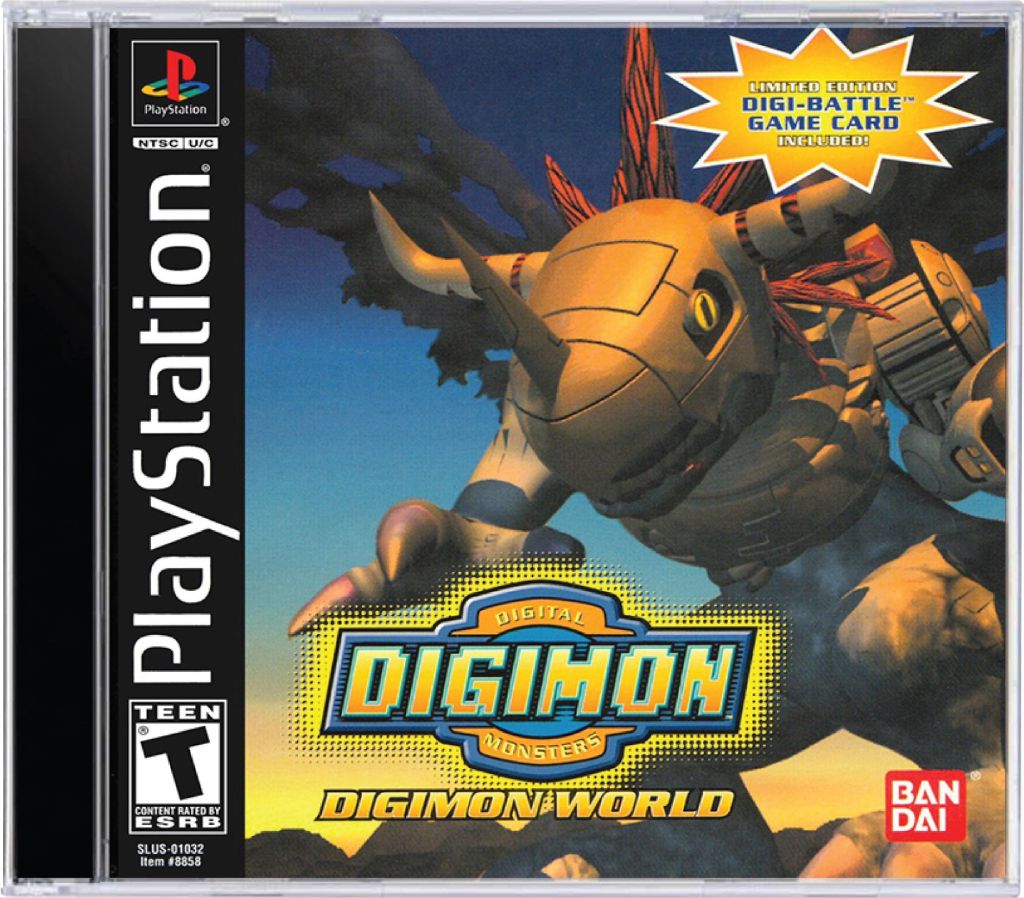
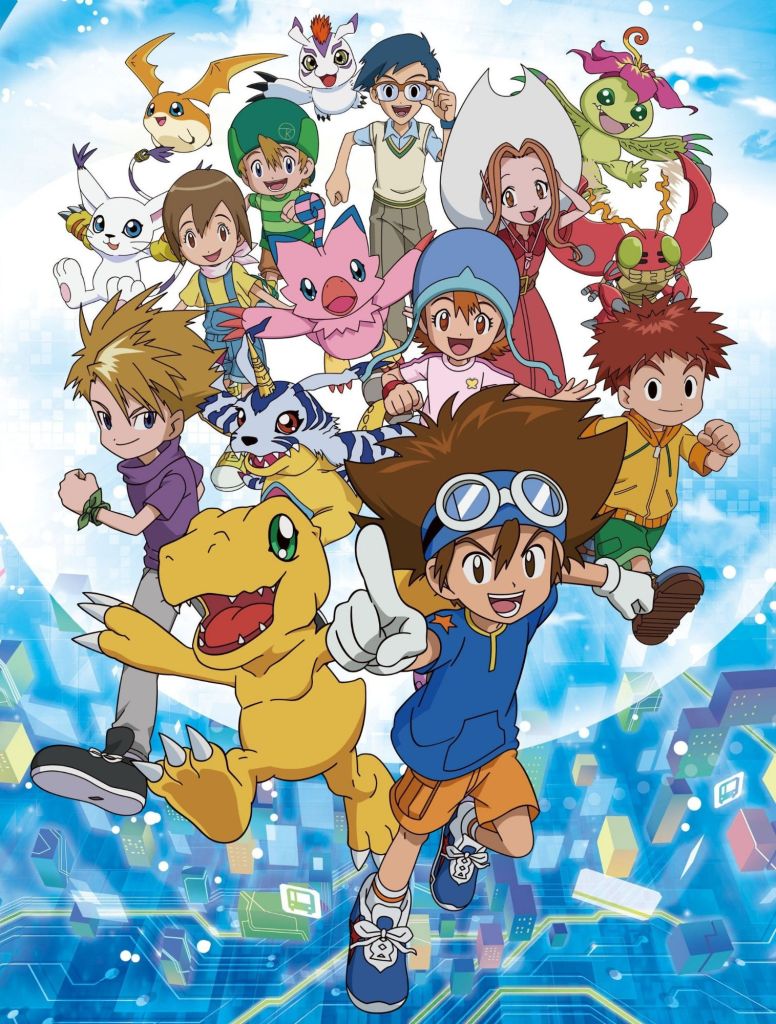
Digimon Tamers (1998), developed by Tose for the Sega Saturn, was the first video game based on these virtual pets, but the PlayStation role-playing game Digimon World (1999) really popularized the franchise, and Bandai couldn’t help but see similarities to Pokémon and specifically try to compete with Nintendo on the monster-training RPG market. Fortunately the series has been going strong ever since Digimon World was introduced (it is more popular than ever today), which has led to several manga and anime adaptations. Many people, including myself, first became familiar with this franchise through the anime series, beginning with Toei’s Digimon Adventure (1999-2000) which first aired on Fuji Television in Japan and gained many fans in the U.S. through its airings on Fox Kids.
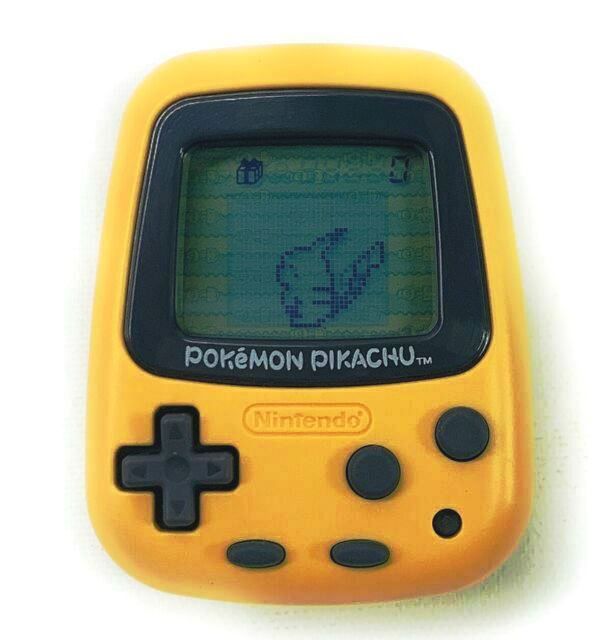
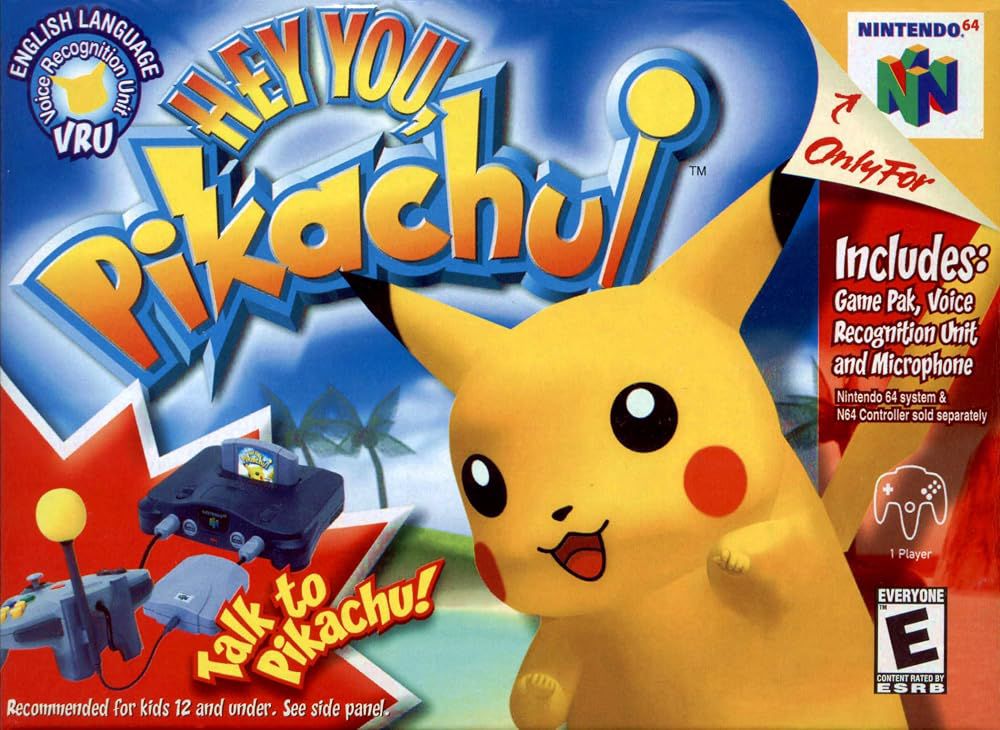
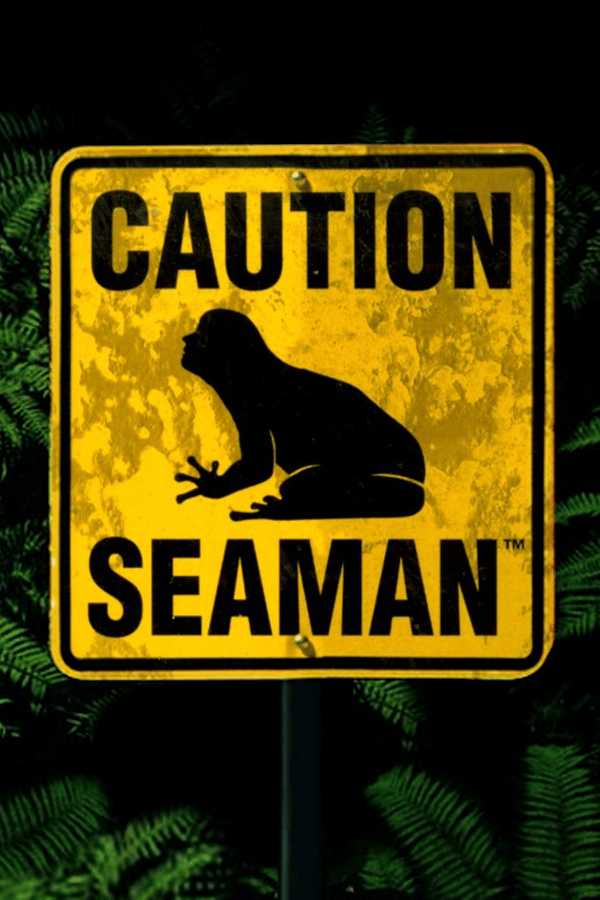
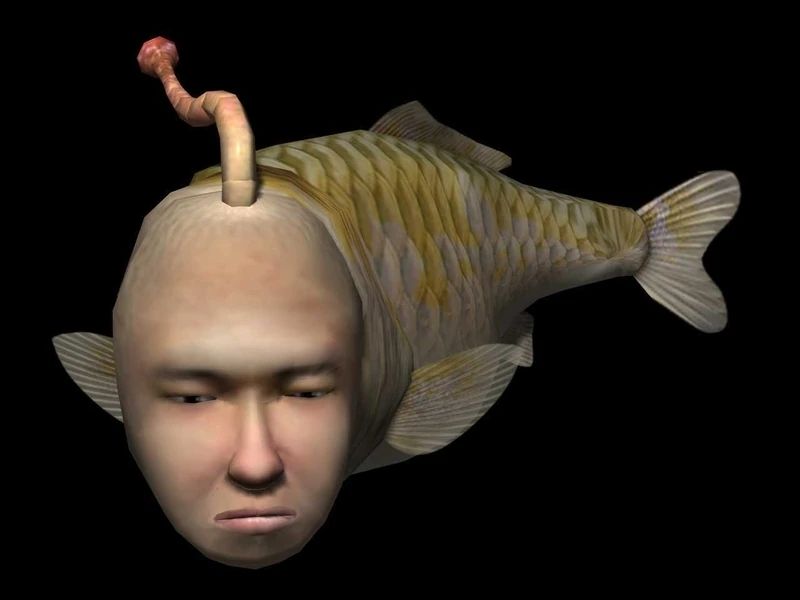
Nintendo would also capitalize on the virtual pet craze with the introduction of Pokémon Pikachu (aka Pocket Pikachu) in 1998, and in an even more ambitious way that same year on the Nintendo 64 with Hey You, Pikachu! (1998), which was developed by Ambrella and allowed you to speak to Pikachu via voice recognition through a microphone accessory that connected to your N64, although that game was mostly lackluster despite the amazing technology involved. Another 3D microphone-based virtual pet game that was executed a lot better was Vivarium’s Seaman (1999) designed by Yoot Saito for the Dreamcast. That game allowed you to converse with a strange talking sea creature in a similar way with Pikachu, only it felt more innovative and a lot more bizarre.
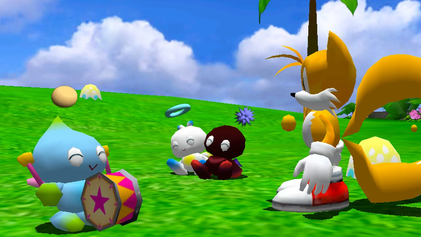
The virtual pet fad was so hot in the late nineties that even before Seaman came out on the Dreamcast, Sonic Team had introduced the Chao Garden in Sonic Adventure (1998) on the same console, and while Sonic the Hedgehog was seemingly the last guy you would expect to find raising a creature like a Chao, this was a well-received feature in both Sonic Adventure and its sequel Sonic Adventure 2 (inspired in part by the way you looked after the Nightopians in Sonic Team’s 1996 Sega Saturn game Nights into Dreams). Sonic Adventure is an example of an adventure game that included virtual pet-like elements on the side (developers had to hop on this trend somehow!)
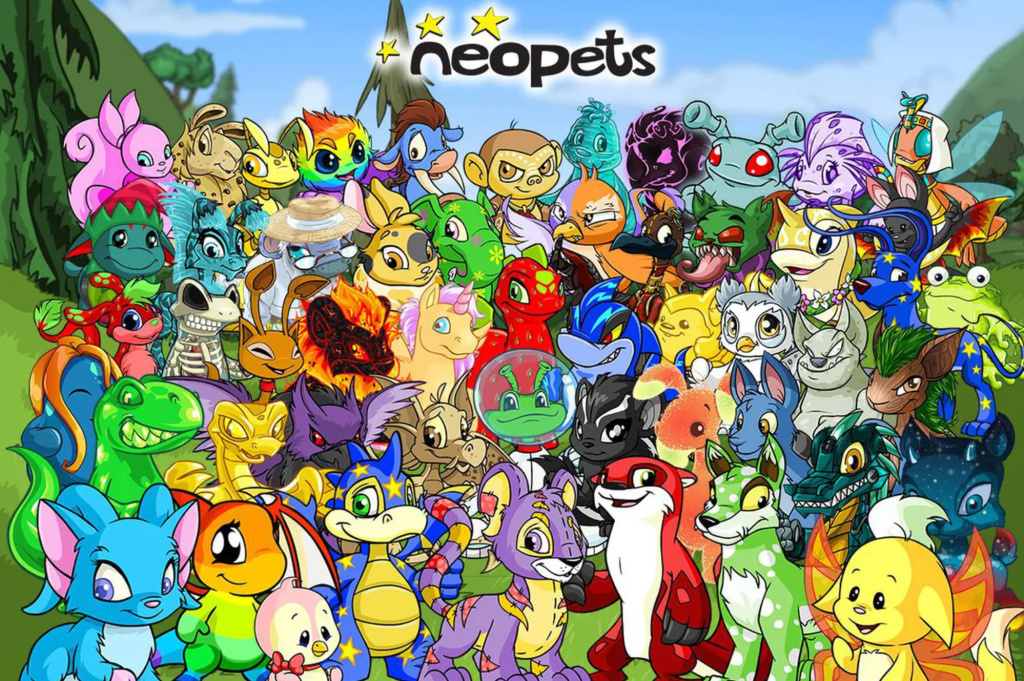
Browser-based virtual pet sites continued to be popular even after the pocket-sized pet bubble driven by Bandai and Tiger Electronics popped. Including Neopets, which was first introduced in 1999 by British programmer Adam Powell and artist Donna Williams (who later changed her name to Donna Powell after the two got married). Neopets were colorful fantastical creatures you could adopt, feed, care for, dress, accessorize and customize all while exploring their homeworld Neopia, a planet featuring a variety of lands with different themes and over a hundred games to play. Neopets could also interact with each other and fight each other in battle, which made them feel kind of like a cross between Tamagotchi and Pokémon, although they cannot die like Tamagotchi nor gain levels like Pokémon. Many kids fell in love with the Neopets (the franchise has become a ripe source of Gen Z nostalgia in recent years) and the addictive nature of these games led to such a high degree of popularity in the 2000s that Viacom would eventually come circling the brand and acquire it that decade (and promote it through Nickelodeon), although Jumpstart Games would eventually gain control of the series in 2014 and by 2023 Neopets would go independent. The age of the fan base has grown but the popularity of the series still remains.
Nintendo had attempted to create their own original virtual pet game during the Tamagotchi craze called Cabbage, which Earthbound creator Shigesato Itoi was co-developing with Mario creator Shigeru Miyamoto and Pokémon producer Tsunekazu Ishihara. The 3D breeding game was going to be released for the disk drive-based 64DD and it was going to have Game Boy compatibility similar to how Pokémon Stadium implemented the Transfer Pak, but it never got past the planning stages. Possibly due to the 64DD’s lack of popularity. However inspiration struck Miyamoto after his family adopted a dog and he saw the innovative opportunities that would emerge from taking care of one in a video game. Miyamoto conceived the dog-themed virtual pet game as a possible GameCube entry and a tech demo was shown on the console, but Luigi’s Mansion director Hideki Konno envisioned it as a handheld game for the upcoming Nintendo DS instead.
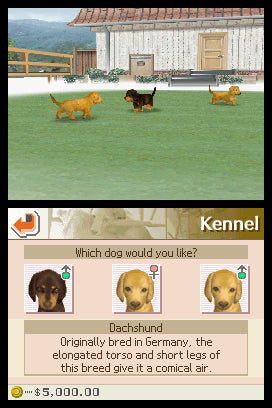
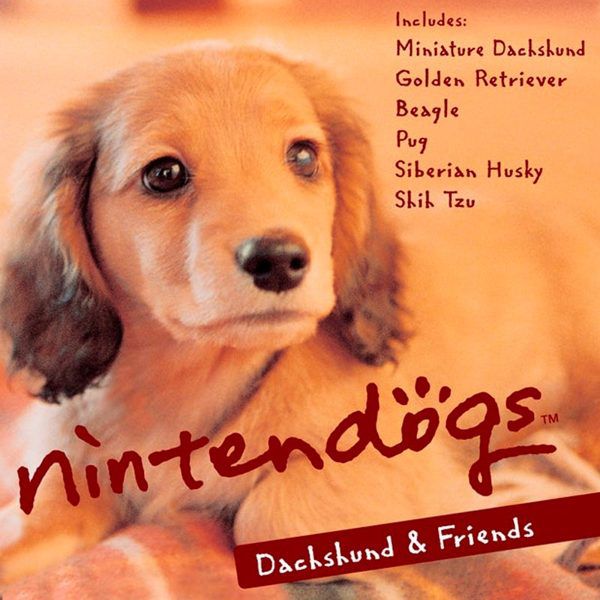
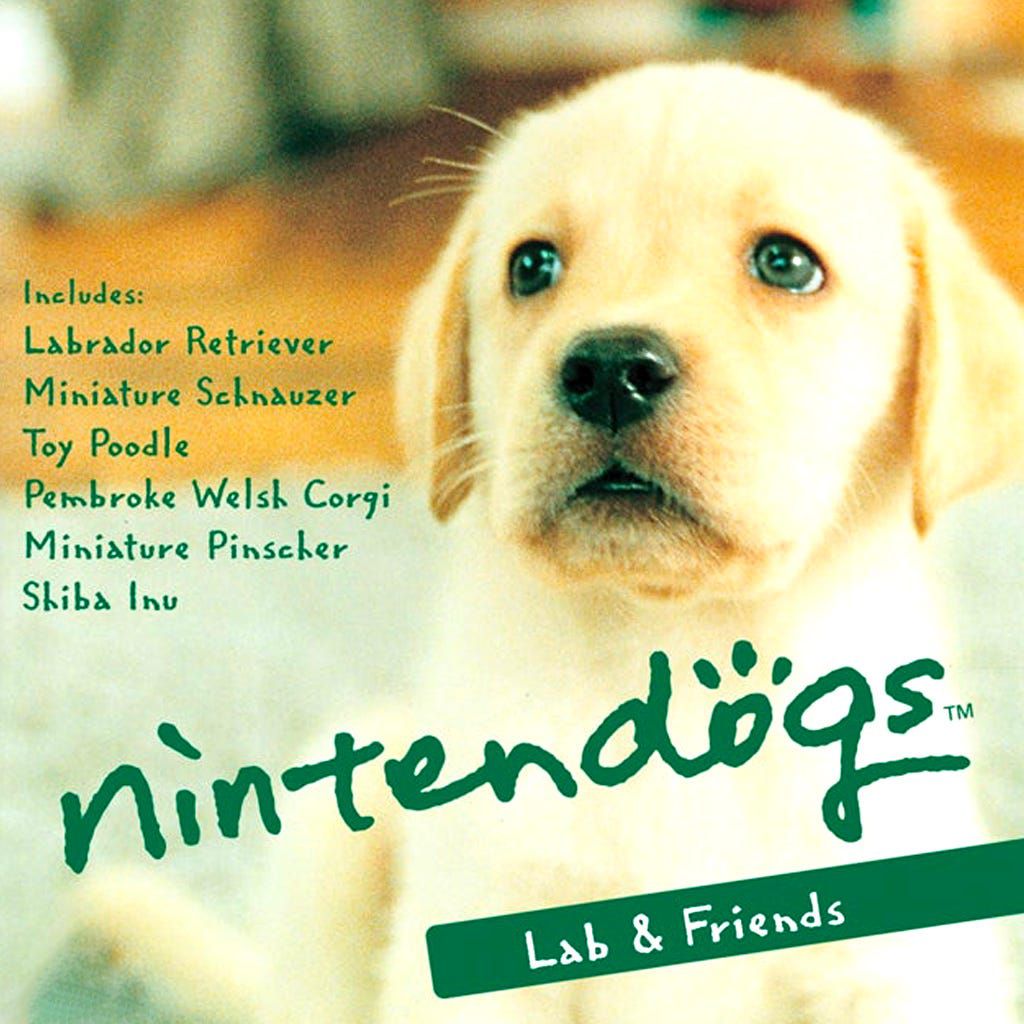
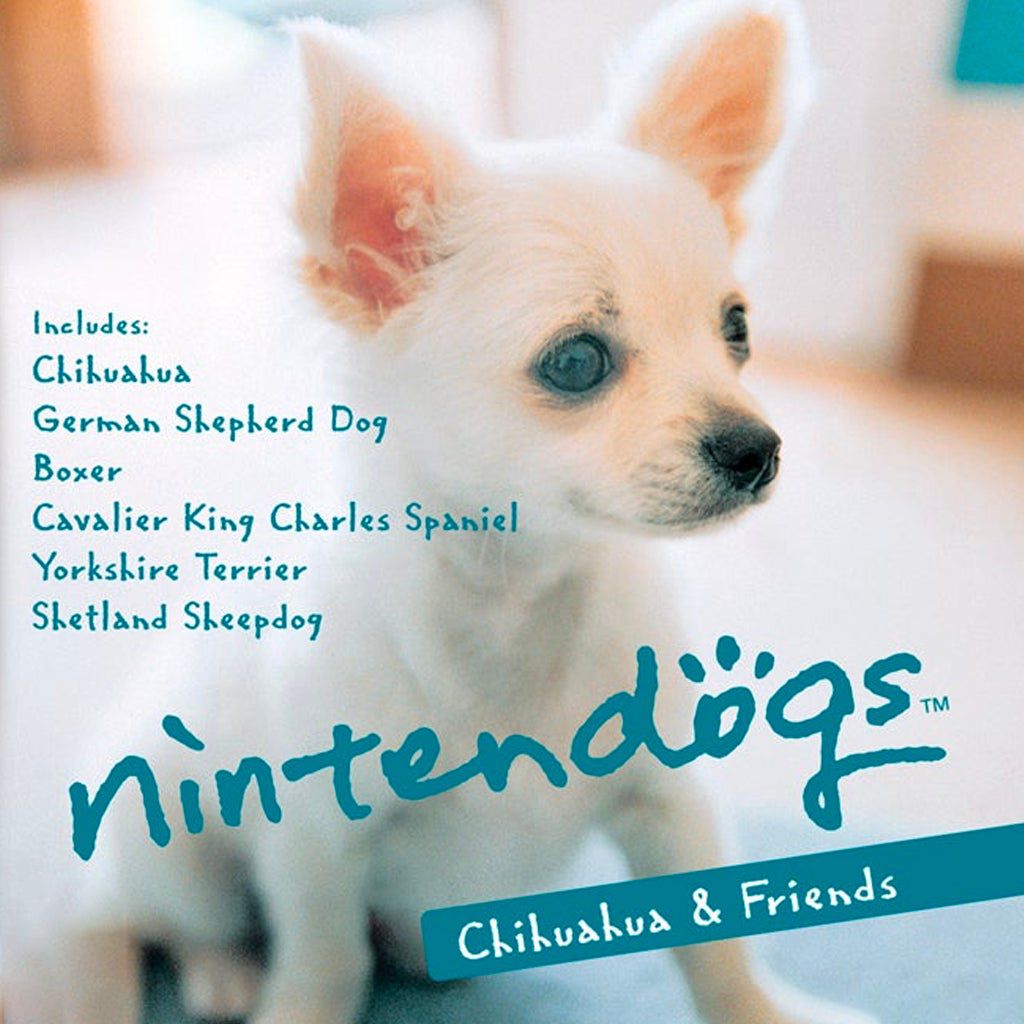
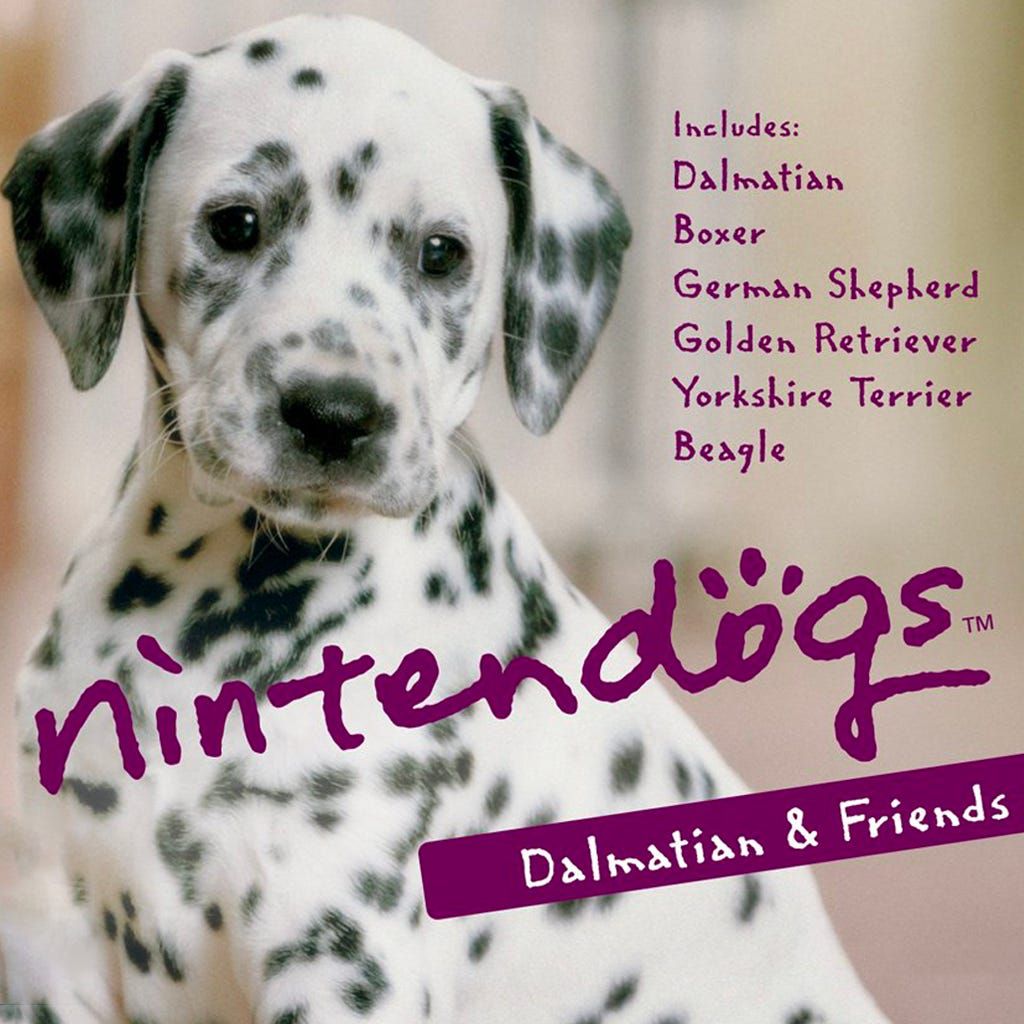
In 2005, a year after the DS was released, Nintendo would take handheld virtual pet games in a new direction when they introduced photorealistic puppies to the system via Nintendogs. In this game you could use the DS stylus on your touch screen to groom and pet your dog, and you could call them using the built-in DS microphone, which would allow you to get their attention as well as teach them tricks. You could also walk your dog, play games with your dog, and earn money by entering your dog into competitions, which allowed you to purchase things for your dog as well as adopt other dogs. The dogs in these games stayed puppies forever and could not die, although their condition could still worsen due to hunger, thirst and lack of hygiene.
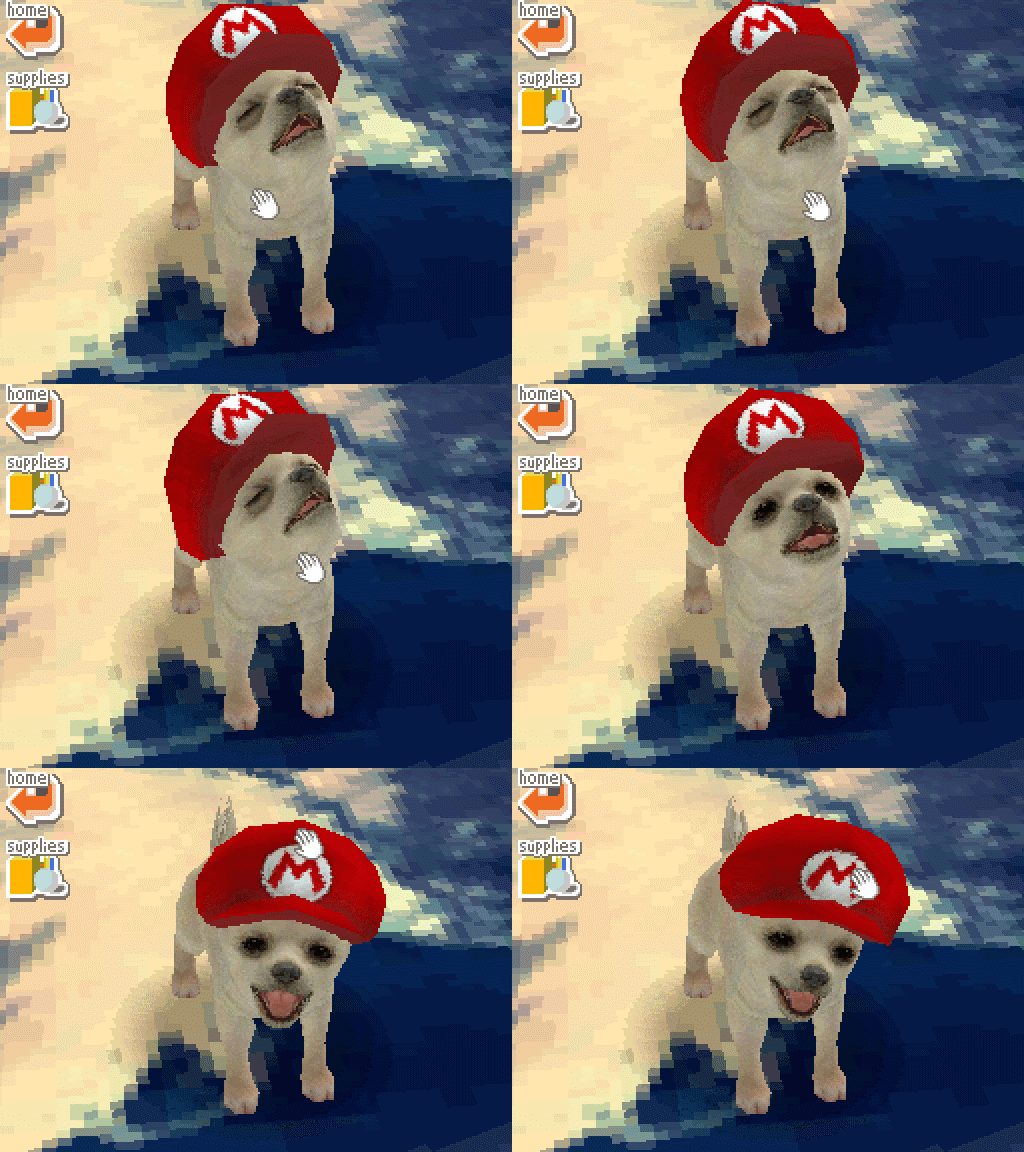
Different versions of the game featuring a different selection of dog breeds (three versions initially, including Dachshund & Friends, Lab & Friends and Chihuahua & Friends, followed later by a fourth version called Dalmatian & Friends) were released in 2005. The games were well-received by critics and became some of the best-selling DS games of all time, with their popularity eventually leading to a 3DS sequel called Nintendogs + Cats (2011).
There are many other virtual pet games I didn’t mention, plus all kinds of raising simulators that go beyond the concept of taking care of a housepet, such as horse breeding games, monster training games, and games that went even further by requiring you to raise children like Princess Maker (1991), take care of adult humans in social sims like Activision’s Little Computer People (1985), take care of an entire metropolis in Will Wright’s SimCity (1989) and supervise an entire evolutionary life cycle in god games like Spore (2008). Meanwhile there are also virtual pets that exist outside the screen and in the real world in the form of entertainment robots like Tekno the Robotic Puppy, Furby and the line of plush robotic hamsters known as ZhuZhu Pets. As someone who grew up raising virtual pets, I understand the appeal and the addiction, but I would never play that type of game again. Raising things that demand food, care and attention was a nice challenge but nowadays even raising a virtual pet would be exhausting, never mind a real-life animal. I don’t know how all you pet owners do it.