By far one of the most interesting actors working today is Nicolas Cage. I first became aware of his existence in the 2000s when I saw him lead a number of high-profile action blockbusters like National Treasure and Ghost Rider, and I almost made the mistake of dismissing him because of his over-the-top acting and tendency towards lowbrow entertainment. But the more I saw this guy on screen and learned about him, the more I realized how talented he is, how smart he is and also how much of a low-key weirdo he is. All of which helped convert me into a huge Nicolas Cage fan.
When his career first began taking off in the eighties, it was easy to assume what kind of actor he was trying to be (or what kind of actor Hollywood was trying to shape him into being) based on his roles, but it barely painted a complete picture of who the man is. Nicolas Coppola was born in Long Beach, California in 1964, and as a Coppola, he had a lot of famous family members. He is the grandson of composer Carmine Coppola, he is the nephew of director Francis Ford Coppola as well as actress Talia Shire, and he is of course the cousin of director Sofia Coppola and American Zoetrope president Roman Coppola (his brother Christopher Coppola also became a director). Nic himself was an aspiring actor from a young age, first becoming enamored with the profession after seeing James Dean in Rebel Without a Cause and East of Eden and wanting to emulate him.
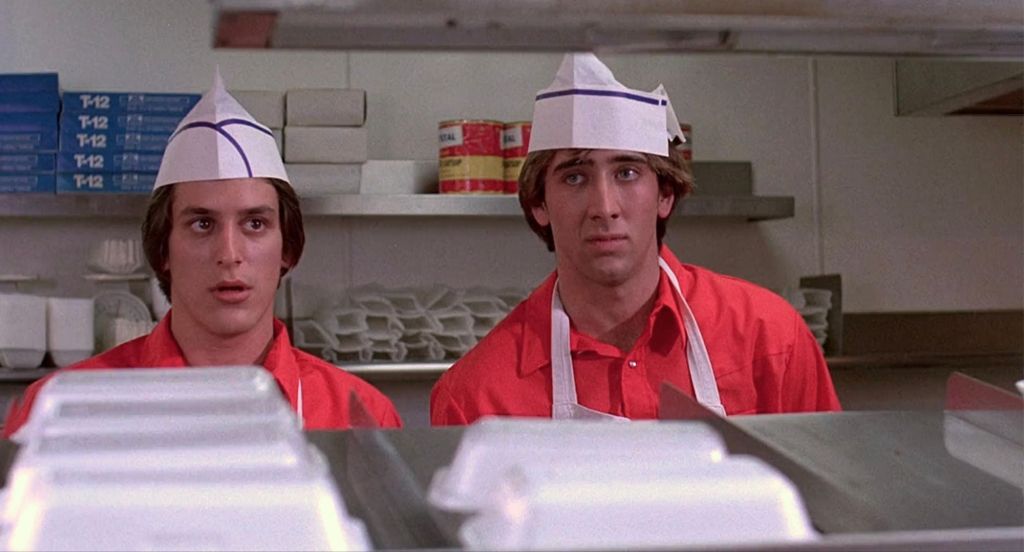
He studied at the UCLA School of Theater, Film and Television and when he was a teenager he tried to convince his uncle Francis Ford Coppola to give him a screen test to prove himself. A couple of years after that conversation he did get his chance when he made his acting debut on a 1981 television pilot (which was not picked up), but a year after that he made his film debut landing a minor role in the classic 1982 comedy Fast Times at Ridgemont High (although he initially auditioned for Judge Reinhold’s part). When his fellow cast members constantly expressed their love for Francis Ford Coppola’s work after they learned Francis was his uncle, it inspired Nicolas Coppola to change his name to Nicolas Cage, which also helped quell the accusations of nepotism.
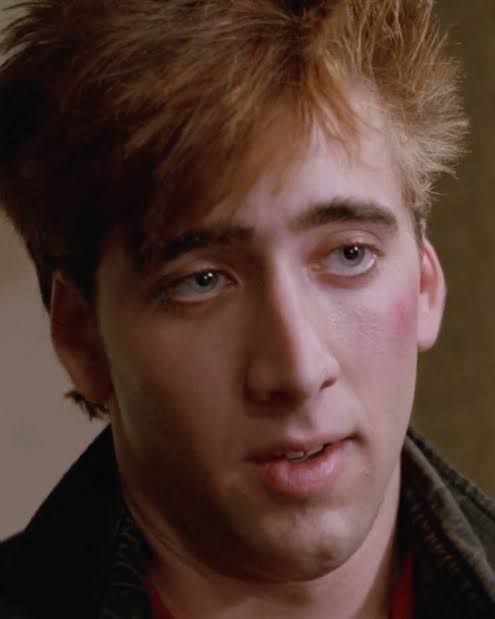
A year after Fast Times, Cage landed his first starring role opposite Deborah Foreman in the romantic comedy Valley Girl (1983), which was loosely based on William Shakespeare’s Romeo and Juliet and was a success with critics and audiences. Although Cage didn’t have a ton of other box office successes in the early to mid-’80s, despite the fact that he was continuing to deliver solid performances and receiving good reviews, including in Francis Ford Coppola’s The Cotton Club (1984) and in Alan Parker’s Birdy (1984). But commercial success soon came in the second half of the decade with Francis Ford Coppola’s Peggy Sue Got Married (1986), the Coen Brothers’ Raising Arizona (1987) and especially Norman Jewison’s romantic comedy Moonstruck (1987) which stars Cher as an Italian American widow who falls in love with her fiancé’s short-tempered brother played by Cage, who received a Golden Globe nomination for his performance in that movie. The film itself went on to be nominated at the Academy Awards for Best Picture and Best Original Screenplay, although Roger Ebert praised Cage’s performance as Oscar-worthy.
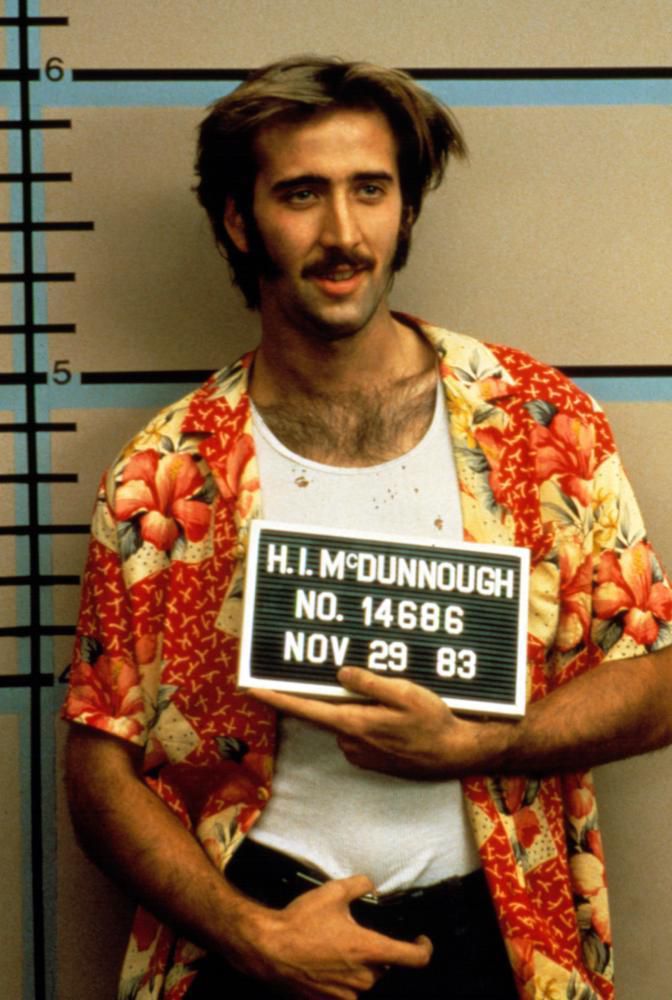

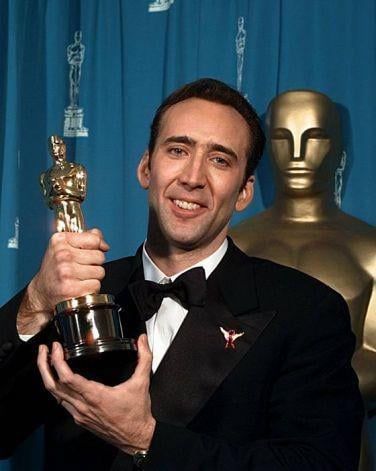
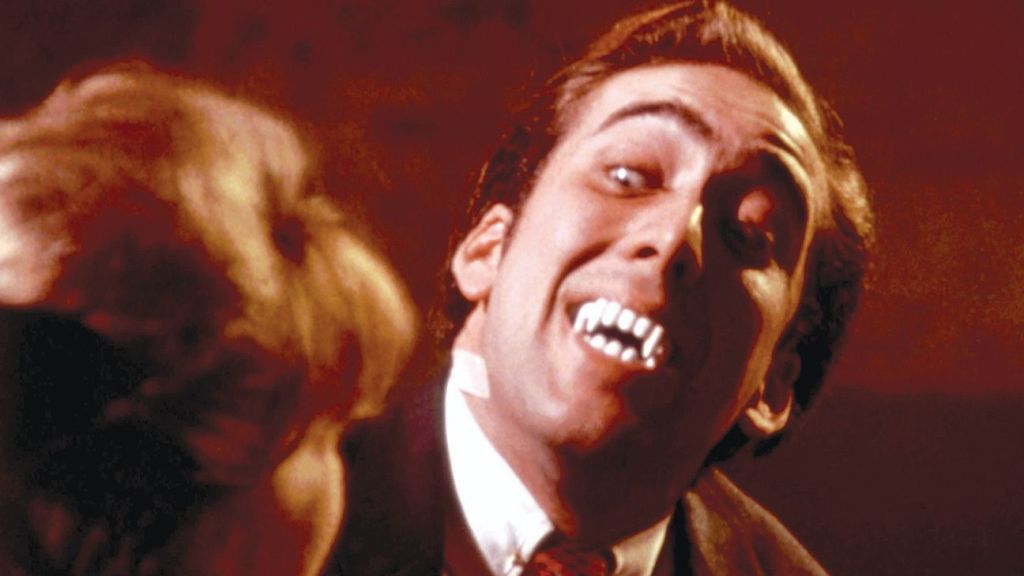
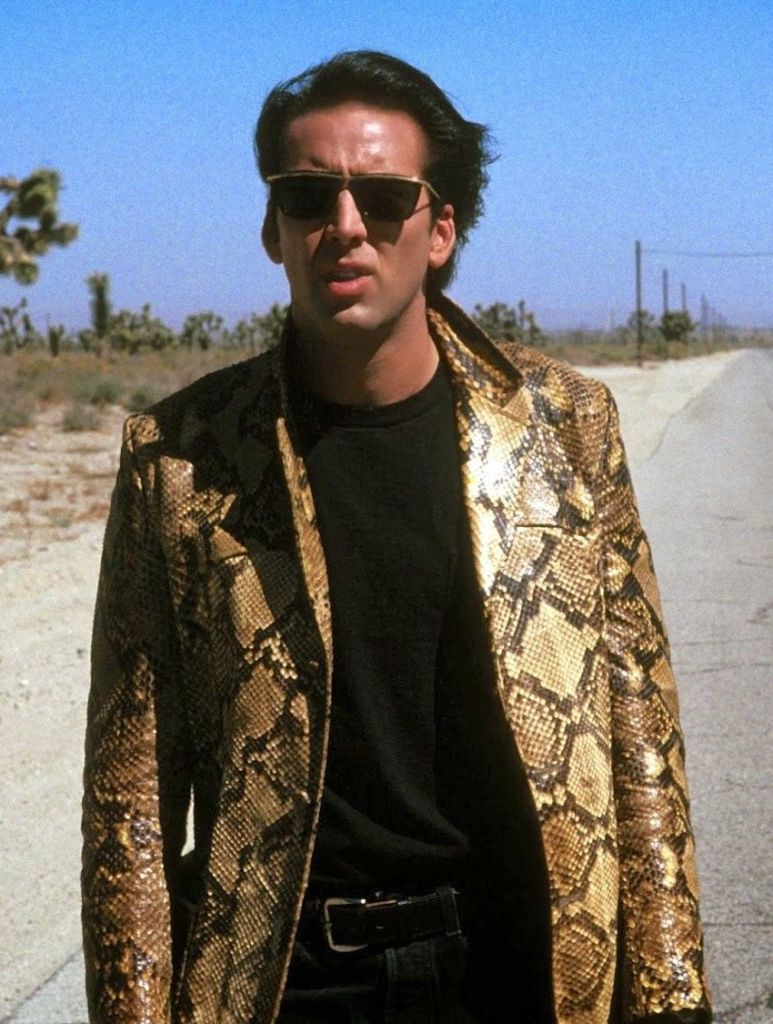
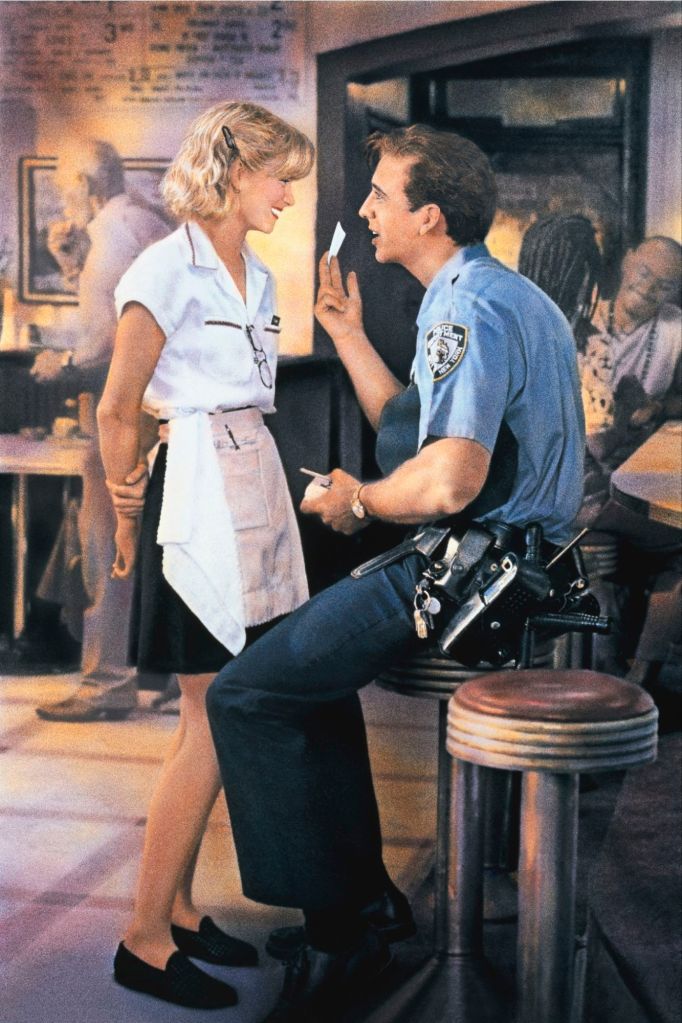
This is when his acting career started becoming unpredictable. Only two years after Moonstruck turned Nicolas Cage into a star, he made a huge left turn giving a very over-the-top performance in Vampire’s Kiss (1989), which flopped initially but has since become a cult hit, especially because of Cage’s performance. He followed that up by playing an Elvis-style character in David Lynch’s Wild at Heart (1990) which received mixed reviews, and playing a goofy professional gambler in the romantic comedy Honeymoon in Vegas (1992) which received positive reviews. Cage had a mixed career in general throughout the nineties but the highlights include the 1994 romcom It Could Happen to You with Bridget Fonda, a strong performance as a psychopathic criminal in Kiss of Death (1995) and the drama Leaving Las Vegas (1995), which earned Cage the most acclaim of his career up to that point. Cage’s role in that film as a suicidal alcoholic won him the Oscar for Best Actor.
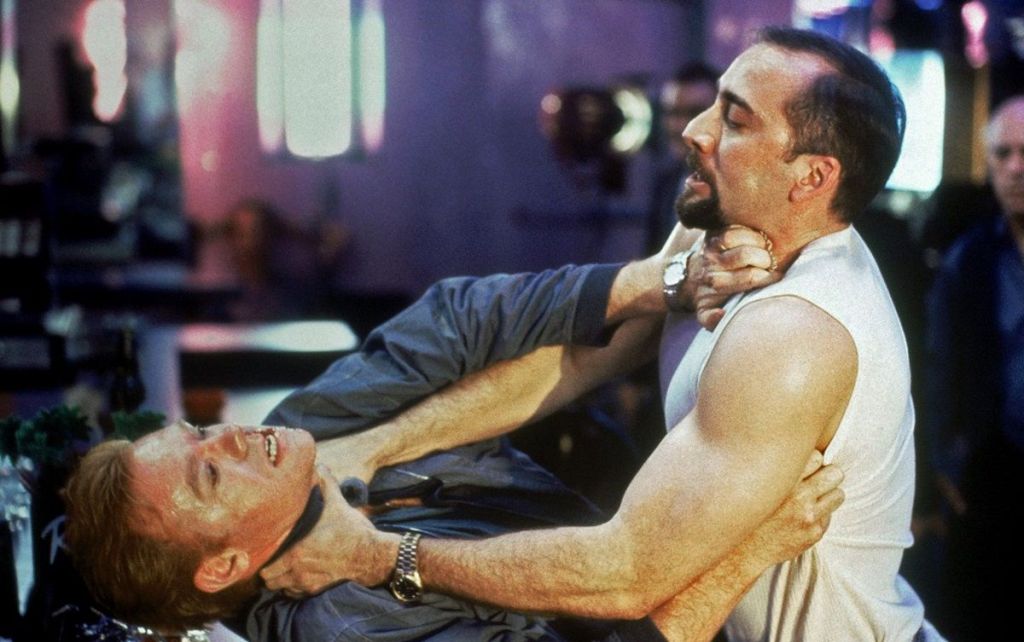

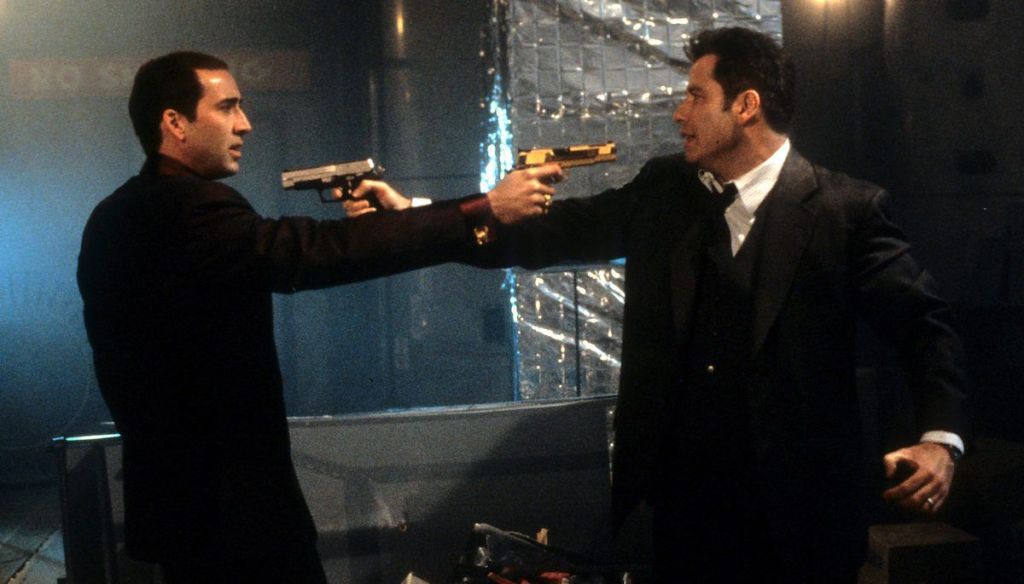
In 1996 he took another hard left turn into the action genre, starring in Michael Bay’s The Rock opposite Sean Connery and Ed Harris. The success of that film paved the way for a streak of action films that included the Jerry Bruckheimer production Con Air (1997) and John Woo’s Face/Off (1997), with Cage and John Travolta both receiving praise for playing an FBI agent and a terrorist who both undergo face surgery to impersonate each other.
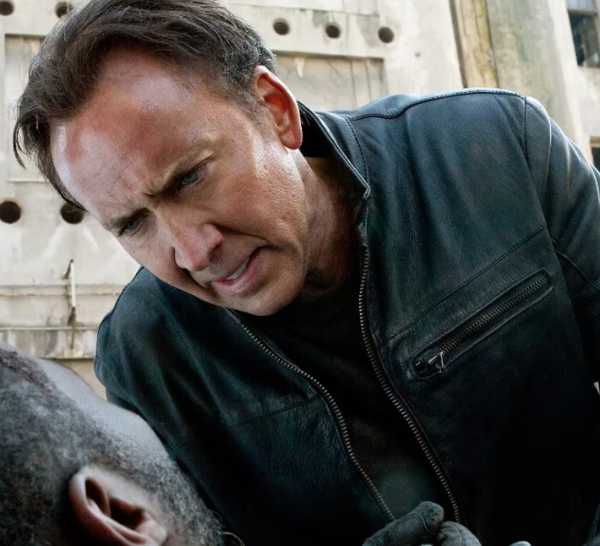
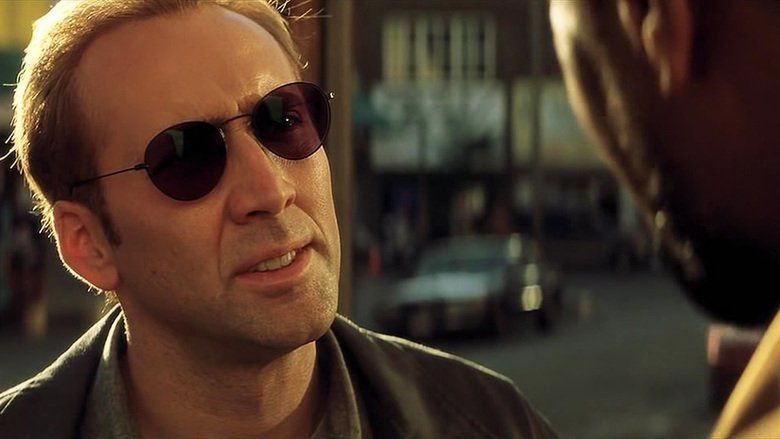
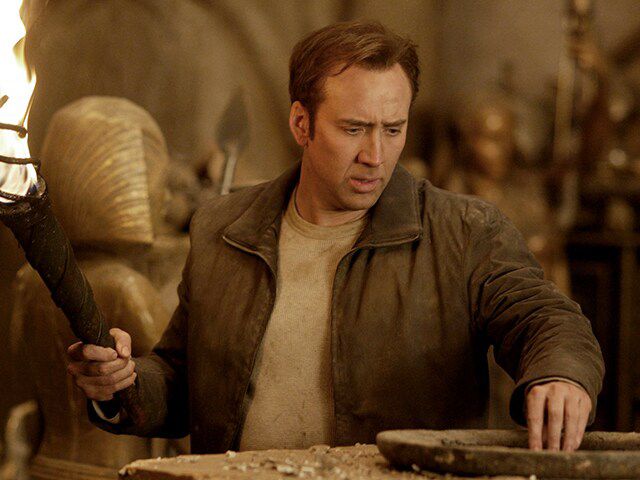
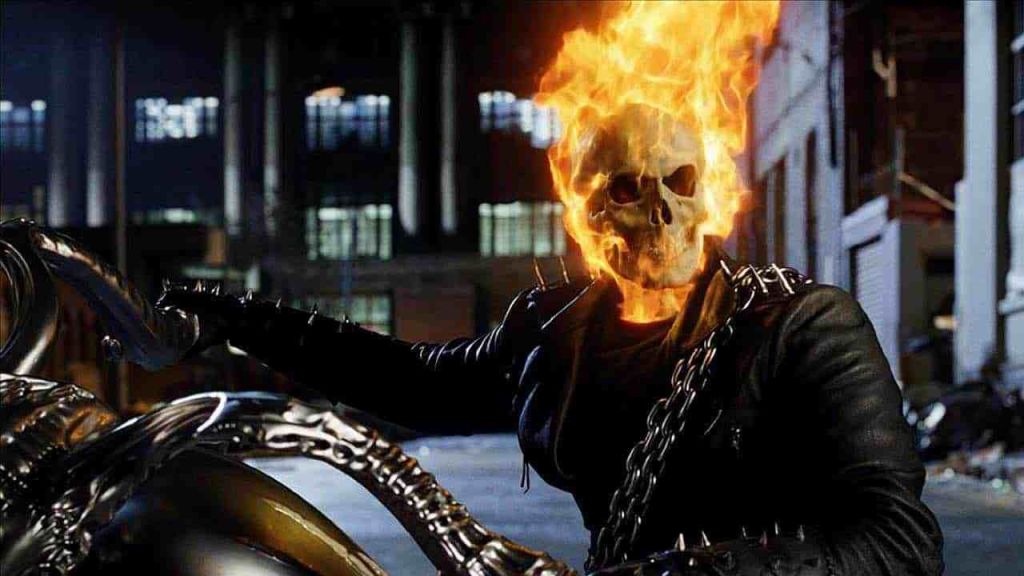
Cage continued to ride his action movie success in 2000 with Gone in Sixty Seconds, which was panned by critics but still achieved solid box office numbers. And Cage’s action films and thrillers eventually became wider in scale when he starred as a treasure hunter in Disney’s adventure heist film National Treasure (2004) and its sequel National Treasure: Book of Secrets (2007) as well as Oliver Stone’s disaster drama World Trade Center (2006), the Marvel superhero film Ghost Rider (2007) and its sequel Ghost Rider: Spirit of Vengeance (2012), the sci-fi thriller Knowing (2009) and the less mainstream and more offbeat superhero film Kick-Ass (2010). All of which had varying degrees of critical and commercial success.
Even after his action film career took off in the nineties Cage got to work with highly acclaimed directors like Brian De Palma, Martin Scorsese and Ridley Scott, so he was still rightfully being taken seriously as an actor. He even earned a second Oscar nomination playing Charlie Kaufman in the Charlie Kaufman-penned Adaptation (2002), but Cage’s career had still become wildly unpredictable by the 21st century. He seemingly starred in an equal number of artistic successes, artistic failures, box office successes and box office failures, which made his career kind of hard to pin down, although critics were pretty consistent in their praise for his performances. Although at times even the reaction towards Cage from critics was hard to pin down because many of them have accused him of overacting. Cage acknowledges that accusation by arguing that what he’s actually doing is “mega acting.”
Cage calls the kind of acting he does “Nouveau Shamanic,” an imaginative and unrestrained method he invented that allows him to embody characters so fully that he can make impulsive choices during his performance. This way even when a character he plays is outlandishly cartoony, he can take it as seriously as possible. Not the kind of technique that usually wins people Oscars but it has apparently worked for him.
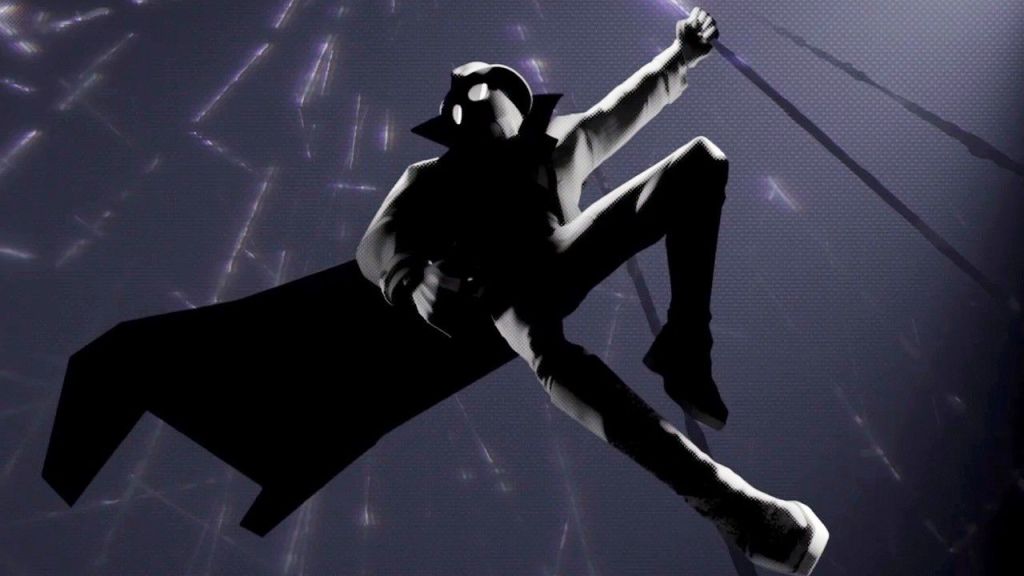
This lack of restraint towards acting has seemingly extended to his lack of restraint about which projects to choose. Before the nineties ended Cage had been a romantic lead, an action star and even a vampire. But the Wild West of Nic Cage’s career grew even more wild by the 2010s, a period in which Cage began to accept any role he could across a wide variety of genres and styles, doing everything from video on demand films to documentary narration (it helped not to be picky when he had debts to pay off). This would of course broaden his fanbase further, because the result was that Cage could be seen and heard in many different types of films spanning a variety of demographics, including serious dramatic films like Pig (2021), horror films like Longlegs (2024), Westerns like Butcher’s Crossing (2023), crime dramas like Joe (2013) and The Trust (2016), fantasies like The Sorcerer’s Apprentice (2011) and Season of the Witch (2011), animated films like The Croods (2013) and Spider-Man: Into the Spider-verse (2018) and a variety of thrillers from Left Behind (2014) to Dog Eat Dog (2016) to Snowden (2016) to Sympathy for the Devil (2023) to The Surfer (2024), and while many of the films he stars in are well-written, something tells me a bad script won’t deter him.
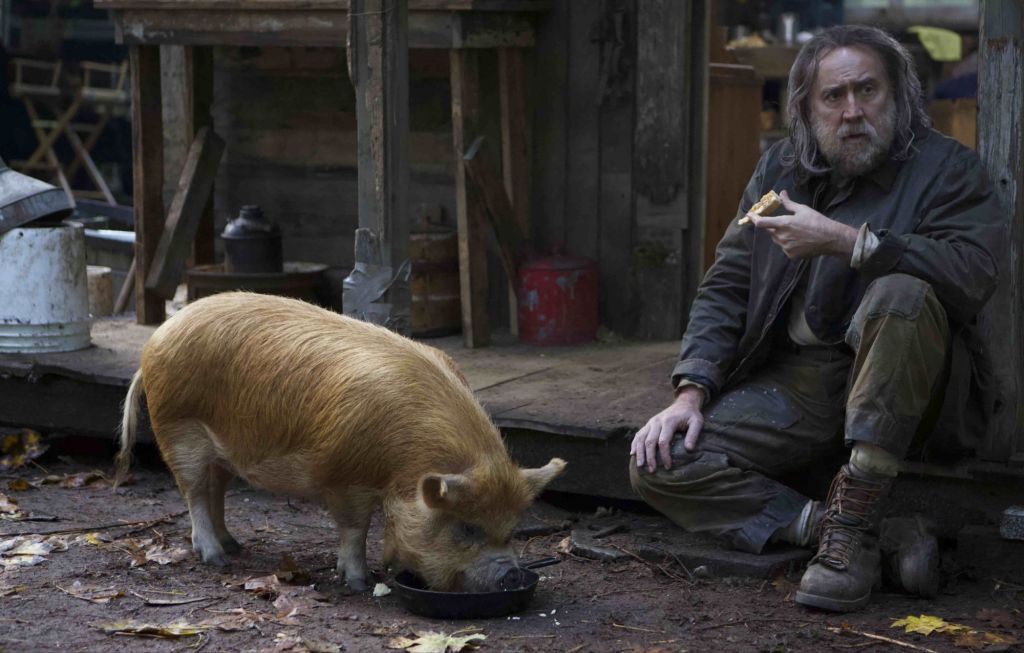

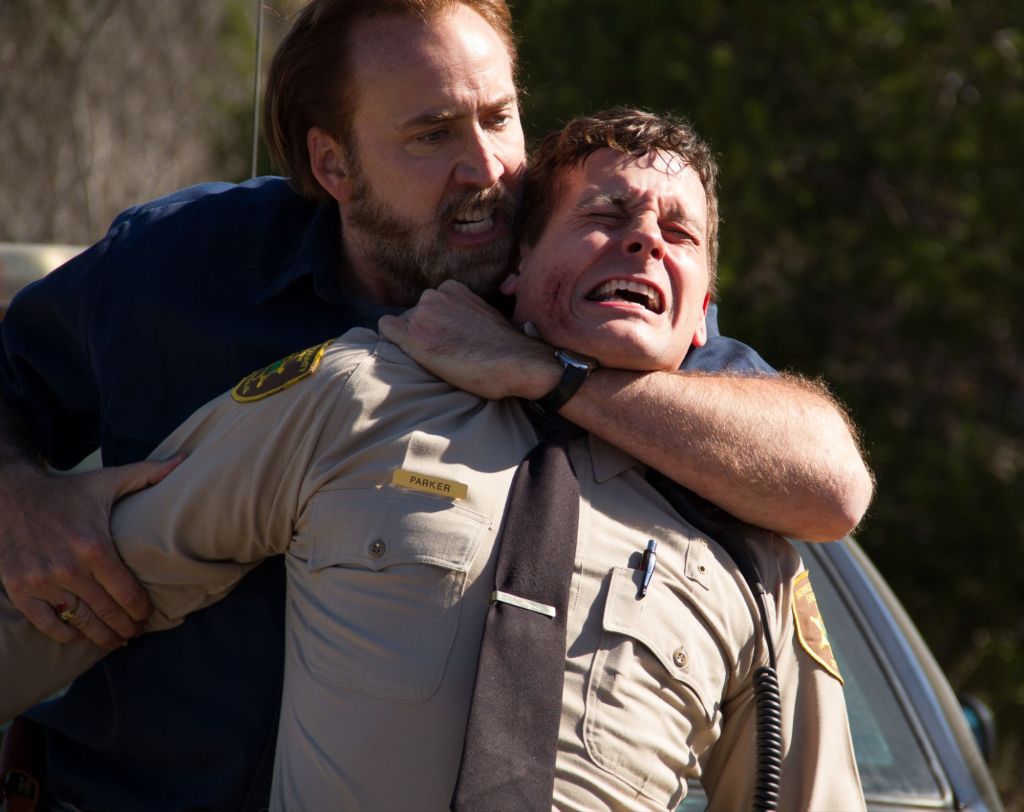
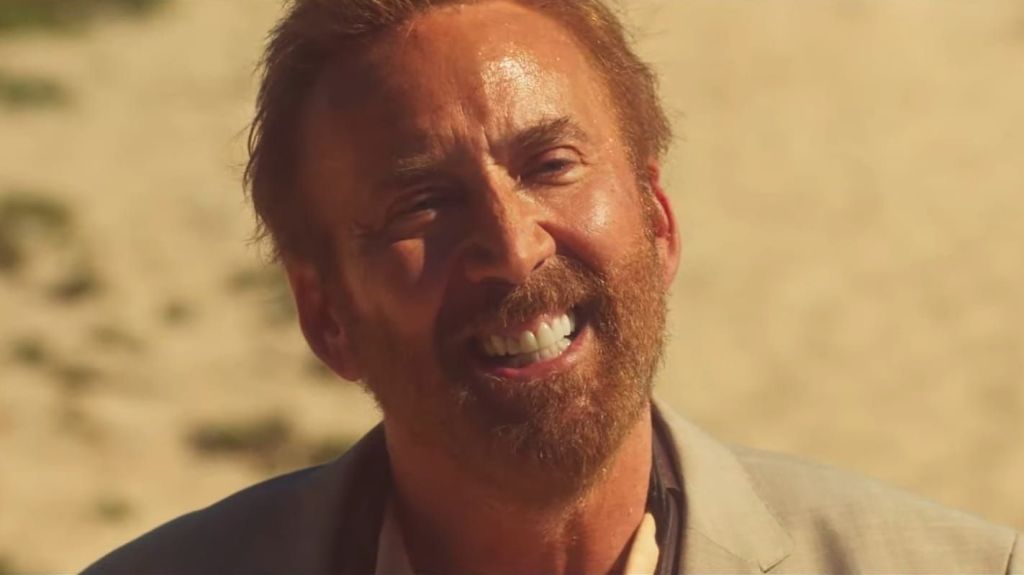
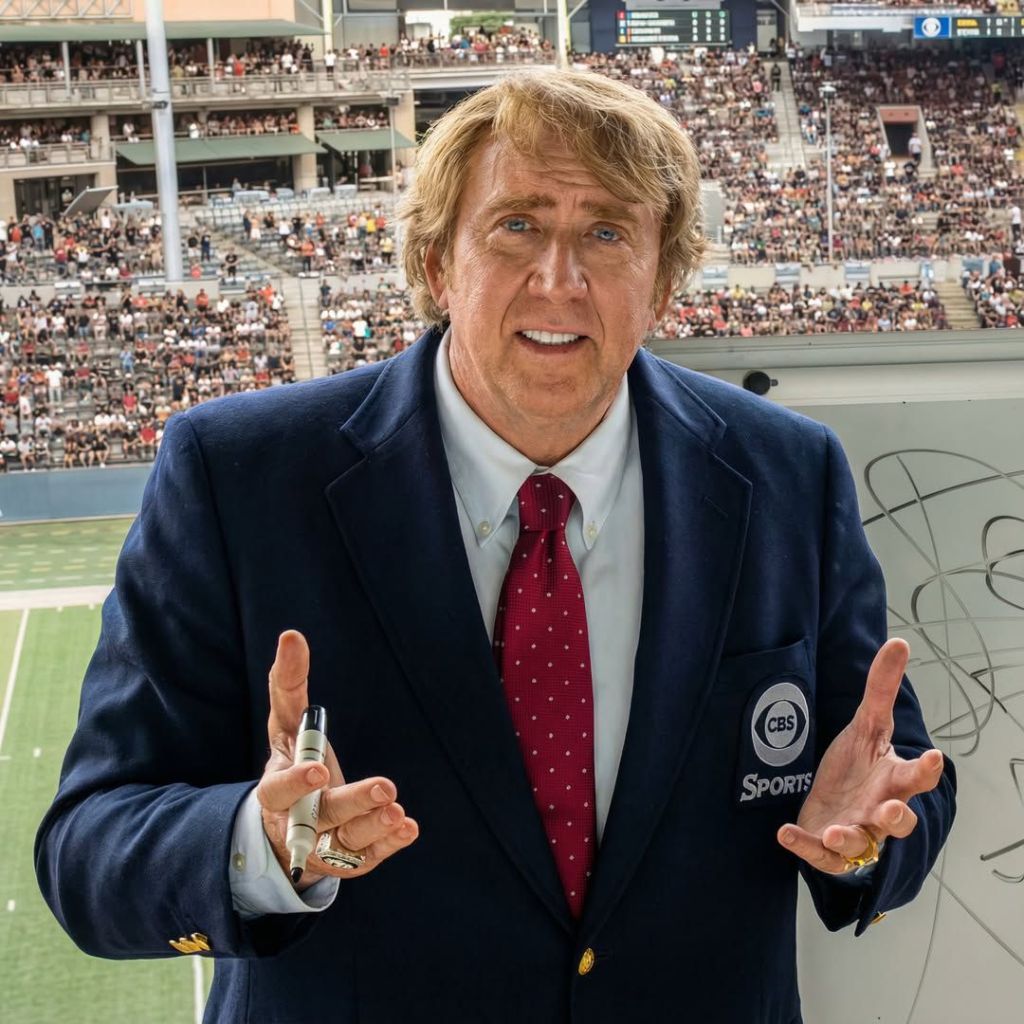
Even the types of genres he explores can get wild and unpredictable. Comedy horror (Willy’s Wonderland, 2021, Renfield, 2023), arthouse acid Western (Prisoners of the Ghostland, 2021), meta comedy (The Unbearable Weight of Massive Talent, 2022), surreal satire (Dream Scenario, 2023), and even a Netflix docuseries about the history of swear words (The History of Swear Words, 2021). He even played John Madden in the biopic Madden (2026), which would not be surprising if any other actor had done it, but for Cage, playing a real-life NFL sportscaster is something that nobody saw coming.
This is exactly why I call him one of the most interesting actors working today. He’s impossible to pigeonhole. He is a walking contradiction who has the personality of someone who takes himself very seriously but also doesn’t seem to be above doing any part offered to him. And unhinged and eccentric performances can be found all throughout Cage’s filmography, often being more interesting than the films themselves. And this Nouveau Shamanic thing he invented is a good example of how he has one of the most untethered minds in Hollywood. He once said that his approach to playing Spider-Noir was to imagine the character as a spider cosplaying as a human being – a human being whose personality was 70% Humphrey Bogart and 30% Bugs Bunny – while he admitted his performance as Ghost Rider was partly inspired by the way his pet cobra moves. Yet for all of Cage’s strange acting choices, he is still a brilliant actor nonetheless. I think his acting career was summed up pretty well when The Guardian said Cage has the presence of a leading man and the eccentricities of a character actor and when David Lynch called Cage the jazz musician of American acting.