Mattel is one of the biggest toy companies in the world, and based on the popularity of their products they are also one of the most influential toy companies in the world, up there with Hasbro and the Lego Group in terms of how far its reach in pop culture is. And it’s clear based on where the company is today that they would like for that reach to go much further than just the back of the toy store. Weirdly, this ambition has kind of made me more interested in this company than I ever had been previously. So I think now’s a good time to dive into Mattel’s history to see what led to this moment.
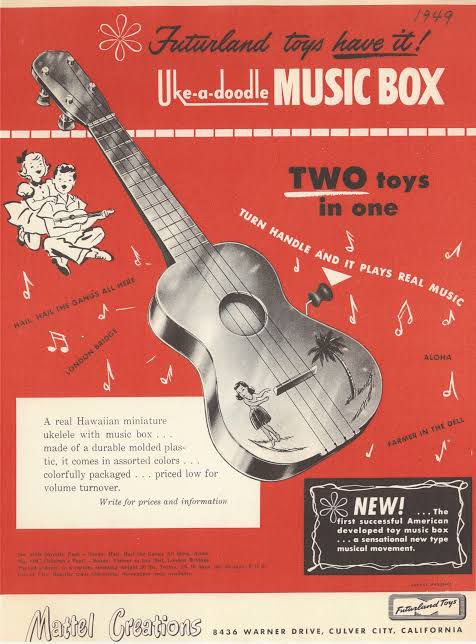
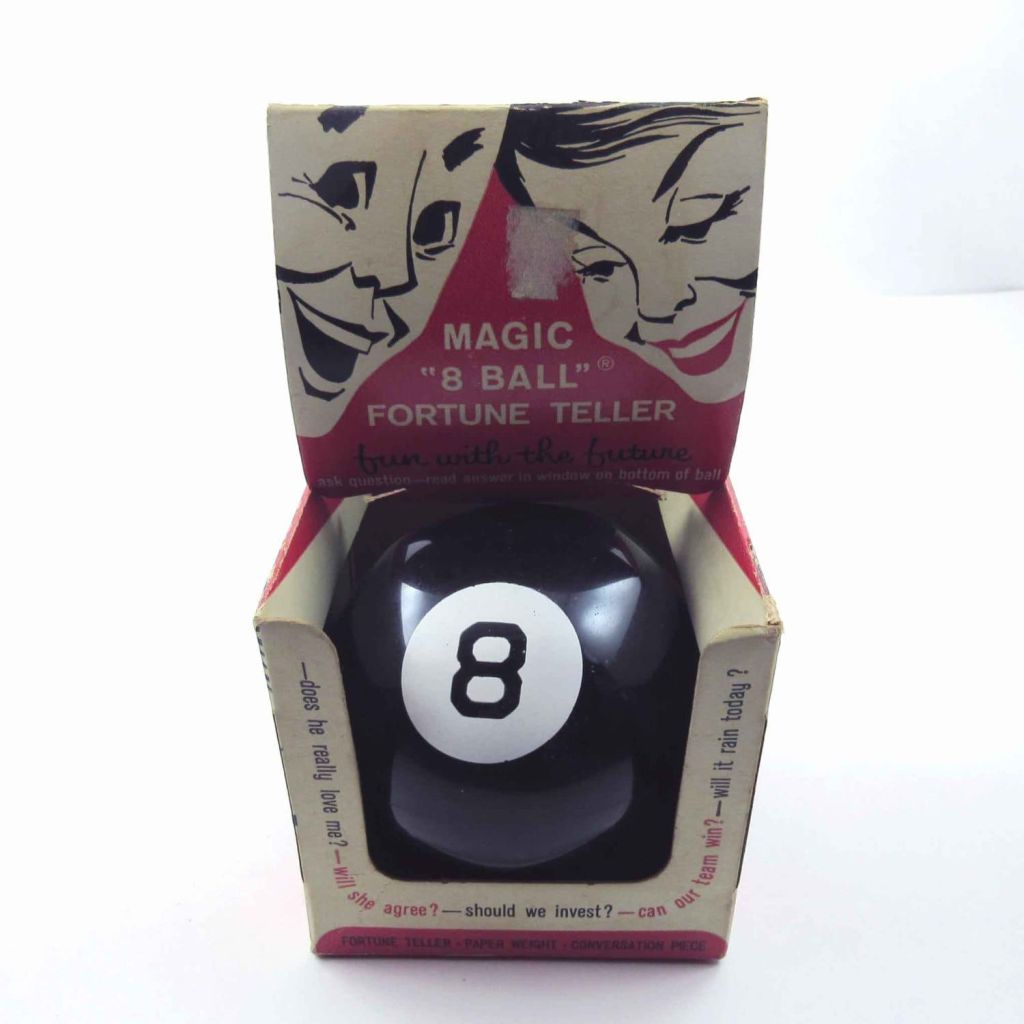
The origin of the company began with Ruth Handler and her husband Elliot Handler. Elliot was an art student turned plastic furniture designer and his wife Ruth is the one who suggested the two start a furniture business with Elliot handling the manufacturing and Ruth handling the sales. Soon business executive Harold “Matt” Matson invested in their operation and together with the Handlers founded the company Mattel in 1945, the name of the company being a portmanteau of “Matson” and “Elliot.” Just like many successful businesses, the Handlers initially operated Mattel out of a garage in California, but during World War II when Americans became too preoccupied with the war to focus on buying furniture, Mattel pivoted its business strategy by making dollhouse furniture for children instead, which turned out to be a big money maker. This led to the creation of other toys, such as the Uke-A-Doodle, a toy ukulele introduced in 1947, and the fortune-telling Magic 8 Ball introduced in 1950. By this time Mattel officially became incorporated and began advertising on television.
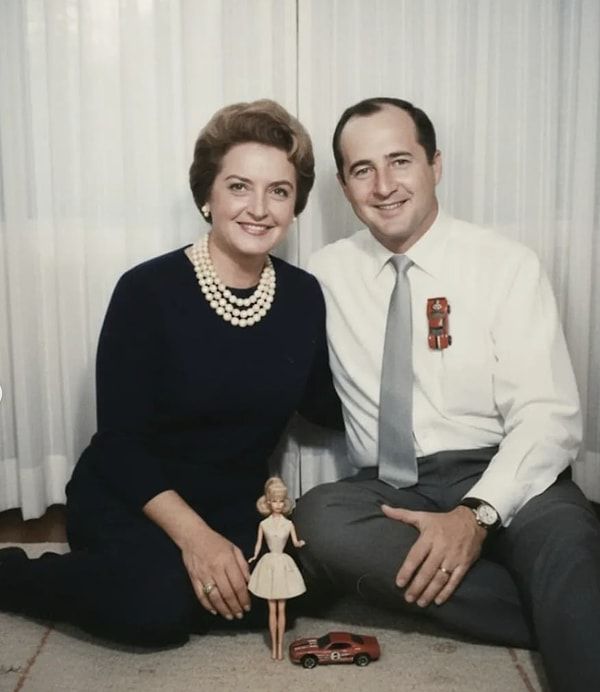
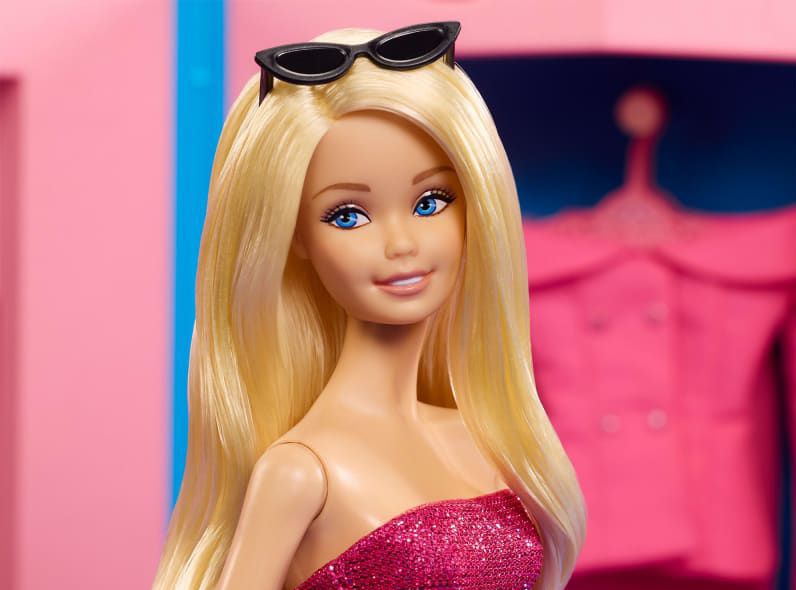
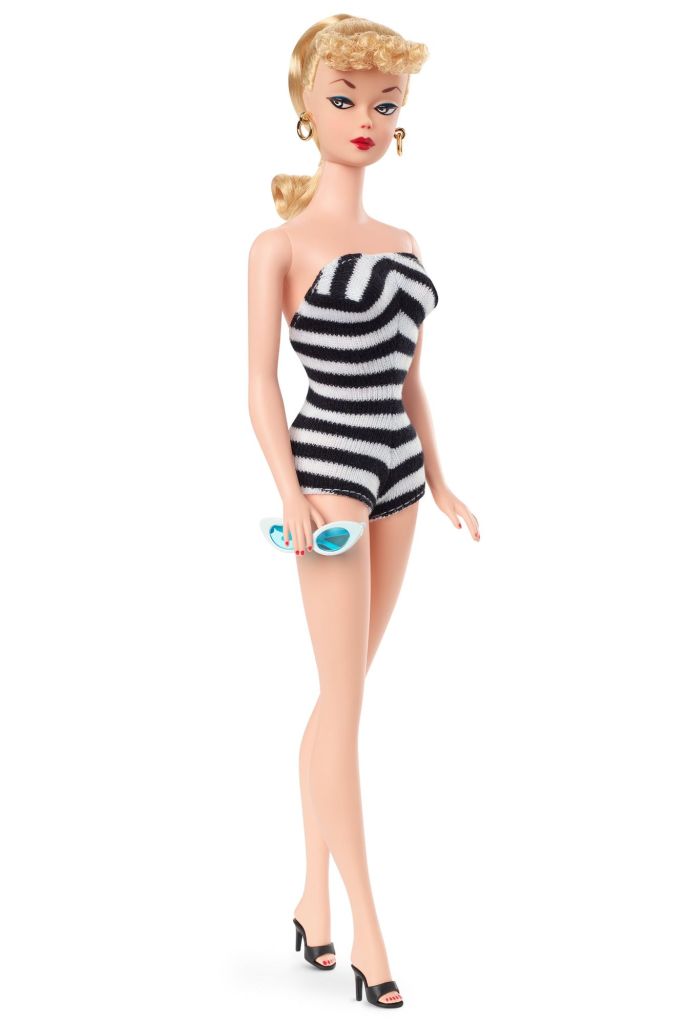
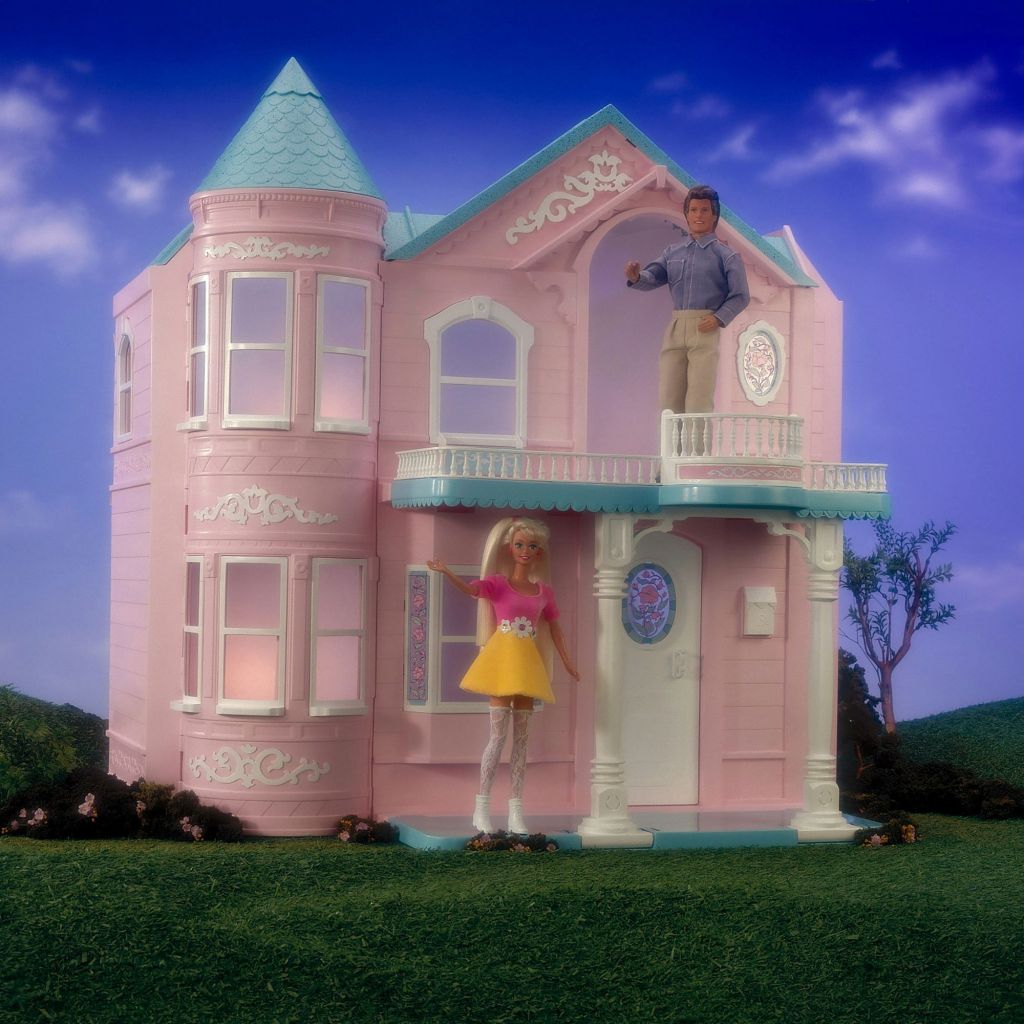
The 1950s was also the decade when Ruth Handler came up with the idea for the first Barbie doll. Conceived when she saw how her daughter (Barbara) played with baby dolls and realized that there was a gap in the market for an adult-bodied woman doll, which Ruth correctly assumed many little girls would much rather play with, dress up and accessorize than a baby doll. When Barbie hit the market in 1959 it became a sales phenomenon and one of the most popular toys ever created, eventually leading to the introduction of the Ken doll two years later and the Barbie Dreamhouse a year after that, as well as endless versions of the doll in various occupations from astronaut to president.
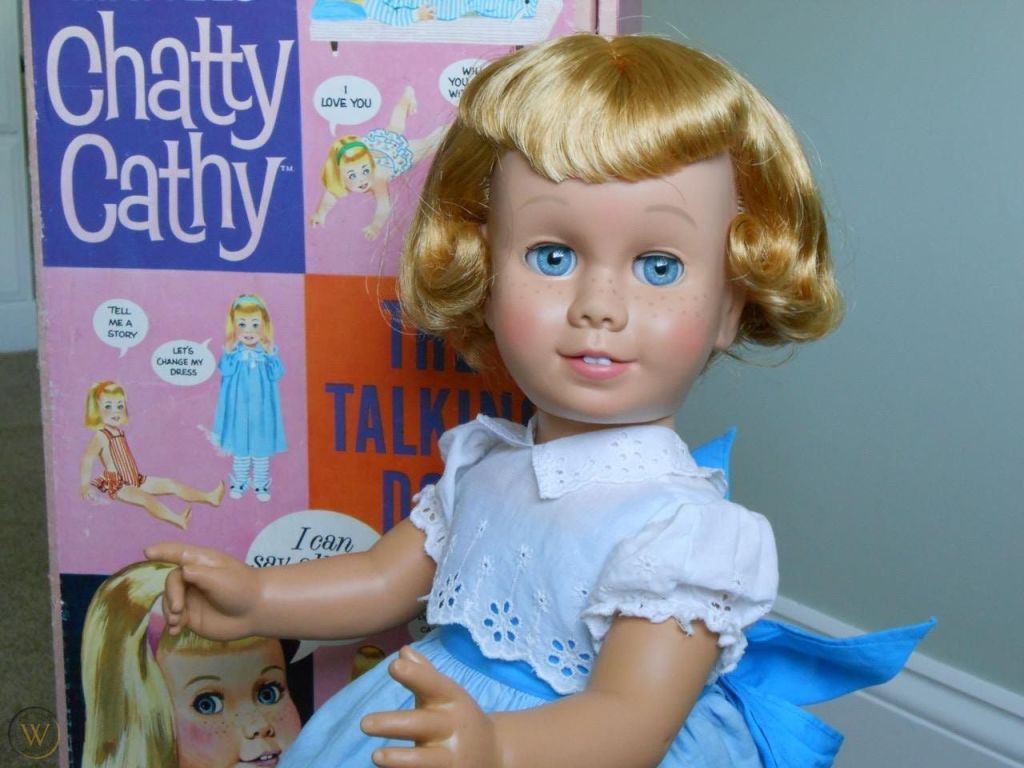
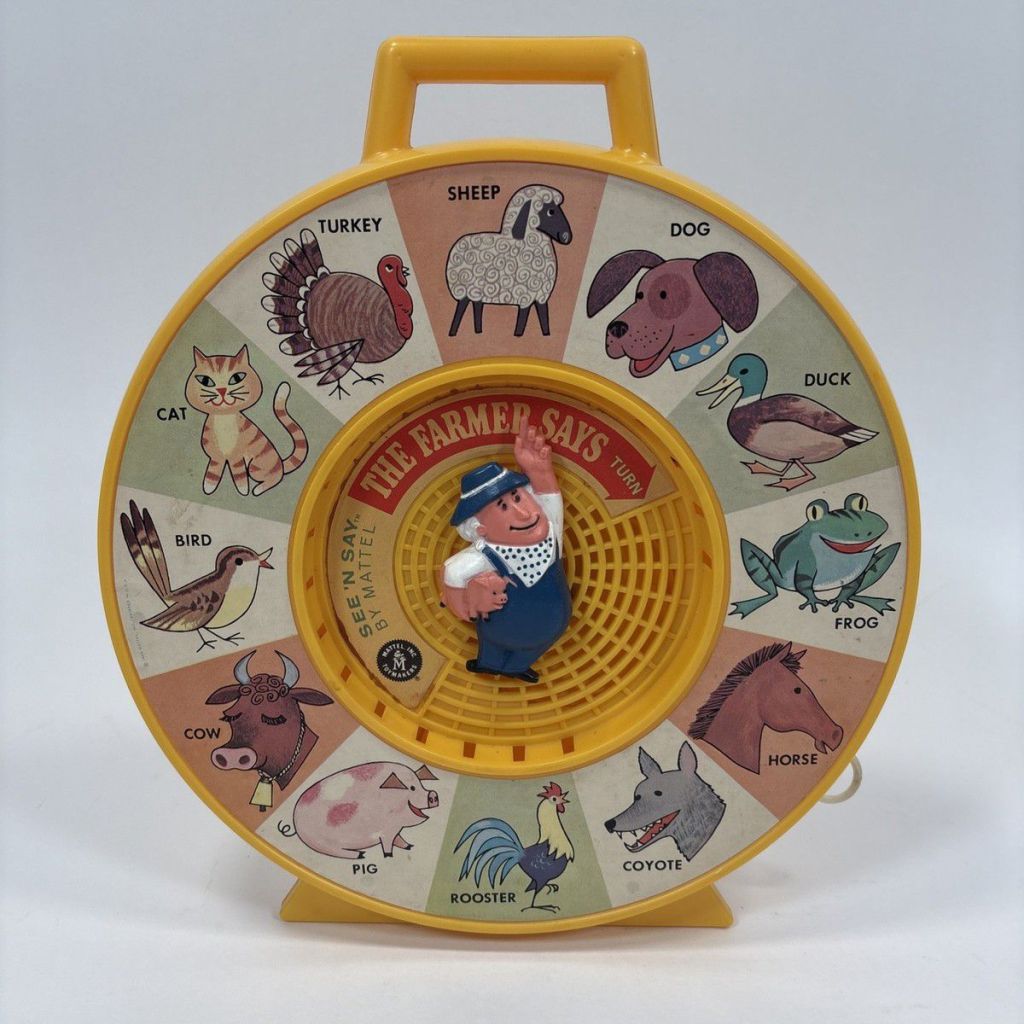
1959 was also the year Ruth and Elliot introduced Chatty Cathy, the talking pull-string doll that popularized a flood of talking pull-string dolls in the 1960s, as well as Mattel’s own line of alternative Chatty dolls such as Chatty Baby, Charmin’ Chatty and Singin’ Chatty. The success of Chatty Cathy also led to the introduction of the educational toy See ‘n Say (1964), which allowed kids to choose the exact phrase they wanted to hear, the first version featuring farm animal sounds with other versions featuring other sounds soon following.
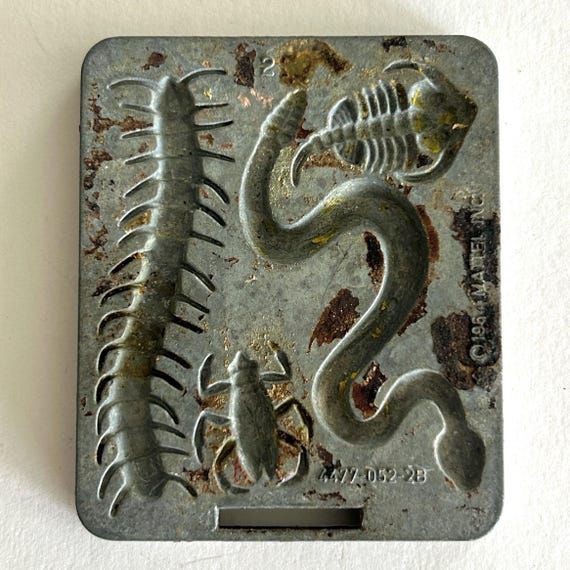
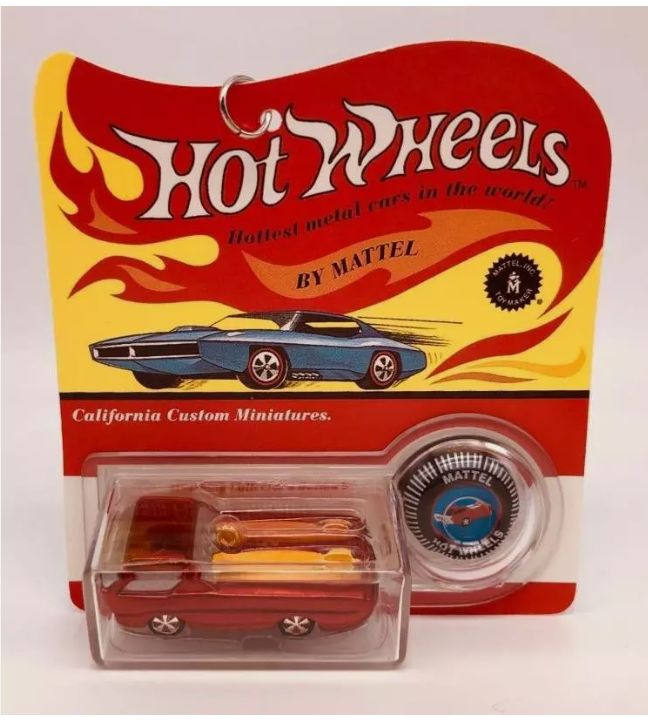
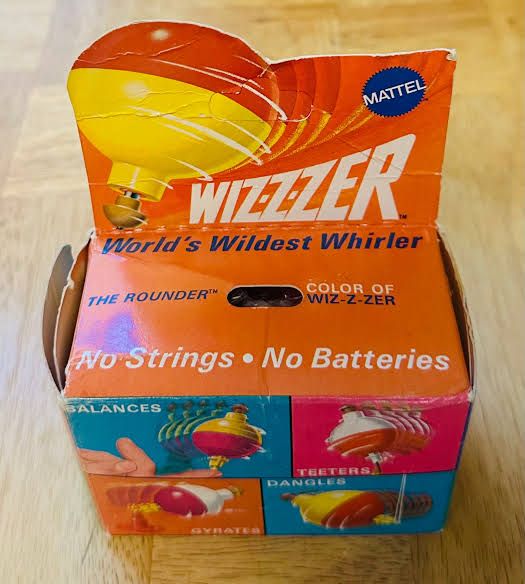
1964 also saw the release of the Thingmaker, an art and craft molder of rubbery bug-shaped figures that have come to be known as Creepy Crawlers, with future versions of the Thingmaker allowing for the creation of Giant Creepy Crawlers, Fighting Men, Fun Flowers and other shapes. By the end of the decade Mattel would also introduce the Hot Wheels toyline, a collection of scale model cars invented by Elliot Handler that first hit the market in 1968 and became Mattel’s most popular toy next to Barbie, followed by the Wizzzer, an innovative spinning top introduced in 1969.
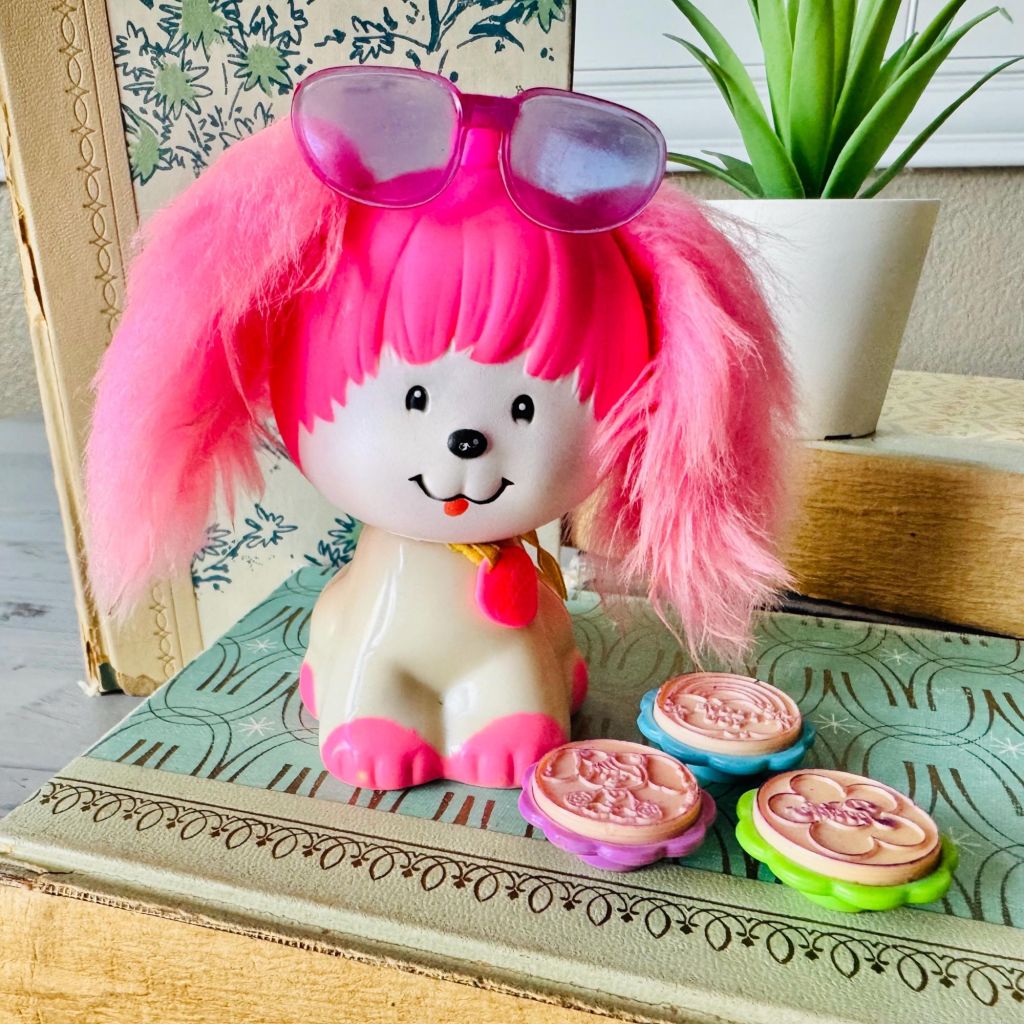
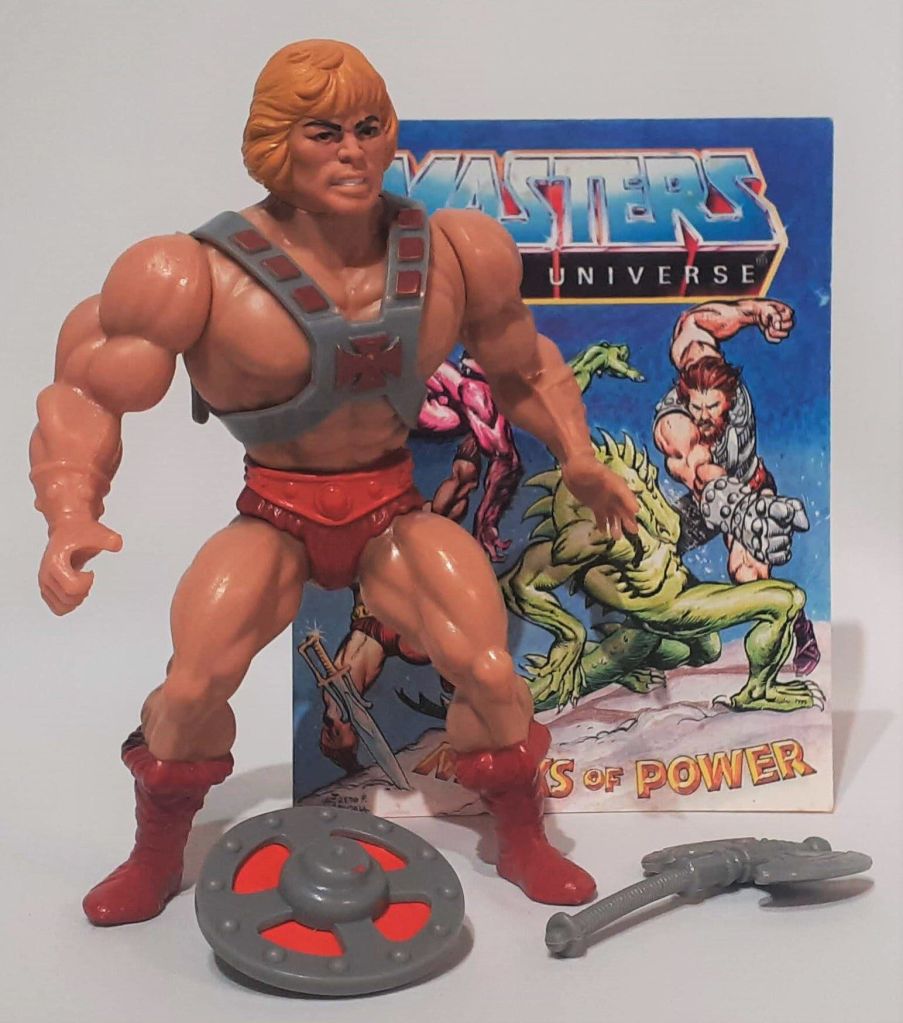
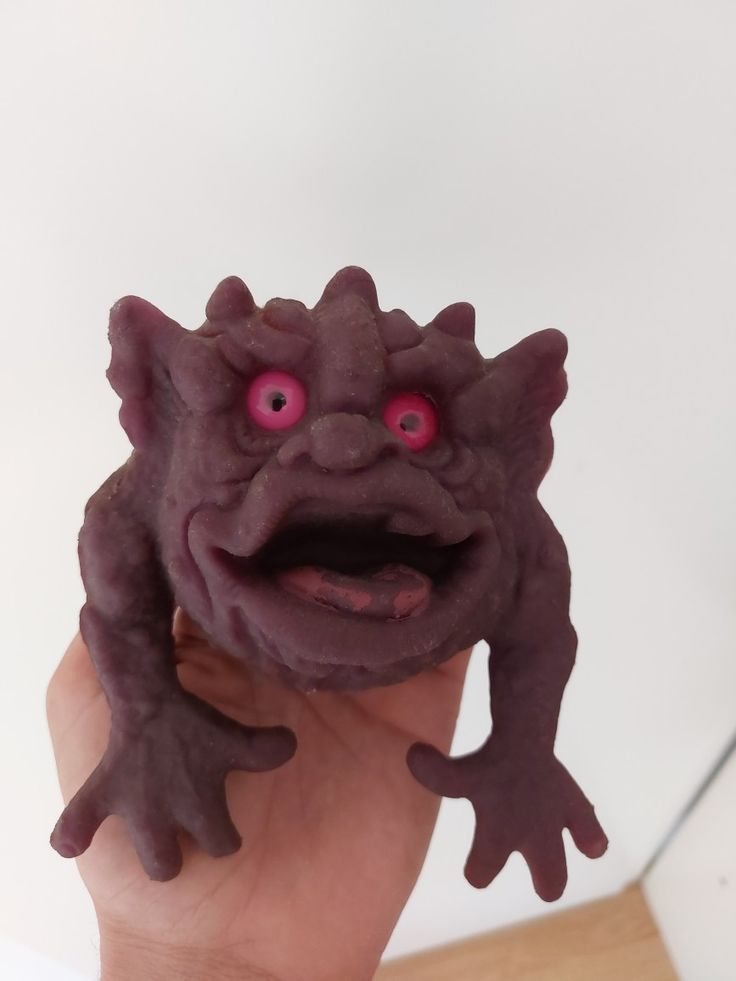
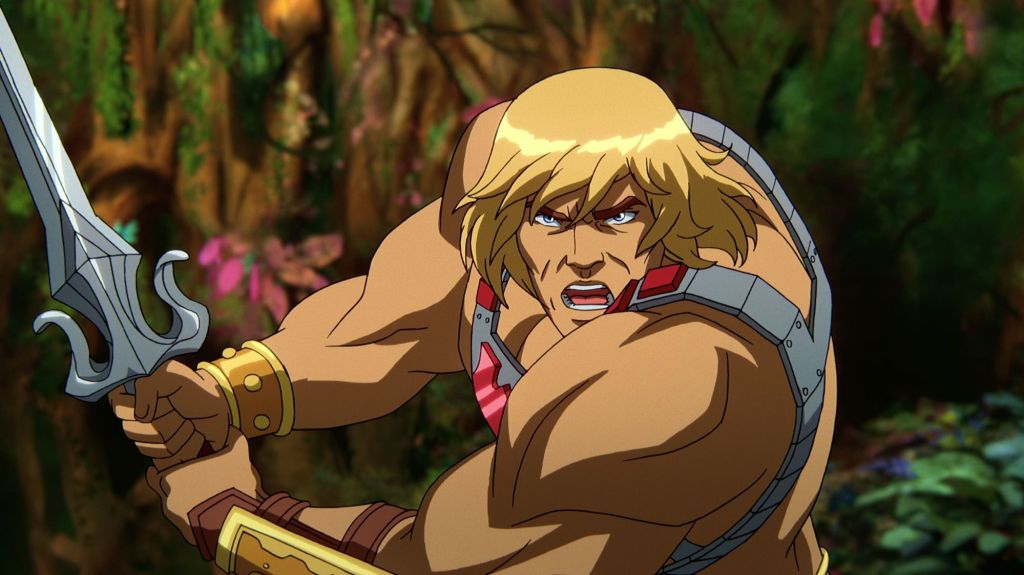
In the 1970s, after Mattel changed its logo to the famous red sun icon that it still uses to this day, the company introduced the toy helicopter Vertibird (1971), the G.I. Joe-inspired action figure Big Jim (1972), and Mattel Electronics, which led to a number of handheld video games and even a home console called the Intellivision (1979) that competed impressively well on the video game market against the Atari 2600 and ColecoVision, although Mattel exited that venture by the 1990s. They also had success in the 1980s with Poochie the sunglasses-wearing poodle, He-Man and the Masters of the Universe, and the goblin-like hand puppets known as the Boglins, as well as the licensing partnerships they formed with other companies like Disney and their work with Nintendo, for whom they manufactured the NES Power Glove.
The 1990s was when Mattel began absorbing many popular pre-existing toy lines after acquiring several other toy companies. Among those companies are:
Fisher-Price
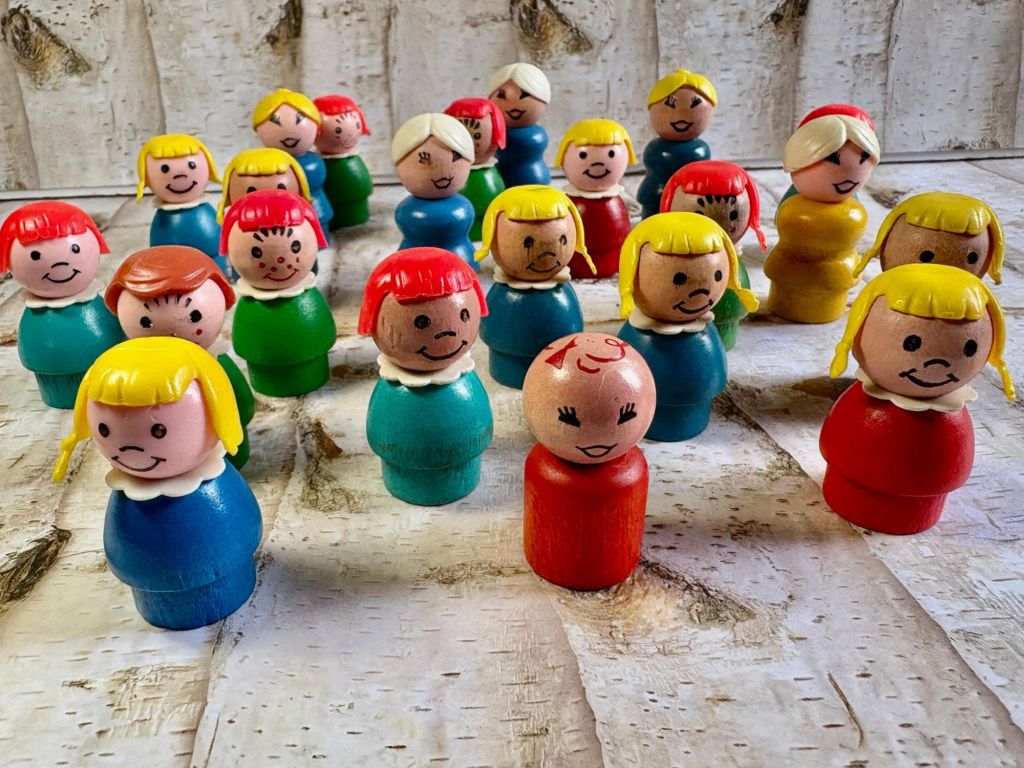
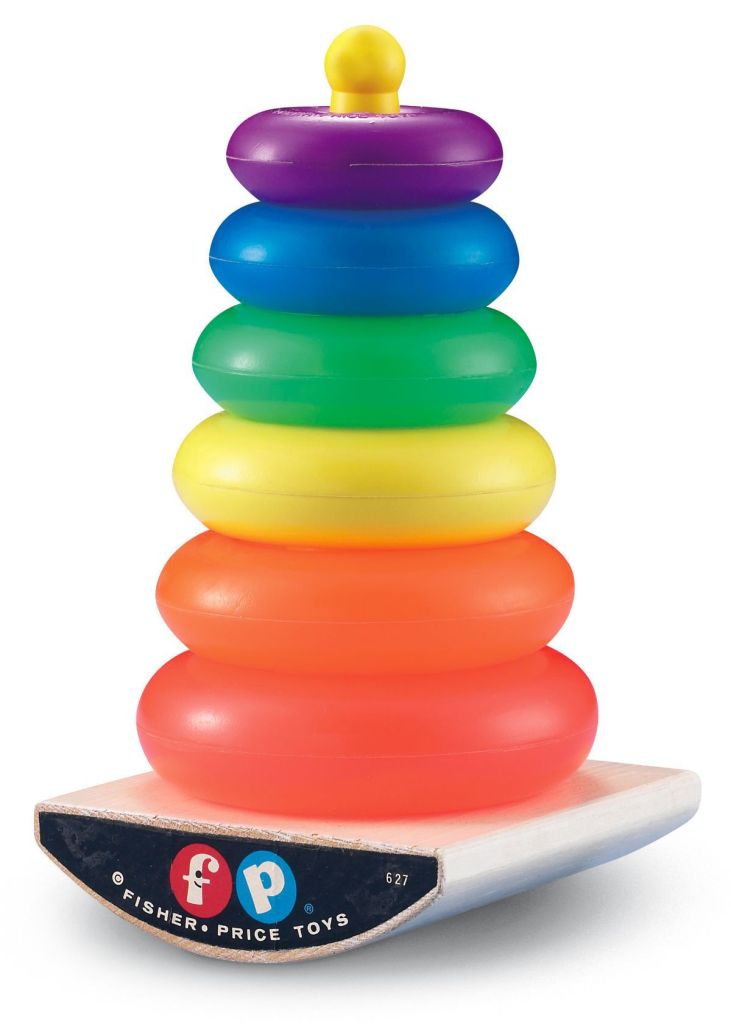
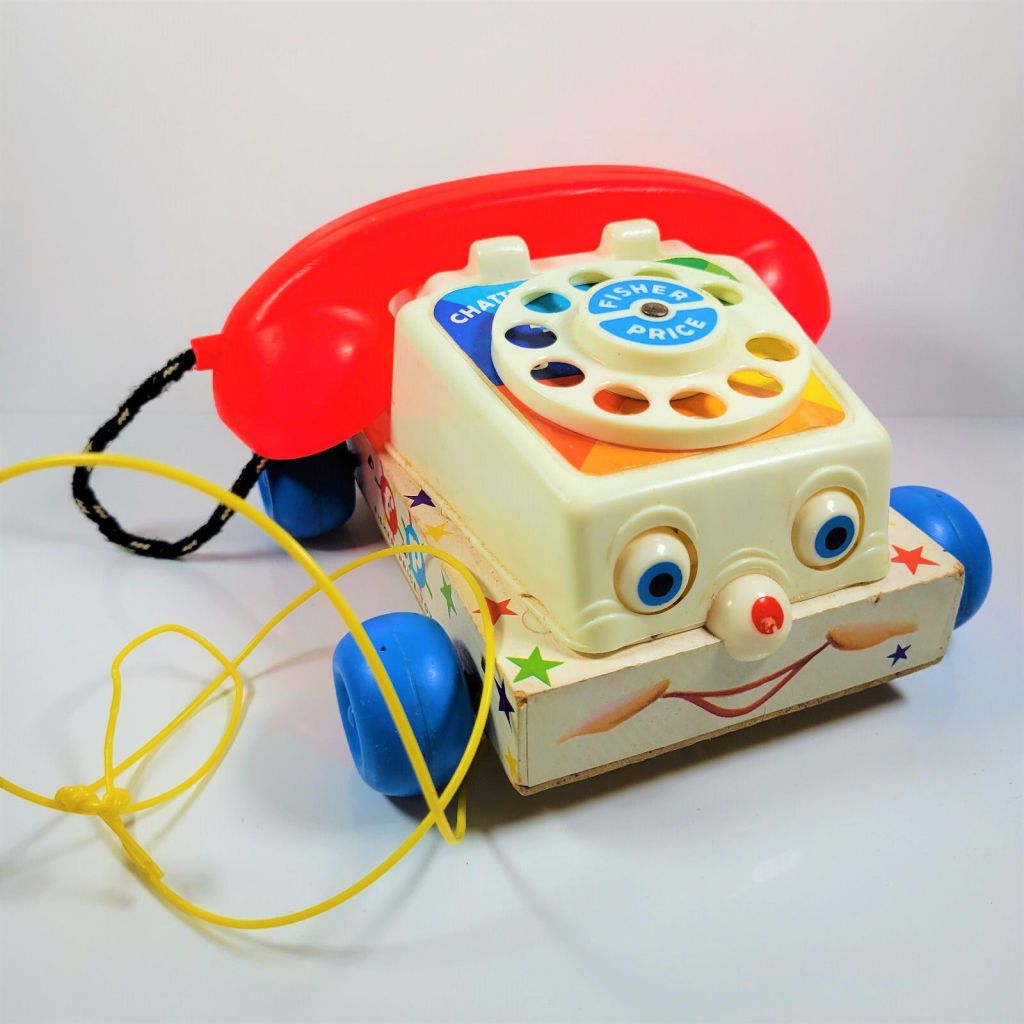
A New York toy brand co-founded in 1930 by Herman Fisher and Irving Price alongside Irving’s wife illustrator Margaret Evans Price and toy store owner Helen Schelle. Fisher-Price has always specialized in educational toys aimed at babies, toddlers and preschoolers such as their popular Little People toyline, the Rock-A-Stack and the Chatter Telephone, which were all introduced in the 1960s. The company continued their success into the 1980s, with a high point being the battery-powered ride-on toy known as Power Wheels, as well as the lucrative toy licensing deals of Thomas the Tank Engine, Sesame Street, Disney and others. Mattel acquired Fisher-Price and all of its toy brands in 1993.
Tyco Toys
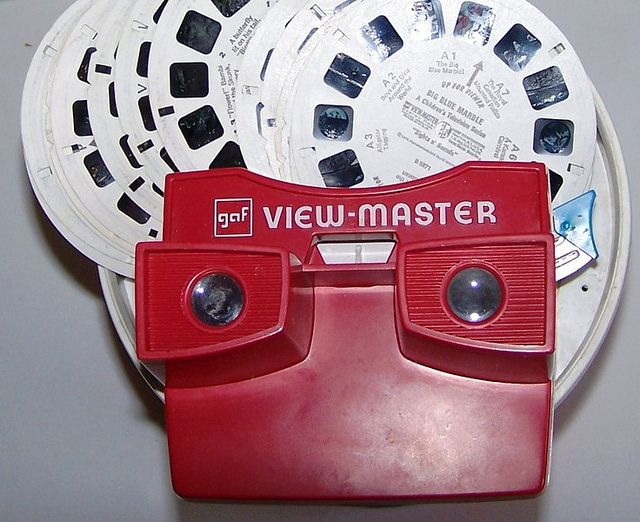
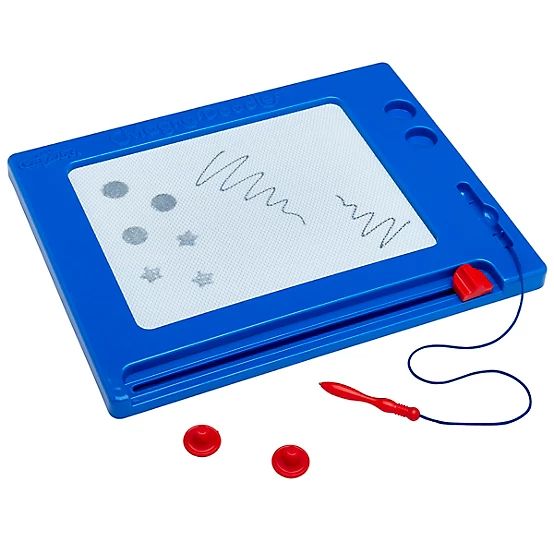
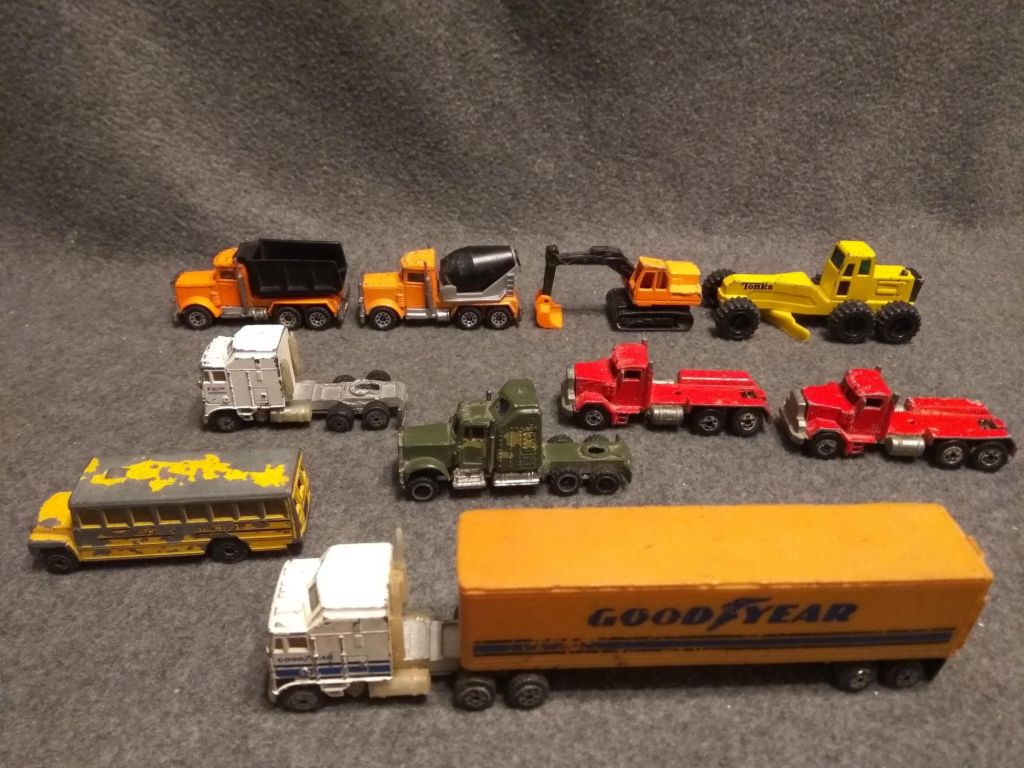
Originally founded in 1926 as a model boat and electric motor manufacturer in New Jersey, the company eventually focused their attention on toy trains for kids by the 1950s, expanding into other vehicles by the 1970s, Lego-style Super Blocks, water guns, RC cars and the Dino-Riders toy line by the 1980s, the hit 1990 toy line of small quintuplet dolls known as Quints, and perhaps their biggest success of all in 1996 when Tickle Me Elmo hit store shelves and caused a frenzy. Plus when Tyco Toys grew in size as a corporation it began acquiring other toys, including the stereoscopic View-Master which was originally manufactured by Sawyer’s in 1939 and used cardboard disks to let you view 3D images, the magnetic drawing board Magna Doodle invented in 1974 by Pilot Corporation, the popular doll and nursery line of Ideal Toy Company, and the Matchbox toy car line, introduced in 1953 by British manufacturer Lesney before being sold to Universal Toys in 1982 and eventually Tyco in 1992. The Matchbox cars were in direct competition with Mattel’s Hot Wheels from the ’60s to the ’90s until Mattel ultimately acquired Tyco Toys in 1997, putting both Hot Wheels and Matchbox under one roof.
Bluebird Toys
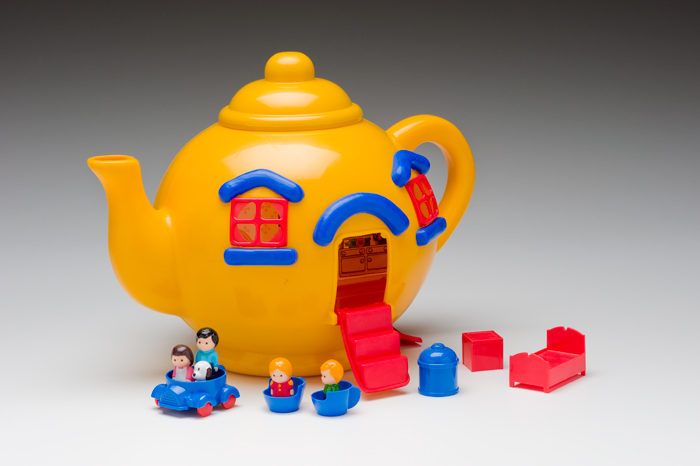
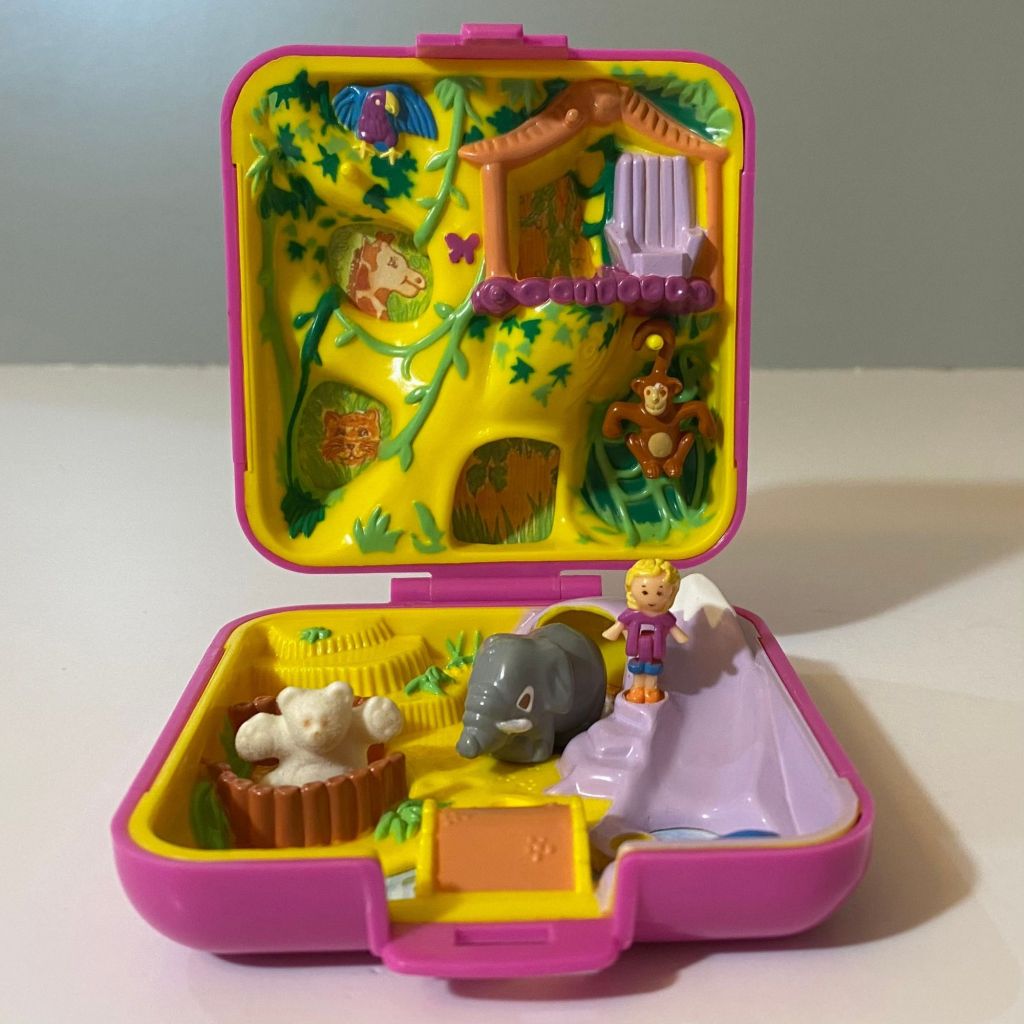
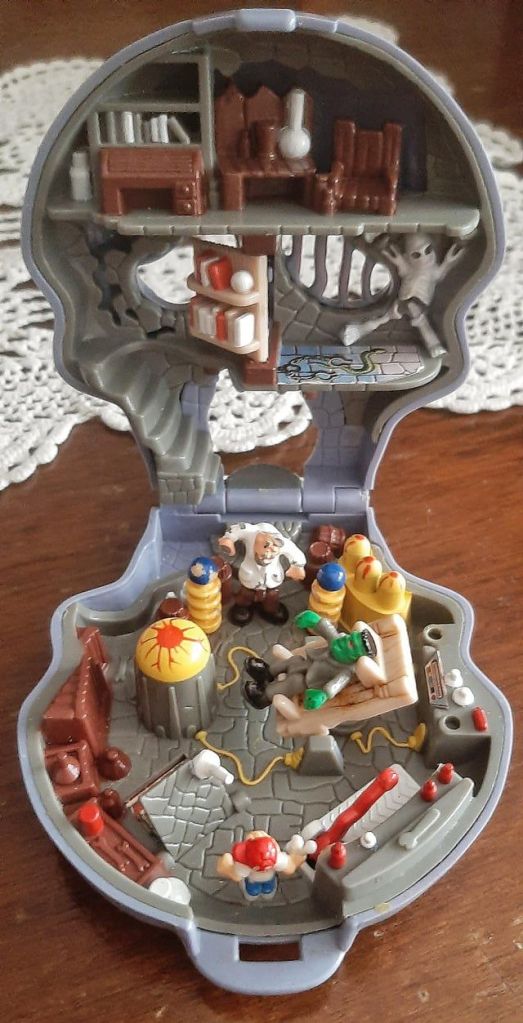
British toy company Bluebird Toys was founded in 1980 and was instantly put on the map thanks to its first toy, the Big Yellow Teapot House, an innovative take on the concept of the dollhouse. The company had even greater success in 1989 with the introduction of Polly Pocket, which became a global phenomenon and is still Bluebird’s most popular toy alongside Mighty Max, a toy similar to Polly Pocket but geared towards boys that was also successful. Mattel acquired this company in 1998.
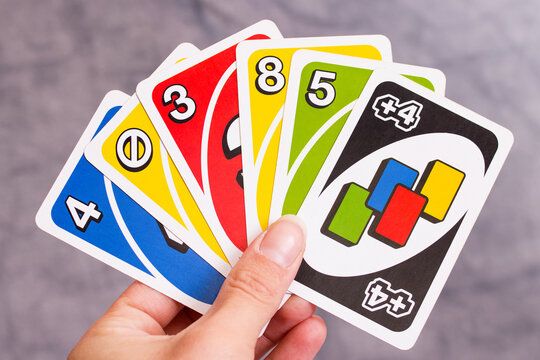
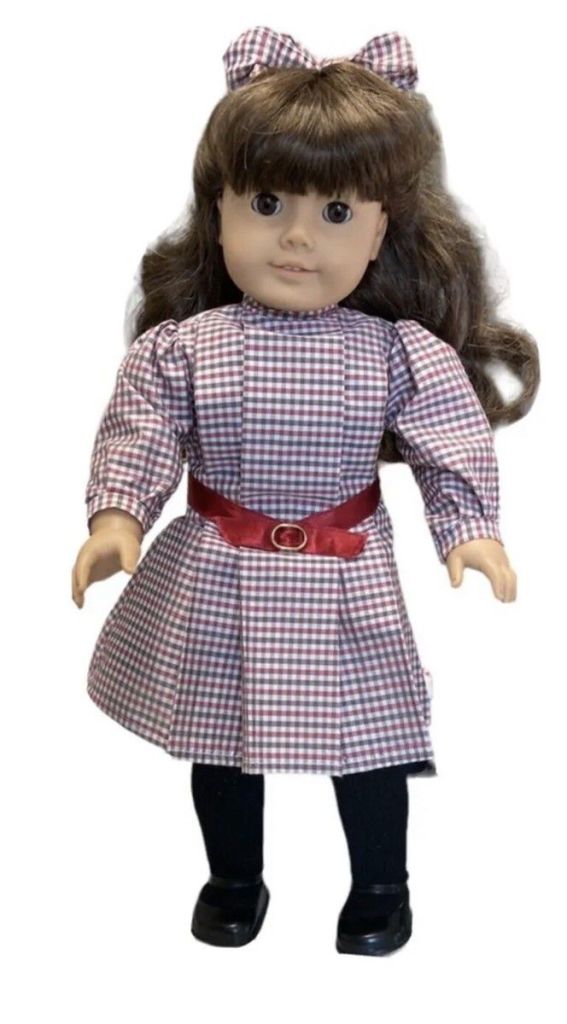
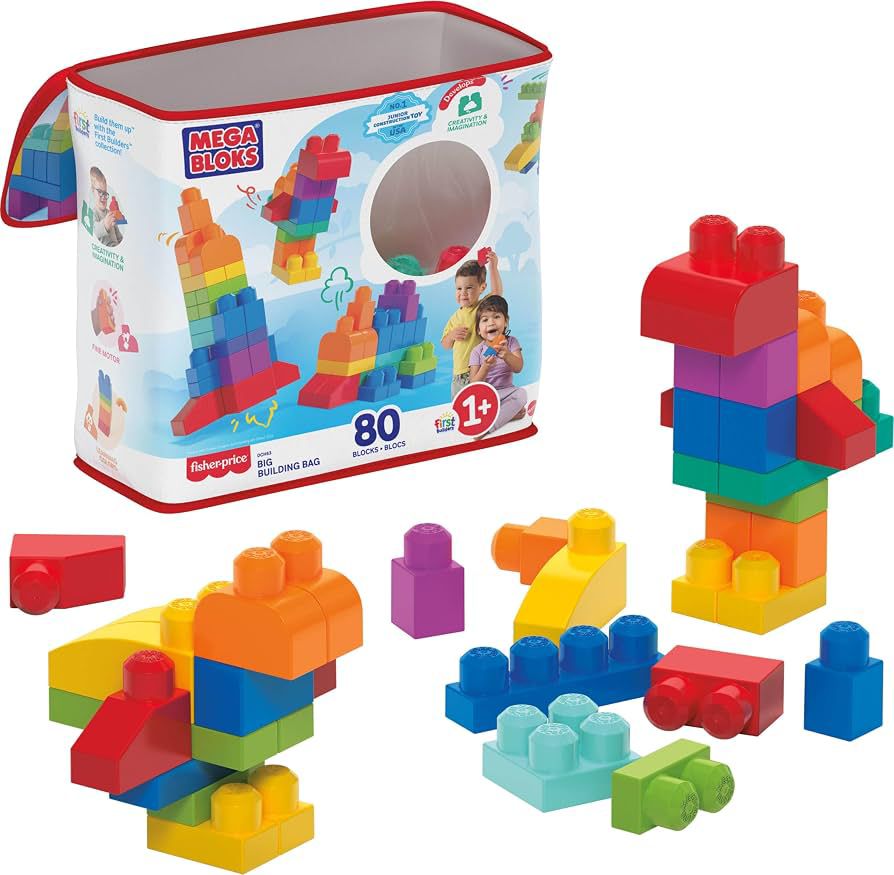
Other companies bought by Mattel include International Games, makers of the popular card games Uno and Skip-Bo and acquired by Mattel in 1992; Pleasant Company, the Wisconsin-based company founded by Pleasant Rowland in 1986 that introduced the American Girl doll line the same year and was later acquired by Mattel in 1998; and Mega Brands, the Canadian toy company that introduced a line of construction, puzzle and craft-based toys (most popularly Mega Bloks) and became a subsidiary of Mattel in 2014.
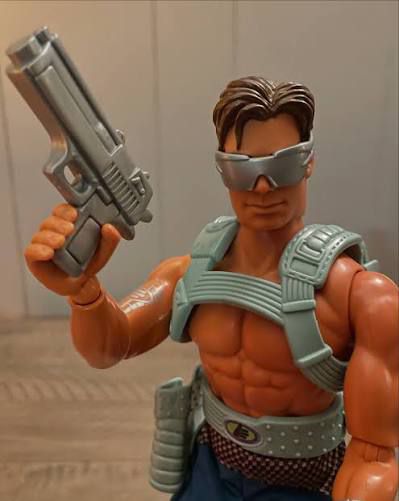
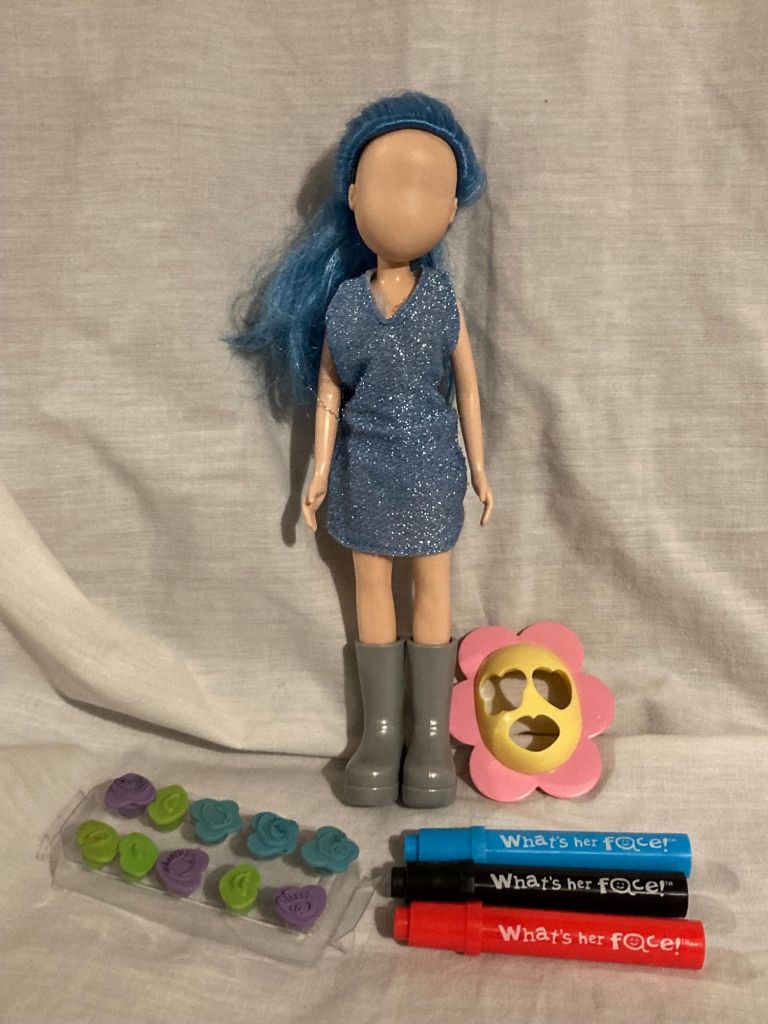
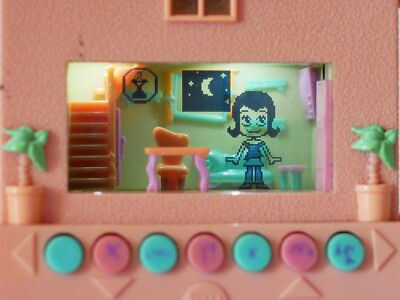
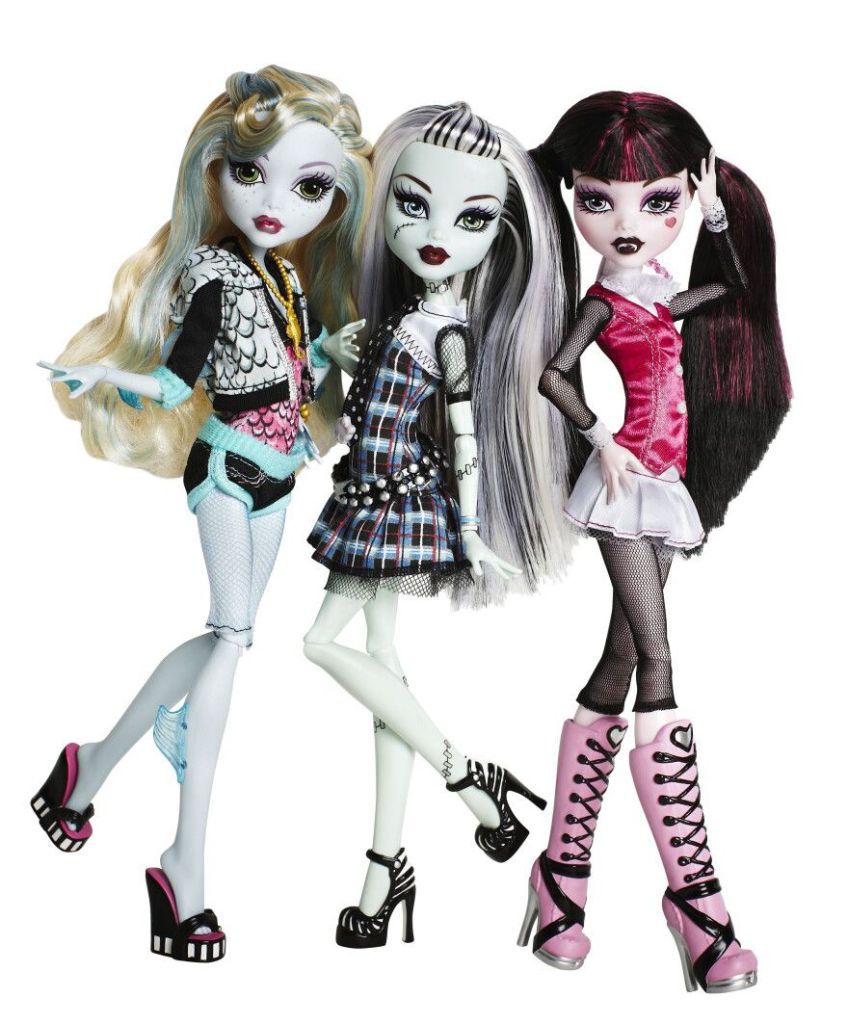
In addition to these acquisitions, Mattel continued building its own success from the ’90s onward, including the action figure Max Steel; the What’s Her Face doll line which featured blank-faced dolls whose faces were meant to be designed and decorated by the kids who play with them and were a modest hit during the early 2000s in the face of competition from Barbie and Bratz; the 2005 handheld life simulator game Pixel Chix which allowed kids to interact with a digital girl (voiced by Tara Strong) in a Barbie-fication of Tamagotchi; the electronic singing stuffed toys known as the Sing-a-ma-jigs which were introduced in 2010 and remained popular throughout that decade; and the hugely popular Monster High fashion doll line featuring horror, fantasy, sci-fi and mythology-based teenage monster girls which were introduced in 2010 and led to spin-off doll lines such as the fairy tale-based Ever After High (2013) and Enchantimals (2017).
Many of the toys and games I mentioned in this article were a part of my household when I was a kid, but in later years when I saw the Mattel logo it was because of their film, television and direct-to-video productions, including the 44 CG-animated Barbie films released from 2001 to 2014, and small screen adaptations of Monster High, Ever After High, Polly Pocket, Hot Wheels, Max Steel and He-Man, including Kevin Smith’s excellent animated Netflix series Masters of the Universe (2021-24), which I have praised in the past as the best thing He-Man has ever starred in.
But what Mattel has been involved with lately that has really caught my attention is their theatrical film slate. Hollywood movies are actually not something that Mattel has really delved into the way Hasbro has with things like Michael Bay’s Transformers films and the G.I. Joe series, that is until Greta Gerwig’s live-action Barbie movie came out in 2023, becoming only Mattel’s second widely released theatrical movie after Open Road Films distributed the 2016 Max Steel film to negative reviews and poor box office. The success of Barbie led to MGM’s live-action Masters of the Universe in 2026 and Apple’s upcoming Matchbox: The Movie, with other films currently on the horizon including an animated Barbie film from Illumination, a film about Barney the Dinosaur starring Daniel Kaluuya and co-written by and starring Ayo Edebiri for A24, a Hot Wheels movie produced by J.J. Abrams’ Bad Robot and directed by John M. Chu, and other films currently in development that may or may not see the light of day based on Thomas the Tank Engine, American Girl, Bob the Builder, Monster High, Polly Pocket, Rock ’em Sock ’em Robots, Uno, View-Master and Magic 8 Ball.
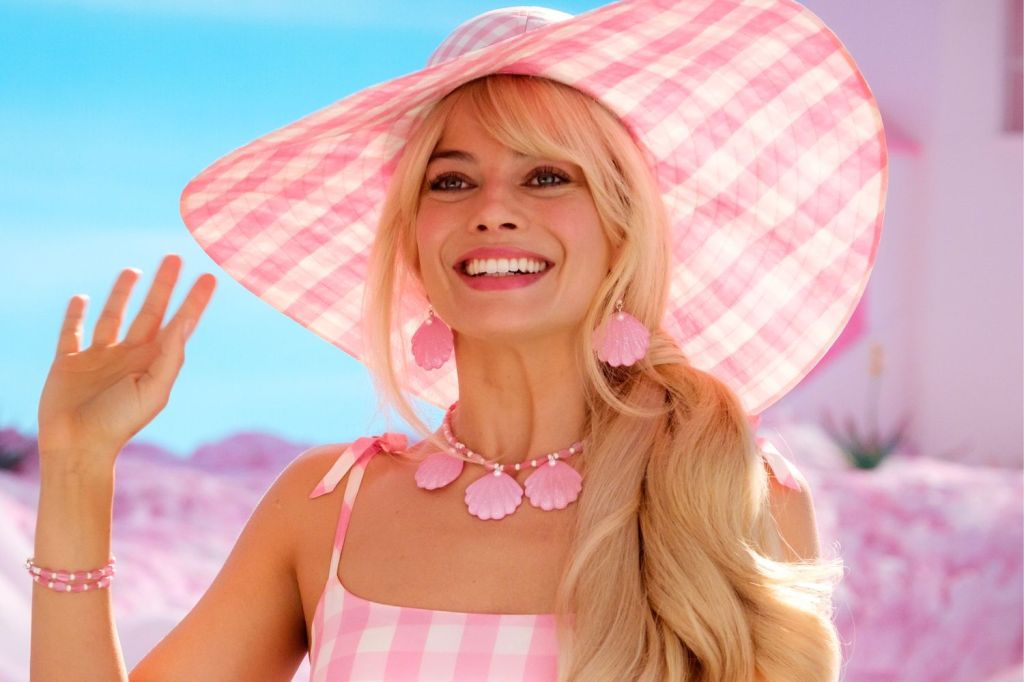
As a child, my interest in Mattel was toy-based. Now my interest lies in their film output, as well as my anticipation for what the company might put out next and whether or not they can continue to hire talented and creative artists like Greta Gerwig and Noah Baumbach to tell interesting stories. A lot of film fans who take the art of cinema seriously make fun of studios when they make blockbusters based on toy lines, but I liked The Lego Movie and have enjoyed a number of Transformers films so it’s not impossible for something good to come out of these plans. I don’t mind the fact that Mattel is stepping out of their lane and producing Hollywood movies because every attempt to capitalize on a toy brand and mine adult nostalgia is either an opportunity to make an artistically bankrupt cash grab, or an opportunity, as Barbie has proven, to get creative, use the popularity of that brand to say something interesting and make a profound statement to a wide audience.