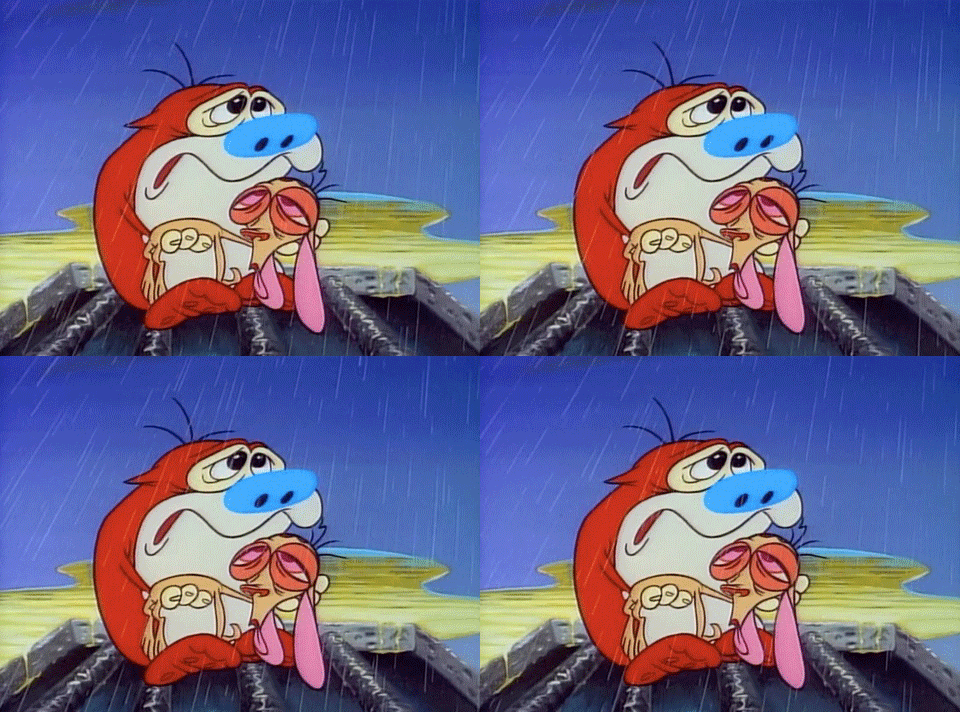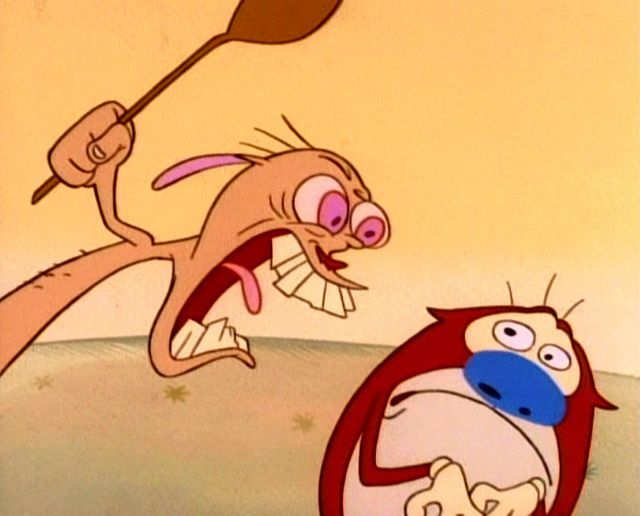
When I was a young cable TV viewer growing up in the nineties, Nickelodeon was the king of all networks because this was the one channel that was catering to my age group specifically, and I also feel lucky to have witnessed the frontier of creator-driven animated television that Nick was helping cultivate with the introduction of their series of “Nicktoons,” the first three of which were Doug, Rugrats and The Ren & Stimpy Show. However, I only watched two out of three of those shows growing up. People who were older than me deemed one of them too inappropriate for my eyes, and it became our signal to promptly change the channel whenever the image of a cat and a dog sadly sitting in the rain showed up on our TV screen. I did not understand at the time how strange this phenomenon was, but looking back as an adult I can’t think of any previous animated series aimed at kids that could have inspired this level of “Quick, change the channel!” fear in adults. I mean sure, some parents objected to the violence and imagery in shows like He-Man and Teenage Mutant Ninja Turtles, but Ren & Stimpy was the first show of its kind where the TV executives had actually allowed the show’s creator to have freedom … sort of. Like many of the most innovative people in show business, the guy who created Ren and Stimpy was a boundary pusher, and it would take other artists to refine his blueprint before creator-driven animation became the standard formula for the television business. And as I explain in this article, sometimes the most innovative ideas come from the most unpleasant people.
Born in Quebec, Canada in 1955, John Kricfalusi had always been drawn to animation as a kid, consuming a lot of Hanna-Barbera’s output (just like most American baby boomers), but he didn’t really become a proper animation nerd until he studied art at Sheridan College in Ontario, where he would watch classic golden age Hollywood cartoons from influential directors like Tex Avery and Bob Clampett. Although he never completed his college education at Sheridan because he was expelled in 1978 for low attendance (during my research for this article I’ve read that Kricfalusi’s rebellious streak and lack of respect for authority may have also contributed to his expulsion from Sheridan, and while I couldn’t find any reliable sources to back up that claim, I would not be surprised if it were true). After that, Kricfalusi moved to Los Angeles to pursue an animation career.
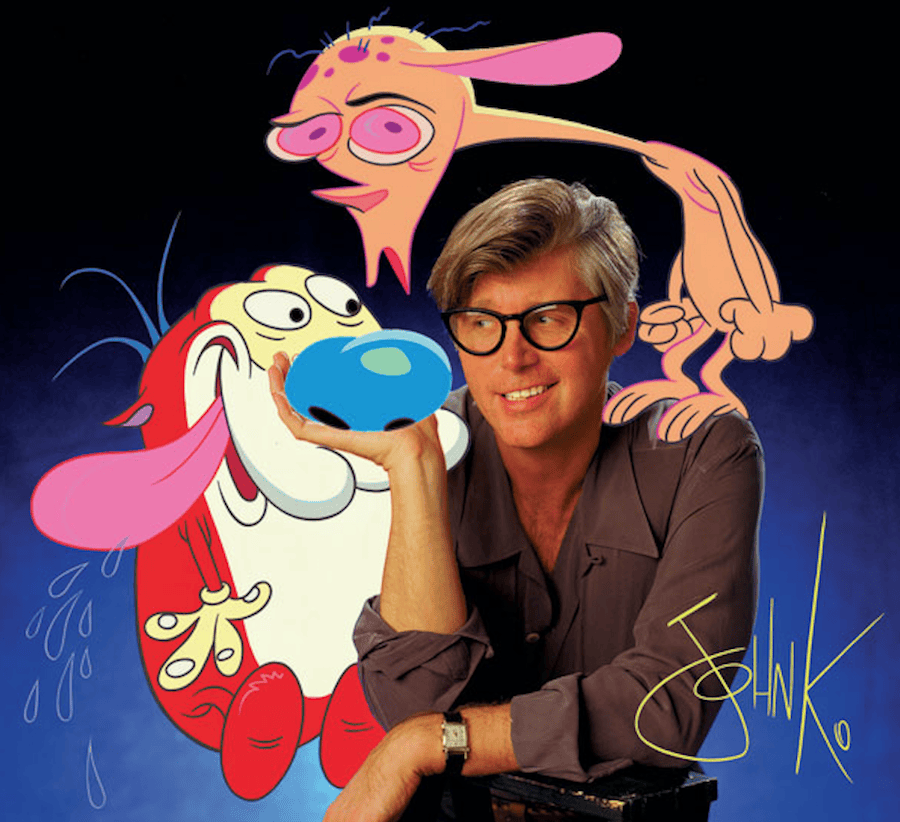
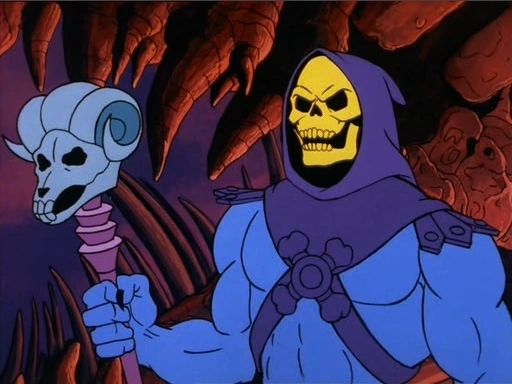
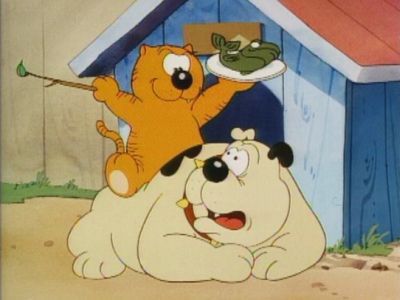
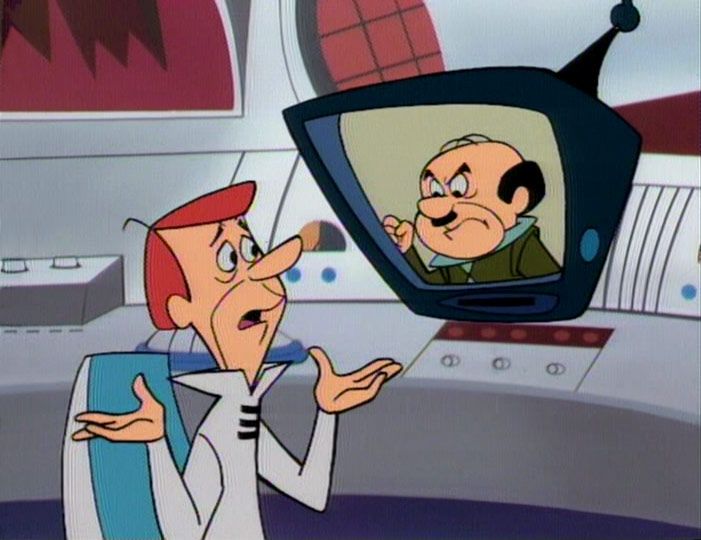
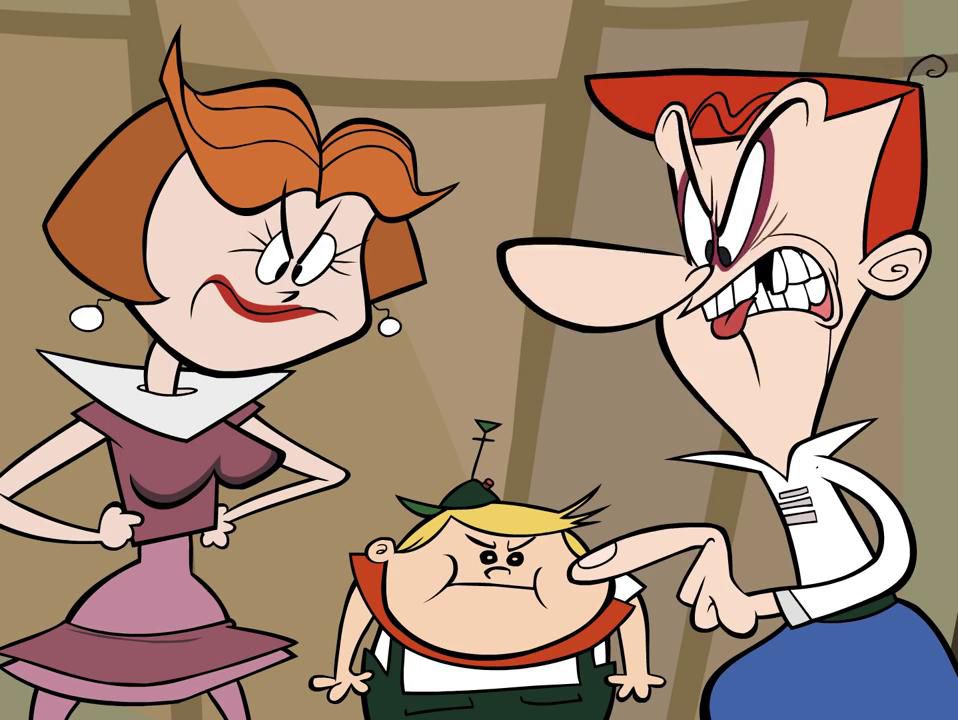
While in L.A., Kricfalusi actually got the chance to meet Looney Tunes legend Bob Clampett, and it was Clampett’s connection with fellow animator Milt Gray that helped get Kricfalusi’s foot in the door at the animation studio Filmation, which is where he got started as a storyboard artist on such shows as Fat Albert and the Cosby Kids, The New Adventures of Flash Gordon and He-Man and the Masters of the Universe. Kricfalusi would later join Hanna-Barbera as a layout artist on shows like Super Friends, Pac-Man, Snorks and The Jetsons and create character designs for Hanna-Barbera’s The Smurfs and DIC’s Heathcliff in the early eighties.
As one might imagine for a man who was inspired by Tex Avery and would eventually go on to create Ren & Stimpy, this work was neither very fun nor creatively fulfilling, and Kricfalusi even described these shows as “the worst animation of all time.” Although he found artistic satisfaction where he could, finding time to work on his independent animated short Ted Bakes One (1981), getting enjoyment out of training the Taiwanese animators at Cuckoo’s Nest Studio to let loose with more cartoony animation for The Jetsons, and providing animation work for Ralph Bakshi’s American Pop and Hey Good Lookin’, which were a lot less run-of-the-mill than your average animation assignments in those days.
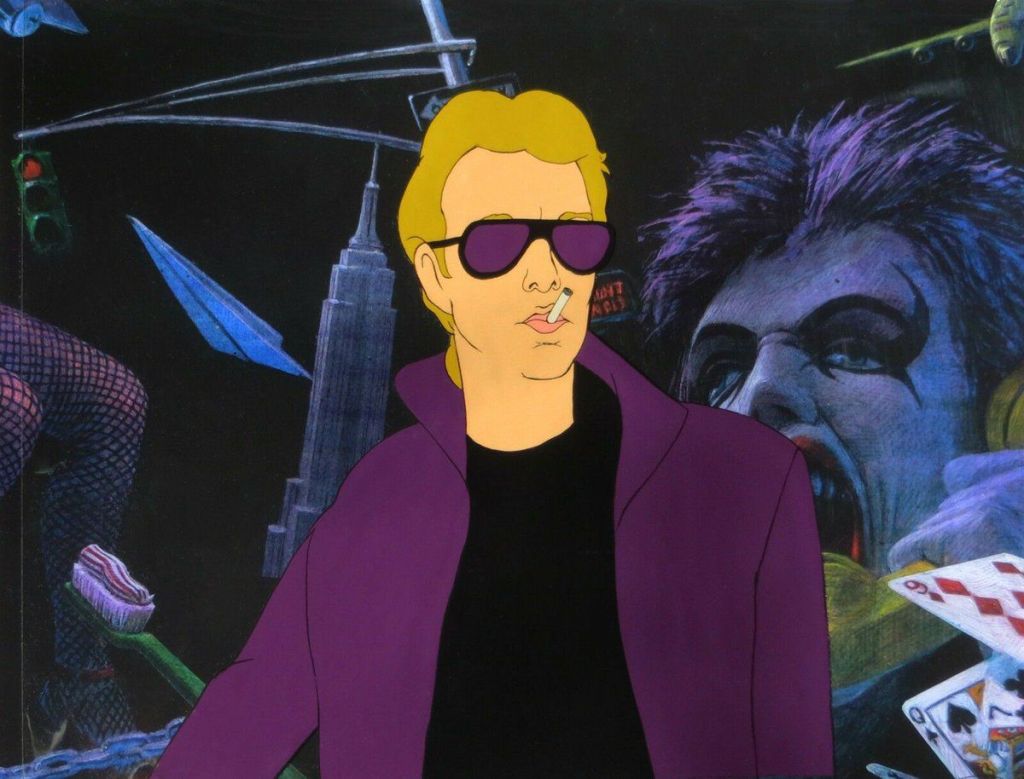
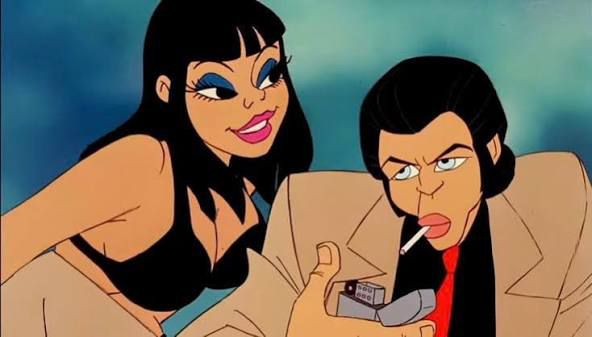
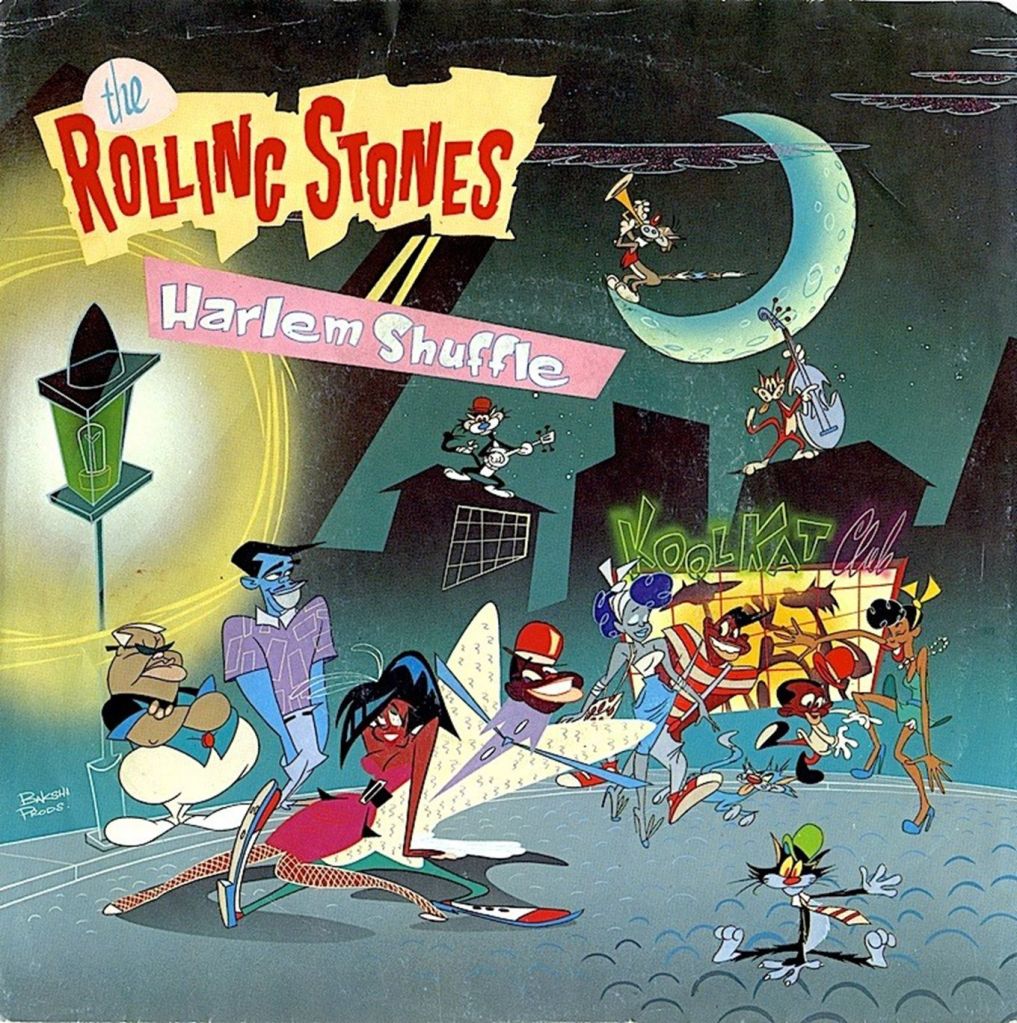
Kricfalusi describes Bakshi as his savior during this period, particularly when the Rolling Stones hired Bakshi to direct the music video for “Harlem Shuffle” (1986) and Bakshi brought Kricfalusi on board as his animation director. After that, Kricfalusi and Bakshi would team up on an animated series when CBS hired Bakshi to develop a new Mighty Mouse series (a property that Terrytoons owner Viacom hoped to capitalize on the popularity of). Mighty Mouse: The New Adventures (1987-88) was supervised by Kricfalusi, who directed many of the show’s episodes and valued creative input during every step of the development process from outline to final animation. This creative environment was not only a revolutionary development process for the animated TV industry but the series itself was well-received by critics and was an important forebearer for the creator-driven animated TV boom of the nineties (although CBS’s success with Pee-wee’s Playhouse a year earlier certainly helped the network be more willing to gamble on wild creator-driven risks).
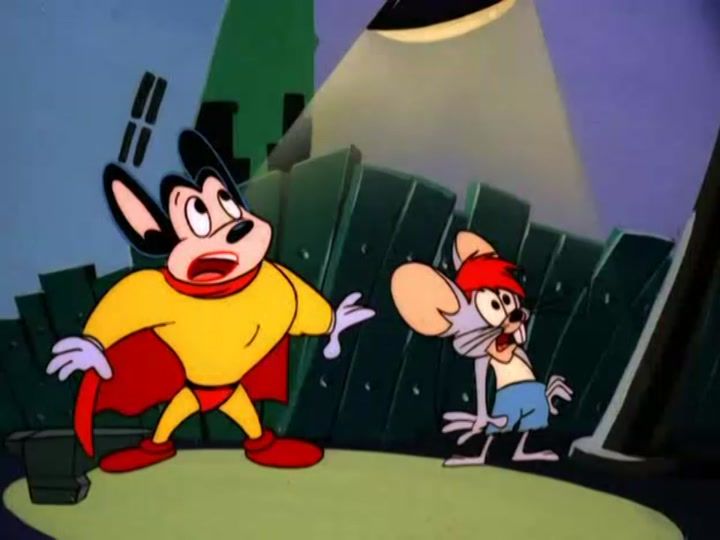
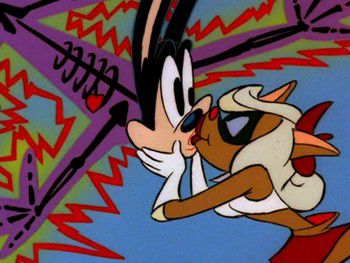
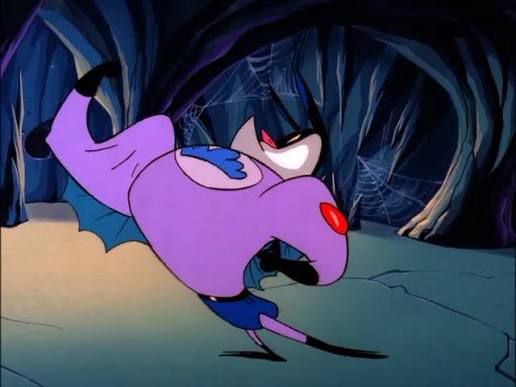
Although CBS apparently thought the series was a bit TOO creative when a notorious episode showing a character sniffing a crushed up flower was thought to intentionally resemble someone snorting cocaine. The controversy that followed led CBS to cancel the series after two seasons. Even Bakshi came down hard on Kricfalusi for trying to sneak inappropriate stuff into the cartoon, but Kricfalusi left Bakshi and forged his own path after the show’s cancellation, working for ABC later that year on a revival of Bob Clampett’s Beany and Cecil called The New Adventures of Beany and Cecil (1988), with the blessing of Clampett’s family who specifically wanted Kricfalusi to work on the show because of his respect for Clampett’s work.
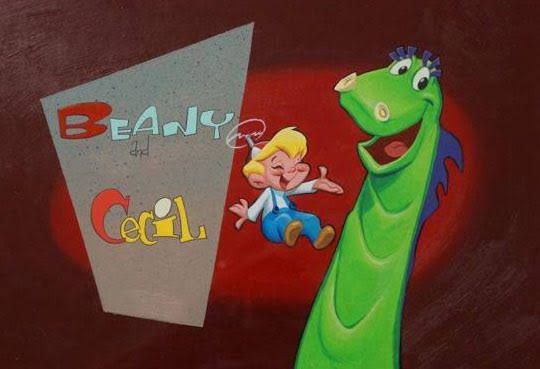
Early on there was tension between John Kricfalusi and ABC over the tone of the series, which ABC wanted to soften for their young target audience, which only made Kricfalusi rebel more by pushing for more offensive material. This reportedly did not make for a very fun working environment, although it ultimately didn’t matter because the show was much less successful than Mighty Mouse with only 13 episodes produced and only five of those 13 episodes airing due to what ABC felt was an inappropriate sense of humor. The series quickly came and went in the fall of 1988.
A year after Beany and Cecil‘s cancellation Kricfalusi co-founded the animation studio Spümcø alongside fellow independent animators Bob Camp, Jim Smith and Lynne Naylor, who were all similarly disheartened by the poor state of modern animation and the inundation of executive interference. It was here where the creative limitations placed on animators by TV executives would be non-existent and Kricfalusi’s passion for the surreal and wacky side of Hollywood animation akin to the 1930s and 1940s would finally be fully realized.

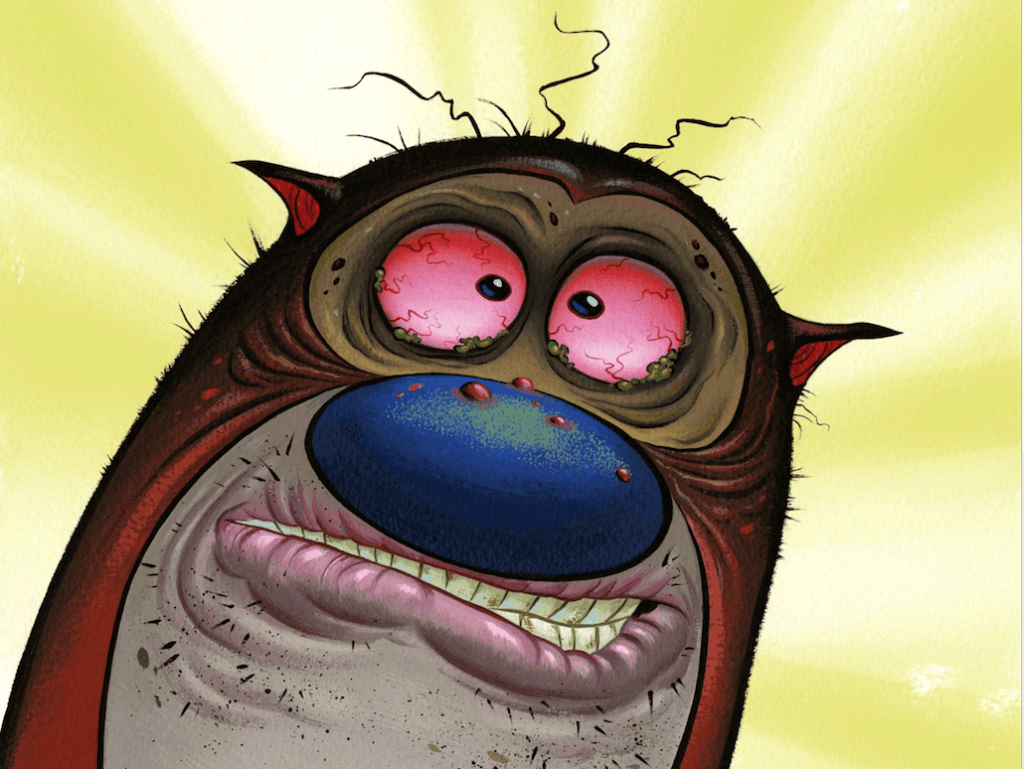
Spümcø happened at the perfect time because it was during this period in the late eighties and early nineties when the children’s cable TV network Nickelodeon was on the hunt for talented cartoonists to lead their animated TV lineup. When Nick approached Kricfalusi for TV series ideas, one of them featured a bulbous-eyed chihuahua named Ren and a bulbous-nosed cat named Stimpy as pets of the main characters and it was Nickelodeon’s vice president of animation production Vanessa Coffey who singled those characters out as potential stars of their own series. Kricfalusi went on to write and direct the pilot episode “Big House Blues,” which was completed in 1990 and screened at film festivals to a positive reception from audiences (who apparently laughed harder at that film than any of the others).
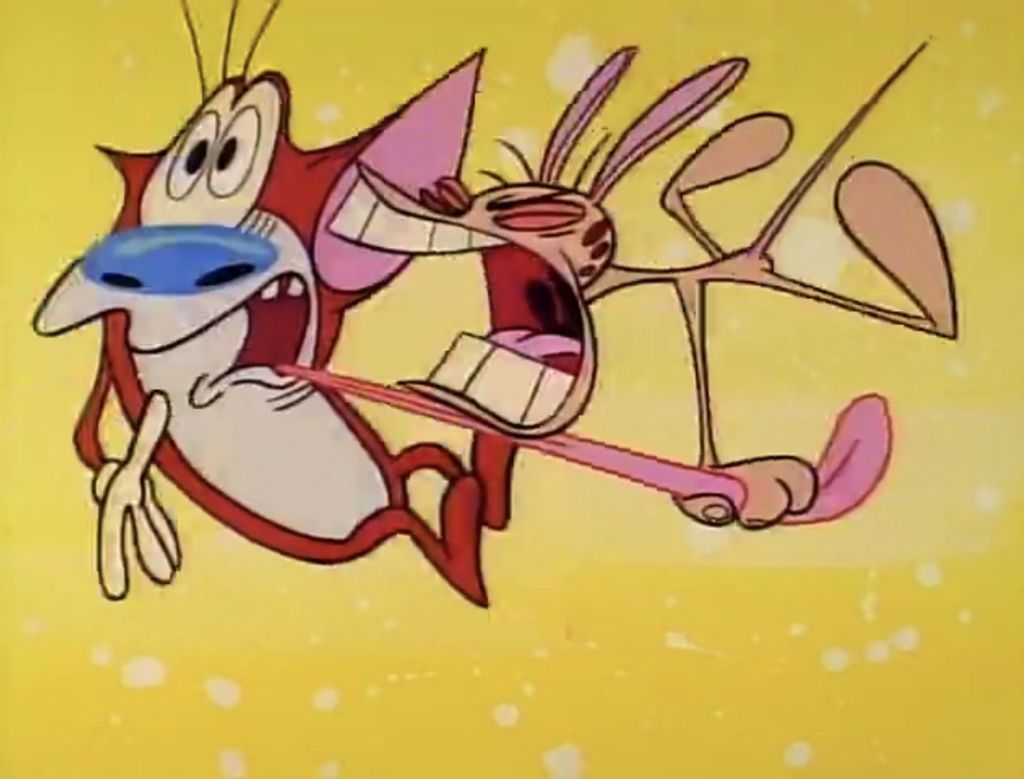
The Ren & Stimpy Show premiered on Nickelodeon in 1991 on the same day as Jim Jenkins’ Doug and Klasky-Csupo’s Rugrats. All three of these shows were brilliant in their own way but Ren & Stimpy was by far the most cartoony of the trio. The show featured Kricfalusi channeling an anxious and unhinged Peter Lorre as the voice of Ren, and Billy West channeling a happy-go-lucky version of Larry Fine as the voice of Stimpy, with the structure of each half-hour episode seeming to satirize TV cartoons from the fifties like those of Hanna-Barbera and Jay Ward. Meanwhile the show’s surrealism, creativity, striking visual language, animation style and overall unhinged spirit were cranked up to eleven, much to the delight of television viewers and critics who praised the show’s originality, sense of humor and bold artistry, with The Simpsons creator Matt Groening calling it the only good cartoon on TV. The series quickly gained a cult following among adults and became the most popular Nicktoon in terms of viewership in its first year, even at one point becoming the most popular scripted series in the history of cable television.
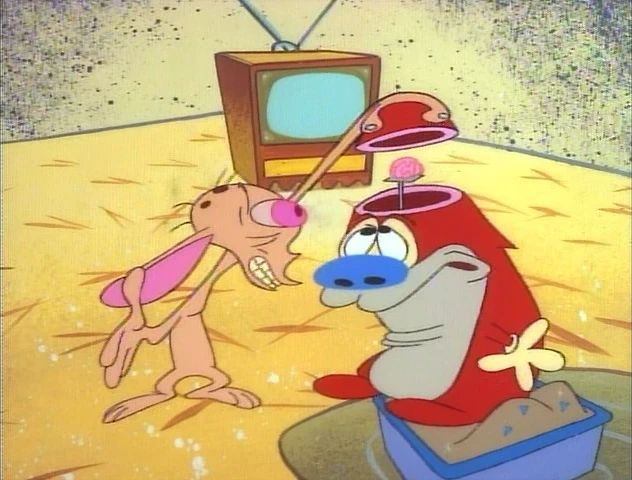
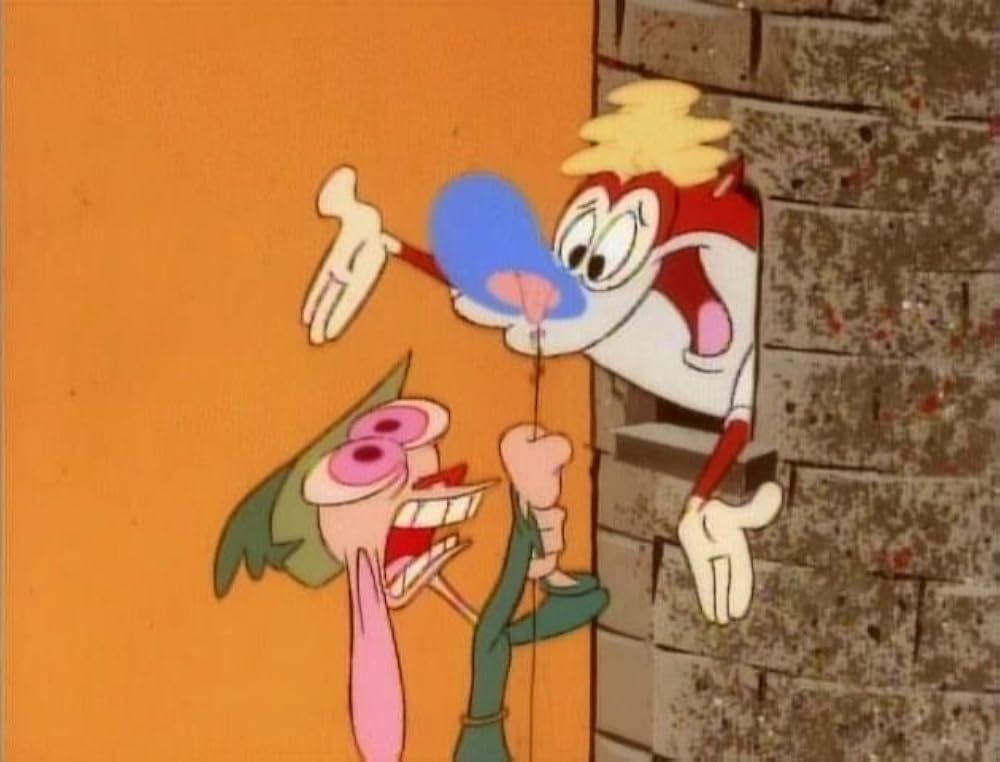
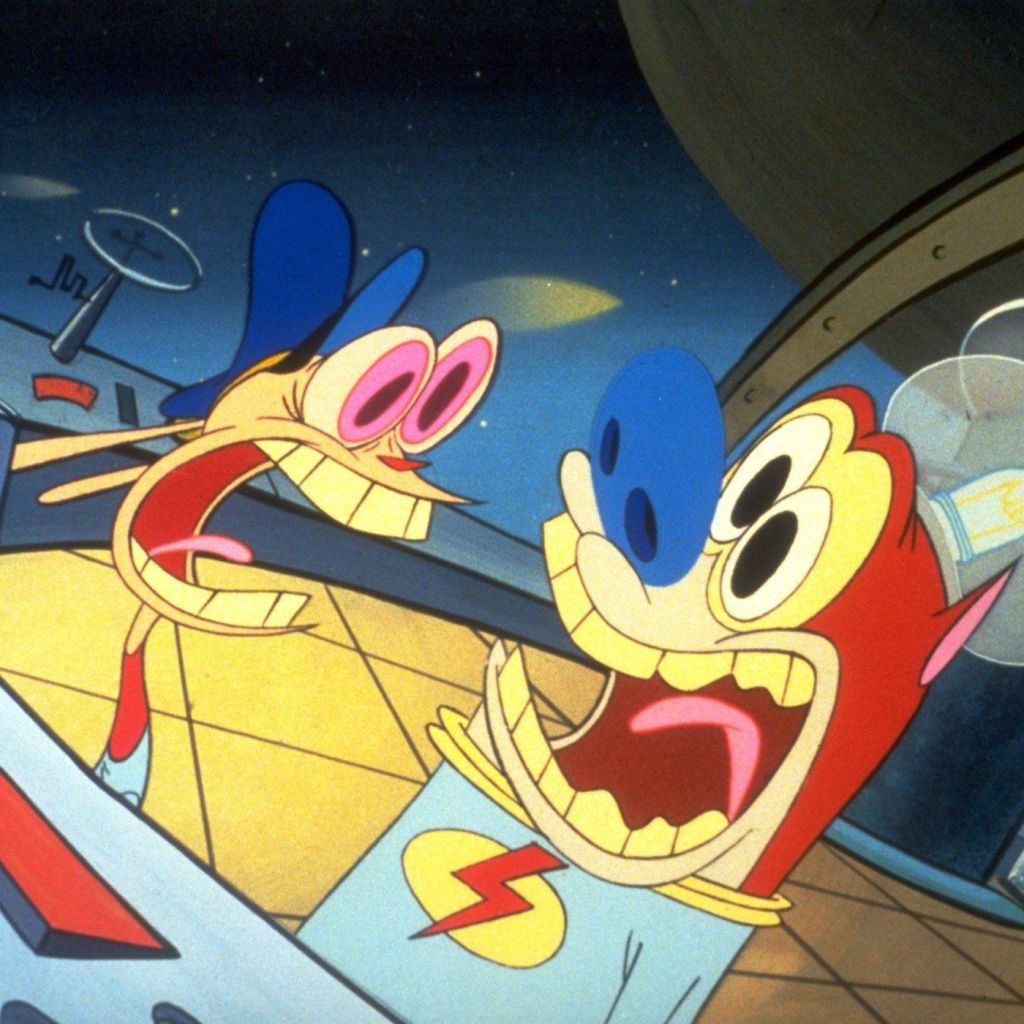
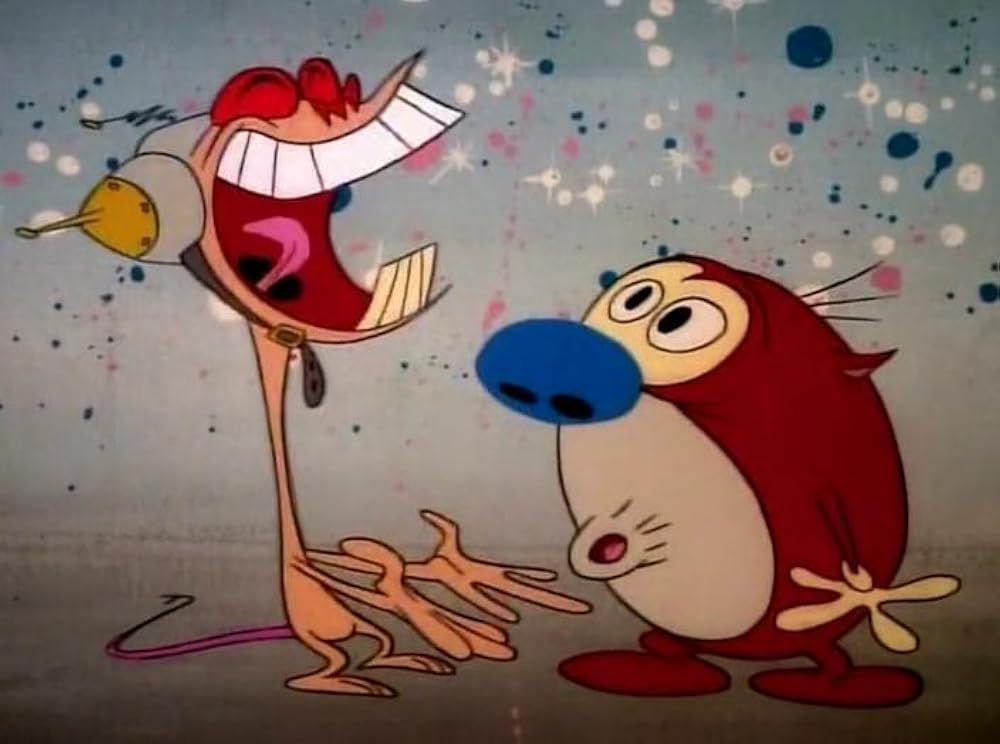
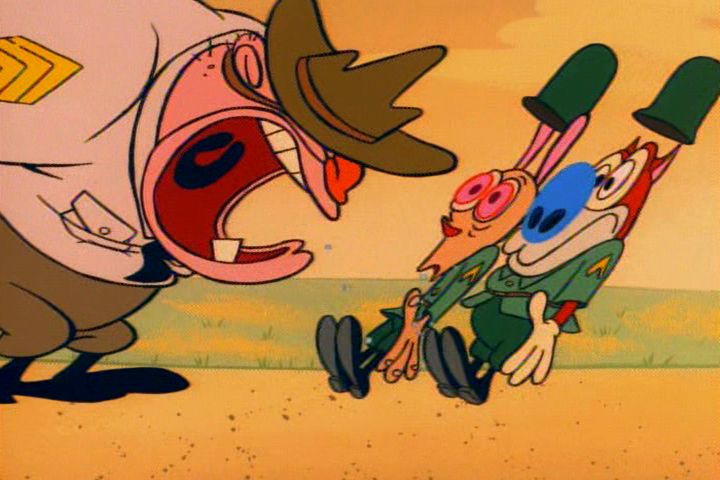
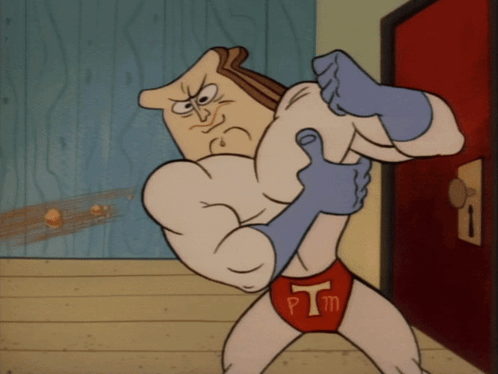
With the release of The Ren & Stimpy Show Kricfalusi was finally given permission to make the kind of cartoon he had always wanted to make and he was validated by the support of TV executives, viewers and animation fans. The only thing getting in the way of John Kricfalusi’s success was … John Kricfalusi. Despite how well things were going career-wise during this period, Kricfalusi still refused to act like a professional, including the way he disregarded the deadlines for the show’s production (much to the anger of Nickelodeon) and the way he refused to compromise with Nickelodeon over his creative freedom when the network asked him to tone down the show’s extreme subject matter, most significantly the portrayal of violence and the tobacco reference in the unaired episode “Man’s Best Friend,” which was deemed so inappropriate that Nick terminated Kricfalusi as the showrunner the following month (Both Nickelodeon and MTV refused to air that episode but when Spike TV finally aired it a decade later, it received a TV-MA rating!)
Kricfalusi refused to accept Nickelodeon’s compromise to stay on the show as a consultant and he quit the series altogether because of his refusal to “sell out.” Stimpy voice actor Billy West, who refused to walk out in solidarity with Kricfalusi, took over the voice of Ren for the rest of the show’s run. Kricfalusi was fired during the show’s second season but it continued for three more seasons following his departure under the leadership of Bob Camp and with production moved from Spümcø to Games Animation, meaning the show ran for five seasons total from 1991 to 1996. Although some viewers and critics did notice a drop in quality following Kricfalusi’s exit, noticing that it was less bold and less funny. But while it’s true that later seasons are not as acclaimed, I would still call it a win that Kricfalusi’s behavior did not cost the rest of the show’s cast and crew their jobs and that it was still allowed a healthy run.
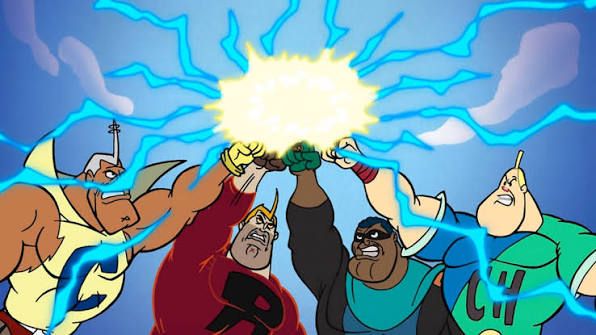
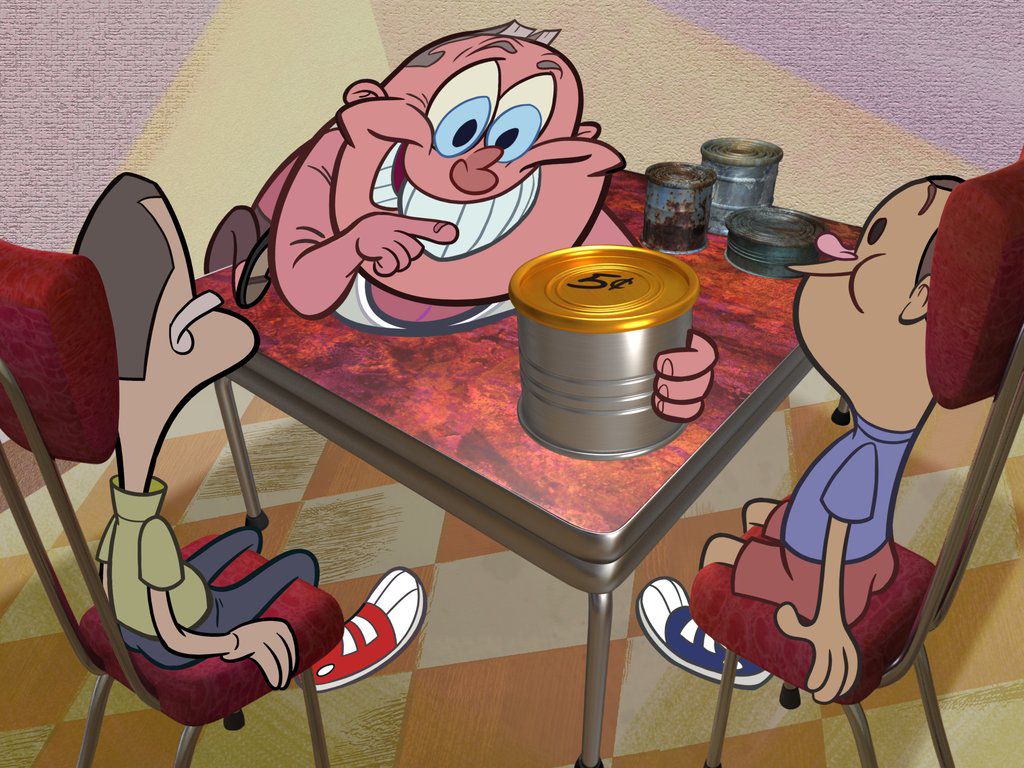
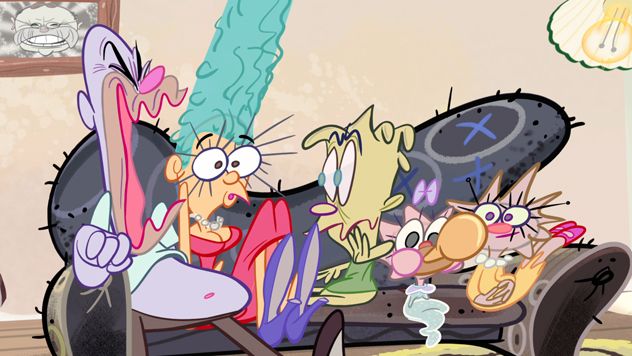
Kricfalusi’s career never really recovered in any significant way following his departure from Ren & Stimpy. He worked as an independent animator on various projects with Hanna-Barbera and Cartoon Network (including on 2 Stupid Dogs) and in addition to his work on “Harlem Shuffle” in the eighties he produced the animation for some music videos by musicians like Björk (“I Miss You,” 1997), Tenacious D (“Fuck Her Gently” in 2001 and “Classico” in 2006) and “Weird Al” Yankovic (“Close but no Cigar,” 2006) as well as providing art for Miley Cyrus’s Bangerz Tour in 2014. He also created a short-lived 13-episode superhero cartoon called The Ripping Friends (2001-02) for Fox Kids.
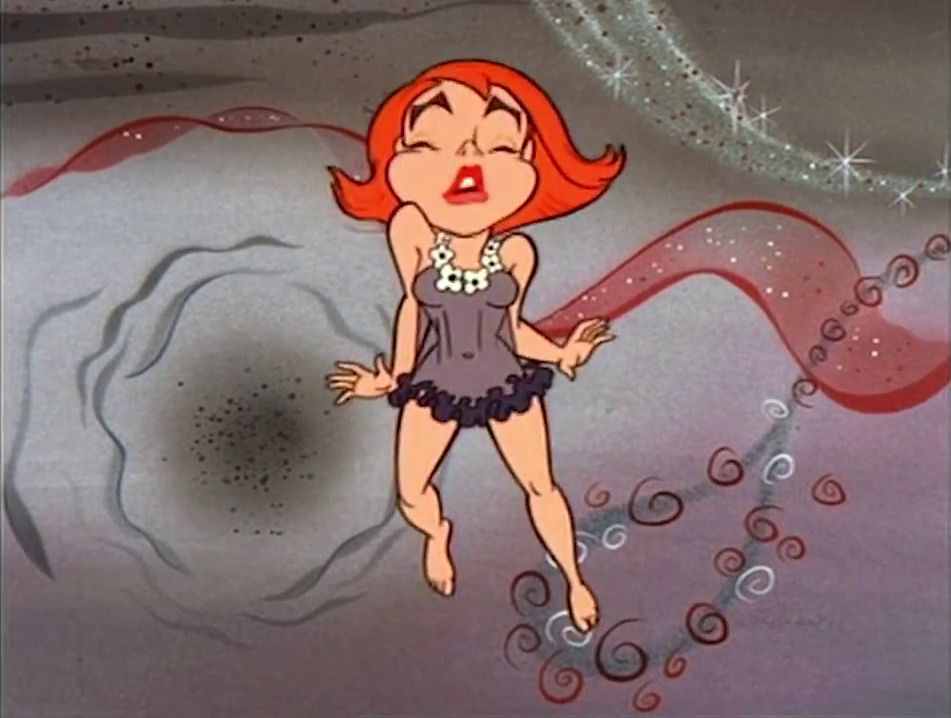
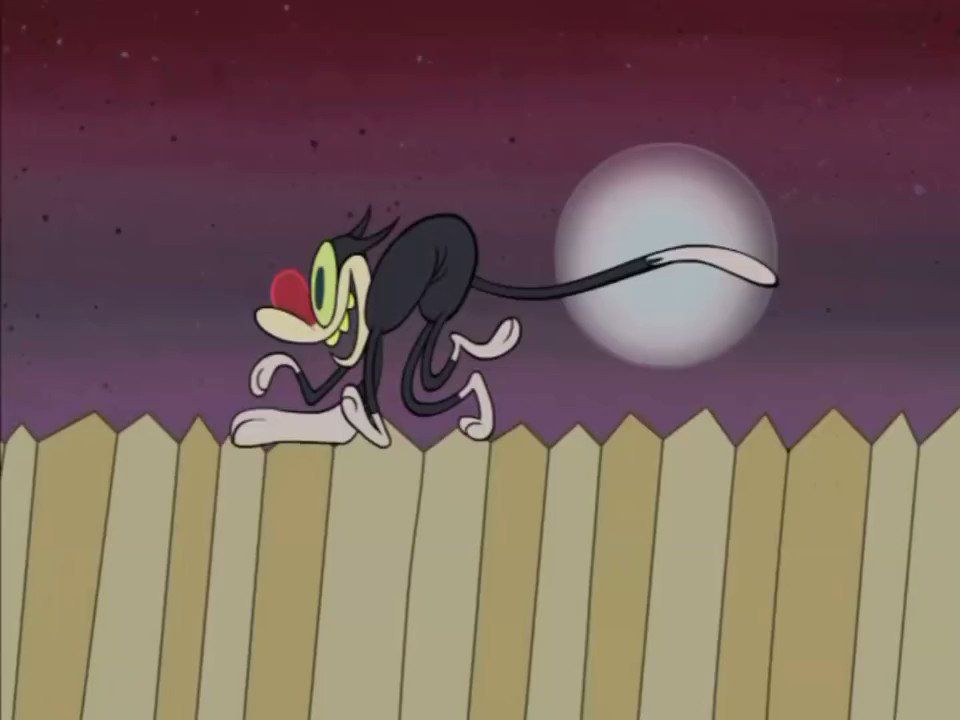
Kricfalusi regained control of the characters Ren and Stimpy years after the show ended when he created Ren & Stimpy “Adult Party Cartoon” for Spike TV as an adult-oriented reboot of the Nicktoon, but that only aired for three episodes in 2003 and was widely rejected by fans and panned by critics for being too disgusting, unfunny and heavy-handed in its shock value. Even Kricfalusi, who initially pushed for the show to lean into South Park-style humor, was disappointed by how the finished series turned out.
A proper reboot of Ren & Stimpy that is more like the original Nickelodeon series has been in discussion at the boardrooms of Viacom and Paramount for years since then, but any chance of John Kricfalusi being creatively involved became non-existent after 2018. That was when, following the floodgates of past allegations towards sexually abusive men that surfaced after film producer Harvey Weinstein was exposed as a predator in 2017, two Spümcø employees revealed that Kricfalusi sexually harassed and groomed them while they were underage, with Robyn Byrd revealing he was in a sexual relationship with her while she was 16 and Katie Rice revealing he was sexual towards her when she was 14 and abusive towards her after she turned 18. Documents and Spümcø employees who worked there at the time corroborate the stories of both women, with some revealing that John Kricfalusi’s sexual harassment was an open secret in the animation industry for years.
John Kricfalusi admitted all the allegations were true and he attempted to apologize by blaming the behavior on his mental illness and poor impulse control, but Byrd and Rice did not buy this and they both criticized him for refusing to take any blame or responsibility for what he did. When he realized that excuse didn’t work, he reluctantly but wisely decided to drop out of any possible future Ren & Stimpy reboots and retire from the animation industry altogether.
It’s a shame that I find everything about Kricfalusi so repellent, because whether you like him or not, what he did was a huge deal for animation. While I wasn’t allowed to watch The Ren & Stimpy Show as a child, in the years since it aired I have gone on to check out the series on DVD and on Paramount+ and I am a huge fan of it for many of the same reasons that fans and critics were fans back when it aired on Nickelodeon. The show’s significance in animation history also cannot be overstated, as it basically opened the door and established the template for countless other creator-driven kids’ cartoons with similarly imaginative styles and ageless appeal, such as Rocko’s Modern Life, Dexter’s Laboratory, Johnny Bravo, Cow and Chicken, CatDog, SpongeBob SquarePants, The Fairly Oddparents, Adventure Time and Mickey Mouse. As for my feelings on a potential Ren & Stimpy reboot, it’s not something I absolutely need (no reboot is), but if Paramount decides to go through with it, I am curious to see if they can pull it off and make something as memorable as that original series. A challenge that not even the show’s original creator has been able to meet in the past.