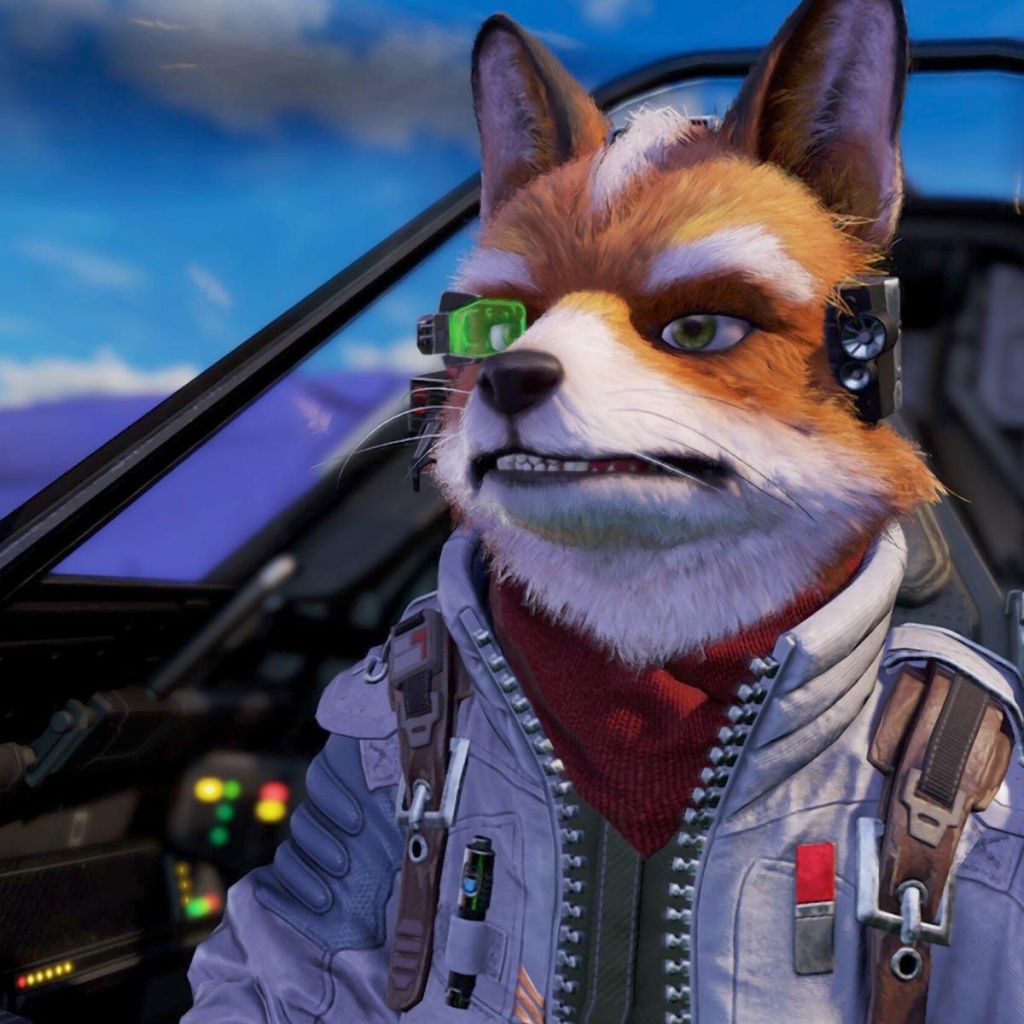
Star Fox, while seen today as one of Nintendo’s flagship video game series and a high water mark in 3D gaming during the nineties, has had one of the most unique journeys in video game history, especially when it comes to the specific creations of Shigeru Miyamoto who had previously raised the bar for platforming with Mario and open-world exploration with Zelda and continued to find new ways to keep those series fresh while Star Fox has struggled to stay relevant and has faltered from huge creative swing to safe retread over the course of its journey from the SNES to the Switch 2, with many of its biggest fans still waiting for the series to return to its former glory. And yet despite its shaky relationship with gamers and critics, Nintendo still sees the series as an important priority, possibly because Miyamoto still loves it so much and almost certainly because Nintendo is aware that this series’ cult popularity is too big to ignore and its legacy is too important.
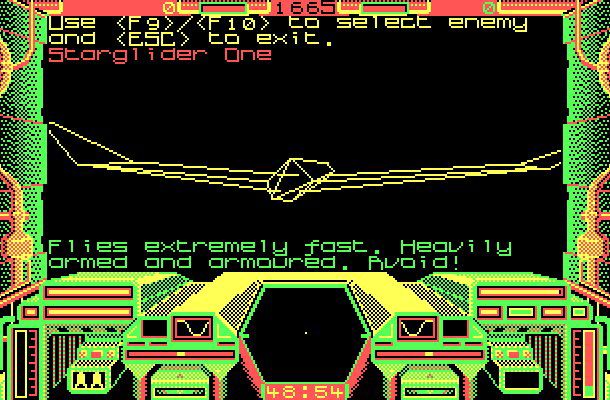
Not the least of the unique aspects of Star Fox’s journey as a Miyamoto-produced Nintendo game is the fact that the seed of the idea originated not from Japan but from Europe at a game company called Argonaut Software, which was founded by English programmer Jez San in the late 1980s while he was still a teenager. The company was founded on the money he made off his 1986 space flight game Starglider, which was well-received and was one of the few video games that decade with wireframe vector graphics. After that game, Argonaut made Starglider 2 (1986) which was even more well-received and even more visually impressive.

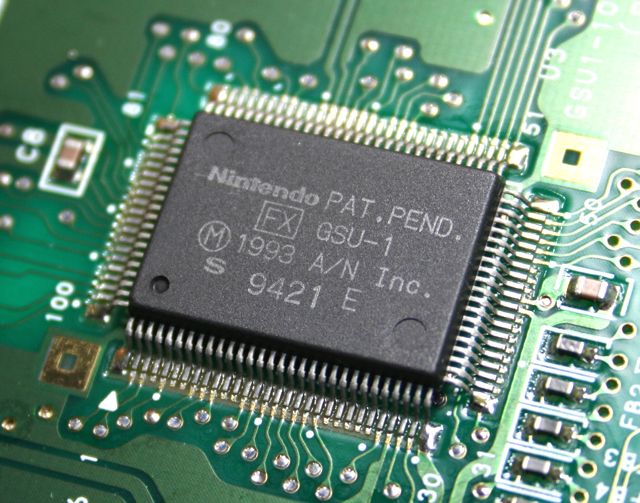
After having success with games on systems like Amiga, Atari ST and the ZX Spectrum, Argonaut created a prototype 3D graphic simulation system for the NES (codenamed the NESGlider) that was visually similar to the original 8-bit Starglider, and after presenting the proof-of-concept chip to Nintendo, the Japanese company requested that Argonaut use it for the Super NES instead, which required Argonaut to rebuild the system from scratch for twice as much bit power. The name for this prototype became the “Super FX Chip,” a 3D processor built into the SNES game cartridge.
While Argonaut handled the programming for this new SNES game, Nintendo created the concept, art and characters, with Miyamoto primarily handling the game design alongside Super Mario Bros. 3 level designer Katsuya Eguchi, who directed the new game while Miyamoto produced it. Meanwhile manga artist and F-Zero co-creator Takaya Imamura handled the concept art and character designs.
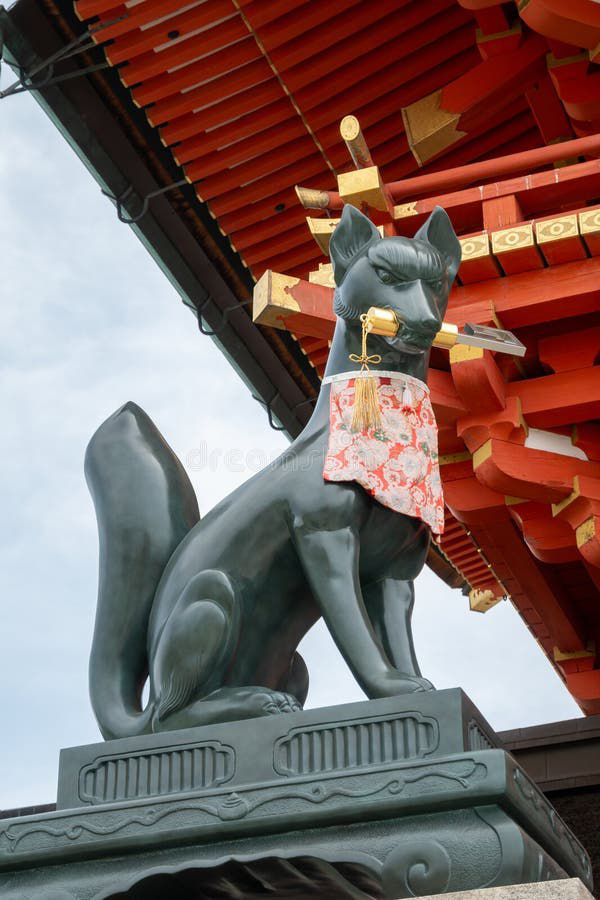
A sci-fi space shooter was chosen as the core concept of the game, with Miyamoto suggesting an arcade-style shooter. The game, which put you in control of a fighter jet similar to a Star Wars X-Wing (only this would be called an Arwing) was titled Star Fox and it would feature anthropomorphic animals, because Miyamoto wanted to differentiate it from typical sci-fi stories which were usually populated with humans, robots and alien races. The main character was a fox named Fox McCloud, with Miyamoto taking inspiration from a kitsune statue he saw at Fushimi Inari-taisha, a shrine in Kyoto, Japan (Japanese folklore would serve as the inspiration for other Star Fox characters as well).
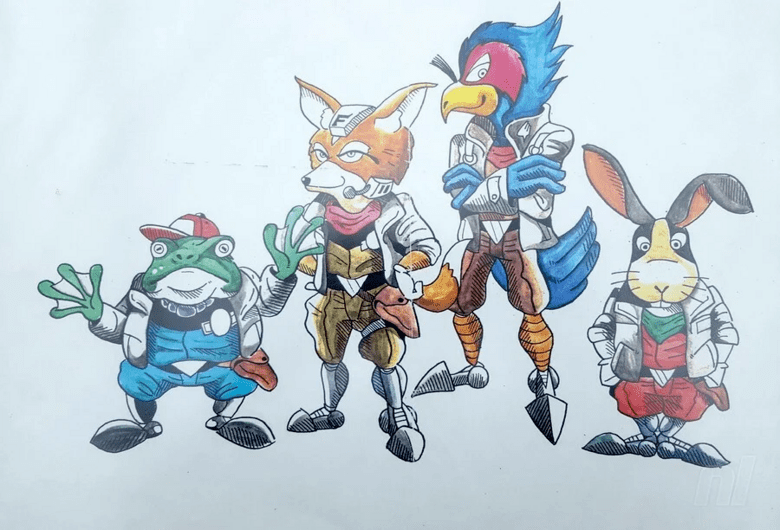
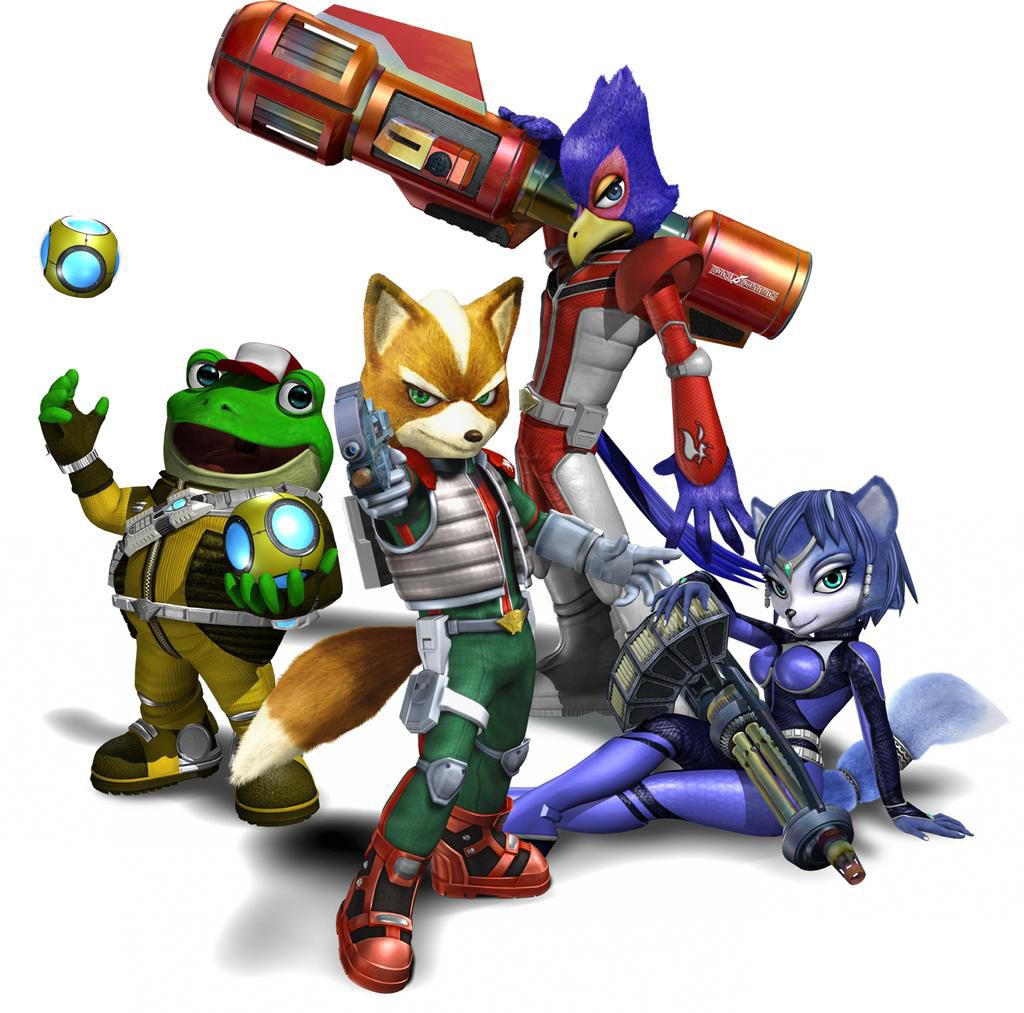
Fox McCloud’s Star Fox team mates were the hot-headed ace pilot Falco Lombardi, veteran pilot and mentor Peppy Hare, and the inventor and mechanic Slippy Toad. The Star Fox team was led by a bloodhound named General Pepper, commander-in-chief of the Cornerian Defense Force, while the game’s primary villain is an evil monkey scientist named Andross. The sci-fi shooter takes place in a planetary system called the Lylat System and the plot kicks off when Andross is banished from Planet Corneria for his dangerous lab experiments and relegated to the Planet Venom, where he has built his headquarters and declares war on Corneria. That’s when General Pepper sends a distress signal to a mercenary team of pilots called Star Fox.
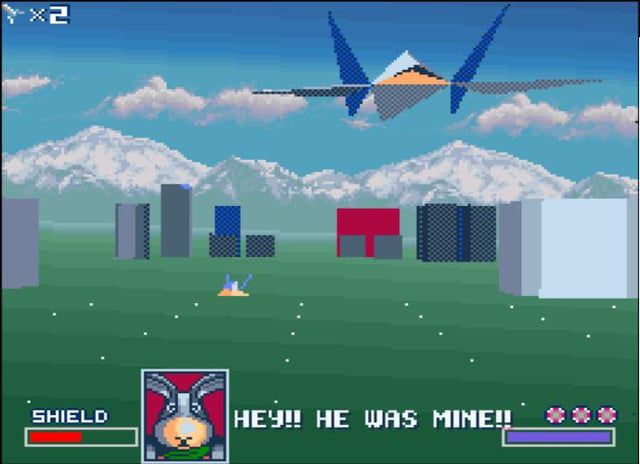
Star Fox is basically a third-person and first-person 3D rail shooting game where you must blast your way through enemy ships, robots and hostile life forms on your course from Corneria to Venom, a course that could differ significantly from player to player as you are given multiple options for how to finish a level. Meanwhile, your teammates Falco, Peppy and Slippy are your computer-controlled allies and depending on how often you prioritize their safety when enemies are firing at them during gameplay, it is possible for them to be shot down. So in addition to avoiding enemy damage being part of the game’s challenge, you must also take care of your team and make sure they avoid damage as well.
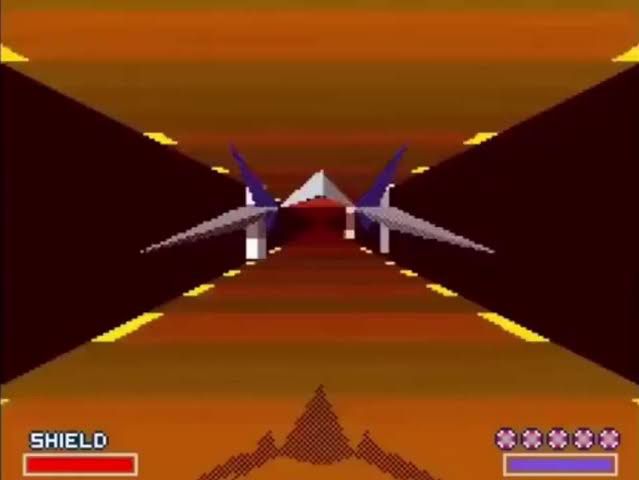
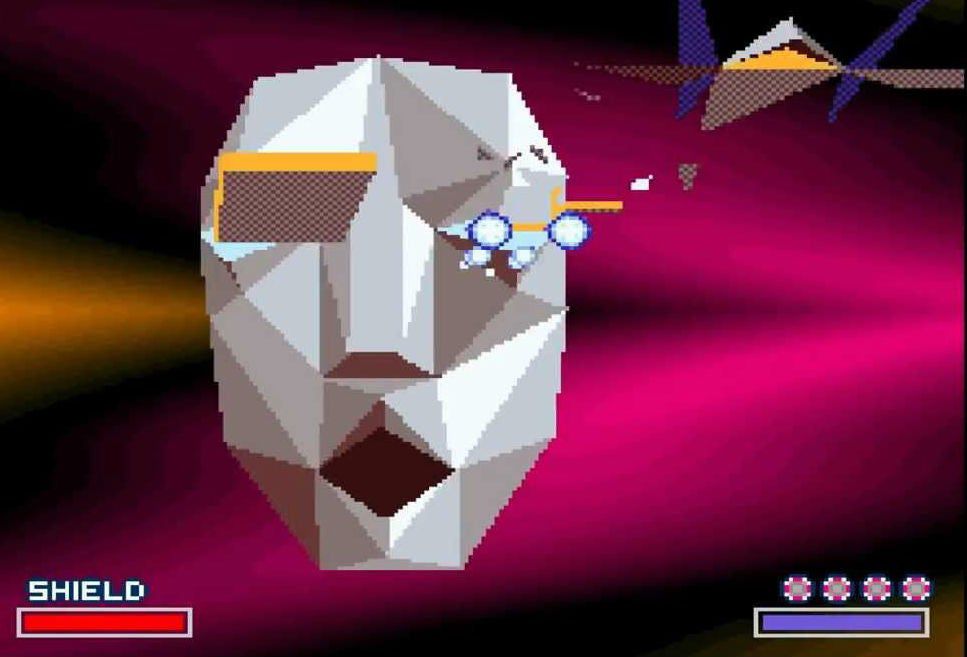
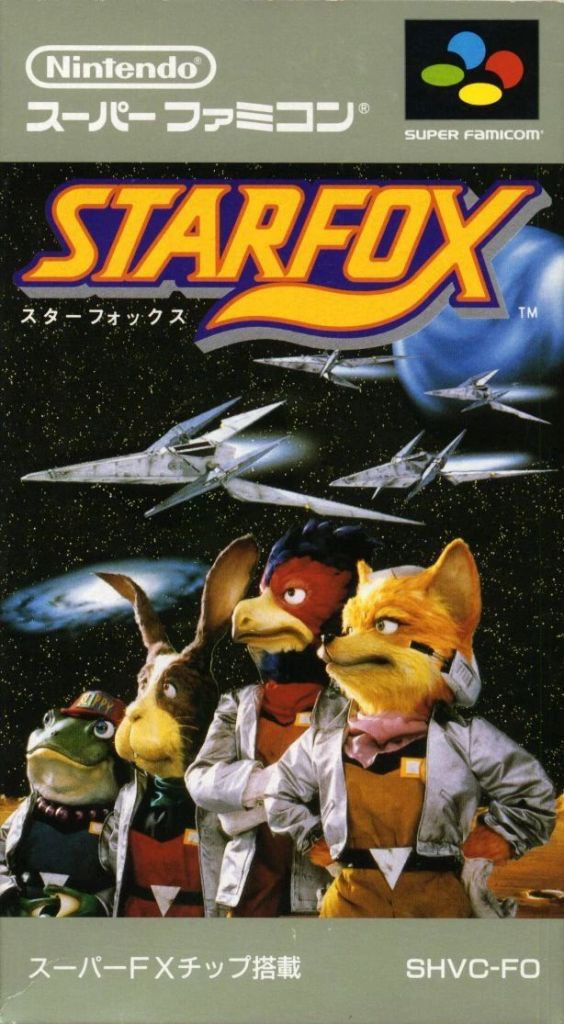
Star Fox was first released in Japan on the SNES in 1993 and it received rave reviews upon its debut, including praise for its groundbreaking use of 3D polygon graphics, which were so unlike other console games of the time that Entertainment Weekly compared it favorably to virtual reality. It was also a commercial success, not just in Japan but globally. This led to the development of a sequel called Star Fox 2, which was also handled by Argonaut Software. Star Fox 2 was more experimental and incorporated platforming elements into the gameplay as well as an advanced Super FX Chip called the Super FX 2, which had more memory and ran twice as fast. The game was set to be released in 1995, but despite the development of that game going well and being completed on time, its release was cancelled at the last minute by Nintendo due to the popularity of more advanced 3D graphics on systems like the PlayStation and the Sega Saturn which threatened to make Star Fox 2 look graphically dated before it even hit store shelves. Although the game was finally released over two decades later on the Super NES Classic Edition in 2017 and later on the Nintendo Switch via Nintendo Classics in 2019, so thankfully curious gamers are able to play it today after 22 years of it being stuck in limbo.
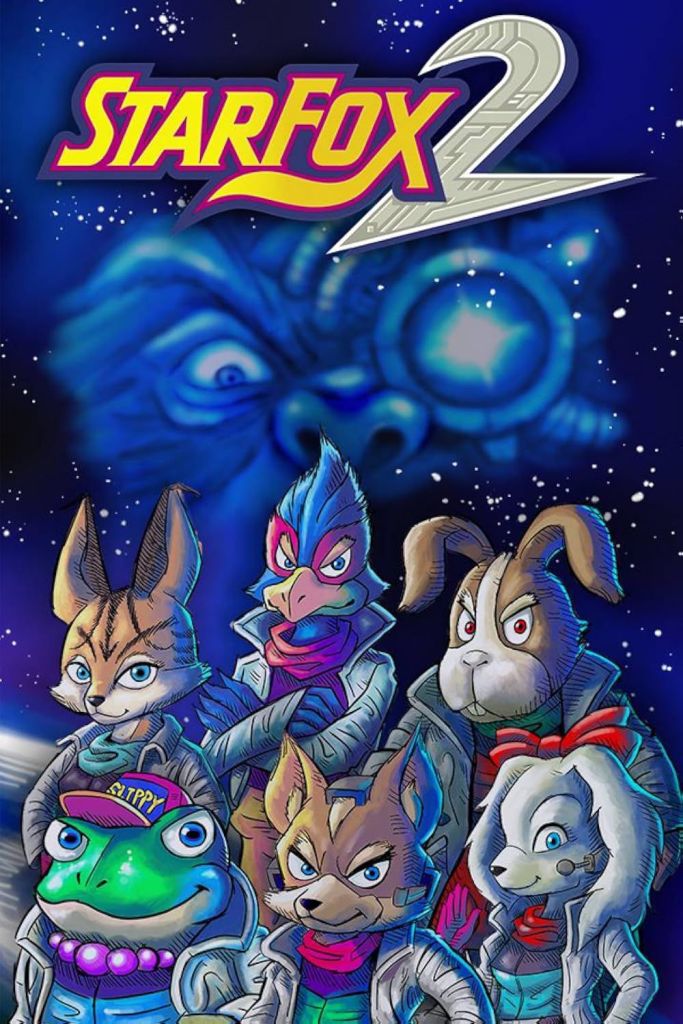
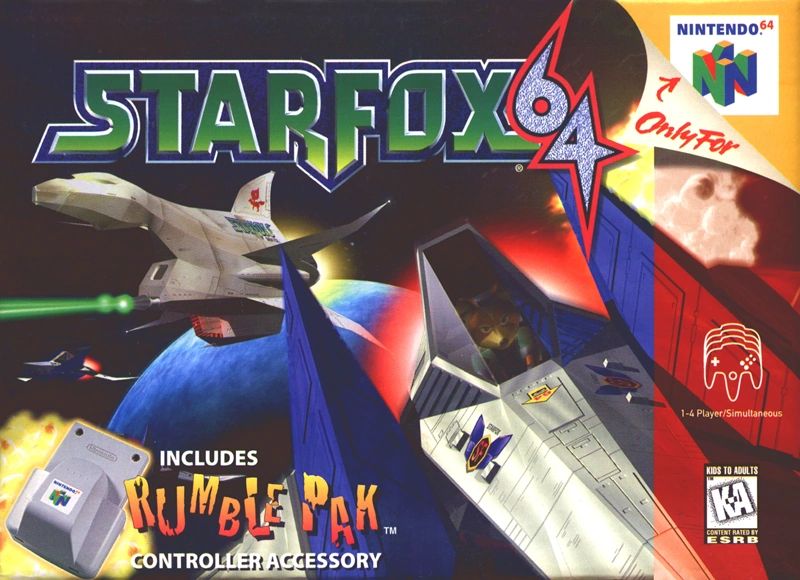
When Nintendo decided to make a Star Fox game for the Nintendo 64 instead, some unused elements from the cancelled Star Fox 2 were used in that game, including a multiplayer mode, an All-Range Mode that breaks from the rail shooter system and allows free flight, and the introduction of Star Fox’s rival team Star Wolf, led by Wolf O’Donnell and his teammates Leon Powalski the chameleon, Andross’s nephew Andrew Oikonny, and Pigma Dengar, the pig and former Star Fox team member who betrayed Fox McCloud’s father James McCloud (who is thought to be dead). Despite these new elements, Star Fox 64 remains similar to Star Fox plot-wise, serving as kind of an unofficial remake. Miyamoto used it as an opportunity to create a more fleshed out and less technologically limited version of the SNES game. Including the bonus utilization of the Rumble Pak, which Star Fox 64 was the first N64 game to utilize and which could be inserted into your N64 controller and cause it to shake when you took damage in the game.
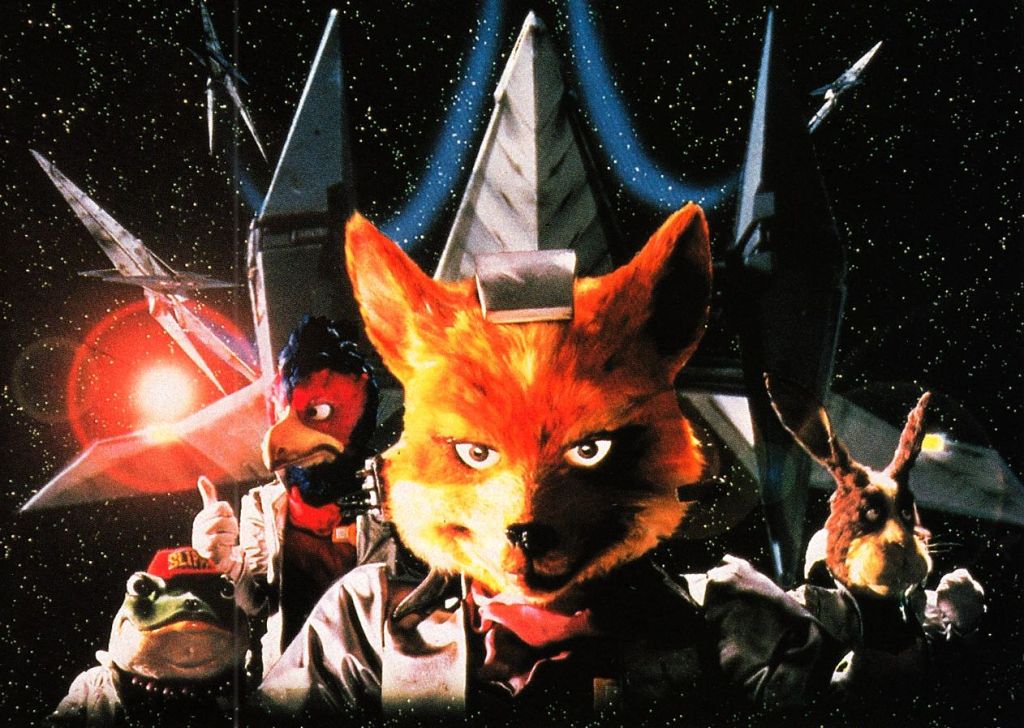
The technical sophistication of the N64 also meant that the game was allowed to be staged in much more cinematic ways too. The British puppet show Thunderbirds (which Miyamoto loved as a kid) not only served as the inspiration for the SNES game’s puppet-based promotional imagery, but also for the limited puppet-style mouth movement of the characters from the N64 game as the 3D models lip synched to the voice acting. Miyamoto’s love for Thunderbirds would reportedly also make him think of each Star Fox mission as a single episode of a prime time TV series in his mind.
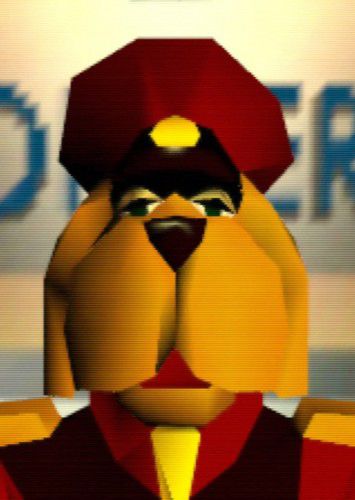
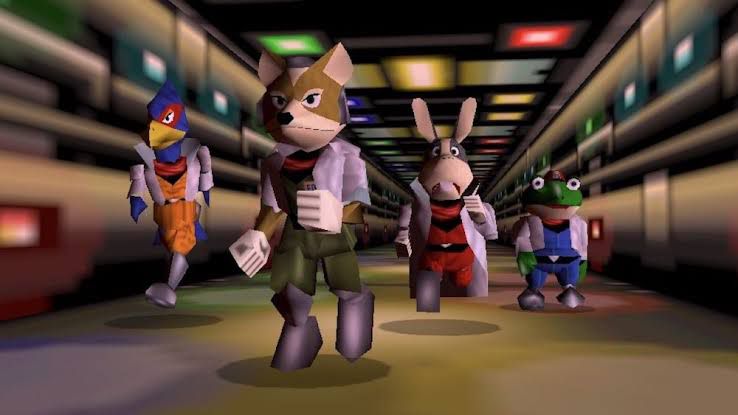
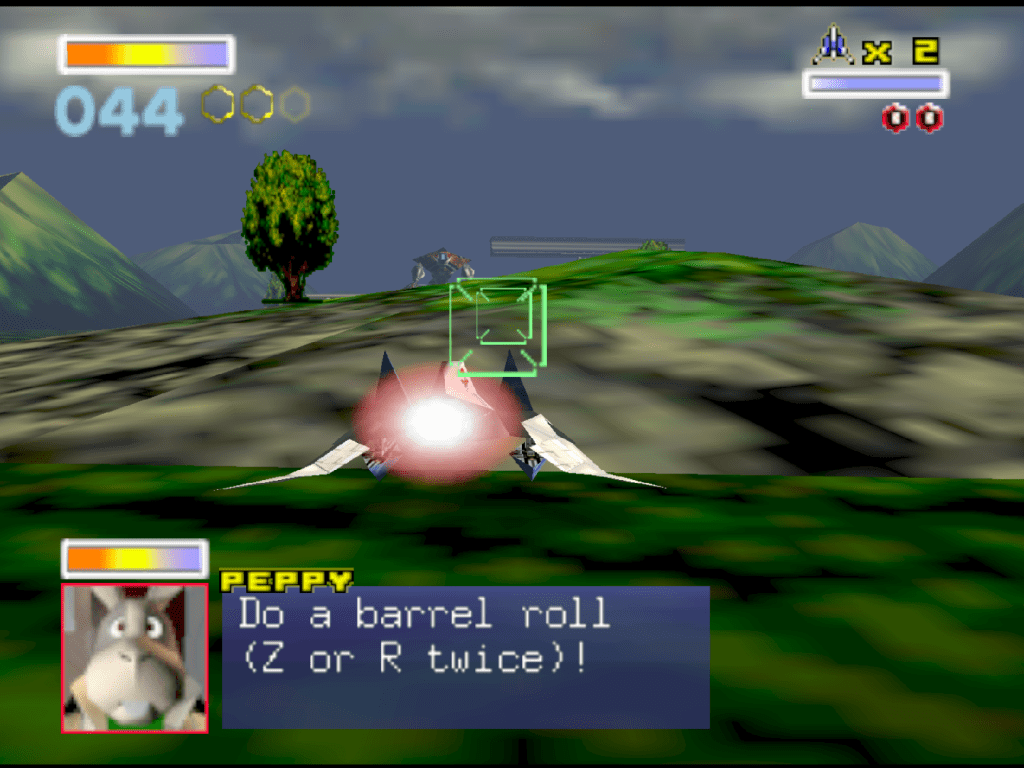
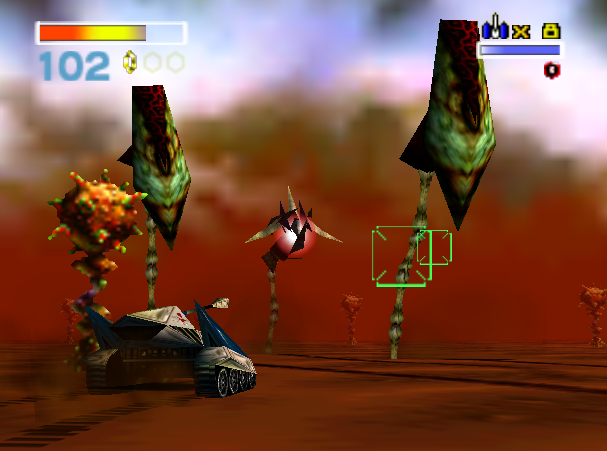
Star Fox 64 was an even bigger critical and commercial hit than the first Star Fox when it was released in 1997 and many gamers still consider it to represent the series at its peak, with praise aimed at its sleek controls, creative boss battles, impressive graphics and cinematic presentation, including the game’s use of more voice acting than was typical for video games at the time. Today Star Fox 64 is considered a classic and one of Nintendo’s best games.
Star Fox would next appear in the GameCube action-adventure game Star Fox Adventures (2002), which was originally being developed by Rare for the N64 as an original game called Dinosaur Planet before Shigeru Miyamoto convinced Rare’s team to make it a Star Fox game instead. The game introduced a triceratops companion named Prince Tricky and a female fox named Krystal who went on to join the Star Fox team and become one of the main characters of the Star Fox series.
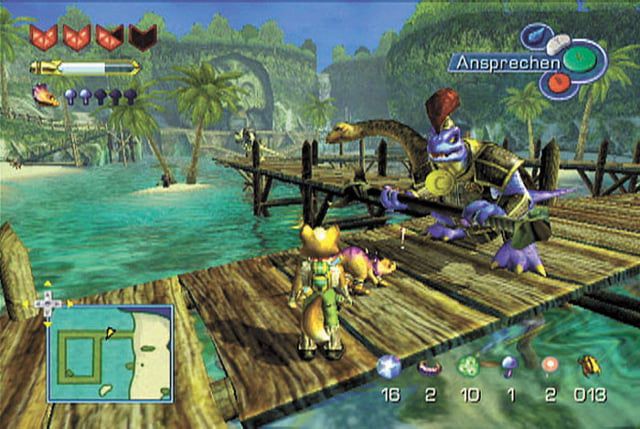
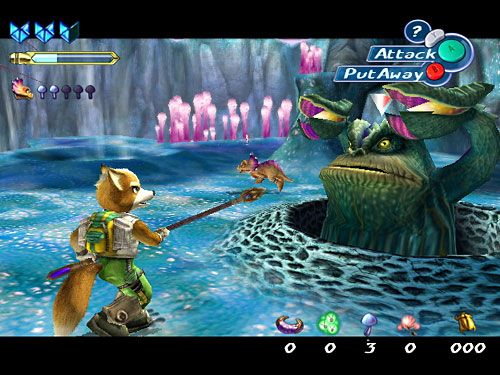
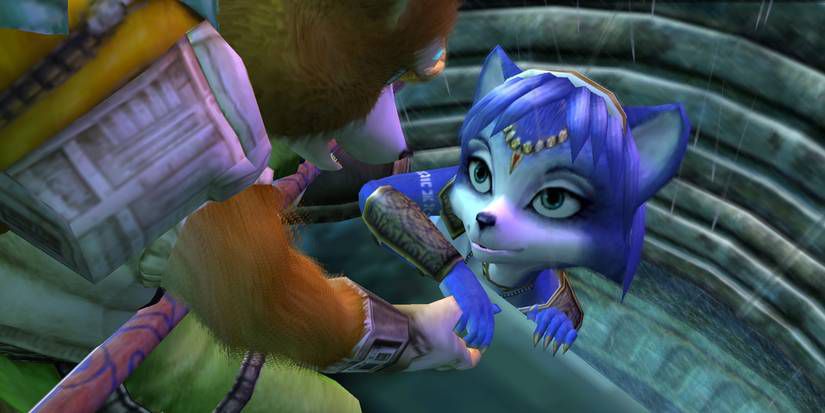
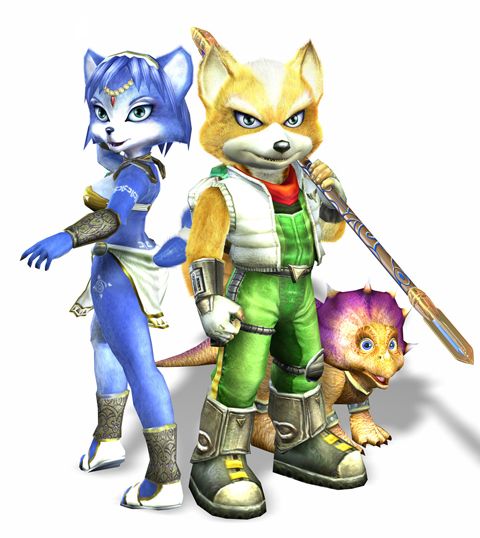
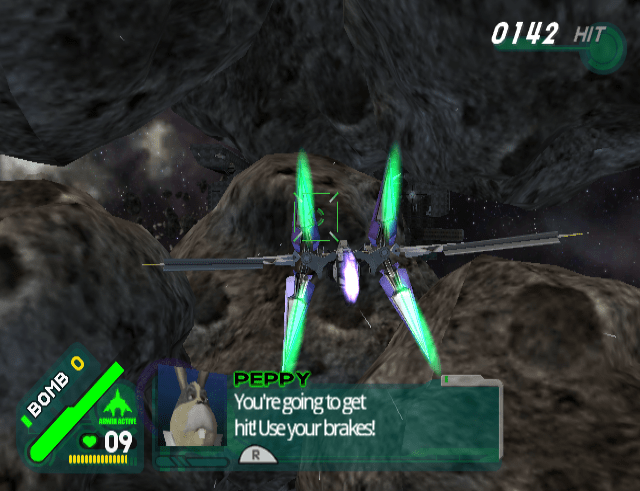
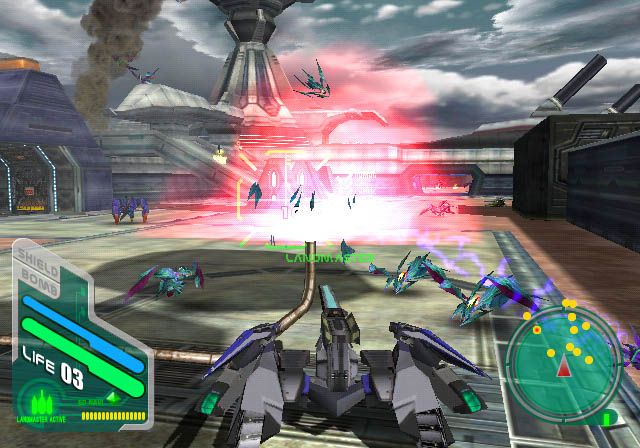
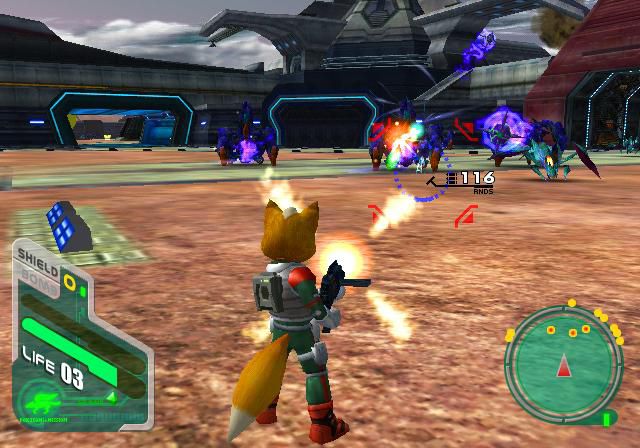
Star Fox Adventures was a well-designed Zelda-style adventure and it received positive reviews, although it was a radical departure from the shooter-focused and flight-focused gameplay of the previous entries and as a result, many Star Fox fans did not love it. Although it was followed three years later by a more traditional Star Fox game called Star Fox: Assault (2005), a rail-shooter developed by Namco for the GameCube. This game’s story took place a year after the events of Star Fox Adventures, this time with the Star Fox team battling a cybernetic insect army called the Aparoids, which could both control machines and infect living things, operating as a hive mind under the Aparoid Queen (Namco came up with the plot’s insect angle partly as an homage to the developer’s arcade classic Galaxian). Critics and gamers enjoyed the presentation and some of the innovative gameplay choices, including the ability to hop out of an Arwing, walk around and pilot another vehicle in real time. But the game also received a lot of criticism for its short campaign mode and its lackluster multiplayer mode.
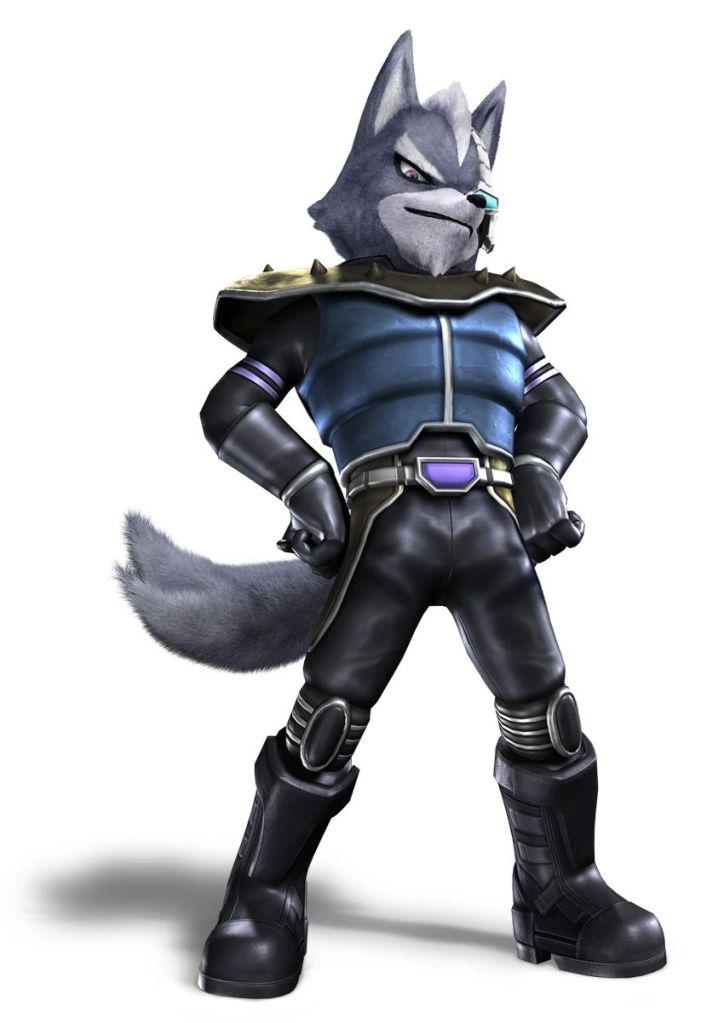
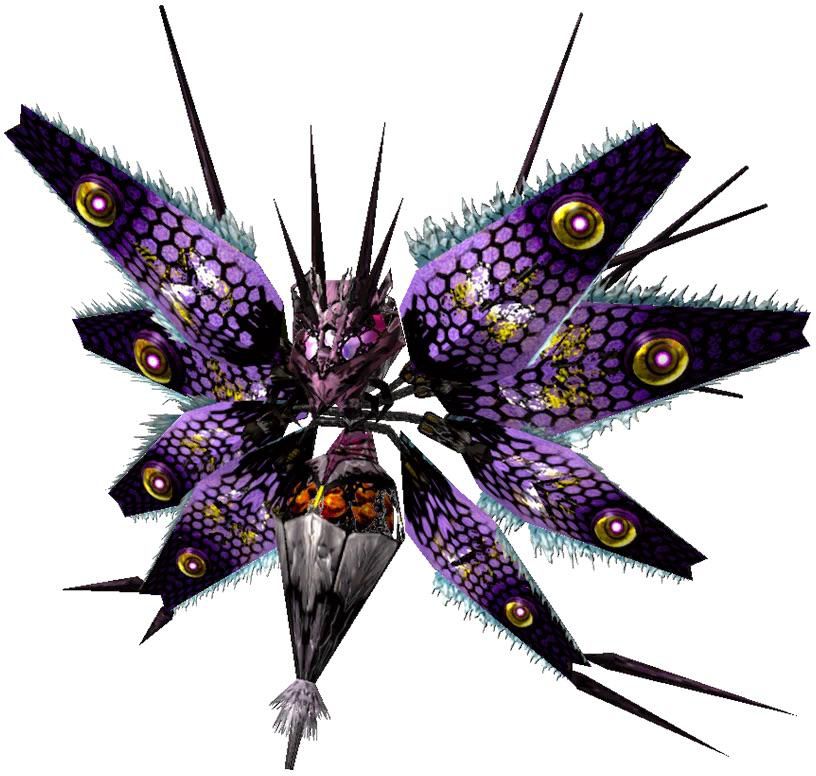
The next entry in the series came from a collaboration between Nintendo and Q-Games, founded by Argonaut alumnus Dylan Cuthbert, on the Nintendo DS with the release of Star Fox Command (2006), a shoot-’em-up single-player and multiplayer game and the first Star Fox game to have online capabilities. The story in this game is set a few years after Star Fox: Assault and sees the Star Fox team facing a menacing aquatic alien race known as the Anglar, which you would battle with aid from the DS system’s touch screen navigation. And as the game’s title suggests, you are put in command of several ships at once as you switch regularly from turn-based strategizing to All-Range flight combat.
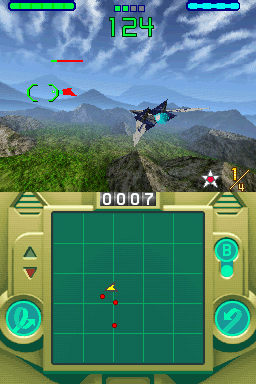
The game expands on the multi-path gameplay variety of Star Fox 64 by giving players a ton of freedom on how to advance the plot, leading to nine different possible endings for the game, which made it more story and character-focused than other Star Fox games as your decisions had a big impact on both the narrative and the character drama. Reviews for the game were mostly positive due to its smooth stylus-based controls and clever focus on strategy, but criticism was aimed at its short length and gameplay that, while innovative, most agreed paled in comparison to Star Fox 64.
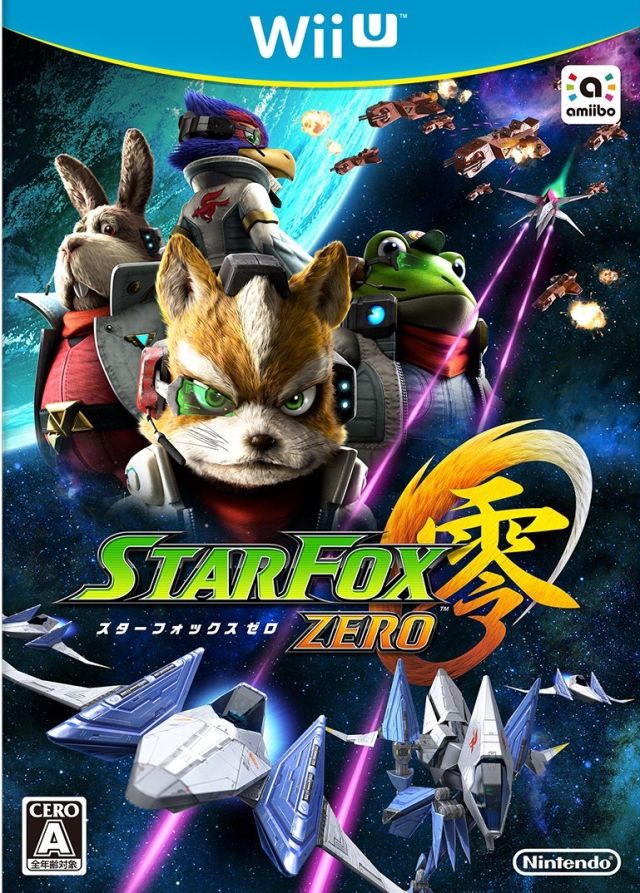
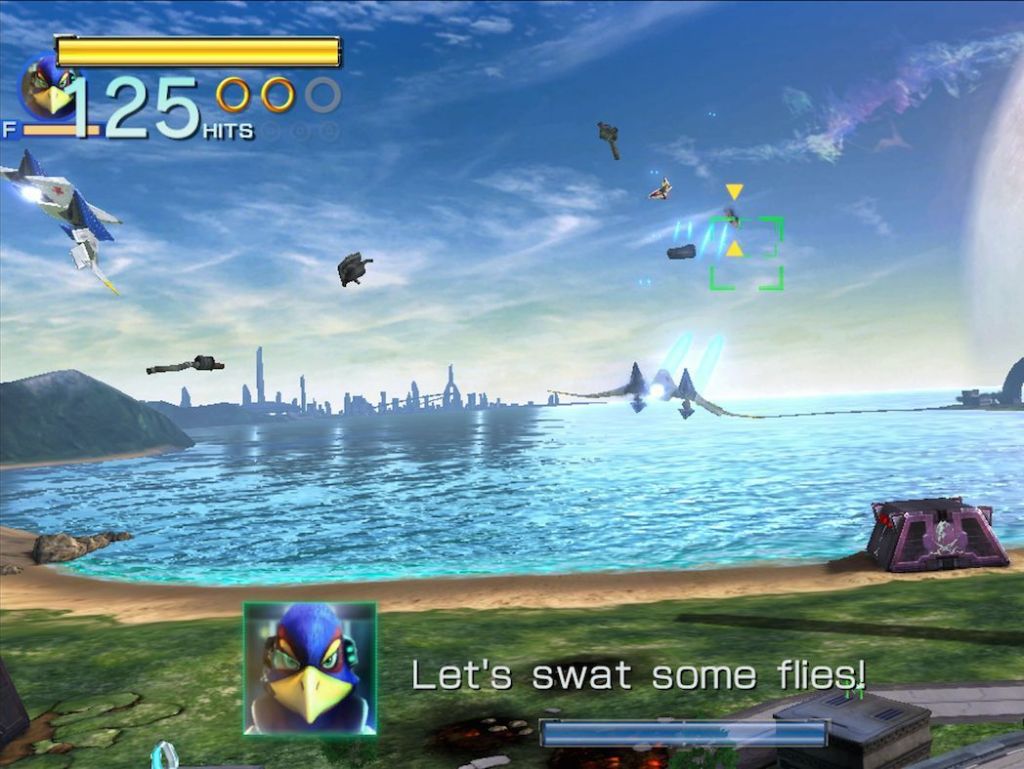
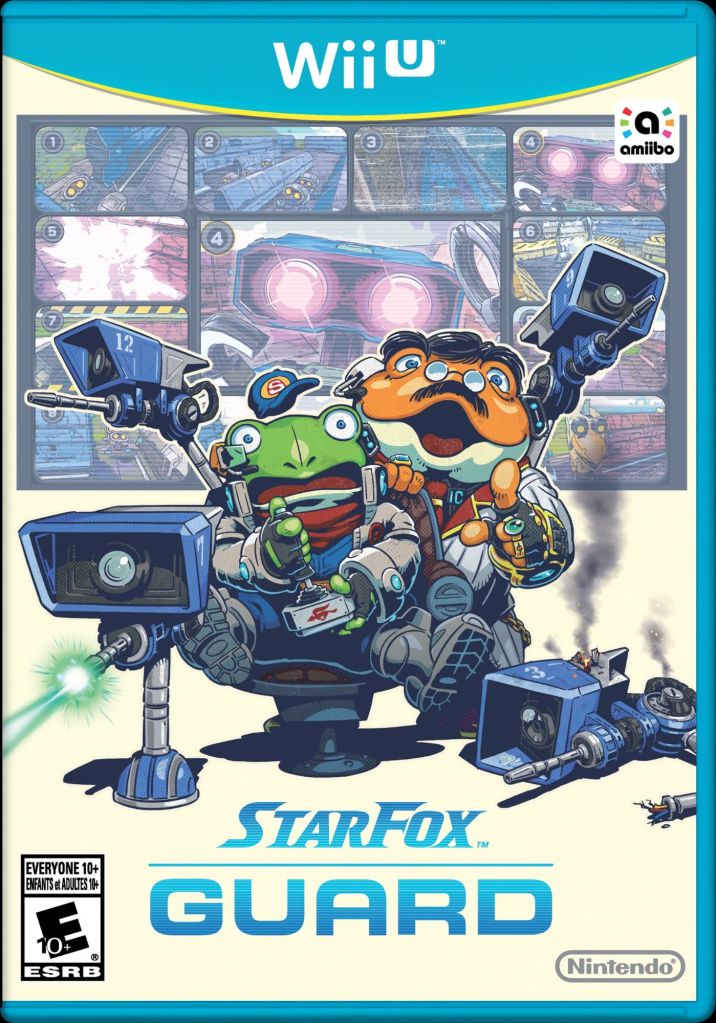
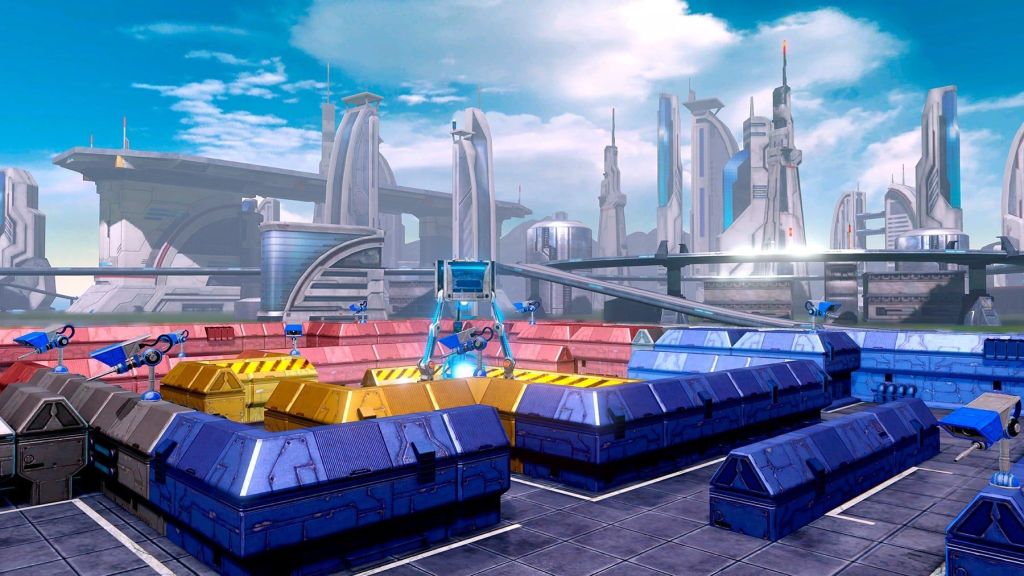
The lukewarm reception of Assault and Command is the most likely reason why the series slowed down the frequency of its new entries after 2006. A 3D (literally) remake of the N64 game called Star Fox 64 3D was released on the Nintendo 3DS in 2011 and that obviously received a good reception because it was built on the foundation of another game with a good reception, but there wouldn’t be another new Star Fox game until five years later when Star Fox Zero came out for the Wii U in 2016, developed by Nintendo alongside Bayonetta developer PlatinumGames as a reimagining of Star Fox 64 with new Wii U gamepad focused controls which allowed you to control the ship from the outside and view the inside of the cockpit at the same time. Nintendo was previously working on a Star Fox game for the Wii, but its development was canceled due to a lack of compelling gameplay ideas, but with the introduction of the Wii U came a bigger treasure chest of gameplay possibilities. However, Zero received mixed reviews. Many felt that the Wii U control scheme wasn’t executed well enough and that it was forced in its implementation for the sake of innovation at the expense of fun and ease, with some even decrying it for how little sense it made as a control scheme. The inclusion of the bonus tower defense spin-off game Star Fox Guard starring Slippy Toad, which received an equally mixed reception, did not help.
After this, the Star Fox series didn’t make much of a noise for an entire decade and the future of the series was in question. The fact that neither the Wii nor the Nintendo Switch, two of Nintendo’s most popular consoles in the last 20 years, did not feature a single Star Fox game only led to more speculation and worry that Nintendo just ran out of ideas for what to do with the series. Miyamoto had said early on that his intention with the Star Fox series was to use the games as a way to explore and introduce innovative gameplay concepts, in the same spirit as the SNES original that exploded onto the gaming scene with its Super FX Chip-based presentation. But I feel like this attitude might be holding the series back, because there are plenty of brilliant flight-based shooter games still getting made today by developers who take tried-and-true gameplay formulas while tweaking them to perfection. Nintendo seems to care too much about the Star Fox series to relegate it to such a level of PlayStation and Xbox-style averageness. Which could be why they abandoned the series for so many years.
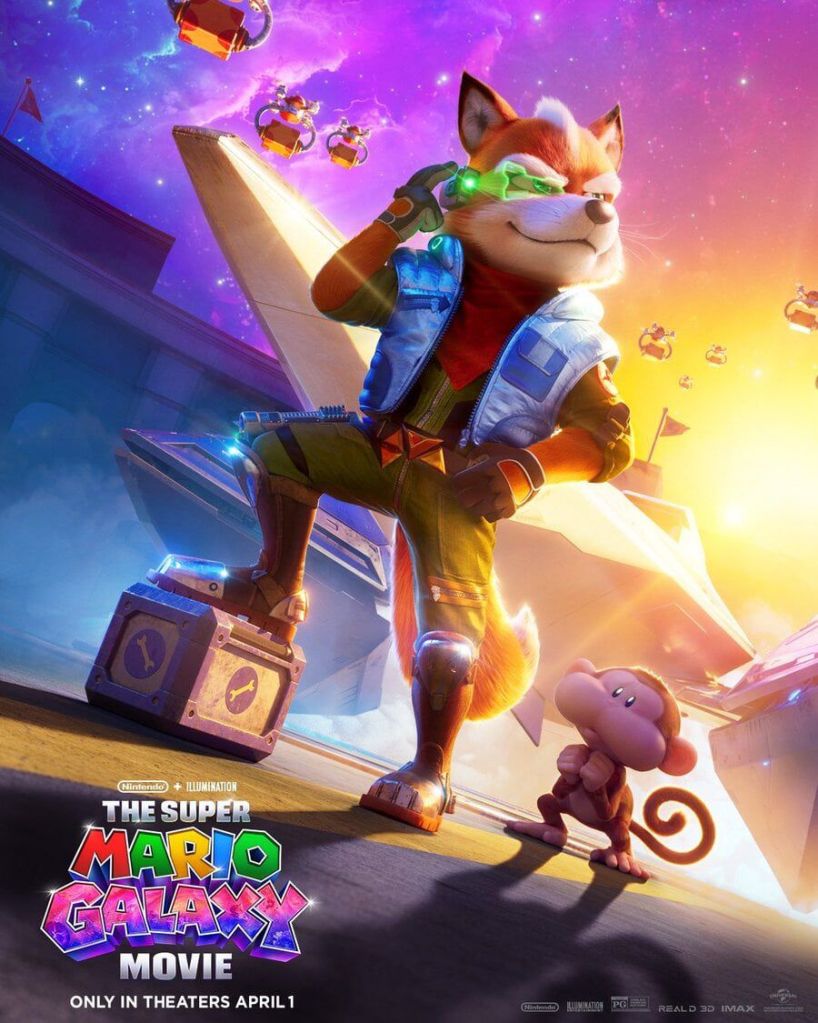
Which is why it was such a huge surprise when Fox McCloud appeared as a character in Nintendo and Illumination’s The Super Mario Galaxy Movie in 2026. Previous cross-promotional efforts by Nintendo from the timing of their movie releases and their game releases had led some to speculate that a new Star Fox game was on the verge of being announced after that film came out. Sure enough, Nintendo announced that a remake simply titled Star Fox was in the works and set to be released for the Nintendo Switch 2 two months later. Visually the game is impressive and based on what Nintendo has shown so far of the gameplay it is going to be a fairly faithful remake of Star Fox 64, which means it’s a safe bet that it will receive similarly positive reviews as well. And while some Star Fox fans are understandably disappointed that this means we still technically haven’t gotten a totally original mainline Star Fox game in 20 years, my hope is that Nintendo knows what they are doing and are planning to give the Star Fox team a comeback when the time is right, possibly using Star Fox 64 (which as I said is considered by many fans to be the best Star Fox game) as a way to test the waters to see if gamers still have an appetite for this series.