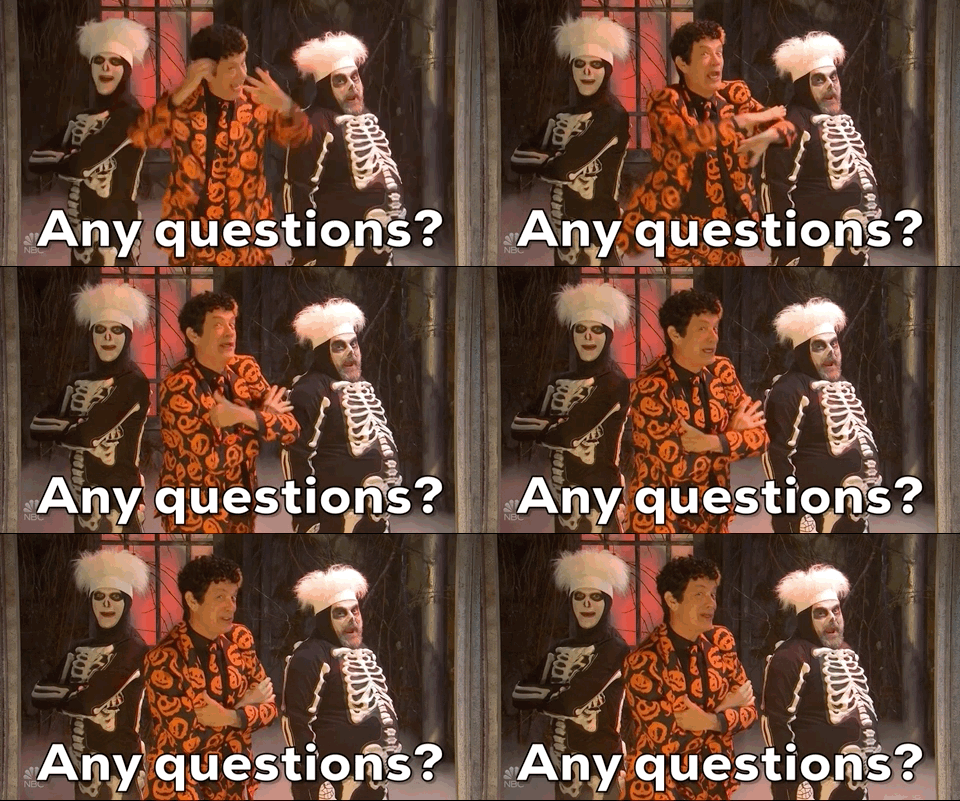
The actor Tom Hanks was born in Concord, California in 1956. He was known to be a shy kid and a self-described geek but he was also funny, friendly and he acted in school plays. Although his love for theater extended beyond just the acting part because he was also just a theater fan in general who watched a lot of plays by himself while growing up in the Bay Area. He dropped out of college when he became an intern at the Great Lakes Theater Festival in Cleveland, Ohio, receiving an up-close education in theater production in the process. And by 1979, after receiving acclaim for his acting in local plays (including productions of The Taming of the Shrew and Hamlet to give you an idea of the kind of acting he did), he moved to New York City to pursue an acting career.
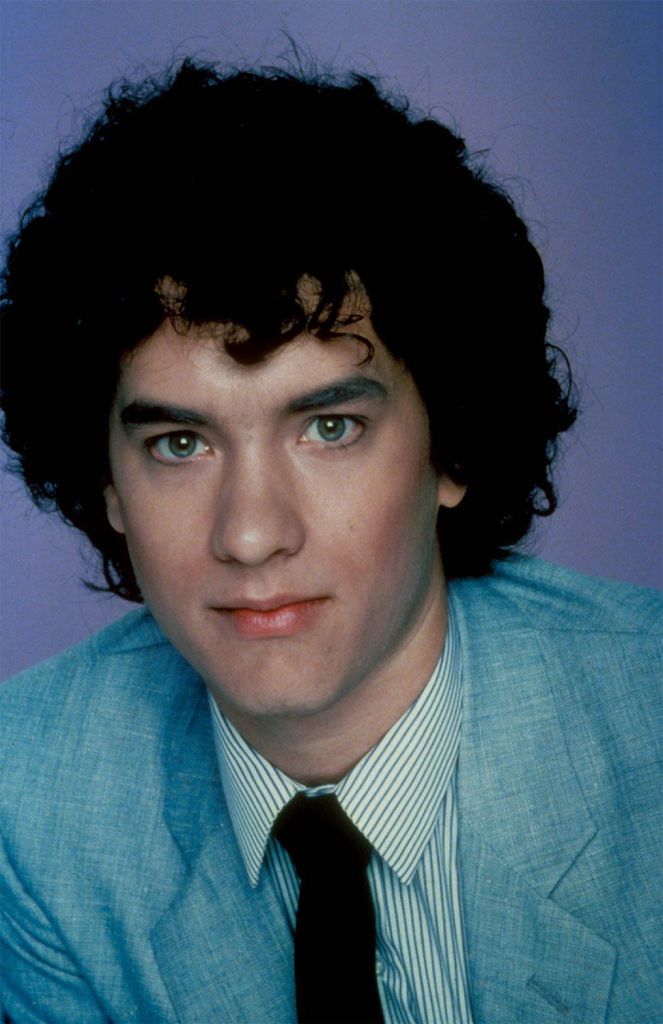

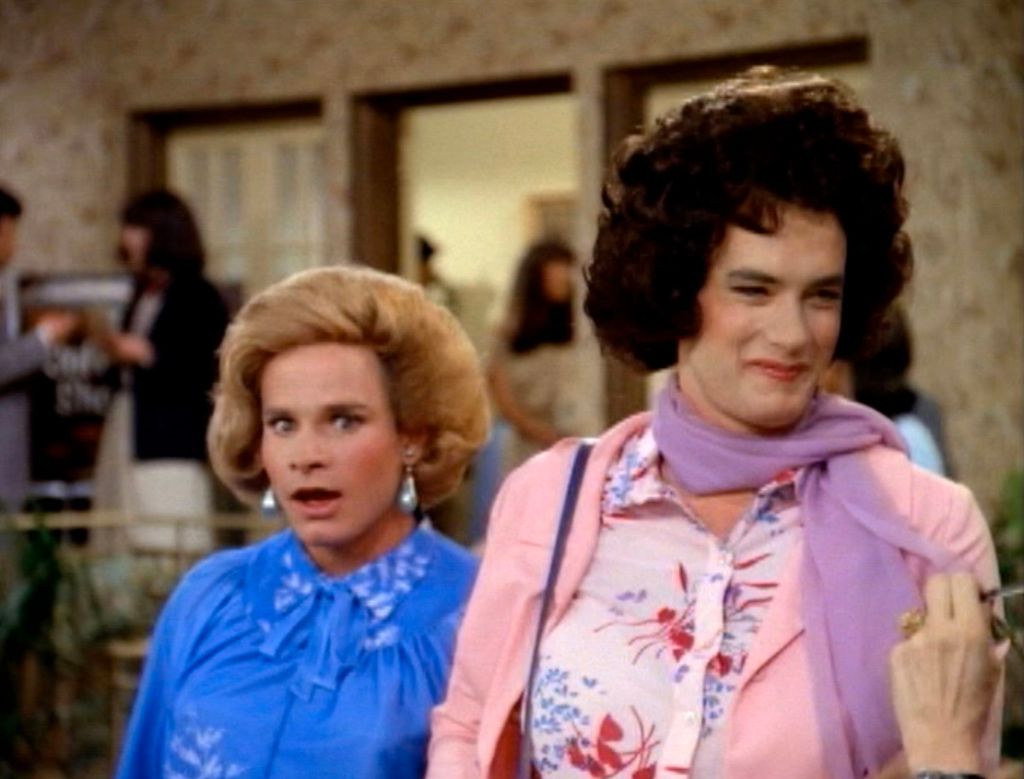
He eventually made his film debut in the critically mixed but commercially successful low-budget slasher He Knows You’re Alone (1980). That same year he also made his debut as a lead actor in the ABC sitcom Bosom Buddies (1980-82) in which he and Peter Scolari played men who disguise themselves as women in order to stay at a cheaper female-only hotel. Despite that show’s lukewarm commercial reception, it has a solid reputation because the few people who did watch it found it funny. Other popular shows Hanks appeared in include The Love Boat, Taxi, Happy Days, Family Ties, Saturday Night Live, Tales from the Crypt, Life with Bonnie and 30 Rock, while he lent his voice to animated series like Big City Greens and The Simpsons as well as docuseries like Killing Lincoln, The Americas and Ken Burns’ The American Revolution.
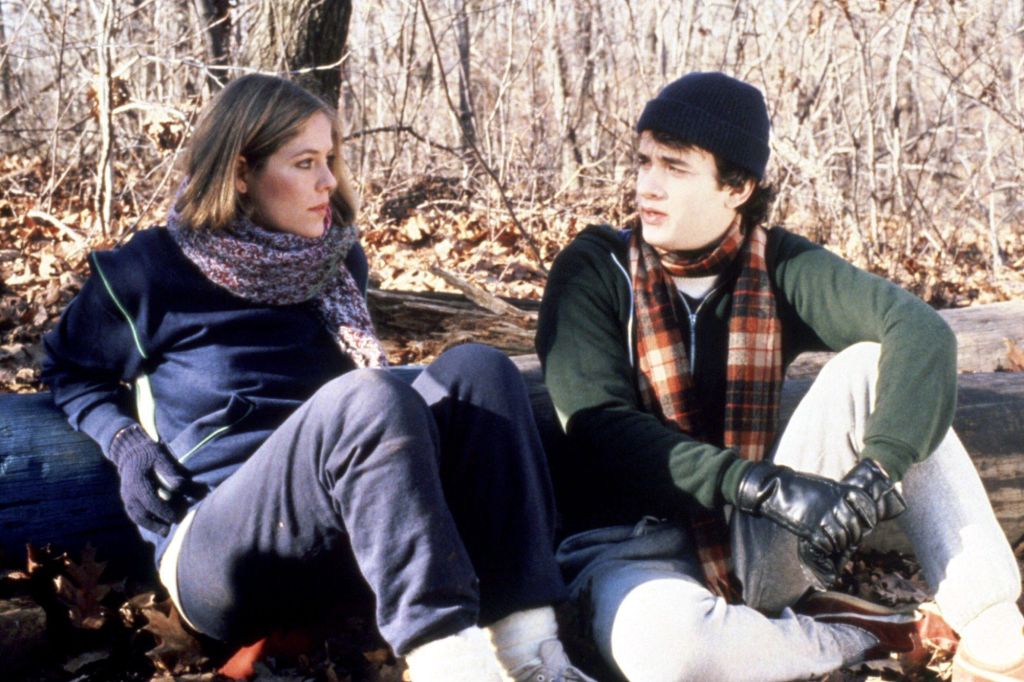
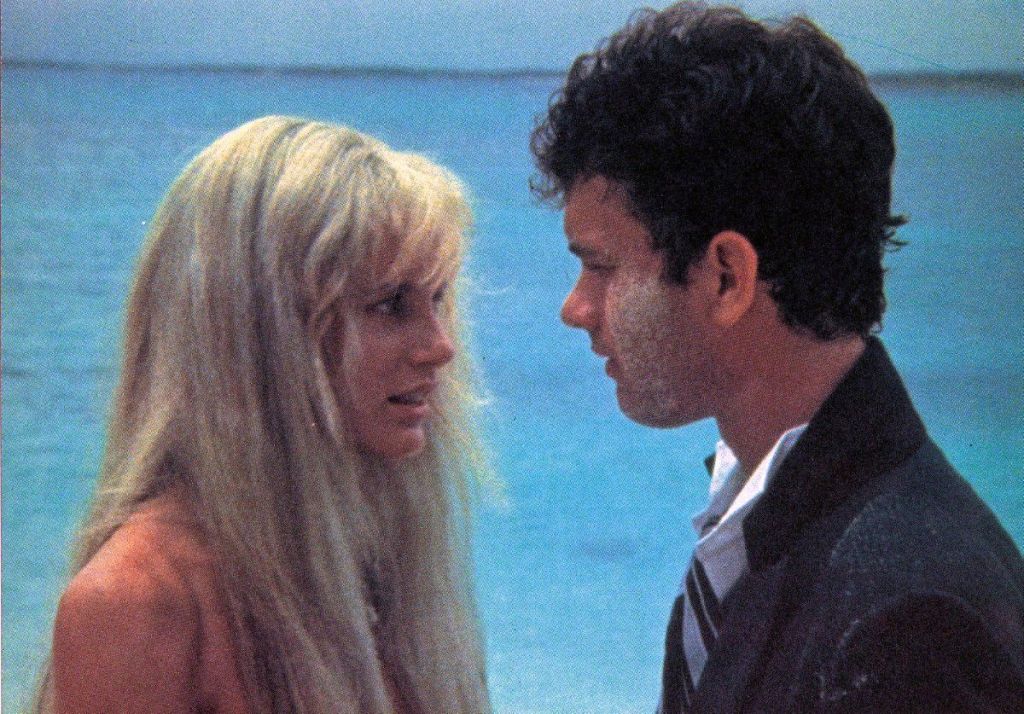
His first lead role in a film was the CBS TV movie Mazes and Monsters (1982), which centered around a group of college students and a D&D-style tabletop RPG and was well-received by critics. His first lead role on the big screen, however, was Disney’s hit fantasy comedy Splash (1984) in which he plays a man who falls in love with a mermaid played by Daryl Hannah. Splash was both a critical success and a commercial success and it put Hanks on the map.
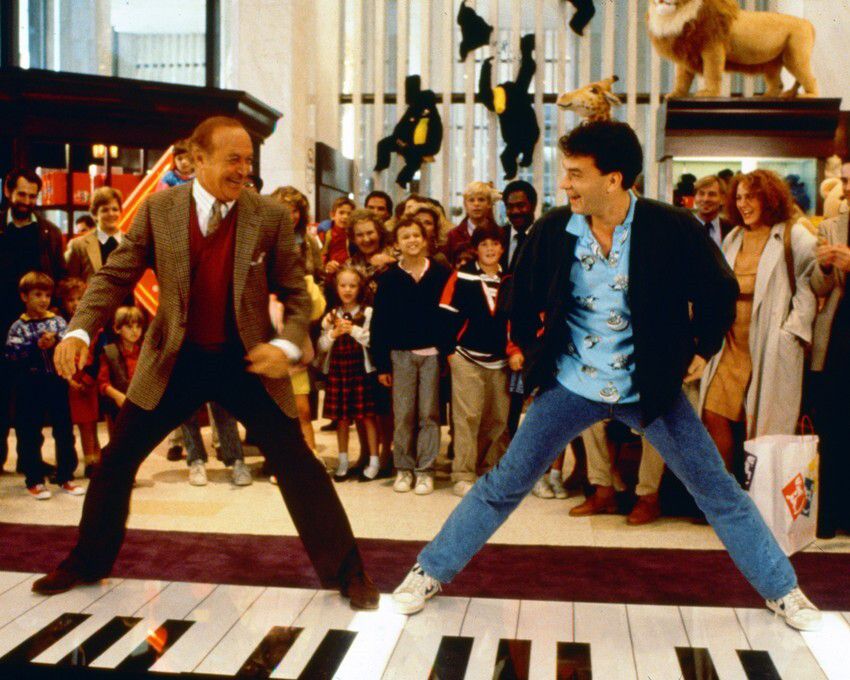
After that, Hanks was on a winning streak of commercially successful movies, including Bachelor Party (1984), Amblin’s The Money Pit (1986), Garry Marshall’s lukewarm commercial hit Nothing in Common (1986) in which Hanks starred opposite Jackie Gleason (in his final role), and the buddy cop comedy Dragnet (1987) in which Hanks played Detective Pep Streebek opposite Dan Aykroyd’s Joe Friday. The following year Hanks played a boy who magically transforms into an adult in Penny Marshall’s hit fantasy Big (1988), which made Hanks an even bigger star. More commercial hits soon followed with Joe Dante’s cult classic The ‘Burbs (1989), Disney’s canine comedy Turner & Hooch (1989) and Amblin’s Joe Versus the Volcano (1990), a lukewarmly received rom-com turned cult classic co-starring Meg Ryan.
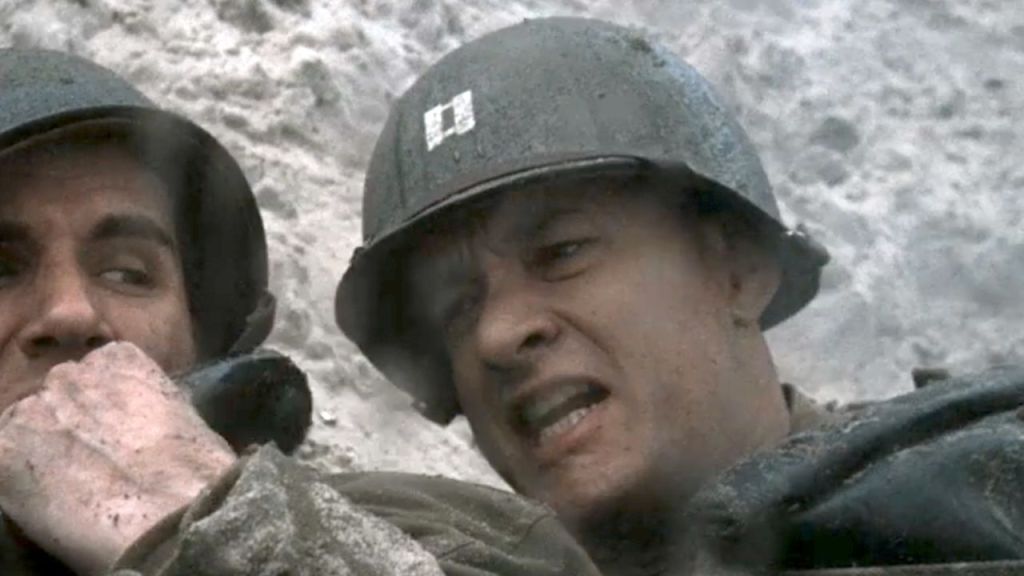
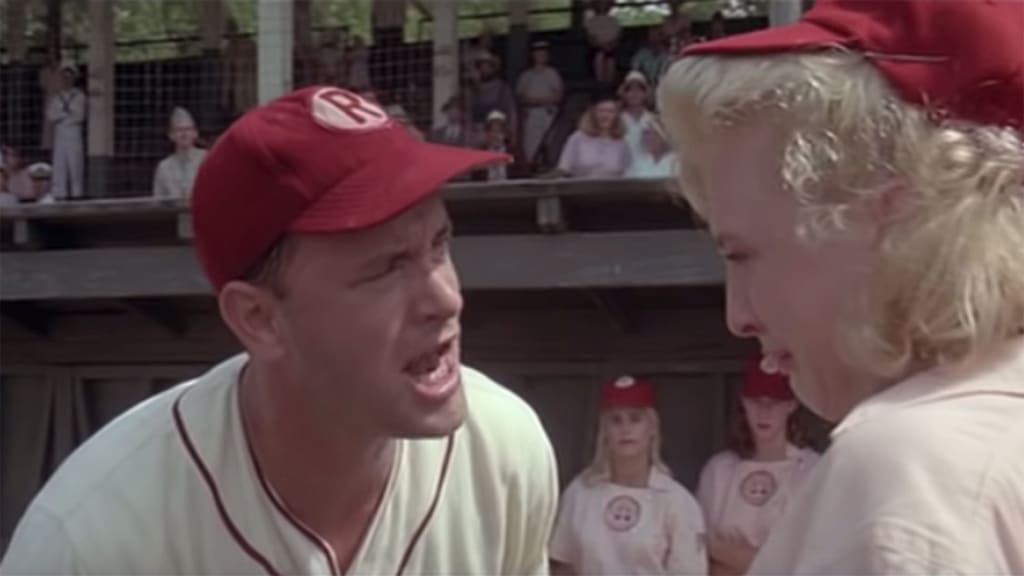
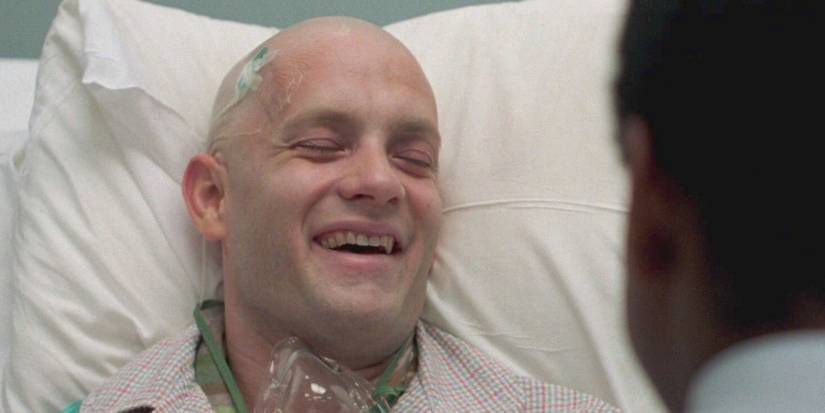
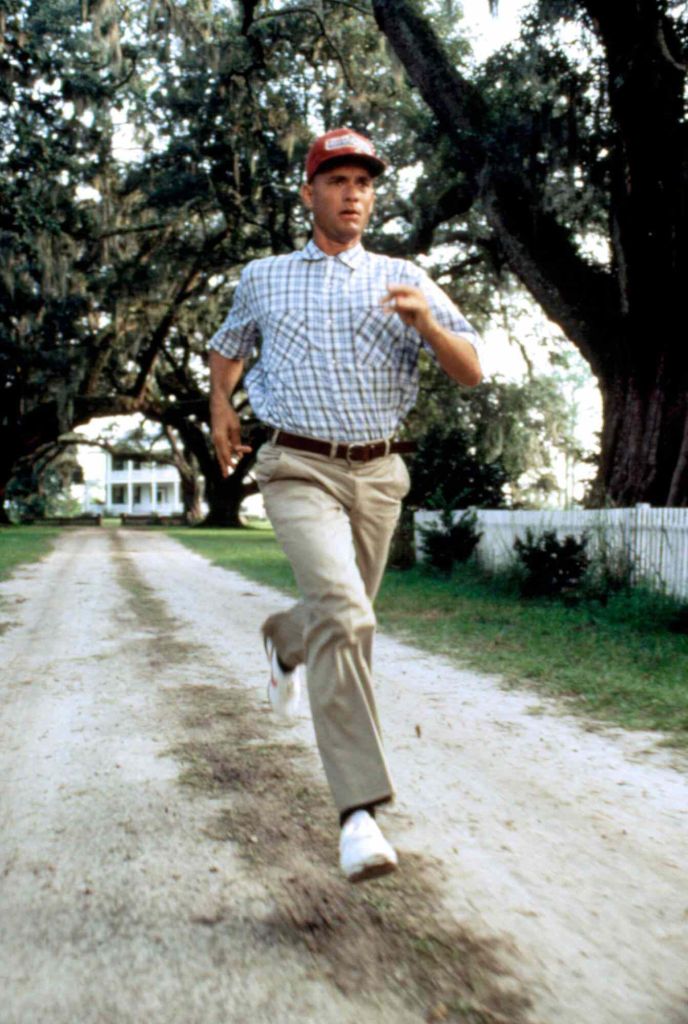
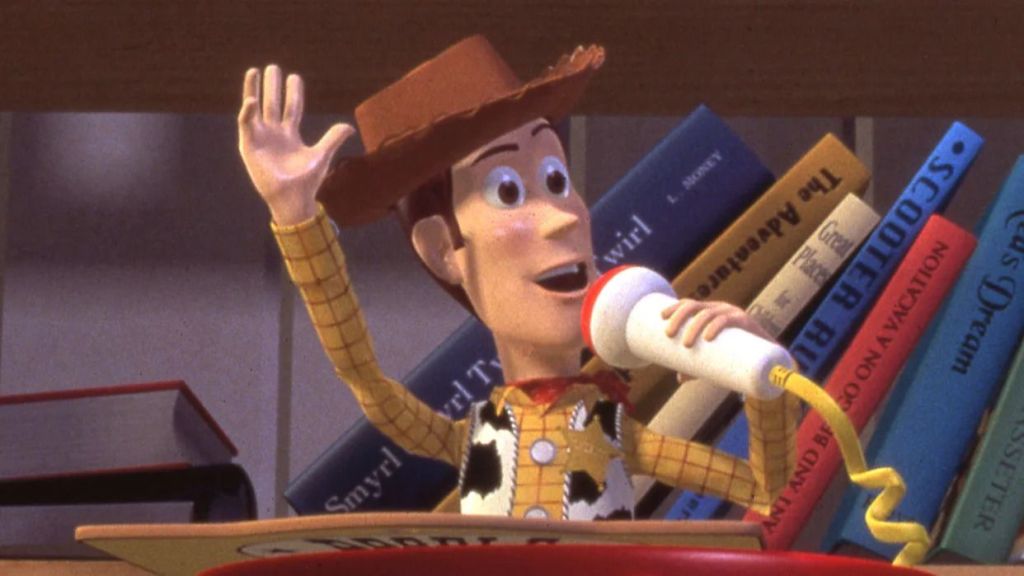
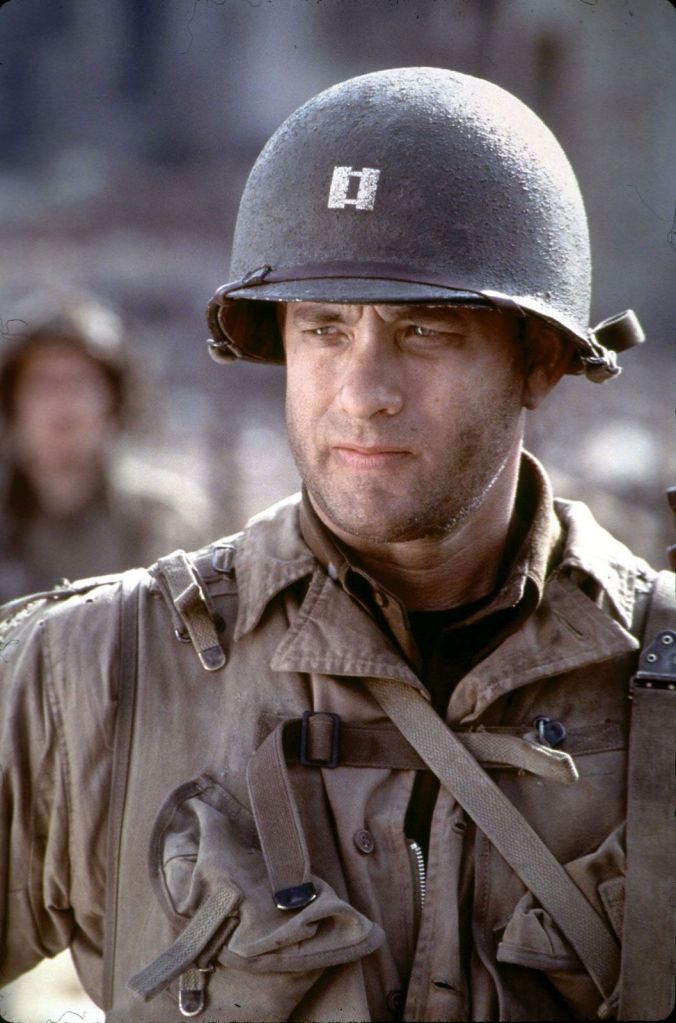
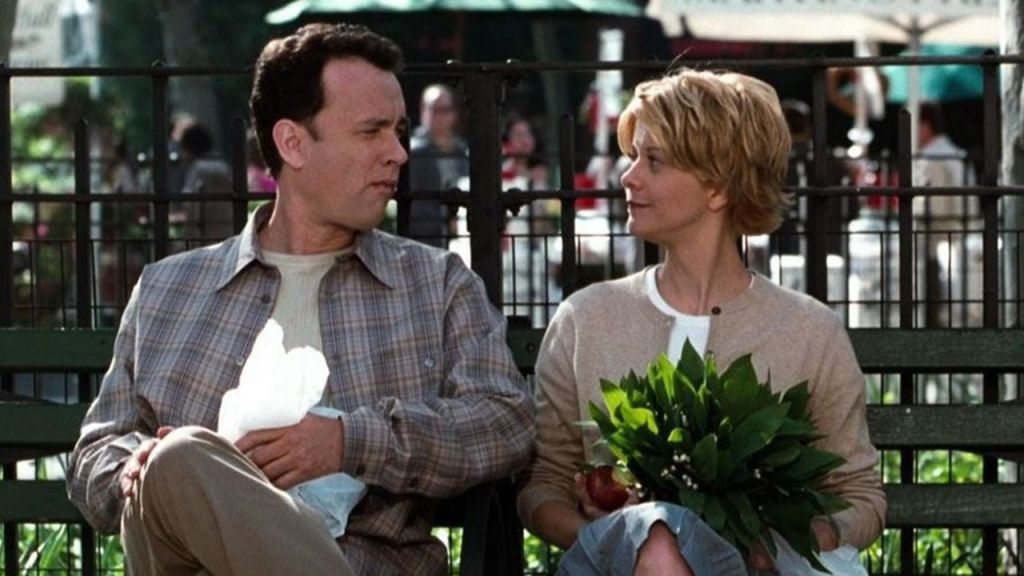
His career in the nineties was even more incredible with a winning streak of films that both critics and audiences loved. This streak of critically adored and commercially successful films included Penny Marshall’s A League of Their Own (1992) in which Hanks starred opposite Geena Davis and Madonna as washed up former star Cubs player and current baseball manager Jimmy Duggan, Nora Ephron’s rom-com Sleepless in Seattle (1993) which reunited Hanks with Meg Ryan, Jonathan Demme’s legal drama Philadelphia (1993) in which he starred opposite Denzel Washington as attorney Andrew Beckett (who sues a law firm for firing him because he has AIDS), Robert Zemeckis’ Forrest Gump (1994) which follows the amazing life of a disabled Vietnam War vet, Ron Howard’s Apollo 13 (1995) in which Hanks plays real-life astronaut Jim Lovell (one of many real-life portrayals throughout Hanks’ career), Pixar’s animated comedy Toy Story (1995) in which Hanks voices Sheriff Woody the pull-string cowboy doll, Steven Spielberg’s World War II drama Saving Private Ryan (1998) starring Hanks as Captain John Miller, Nora Ephron’s online dating rom-com You’ve Got Mail (1998) which reunited Hanks with Meg Ryan, Pixar’s sequel Toy Story 2 (1999) reprising his voice role as Woody, and Frank Darabont’s Stephen King adaptation The Green Mile (1999) starring Hanks as death row corrections officer Paul Edgecomb. That decade also saw the release of That Thing You Do! (1996), another cult hit in which Hanks starred as a music producer in the sixties and for which Hanks directed himself for the first time, and Hanks was also the executive producer as well as one of the writers and directors of the 12-part HBO miniseries From the Earth to the Moon (1998) which was a companion series to the film Apollo 13.
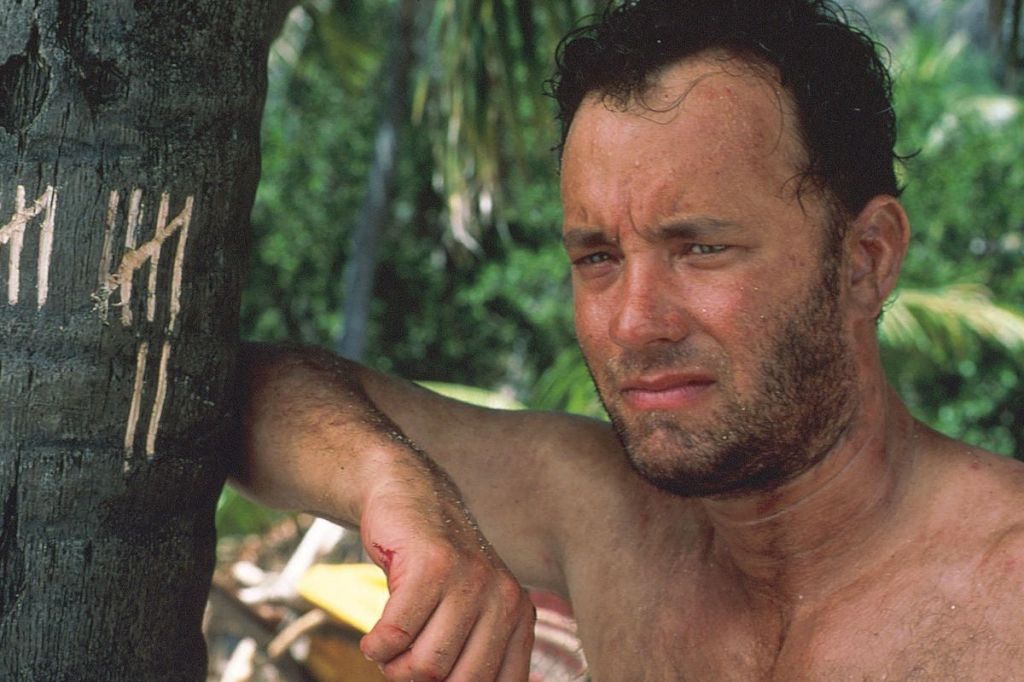
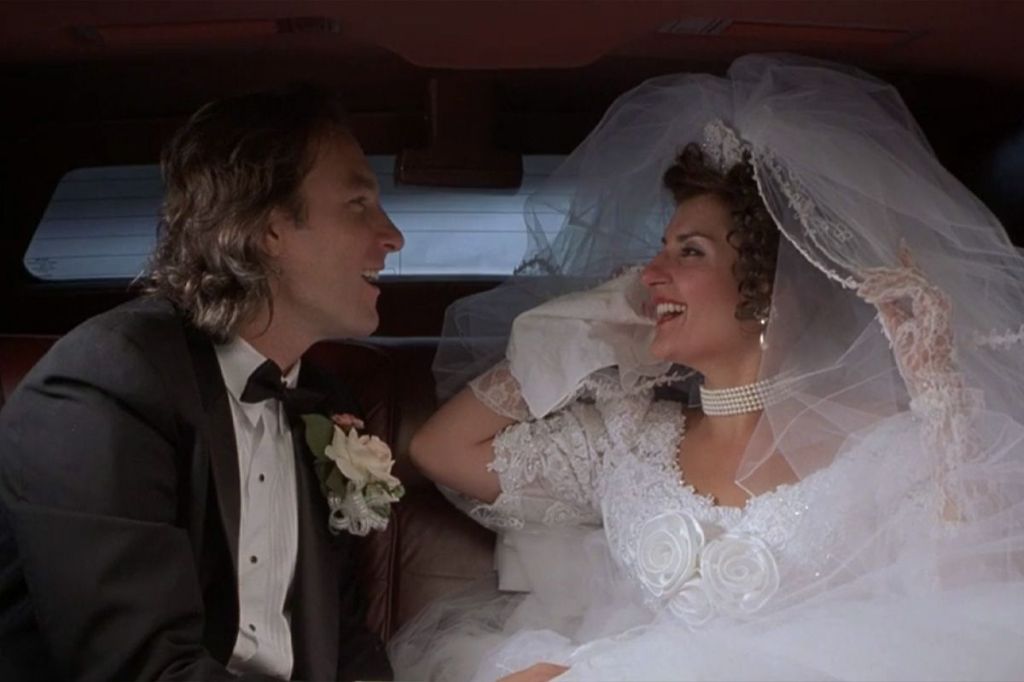
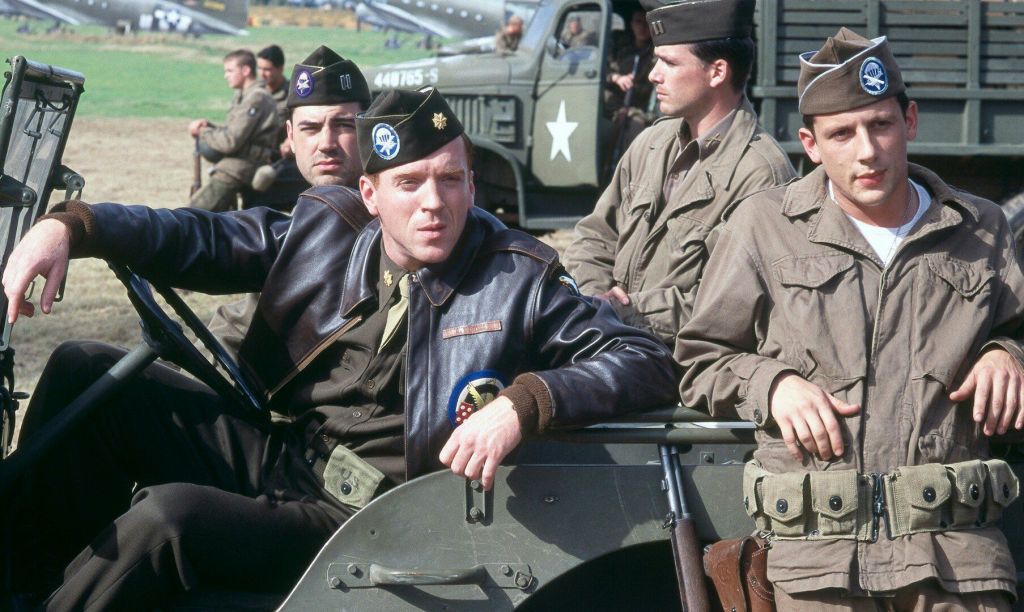
His career grew even bigger in the 2000s. That decade was off to a great start when he reunited with Forrest Gump director Robert Zemeckis to star in the survival drama Cast Away (2000) as a man stranded on a deserted island. That film, which was another huge hit with critics and audiences, was the first movie Hanks ever produced after he co-founded the production company Playtone with Gary Goetzman in 1998. Hanks and Playtone would go on to produce My Big Fat Greek Wedding (2002) and its 2016 and 2023 sequels, Mamma Mia! (2008), Where the Wild Things Are (2009), the TV series Band of Brothers, Big Love, John Adams, The Pacific, Olive Kitteridge and Masters of the Air, the CNN docuseries The Sixties and its follow-ups The Seventies, The Eighties, The Nineties, The 2000s, The 2010s and The Movies, the HBO TV film and political drama Game Change (2012) starring Julianne Moore as Sarah Palin, and an animated post-apocalyptic sci-fi web series he created called Electric City (2012) which streamed on Yahoo! Screen for 20 episodes and was well-received by critics.
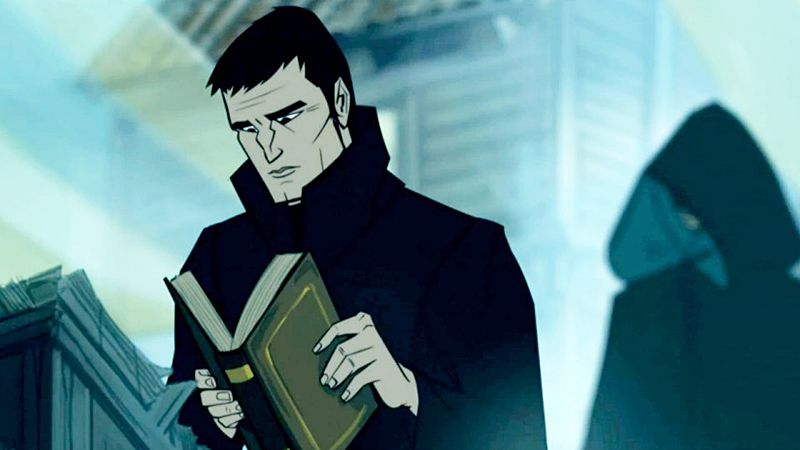
After Cast Away, Sam Mendes directed Tom Hanks in the Depression-era period drama and mobster revenge tale Road to Perdition (2002) based on the DC graphic novel, followed by two reunions with Steven Spielberg, one where he played FBI agent Carl Hanratty opposite Leonardo DiCaprio in Catch Me If You Can (2002) and another where he played an Eastern-European man stuck in JFK Airport due to the turmoil in his home country in The Terminal (2004). Both of those films were critically and commercially well-received. That decade Hanks also reunited with Robert Zemeckis for the animated fantasy The Polar Express (2004) for which Hanks voices multiple characters including the narrator, the train conductor, the father and Santa Claus, and Hanks reunited with Ron Howard to play Harvard professor and treasure hunter Robert Langdon in The Da Vinci Code (2006), reprising that role for the sequels Angels & Demons (2009) and Inferno (2016). A year later he played U.S. congressman and Texas Democrat Charlie Wilson in Charlie Wilson’s War (2007) reciting dialogue written by Aaron Sorkin and receiving direction from Mike Nichols in his final film before he died. That one was a rare box office dud for Hanks but it received positive reviews.
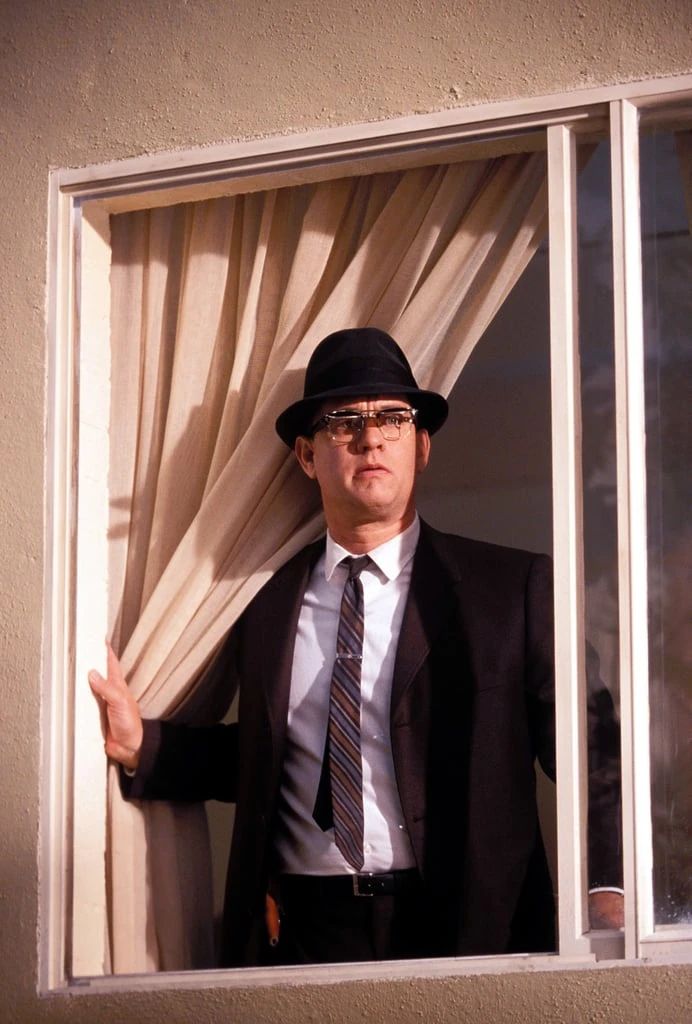

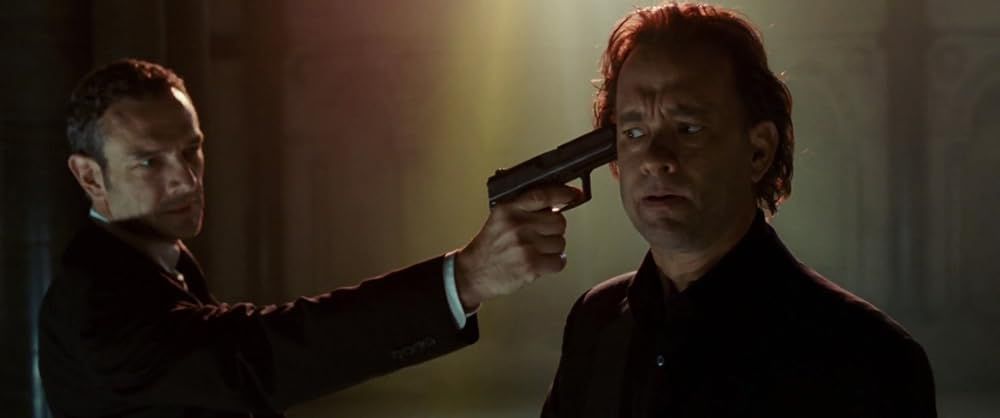
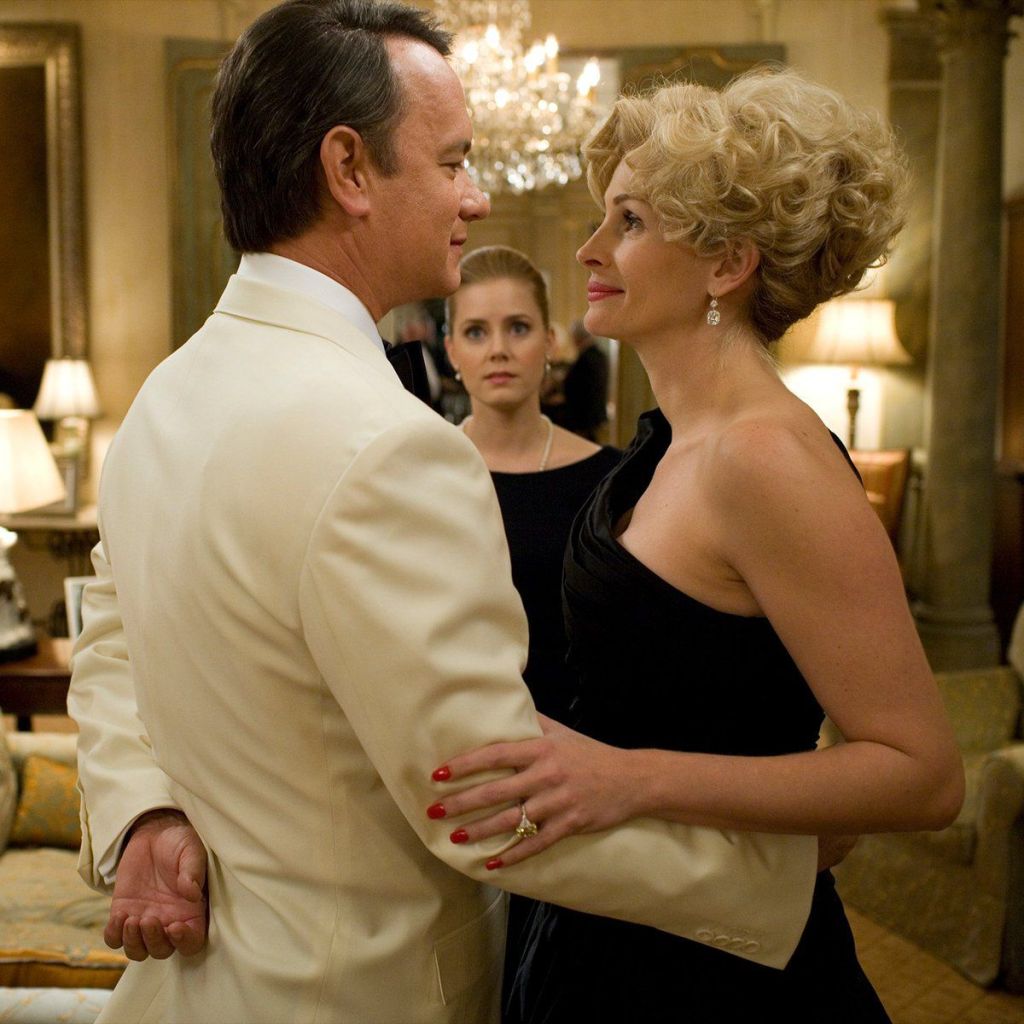
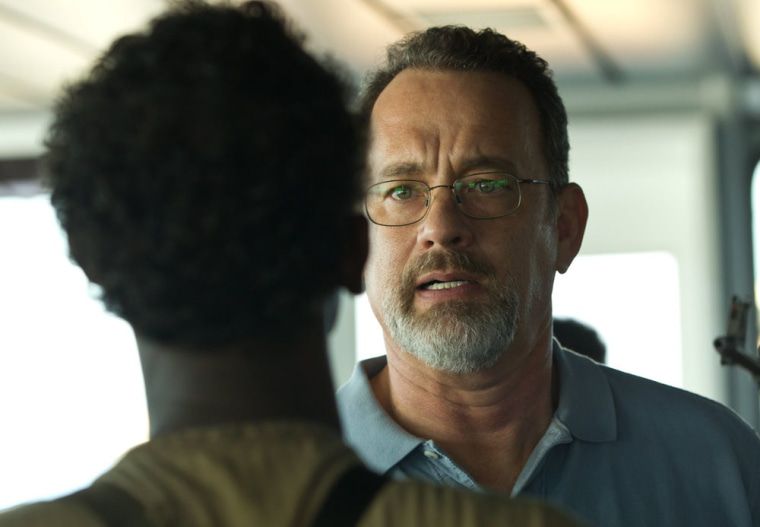
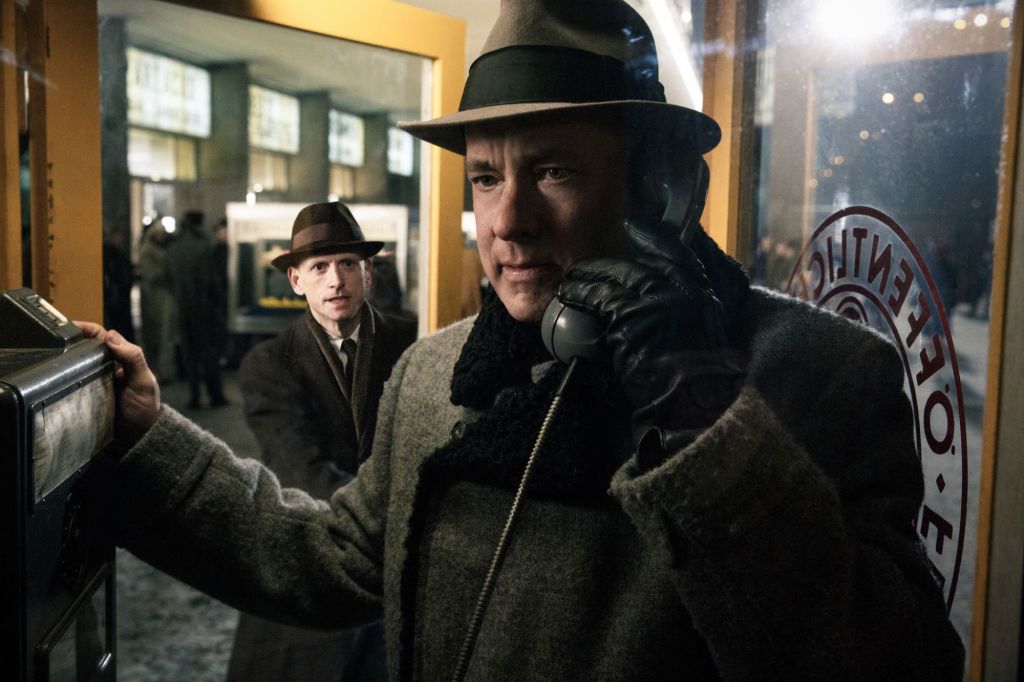
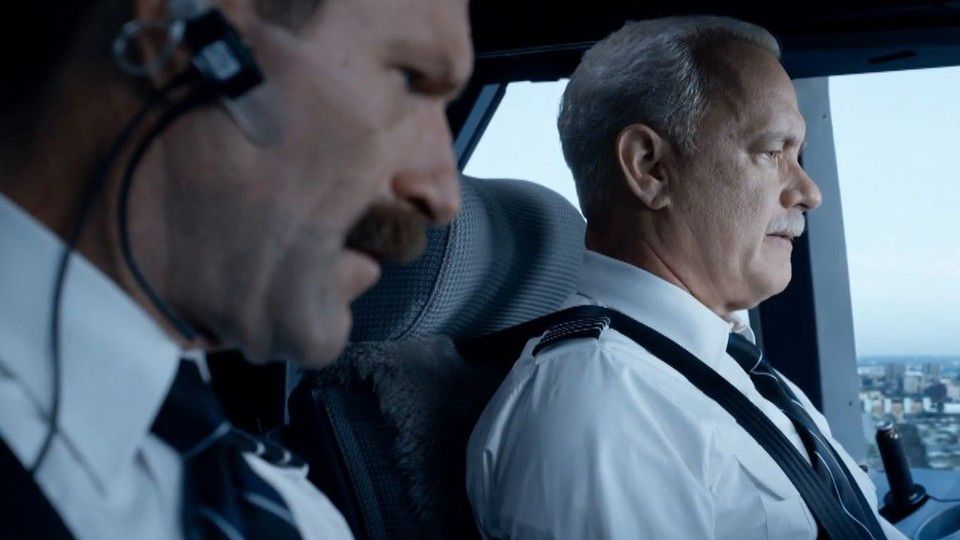
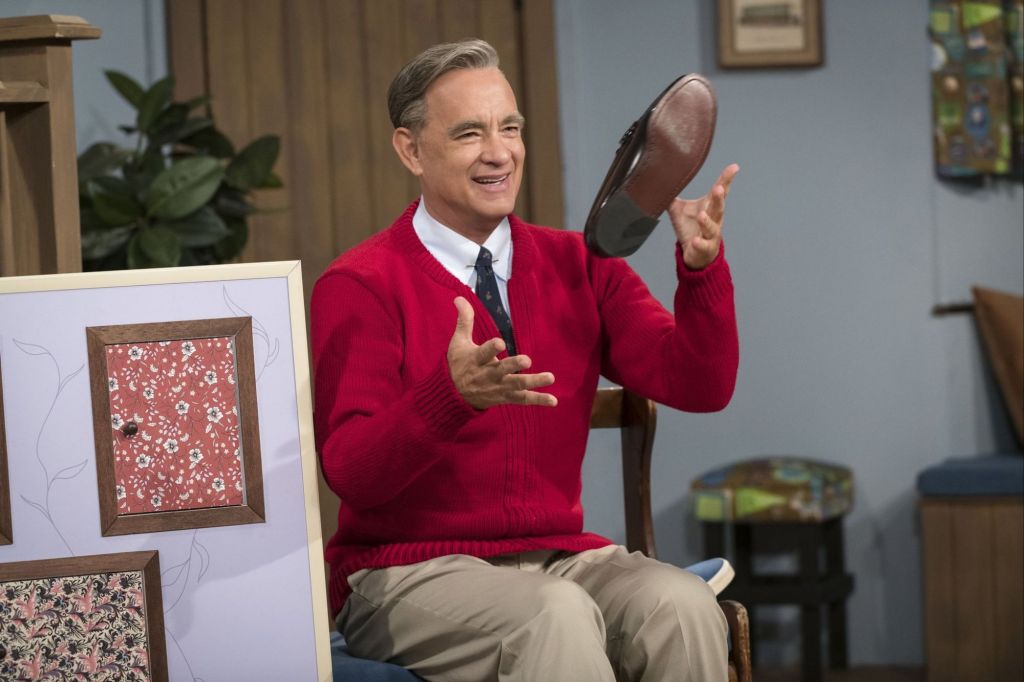
Hanks showed no signs of slowing down at the start of the 2010s, reprising the role of Woody in Pixar’s critical and commercial hit Toy Story 3 (2010), directing himself opposite his Charlie Wilson’s War co-star Julia Roberts in the rom-com Larry Crowne (2011) and playing multiple characters in the polarizing but ambitious sci-fi epic Cloud Atlas (2012) with co-direction from Tom Tykwer of Run Lola Run fame and the Wachowskis of Matrix fame. That was followed by a streak of roles in critically acclaimed films, beginning with his role as American merchant mariner Rich Phillips in the Paul Greengrass thriller Captain Phillips (2013) and followed by his roles as Walt Disney in Disney’s Saving Mr. Banks (2013), lawyer James E. Donovan in Steven Spielberg’s Bridge of Spies (2015), Captain Chesley Sullenberger in Clint Eastwood’s Sully (2016), Washington Post executive editor Ben Bradlee in Spielberg’s The Post (2017), Woody in Toy Story 4 (2019) and Fred Rogers in A Beautiful Day in the Neighborhood (2019).
In the 2020s Tom Hanks has mostly stayed in his comfort zone with projects that are very unsurprising for him to tackle, delving as usual into war dramas, biopics, sci-fi, comedy, and of course two Robert Zemeckis films and a Toy Story sequel this decade. The most notable so far are probably the Apple TV war film Greyhound (2020) starring Hanks as U.S. Navy Commander Ernest Krause, the Paul Greengrass Western News of the World (2020) in which Hanks plays Civil War vet Captain Kidd, and Baz Luhrmann’s Elvis Presley biopic Elvis (2022) in which Hanks plays Presley’s manager Colonel Tom Parker.
Tom Hanks is often thought of as a modern-day Jimmy Stewart, in that he’s very good at embodying the American everyman. Roger Ebert praised him for his ability to be likable and charismatic without appearing phony or egotistical, which Ebert deduced either made Hanks a really good person or a really good actor. I just like him because of how great he is at doing his job as a performer making all his characters feel like real people. Although I would be lying if I said his charisma wasn’t part of his appeal as well. Watch him host Saturday Night Live and listen to him talk in interviews. He’s one of the few actors in Hollywood who seems nice, normal, naturally funny and comfortable in his skin. His universal status as a likable and trusted figure is not all that surprising.