
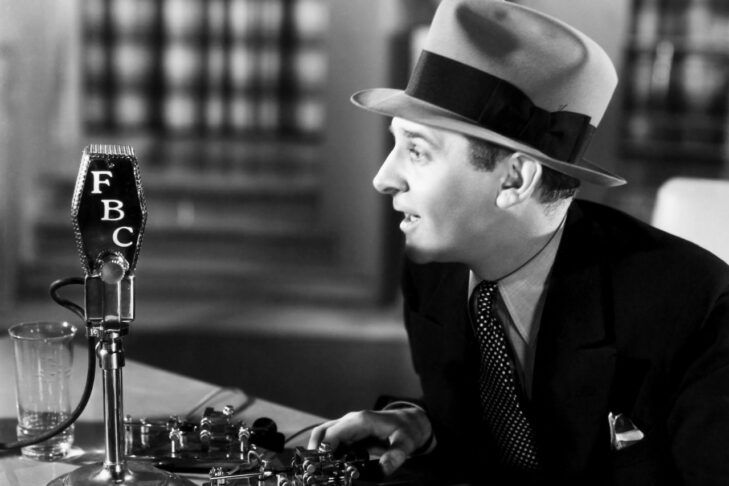
As someone who loves entertainment, I often read articles and consume news about the entertainment industry. But that can be tricky because it brings me up close to the deeply flawed and often annoying world of entertainment journalism. Publications like Variety, The Hollywood Reporter and Deadline are some of the big magazines dedicated to this kind of news but there are countless others which vary in reliability and respectability and you often see their reporters on the red carpet at movie premieres, at big Hollywood events and in press junkets asking celebrities bland and often dumb questions. But those things are the least of their offenses. The worst entertainment news journalists are the ones who shamelessly dehumanize, antagonize and sometimes just outright lie about celebrities to capitalize on their fame for views and clicks. It’s called gossip reporting and it has almost been around for as long as the entertainment industry has existed. The modern-day version of this type of journalism can be traced back to a man named Walter Winchell, one of the most famous gossip columnists of the 20th century and also perhaps the worst thing to happen to both entertainment and news.
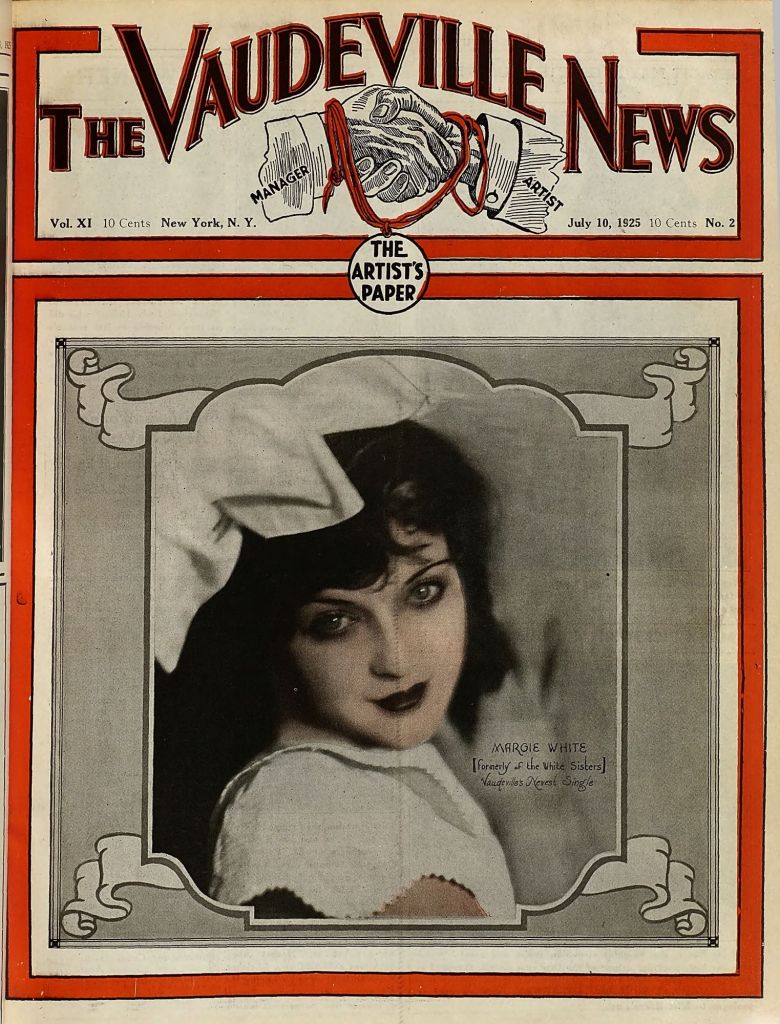
Walter Winchell was born in New York City in 1897 and had a pretty interesting life as a young man, first dropping out of school to perform on Broadway before he even became a teenager, becoming a professional tap dancer and later serving in the U.S. Navy during World War I. But his journalism career is what he was best known for and that started during his time on Broadway when he joined the Vaudeville News at the beginning of the 1920s, followed later that decade by a gossip column in the New York tabloid paper the Evening Graphic, and later his gossip column On-Broadway for the New York Daily Mirror, eventually making his radio debut by the 1930s with Saks on Broadway, a Broadway business news program that began in local New York stations.
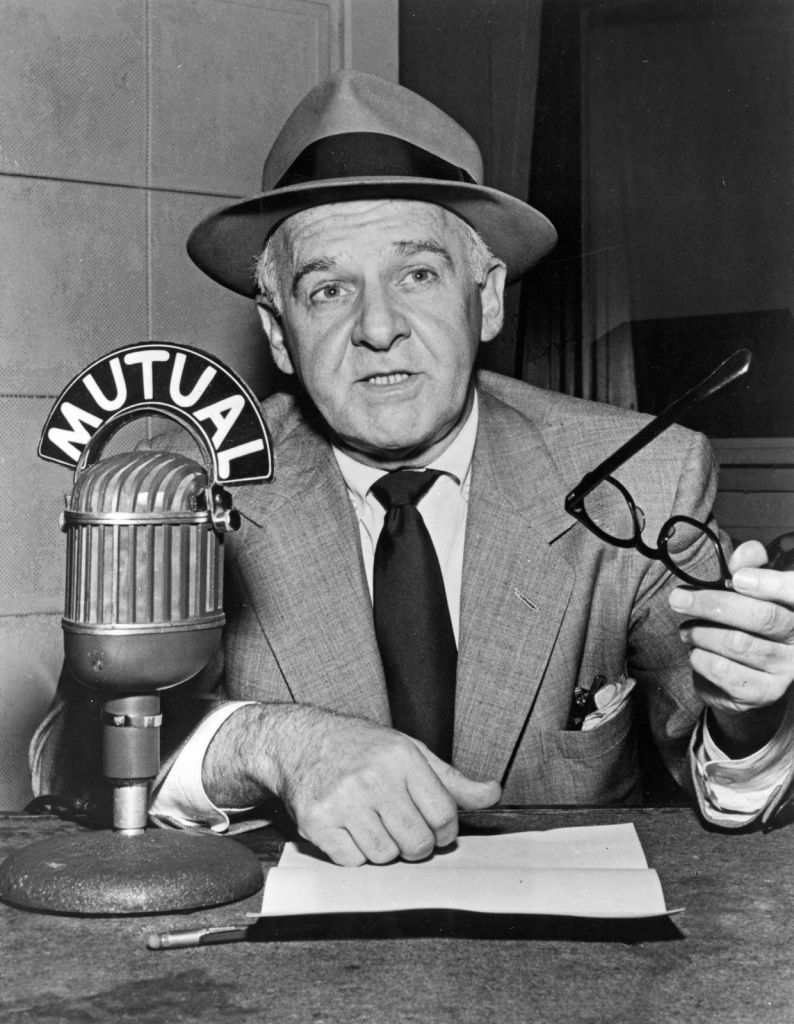
Winchell was known for his uniquely colloquial writing style full of slang, which gave him the appearance of an ordinary guy who told it to the public like it is, and that was partly why he gained so much popularity. Meanwhile his ability to hint at celebrity scandals without outright reporting any fact-based evidence due to his artful use of euphemisms and innuendo was not only a creative way for him to manufacture controversy but also stay out of legal trouble (it’s not defamation if you never literally say they did anything wrong).
From the 1920s to the 1960s, Winchell’s columns were read by millions and his radio shows were so popular that they surpassed the ratings of stars like Jack Benny. He was also very opinionated and very outspoken politically, openly criticizing Adolf Hitler and supporting Franklin Roosevelt and his New Deal while also being a staunch supporter of African-American civil rights and a critic of the Ku Klux Klan, whose racist views he denounced as un-American. In fact Winchell was so outspoken and so popular that he had the ability to end people’s careers if he wrote something negative about them, even siding with Joseph McCarthy’s anti-communist crusade in the 1950s.
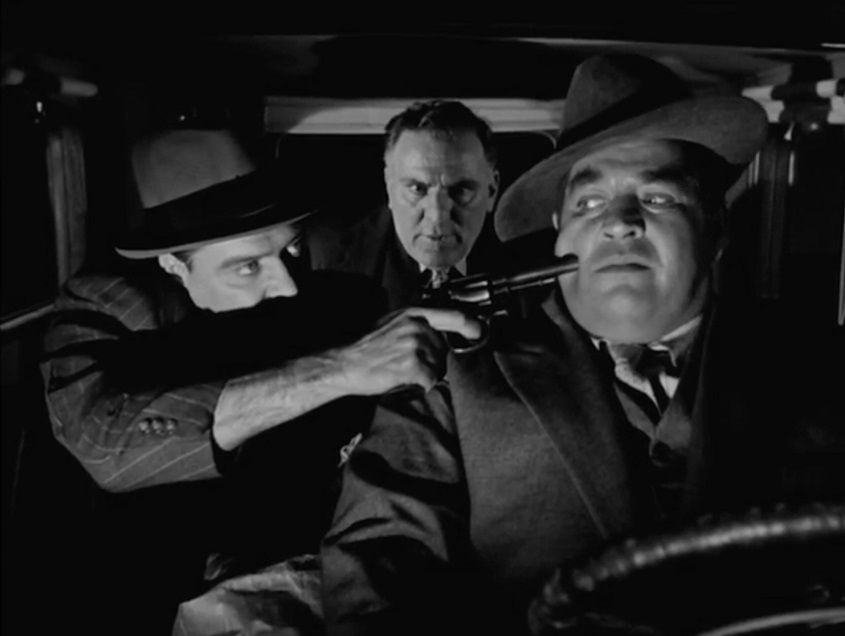
The fame Winchell gained doing gossip journalism actually led to acting roles, such as when he played a news reporter in a 1937 radio adaptation of the Broadway comedy The Front Page, and by the 1950s he tried to make the transition from radio to television, first in the short-lived NBC variety show The Walter Winchell Show (1956) which was meant to compete with CBS‘s Ed Sullivan, who Winchell saw as his rival due to their similar career paths (Ed Sullivan succeeded Winchell as the gossip columnist of the Evening Graphic) and later in the short-lived ABC crime drama The Walter Winchell File (1957-58) produced by Desilu. However, the most popular role Winchell would end up having on the small screen is the narrator of Desilu’s landmark crime drama The Untouchables starring Robert Stack, which ran for four seasons from 1959 to 1963 on ABC. Winchell’s New York accent and his snappy and breathless narration delivery became one of that show’s hallmarks in addition to its film noir influence and violent content.
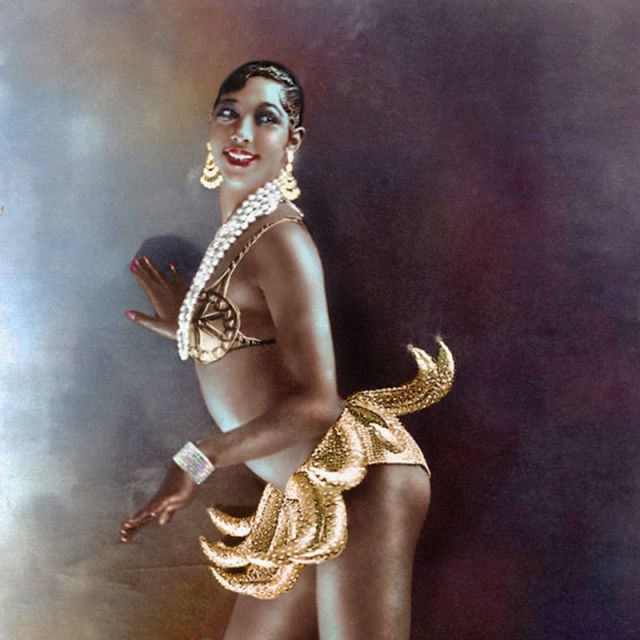
By the late 1950s and early 1960s, Winchell’s fame was beginning to fade. He made himself a lot of enemies in the entertainment industry due to the way he often volunteered information told to him in confidence to the public. As well as the tactics he used against his personal enemies, such as calling them communists. Josephine Baker is a good example of how you can commit career suicide when you get on his bad side. When she called out supposed civil rights supporter Walter Winchell for not supporting her after the Stork Club was found guilty of discouraging Black people from performing on their stage, Winchell hit back at her with communist accusations. The negative publicity from that deed ended up damaging Baker’s career in America.
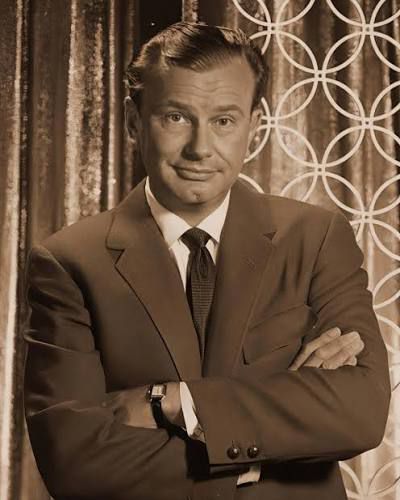
Although one of the biggest nails in the coffin of Winchell’s career was his feud with Tonight Show host Jack Paar, who criticized Winchell while discussing Winchell’s refusal to retract a story about Paar’s personal marital problems. Paar then went on to say that Winchell had a “hole in his soul.” Criticizing Walter Winchell publicly was something no one had ever done up to that point, despite it being common knowledge among Hollywood celebrities that Winchell was a ruthless weasel and a cruel person. But by that point Winchell’s reporting career was already in decline due to TV’s rising popularity over radio.
Unfortunately the damage to entertainment journalism had already been done as well. Winchellism spread throughout news offices in the 1920s, blending journalism with sensationalism and turning entertainment journalism itself into a form of entertainment, long before programs like Access Hollywood, TV networks like E! and websites like TMZ came along in the modern era. Fox News even took the sensationalism of entertainment journalism and applied it to politics.
Despite Walter Winchell’s ability to enchant the general public with his innovative reporting style, there were also a lot of people who could see right through him and he was hated by many. Similar to the way the educated sphere can see through today’s fame-seeking grifters and YouTube rage-baiters. Many of them still use a lot of Winchell’s tactics and care more about causing controversy and getting eyeballs on them with clickbait than they care about serious nuanced reporting and delivering the actual truth. Sometimes even when a news organization is technically telling the truth, the story gets overblown in some way. Because we’re human beings and we have to turn everything into a compelling story.
One of the things that Winchell understood really well is that it’s easy to exploit viewers’ fascination with controversy and addiction to outrage to brainwash them into believing anything you tell them. And there are a lot of Walter Winchells all over the place in the current media landscape. Once I became an adult and I understood that it’s not in the media’s interest to tell the truth, and that Hollywood is built on a legacy of exaggerating, romanticizing and demonizing everything about the real world, I became much more skeptical about the accuracy of headlines and much more selective about where I get my news.



I was not aware of him, but you’re making a lot of sense. A cautionary tale for sure. Thanks for broadening my horizon!
LikeLiked by 1 person