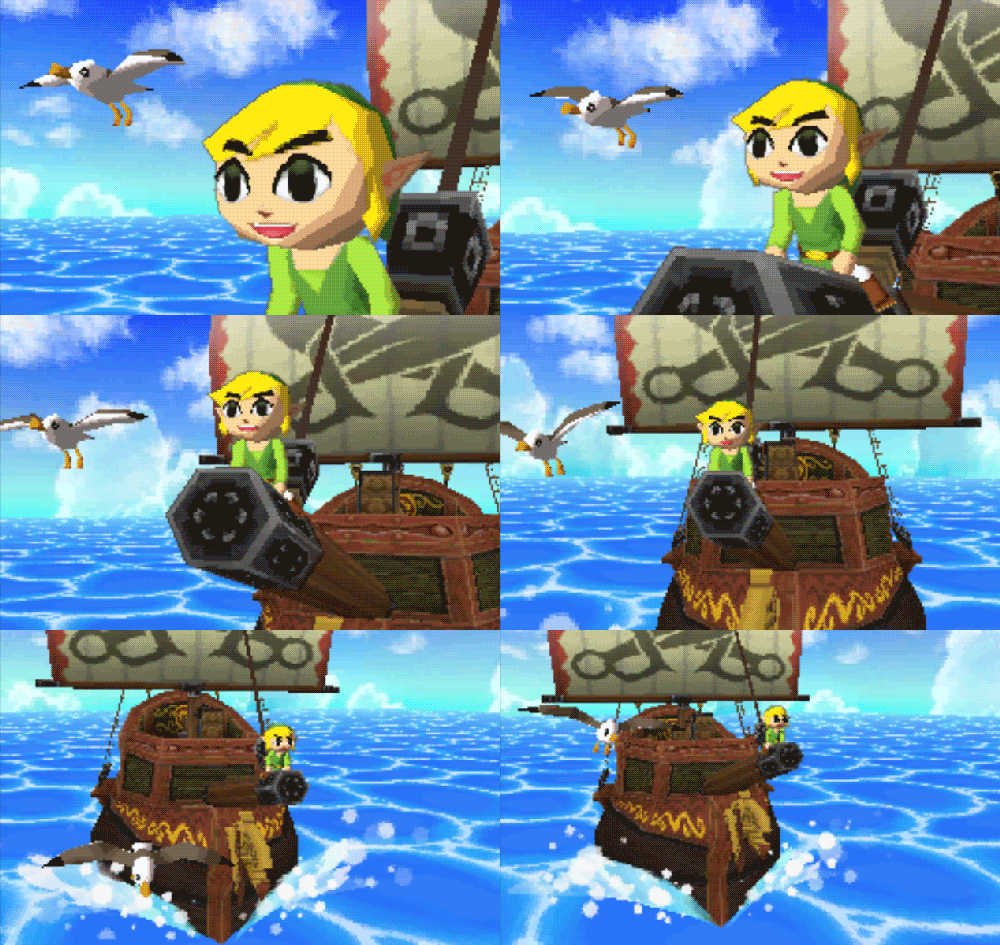
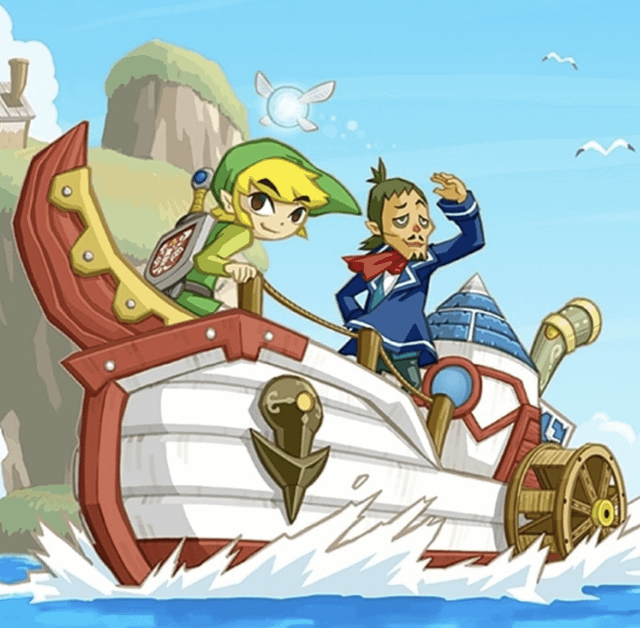
The Nintendo DS game The Legend of Zelda: Phantom Hourglass (2007) follows the events of the GameCube game The Legend of Zelda: The Wind Waker, after Link and Tetra set sail across the Great Sea in search of a new land and a new home. The game’s story begins when they encounter a Ghost Ship during their voyage.
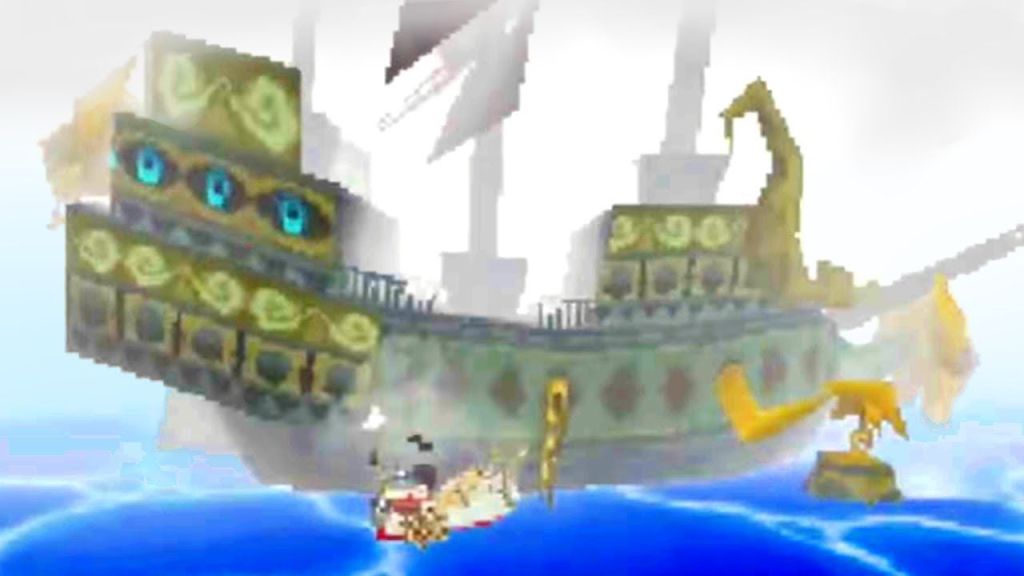
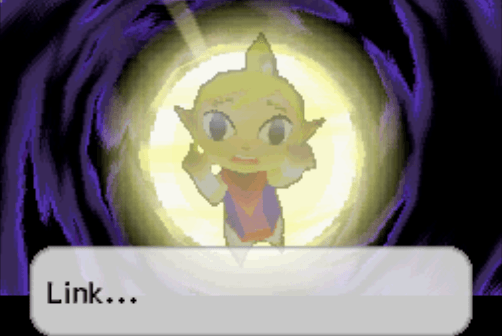
Tetra explores the Ghost Ship, but it vanishes while she is aboard and she vanishes with it. In Link’s failed attempt to rescue her, he ends up falling into the ocean and washing ashore on Mercay Island. There he meets a fairy named Ciela, her adoptive grandfather Oshus and a treasure hunter named Linebeck who all agree to help Link rescue Tetra.
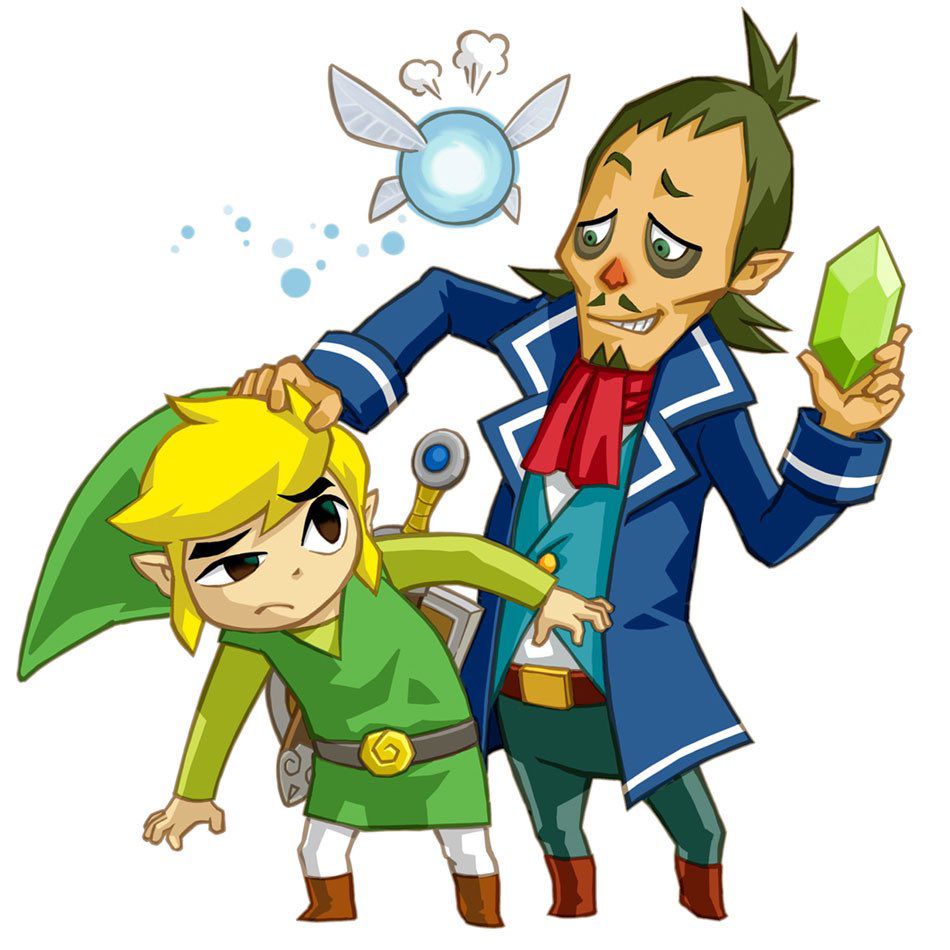
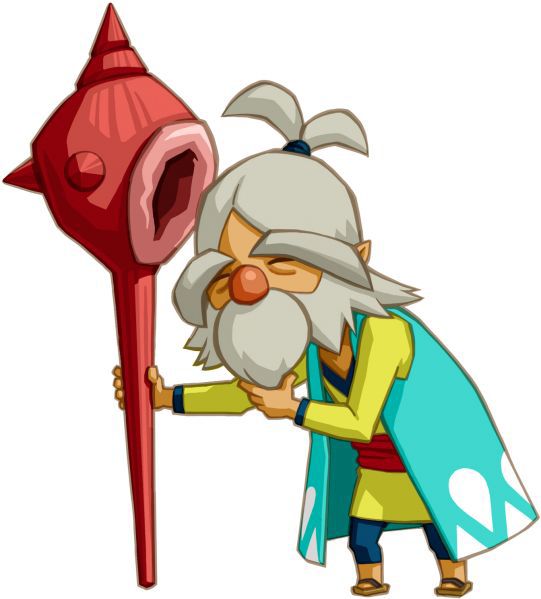
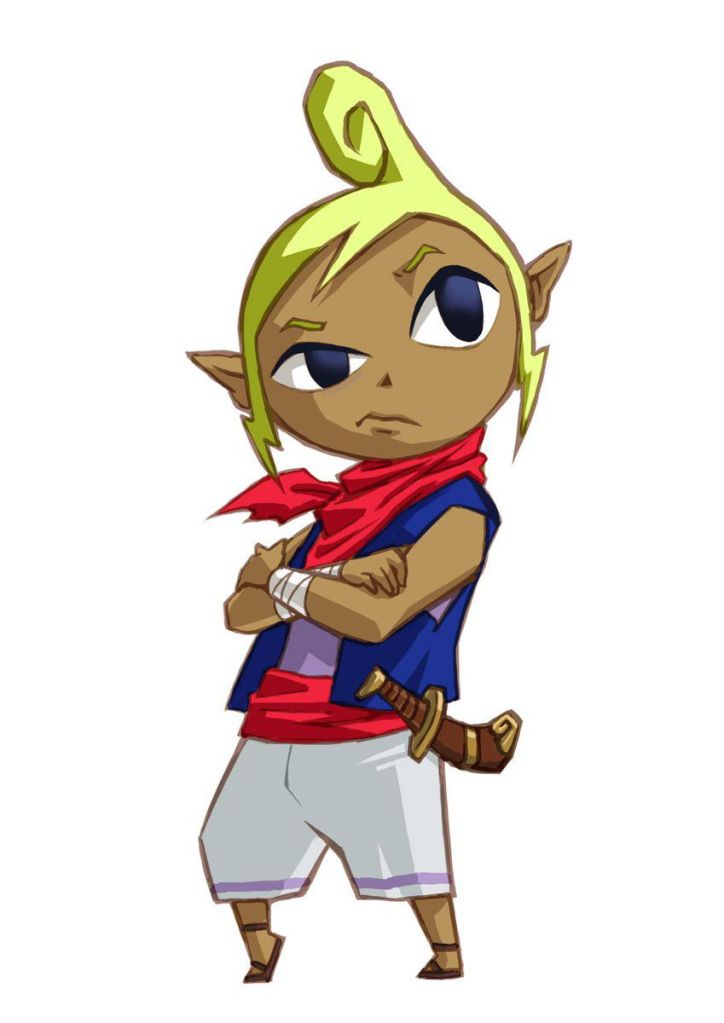
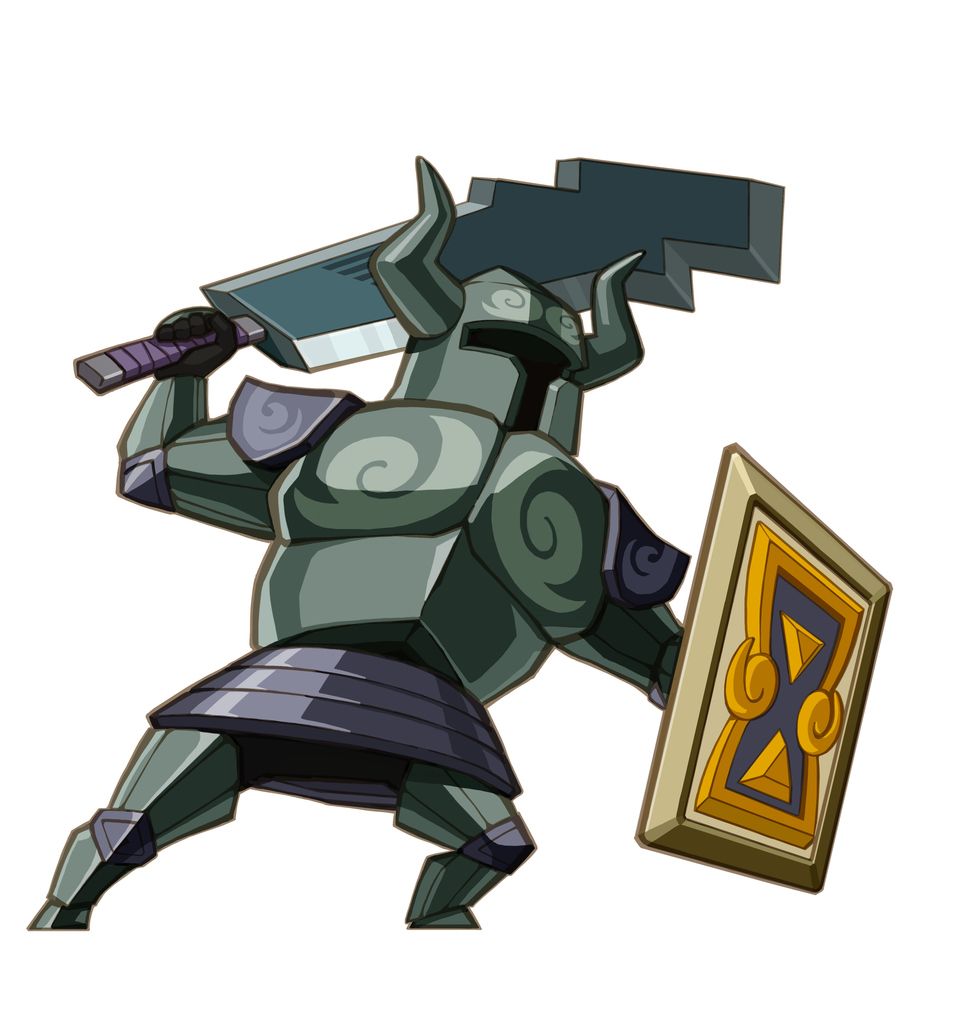
In order to locate the Ghost Ship, Link must enter the Temple of the Ocean King wherein lies the Ghost Ship’s whereabouts. But the temple is guarded by Phantoms, and the only way to get past them is for Link to locate three spirits: the Spirit of Power, the Spirit of Wisdom and the Spirit of Courage, all of which are scattered across the sea and hidden inside temples. Another key item is the Phantom Hourglass, which serves as a vessel for the Sand of Hours and will protect Link for a limited amount of time while he is exploring the Temple of the Ocean King and avoiding the Phantoms, as long as the Sand of Hours lasts.
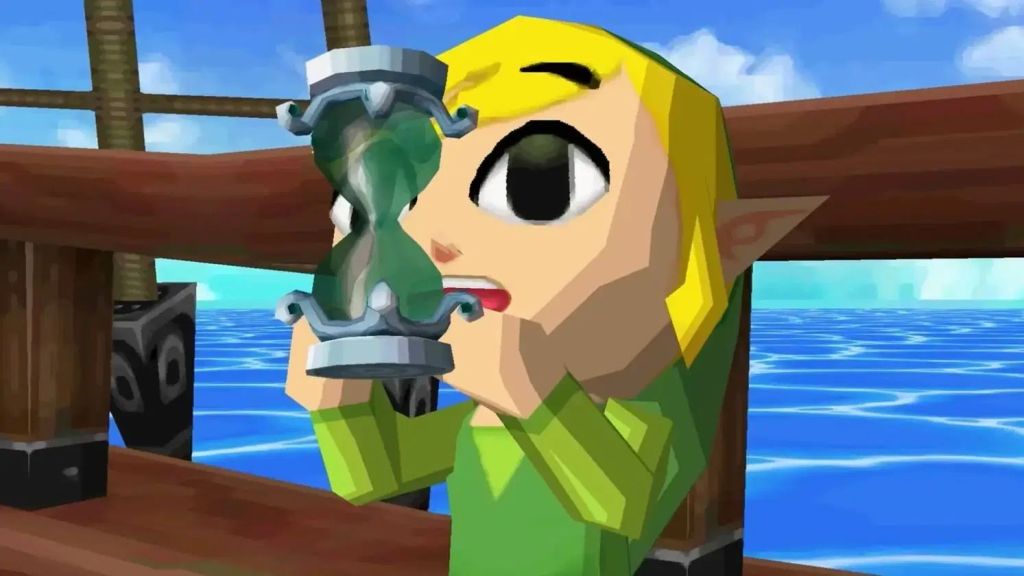
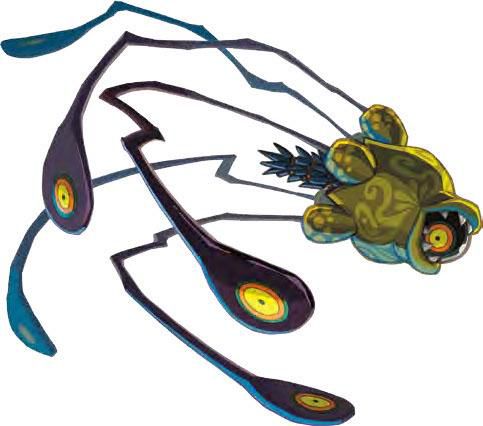
Once Link gathers the three Spirits and locates the Ghost Ship, he finds Tetra’s body frozen and lifeless, after which he comes face to face with the Ocean King himself. The Ocean King tells Link that a demonic phantom named Bellum is responsible for luring Tetra into the Ghost Ship in an attempt to drain Tetra’s life force and escape the Temple where the Ocean King has trapped it. It is at this point that the game’s objective changes: meld a new Phantom Sword and use it to defeat Bellum and revive Tetra.
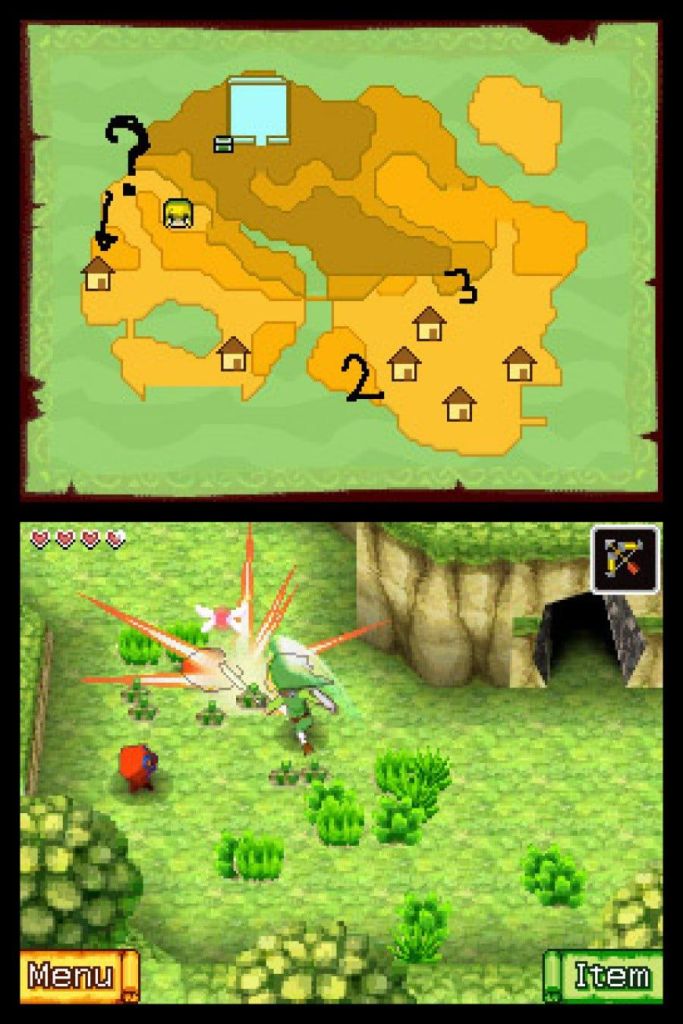
As the first Zelda game for the dual-screened Nintendo DS, Phantom Hourglass lets you control Link’s direction not with a control pad but by guiding him through his three-dimensional surroundings with the DS stylus on your touch screen, which you can also use to point at things you want Link to interact with and even direct the path of Link’s boomerang (with your fairy companion Ciela acting as your stylus marker). This is kind of a radical design choice but one that controls smoothly and is easy to get used to. Meanwhile your map is displayed on the DS’s top screen, although you can bring the map down to the touch screen momentarily to add notes and chart a course for your boat.
The talented development team behind Nintendo’s multiplayer GameCube game The Legend of Zelda: Four Swords Adventures was the same team behind this game. What started out as a handheld follow-up to The Wind Waker became what producer Eiji Aonuma observed as a Zelda game with more appeal to casual gamers, which was in line with Nintendo’s credo for the DS as well as the Wii during this period, but despite that departure from tradition, Phantom Hourglass worked. It is a fun and challenging game that maintained much of the series’ appeal while still feeling different enough from what came before it. The result was a game that received major critical acclaim with many people (including myself) proclaiming it a masterpiece that implements the DS system’s features in clever and satisfying ways, especially compared to many other less ambitious games in the DS library, and according to some gamers it even improved upon its GameCube predecessor The Wind Waker.
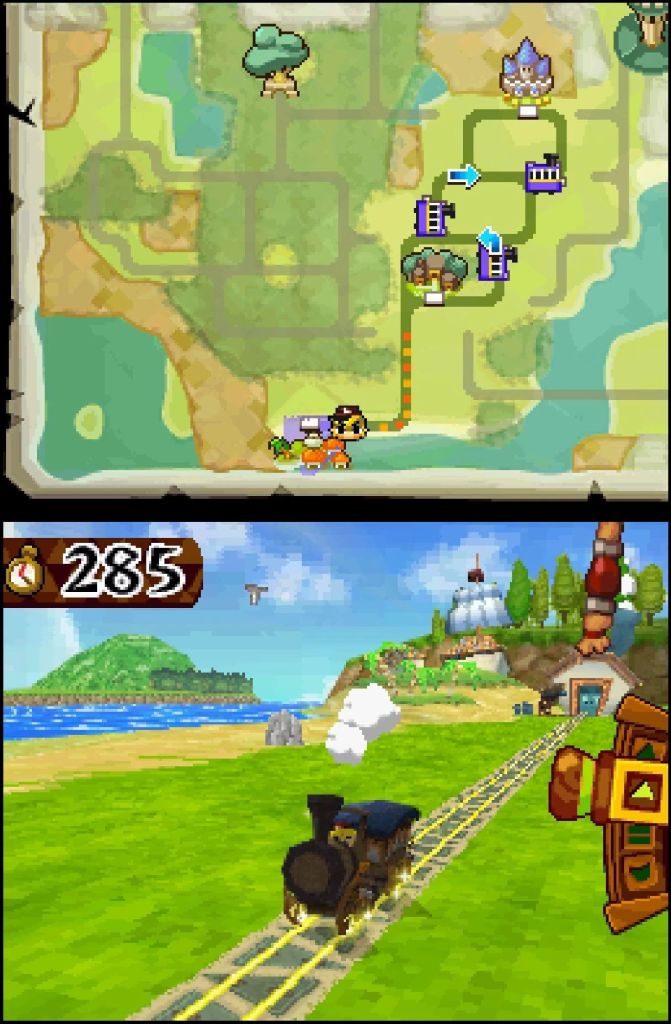
Two years after that game was released, producer Eiji Aonuma and director Daiki Iwamoto teamed up again for another brilliant DS game, a follow-up to Phantom Hourglass called The Legend of Zelda: Spirit Tracks (2009), which is set a century after the events of The Wind Waker and Phantom Hourglass and features brand new incarnations of a hero named Link and a princess named Zelda in a land that Link and Tetra founded long ago dubbed “New Hyrule,” which today has a train-based transportation system that travels along a magical train track called the Spirit Tracks. In this game Link is a train engineer who ends up teaming up with Princess Zelda to solve a mystery involving some missing train tracks disrupting people’s travel.
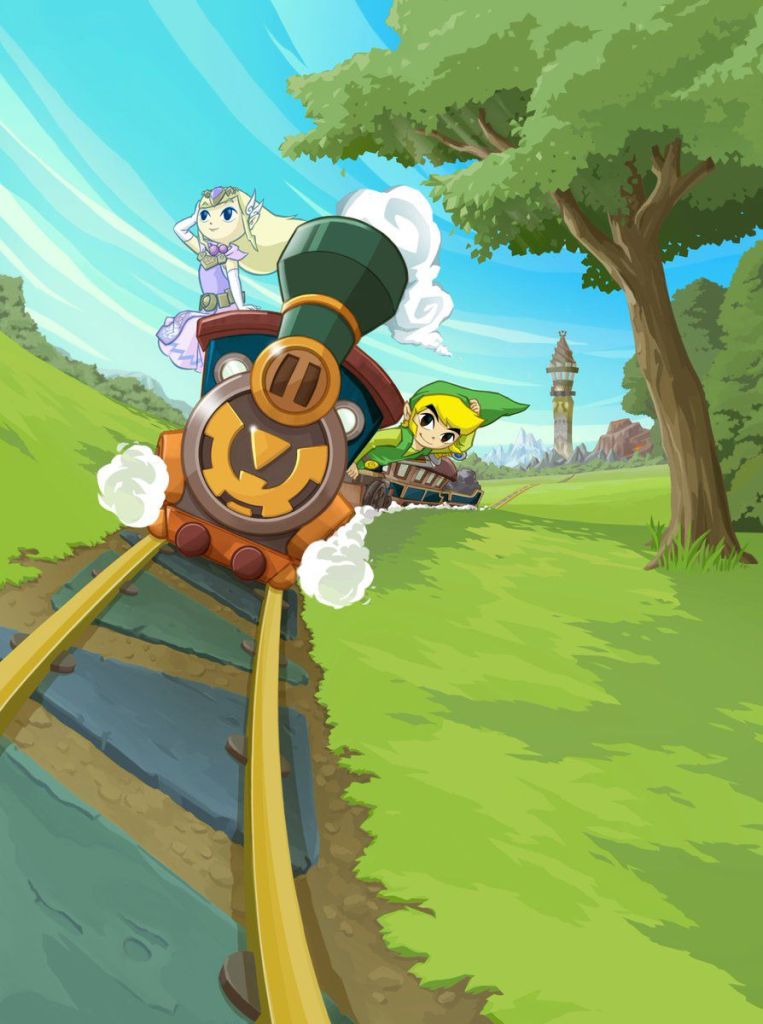
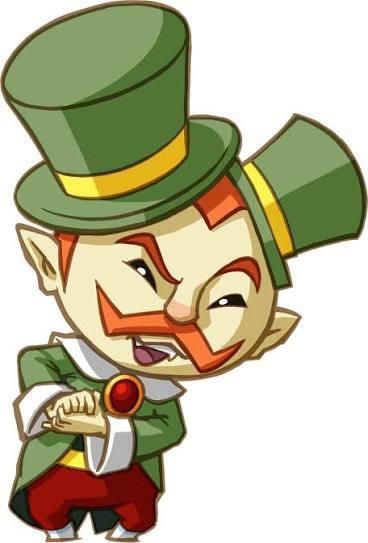
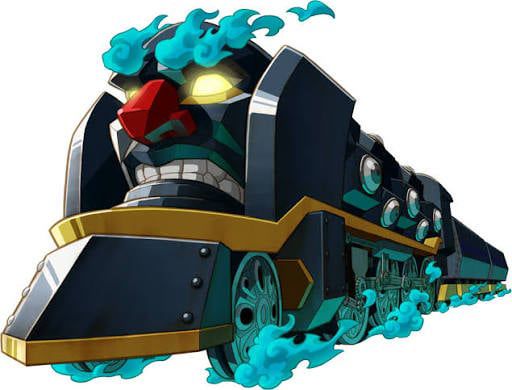
Upon the two investigating the Tower of Spirits (which is the source of the Spirit Tracks’ power), Zelda’s spirit is disembodied by her evil chancellor Cole, who secretly serves the demon king Malladus. Malladus was sealed away below the Tower of Spirits long ago with the Spirit Tracks that are spread across the land serving as chains that were meant to keep Malladus contained forever. With the help of Spirit Zelda (who now has the very cool ability to possess Phantoms), Link sets out to defeat Malladus and save New Hyrule.
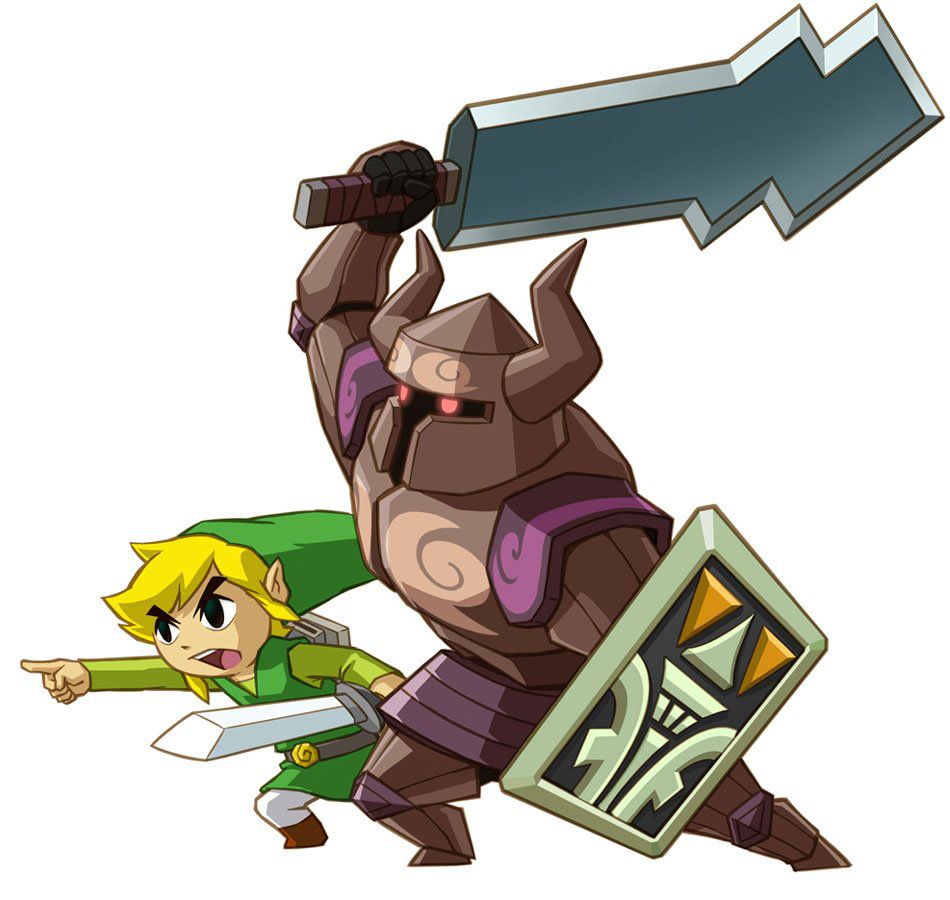
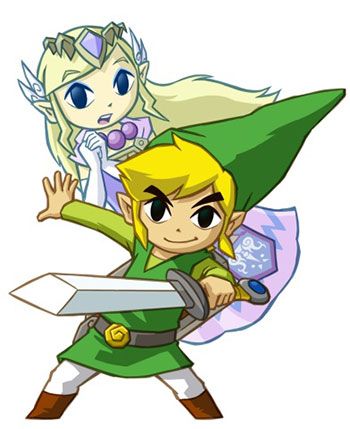
Whereas you could use your DS stylus to chart a course for your boat in Phantom Hourglass, in this game you use it to guide your train, as well as the paths of Phantoms once Zelda takes control of their bodies, with several clever puzzles weaved around this feature.
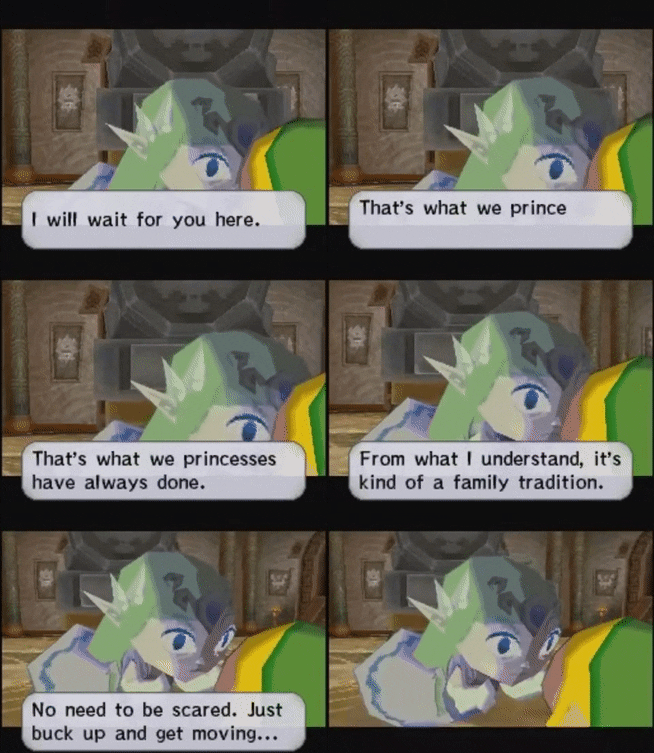
Satisfaction with how Phantom Hourglass turned out encouraged that game’s development team to make another DS Zelda game, with the intention being a short development cycle since they would be using the same engine for Phantom Hourglass, similar to the quick development of Majora’s Mask following Ocarina of Time. Although that time frame got doubled due to how ambitious Spirit Tracks ended up becoming. Of particular note was how integral Zelda was to the actual gameplay, which was rare for Zelda games up to this point. Aonuma and Iwamoto’s desire to make Zelda a stronger and more independent character to contrast with her traditional damsel-in-distress image fell in line with the trends and expectations of modern gamers, and it also became one of the most memorable aspects of the game, especially since she also has more of a personality in Spirit Tracks than usual.
Just like Phantom Hourglass, The Spirit Tracks received praise from critics, and while some traditional Zelda fans were put off by the new train-based features, many also praised its innovative concepts and narrative choices.
The toon-based art style of The Wind Waker may have had its detractors on the GameCube, but it was perhaps serendipitous that as Zelda games with more traditional and broadly appealing art styles like Twilight Princess and Skyward Sword started being released on the major consoles, Toon Link would live on in the handheld space, which was the perfect place for a cartoony art style anyway since, as Aonuma noted, realistic human models were implemented less well on the DS screen. And while the DS games were still a bit divisive for Zelda traditionalists, I would argue that they stay true to the series’ innovative spirit and continue to follow Zelda creator Shigeru Miyamoto’s philosophy by pushing the envelope in creative ways.