I have played a lot of video games over the years and one thing that inevitably happens when you play a lot of video games is you will occasionally get stuck or have no idea how to progress further. I usually figure out the problem on my own eventually but on rare occasions when my frustration is starting to affect my enjoyment, I have looked up the solution online by watching a walkthrough of someone else playing the game. In other words, I pretty much cheated. Which I didn’t feel guilty about, especially since it was a single-player handheld game that I was only playing for myself and all I cared about was moving the game’s story along and returning to the reason why I like playing games: to have fun. That was a fairly harmless example of a gamer bending the rules to gain an advantage, but when you dive deeper into the subject of players who break the rules of their video games, the crime I committed really starts to look small. In this article I explore the idea of “cheating” at video games, because it has many definitions and some offenses are more egregious than others. And I won’t just be talking about using walkthroughs and game guides. I will be discussing things like secrets areas, unlockable features and Easter eggs as well as ROM hacks, mods and glitches, both the ones that are intentionally meant to be discovered and the ones that are unintentionally exposed.
Back in the early days of arcade and console gaming in the 1970s, software programmers obviously had to test and debug their games before sending them out to the public, and cheat codes were useful ways for programmers to modify them at the last minute. Pretty early on, however, savvy computer-hacking gamers figured out how to exploit that process for their own purposes by accessing the game’s code themselves, in ways that could, for example, give them invincibility, give them an unlimited number of lives, grant them unlimited currency or allow them to defy the laws of physics altogether. Something that hackers continue to do with their favorite games to this day in ways that are much easier thanks to the internet.
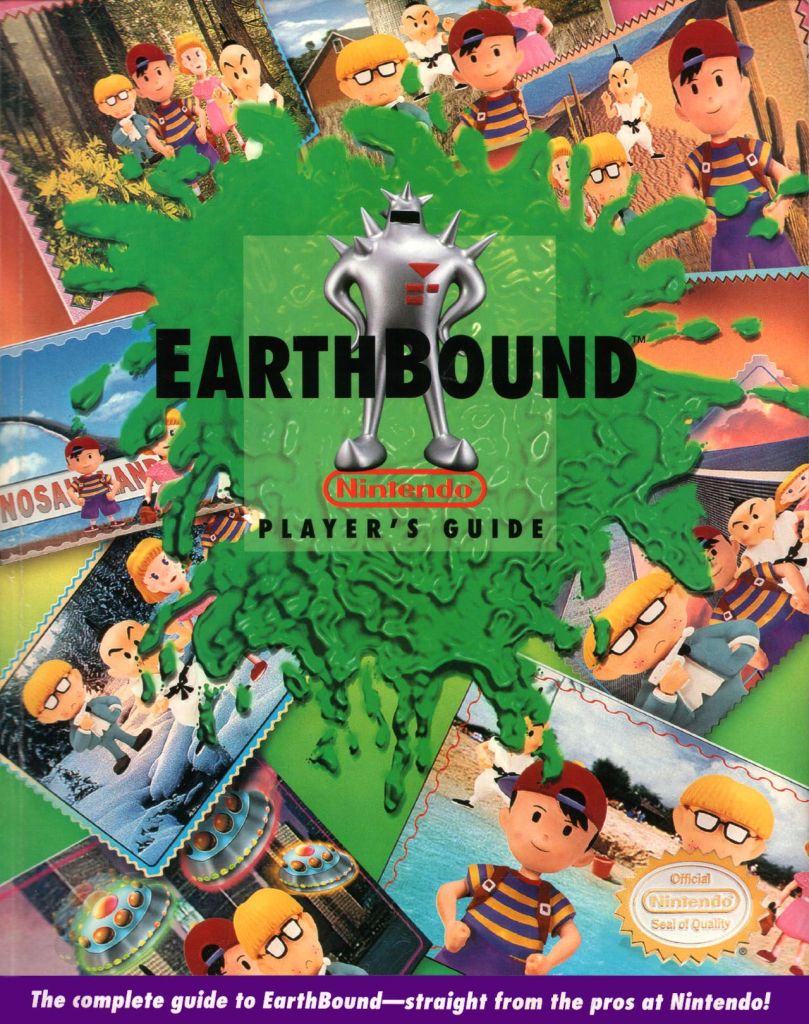
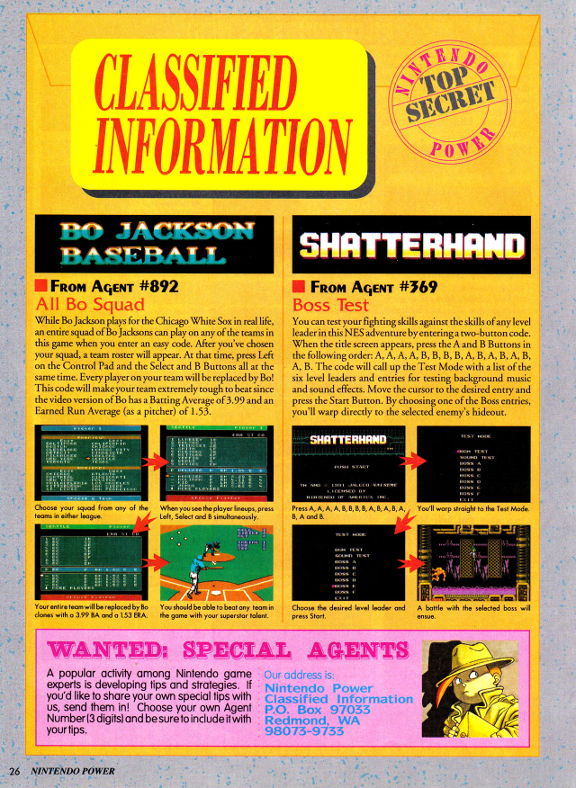
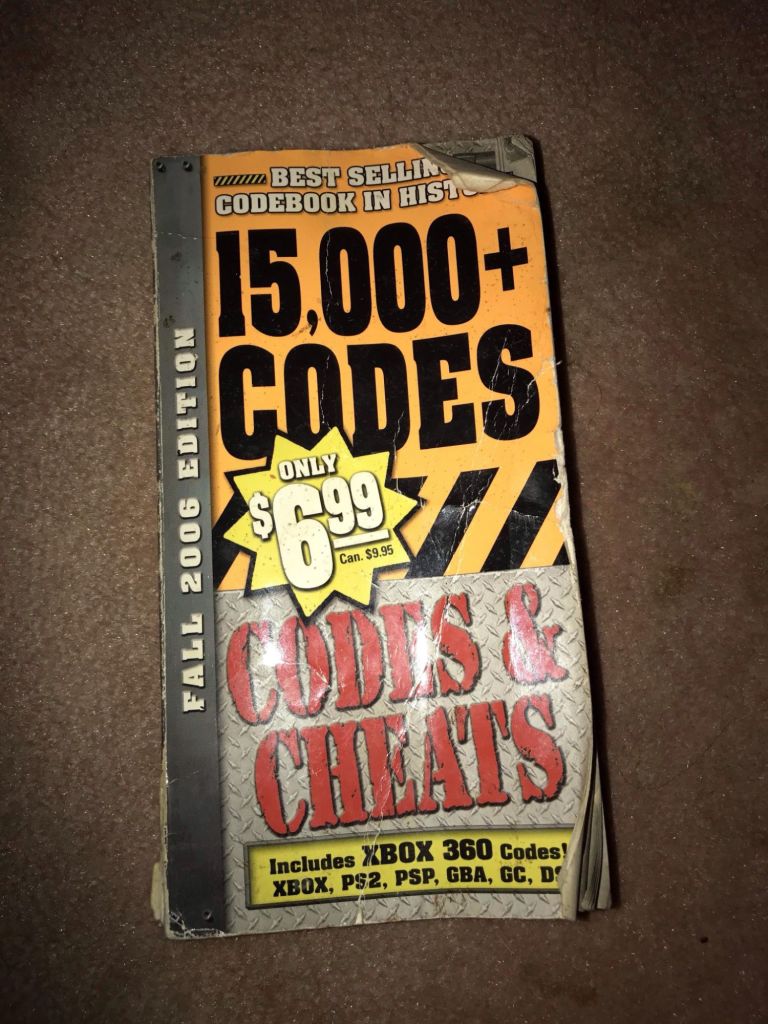
Despite how thorny the idea of cheating was in earlier years, it became such a common occurrence among a growing group of hackers that the video game industry actually slowly began to embrace the idea of gamers using “cheats” and even use it as a selling point. In the 1980s, game companies began publishing strategy guides, establishing video game hotlines and presenting cheat codes as a “secret” that will give you the ultimate competitive advantage over other gamers. The monthly American magazine Nintendo Power even had a section called Classified Information which was dedicated to sharing secrets and cheat codes with gamers. Some companies would even publish books dedicated exclusively to revealing cheat codes for various games, including strategy guide publisher BradyGames which released the long-circulating Cheat Code Overload series.
Whether using strategy guides and hotline tips count as cheating can be debated, but then there is the other type of cheat: the password system. This is something a lot of games from the eighties utilized, especially since many games didn’t have save features in those days. Typing a password could allow you to gain instant access to an area or a special ability, usually by entering the password screen from the main menu and selecting a certain combination of letters or numbers, for example allowing you to skip straight to the final battle with Mike Tyson in Mike Tyson’s Punch–Out!! or play as Samus without her armor in Metroid. Or sometimes you could enter a code by typing a certain button combination on your controller or keypad, for example allowing you to enter Debug Mode in Sonic the Hedgehog or the invulnerable state of God Mode in Doom. A famous early example of a button combination cheat code is one dubbed the Konami Code (up, up, down, down, left, right, left, right, B, A), first introduced in 1986 by developer Kazuhisa Hashimoto while he was porting Konami’s 1985 arcade game Gradius to the NES, adding the code as a secret way to make the difficult game easier for players. It was used in other games after that as well, and it was popularized in America by the NES version of Contra (which led to it being called the “Contra Code” by some gamers), where typing the button combination on your controller would allow you to gain 30 extra lives. The Konami Code has even been discovered in a few non-Konami games, including Ratchet & Clank: Up Your Arsenal and Hollow Knight: Silksong, and its effect varies in each game.
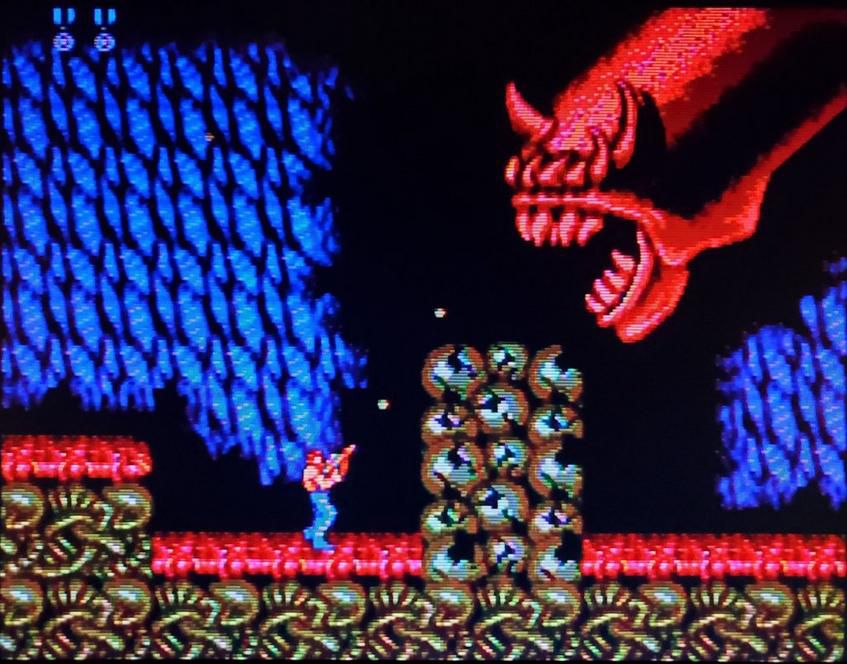
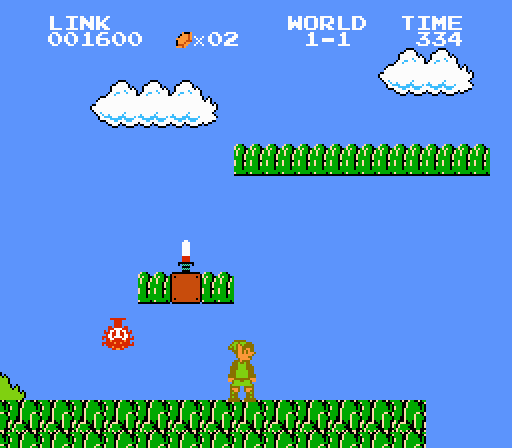
Some games get even more creative than that. The developers of Super Mario Bros. hid secret Warp Pipes in the game that allow you to skip over certain worlds. The Legend of Zelda, which allows you to go on a “Second Quest” with even tougher dungeons after you defeat Ganon, allowed you to skip your first quest and start the game on your second quest when you typed “Zelda” as your file name. In Metal Gear Solid 3: Snake Eater, you could defeat one of the bosses by adjusting the game’s internal clock a few years into the future and let him die of old age before you encounter him. And if you were one of many Pokémon Red, Blue and Yellow players who weren’t personally handed a Mew by Nintendo, it is technically possible for you to find the elusive and rare Pokémon yourself, although only through a very elaborate method. Similar to the method that will allow you to encounter the Pokémon glitch Missingno. in the wild.

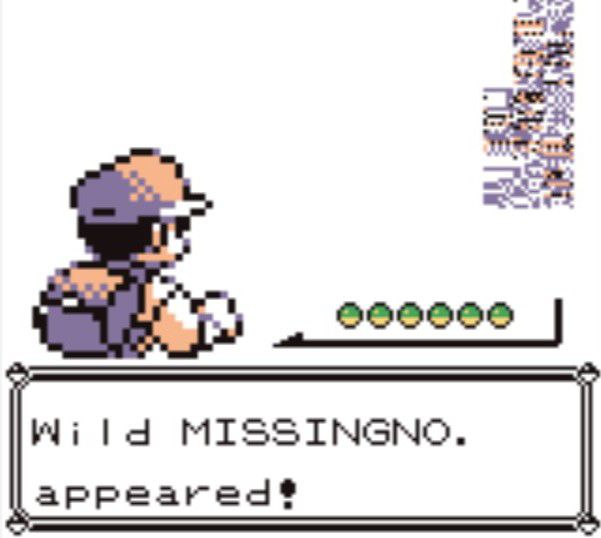
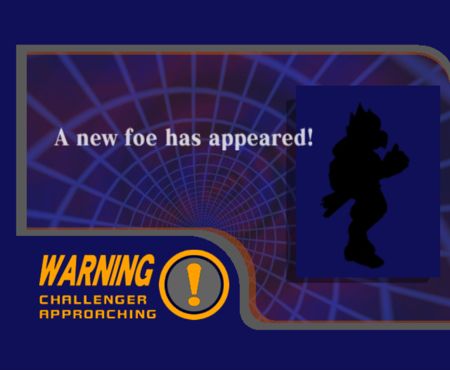
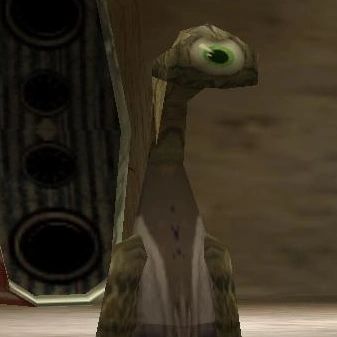
Sometimes exploiting a glitch like Missingno. will allow players to have access to certain things that the programmers didn’t intend for you to have access to. This is how some Super Smash Bros. Melee players were able to play as the final boss Master Hand in that game. In the Super Smash Bros. series, however, the normal method for unlocking new features would often require you to fulfill very specific gameplay requirements in order to unlock a character, stage, trophy, sticker, CD or other reward. In Super Smash Bros. Brawl for example, you could unlock Ganondorf as a playable fighter by beating Classic Mode with either Link or Zelda on a hard or higher difficulty level, and you could unlock Luigi’s Mansion as a battle arena by playing as Luigi three different times in a Vs. match. Unlocking new characters, stages and modes through a wide variety of methods was common in multiplayer genres like racing, fighting and sports games. Although the real secret characters were only unlockable through the use of cheat codes, such as the alien podracers Cy Yunga and Jinn Reeso in Lucasarts’ Star Wars: Episode I – Racer (observant players will notice that their character models are basically reskins of fellow podracers Aldar Beedo and Bozzie Baranta, so you can tell the developers treated those characters as secondary to the main roster).
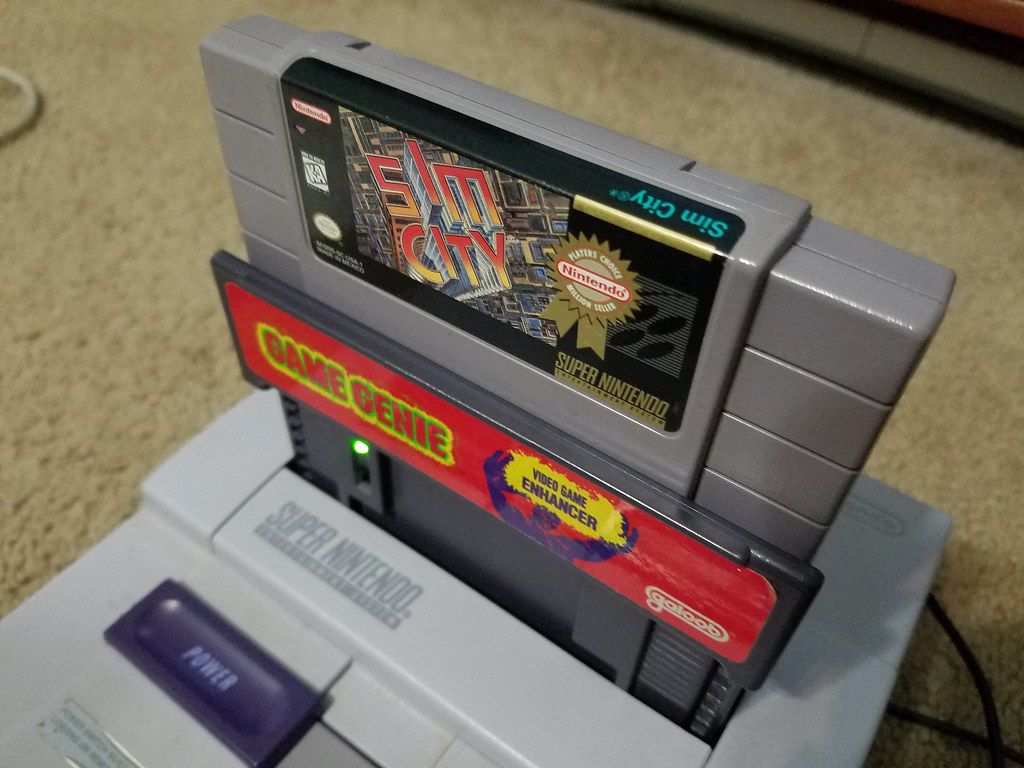
There is also a level of cheating that goes beyond what the game developers intended and goes straight into actually modifying the game’s engine. These code-altering data modifiers were actually being sold on the market, with the first major product being the Game Genie, developed by the British software company Codemasters and introduced in 1990 for use on NES games and later Game Boy, Game Gear, Super NES and Sega Genesis games, giving gamers permission to reverse engineer Nintendo and Sega’s software and become amateur hackers.
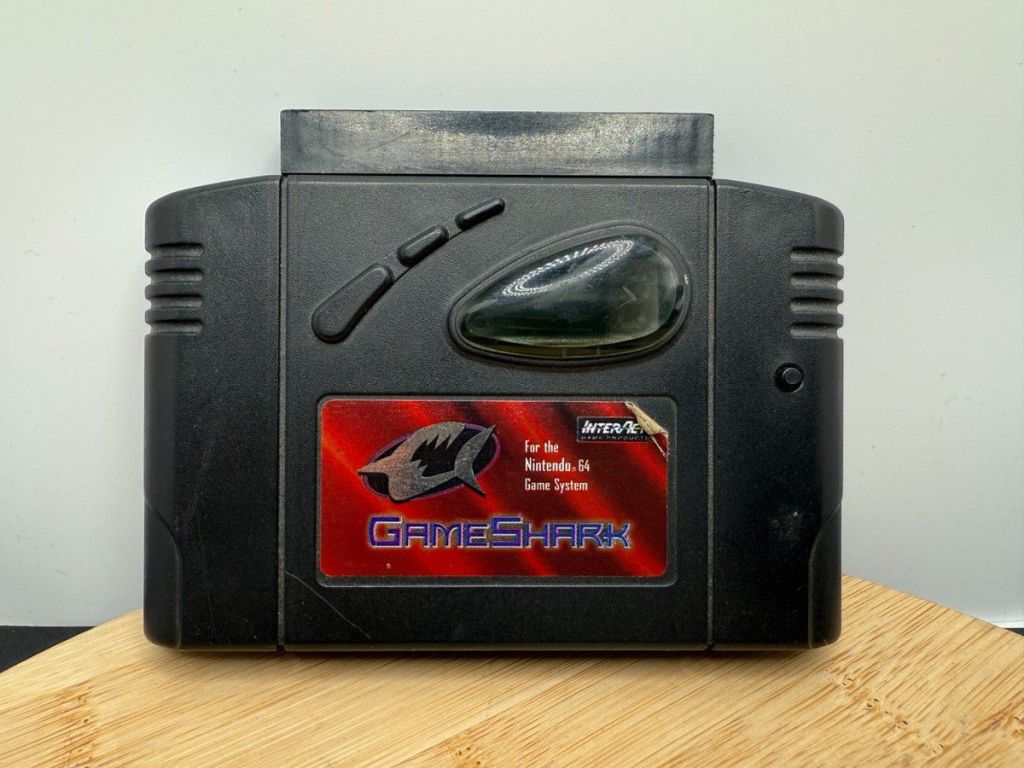
Nintendo actually went into a legal battle with Game Genie distributor Lewis Galoob Toys, Inc. over the existence of this device, but amazingly Galoob actually won that case in 1992 because the court ruled that Game Genie’s code altering not only DIDN’T infringe on Nintendo’s copyright but it had zero negative effect on Nintendo’s sales. In other words, the judge told Nintendo to chill out and let hackers have fun. Thanks in part to that outcome, other cheat devices like Action Replay, Code Breaker and GameShark soon followed. Although in later years as game consoles implemented greater hardware security, these cheat devices declined in popularity and GameShark, which became the most popular one, finally disintegrated in 2012.
It didn’t help that some cheaters flew a little too close to the sun. One hacker altered a game to rig impossibly high scores and achievements for themselves, and people like that have successfully gotten sued by major video game companies like Ubisoft and Take Two. Methods like that are especially frowned upon in multiplayer online games and cheaters are often banned from those spaces for creating unfair advantages over other gamers. But some companies get ahead of the crime by combatting these cheating measures automatically, such as how the 32X version of id Software’s Doom will literally restrict players from even being able to win the game if they used cheats.
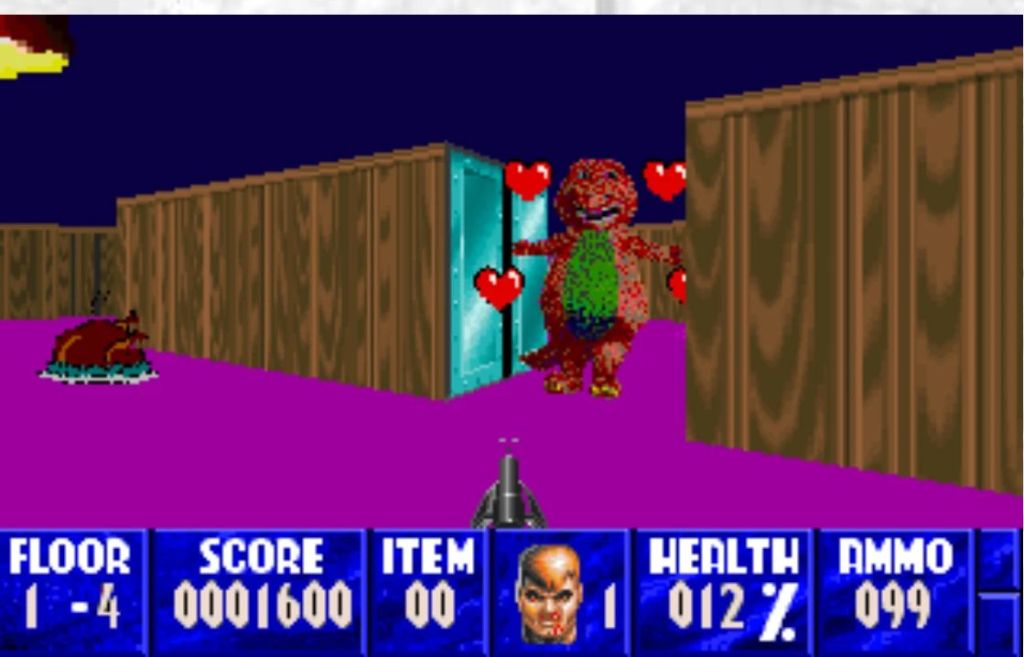
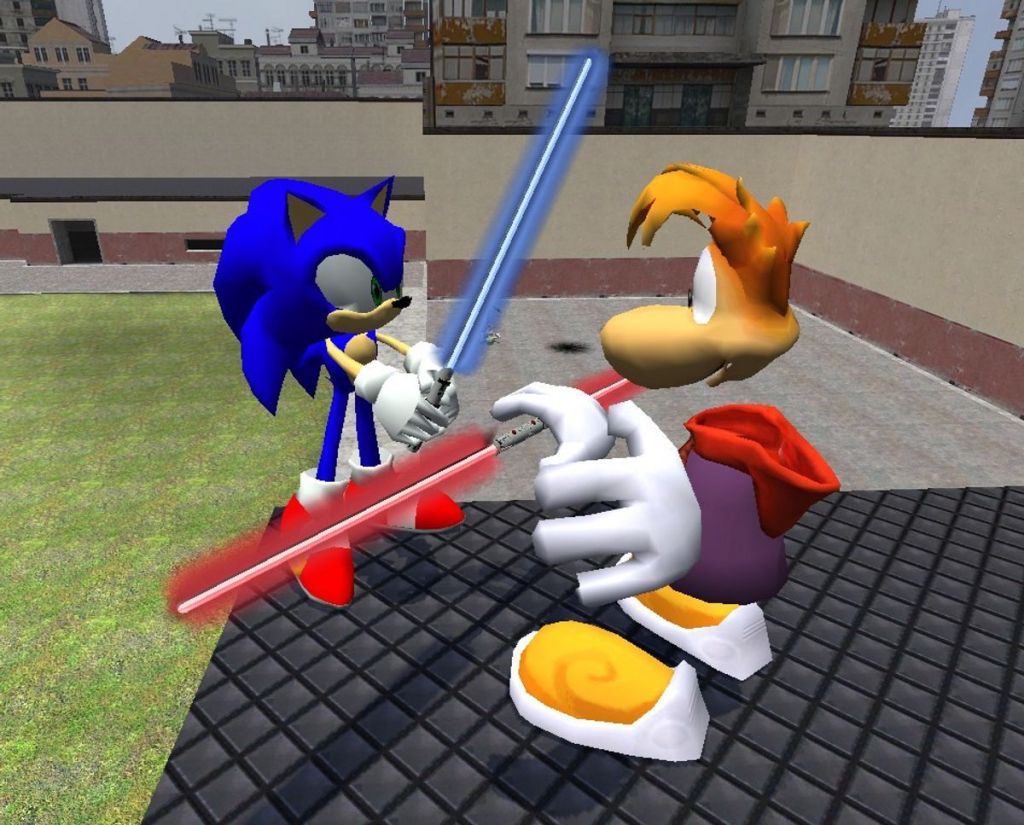
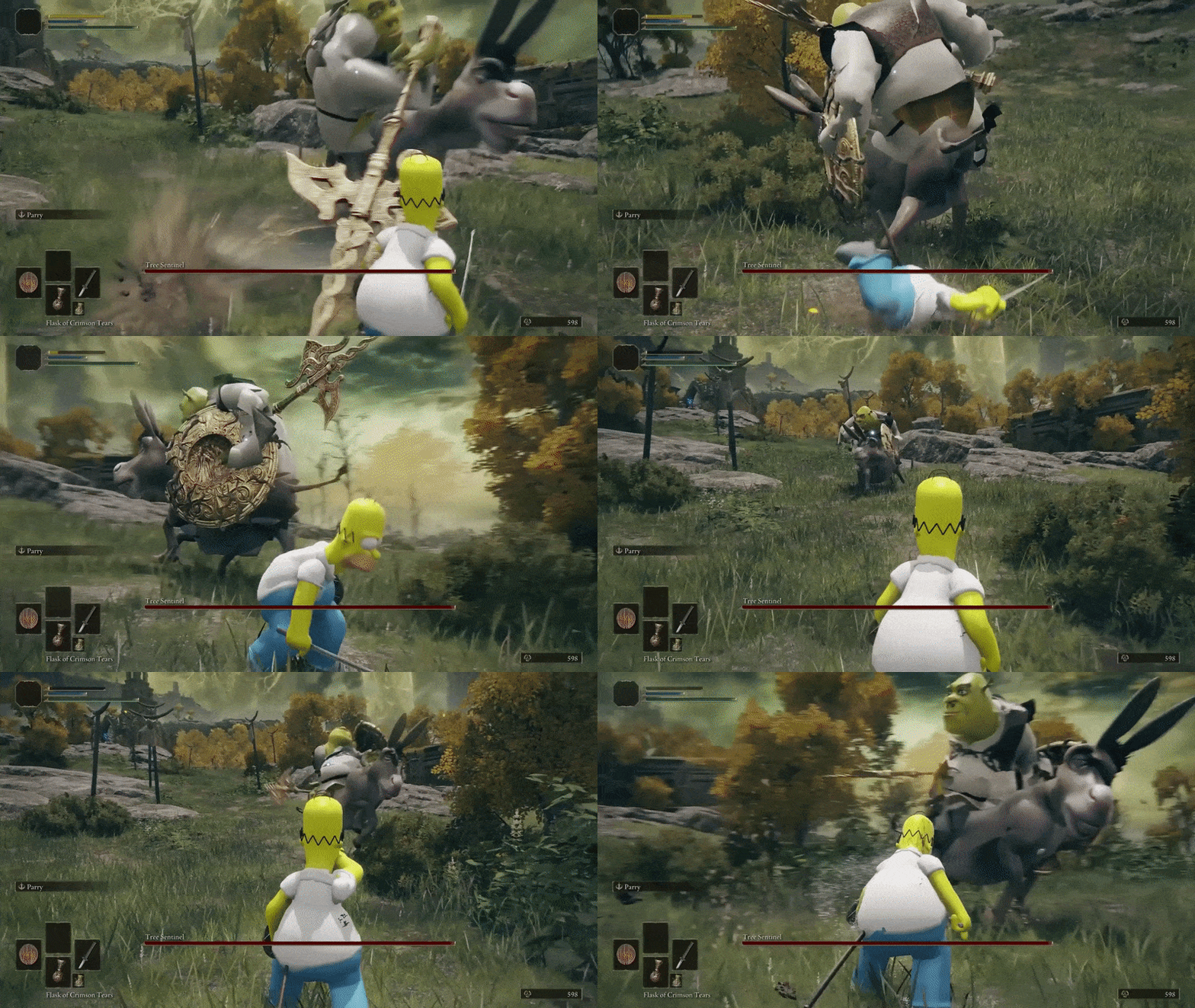
Console games are much harder to hack these days, and that is why PC games are the preferred method among most hackers today and it’s why you often see so many videos, clips and GIFs of game modifications on the web, including console game emulations, often altered by fans who play around with their mods in countless and hilarious ways, such as when someone created a version of Wolfenstein 3D starring Barney the Dinosaur or when they insert Elsa from Frozen into Grand Theft Auto just for kicks. They even have freeware game engines where hackers can really go wild, like the Street Fighter-style 2D fighting game engine Mugen (appropriately named after the Japanese word for “limitless”), first introduced by Elecbyte in 1999 and allowing PC gamers to see countless fictional character duke it out.


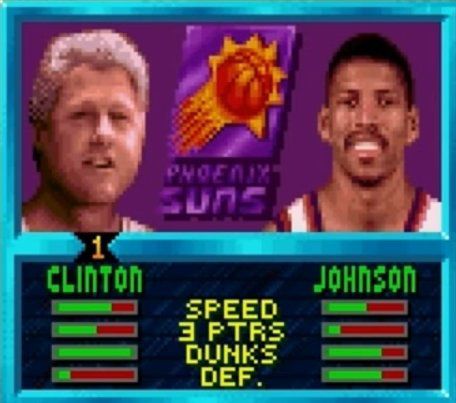
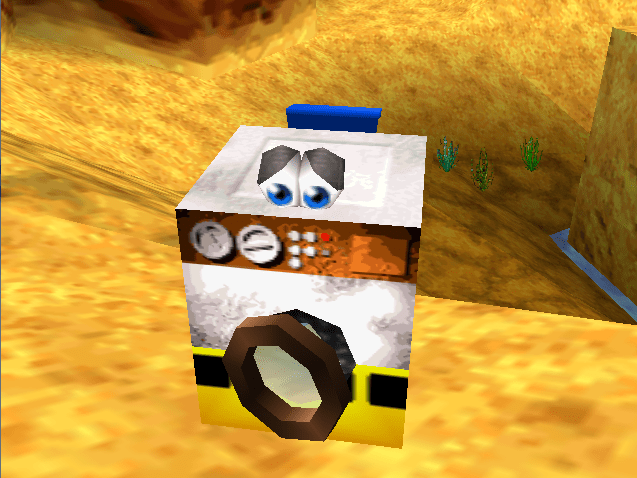
I was aware of many cheats and secret codes during my childhood as a gamer (I used to read strategy guides in my bed like they were Goodnight Moon) and many of my favorite cheats were not the ones that gave me an unfair advantage or infinite lives but the ones that made me laugh or shook things up in a fun way. You know, like how the sound of the GameCube logo changed when you held down the Z button at the same time you turned the console on. Or how you could give all your enemies giant Donkey Kong-sized arms and heads in Goldeneye 007‘s DK Mode, make Mortal Kombat even more violent by entering a blood code, play as President Bill Clinton in the basketball game NBA Jam, unlock a Buick Electra in Star Wars: Rogue Squadron, transform into a washing machine in Banjo-Kazooie, turn the announcer into a snarky commentator in Wave Race: Blue Storm or change the laws of physics in Tony Hawk’s Pro Skater 2 so that it looks like you are skating on the moon.

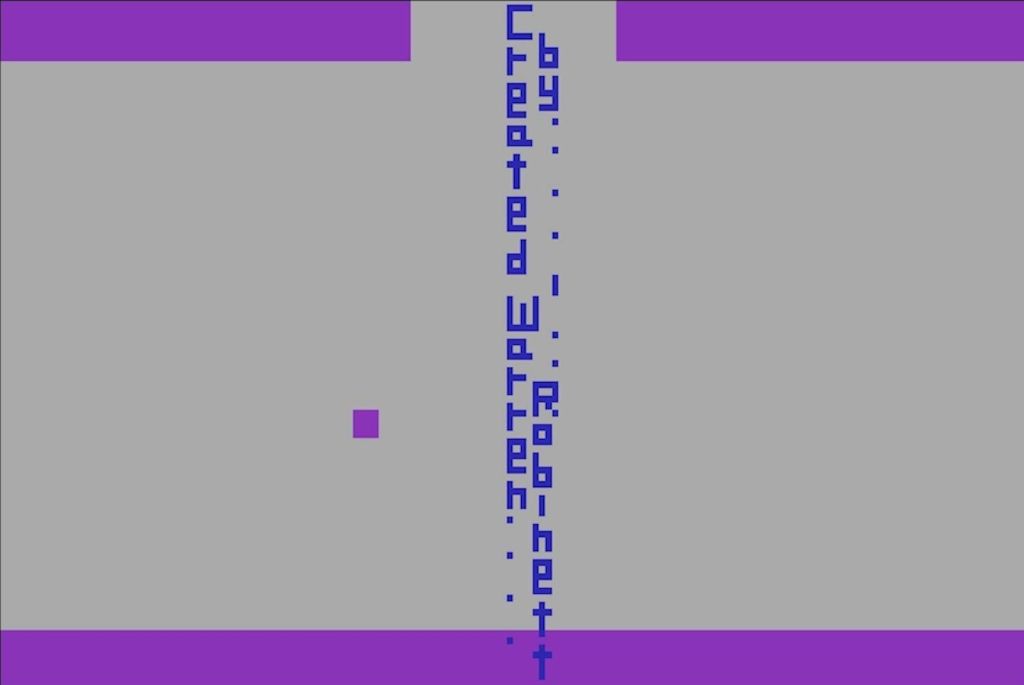
Stuff like that gave me infinite joy. Sometimes discovering a cameo appearance or unlocking an Easter egg would make my day, and those have been a staple of video games early on. Adventure developer Warren Robinett famously hid his name in that game as an Easter Egg. Nintendo did something even more mysterious when a secret room in the American version of The Legend of Zelda: A Link to the Past was owned by someone who Link never meets named Chris Houlihan, a man who most people believe is the winner of a Nintendo Power contest held in 1990 (a year before the game was released) where the winner was promised to have their name mentioned in a future Nintendo game. Sometimes games go even further than just mentioning a real person’s name and give the game’s developers cameo appearances in their own games, which has happened in the Mortal Kombat, Pokémon and Metal Gear Solid series.
In conclusion, as long as you are playing by yourself and not giving yourself an unfair edge over other gamers, you are 100% allowed to cheat in video games, whether you are consulting a guide to help you progress through a difficult game, giving yourself infinite lives to make the game easier, literally hacking the game to suit your own needs or you care less about beating video games and more about mining them for comedy on social media. All of it is fine as long as you take joy in doing it.