I would be remiss if I dedicated an entire year to writing about Zelda but failed to mention the series of handheld games that Capcom developed for Nintendo between 2001 and 2004. While the Capcom Zelda games are considered canonical mainline entries, they also work as standalone games and only have vague connections to the games developed by Nintendo, which allowed the people at Capcom to have some creative freedom, although they were still heavily influenced and inspired by Nintendo’s work and thankfully did a good job capturing the spirit of the series.
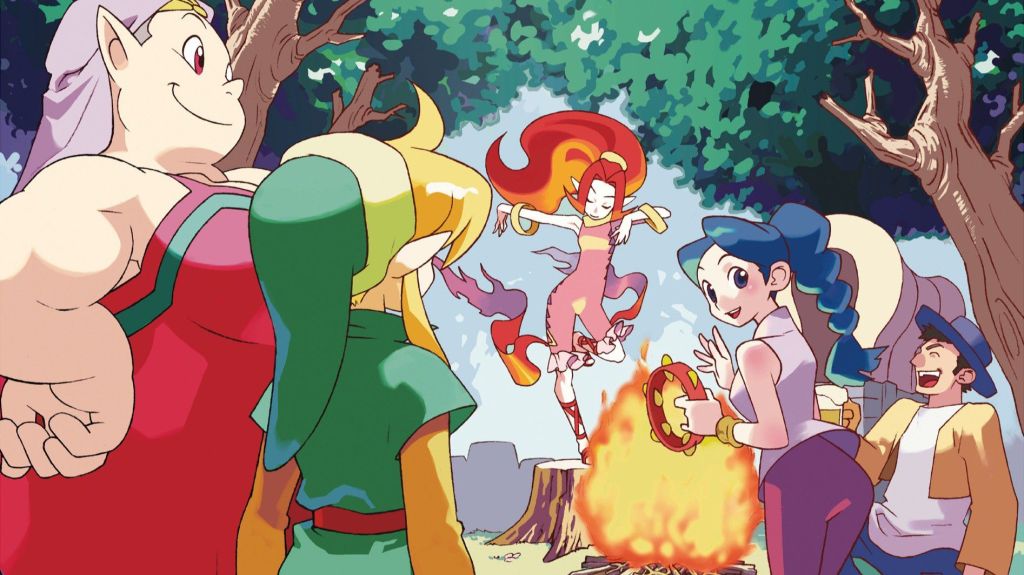
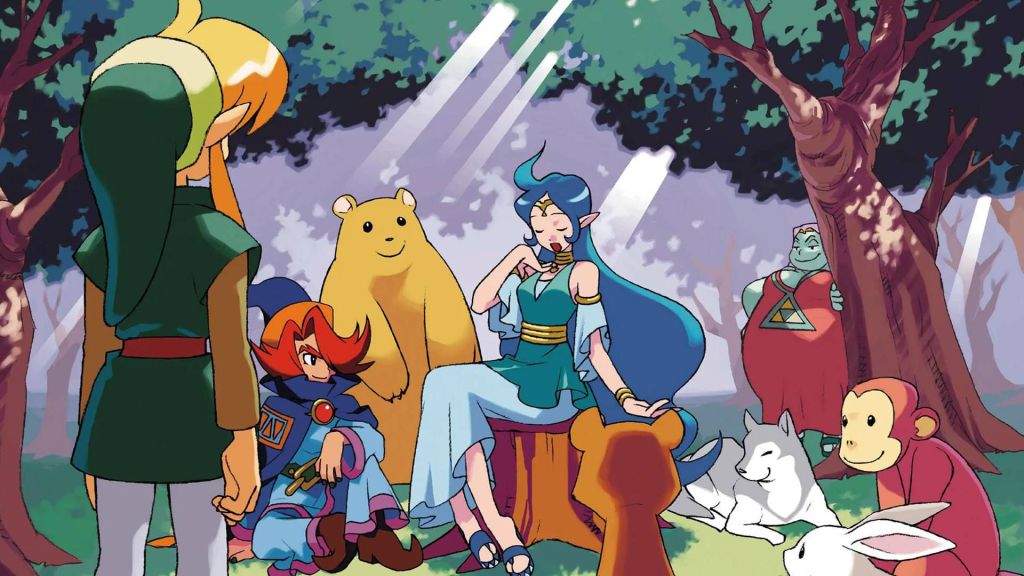
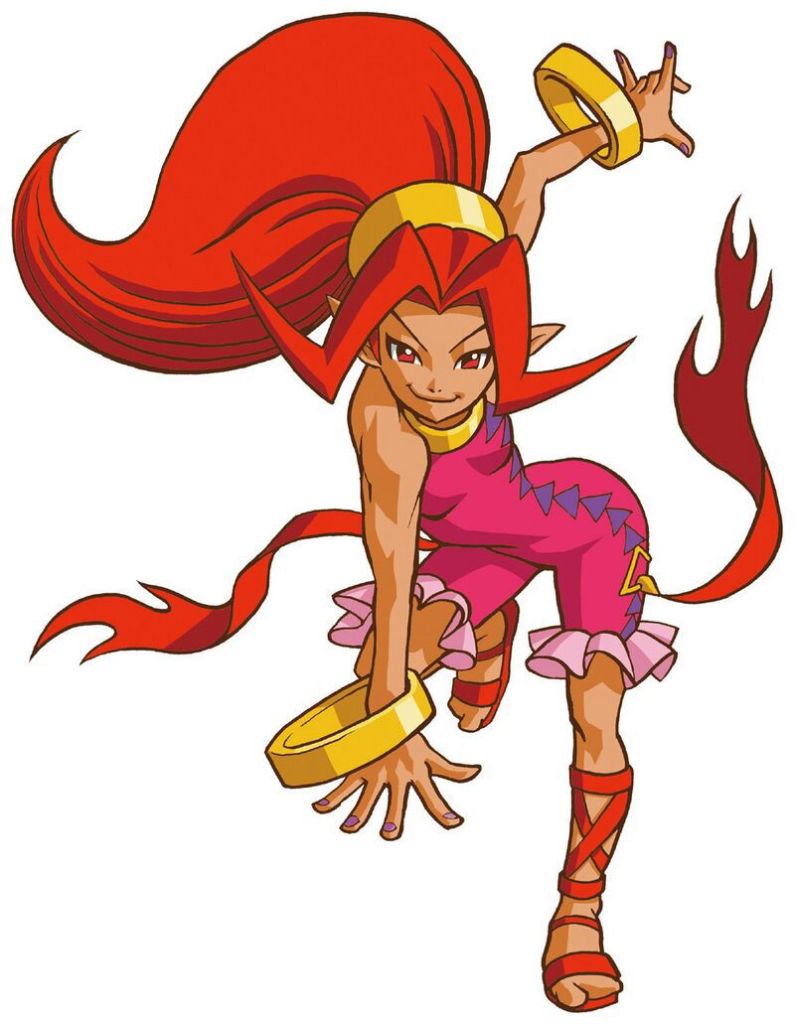
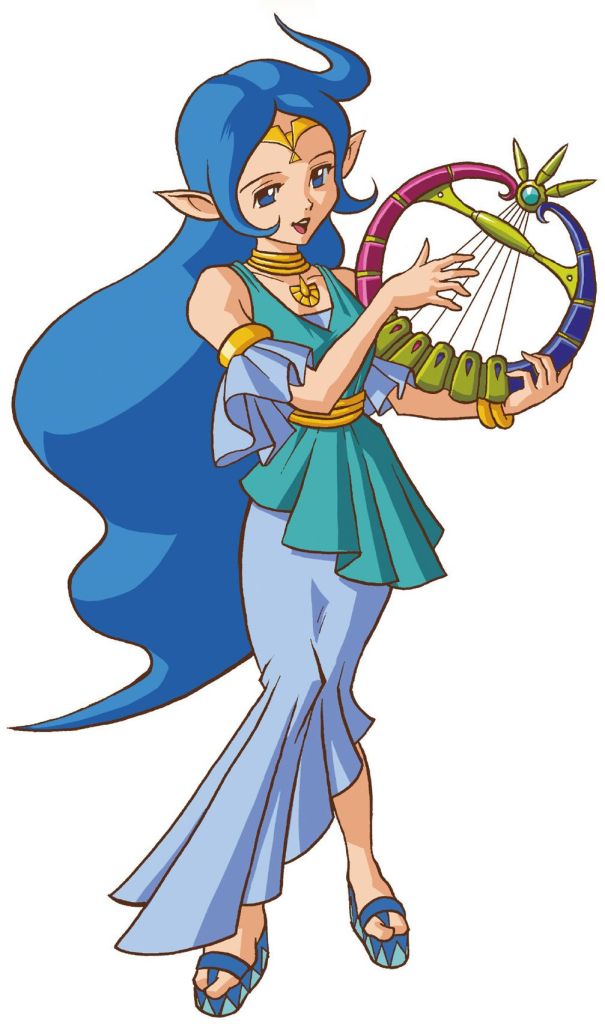
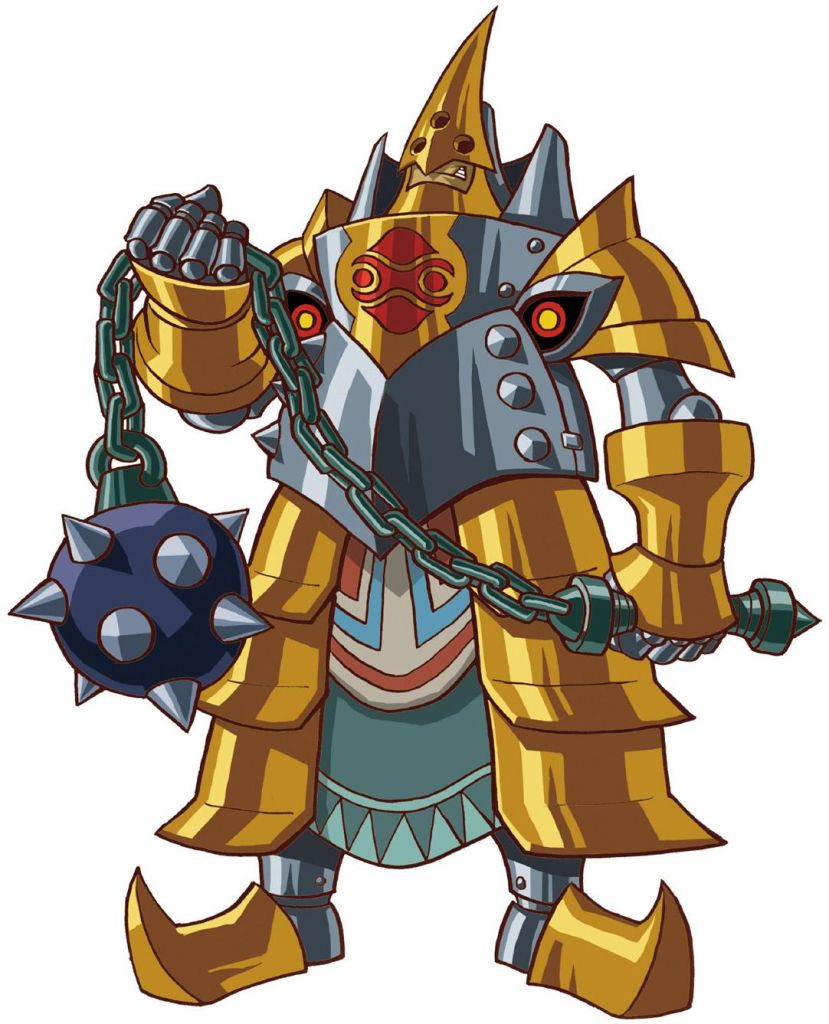
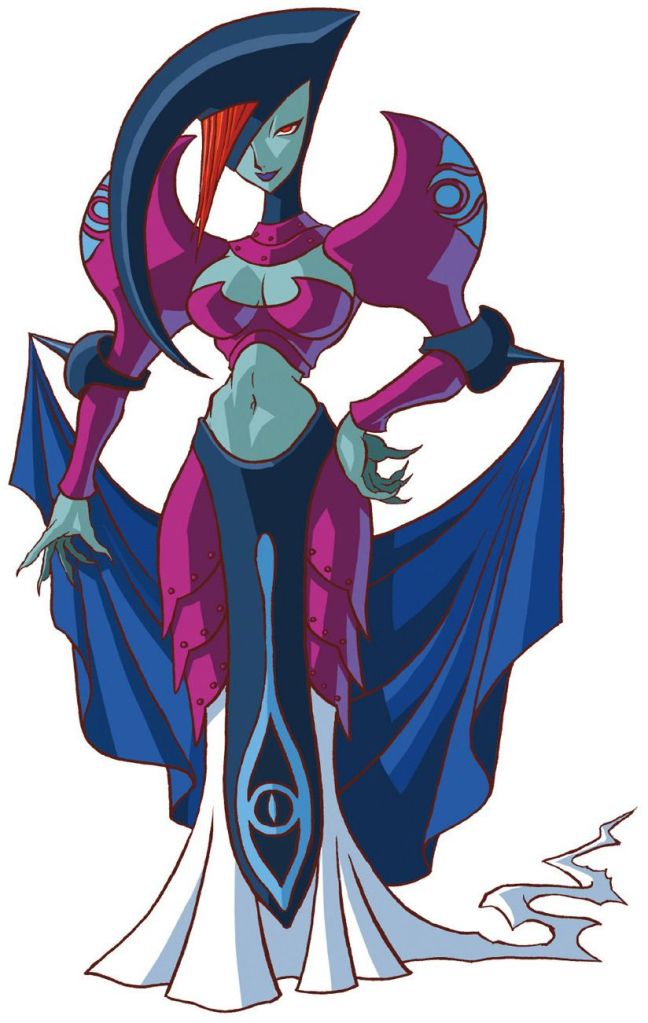
The Legend of Zelda: Oracle of Seasons and The Legend of Zelda: Oracle of Ages are two completely different games that were both released simultaneously on the Game Boy Color in 2001, but they have similar stories. Both games start out with the Triforce calling out to Link from inside Hyrule Castle, transporting him to another land. In Oracle of Seasons he is transported to the land of Holodrum where he meets a dancing red-haired girl named Din. In Oracle of Ages he is transported to the land of Labrynna where he meets a singing blue-haired girl named Nayru. In the plot of Seasons, Din gets kidnapped by Onox the General of Darkness. In the plot of Ages, Nayru gets kidnapped by Veran, the Sorceress of Shadows. In Seasons, Link uses the Rod of Seasons to magically change the seasons from spring to summer to fall to winter. In Ages, Link uses the Harp of Ages to travel back and forth through time between Labrynna’s past and present. Some locations in Holodrum can only be reached during certain seasons, such as how previously impassable lakes can be stepped across while frozen in ice during the winter. While in Labrynna, you can plant seeds in the past, travel forward in time when the seeds have grown into vines, and then climb those vines to reach previously unreachable areas. Both gimmicks lead to a variety of puzzles.
Seasons and Ages could both be connected via a Game Link Cable and a password system, allowing you to trade rings, which were scattered throughout the game, each possessing special abilities when equipped. And the password system allows you to access an alternate version of each game where one serves as the sequel to the other, leading to an extended ending involving the witch duo Twinrova (of Ocarina of Time fame) kidnapping Princess Zelda and attempting to revive their evil king Ganon, which of course all leads to a final confrontation between Link and Ganon.
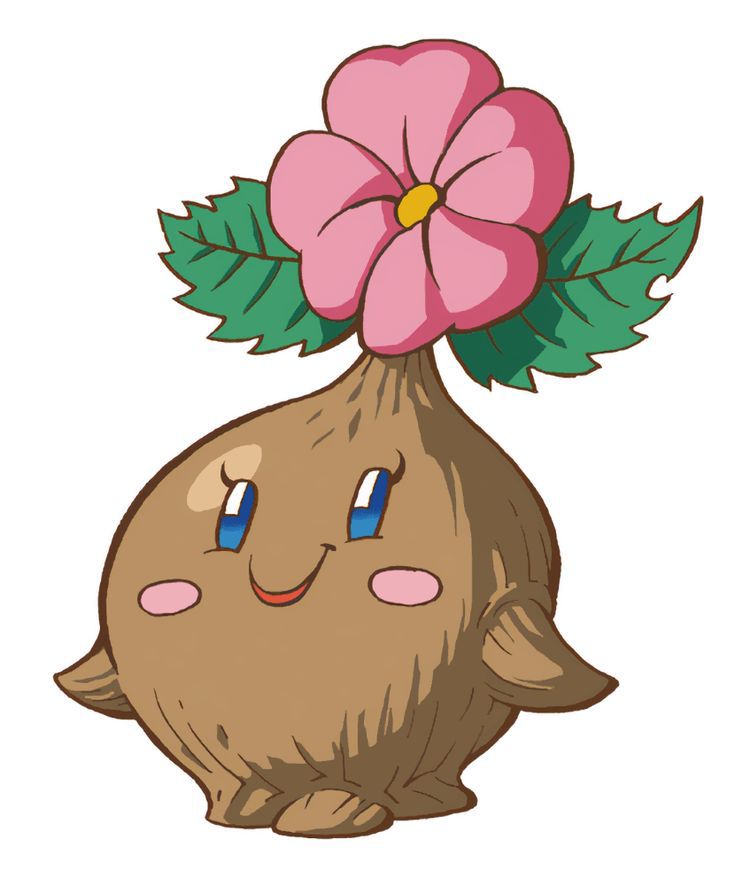
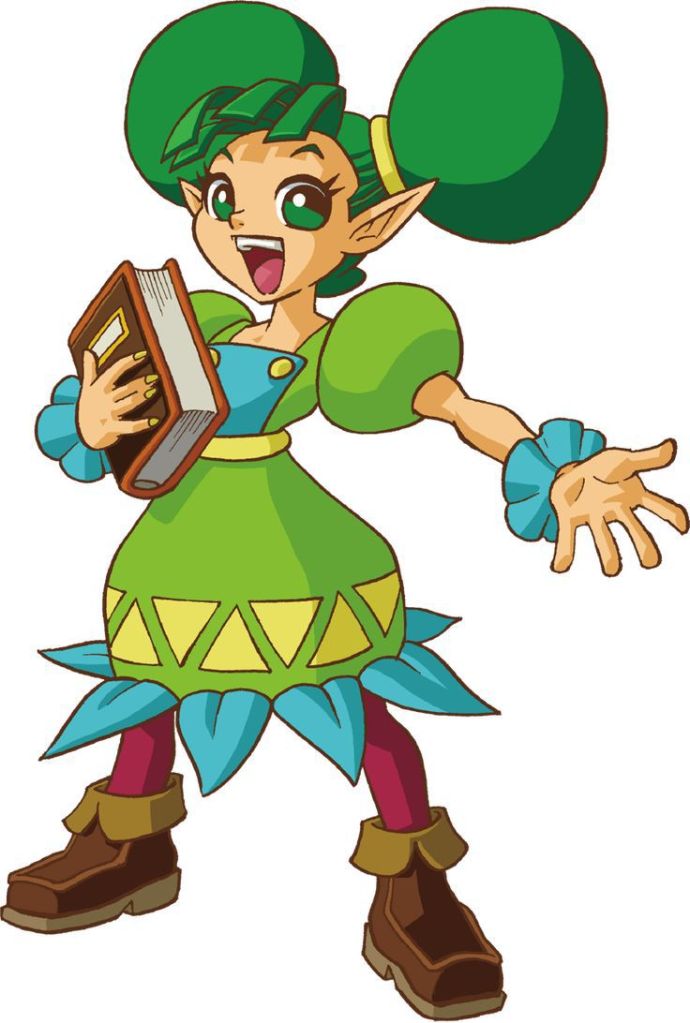
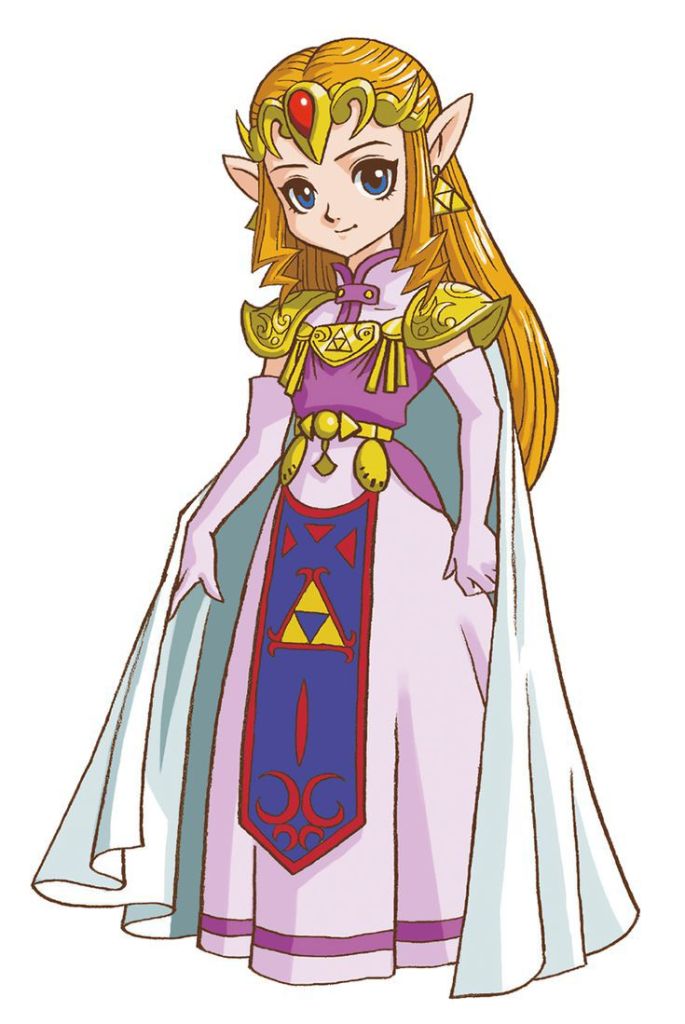
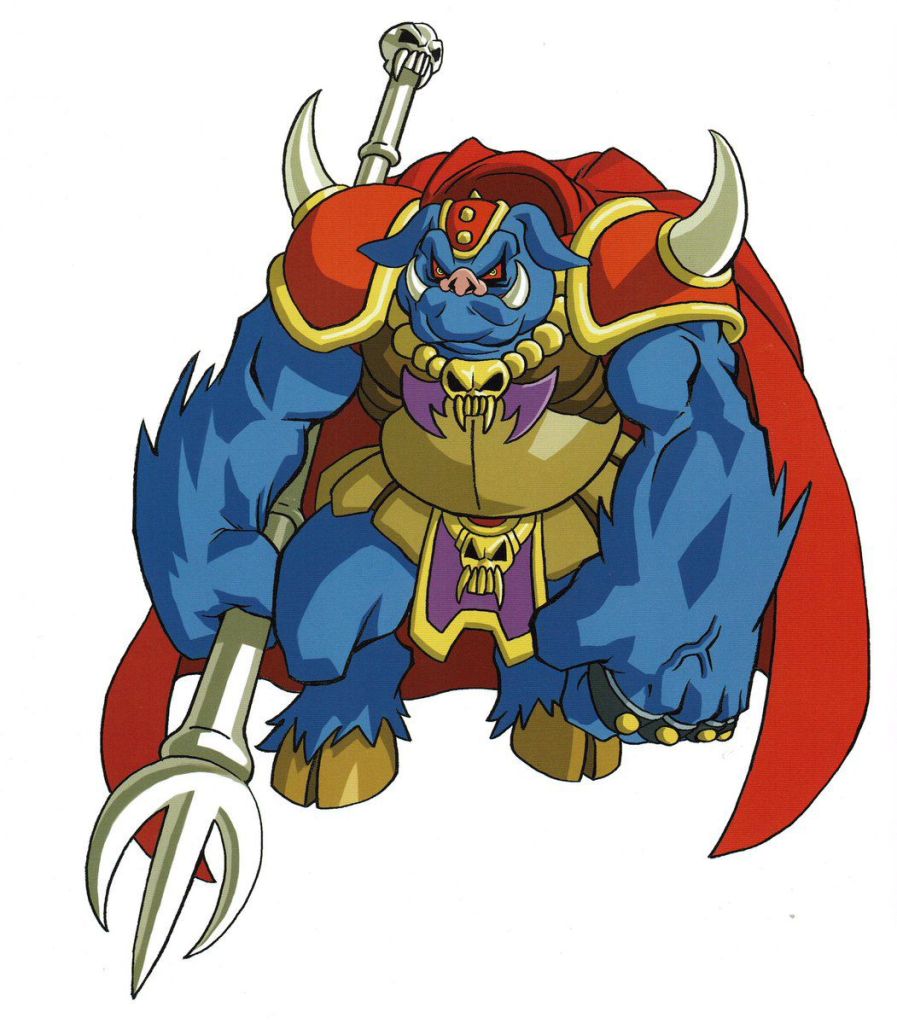
The origin of these two games began with Capcom employee Yoshiki Okamoto, who had previously produced Capcom’s Street Fighter II, Captain Commando and Darkstalkers. After founding the Capcom subsidiary Flagship in 1997, Okamoto met with Nintendo and proposed the idea of remaking the original Legend of Zelda for the Game Boy. Nintendo was receptive to this idea, but the project proved too complicated when the developers tried to adapt the TV screen-sized NES Zelda to a Game Boy-sized screen. Trying to soften the NES game’s brutal difficulty level to something more tolerable for beginners also proved challenging. Which led to the idea of making a brand new Zelda game instead.
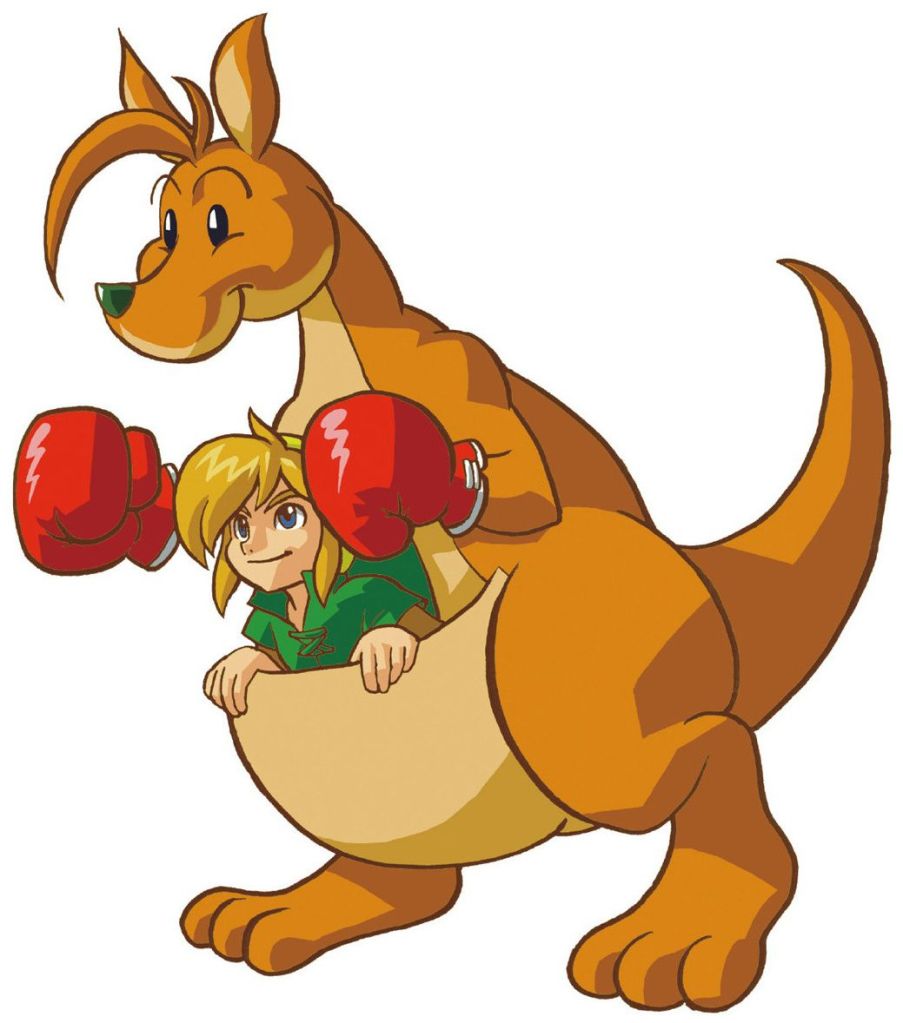
The original idea for these brand new series entries was for Flagship to make three games based on the Triforce, which as you may recall is the sacred all-powerful artifact of Hylian lore that is divided into the Triforce of Power, the Triforce of Wisdom and the Triforce of Courage. The three games were originally subtitled Mystical Seed of Power, Mystical Seed of Wisdom and Mystical Seed of Courage, which eventually got scaled down to two games upon Shigeru Miyamoto’s suggestion when developing three games at the same time proved to be too difficult. Although the game’s engine was based on the one from Nintendo’s The Legend of Zelda: Link’s Awakening (1993), which meant that anyone who played that game was basically already familiarized with how these two new games operated on a technical level, which definitely helped ease players into Capcom’s first attempt at a Zelda game and definitely helped speed up the development process at Flagship. Plus the games borrowed many creative elements from Ocarina of Time and Majora’s Mask, including the appearances of such characters as King Zora, Tingle, Malon and Talon.
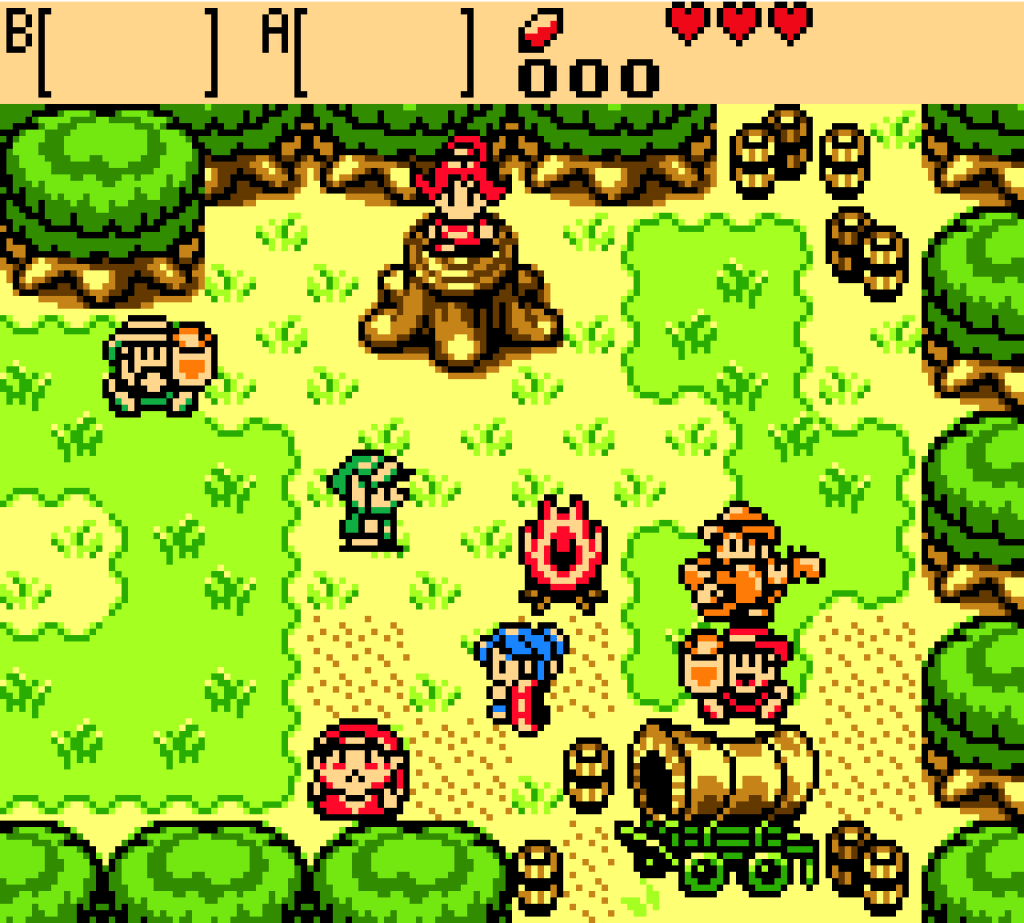
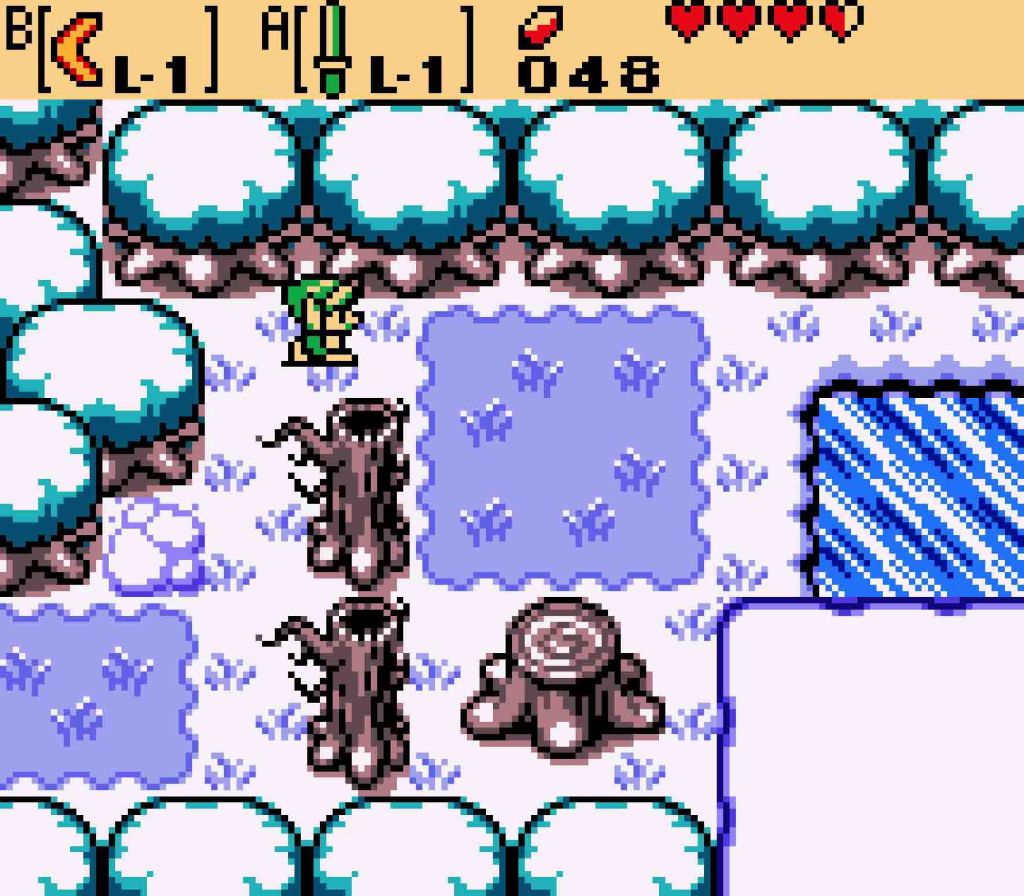
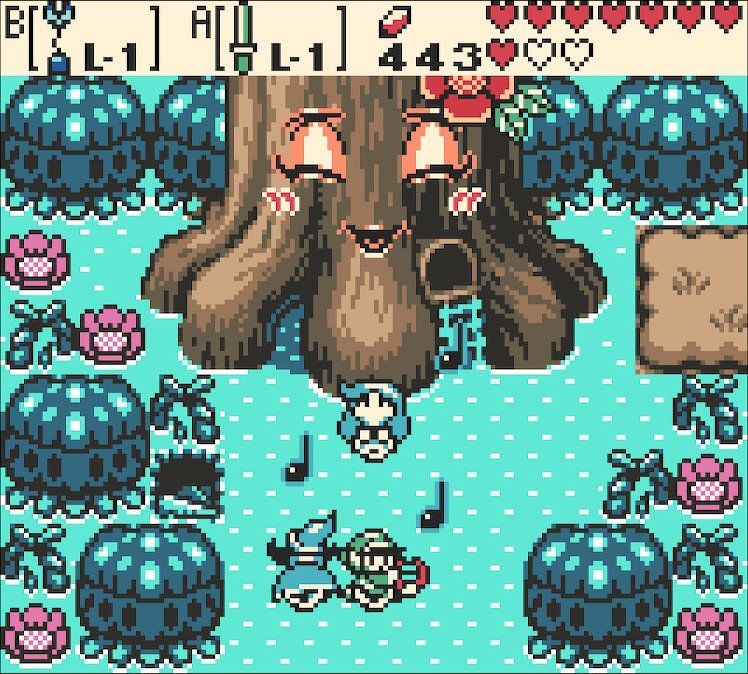
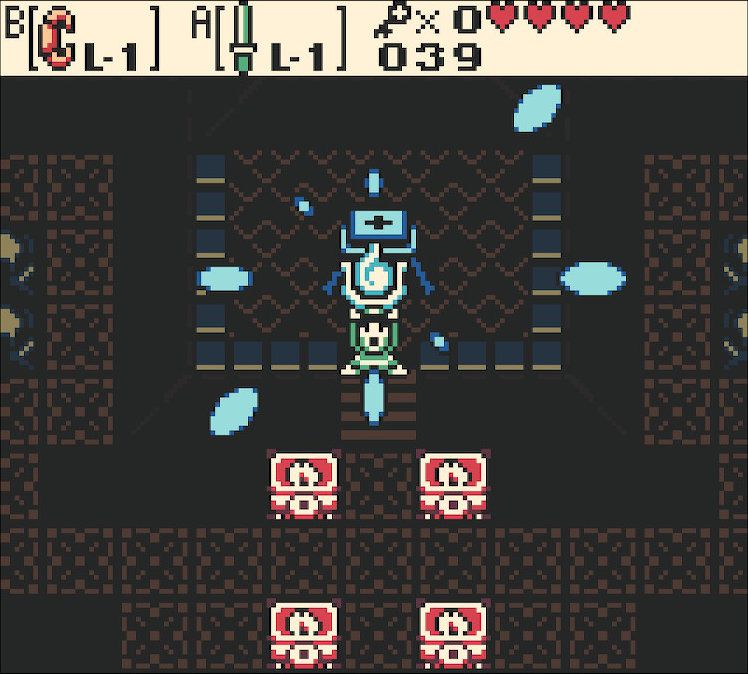
Both Oracle of Seasons and Oracle of Ages received good reviews and Capcom proved they understood exactly what made Nintendo’s Zelda games so brilliant and fun. I played both of them and they are just as challenging as Link’s Awakening. But Capcom’s next Zelda game was a lot more unconventional and technically innovative.
While Flagship’s attempt to remake the NES Zelda failed, they did however get the chance to remake its 1991 Super NES sequel The Legend of Zelda: A Link to the Past for the Game Boy Advance in 2002, and bundled with that remake was an original game called The Legend of Zelda: Four Swords, a multiplayer game in which up to four GBA players could team up to cooperatively navigate dungeons, fight monsters and solve puzzles via a Game Boy Advance Game Link Cable.
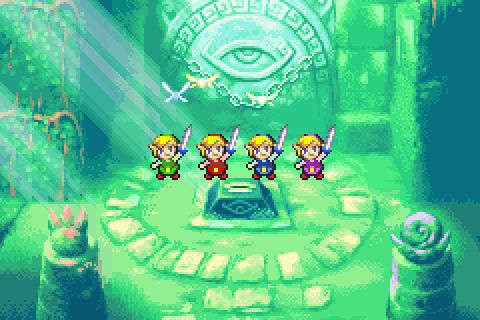
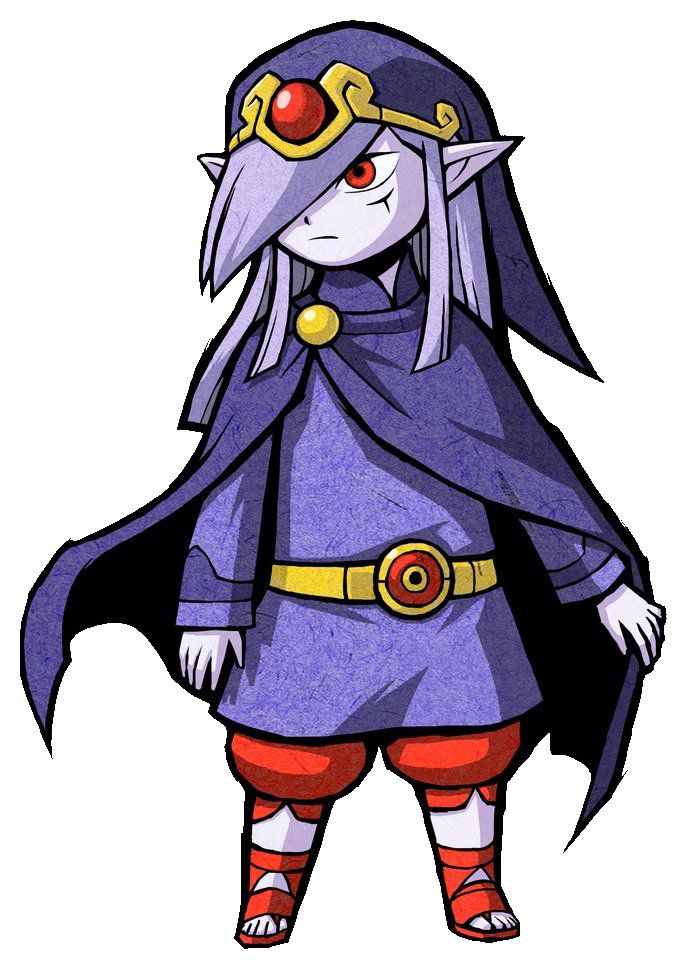
The story for Four Swords takes place before the events of Ocarina of Time (which made it the earliest game in the Zelda chronology at the time). The plot involved a sorcerer named Vaati who captures Princess Zelda with the intent to marry her, and Link attempting to stop Vaati by pulling the Four Sword from its pedestal and creating three clones of himself while seeking the three Great Fairies who will grant Link access to Vaati’s lair.
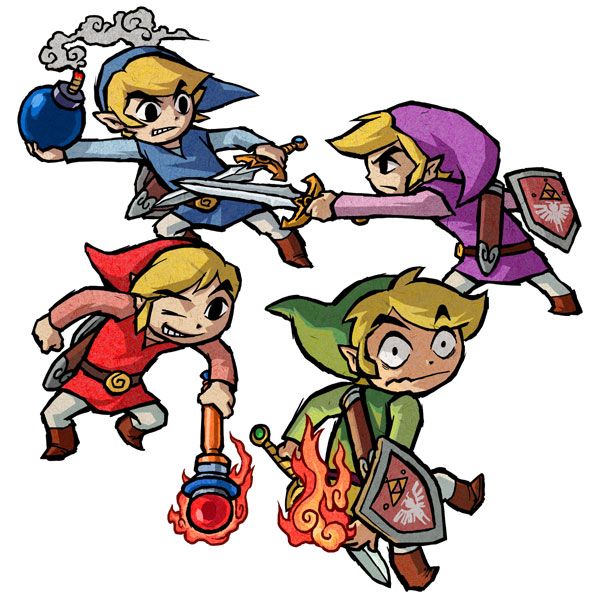
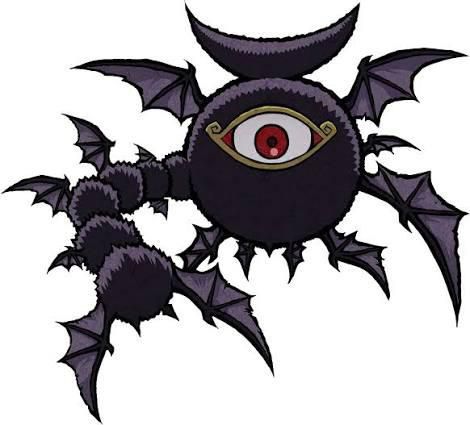
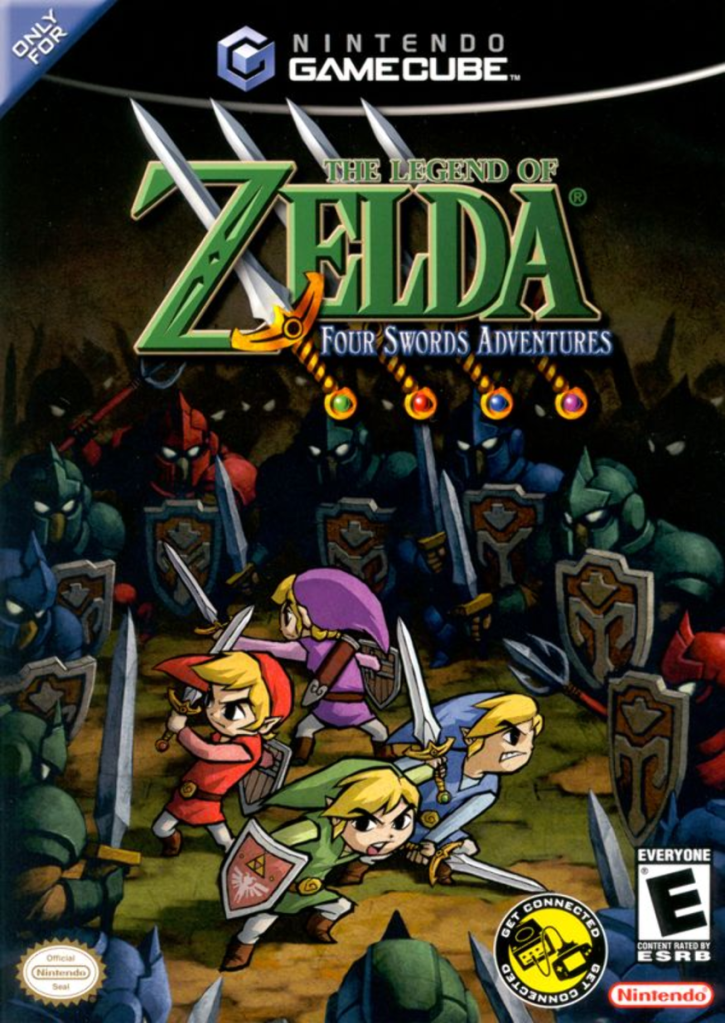
This game borrowed a lot of gameplay elements from its handheld next-door neighbor A Link to the Past while it shared the same cartoony art style as the GameCube game The Legend of Zelda: The Wind Waker, which came out in Japan the same year. It also received good reviews and it inspired Nintendo to make a multiplayer sequel for the GameCube without the involvement of Capcom called The Legend of Zelda: Four Swords Adventures (2004), which takes place centuries after the events of Ocarina of Time and featured the return of Vaati, whose seal becomes broken once again and who continues wreaking havoc on Hyrule, Ganon being the mastermind setting all the events in motion this time. The game had both a multiplayer mode for 2 to 4 players and an adventure mode with a multiplayer option and a single player option that allowed you to control all four Links yourself. The multiplayer option required any second, third and fourth player who wanted to join in to play the game with a Game Boy Advance connected to a GameCube rather than a GameCube controller, which was an overly complicated control scheme and probably what contributed to the game’s weak sales, although the game was undeniably fun and clever regardless, including the single player main campaign.
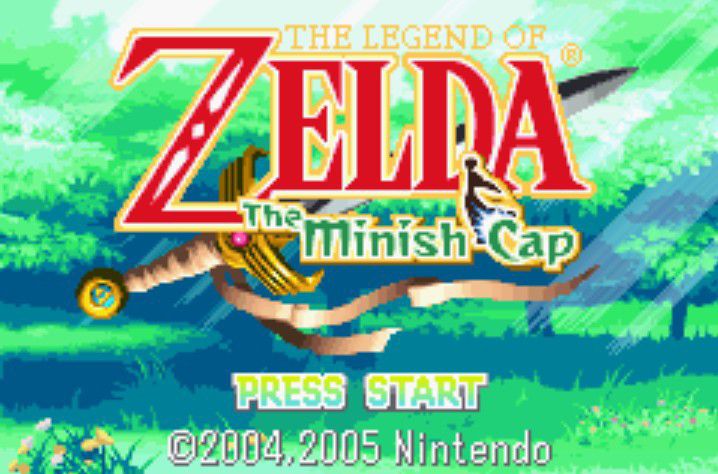
The third and final Zelda game developed by Capcom was The Legend of Zelda: The Minish Cap, released for the Game Boy Advance in 2004. A prequel to Four Swords, The Minish Cap told the origin story of the Four Sword and the sorcerer Vaati, who started out as a member of a tiny race of people called the Minish but whose heart became corrupted by his fascination with the power of the Light Force, a golden light that the Minish gifted to the Hylians (distinct from the Triforce). The game’s main gimmick is Link’s ability to shrink in size to navigate the world of the Minish with the help of a magical talking hat he wears named Ezlo. Ezlo was a Minish sage and Vaati used to be his apprentice, until Vaati cursed Ezlo and turned him into the hat which Link wears and serves as Link’s guide throughout the game.
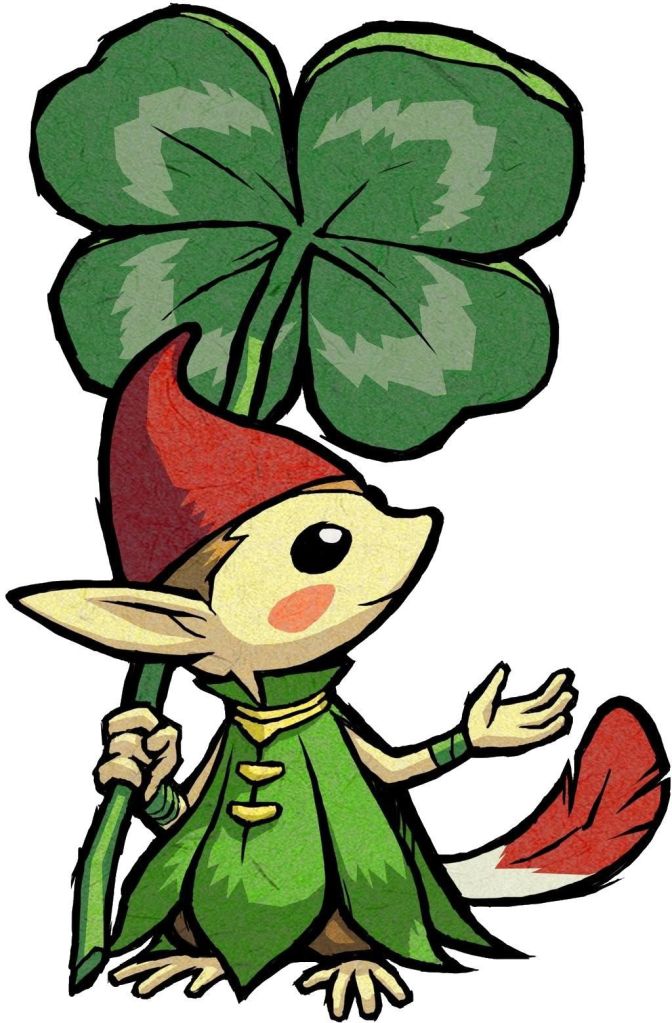
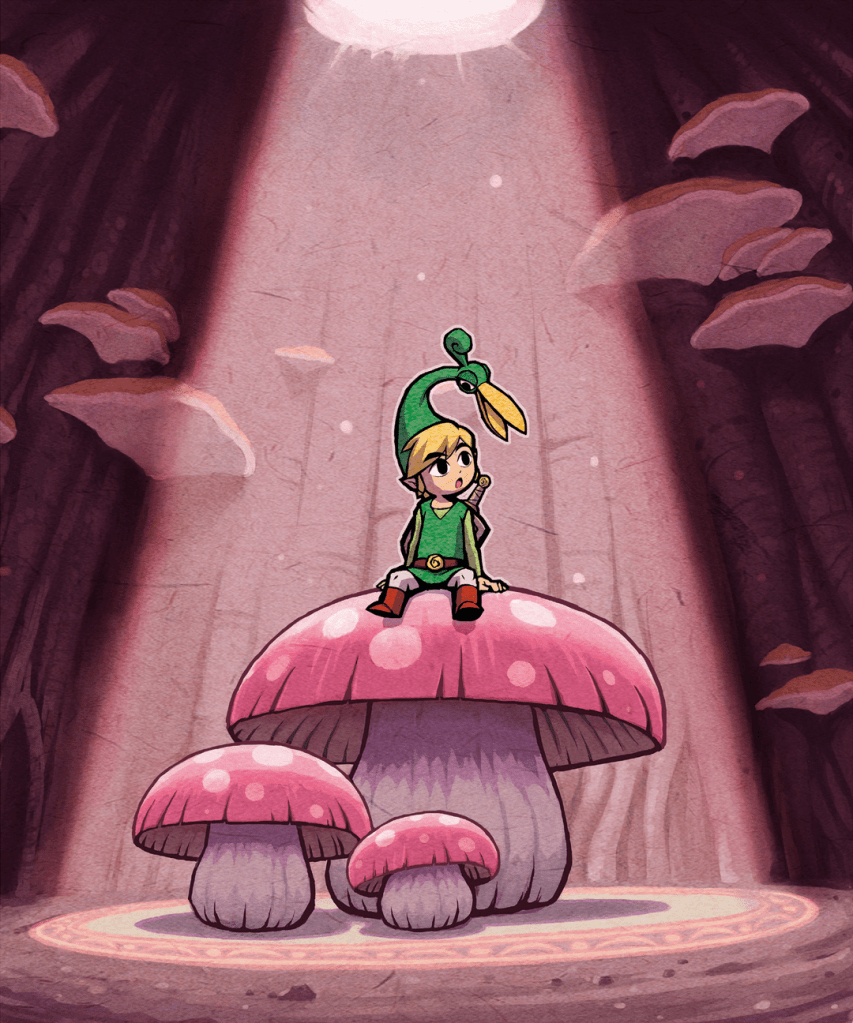
The game’s central concept of shrinking originated from an item in Four Swords called the Gnat Hat which allowed Link to shrink. Although the inspiration may be in reverse because The Minish Cap was originally going to be the next Zelda game Capcom worked on after Oracle of Seasons and Oracle of Ages and before Four Swords until that multiplayer game got prioritized. Which makes it interesting to me that The Minish Cap served as a prequel to Four Swords, although story elements change all the time during development so who knows if that was always intended to be the case.
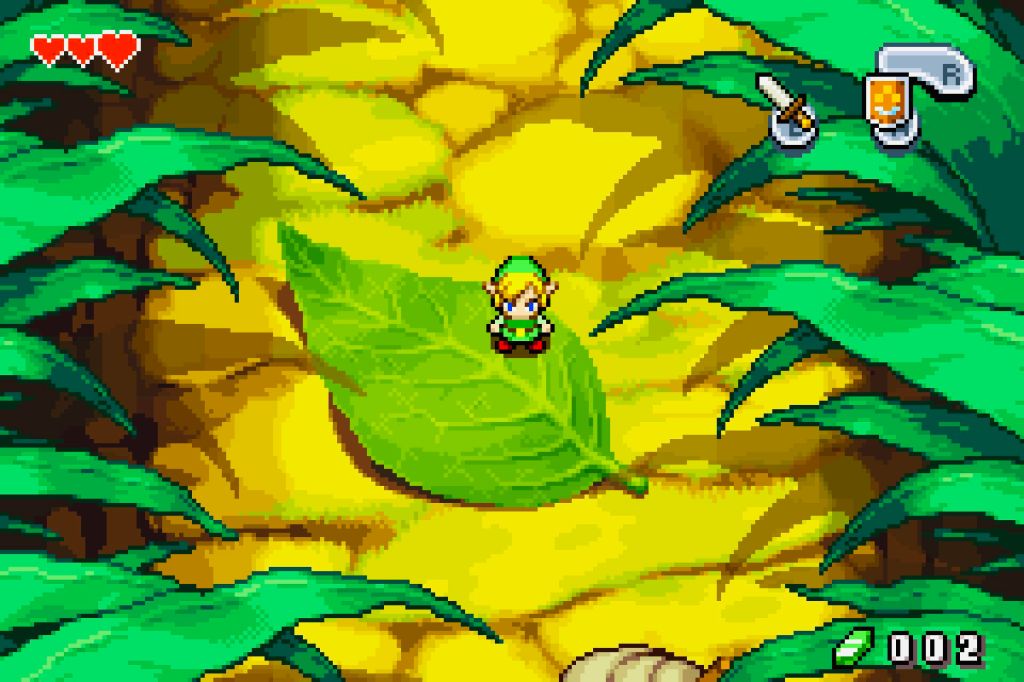
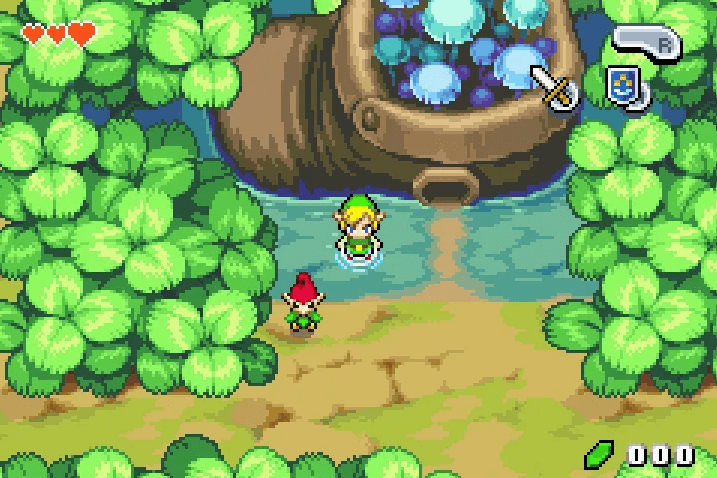
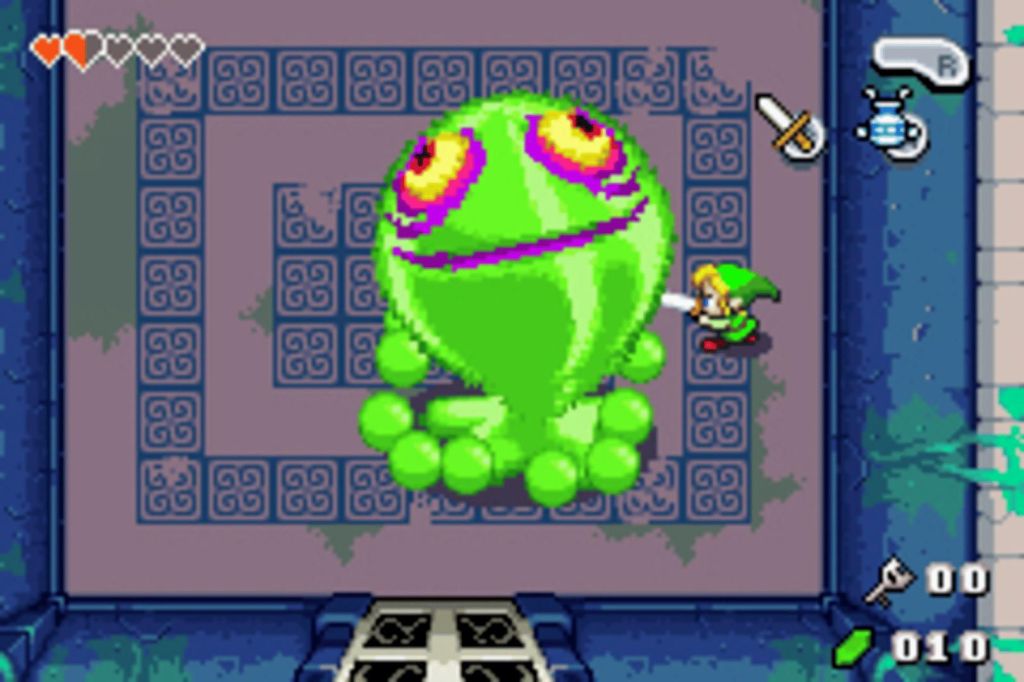
The Minish Cap received glowing reviews and it became one of the most popular Game Boy Advance games. And while it’s not as difficult, ambitious or lengthy as some other Zelda games, that was understandable given the typically younger age of handheld gamers when compared to console gamers. And more importantly, the Capcom team proved that they still knew how to make a good Zelda game.
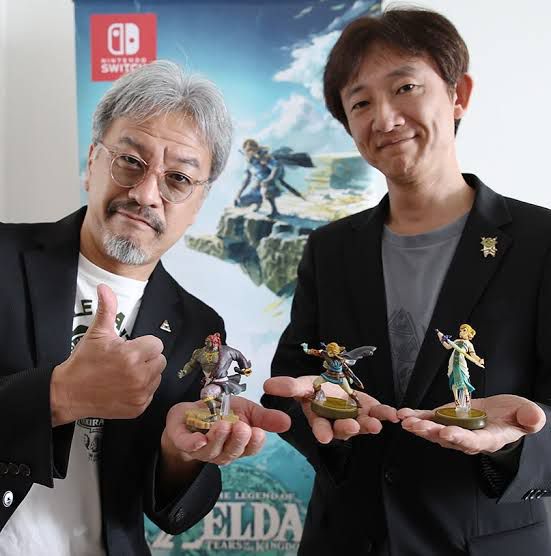
Flagship dissolved in 2007 after a decade of operation but only in name. The former Flagship team remained at Capcom, although Hidemaro Fujibayashi, the man who directed all three of Capcom’s Zelda games, left Capcom in 2005 to continue helping Nintendo make Zelda games as a writer and/or director of games like Phantom Hourglass for the Nintendo DS, Skyward Sword for the Wii and Breath of the Wild for the Nintendo Switch.