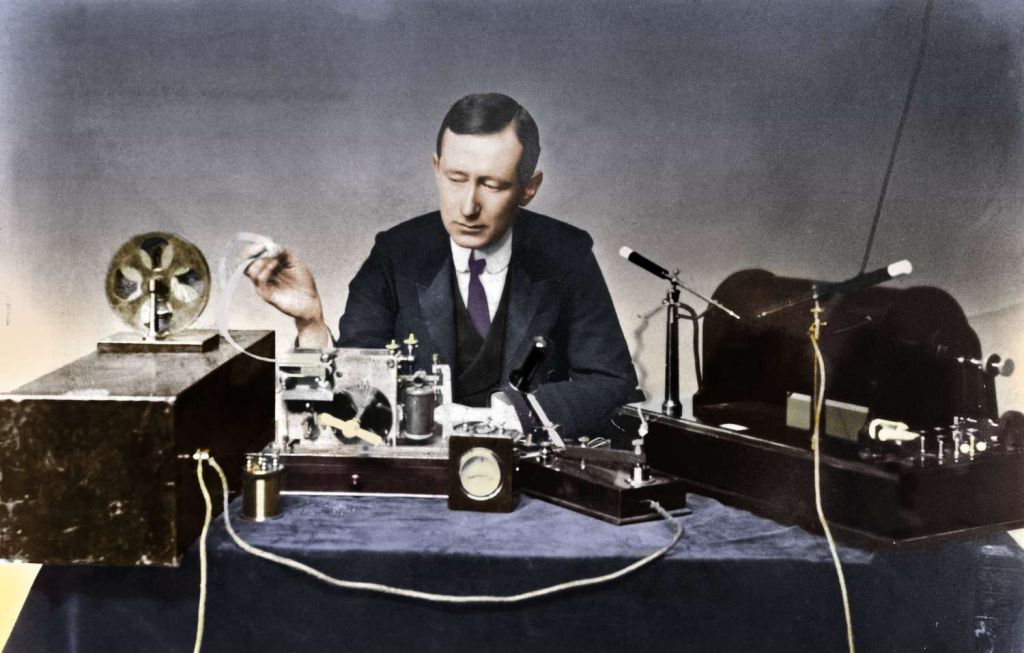
The origin of the National Broadcasting Company goes back to the beginning of the 20th century when radio was starting to become a popular form of broadcast media for the first time, with the company at the forefront of the business in the United States being the Radio Corporation of America (RCA), founded in New York City in 1919 as a successor to the Marconi Wireless Telegraph Company of America, which was the U.S. subsidiary of the British Marconi Company founded in 1897 by Guglielmo Marconi, the Italian man who is credited as the inventor of radio.
During RCA’s reign, they acquired the NYC radio station WEAF from AT&T. WEAF was originally a manufacturing and supply outlet of transmitters and antennas, serving as a research & development center for radio broadcasting technology by 1922. WEAF was actually one of the earliest radio stations to broadcast sponsored programs on a regular schedule, and that experiment was obviously a big success as it formed the basis of how modern radio, television and internet broadcasts still operate today.
RCA bought several more radio stations around the country, using this as an opportunity to share programming nationwide via telegraph lines, and by late 1926, RCA announced the creation of the National Broadcasting Company (NBC) which began broadcasting officially on November 15, 1926 and was co-owned by RCA (50%), General Electric (30%) and Westinghouse (20%), although by 1930, GE and Westinghouse sold their stakes in NBC due to antitrust charges.
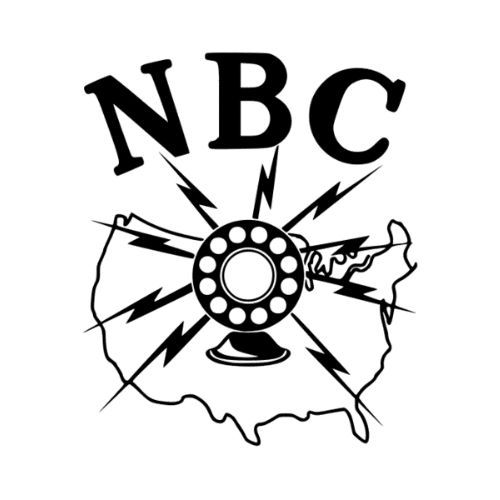
In 1927, NBC divided their broadcasts by marketing their commercially sponsored entertainment programming as the “Red Network” and marketing their news and cultural programming as the “Blue Network” (NBC Red and NBC Blue were later followed by the short-lived NBC Orange which aired NBC Red programs in Western states and NBC Gold which aired NBC Blue programs on the Pacific Coast). Of course due to NBC’s monopolistic effect on network broadcasting, the FCC eventually ordered RCA to divest one of their broadcast networks in the late 1930s, which eventually led to the transition of NBC Blue into the network that would later become the American Broadcasting Company (ABC), and the transition of NBC Red into simply NBC.
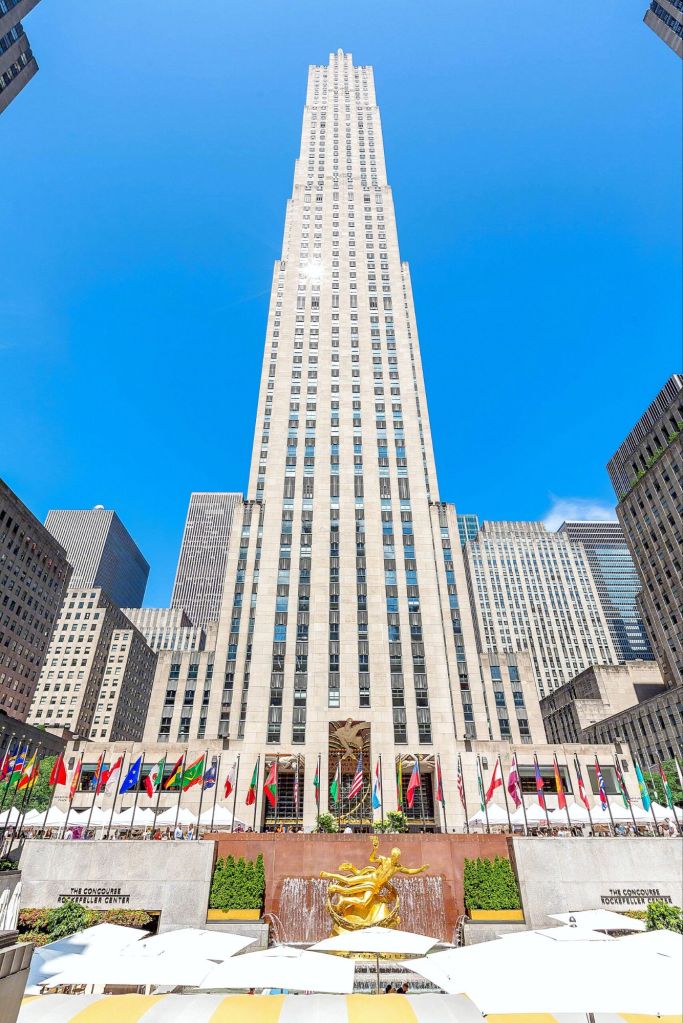
NBC moved into its current-day base of operations at Manhattan’s Rockefeller Center in 1933, back when that building was still new. It has housed NBC’s productions ever since, as well as those of the RCA-owned film studio RKO Pictures at the time. The same year that they leased Rockefeller Center, the network adopted their famous three-note chime, which is also still in use to this day, not only in network ads but in the music for NBC News. That jingle, by the way, became the first audio trademark to be patented in the U.S. by the U.S. Patent and Trademark Office.
NBC was the most popular American radio network in the early 20th century and many of the biggest stars of that century gained fame by being on that network, including Bob Hope, Jack Benny, Edgar Bergen, Fred Allen, Bing Crosby and Milton Berle, who became famous as the host of NBC’s Texaco Star Theater, and when NBC made the jump to television, Berle jumped with them and gained popularity in that medium as well, with the television version of Texaco Star Theater becoming one of the first TV hits airing from 1948 to 1956, which would not have happened had he not gained exposure on NBC Radio.
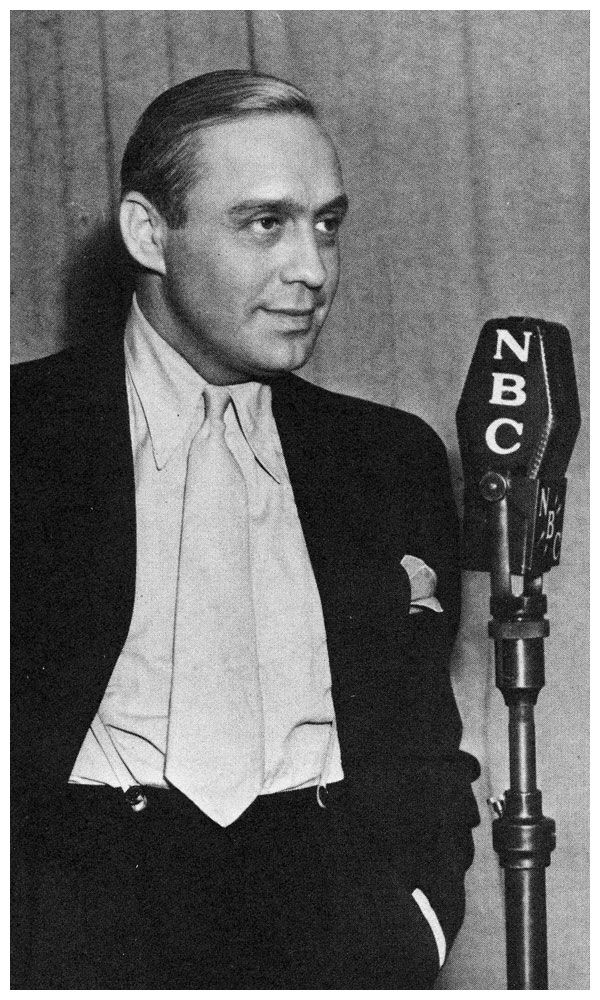
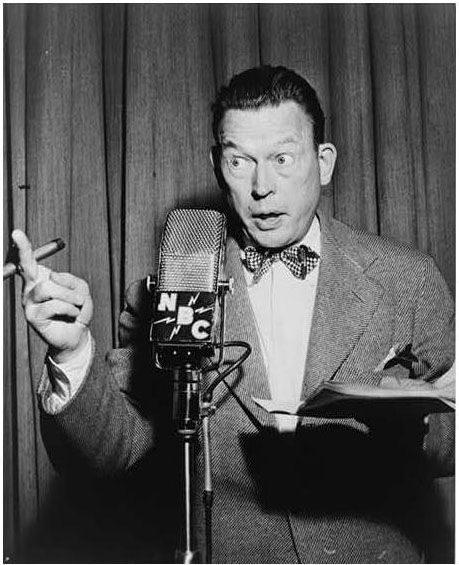
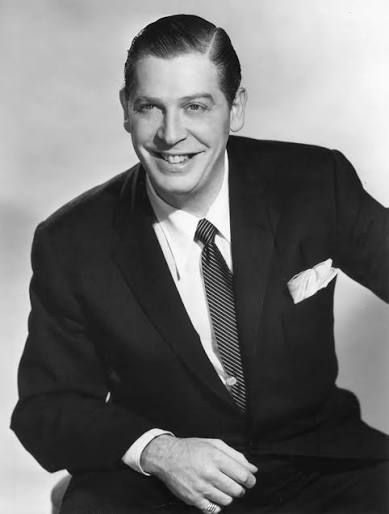
NBC’s first major challenger in the world of radio was CBS, which lured many of NBC’s stars away with better contracts, but NBC Radio still survived off the popularity of programs like Dragnet, Fibber McGee and Molly and Your Hit Parade, although decades later NBC would eventually abandon the radio business following General Electric’s acquisition and liquidation of RCA in 1986 and sale of NBC’s radio division to Westwood One, whose operations ceased in 1999 along with NBC Radio. But NBC remained an unstoppable force in broadcasting well beyond the 1940s and 1950s and into the 21st century thanks to the medium of television.
RCA and NBC’s history with television actually goes all the way back to 1939 when RCA helped introduce television to the public at the ’39-’40 New York World’s Fair and began regularly broadcasting from NBC’s TV station in New York City. Franklin Roosevelt actually became the first U.S. president in history to appear on television thanks to his attendance at the fair and NBC’s cameras capturing him.
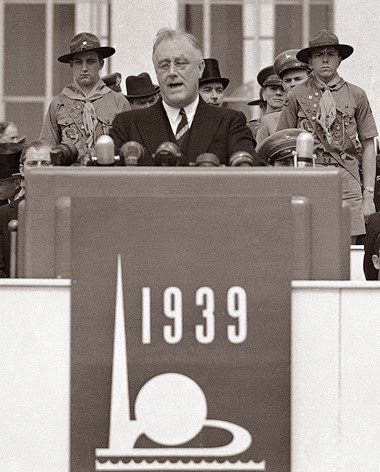
Among the other TV firsts attributed to that network involved sporting events, as NBC also telecast professional baseball and football games from New York. NBC also filmed the first televised Republican National Convention, and they were the first TV station to receive a commercial license from the FCC, with the first official paid TV commercial airing in 1941 for watch manufacturer Bulova, right before the network aired a Brooklyn Dodgers game.
NBC’s first regularly scheduled television program is believed to be The Voice of Firestone Televues (1944), a TV adaptation of their radio program The Voice of Firestone, a classical music and opera program that was an NBC mainstay from 1928 to 1957, while their first regularly scheduled news program The War As It Happens also began airing in 1944. And while the high cost of television in the early 1940s prevented many Americans from seeing these programs, by the post-war era TV became more affordable, and this was when NBC was at the peak of its power and began rolling out some of the best TV shows ever made.
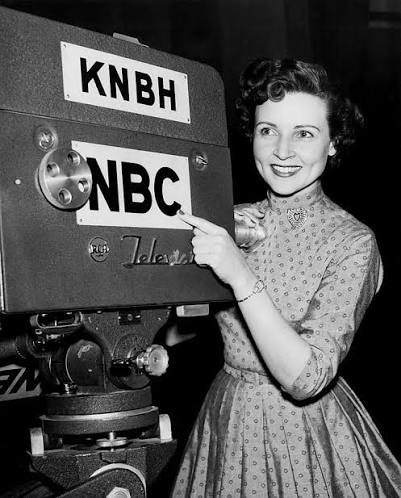
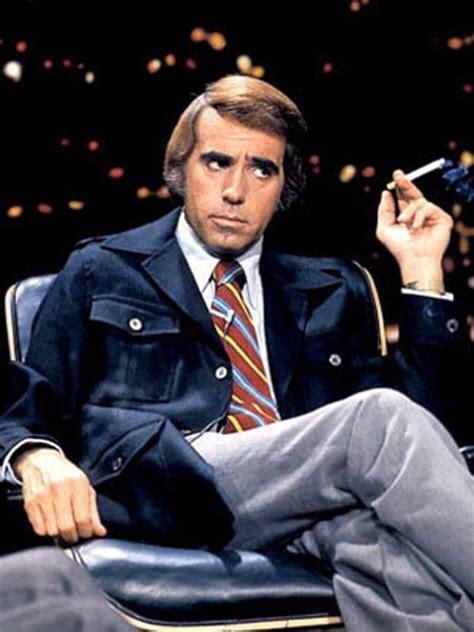
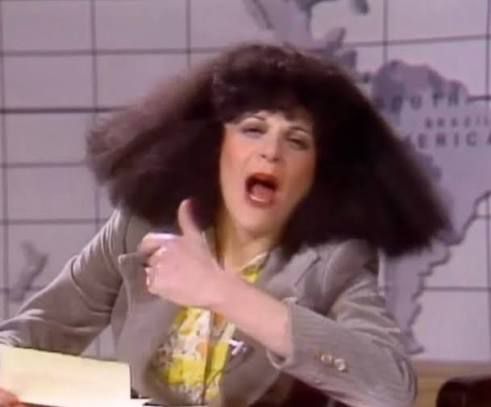
In the 1950s, CBS shaped the formula for TV sitcoms thanks to I Love Lucy and they dominated that field for a while, but NBC shaped the formula for what late night comedy looked like thanks to The Tonight Show, which has been going strong ever since Steve Allen hosted it for the first time in 1954 followed by equally popular Tonight Show hosts Jack Paar, Johnny Carson, Jay Leno and Jimmy Fallon. NBC also began airing late night talk shows after midnight in 1973, beginning with Tom Snyder’s The Tomorrow Show. In addition to these talk shows, NBC aired a parade of variety shows through the years, some of the most popular being Your Show of Shows (1950-54), The Colgate Comedy Hour (1950-55), The Dinah Shore Show (1951-57), The Perry Como Show (1955-59), Rowan & Martin’s Laugh-In (1968-73), Saturday Night Live (1975-present) and the Canadian sketch comedy series SCTV (1981-83).

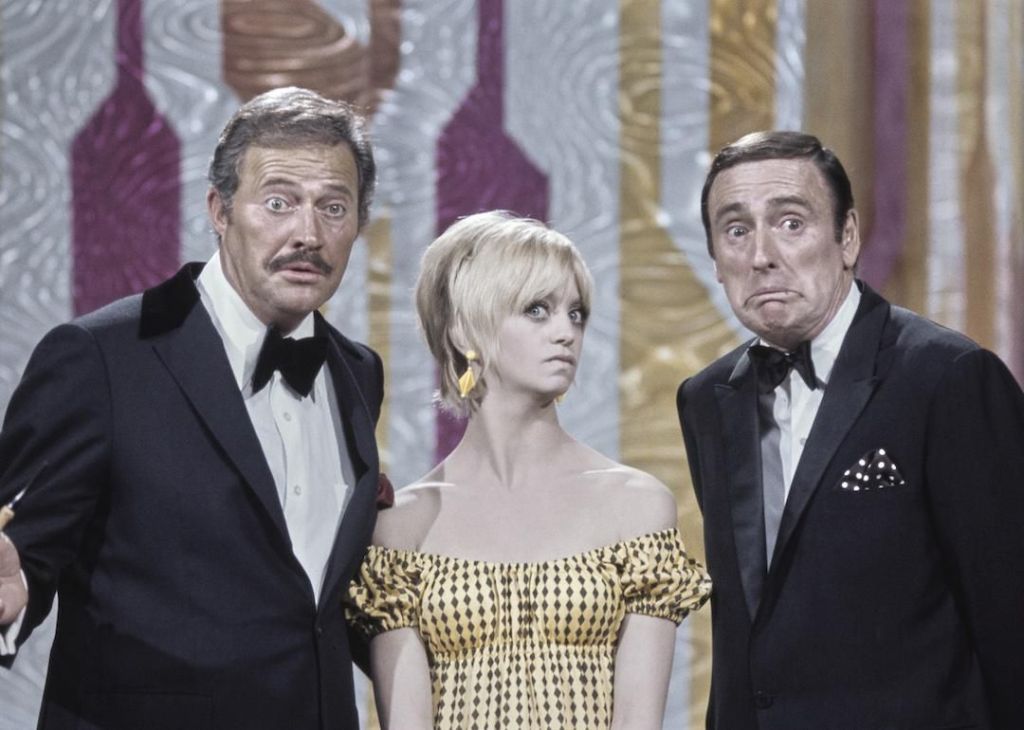
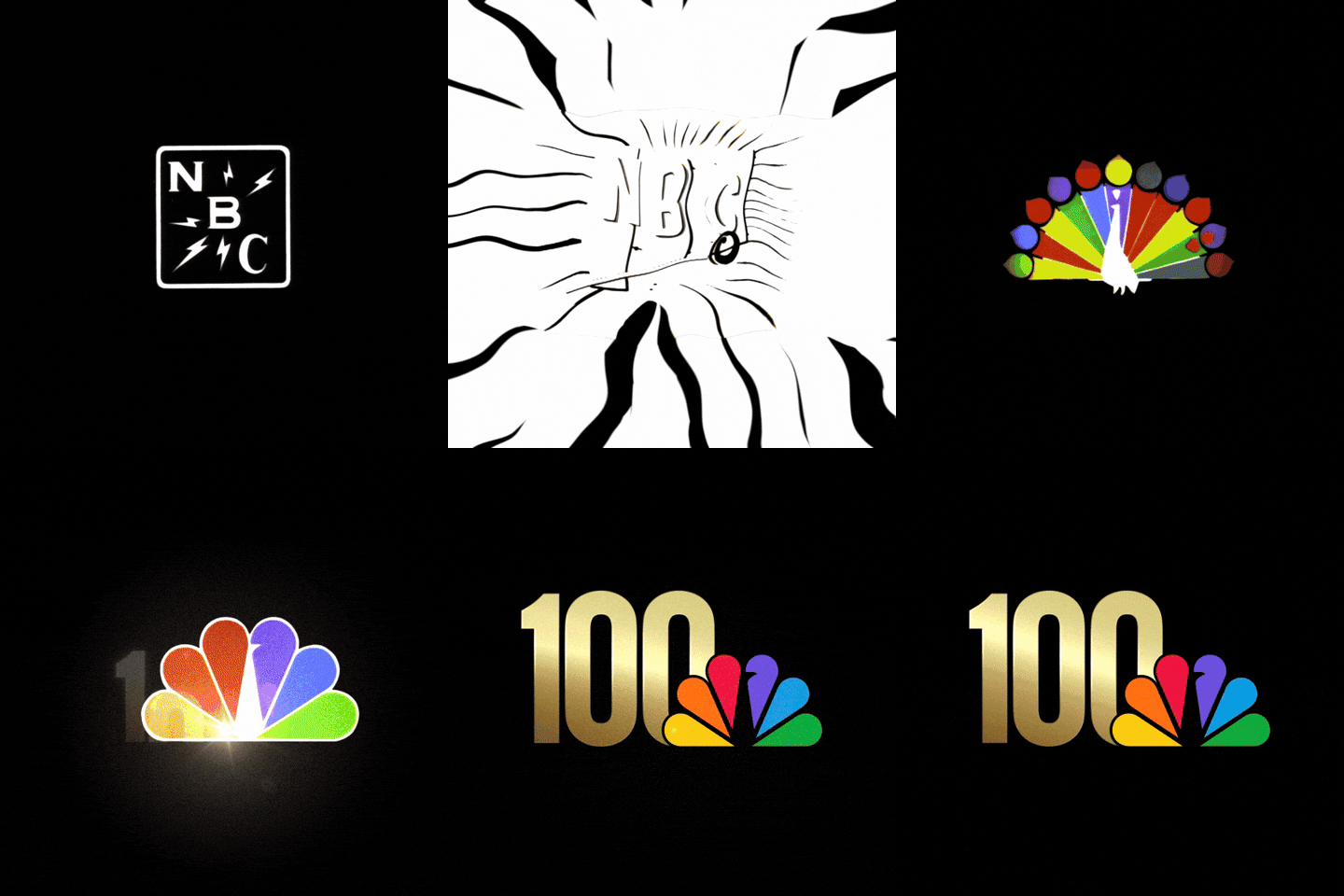
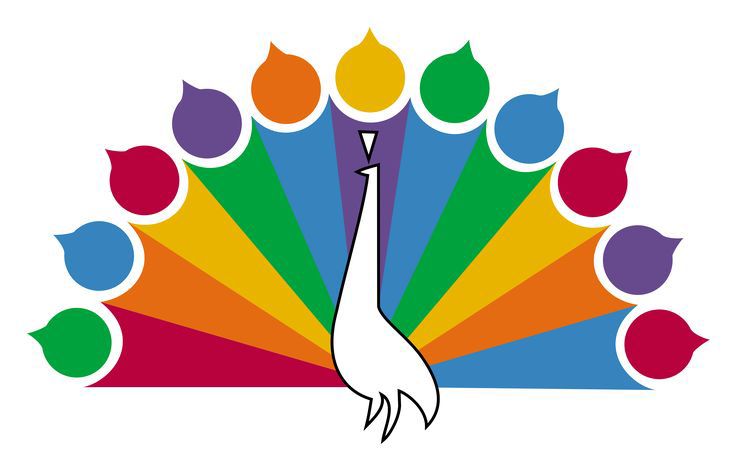
NBC also kept viewers tuning in with dramas like Dragnet (1951-59), a holdover from the radio days, the long-running Western Bonanza (1959-73), the soap opera Days of Our Lives (1965-2022), the elaborately produced anthology series Hallmark Hall of Fame (1951-78) and popular game shows like You Bet Your Life (1950-61), Name That Tune (1952-54), The Price Is Right (1956-63) and Concentration (1958-73) as well as news programs like Meet the Press (1947-present), The Today Show (1952-present), NBC Nightly News (1970-present) and Dateline NBC (1992-present), the news teams of which would often cover NBC’s flagship broadcasts of major events like the Macy’s Thanksgiving Day Parade, the Summer Olympics (which NBC has held the broadcast rights for since 1988) and the Winter Olympics (since 2002). It was also around this time when NBC first began using a peacock in their logo. The colorful NBC peacock, created by graphic artist John J. Graham to highlight the network as the location for color programming, made its debut in 1956 and eventually became the network’s signature symbol, earning NBC the nickname “the Peacock Network.” The more sleek and minimalist version of the peacock logo that the network currently uses first made its debut in 1986.
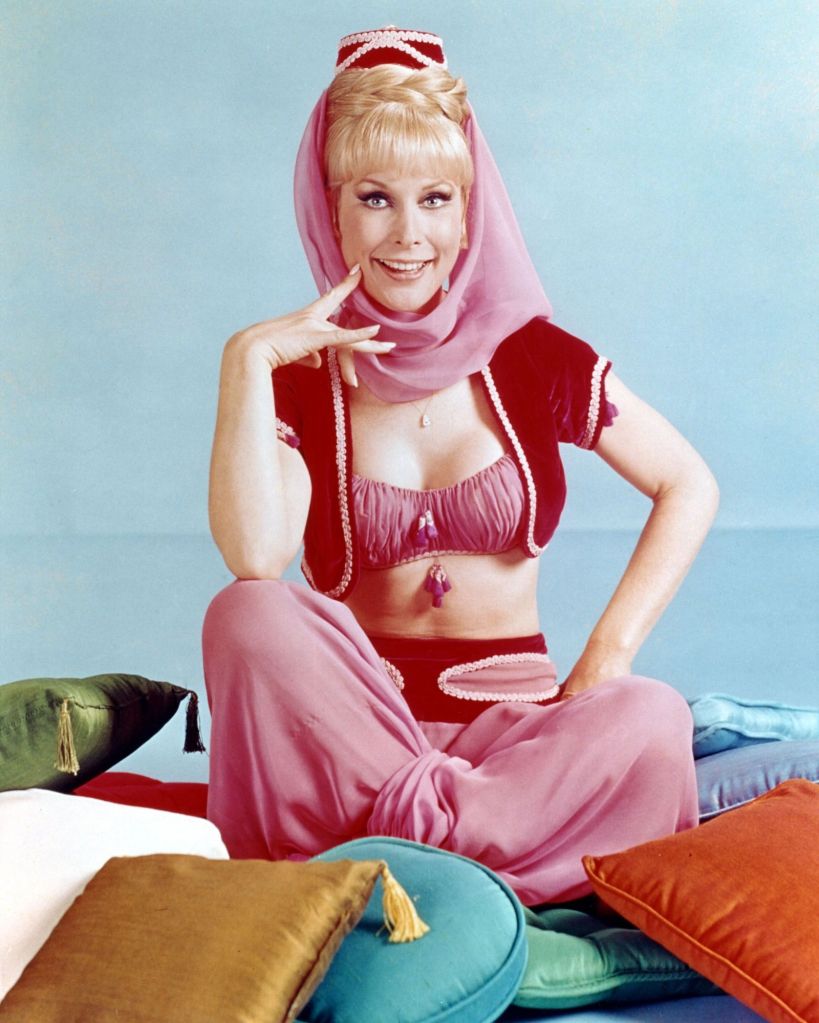
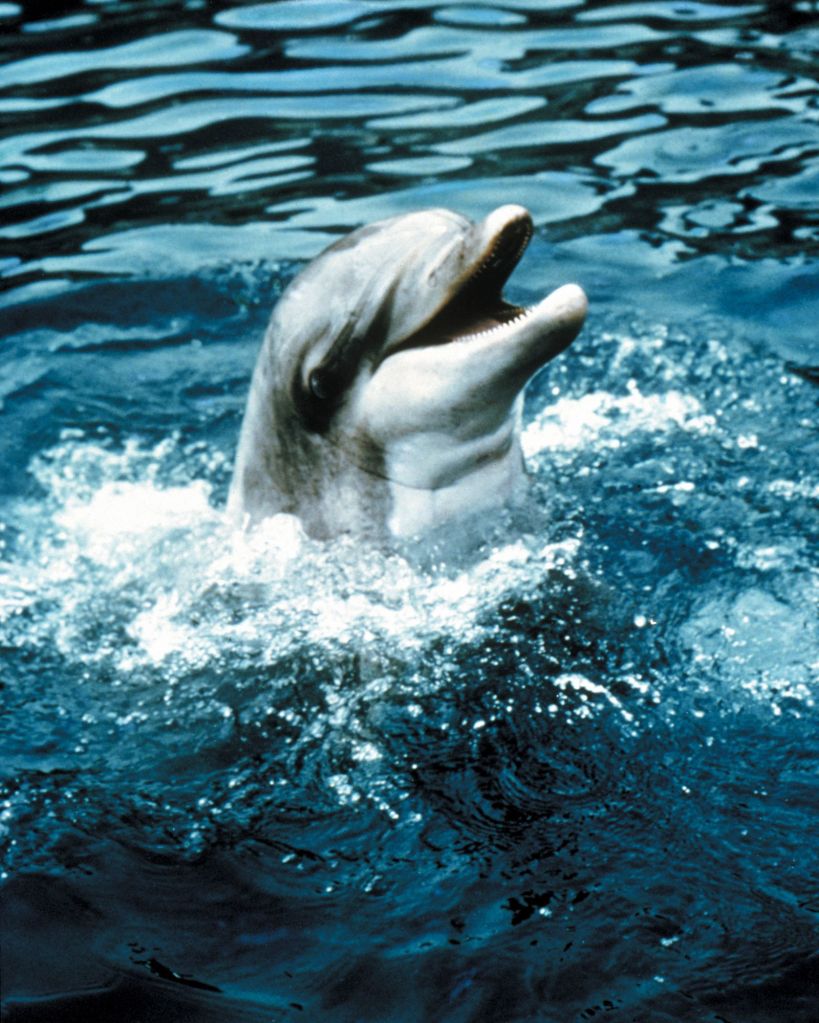
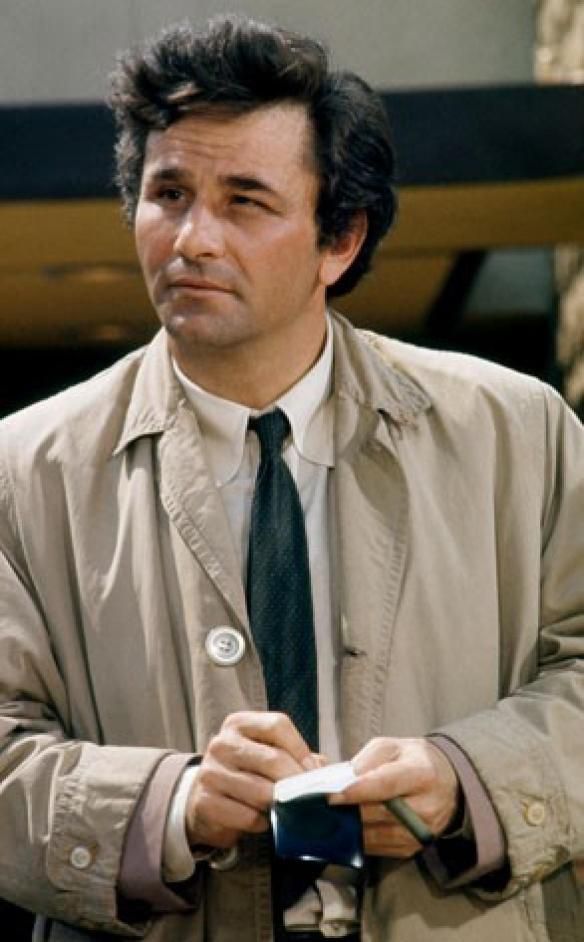
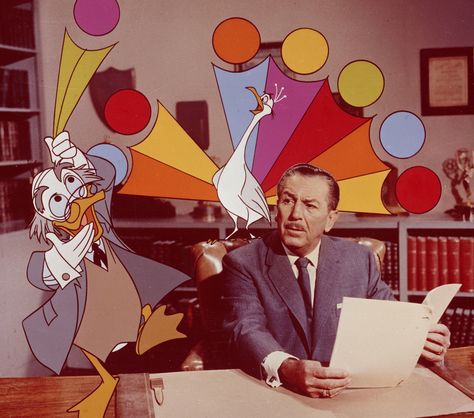
Popular NBC programs from the 1960s include the sitcoms Get Smart (1965-69), I Dream of Jeannie (1965-70), The Monkees (1966-68) and Julia (1968-71), the dramas Dr. Kildare (1961-66), The Virginian (1962-71), Flipper (1964-67), The Man from U.N.C.L.E. (1964-68), Star Trek (1966-69), Ironside (1967-75), Columbo (1968-78), Adam-12 (1968-75) and Walt Disney’s Wonderful World of Color which was a continuation of the Disney anthology series that first aired on ABC in the fifties. Walt Disney began to favor NBC over ABC specifically because NBC aired their programs in color, and Disney’s anthology series lasted on NBC from 1961 to 1981 under various names.
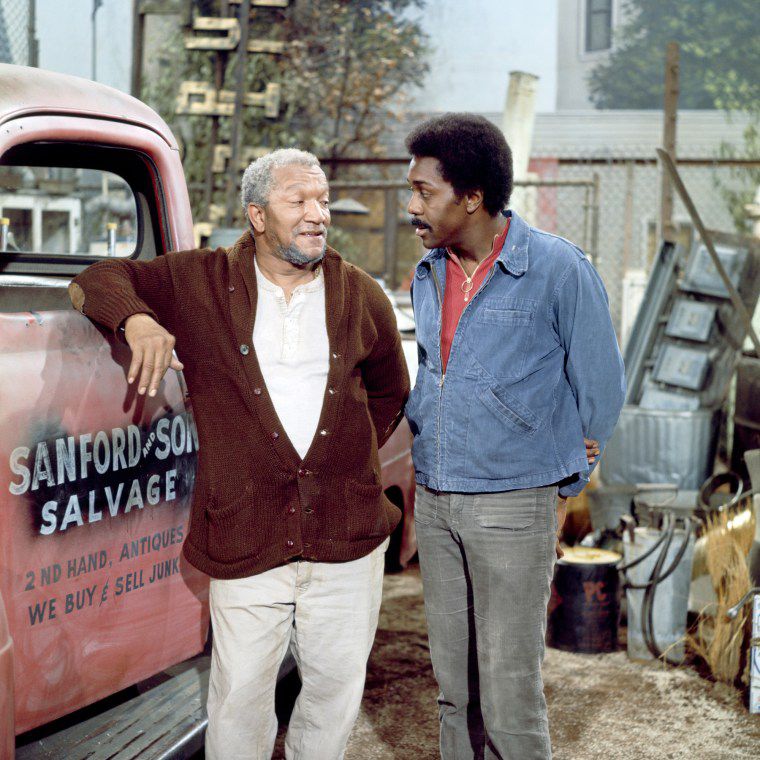
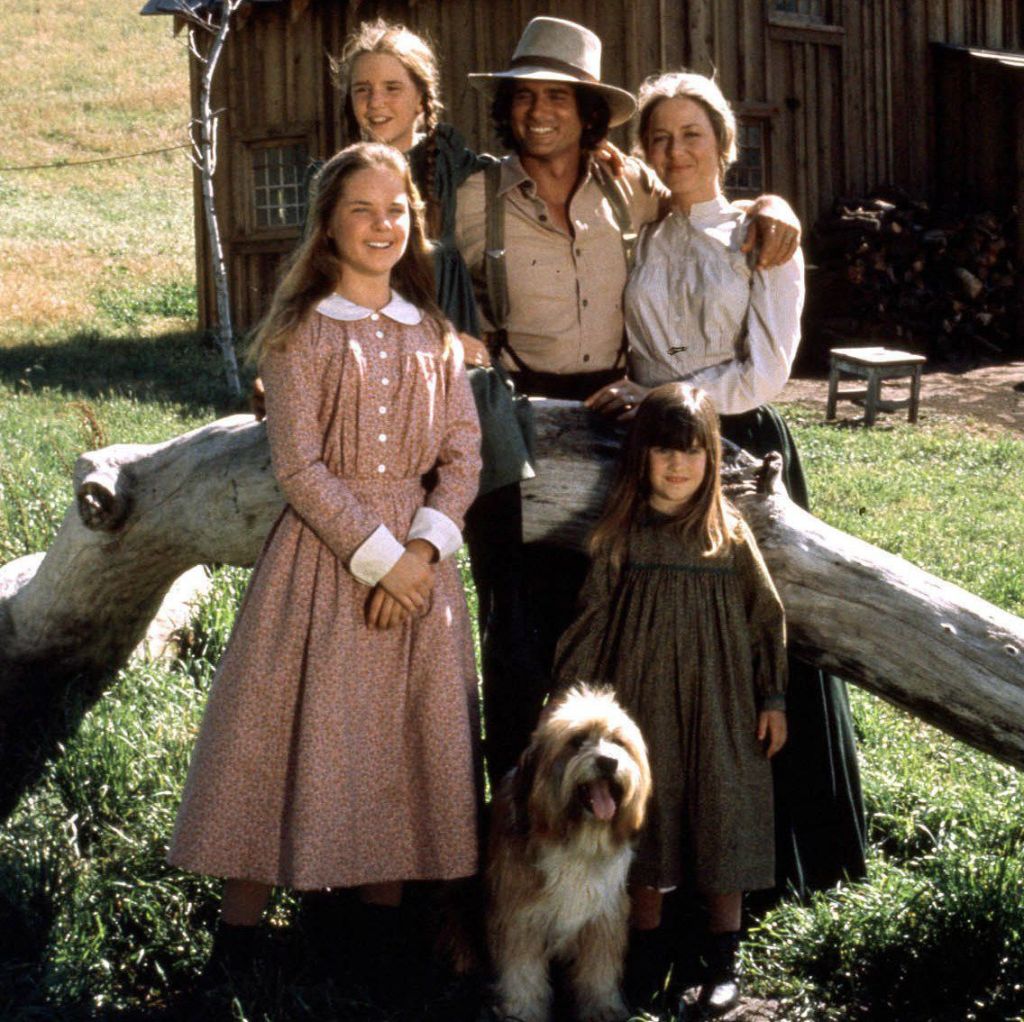
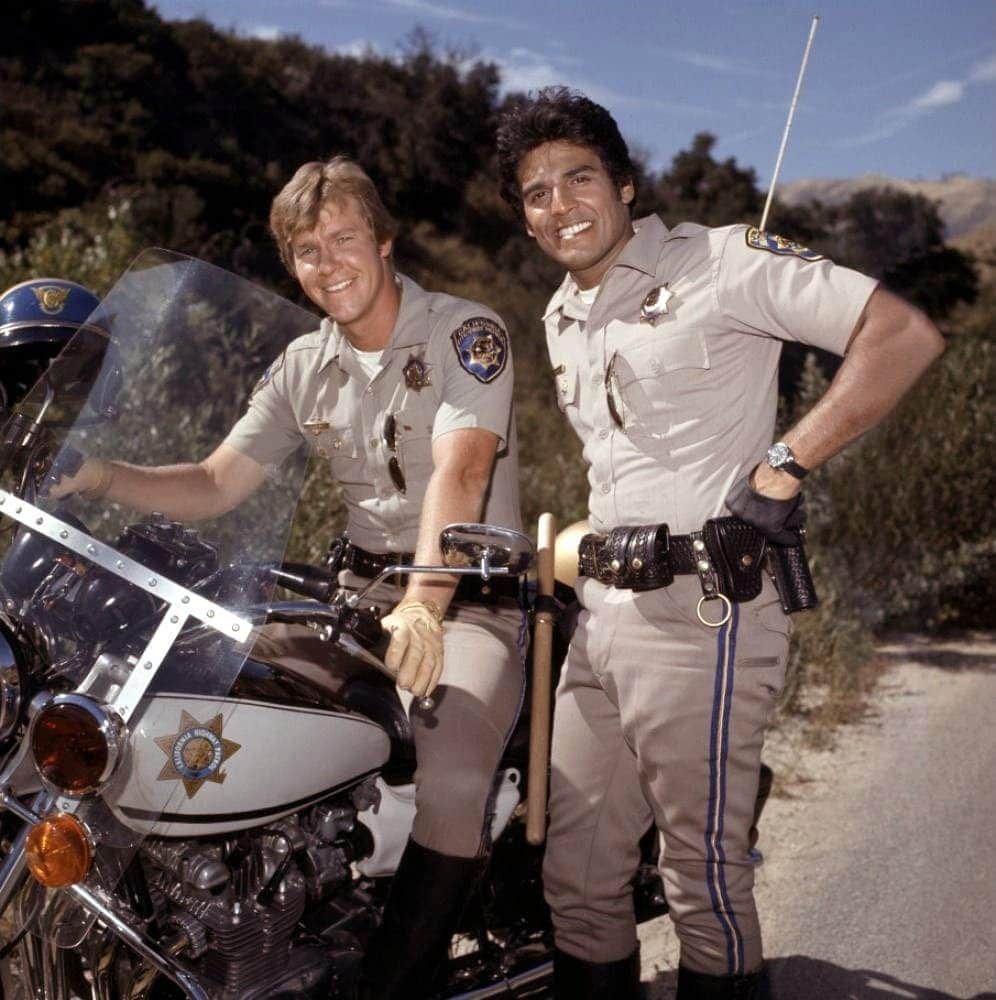
NBC struggled in the 1970s due to strong competition from CBS (All in the Family) and ABC (Happy Days) but they did make a huge impact with the landmark Red Foxx comedy Sanford and Son (1972-77) at a time when sitcoms centered on Black characters were practically non-existent, and they found additional success that decade with other racially diverse sitcoms like Chico and the Man (1974-78), Diff’rent Strokes (1978-85) and The Facts of Life (1979-88). NBC had a bit more luck in the 1970s with their dramas, including McCloud (1970-77), McMillan & Wife (1971-77), Emergency! (1972-77), Police Story (1973-87), Little House on the Prairie (1974-83), Police Woman (1974-78), The Rockford Files (1974-80), Quincy, M.E. (1976-83) and CHiPs (1977-83).
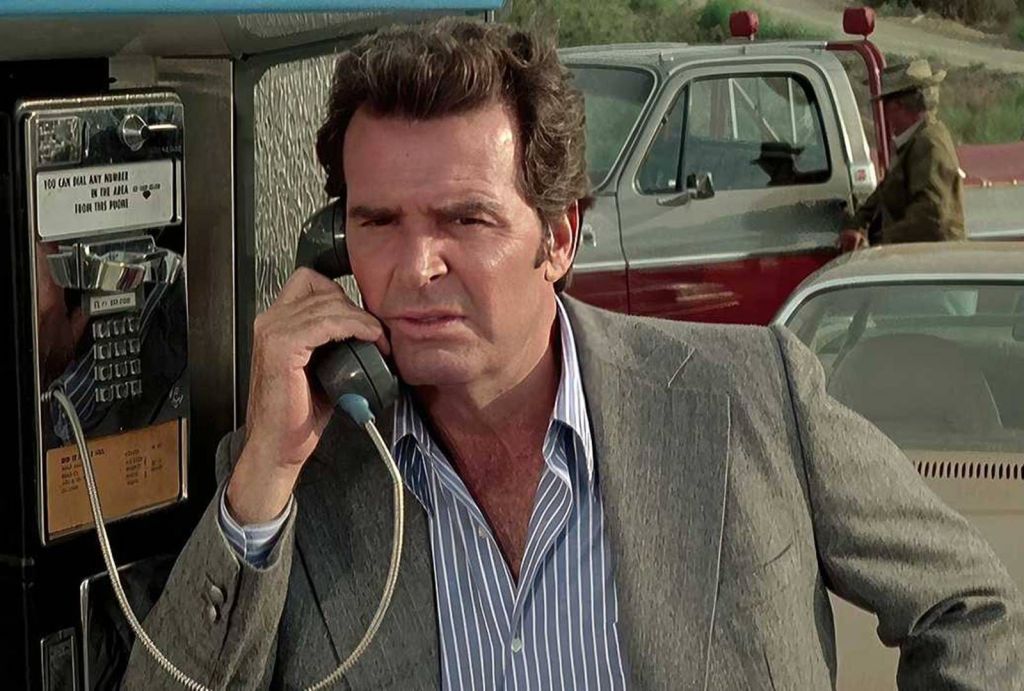
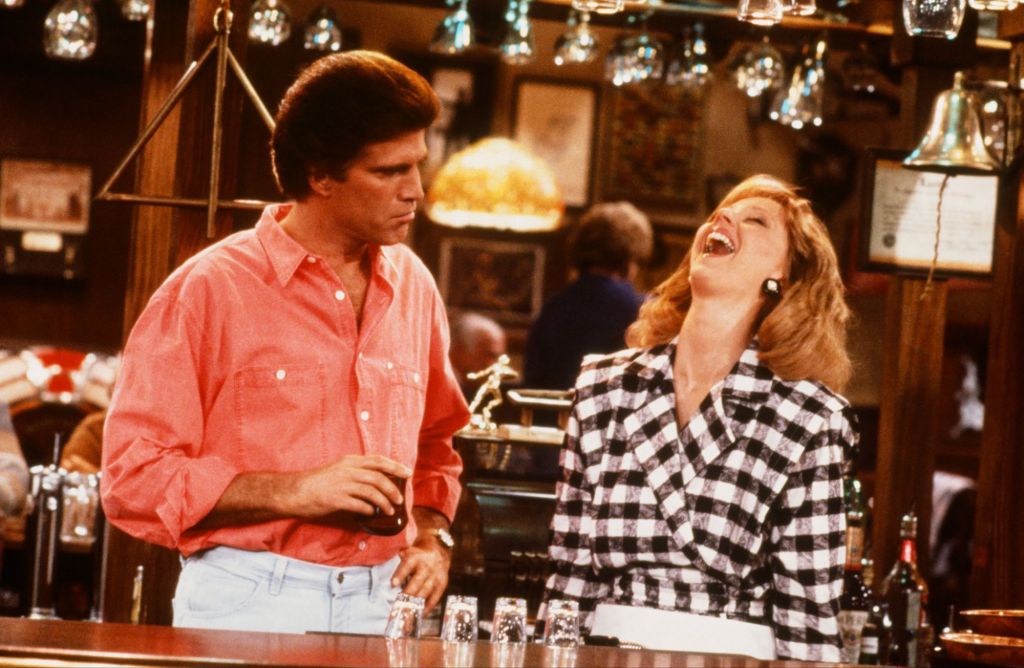
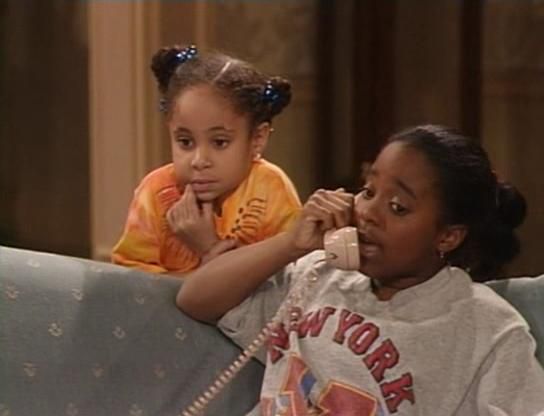
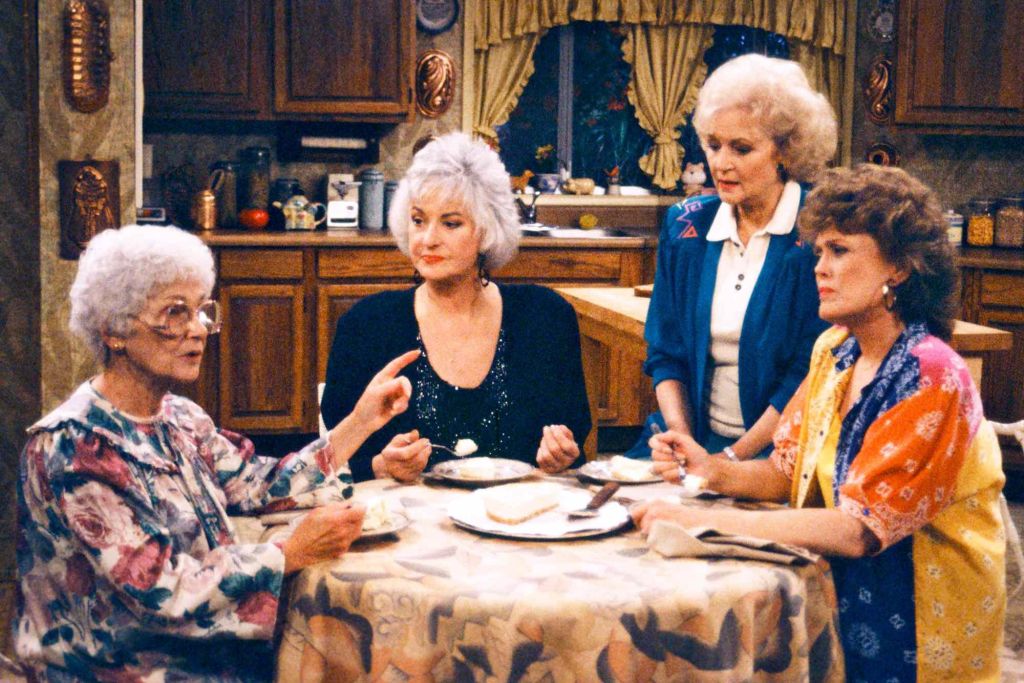
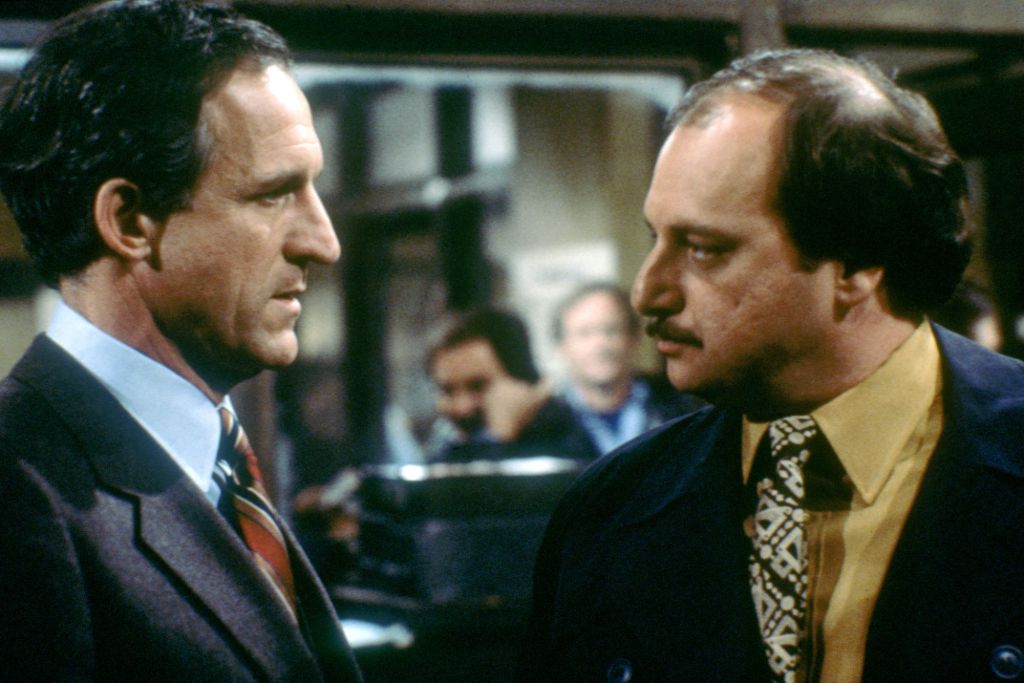
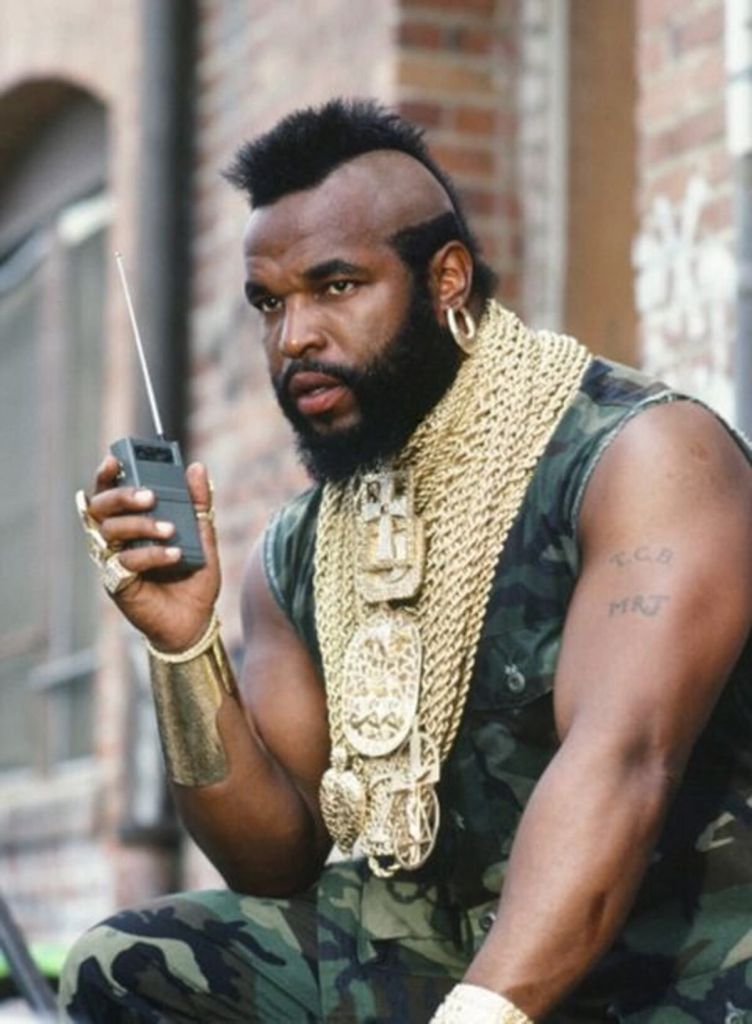
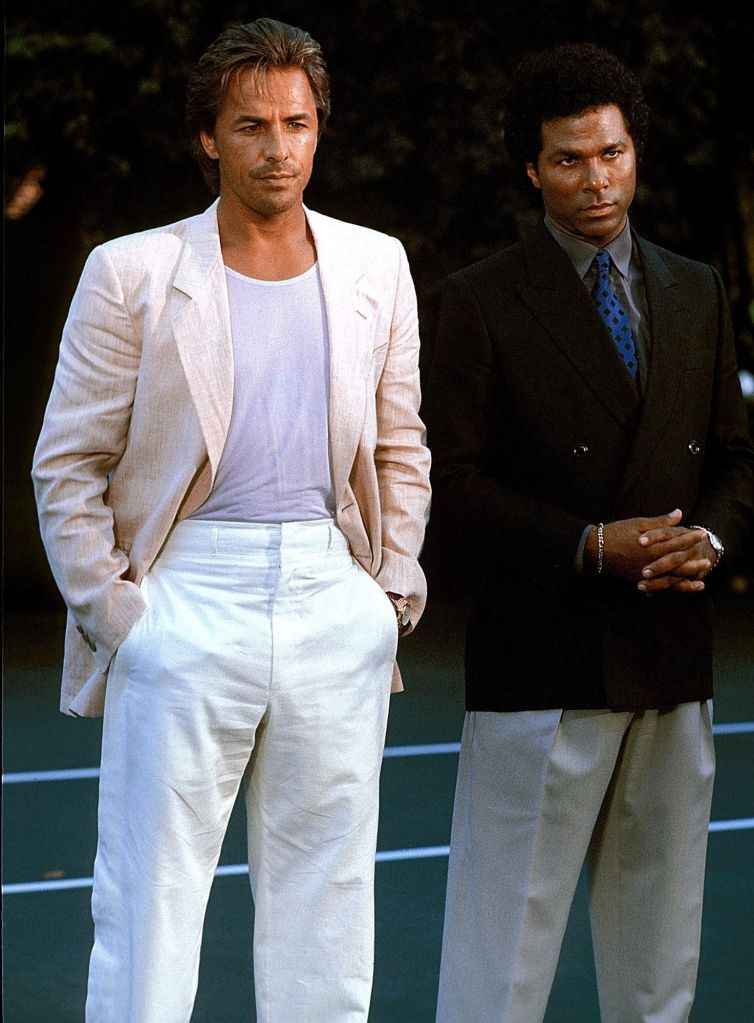
NBC did lure ABC president Fred Silverman away from that network in 1978 in an attempt to revitalize their prime time lineup, but his efforts were lukewarm. Doing such an infamously bad job that Saturday Night Live memorably made fun of him on the air for it. Silverman resigned as entertainment president of NBC in 1981 and Grant Tinker, husband of Mary Tyler Moore and co-founder of Moore’s production company MTM, became NBC’s new president while former ABC program executive Brandon Tartikoff led NBC’S entertainment division, followed by a string of successful shows in the 1980s including the sitcoms Gimme a Break! (1981-87), Family Ties (1982-89), Silver Spoons (1982-86), Cheers (1982-93), Night Court (1984-92), Punky Brewster (1984-86), The Cosby Show (1984-92), The Golden Girls (1985-92), 227 (1985-90), The Hogan Family (1986-90), ALF (1986-90), Amen (1986-91), A Different World (1987-93), Empty Nest (1988-95) and Saved By the Bell (1989-93) as well as dramas like Hill Street Blues (1981-87), Knight Rider (1982-86), Remington Steele (1982-87), St. Elsewhere (1982-88), The A-Team (1983-87), Miami Vice (1984-90), Hunter (1984-91), Highway to Heaven (1984-89), Matlock (1986-92), L.A. Law (1986-94), In the Heat of the Night (1988-92), Quantum Leap (1989-93) and Baywatch for a single season from 1989 to 1990 before the beach-based drama about sexy lifeguards went on to huge success in syndication from 1991 to 2001. That decade also saw the replacement of Tom Snyder’s Tomorrow Show with Late Night (1982-present), the show that made television hosts David Letterman, Conan O’Brien and Jimmy Fallon into stars, and the successful docuseries Unsolved Mysteries (1987-97), a franchise still going that is currently on Netflix.
The departure of Tartikoff and the arrival of Warren Littlefield led to even bigger success in the 1990s with some of that decade’s most popular sitcoms being Seinfeld (1989-98), Wings (1990-97), Blossom (1990-95), The Fresh Prince of Bel-Air (1990-96), Mad About You (1992-99), Frasier (1993-2004), Friends (1994-2004), NewsRadio (1995-99), Caroline in the City (1995-99), 3rd Rock from the Sun (1996-2001), Suddenly Susan (1996-2000), Just Shoot Me! (1997-2003) and Will & Grace (1998-2006), as well as the hit dramas Law & Order (1990-2010, 2022-present), Sisters (1991-96), Homicide: Life on the Street (1993-99), ER (1994-2009), The West Wing (1999-2006), Third Watch (1999-2005) and Law & Order: Special Victims Unit (1999-present). Even Tonight Show host Jay Leno and Late Night host Conan O’Brien were killing it with their demographics this decade.
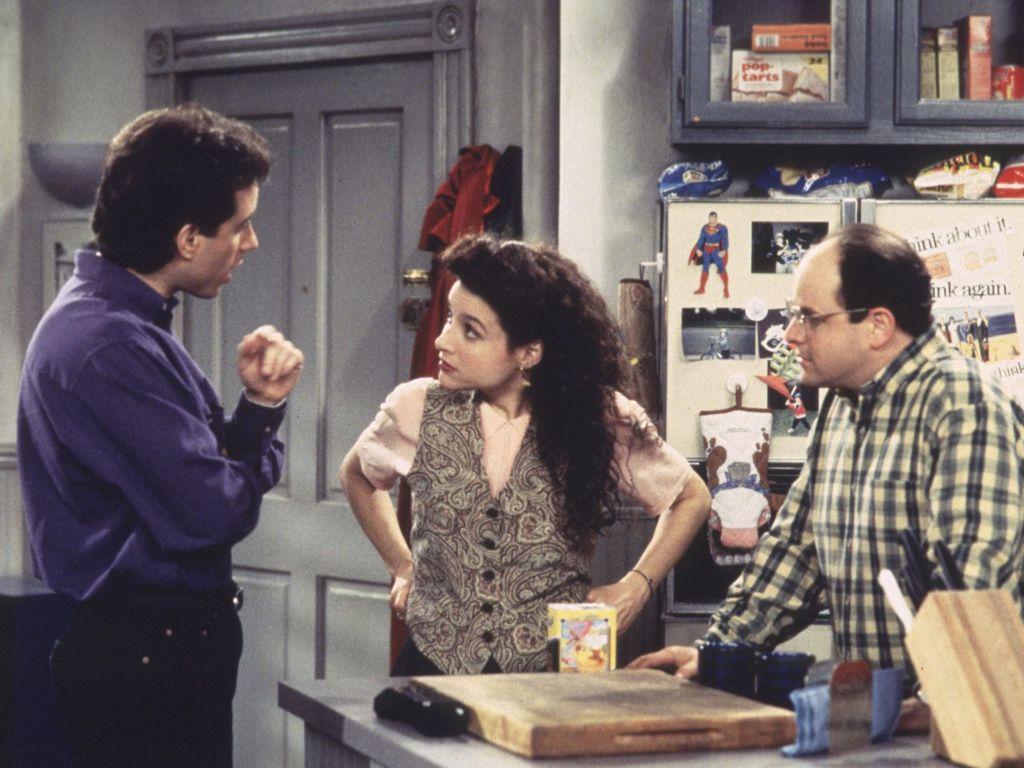
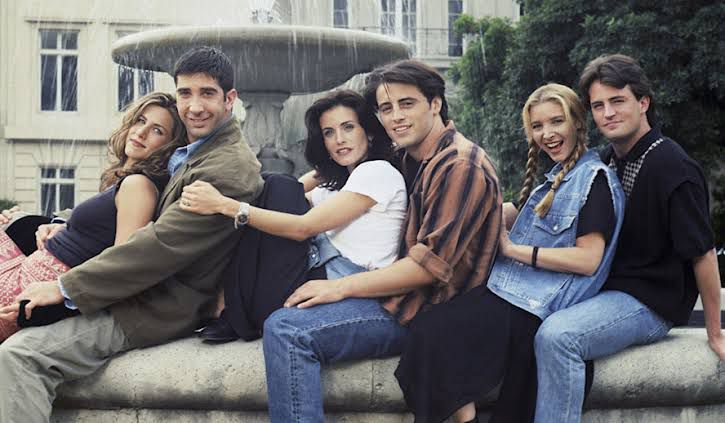
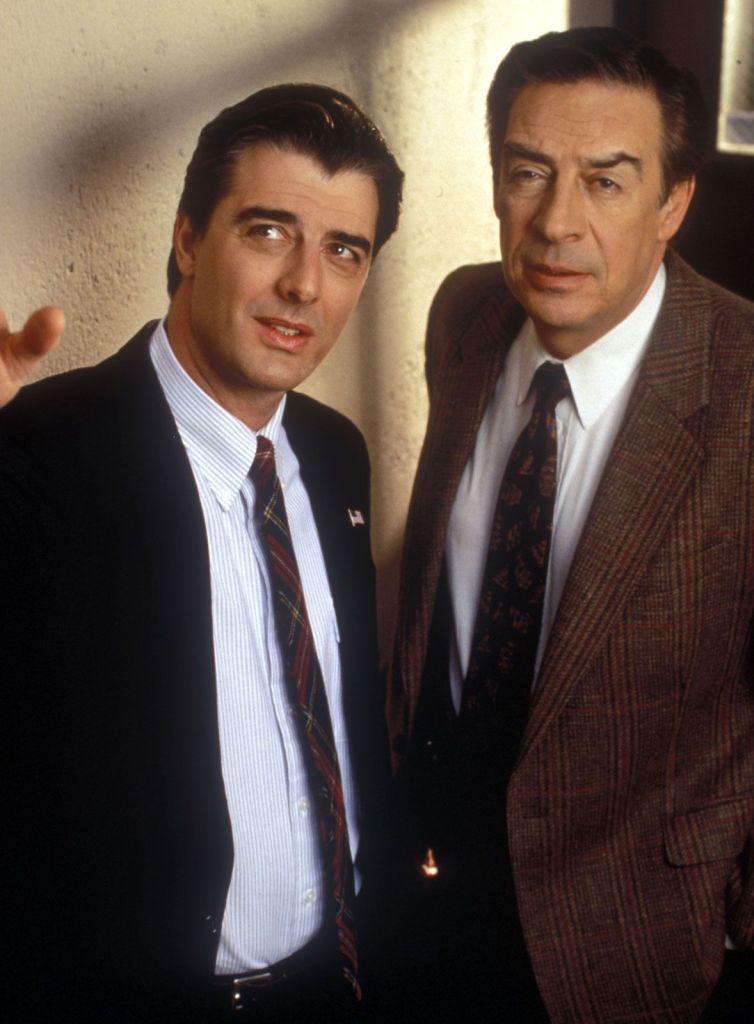
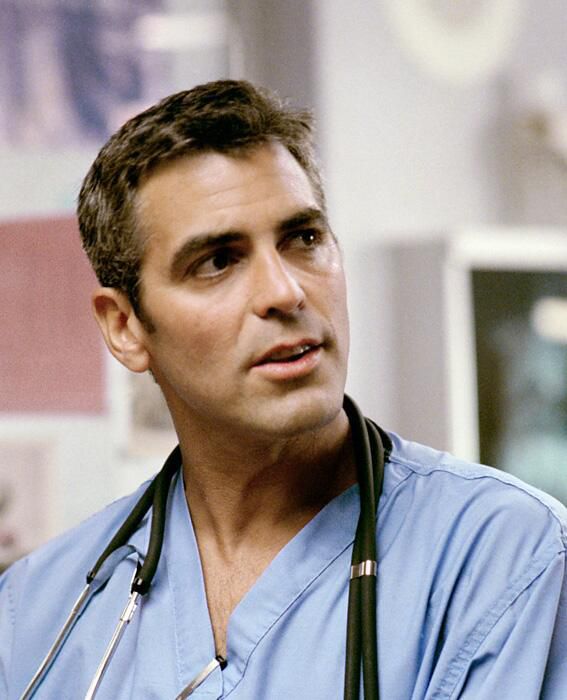
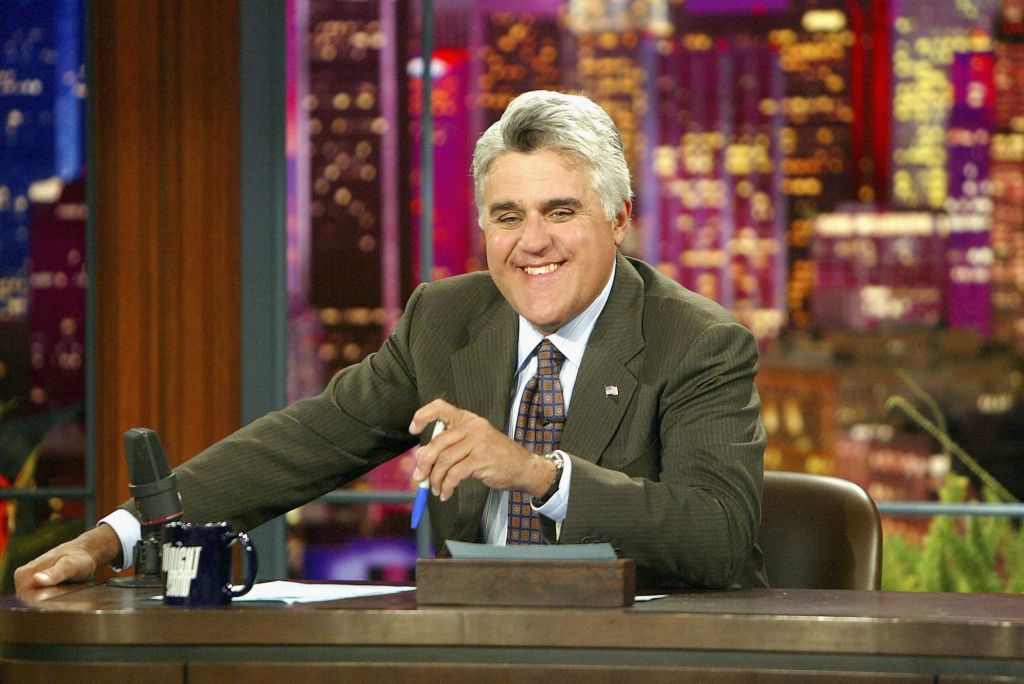
This was the decade when NBC started branding Thursday nights as Must See TV. The first iteration of Must See TV was in the fall of 1993 and consisted of a prime time lineup that included the sitcoms Mad About You, Wings, Seinfeld and Frasier followed by the drama L.A. Law. But Friends and ER were the biggest fixtures of that block for years and in this period, no other network could dare challenge NBC on Thursday nights. The network used this branding all the way until 2006 when it evolved into the Comedy Night Done Right block, which featured equally smart and funny sitcoms like Scrubs (2001-08), My Name Is Earl (2005-09), The Office (2005-13), 30 Rock (2006-13), Parks and Recreation (2009-15) and Community (2009-14) among its comedy lineup, all leading as usual to ER to really make that night bulletproof, until the popular medical drama came to an end in 2009. When I became an adult TV viewer and started watching NBC regularly, it was largely because of lineups like this one on Thursdays.
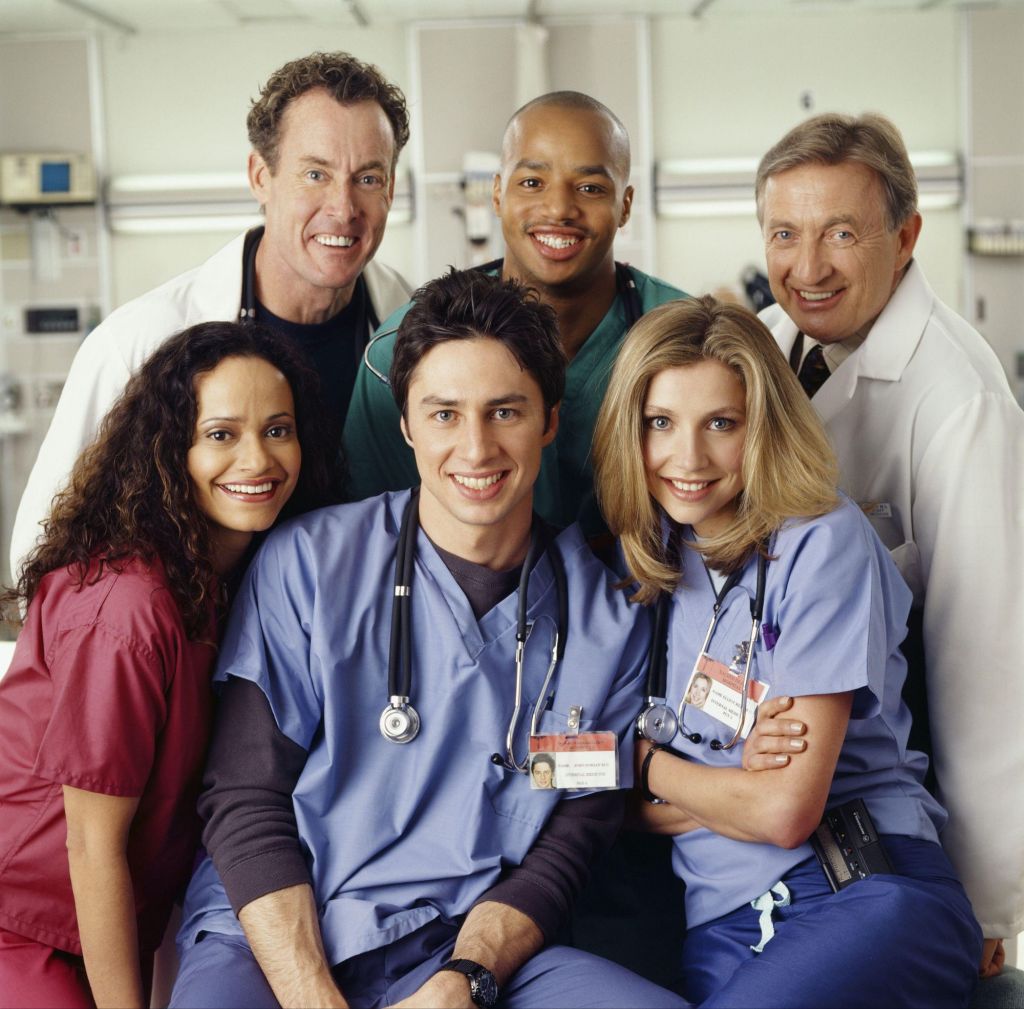
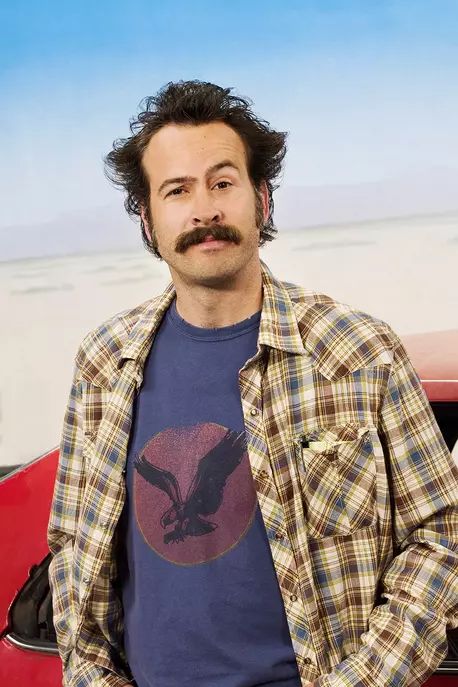
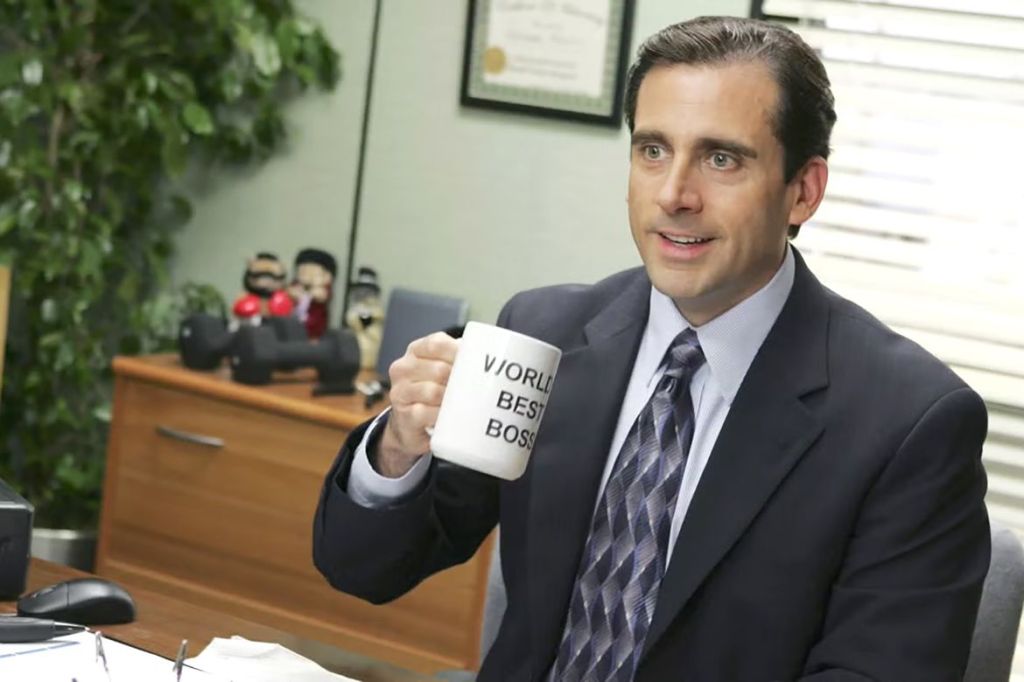
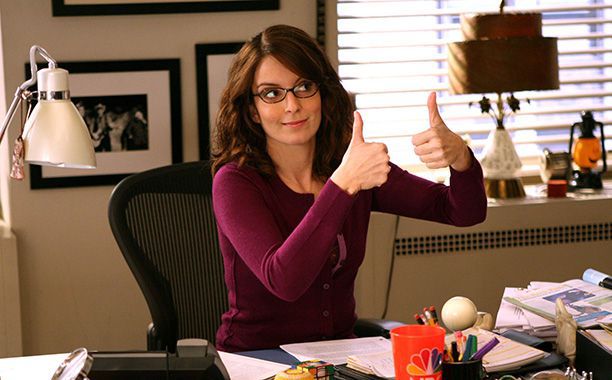
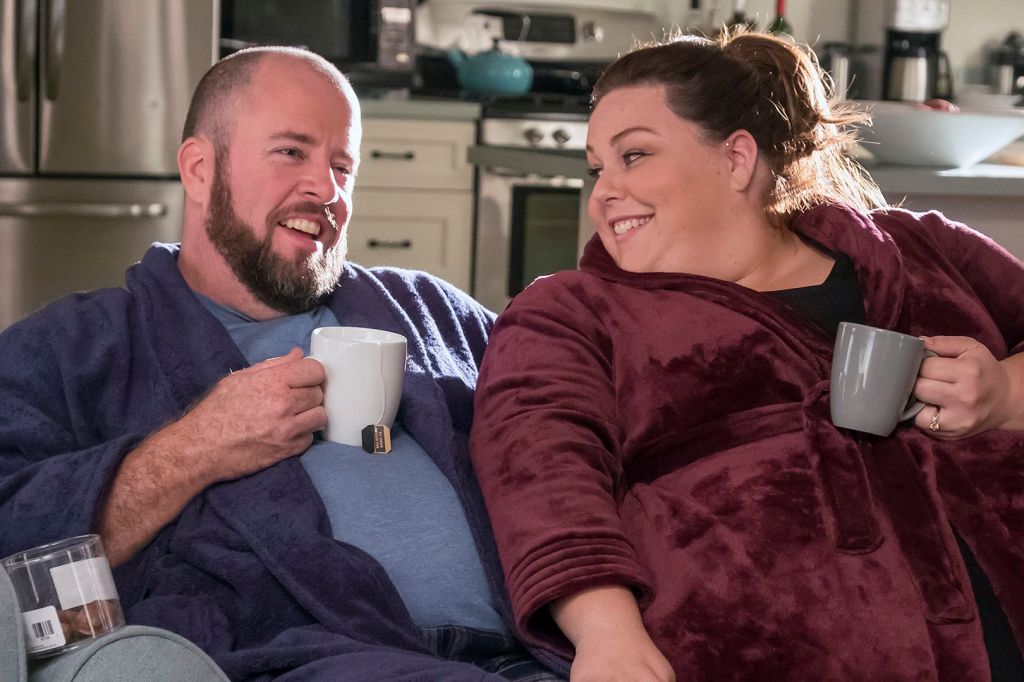
The state of NBC’s prime time schedule today, like many broadcast networks, is not as good as it once was. Aside from Saturday Night Live, I don’t watch much NBC anymore. Every now and then they get another smart comedy like Superstore (2015-21) or The Good Place (2016-20), but the comedy scene on that network is weak now, and because that was my main reason for watching, my attention has been pulled elsewhere. However they have aired some of the best broadcast TV dramas of the 21st century, with some of the most popular through the years among critics and/or audiences being Crossing Jordan (2001-07), Law & Order: Criminal Intent (2001-07), Las Vegas (2003-08), Medium (2005-09), Heroes (2006-10), Friday Night Lights (2006-08), Chuck (2007-12), Parenthood (2010-15), Grimm (2011-17), Smash (2012-13), Hannibal (2013-15), The Blacklist (2013-23), Blindspot (2015-20), Shades of Blue (2016-18), This Is Us (2016-22) and the Chicago franchise which first kicked off with the premiere of Chicago Fire (2012-present) and has gone on to include Chicago P.D. (2014-present) and Chicago Med (2015-present), the latter trying to fill the void left by ER along with medical dramas like The Night Shift (2014-17) and New Amsterdam (2018-23).
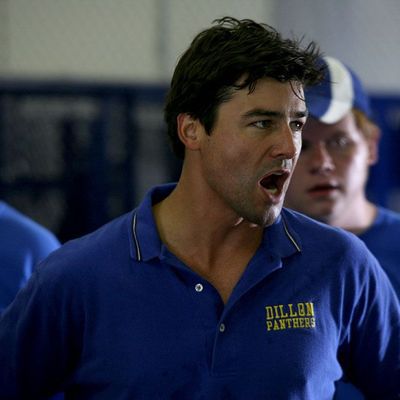
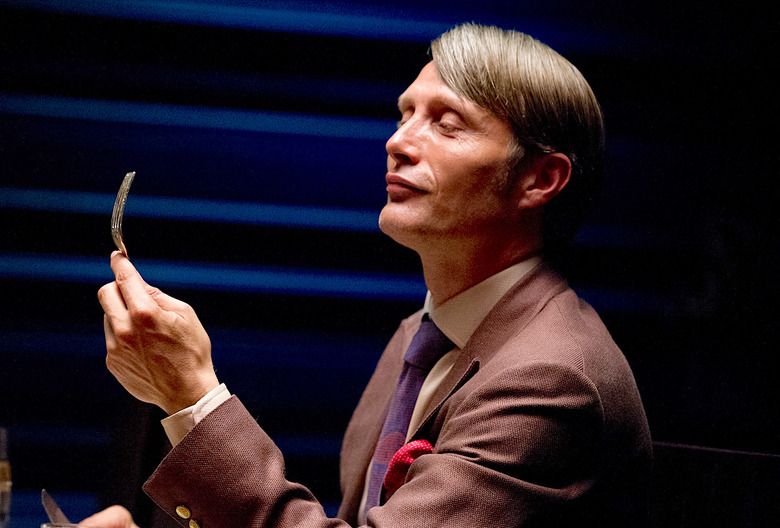
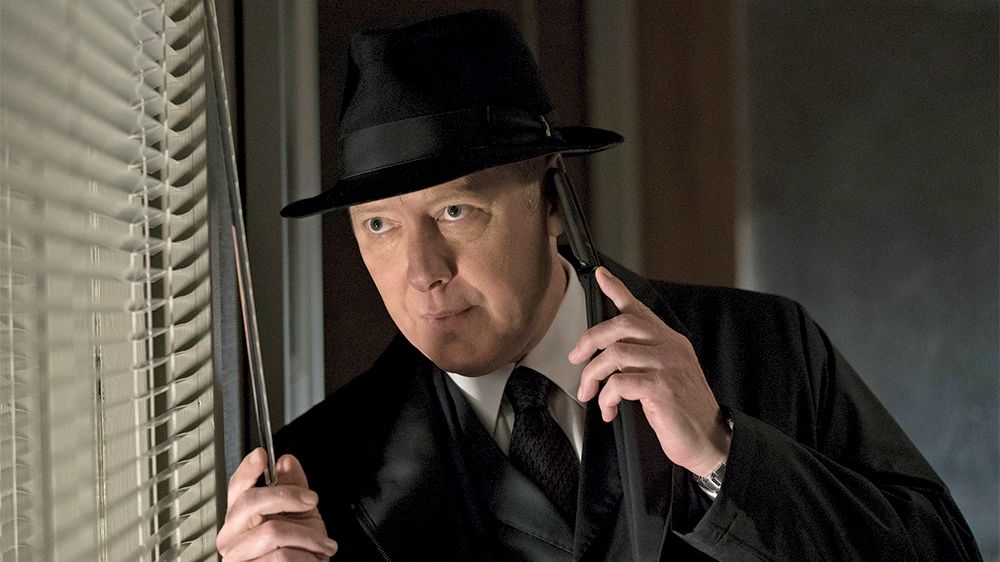
NBC has also had monster success with reality shows like Fear Factor (2001-06, 2011-12), The Apprentice (2004-17), America’s Got Talent (2006-present), American Ninja Warrior (2011-present) and The Voice (2011-present) and at one point they expanded their late night block beyond the Late Night series with the shows Last Call with Carson Daly (2002-19) and A Little Late with Lilly Singh (2019-21). But the days where the National Broadcasting Company’s viewership is the main source of income for their corporate owners feels like a thing of the past, especially after the Telecommunications Act of 1996 made corporate mergers easier and corporations more greedy, leading to things like NBC acquiring both Telemundo and Bravo in 2002. Two years after that, NBC owner GE and Universal owner Vivendi merged NBC Inc. and Vivendi Universal into the company NBCUniversal, a mass media conglomerate that currently owns both Universal Pictures and the NBC TV network as well as the Universal Studios theme park.
Cable company and Xfinity provider Comcast had owned NBCUniversal ever since 2013 and in 2020 they introduced the streaming service Peacock (obviously named after the NBC logo) in an attempt to compete with streamers like Netflix, Hulu and Disney+. These days broadcast networks like NBC are like back-up sources of revenue for corporations like Comcast as they navigate the world of streaming. Even if they have to rely on licensing to get the best deals. Universal owns Casper the Friendly Ghost and they recently just announced that series is getting a reboot on Disney+! Which tells you how much of a money pit Peacock is. But that isn’t much different from what happened when NBC made the transition from radio to television. Earlier I said NBC’s radio division dissolved in the nineties, and TV networks are the next logical thing to go as the internet continues to dominate everyone’s attention spans. Seeing as how NBC is 100 years old and now the oldest surviving broadcaster in America, it will be interesting to see how it evolves in the future, or if it is indeed able to evolve.