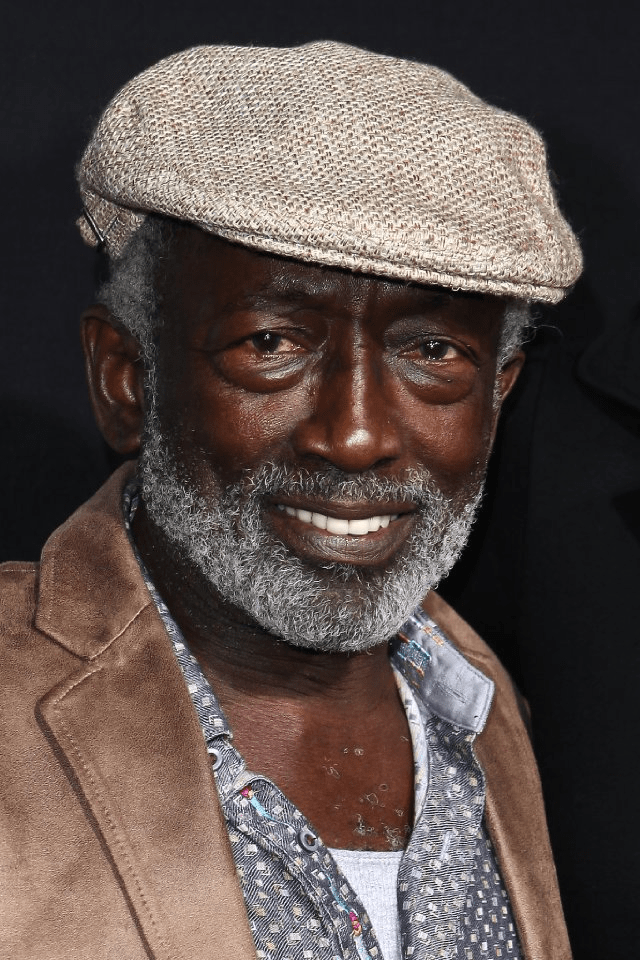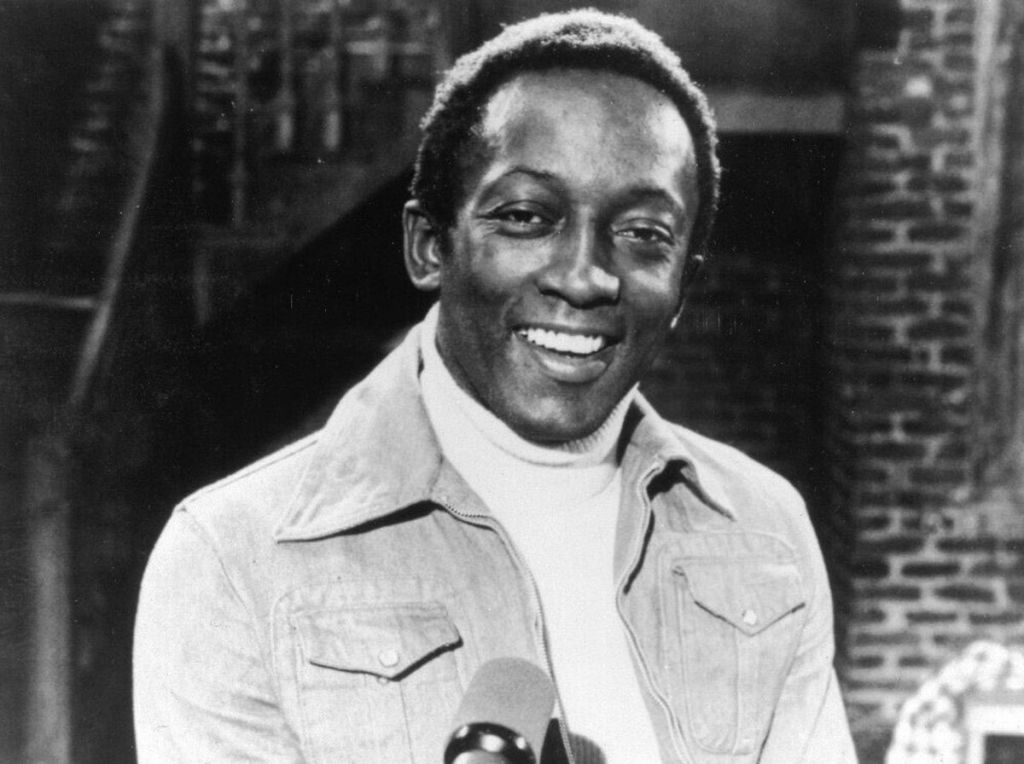
In the early eighties, after Lorne Michaels and the original cast of Saturday Night Live had left to make way for new showrunner Jean Doumanian and an all new group of comedians, cast member Eddie Murphy was almost boxed into minor sketch roles that suppressed his comedic talents before Doumanian was ultimately fired for delivering one of the show’s worst seasons. After that, Murphy became one of the funniest cast members in SNL history. Years later Murphy made a crack about that period by saying that Doumanian was trying to “Garrett Morris” him. Every Black comedian in the industry of course knew exactly what he meant when he said that. For the people who don’t know, that’s what this article is for.
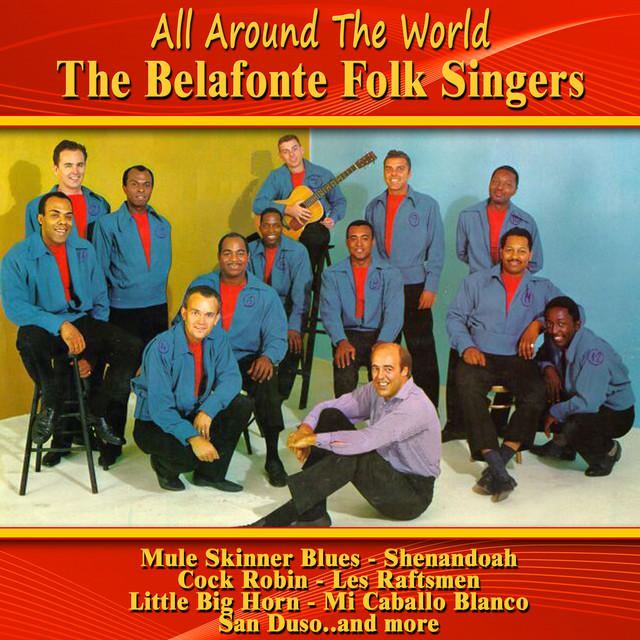
Saturday Night Live cast member Garrett Morris was born in New Orleans, Louisiana in 1937 and raised in Gert Town surrounded by poverty. He sang in the church choir from a young age and eventually trained at the Juilliard School of Music in New York City. He even sang professionally on records, such as when he performed with the Belafonte Folk Singers, a vocal group originally formed by singer Harry Belafonte as his backup singers who were active from 1957 to 1965.
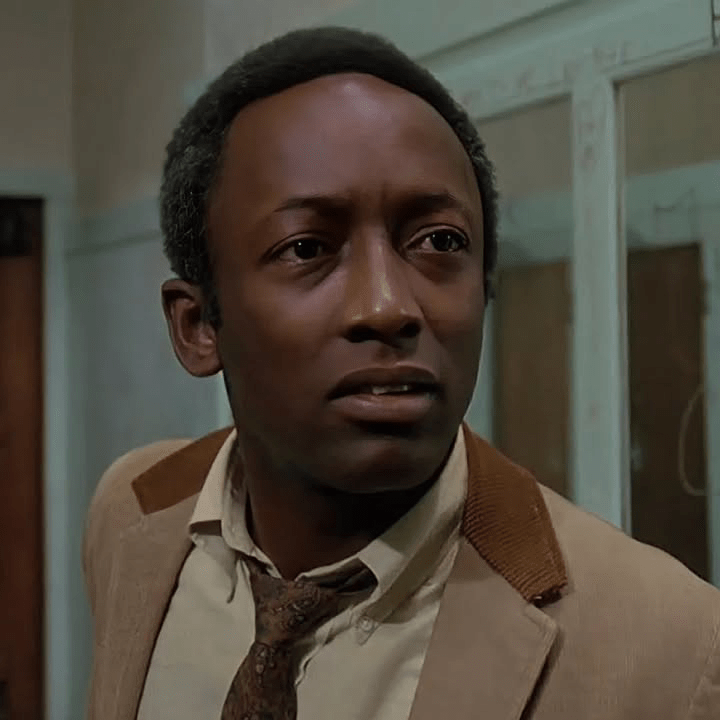
While in New York, Morris also worked in Harlem as an actor and a playwright, performing in musicals like Hallelujah, Baby! (the show that made Leslie Uggams into a Broadway star) and the Mario Van Peebles musical Ain’t Supposed to Die a Natural Death in the seventies. But Morris occasionally had roles on screen as well, including as a cop in Sidney Lumet’s crime film The Anderson Tapes (1971) and as a high school teacher in the touchstone indie film Cooley High (1975). Morris even played one of the main characters in a short-lived CBS sitcom called Roll Out (1973-74) which co-starred Ed Begley Jr. and despite its lack of popularity was actually created by the same writers and producers behind the sitcom M*A*S*H.
You would think that it would have been Garrett Morris’s television career that led him to Saturday Night Live, but creator Lorne Michaels initially hired Morris as a writer on SNL based on the strength of his play writing skills. Although according to Morris, Cooley High had played a hand in convincing Lorne Michaels to hire Morris as a cast member instead.
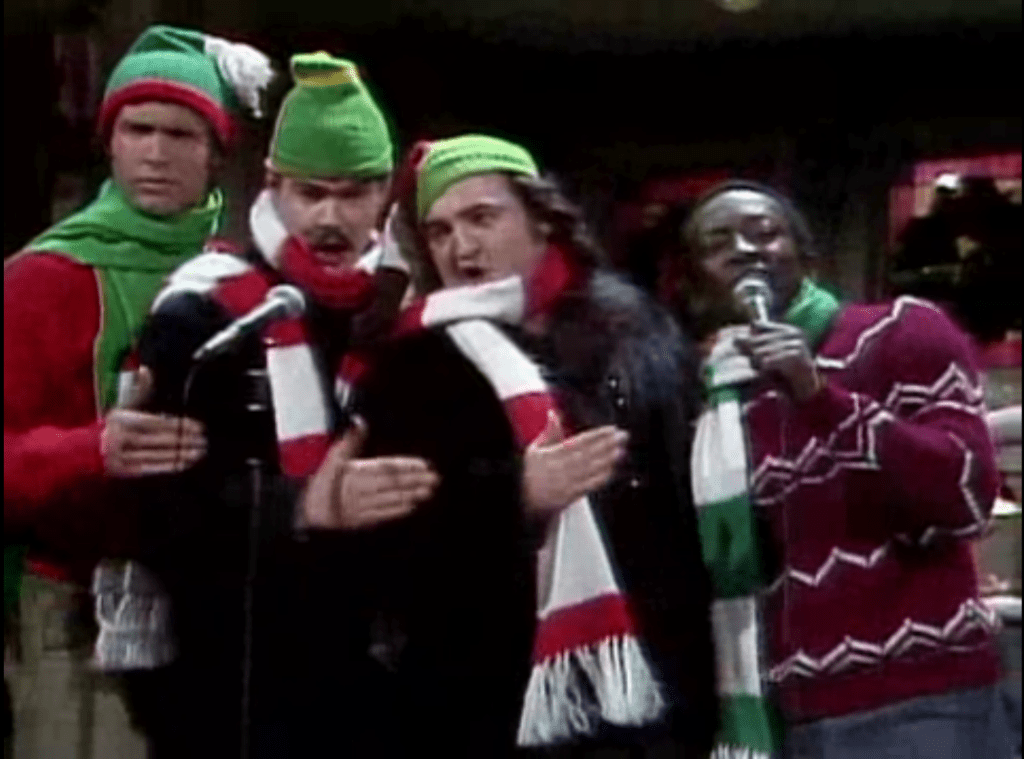
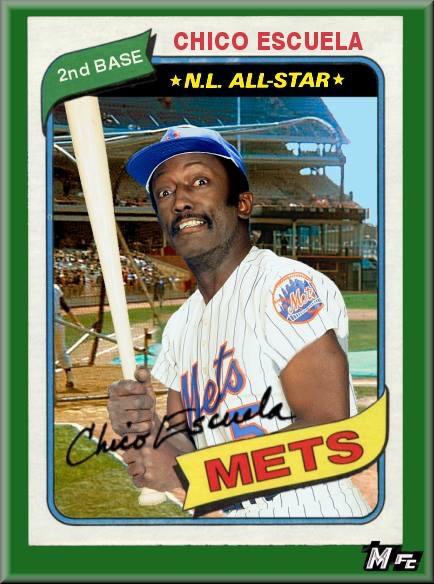
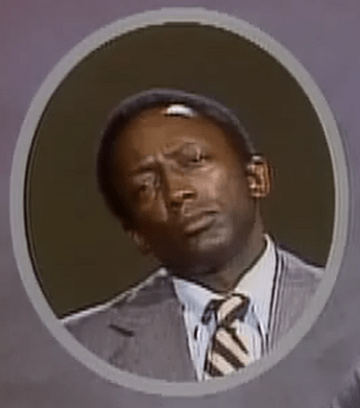
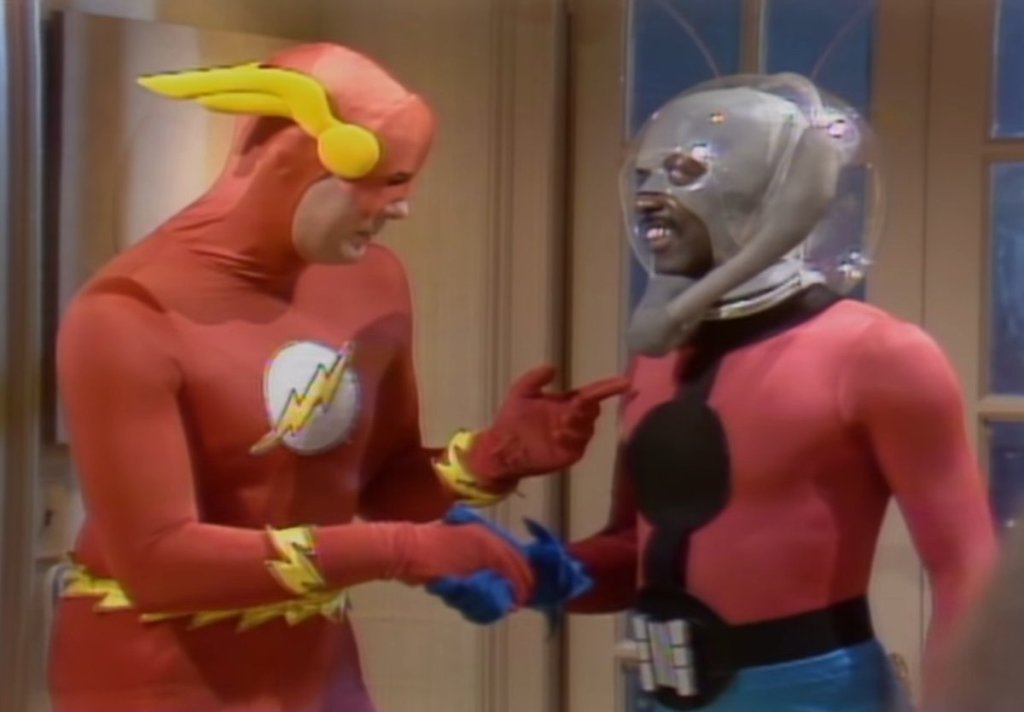
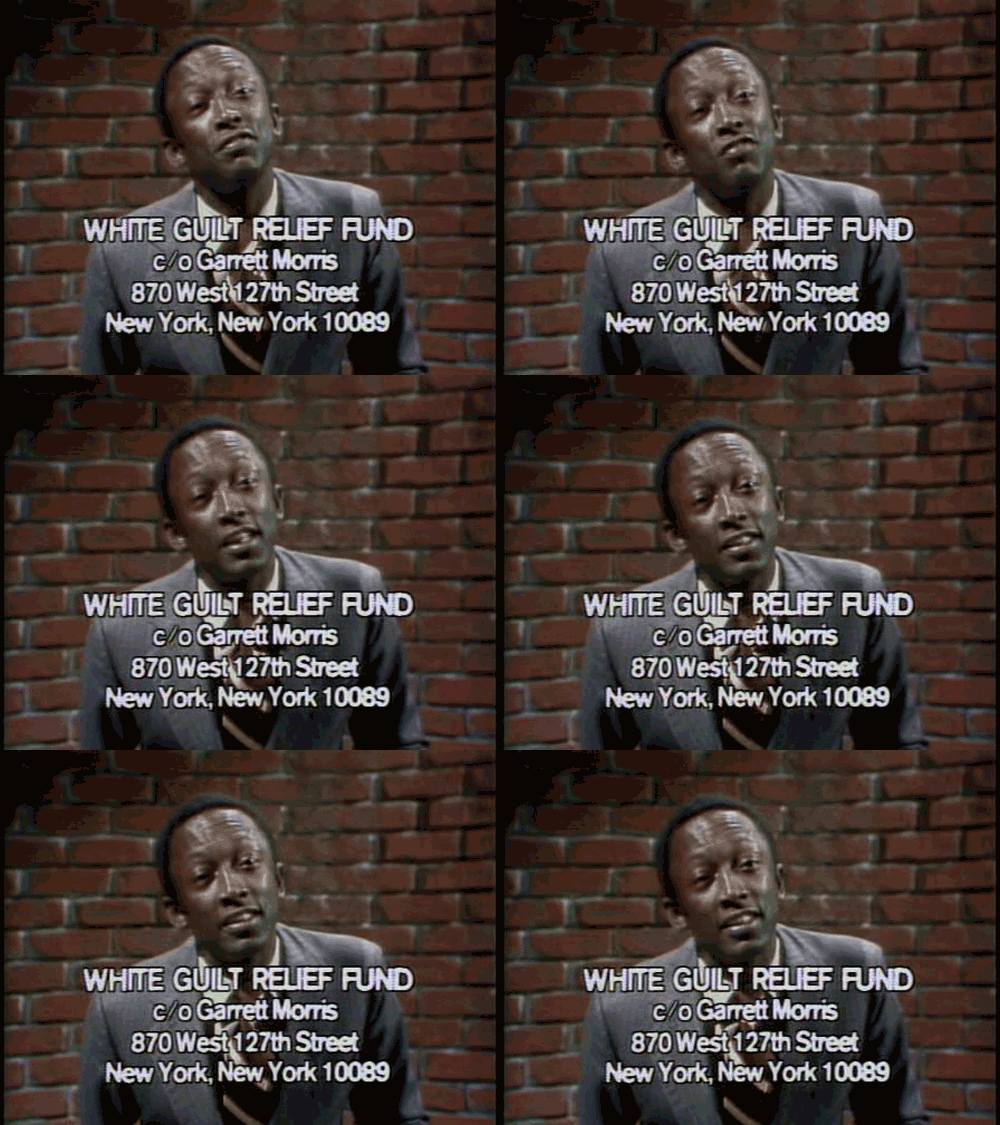
Morris was among the first Not Ready for Prime Time Players on SNL and he had great moments during his five years on the show. He occasionally got to show off his singing skills and he had some funny bits and popular characters, such as Chico Esquela the Dominican baseball player who frequently appeared on Weekend Update, as well as headmaster of the New York School for the Hard of Hearing. Plus he was often a part of sketches involving the Festrunk Brothers, the Nerds and the Coneheads. But Morris was mostly unhappy about his tenure on that show because as he described it, there was a lot of racism on the part of the writing staff in the seventies, and Morris was often typecast in sketches, sometimes stereotypically so.
Morris maintains that Lorne Michaels himself was not a racist. There were a lot of people who worked at NBC in those days who would have been perfectly fine with an all-White cast for SNL, but Lorne Michaels didn’t want that. Lorne even asked Morris if he knew any other talented Black actors from the theater community so that Lorne could give even more Black performers television exposure (although Lorne still had his flaws – he once denied Morris his request to play a doctor in a sketch because Lorne worried that a Black doctor might be too distracting for TV viewers, and that was during a time when there were plenty of Black doctors in real life). Oftentimes, Lorne and the mostly White writing staff either lacked the creativity to know what to do with Morris on that show, or they did not prioritize him. Which is entirely possible given that the huge popularity of cast members like Belushi, Aykroyd, Radner and Murray was enough to carry the show in terms of its ratings and its popularity. But Morris still appreciates the exposure the show gave him and he acknowledges the significant role he played in opening the door for other non-White cast members in the future.
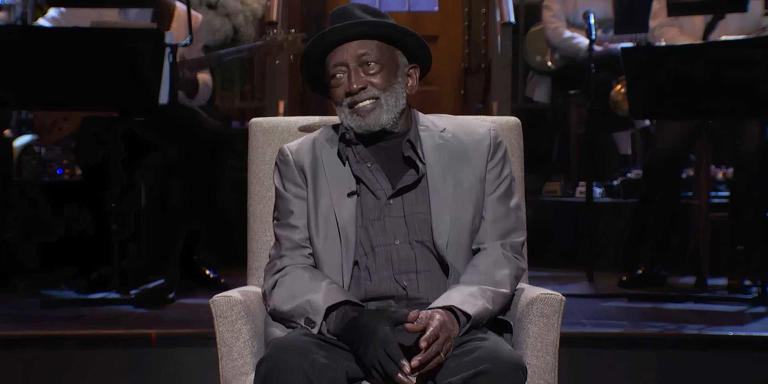
The unfortunate tradition of SNL underutilizing the talents of its cast members of course extends beyond just Black people, but given how few Black comedians get hired as cast members on SNL in comparison to White people, it’s seen by many as even more egregious when Black cast members get mishandled, especially in the eyes of Black viewers. Eddie Murphy managed to rise above the tar pit. So did Tim Meadows, Tracy Morgan and Kenan Thompson. Others who were less fortunate are Damon Wayans, Chris Rock, Dean Edwards and Finesse Mitchell. The show has done better with its Black cast members in recent years, although the show is still undeniably White-centric in its comedic style. Of course the reality is that SNL would have never reached the stratospheric level of mainstream influence and popularity that it did if the show did not have a White-centric sensibility. Which is partly why so many underground comedians look down on the show as “establishment” comedy, despite the fact that it started out being perceived by many viewers as the most anti-establishment comedy on TV back in the seventies.
As for the rest of Garrett Morris’s career, he did have some post-SNL success. He went on to appear in films like Car Wash (1976), Larry Cohen’s sci-fi satire The Stuff (1985), Coneheads (1993), the Roger Corman-produced superhero comedy Black Scorpion (1995), indie drama Twin Falls Idaho (1999) and even Marvel’s Ant-Man (2015). He also performed in many TV shows, including main roles in the sitcoms Martin (1992-95), The Jamie Foxx Show (1996-2001) and 2 Broke Girls (2011-17), recurring roles in The Jeffersons, It’s Your Move, Hill Street Blues, Hunter, Roc and This Is Us, and guest appearances in Diff’rent Strokes, Married… with Children, Who’s the Boss?, ER, The Wayans Bros., Space Ghost Coast to Coast, According to Jim, The Hughleys, Noah’s Arc, Shameless, Psych, Scandal, A Black Lady Sketch Show, Station 19 and The Neighborhood. As one of the founding cast members of SNL, he still has a lot of respect in show business. But I would have loved to see what he could do on that show if the writers gave him more of a chance to shine.