
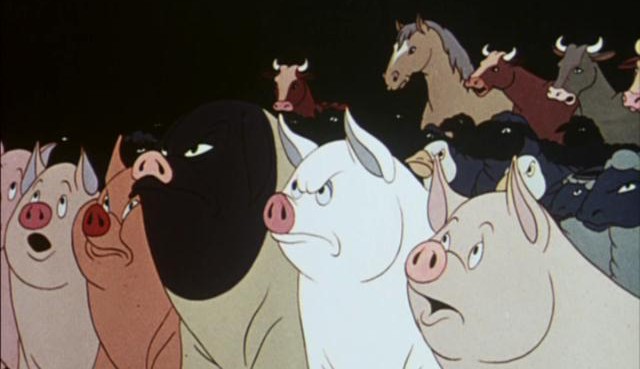
If you’re one of the few people who is aware of British animation studio Halas and Batchelor, the film you most likely associate with them is the animated adaptation of George Orwell’s Animal Farm. Although even that film is not widely known by very many people. But it does stand out from most other golden-age animated films because it was one of the rare animated films from those days that leaned less into comedy and fantasy and more into drama and political allegory.
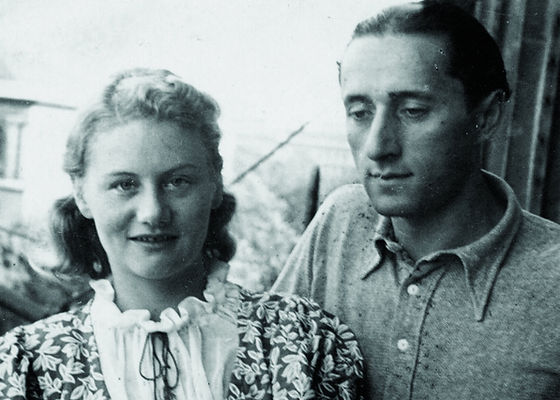
The studio behind the film was co-founded by a man named John Halas and a woman named Joy Batchelor in 1940, and the company made many other animated films from the 1940s to the 1980s.
John Halas was born in Budapest, Austria-Hungary in 1912. After turning 18, Halas moved to Paris to do freelance artwork for French magazines, but he later returned to his home country to apprentice for Hungarian-born director and special effects animator George Pal, who produced the first Hungarian cartoons using cutout animation and would later become famous for his stop motion. After studying at Hungarian painter and graphic designer Sándor Bortnyik’s private art school and earning a bachelor of fine arts degree, Halas would go on to co-found Hungary’s first official animation studio Coloriton in 1932. That studio ran for four years and Halas mostly produced cigarette and beer ads, but by the time Coloriton was done, Halas went out on his own and moved to London in 1936 to work for British Colour Cartoons, which is where he met Joy Batchelor.
Joy Batchelor was born in Hertfordshire, England in 1914. After attending art school, Batchelor worked as a commercial artist designing posters and magazines. Her professional introduction to animation came when she was hired as an inbetweener for Australian cartoonist Dennis Connelly who made animated films in Britain throughout the 1930s and 1940s.
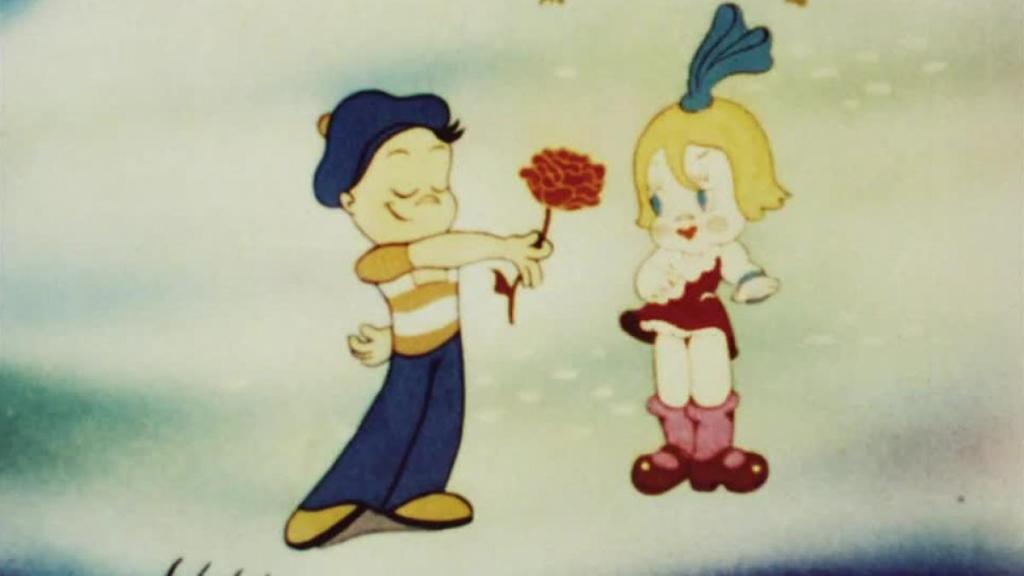
The first film John Halas and Joy Batchelor worked on together was the 1937 cartoon The Music Man, but with the financial struggles of British Colour Cartoons, Halas and Batchelor would eventually move to London and work freelance. The two had dreamed of starting their own animation studio and in 1940, the year they got married, they finally founded their own animation studio called Halas and Batchelor Animation Ltd.
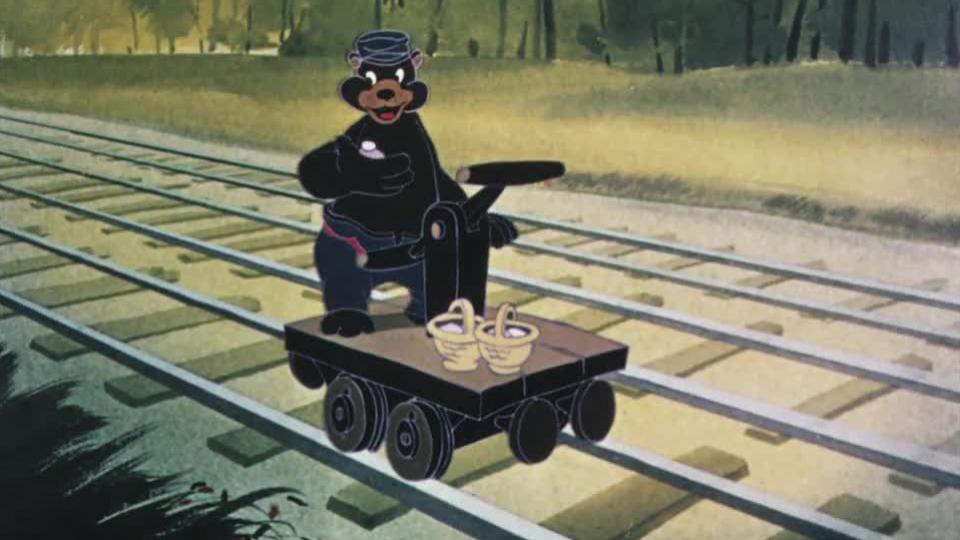
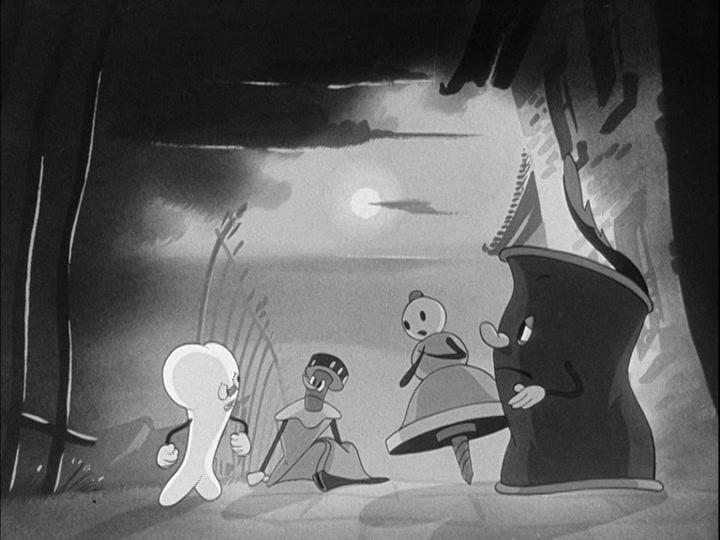
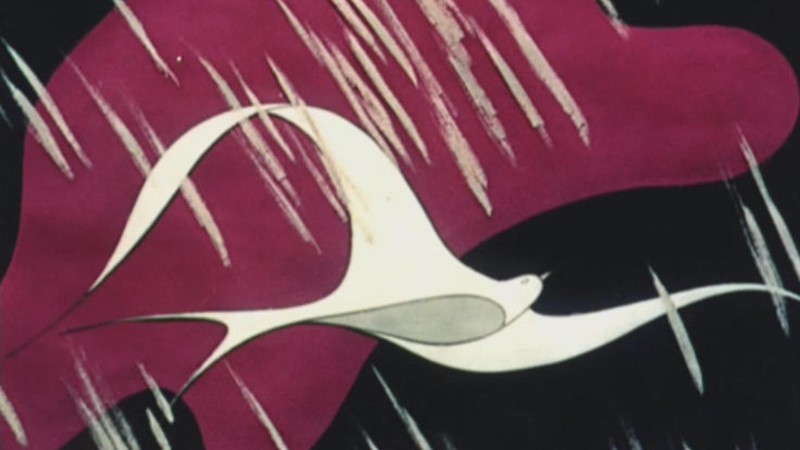
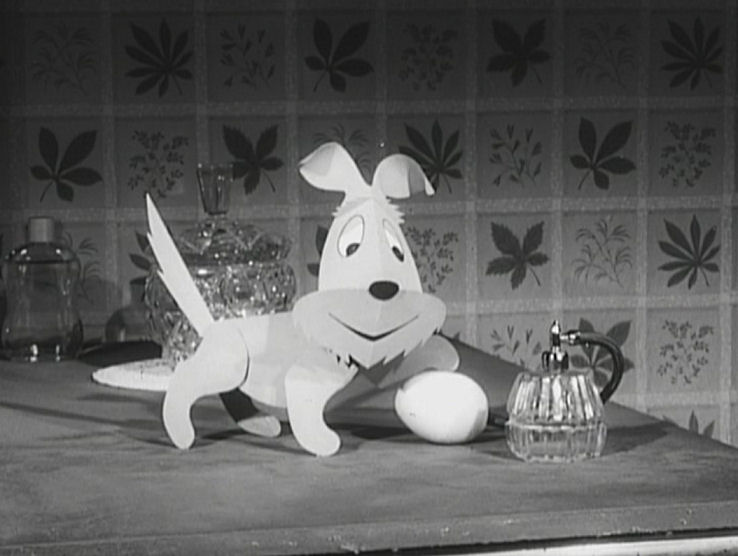
In order to make money, the husband and wife team started out making commercial shorts, educational and training films and propaganda for the British war effort. The studio’s first two shorts were Train Trouble (1940) and Carnival in the Clothes Cupboard (1940), but it was the success of their instructional films that led to their first feature-length film Handling Ships (1945) and their second feature-length film Water for Fire Fighting (1948), although as you might have guessed from their titles, these were also instructional films and they were not released in theaters.
Halas and Batchelor attempted more serious and artistic efforts in the late 1940s such as a colorful animated ballet called The Magic Canvas (1948) which was made for the Festival of Britain, as well as the Poet and Painter series, which was introduced in 1951 and based on the work of several famous artists and poets.
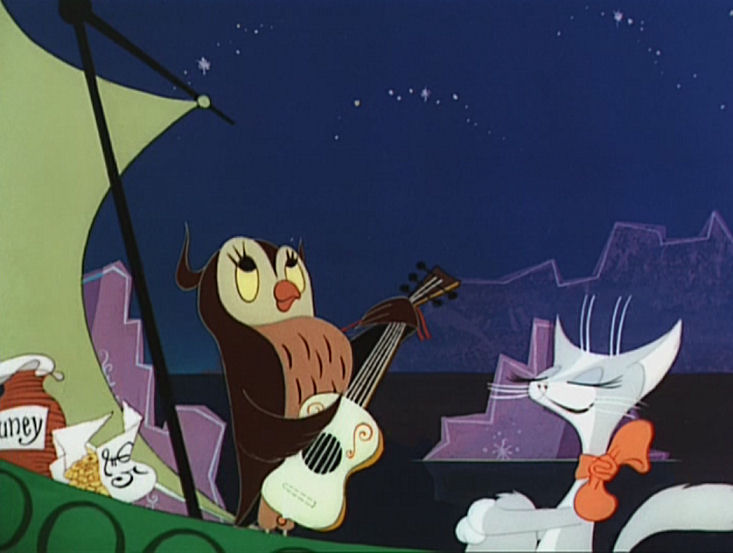
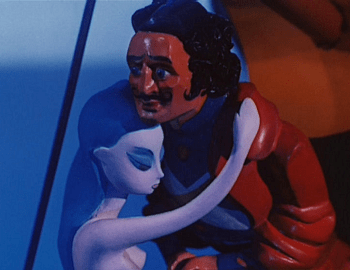
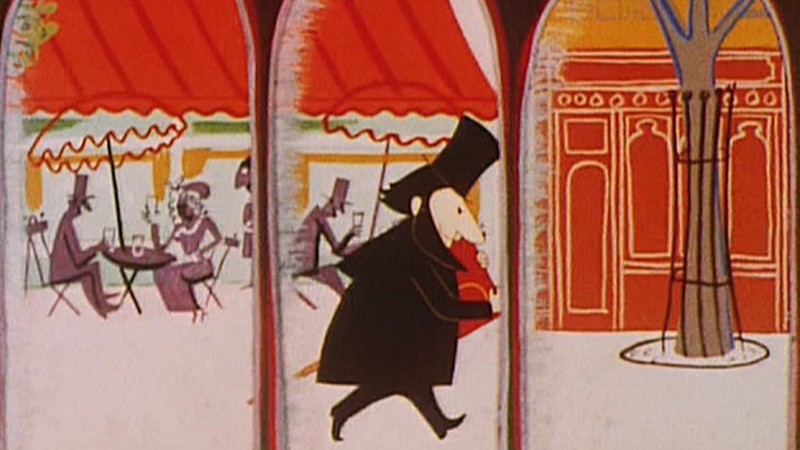
The studio created 100 films by the fifties and by that decade was attempting more experimental fare, such as The Owl and the Pussycat (1952) which was adapted from Edward Lear’s nonsense poem of the same name and was also Britain’s first stereoscopic 3D cartoon and possibly the first stereoscopic 3D animated film ever, predating Disney’s Melody by a year. This was followed by the stop-motion puppet film The Figurehead (1953), some animated sequences from the 1955 film Cinerama Holiday and the two shorts The History of the Cinema (1956) and World of Little Ig (1958) which was originally made for American TV network NBC but was also released in British theaters.
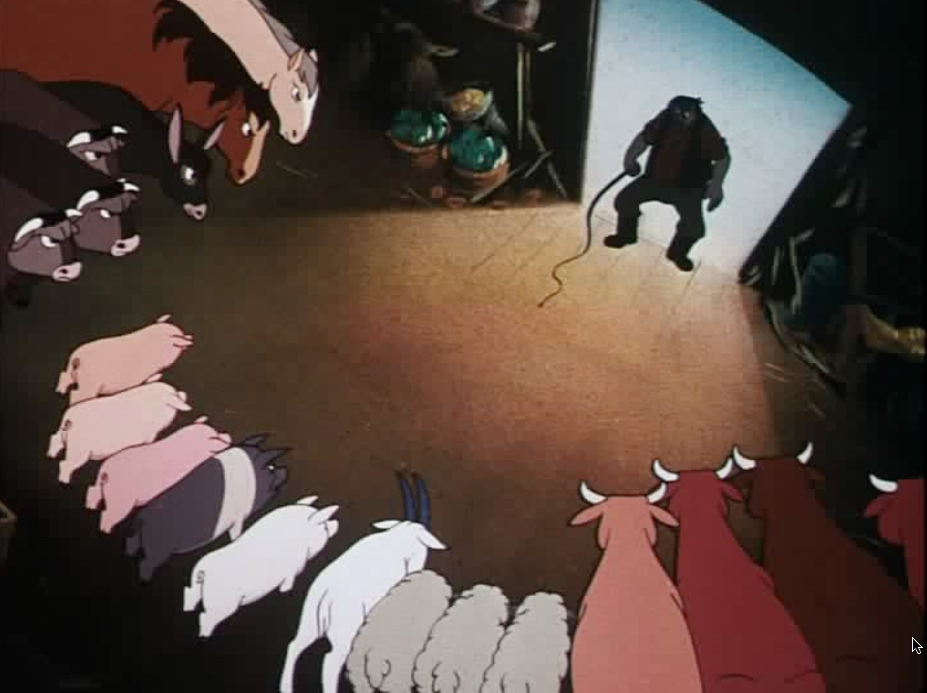
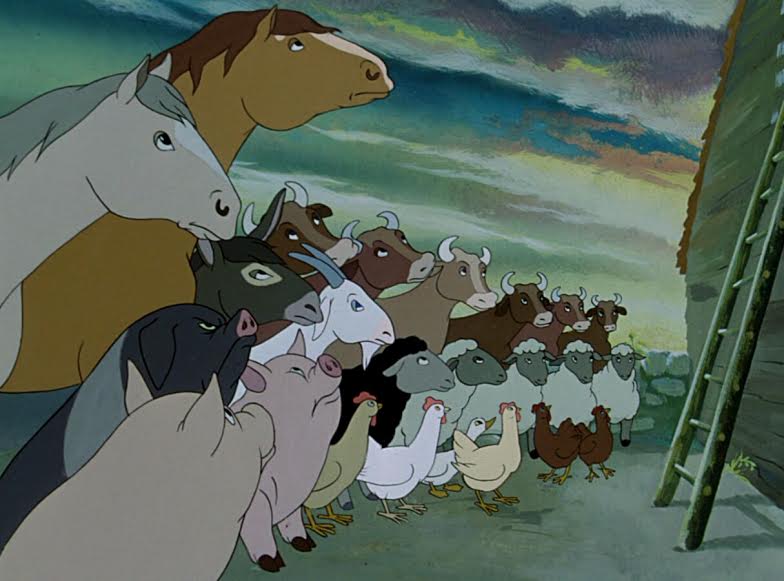
Of course Halas and Batchelor’s most well-known and most important film was Animal Farm (1954), based on the 1945 book by George Orwell about a group of farm animals who rebel against their human farmers to start a government where animals can be free, until one of the pigs turns it into a dictatorship. The film was Britain’s first theatrically released animated movie and despite changing Orwell’s ending, initially being a box office flop and being widely considered inferior to the book, it has gotten a lot more love in later years and is now considered a classic of British cinema and an anomaly in animation history. John Halas and Joy Batchelor co-directed the film, which made Batchelor the first woman to direct an animated feature since German animator Lotte Reiniger directed The Adventures of Prince Achmed in 1926.
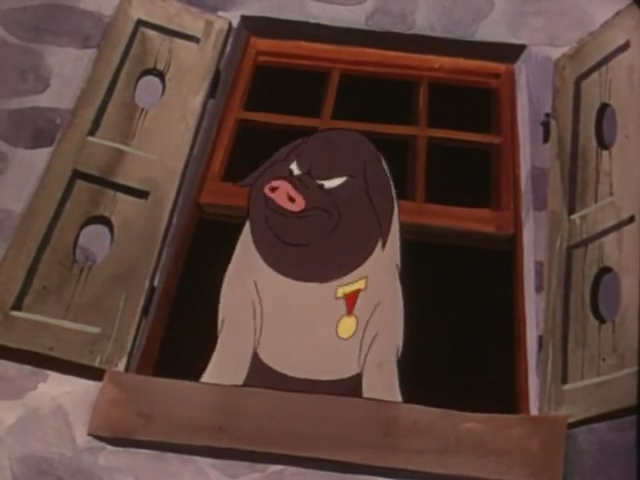
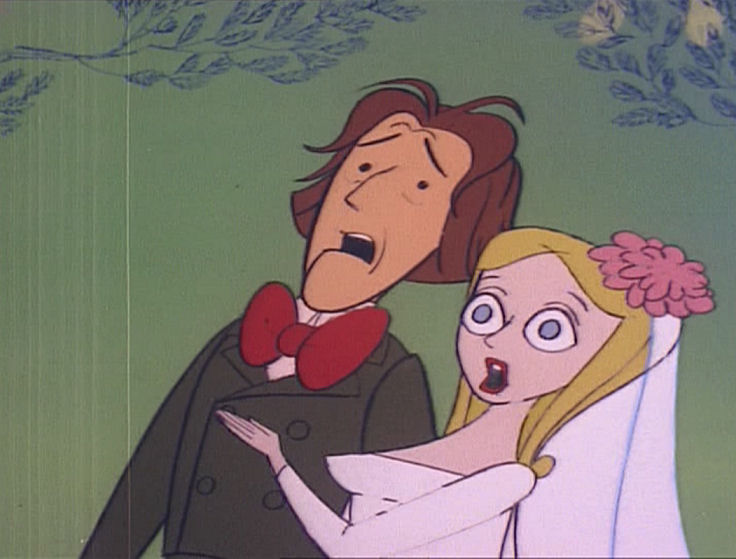
Halas and Batchelor attempted one other feature film in 1966 called Ruddigore, an animated adaptation of the Gilbert and Sullivan comic operetta. Although director Joy Batchelor had to abide by strict rules by not altering any of the songs or dialogue so she was not given much creative freedom, and the end result got mixed reviews. But Halas and Batchelor still had some post-Animal Farm success. In the late fifties and early sixties they created cartoons like Foo Foo, Snip and Snap, Popeye the Sailor and Dodo, the Kid from Outer Space for television, their 1963 short film Automania 2000 won a BAFTA Award and was nominated for an Oscar, and they famously animated for Roger Glover’s 1974 music video “Love Is All.”
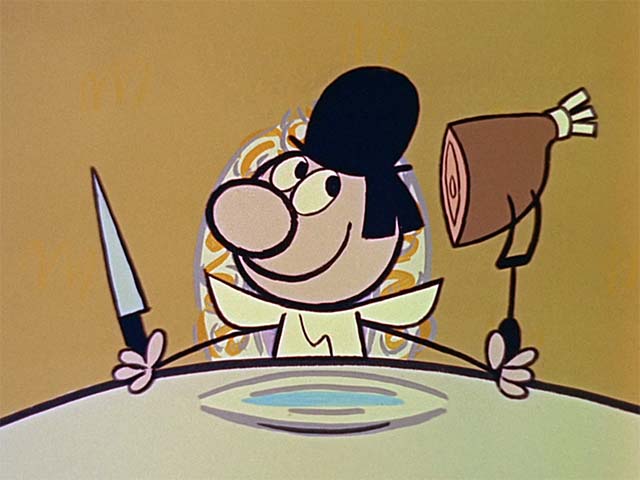
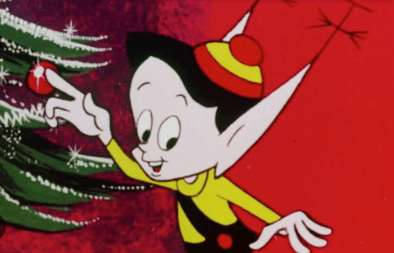

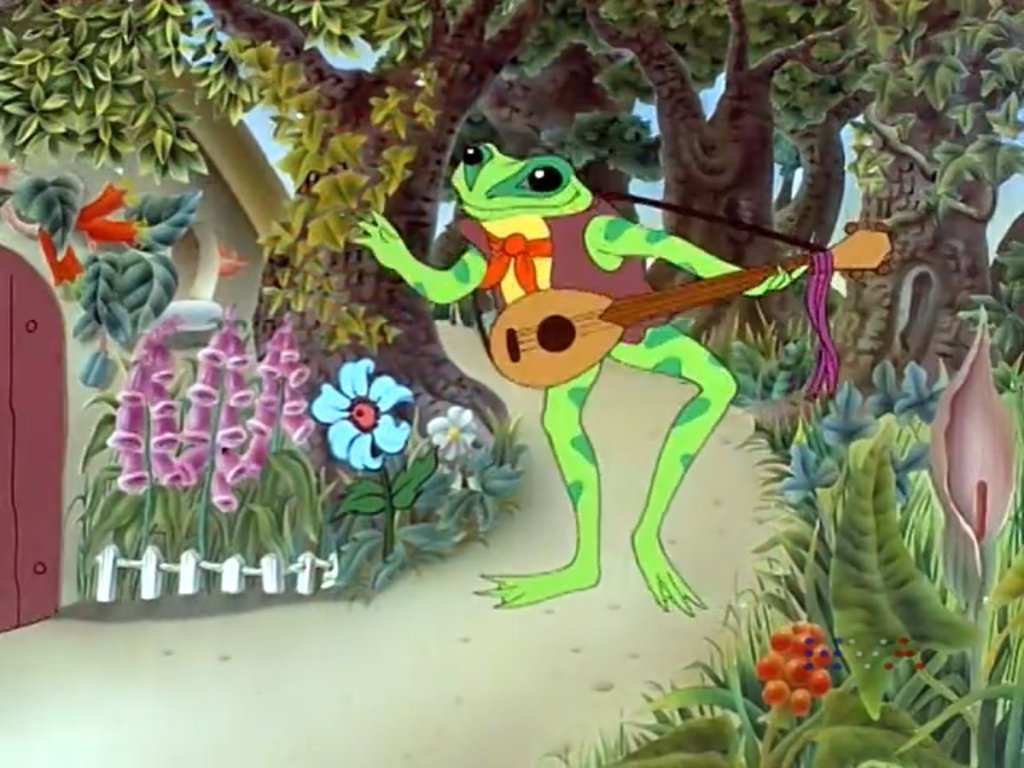

Halas and Batchelor’s animation studio closed operations in 1986 but right up to the end the studio was trying new things and experimenting with holography, 3D graphics and computer animation, even creating the first fully digitized cartoon Dilemma in 1981. Joy Batchelor died in 1991. She helped establish the studio’s art style and she had a design sense that was simple, to-the-point and perfect for advertising, but it also had a distinct flare and she injected many of the Halas and Batchelor shorts with an irreverent sense of humor and vivid characterizations. John Halas died in 1995. He served as the president of ASIFA and wrote many books about animation. Even though the studio is no more, it lasted 46 years in the business and was overall still a moderate success both financially and artistically.
 Entertainment Junkie Blog