

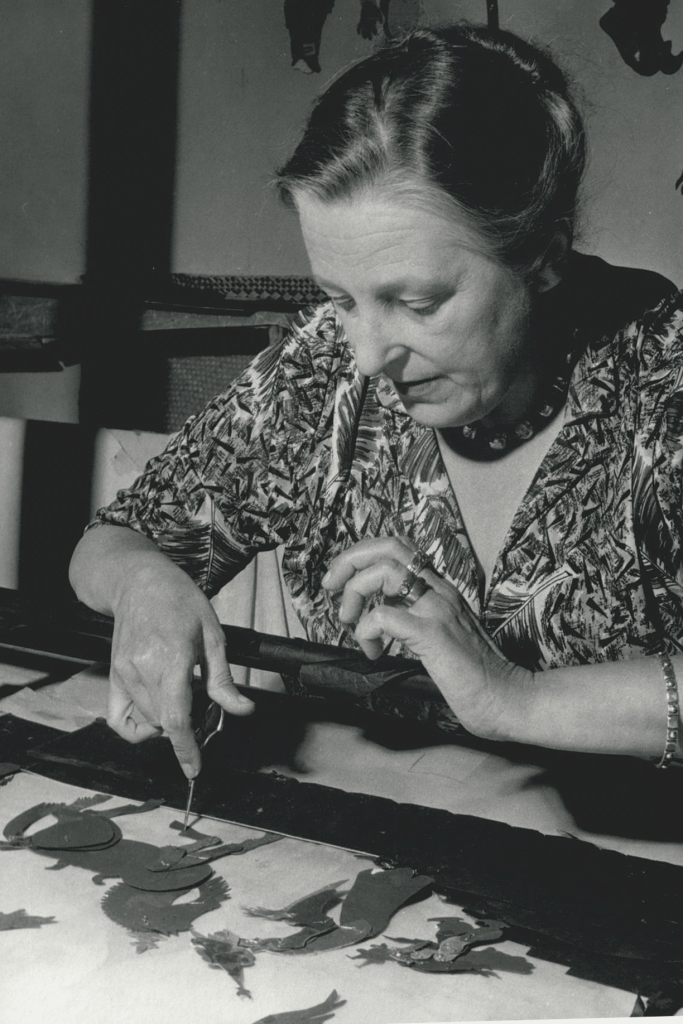
German animator and film director Charlotte Reiniger was born in Berlin in 1899. As a student Reiniger studied the unique art of paper cutting and silhouette puppetry, an art form that originates from China but captured her imagination from an early age. In fact from a young age Reiniger would build her own puppet theatre and put on shows for her family and friends. Reiniger also happened to be fascinated by fairy tales, theater and cinema thanks to the amazing special effects of Georges Méliès (A Trip to the Moon) and the expressionism of Paul Wegener (The Golem), and all these things would contribute to the direction of her career path.
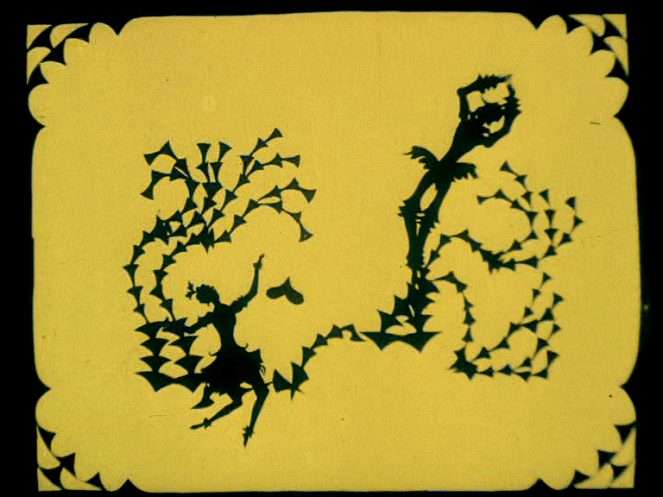
After following her passion to the theater of Max Reinhardt (one of the most highly-regarded stage directors of the time) Reiniger worked on the productions of various plays helping make costumes and props behind the scenes, even getting to work with Paul Wegener, who became intrigued by her silhouette cut-out art and began implementing her art and animation into his work, including the intertitles for certain films. Reiniger’s success with Wegener led her down a path to more experimentation with the medium of animation and the production of more short films, the first of which Reiniger directed being a five-minute film called The Ornament of the Enamoured Heart (1919), a fantasy love story that got her a lot of positive attention and fame not just in Germany but around the world.
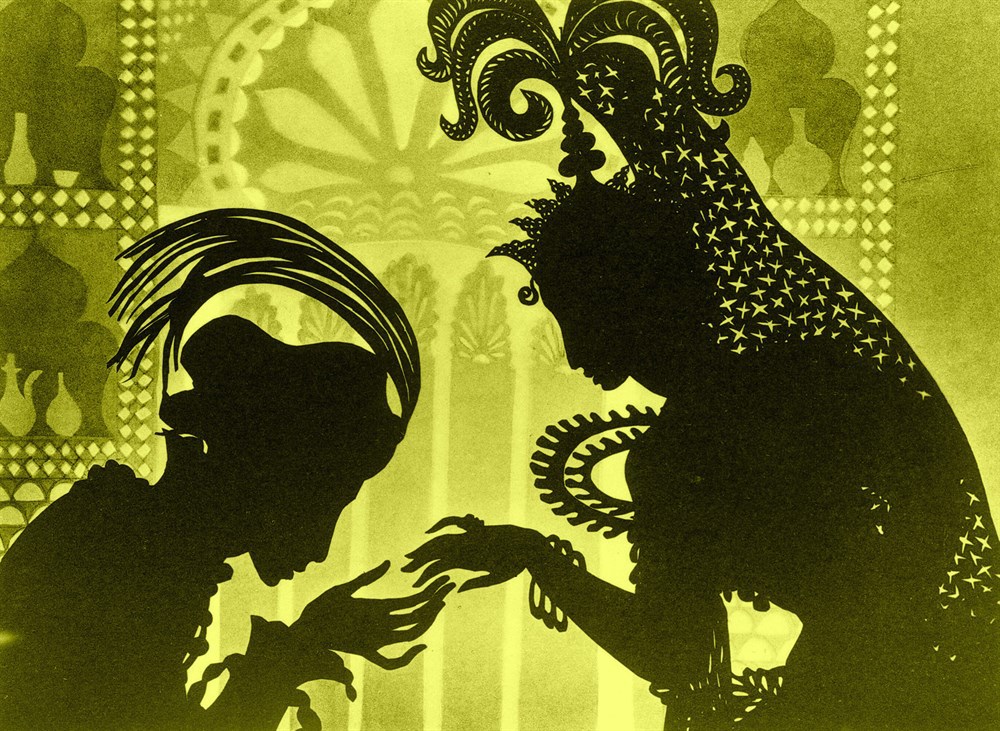
Lotte Reiniger would create many animated fantasies and fairy tale film adaptations through the years, but in 1923 she was approached about creating a feature-length animated film. This was a radical idea in the 1920s. Back then many animated films were comedic in nature and never lasted longer than ten minutes. Very few people in Reiniger’s circle of fellow artists liked the idea of her making a feature film, but Reiniger found the prospect interesting and she chose to create The Adventures of Prince Achmed (1926) a memorable film based on the Middle Eastern folklore of One Thousand and One Nights. The film was so elaborately produced that it took Reiniger about three years to complete with her team of artists and filmmakers.

The Adventures of Prince Achmed was notable for several reasons. While it is not the first animated feature film ever made (Argentine animator Quirino Christiani’s 1917 stop-motion feature The Apostol predates it by nearly a decade), it is the earliest surviving print of an animated feature film in existence.
The film was also one of the earliest attempts in cinema at portraying a queer romance, in a scene where the emperor of China is seen with a male lover, although any overt implications of homosexuality were censored when it was distributed in theaters, but Reiniger has outwardly stated that she knows men and women who are gay and she intentionally set out to destigmatize homosexuality in this film by depicting it in a way that wasn’t shocking or exploitative but natural and calm between two happy and consenting adult men. Reminder: this movie came out in 1926!


The Adventures of Prince Achmed was an artistic triumph, and afterwards Lotte Reiniger returned to short films and directed Doctor Dolittle and His Animals (1928) based on the English children’s book by Hugh Lofting. Plus she co-directed her first live-action film The Pursuit of Happiness (1929) with Rochus Gliese. That film told the story of a shadow puppet theater troupe and featured a 20-minute silhouette sequence by Reiniger. Although made as a silent film, it was during a time when sound was being introduced to German cinema, so it was dubbed by different actors first and then released in 1930.

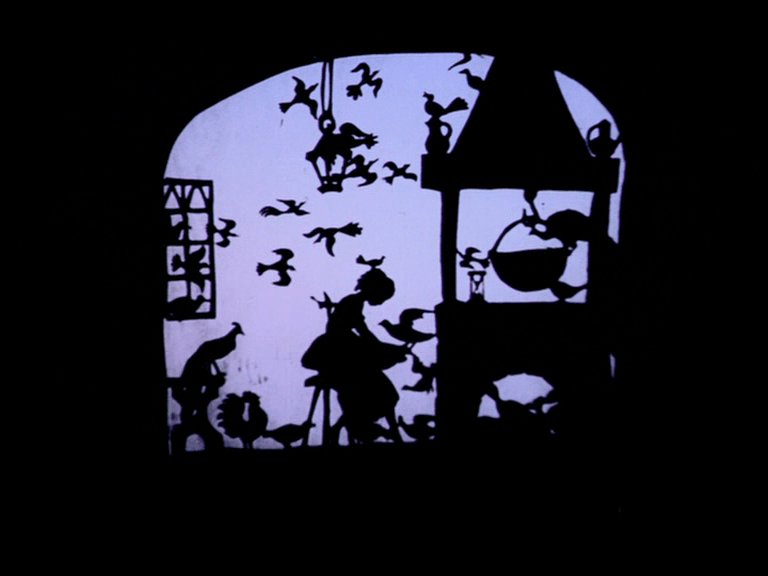
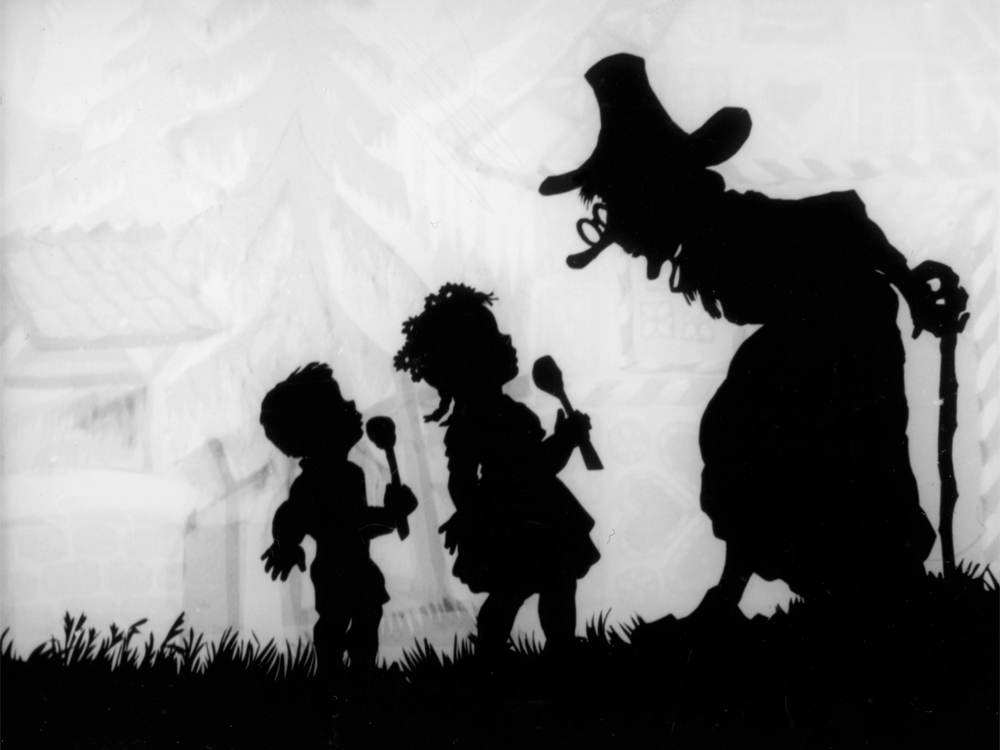
Career struggles came during the rise of the Nazi Party in Germany. The left-wing Reiniger emigrated from country to country to escape the oppression of the Nazis for as long as her visas would last between 1933 and 1944 continuing to pursue her passion for filmmaking along the way, but she returned to Berlin to be with her family while being forced to create propaganda films for Nazis, which stifled most of her creativity. Fortunately in post-WWII 1949, she moved to London and continued following her artistic dreams, first making money through advertisements and book illustrations before founding her own company Primrose Production and making a series of silhouette short films for the BBC based on Grimms’ Fairy Tales. First introduced in the fifties, these films included Aladdin and the Magic Lamp, Cinderella, Puss in Boots, Snow White and the Red Rose, The Frog Prince, The Grasshopper and the Ants, The Sleeping Beauty, Thumbelina, Hansel and Gretel and Jack and the Beanstalk.



Lotte Reiniger would continue making films until 1979. She died in 1981 at the age of 82.
My thoughts on Lotte Reiniger? She may have been a genius. She stood out from other German filmmakers in a unique way with her reliance on anatomical expression via her puppetry rather than the facial expressions of human actors, and she loved animation for the way that the medium can do things that are impossible in live action, with fairy tales being a particularly good fit for her animation style at a time when fantasy was difficult to portray on screen without looking incredibly phony. The timelessness of her stop-motion animation and elaborate art demonstrated the extent of her passion as well as her creativity, and her films were among the first to bring animation out of the world of comedy and show that they could be something more serious and ambitious.
 Entertainment Junkie Blog