
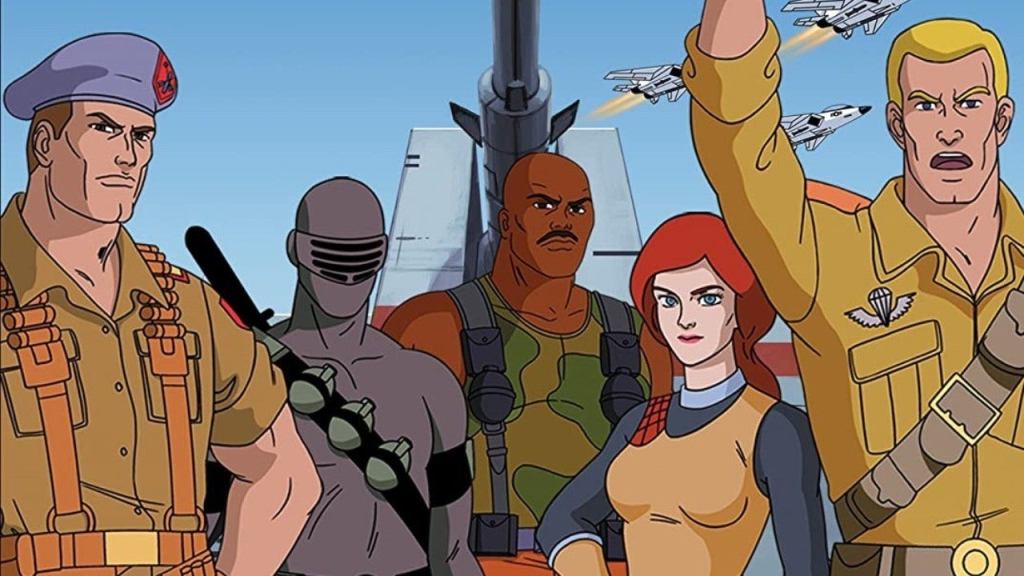
They say knowing is half the battle. So I guess it’s about time I wrote an article that teaches you the history of G.I. Joe. A line of toys in the sixties that evolved into a successful multimedia franchise beginning in the eighties, at the height of the military invasion of pop culture during the Reagan era, when Joe was at his most popular.
The idea for G.I. Joe came from Stanley Weston, the American who invented the modern action figure. Weston showed Hasbro his 12-inch prototype for a military-themed toy man and the executives at Hasbro immediately saw commercial potential in the idea. Hasbro first introduced the toy publicly as “America’s Movable Fighting Man” in 1964, and in order to appeal more to boys, they marketed the toy not as a “doll” but as an “action figure.” A term that has since been used to describe all poseable dolls intended for boys.
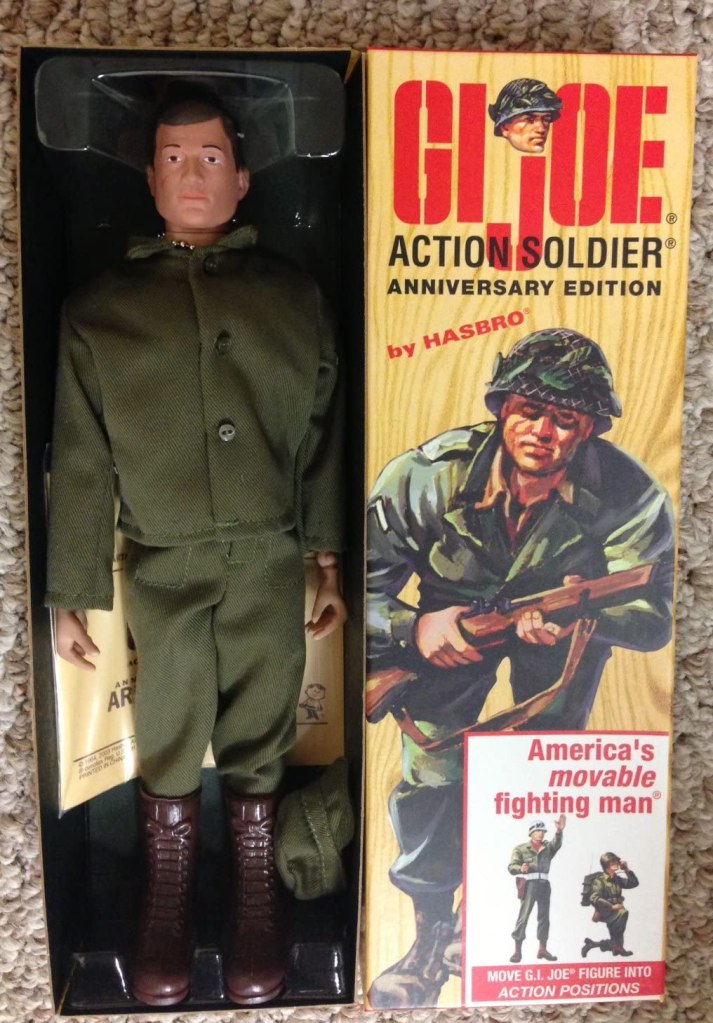
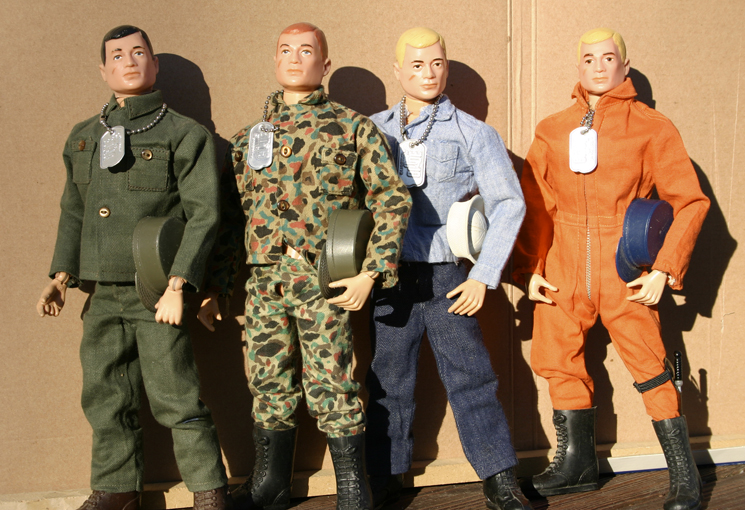
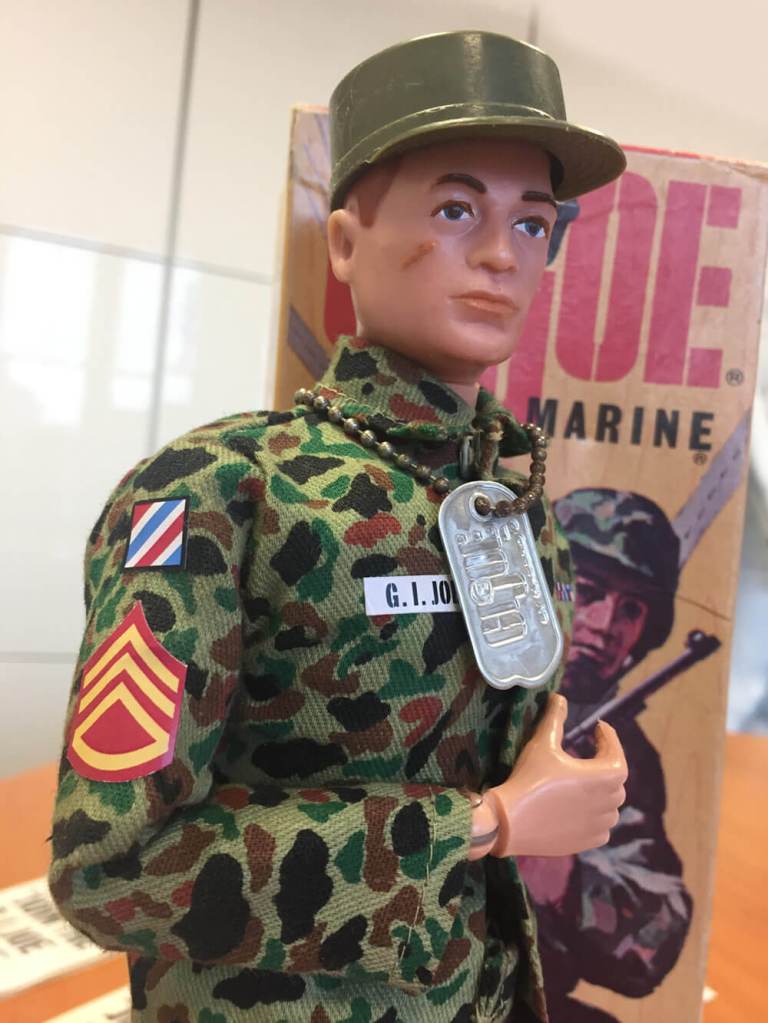
Originally the soldier action figure was named Rocky, the sailor was Skip and the pilot was Ace, but “G.I. Joe” was the universal name for the entire toyline. Although Hasbro would lean less into the military angle in the late sixties (during the controversial Vietnam War) and more into generic adventures with the “Adventure Team” rebrand in the 1970s. This decade introduced new features like the famous “Kung Fu Grip” (which had less to do with martial arts and more to do with soft rubber hands that allowed the toy to hold weapons better) plus a movable eye mechanic, more realistic hair and additional characters like the superhero Bulletman and the Six Million Dollar Man-inspired Mike Power, Atomic Man.

1982 saw G.I. Joe relaunched as a smaller 3.75-inch figure under the banner “A Real American Hero” and this toy line would introduce new vehicles and playsets to go with the action figures and expand the roster, along with their fictional backstories, with a series of comic books by Marvel and an animated television series called G.I. Joe: A Real American Hero, which originally ran in syndication from 1983 to 1986 and was produced by both Marvel Productions and Sunbow Productions, the latter of which had previously animated G.I. Joe television commercials. Marvel Productions would later also become known for producing the animated series Muppet Babies and The Transformers.
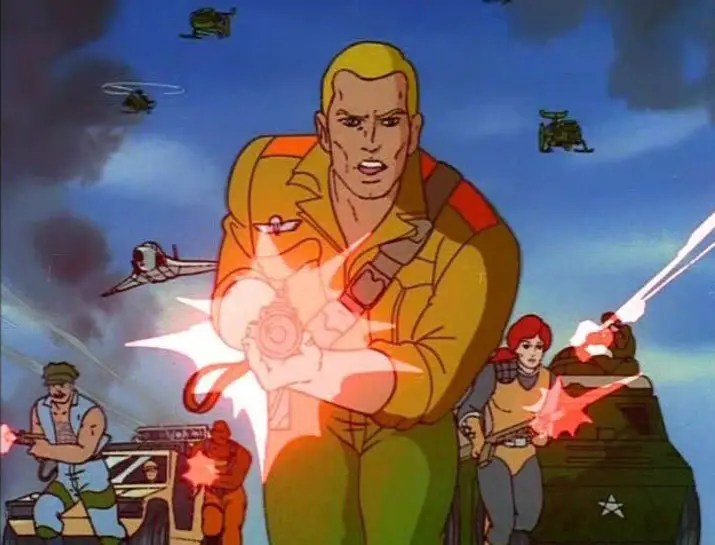
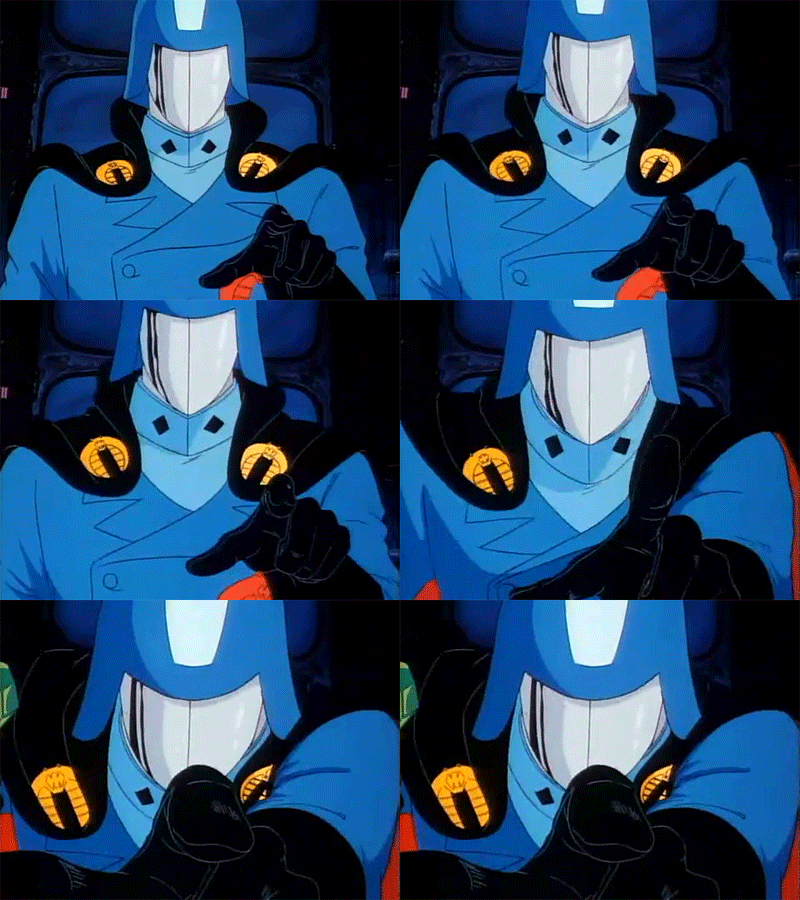
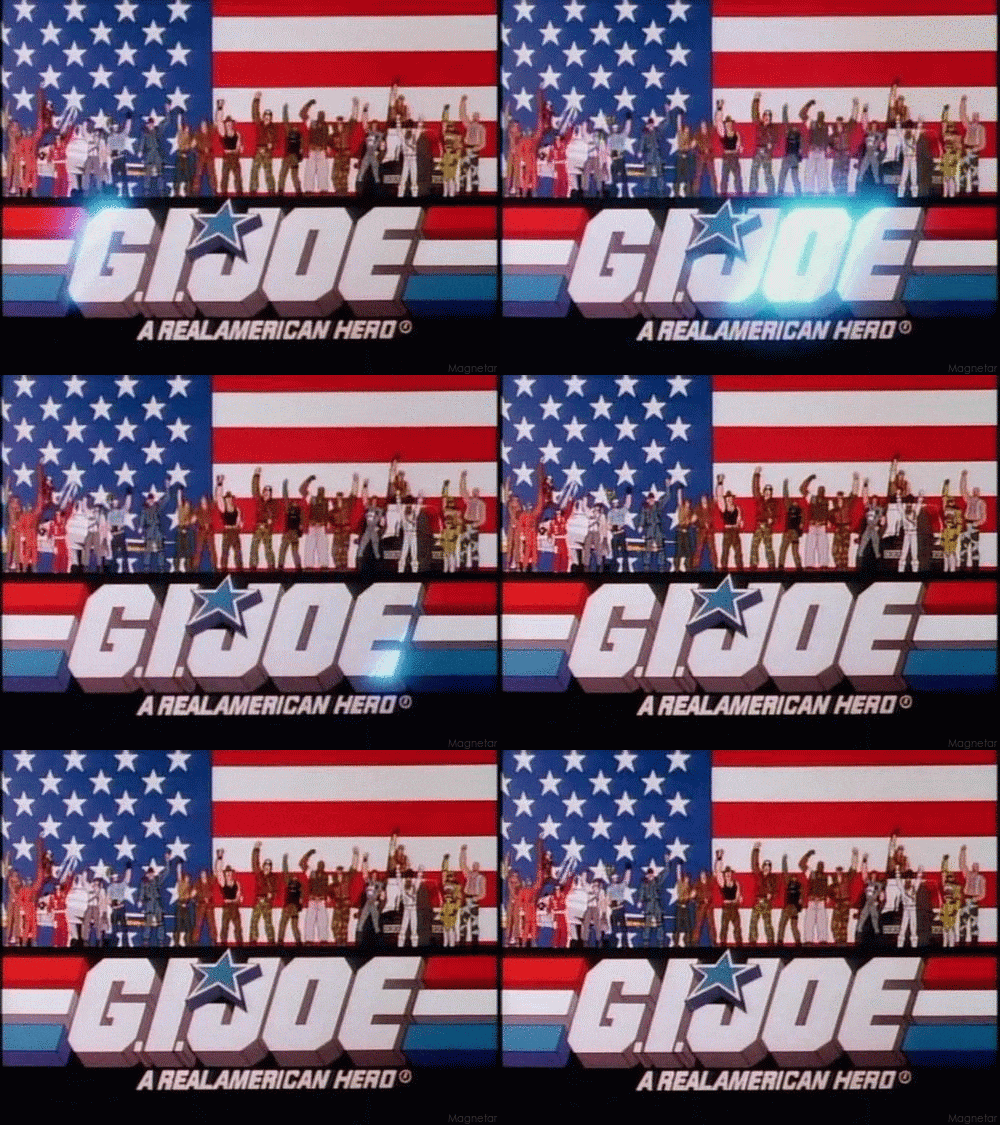
The animated G.I. Joe series was an early example of the toyline-cartoon tie-in trend that He-Man, the Ninja Turtles, Transformers, My Little Pony and others would jump onto around this time. Although the Marvel comics laid much of the groundwork for the animated series, which was legally a lot less controversial than making a half-hour toy commercial. Although many of the characters from the Real American Hero toyline obviously made their way into the cartoon.
The toyline from the eighties introduced many G.I. Joe mainstays, including the fanatical leader of terrorist organization Cobra and archenemy of the G.I. Joe team Cobra Commander, counter intelligence agent Scarlett, ranger and squad commander Stalker (the first African-American G.I. Joe character) and the enigmatic sword-wielding commando Snake Eyes (one of the most popular G.I. Joe characters). Plus there was communications officer Breaker, fashion model-turned-mechanic and armor expert Cover Girl, diver Deep Six, Doc the medic, First Sergeant Duke, the team’s commanding officer General Flagg, infantry trooper Grunt, the Marine and jungle warfare expert Gung-Ho, missile commander Hawk, skydiver Ripcord, heavy machine gunner Roadblock, tank commander Steeler, Navy SEAL Torpedo, mine detector Tripwire, helicopter pilot Wild Bill, bazooka gunman Zap and many, many more.
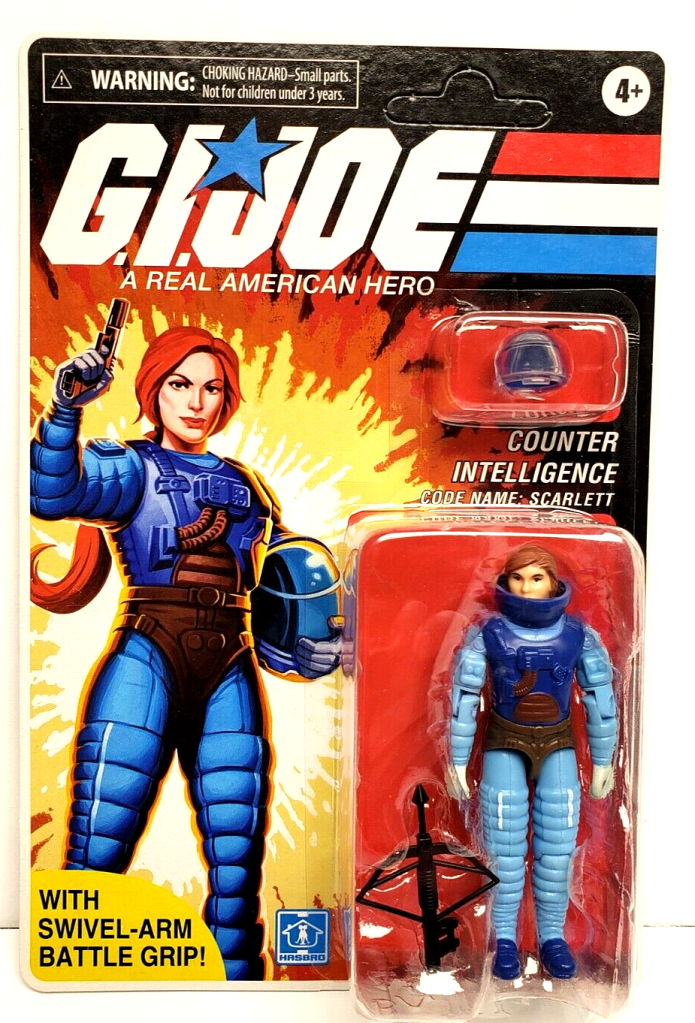
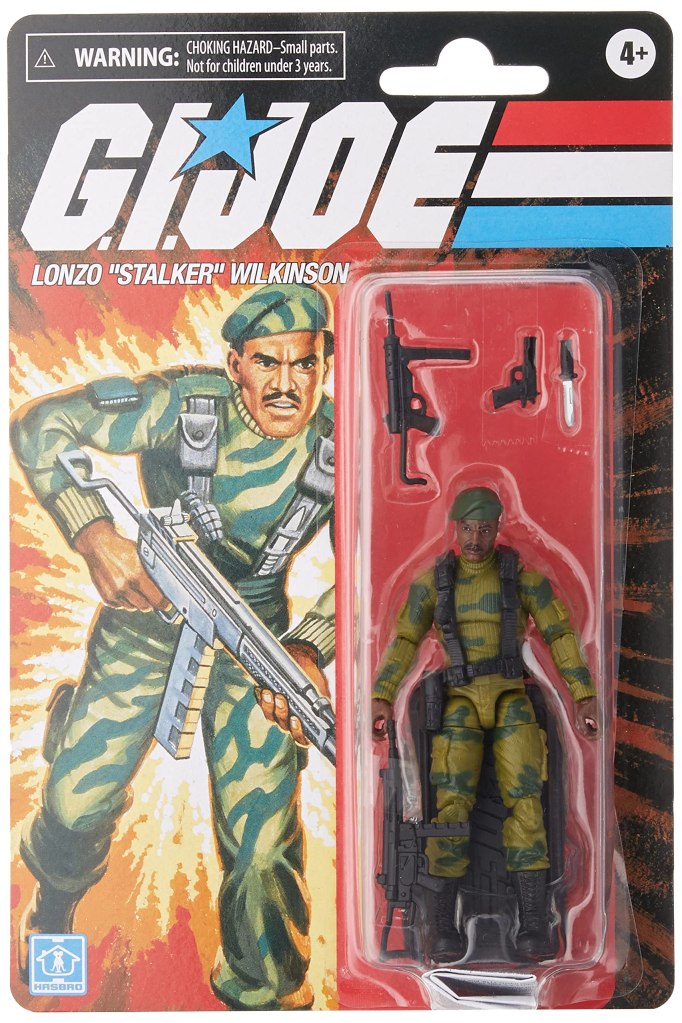
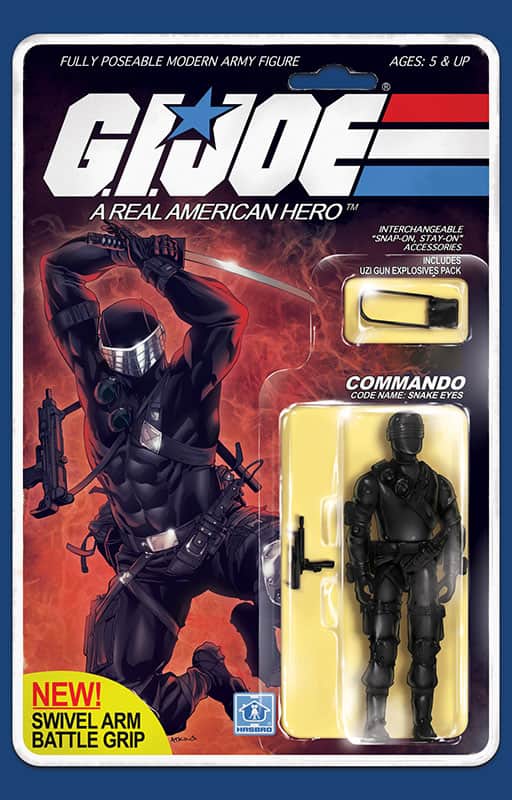
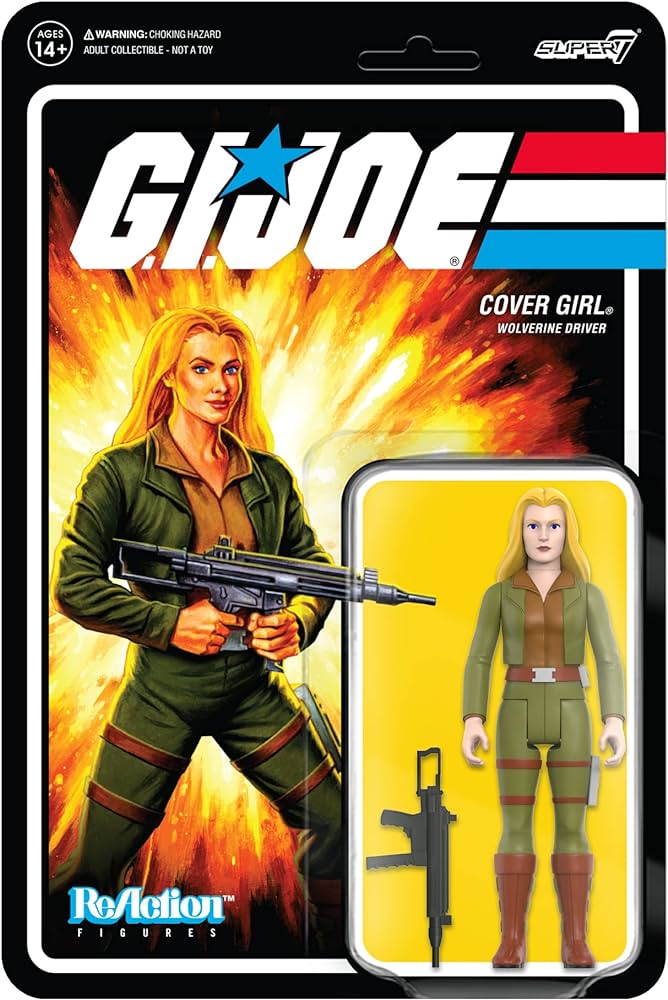
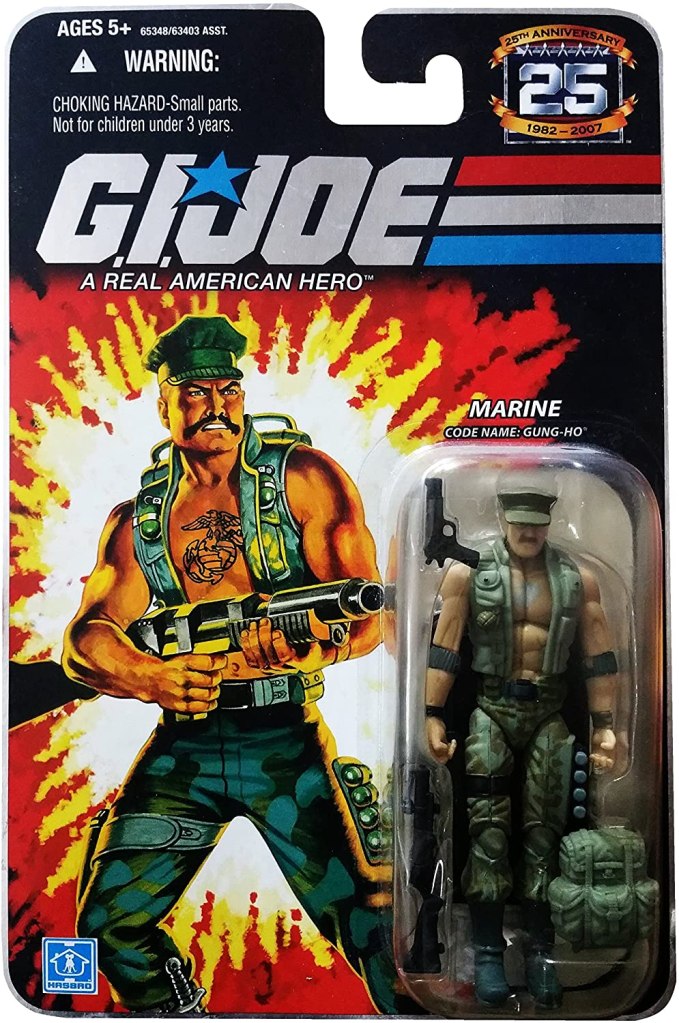
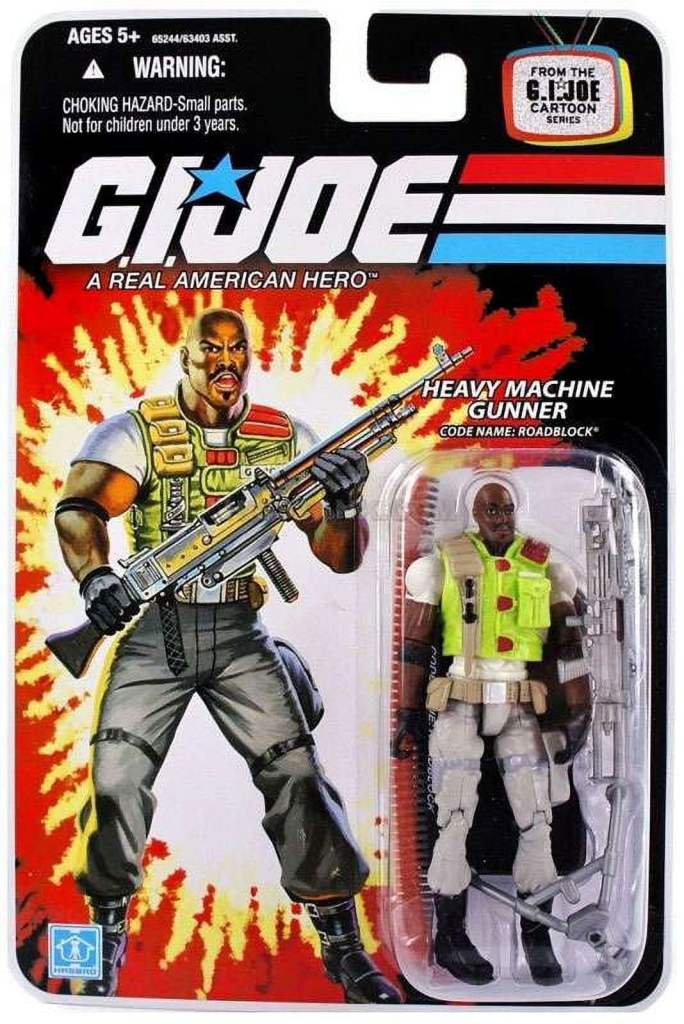
These characters and more would make their way into many G.I. Joe film and television adaptations through the years. The 1983 cartoon led to an animated film called G.I. Joe: The Movie which was released directly to video in 1987 (a result of the animated Transformers movie bombing at the box office the previous year), and later the animation studio DIC produced a follow-up series that ran in syndication from 1989 to 1992.
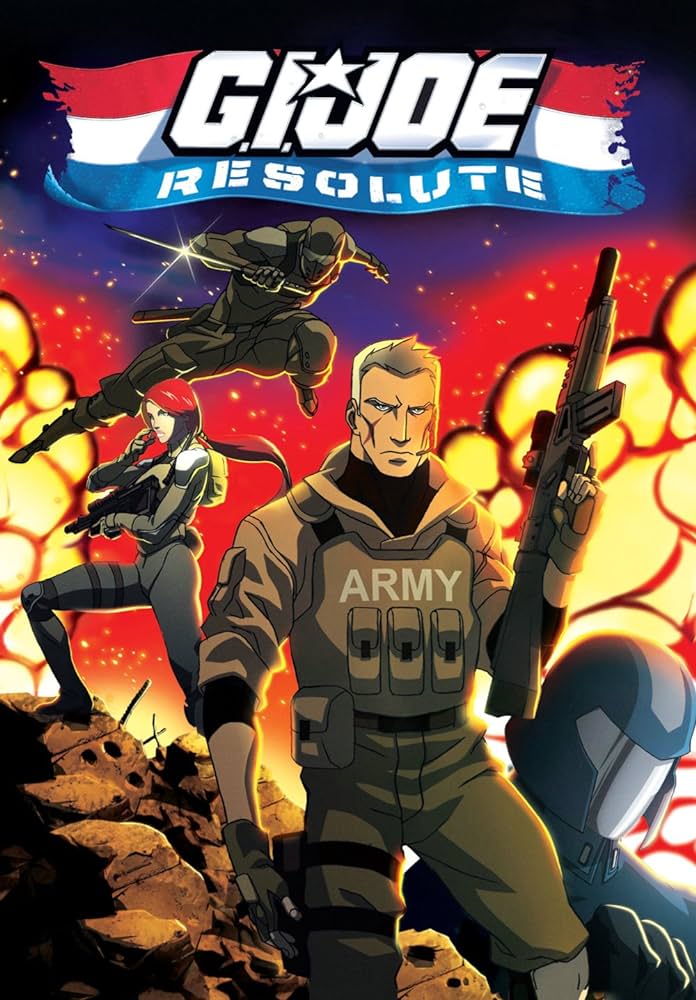
The DIC series was followed by G.I. Joe Extreme, based on the toyline of the same name (although none of the toylines following the Real American Hero line would be as successful) and running in syndication from 1995 to 1997, the more violent, dark and realistic G.I. Joe: Resolute which made its debut in 2009 as ten five-minute webisodes produced by Titmouse, written by Warren Ellis (Castlevania), directed by Joaquim Dos Santos (Spider-Man: Across the Spider-Verse) and featuring the voices of Charlie Adler, Eric Bauza, Grey DeLisle and Steve Blum before airing as a movie on Cartoon Network’s Adult Swim block, and a short-lived animated series that aired on The Hub from 2010 to 2011 called G.I. Joe: Renegades.
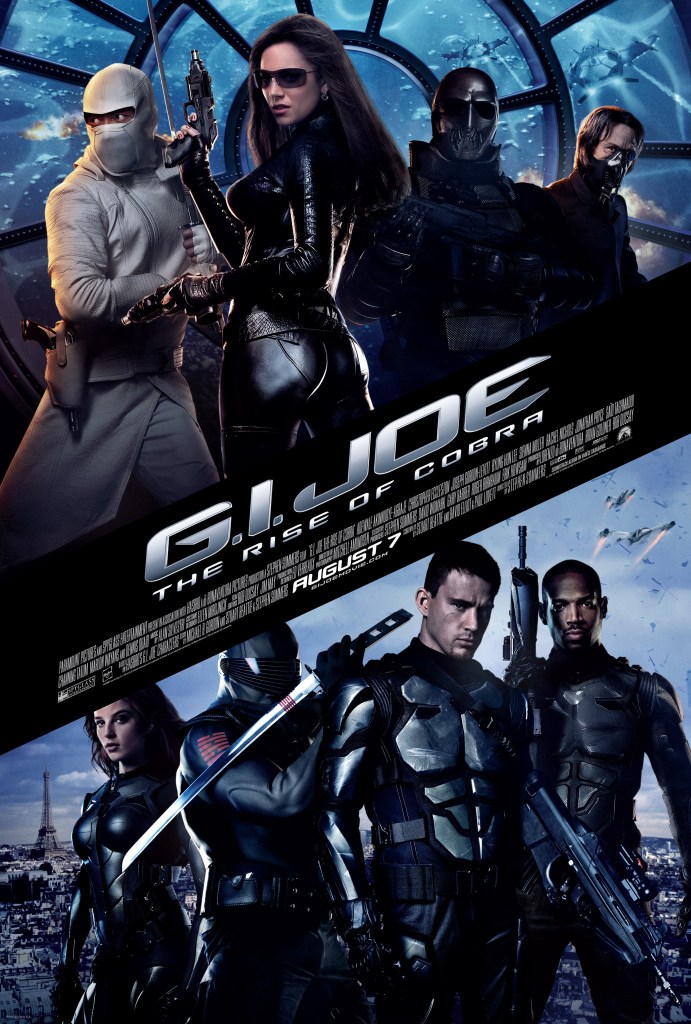
Hasbro would focus less on animation after the live-action film G.I. Joe: The Rise of Cobra came out in 2009 and became a commercial success. The film starred Channing Tatum, Marlon Wayans, Dennis Quaid and Joseph Gordon-Levitt, was directed by Stephen Sommers (The Mummy) and was produced by Di Bonaventura Pictures, the same production company behind the live-action Transformers films (also based on a toyline by Hasbro), and its success led to the 2013 sequel G.I. Joe: Retaliation, which introduced action superstars Dwayne Johnson and Bruce Willis to the cast. Both live-action films were negatively reviewed but decent money makers, although the 2021 spin-off film Snake Eyes was the first to bomb with both critics and audiences. These films were preceded however by a 2003 computer-animated direct-to-video film called G.I. Joe: Spy Troops produced by Reel FX and a 2004 sequel called G.I. Joe: Valor vs. Venom, in concurrence with Hasbro’s toylines which shared the names of the film’s subtitles. Although only a few Cartoon Network viewers may remember those films.
What’s next for the G.I. Joe series? Paramount may not be eager to make another movie after they lost $88 million on the last one, but I have heard that they are teaming up with Amazon Prime Video on a live-action series focusing on Lady Jaye, a character who was first introduced in the ’80s cartoon and was portrayed by Adrianne Palicki in Retaliation, but that’s still in early development. And I also heard Paramount was interested in making a Transformers-G.I. Joe crossover (something that has already been hinted at in the Transformers films).
I don’t really have any personal fondness for the G.I. Joe series and I don’t know anyone my age who does. It seems like Hasbro is just trying to keep the franchise alive as long as possible by appealing to nostalgic adults rather than the kids the franchise was targeting in the beginning. Ninja Turtles is a good example of the right way for an eighties cartoon to stay relevant from generation to generation. Spider-Man was introduced in the sixties and even that series is more timeless. But it’s also hard to market a gun-wielding soldier to young audiences these days. So that might explain why the series has never really hit it as big as other nostalgia-driven IP revivals. But who knows? Maybe the series will break ground again at some point in the future and even I will become a fan.


Why get someone who could care less about GI Joe to write this article. I got my first Joe in 1964 and my Son got his first 3.75 Joe in 1991. I started reading the Comic when it came and realized Larry Hama could put out excellent product. I started reading them to my Son when I came home from Desert Shield/Storm and only stopped when he started reading himself. After that we shared Comics. We both loved Guardians of the Galaxy as well. I have every issue Marvel put out pf GI Joe still as well as the Graphic novels to cut down wear and tear on the original comics. In 2014 I lost my Son at only 28 years old! Getting over my grief I started collecting the 12 Inch A Real American Hero Joes. I have all of them and a few that they didn’t make but I did. I still model the 12 inch figures, but they are the generic Joes of the modern line. I also still read the Comics. I’ll be 64 in July. I also served in the US Marine Corps for 30 years and retired in 2010. Next time search a little harder for a writer! This idiot obviously didn’t search very hard for Fans!
LikeLike
Abro, your article was touching,it had treasured memories and heart ache,I give you much respect for putting your personal life and sharing your bonding experiences with gijoes. I have a few of the 3.75, and 6 vehicles new open . I mainly been collecting gijoe classified.,and odds And ends. That I find that parents couldn’t afford when I was growing up.
LikeLike