

The five biggest Hollywood studios are currently Disney, Warner Bros., Universal, Paramount and Sony. Of those companies, Sony’s rise is by far the most unorthodox, but a large part of it involves the somewhat unlikely success of Columbia Pictures, which is a film studio that has been around since 1924 but for a long time was never able to earn the same prestige and respect as its fellow studios. That is until a few lucky breaks in the second half of the 20th century helped turn its reputation around and it started releasing some of the most popular films in Hollywood history.
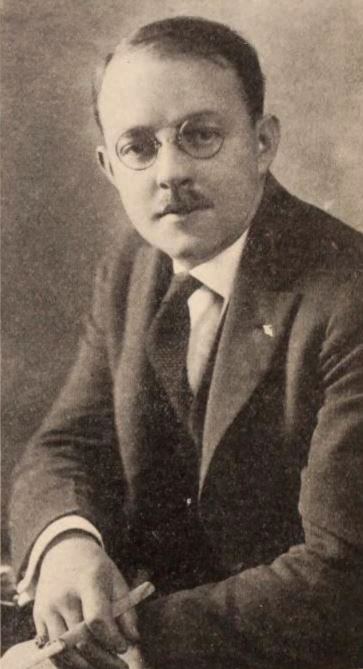
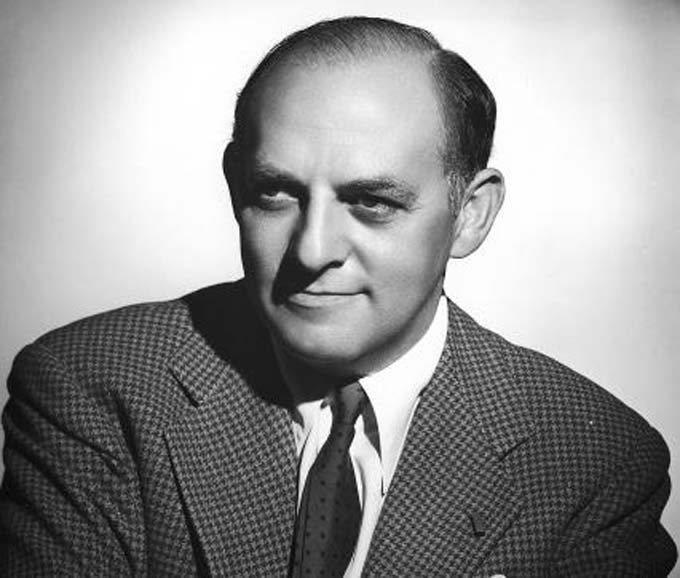
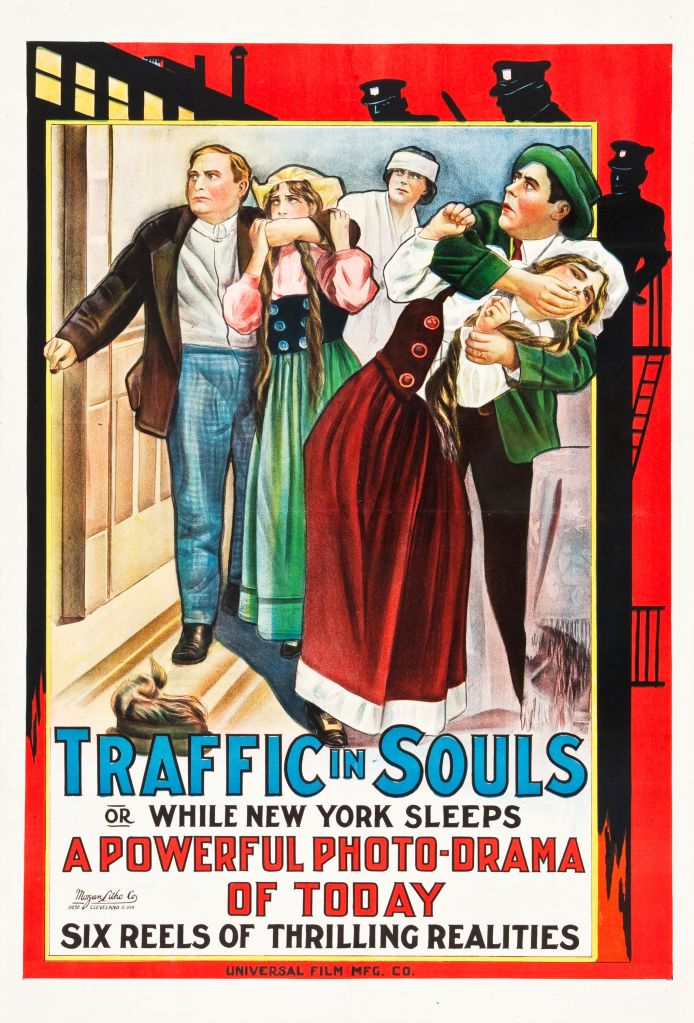
The origin of Columbia Pictures begins with two brothers named Jack and Harry Cohn. Born in New York City to a working-class Jewish family, the two brothers got their start in the film industry when older brother Jack got hired as an assistant at Carl Laemmle’s pre-Universal Pictures film studio International Moving Pictures (IMP). In 1913, Jack was placed in charge of IMP’s studio and he and his younger brother Harry collaborated on the production of their first film, a silent crime drama titled Traffic in Souls, a historically significant six-reel film (longer than usual for the time) which told a Hollywood story before “Hollywood stories” were a thing.

In 1919, after years of working together at IMP, the Cohn brothers teamed up with fellow IMP employee Joe Brandt to co-found their own studio called CBC (Cohn-Brandt-Cohn) Film Sales Corporation. From there they started making short films, starting with a series of documentary shorts called Screen Snapshots which featured behind-the-scenes footage of Hollywood stars at various events (that series lasted until 1958), followed by the studio’s feature film debut, the melodrama More to be Pitied than Scorned (1922, now lost). That film cost $20,000 to make but made $130,000 in ticket sales, and it was successful enough to establish CBC as a force in the theater rental space and in 1924, they changed the name of the company to the more fancy-sounding Columbia Pictures.
Eventually Jack handled supervision and sales in New York while Harry moved to California to handle film production, but the two brothers did not always have a harmonious relationship and they each wanted more control and power inside Columbia, and the stress of being in the middle of this sibling power struggle eventually led Joe Brandt to sell his third of the company to Harry who took over Columbia Pictures as president in 1932. Harry would go on to become one of the longest-tenured studio chiefs in Hollywood history, running Columbia for 34 years.
While Columbia Pictures started out with a meager reputation and was not even viewed as a threat by MGM or Paramount, they eventually made enough profits from high-budget films to reach the tier of silver medal studios like Universal and United Artists, two film studios which, like Columbia, produced and distributed films but did not own any theaters.
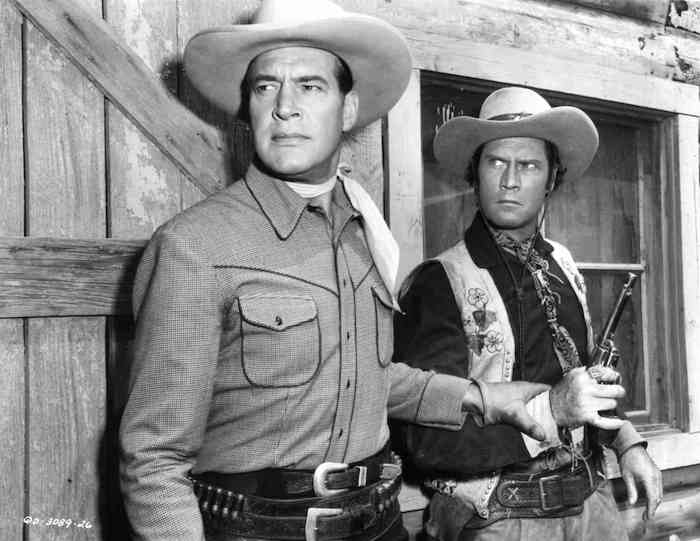
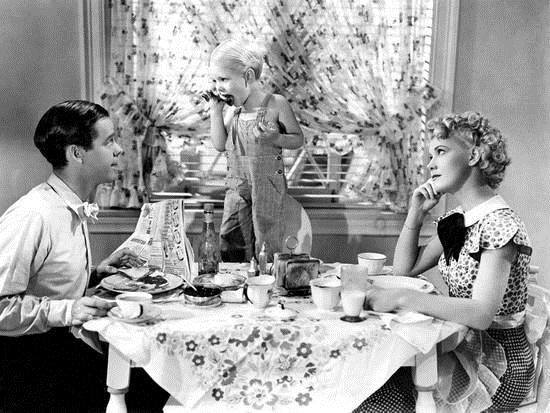
In these days Hollywood actors were under exclusive studio contracts so Columbia did not have a huge stable of players to lure audiences to the theater, but the studio managed to stay afloat thanks to some smart business moves and sharp judgment, including their decision to give the Three Stooges their own series of comedy shorts when every other studio turned the trio down. Those shorts ran from 1934 to 1965 and the slapstick antics of Larry, Moe and Curly are still beloved around the world. Plus Columbia was good at capitalizing on trends, which they did when they invested heavily in the Western genre with Charles Starrett, the man who would go on to be known as the Durango Kid and would star in films for Columbia from 1932 to 1952, and they also capitalized on the popularity of serials in the late 1930s and continuing into the fifties with films starring famous comic book and radio characters like The Shadow, The Phantom, Superman and Batman. Similarly, Columbia would occasionally turn their feature films into a series of feature films, including the Lone Wolf films (1935-49) and the Blondie films (1938-50), which was of course a decent strategy if your goal was to make money.

Columbia would also have luck with animation when they began releasing cartoons in 1929, taking over the distribution of Krazy Kat from Paramount and also distributing Mickey Mouse cartoons and Silly Symphonies until 1932. A year after their deal with Disney ended, Columbia began distributing the cartoons of animation studio Screen Gems, which introduced cartoon characters like the Fox and the Crow and a human boy named Scrappy as well as the Color Rhapsody series. Screen Gems continued making animated films for Columbia with moderate success until 1946, but the name “Screen Gems” would be revived two years later when Columbia used it as the name for their TV division, which would be run by Jack Cohn’s son Ralph Cohn and would go on to have success with the sitcoms Bewitched, The Partridge Family and I Dream of Jeannie.
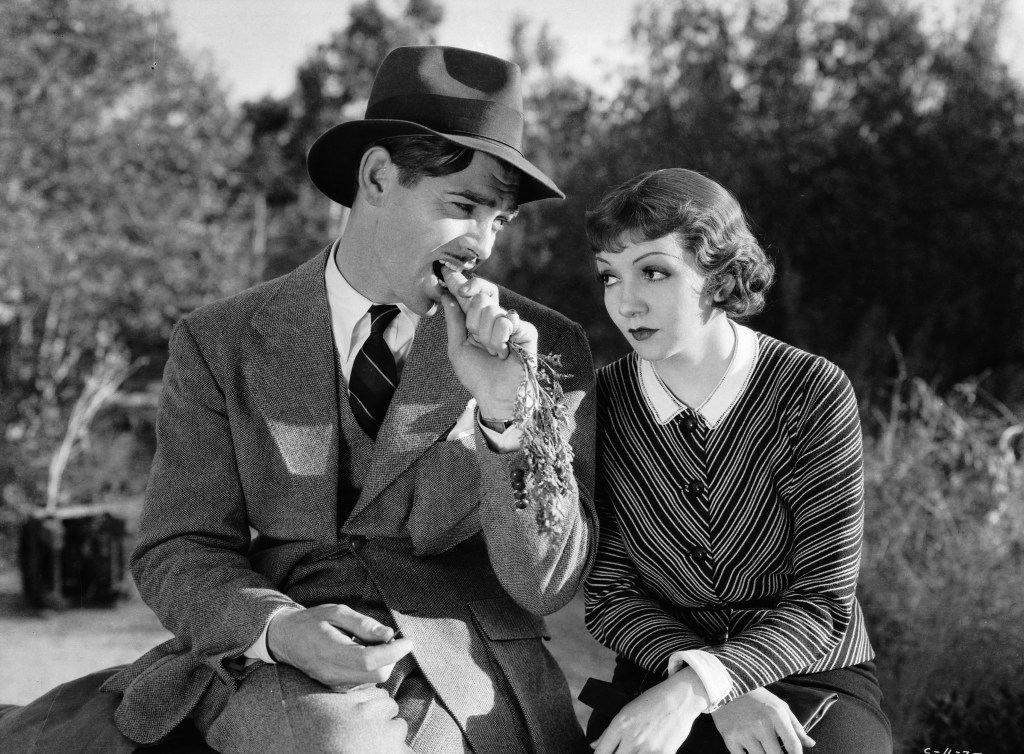
But it was the success of Frank Capra’s films that really helped solidify Columbia’s reputation. Particularly the romantic comedy It Happened One Night (1934) which put Columbia on the map after it won the Oscar for Best Picture. Frank Capra would follow that with a streak of quality films for Columbia in the late 1930s, including Mr. Deeds Goes to Town (1936), You Can’t Take it With You (1938) and Mr. Smith Goes to Washington (1939).
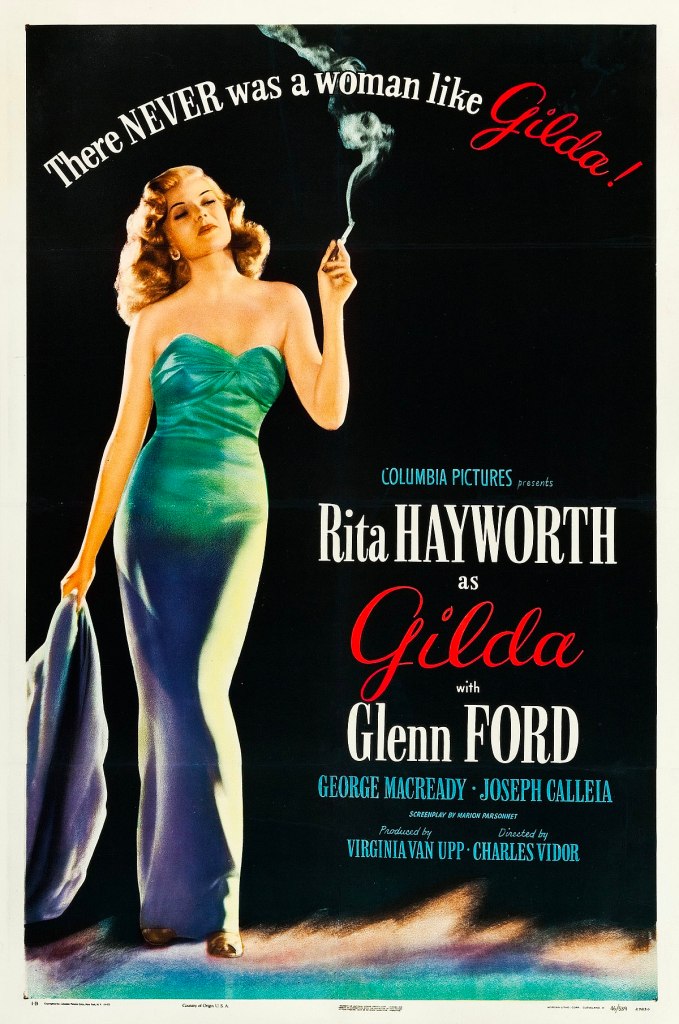
In addition to the gold mine that was Frank Capra, Columbia also lucked out with a series of films starring contract players Rita Hayworth and Glenn Ford, the first of which was The Lady in Question (1940) but the most popular of which was Gilda (1946).

Harry Cohn was savvy about saving money by reusing sets, costumes and props to get maximum profit for minimum effort (Columbia was the last Hollywood studio to transition to Technicolor), but one major event that really turned things around for Columbia Pictures financially was the 1948 court decision following the landmark United States vs. Paramount Pictures case which forced studios to divest themselves of theater chains because it violated antitrust laws. Columbia, which did not own any theaters, was now on equal footing with Warner Bros., Paramount, Universal and 20th Century Fox, and soon replaced RKO as the fifth major studio of the “Big Five.”
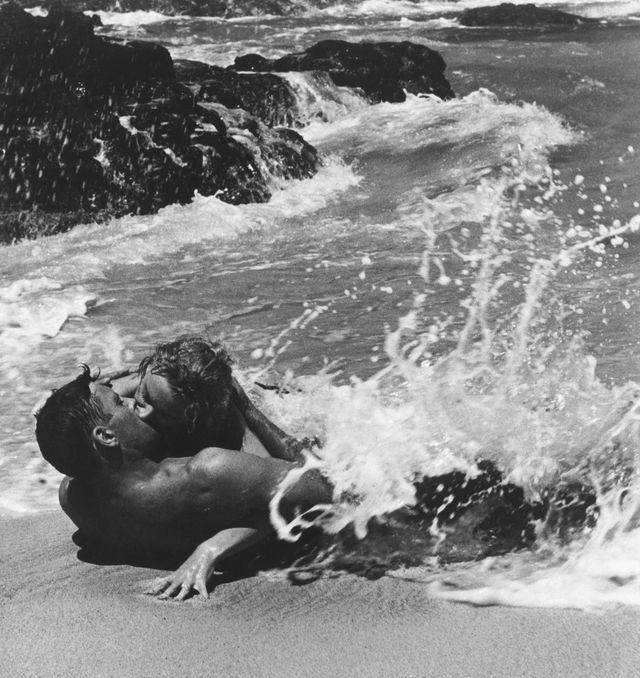
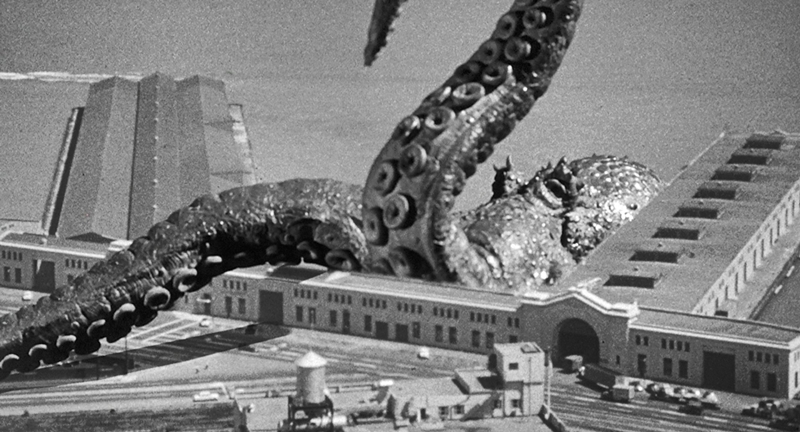
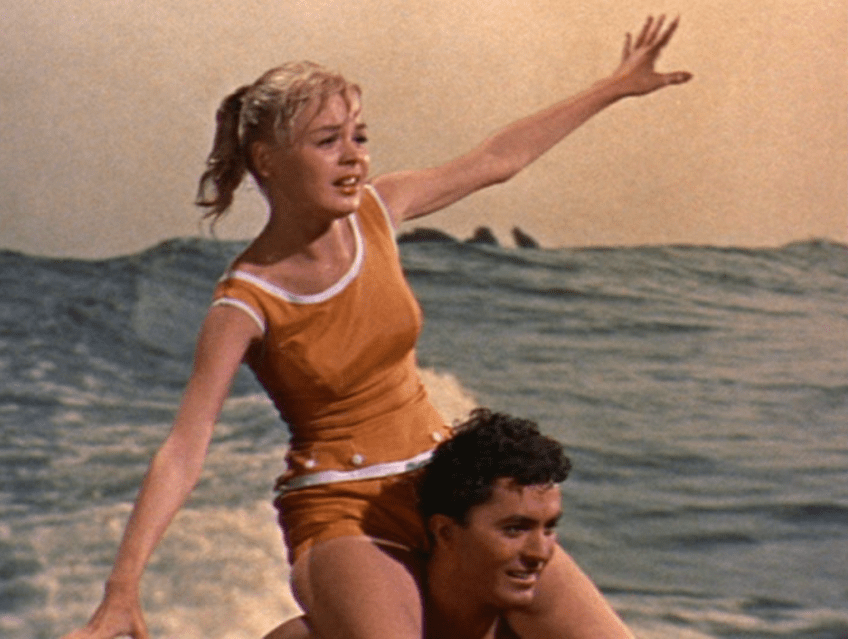
Columbia released many highly acclaimed films in the years immediately following United States vs. Paramount Pictures, including All the King’s Men (1949), Born Yesterday (1950), From Here to Eternity (1953), On the Waterfront (1954), The Bridge on the River Kwai (1957) and Anatomy of a Murder (1959). Plus they had huge box office success with more fantasy-oriented B-movies aimed at teenagers like It Came from Beneath the Sea (1955), Earth vs. the Flying Saucers (1956), 20 Million Miles to Earth (1957) and The 7th Voyage of Sinbad (1958), As well as the highly popular Gidget (1959), which initiated the beach party genre and the mainstreaming of surfer culture.

Three other major events that impacted Columbia around this time were the deaths of the Cohns. Jack Cohn died in 1956, Harry Cohn died in 1958 and Ralph Cohn died in 1959. By the sixties, Columbia Pictures was no longer a family business, and while the studio released a wide variety of interesting films that decade like Lawrence of Arabia (1962), Jason and the Argonauts (1963), Dr. Strangelove (1964), Born Free (1966), A Man for All Seasons (1966), Guess Who’s Coming to Dinner (1967), Funny Girl (1968), Easy Rider (1969) and Bob & Carol & Ted & Alice (1969), they still had enough box office failures that decade that they decided to merge Columbia with Screen Gems, although that didn’t stop Columbia from nearly going bankrupt in the 1970s. But that was only until they bailed themselves out by selling their studio, sharing a Burbank lot with Warner Bros., and sustaining themselves through a series of acquisitions of some smaller companies while building upon their television and record divisions. And in the 1970s Columbia still struck occasional gold with films like Taxi Driver (1976), Close Encounters of the Third Kind (1977), Midnight Express (1978) and The China Syndrome (1979).
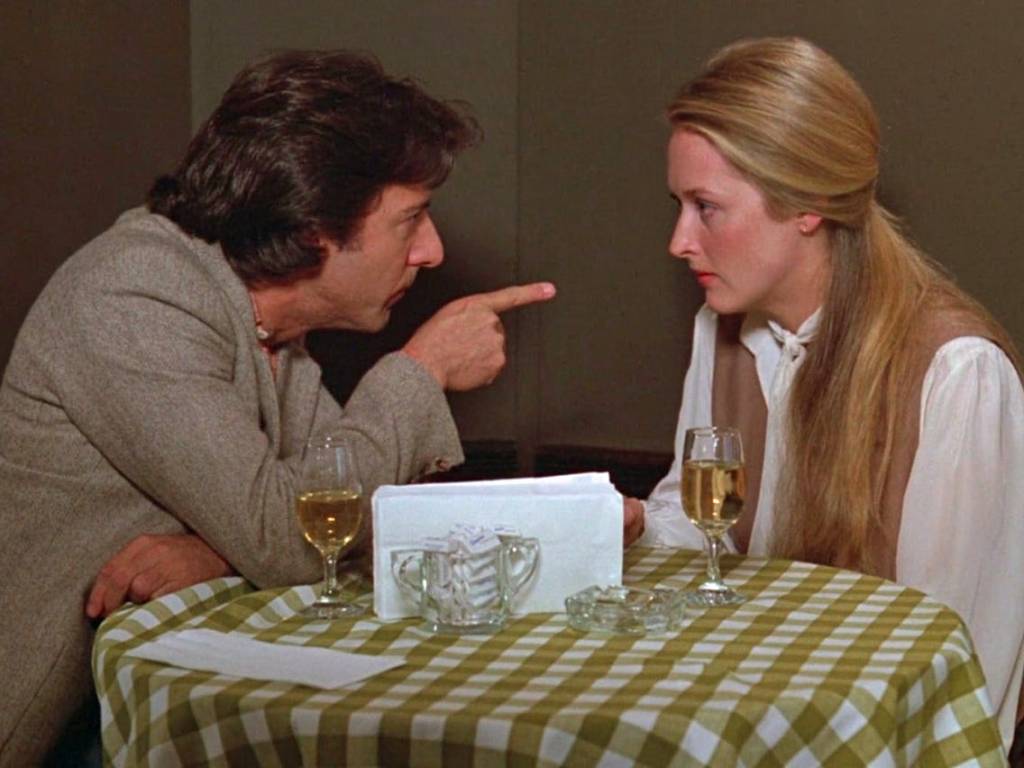
In 1974, Screen Gems morphed into Columbia Pictures Television, but Columbia’s biggest turnaround would actually come from a guy who was a producer at Universal Television when Frank Price made the transition from TV production to film production and became the president of Columbia Pictures in 1978. Price would greenlight a string of hits for Columbia from Kramer vs. Kramer (1979) to Stir Crazy (1980) to The Blue Lagoon (1980) to Stripes (1981) to Tootsie (1982) to The Big Chill (1983) to Ghostbusters (1984) to The Karate Kid (1984), although Price’s successful reign was surprisingly short-lived when Columbia’s winning streak caught the attention of The Coca-Cola Company which bought Columbia Pictures in 1982, an acquisition that led to Frank Price’s exit from Columbia over a series of business disagreements.
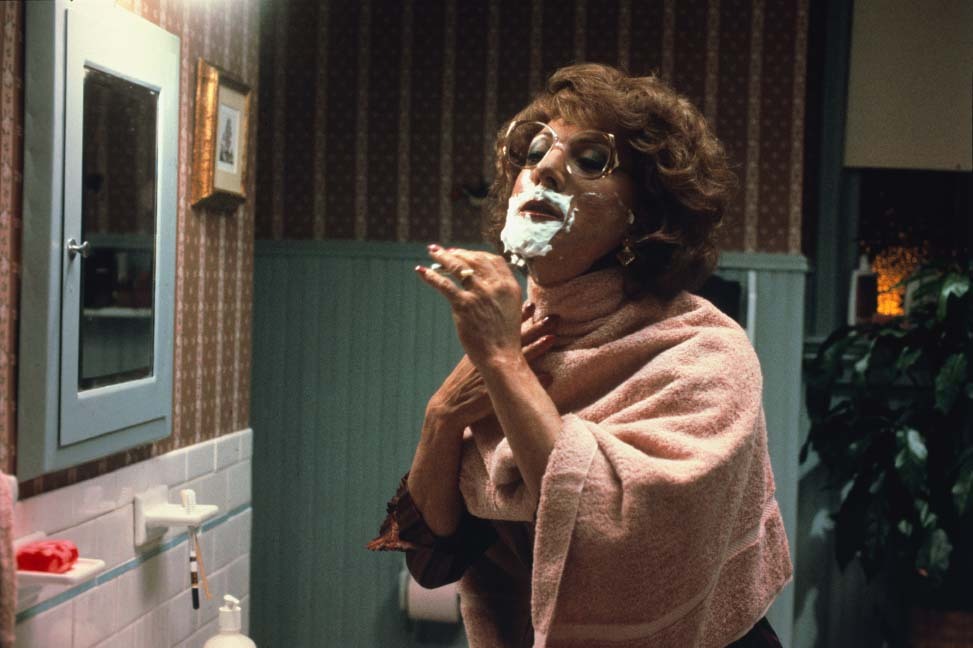


Although Columbia Pictures still had a fair amount of success after Price’s exit, especially when the studio teamed up with director Rob Reiner, beginning with Stand By Me (1986) and continuing with Reiner’s When Harry Met Sally… (1989), Misery (1990) and A Few Good Men (1992), as well as films produced by Castle Rock Entertainment (a studio which Rob Reiner co-founded) like City Slickers (1991), Mr. Saturday Night (1992), The Shawshank Redemption (1994) and Before Sunrise (1995), although aside from Reiner, Columbia Pictures would also have hit films like Awakenings (1990), Boyz n the Hood (1991), A League of Their Own (1992) and Groundhog Day (1993).
Plus in the wake of the Coca-Cola acquisition, Columbia would get an extra source of income when they teamed up with HBO and CBS to form the studio that would become TriStar Pictures. TriStar would become a successful company with low-budget hits like The Muppets Take Manhattan (1984), Places in the Heart (1984), Silent Night, Deadly Night (1984), which spawned a series of Christmas-themed slashers, The Last Dragon (1985) Short Circuit (1986), Peggy Sue Got Married (1986), Steel Magnolias (1989) and others. CBS would drop out of this venture in 1985 and HBO would drop out in 1986 leaving Columbia in full control of TriStar but the studio is still going strong to this day and its establishment led to the formation of TriStar Television which produced successful shows like Mad About You and The Nanny.
The Coca-Cola Company now owned both Columbia and TriStar, but in 1989 they decided to sell the two studios to the Japanese electronics giant Sony who was seeking an entry point into Hollywood and was willing to pay Coca-Cola a lot of money to get it. A year after Sony acquired Columbia, Sony ended the studio’s Burbank partnership with Warner Bros. and bought the former MGM studio lot in Culver City, and after spending $100 million renovating the building rechristened it Sony Pictures Studios.


This was followed by the founding of arthouse distributor Sony Pictures Classics in 1992, the merging of Columbia Pictures Television and TriStar Television in 1994 into the company that would later become known as Sony Pictures Television in 2002, the relaunch of Screen Gems as a horror and indie distributor in 1998, and the founding of Sony Pictures Animation in 2002, a studio whose first film Open Season (2006) was a commercial hit and who would go on to produce a variety of commercial, critical and award-winning animated hits.
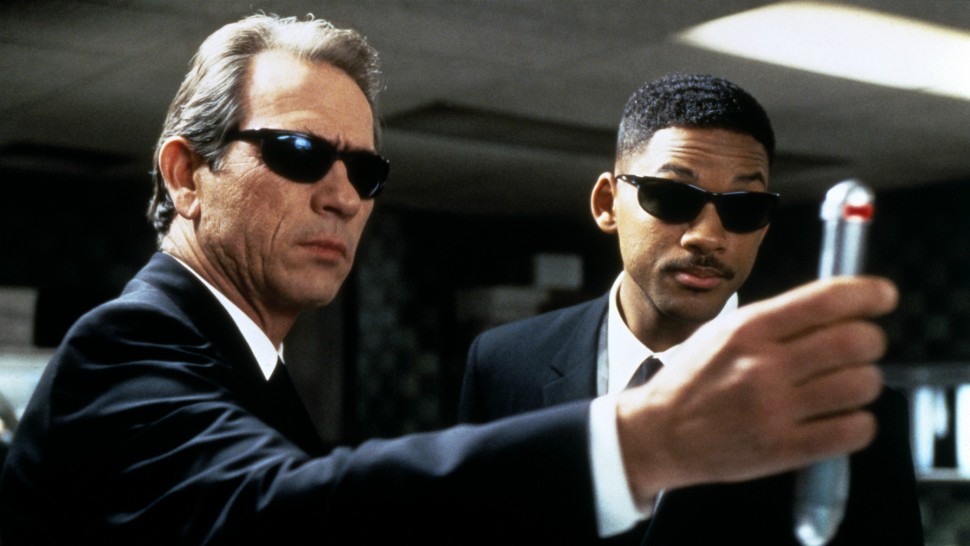
By the late nineties and early 2000s, Columbia (and Sony) became really big when they began dominating the blockbuster sphere with Bad Boys (1995), Men in Black (1997), Spider-Man (2002), The Grudge (2004), Casino Royale (2006) and Zombieland (2009). Plus they were dominating the market by appealing to both family audiences and adult audiences with animated films like Cloudy with a Chance of Meatballs, The Smurfs, Hotel Transylvania, Goosebumps and Spider-Man: Into the Spider-Verse and raunchy comedies from filmmakers like Adam Sandler, Judd Apatow and Seth Rogen, whose Point Grey Pictures teamed up with Columbia Pictures to release the films This is the End, The Interview, The Night Before and Sausage Party as well as teaming up with Sony Pictures Television on the TV shows Preacher, Future Man and The Boys.


Columbia continues to be a major force in Hollywood with blockbuster franchises like Jumanji, 21 Jump Street, Equalizer, Spider-Man and Ghostbusters, but they also have not forgotten to release some sophisticated dramas, the most recent ones that have gotten the most positive reviews being The Social Network (2010), Moneyball (2011), Zero Dark Thirty (2012), Captain Phillips (2013), Once Upon a Time in Hollywood (2019) and Little Women (2019).
Columbia has slightly become overshadowed as a brand by Sony but like all companies that were formed through acquisitions and mergers, Sony Pictures Studios was built on the success of smaller companies like Columbia Pictures, which was kind of “the little studio that could” for a good part of Hollywood’s history but has always been run by people who are just ambitious enough to know how to keep it going, whether it was through venturing into other mediums, capitalizing on a mainstream craze like Westerns, recycling used sets, selling entire studios and milking the Spider-Man series for all it’s worth.
 Entertainment Junkie Blog