
It’s an incredibly difficult process to get a movie made. You have to find a studio willing to finance and distribute it, you often have to commit to its development process for multiple years, you have to make sure you have a cast that is available for work when filming begins, and any number of things can derail the entire process from scheduling conflicts to creative differences to on-set accidents to just plain bad luck. Which is why there are a ton of movies out there that have entered the development process but have just never been finished or were just outright cancelled.
As I said, the reasons for this can vary. Sometimes movies never even make it past the concept phase or enter development at all, which can happen even when a studio likes a film, like when Paramount rejected Sergei Eisensteins’s brilliantly written drama An American Tragedy in the 1930s because they couldn’t see it being a commercial success, of course it’s obviously also quite common for studios to reject a concept because they think it’s a dumb idea, like when Toho passed on Bride of Godzilla. Others like Sergio Leone’s remake of Gone with the Wind were widely rejected because no studio wanted to touch it (Orson Welles called Leone insane for even trying to attempt that one) while the Beetlejuice sequel Beetlejuice Goes Hawaiian was rejected by Warner Bros. because they wanted Tim Burton to make Batman Returns instead. Even proven box office stars like the Marx Brothers once pitched a surreal comedy to MGM where the Brothers would co-star with Salvador Dalí, but MGM head Louis B. Mayer predicted audiences wouldn’t like it and even Groucho Marx agreed years later that the concept was too out there. This was just one of many unmade films by Salvador Dalí, who wanted to add more surrealism to Hollywood but was rejected by studios for what they all perceived as box office poison. It wouldn’t be until David Lynch came along that average filmgoers would start accepting surrealism on a wider scale.

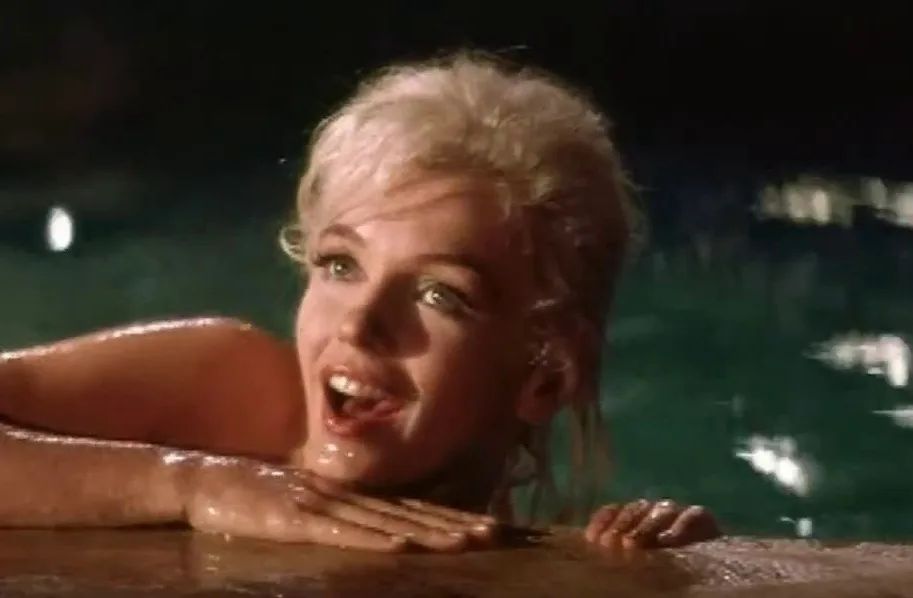
Sometimes films do get greenlit but they face production challenges. When Billy Wilder was hot off the success of Some Like it Hot, he almost revived the careers of the Marx Brothers in a 1960s political satire called A Day at the United Nations, until too many of the aging Marx Brothers died before it could get made. Stuff like that is common. Sometimes even when a film enters production and it seems like it’s going to be released, it just can’t quite make it past the finish line. Film critic Roger Ebert almost went from writing the subversive counterculture classic Beyond the Valley of the Dolls to writing a feature film starring the Sex Pistols called Who Killed Bambi?, which would have been just as provocative had 20th Century Fox gone through with it. Last-minute efforts by studios to bail out of a film project have similarly derailed Alfred Hitchcock’s No Bail for the Judge starring Audrey Hepburn, Tim Burton’s Superman Lives starring Nicolas Cage and most famously Something’s Got to Give starring Marilyn Monroe, which was not only notorious because of its disastrous production but because Monroe died before she could even finish it. That one lives on in the famous production stills, where Monroe was at her most gorgeous.
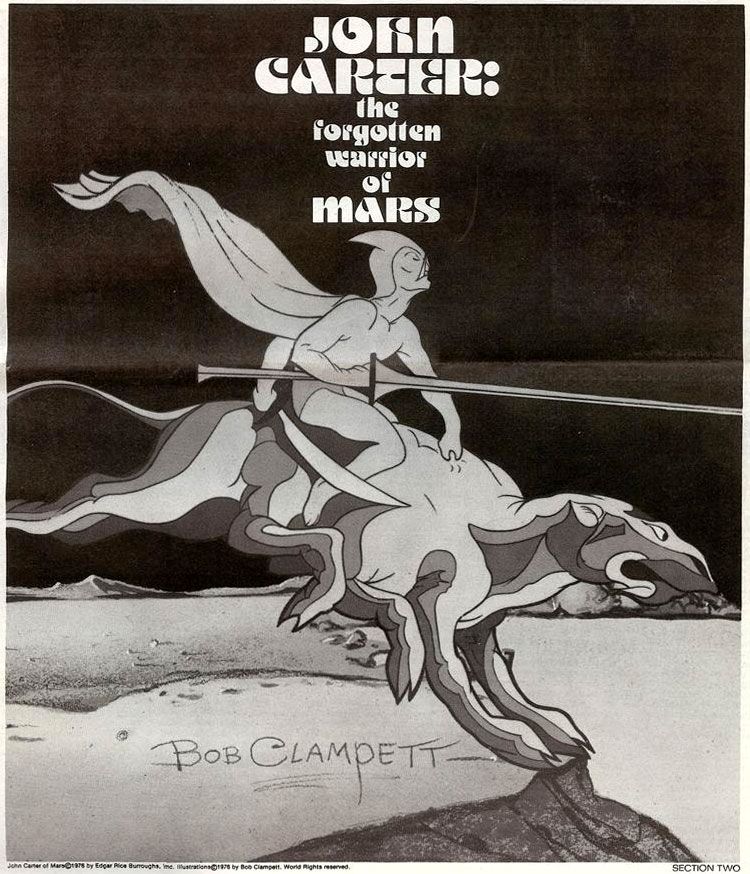
Other times the development process faces problems and it takes forever to solve them, which is a process that has been appropriately dubbed “development hell” by those involved in it. On rare occasions those films do sometimes finally get released decades later, such as Francis Ford Coppola’s Megalopolis, although some like Richard Williams’ animated passion project The Thief and the Cobbler come out completely different from what the director originally envisioned by the time they see the light of day. Sometimes a film idea can be in development for multiple decades because the directors change, the script keeps getting revised and the film rights get tossed from studio to studio, like what happened when MGM greenlit an animated feature film based on Edgar Rich Burroughs’ John Carter books back in the 1930s. Before Disney’s live-action John Carter film became one of the biggest flops in cinema history in 2012, it was almost made into Hollywood’s first animated feature film by rising Looney Tunes animator Bob Clampett. MGM was planning to release it in 1936, a year before Disney’s Snow White, but Clampett abandoned the project after he became a star director at WB and it languished in development hell for the entire 20th century until Disney finally got ahold of it.
But more often than not, films that go into development hell never escape from it. These are often auteur-driven passion projects that can’t get off the ground. Both Charlie Chaplin and Stanley Kubrick wanted to make their own Napoleon biopics and neither was able to. Sergei Eisenstein wanted to make a cinematic epic about the history of Mexico and even he couldn’t figure out how to do that. Orson Welles famously struggled with his film career after he made Citizen Kane (which is a wild sentence when you think about it) and he became the king of unfinished movies, including Don Quixote, The Other Side of the Wind, The Cradle will Rock, The Merchant of Venice and his sea epic The Deep, none of which you will ever see because none of them exist. The only other filmmaker who may have had more unmade movies was Guillermo del Toro who, in addition to not directing The Hobbit, also did not direct Hellboy 3, a stop-motion sci-fi film called Omnivore, an adaptation of The Count of Monte Cristo, an adaptation of H.P. Lovecraft’s At the Mountains of Madness, an adaptation of The Wind in the Willows, an adaptation of Akira creator Katsuhiro Otomo’s manga Domu: A Child’s Dream, a Creature from the Black Lagoon remake, a Fantastic Voyage remake, a Haunted Mansion remake, Dr. Jekyll and Mr. Hyde, Beauty and the Beast, The Witches, a Jabba the Hutt film and a Dark Universe film for DC among others.
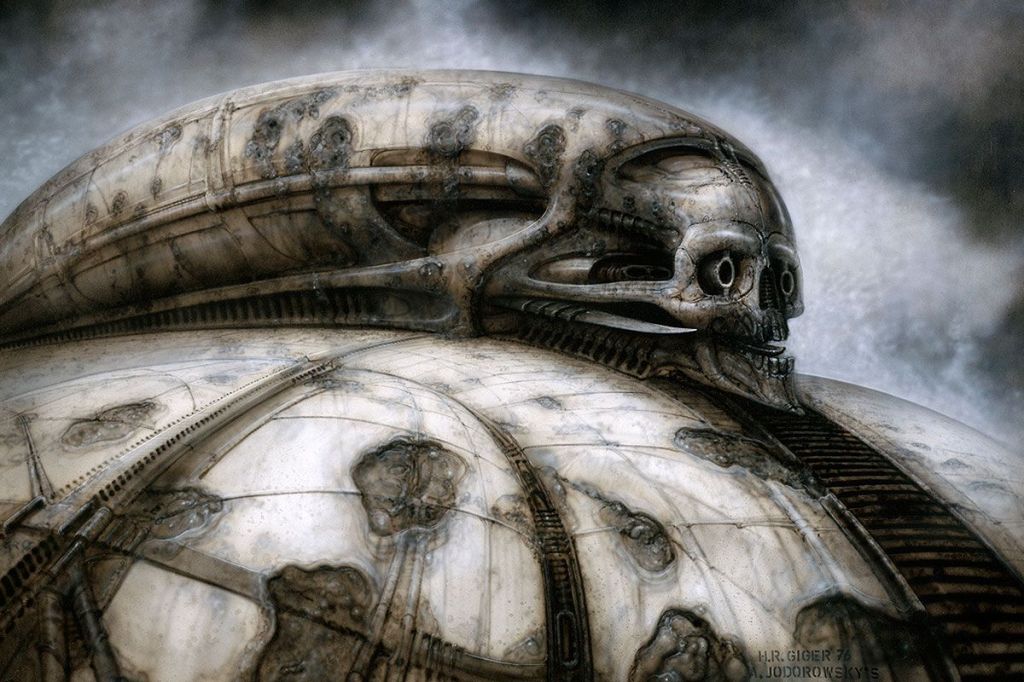
The most famous unfinished auteur-driven production disaster might be Terry Gilliam’s The Man Who Killed Don Quixote because they actually made a documentary about that in 2002 called Lost in La Mancha directed by Keith Fulton and Louis Pepe (and currently available to watch for free on Roku and Kanopy). Another ambitious production nightmare was Alejandro Jodorowsky’s Dune, which also has a documentary (called Jodorowsky’s Dune, released in 2013, directed by Frank Pavich and also available for free on Roku), and had it been allowed to get made it would have been a major sci-fi epic featuring Mick Jagger, Orson Welles and Salvador Dalí among its cast. Instead people got the much more lackluster version from David Lynch, but the hugely popular trilogy of Dune adaptations from Denis Villeneuve years later seems to be doing a decent job making up to Frank Herbert fans.
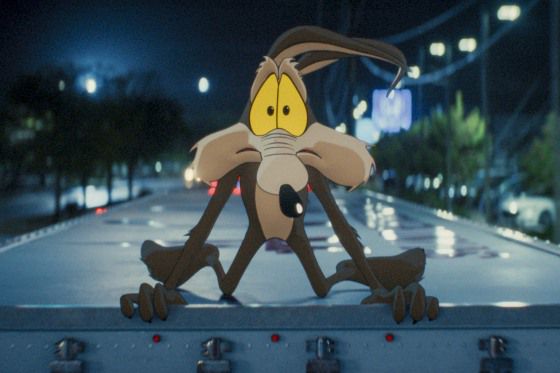
And then there are other times when a movie wraps, production is completed and the studio stops it from being released at the last minute. The most famous recent example of that happening was when Warner Bros. stopped Batgirl, Scoob! Holiday Haunt and Coyote vs. Acme from being released for tax write-offs because they didn’t think those films would be profitable enough, although The Day the Earth Blew Up distributors Ketchup Entertainment at least managed to dig Coyote vs. Acme out of the movie graveyard and reach a deal with Warner Bros. to distribute that one theatrically. Other times the chances of a buried movie seeing the light of day are a lot more slim, like the tasteless and tone-deaf 1972 Jerry Lewis holocaust comedy The Day the Clown Cried, which possibly would have been the nail on the coffin of Jerry Lewis’s already dying career at that point, but was dropped by distributors despite it being completed (not because it was tasteless but because of a rights issue if you can believe it).
There are a lot of films that have either been cancelled or stuck in development for years that I think had a lot of potential to be great. Here are some of the unfinished movies that I would personally be most interested in watching if they were playing at a theater.
1906
The Iron Giant and Incredibles director Brad Bird was chosen to direct this live-action period disaster film that would have been a collaboration between Disney, Pixar and Warner Bros., but he found it so hard to condense the material into the length of a feature that he considered making it into a miniseries instead. Either way, I am interested to see how the guy who directed some of my favorite cinematic adventures would handle a period drama set in the Bay Area (where I live, which doubles my interest).
The Adventures of Tintin Sequels
I always liked the Tintin comics and I liked Steven Spielberg’s animated adaptation of them as well, so I eagerly awaited Spielberg and Peter Jackson’s continuation of the story. And I am still waiting … I used to dream of a film adaptation of Explorers on the Moon but now I’ll start celebrating if Spielberg or Jackson even acknowledge the existence of a Tintin sequel at all.
Bone
This one I have completely given up on. Nothing lends itself more to animation than the graphic novel series Bone, which was created by Jeff Smith, a former animator and a man whose art style screams animated film. But the fact that it has jumped from Warner Bros. to Nickelodeon to Netflix and still has gone nowhere has made me come to the realization that no one in Hollywood has any faith in it. The story is definitely out there, but it’s out there in a “This could only happen in an indie comic” way. Which is a shame because I had some hope that Hollywood would know better than to pass up on this Looney Tunes-meets-Lord of the Rings concept.
Guillermo del Toro’s Born
The horror fantasy Born, which Guillermo del Toro was going to produce, told the story of an animator and his pregnant wife who move into a strange new town and have their house invaded by the husband’s claymation creations. It was set to have Rosemary’s Baby and Wicker Man vibes and stop-motion animation from the artists behind Killer Klowns from Outer Space as well as my undivided attention in a theater seat.
The Curse of Monkey Island
The Lucasarts Monkey Island games were funny and a film adaptation could have potentially been even more funny than the game if it were in the hands of a talented comedy writer. If they got the guys behind Dungeons & Dragons: Honor Among Thieves to write and direct it, I could see it being a swashbuckling comedy for the ages.
The Family Guy Movie
I fear that the film adaptation of Family Guy has missed its moment because that show is not in the cultural zeitgeist like it once was. Although Seth MacFarlane already knows what it would be. He said it would have musical numbers and take inspiration from The Sound of Music. Based on that description I already know I would like it. Disney just needs to commit to it (and another season of The Orville while they’re at it).
Fraidy Cat
John Musker and Ron Clements’ Hitchcock-inspired mystery involving a kidnapping and a framed cat was rejected by Disney for seeming too highbrow for kids. As someone who is not a kid, that doesn’t make me want to see it any less.
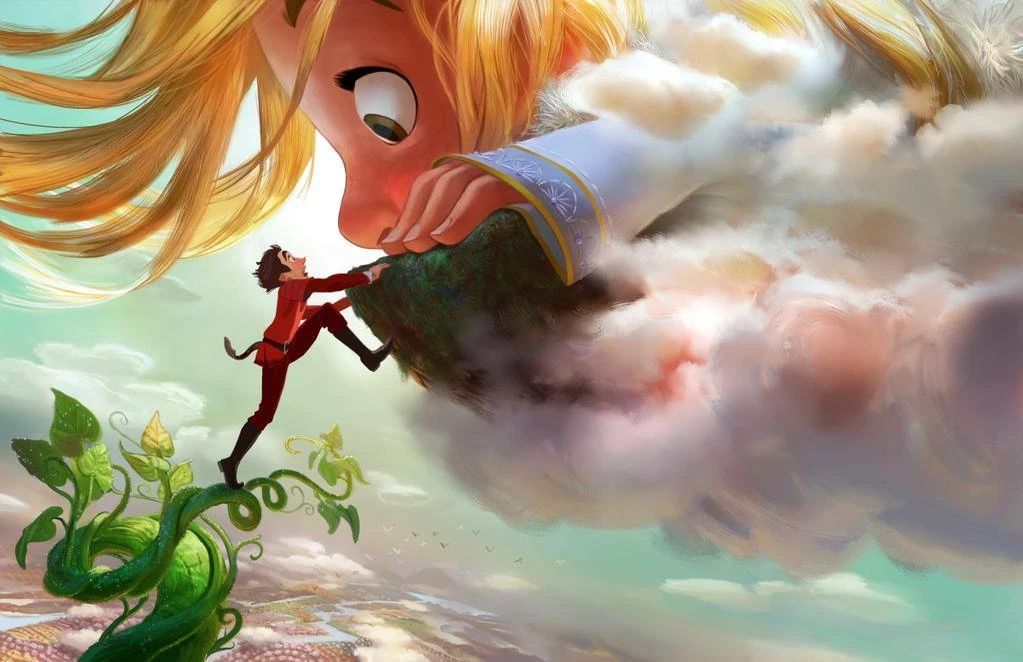
Gigantic
Modern Disney take on Jack and the Beanstalk involving a human boy befriending an 11-year-old giantess who treats him like a doll seemed like a sure thing for a while but insiders say it was suspended because the story wasn’t working, which almost makes me glad it was cancelled in a way, although I’m certain there’s a version of the story that could work, even if they have to radically rework it in a Kingdom of the Sun-turned-Emperor’s New Groove way.
Magic Kingdom
A story about a Disney park coming to life Night at the Museum-style when the guests all leave sounds like it could be really entertaining. Especially for Disney fans. Unfortunately Jon Favreau made a realistic remake of The Lion King instead, because Disney can’t resist capitalizing on a popular film over gambling on an original one.
The Mickey Mouse Movie
Burny Mattinson, the man who had been working as an animator, writer and artist at Walt Disney Animation Studios ever since Lady and the Tramp and the man who produced and directed Mickey’s Christmas Carol, was trying to get a Mickey Mouse feature film developed at the studio for years. Mattinson passed away in 2023 and it’s likely that the film’s plot (whatever the plot was) died with him. There’s still hope that a Mickey Mouse film might get made at some point in the future but I am curious what Mattinson had in mind for it.
Monkeys of Mumbai
This was one of DreamWorks Animation’s most interesting-sounding projects: a Bollywood-inspired musical adaptation of the Ramayana set in India, told through the POV of monkeys, helmed by A Goofy Movie and Tarzan director Kevin Lima and the songwriting team of lyricist Stephen Schwartz and Indian musician A.R. Rahman. This sounded like a banger, and it was well on its way to getting released too. Unfortunately it was a victim, not of development hell or production problems but of studio politics. After 20th Century Fox sold DreamWorks Animation to Universal in 2017, the movie became a tax write-off along with several other movies that the animation studio was developing at the time. No other studio was willing to fund it so it just quietly died.
The Natural History Project
Jim Henson’s follow-up to The Dark Crystal and Labyrinth would have told a story about dinosaurs using puppetry and animatronics, although the studio got scared when they learned George Lucas was producing a similar film called The Land Before Time. Jim Henson’s sitcom Dinosaurs, which aired on ABC in the 1990s, may be the closest we’ll ever get to seeing what it would have looked like.
Ronnie Rocket
David Lynch’s long-gestating passion project Ronnie Rocket, a trippy sci-fi story about an electricity-powered dwarf who becomes a rock star, has all the Lynchian hallmarks and it would be sure to delight his fan base. How everyone else would feel about it is more of a mystery, which is why no studio would risk funding it. The story sounds insane enough to interest me though.
X-Men Origins: Magneto
I’ve always liked Magneto’s backstory as a German-Jewish boy whose family was executed by the Nazis because it’s of the best motivations for a villain I’ve ever seen. A movie could mine that material into some good drama, which is why I was looking forward to this film when I first heard of it. Unfortunately the only X-Men origin film Fox made was the Wolverine film. Of course if Magneto’s origin film was anything like that, it may be for the best that it was cancelled.
Ray Harryhausen’s War of the Worlds
I know George Pal made a film adaptation of H.G. Wells’ War of the Worlds in 1953 but the adaptation Ray Harryhausen conceived in the 1940s would have been different and would have portrayed the invaders in a less humanoid and more otherworldly way, obviously via some stop motion. He was never able to gather studio interest for it, but I would have liked to add that film to Harryhausen’s other B-movies from the 1950s to see how his would-be first sci-fi film would hold up, especially since he was inspired by Orson Welles’ famously authentic-sounding radio dramatization from 1938.
 Entertainment Junkie Blog