
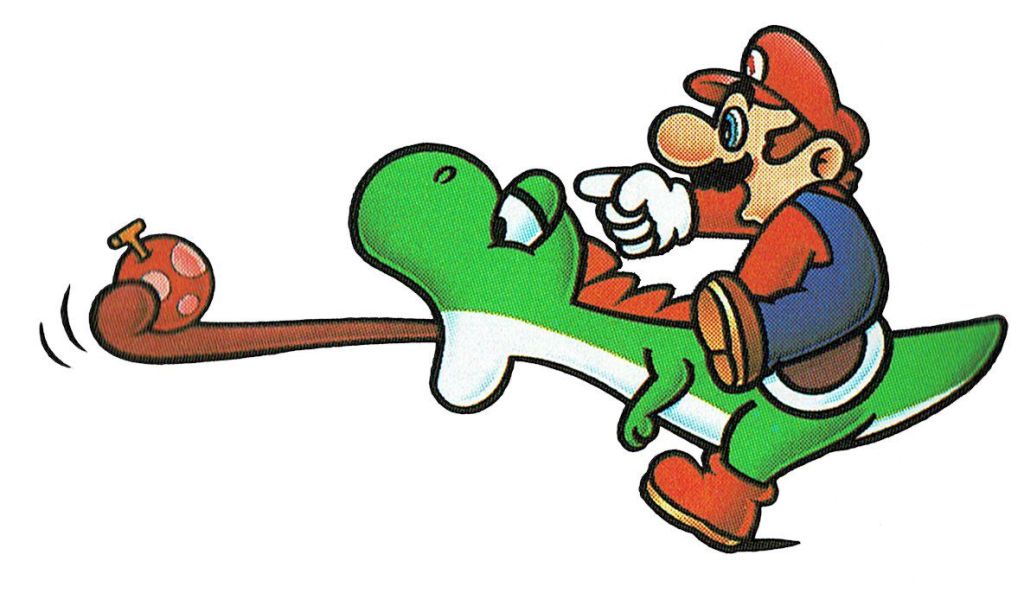
Ever since the dawn of their entry into the 16-bit era, one of the most popular Nintendo characters has been Yoshi, the egg-laying, long-tongued and totally loveable dinosaur who started out as Mario’s companion but quickly became a star in his own right. His video game debut marked Mario’s Super NES debut in the game Super Mario World.
Nintendo’s last console-based Mario platformer, Super Mario Bros. 3, was co-directed by Mario creator Shigeru Miyamoto and his frequent collaborator Takashi Tezuka, but this time Tezuka would handle the direction of Super Mario World on his own while Miyamoto produced, supervised and was, by all accounts, the creative force behind the project (Miyamoto was basically the Walt Disney of Nintendo), and it was his goal with Super Mario World to do things that were impossible to achieve in previous Mario games in order to take full advantage of the technical capabilities of the SNES. Which brings us to the origin of Yoshi.
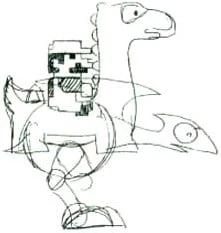
While the concept of Mario riding an animal goes all the way back to the original Super Mario Bros. (likely inspired by Miyamoto’s love of horse riding), it was too technically complex to execute for an NES game. But Super Mario World not only had more technical power than an NES game. It also took place in a land of dinosaurs, and Tezuka tasked designer Shigefumi Hino (the future director of Pikmin) to create a reptilian creature based on Miyamoto’s animal-riding idea.
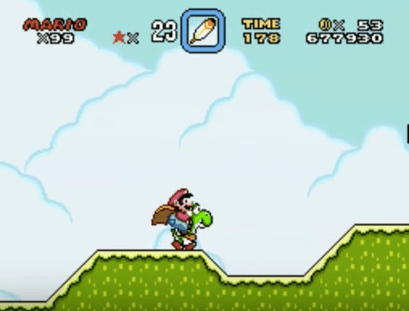
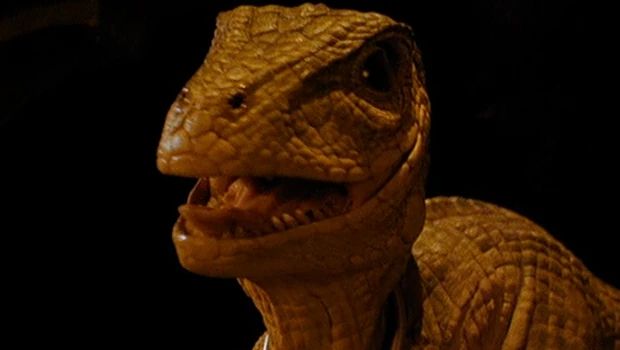
Gamers first discovered Yoshi when Mario or Luigi hit a block with a green spotted egg inside, after which it would immediately hatch a green dinosaur named Yoshi who the Mario Brothers could ride like a horse as he used his frog-like tongue to devour enemies. In addition to the green Yoshi, there were other Yoshis in the game with different abilities. Blue Yoshis could fly, red Yoshis could spit fire and yellow Yoshis were capable of causing earthquakes. Following his appearance in this game, Yoshi became an instantly popular edition to the Mario series. Even appearing in the 1993 live-action Super Mario Bros. movie two years after Super Mario World came out in the U.S.
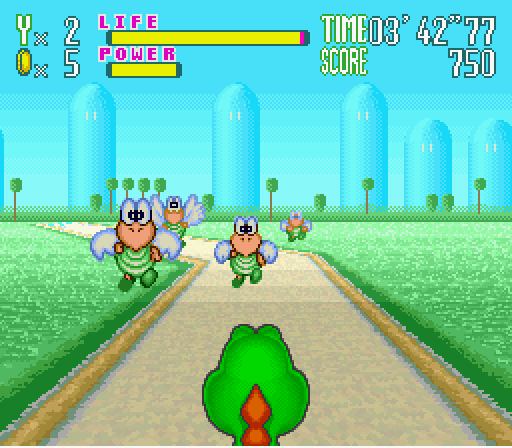
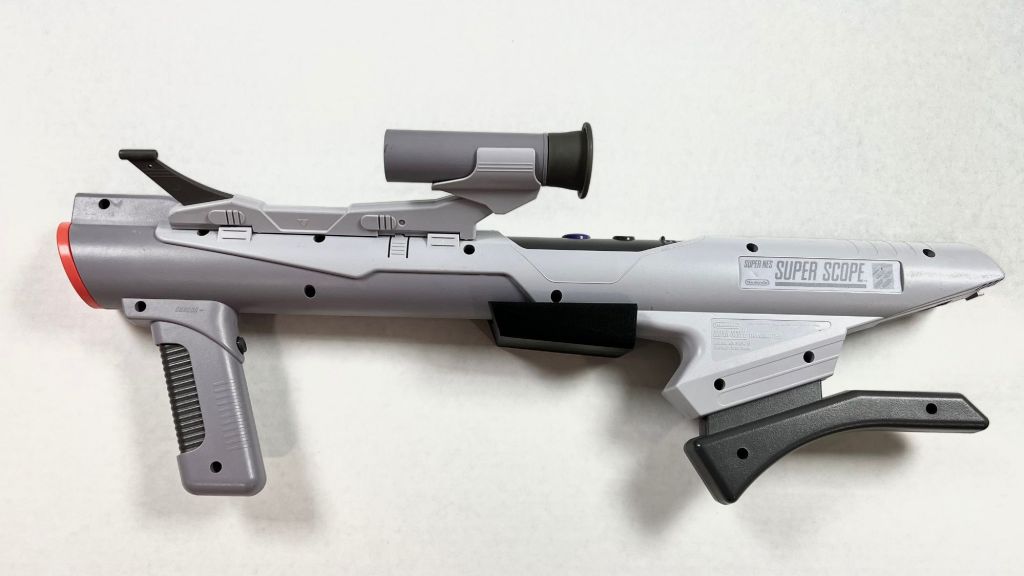
Soon Yoshi’s own games followed, including the 1991 puzzle game Yoshi developed by Game Freak and the 1992 puzzle game Yoshi’s Cookie developed by Tose, in addition to the 1993 light gun shooter game Yoshi’s Safari for the SNES, in which Mario rode Yoshi in the first person on a quest to defeat Bowser as you aimed and blasted your Super Scope SNES accessory at your TV (Yoshi’s Safari got decent reviews but it was not commercially successful, so the Super Scope never really caught on).
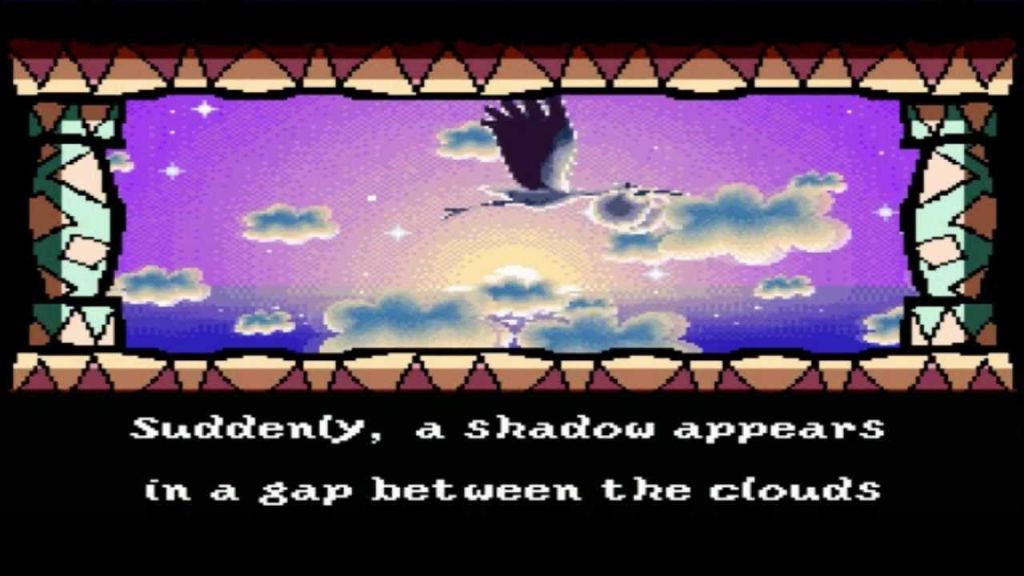
But the first time Yoshi starred in his own platformer was when the Yoshi series really began in the eyes of most gamers. That game was Super Mario World 2: Yoshi’s Island, released for the SNES in 1995 as a prequel to Super Mario World. The story of that game involves an island of multi-colored Yoshis who meet Baby Mario after he falls out of the sky following an attack against the stork who was carrying him and his brother Baby Luigi to their new home. The one who attacked him was a magikoopa named Kamek who serves the young king Baby Bowser, the game’s main villain who set off the events that led to the stork attack after Kamek foresaw that Baby Mario and Baby Luigi would one day foil Baby Bowser’s evil plans.
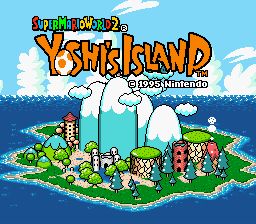
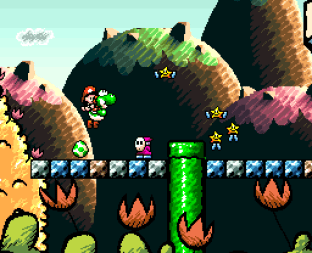
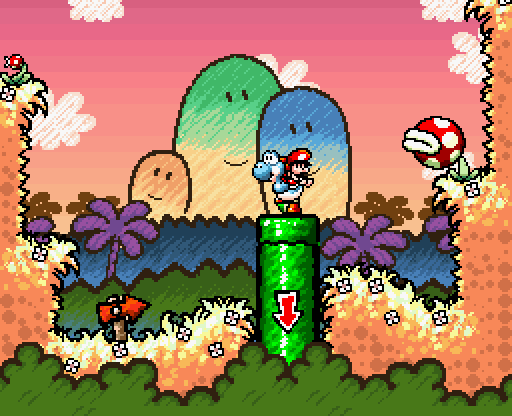
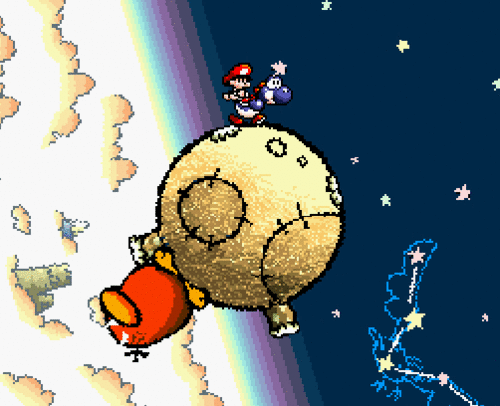
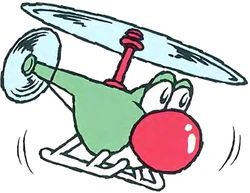
The object of the platforming game was for Yoshi to reunite Baby Mario with his brother Baby Luigi by travelling across the island until you reach Baby Bowser’s lair while defeating his cronies along the way, often by using your tongue to eat them just like in Super Mario World and then either spitting them out or swallowing them and turning them into eggs which could then be aimed and hurled, sometimes to defeat certain foes and sometimes to solve certain puzzles. The game was designed to be more easy for beginners than Super Mario World was, reflected not only by its crayon drawing art style but also by the flutter jump, a great addition which lets Yoshi hover in mid-air for a moment before falling and has since become one of Yoshi’s signature moves. You also had the ability to ground pound, shoot watermelon seeds like a machine gun and spit flames after eating fiery foes. One of the most fun new additions however was Yoshi’s transformation into a variety of vehicles like helicopters, submarines and a drilling machine that helped him dig underground.
Yoshi’s Island received critical acclaim when it came out and it has since been called a masterpiece. Its coloring book art style even signified a shift in the video game industry towards more adventurous art design that prioritized creativity over the realism that Donkey Kong Country popularized a year earlier and which Nintendo originally wanted Yoshi’s Island to emulate before Miyamoto pushed back on that idea.
Other Yoshi games that have followed in the footsteps of Yoshi’s Island:
Yoshi’s Story (1997, Nintendo 64)
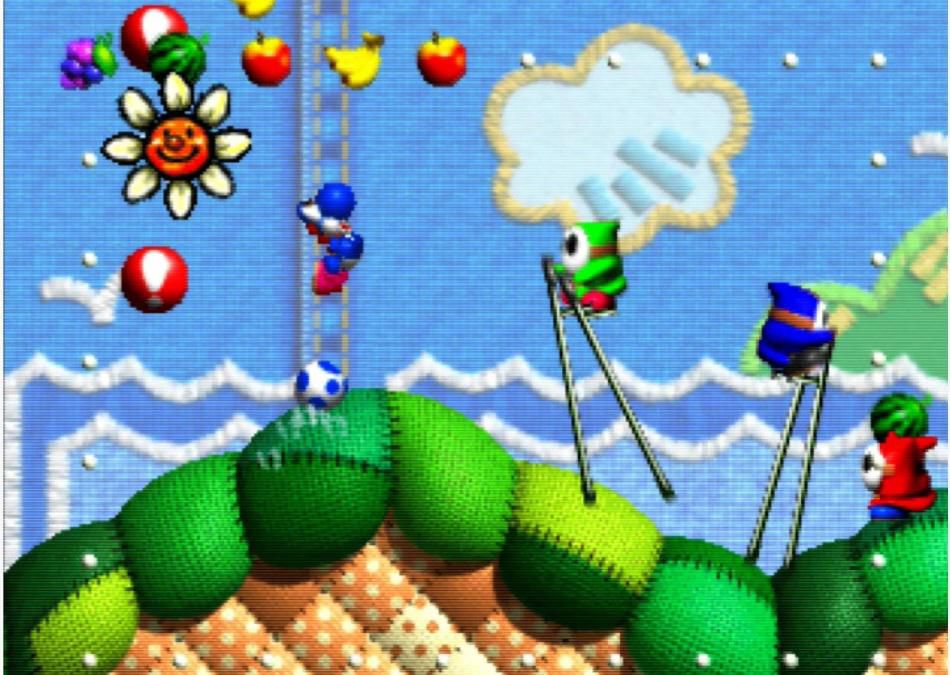
Helmed by Yoshi’s Island co-director Hideki Konno, Yoshi’s Story told the story of Baby Bowser stealing the Yoshis’ Super Happy Tree, which is the source of the Yoshis’ happiness, and casting a spell that transformed their home island into a pop-up storybook, which gave the game a striking handmade art style full of cardboard trees, denim skies, felt clouds and wooden stars.
Yoshi’s Universal Gravitation (2004, Game Boy Advance)
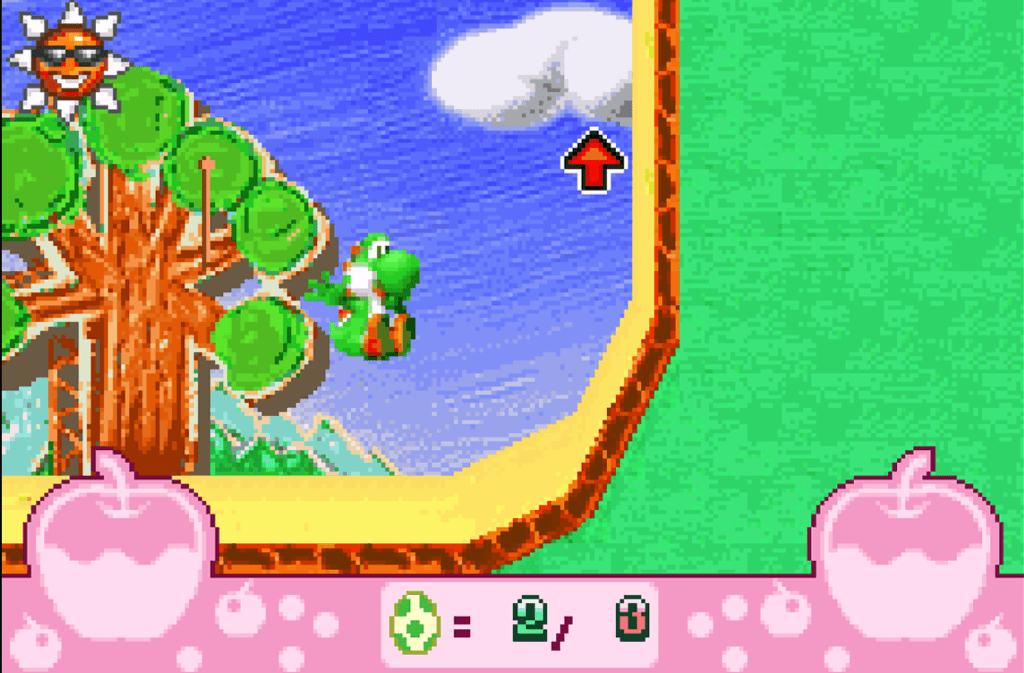
Known in America as Yoshi’s Topsy-Turvy, this game had a built-in tilt sensor that allowed you to control the action on screen by literally tilting your Game Boy Advance, which made for some creative puzzles to solve.
Yoshi Touch & Go (2005, Nintendo DS)
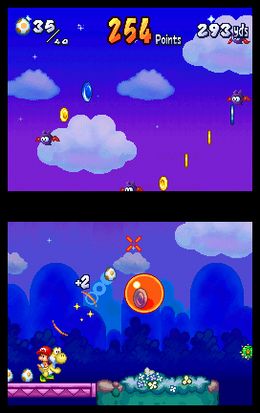
Utilizing the Nintendo DS’s touch screen and microphone to amusing effect, Yoshi Touch & Go was yet another side-scrolling platformer involving Yoshi and Baby Mario exploring an island, although this game had a bigger emphasis on scoring points than the more narrative-led SNES game.
Yoshi’s Island DS (2006, Nintendo DS)
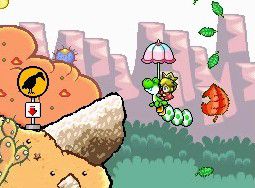
A sequel to Yoshi’s Island in which Yoshi must save even more newborn babies from the wrath of Kamek in addition to the Baby Mario Bros., including Baby Peach, Baby Donkey Kong and Baby Wario, each child granting Yoshi a different ability.
Yoshi’s New Island (2014, Nintendo 3DS)
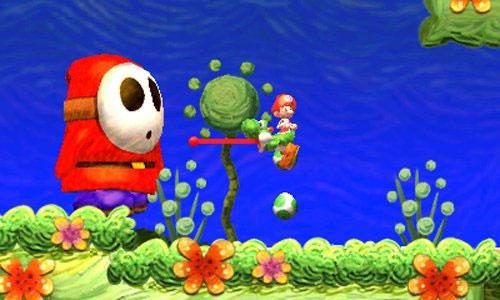
Set between the events of Yoshi’s Island and Yoshi’s Island DS, Yoshi’s New Island follows Yoshi once again trying to reunite Baby Mario with Baby Luigi, with some critics unimpressed by its lack of originality and level design choices, although it shared some of the SNES game’s appeal thanks to its charming presentation and creative aesthetic.
Yoshi’s Woolly World (2015, Wii U)
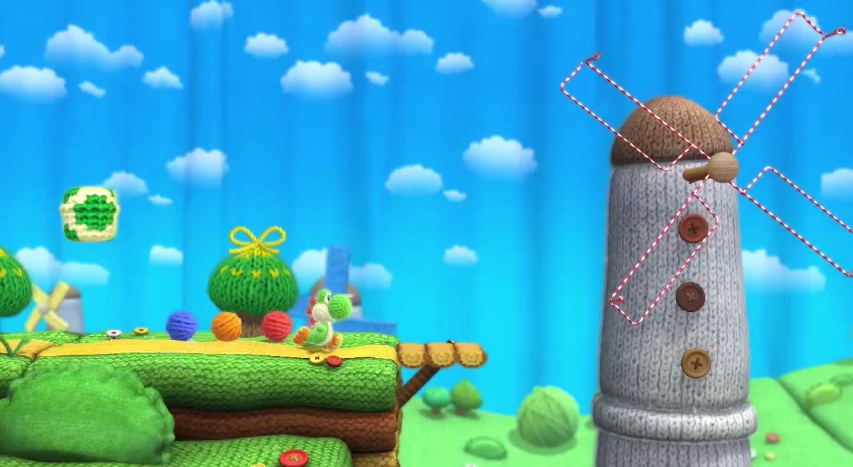
Developed by Good-Feel, who scored hits collaborating with Nintendo before with Wario Land: Shake It! and the very similar Kirby’s Epic Yarn, the eye-catching art style of Yoshi’s Woolly World was the star of the show, as well as its innovative gameplay, despite many critics calling the difficulty level too easy, a common criticism among game critics towards most of Yoshi’s platforming games.
Yoshi’s Crafted World (2019, Nintendo Switch)
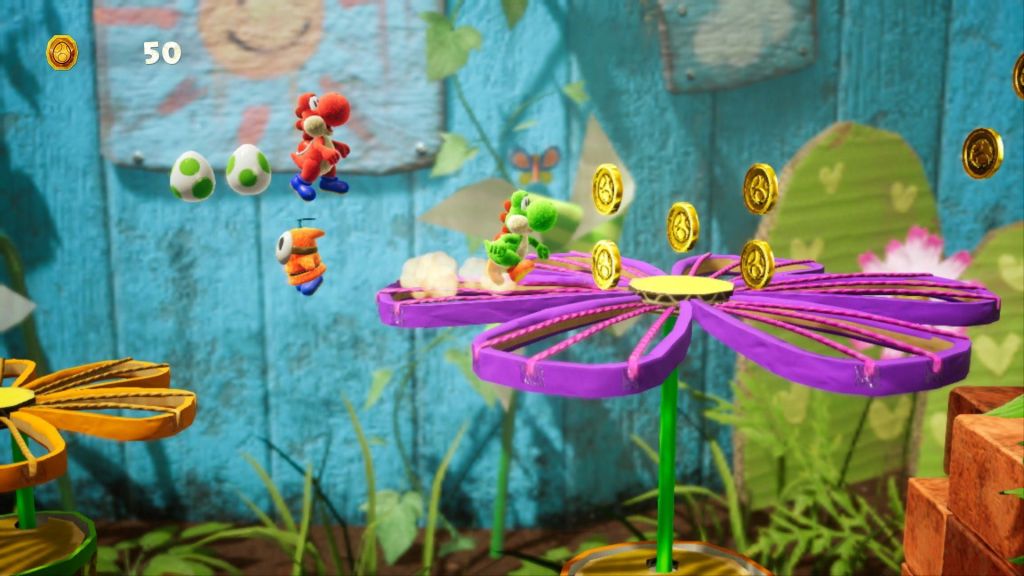
Good-Feel returned to develop the Nintendo Switch follow-up to Yoshi’s Woolly World, once again showcasing an impressive hand-crafted aesthetic and incorporating it into some creative level designs.
Yoshi and the Mysterious Book (2026, Nintendo Switch 2)
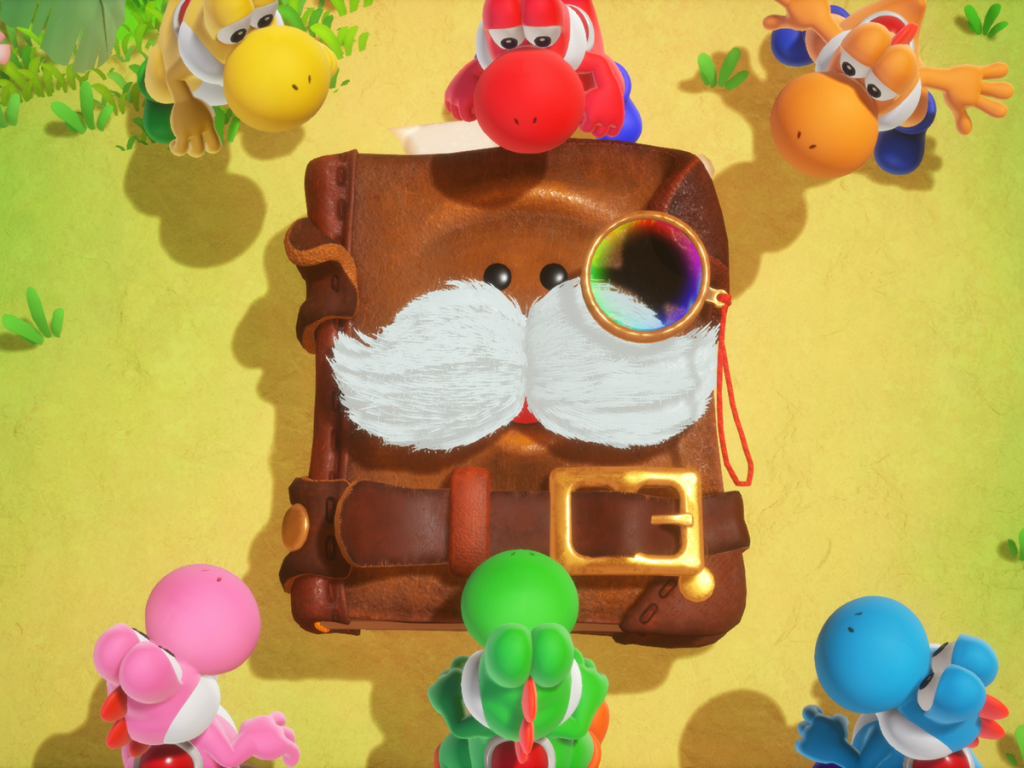
This game, which is scheduled to be released in May 2026, returns to a book-themed setting for the first time since Yoshi’s Story as Yoshi ventures into the pages of an encyclopedia with a stop-motion influenced animation style. The plot details surrounding this game are still a mystery, but if previous Yoshi games are any indication, it will probably look amazing. It certainly does in the trailer.
Just because Yoshi has his own platforming series, that doesn’t mean he stopped appearing in the occasional Mario game. After Super Mario World, Mario could ride Yoshi in the GameCube game Super Mario Sunshine, the Wii game Super Mario Galaxy 2 and the side-scrolling platformers New Super Mario Bros. Wii and New Super Mario Bros. U. In addition, Yoshi was a playable character in the Nintendo DS remake of Super Mario 64 and the side-scrolling Nintendo Switch platformer Super Mario Bros. Wonder, while Mario could also use his hat to possess Yoshi in Super Mario Odyssey. Yoshi would also often appear as a playable character in Mario’s spin-off games, including the Mario Kart series, the Mario Golf series, the Mario Tennis series, the Mario Party series and Ubisoft’s Mario + Rabbids: Kingdom Battle as well as being a regular in the Game & Watch Gallery, Super Smash Bros. and Mario & Sonic series.
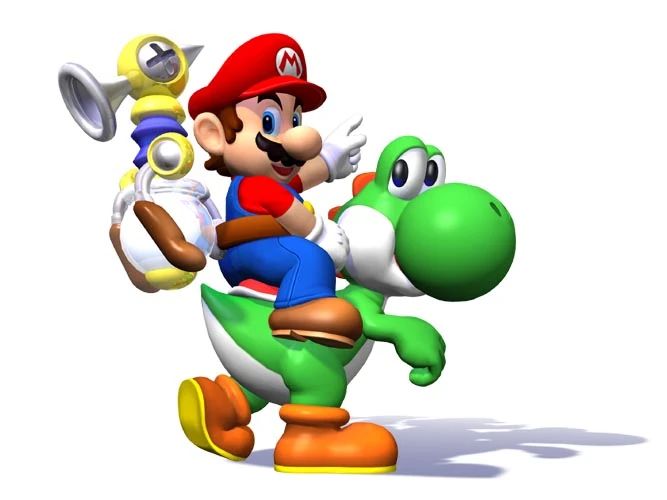
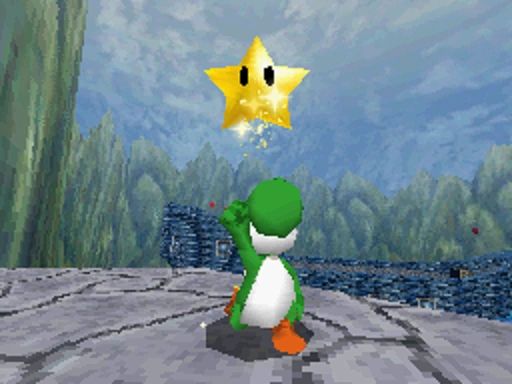
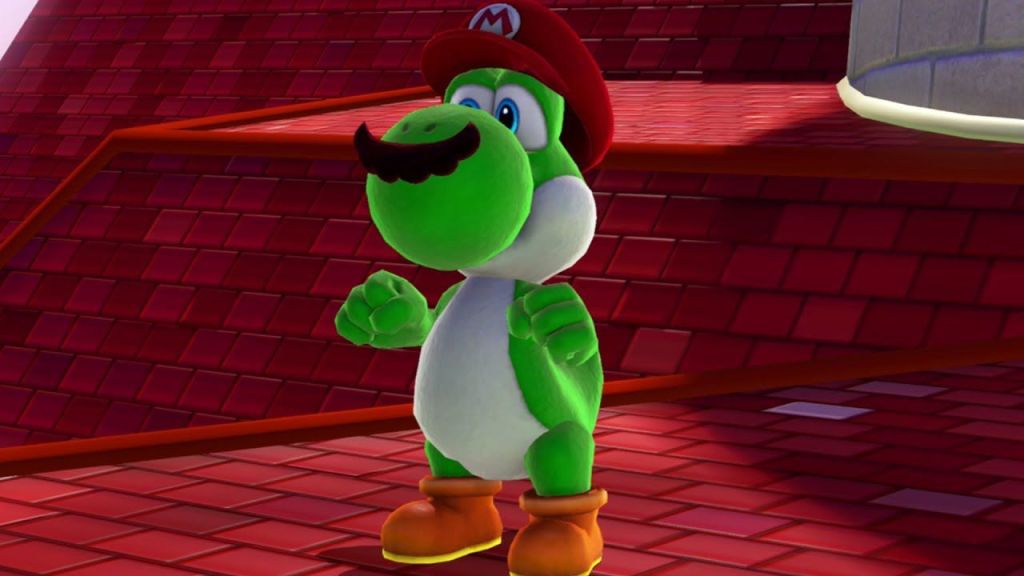
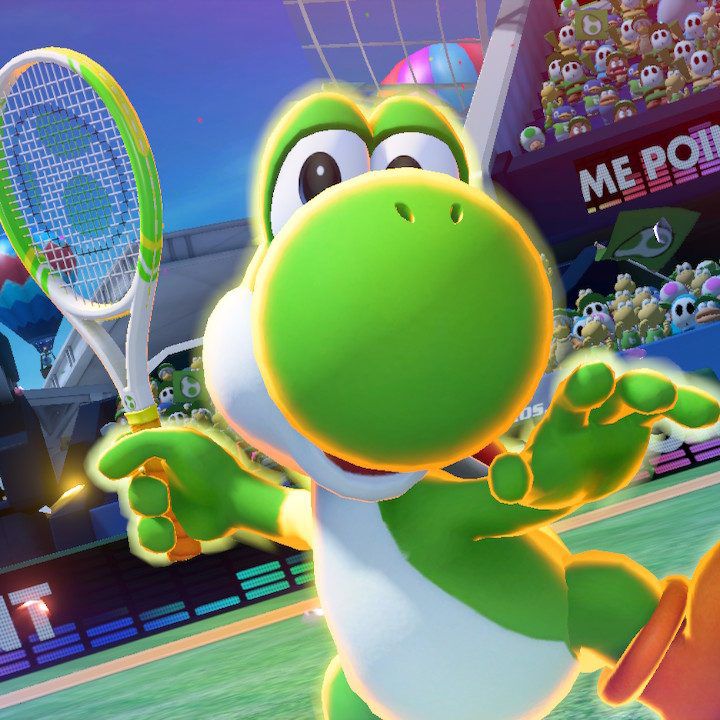
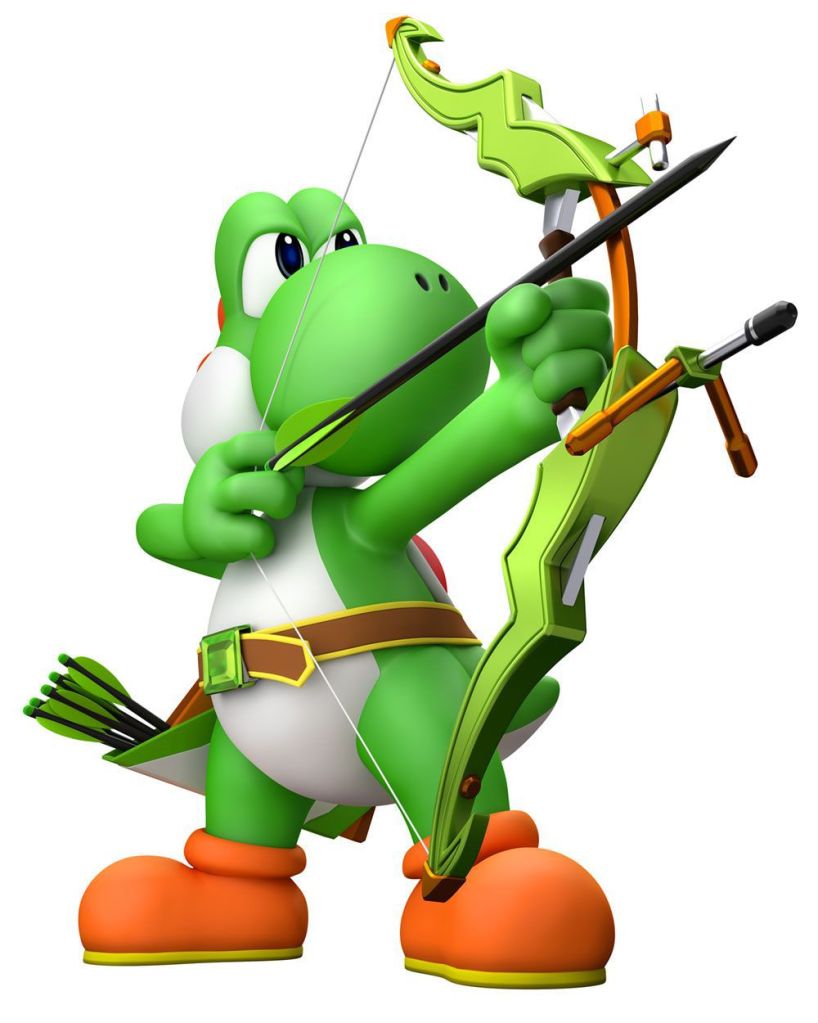
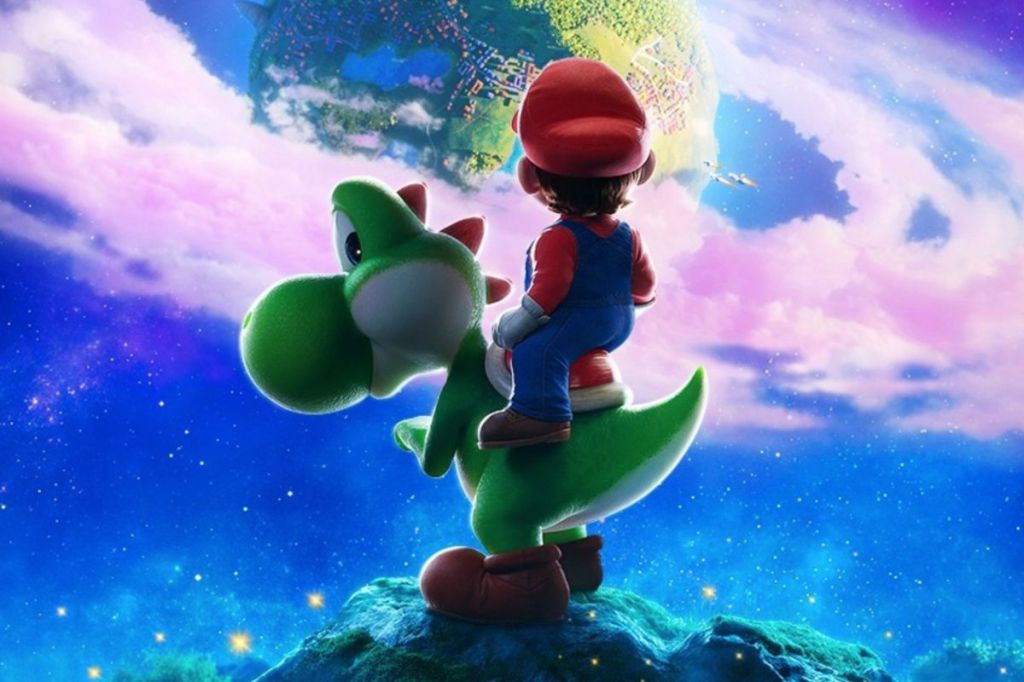
Yoshi also made appearances in Super Mario RPG, Super Mario 64, Super Mario Bros. Deluxe, the Paper Mario series, the Mario & Luigi series and he has made cameo appearances in non-Mario games like The Legend of Zelda: Link’s Awakening, Donkey Kong Country 2: Diddy’s Kong Quest, The Legend of Zelda: Ocarina of Time, Metal Gear Solid: The Twin Snakes and Metal Gear Solid: Snake Eater 3D. Yoshi will also appear in an animated film for the first time in 2026. He may have made his animation debut in DIC’s 13-episode 1991 TV adaptation of Super Mario World, but his latest animated appearance will be in Illumination’s cosmic fantasy The Super Mario Galaxy Movie, in which he will be voiced by Donald Glover. His huge popularity is sure to skyrocket even further afterwards.
 Entertainment Junkie Blog