

We sure do love stories about time travel. The popularity of films like Terminator, Back to the Future, Time Bandits, Star Trek IV: The Voyage Home, Bill & Ted’s Excellent Adventure and Avengers: Endgame are clear examples of their popularity. But the video game industry really gives the film industry a run for its money. Whether it’s about travelling back and forth from the past to the present or manipulating the flow of time, video games love time-themed plots. You see it in Final Fantasy, Ecco the Dolphin, Earthbound, Day of the Tentacle, Ape Escape, Dark Cloud, TimeSplitters, Prince of Persia: The Sands of Time, God of War II, Life Is Strange and several games in the Legend of Zelda series. One of the most popular video games centered around time travel is Squaresoft’s Super NES role-playing game Chrono Trigger, but even by the time of that game’s release in the mid-’90s the concept of time travel in video games was seen as unoriginal. Which is why the game’s head writer Masato Kato was initially reluctant to use the sci-fi trope. But Chrono Trigger felt kind of different from typical video games. Time travel is so integral to its plot that you do not just simply hop from past to present to future. You have to scour through the millennia and visit several different eras in history. So why don’t we go back in time to when this game was made to find out what made it so special?

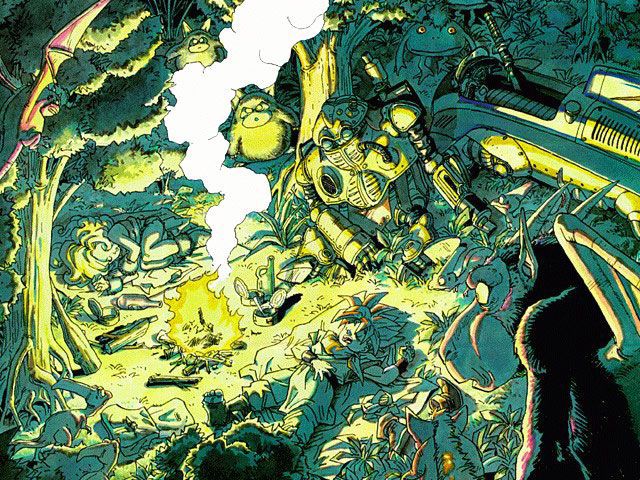
There were seven different historical eras you could visit in this game, including prehistoric, middle ages and post-apocalyptic. And doing things in one era sometimes affected other eras. By the way, all seven of your party members were each born in different eras, which adds an extra layer of fun to the character interactions. That cast of characters included:
Crono, the brave protagonist
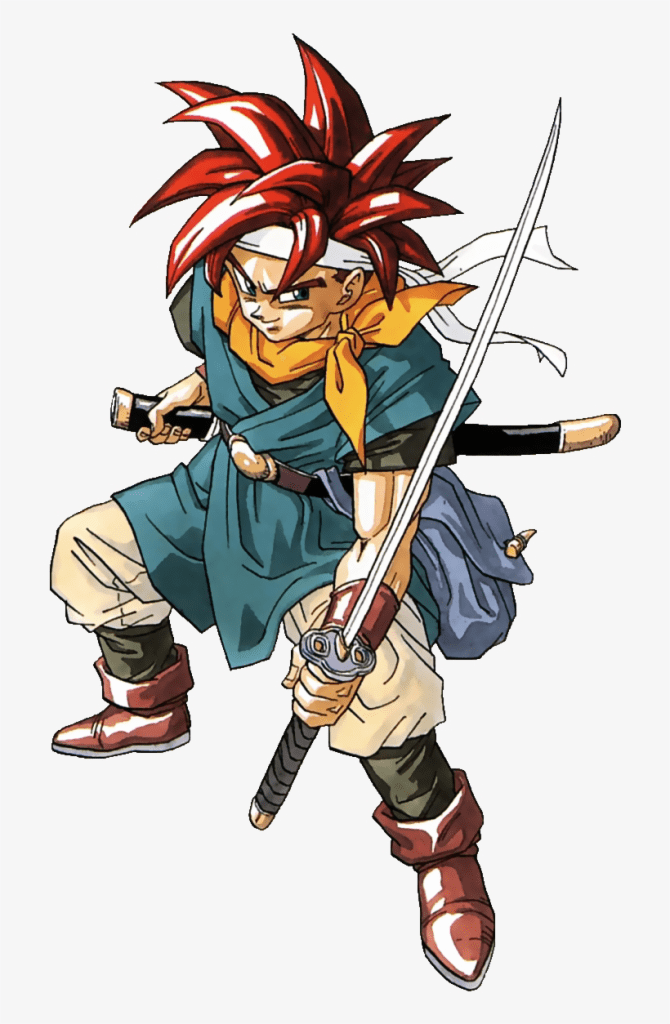
Marle, princess of Guardia

Lucca, an intelligent inventor and Crono’s childhood friend
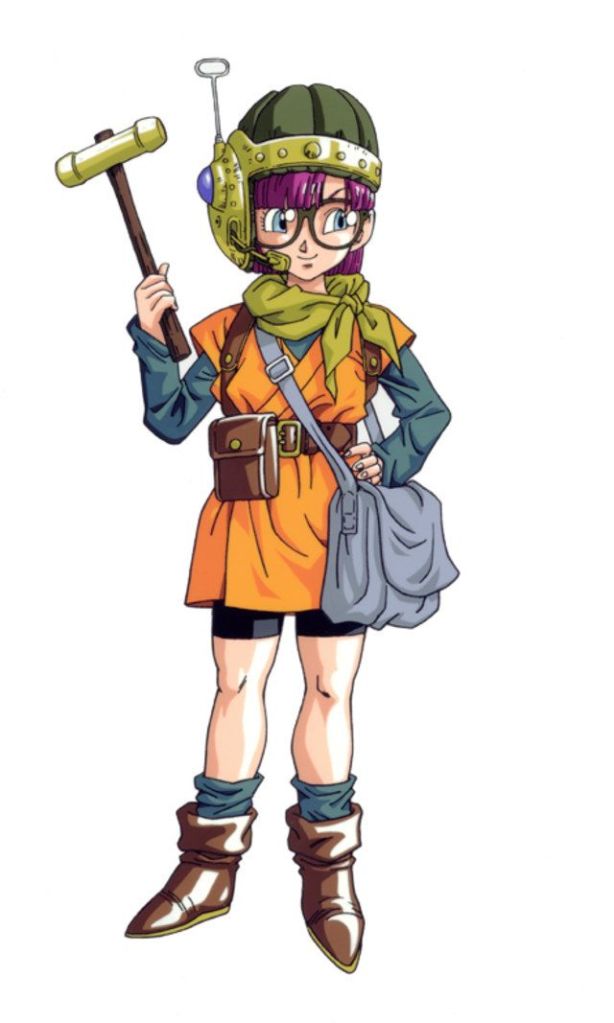
Robo, a technologically advanced but amnesiac robot

Ayla, a prehistoric chief

Frog, a knight who was originally a human but was hexed into a frog

Magus, a mystic lord

And then there was the game’s main antagonist Lavos. A powerful and destructive alien parasite who crash-landed on the planet in the distant past, awakened in AD 1999 and plunged the world into apocalyptic chaos. Lavos intends to drain Earth’s energy, produce more parasitic spawn and continue its energy-draining cycle on a galactic scale.

Time travel could either be achieved in this game by entering portals called Time Gates, or by travelling in a time machine called the Wings of Time, which the party eventually acquires. Gamers were given a wide range of freedom to determine which direction the story goes based on their in-game actions, which meant that there were 12 different ways for you to finish the game (not counting losing).
Unlike in Final Fantasy, the turn-based enemy battles were triggered not by random encounters but by making contact with openly visible field enemies, which is an idea that this game helped popularize. The “Active Time Battle” system that originated in Square’s Final Fantasy IV (1991), which allowed all players in the battle arena to attack at their own pace and kept the action up even while you were navigating menu commands, was employed in Chrono Trigger with slight tweaks. Including the fact that the timer speed was dependent on each party member’s speed stats. Also, like many RPG fantasies, your party could use magic in battle, but Chrono Trigger had a unique system called “Techs” (short for “techniques”) which had special effects and could even be combined with the Techs of other party members for increased power, although you had to watch your magic points because the Techs depleted them while in use. You could strategize how to make the best of Techs during battle by paying attention to the behavior of your enemies and their positions on the battlefield, which often actively changed mid-fight.

Chrono Trigger was conceived by Final Fantasy creator Hironobu Sakaguchi and Dragon Quest creator Yuji Horii (in other words, the two creators of the two most popular RPGs in Japan) alongside manga artist and Dragon Quest designer Akira Toriyama, best known as the creator of the manga and anime series Dragon Ball. The idea of these men teaming up to create a brand new game rather than another entry in the Final Fantasy or Dragon Quest series was proposed by their mutual friend magazine editor and video game fan Kazuhiko Torishima, who craved something new from the three creators.

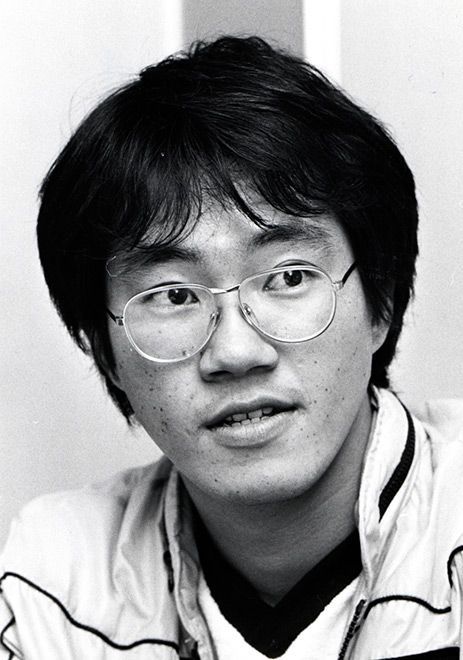

Toriyama designed the game’s aesthetic, with other notable artists involved in the game’s design including Final Fantasy VI graphic designer Tetsuya Takahashi, map designer Yasuyuki Honne, Final Fantasy VI monster designer Tetsuya Nomura and Final Fantasy VI field designer Yusuke Naora. Meanwhile Yuji Horii drafted the story, Masato Kato penned the script and the game’s direction was split between Final Fantasy IV lead designer and Live a Live director Takashi Tokita, Final Fantasy VI co-director Yoshinori Kitase and Final Fantasy IV and Final Fantasy V battle designer Akihiko Matsui (many members of the Final Fantasy VI development team were folded into the Chrono Trigger development team once work on Final Fantasy VI was completed).


Music composer Yasunori Mitsuda was originally a sound effects programmer for games like Final Fantasy V and Secret of Mana, although he had a desire to compose music and that desire was well-known within the company, so Hironobu Sakaguchi finally gave him the chance to prove himself on Chrono Trigger. Luckily that soundtrack led to a long career in video game music for Mitsuda as many gamers and critics not only found it catchy but also emotionally resonant. In fact many people still consider Yasunori Mitsuda’s soundtrack for Chrono Trigger one of the best video game soundtracks of all time.
Upon its release in 1995, Chrono Trigger received critical acclaim for its innovative battle mechanics and gameplay variety as well as its beautiful graphics and beautiful soundtrack. To this day it is one of the most popular JRPGs and one of the most popular video games of the 16-bit era. Due to that popularity it has been re-released several times, even with anime cutscenes added into the version for the PlayStation (although the ports vary in quality).

The game also spawned a sequel called Chrono Cross (1999) for the PlayStation, which is set in the same world as Chrono Trigger but featured a brand new cast of characters and a plot involving parallel realities. It received critical acclaim just like the first game, even though some fans were disappointed in the radical departures the series took (although the mainline Final Fantasy series does things like that all the time). In addition, there was a Japan-exclusive text-based side story called Radical Dreamers (1996) which wrapped up some of Chrono Trigger‘s loose plot ends. Plus speculation of a sequel called Chrono Break went wild after Square copyrighted that title in 2001, but nothing ever came of that. The Chrono series doesn’t really need a comeback though. It’s one of those RPGs that set the standard for other RPGs, and that’s no small accomplishment.



 Entertainment Junkie Blog