
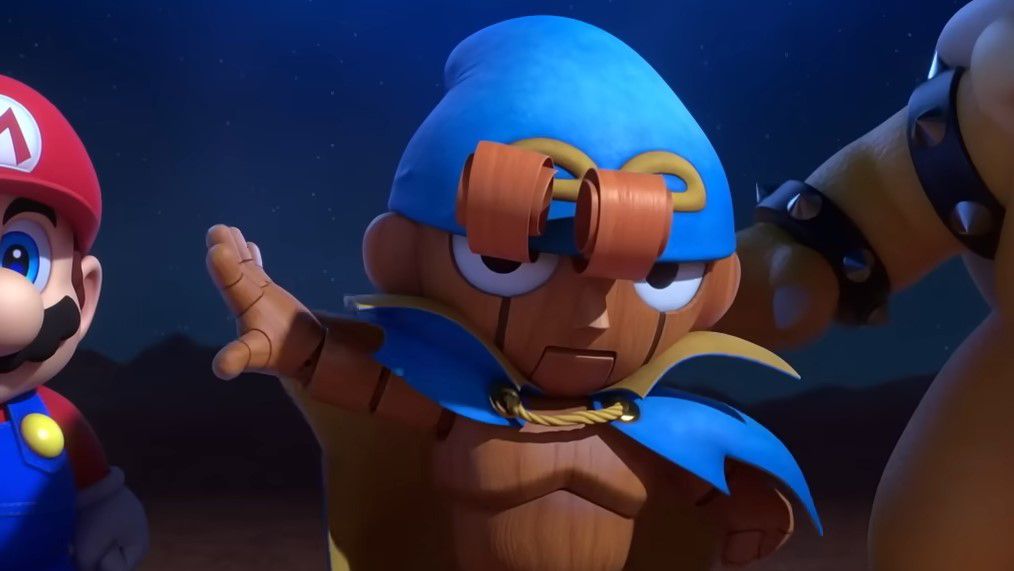
Back in the eighties, the Japanese video game company Squaresoft struck gold with their role-playing game Final Fantasy for the NES, a game that became so popular that the Final Fantasy series still continues to this day. Although as popular as JRPGs (Japanese role-playing games) were during this period of video game history, their popularity in America was overshadowed by the platforming likes of Nintendo’s Mario, whose games were much more action-oriented and whose appeal was much more universal. As it turned out, while both Nintendo and Square were having tremendous success in their own lanes, they each wanted something that the other had. Nintendo wanted to tackle the RPG genre with Mario (a character who has had success venturing into other genres before, like puzzle games and racing games) and Square wanted to make a game that would appeal more to Americans. A meeting between the two companies would eventually lead to the creation of the Super NES game Super Mario RPG: Legend of the Seven Stars. A risky concept that could have isolated both Mario fans and RPG fans, but ended up working because the game did not feel gimmicky. It was fun and it also felt totally unlike any other RPG that came before.
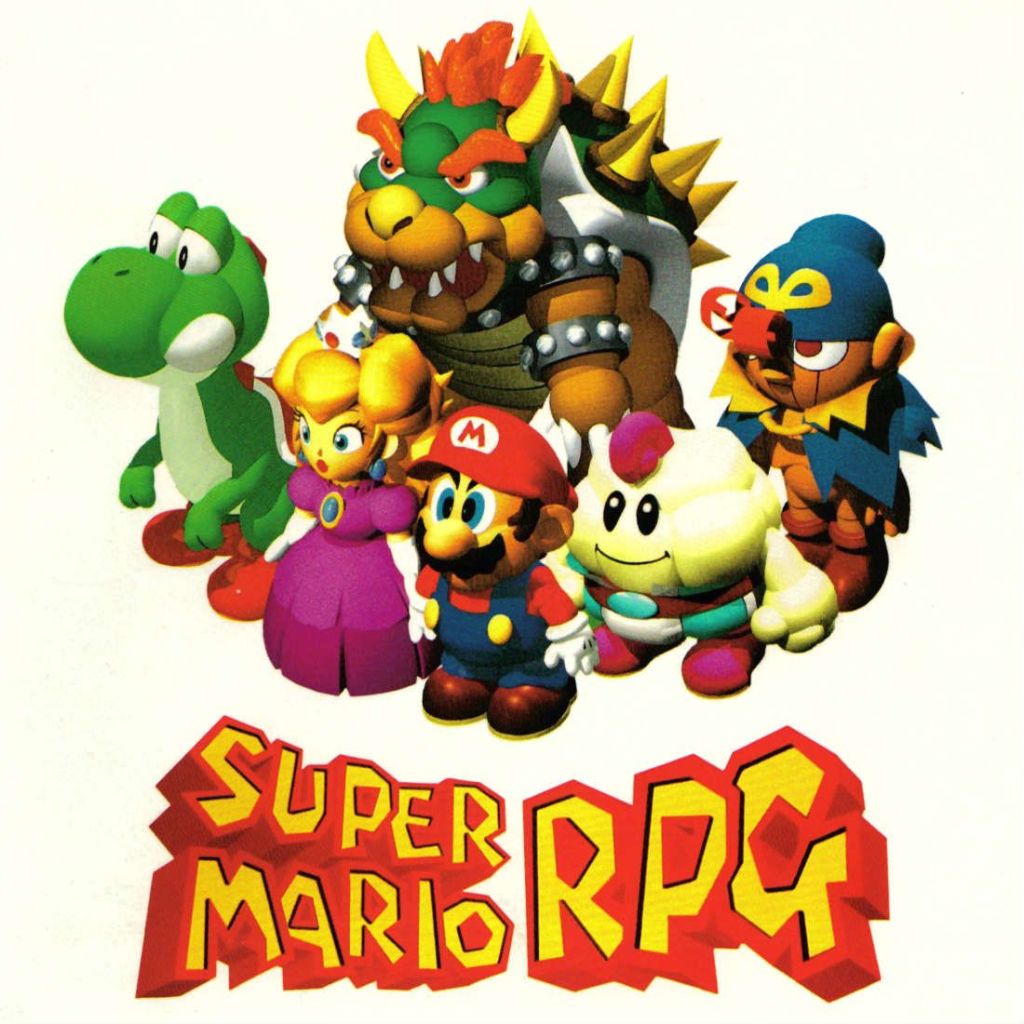
When Mario creator Shigeru Miyamoto and the team at Square decided to team up to make the game, they did not want it to be like an ordinary RPG with Mario characters wielding swords and shields. They wanted to create a unique role-playing experience that felt fitting for the inhabitants of the Mushroom Kingdom. A lightbulb went off when they decided to use Mario’s action-oriented gameplay as a natural way to lean into a more action-based RPG, not just during the game’s platform-based travel but also during battles.
Like most RPGs of the time, the battles were turn-based (meaning each player on the battlefield takes turns). Slightly less common in RPGs was the fact that enemies were visible during travel and touching them would initiate a fight. An idea used earlier in Square’s other 16-bit RPG Chrono Trigger. Furthermore, while Mario obviously had the ability to jump on enemies during battles, the damage dealt to enemies would increase with well-timed button action at the moment of impact. A unique battle mechanic that has remained a part of every Mario RPG that has followed this one. Meanwhile land travel consisted of isometric platforming with 8-directional navigation, which was also unique to the series.
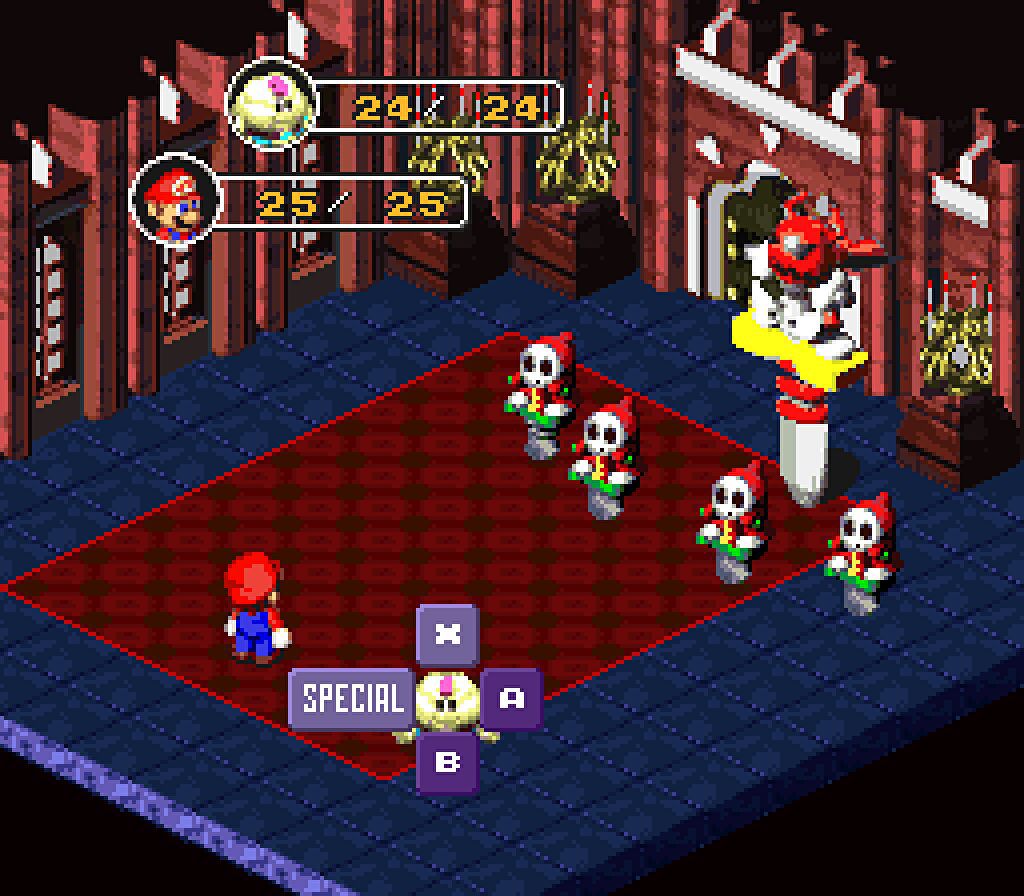
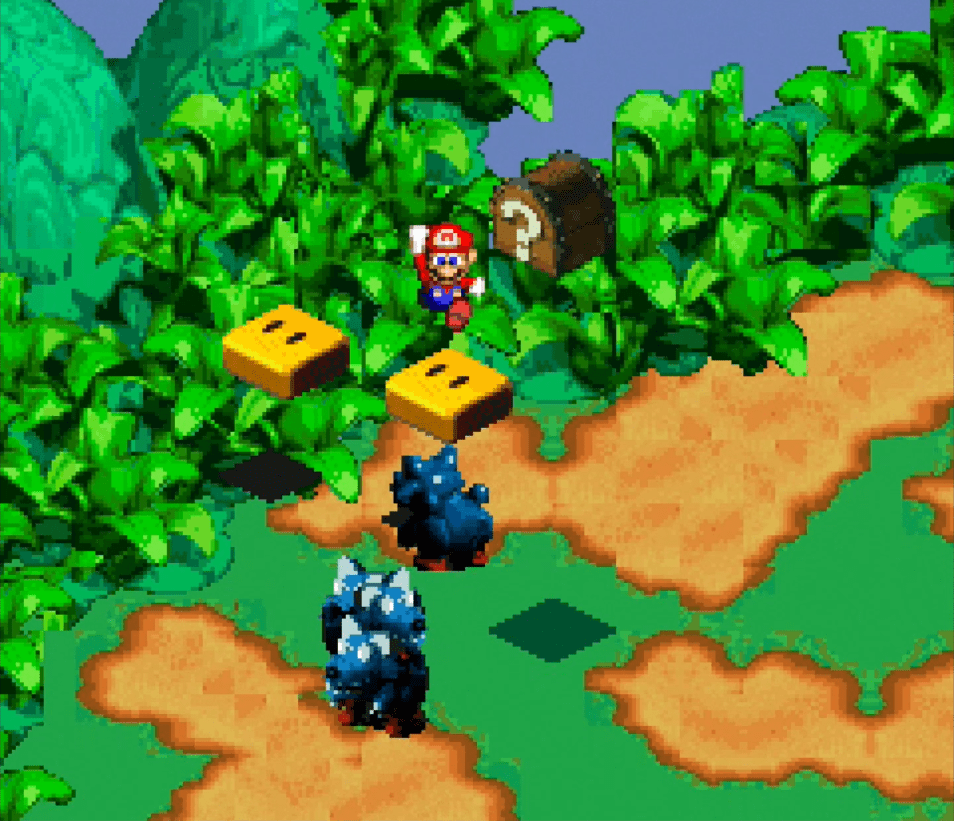
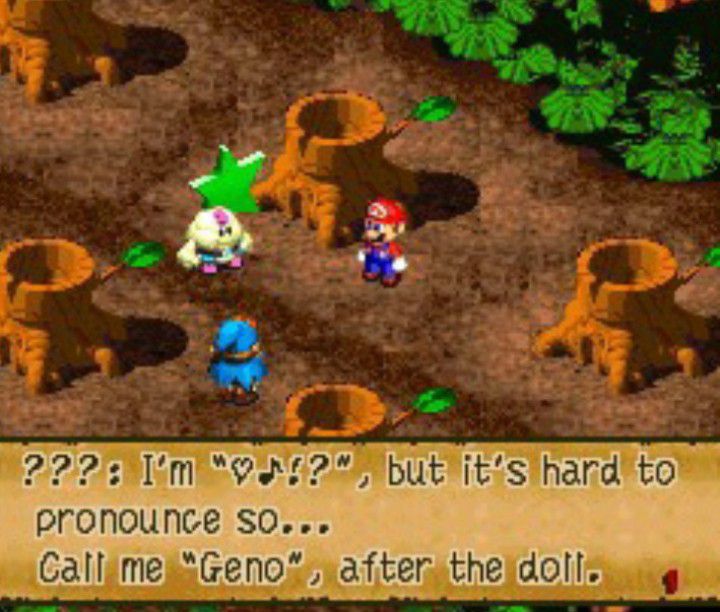
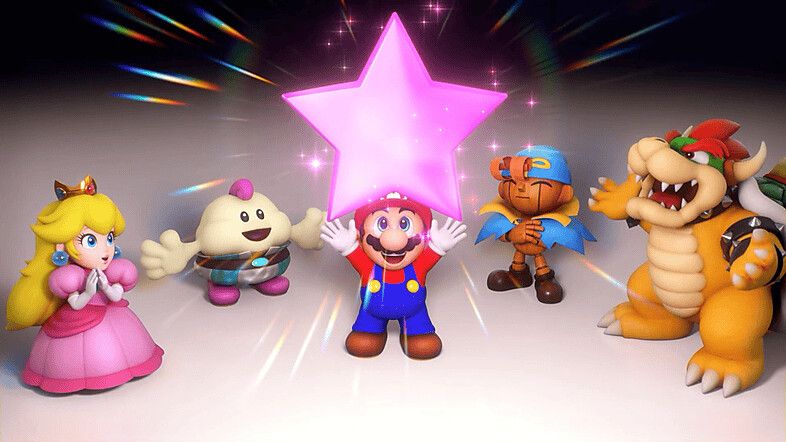
Of course many of the conventions of the genre remained. Mario was joined in his party by various characters with unique abilities, both old (Peach, Bowser) and new (Mallow, Geno) and you gained experience, gained levels, increased your power and gradually enhanced your abilities over the course of a long epic journey. Only instead of swinging swords, Mario swung hammers (he’s a plumber after all).
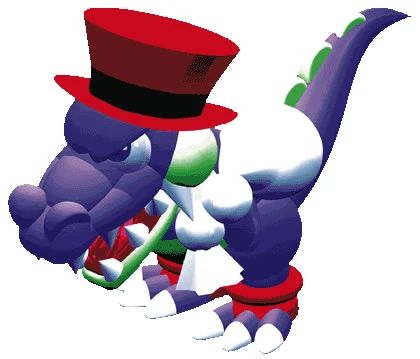
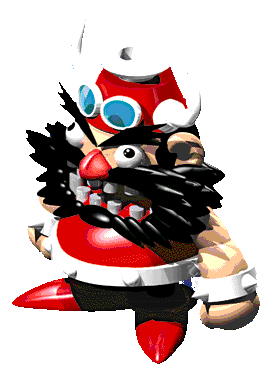
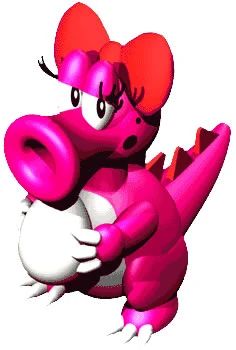
The game’s story starts out in the Mushroom Kingdom in typical fashion as Bowser kidnaps Princess Toadstool, but the story goes in more unexpected directions as it progresses, leading to the discovery of a maniacal king named Smithy who plans to take over the Mushroom Kingdom (which leads to Mario and Peach teaming up with Bowser) and an alliance with a cloud-like boy named Mallow and a celestially possessed children’s doll named Geno. Your travels eventually take you from Mushroom Kingdom to Moleville (a land of moles), Monstro Town (a land of reformed monsters), Yo’ster Isle (an isle of Yoshis), Nimbus Land (a land of cloud people) and Bowser’s Castle as you attempt to stop Smithy from dominating the world, fighting many unique and entertaining enemies along the way.
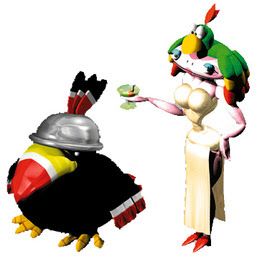
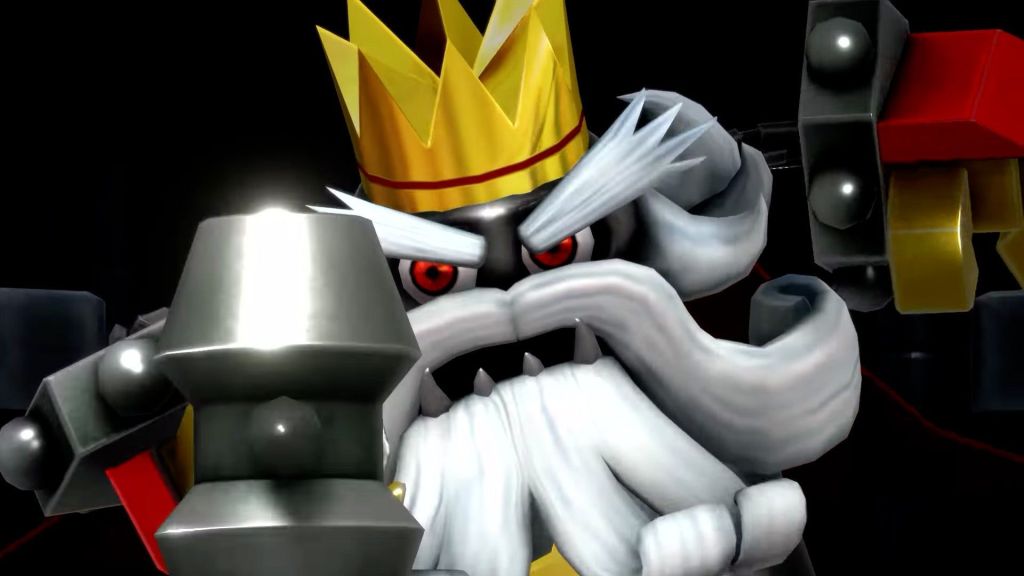
Shigeru Miyamoto led the team at Square as the game’s producer while Final Fantasy veterans Yoshihiko Maekawa and Chihiro Fujioka directed the game. Zelda writer Kensuke Tanabe (A Link to the Past, Link’s Awakening) worked on the game’s story and script alongside Atsushi Tejima while composer Yoko Shimomura, who at the time was best known as a composer for Capcom’s Street Fighter II, wrote the highly acclaimed soundtrack (incorporating Koji Kondo tunes throughout), earning attention from the gaming industry in the process, especially RPG developers. In fact, Shimomura credits Super Mario RPG for boosting her profile as a music composer, eventually leading to a string of many more RPG soundtracks (the genre she is now most closely associated with) including Parasite Eve, Legend of Mana, the Kingdom Hearts series and the Mario & Luigi series. Super Mario RPG‘s music was one of the most praised aspects of the game.
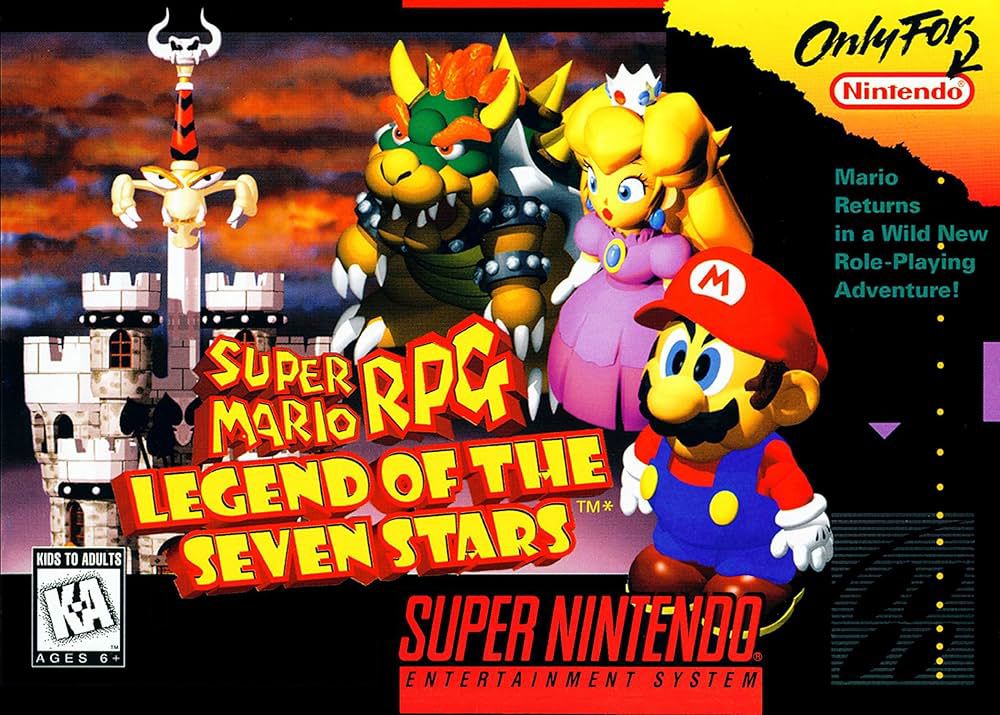
Super Mario RPG: Legend of the Seven Stars was released in both Japan and America a few months apart in 1996, and it received positive reviews and became a big commercial success in both countries. The graphics were particularly praised as being advanced for the time, and its sense of humor was also praised as it helped the game differentiate itself from typical RPGs. Even skeptical RPG devotees had to give it credit for its challenging and rewarding gameplay, despite their initial reservations about what they perceived as a childish version of a role-playing game.
Nintendo has never stopped making Mario RPGs ever since the success of Super Mario RPG (including a 2023 remake for the Nintendo Switch developed by the Tokyo-based software company ArtePiazza, featuring updated graphics and features), leading to two spiritual successor series: Paper Mario and Mario & Luigi, both of which have maintained many of the traditions started by Super Mario RPG like the timing-based battles, the humorous dialogue and the hammers (because who gets tired of bashing monsters in the head with hammers??)
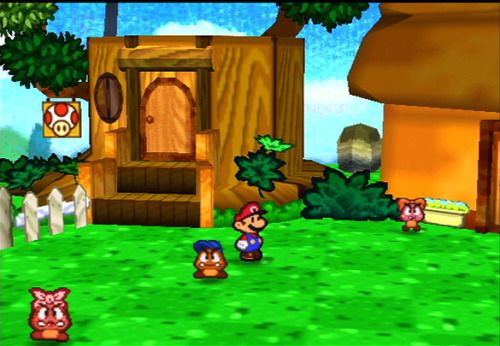
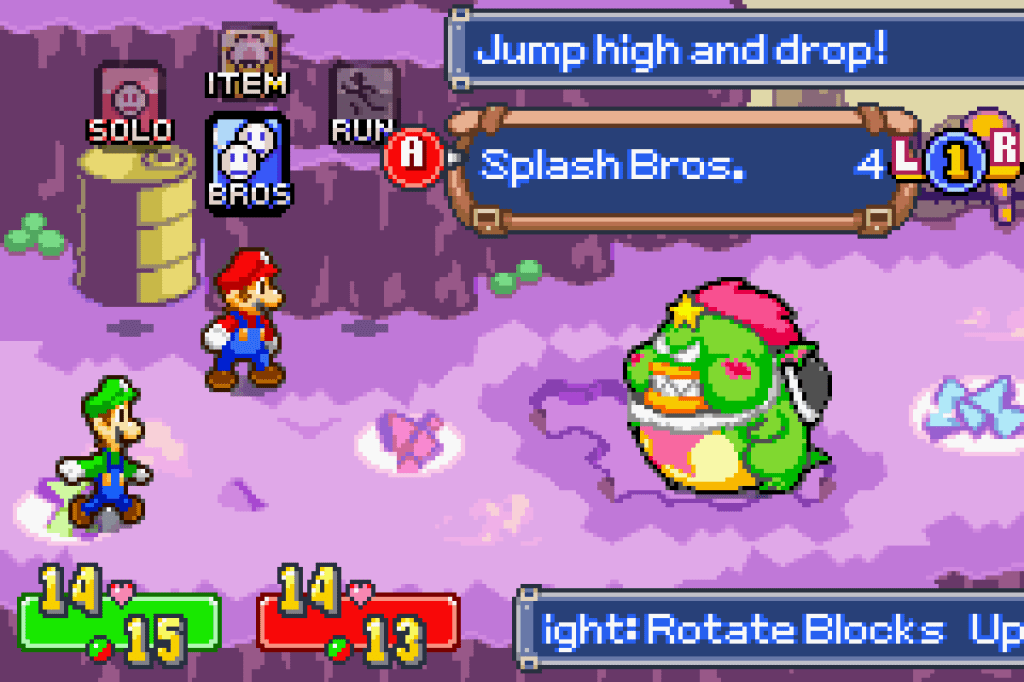
Fire Emblem developer Intelligent Systems is the company that handles the Paper Mario series, which began on the Nintendo 64 (first with the title “Super Mario RPG 2” before landing on “Mario Story” in Japan and “Paper Mario” in America) with the original intention being for Square to return to develop it before they turned it down to focus on the PlayStation game Final Fantasy VII. The Paper Mario series feels like a closer spiritual successor to Super Mario RPG because of how you are often joined by multiple party members, only with a new 2D-cutout art style. Meanwhile AlphaDream handles the development of the Mario & Luigi series, which began on the Game Boy Advance with Mario & Luigi: Superstar Saga, a game that puts you in control of both Mario and Luigi in team-based battles. Both of those series are huge successes as well, which really proves that Super Mario RPG struck gold with its formula.
 Entertainment Junkie Blog