
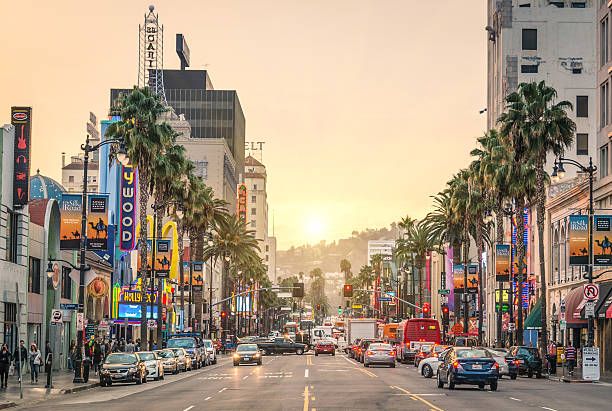
The reason why I became such a Hollywood history nerd (to the point where I’ve been writing this blog for nearly a decade now) is because I grew up on Hollywood films. And my love for American cinema and my fascination for the process that led to their creation was only fostered by behind-the-scenes documentaries, DVD bonus features and the countless number of books I’ve borrowed from the library about Hollywood history. For this reason Los Angeles is my favorite city in the world. I’ve only visited the place once in my life when I went on vacation there, but everything about this city speaks to me and who I am on a deep level. And seeing as how Hollywood films are the most popular type of films globally, Los Angeles is seen by many as the entertainment capital of the world. In this article I explore the history of this region to explain how a small town called Pueblo de Los Ángeles became so culturally and economically rich, as well as L.A.’s personal importance to me as a film fan.
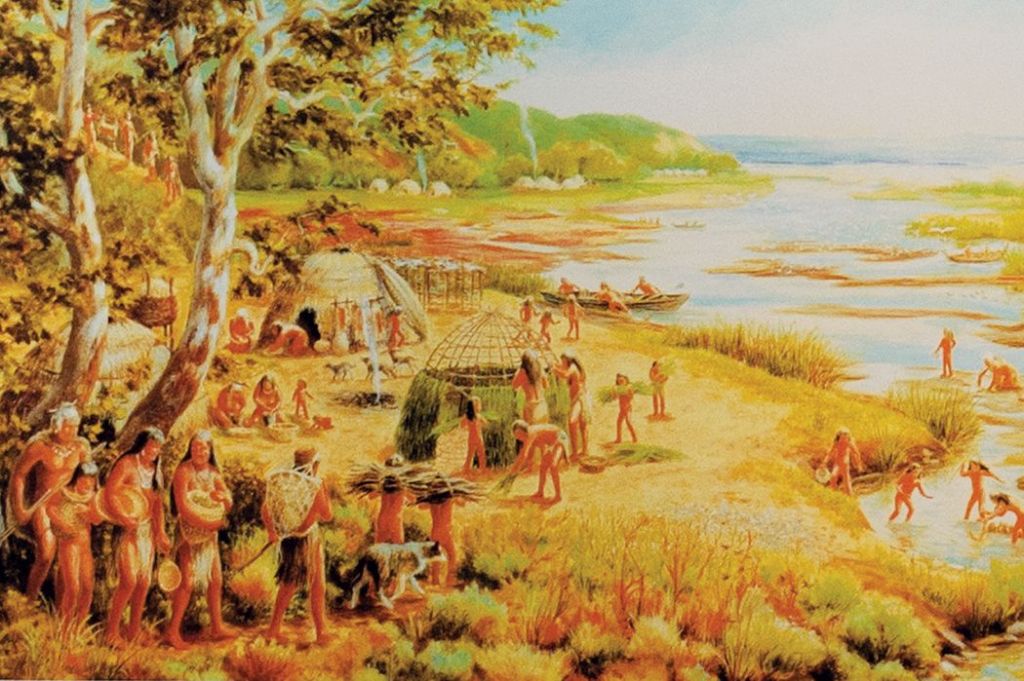
The earliest known people to populate this region of Southern California were the indigenous tribe of the Tongva, but the Spanish Empire began eyeing this land for colonization in the 1500s, and by 1542 they would successfully conquer it, thanks to Portuguese explorer Juan Rodríguez Cabrillo claiming it on Spain’s behalf.
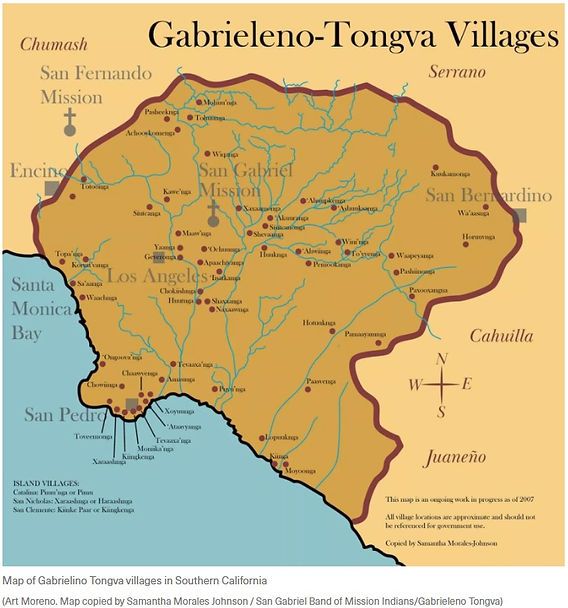
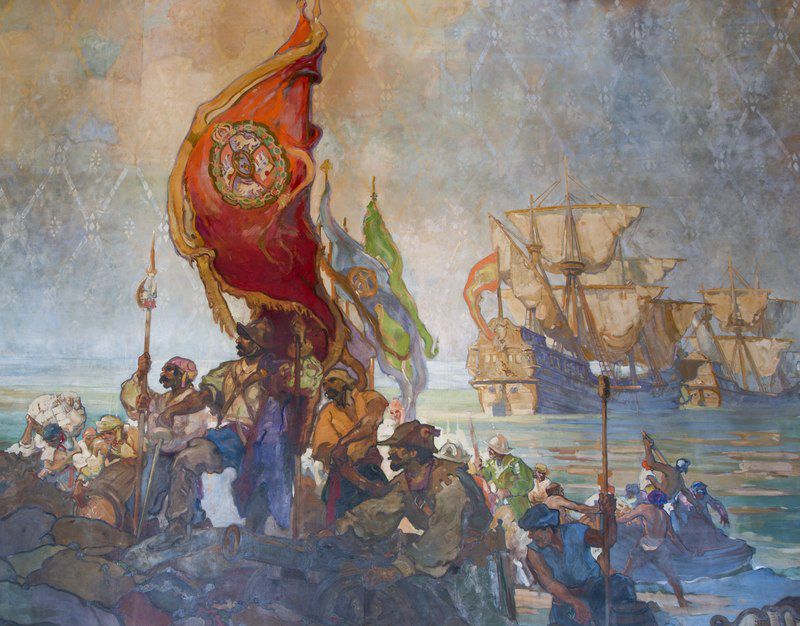
Today the megacity of Greater Los Angeles is divided by five counties (Los Angeles County, Ventura County, San Bernardino County, Riverside County and Orange County), but it started out as a small Spanish settlement. However the actual mass of land that Los Angeles currently occupies would not be officially claimed until 1769 when the Spanish Army travelled there with Franciscan missionaries who established the Mission San Gabriel Arcángel, a Catholic church which would be built in 1771 and become the area’s first mission for spreading Christian gospel, with religious conversion of course being chapter one of the colonization handbook.
Around 1781 when Spanish settlers were deep into the process of colonizing both Mexico and California, the first two major civilizations they built were the Town of Saint Joseph of Guadalupe (San Jose) and the Town of Our Lady the Queen of the Angels (Los Angeles). Los Angeles was the one that became the principal urban center of Alta California’s southern region and the Spanish province’s capital city, with much of the region’s economic life dependent on the raising of livestock at Spanish and Mexican ranchos.
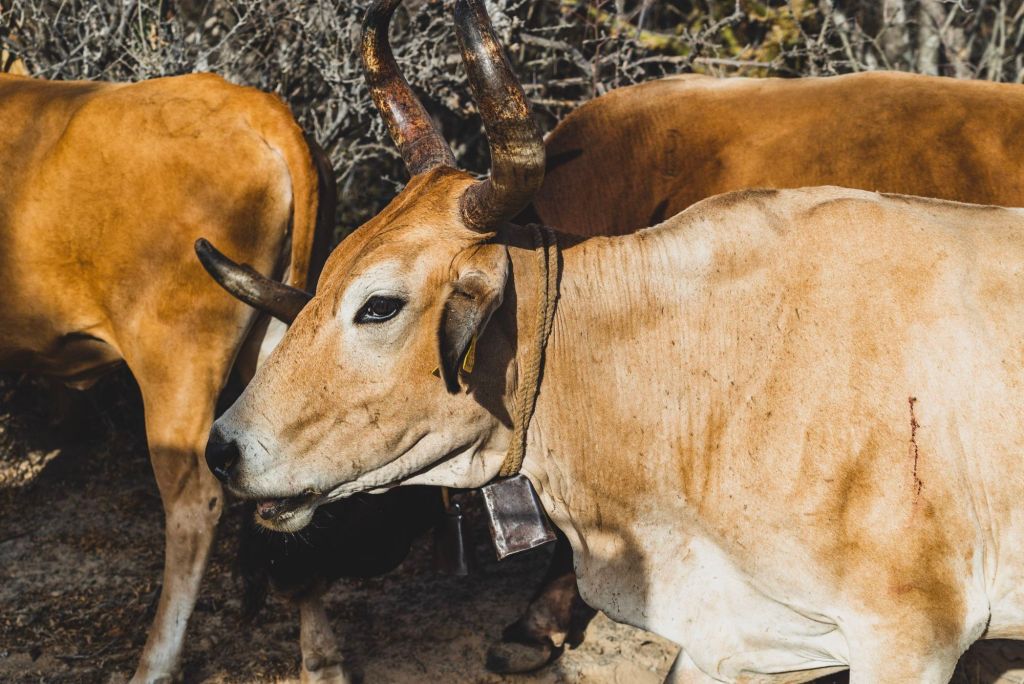
By the 1800s, the population grew and the settlement of small ranch towns expanded, becoming a melting pot of Mexicans, Europeans, Africans and indigenous people, with the Hispanic and Latino population making up the majority (which it still does to this day).
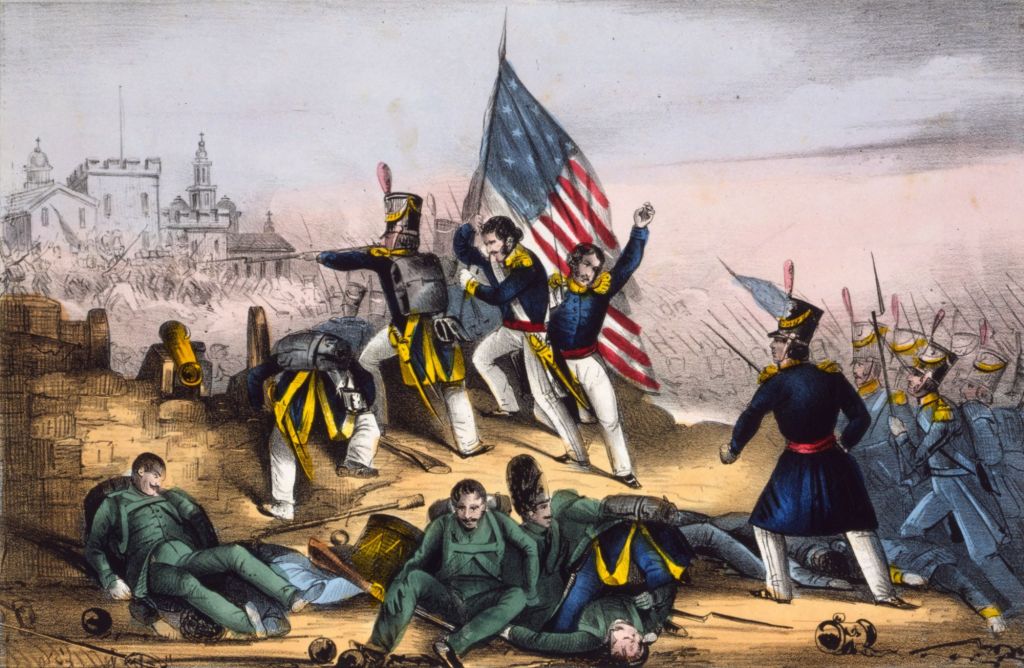
After New Spain became independent from the Spanish Empire in 1821, Mexico officially made Los Angeles the capital city of Alta California. But Mexico’s rule over Los Angeles would be short-lived once American settlers migrated to the West and decided they would conquer what Spain was unable to conquer. After Mexico signed the Treaties of Velasco, which put an end to the Battle of San Jacinto in 1836 between Anglo-Americans and Hispanic Texans and decisively put an end to the Texas Revolution, Mexicans and Americans fought each other in an armed conflict that came to be known as the Mexican-American War (1846-48), which not only led to America ceasing Texas from Mexico but also led to a military campaign in Alta California for the United States to conquer California, which they finally did in 1847 after the Treaty of Cahuenga resulted in a ceasefire between the Americans and the Californios. Mexico officially ceded the territory of Los Angeles to the United States in 1848.
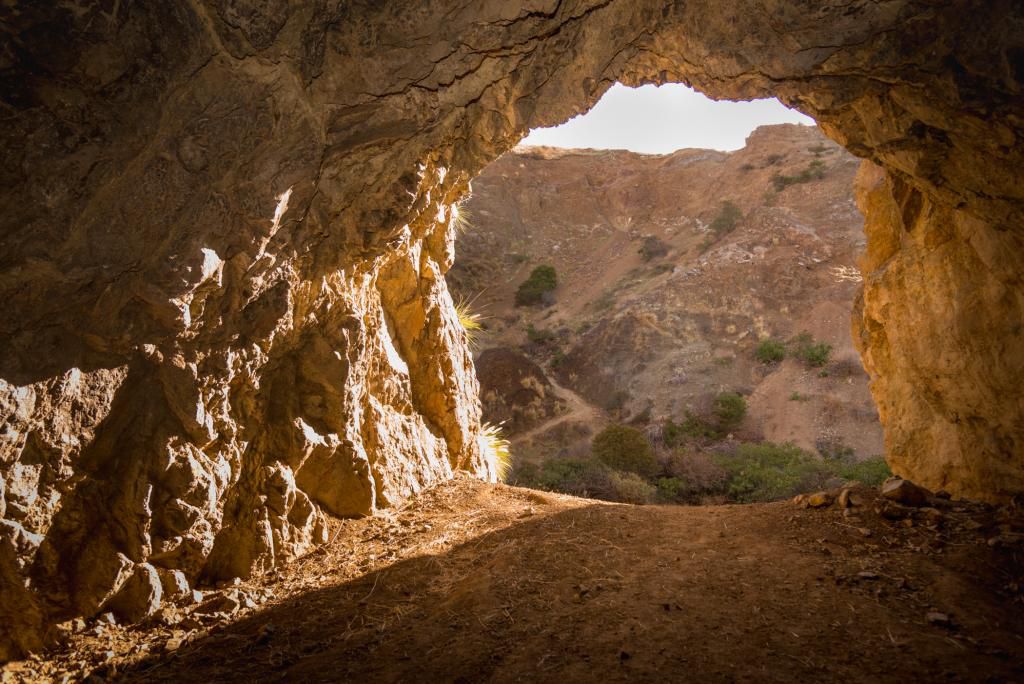
In the late 1800s, the building of railroads and the discovery of petroleum oil helped California become one of the richest territories in the country and the state’s population kept growing. Today California is famously known as the most highly populated U.S. state, and this growth was incentivized in large part by the completion of the Los Angeles aqueduct in 1913, which kept the city’s water supply steady under the pressure of a rising population. This was also around the time when movies started gaining popularity and Hollywood started to become the movie making capital of the U.S. and a popular area for film shoots due to the long sunny days. Bronson Canyon for example was a section of Griffith Park that was famous for being the shooting location for many Hollywood Westerns and science fiction, such as The Searchers and Invasion of the Body Snatchers.
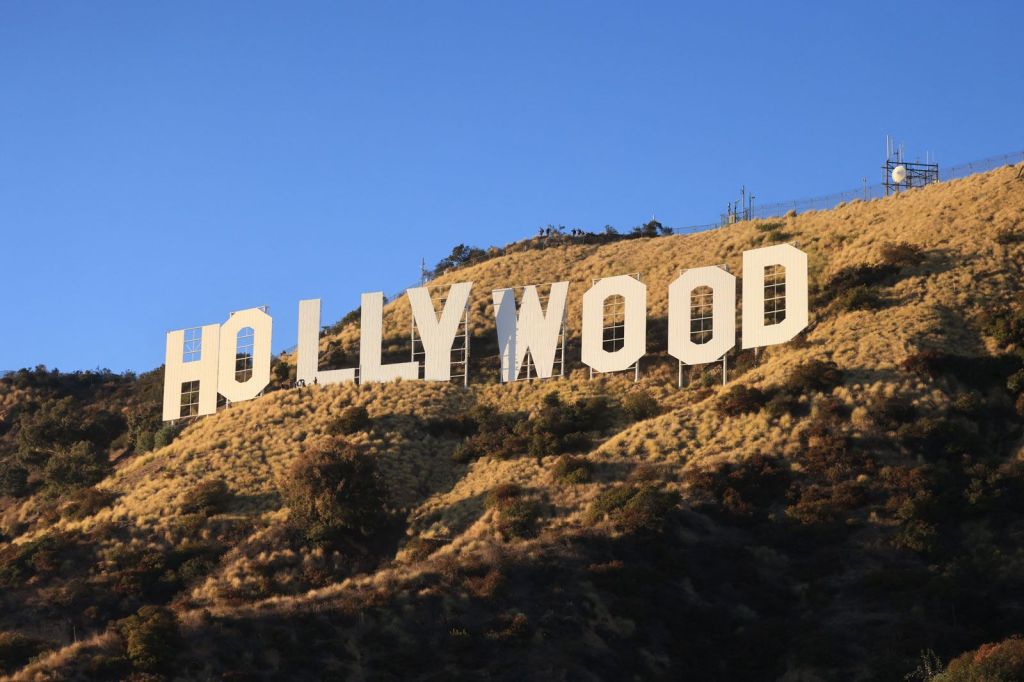
Los Angeles was actually one of the few cities that was able to sustain its economic growth during the Great Depression due to the rising popularity of escapist entertainment during that period, which really benefitted spectacle-bound studios like MGM and producers like Walt Disney who specialized in the musical and fantasy genres and had huge financial success in the 1930s. This was also at a time when there were more people in L.A. than ever, with the population of Greater Los Angeles reaching a million people and Los Angeles County being the most highly populated area by far. Today Greater Los Angeles is the region with the third highest population in America behind New York City and the San Francisco Bay Area and in terms of its GDP it has the second highest market value behind New York City (not even the film industry can compete with Wall Street).

Because of how rich L.A.’s economy was, they were also one of the most important American cities during World War II because they had enough money to build hundreds of ships and aircraft for the American side of the war effort. And the post-WWII expansion of suburban areas and the establishment of the interstate highway system in the 1950s led to an even bigger population growth, which is one of the reasons why people like Walt Disney saw Greater Los Angeles as such an ideal location for building theme parks. By 1984, Los Angeles surpassed Chicago as the second-largest city in the U.S. behind New York City, and today it is known primarily by the mainstream as the hottest spot for rich, beautiful and famous people.
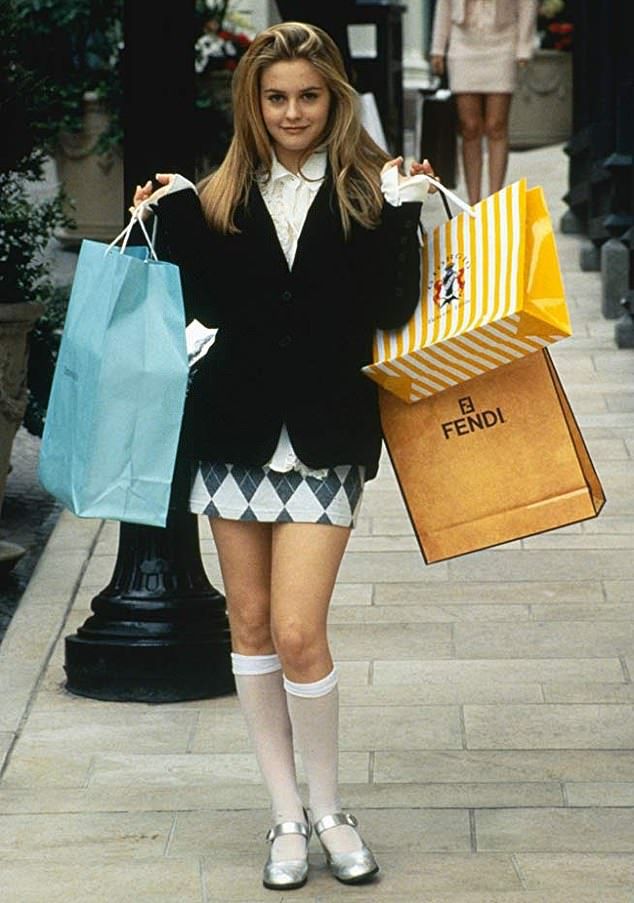
The art and the culture, however, is the main reason why I love L.A. so much. The city really started attracting artists and intellectuals in the 1920s and beyond when Hollywood helped spread the city’s reputation as the center of cinematic grandeur. Soon museums, theaters and arthouses followed, much of it inspired by the art and culture of Mexico and Spain due to California’s historical roots, but just like L.A.’s population, the L.A. art scene was diverse. The Greater Los Angeles area has always attracted creative people and people with creative aspirations, especially since every major Hollywood studio resides here, from Warner Bros. to Disney to Universal to Paramount to Sony Pictures.

Because of this close proximity to the production side of movie making, Los Angeles has obviously also become a popular spot for celebrities to hang out when they aren’t busy. New York City had the Copacabana, but in L.A. famous people used to hang out at clubs like Avalon Hollywood, Cafe Trocadero and perhaps most famously the lavish and exotic Cocoanut Grove at the Ambassador Hotel (which was open from 1921 to 1989). Chasen’s was a famous restaurant in West Hollywood known for serving such customers as Frank Sinatra and Groucho Marx while the Christie Hotel (formerly the Hollywood Inn and the Drake) was not only a frequent hang for stars but it was known as the first skyscraper in Hollywood after it opened in 1922.
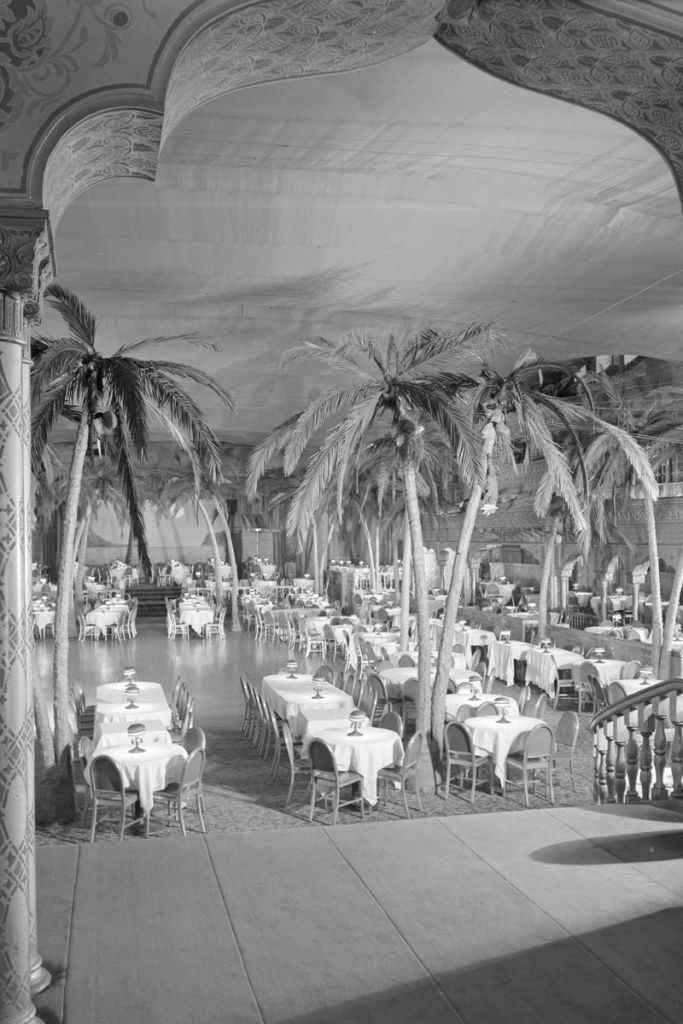
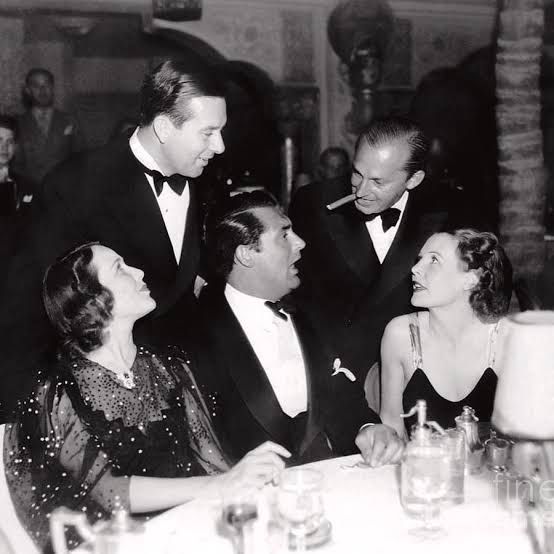
Other famous locations in Los Angeles (some of which I got to see in person) include:
The Academy of Motion Picture Arts and Sciences, which gives out the Oscars
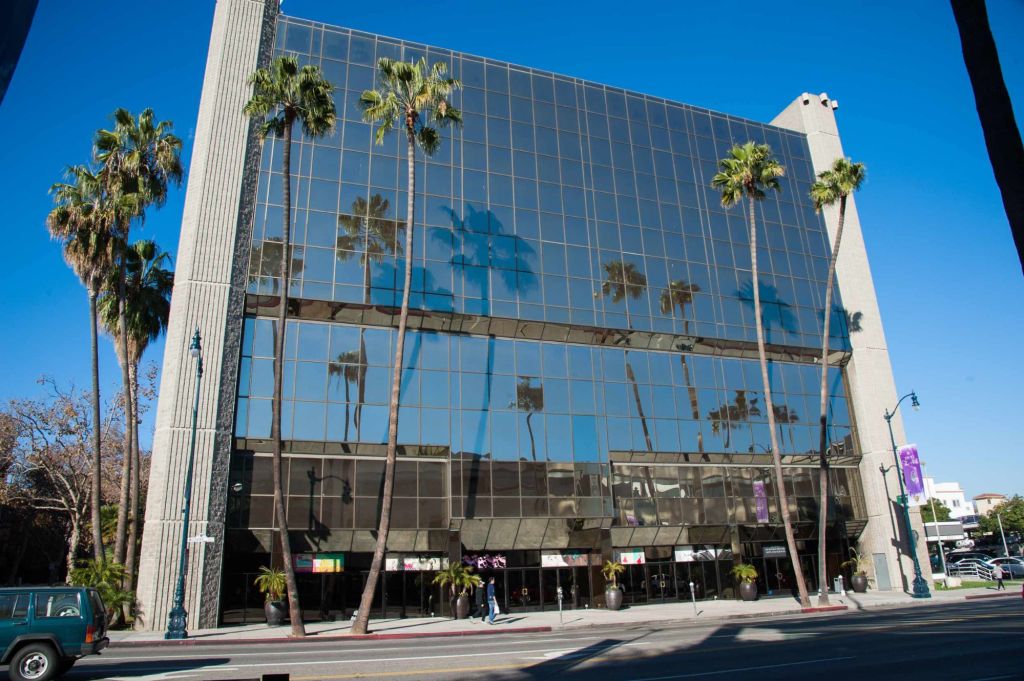
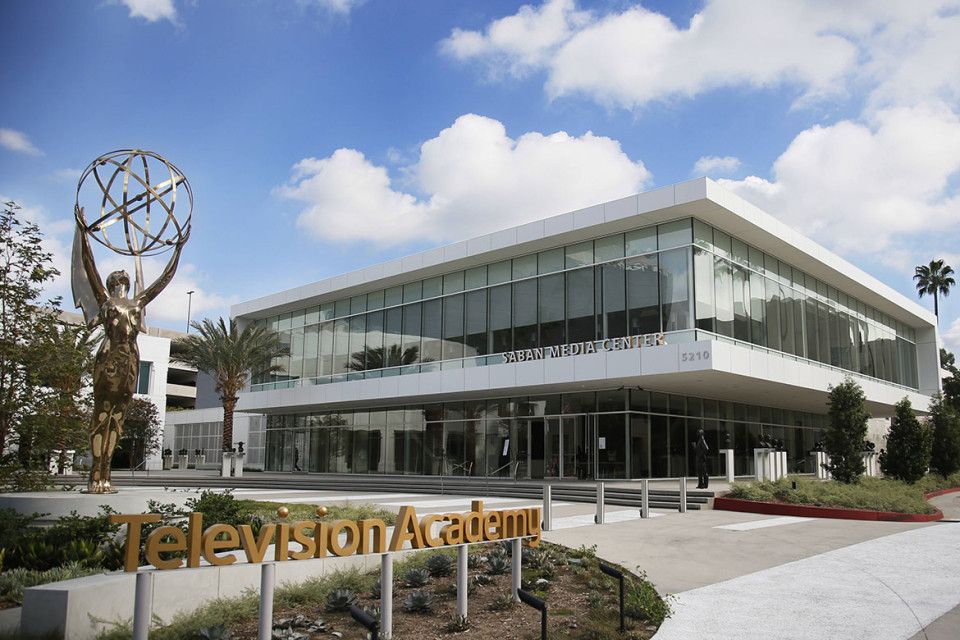
The Academy of Television Arts & Sciences, which gives out the Emmys
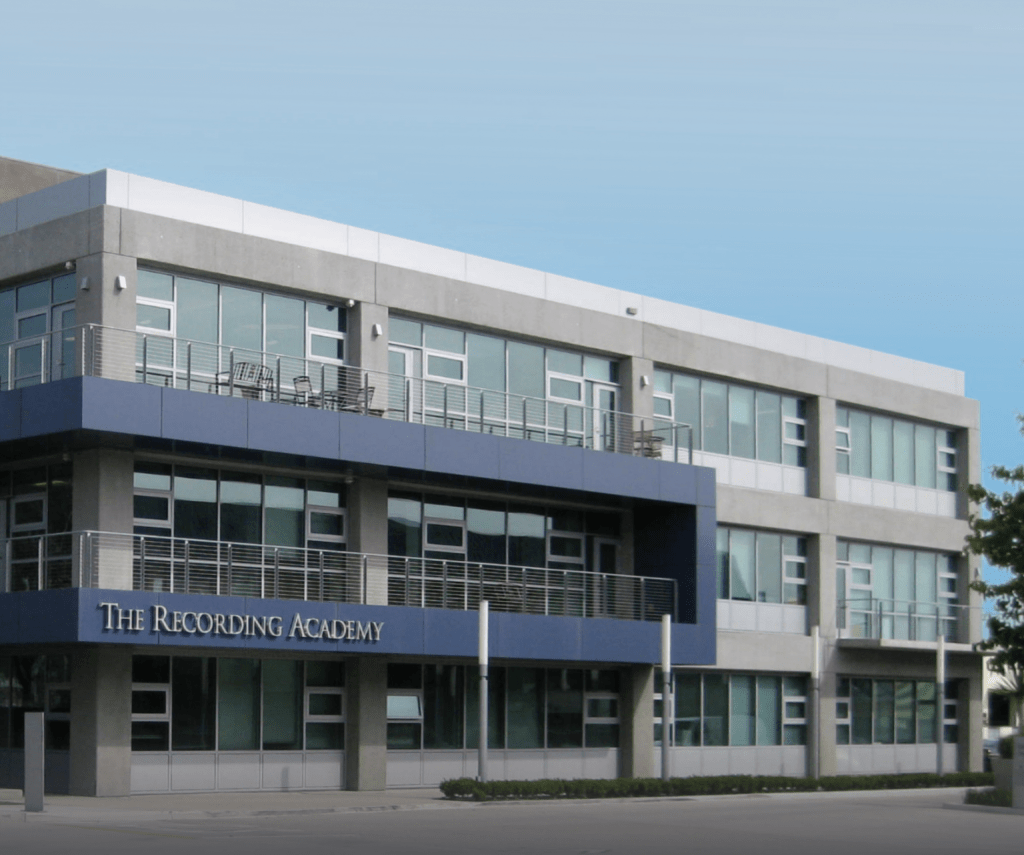
The Recording Academy, which gives out the Grammys
The American Film Institute

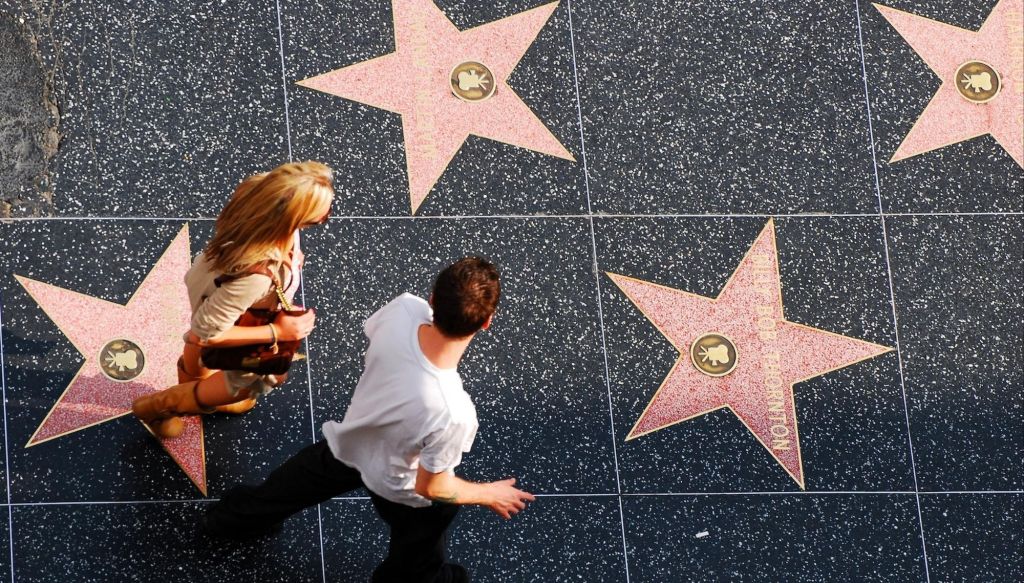
The Hollywood Walk of Fame
USC School of Cinematic Arts, which includes as its alumni such former students as George Lucas, Ron Howard, Robert Zemeckis and Judd Apatow

CalArts, the private art school co-founded by Walt Disney which serves as a launching pad for the careers of many successful animators and filmmakers

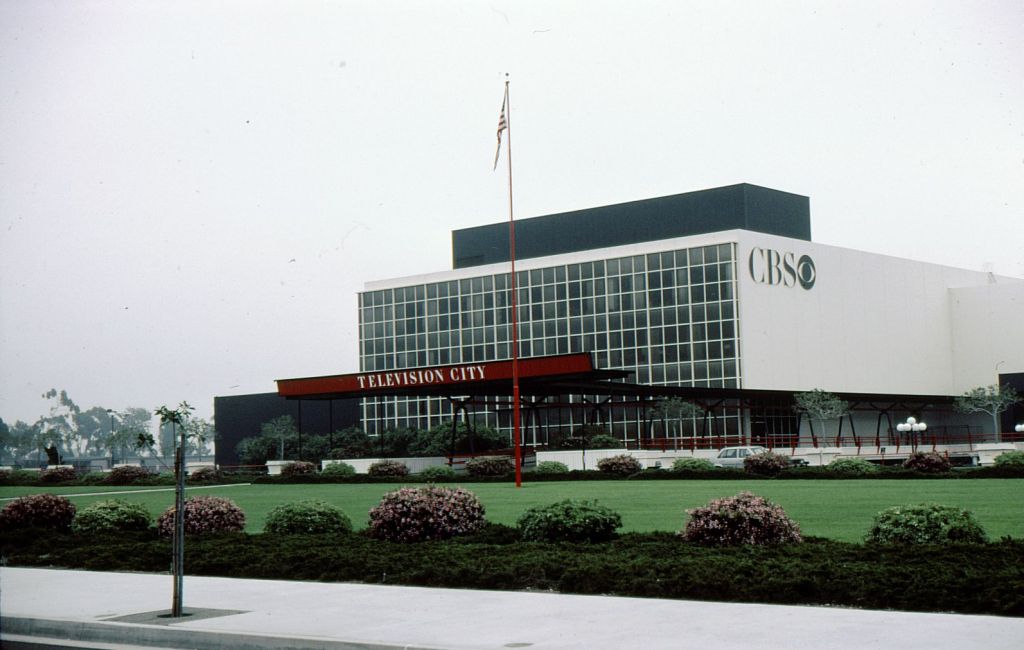
Television City
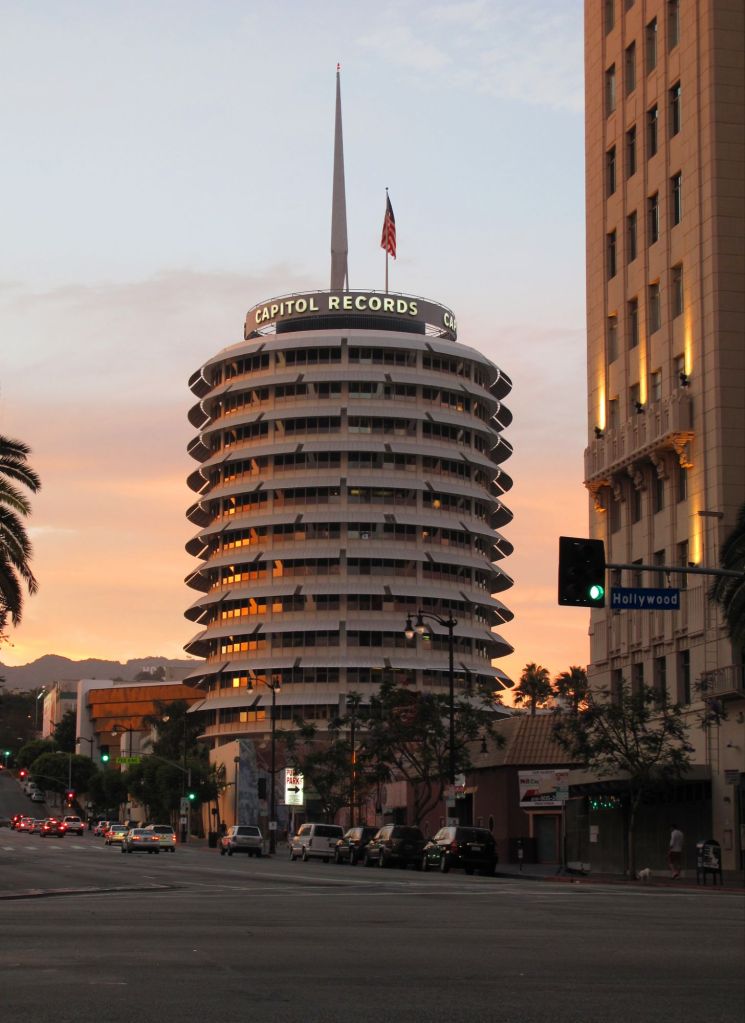
The Capitol Records Building
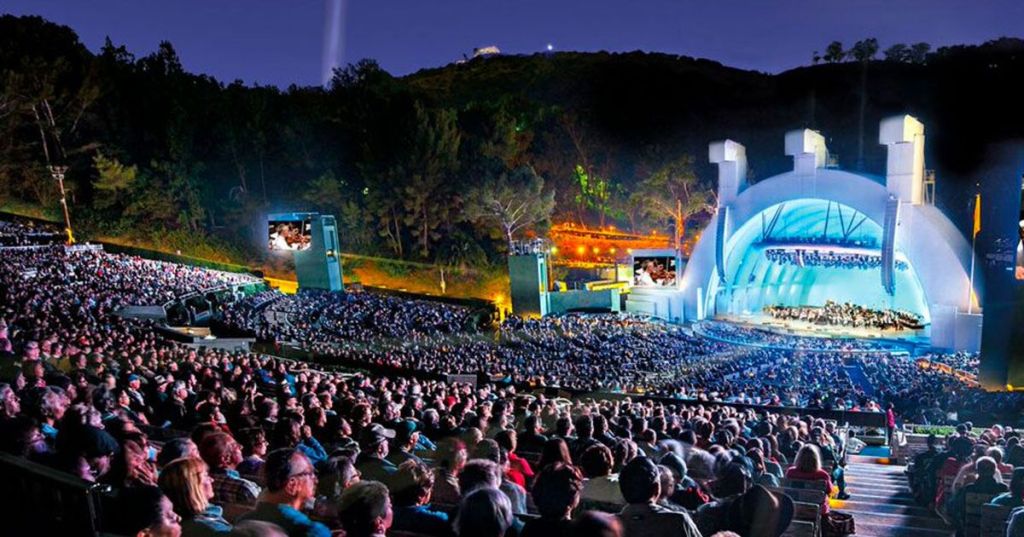
The Hollywood Bowl
The Walt Disney Concert Hall

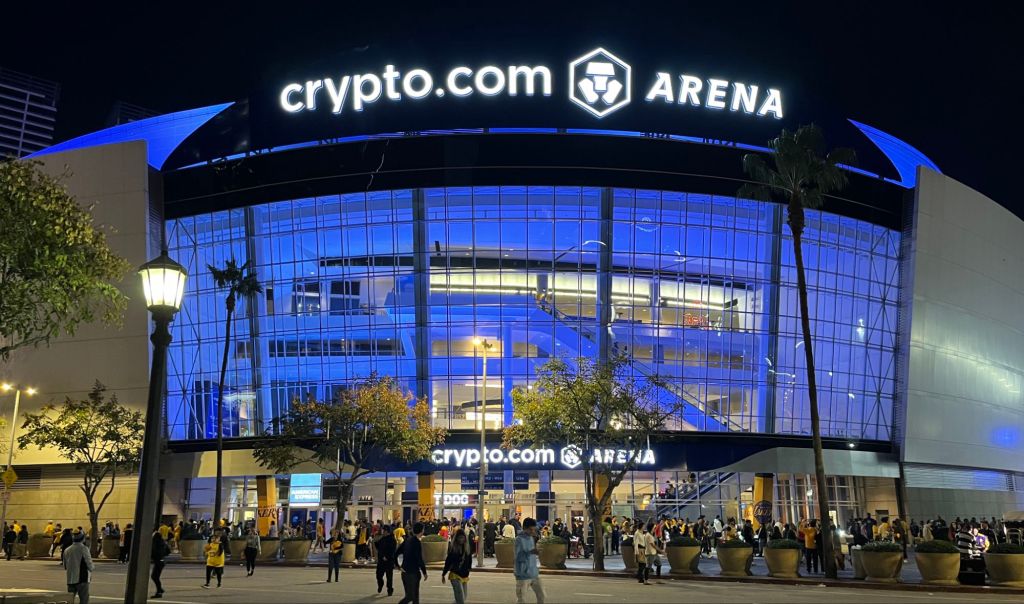
The Crypto.com Arena, formerly and famously known as Staples Center
The Comedy Store, a famous comedy club on the Sunset Strip where such comedians as Richard Pryor, George Carlin, Robin Williams and Eddie Murphy started out

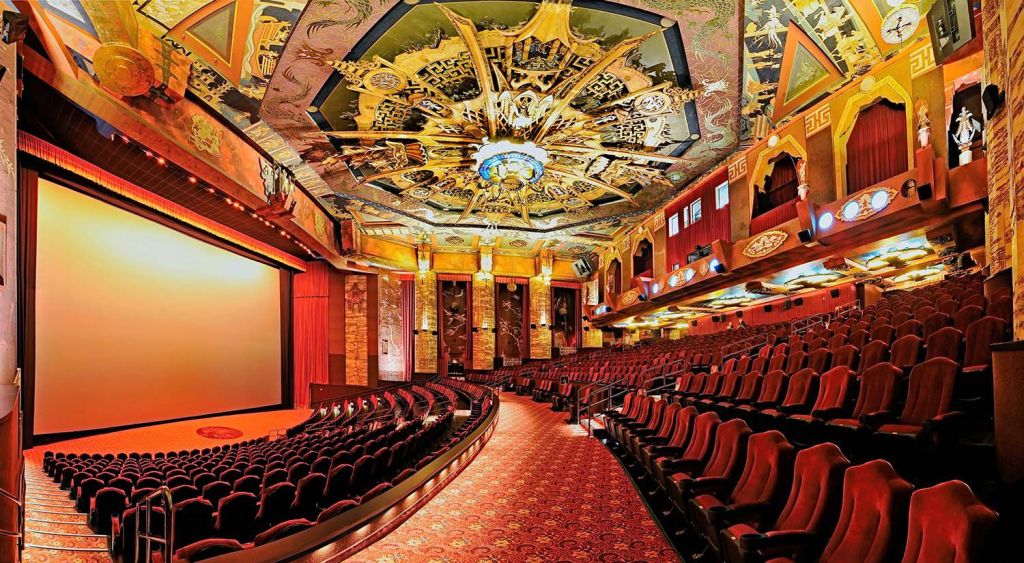
Grauman’s Chinese Theatre
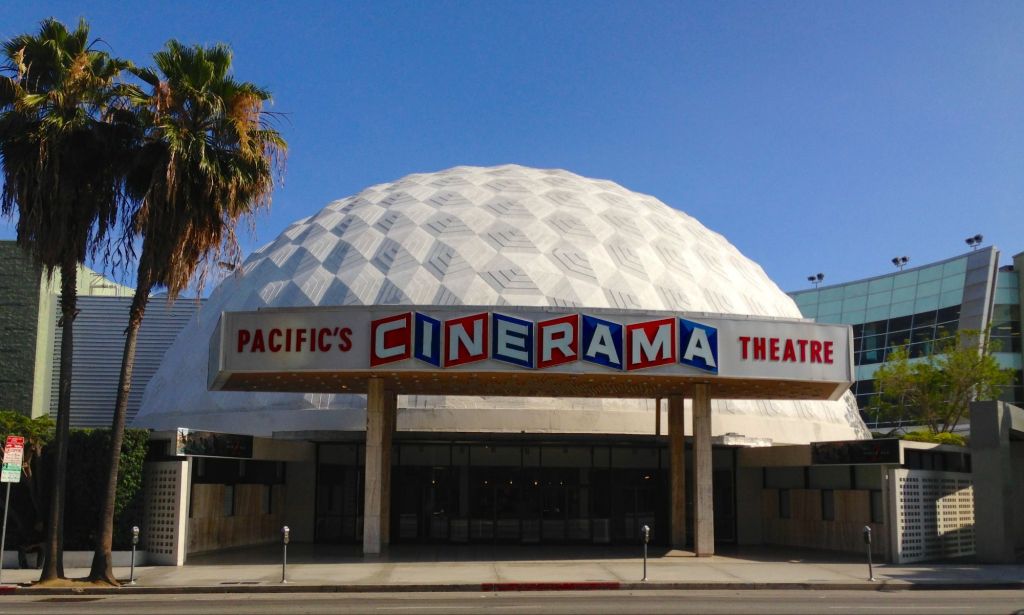
The Cinerama Dome
Dodger Stadium, which is the largest baseball stadium in the world by seat capacity

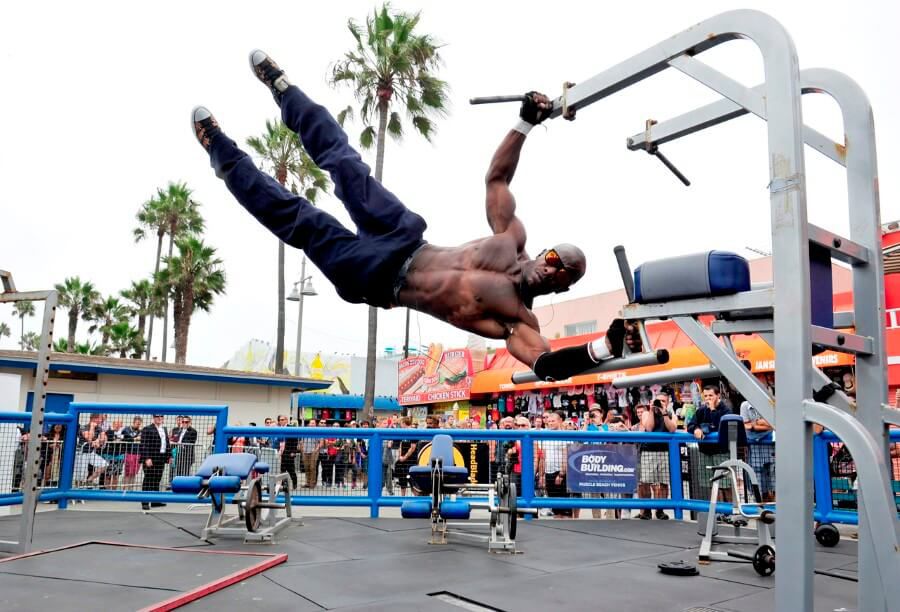
Muscle Beach, birthplace of America’s physical fitness boom
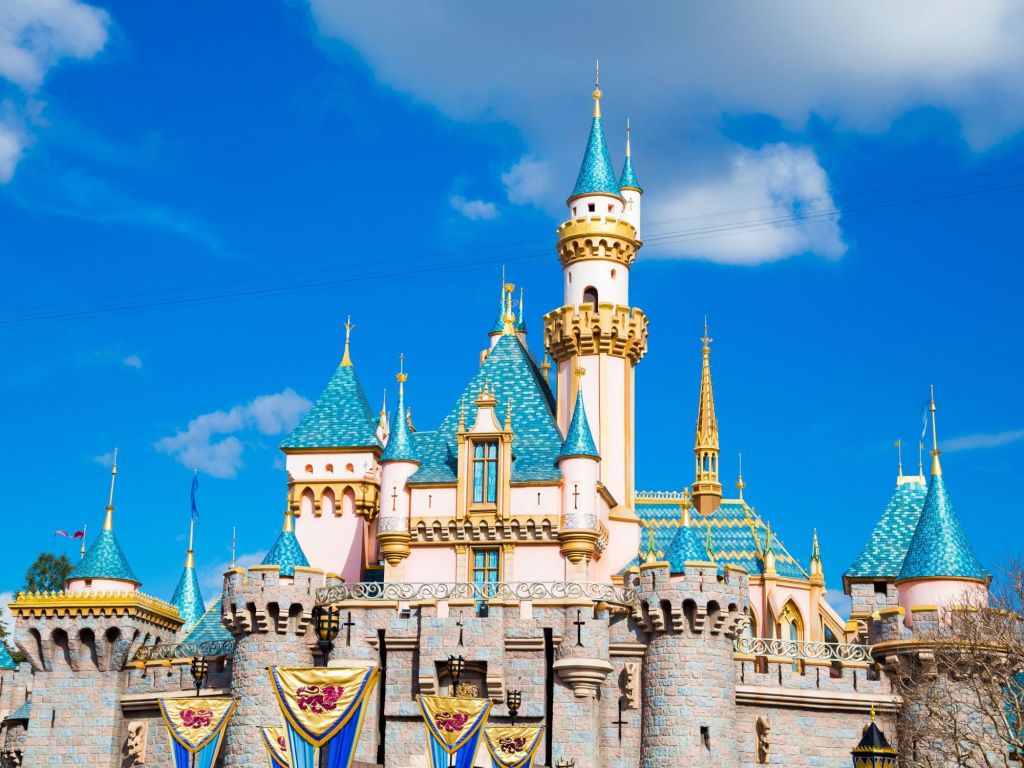
The Disneyland Resort
Universal Studios Hollywood

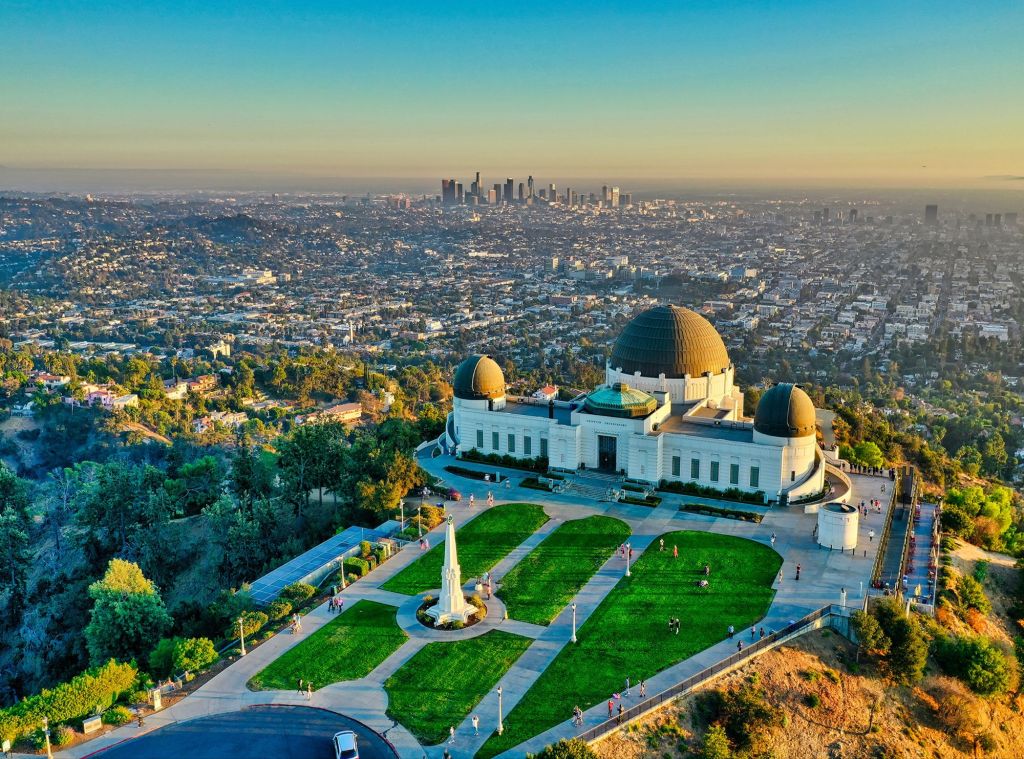
The Griffith Observatory
The Church of Scientology (which I avoided like the plague)

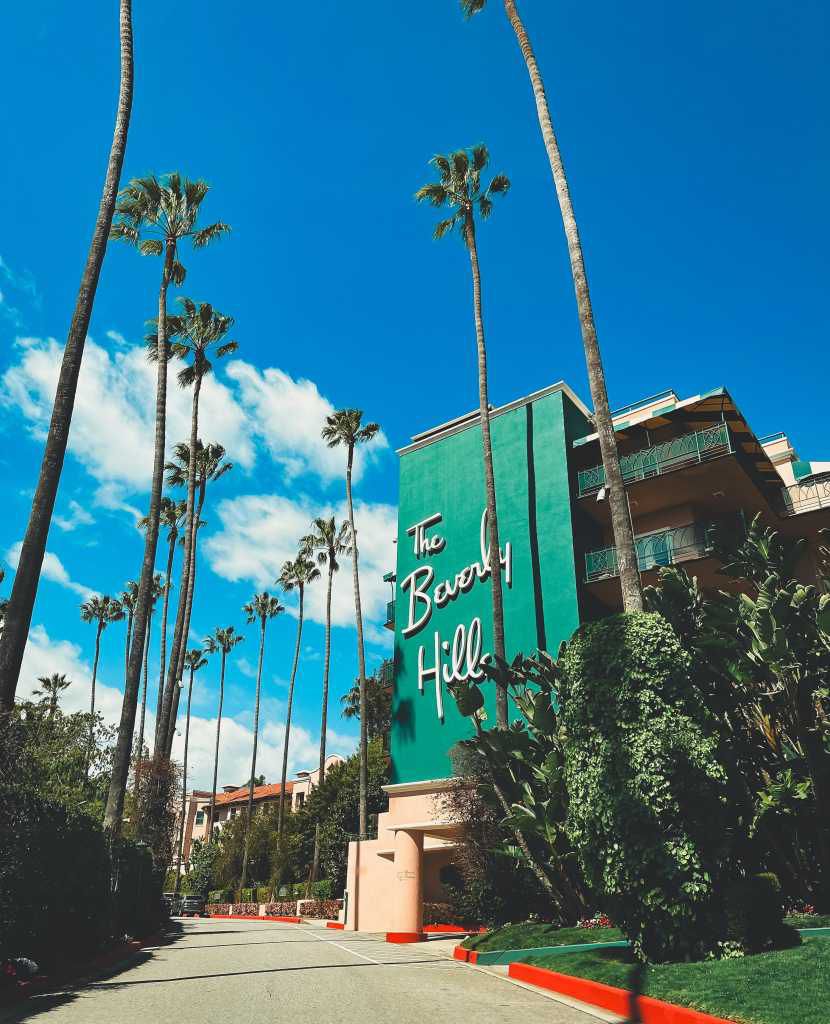
The Beverly Hills Hotel
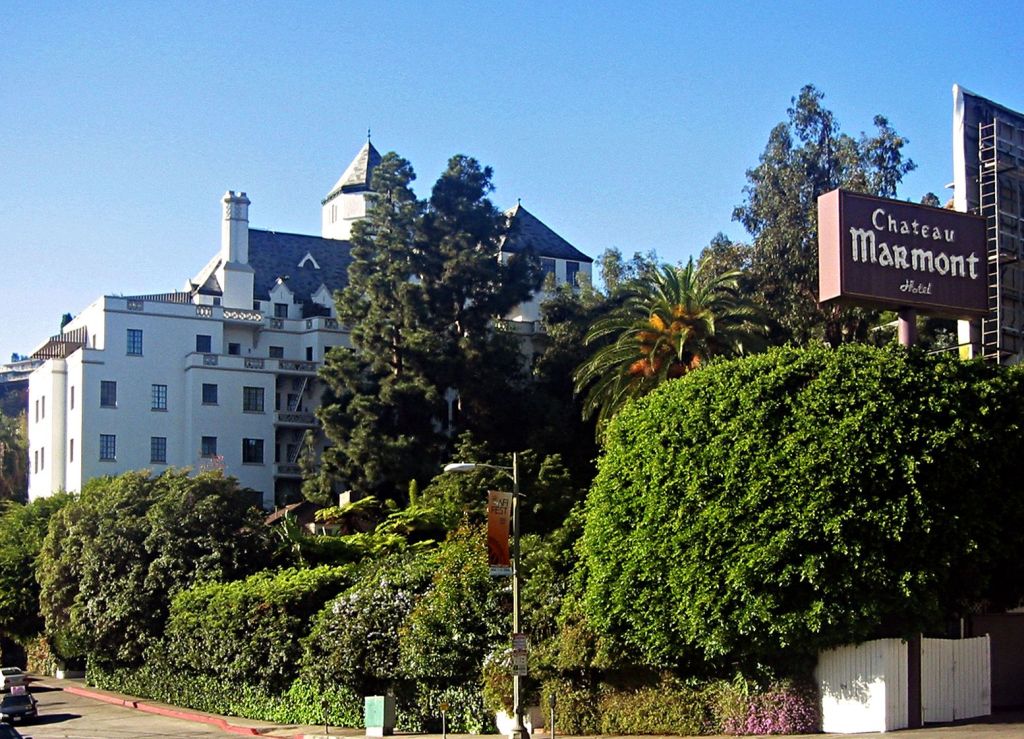
The Chateau Marmont
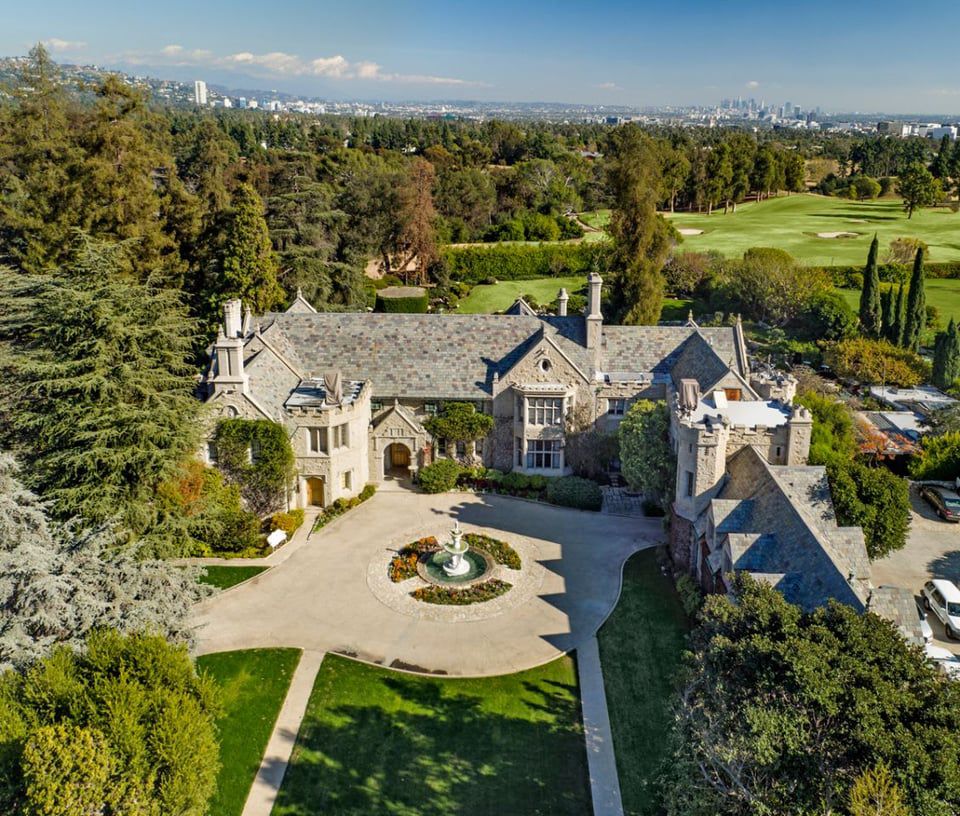
The Playboy Mansion
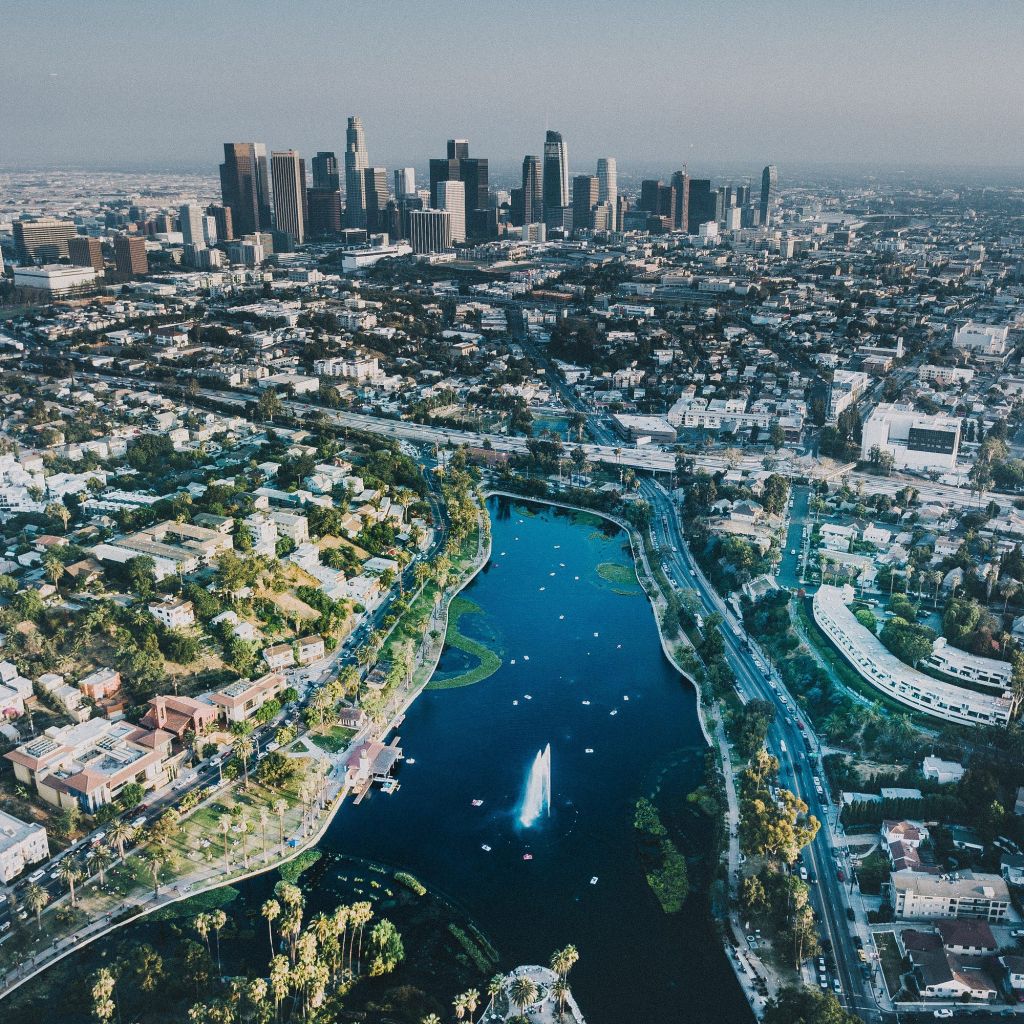
These are the most famous places but there are many other facets to Los Angeles. I explore some of those in a series of articles I wrote back in 2024 about my personal experience visiting Hollywood. I’ll probably visit Los Angeles again some day, of course I’m writing this article from my home in the San Francisco Bay Area and L.A. is only a plane ride away, so it’s not exactly like it’s out of my reach. I was raised in the city of Oakland and the East Bay feels like my home and very much a part of me. But I was not a kid who cared about where I lived. That was too boring. I was a kid with endless curiosity, who watched TV and became obsessed with fictional worlds in Hollywood movies that were nothing like my own. For that reason, Los Angeles feels like an important part of my identity and an important reason for why I even created this blog in the first place.
 Entertainment Junkie Blog