

Since the earliest days of mankind, human beings have always had an idolization and an almost worshipful devotion to beauty. Especially beautiful people. This often manifested itself in either admiration, jealousy or lust, but no matter what the reason was, physical beauty often attracted the attention of many people. However, somewhere down the road from prehistoric society to civilized society, we decided that staring at hot people outside the bounds of courtship was distasteful. So what was the next best thing? Staring at pictures of hot people, of course! And this is a desire that the entertainment industry has capitalized on for the longest time from the pages of Esquire to the pages of the Sports Illustrated Swimsuit Issue.
The idea of using pictures of beautiful people to sell magazines, tickets or pretty much anything you could advertise was very common in the early 20th century, and in the days before television, home video and the internet existed, the common nickname for this type of model was a “pinup” or pin-up model, which was basically a model whose photographs were mass-produced for the purpose of being “pinned” to a wall, often for aesthetic display. Although the term can also apply to drawings and paintings, which were just as popular as pictures of real people. You may have heard female pinups described as “cheesecake” models, which was another nickname, while male pinups were nicknamed “beefcake” models. These models could not only be seen on posters but their pictures were also displayed in magazines, newspapers, calendars and on postcards and stamps.

In the 19th century and into the 20th century, actors and performers with sex appeal were often hired to model as pinups for advertisement purposes. When film actors began doing this, performers like Theda Bara and Rudolph Valentino started being called “sex symbols.” Some sex symbols who are among the most popular pinups of their time include Betty Grable, Rita Hayworth, Ava Gardner, Jane Russell, Marilyn Monroe, Jayne Mansfield, Mamie Van Doren, Raquel Welch, Farrah Fawcett, Teri Hatcher and Pamela Anderson. The popularity of some of these pinups endures to this day. In fact, the idea of pinning the object of your affection onto a wall has never really gone out of style. Just look at the bedroom of any teenager.


The popularity of pinup models lasted beyond World War II and into the 1950s, and well beyond that thanks to publications like Playboy. In fact one of the earliest Playboy Playmates was Bettie Page, and she gained so much popularity in this decade that she eventually became one of the most popular pinups of all time, despite a short seven-year career. One of the things that made her stand out from other pinups, who at the time were mostly pouty and vixen-like, was the fun vibe she brought to many of her poses with her effervescent demeanor and natural smile radiating from the photos.


Like I said earlier, drawings and paintings of women were just as popular as photographs. The magazine Esquire was known for this during the 1930s and 1940s thanks to artists like Alberto Vargas, while other popular pinup artists included pulp fiction cover artist Earl K. Bergey, advertisement illustrator Enoch Bolles, commercial pastel artist Rolf Armstrong and magazine and movie poster artist Zoë Mozert. During the war years, pinup art really exploded in popularity among soldiers fighting overseas, not only in locker rooms but on the sides of planes and ships where pinup models were often painted. Some people have pointed out the similarity this practice has to sailors who carved mermaids onto their boat sterns in the past. In both instances, men claimed these images were for the purpose of good luck.

Here is a gallery of the artwork of some of my personal favorite pinup artists through the decades:
Alberto Vargas

Beginning in 1919, Peruvian-American painter Alberto Vargas got his start in New York painting posters like this for the Ziegfeld Follies, which was a series of popular Broadway revues running in New York City throughout the early half of the 20th century. Vargas is a pin-up pioneer.

An Alberto Vargas painting of Norma Talmadge for a 1920 issue of Theatre Magazine.

An Alberto Vargas drawing for a 1922 issue of Shadowland Magazine.

“Deco Venus” (1930) by Alberto Vargas

A 1942 portrait of actress Jane Russell (whose actual likeness is pictured below) by Alberto Vargas.


Alberto Vargas calendar girl from 1945.

Alberto Vargas nude drawing (1953).

Alberto Vargas nude drawing for Playboy (1963).

Another Alberto Vargas nude drawing for Playboy (1963).
Rolf Armstrong

Rolf Armstrong, who was known for his art for magazines and calendars as well as his glamorous depictions of women, made this stylized portrait of silent film actress June Caprice for a 1921 issue of Photoplay. This is a good example of how he captures the beauty of his subjects while still making his work his own.


More than a decade later Rolf Armstrong would continue his portraits of Hollywood starlets albeit more traditionally as you can see in these portraits of Eve Southern and Clara Bow for a 1934 issue of Screenland.
Gil Evgren
One of the most well-known of the many pin-up artists/advertising illustrators of this period and a protege of Haddon Sundbloom (the man who came up with that famous Santa Claus design for The Coca Cola Company). Evgren also painted for calendars and magazine stories and his pinups were popular on the nose art of many military aircraft.


Vaughan Bass
Chicago artist who worked in advertisement and went on to create the Wonder Bread Girl in the 1950s. He also went on to paint President Dwight D. Eisenhower’s portrait, which still hangs in the Smithsonian in Washington D.C.

Pictures of women’s skirts being lifted up or their clothes being removed (sometimes in humorous ways) were always popular among the pinups of this period.
Joyce Ballantyne
The American painter who entered the world of advertising based on the recommendation of Gil Everson and is best known for designing the iconic Coppertone Girl was also a talented and prolific pin-up artist.

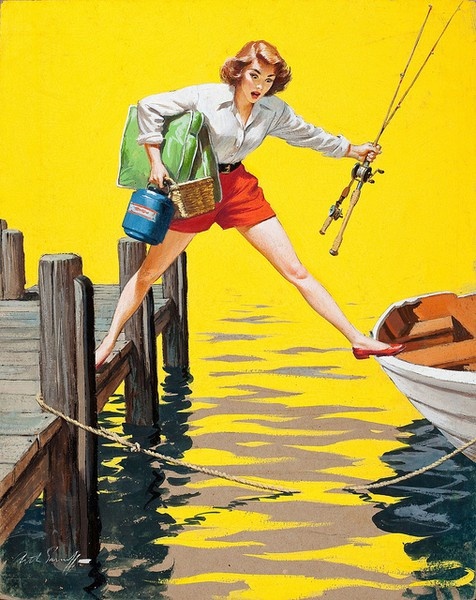
Arthur Sarnoff
Brooklyn-born pin-up artist who often combined his paintings with nostalgic Americana, whimsy and humor, with his painting “The Hustler” (which portrayed a group of dogs playing pool) among his most popular works.


Aslan
French painter and sculptor.


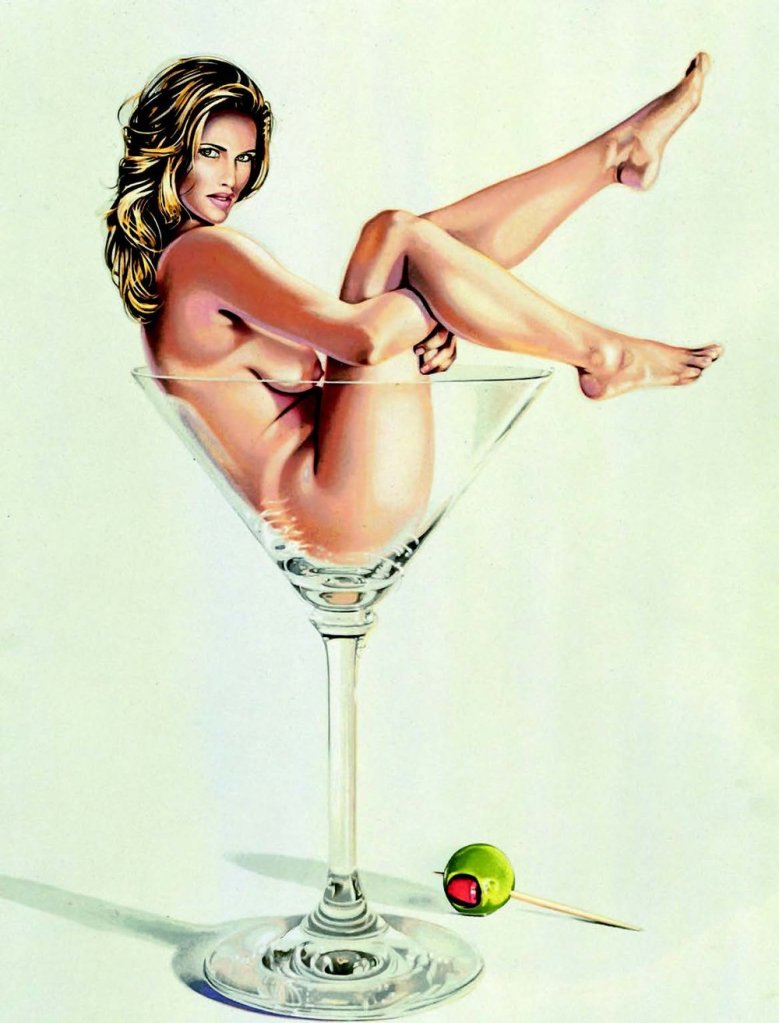
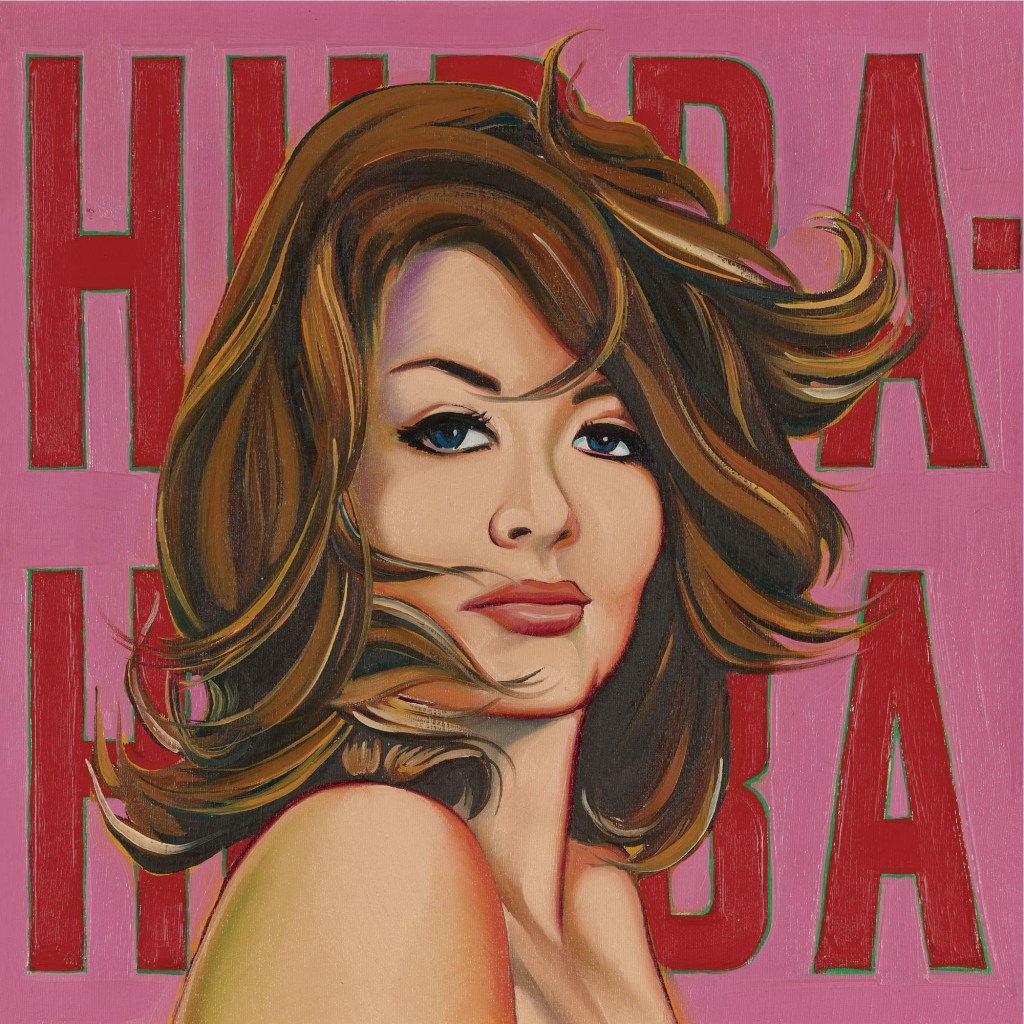
Mel Ramos
California pop artist.

Hajime Sorayama
Japanese artist most popular for his erotic and often satirical female robot pinups that he began illustrating in the 1980s.


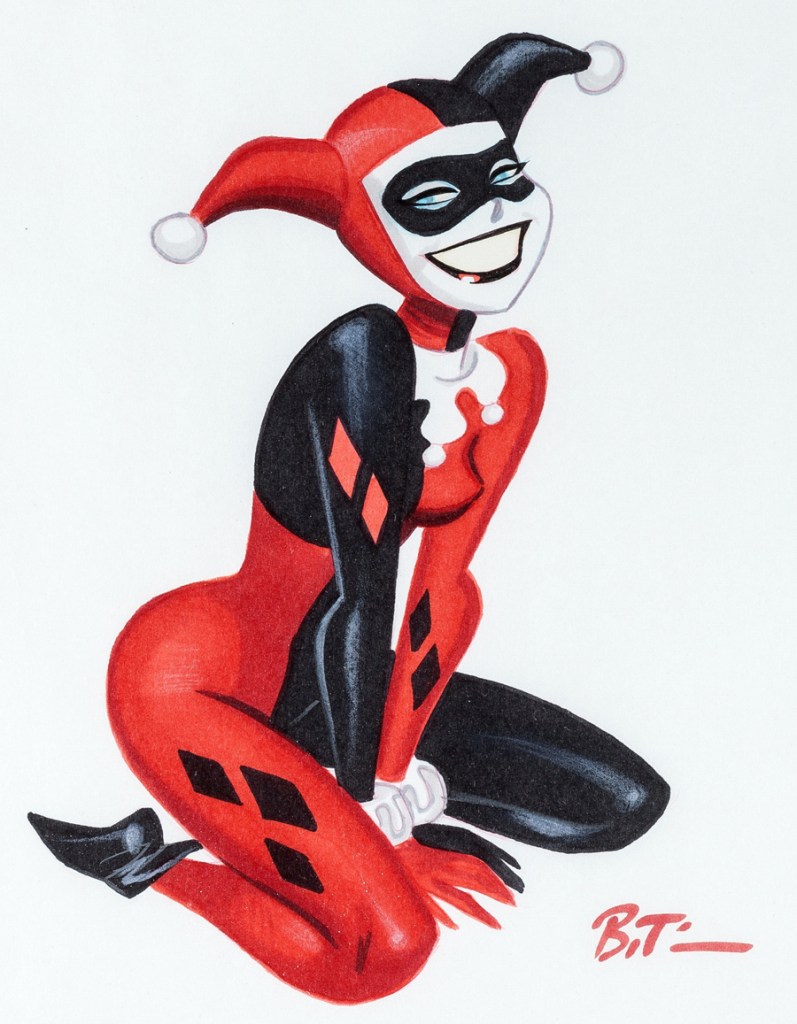
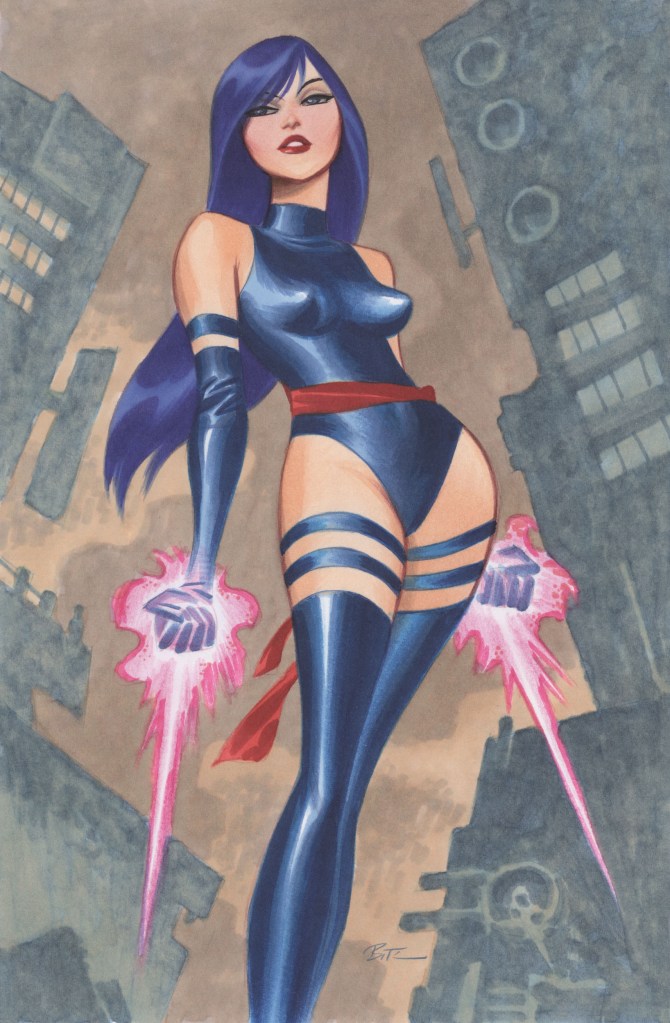
Bruce Timm
American artist and animator best known for creating the television series Batman: The Animated Series.


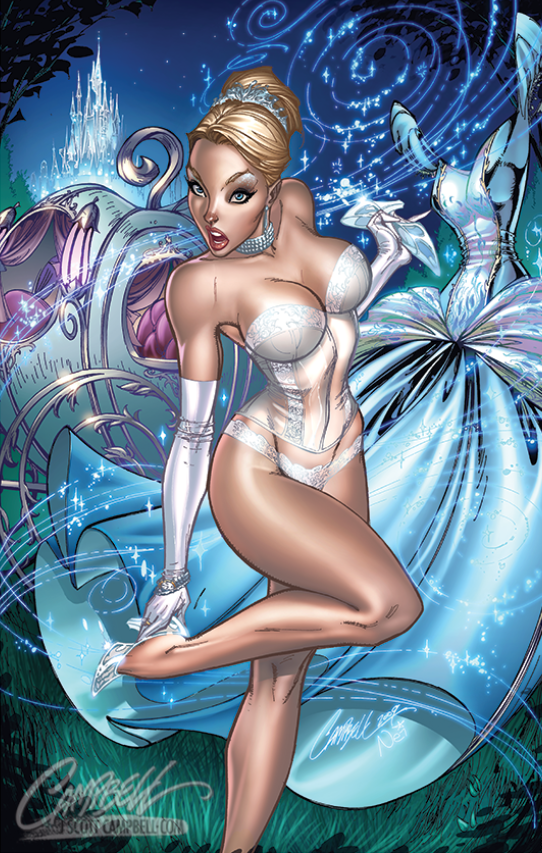
J. Scott Cambell
American comic book artist who is most popular for his work with Wildstorm and Marvel.


While pin-up art like the stuff I shared above is still fairly common, it sometimes feels like pin-up models of the Bettie Page variety are not as popular as they once were, even though modern-day pin-up publications like Delicious Dolls and Retro Lovely still have a devoted fan base and models like burlesque performer Dita Von Teese do a good job evoking retro vibes. Even modern-day celebrities are still basically doing the same things that pinups did thanks to publications like Rolling Stone, Glamour, Cosmopolitan, Vogue and GQ. Those magazines are not as reliant on pinups as publications like Playboy were, but they still deliver pictures of attractive celebrities for mass consumption. Although plenty of models still pose in sensual ways for publications targeted at men dedicated to pictures of sexy women like Hustler, Maxim and Penthouse. While you could argue that the closest modern-day successor to the idea of pinups lies within the commercially driven magazine industry, you might also say that Instagram models are like amateur web versions of pinups. Meanwhile some people combine all these things together, such as Australian model Stefania Ferrario who very much feels like a modern-day pinup and who has public pages on both Instagram and OnlyFans.

I get why pinups went out of style. Some people, including a lot of feminists, are opposed to the idea of women catering so heavily to the male gaze, and they view pinups in a negative light, similar to the negative view they have towards sex workers. And yet the practice still remains a niche interest for many people who like to look at hot people and for many hot people who like to be looked at. I love pin-up art and I love women, but that doesn’t make me a degenerate. Just because you admire someone’s beauty, it doesn’t mean you can’t also respect them and treat them like a human being (which feels like an obvious statement because that’s basically the foundation of every healthy marriage and romantic relationship, but I guess I’m a weirdo for being single and randy). Anyway, I’d love to write more, but I have to end this blog now because I’ve got very important pictures to stare at.
 Entertainment Junkie Blog