

From the sixties to the eighties, Hayao Miyazaki had been working his way through the Japanese animation industry on a quest to create meaningful films, but it wasn’t until he directed Nausicaä of the Valley of the Wind in 1984 that he would finally have the commercial success to afford his own animation production company, which he called Studio Ghibli. Miyazaki co-founded the studio in Tokyo during the summer of 1985 with fellow animator and director Isao Takahata, Nausicaä producer Toshio Suzuki and Nausicaä executive producer Yasuyoshi Tokuma. Tōru Hara, the production manager of Topcraft (the animation studio behind Nausicaä) is also seen as an instrumental part of Studio Ghibli’s founding, and many of the artists who worked for Topcraft before it went defunct (the same year Studio Ghibli was founded) went on to work at Studio Ghibli, as well as artists who previously worked with Miyazaki at animation studios like Toei, Telecom, Oh! Production and Madhouse.
You may be wondering how they came up with the name “Ghibli.” That name was inspired by the Italian nickname of the Caproni Ca.309 aircraft, which was used primarily in Libya and North Africa from the late 1930s to the early 1940s. The word “Ghibli” basically translated to “A hot wind that blows in the desert.” Although the original word is pronounced with a hard “g” and not the soft “j” sound that the studio has adopted.
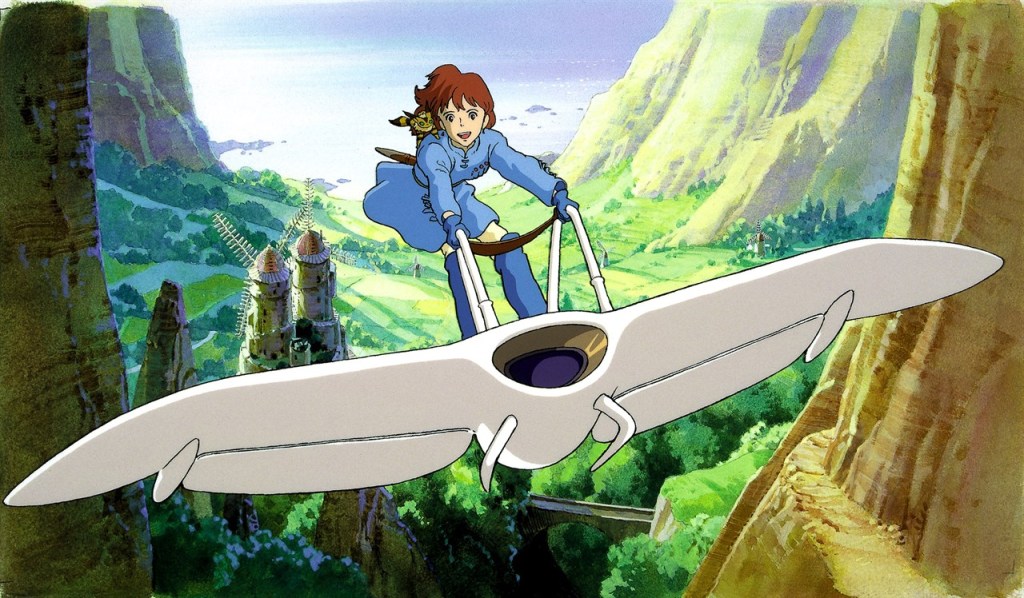


Studio Ghibli would go on to produce a string of great films from that point forward, many of which have become commercial hits, critical hits and even highly regarded classics.
The 19th century Europe-flavored steampunk fantasy Castle in the Sky (1986) about a boy, a girl, a crystal, some sky pirates and a floating castle would be the first film Studio Ghibli ever produced. Despite the well-deserved acclaim critics had for it, it was one of Ghibli’s less commercially successful hits, but it has since earned cult status, and I think it’s by far one of the studio’s most entertaining and most underrated films.

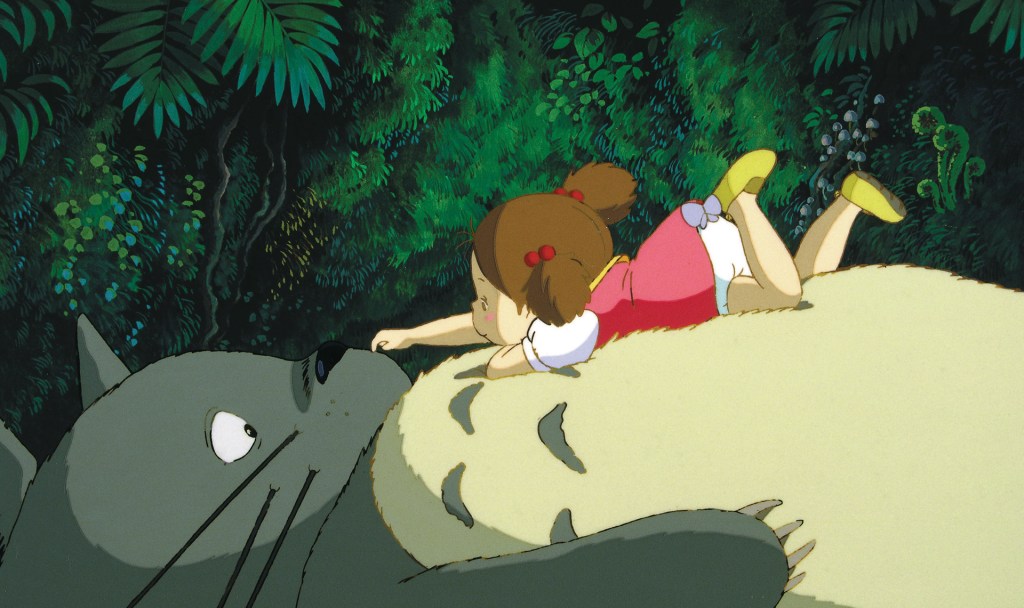
A more successful year for Ghibli would be 1988, which saw the releases of Hayao Miyazaki’s My Neighbor Totoro and Isao Takahata’s Grave of the Fireflies. Both films are very different from each other but both are also considered two of the studio’s greatest masterpieces.
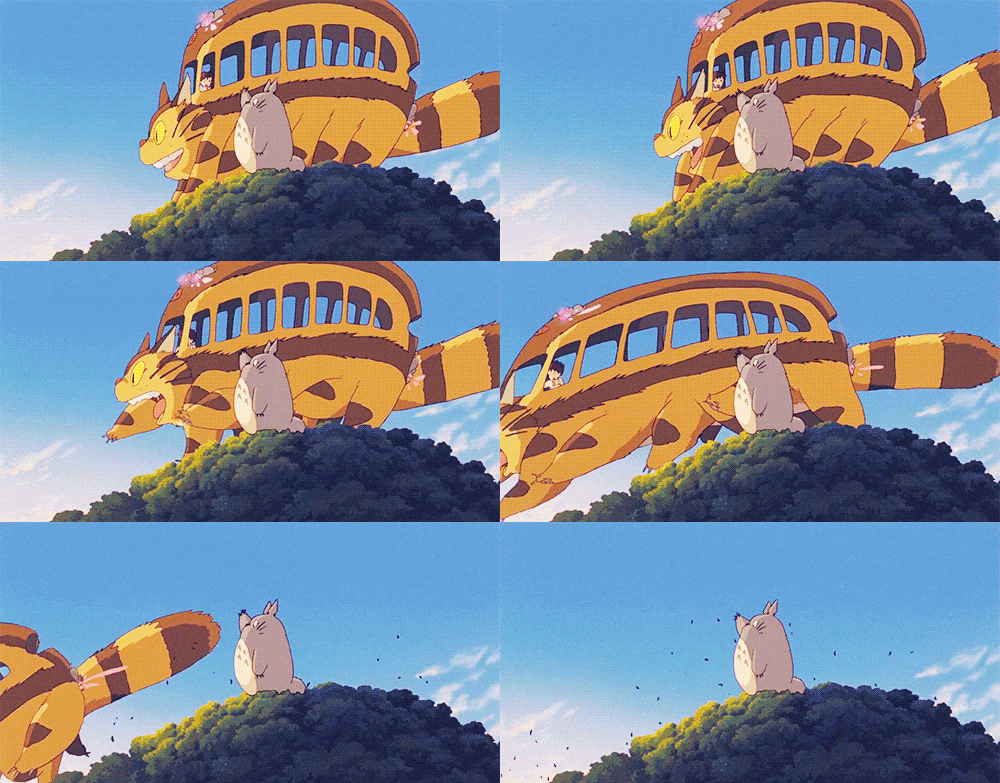
Takahata’s war drama Grave of the Fireflies, based on the 1967 Japanese short story by Akiyuki Nosaka, is considered by many critics to be one of the best war dramas ever made for its story of two Japanese children struggling to survive in the streets of Kobe in 1945 during the Pacific War. But Miyazaki’s fantasy film My Neighbor Totoro, which by contrast tells a story that contains almost no danger or drama, might be Studio Ghibli’s most popular film. It focuses on two young sisters who move to a new house in the country with their father and befriend the local woodland spirits that inhabit the area. My personal opinion is that Ghibli has still yet to top this film. That’s how much of a masterpiece it is.

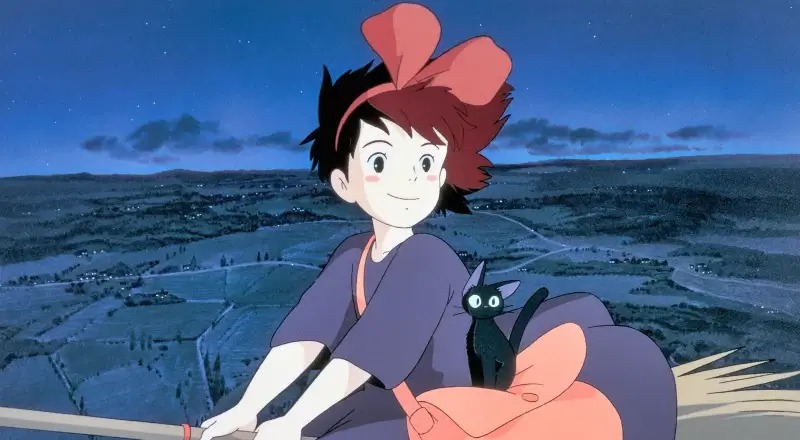
The studio’s winning streak continued a year later when Miyazaki adapted Eiko Kadono’s children’s novel Kiki’s Delivery Service in 1989. The film about a young witch who tries to find her place in the port city of Koriko with her talking cat Jiji is Miyazaki’s first and only film that he wrote, directed and produced himself, and it has all the charm of his previous films (this was actually the first Studio Ghibli film I ever watched as a kid – I didn’t know who made this, but I became an instant fan of this studio from that point forward).
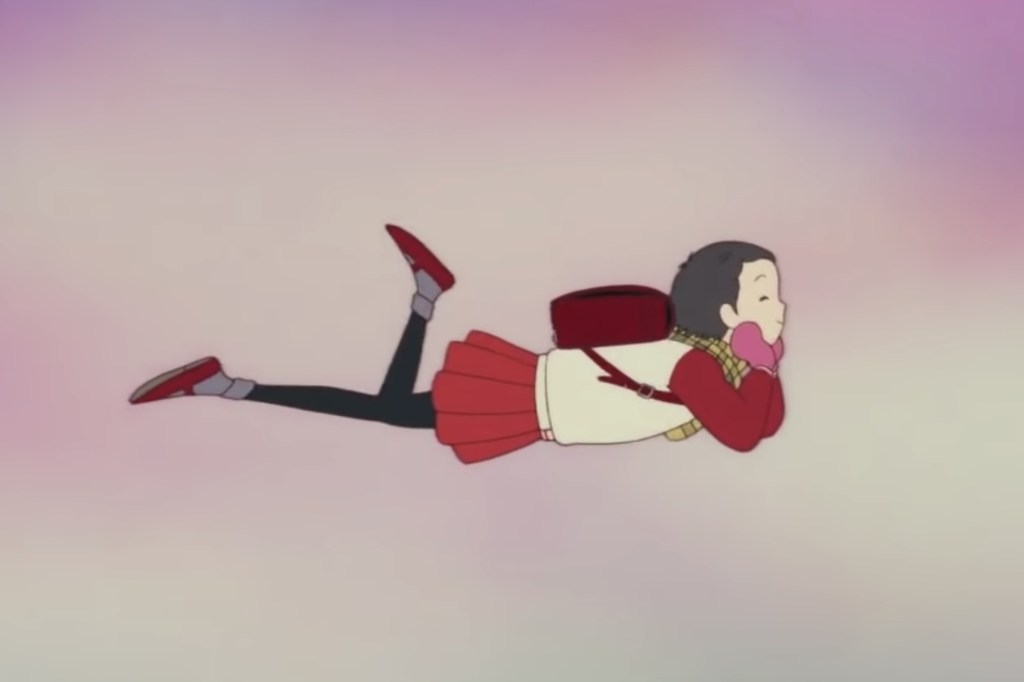
After Kiki came Isao Takahata’s slice-of-life drama Only Yesterday (1991) about a woman on holiday with her relatives who reminisces about her life as a child. It was a surprise hit with adult audiences, which led to the film becoming the highest-grossing Japanese film of 1991 and years later one of the rare films on Rotten Tomatoes that is certified fresh at 100%.
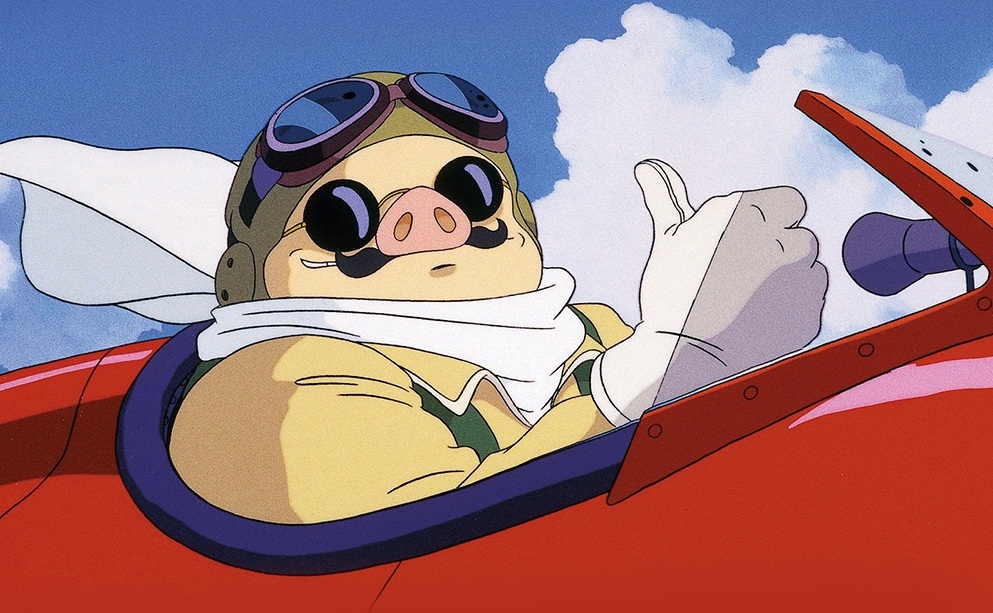
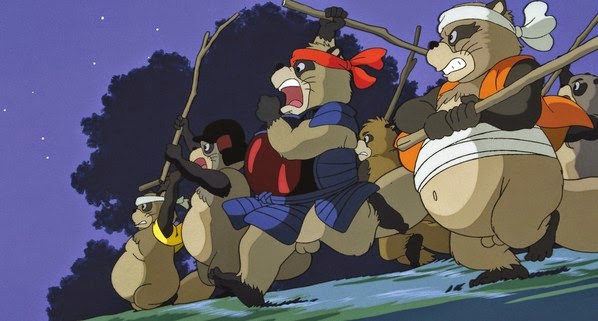
Miyazaki came back to the director’s chair with a high-flying fantasy adventure called Porco Rosso (1992) about a man cursed to look like a pig who freelances as a pirate-hunting bounty hunter on the coast of Italy. A highly entertaining film that is beloved by many fans and critics. Two years later Isao Takahata wrote and directed his first original Ghibli film when he made Pom Poko (1994) which touches on Japanese folklore and follows a troublemaking group of raccoon dogs (aka tanuki). It achieved critical and commercial success as well.
Next Studio Ghibli animation director Yoshifumi Kondō made his directorial debut adapting Aoi Hiiragi’s manga Whisper of the Heart in 1995 with a Miyazaki-penned screenplay. The coming-of-age drama was one of Japan’s highest-grossing films of 1995. Miyazaki and Takahata were in fact expecting Kondō to be their successor when they retired, but this film would end up being Kondō’s last, because he died unexpectedly in 1998.

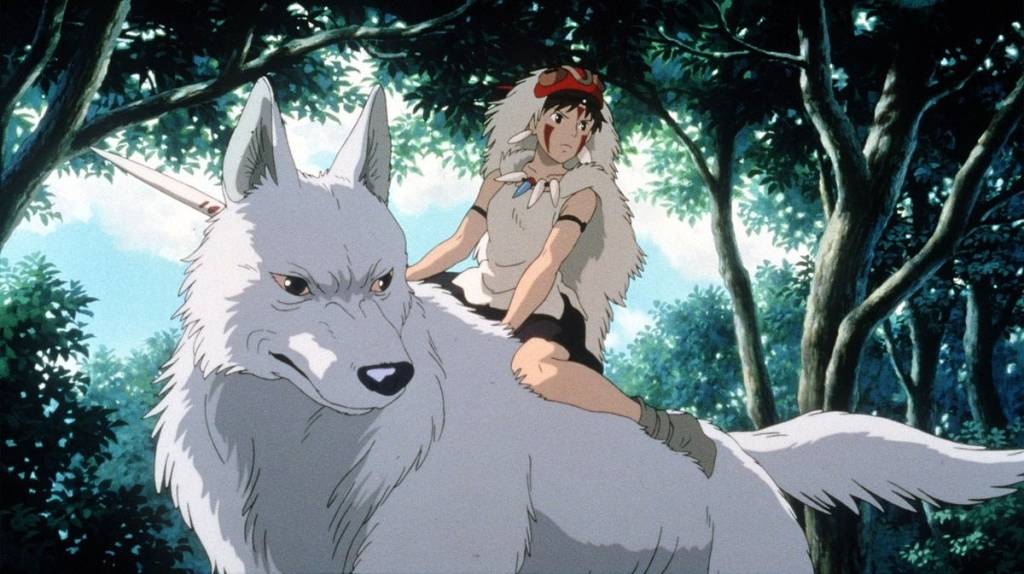
Princess Mononoke (1997) is set in Muromachi-era Japan and follows the journey of a prince named Ashitaka who gets inadvertently involved in a conflict between a mining town and a forest of gods, wherein dwells a human girl raised by wolves named San. The elaborate film was the most expensive animated film at the time but it also broke box office records becoming the highest grossing Japanese film in the country’s history and holding onto that title for a few years until Studio Ghibli broke their own record after Spirited Away came out. It is also by far one of Hayao Miyazaki’s and Studio Ghibli’s most popular films, even among American audiences, some of whom saw it for the first time when Miramax distributed it in the U.S., although the film has a significant cult following all over the world thanks to its beautiful animation and emotional story.
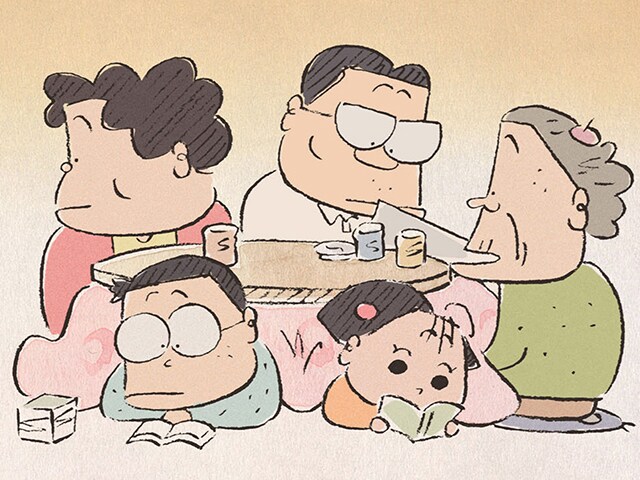
Isao Takahata then came out with something completely different two years later when he directed and wrote My Neighbors the Yamadas (1999), a comedy based on a comic strip by Hisaichi Ishii that was basically a series of vignettes with a stylistic art design (kind of like a comic strip come to life). But the film is very funny and full of likable and relatable characters so it was no less entertaining than Studio Ghibli’s high-flying fantasy films.
Spirited Away (2001) is the film that first put Hayao Miyazaki’s name on my radar because it was not only the first film of his to receive an Oscar nomination, but it would also end up winning that Oscar in the face of competition from Disney, DreamWorks and Blue Sky. The story of Spirited Away follows a girl named Chihiro who accidentally enters a world of spirits where her parents get turned into pigs. What follows are witches, dragons and a bathhouse customer from Hell, but it’s best to just watch the film and let it speak for itself. In addition to the awards attention and critical acclaim it received, it also became the highest-grossing film in Japanese box office history, holding that title from 2001 all the way to 2020 when it was surpassed by Demon Slayer: Kimetsu no Yaiba – The Movie: Mugen Train. The film was so popular that it even led to a stage adaptation. Its popularity in the U.S. was also a game changer, opening the minds of many Americans who used to dismiss anime as a juvenile medium because of things like Speed Racer and Pokémon. Even Steven Spielberg remarked at the time that Spirited Away might be better than any Disney film he ever saw.
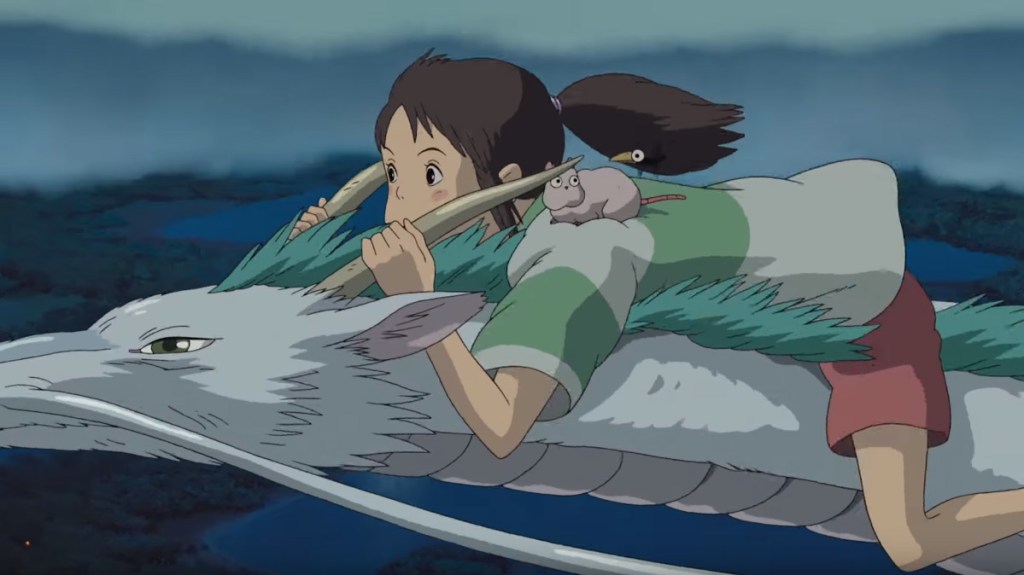
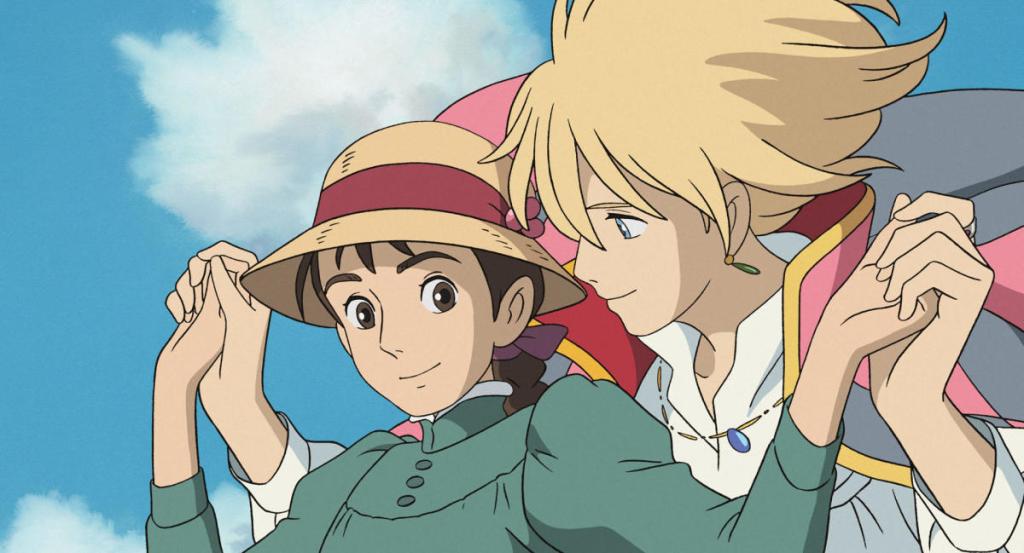
After Spirited Away, Studio Ghibli produced The Cat Returns (2002), a successful spin-off of Whisper of the Heart about a girl who gets whisked away to a kingdom of cats and was directed by animator Hiroyuki Morita, and Howl’s Moving Castle (2004), Hayao Miyazaki’s Oscar-nominated adaptation of Diana Wynne Jones’ fantasy novel of the same name about a young woman who is transformed into an old woman by a witch and who befriends a wizard named Howl. Miyazaki’s decision to direct the anti-war film was fanned by his opposition to the U.S. invading Iraq in 2003. A surprising inspiration but nonetheless the film received praise from critics and became one of the biggest commercial hits in Japan.

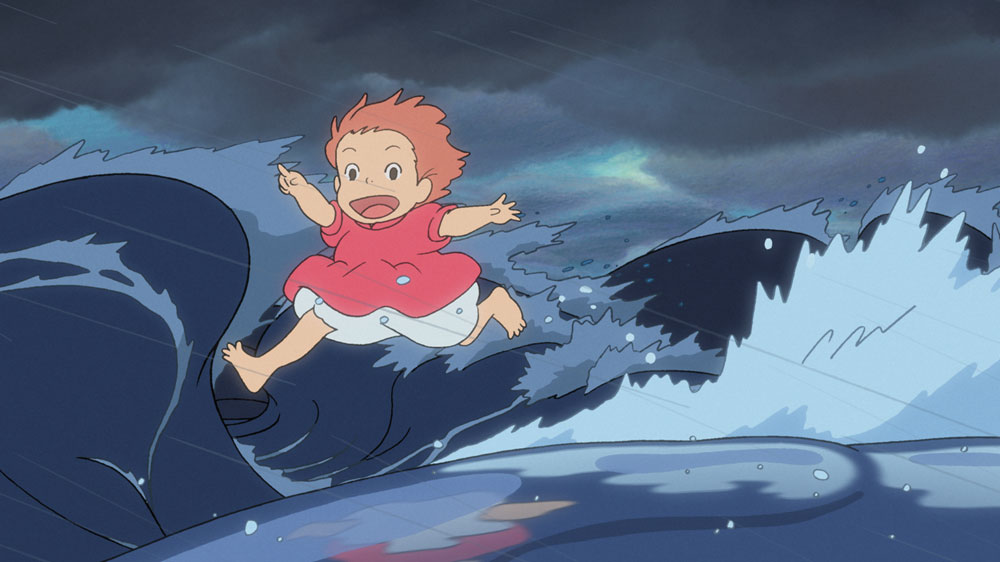
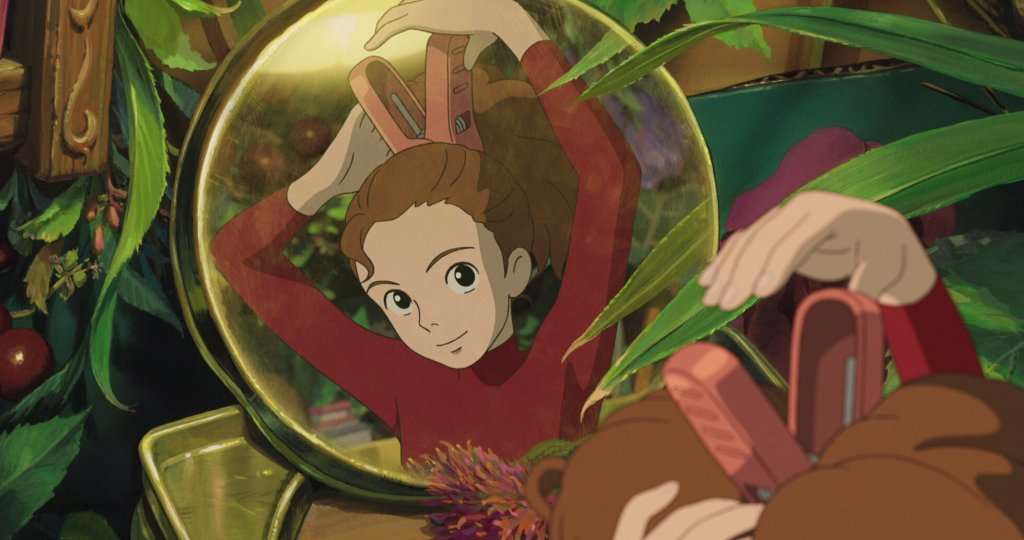
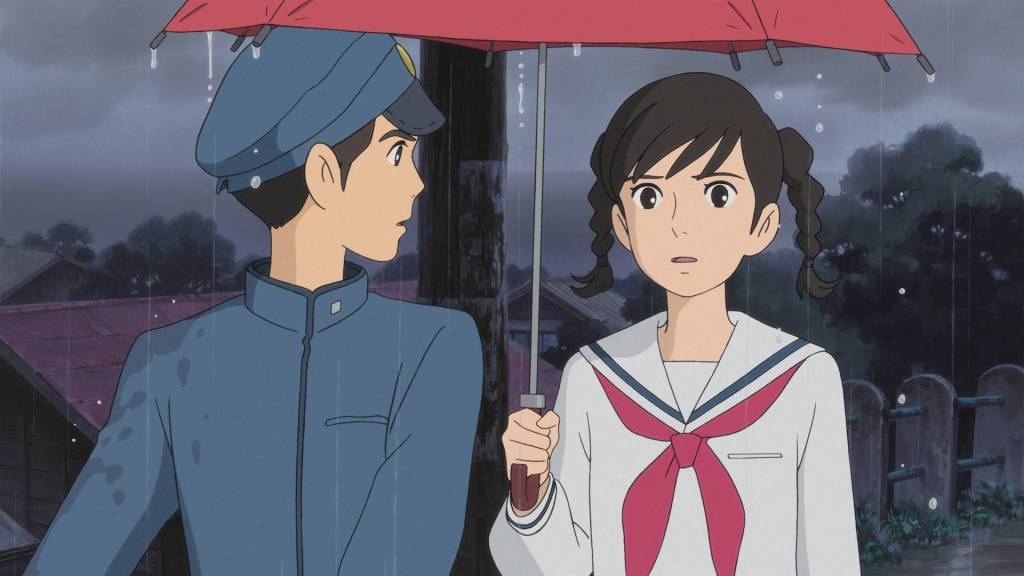
Other Studio Ghibli films include the fantasy epic Tales from Earthsea (2006) directed by Gorō Miyazaki (son of Hayao Miyazaki); Hayao Miyazaki’s cute and crowd pleasing fantasy Ponyo (2008) about a goldfish who turns into a human girl; Arrietty (2010), an adaptation of Mary Norton’s 1952 fantasy novel The Borrowers (about a family of tiny people who secretly live in the walls of an English house) directed by Hiromasa Yonebayashi, an animator who had previously worked with Miyazaki on Spirited Away, Howl’s Moving Castle and Ponyo; and Gorō Miyazaki’s period drama From Up on Poppy Hill (2011) based on the 1980 manga written by Tetsurō Sayama and illustrated by Chizuru Takahashi.
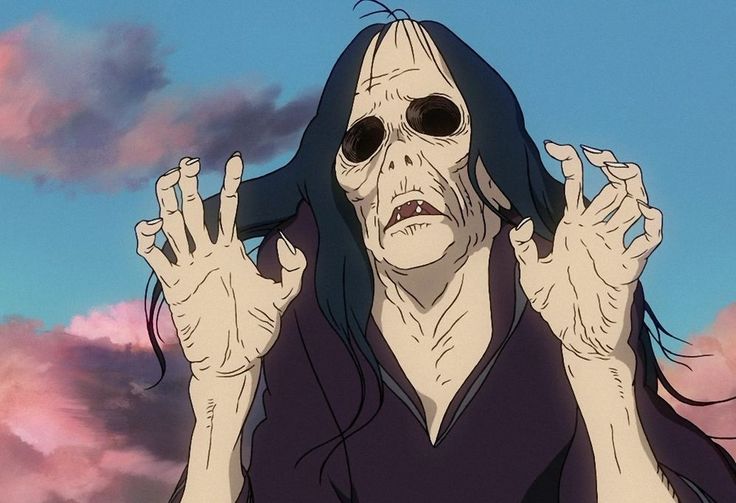
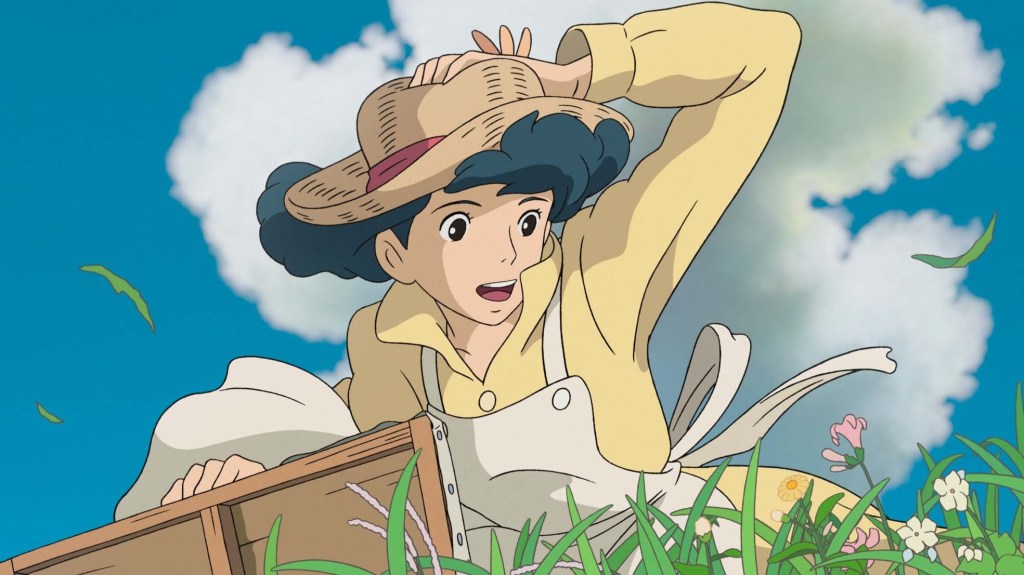
The Oscar-nominated historical drama The Wind Rises (2013), which was originally intended by Hayao Miyazaki to be his final film, was the director’s first non-fantasy and portrayed the fictionalized life of an aeronautical engineer who attends the University of Tokyo in 1923 and later makes the first test flight of the Mitsubishi Ka-14. Many critics at the time called it a great swan song for Miyazaki.
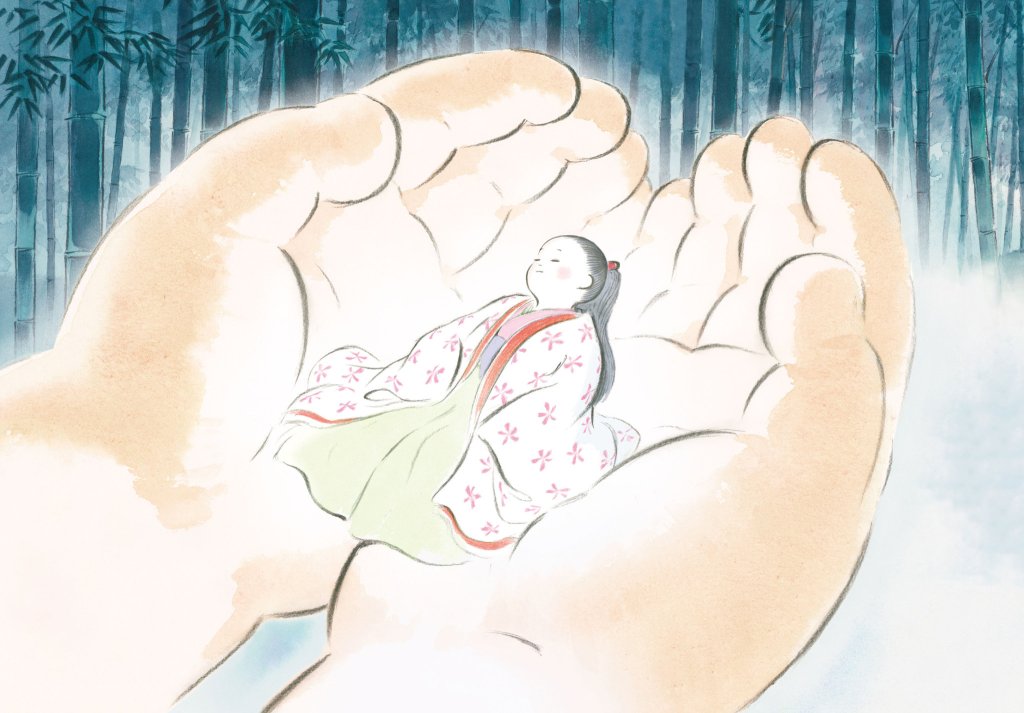
Isao Takahata’s typically radical approach in style made a return that same year with the historical fantasy The Tale of the Princess Kaguya (2013), an adaptation of the 10th century Japanese folk story The Tale of the Bamboo Cutter about a beautiful girl who is miraculously found inside a bamboo stick and grows up in the countryside, but her beauty makes people treat her like a princess and she later moves away to live a noble life of luxury, only to find that she misses her peasant life. It received positive reviews across the board (another Studio Ghibli film with a 100% certified fresh rating) and it would end up being the first of Takahata’s films to receive an Oscar nomination. Unfortunately it was also Takahata’s final film. He would die in 2018.
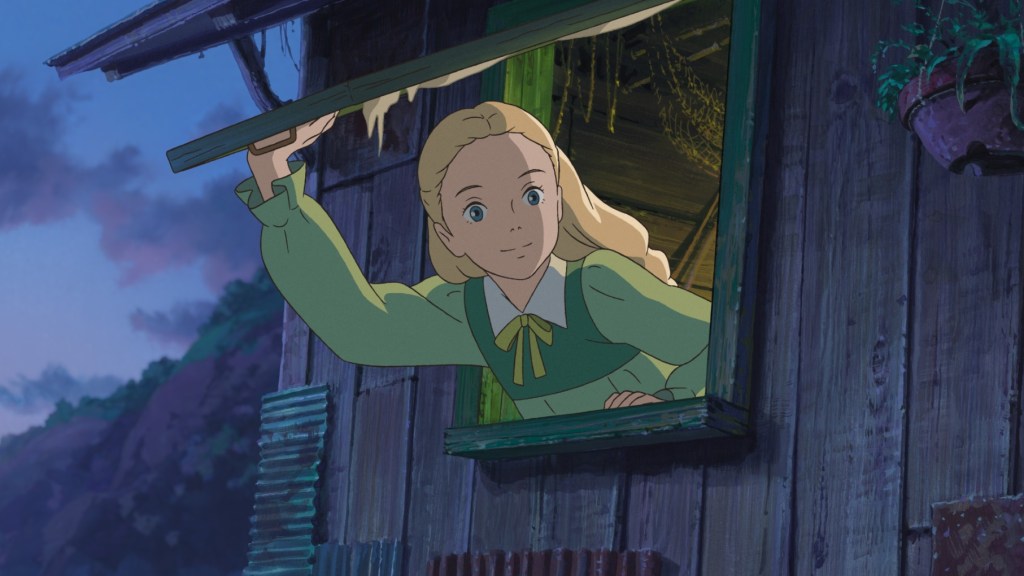
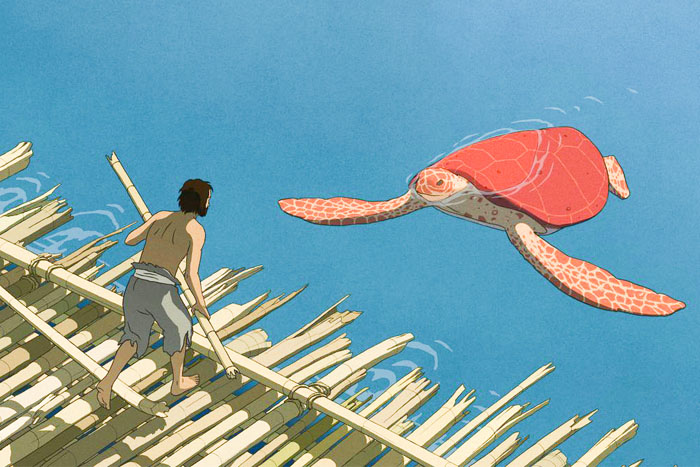
Hiromasa Yonebayashi’s When Marnie Was There (2014), an adaptation of Joan G. Robinson’s 1967 novel which tells the story of a girl visiting her relatives on the Japanese island of Hokkaido and befriends a mysterious girl named Marnie, is just as moving and entertaining as something Miyazaki or Takahata would direct. While Dutch animator Michaël Dudok de Wit’s The Red Turtle (2016) was Studio Ghibli’s first international feature film co-production. The critically acclaimed film featured no dialogue (just like most of Dudok de Wit’s films) but still told a compelling enough tale to get an Oscar nomination.
The last film from Studio Ghibli and director Hayao Miyazaki was The Boy and the Heron (2023) about a boy who moves to the countryside after his mother dies and meets a mysterious grey heron. The fantasy film was known for being released in Japanese theaters with zero promotion, trailers, images or information about the plot. Despite that unconventional marketing strategy, it ended up becoming the fifth highest-grossing Japanese film in history and additionally it was hailed by critics and won the Oscar for Best Animated Feature for the first time since Spirited Away took that award back in 2003.

I don’t know what Studio Ghibli’s plans are for the future. I know they are deciding how it will operate after Miyazaki retires, which could be why the frequency of their film output has slowed down after 2016. But feature films are not the only thing the company is involved with. They have produced short films, they have produced TV films, the Ghibli Museum opened in Mitaka, Tokyo in 2001 and Ghibli Park opened in Nagakute, Aichi in 2022. But like most people I am most interested in their film output, which is the reason why I fell in love with them in the first place. Something that many people would have never been able to do if not for the studio’s international collaborations with companies like Disney, GKIDS and StudioCanal who regularly dub and distribute Studio Ghibli’s work to people like me. Which I’ll always be grateful for, especially since films like Nausicaä used to be dubbed and edited so poorly in the U.S. that Miyazaki could have easily written us off.
It was actually my trust in Disney as a brand back when I was a teenager that led me to the film Spirited Away because it was the people at Disney and Pixar who distributed and localized that film and others. Nowadays, Studio Ghibli is up there with Disney, Pixar, Aardman and Cartoon Saloon among the animation studios that I respect the most. But you know who might like Studio Ghibli even more? The Cannes Film Festival. They awarded Studio Ghibli an honorary Palme d’Or in 2024 the same year that they gave Meryl Streep and George Lucas the same honor, and that was the first time a production company and not an individual person was ever given one of those.
 Entertainment Junkie Blog