

Cornelius Crane Chase was born in New York City in 1943. Part of an upper middle class family in Manhattan, Chase had a reputation at his boarding school for being a practical joker and for his occasional mean streak. Additionally when he attended Haverford College in the sixties he was known for his pratfalls and wild physical humor. He even co-founded a comedy ensemble called Channel One in 1967 and wrote for Mad Magazine and the Smothers Brothers.


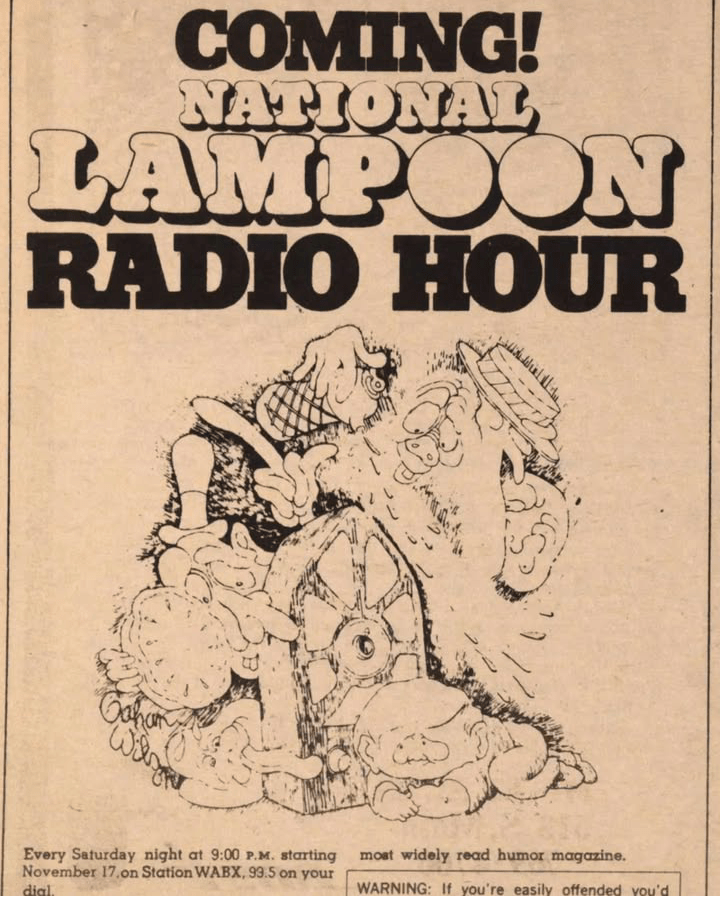
By the time he pursued comedy professionally in 1973, he became a writer and cast member on National Lampoon Magazine’s radio spin-off the National Lampoon Radio Hour alongside young up-and-coming comedians like John Belushi, Brian Doyle-Murray, Bill Murray, Gilda Radner and Christopher Guest, all of whom, including Chase, would later become cast members on the sketch variety series Saturday Night Live, which made its television debut in 1975 and was a major launchpad for Chase’s fame. On SNL, Chase was known for his physical comedy and pratfalls, his impression of President Gerald Ford and being the first anchor of Weekend Update (“Good evening, I’m Chevy Chase and you’re not”), and he was especially good at playing boneheads in a deadpan style (Chase would site Ernie Kovacs as an influence on his comedy). He was initially hired as a writer on SNL but was added as a cast member by Lorne Michaels last minute. Both his writing and his performance on the show have earned him two Emmy Awards.


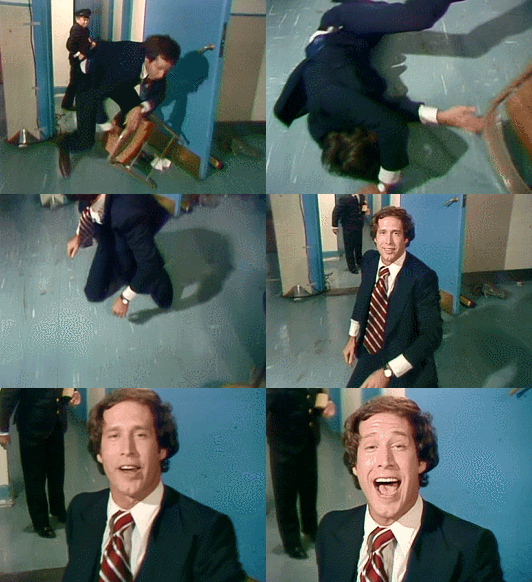
In a surprising move, Chevy Chase decided to leave SNL in 1976 after only one season (not because he didn’t enjoy working at SNL but because he was dating a woman at the time who didn’t want to move to New York). After that, he began acting in a string of films, including the satirical anthology film Tunnel Vision (1976) and the critically and commercially well-received neo-noir rom-com Foul Play (1978) opposite Goldie Hawn. That film was followed by the more negatively received Oh! Heavenly Dog (1980) in which Chase is reincarnated as a dog and tries to solve his own murder, but that was followed by one of Chase’s biggest hits, the golf comedy Caddyshack (1980) directed by Harold Ramis and co-starring Rodney Dangerfield, Ted Knight and Bill Murray. That film became a hit and it helped kick down the door opened by Animal House by continuing a trend of similarly crude and juvenile adult comedies in the eighties.
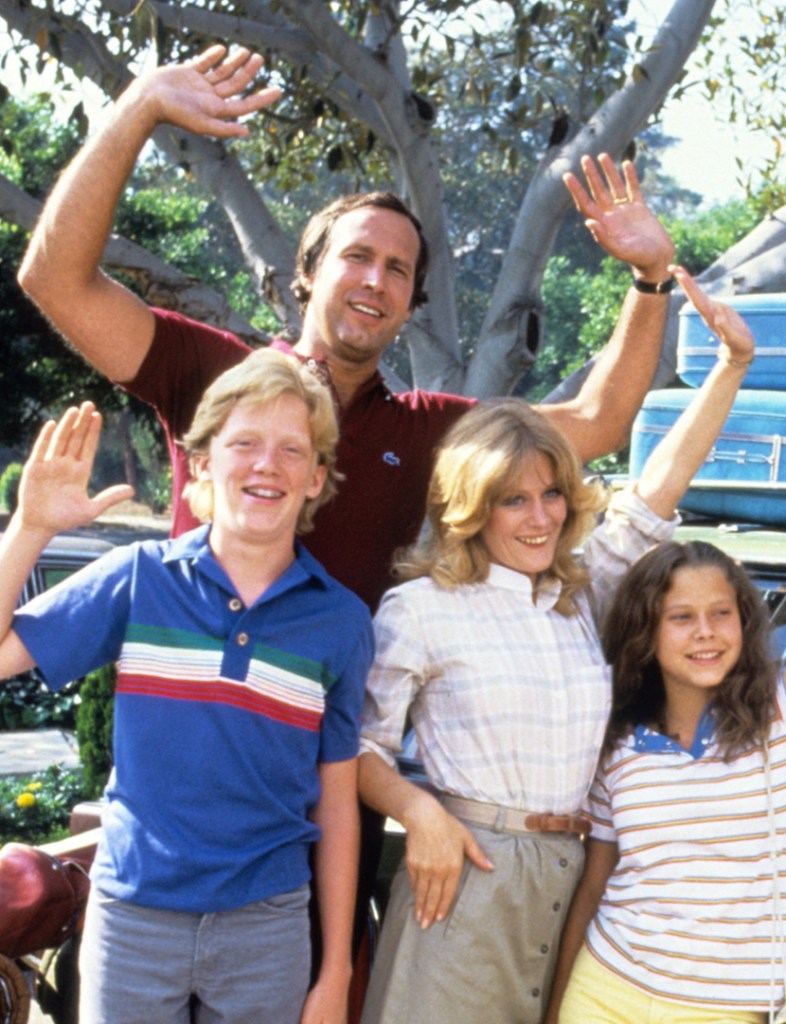
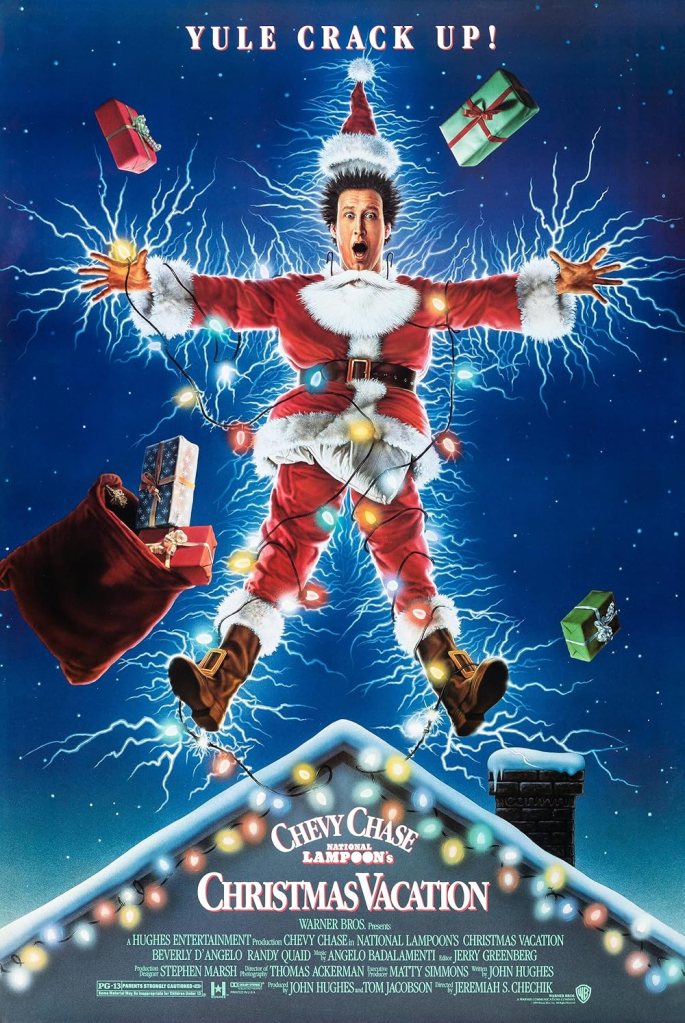
Chevy Chase’s next box office hit was the road comedy National Lampoon’s Vacation (1983) directed by Harold Ramis and based on the National Lampoon short story Vacation ’58 by John Hughes. Starring Chase as Clark Griswold, Beverly D’Angelo as his wife Ellen Griswold, Anthony Michael Hall and Dana Barron as the Griswold kids, Imogene Coca as Aunt Edna, Randy Quaid as Cousin Eddie and co-starring Christie Brinkley, John Candy and Brian Doyle-Murray. The film follows the Griswold family and the antics that occur on their way to the amusement park Walley World. It’s a funny movie, audiences loved it and it got good reviews. As a result, it was followed by a series of sequels including National Lampoon’s European Vacation (1985), National Lampoon’s Christmas Vacation (1989) and Vegas Vacation (1997). Chase would also reprise his role as Clark Griswold in John Francis Daley and Jonathan Goldstein’s Vacation (2015) starring Ed Helms as Clark’s now adult son.


A lesser known comedy that was nonetheless well-received was the thriller Fletcher (1985) starring Chase as an L.A. Times reporter named Irwin Fletcher who is hired by a millionaire to kill someone. A role Chase would reprise in the less successful sequel Fletcher Lives (1989). Other films Chase made that decade include the John Landis spy comedy Spies Like Us (1985) co-starring Chase’s former SNL castmate Dan Aykroyd, the John Landis Western comedy Three Amigos (1986) with Steve Martin and Martin Short, which became a cult favorite years after its release (and which Chase said was the most fun film he ever made), and the lukewarmly received comedy Funny Farm (1988).
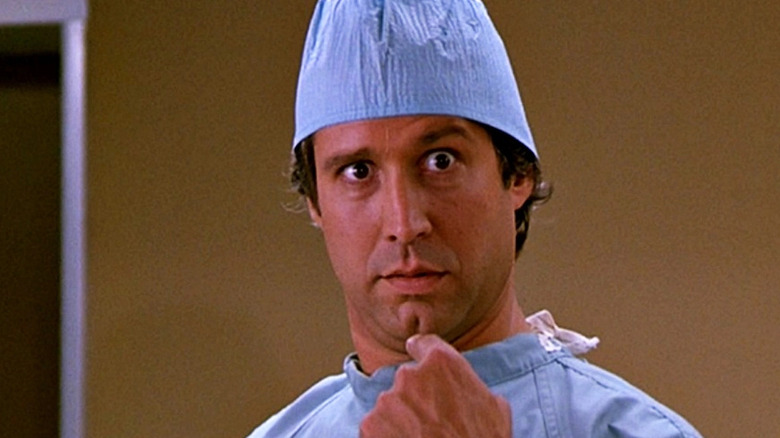


But his film career peaked in the eighties. Every following decade featured films that were mixed to negative in quality, and nothing else he made ever reached the popularity of Caddyshack or Vacation. Although he did continue working in television after leaving SNL. Not only did he frequently return to SNL as a host but he also hosted the Academy Awards two years in a row, first as a co-host in 1987 and then as a solo host in 1988. Although both telecasts received mixed reviews and Chase was called out by critics for being a lousy ad-libber. During Chevy Chase’s most famous period as a Not Ready for Prime Time player on SNL, some people in show business speculated he could be the next Johnny Carson, but Carson once made fun of Chase by saying he “couldn’t ad-lib a fart after a baked bean dinner.”
Speaking of late night talk show hosts, the TV network FOX, which previously had success with a late night talk show called The Late Show from 1986 to 1988, decided to get back into the late night game in 1993, the same year that the Late Show with David Letterman premiered on CBS against NBC’s The Tonight Show with Jay Leno. At first FOX asked country musician Dolly Parton to host the show, but she turned them down and recommended Chevy Chase for the job. Right in the middle of the premiere week for David Letterman’s Late Show and the premiere week for Conan O’Brien’s Late Night, The Chevy Chase Show premiered on FOX on September 7, 1993 … and was then cancelled six weeks later. Not only that, but The Chevy Chase Show has gone down in history as being one of the worst TV shows.


So what went wrong? It had the full promotion of FOX behind it and it had the big celebrity guests. The only things missing were a sense of humor and a competent host. Many viewers who tuned in ended up changing the channel, and many television critics panned it, with much of the criticism aimed at Chase for recycling old jokes and for looking like a fish out of water in a talk show environment. Chase was reportedly too nervous to ever truly relax into his role as a host, and you could tell. Which made for an uncomfortable viewing experience. Chase later explained that the show he ended up making was not the kind of show he wanted to make, which was something more improvisational and darker in tone, but he felt obligated in the beginning to lean more into what FOX wanted him to do, which evidently went against his nature as a performer. So how much of the show’s failure was Chase’s fault is debatable, but the one thing everyone agreed on was that it didn’t work.
Chase later made guest appearances in scripted shows like The Larry Sanders Show, The Nanny, Law & Order, Brothers & Sisters, Family Guy and Chuck, but his first main role in a sitcom came when he was cast in the NBC comedy Community as millionaire CEO and moist towelette tycoon Pierce Hawthorne, who enrolled at Greendale a decade before Joel McHale’s Jeff Winger arrived in the pilot episode. Pierce is often the most tone-deaf, arrogant and politically incorrect character in the show, which often put him at odds with others in the group to hilarious results, although Pierce still had a certain level of likability despite his flaws (in a white collar Archie Bunker sort of way) and Chase even brought a lot of heart to the character at times. Although Chase would leave the series after four seasons following disagreements with creator Dan Harmon about his character arc, but the show continued on without him for two more years. The role was a nice reminder of what Chase could do after years of mediocre comedies up to that point.
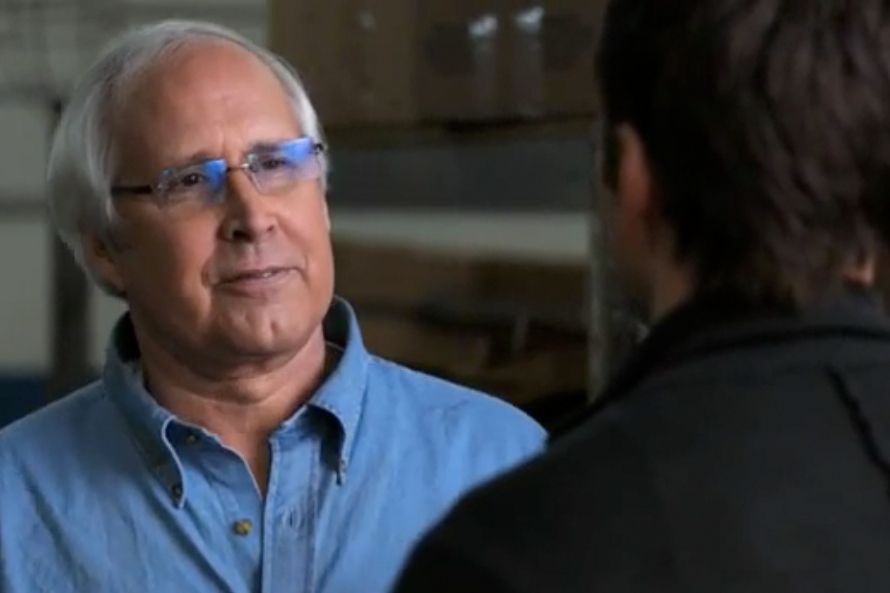


Based on what I’ve seen of his career, my opinion of Chevy Chase is that he can be really funny as a comedian when writers utilize him well, but way too often I get the sense that he thinks his bag of tricks is deeper than it actually is, which leads to a lot of ill-advised career choices like his hosting gigs. And that’s not even taking into account how he is notoriously difficult to work with. Donald Glover revealed that Chase said racist things on the set of Community even between takes, Pete Davidson called Chase out on Howard Stern for being a genuinely bad person, and he is generally despised by many people in Hollywood. That reputation may have something to do with why his Comedy Central Roast was more vitriolic than usual according to those who watch those things regularly, and it may also have something to do with why he doesn’t get better roles (at this point I’m just speculating). Of course when he’s acting like a professional, he can bring a lot to the table on a project, despite my belief that his comedic appeal is limited. For example, Chase has the comedic timing and physical movements of a silent film star when he’s at his best. Watch him throw a temper tantrum as Clark Griswold in the Vacation movies to see a good example of how a performer can elevate a script and make it even more hilarious. He often works best in an ensemble like on SNL or Community, but one of his best comedic gifts is his ability to steal scenes.

 Entertainment Junkie Blog