

A few blocks away from my home in the San Francisco Bay Area there used to be a video game museum in Oakland called The MADE (Museum of Art and Digital Entertainment). For a $10 entry fee, you could go inside the building and play various arcade games, sit at a computer and play PC games, or you could sit on the couch and play console games from every generation from the NES to the Genesis to the PlayStation to the Dreamcast and beyond. I sometimes spent entire afternoons there and the selection of games you could play was infinite. Almost every video game I could think of was available to play.
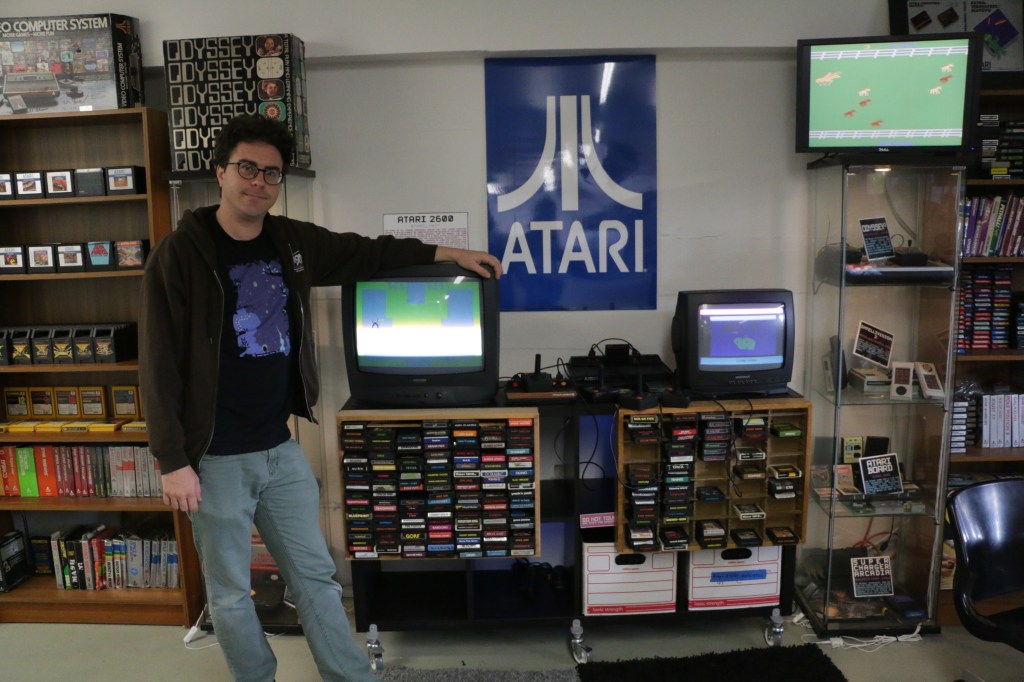
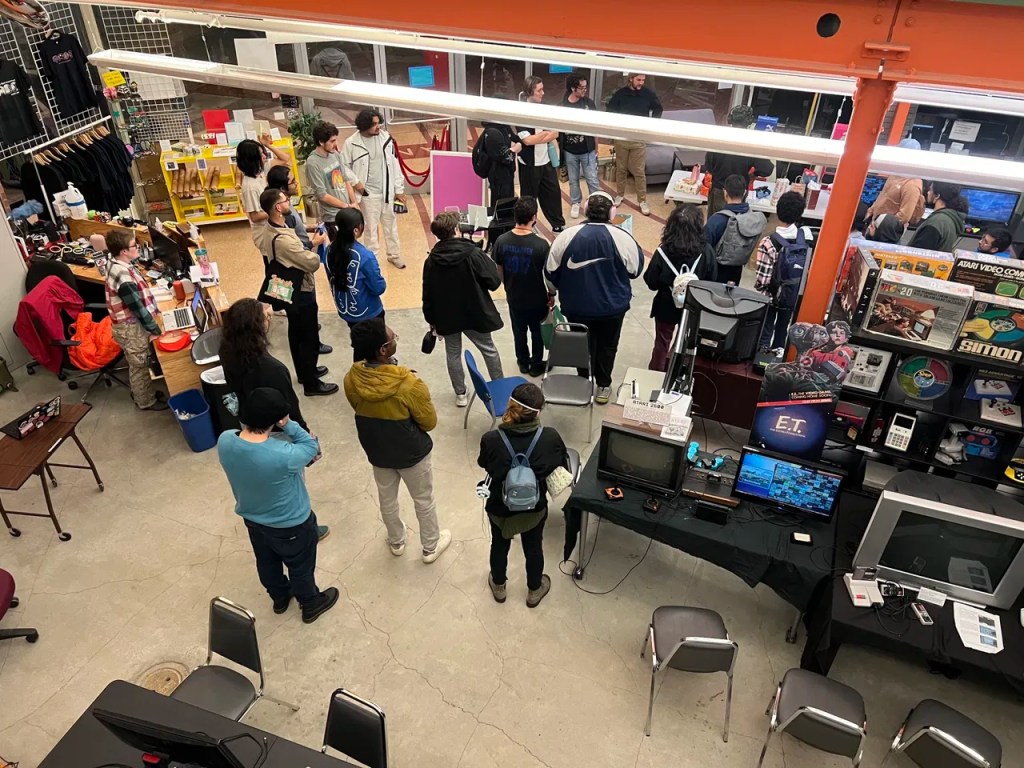

I bring this up not just because it was an awesome place, but because it gives you an idea of the kind of experience I want gamers around the world to be able to have regardless of how close the nearest video game museum is to their local residence. Which is the experience of being able to play a wide variety of games in one place, and thanks to the introduction of video game subscription services like Xbox Game Pass, I actually think this is possible and I’d like to pitch my idea for what it could look like Shark Tank-style.
But first let’s talk about Xbox Game Pass in case some non-gamers reading this article are unfamiliar with the concept of game streaming. Back in 2013, the launch of Microsoft’s gaming console the Xbox One was off to a rocky start thanks to a number of factors from a radical strategy shift from being advertised as a game console to being advertised as an entertainment hub, to the lack of first-party software from Xbox Game Studios available at launch. And one of the ways that Microsoft’s Executive VP of Gaming Phil Spencer sought to revitalize Xbox with hopefully more popular ideas was to introduce a subscription service for video games similar to what Netflix does for films and television and what Spotify does for music. Game Pass allows gamers to play as many games that are available on the service as they want for a monthly fee. It probably wasn’t a coincidence that at the time, Microsoft was already leaning into the idea of Cloud-based services strategically.
Xbox Game Pass was first announced and introduced to the public in 2017. Rare’s open-world multiplayer pirate-themed game Sea of Thieves (2018) would be among the earliest of Xbox Game Studios’ first-party games to be initially released for Xbox Game Pass, and Phil Spencer intended for the service to be available across multiple consoles, with a PC-based service introduced later. Microsoft began acquiring a lot of different game developers during this period, partly to make up for Xbox One’s weak first-party software presence and partly to add more content to Game Pass. Spencer later said Game Pass would actually remain on Xbox consoles, but he is still releasing select Xbox-published titles on Nintendo and PlayStation consoles. Spencer also said he wants to use Game Pass as a platform for experimental games that don’t fit the mold of the mainstream triple-A games that people normally gravitate towards like Grand Theft Auto and Call of Duty, which is exactly how I would utilize a gaming subscription service if I made one.
Other subscription services like Sony’s PlayStation Plus have been around earlier than Xbox Game Pass, allowing online multiplayer access and exclusive discounts on PlayStation Store purchases as well as other features. Although Sony revamped that service in 2022 to compete with Microsoft’s Game Pass and allow players to download popular PlayStation games like God of War, Persona 5 and Ratchet & Clank through the service. While Nintendo introduced Nintendo Switch Online in 2018, which allows access to classic NES, SNES, Game Boy and Game Boy Color games, plus through an expansion pack, Sega Genesis, Nintendo 64, Game Boy Advance and GameCube games, as well as DLC for certain games, online multiplayer access and cloud storage.
All these services provided by Microsoft, Sony and Nintendo have received their fair share of criticisms and praise for various reasons, but none of them are really what my dream video game subscription service would look like. First of all, Nintendo, Sony and Microsoft are to gaming subscription services what companies like Disney, Warner Bros. and Amazon are to streaming services like Disney+, Max and Prime Video. Yes, these corporations have ventured into streaming, but no one would call them streaming companies. Amazon is primarily a shopping site, WB is primarily a film studio and Disney is primarily a theme park empire. In fact the only major company with a streaming service whose primary business model is streaming is Netflix. And that’s the kind of company that the video game industry is missing.
Some people reading this article may have already predicted where I am going with this, and I know what some of you might be thinking: “Wait a minute, Netflix ruined television with the streaming model, and now you want video games to be ruined too?” I’m not here to discuss the moral implications or the nuts and bolts of Netflix and their impact on the entertainment industry because the reality is that from a consumer perspective, Netflix is popular for a reason. For all of its flaws as a company, the thing I love most about them is that they always have a wide variety of programming that caters to all tastes, and the fact that they aren’t owned by anyone and rose through the ranks of Hollywood independently gives them carte blanche to focus solely on what benefits their customers and what benefits them as a business through their original content and through the best licensing deals they can make. And unlike companies such as Disney, which is already having post-expenditure clarity after the streaming bubble popped (especially after the Disney+ series-turned-theatrical film Moana 2 made $1 billion at the box office), Netflix treats streaming as their main revenue source, and that singular focus is why they essentially won the streaming race (only Apple came out of the streaming wars less scathed, but only because Apple is such a rich company).
I’m not saying this is likely to ever happen or even that it’s possible, but I would love it if a company, founded specifically with the purpose of allowing access to a wide variety of games throughout gaming history from a wide variety of publishers, would build a universal game console and license a bunch of titles from Atari, Konami, Sega, Square Enix and other third-party developers for gamers young and old who never had the chance to play those games when they came out. Microsoft, Sony and Nintendo do this to an extent with their services, but a Netflix-like company dedicated to the streaming model exclusively would have a wider variety of titles, and Digital Eclipse already showed that it’s possible to bring old arcade games like Pong to the 21st century faithfully thanks to compilation games like Atari 50: The Anniversary Collection, so I know this could be done if someone cared enough to invest in it. And it would obviously have online access so that new titles could be instantly added as new licensing deals get made. Meanwhile video game history can be preserved and modern-day gamers can experience more retro games from the past.
Honestly, the preservation of classic games is the main reason why I would love this to be real so badly. Nintendo, Microsoft and Sony are huge corporations and they are way too self-interested to invest in a project so philanthropic. Just like many film studios, they don’t care about preserving history. They only care about making money, so this project I’m talking about would be too much of a risky venture for them. But if a console like this existed on the market, I would likely buy it as soon as it was available. And if it’s too unrealistic for an independent company to invest in something like this, companies like Apple, Google and even Netflix themselves have previously dipped their toes into the world of gaming and they have endless amounts of wealth so hell, they could do it. They could market it as the first video game console that doesn’t require a disc or a cartridge and would be solely online-based, with maybe some built-in software. They could come up with a cool name for the console like “Streamcast” or ” Netcloud” or something. It could play all kinds of games throughout history from arcade games like Space Invaders, Pac-Man and Frogger to Atari 2600 games like Adventure and Pitfall! to PC games like Myst and Doom to classics of every console generation like Tetris, Sonic the Hedgehog, Final Fantasy, Street Fighter, Mortal Kombat, Tomb Raider and Metal Gear Solid. They could even shine a spotlight on lesser known underrated gems like Axelay, Nights into Dreams, Grim Fandango, Shantae and Beyond Good & Evil.
This is all a pipe dream, I know. But I think something like this could cause some disruption in the gaming industry similar to how Netflix disrupted Hollywood, and if done right, it could be really popular. But anyway, back to sad reality.
 Entertainment Junkie Blog