

The Australian actress Cate Blanchett started out as someone who never thought she would act professionally, but once she entered that world and stepped onto the Sydney theater stage, she was quickly recognized for the jaw-dropping talent that she was.
Cate Blanchett was born in Melbourne, Victoria in 1969 the daughter of an Australian mother and an American father (her parents literally met because her Navy officer dad’s ship broke down in Melbourne). She discovered and explored a passion for the performing arts while she was attending the girls’ boarding school Methodist Ladies’ College, but she turned around and went in another direction to study business at the University of Melbourne. Although she was asked to be an extra in a 1990 Egyptian boxing film called Kaboria (she was one of the cheerleaders) while she was studying abroad in Africa. She may have caught the acting bug after that, because upon her return to Australia, she moved to Sydney and enrolled at the National Institute of Dramatic Arts, from which she graduated with a Bachelor of Fine Arts degree in 1992.

That same year, Blanchett made her stage debut in the David Mamet play Oleanna opposite fellow Aussie actor Geoffrey Rush for the Sydney Theatre Company. One of her most acclaimed stage roles at that time was the title role in Electra, which she actually got when the original actress who was supposed to play that part dropped out, causing the director to switch Blanchett out of playing the character of Clytemnestra. After Electra came a lot of acclaim and awards for several plays in the Australian theater scene. In fact Sydney theater critics awarded her the title of both “Best Newcomer” and “Best Actress” in 1993.
Blanchett first appeared on screen in the 1994 Australian miniseries Heartland and in the 1995 miniseries Bordertown opposite Hugo Weaving. Several Australian dramas followed, including films, the first of which to feature Blanchett in a main role being Bruce Beresford’s 1997 war drama Paradise Road.
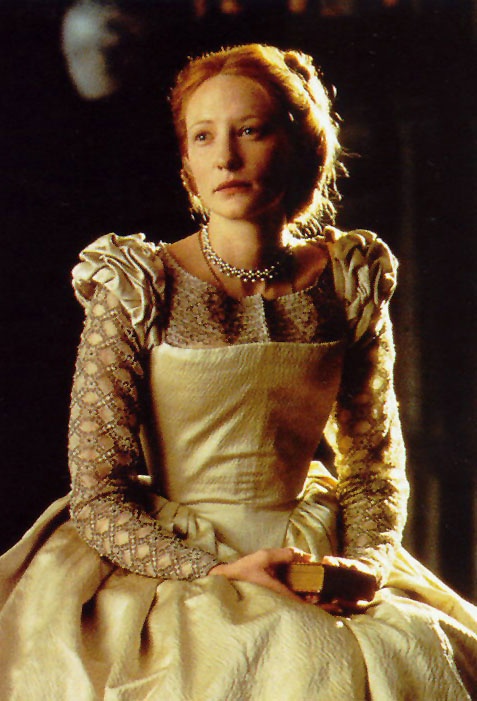
Blanchett first received American attention when she played the title role in the 1998 British historical biodrama Elizabeth, which reunited Blanchett with Geoffrey Rush and received an Oscar nomination for Best Picture and earned Blanchett an Oscar nomination for Best Actress for her role as Queen Elizabeth I, a role that the New York Times said may have been vacuous had Blanchett not brought so much substance to it.
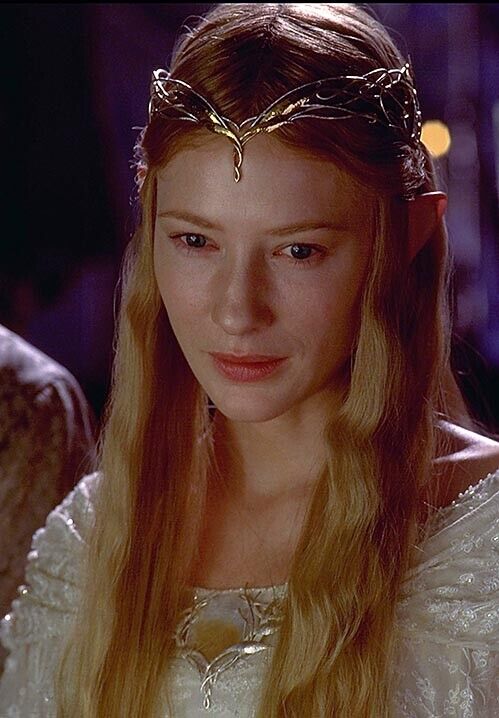
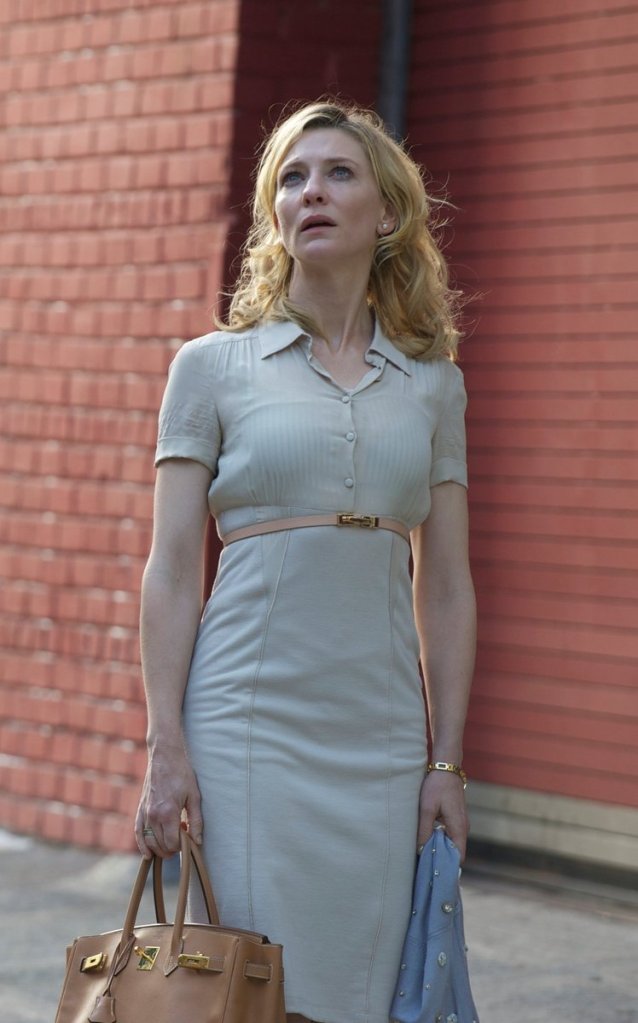
The 1999 film adaptation of the 1995 Oscar Wilde play An Ideal Husband also received good reviews, followed by other well-received films like psychological thriller The Talented Mr. Ripley (1999) starring Matt Damon, Gwyneth Paltrow and Jude Law, the Lord of the Rings trilogy (2001-03) for which Blanchett played the elf Galadriel, a role she reprised for the Hobbit trilogy (2012-14), Wes Anderson’s cult favorite The Life Aquatic with Steve Zissou (2004), Martin Scorsese’s Howard Hughes biodrama The Aviator (2004) which earned Blanchett a Best Supporting Actress Oscar nomination for her role as the movie star Katharine Hepburn, Richard Eyre’s acclaimed psychological drama Notes on a Scandal (2006), Alejandro González Iñárritu’s acclaimed psychological drama Babel (2006), Steven Spielberg’s 2008 blockbuster Indiana Jones and the Kingdom of the Crystal Skull (which is neither acclaimed nor a psychological drama), David Fincher’s The Curious Case of Benjamin Button (2008) opposite Brad Pitt, Joe Wright’s Hanna (2011) opposite Saoirse Ronan, and Woody Allen’s comedy-drama Blue Jasmine (2013) starring Blanchett as a struggling Manhattan socialite named Jeanette “Jasmine” Francis. That role won Blanchett her first Oscar for Best Actress.



After starring in a couple of critically and commercially successful family films, first voicing Hiccup’s estranged mother Valka in DreamWorks Animation’s How to Train Your Dragon 2 (2014) and next playing the emotionally estranged evil stepmother Lady Tremaine in Disney’s Cinderella (2015), Blanchett starred in and executive produced Todd Haynes’ romantic period drama Carol (2015) set in 1950s New York City and starring Rooney Mara as an aspiring photographer who has a very secret love affair with soon-to-be divorced Blanchett. The widely acclaimed Oscar-nominated romance caused a stir and was named one of the best films of the year by many critics. Blanchett herself earned a nomination for her role, as well as Mara.

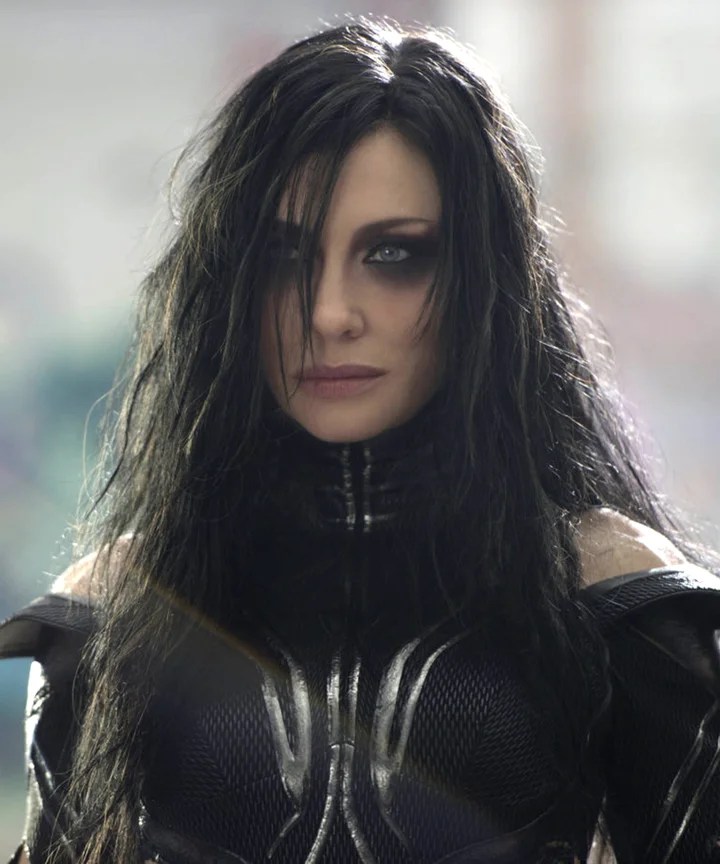
Blanchett next played thirteen different roles in Julian Rosefeldt’s multi-screen spectacle Manifesto (2015), she played Hela the Goddess of Death in Marvel’s 2017 sci-fi comedy Thor: Ragnarok (which is considered by many to be one of Marvel’s best films), she starred in Ocean’s 8 (2018) opposite an all-star cast that included Sandra Bullock, Anne Hathaway, Sarah Paulson, Mindy Kaling, Helena Bonham Carter, Rihanna and Awkwafina, she starred in Adam McKay’s apocalyptic satire Don’t Look Up (2021), she starred in Guillermo del Toro’s Nightmare Alley (2021) and once again she would both executive produce and star in one of her best films Todd Field’s Tár (2022) for which Blanchett plays a renowned conductor whose career and life unravels when she gets accused of misconduct. Tár received a ton of acclaim as well as an Oscar nomination for Best Picture and, thanks to Blanchett, an Oscar nomination for Best Actress.



Blanchett would next voice Spazzatula the monkey in Guillermo del Toro’s Pinocchio (2022) (after begging del Toro for a role in the film), she played a nun in The New Boy (2023) which she also produced, she played German chancellor Hilda Ortmann in the horror comedy Rumours (2024), and she played an intelligence agent suspected of commiting treason and who is being investigated by her husband in Steven Soderbergh’s Black Bag (2025).
You may not have known this given how crowded the TV landscape is these days, but it’s worth pointing out that Blanchett still does television, including when she played conservative activist Phyllis Schlafly in the nine-episode miniseries Mrs. America, which was released on Hulu in 2020 and just like her films received widespread acclaim from critics, even earning ten Emmy nominations. Plus she found time to both executive produce and star in Alfonso Cuarón’s psychological thriller miniseries Disclaimer, which was released on Apple TV+ in 2024.
Blanchett has an exceptionally amazing career, often earning praise in multiple mediums for multiple genres and getting the opportunity to work with some of the most talented filmmakers, a huge list that includes Sam Raimi, Joel Schumacher, Ron Howard, Barry Levinson, Ridley Scott, Terrence Malick, Paul Feig, Eli Roth, Jim Jarmusch, Richard Linklater, Kenneth Branagh and Taika Waititi in addition to others I’ve mentioned like Scorsese, Spielberg and Fincher. But no matter what, Blanchett often gives knockout performances, whether it’s for a big-budget American film or some obscure indie arthouse film. The adaptive nature of her filmography has gotten notice. When she did comedy in Barry Levinson’s Bandits, she was called a skilled comedian. Even when she acted opposite herself in Jim Jarmusch’s Coffee and Cigarettes, she earned accolades from the Independent Spirit Awards. And she would earn critical acclaim in smaller films like the 1995 Australian indie drama Little Fish for which she portrayed a former heroin addict, as well as in a big Disney production like Cinderella, for which Time Magazine called her performance as the evil stepmother “grand without skirting parody,” while Deadline gave Blanchett the ultimate compliment by singling out her lead performance in Richard Linklater’s Where’d You Go, Bernadette as the best reason to watch the film.

 Entertainment Junkie Blog