
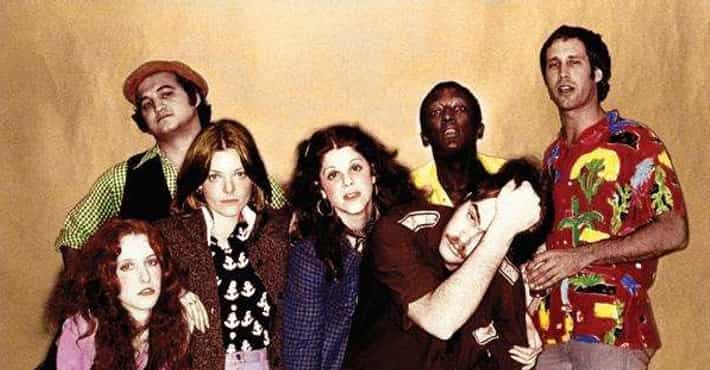
The late night variety show Saturday Night Live has been on the air for 50 years but the show’s definitive golden age was marked by the first five seasons that aired from 1975 to 1980. The first season premiered on NBC on October 11, 1975 and it quickly gained a cult following among young viewers for its subversive satire, political commentary and edgy sense of humor during a time in television history when variety shows were commonly seen as not hip.
Before SNL existed, NBC would always air reruns of The Tonight Show Starring Johnny Carson on Saturday nights. Until Carson requested that NBC pull the weekend reruns and air them on weeknights instead, so that Carson could get more time off. After moving the Tonight Show reruns to weeknights, NBC president Herb Schlosser asked NBC vice president of late-night programming Dick Ebersol to create a new show to fill the slot on Saturday nights, and this was back when TV networks cared very little about what aired on Saturday nights due to how poor TV ratings were during that time of the week.
Enter Lorne Michaels. When Dick Ebersol asked the young Canadian comedy producer to create a new Saturday night variety show for NBC, Michaels was given Studio 8H at 30 Rockefeller Plaza as the primary filming location and he recruited a young group of comedians to fill the cast, many from The National Lampoon Radio Hour, a satirical radio show that was written and created by the staff of National Lampoon magazine, which aired from 1973 to 1974 and shared much of Lorne Michaels’ comedic sensibility. John Belushi, Chevy Chase and Gilda Radner all came from that show and were hired to be cast members on the first season of SNL (writer Michael O’Donoghue was also recruited from the National Lampoon Radio Hour). Other first season cast members included Dan Aykroyd, who Michaels had worked with previously on The Hart and Lorne Terrific Hour on CBC, and Laraine Newman, who Michaels worked with on Lily Tomlin’s 1973 CBS comedy special Lily. Musician and playwright Garrett Morris was hired by Lorne Michaels on the strength of his writing skills and was later made a cast member, and improv and theater alum Jane Curtin rounded out the cast often playing the straight woman. The cast members were lovingly dubbed the “Not Ready for Prime Time Players,” a term coined by SNL writer Herb Sargent, and their improv backgrounds served them well because whenever mistakes happen on a live telecast or last-minute changes occur (and they often did), you need a cast who not only knows how to be funny but knows how to adapt to any situation and is good at keeping cool under pressure, but thankfully Michaels assembled the perfect cast for the job.
Howard Shore wrote the saxophone-fused theme song and would be the show’s first bandleader. The initial concept behind the hosting duties was to rotate Lily Tomlin, Richard Pryor and George Carlin as the regular hosts, but that concept got dropped due to Richard Pryor’s friction with television censors. Instead each episode would have a guest host, although George Carlin would host the first episode, which also featured musical guests Billy Preston and Janis Ian. The first few episodes of SNL were more experimental with its format and it took a while for the show to really establish a rhythm and find itself, but the fourth episode hosted by Candice Bergen was seen by many as a positive turning point. When I first began watching the first season of SNL I found the seventh episode hosted by Richard Pryor to be the funniest and that was when I really thought “This is one of the best comedies on TV.” Many critics agree that the Richard Pryor episode was one of the best. But the whole first season was full of great concepts, great characters and sketches that made me laugh out loud.
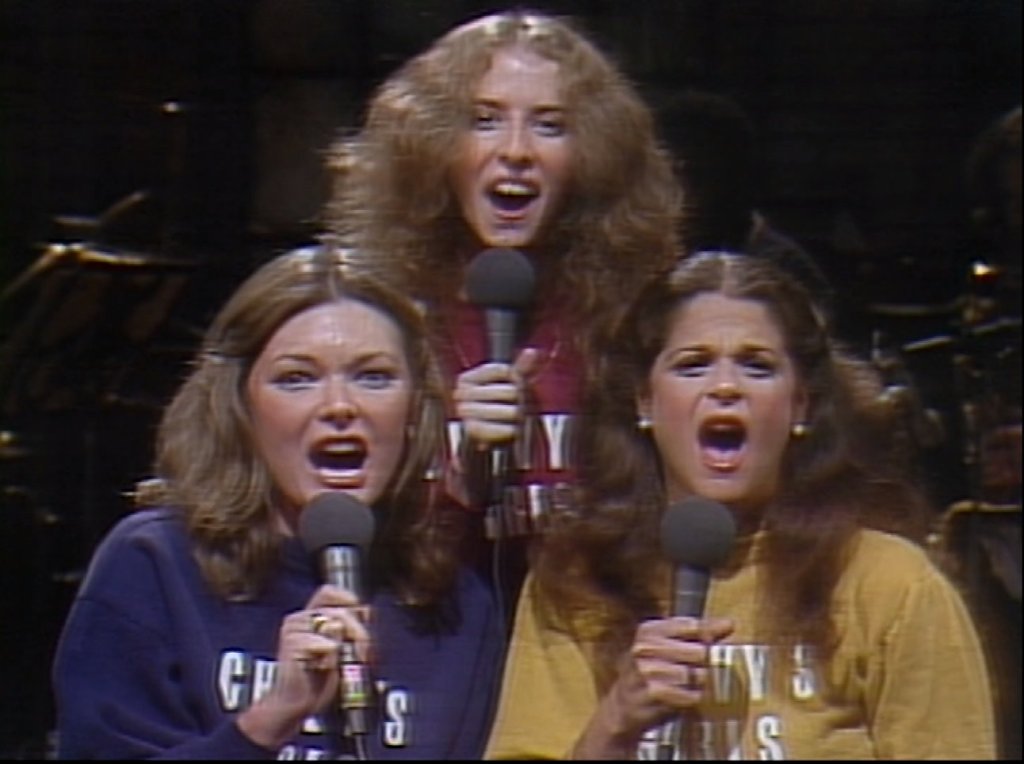
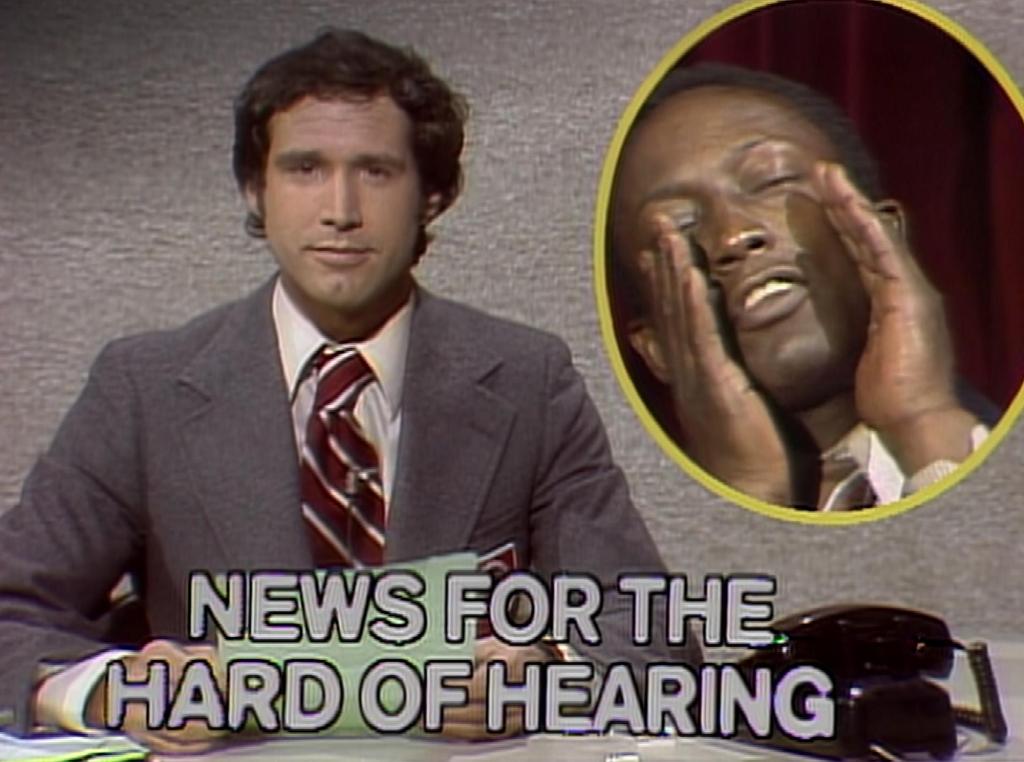
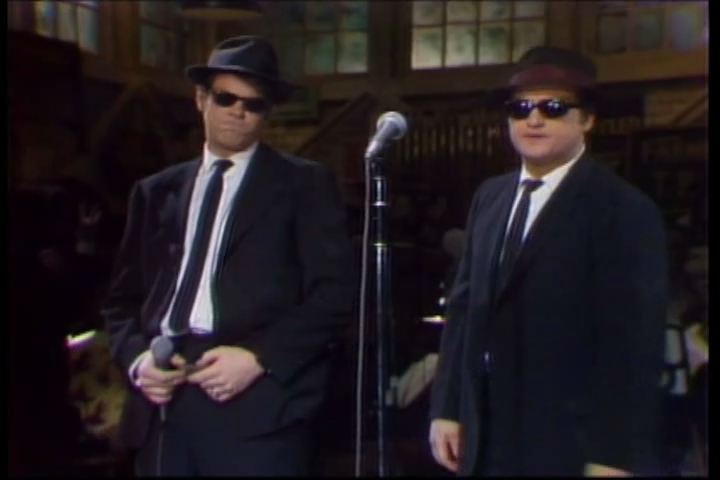
Lorne Michaels kept the censors at bay to maintain creative control, of course the staff of writers were pushing the envelope and the boundaries of taste with their humor so much that NBC would often get angry letters and phone calls about the show from more conservative-minded television viewers, but NBC kept it on the air despite the protests because the show was an undeniable hit with the young demographic that it was targeting.
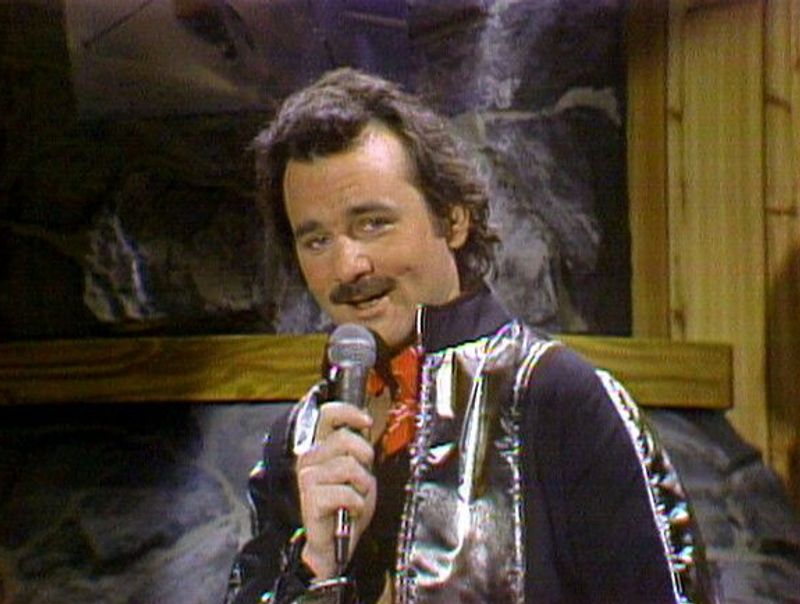
The Not Ready for Prime Time Players quickly became famous, with some even going on to star in other projects. The first being Chevy Chase who left after the first season and was replaced by Bill Murray, a former National Lampoon Radio Hour cast member who Lorne Michaels originally wanted to hire in the first season but was unable to hire because of budget constraints. Chevy Chase was one of SNL‘s most popular cast members so the fact that he left so soon was a big deal, but Bill Murray soon became a fan favorite and the show was just as funny after Chase left.
It helped that John Belushi stayed, because he was also seen as one of SNL’s MVPs, and his popularity grew even bigger when he became a movie star after the success of Animal House (1978). Although Belushi’s success in movies not only caused jealousy and tension among the rest of SNL‘s cast but it caused Lorne Michaels to be more possessive of his players as he became concerned that they were only seeing SNL as a launchpad for bigger and better things. Michaels even threatened to fire cast members who wanted to star in movies (the fact that Animal House’s success boosted SNL‘s success didn’t seem to factor into that line of reasoning). Although Lorne’s possessiveness may have backfired because both John Belushi and Dan Aykroyd left SNL after the fourth season, and once those two left there was an inevitably huge void.
After Belushi and Aykroyd’s departures, writers like Al Franken, Tom Davis, Harry Shearer and Don Novello were given more screen time in the fifth season, but by 1978 and 1979 the show was becoming less and less fulfilling and more and more stressful. Some cast members felt their talents were being underutilized, some had drug problems, some even had personal tensions with other cast members! By the time the fifth season ended in 1980, Lorne Michaels was both physically and emotionally exhausted, not only with the stress of putting on a live TV show every week but with the tension among the cast, and he ended up leaving the show, along with almost every writer and all of the cast members, leaving SNL in the hands of associate producer Jean Doumanian along with a totally new staff of writers and cast of performers in the 1980 fall season. Although as Doumanian would soon learn, trying to capture what made the show’s first five seasons so special without the same writers, the same cast members, and without the show’s original creator was going to be an uphill battle. But that is an article for another day.
 Entertainment Junkie Blog