
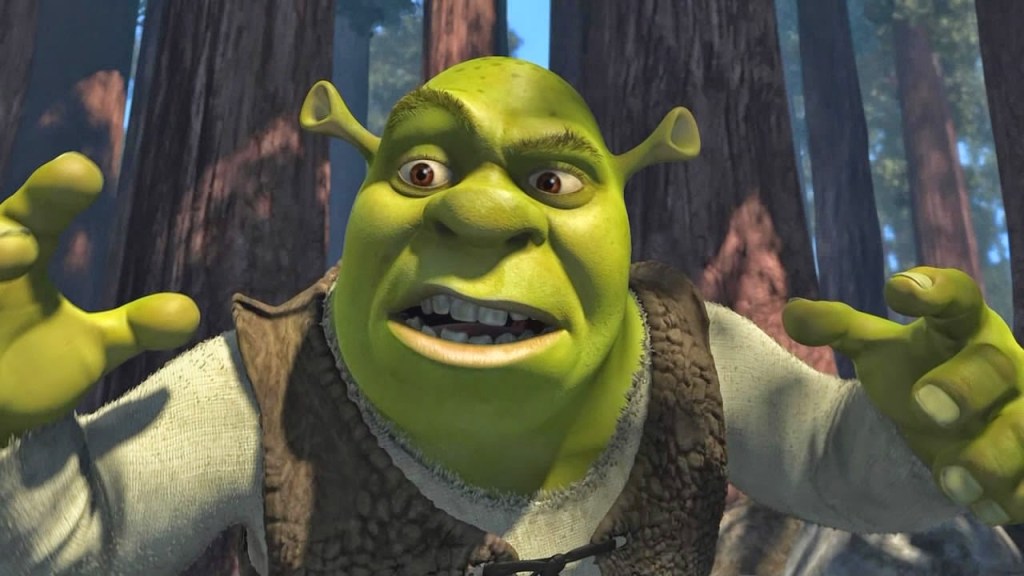
DreamWorks Animation’s third film following Antz and The Prince of Egypt was the musical comedy The Road to El Dorado (2000) directed by former Disney and Amblimation animator Eric “Bibo” Bergeron and effects animator Don Paul and featuring the voices of Kevin Kline and Kenneth Branagh as two con artists in Spain who find a map that leads them to the city of El Dorado. It was written by Ted Elliott and Terry Rossio who previously co-wrote Disney’s Aladdin and it featured songs by Elton John and Tim Rice who wrote the soundtrack for The Lion King. But despite that pedigree, this film failed to ignite at the box office and it’s not hard to see why. The lead characters may be too unscrupulous. They aren’t bad characters, but they were not Moses. The film itself also seemingly tries to be a comedy for adults more than kids, which may have confused audiences. I loved the film as a kid, and based on the internet memes in recent years, I’m not the only one. But it’s far from the studio’s most popular film.
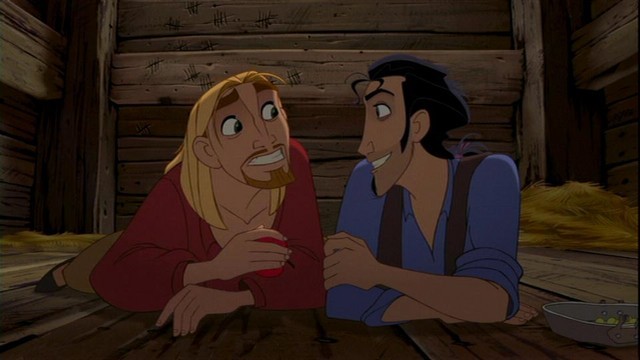
Luckily the same year that The Road to El Dorado came out, DreamWorks also released one of their best animated films. The studio’s partnership with British stop-motion animation studio Aardman led to the critical and commercial success of Chicken Run, a highly entertaining film about a group of chickens plotting to break out of an egg farm which remains one of the crown jewels of both DreamWorks and Aardman. DreamWorks and Aardman also teamed up to produce Wallace and Gromit’s feature film debut The Curse of the Were-Rabbit (2005) which also received critical acclaim and won the Oscar for Best Animated Feature. Although Aardman’s computer-animated film Flushed Away (2006) starring Hugh Jackman as a pampered pet rat who gets lost in the sewers would be Aardman’s first commercial bomb and the studio’s partnership with DreamWorks soon ended after that.


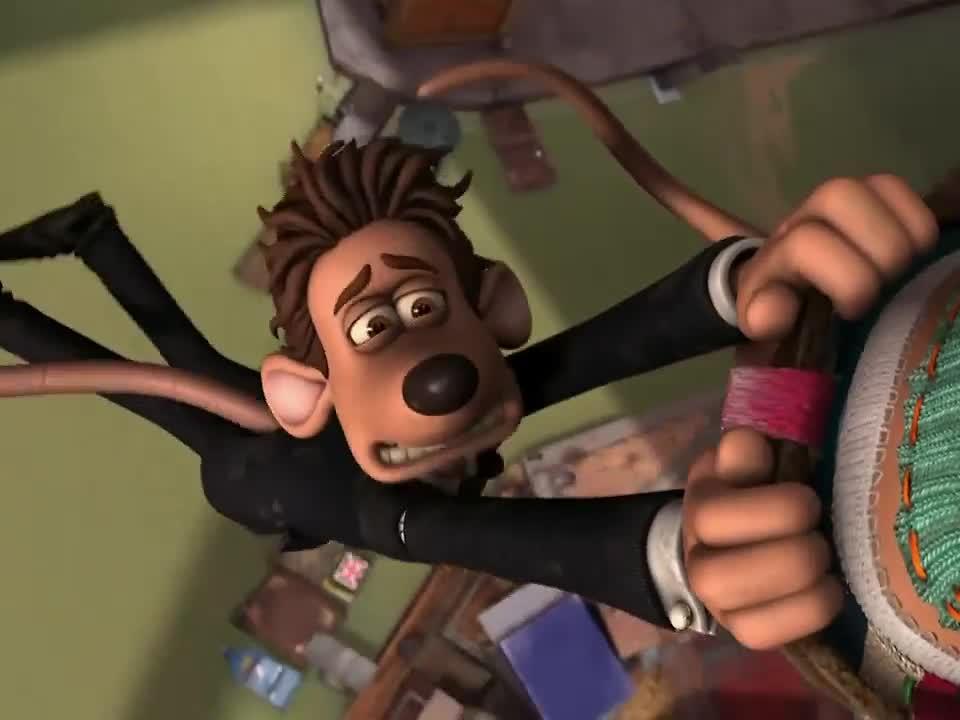
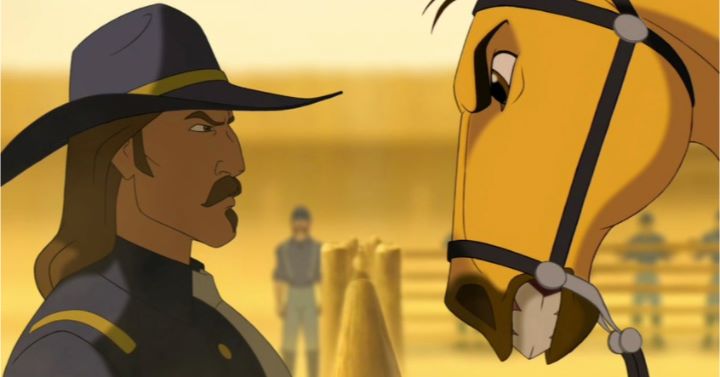
DreamWorks would produce two more hand-drawn animated films after The Road to El Dorado. Spirit: Stallion of the Cimarron (2002) directed by Prince of Egypt story supervisors Kelly Asbury and Lorna Cook and featuring narration by Matt Damon was a unique film about animals in which the animals did NOT speak (although Damon is clearly speaking as the voice of Spirit, which I always felt somewhat undercut that decision). The film is about a wild stallion who gets captured by a U.S. cavalry and befriends a Native American man who is also held captive. The idea for the film originated from Jeffrey Katzenberg who hired Young Guns writer John Fusco to write the screenplay. Just like The Prince of Egypt, the film looks great and the animation is excellent. Especially the skillful way they combine horse anatomy with human-like expressions. It wasn’t enough to lure audiences at the box office, but it did manage to score an Oscar nomination for Best Animated Feature.
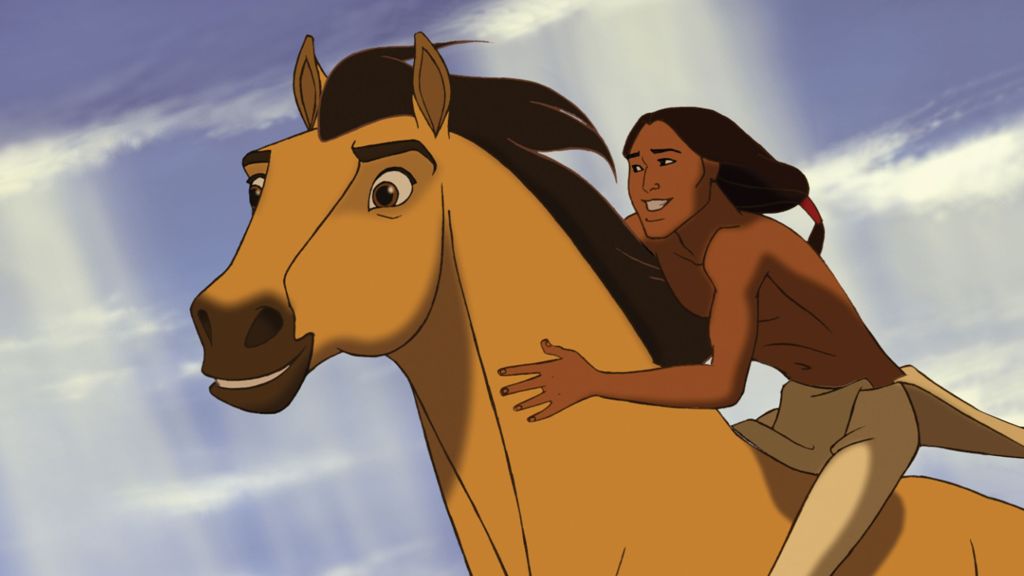

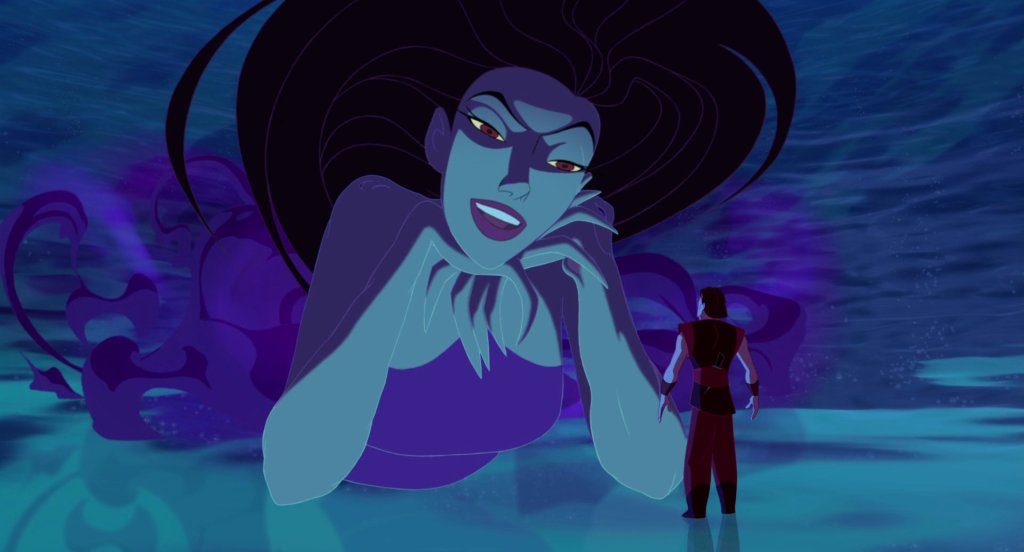
Aladdin and Road to El Dorado writers Ted Elliott and Terry Rossio originally pitched Sinbad: Legend of the Seven Seas (2003) to Disney in an earlier screwball comedy-like incarnation back in 1992. Disney cancelled that project in 1993 but Katzenberg revived it with a screenplay by Gladiator writer John Logan. It was originally intended to be more dramatic but after the success of Shrek, Katzenberg approached the directors with the idea of making it more comedic and light-hearted. Brad Pitt was cast as Sinbad, although Pitt was reluctant to voice a Middle Eastern character out of fear it would be inappropriate and had to be convinced to stay on the project. The development of this movie was not smooth to say the least, and when it finally did come out, critics were mixed on it and audiences ignored it, making it the biggest bomb in DreamWorks Animation history until Rise of the Guardians came out. I found it entertaining, but not the most memorable.
While DreamWorks struggled to make a hand-drawn animated hit after The Prince of Egypt, they were having a lot more luck with computer animation. In 2000, Pacific Data Images, the animation studio behind Antz, was bought by DreamWorks and renamed PDI/DreamWorks, and their next film Shrek (2001) would be a colossal hit for the studio.

Based on the 1990 children’s book by William Steig, directed by Andrew Adamson and Vicky Jensen and featuring the voices of Mike Myers as a grouchy ogre named Shrek, Eddie Murphy as the talkative Donkey, Cameron Diaz as Princess Fiona and John Lithgow as Lord Farquaad, the film was originally planned as a hand-drawn animated film by Steven Spielberg as early as 1991, and he brought the idea for the film with him over to DreamWorks when he co-founded the studio in 1994. At one point Bill Murray was intended to voice Shrek, then Nicolas Cage, then Chris Farley who recorded most of the film’s dialogue. But due to Farley’s death in 1997, Mike Myers came in and finished the role, doing a deliberately different take from Farley’s interpretation of the character and creating his classic Scottish accent.

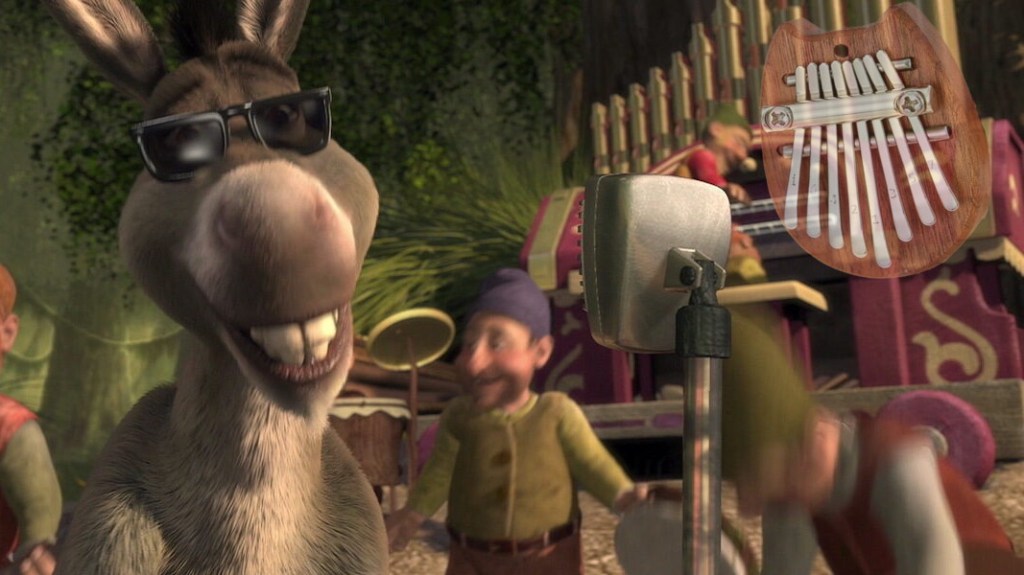

The movie was a parody of fairy tales and it specifically made fun of Disney films like Peter Pan, Sleeping Beauty and Beauty and the Beast. But there were a lot of pop culture references in the film, including The Dating Game and The Matrix – something that would become a staple of Shrek films. Fortunately the film was very funny, heartfelt and, most importantly for Katzenberg, a massive hit, not only hitting the box office jackpot but winning the first ever Oscar for Best Animated Feature since the category got introduced in 2002.
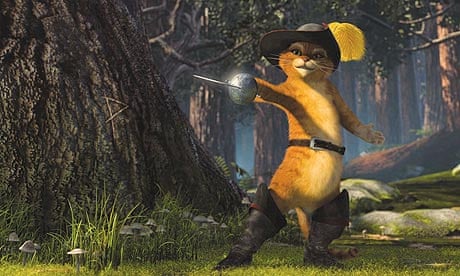
Shrek was the first major threat to Disney since Don Bluth directed An American Tail, only Shrek was way more of a juggernaut than anything Don Bluth ever made. It was such a hit that DreamWorks and PDI made a sequel three years later. Shrek 2 (2004) was an even bigger success, making $935.5 million total and garnering high praise and huge accolades, with some calling it the best animated sequel ever made. Shrek 2 even became the highest-grossing animated film of all time, holding that title until Toy Story 3 came out in 2010. One of the sequel’s most important contributions to society was of course the introduction of the character Puss in Boots voiced by Antonio Banderas. A fan favorite who would later receive his own beloved spin-off films.


The success that DreamWorks Animation had with Shrek was a huge turning point for the studio. Once they left behind hand-drawn animation after the disappointment of Sinbad and split up with Aardman after Flushed Away, the studio would team up with PDI regularly and fully embrace computer animation as their dominant medium. In my next blog I will chronicle the highs and lows of their post-Shrek filmography up to the present day.
 Entertainment Junkie Blog